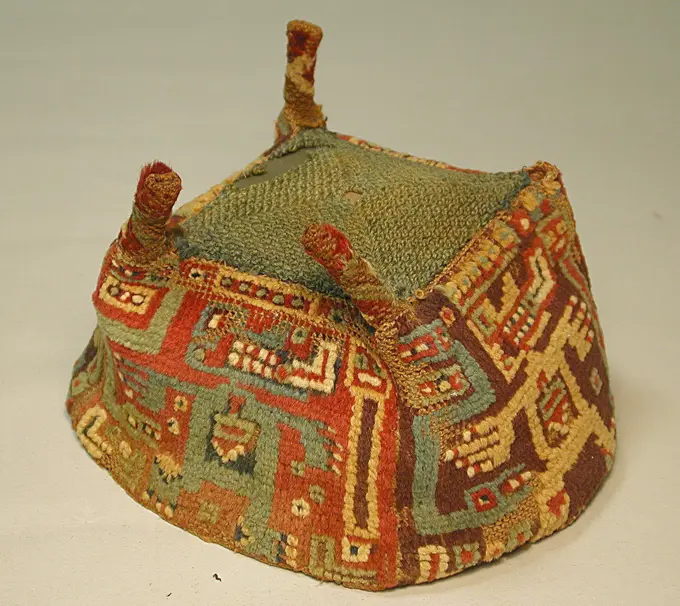
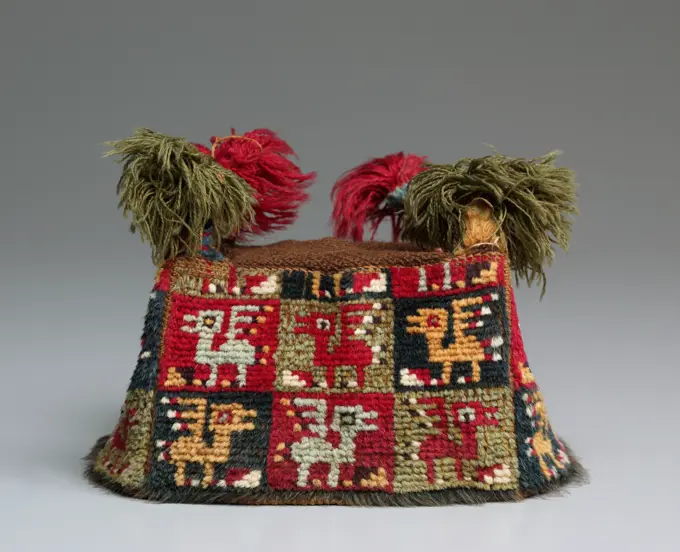
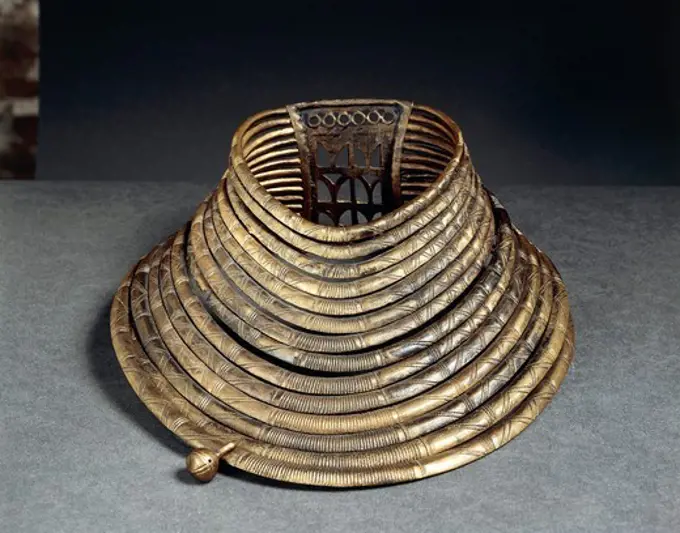
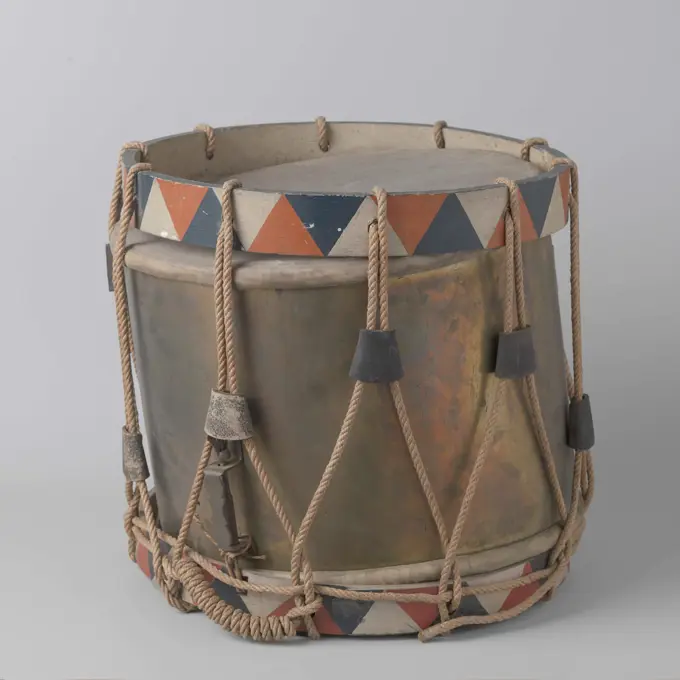
Textile Fragments

Intricate textile fragments displaying rich patterns and weaving techniques, reflecting cultural heritage in fabric design, from baby carriers to decorative cushions.

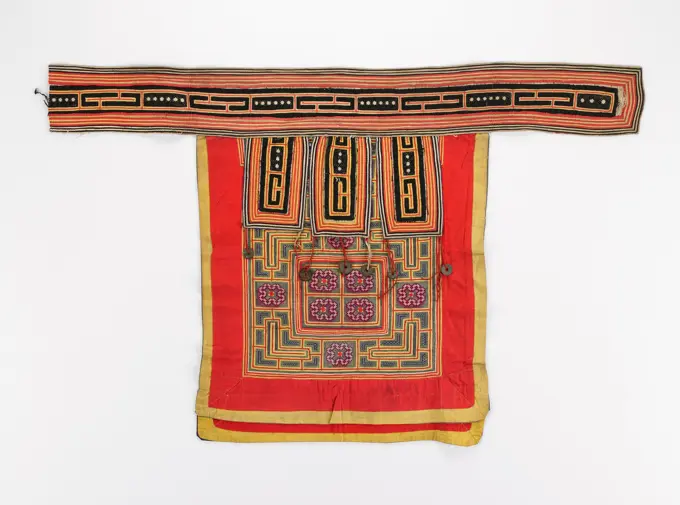
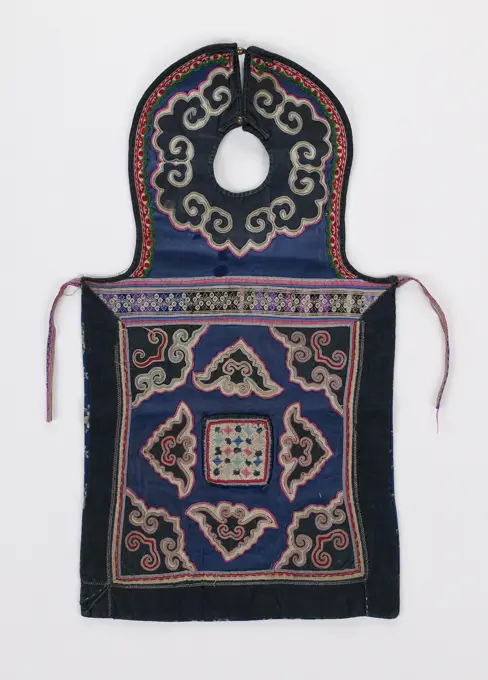
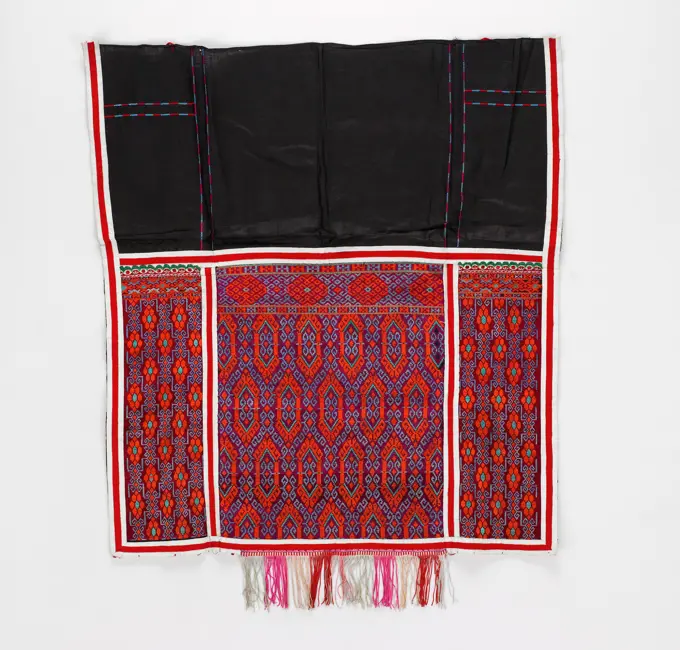
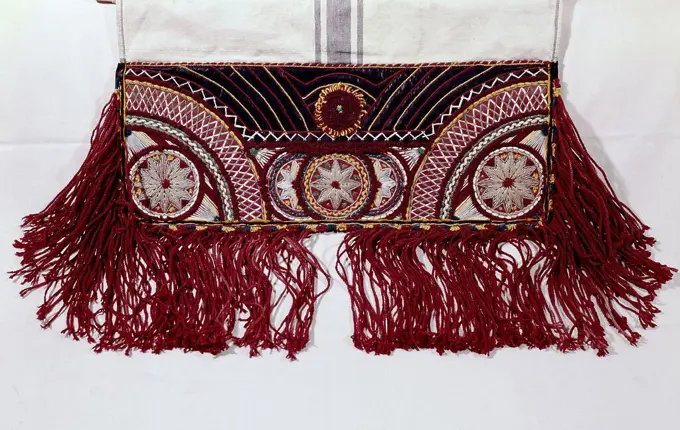
Baby carrier, China
Baby carrier, China
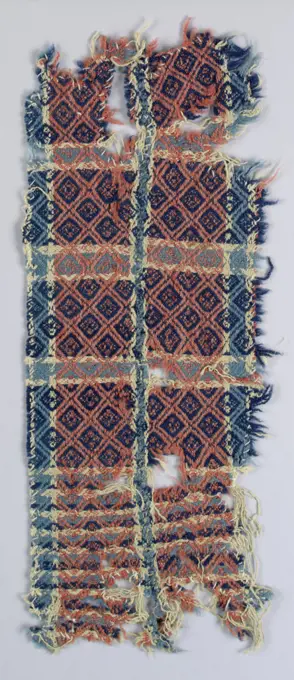
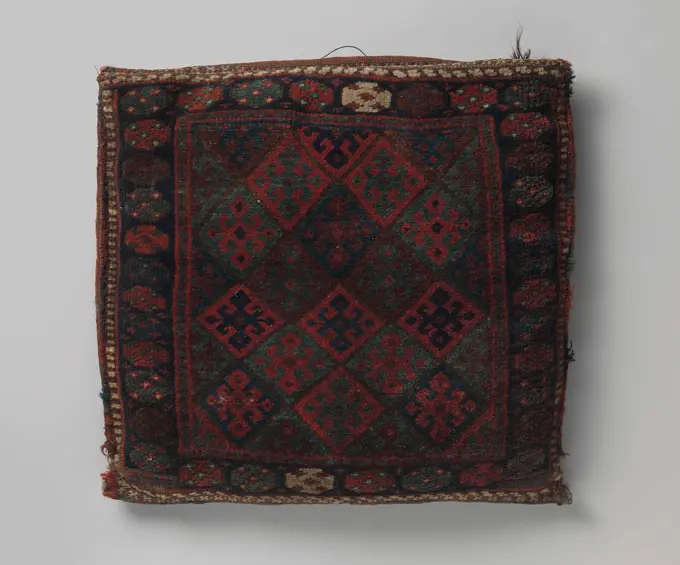
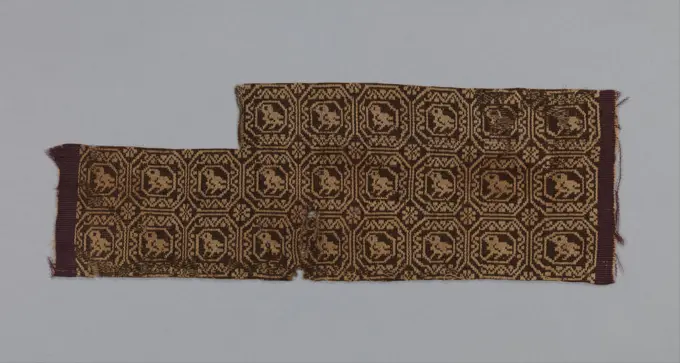
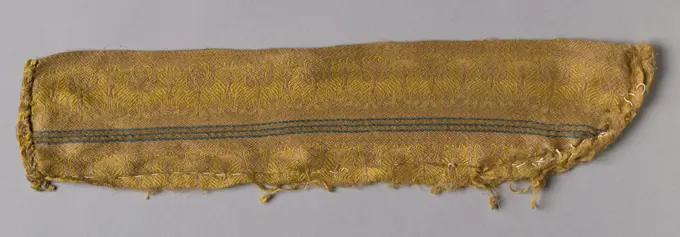
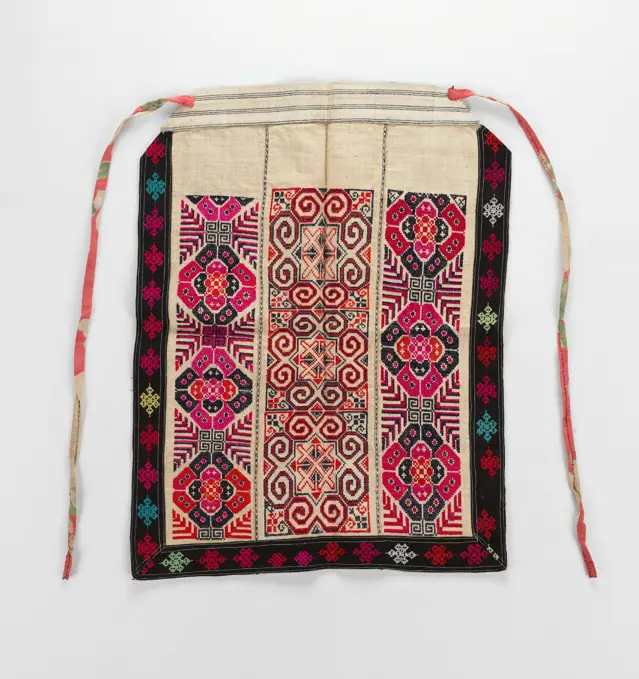
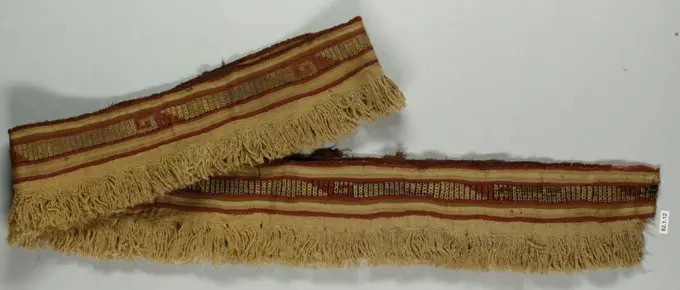
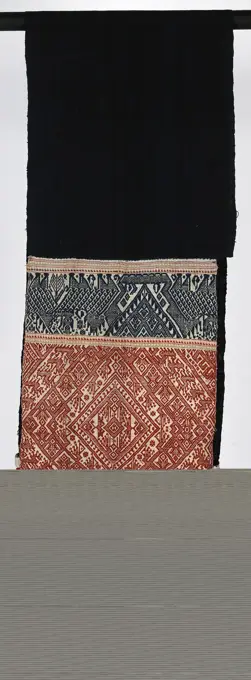
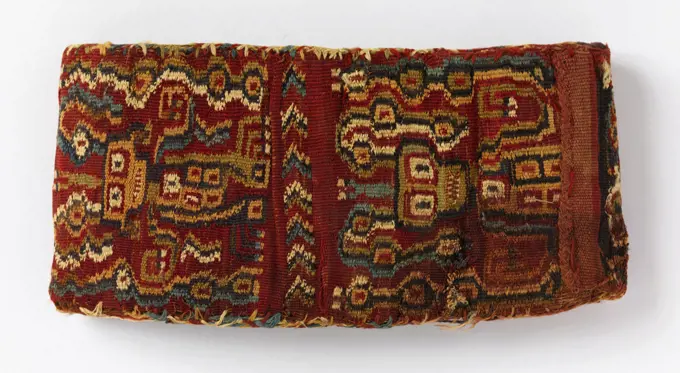
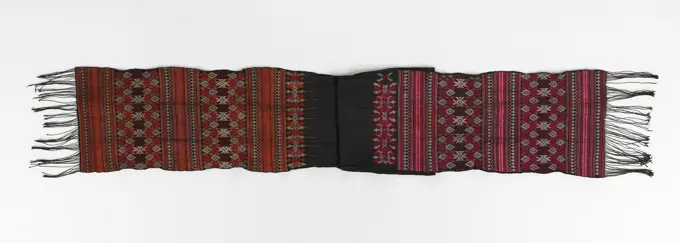
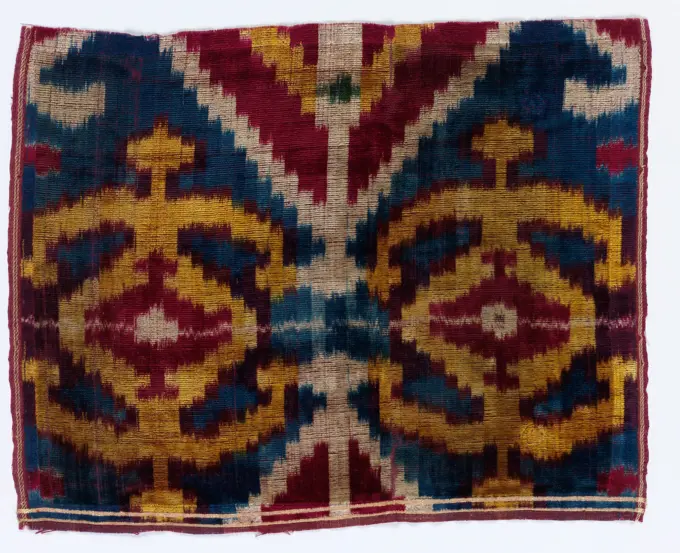
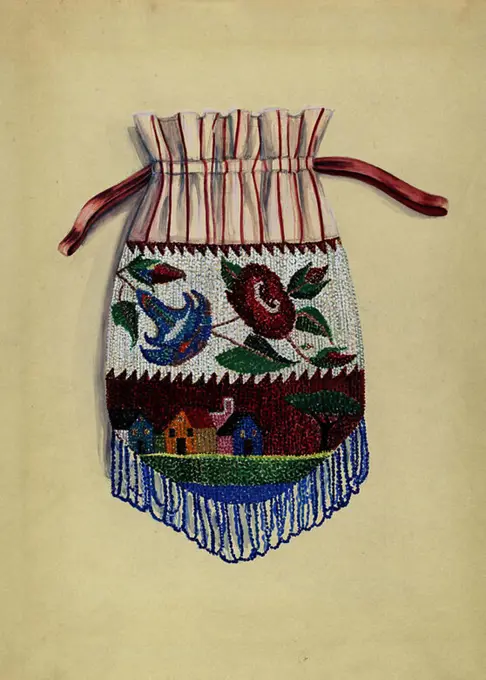
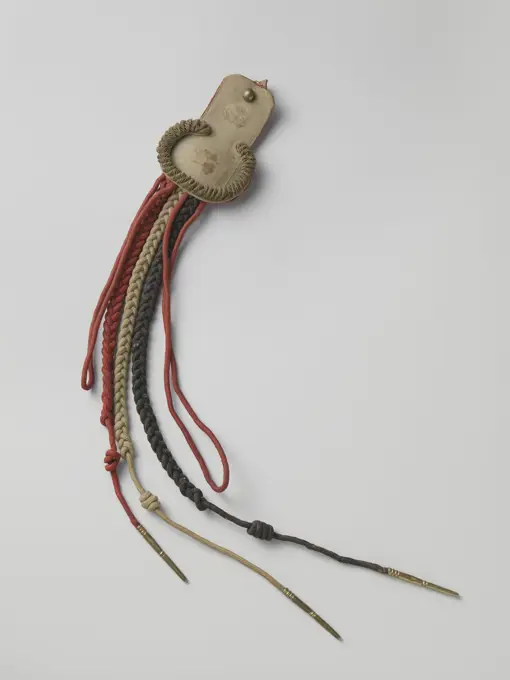
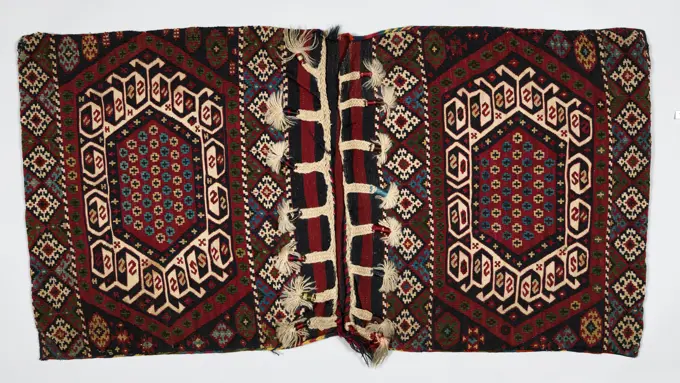
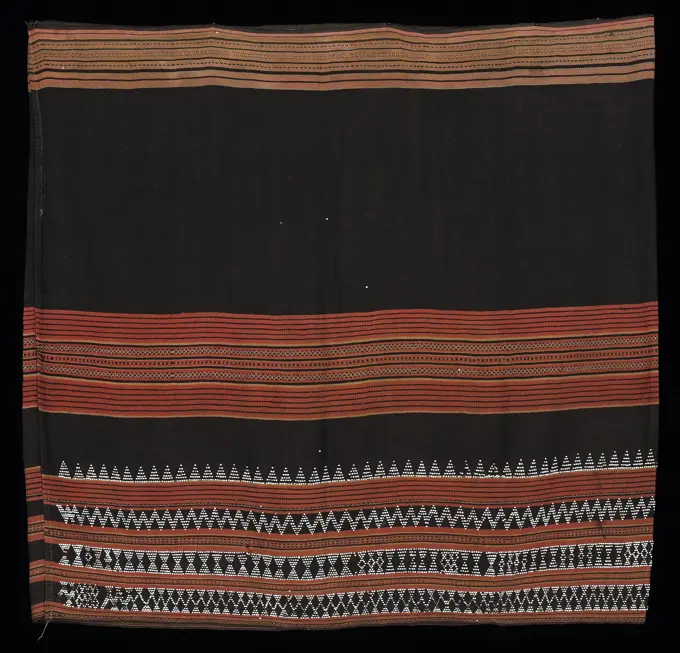
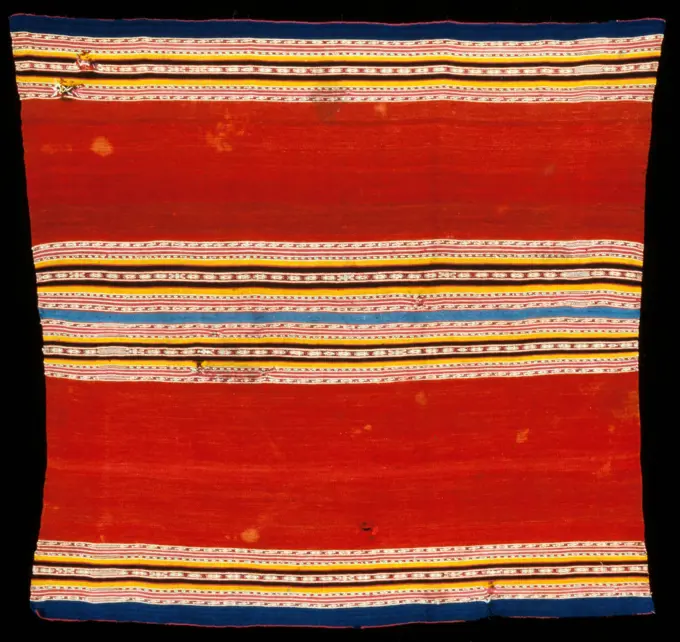
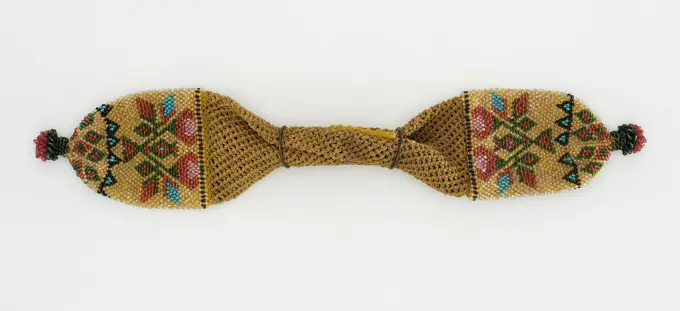
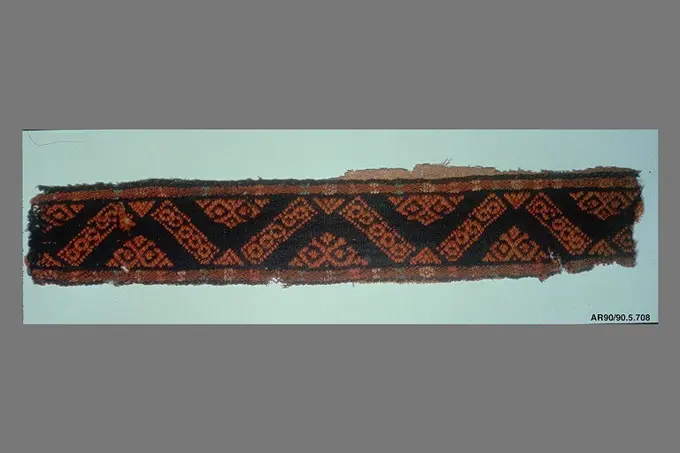
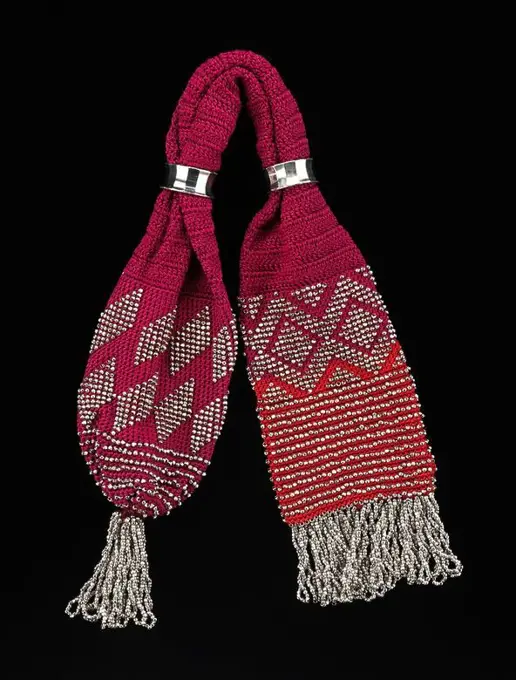
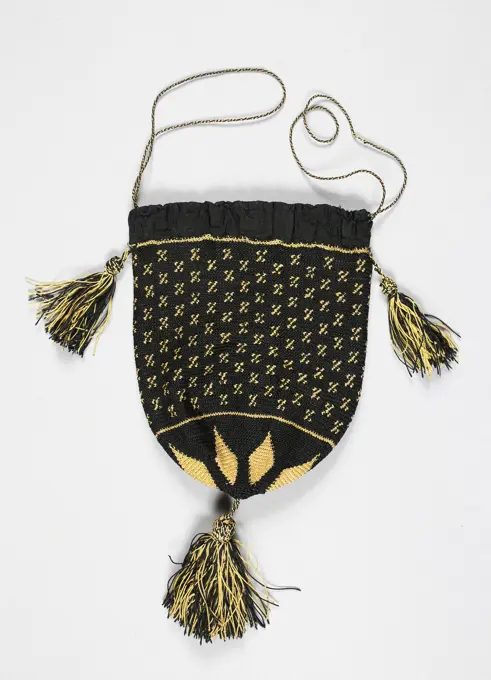
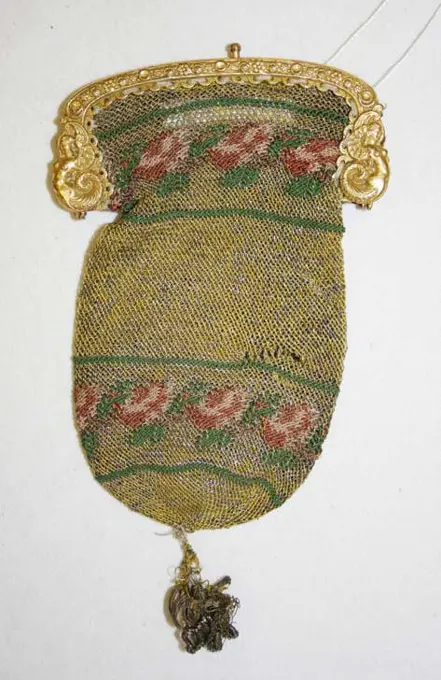
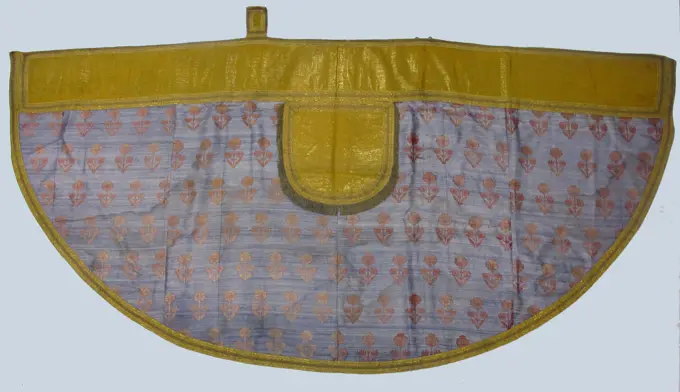
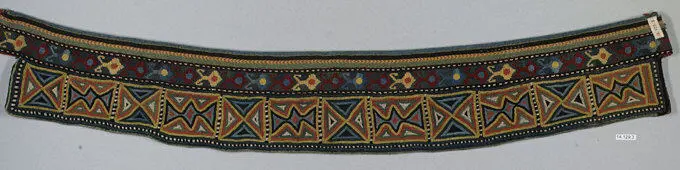
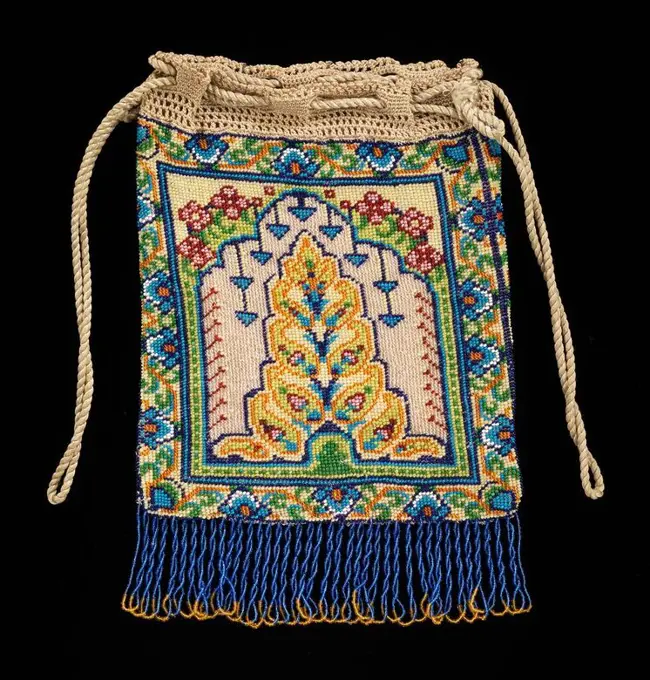
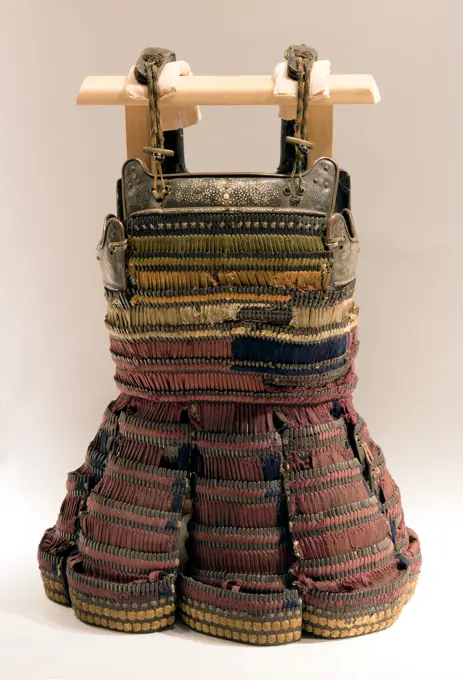
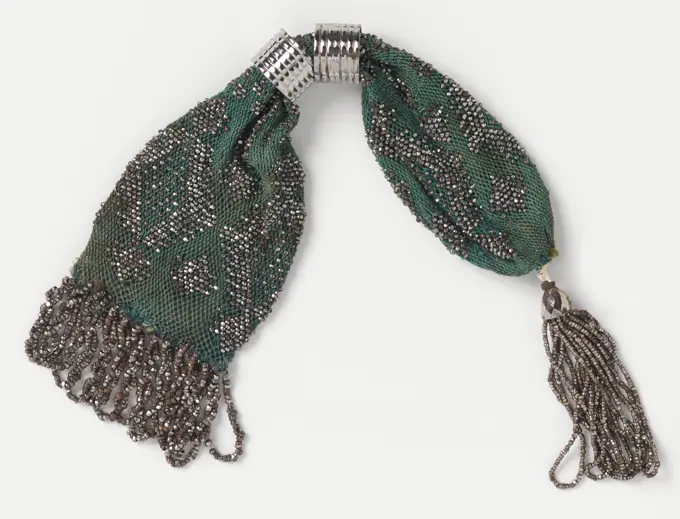
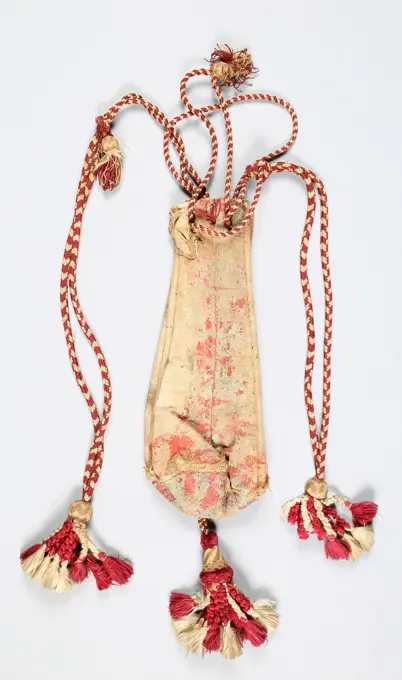
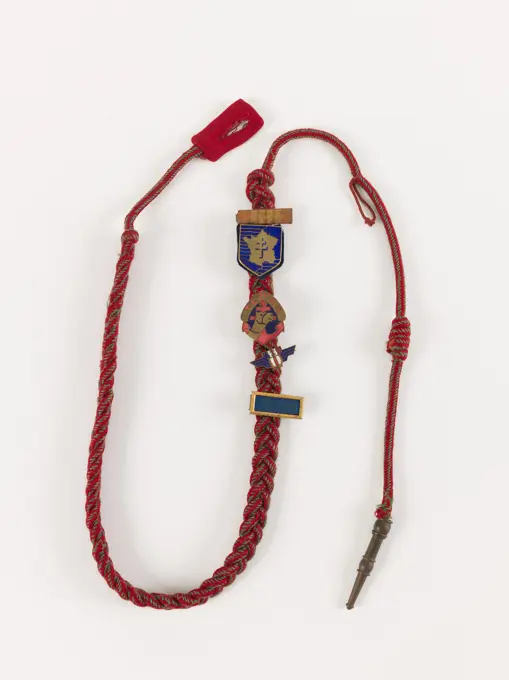
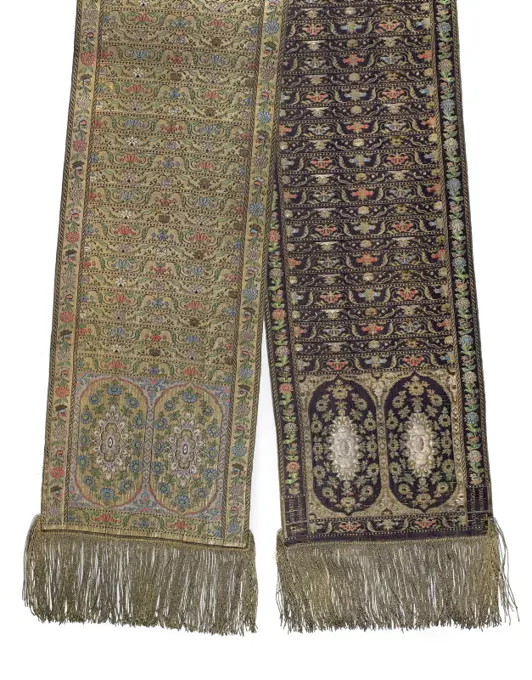
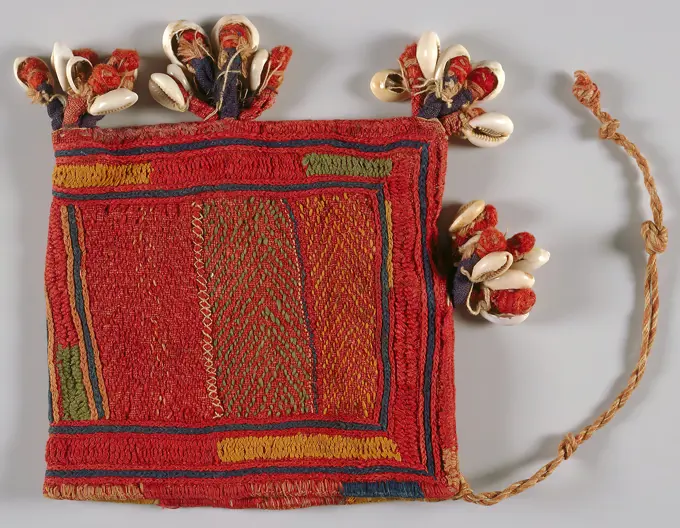
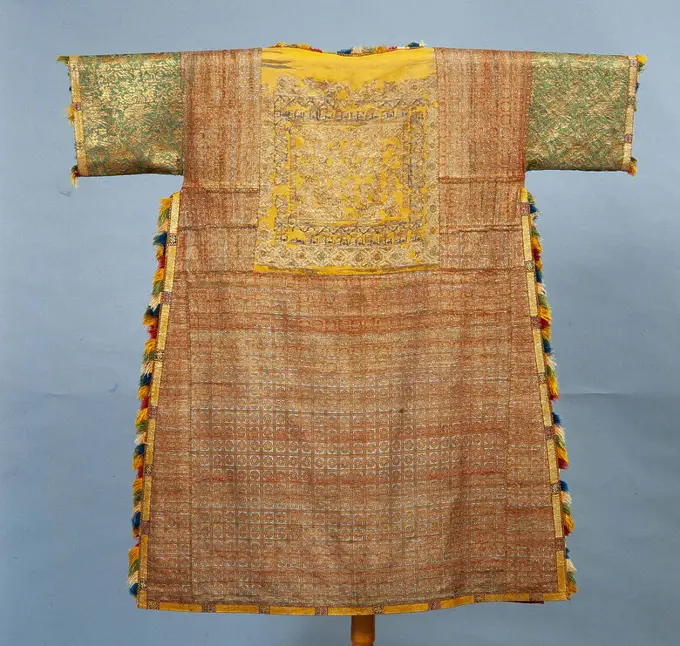
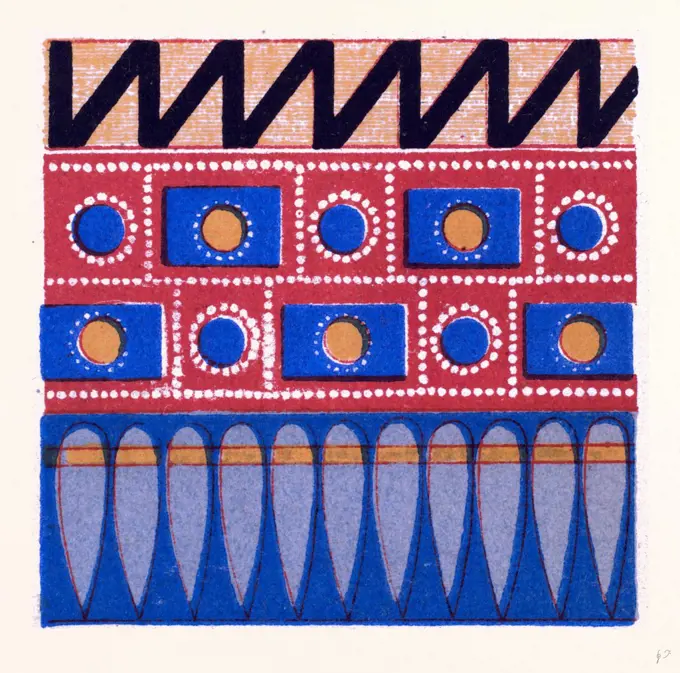
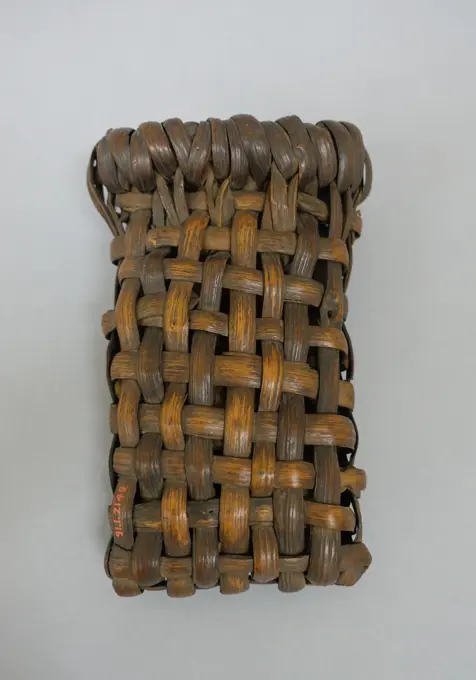
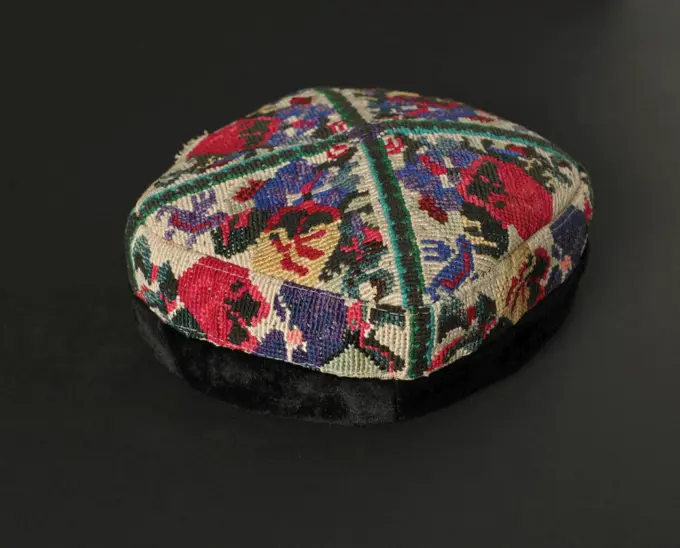
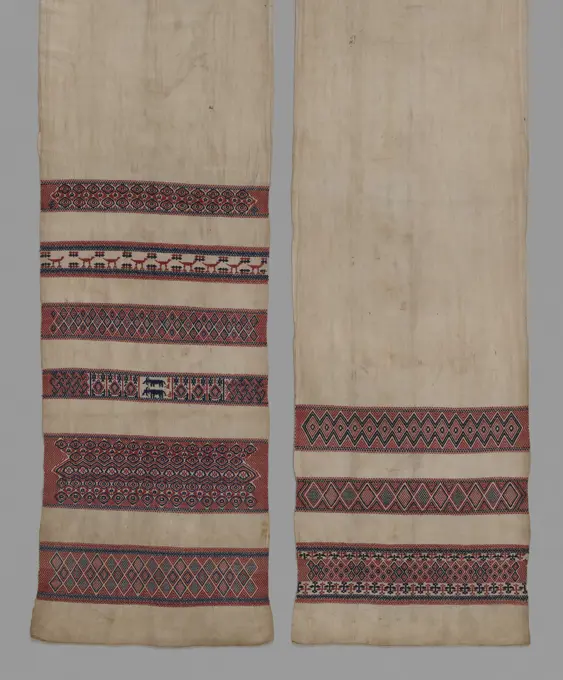
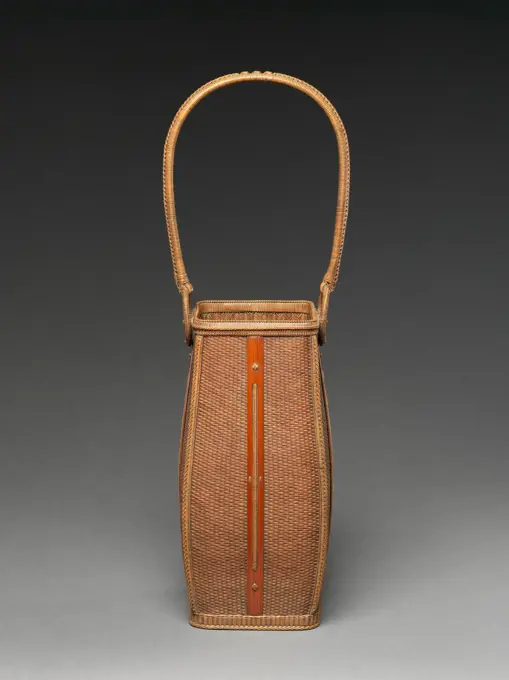
Baby Carrier, 31 x 21 1/2 in. (78.74 x 54.61 cm), Cotton; needlework, ChinaCoverlet fragment, Medium: linen, wool Technique: twill weave, Ground in goose-eye (diamond twill) in blue and rust red wool with wide windowpane plaid of lighter blue wool outlined in undyed linen. Remains of border showing rust red wool warp continuous chevron on ground striped in undyed linen and shades of blue wool., USA, 19th century, woven textiles, Coverlet fragmentPillow with middle pattern divided into diamonds on which cross flowers with hooks. Rand with rosettes .. cushion, original bag, Jaffi Kurdistan-Mosul. The midfield is divided into diamonds on which the equal cross flowers are with hooks. The edge is decorated with rosettes. At the top of a beard with slits. The rear is flat woven with a few stripes.Fragment (India); cottonTextile Fragment 4th-5th century. Textile Fragment 450707Shawl 1856 Scottish. Shawl 80391Reliquary bag with lions, late 1100s-1300s. Spain, probably Almeria. Cloth dareste, weft-faced lozenge twill variant: silk and gold thread; average: 8 x 36.9 cm (3 1/8 x 14 1/2 in.).Baby carrier, ChinaLambrequinmade of silk fabrics unknownSash, from a set of men's clothing, 87 1/16 x 11 5/16 in. (221.14 x 28.73 cm) (without strips), Cotton, ChinaApron, ChinaHead Covering; linen, woolTipi liner -Bag Tassel 15th-16th century Inca. Bag Tassel. Inca. 15th-16th century. Camelid hair, cotton. Peru. Textiles-WovenBorder Fragment 10th-15th century Peruvian; central coast (). Border Fragment 307456Trapezoidal Bag, 1200-1400. Peru, South Coast, Arica culture, or Chile, North Coast, 13th-15th century. Alpaca wool; overall: 52.5 x 39 cm (20 11/16 x 15 3/8 in.).Shoulder cloth (pa biang), late 19th century, 82 3/4 x 16 5/8 in. (210.19 x 42.23 cm) (without fringe), Cotton, silk, Laos, 19th centuryCap, Medium: wool Technique: tapestry woven, single interlock; OUTSIDE FABRIC: tapestry: interlocked; INSIDE FABRIC: single-weft double cloth (warp-faced plain weave)., Two fabrics sewn together (one on the outside, one on the inside - each a loomed width) to form a circular band. The fabric on the outside is tapestry-woven band with four panels, each showing a full-face standing figure wearing a headdress on a red, green or black background. The drawing is in the Tiahuanaco style but lacks the expected precision. The fabric on the inside is a heavy single weft double-cloth patterned by brown and ivory panels of checkerboard., Tiahuanaco, Peru, 800-1100, woven textiles, CapStick;  1st half 19th century (1801-00-00-1850-00-00);Ceremonial Sash, ChinaFragment (Afghanistan); silkCap (Spain); silk; H (cap) x W (tassel): 14 × 71 cm (5 1/2 × 27 15/16 in.)Ceremonial textile (Chagsi Pangkheb), early 20th century, 87 1/4 x 32 1/8in. (221.6 x 81.6cm), Silk, cotton, Bhutan, 20th centuryOrnamental Tassels 5th-7th century Nasca. Ornamental Tassels 315772Baby Carrier, 28 x 22 in. (71.12 x 55.88 cm), Cotton, coins (alloy); needlework, ChinaBag. Dated: c. 1936. Dimensions: overall: 36.7 x 26.4 cm (14 7/16 x 10 3/8 in.). Medium: watercolor, gouache, and graphite on paper. Museum: National Gallery of Art, Washington DC. Author: Ella Josephine Sterling.Tassel Made 500 CE-900 CE Peru. Wool (camelid), plain weave with complementary patterning warp double cloth; five sections joined; cross-knit looping over folded unworked warps; integrated oblique interlacing border; attached tubular plain weave with supplementary warp-float patterning strap . NazcaRunner. A runner of knitted wool; in browning color with two light gray brown borders on waltze; Stitches fixed on burlap.Baby's Apron, 23 5/16 x 12 7/8 in. (59.21 x 32.7 cm) (without ties), Cotton, silk, metal buttons, ChinaBelgian Lansiers Nestle, Anonymous, c. 1800 - c. 1830  Belgian Lansiers Nestle, Red, White and Black Braided Cords found between Bautersem and Leuven by 1st Luit. D.J. De Beer Poortugael. Netherlands wool   BoutersemDouble Saddlebag (Heybe) ca. 1880 This bag features the slit tapestry technique (also called kilim). Its metal threads add a note of luxury and were intended to ward off evil spirits. The strip of pure copper is coated on one side with brass to imitate gold. The closure is finished with oblique interlacing and flat plaits, which serve as loops for the innovative closure. The kilim textiles associated with the market town of Reyhanl, on the Turkey-Syria border, were produced by groups who moved between the pastures of the Taurus Mountains and the Mediterranean shores.. Double Saddlebag (Heybe). ca. 1880. Wool (warp and weft); copper coated with brass metal strip wrapped around cotton core (weft); slit tapestry (kilim), weft-faced plain weave, diagonal ridge sumak outline, closure in oblique plaiting, and plaited warp fringe (front); weft-faced plain weave (back). From Southern Turkey, Reyhanli area, Hatay. Textiles-WovenWaist Belt, 80 x 9 1/2 in. (203.2 x 24.13 cm), Cotton, silk, glass beads, ChinaSkirt, 20th century, 31 x 62 in. (78.74 x 157.48 cm), Wool, cotton; supplementary weft patterning, Myanmar (Burma), 20th centuryWrapper, 20th century, 30 1/2 x 27 3/8 in. (77.47 x 69.53 cm), Cotton, beads; needlework, Laos, 20th centuryAhuaya, 19th century, 39 3/4 x 40 in. (101 x 101.6 cm), Silk, alpaca, Bolivia, 19th centuryPerfume sprinkler third quarter 17th century British. Perfume sprinkler. British. third quarter 17th century. Silk and metal-wrapped thread. Textiles-EmbroideredBasket, c. 1900, 3 × 8 1/4 × 8 1/4 in. (7.62 × 20.96 × 20.96 cm), Plant fibers, United StatesHat -Woman's Miser's Purse. United States, circa 1880. Costumes; Accessories. Cotton, glass beadsTextile Fragment 5th-6th centuryBag, Medium: wool Technique: embroidered, Small drawstring bag in a flame stitch pattern of red, orange, pink, black and green. Bottom edge of bag has three tassels with blue beads. Drawstring trimmed with multi-colored pompoms., Mexico, late 19th century, costume & accessories, BagApron, ChinaHead Wrap, 33 x 5 1/2 in. (83.82 x 13.97 cm) (including fringe), Cotton, silk, rayon, ChinaMiser's purse. Culture: American. Date: 1840-60. Museum: Metropolitan Museum of Art, New York, USA.Belt -Tobacco pouch. 1830. 1840. GAL1994.164.1Bourse. Gal1935.2.2Ceremonial Uniform: Center Flap, 1644-1911. China, Qing dynasty (1644-1911). Satin weave silk with gold metal thread embroidery; supplementary weft; black velvet; metal (brass); lined in blue silk; overall: 17.1 x 19.7 cm (6 3/4 x 7 3/4 in.).Bag fourth quarter 19th century American. Bag 169663Reticule early 19th century French. Reticule 117282Cope mid- to late 17th century In the 17th century the Armenian community drove the engine of trade in luxury silks made in Safavid Iran and Mughal India. Thanks to their mercantile skills, Christian faith, and dispersed community, the Armenians had a successful network in Europe and Asia. Cloth that was sold in lengths in Europe was then fashioned into church vestments such as this one. The fact that the hood is sewn under the orphrey appears to indicate that the piece was assembled in Rome, where this practice is typical. The regular rows of blossoms on a precious metal ground recall Mughal Indian textiles of the second half of the 17th century, while certain technical details of the weaving and use of metal-wrapped threads is more typical of Iranian textiles. The stylistic closeness of the two point to the popularity of these silks in both Iran and India.. Cope. mid- to late 17th century. Silk, metal-wrapped thread, and linen; woven. Attributed to Iran or India; possibly assembled oPipe case. unknown, authorHeaddress 18th-19th century. Headdress 446666Pouch. Culture: French. Date: 1830-60. Museum: Metropolitan Museum of Art, New York, USA.Cuirass (Haramaki Dō) late 15th-early 16th century Japanese Arms and Armor Department founding curator Bashford Dean's three-month trip to Japan in the spring of 1917 resulted in many important acquisitions for the Museum. Among them was this early example of a haramaki, a light, flexible, and close-fitting type of torso armor that opens vertically up the back. Initially developed in the fourteenth century for fighting on foot, the haramaki was adopted later by samurai cavalry. Although in fragile condition, this example is particularly notable for having most of its original silk lacing, which seldom survives on Japanese armor of this period. Dean acquired it from the dealer Matsumoto Tsuru in Tokyo.. Cuirass (Haramaki Dō). Japanese. late 15th-early 16th century. Iron, leather, silk, rayskin, lacquer, copper, horn. Armor PartsBasket, 19th-20th century, 4 1/4 x 8 in. (10.8 x 20.32 cm), Plant fiber, United States, 19th-20th centuryTraditional turkish handmade bagWilliam High, Bag, c 1936 BagFringed Bag 7th century Nasca. Fringed Bag. Nasca. 7th century. Camelid hair. Peru, Rio Grande de Nasca. Textiles-WovenMiser's Purse (France); silk, metalSotck exchange. End XIXth. Gal1973.66.21Miser's purse 1880s probably American. Miser's purse 116978Apron, from a two-piece set, 19 15/16 x 17 3/4 in. (50.64 x 45.09 cm) (without ties), Cotton, ChinaAnonymous. "Forage in the colors of the 1939-45 war cross". Metal. 1944-1945. General Leclerc Museum of Hauteclocque and the Liberation of Paris, Jean Moulin Museum. 158806-23Ornament, from a seven-piece festival dress, 20th century, 5 x 2 1/2 x 3/4in. (12.7 x 6.4 x 1.9cm), Silver, China, 20th centuryKontusz sash. Pracownia Franciszka Masłowskiego (Kraków ; wytwórnia pasów ; 1781-1806), atelierAlabastron (Container for Scented Oil) 550 BCE-401 BCE Rhodes. Glass, core-formed technique . Ancient Eastern MediterraneanTextile (Peru); cotton, woolBourse. 1830. Gal1975.11.1Pouch, 20th century, 8-1/16 x 8 in. (20.5 x 20.3 cm), Cotton, shells; embroidered, India, 20th centuryDálmatica de San Valero, siglo XII. Museu del Disseny de Barcelona.Egyptian OrnamentSTACK FROM CENTRAL COSTUUM by Mayor Hoytema, Anonymous, c. 1700 - c. 1900 bicorne STACK FROM CENTRAL COSTUUM by Mayor Hoytema.  cloth. silk.   ScherpenzeelPuppet; painted wood, cotton, other materialsBasket 19th century Japan. Basket. Japan. 19th century. Rattan. Edo (1615-1868) or Meiji period (1868-1912). BasketryPouch fourth quarter 19th century American. Pouch. American. fourth quarter 19th century. Glass, linen, silk, leatherMarrakech, Morocco. Beautiful handmade Berber carpetMantle, Fragment Chimú. , 1000-1532. Cotton, camelid fiber, 8 1/4 × 8 3/4 in. (21 × 22.2 cm).   Arts of the Americas 1000-1532Fringe (Spain); silkEmbodied Guajarati Chaupar with sixteen painted Ivory counters and dice, from Rajasthan. Dated 19th CenturyKontusz sash/belt. unknown, authorBand, Medium: wool Technique: double cloth, intercrossing of warps only; warp selvages; tubular woven for weft, Belt of red wool with center panel in dark green and tan, geometric pattern. Sides of plain red are woven double. Brown cords at ends., Peru, possibly 1200-1300, woven textiles, Bandcolorful traditional asian skullcap cap on a dark background. traditional asian skullcapTunic. Culture: Inca. Dimensions: H. 22 x W. 34 in. (55.9 x 86.4 cm). Date: 1450-1550. Museum: Metropolitan Museum of Art, New York, USA.Head scarf (Amendil), early 20th century, 65 x 50 1/2 in. (165.1 x 128.27 cm), fringe and tassles included, Wool; resist-dyed and henna painted, Morocco, 20th centuryPETO DE CABALLERIA EN CUERO BORDADO DE GRANADA. Location: MUSEO DEL PUEBLO ESPAÑOL. MADRID. SPAIN.Miser's purse, Medium: metal beads, silk Technique: netting, Netted black silk with areas of red, blue and tan crochet. The red crochet is outlined with gold beads to form uniform butterfly shapes which are further decorated with iridescent dark blue beads. A zigzag pattern of blue and tan crochet, connected by gold beads, runs lengthwise. Two gold rings control side opening; gold tassels at each end., France, 1810-30, costume & accessories, Miser's purseEmbroidered chasuble unknownLoincloth (Pio (s)u(ng)ki or Cawat)Hat -CDK FUJIKAWA SHUNZOPrinted Kanga (cloth) made from cotton.Tanzania 1999Karamono-Style Flower Basket (Hanakago) ca. 1890-1901 Wada Waichisai I Wada Waichisai I is known for his meticulous techniques. Following in the footsteps of his father, he began by producing simple baskets for carrying fruits and vegetables, but later made sencha-related Chinese-style (karamono) baskets and tea-ceremony utensils that came to be in high demand among literati circles. The body of this double-walled ikebana flower basket is made of split timber bamboo; the outside layer is executed in tight pine-needle” plaiting (matsuba-ami) and the inside is twill plaiting (ajiro-ami).. Karamono-Style Flower Basket (Hanakago). Wada Waichisai I (Japanese, 1851-1901). Japan. ca. 1890-1901. Timber bamboo, rattan, and lacquer. Meiji period (1868-1912). BambooFour-Cornered Hat 7th-9th century Wari Finely woven, brightly colored hats, customarily featuring a square crown, four sides, and four pointed tips, are most frequently associated with two ancient cultures of the Andes: the Wari and the Tiwanaku. The Wari Empire dominated the south-central highlands and the west coastal regions of what is now Peru from 500-1000 A.D. The Tiwanaku occupied the altiplano (high plain) directly south of Wari-populated areas around the same time, including territory now part of the modern country of Bolivia. The cultures not only developed and flourished as contemporaries, but also occupied adjacent lands for nearly four centuries. A Wari ceremonial center called Cerro Baúl was located a mere five miles from Tiwanaku-settled fields in the Moquegua Valley of Peru. The two cultures likely encountered each other at Cerro Baúl and elsewhere, but the nature of these interactions remains largely unknown. Four-cornered hats from both the Wari and the Tiwanaku were Four-Cornered Hat, c. 700-1100 A.D.. Peru, South Coast, Wari Culture, Middle Horizon, 8th-11th Century. Needle network with cut pile: cotton and wool; reseau for top: cotton; overall: 14.3 x 15 x 15.5 cm (5 5/8 x 5 7/8 x 6 1/8 in.).Poland. Celtic civilization. Hallstatt culture. Necklace in bronze from MzowinoFan fragment Late Period, Saite 664 B.C. or later View more. Fan fragment. 664 B.C. or later. Palm leaf. Late Period, Saite. From Egypt, Upper Egypt, Thebes, Khokha, MMA excavations. Dynasty 26 or laterCap; silk, metallic thread, metal sequins, cottonDrom, old model of the arches. Groom of the militia. The brass boiler is provided with a veal sheet on both sides, held by a hoop and tense by means of a tensioner with tractors and screws. Both hoops are decorated with a motif of triangles in the colors red, white and blue. With engraved numbers: 1848-60.Baby carrier, c. 1970s-1980s, 37 3/16 x 71 1/2 in. (94.46 x 181.61 cm), Cotton, silk, horsehair; needlework, China, 20th century