Textile Fragments

Intricate textile fragments displaying rich patterns and weaving techniques, reflecting cultural heritage in fabric design, from baby carriers to decorative cushions.

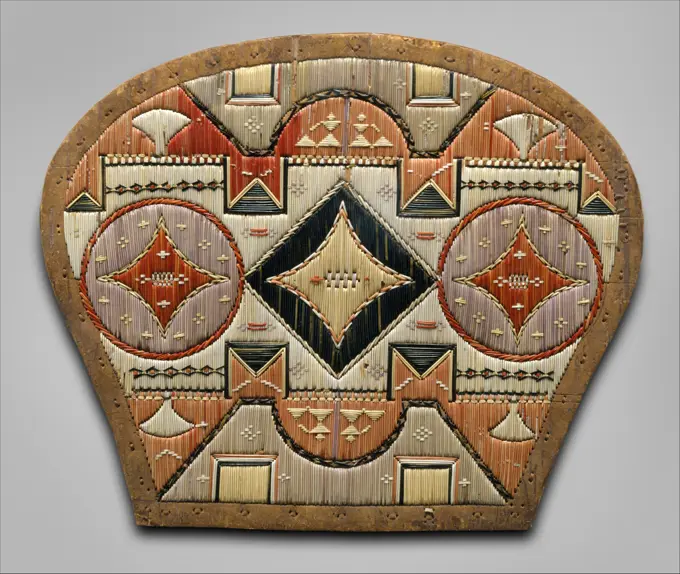
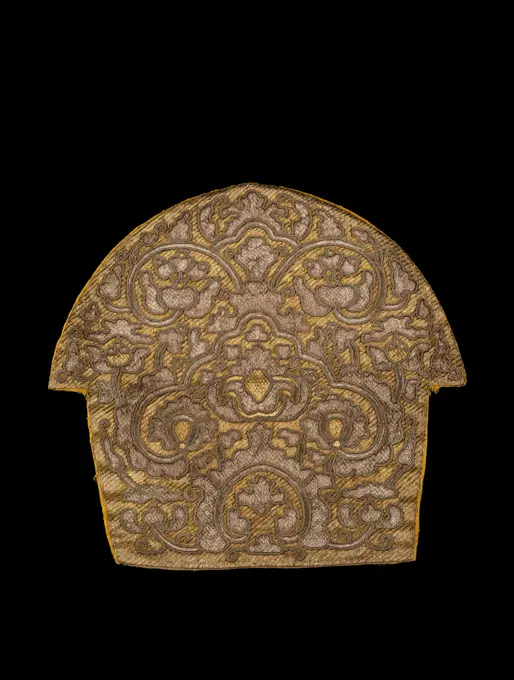
Baby carrier, China
Baby carrier, China
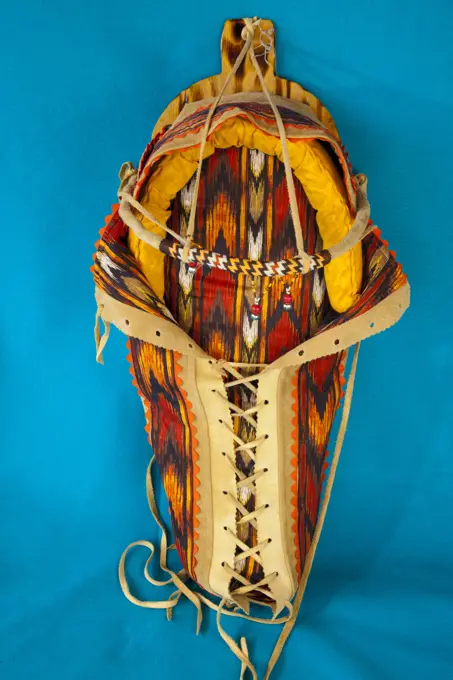
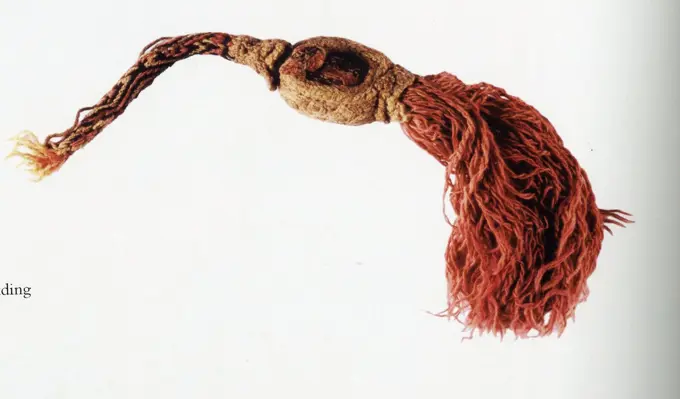
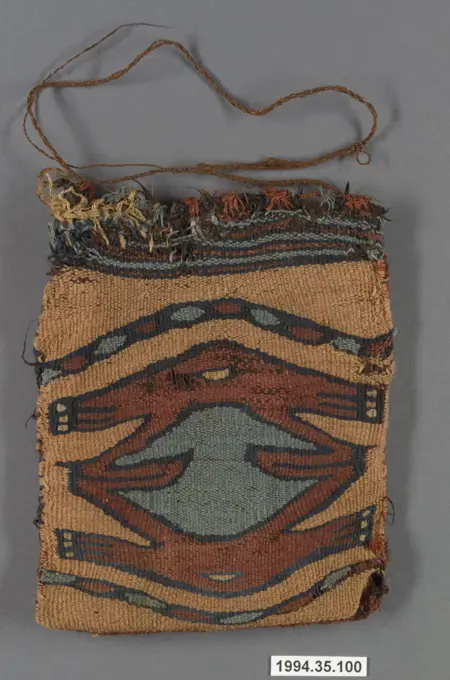
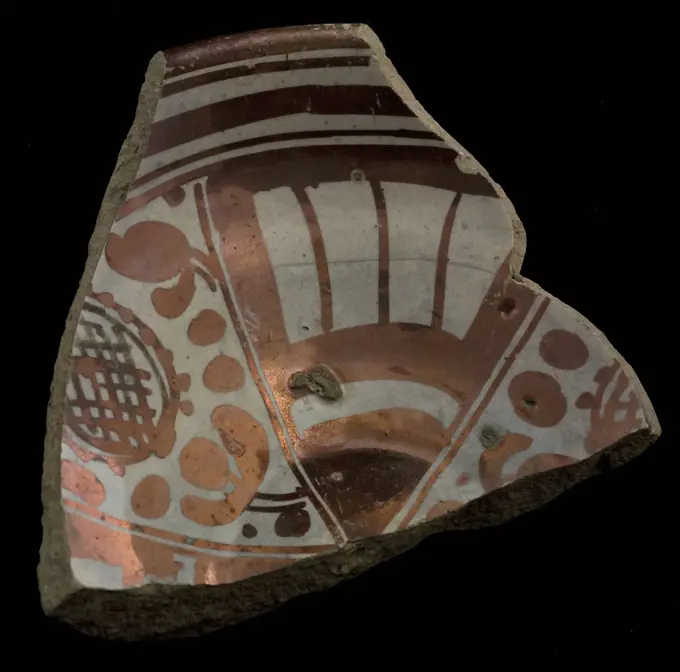
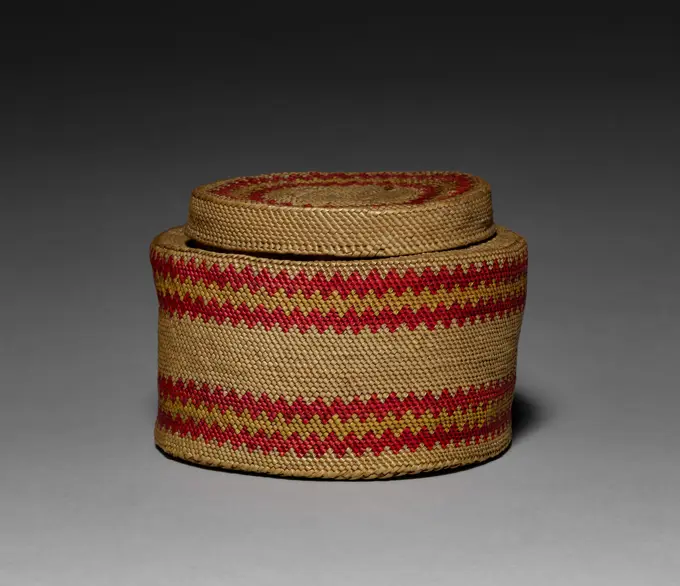
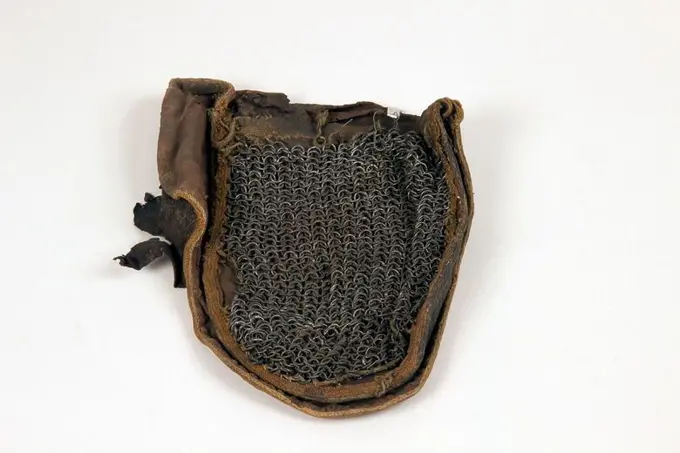
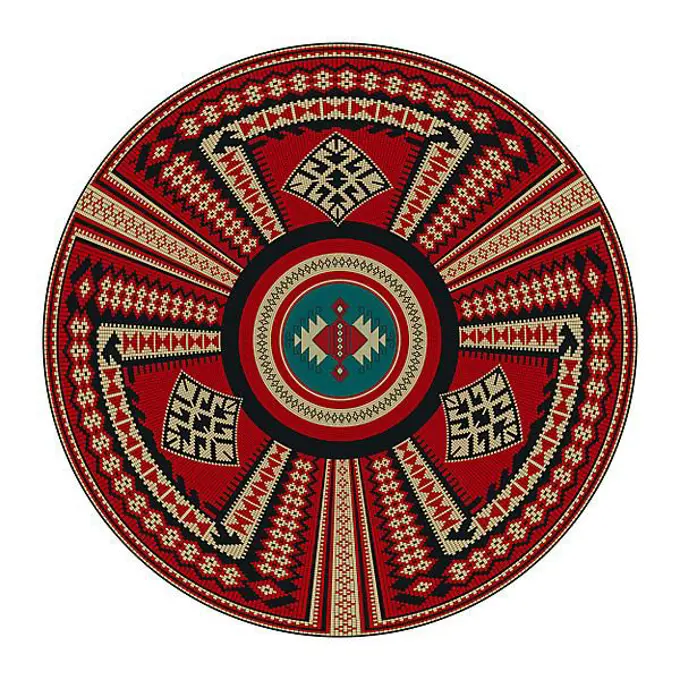
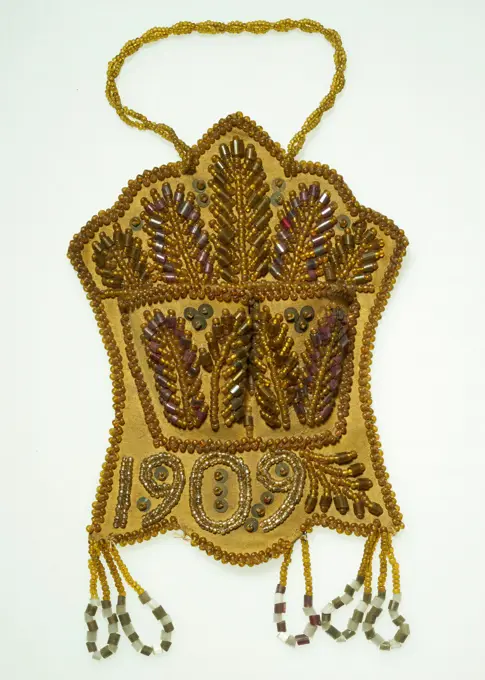
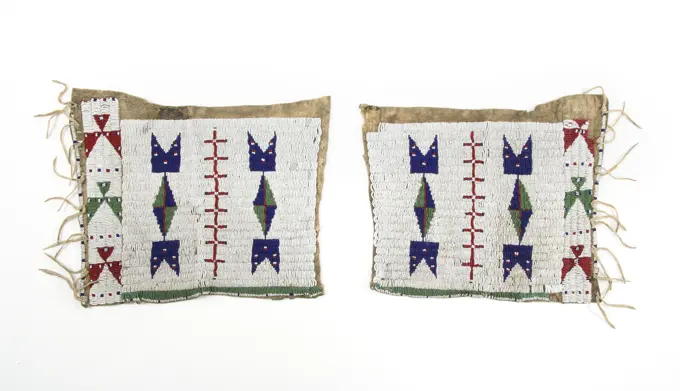
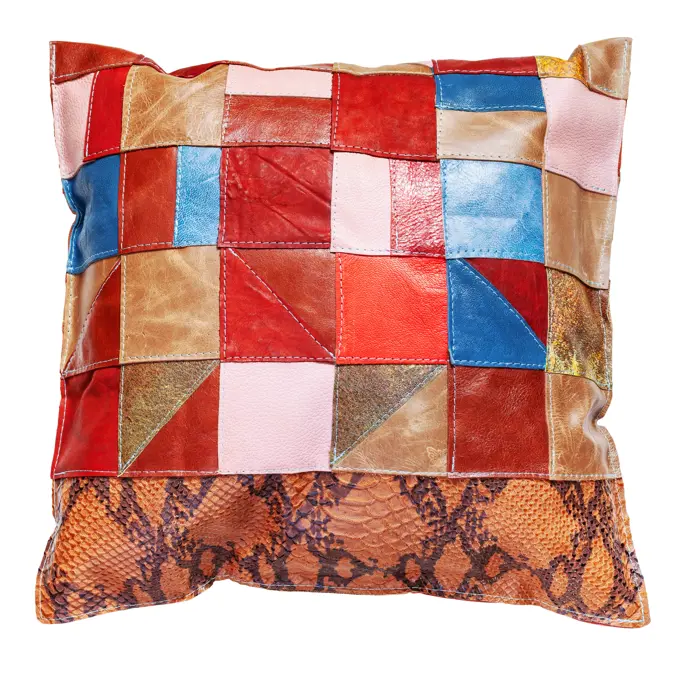
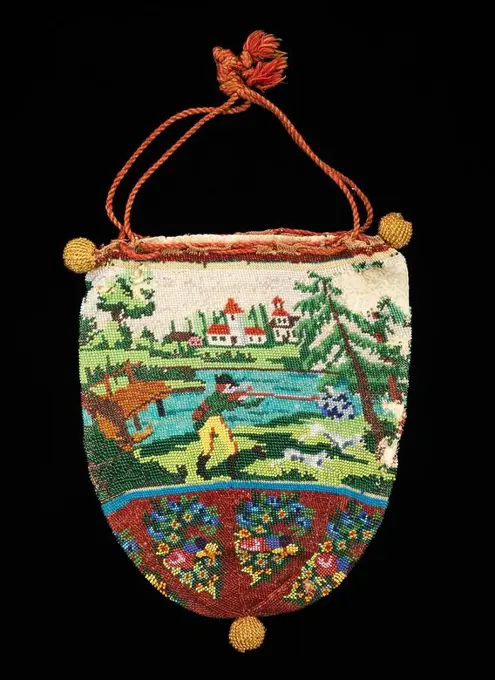
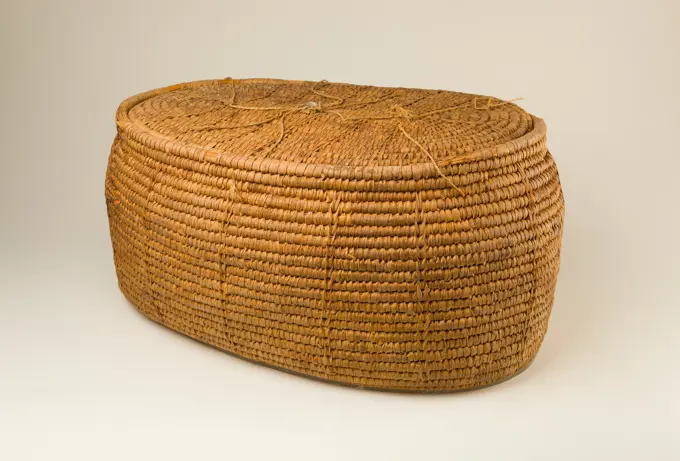
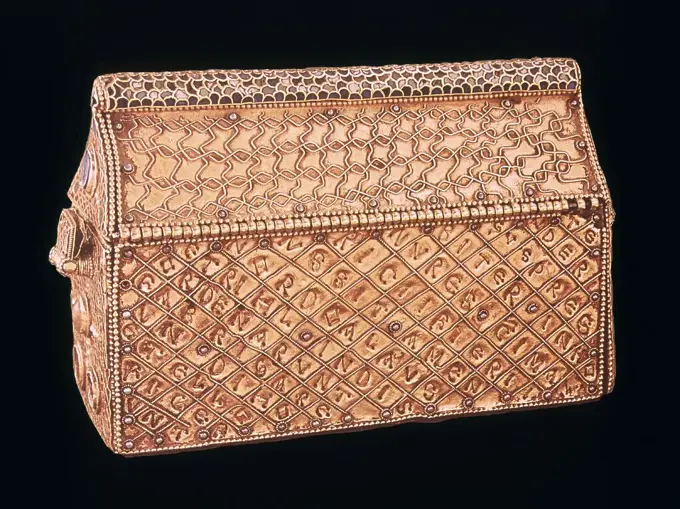
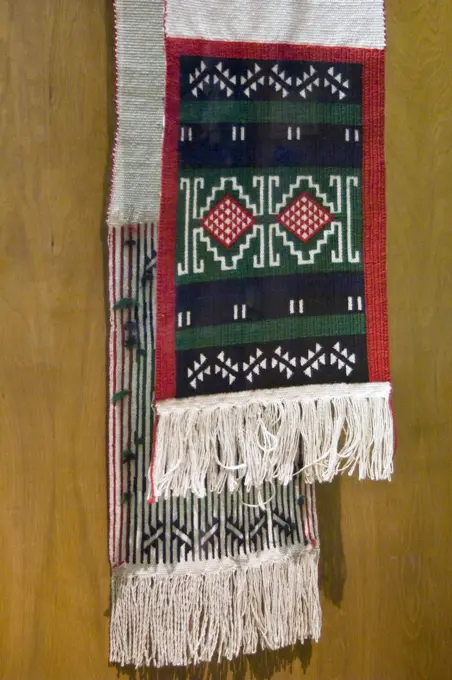
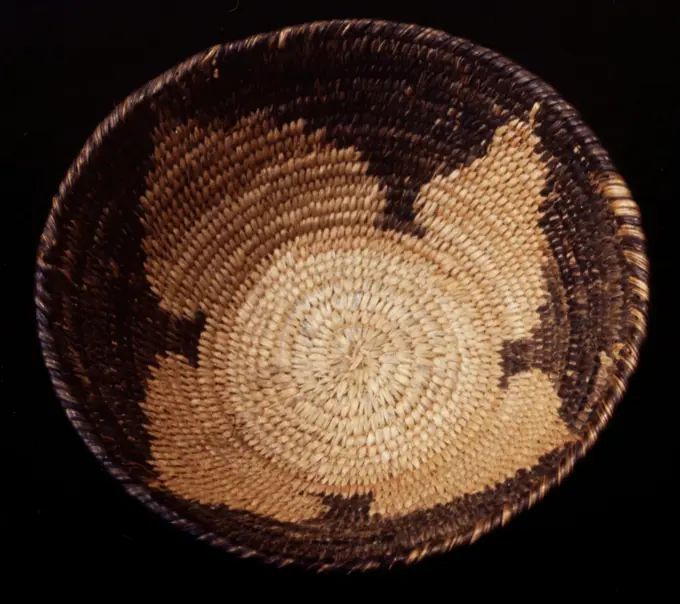
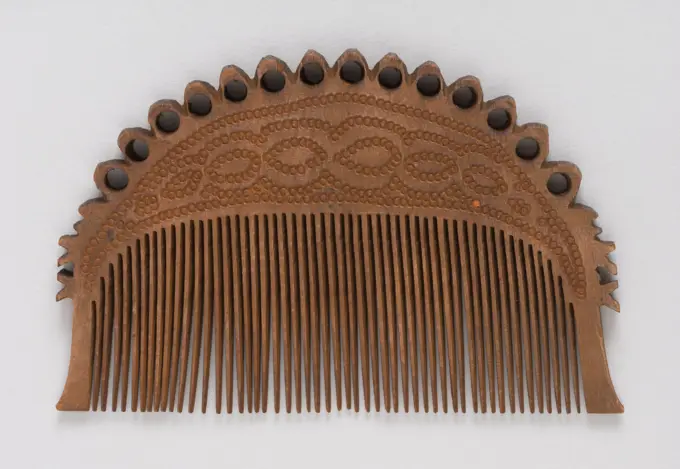
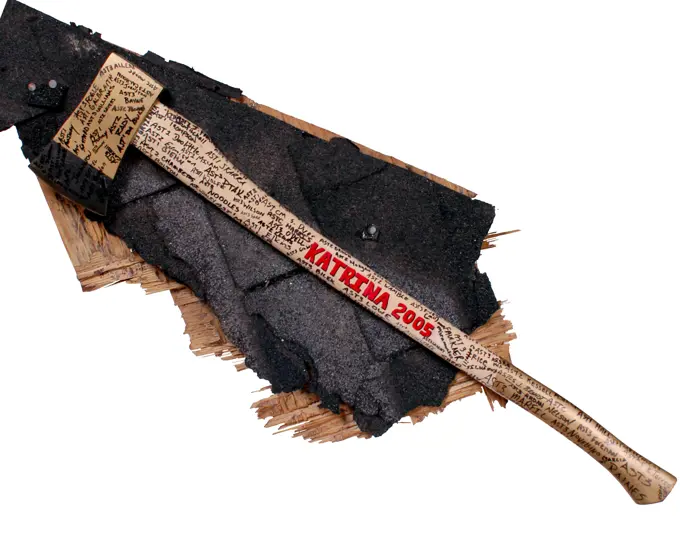
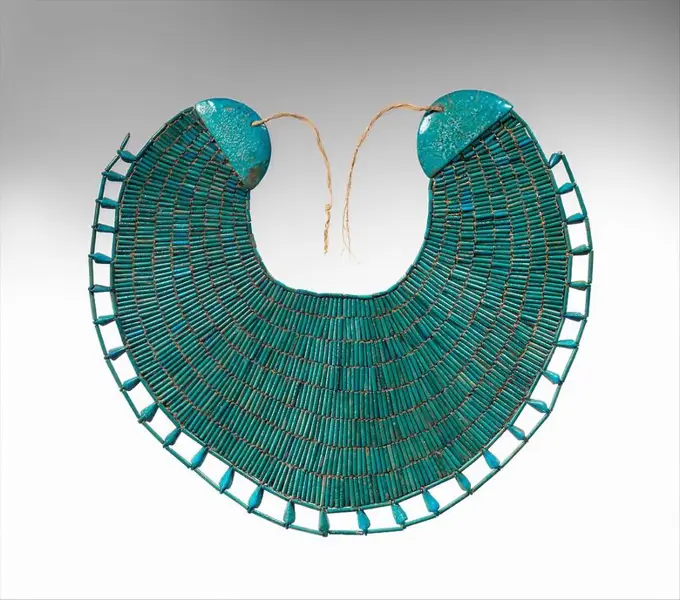
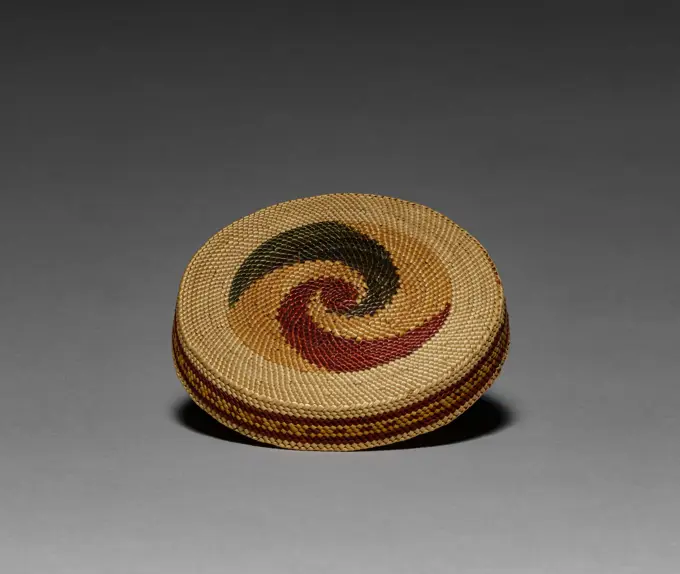
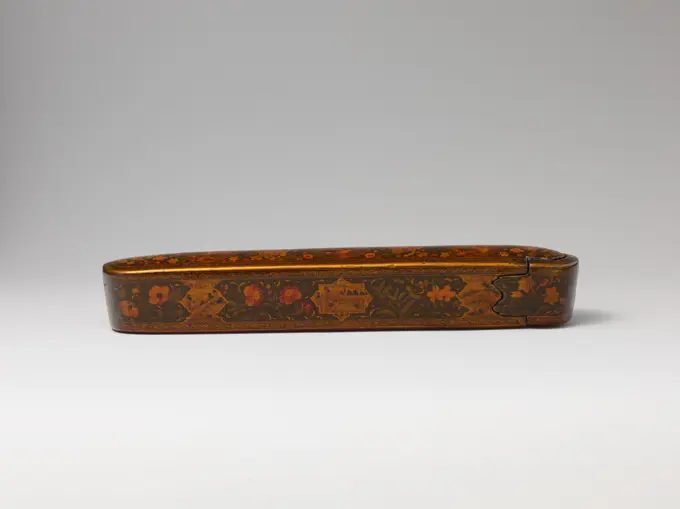
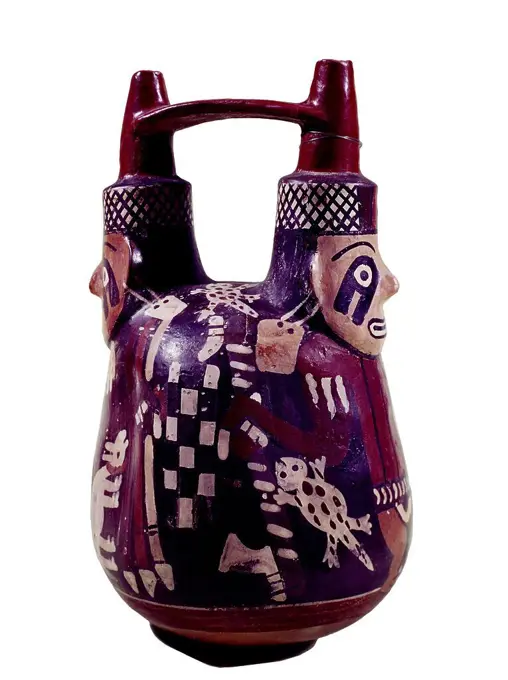
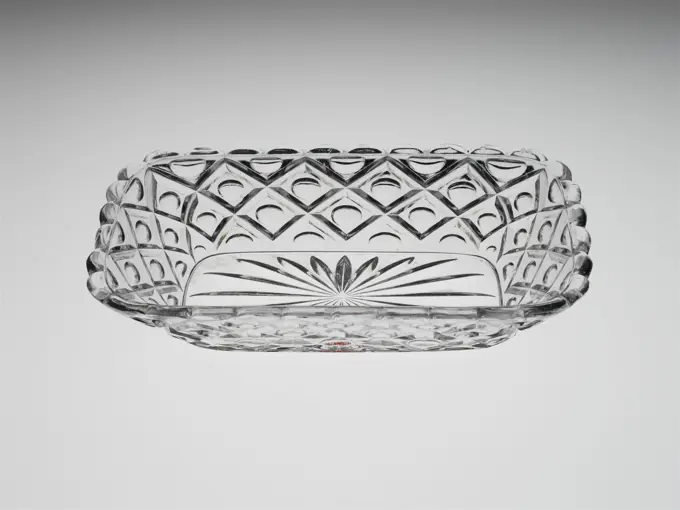
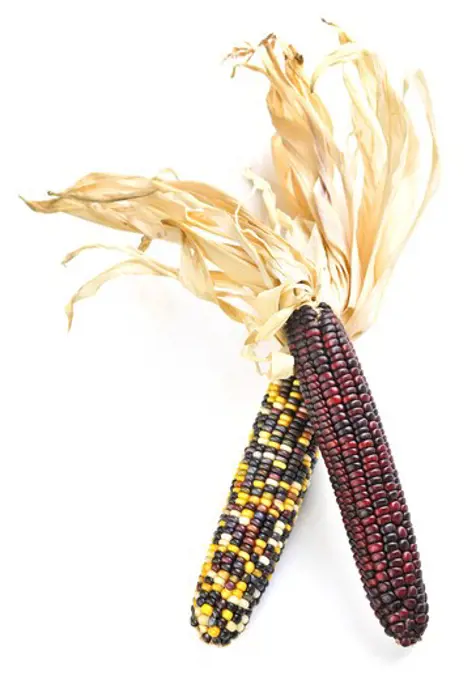
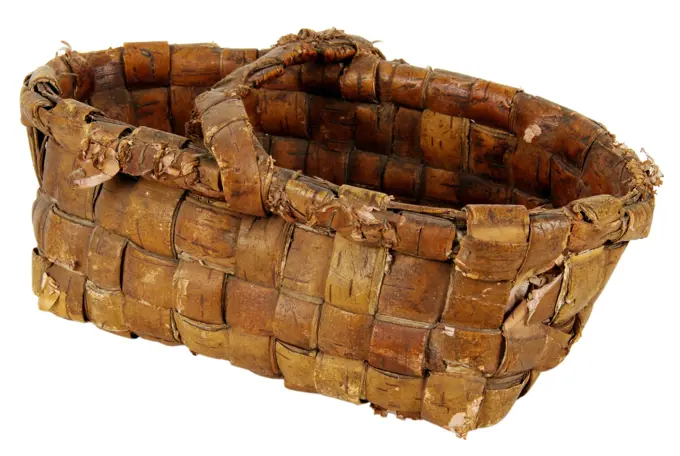
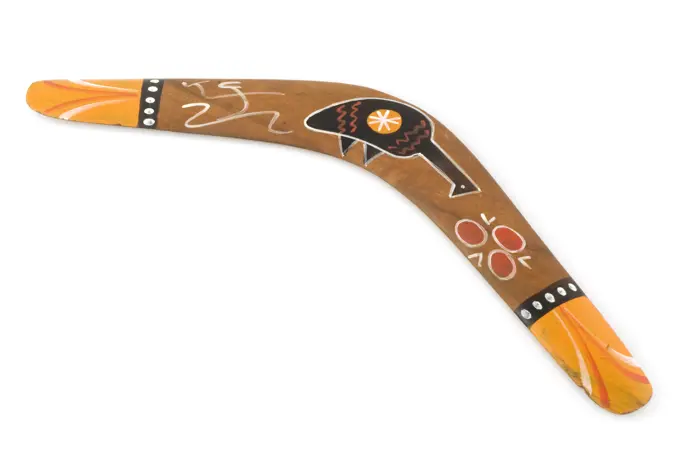
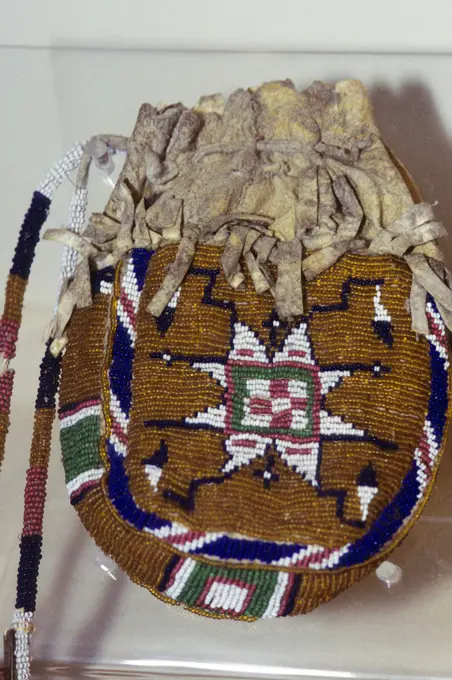
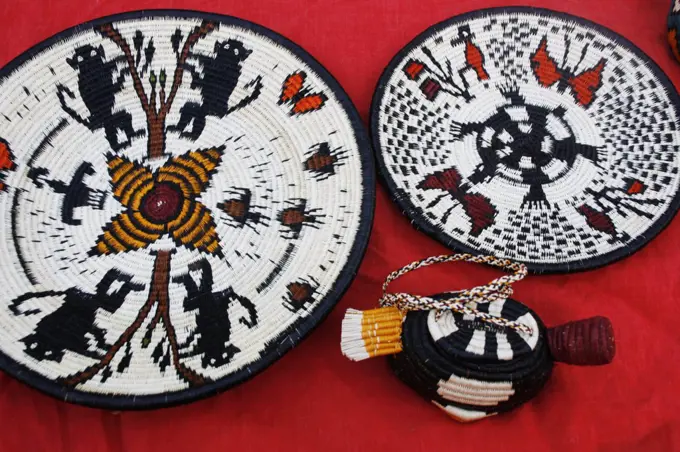
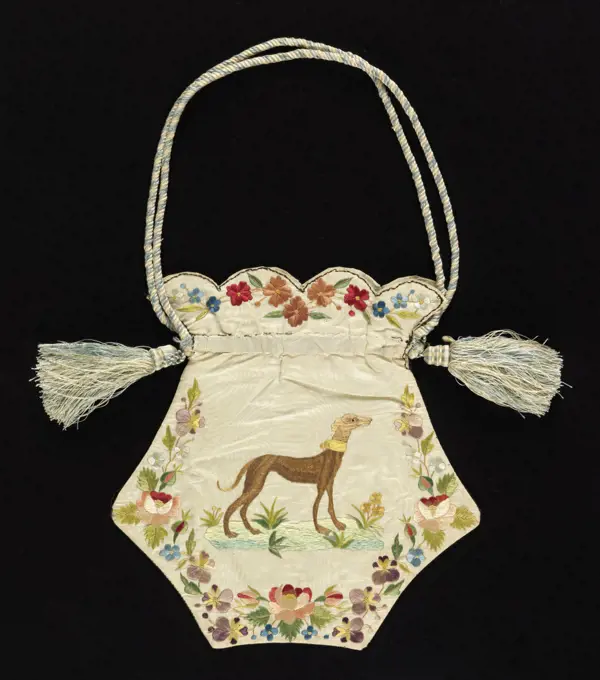
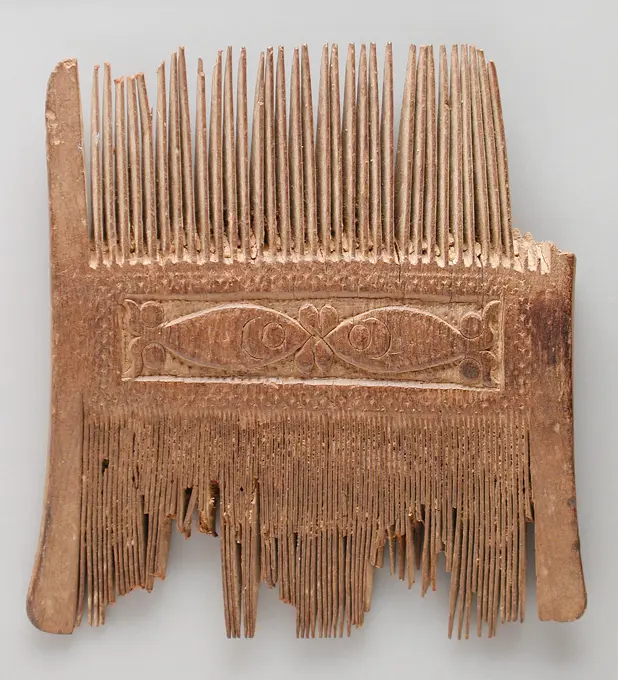
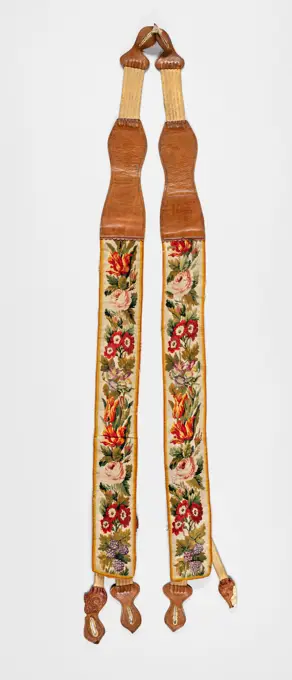
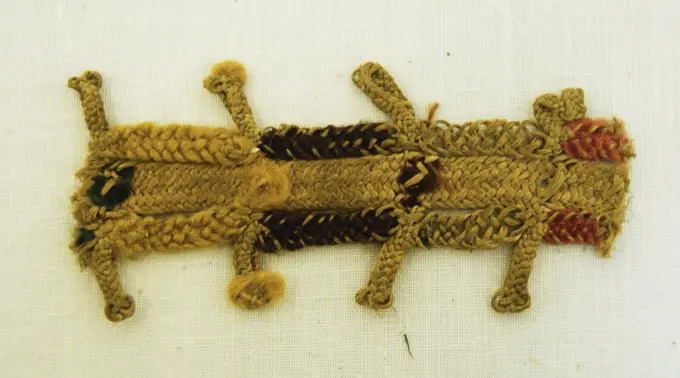
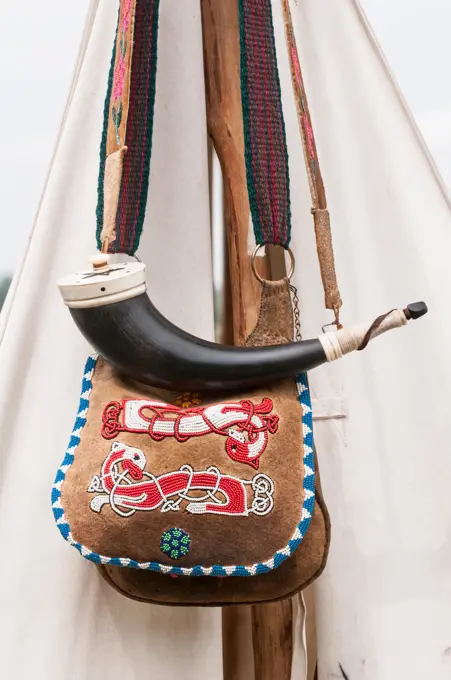
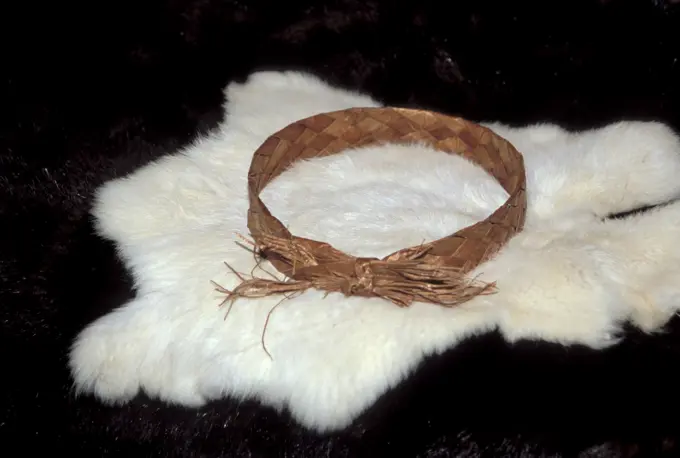
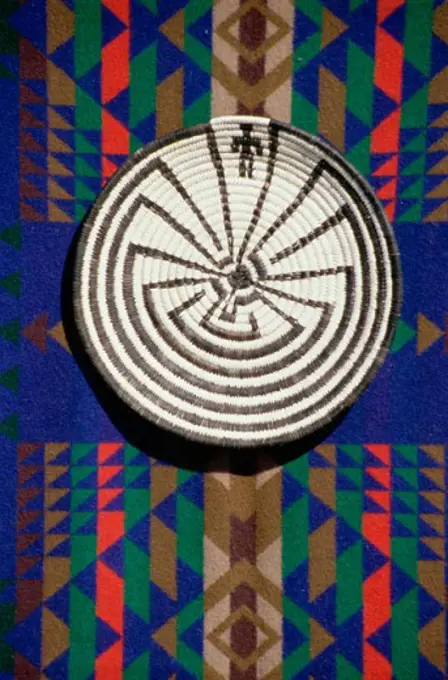
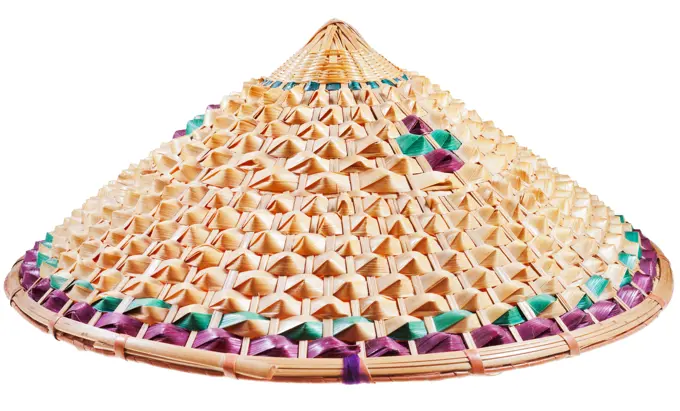
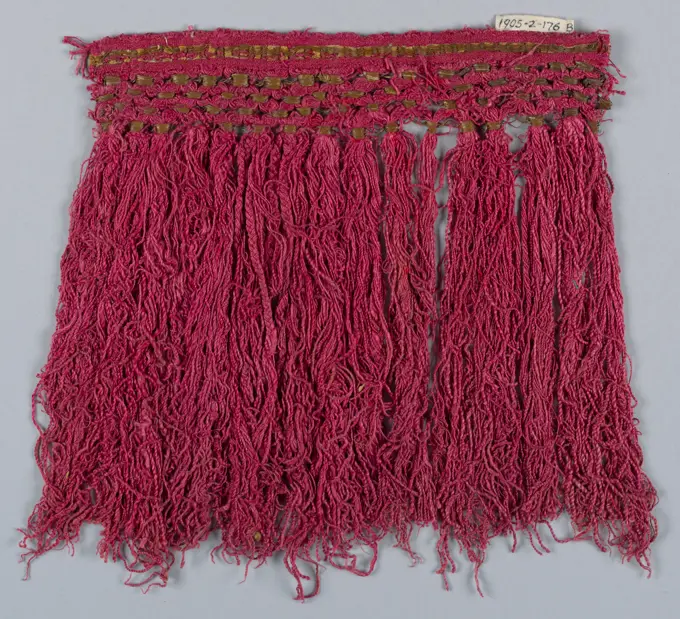
Fringe (Greece); silk, metallic thread (gold strips wound on a silk core)Pair of swallow nests for tambos, pipers, horn blowers of national infantry. Pair of swallow nests for tambos, pipers, horn blowers of national infantry. A semicircular white sheets shoulder cover, with faded yellow gallons deposited, ditto crossed galons on the white sheet. Exterior model blue gray lining (quilted). Damaged yellow frills.Cap; woolApron, from a seven-piece costume, mid 20th century, 18 13/16 x 23 7/8 in. (47.78 x 60.64 cm), Cotton, China, 20th centuryTraditional Native American baby's cradleboard decorated with hanging beads and ornaments used by a Pueblo baby. (PR)Kontusz sash/belt. Madżarski, Jan (tkacz ; Słuck, -ca 1800), manager, Manufaktura Karola Stanisława Radziwiłła (Słuck ; wytwórnia pasów ; ca 1767-1790), manufactureTassel on Tubular Cord(Sling?).  Artist: UnknownBag 2nd-7th century Nasca (). Bag 316925Edge wall bottom fragment of gold cluster plate, plate crockery holder soil find ceramic earthenware glaze tin glaze luster gold, twisted glazed fried Fragment of gold cluster. Yellow shard. Red-brown lines and triangles on white background. Heavy. Pierced at the edge of the bottom. Bottom decorated with few circulating lines. Bottom of bottom is unglazed archeology extinguishing pottery import food decorateBag, 19th century, 7 x 5 in. (17.78 x 12.7 cm), Cotton, Turkey, 19th centuryCap late 19th century. Cap 446846Wax seal on sackcloth material Crupper -Chair Seat mid-19th century Micmac. Chair Seat 319131Headdress 19th century Russian This object is from the collection of Natalia de Shabelsky (1841-1905), a Russian noblewoman compelled to preserve what she perceived as the vanishing folk art traditions of her native country. Traveling extensively throughout Great Russia, she collected many fine examples of textile art of the wealthy peasant class. From the 1870s until moving to France in 1902, Shabelsky amassed a large collection of intricately embroidered hand-woven household textiles and opulent festival garments with rich decoration and elaborate motifs. The Brooklyn Museum holdings include many fine examples including the majority of the garments. Portions of Shabelsky's collection are also housed at the Museum of Fine Arts, Boston, the Cleveland Art Museum, and the Russian Museum of Ethnography in St. Petersburg.Headdresses, or kokoshniks had the greatest abundance of ornamentation of any type of garment in Russia. They were most often made of damask woven with gilt metallic threaSash or Headband 8th-9th century Nasca. Sash or Headband 307958Crown Ornament for a Deity 17th-19th century Newari for Tibetan Market Deities were often adorned with elaborate crowns. These prong crown elements likely were part of a set of five that referenced the directional Tathagata Buddhas, as indicated by the vajra (thunderbolt) and foliate forms (purnaghata).. Crown Ornament for a Deity. Newari for Tibetan Market. 17th-19th century. Gilt silver, emeralds, sapphires, rubies, garnets, pearls, lapis lazuli, coral, shell, and turquoise. JewelryGinger Jar- Shaped Basket, c 1900. Northwest Coast, Cape Flattery, Washington, Makah, late 19th-early 20th century. Pear grass; diameter of base: 8.6 x 14.6 cm (3 3/8 x 5 3/4 in.).Fragment of Kylix (TypeB)Strip -Gauntlet. Culture: Turkish. Dimensions: H. 8 3/4 in. (22.2 cm); W. 7 3/4 in. (19.7 cm); Wt. 9 oz. (255.1 g). Date: 17th century. Museum: Metropolitan Museum of Art, New York, USA.Traditional Kilim round decorative element, vector templateOne pair of earrings. UnknownMatch safe whimsey, 1909, 7 13/16 x 6 x 1 3/16 in. (19.84 x 15.24 x 3.02 cm) (without dangles or hanger), Beads, cotton, sequins, United States, 20th centuryBlanket, 20th century, 49 x 43 1/2 in. (124.46 x 110.49 cm) (without fringe), Cotton, Myanmar (Burma), 20th centuryPillow, blue and white striped, lined with a green cord, anonymous, c. 1750 A pillow of blue white striped fabric (white linen blue cotton) filled with down, omboard with a green silk cord, ending in a loose piece. A short side straight, the other short side spherical. Amsterdam (possibly) linen (material). cotton (textile). silk. down (feathers material) A pillow of blue white striped fabric (white linen blue cotton) filled with down, omboard with a green silk cord, ending in a loose piece. A short side straight, the other short side spherical. Amsterdam (possibly) linen (material). cotton (textile). silk. down (feathers material)Cilindro de madera para estampación, siglo XIX. Museu de l'Estampació de Premià de Mar.Grain Basket. Dated: 1938. Dimensions: overall: 28 x 35.5 cm (11 x 14 in.) Original IAD Object: 10 1/2" high; 27" long; 13 1/4" wide. Medium: watercolor and graphite on paperboard. Museum: National Gallery of Art, Washington DC. Author: Alfonso Moreno.Basket, 20th century, 4 x 7 1/4 in. (10.16 x 18.42 cm), Plant fibers, United States, 20th centuryMirror 19th century China. Mirror 69696Legging strip -Conciliate belt; Manufaktura Karol Stanisław Radziwiłł (Słuck; Pasów label; Ca 1767-1790), Madżarski, Jan (Tkacz; Słuck, -A 1800); 1767-1780 (1767-00-00-1780-00-00);Amauti -Fringe late 17th century Spanish. Fringe 224924handmade colorful patchwork leather throw pillow top view of handmade colorful patchwork leather throw pillow isolated on white background ,property released Copyright: xZoonar.com/ValeryxVoennyyx 12556331 ,model released, Symbolfoto ,property releasedPouch. Culture: American. Date: 1830-60.The narrative imagery is continuous around this bag and depicts a hunter with his dogs on one side, and the deer, his prey, on the other. The bag is thought to have been made in the Catskill Mountains and the imagery, with its beautiful coloration, reflects the geography of that area. The use of floral boteh is an interesting touch, probably copied from available pattern books Accession record notes: "Three miles from Catskill. Family had always had it"Margaret S. Bedell (1861-1932) donated, by gift or bequest, over 500 objects to the Brooklyn Museum, including furniture, quilts, samplers, costume and Native American beadwork. Her collection of American and European beaded bags includes examples from Philadelphia and the Catskill Mountain region of New York State, as well as Italy, Austria, Germany, and Holland. Museum: Metropolitan Museum of Art, New York, USA.Under Apron, Cotton, ChinaLarge Oval Storage Basket ca. 1492-1473 B.C. New Kingdom This storage basket was discovered in the tomb of Senenmut's mother, Hatnefer (36.3.1), who lived into the reign of Hatshepsut. The basket is made of halfa grass coils sewn together with strips of palm leaf. It was tied shut using pieces of linen cords attached around the top edge of the basket. Then a mud seal was pressed over the knot at the center of the lid. The basket had been filled with soiled bandages that had probably been used in the embalming process for one of the mummies in the tomb.. Large Oval Storage Basket 548981COFRE DEL SACERDOTE TEUDERICO- REALIZADO EN EL AÑO 675 - ARTE MEROVINGIO - 12,6 cm. Location: ABADIA DE SAN MAURICIO. Valais. Switzerland.Traditional weaving of the Hopi using naturally dyed cotton to create exquisite patterns on a man's sash and apron. Museum of Northern Arizona, Flagstaff AZReticle. GAL1961.105.7Blanket strip -Basket, 1900-1942, 1 1/2 x 3 5/8 x 3 5/8 in. (3.81 x 9.21 x 9.21 cm), Plant fiber, United States, 20th centuryTwo cuffs. unknown, authorPurse (USA); silk, metalRenaissance Fringe Made 1501-1600 Italy. Silk and gold gilt strip wound around a silk fiber core, plain weave with supplementary patterning weft extended loop fringe .Jewelry from Indian Arts and Crafts Board displayBand; linen, cotton, silkHat -Jewelry from Indian Arts and Crafts Board displayBasket, 20th century, 1 7/8 x 2 3/4 x 2 3/4 in. (4.8 x 7.0 x 7.0 cm), Plant fibers, United States, 20th centuryWoman's wedding skirt (gaghra), 19th century, 171 x 33in. (434.3 x 83.8cm), Cotton, silk; embroidery, 19th centuryCombColorful Blackfeet beadwork designs decorate a tepee storage bagHK Axe. hk axe with clip path. Hurricane KatrinaPouch. Culture: American. Date: 1820-40.The imagery seen here depicts early-19th century American life. The narrative is continuous over the whole of the bag and is unified by the body of water and the bridge. A notable detail in this pastoral scene is the figure of the shepherd carrying what appears to be an injured lamb suspended from a pole. Margaret S. Bedell (1861-1932) donated, by gift or bequest, over 500 objects to the Brooklyn Museum, including furniture, quilts, samplers, costume and Native American beadwork. Her collection of American and European beaded bags includes examples from Philadelphia and the Catskill Mountain region of New York State, as well as Italy, Austria, Germany, and Holland. Museum: Metropolitan Museum of Art, New York, USA.Fringe (India); cottonJubilee apron on the occasion of 25 years of lodge work. unknown, authorNightcap (France); wool embroidery on linen and cotton ground, silk binding, silk and metallic tasselBroad Collar of Wah. Dimensions: H. 34.5 cm (13 9/16 in.); W. 39 cm (15 3/8 in.). Dynasty: Dynasty 12. Reign: reign of Amenemhat I, early. Date: ca. 1981-1975 B.C..This broad collar is one of the finest examples of its type from the early Middle Kingdom. It was carefully designed using beads of diminishing lengths to create the curved form. Although a few areas needed reinforcing with modern thread, the stringing is almost entirely original. Known as a wesekh in ancient Egyptian, this type of necklace adorns statues (30.8.57, 30.8.3), coffins (30.3.7, 25.3.182), and participants in banquet and offering scenes (13.183.3, 12.184, 28.3.35) from the Old Kingdom on. The collar is part of a set of funerary jewelry belonging to Wah, the estate manager of Meketre.Wah's broad collar (40.3.2), anklets and bracelets (40.3.3-40.3.10) were made as funerary ornaments for the burial and were found in the layers of linen wrapping that were closest to the body; the collar had been tied around the necCover for a Bowl, c. 1875-1925. Northwest Coast, Makah, late 19th-early 20th century. Twined grasses; overall: 6 x 8.5 cm (2 3/8 x 3 3/8 in.).Pen Box with Architectural Cartouches dated A.H. 1156/ A.D. 1743 'Ali Ashraf During the 18th and 19th centuries, Iran witnessed a proliferation in the production of lacquer objects. Regarded as desirable possessions and status symbols, painted lacquerwares were commissioned by royal and elite patrons, sold commercially and exported abroad in quantity. Lacquer painters took great pride in their individual styles, which they demonstrated by signing and dating their works. This one has been created by an artist named `Ali Ashraf and dated A.H. 1156/ A.D. 1743.A master of the gul-u-bulbul (bird-and-flower) motif seen on lacquer objects from this period in Iran, `Ali Ashraf worked in a tight-knit circle that included Hajji Muhammad, who specialized in objects with Europeanizing landscapes, as well as his brother Muhammad Zaman, under whom he trained. The signature on the box reads "After Muhammad, Ali Ashraf is noblest", is a punning reference to his teacher. The irises he combined with arOBJETO CERAMICO - CULTURA NAZCA - ARTE PERUANO PRECOLOMBINO - 100 AC-700 DC. Location: MUSEO DE AMERICA-COLECCION. MADRID. SPAIN.Strip -Kontusz sash/belt. unknown, authorEmbuutu 19th century Ganda. Embuutu 501838Relish Dish 1850-70 American With the development of new formulas and techniques, glass-pressing technology had improved markedly by the late 1840s. By this time, pressed tablewares were being produced in large matching sets and innumerable forms. During the mid-1850s, colorless glass and simple geometric patterns dominated. Catering to the demand for moderately-priced dining wares, the glass industry in the United States expanded widely, and numerous factories supplied less expensive pressed glassware to the growing market. At the Exhibition of the Industry of All Nations at New Yorks Crystal Palace in 1853, for example, the New England Glass Company exhibited 130 pieces of one design, "consisting of bowls, tumblers, champagnes, wines, and jelly glasses." This object belongs to one such service. Although the glass manufactory is not known, the glassware is very typical of the large services that were very popular with Americas middle class in the nineteenth century.. Relish Dish 68Pair of gloves early 17th century British Some carry in their hands feather fans, others nothing; but all wear very costly gloves,” noted an Italian visitor to London in summer 1618. Indeed, by the early seventeenth century, small goods could be purchased from shops or peddlers, making objects such as readymade gloves, purses, ribbons, caps, and trimmings available to consumers. This fashion of gloves is so universal,” the visitor continued, that even the porters wear them very ostentatiously.”These tapestry-woven, light colored gloves, which showcase an arrangement of popular flowers—carnations, roses, harebells, pansies, and strawberry plants—were likely purchased from a shop, rather than designed for an individual. Although readymade, the gloves were still a luxury; this pair comprises pink, green, citron, and blue silks joined with salmon-colored silk ribbon, lined in taffeta, and edged with metallic bobbin lace and paillettes. They may originally have been perfumed, as well. -SSash (), one of a pair Wrap leggings, ChinaTwo cobs of indian corn isolated on white backgroundBasket from a bark of a birchaustralian boomerang australian boomerang with painted primitive bird Copyright: xZoonar.com/IvonnexWierinkx 6561650Bag, Medium: glass beads Technique: beaded knitting, Brown bag encircled by a white band with cornucopias of blue flowers., USA, early 19th century, costume & accessories, BagUte Indian beadwork on a pouch made from animal skin. This would have been used to carry amulets and medicines.Panama, Embera Basketsstereotype symbols of Russia - bast shoes and matreshkaPurse, Medium: silk Technique: embroidery using satin, stem, knot and couching stitches on plain weave moiré, Ladies' bag of white moiré silk embroidered in colored silks. Shape is five-sided, flat, with a scalloped top. Borders of flower wreaths. Embroidered on one side with a greyhound and with a long-tailed bird on the other. Worked as two separate panels, joined. Lined in pale blue taffeta. Blue and white silk cord., France, 1820-40, costume & accessories, PurseClub -String of 16 beads 7th-10th century Islamic Period. String of 16 beads. 7th-10th century. Glass. Islamic Period. From EgyptBaby's hat, 6 1/4 x 9 3/4 x 7 3/8 in. (15.88 x 24.77 x 18.73 cm), Cotton, metallic tape, ChinaTassel (Italy); silk, metallic thread, linen ()Prizren, Kosovo, Serbia two "peskir", pieces of embroidered fabric, in cotton , 1913 - Balkans - Jean Brunhes and Auguste Léon - (April 23 - June 9) (French - Prizren , Kosovo , Serbie Deux «peskir» , pièces de tissu brodées , en coton). Wedding, embroidery, textile work, Company, Serbia, Prizren, Serbian aprons, other types.Wooden Comb Depicting Two Fish. Egypt, 10th-12th century. Tools and Equipment; combs. WoodHunter's hat, 7 1/8 x 7 1/8 x 4 1/4 in. (18.1 x 18.1 x 10.8 cm), Cotton; needlework, MaliPair of braces. unknown, authorBelt, Fragment or Headband, Fragment Nasca. , 800 B.C.E.-600 C.E. Plant fiber, wool fleece, 1 3/8 x 2 3/4 in. (3.5 x 7 cm).   Arts of the Americas 800 B.C.E.-600 C.E.Detail of historic costume, 19th Century reenactment, Rocky Mountain House National Historic Site, Alberta, CanadaCeremonial cedar woven headband on animal furs. The headband would have been worn by Suquamish men or women of the westcoast of Washington State.Melanesia, Papua New Guinea, Tufi. Colorful woven bag decorated with seashells.Peru, Pre-Inca civilization, Nazca culture, Double spout and bridge zoomorphic painted vessel in shape of millepedeArizona      USAMitts. Culture: Italian. Date: early 17th century. Museum: Metropolitan Museum of Art, New York, USA.Ravello, Italy, Details of the pulpit of the cathedral in Ravello, Amalfi Coast in ItalyJewelry from Indian Arts and Crafts Board displayDurro, collar para ganado, 1940. Museu Català de les Arts i Tradicions Populars.Basket, 4 7/8 × 9 13/16 × 9 13/16 in. (12.38 × 24.92 × 24.92 cm), Plant fibers, United StatesStock market of crocheted dark green silk, interspersed with horizontal lanes of silver thread, with a wrapping cord on which two acorns of silver wire, anonymous, c. 1700 - c. 1750 Fair in the form of a ball of crocheted dark green silk, interspersed with horizontal lanes of silver wire. Two acorns of silver wire are attached to the twisted green lock cord. There is also a glans of silver thread on the rounded bottom of the fair. Netherlands (possibly) whole: Silk. whole: Silver thread. Acorn: Wood (plant material). Jerk: Silver Thread. Cord: Silk crocheting Fair in the form of a ball of crocheted dark green silk, interspersed with horizontal lanes of silver wire. Two acorns of silver wire are attached to the twisted green lock cord. There is also a glans of silver thread on the rounded bottom of the fair. Netherlands (possibly) whole: Silk. whole: Silver thread. Acorn: Wood (plant material). Jerk: Silver Thread. Cord: Silk crochetingasian conical straw hat asian conical straw hat isolated on white background Copyright: xZoonar.com/VVxVoennyyx 5052469Saddle, c. 1870, 18 3/4 x 21 1/8 x 9 in. (47.63 x 53.66 x 22.86 cm) (body only), Animal hide, wood, beads, cotton cloth, felt, wool, metal, United States, 19th centuryPainting on antique wooden photo frame, Jodhpur, Rajasthan, India Copyright: xSafatxAli/DinodiaxPhotox