Textile Fragments

Intricate textile fragments displaying rich patterns and weaving techniques, reflecting cultural heritage in fabric design, from baby carriers to decorative cushions.

Baby carrier, China
Baby carrier, China
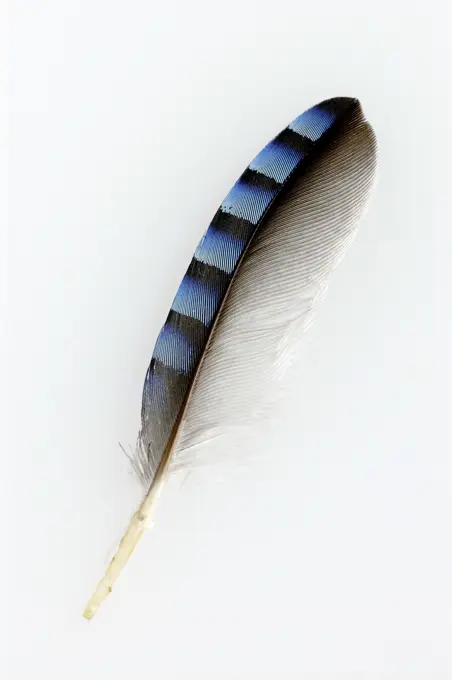
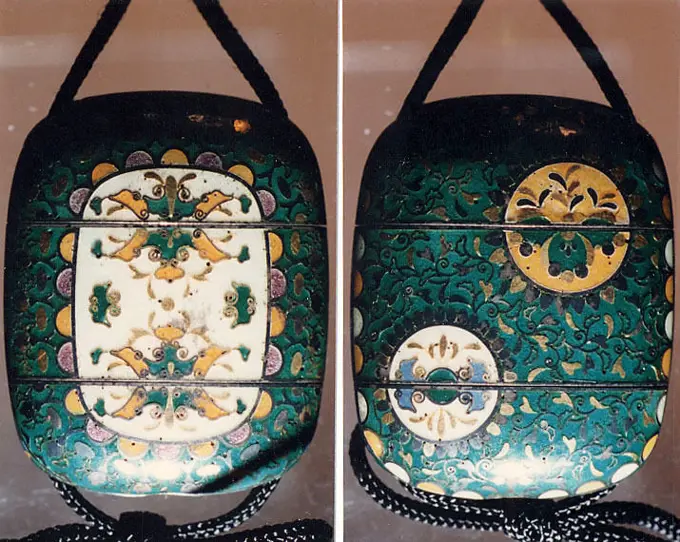
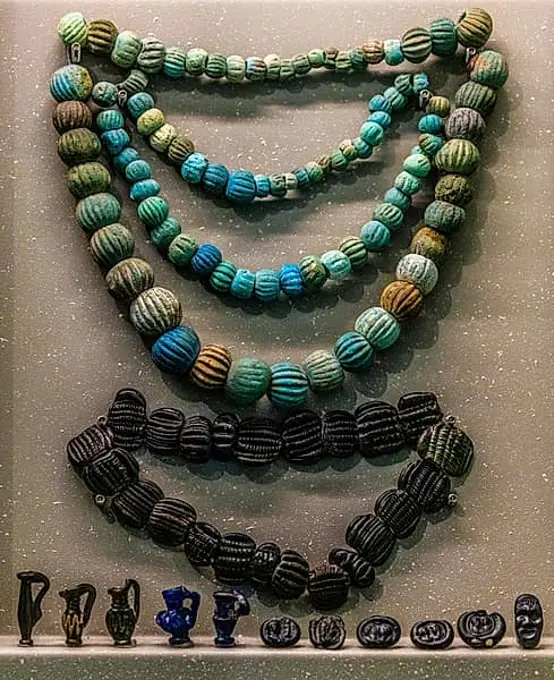
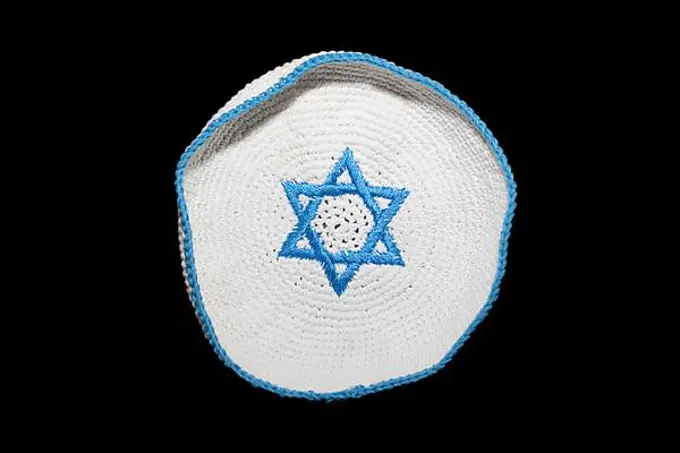
Insignia, Medal and Button late 19th century Japan. Insignia, Medal and Button 60242Close-up portrait of Traditional Indian TablaWoven coolie hat and straw raincoat, Hida Folk Village, Hida No Sato, Takayama, JapanTrimming, White, black, and colored silk in velvet weave., A shield under a crown showing armorial devices in each quarter., Italy, 18th century, trimmings, TrimmingMan's Bufu (Court Surcoat) Made 1875-1900 China. Silk, 1 1 plain gauze weave; embroidered with silk and gilt- and silvered-metal-strip-wrapped silk in satin, stem, and tent stitches; Roumanian couching . Manchufeather of a Eurasian jay, Garrulus glandariusCollection of retro tiepins on silk tieWild bird feather on a white backgroundBag, Medium: glass beads, steel beads, steel frame Technique: beaded knitting, Flat bag with landscapes and a floral band at the bottom. Steel frame with chain and steel fringe at lower edge. White silk lining., USA, early 19th century, costume & accessories, BagMexico.Mexico city.National Museum of Anthropology.Nahuatl people culture. Musical instruments.Bag (USA); silk, glass beadsSwirl Collar, 16 x 25 1/2 in. (40.64 x 64.77 cm), Cotton, ChinaMarine Museum in Rotterdam. A ceremonial drum of the Tambos and Pipers of the Marines Corps.Head Scarf (Amendil), late 19th century, 36 7/16 x 32 3/4 in. (92.6 x 83.2 cm), Wool; plain weave with supplementary weft patterning and henna paint; dyed, Morocco, 19th centuryCase (Inrō) with Design of Stylized Flowers and Scrolls 19th century Japan. Case (Inrō) with Design of Stylized Flowers and Scrolls 58841Necklaces and pendants, 1st-5th century, National Archaeological Museum, Villa Cassis Faraone, UNESCO World Heritage Site, important city in the Roman Empire, Aquileia, Friuli, Italy, Aquileia, Friuli, Italy, EuropeHandmade dream catcher with feathers threads and pearl rope hang handmade dream catchers with feathers and pearl rope hang copyright: xzoonar.com/fedorovaxdariax 22940491Carpet Bag. Dated: 1938. Dimensions: overall: 39 x 50.1 cm (15 3/8 x 19 3/4 in.) Original IAD Object: 11" high; 13 1/2" long; 3 7/8" wide. Medium: watercolor, graphite, and gouache on paperboard. Museum: National Gallery of Art, Washington DC. Author: J. J. O'Neill.Man's bag, c. 1985, 12 1/2 x 12 in. (31.75 x 30.48 cm)31 x 2 in. (78.74 x 5.08 cm) (object part, strap), Wool; knitting, weaving, Guatemala, 20th centurySpectacle case late 19th century Mexican The whimsical details of this spectacle case include its trompe l'oeil elements: cut steel beads are used to depict what would be the metal elements of the design, the key in the dog's mouth and the top of the beer stein. The case is part of the Mexican beadwork collection of over 600 pieces assembled by Elizabeth Morrow (1873-1955), mother of writer Anne Morrow Lindbergh, the wife of renowned aviator Charles Lindbergh. Morrow collected the objects between 1927 and 1930, when her husband, Dwight Morrow, Sr., served as U.S. ambassador to Mexico. She lent the collection to the Brooklyn Museum in 1938 and upon her death, her children donated it. A collection of 155 pieces of Mexican ceramics and other decorative arts were given to Amherst College, her husband's alma mater. Mrs. Morrow collected Mexican beadwork, along with other examples of colonial and native arts, to decorate their country home in Cuernavaca in order to promote a more peaceful imA knitted version of the kippa, small circular headgear of the Jews with a blue Star of David, hexagram, on a white background, studio photograph with black background