Textile Fragments

Historical textile pieces showcasing intricate patterns and colors, used in various garments or homewares, reflecting craftsmanship from different periods.

Fragment, Medium: silk Technique: velvet, cut raised pile in a 4&1 satin foundation, Large pomegranite shapes in tan velvet. Striped of green warp in 4&1 satin weave at each selvedge., probably Spain, 16th century, woven textiles, Fragment
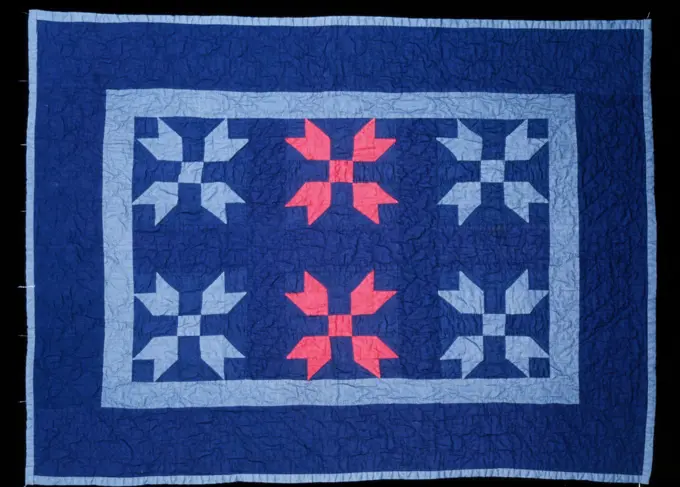
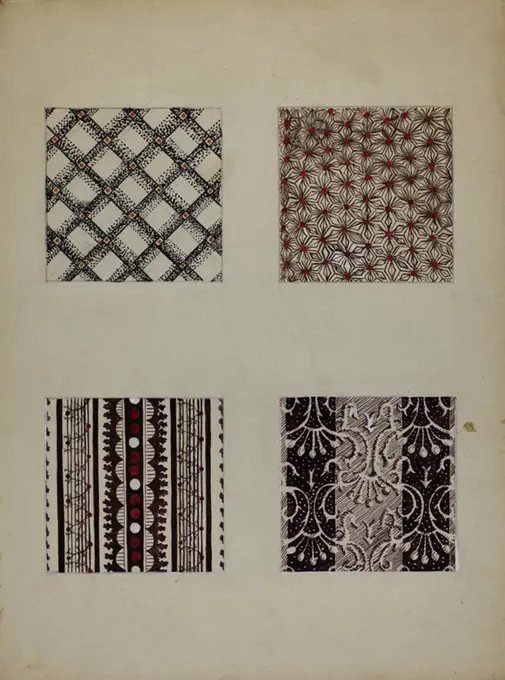
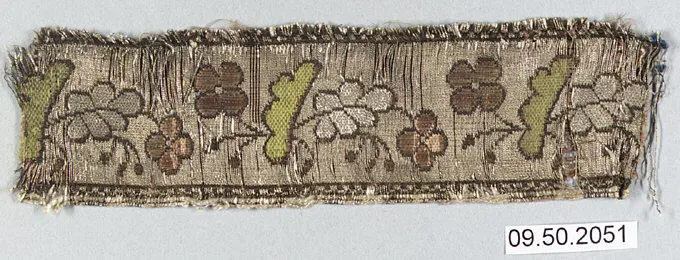
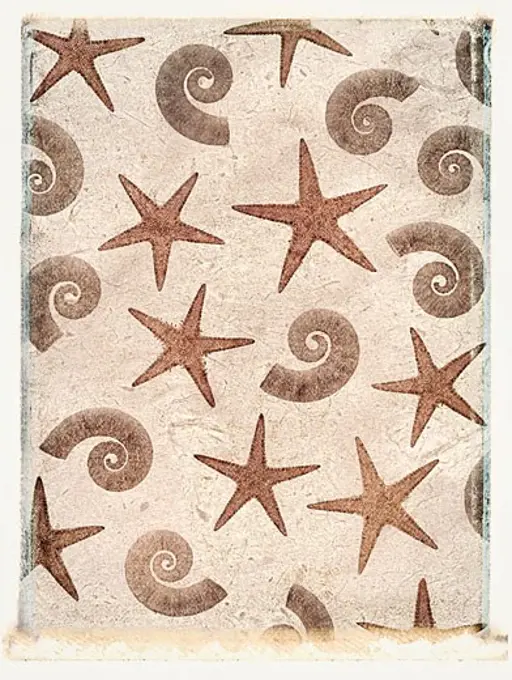
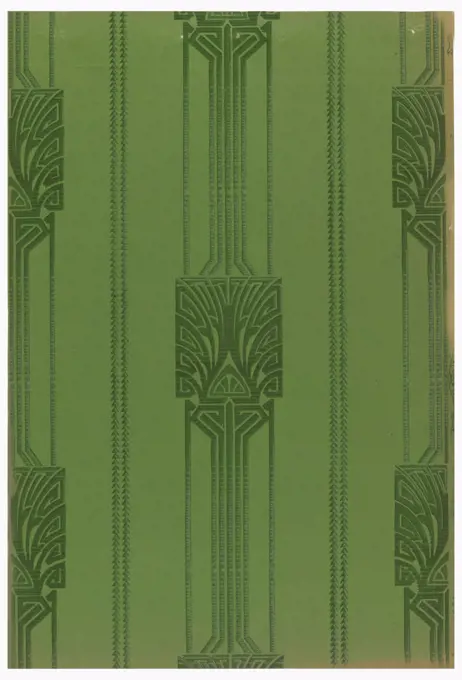
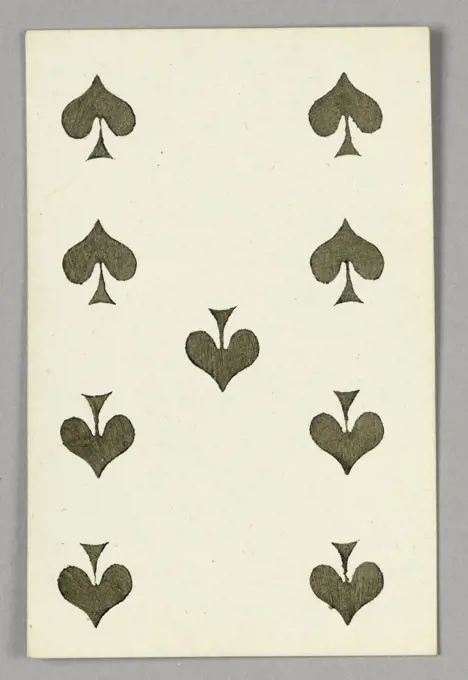
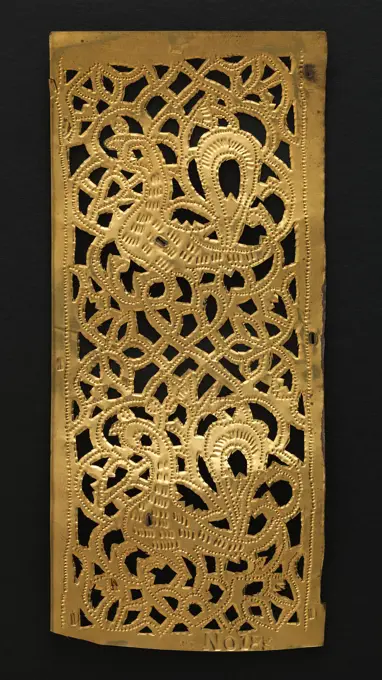
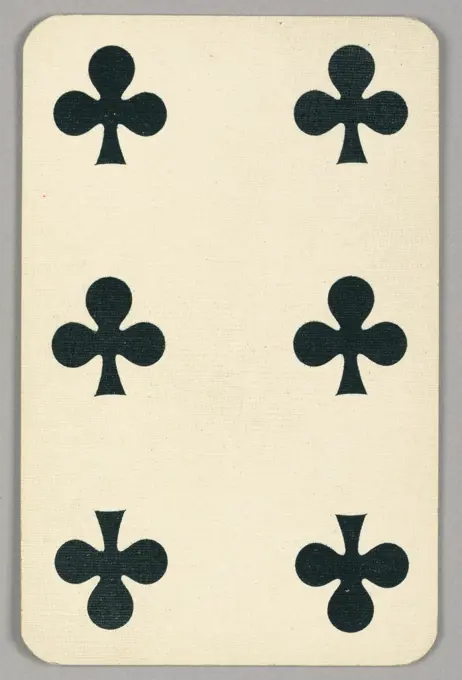
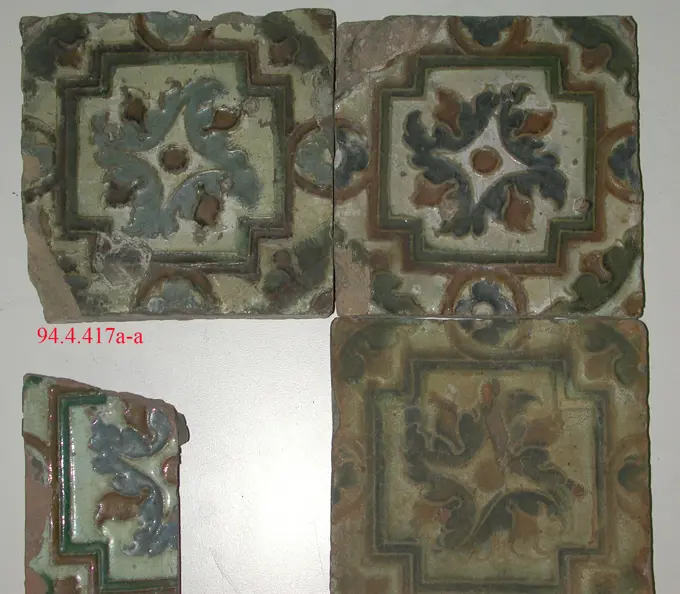
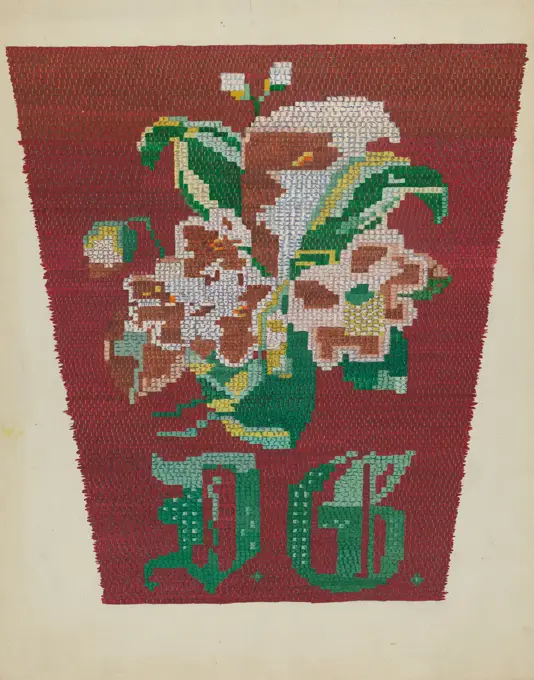
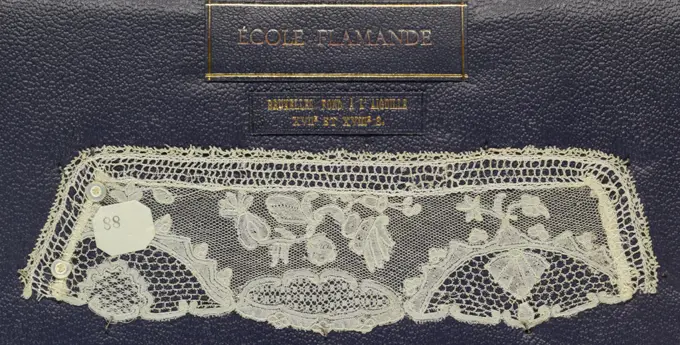
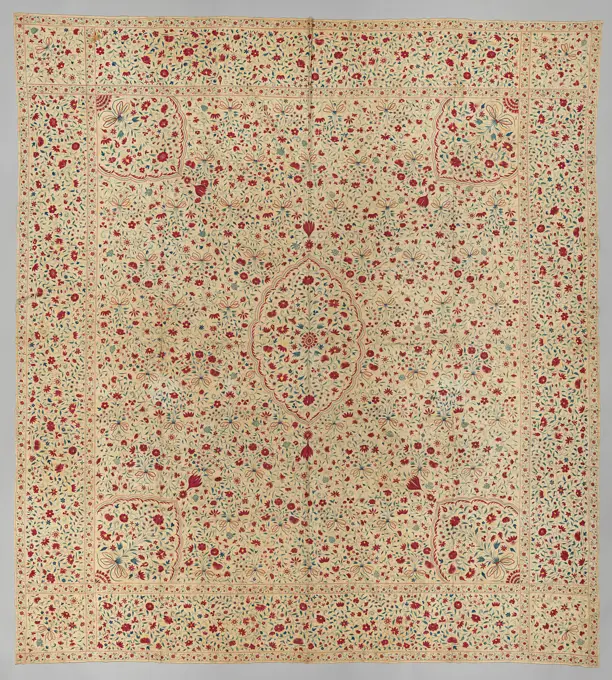
Multicolor destamier cotton bedspread. Cotton multicolored gingerbed bedspread, decorated with strict flower bouquets and flower branches with a middle medal and corner decorations in midfield, indo-persian, marked with an A.Crib Quilt, c. 1940, Unknown Amish, 46 1/2 x 34 3/4 in. (118.1 x 88.3 cm), Cotton; quilted, Canada, 20th centuryMaterials from Quilt. Dated: c. 1937. Dimensions: overall: 30.5 x 23.1 cm (12 x 9 1/8 in.). Medium: watercolor, gouache, and graphite on paperboard. Museum: National Gallery of Art, Washington DC. Author: Katherine Hastings.Band 18th century. Band 445886Starfish and Nautilus Shells   Sidewall - sample, Machine-printed on paper, Vertical beads and bands composed of abstract and geometric peacocks in green., USA, 1906-08, Wallcoverings, Sidewall - sampleSample French early 19th centuryNine of Spades from Set of 'Jeu Imperial-Second Empire-Napoleon III' Playing Cards, F. Chardon, French, active 19th c., Lithograph on glazed paper, Nine of Spades from Set of 'Jeu Imperial-Second Empire-Napoleon III' Playing Cards., Paris, France, 1858, Playing Card, Playing CardBrass Cutout ca. 1892 Lockwood de Forest American A key figure in the Aesthetic movement, New York-born artist Lockwood de Forest (1850-1932) was very inspired by Indian arts and crafts, and created the Ahmedabad Woodcarving Company in Gujarat, which exported many items to the United States. These cut and chased brass cutouts, designed by de Forest, were based on examples found in wood, plaster, and stone in Indian architecture. In his designs, they would have been used as ornament on architecture or furniture.. Brass Cutout. ca. 1892. Brass; chased. Attributed to India, Ahmedabad. MetalHandkerchief of linen with a border injector with fine pointed scallops. Handkerchief or nostscap of natural linen, trimmed all around with natural colosside: Old Flemish side. The repeating pattern consists of a square with a wheel in it, such as with reticella patterns. Each square is finished with a fine pointed pic with picots. A narrow edges of the handkerchief walks along the edges of the handkerchief with joined wires. The handkerchief is marked in red: C.Fragment Made 1601-1900 Turkey. Silk, warp-float faced 4 1 satin weave with supplementary patterning wefts tied by secondary binding warps in 3/1 twill interlacings .Irene Schaefer, Bedspread, 1936 BedspreadPuzzle Card Number 1, from the Jokes series (N118) issued by Duke Sons & Co. to promote Honest Long Cut Tobacco ca. 1890 Issued by W. Duke, Sons & Co. Trade cards from the "Puzzles'" series (N125), issued in a numbered set of 15 cards ca. 1890 by W. Duke Sons & Co. Each card presents a puzzle to be solved on the recto and the answer to another puzzle card from the set.. Puzzle Card Number 1, from the Jokes series (N118) issued by Duke Sons & Co. to promote Honest Long Cut Tobacco. ca. 1890. Commercial color lithograph. Issued by W. Duke, Sons & Co. (New York and Durham, N.C.)Playing Card; Manufactured by Ferdinand Piatnik and SonsSewing sample, France, late 19th century, Sewing sampleTiles (4) 16th-17th century Spanish, Seville. Tiles (4) 187906 Spanish, Seville, Tiles (4), 16th17th century, No dimensions recorded.. The Metropolitan Museum of Art, New York. Gift of Henry G. Marquand, 1894 (94.4.417ad)Textile; cotton; Warp x Weft: 129 x 95 cm (50 13/16 x 37 3/8 in.); Bequest of Elinor Merrell; 1995-50-368Mabel Ritter, Chair Seat, c 1937 Chair SeatBorder, Technique: tape lace, Tape lace sample, floral vine; mid-18th century Flemish, mixed., mid-18th century, lace, BorderNotebook Cover (Germany); glass beads, linen, paperTrimming (Spain); white and colored silk in voided velvet weave.; Overall: 9.5 x 5.6 cm (3 3/4 x 2 3/16 in.)Sidewall (USA); machine-printed and stencilled; 56 x 49 cm (22 1/16 x 19 5/16 in.)Sample, Technique: bobbin lace, Bobbin lace sample pillow, floral forms; mid-18th century Flemish (looks like a cuff), mid-18th century, lace, Sample