Textile Fragments

A collection of fabric samples showcasing intricate patterns and weaving techniques from various historical periods and cultures.
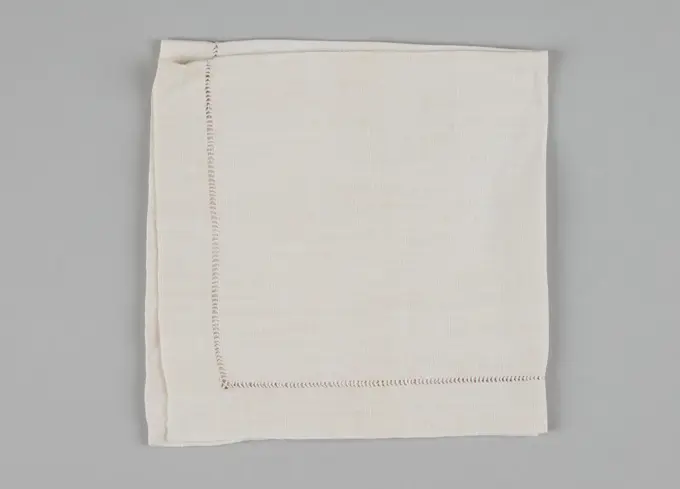
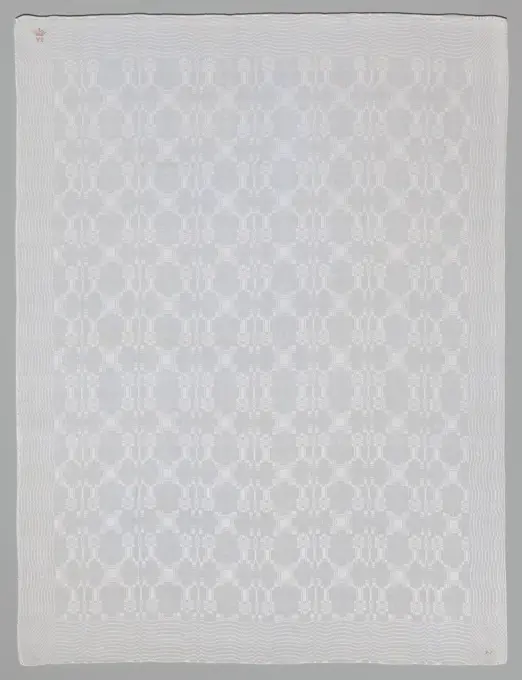
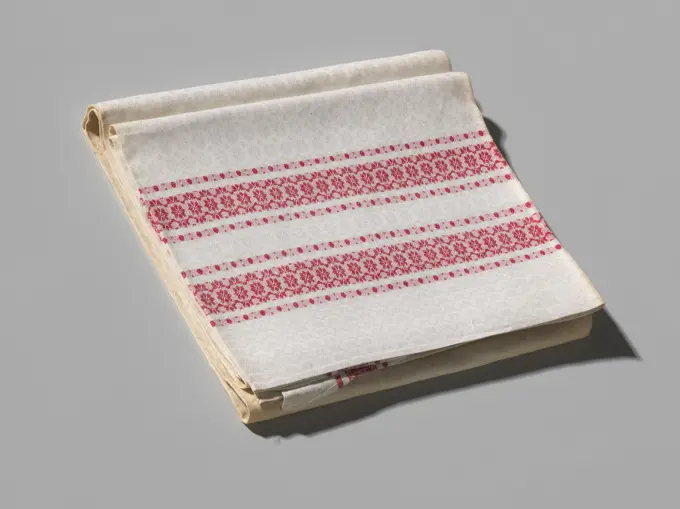
Anonymous, towel of the personal service of Adolf Hitler, Kehlsteinhaus (Berchtesgaden) (attributed title), 1937. Damassed and embroidered linen. General Leclerc Museum of the Liberation of Paris - Jean Moulin Museum.
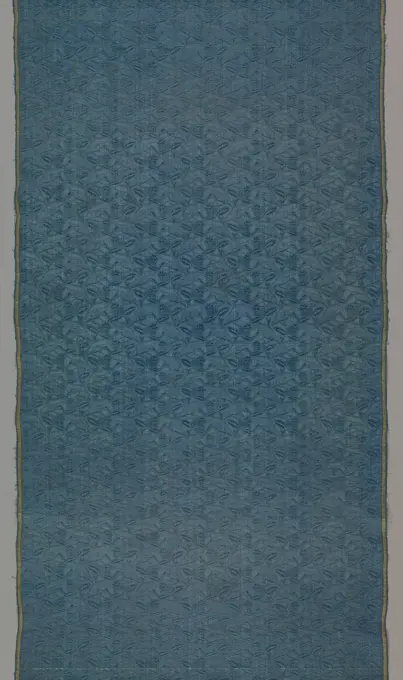
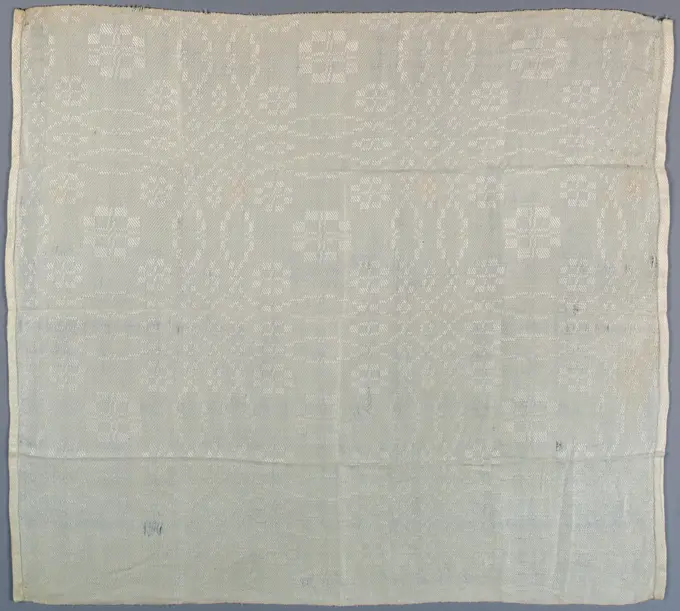
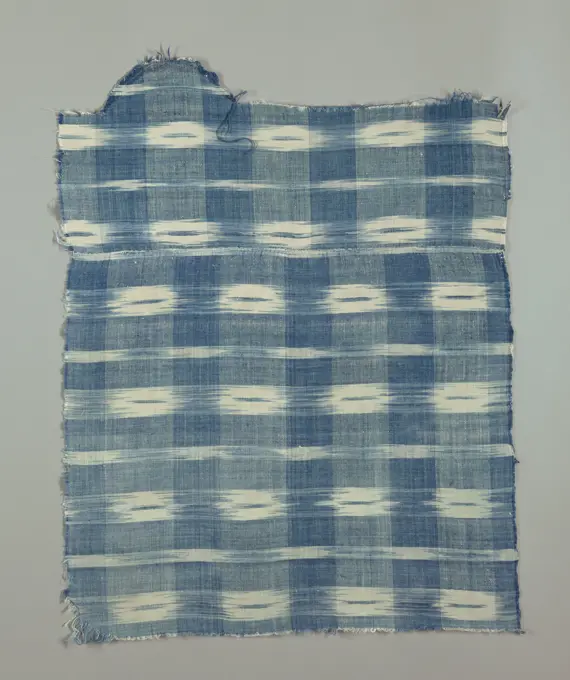
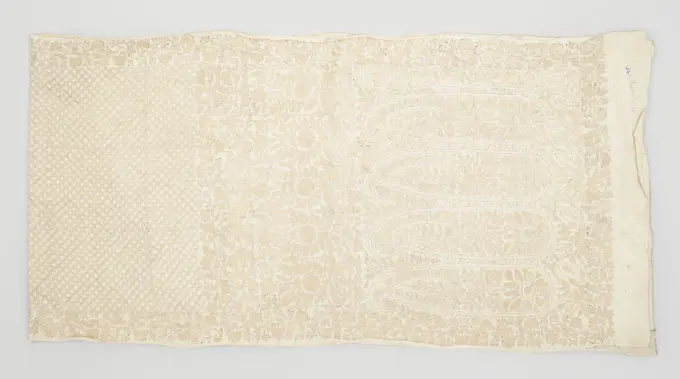
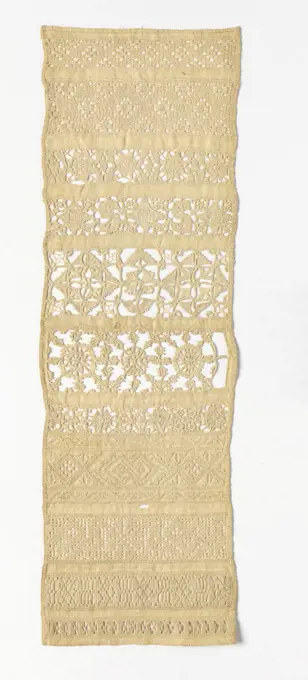
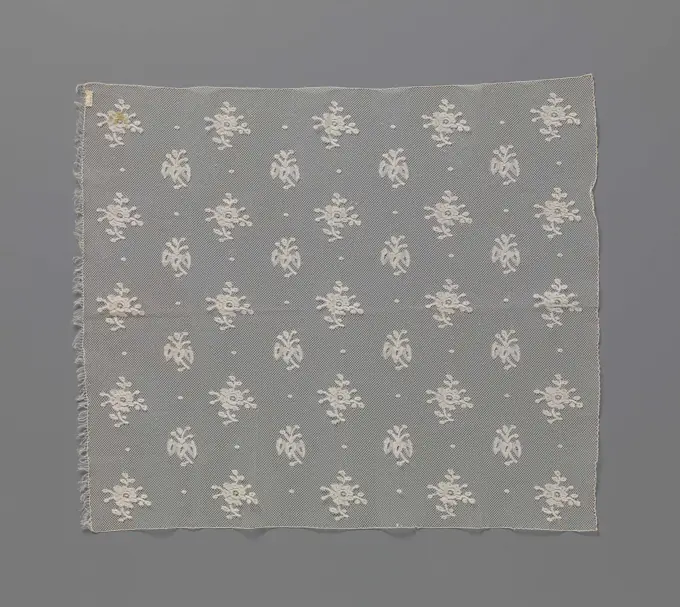
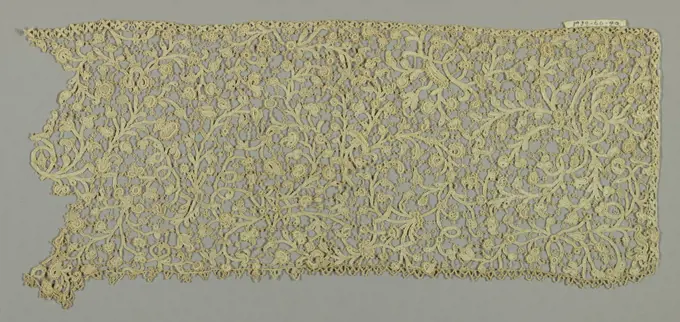
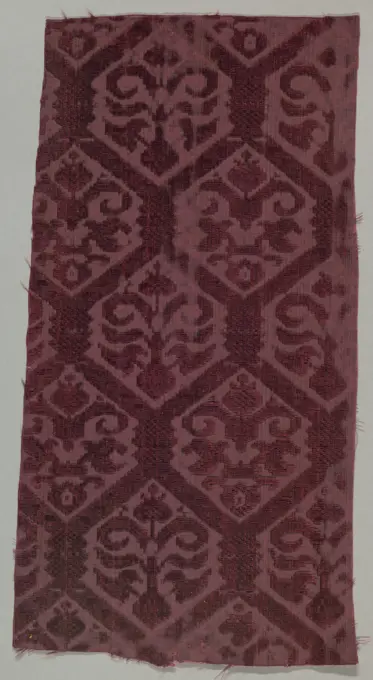
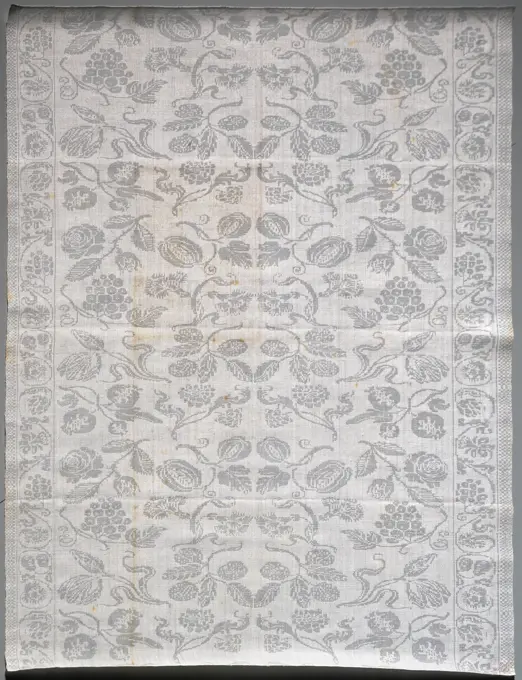
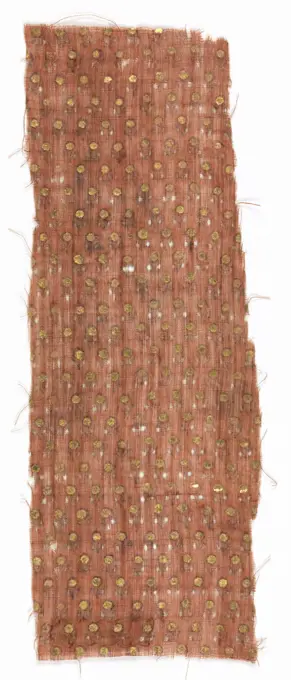
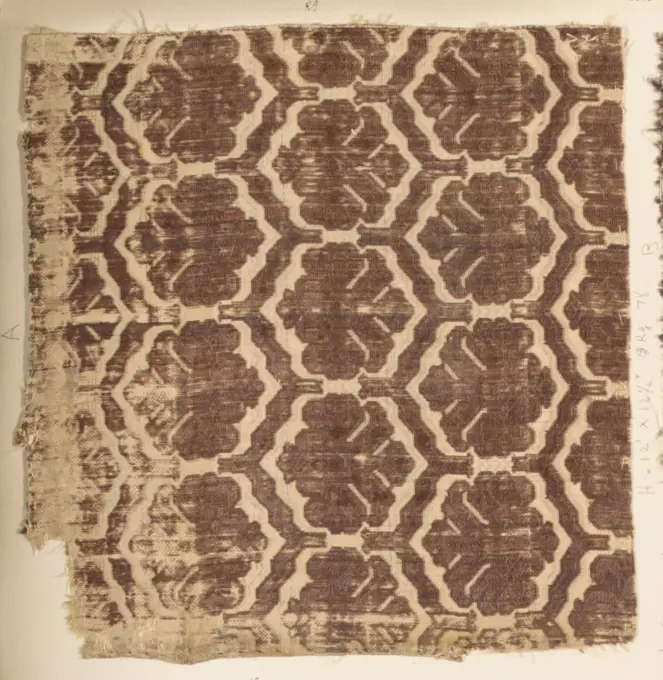
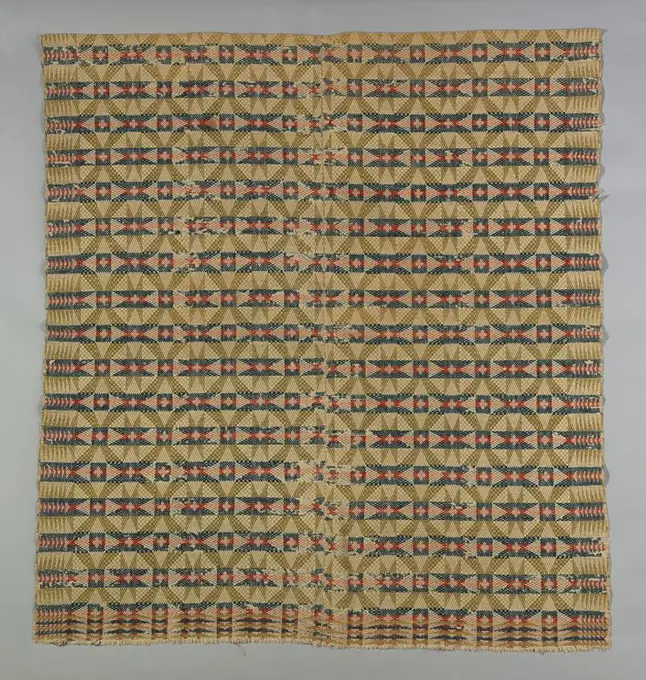
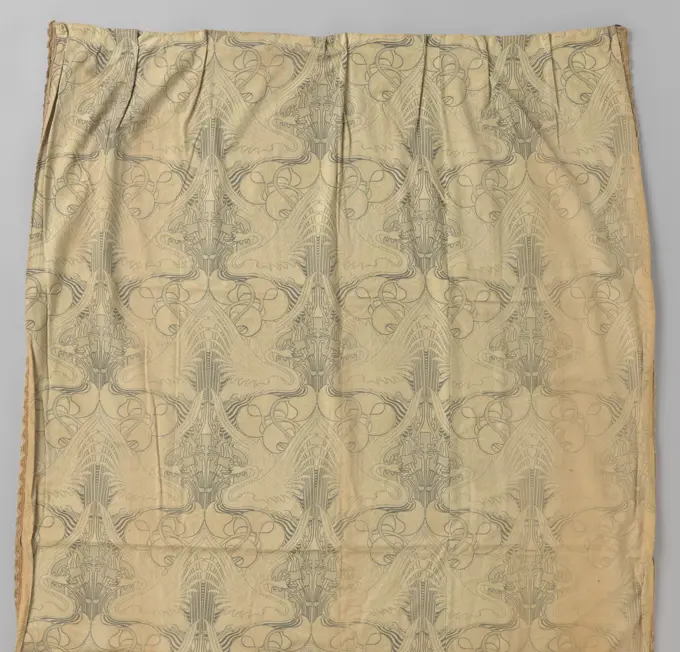
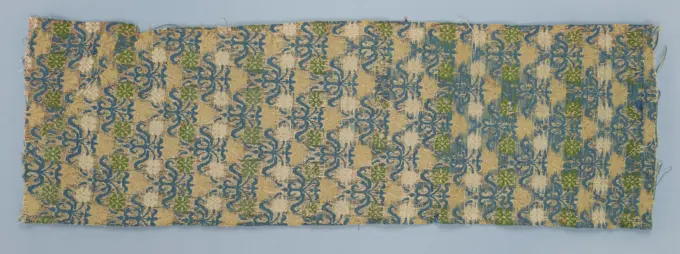
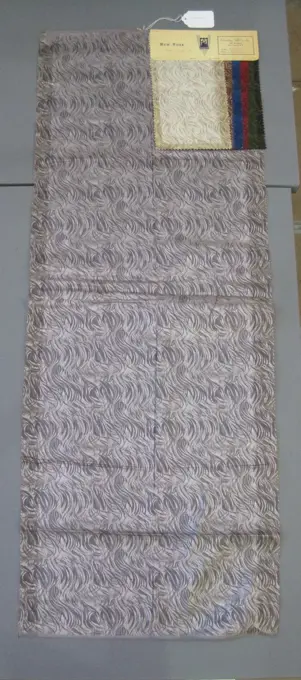
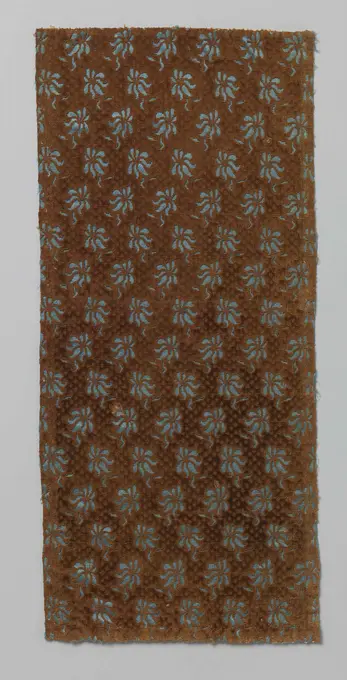
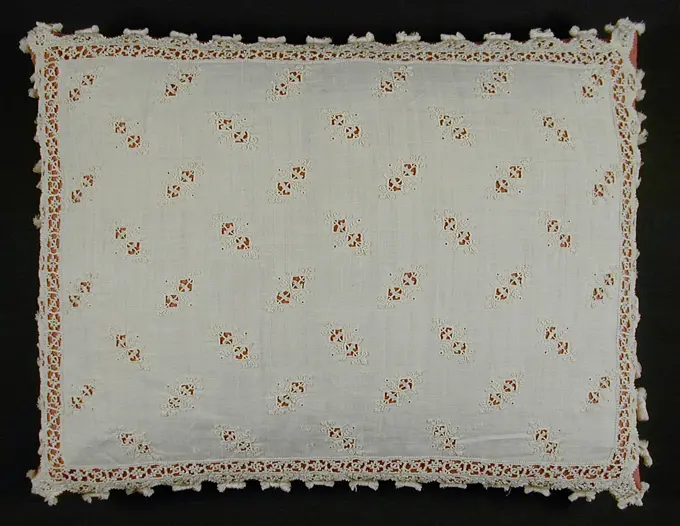
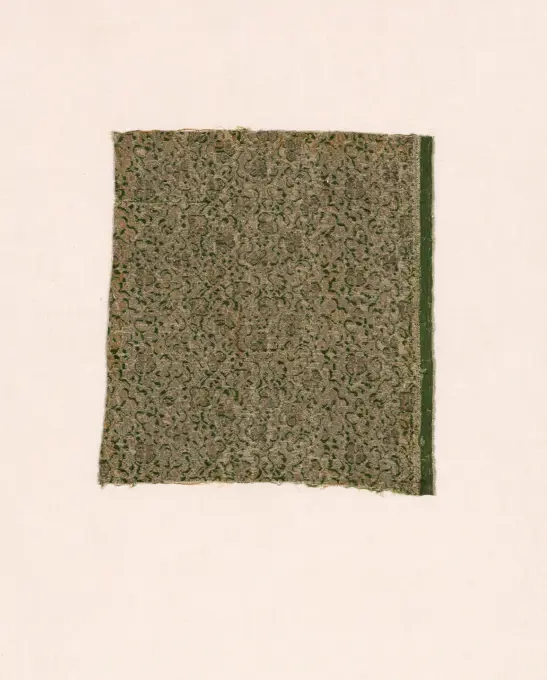
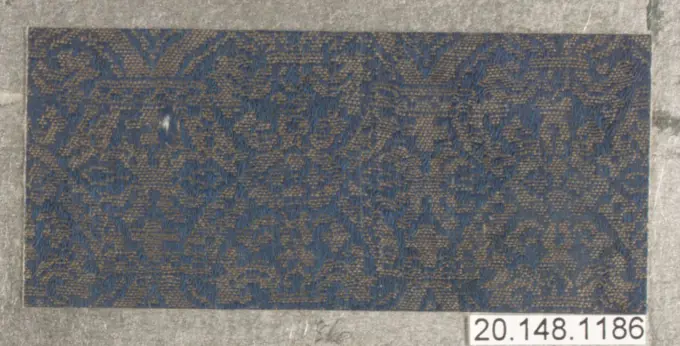
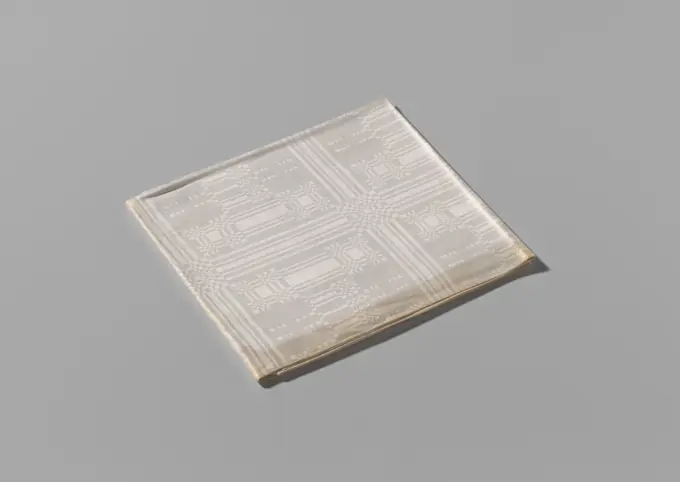
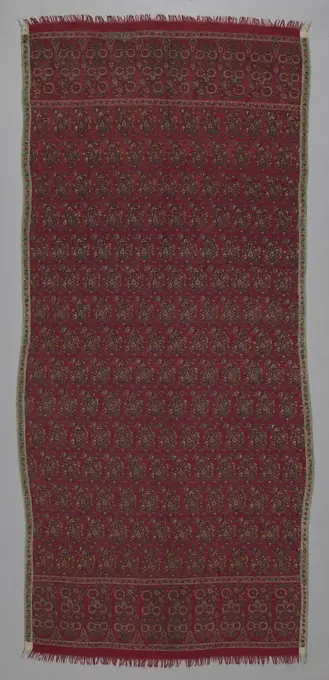
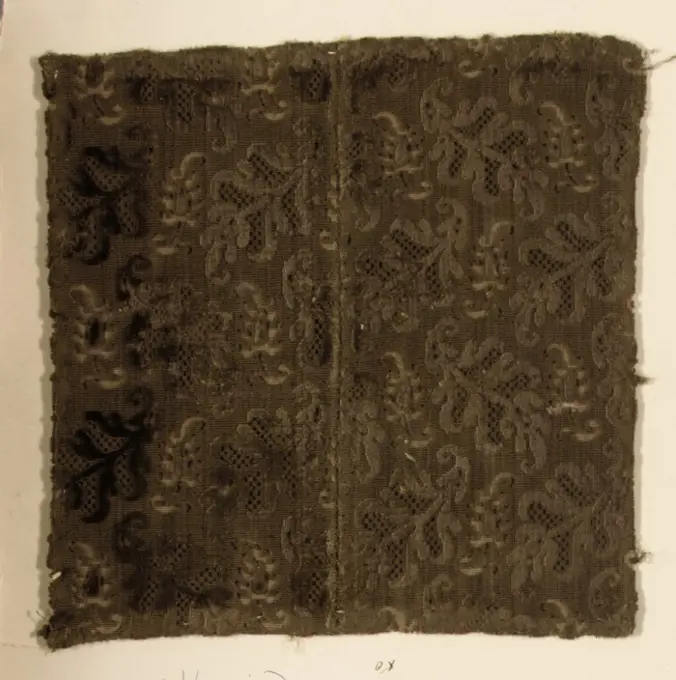
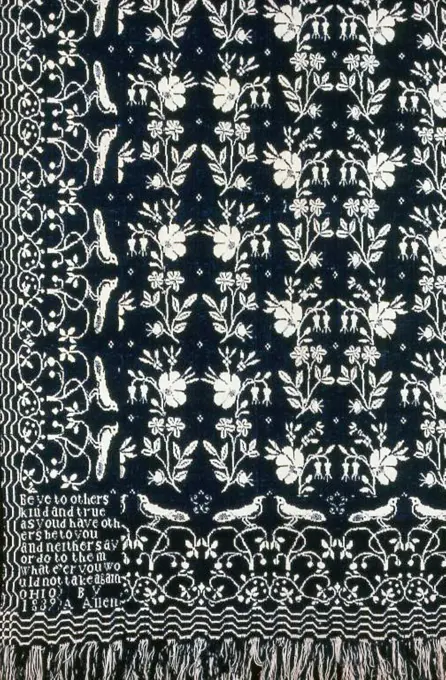
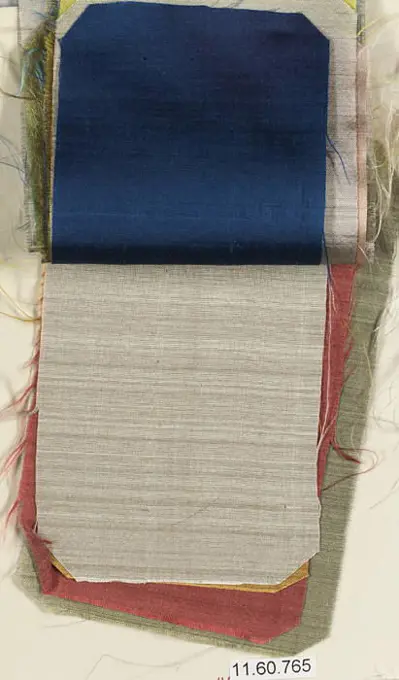
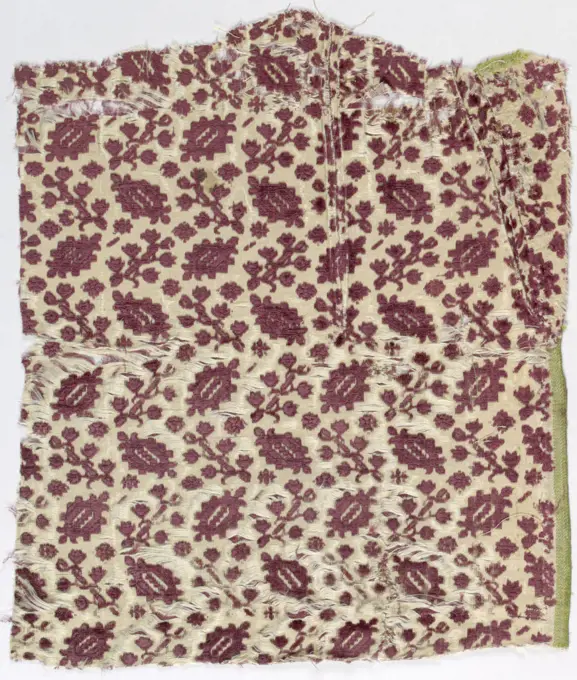
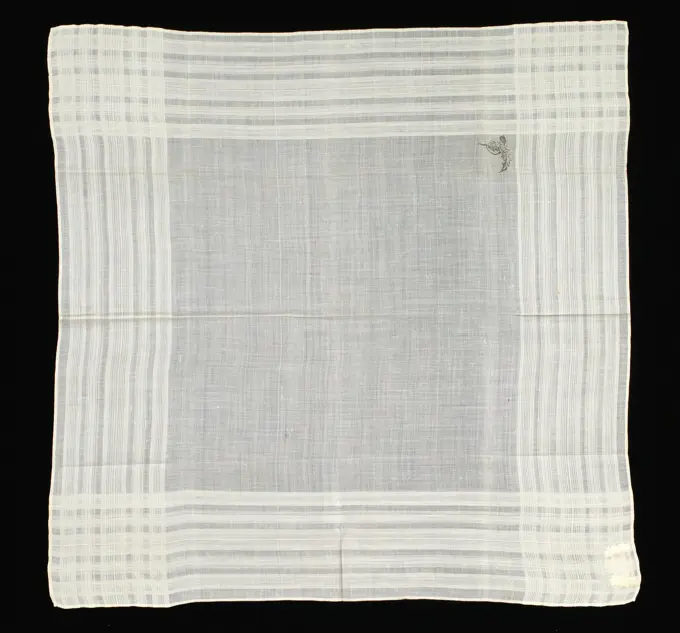
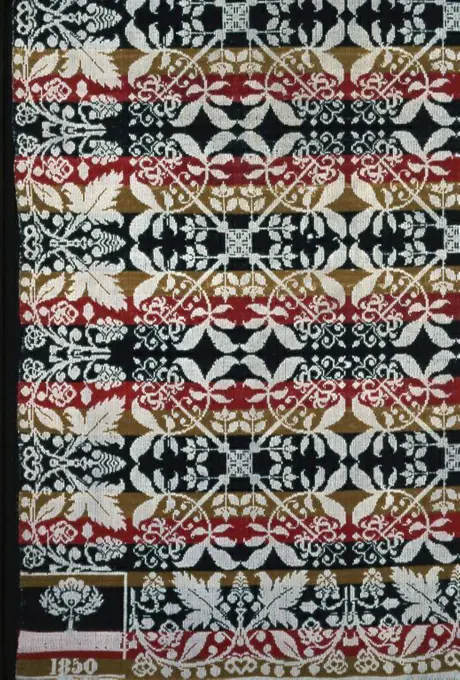
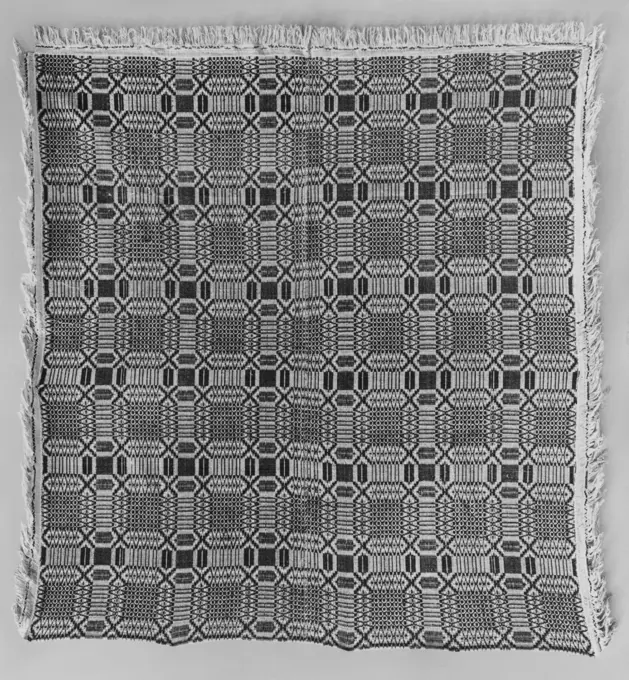
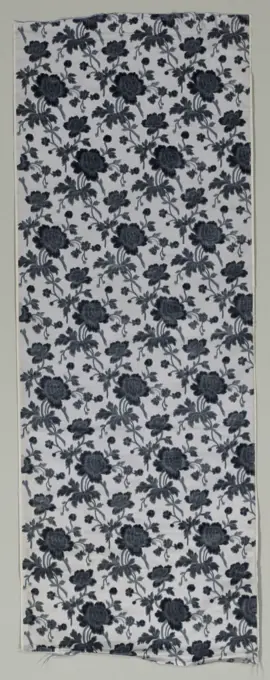
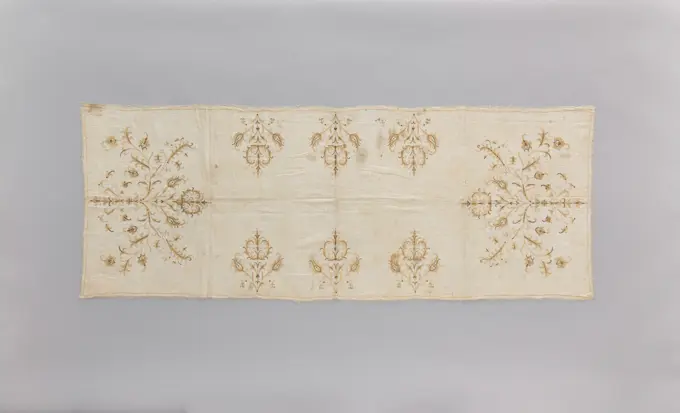
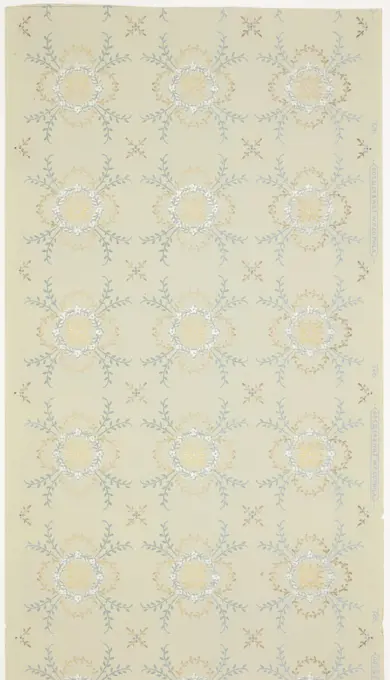
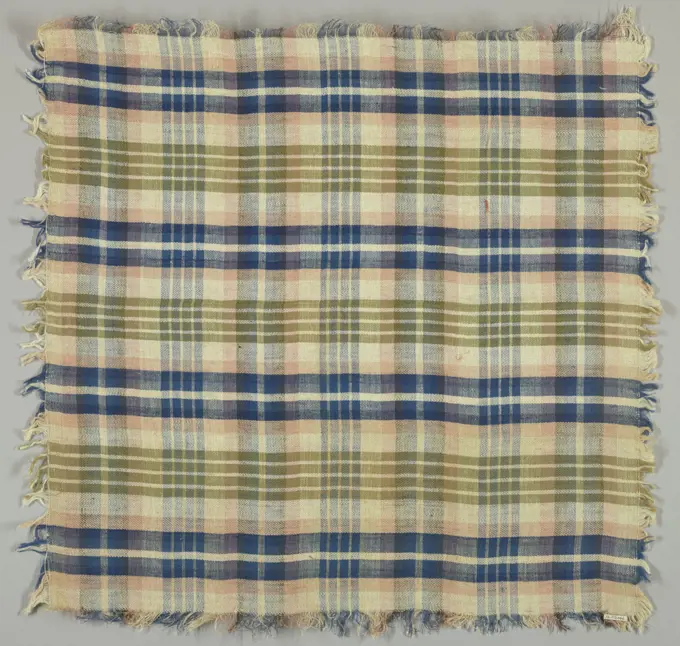
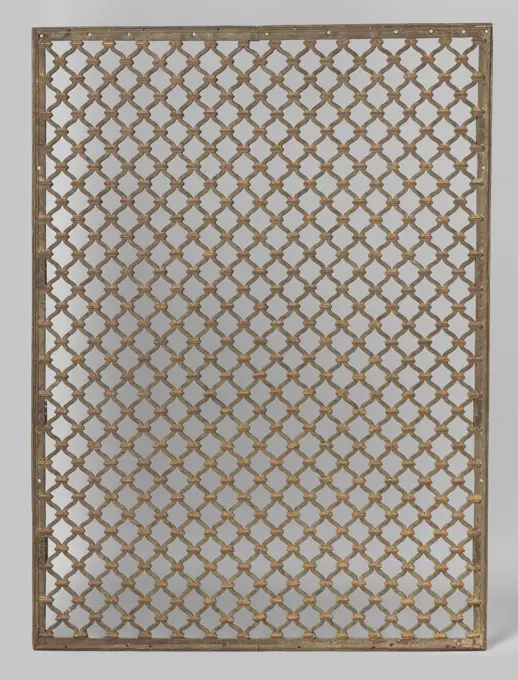
Fragment, Medium: silk Technique: 4-harness broken twill plus a float weave, Medium-scale diagonal repeat of four-lobed toothed rosettes., Spain, 17th-18th century, woven textiles, FragmentTextile (Japan); hempTextile (France); silk; Warp x Weft: 109 x 55 cm (42 15/16 x 21 5/8 in.); 1971-91-18Napkin; linenFragment 16th century Italian. Fragment 230467Textile (France); cottonEmbroidered shawl unknownFragment striped silk tissue, anonymous, 1750 Fragment striped silk tissue. A gray -green soil with silver color has red stripes. Italy silk. Fragment striped silk tissue. A gray -green soil with silver color has red stripes. Italy silk.Lace laceAnonymous, towel of the personal service of Adolf Hitler, Kehlsteinhaus (Berchtesgaden) (attributed title), 1937. Damassed and embroidered linen. General Leclerc Museum of the Liberation of Paris - Jean Moulin Museum.Square, Medium: cotton Technique: resist printed on plain weave, Small white flower pattern and border on a deep purple-red ground., USA, late 19th century, printed, dyed & painted textiles, SquareFragment Italian 18th-19th centuryFragment; silk; Warp x Weft: 33 x 14.5 cm (13 x 5 11/16 in.); 1953-162-68Textile Fragment 17th century. Textile Fragment 454535Sampler, Medium: linen Technique: buttonhole, counted satin and hem stitches, cutwork and drawnwork, on plain weave, Eleven borders of cutwork, drawnwork and embroidery., England, 17th century, embroidery & stitching, SamplerTest piece () From a climbing side with sprinkled flowers. On a nice meading net there are two staggered rows of a curve stalk with a flower. In one row, they are roses, in the other are the flowers consisting of three hanging petals and raised stamens. Valenciennes side.Borders, Medium: linen Technique: needle lace (commonly called Rosaline), Venetian Rose point. Design similar to 1939-66-3 of scrolls with delicate palmettes and roselike forms., Venice, Italy, 17th or early 18th century, lace, BordersFragment; silkLength 20th century Kawashima Weaving Co.. Length 70509Fragment, Medium: silk, metallic Technique: supplementary warp forming raised pile on plain weave foundation (velvet), Green diagonal plant forms on gold background., 17th century, woven textiles, FragmentTextile; silk, metalFragment; silkTextile, Medium: silk Technique: wax resist dyeing (batik) on plain weave, Silk textile, probably a shoulder cloth (selendang) or breast cloth (kemben), with all-over geometric pattern ('ceplokkan' motif) in dark brown and cream-white. Outer edge decorated with narrow border similar to the running-key design. Fringed., Yogyakarta, Indonesia, 19th century, printed, dyed & painted textiles, TextilePiece French 19th centuryPiece 19th century Japan. Piece 72129Napkin with flowers and fruits, anonymous, c. 1650 Linnamast napkin with pattern of "Sawed Blom" and fruits. A layer of symmetrical pattern shows fairly large flowers and fruits on a swivel twig. Among other things, rose, pomegranate, tulip, grapes and melon are recognizable. Standing edges: Single spiral rank with daffodil, grapes and flowers. Northern Netherlands (possibly) linen (material) damask Linnamast napkin with pattern of "Sawed Blom" and fruits. A layer of symmetrical pattern shows fairly large flowers and fruits on a swivel twig. Among other things, rose, pomegranate, tulip, grapes and melon are recognizable. Standing edges: Single spiral rank with daffodil, grapes and flowers. Northern Netherlands (possibly) linen (material) damaskRabat Swedish (Rättvik) (Dalarna) 19th centuryTextile, Medium: cotton Techinque: printed by engraved roller on plain weave, Half-drop repeat of two vertical twisting and curving ribbons with flowers attached in purple on a tan background. Fabric lengths placed side by side would have continued pattern., USA, 1830-1850, printed, dyed & painted textiles, TextileTextile Swatches Onondaga Silk Company, Inc. (1925-1981). , 1948-1959. Silk, 47 1/2 x 16 3/4 in. (120.7 x 42.5 cm).    1948-1959Headscarf or turban unknownMan's Sash, c. 1980, 112 x 10 1/4 in. (284.48 x 26.04 cm), Cotton, acrylic; supplementary weft patterning, Mexico, 20th centuryFragment, Medium: cotton Technique: printed and painted on plain weave, gold powder on gum or wax base, Strip of very fine, loosely woven terra-cotta cotton plain weave with minute close-set diagonal repeat of flower sprig with pair of leaves and gold dot filling blossom, drawn in black., Rajasthan, India, 17th-18th century, printed, dyed & painted textiles, FragmentFragment 16th century Italian. Fragment 230115Coverlet. United States, Probably Pennsylvania. Date: 1820-1840. Dimensions: 201.6 x 186 cm (79 3/8 x 73 1/4 in.)Repeat: 22.8 x 20.6 cm (9 x 8 1/8 in.). Cotton and wool, plain weave with supplementary wefts in composite point twill weave (star, work, multiple shaft); two loom widths joined. Origin: Pennsylvania. Museum: The Chicago Art Institute, Chicago, USA.Woman's Skirt, 1978, 34 1/2 x 32 in. (87.63 x 81.28 cm), Cotton, Mexico, 20th centuryTextile (England); cottonMedieval ornamentDoor curtain of printed cretonne with swans and Lissen, Michiel Duco Crop, c. 1900 Door curtain of printed cretonne with swans and llissen and on three sides with a passement and with metal rings. Netherlandsmaker: Helmond linen (material). metal printing Door curtain of printed cretonne with swans and llissen and on three sides with a passement and with metal rings. Netherlandsmaker: Helmond linen (material). metal printingRibbon French 19th century View more. Ribbon. French. 19th century. Textiles-TrimmingsFragment of silk fabric  symmetrical motif of a rose bouquet unknownTextile Swatches Onondaga Silk Company, Inc. (1925-1981). , 1948-1959. Silk, 47 1/2 x 18 in. (120.7 x 45.7 cm).    1948-1959Sample early 19th century French. Sample 219261Fragment zijde fluweel..A fragment of a velvet. On a ground of heavenly blue warning satin, the brown velvet horizontally, the eight-leafs and discretely arranged hoses were spared from the brown velvet.Servet van Pellendem, c. 1800 - c. 1900 Linen Pellendamast napkin. The checkered pattern has checkered blocks and squares in which a cross shape. The edges are striped. The napkin is marked in red with a cross stitch: DR 114. North Brabant (Possibly) linen (material) Linen Pellendamast napkin. The checkered pattern has checkered blocks and squares in which a cross shape. The edges are striped. The napkin is marked in red with a cross stitch: DR 114. North Brabant (Possibly) linen (material)Textile (France); silk, metal-wrapped silk; 20 x 27 cm (7 7/8 x 10 5/8 in. ); 1931-55-32Pillowcase of linen with interchol from Kloskant with coral -shaped volute vines, Anonymous, 1600 - 1699 Pillowcase of linen with an intermediate creature of natural -colored bobbin side on one short side. The pattern consists of coral -shaped volute vines, which are connected by a grid, a five -part ground. Band closure. North Netherlands linen (material) bobbin lace Pillowcase of linen with an intermediate creature of natural -colored bobbin side on one short side. The pattern consists of coral -shaped volute vines, which are connected by a grid, a five -part ground. Band closure. North Netherlands linen (material) bobbin laceTextile Swatches Onondaga Silk Company, Inc. (1925-1981). , 1948-1959. Cotton velvet or velour, 37 x 35 1/2 in. (94 x 90.2 cm).    1948-1959Ceremonial Mat, 20th century, 65 1/2 x 31 15/16 in. (166.37 x 81.12 cm), Plant fibers, Republic of Kiribati, 20th centuryPillow Cover. Italy, early 17th century. Textiles; covers. Linen, cutwork embroidery, needlelace (reticello)Fragment Made 1701-1725 France. brocaded silk .Piece 18th century Japan. Piece 72172Napkin van Linen with peel pattern ,, 1740 - 1786 White linen bench fat with peel pattern, brand Kroon iavg 1. Northern Netherlands (Possible) linen (material) White linen bench fat with peel pattern, brand Kroon iavg 1. Northern Netherlands (Possible) linen (material)Textile Fragment ca. 1800. Textile Fragment. ca. 1800. Silk and metallic thread; brocaded. Country of Origin India. TextilesHip cloth. Hip cloth with geometric motifs.Textile Swatches Onondaga Silk Company, Inc. (1925-1981). , 1948-1959. 71 wool, 26 silk, 3 nylon, 23 x 17 3/4 in. (58.4 x 45.1 cm).    1948-1959Machinale tulle hat with oval flowers on C-shaped branches and along the edges in tuldoor stop work, anonymous, c. 1830 Hat veil of natural -colored machine tulle with natural lace -ups along the edges: tuldoor stop work. Square model with faintly scalloped edges. Along the bottom of the veil is a row of seven the same thin C-shaped branches, which are set on both sides with oval flowers on a short stalk and with a border petals along the upper half. A larger flower rises at the bottom of the branch and is centrally located in the C. Along all sides, an edge with one oval flower runs in a scoop. Decorative lands have been used in the flower hearts. The upper edge has turned and secured, this hem is as wide as the edge pattern with the oval flowers. Netherlands linen (material) Hat veil of natural -colored machine tulle with natural lace -ups along the edges: tuldoor stop work. Square model with faintly scalloped edges. Along the bottom of the veil is a row of seven the same thin C-shapBatters handkerchief with s monogram in white work. Handkerchief of Batist with white work. In one of the corners, an S-monogram is embroidered within a large symmetrical cartouche. The cartouche consists of a straight and perlignment tape work filled with forget-me-stapling. Flowers and two forests of corners are embroidered outside of the cartouche.Servet van Pellendem, c. 1750 - c. 1775 Pelendet van Pellendamast with edges all around. The napkin is marked: crowned letters VE and X 24. The napkin includes a napkin with invnr. BK-1980-117-B. Eastern Netherlands (possibly) linen (material) Pelendet van Pellendamast with edges all around. The napkin is marked: crowned letters VE and X 24. The napkin includes a napkin with invnr. BK-1980-117-B. Eastern Netherlands (possibly) linen (material)Ribbon French 19th centuryRibbon French 19th centuryKhes, mid 20th century, 78 x 52 1/2 in. (198.12 x 133.35 cm) (including fringe), Cotton, India, 20th centuryLong Shawl Made 1800-1815 India. Wool, double interlocking twill tapestry weave; attached side borders, ends and tabs of pieced twill weaves; main warp fringe .Tablecloth of cotton satin ,, 1820 - 1870 Tablecloth made of cotton, red, white and blue blocked and striped with frills at the ends. Netherlands (possibly) cotton (textile). satin Tablecloth made of cotton, red, white and blue blocked and striped with frills at the ends. Netherlands (possibly) cotton (textile). satinTablecloth with rural scenes, marked WDW and 2., Anonymous, 1830 - 1860 White half -linen dams of tablecloth with rural scenes, marked WDW and 2. Germany Ketting: Cotton (Textile). Elements: Linen (material). damask White half -linen dams of tablecloth with rural scenes, marked WDW and 2. Germany Ketting: Cotton (Textile). Elements: Linen (material). damaskWhite machining side with Andreas crosses, on cardboard, c. 1925 White machining side with Andreas crosses, on cardboard. Nijmegen cardboard White machining side with Andreas crosses, on cardboard. Nijmegen cardboardFragment mid-16th century Italian. Fragment 230128Bed sheet. Brand: IAVG and HW., Anonymous, 1725 - 1786 Cloths of White Linen, Brand Kroon IAVG and HW Northern Netherlands (Possible) linen (material) Cloths of White Linen, Brand Kroon IAVG and HW Northern Netherlands (Possible) linen (material)Coverlet Made 1839 Ohio. Cotton and wool, plain weave double cloth with main warp fringe; woven on loom with Jacquard attachment . Abram Allen (Weaver)Ceremonial Mat, 20th century, 75 11/16 x 37 7/8 in. (192.25 x 96.2 cm), Plant fibers, Republic of Kiribati, 20th centuryTextile Fragment 17th century. Textile Fragment. 17th century. Silk, metal thread; brocaded, pieced. Made in Iran. Textiles-BrocadesSample early 19th century French. Sample 219340Uchishiki (Altar Cloth) Made 1775-1800 Japan. Five sided piece of kinran, fancy compound satin, silk and gilt paper .Fragment, Medium: silk Technique: cut and uncut supplementary warp pile in a five-harness satin foundation (ciselé voided velvet), Rows of diagonally aligned motifs in dull purple on an ivory voided ground. One motif is an elaborate lozenge, the other a flowering vine wrapped on a rod. The diagonal alignment is reversed from row to row; interspaces are filled with tiny rosettes., 17th century, woven textiles, FragmentHandkerchief 1840-60 American. Handkerchief 169713Bag 1725-75 European. Bag 169684Fragment of a Deventer carpet. Fragment of a hand-knotted Deventer carpet with red midfield and abstract edge decoration in green, beige, red and blue. Dark blue border. The carpet is made for the villa of the Pull Ter Gunne family to the Princess Marielaan in Apeldoorn.Coverlet Made 1850 Ohio. Cotton and wool, plain weave with plain interlacings of secondary binding warps and patterning wefts (Beiderwand); woven on loom with Jacquard attachment; two loom widths joined; fringed .Coverlet, Saint Ann's Robe or Governor's Garden pattern ca. 1825 American This overshot coverlet is woven of undyed cotton and dark blue wool in two panels and seamed at the center. A woven fringe was added on three sides.. Coverlet, Saint Ann's Robe or Governor's Garden pattern 13634Velvet Fragment, c. 1900. France, early 20th century. Velvet, ikat dyed; silk; overall: 160.4 x 58.4 cm (63 1/8 x 23 in.).Strip of white bobbin side of one -ranking squares with leaf motif, with scales and picots, Gustav Schnitzler, c. 1920 Strip of white bobbin of one -lane squares with leaf motif, with sculptures and picots on cardboard. NijmegenFrance (possibly) cardboard bobbin lace Strip of white bobbin of one -lane squares with leaf motif, with sculptures and picots on cardboard. NijmegenFrance (possibly) cardboard bobbin laceFragments, Medium: silk, metallic thread Technique: cut pile velvet, Fragments with arabesques and pomegranates., possibly Turkey, 17th century, woven textiles, FragmentsChurch tablecover. unknown, authorCeiling paper, Gossler and Wilt Wall Paper Co., Philadelphia, Pennsylvania, Machine-printed paper, liquid mica, Flower-like shapes made up of one floral wreath over four foliate wreaths and tendrils. Fleurons in the resulting negative spaces. Ground is light green blue. Printed in light blue, white mica, and gold micas., Printed in selvedge: 'Gossler & Wilt W. P. Co. Phila 726', Philadelphia, Pennsylvania, USA, 1905-1915, Wallcoverings, Ceiling paperTablecloth with stars and mosies and red -woven edges, anonymous, c. 1900 Tablecloth from Linnamast with red woven edges. The pattern has stars (or flowers) and moesjes. The double edges have stars (or flowers) and leaves, flanked by narrow edges with mosies. In a corner a white P. in white P. At the table fee, twelve finger cloths (BK-1980-164-A to BK-1980-164-L) belong to. Netherlands (possibly)Germany (possibly) linen (material) damask Tablecloth from Linnamast with red woven edges. The pattern has stars (or flowers) and moesjes. The double edges have stars (or flowers) and leaves, flanked by narrow edges with mosies. In a corner a white P. in white P. At the table fee, twelve finger cloths (BK-1980-164-A to BK-1980-164-L) belong to. Netherlands (possibly)Germany (possibly) linen (material) damaskTextile Swatches Onondaga Silk Company, Inc. (1925-1981). , 1948-1959. Silk, 23 x 9 in. (58.4 x 22.9 cm).    1948-1959Textile (France); cottonHandkerchief, Medium: cotton Technique: plain weave, Handkerchief in a coarsely woven plaid of off-white, navy blue, olive green, and pink. Fringed on all four sides., USA, 19th century, woven textiles, HandkerchiefFichu or so -called tip cloth with bobbin with hanging flower branches, anonymous, c. 1750 - c. 1780 Fichu of natural-colored batist with bobbin: Flanders side or Binche side. Zaanse regional. Square model, three -part to be wearing, with rolling soaps and on two sides with lace that is wrinkled in the tip (`the tip '). Side pattern: hanging flower branches. Southern Netherlands linen (material) Bobbi Lace / Binche Lace / Flanders Lace Fichu of natural-colored batist with bobbin: Flanders side or Binche side. Zaanse regional. Square model, three -part to be wearing, with rolling soaps and on two sides with lace that is wrinkled in the tip (`the tip '). Side pattern: hanging flower branches. Southern Netherlands linen (material) Bobbi Lace / Binche Lace / Flanders LaceBlanket of wool. Woolen children's blanket, white with blue edges.Hek, quadrangular, with vertically placed zig-zag-bent rods. Dated 1676. from Verz. Mannheimer., 1676 A quadrangular fence. The bars consist of vertically placed, zig-saw-bent rods that are interconnected by profiled tires. Iron. Dated. Italy iron (metal) A quadrangular fence. The bars consist of vertically placed, zig-saw-bent rods that are interconnected by profiled tires. Iron. Dated. Italy iron (metal)Fragments, Medium: silk Technique: supplementary warp forming raised pile in satin foundation, Twice colored silk velvet with detached leaf pattern in green cut pile on a red background W: 0.23.5 (9 1/4) L: 0.35.5 (14) Ex Vives Coll., Italy or France, 17th century, woven textiles, FragmentsMan's blanket, 1980, 48 1/2 x 42 7/8 in. (123.19 x 108.9 cm) (without fringe), Cotton; needlework, Myanmar (Burma), 20th centuryFragment of silk fabric  rows of deIIcate flower motifs unknownCover 17th century Italian. Cover 222551Textile, Medium: cotton Technique: compound plain weave, Sample with a light blue ground has thin vertical stripes of blue and white and a wider stripe of blue, white, red, and yellow., Denmark, 19th century, woven textiles, TextileNapkin of linen damask with a lace pattern .. Napkin of linen damask with a lace pattern and an enclosed bouquet. A napkin with Invnr is part of the napkin. BK-1977-301-a.Piece 16th-17th century Italian. Piece 223413Place mat on wooden deck table.Headscarf 1800-1850 Russian. Headscarf 173418Fragment of a Draped Garment worn by Members of Court for Festive Occasions, late 1700s or early 1800s. India, late 18th or early 19th century. Block printed and painted with pigments and gold leaf on cotton; overall: 28.3 x 27.3 cm (11 1/8 x 10 3/4 in.).