Textile Fragments

A collection of fabric samples showcasing intricate patterns and weaving techniques from various historical periods and cultures.
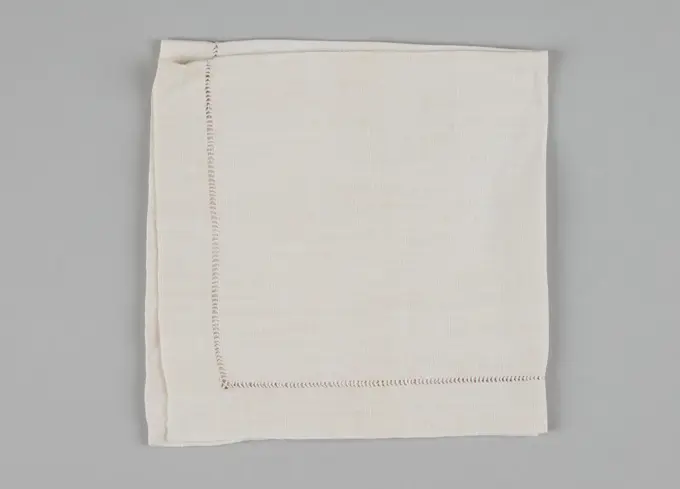
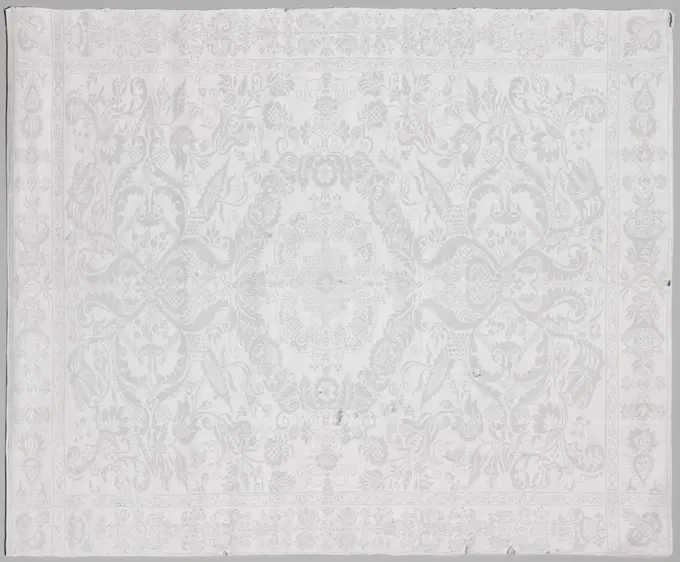
Anonymous, towel of the personal service of Adolf Hitler, Kehlsteinhaus (Berchtesgaden) (attributed title), 1937. Damassed and embroidered linen. General Leclerc Museum of the Liberation of Paris - Jean Moulin Museum.
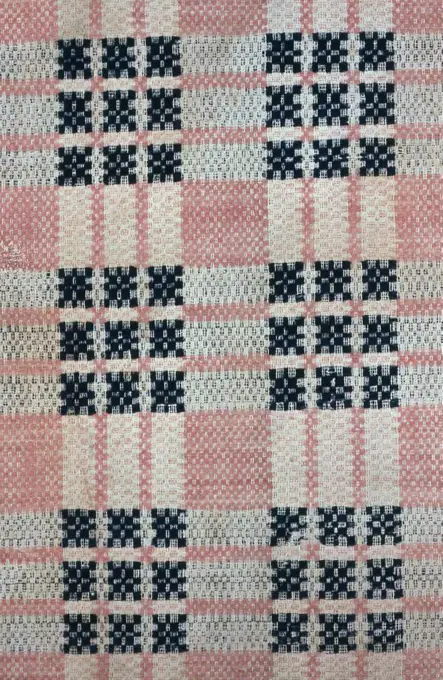
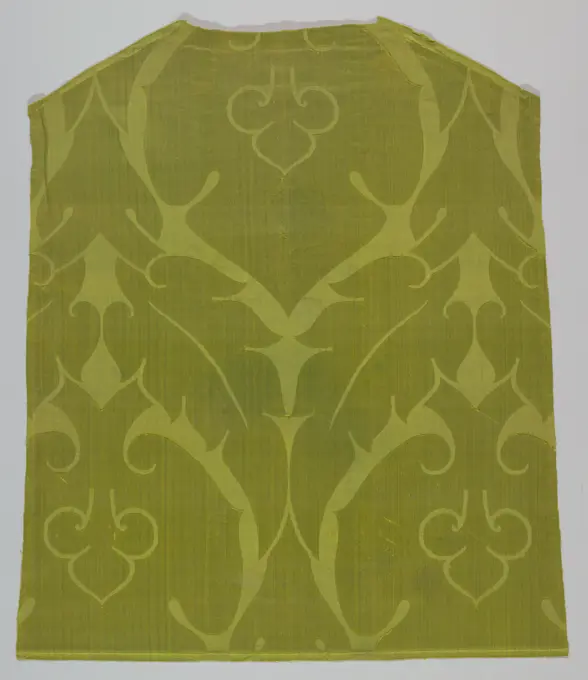
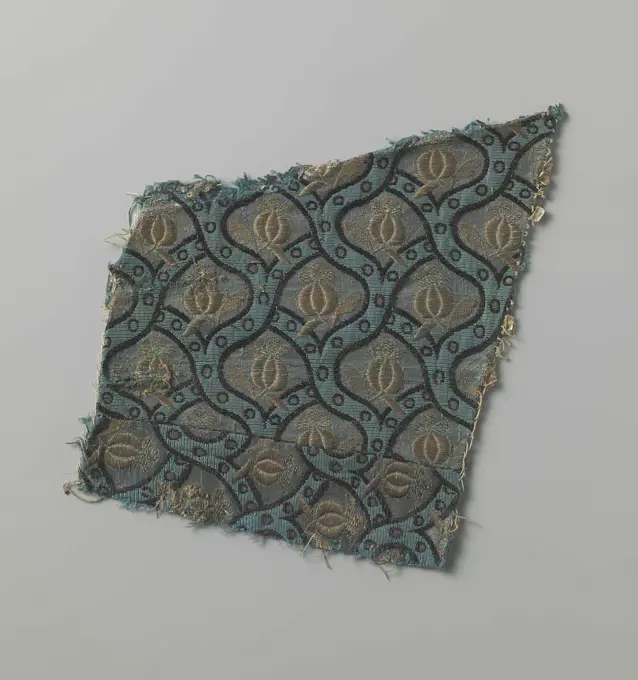
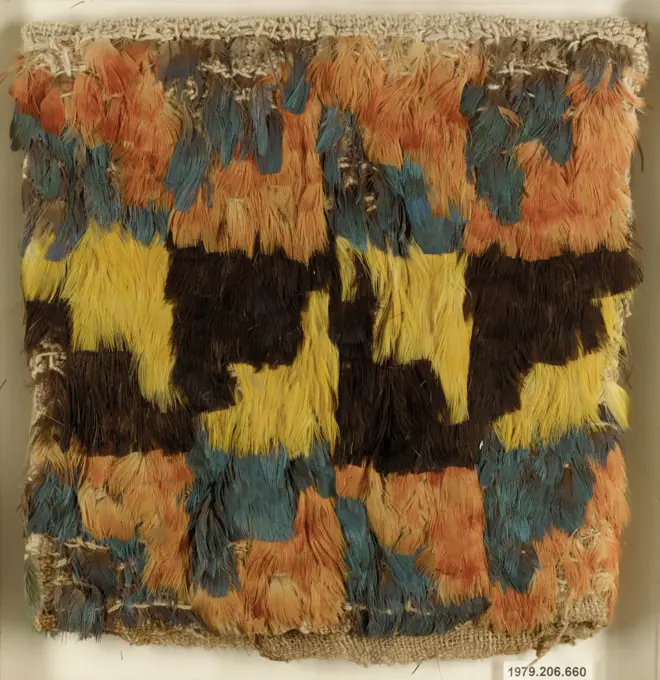
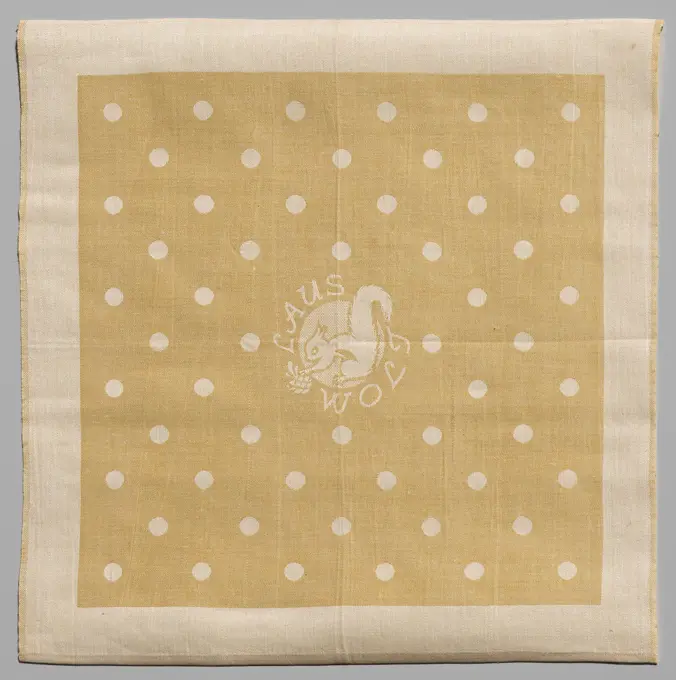
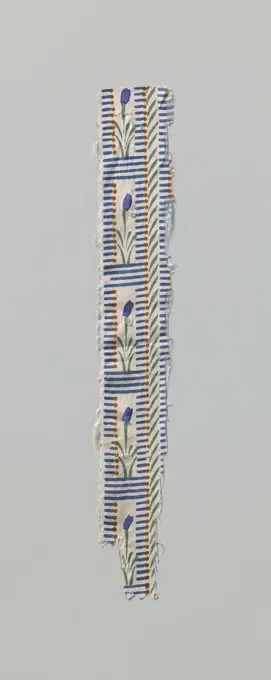
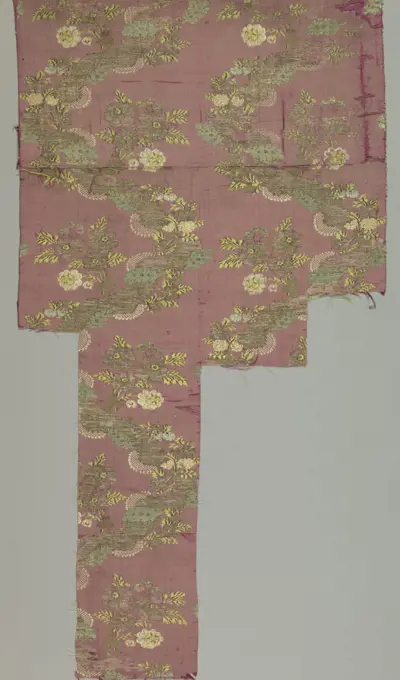
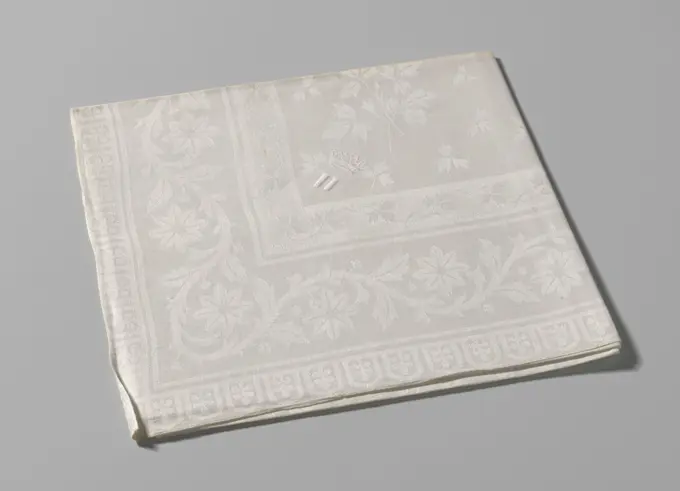
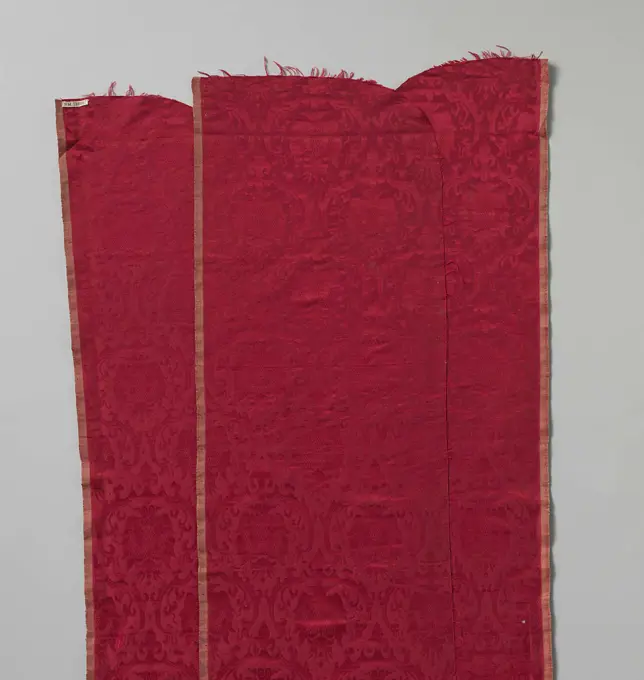
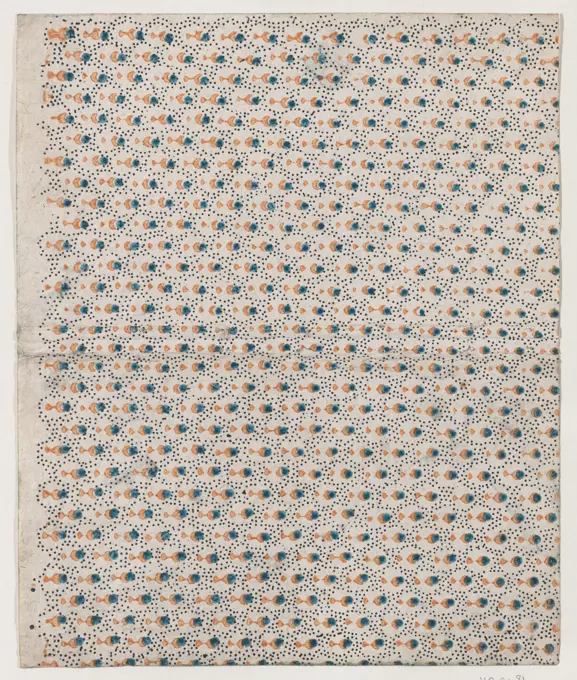
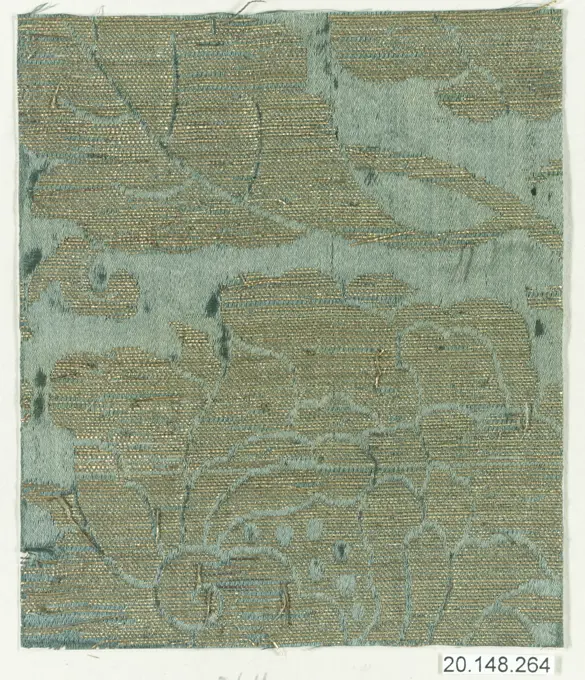
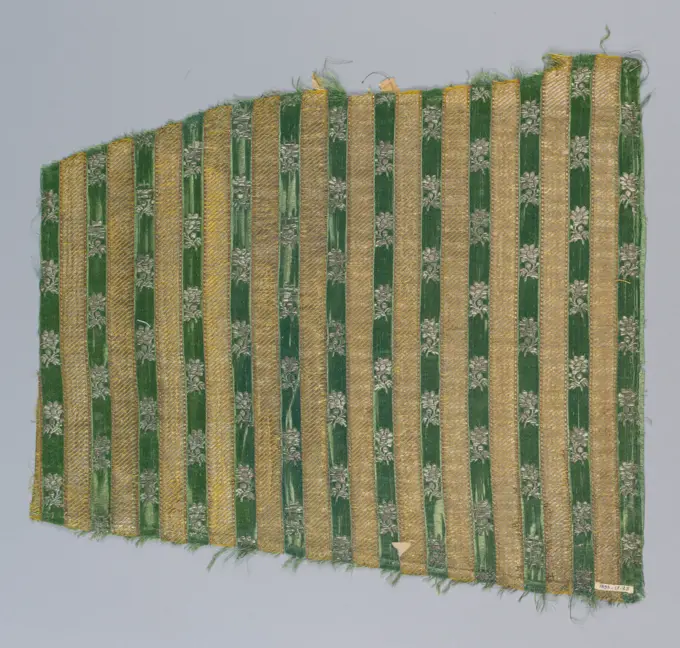
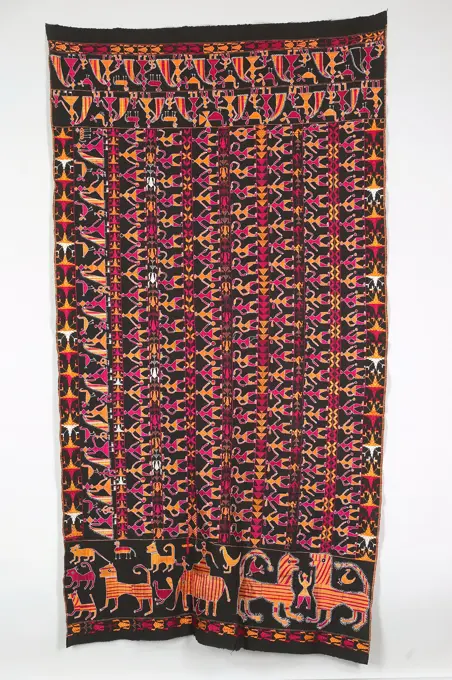
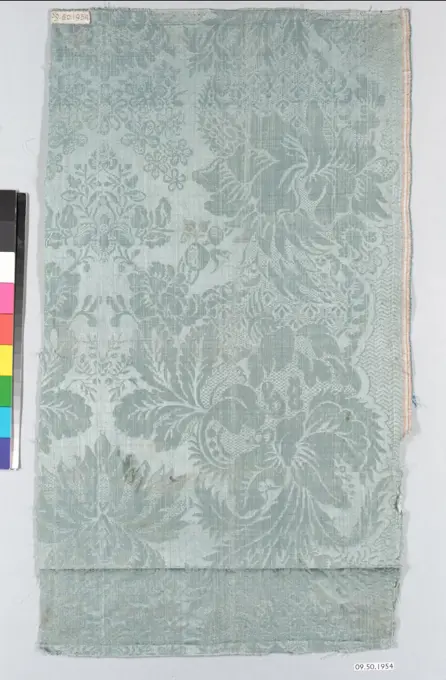
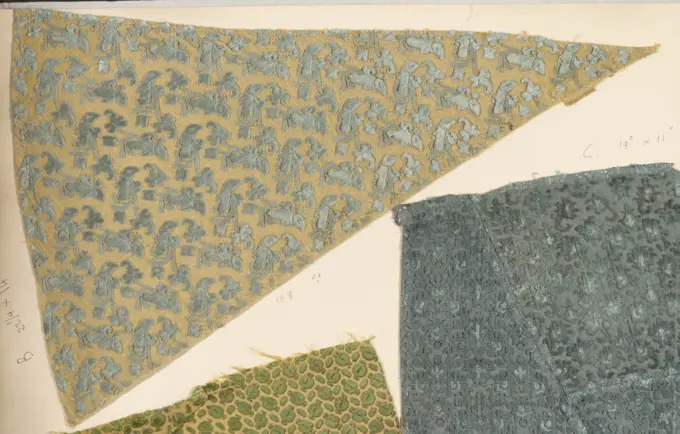
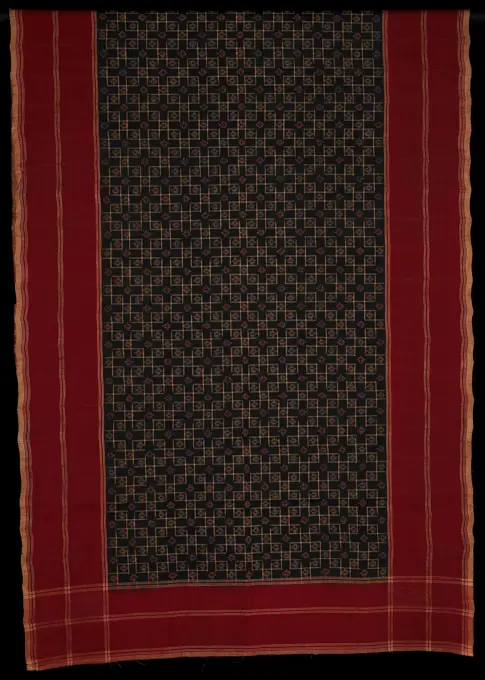
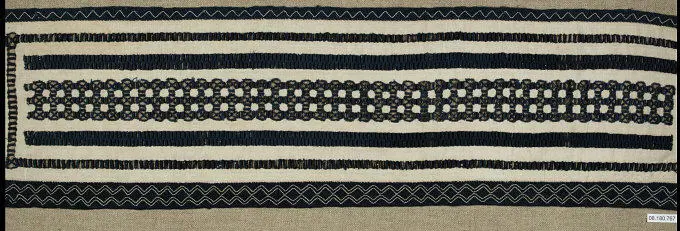
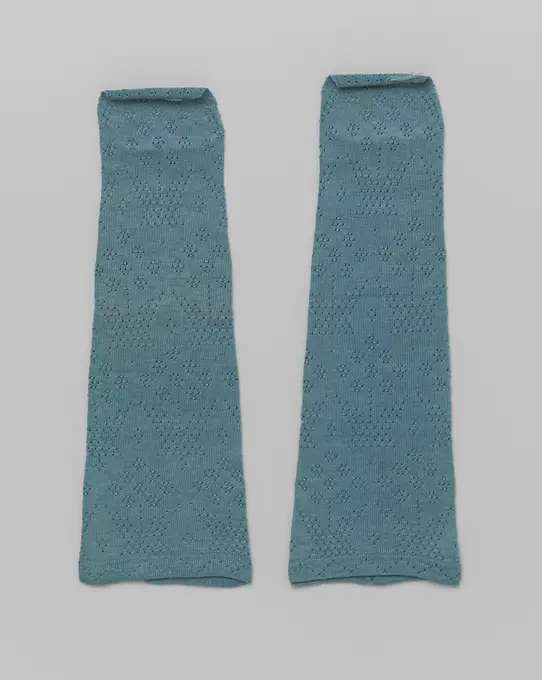
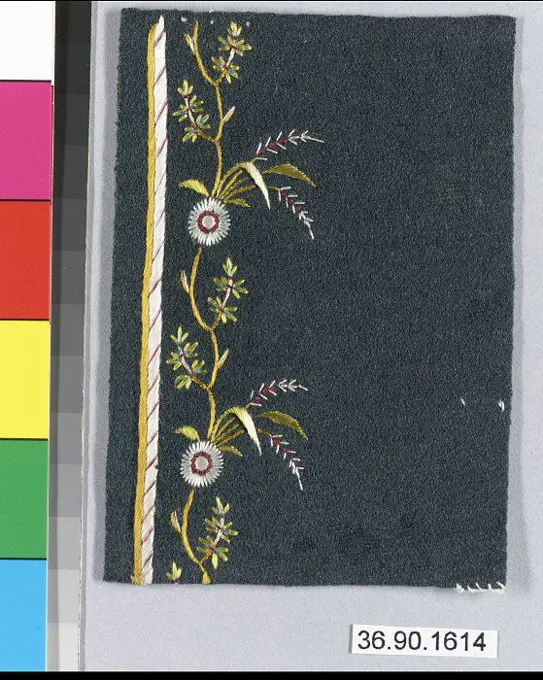
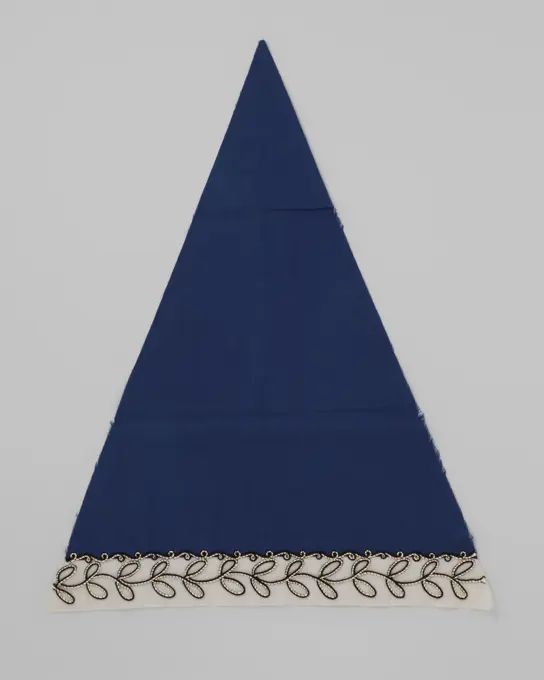
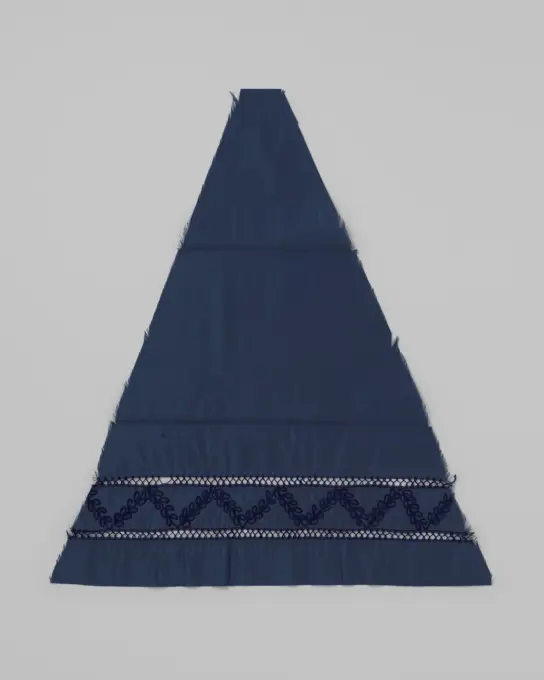
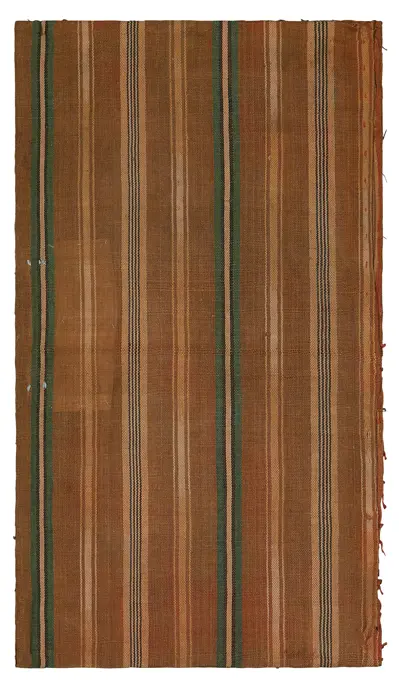
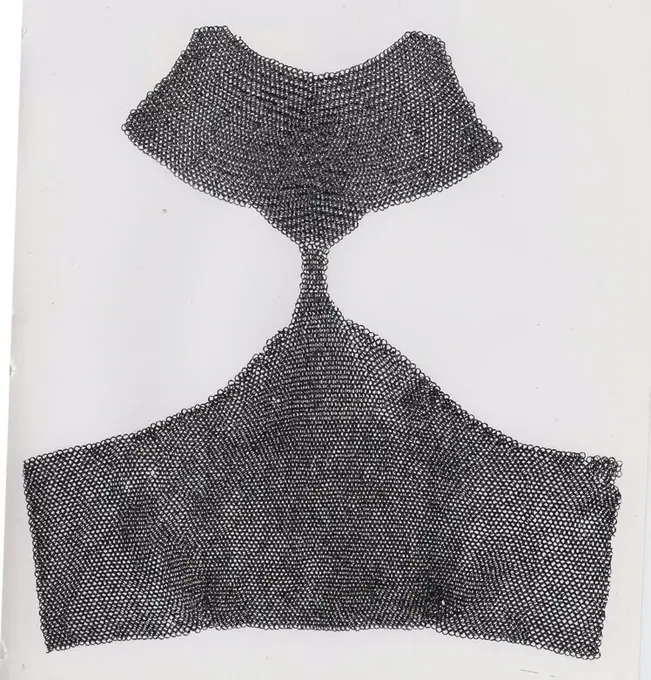
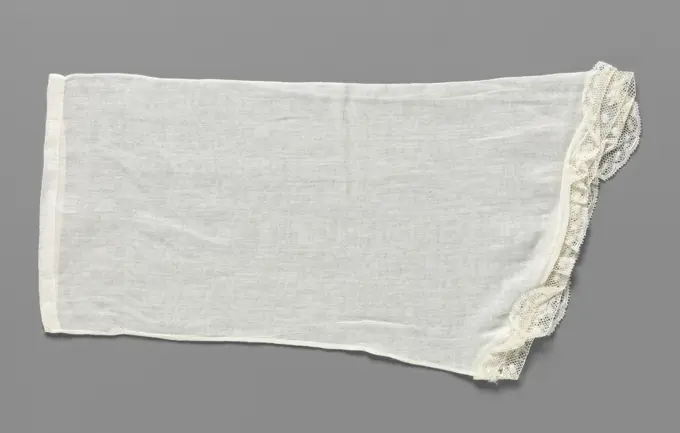
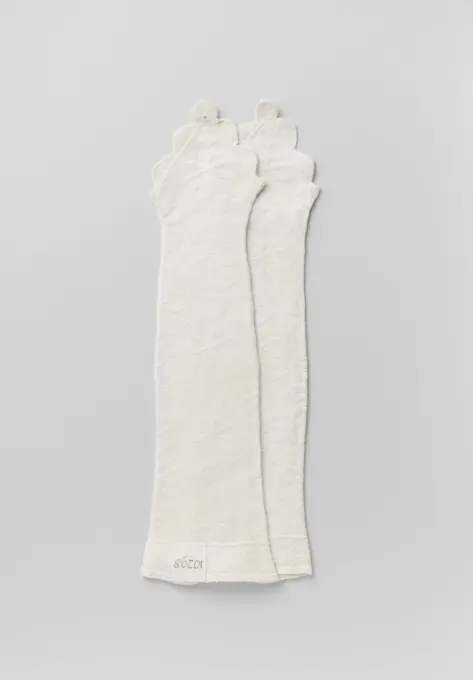
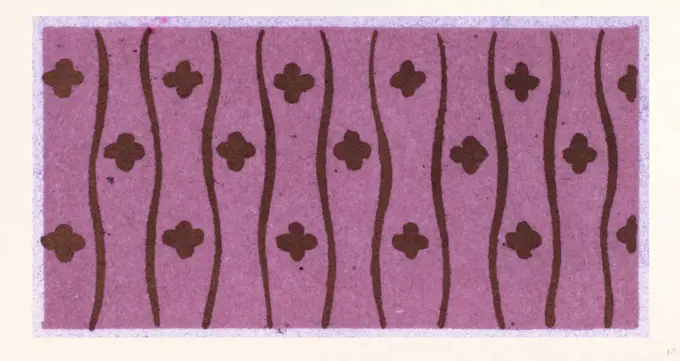
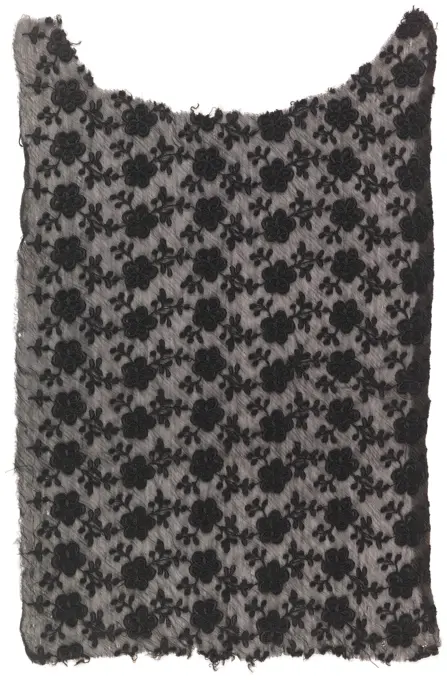
Textile (China); silk embroidery, silk foundationCoverlet (Fragment) Made 1785 United States. Cotton and linen, plain weave with supplementary patterning wefts (overshot); one loom width .Fragment. Italy or Spain. Date: 1525-1575. Dimensions: 49.6 x 25.4 cm (19 1/2 x 10 in.). Fancy compound satin. Origin: Italy. Museum: The Chicago Art Institute, Chicago, USA.A red sweater with blue labels.. Red Sweater with Blue LabelsHead scarf, c. 1990s, 29 1/4 x 10 13/16 in. (74.3 x 27.46 cm), Silk, China, 20th centuryHandkerchief first quarter 19th century American. Handkerchief 169866Sampler; mercerized cotton embroidery on linen foundationTextile, American Print Works, founded 1835, Medium: cotton Technique: printed on plain weave, White fabric printed in a design showing a red rectangle with the word 'Centennial' in brown., Fall River, Massachusetts, USA, 1876, printed, dyed & painted textiles, TextileFragment (India); silk, silver tinsel on silk coreChasuble Fragments (Italy); silk; a) Warp x Weft: 114 x 61 cm (44 7/8 x 24 in.) b) Warp x Weft: 119 x 65 cm (46 7/8 x 25 9/16 in.)Back doublure.. Brantôme, Pierre de Bourdeille, seigneur de (d. 1614). bindings (gathered matter components), Book covers. 1882. Spencer Collection. BookbindingFragment dryuet with braid band motifs and pomegranates. Fragment of 2 pieces assembled (not on pattern) silk with pendulum tape decoration with pomegranates in the resulting openings.Medieval ornamentFragment Made 1801-1825 United States. Sample of stripe and check patterns of blue, white and tan .Indian ornamentMiniature Dress 12th-13th century Ica. Miniature Dress 312847Medieval ornamentWallet ca. 1830 German. Wallet 102715Flounce 17th century Italian, Venice. Flounce 222734Fragment 16th century Spanish. Fragment 216369Fragment (USA); cottonPiece French 19th century View more. Piece. French. 19th century. Silk. Textiles-WovenVingerdoek van Geel Linnamast, made for Hotel Lauswolt (Beesterzwaag, Frl.)., Anonymous, 1954 - 1970 Vingerdoek van Geel Linnamast, made for Hotel Lauswolt (Beesterzwaag, Frl.). Eindhoven linen (material) Vingerdoek van Geel Linnamast, made for Hotel Lauswolt (Beesterzwaag, Frl.). Eindhoven linen (material)Handkerchief Mexican 19th centuryCover (USA); Made by Sybil Carter Indian Mission and Lace Industry Association (United States); linenFragment of multicolor printed silk fabric with a tulip pattern.Square (USA); linenCoverlet, 1825. America, 19th century. Double weave: wool and cotton; average: 218.4 x 198.1 cm (86 x 78 in.).Strip -Workpiece for diploma beautiful crafts, Geesje Smid, c. 1890 - c. 1900 Black sheet with symmetrical possible embroidered in two types of gold thread. Netherlands cloth embroidering Black sheet with symmetrical possible embroidered in two types of gold thread. Netherlands cloth embroideringFragment, Medium: silk, metallic thread Technique: plain cloth, brocaded, a/: a dull pink ground with two serpentine bands of silver thread from which flowering sprays are thrown out in faded pink, yellow and green. See: records for 1941-62-6-b and -c for two other fragments which were a set with -a, but are deaccessioned., France, mid-18th century, woven textiles, FragmentHat Belt, 20th century, 2 9/16 x 19 3/4 in. (6.5 x 50.2 cm), Silk, China, 20th centuryPiece ca. 1788-90 French. Piece 221996Napkin van Wit Linnamast, S.J. Spaniard, 1859 White Linen Damas napkin with "Klaverblad", Brand Kroon H. Borne linen (material) damask White Linen Damas napkin with "Klaverblad", Brand Kroon H. Borne linen (material) damaskFragment; silkFragment zijden lampas met bloemen en kronen.Fragment with partial pattern of two crowns with pearl row and rosettes.Textile Swatch; Manufactured by Deerfield Society of Blue and White Needlework (American, 1896-1926) (United States)Pillow Top (Germany); cotton, linenFive matched fragments red silk damest. Five fragments of red silk tissue with a pattern of staggered rows of palmets with a cloud band motif, in enclosing rank leaving in a reverse French lily. Oriental textile.Headband, 19 3/4 x 1 1/4 in. (50.17 x 3.18 cm), Cotton, ChinaSquare Peruvian 19th centuryHandkerchief 1840-80 French or Swiss. Handkerchief 236957Fragment 17th century Italian. Fragment 230379Textile Swatches Onondaga Silk Company, Inc. (1925-1981). , 1948-1959. Wool blend, a: 21 1/4 x 17 1/4 in. (54 x 43.8 cm).    1948-1959Textile Fragment 17th centuryBook cover with overall pattern of orange and blue dots 19th century Anonymous. Book cover with overall pattern of orange and blue dots. Anonymous , 19th century. 19th century. Relief print (wood or metal). PrintsPiece 18th century Japan. Piece 71254Textile Swatches Onondaga Silk Company, Inc. (1925-1981). , 1948-1959. Silk, 23 3/4 x 16 1/4 in. (60.3 x 41.3 cm).    1948-1959Detail of traditional embroiders cloth. Berat upper citadel old walled city. Albania, Balkan, Europe.Fragment (India); silk, metallicsWoman's festival veil or wall hanging (Sainchi phulkari), early 20th century, H.49-1/2 x W.97-1/4 in., Cotton, silk; embroidery, India, 20th century, Figurative black-ground embroideries were produced in a small area of the old Indian Punjab. Created by household women for their own use as festival veils and wall hangings, they were essentially fantasy cloths, mixing mythological scenes and daily happenstance, stock village characters and exotic strangers, familiar animals and imaginary beasts, everyday objects and longed-for luxuries. Traditional yet highly idiosynchratic, these textiles are among the most whimsical creations of South Asia.Rank badge, Medium: silk, metallic Technique: tapestry woven, Fragment showing a few feathers against a cloud background., China, 15th century, woven textiles, Rank badgeScarf late 19th century Italian. Scarf 102679Textile (England or United States); cotton; Warp x Weft: 50 x 67 cm (19 11/16 x 26 3/8 in.); Bequest of Elinor Merrell; 1995-50-377Napkin with bizarre pattern, c. 1705 - c. 1710 White linen Damas napkin with centrally fully filled surface with a combination of flowers, pendulum vines, leaves, lace pattern and bizare elements. Flanders (Possible) linen (material) damask White linen Damas napkin with centrally fully filled surface with a combination of flowers, pendulum vines, leaves, lace pattern and bizare elements. Flanders (Possible) linen (material) damaskPiece 1725-30 French. Piece 216797Textile Swatches Onondaga Silk Company, Inc. (1925-1981). Textile Swatches, 1948-1959. 72 silk; 28 metal, (a) - (c): 24 x 8 in. (61 x 20.3 cm).    1948-1959Textile Swatches Onondaga Silk Company, Inc. (1925-1981). , 1948-1959. Silk, metal, a: 21 1/2 x 9 in. (54.6 x 22.9 cm).    1948-1959Fragment 16th-17th century Italian. Fragment 230547Napkin made of linen with peel pattern, c. 1400 - c. 1950 White Linnamasten napkin with peel pattern, brand is crown and 36. Northern Netherlands (Possible) linen (material) White Linnamasten napkin with peel pattern, brand is crown and 36. Northern Netherlands (Possible) linen (material)Sample Book (United Kingdom); cardboard, leather, paper, cottonPredicted for antispendium with a narrow linen middle part and three silk needle side, anonymous, c. 1650 - c. 1699 Predicted for an antispendium with a centerpiece in linen tissue that is finished along two long and one short side with a continuous wide edge of natural needle side: flat Venetian side. The side seems to have been cut on the other short side. The symmetrical pattern consists of curved acanthus leaves and multifaceted flowers. The motifs are made up of feston stitches, where different patterns in the flowers and leaves have been realized with recesses. The motifs are not completely 'flat', but have slight relief contour lines. The outside sides of the side are finished with a fine bow edge. A purple piece of textile is sewn on one corner on which a fragment side is placed at the back that comes from the damaged and provisional restored flower top in this corner. Italy (possibly) linen (material) flat Venetian (needle point) Predicted for an antispendium with a centerpiecFragment 16th century Italian. Fragment 230125Cloth for woman's veil (Telia dupatta) or man's waist wrap (Telia lungi), late 19th-early 20th century, 109 1/2 x 47 5/16 in. (278.13 x 120.17 cm), Cotton; double ikat (Telia cloth), India, 19th-20th century, This cotton ikat fabric is from an unused stockpile of similar telia cloth - so-called because the traditional dyeing process involved treating the threads with sesame oil (tel). Produced in the southeast Indian coastal town of Chirala, telia cloth found a ready market in Hyderabad, the area's main trade center. The fabric, often decorated with white embroidery, made an attractive head covering for women. Men wore it plain as a waist wrap.Batist handkerchief on which embroidery with a man who runs behind his horse, Anonymous, c. 1850 Natural Batist handkerchief with embroidery - Whitework - and a border bobbin: Valenciennes side. Square model with rounded corners through the strip side that is folded at the corners. The batist is embroidered on each side in the middle with palm leaves surrounded by strong curly tricks and flanked on both sides by a longer wavy ribbon. A similar building is embroidered in each of two faces: a glorite with pillars, a staircase and high doors. In the other two corners, scenes are embroidered with people, animals and trees. A parrot flies in one corner. The bird looks at a shepherdin with her cow, sheep and goat. In the other corner a man with his two dogs runs after a sadded horse. He holds one hand on his buttocks. The rim tloskant has a repeating pattern that consists of a feather flower on a stem with three leaves. Along the underside is a succession of three different types of flowers,Fragment, Medium: silk Technique: supplementary weft forming cut and uncut pile (velvet), Stylized leaves branching right and left from diagonal cartouches. In black., 17th century, woven textiles, FragmentFragment 18th century Finnish or Russian. Fragment 215118Ritual Cloth Fragment(Bidak)Piece. Culture: French. Dimensions: 14 1/2 x 23 1/4 inches (36.8 x 59.1 cm). Date: 1750-60. Museum: Metropolitan Museum of Art, New York, USA.Mitaine from blue silk, open knitwear. Mitaine from blue silk, open knit work in a pattern of large floral baskets in staggered rows above each other.Sample early 19th century French. Sample 224702Textile Swatch , 1950s to 1960s. Silk, 20 3/4 x 15 1/4 in. (52.7 x 38.7 cm).    1950s to 1960sTextile, Medium: cotton Technique: block printed on plain weave, Black grazed percale printed in poylchrome design of detached floral sprays in rows. Four different bouquets in repeat. One width (two selvages present) hemmed and lined at bottom, gathered on to drawstring with silk tassels at top showing that this is half of a petticoat., possibly Netherlands, possibly France, 1760-85, printed, dyed & painted textiles, TextileSector of a parasoldek of dark blue cotton, with a border of Batist embroidered with wold wire, c. 1885 - c. 1900 Sector of a parasold deck of dark blue cotton, with a border of Batist embroidered with wold wire. Nijmegenfrance whole: Cotton (textile). Rand: Cotton (textile). Embroidery Rand: Wool embroidering Sector of a parasold deck of dark blue cotton, with a border of Batist embroidered with wold wire. Nijmegenfrance whole: Cotton (textile). Rand: Cotton (textile). Embroidery Rand: Wool embroideringSector of a parasold deck of dark blue cotton, decorated with embroidery, c. 1885 - c. 1900 Sector of a parasold deck of dark blue cotton, decorated with embroidery. The embroidery consists of two rows of stitching stitches with a flannel stitch, between which a swinging leaf vank. A label is attached to the deck with a metal clamp. Nijmegen Parasoldek: cotton (textile). Embroidery: Cotton (textile) embroidering Sector of a parasold deck of dark blue cotton, decorated with embroidery. The embroidery consists of two rows of stitching stitches with a flannel stitch, between which a swinging leaf vank. A label is attached to the deck with a metal clamp. Nijmegen Parasoldek: cotton (textile). Embroidery: Cotton (textile) embroideringTextile Swatch , 1950s to 1960s. Silk, 20 x 22 1/2 in. (50.8 x 57.2 cm).    1950s to 1960sStriped fragment, 19th century, Unknown Ryukyuan, 10 1/2 × 6 1/4 in. (26.67 × 15.88 cm) (overall), Cloth: Japanese fiber banana (bashō); striping, tate-gasuri (warp ikat), Japan, 19th centuryPanel, c. 1870-1880, 48 1/2 x 22 3/4 in. (123.19 x 57.79 cm), Silk; warp-printed saber-cut velvet, France, 19th centuryFragments, 17th century; silkWoman's Sleeve Band Made 1875-1900 China. Gauze; embroidered . Han-ChineseMail Breeches. German. Date: 1450-1500. Dimensions: . Steel. Origin: Germany. Museum: The Chicago Art Institute, Chicago, USA.Ribbon early 19th century possibly French. Ribbon 220665clover leaf Vintage Paper with rope and wooden frameSample early 19th century French. Sample 219323Blanket, late 19th century, 85 x 72 in. (215.9 x 182.9 cm), Wool, United States, 19th centuryPiece 18th-19th century Japan. Piece 67250Binders. THE ROMAN OF THE ROSE Trutz-bauzonnet (1808-1879), art developer. The romance of the rose. Binding. Photograph of Jacques-Ernest Bulloz (1858-1942), 1900-1930.Block Print, 1800s. India, 19th century. Block printed with gold leaf on cotton muslin; overall: 17.2 x 17.8 cm (6 3/4 x 7 in.).Pillowcase ca. 1890 French. Pillowcase 226978Textile Swatches Onondaga Silk Company, Inc. (1925-1981). , 1948-1959. 67 silk, 10 metal, 23 nylon, a: 21 x 18 1/2 in. (53.3 x 47 cm).    1948-1959Textile Swatch Textile Swatch, 1950s to 1960s. Silk, 22 1/2 x 13 1/2 in. (57.2 x 34.3 cm).    1950s to 1960sEgyptian OrnamentHandkerchief French or Swiss 19th centuryTunic, ChinaTextile, Wasserfall; Designed by Josef Hoffmann (Austrian, b. Moravia, 1870-1956); Made for Wiener Werkstätte (Austria); silkBatist lower sleeve finished with a double strip of bobbin, anonymous, c. 1870 Batist lower sleeve finished with a two strips of bobbin. Rectangular model that runs slightly wider from the shoulder to the arm. The two strips are both placed on the edge of the batist and probably meant to fall over each other. The bottom strip is straightened up right and bottom. The upper strip has a flat scrap edge along the bottom. The repeating pattern of this upper strip consists of a slanted double dot. The repeating pattern of the lower strip consists of a lying flower, interspersed by a loose dot. The motifs of both strips are made in linen battle with openwork edges and are connected by a wealthy soil, a diamond-shaped Valenciennes-ground. The sculpes edge of the upper strip is finished with picots. Brussels (possibly) Sleeve and side: Linen (Material). Sleeve: Batiste Bobbi Lace / Valenciennes Lace Batist lower sleeve finished with a two strips of bobbin. Rectangular model that runs slightly wA sash from the funeral of Adam Mickiewicz in Krakow on July 4, 1890Mitaine of white knitted cotton, anonymous, c. 1750 - c. 1800 Mitaine made of white knitted cotton, triangular ridge with round crocheted scoops. Stripped pattern of grid with window and flowers. Zaanstreek whole: Cotton (textile) knitting Mitaine made of white knitted cotton, triangular ridge with round crocheted scoops. Stripped pattern of grid with window and flowers. Zaanstreek whole: Cotton (textile) knittingIndian ornamentFlounce Made 1850-1900 Hungary. Linen, bobbin part lace .