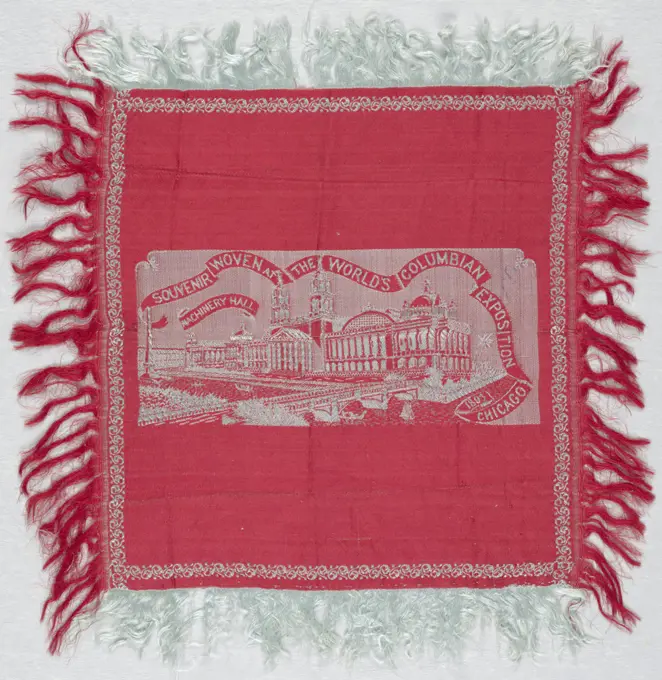
Textile Fragments

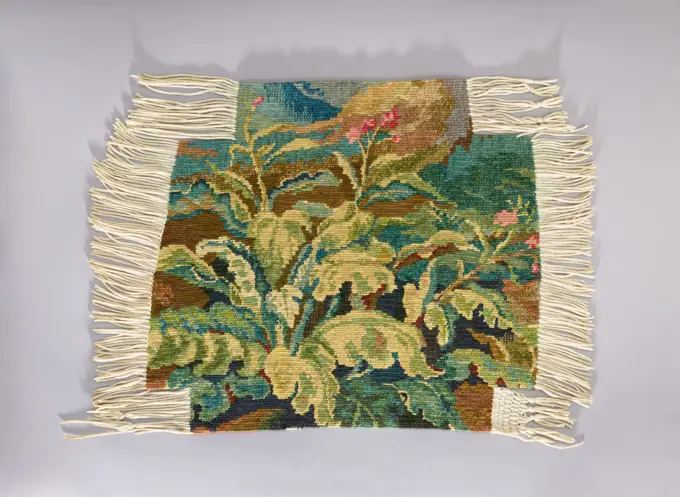
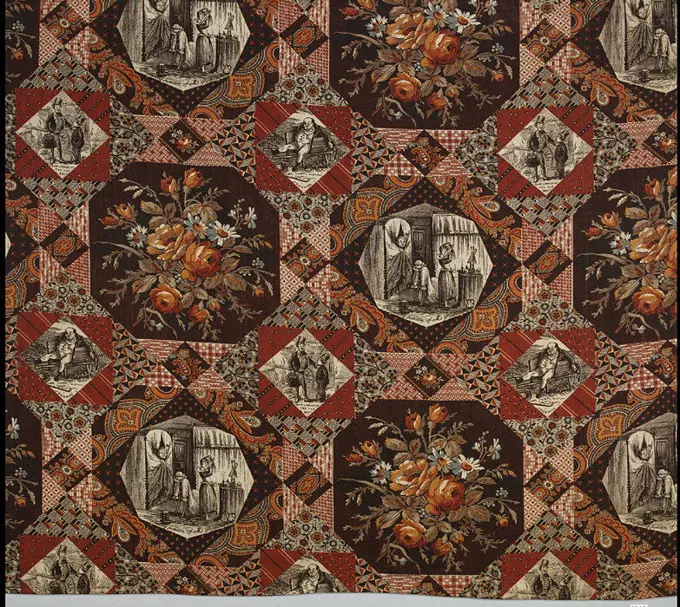
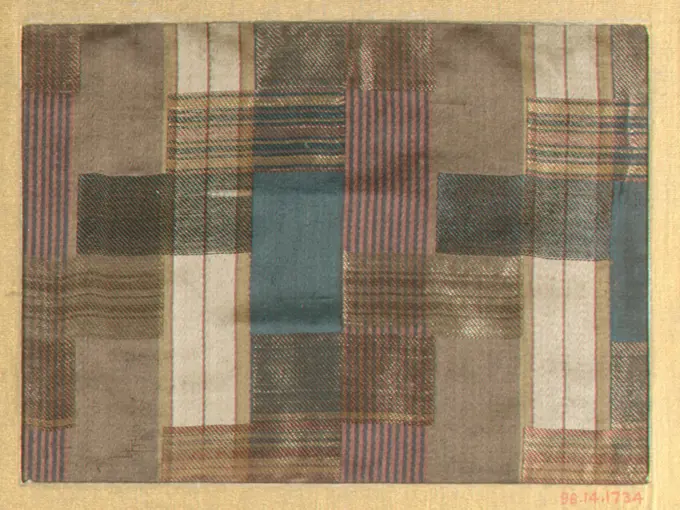
A collection of textile fragments and fabrics with intricate embroidery and brocade patterns, showcasing cultural artistry from different regions.

Pillow cover, Medium: silk on linen Technique: embroidery, White linen with two inch border or stylistic leaf and scroll pattern in red silk. Nine silk buttons - barrel type., Italy, 17th century, embroidery & stitching, Pillow cover
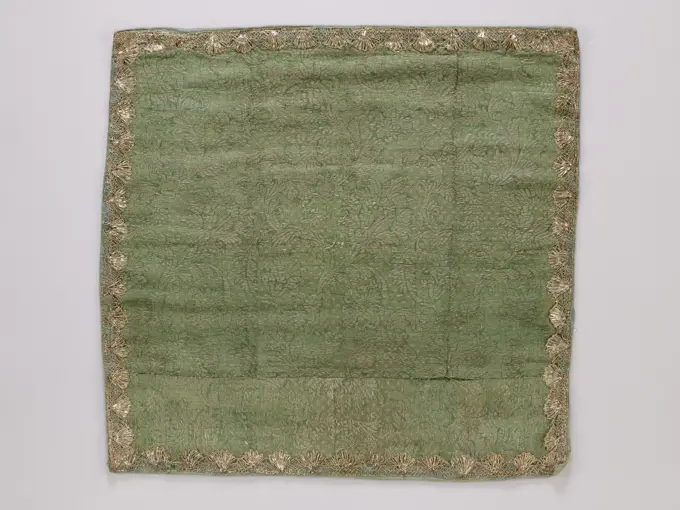
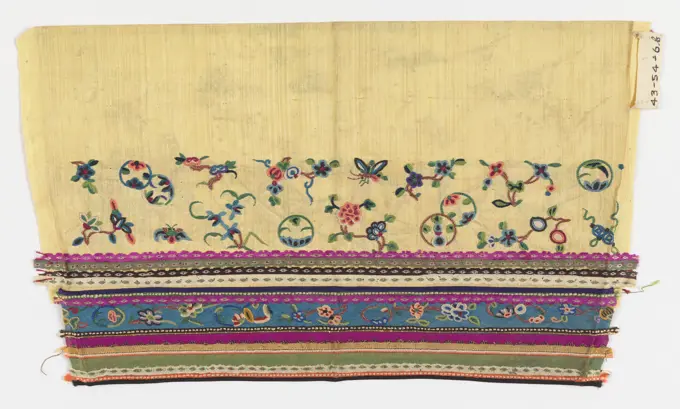
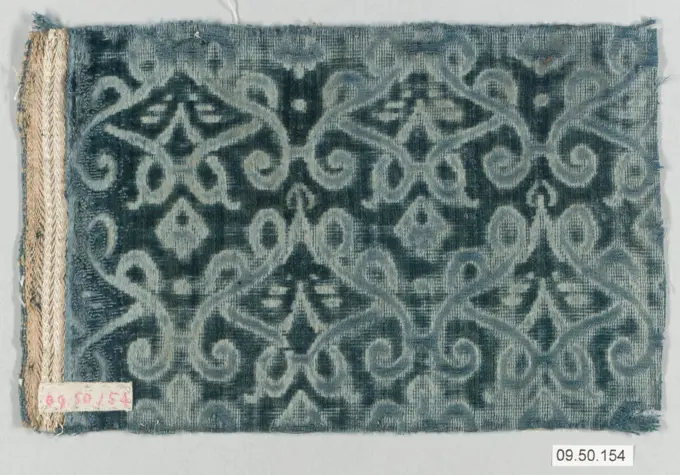
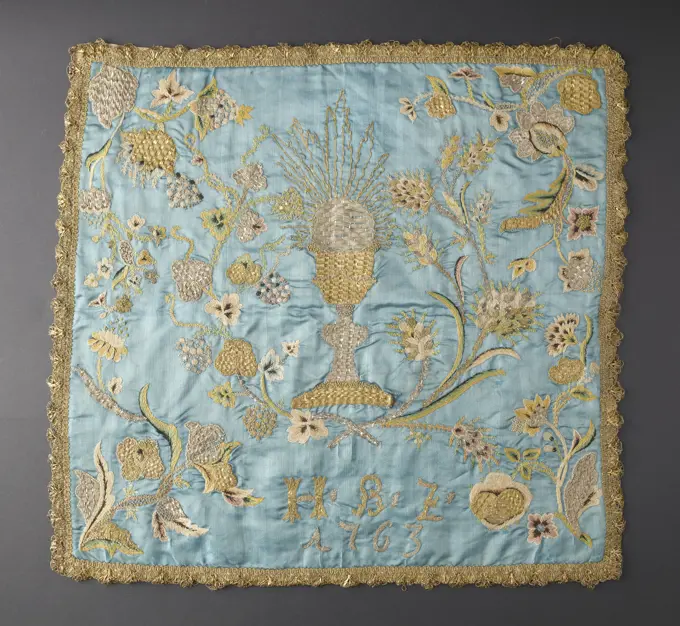
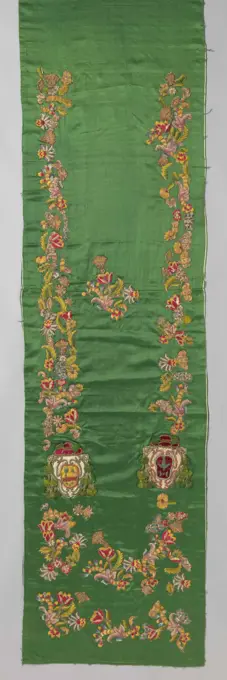
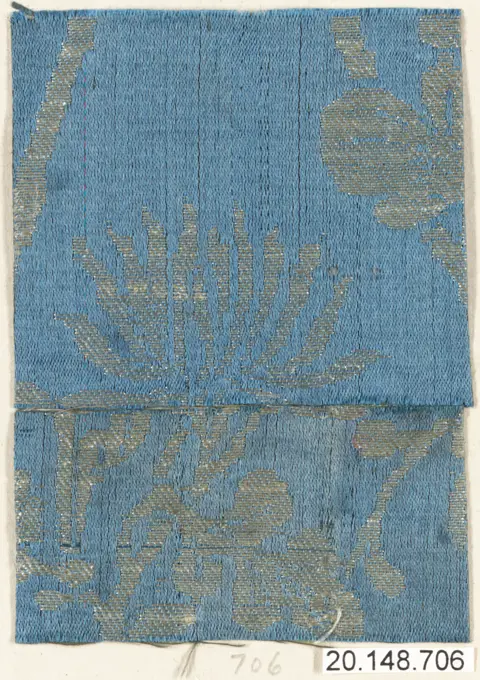
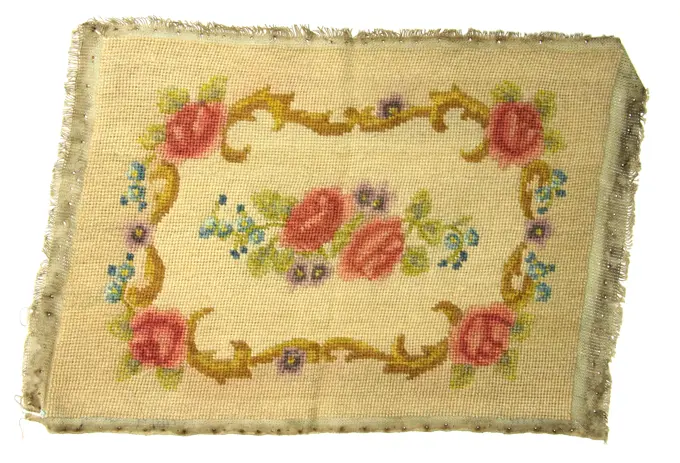
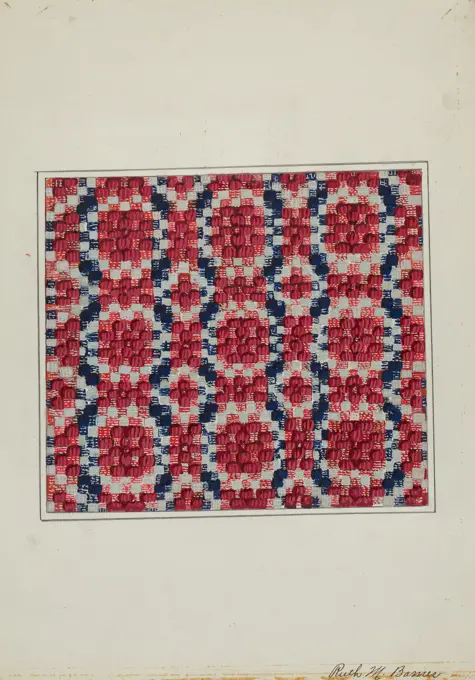
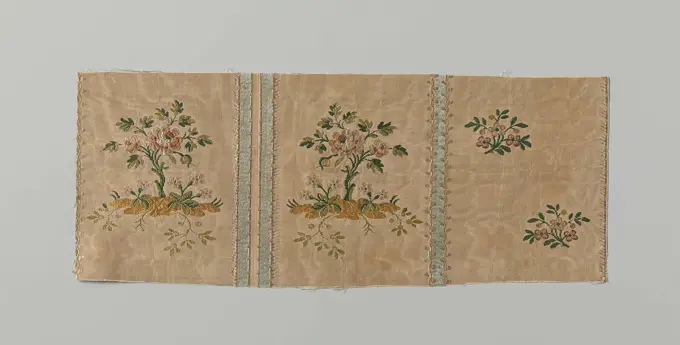
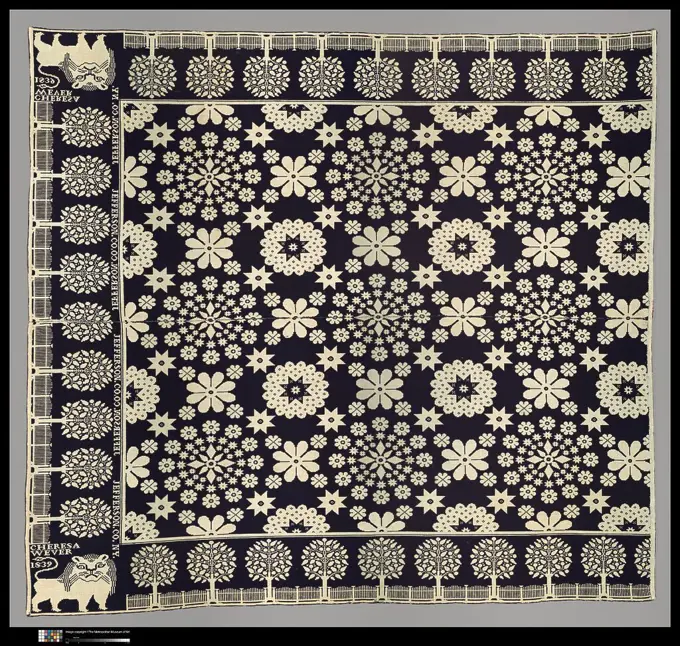
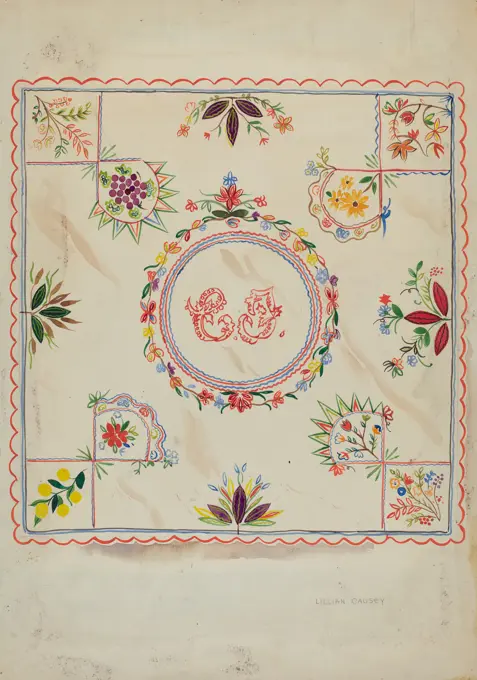
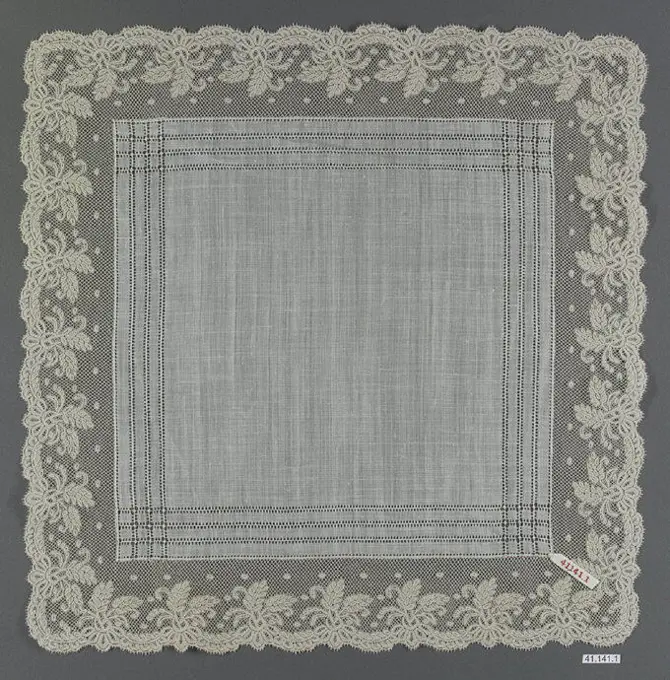
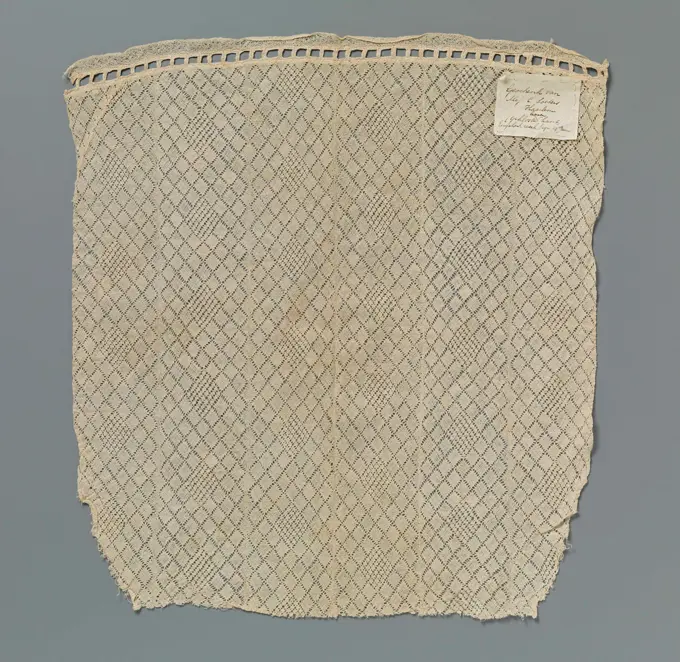
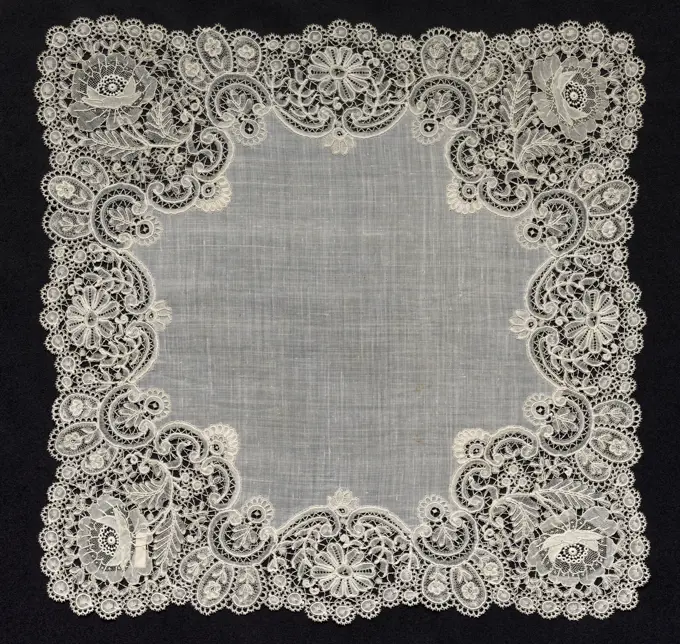
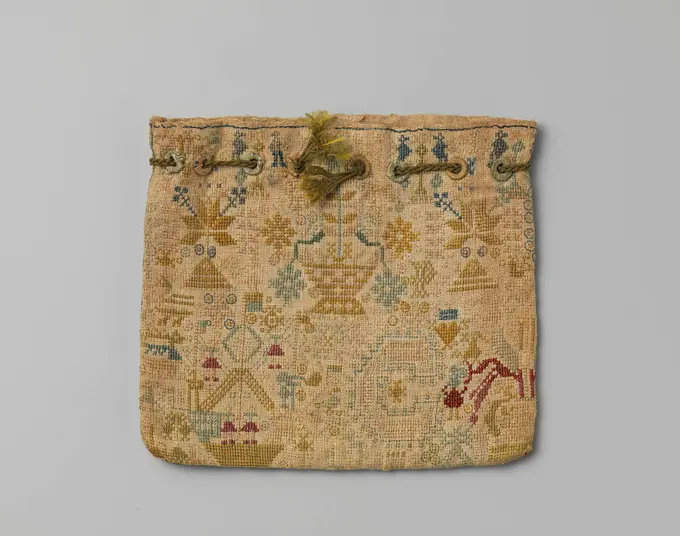
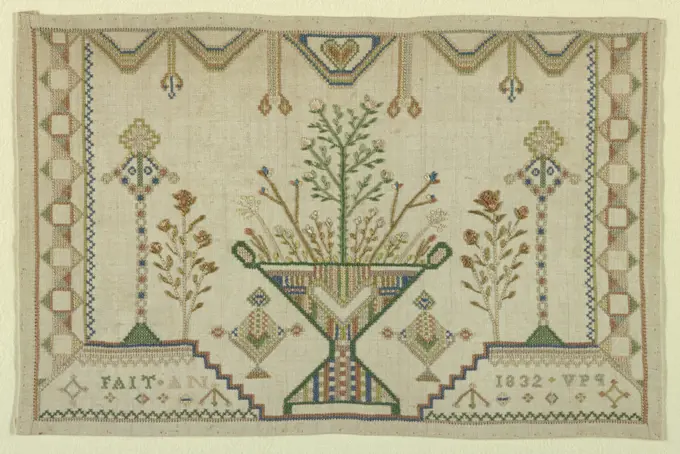
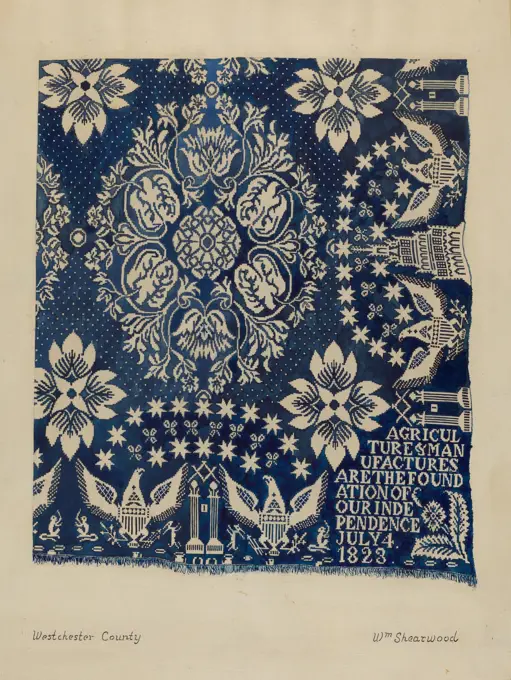
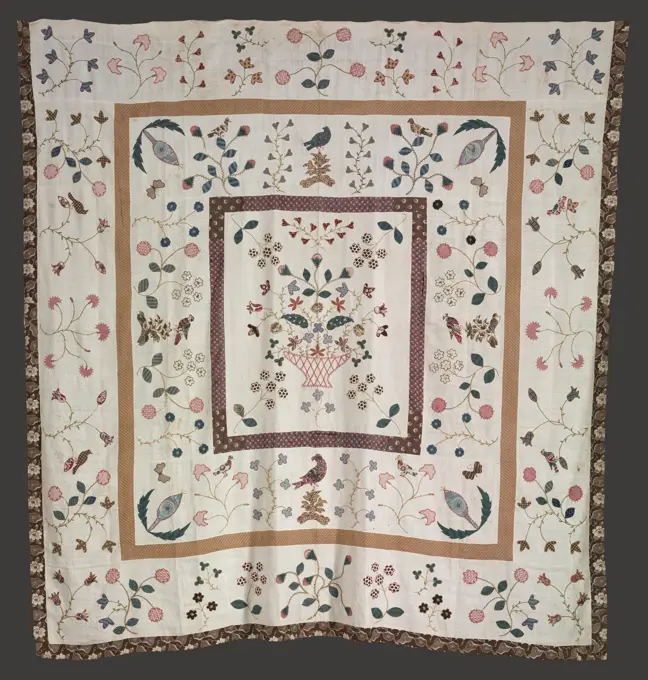
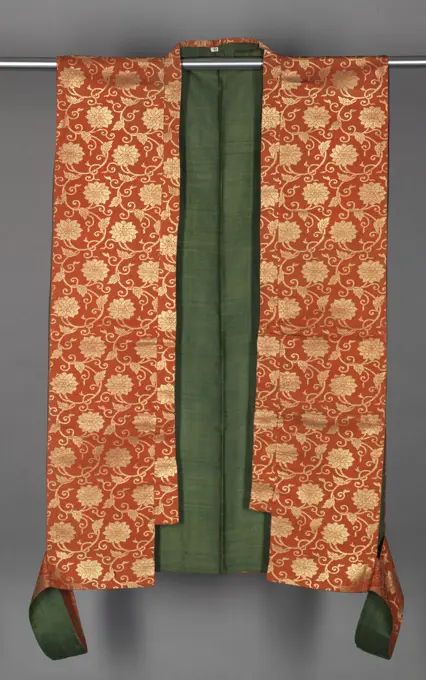
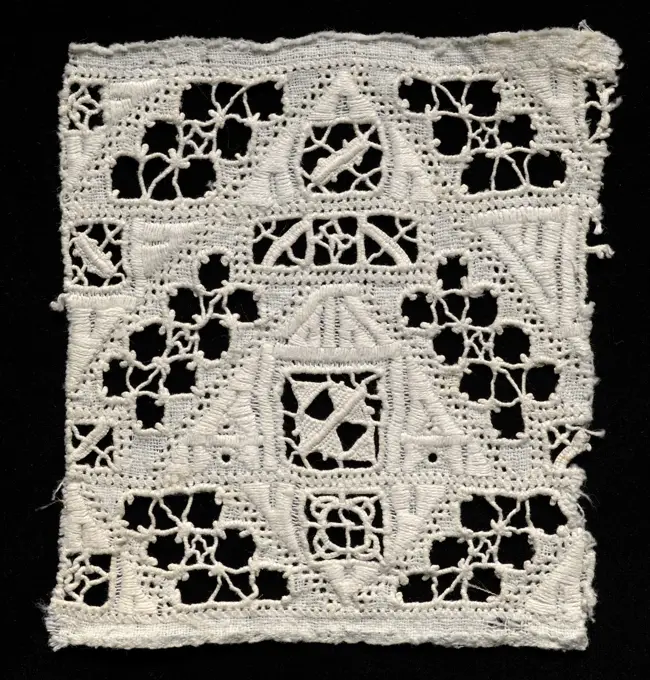
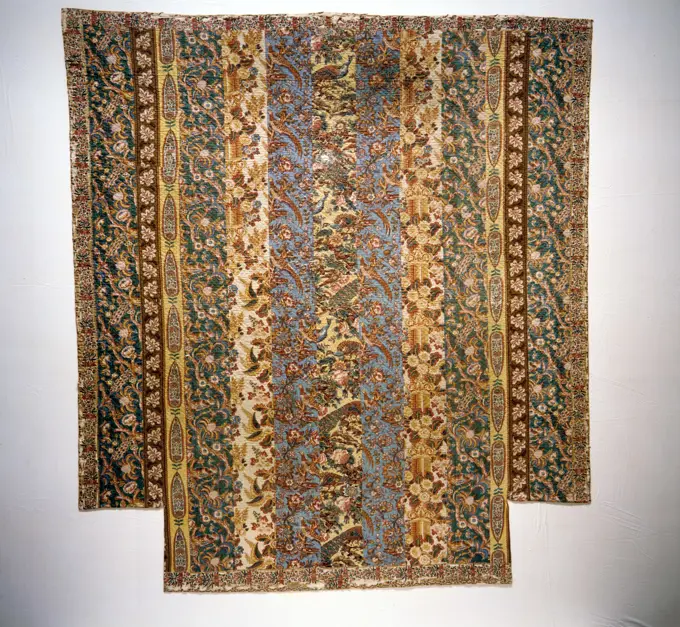
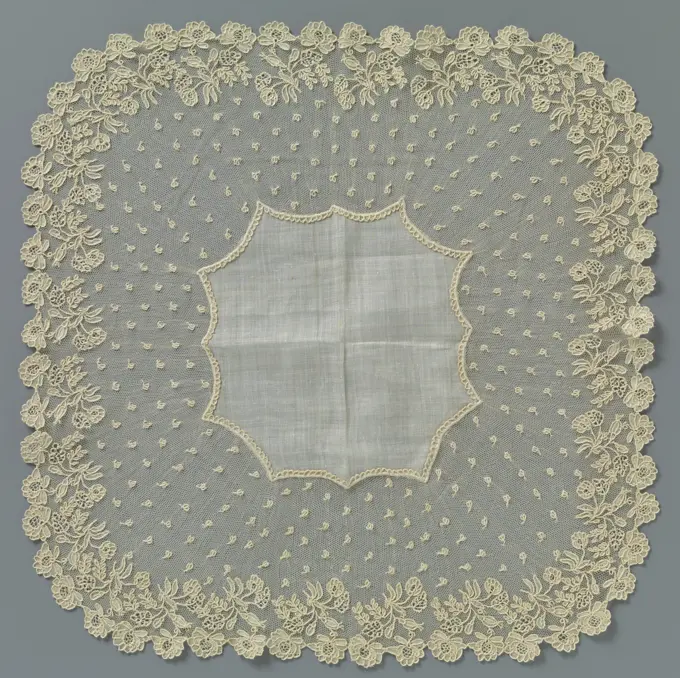
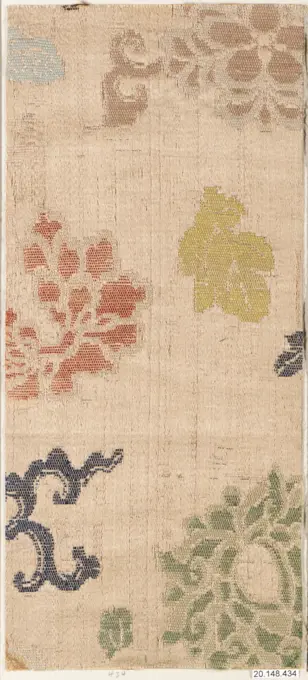
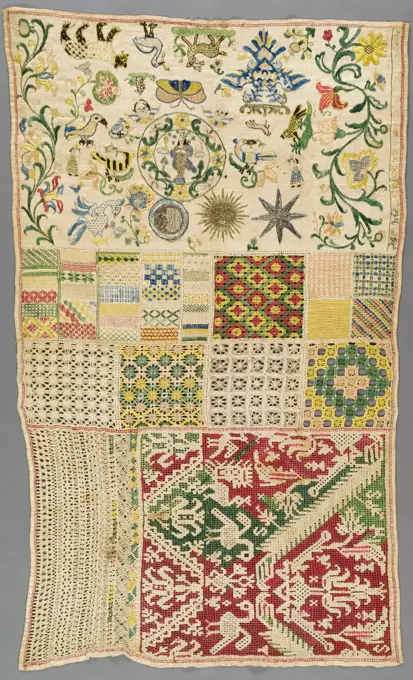
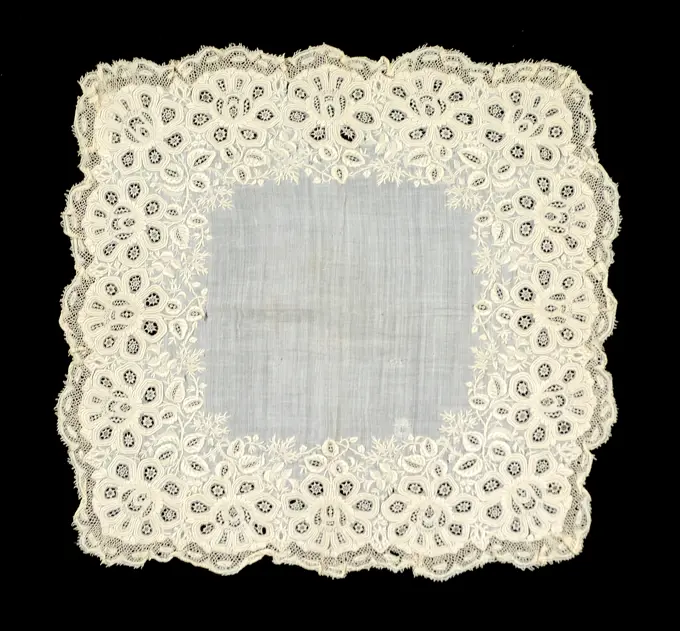
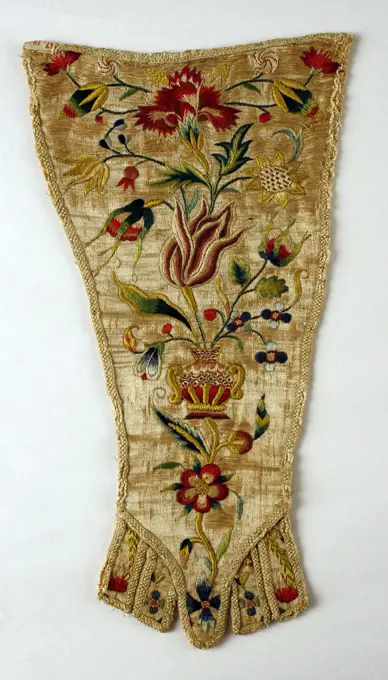
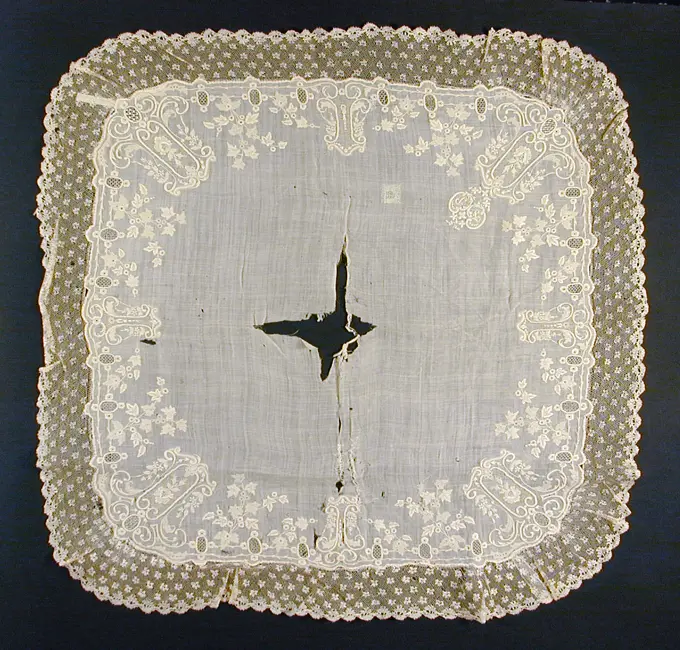
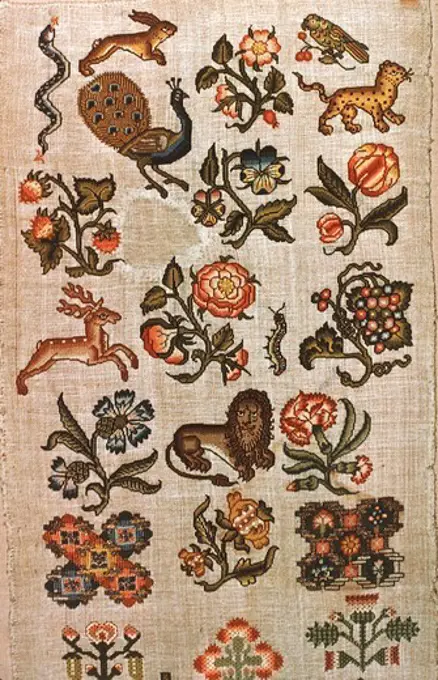
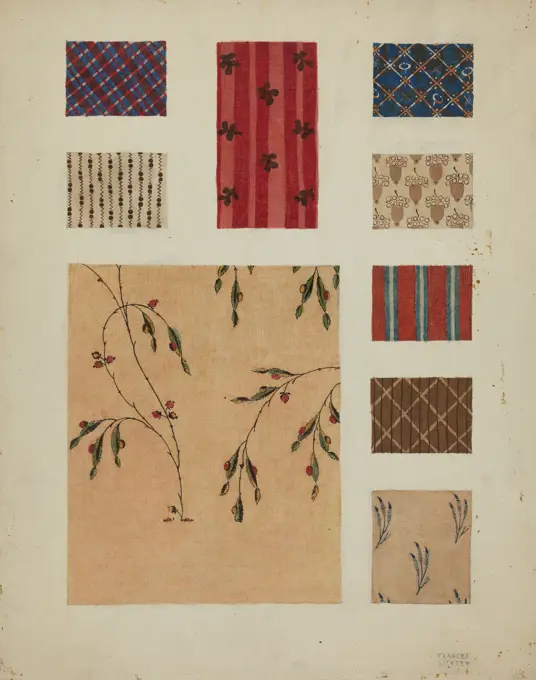
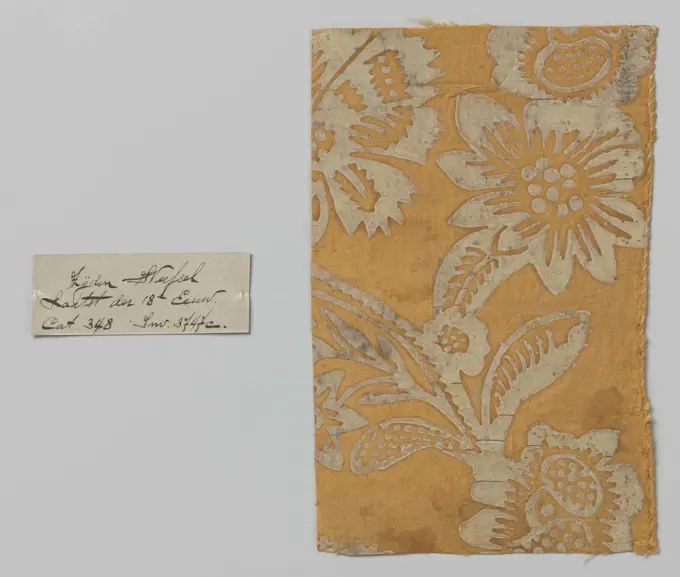
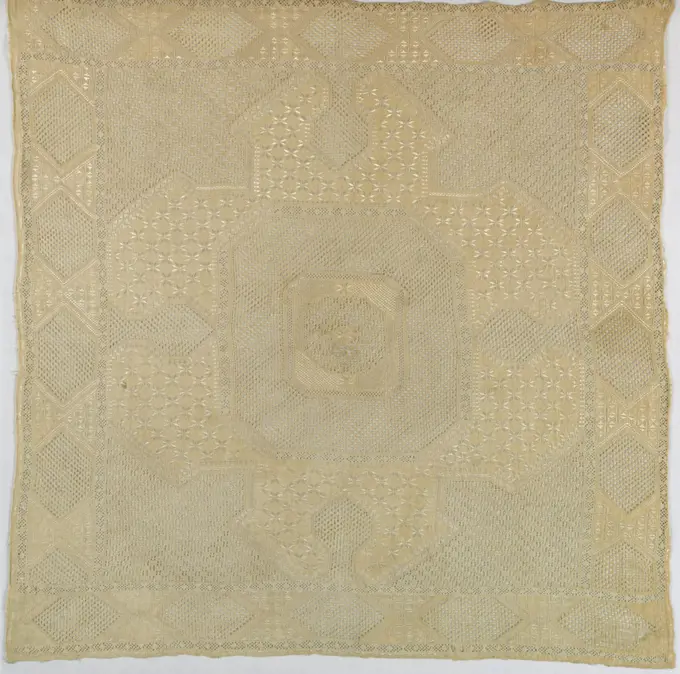
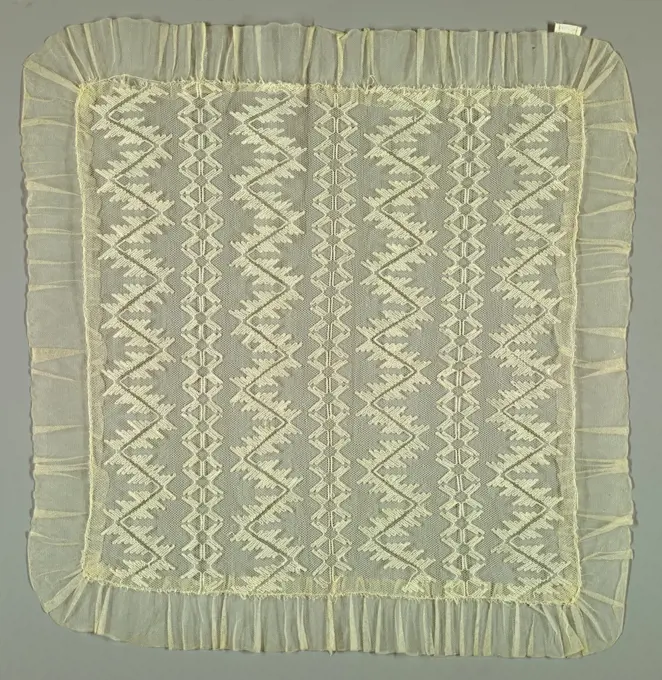
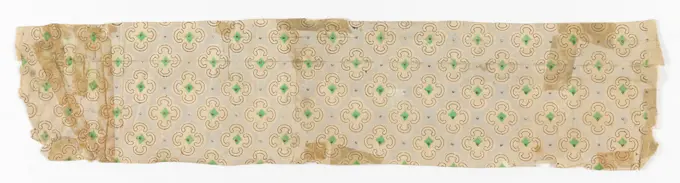
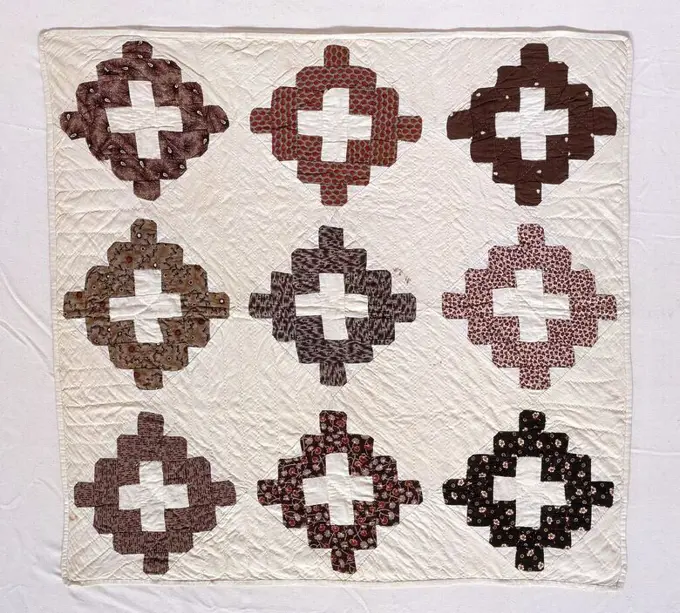
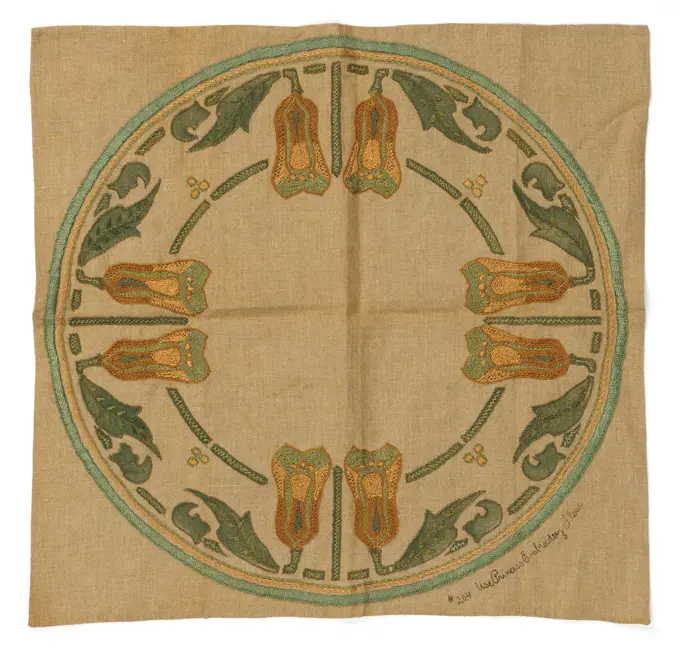
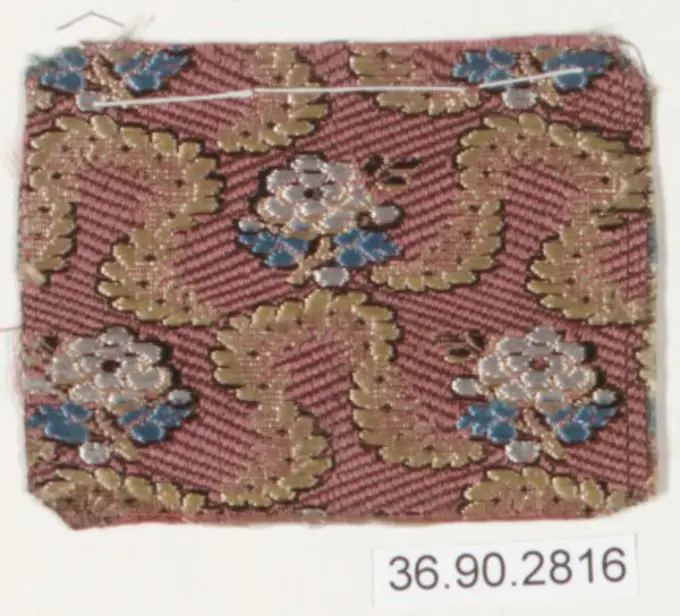
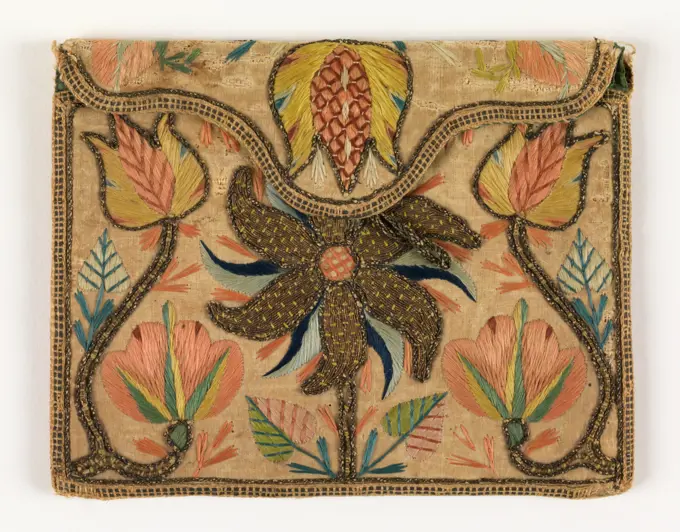
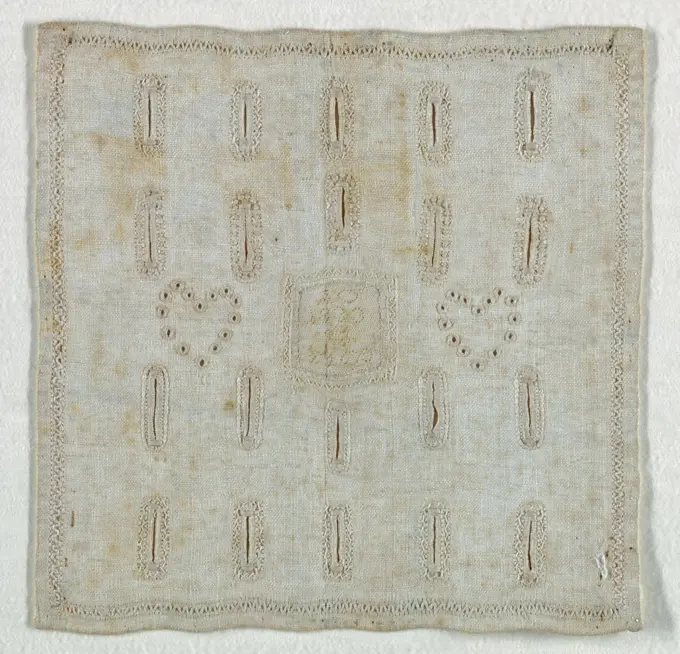
Sampler, Medium: linen embroidery on cotton foundation Technique: embroidered in chain, buttonhole, threaded herringbone, back, and knot stitches on plain weave foundation, Twenty buttonholes and an insertion of needle lace in the center. Decorative hem., Germany, 1833, embroidery & stitching, SamplerWelum - fragment;  18th century (1701-00-00-1800-00-00);FragmentPiece 18th-19th century Japan. Piece. Japan. 18th-19th century. Silk. Textiles-WovenSquare, Medium: Technique: darning stitch on hand knotted net, Pink and yellow flowers on a net ground., Iran, 19th century, lace, SquareSleeve Cuff (China); silkStrip for a stray from edge embroidery with a border. Strip for a wander from natural-colored side embroidery, work with pulled out wires. Pattern with diamonds with rosette flowers without stem. The pattern has a narrow web with squares in which windows stand, the strip is finished here with a sloping edge of cluster side. On the three other sides, the strip is finished with a soil.Piece 16th-17th century Italian. Piece 215555Sleeve Fragments; cotton, wool, metalFragment blue brochet side with a white pattern. Fragment silk tissue with a blue ground on which white lace garlands with flower branches.Chaice veil, eddroided unknownStrook wandbespanning van groen zijde met veelkleurig borduurwerk.Strip (wallpaper) From green silk with polychrome adornment of flower branches, embroidered with silk and gold and silver thread. Also applicated two on silk and velvet embroidered prenelats weapons, both covered with a red hat, of which twice six green brushes depend.Piece 18th century Japan. Piece 71702Tapestry, 1900s, Wellington, maker unknown.Ruth M Barnes, Coverlet (Section), c 1936 Coverlet (Section)Pall unknownChalice cover 18th century Italian, probably Sicily. Chalice cover 229932Starch paint paper in multiple colors with pressed spiral motif, anonymous, c. 1764 - c. 1804 paste paper Starch paint paper in multiple colors with pressed spiral motif. Used as a cover for a publication from 1784.  paper.Fragment zijden pekin.A fragment of white moiré with blue satin stripes, on which colored bouquets.Shawl 1815-20 British. Shawl 102570Coverlet. Culture: American. Dimensions: 83 1/2 x 75 1/2 in. (212.1 x 191.8 cm). Maker: Harry Tyler (1801-1858). Date: 1839. Museum: Metropolitan Museum of Art, New York, USA.Sample, Orinoka Mills, (Philadelphia, Pennsylvania, USA), tan warp and pink and brown/red wefts making floral with ribbon pattern, USA, ca. 1910, woven textiles, SampleSampler, Medium: linen, colored glass beads, metallic thread Technique: beadwork embroidery, bobbin lace, Linen panel embroidered with colored glass beads showing vase with flowers between two trees. Geoometric bands beneath the vase and triangular points in blue and red above. Thin blue border and trimmed in silver bobbin lace., Italy, 19th century, embroidery & stitching, SamplerFragment; silkLillian Causey, Blanket, c 1936 BlanketPiece 18th-19th century Japan. Piece 67435Handkerchief French late 19th centuryDress of strips climbing side with windows in windscreen pattern. Dress of six coated strips of natural colosside. Square model with rounded corners, which are straight straight on one side with an inserted piece. Along this side the dress is finished with a cut-away edge with cubes that arise from double braids and alongside a narrow edge. The strips have the same repeating pattern of a loose window on the center line in a strip-filling pattern of smaller diamonds. The smaller diamonds are made in a slot in part, partly combined with linen stroke and openwork edges. The large windows are made with an ornamental ground, also surrounded by openwork edges. Upper and bottom of the strips are straight finished.Back of the ornate;  XVII century (1601-00-00-1700-00-00);Card Case (Spain); silk embroidery on silk and linen foundationFragment; silk; Bequest of Richard Cranch Greenleaf in memory of his mother, Adeline Emma Greenleaf; 1962-56-126Towel Cover; cotton on linenBobbin (Point Duchesse) and Point Lace Handkerchief, 19th century. Belgium, Brussels, 19th century. Lace, bobbin and point: linen; average: 36.9 x 36.9 cm (14 1/2 x 14 1/2 in.).Bube or Buttotong of linen, embroidered as brand steak with cross sign in multicolored side. Bube or Buttotong of linen, embroidered as brand steak with cross sign in multicolored side. Model: square, with aperture at the top. Upper edge with holes causing a new () Green cord. Around the holes a thin metal eye that is attached to the linen with different colors of silk in feston stitch. Lined with plain linen. Decoration: Front: vase with flowers, of which one side hangs down. Left at the bottom of a ship with sailors; At the bottom right of the letter C and a figure next to half a tree in which a bird on a branch. The other half of the tree is on the back of the pouch. Back: the same vase with flowers as at the front, also with dependent flour on either side. In addition to both sides, a rosette-like motif, in which eight birds are depicted per pair. Left at the bottom of the other half of the tree with birds. In addition, the letter L and right and ship with sailors. Above the holesHandkerchief 1840-80 French or Swiss. Handkerchief 236974Sampler, Medium: silk embroidery on linen Technique: cross, satin, and back stitches on plain weave, Vase of flowers in center of other ornaments. Sampler may have been made in France or in a school in another country where French was taught to young women., Europe, 1832, embroidery & stitching, SamplerWilliam P Shearwood, Woven Wool Coverlet, c 1937 Woven Wool CoverletAmerican 20th Century, Patchwork and Applique Quilt, c 1940 Patchwork and Applique QuiltTowel or Napkin Made 1801-1900 Turkey. Embroidered .Bedspread, c. 1840. Belinda Ellen Orr. Embroidered linen; overall: 254 x 243.8 cm (100 x 96 in.).Noh Costume (Sobatsugi) with Peonies, 1800-1850. Japan, Edo period (1615-1868). Brocade; silk and metal thread; overall: 105.4 x 66.7 cm (41 1/2 x 26 1/4 in.).STOPLAP of multicolored silk and linen on cotton musline. ,, 1774 Stop patch with embroidery. The embroidery has the year anno 1774, the initials GF in a wreath with guardian angels and a flower edge along the hem. Netherlands linen (material). silk. cotton (textile) embroidering Stop patch with embroidery. The embroidery has the year anno 1774, the initials GF in a wreath with guardian angels and a flower edge along the hem. Netherlands linen (material). silk. cotton (textile) embroideringBliżej Kultury unknownFragment of Needlepoint (Cutwork) Lace, 19th century. Italy, 19th century. Lace, needlepoint: linen; average: 12.8 x 11.5 cm (5 1/16 x 4 1/2 in.).Arras chair cover. unknown, authorPiece ca. 1840 American. Piece 226248Square (Indonesia); silkPiece 18th-19th century Japan. Piece 67447Quilt, Strip pattern ca. 1825 American This quilt's top is composed of thirteen long strips of six different English block- and roller-printed fabrics stitched together in a symmetrical arrangement from the center strip. It is quilted overall in double-diamond pattern except for the double swag quilting in the border. The corners were notched at bottom, probably after the piece was completed. The hacking is of a coarsely woven white cotton, and the batting is of carded cotton.. Quilt, Strip pattern. American. ca. 1825. Cotton. Made in New England, United StatesEmbroidery, Germany 19th century. Beginner's work, embroidered in cross-stitch on linen.Needle handkerchief with hanging flower branches, anonymous, c. 1825 - c. 1835 A wide edge of lace has a soil of ray -oriented maza ruts, on which thrown leaves and a closed edge of hanging flower branches. Alençon side. France (possibly) linen (material) Alençon Lace A wide edge of lace has a soil of ray -oriented maza ruts, on which thrown leaves and a closed edge of hanging flower branches. Alençon side. France (possibly) linen (material) Alençon LaceHandkerchief; linen; 1961-15-1Handkerchief Made 1875-1900 Belgium. Linen, plain weave with insertion and edge of cotton, bobbin straight lace of a type known as Valenciennes with a square Valenciennes mesh ground .Square Shawl Made 1835-1850 Vienna. Cotton and wool, center of weft-float faced 1 3 'Z' twill weave; patterned areas of weft-float faced 3 1 twill weave with supplementary patterning wefts bound in weft-float faced 1 3 'Z' twill interlacings over warp-float faced twill weave; main warp fringe; woven on loom with Jacquard attachment .Sampler, Medium: silk and cotton embroidery on linen foundation Technique: embroidered in cross, long-armed cross, and overcasting stitches on plain weave foundation, Long narrow sampler dated 1645 near the top. Motifs include the Sibmacher agn-- dei near the op. Probably made following a 19th century pattern book. Two lengths sewn together with decorative needle-made join. Third short length of twill damask attached with attached braided fringe., Germany, 19th century, embroidery & stitching, SamplerPiece 18th century China. Piece 71427Sampler. Mexico, circa 1785. Textiles; embroidery. Linen plain weave with silk- and metallic-thread embroidery, drawn work, and needle laceSampler. Date/Period: 1817. Sampler. Medium: wool embroidery on cotton foundation. Technique: embroidered in cross stitch on plain weave foundation. Height: 935 mm (36.81 in); Width: 290 mm (11.41 in). Author: Ludmilla Herzog.Handkerchief fourth quarter 19th century French. Handkerchief 168328Piece 18th-19th century Japan. Piece 67653Stomacher 1700-1725 German. Stomacher 102615Handkerchief 1825-50 American. Handkerchief 169719Handkerchief. Belgium, Western Flanders, 1850-1900. Costumes; Accessories. Linen plain weave,Valenciennes d'ypres bobbin laceHandkerchief third quarter 19th century Belgian. Handkerchief 168552Ribbon of cream -colored silk, decorated with two lanes light gray side with rose buttons on top; A dark pink course, anonymous, c. 1900 - c. 1911 Ribbon of cream -colored silk, decorated with two lanes light gray side with rose buttons on top; A dark pink orbit runs between these two lanes. The ribbon is trimmed with a white side decorative band. West-Europa whole: Silk Ribbon of cream -colored silk, decorated with two lanes light gray side with rose buttons on top; A dark pink orbit runs between these two lanes. The ribbon is trimmed with a white side decorative band. West-Europa whole: SilkEmbroidery, England 17th century. Linen embroidered sampler,  with silk and metal threads, 1700 -1750.Sampler, 1828. England, early 19th century. Embroidery on wool ground; overall: 54 x 33.4 cm (21 1/4 x 13 1/8 in.).Frances Lichten, Materials from Patchwork Bedspread, c 1936 Materials from Patchwork BedspreadSampler; silk embroidery on linen foundationSampler. Culture: Dutch. Dimensions: H. 26 1/4 x W. 12 1/8 inches (66.7 x 30.8 cm). Date: 18th century. Museum: Metropolitan Museum of Art, New York, USA.Alexander Chudom, Homespun Coverlet, c 1937 Homespun CoverletHandkerchief, 1914-1918, maker unknown. Gift of J I Tate, 1982.Textile (France); silk and metallic thread on a silk groundFragment of yellow silk tissue with white flowers. Fragment of yellow silk tissue with white flowers.Piece 18th-19th century Japan. Piece 67616Handwork with six -pointed star, Aagje Tiket, c. 1900 Handwork with six -pointed star in green and yellow sand stitch on white satin square. Belonging to series of eight white and ten colored crafts, made by Aagje Tiket for achieving the deed of beautiful and/or useful handicrafts at the industrial school, BK-1974-105-A to R. Amsterdam silk embroidering Handwork with six -pointed star in green and yellow sand stitch on white satin square. Belonging to series of eight white and ten colored crafts, made by Aagje Tiket for achieving the deed of beautiful and/or useful handicrafts at the industrial school, BK-1974-105-A to R. Amsterdam silk embroideringSquare, Medium: silk embroidery on linen foundation Technique: embroidered, Central octogon surrounded by borders. Embroidery showing eight-pointed stars, diamonds, etc. in counted satin stitch with conventionalized trees, hexagons, and bands of openwork stitches., Asia, 19th century, embroidery & stitching, Square. Weapon carpet from Ortt and Popper. Under a wide edge of Ocher with festoten of fruits and flowers hanging on staged cords with brushes two weapons. Heraldsich On the right a crowned shield of Ortt, on the left a crowned shield of permees. At the bottom of a hilly landscape with villages, for tree groups.Card case, Medium: silk and silver foil-wrapped silk embroidery on silk foundation Technique: embroidered in chain, stem and satin stitches on plain weave foundation Technique detail: embroidery on white silk plain weave; chain, stem and satin stitches using dyed silks; chain stitch using silver foil-wrapped silk; worked as a single panel, folded, White silk letter case, worked as a single panel and folded. Embroidered in silver threads with scenes of animals and flowers, with swagged garlands., France, 19th century, costume & accessories, Card caseGobelin cover;  PO PO. 18th century (1750-00-00-1780-00-00);Fragment (China); silkTextile (England); wool; linenTkanina koptyjska. warsztat egipski, workshopSampler 19th century Spanish. Sampler. Spanish. 19th century. Cotton, silk and wool on cotton. Textiles-EmbroideredSquare, Medium: linen Technique: linen embroidery on linen net, Embroidery in design of zigzag bands and stars on plain net and bordered with ruffle of plain net., USA, ca. 1880, lace, SquareTwo Lengths of Lace. Belgium, 1740-1750. Textiles; textile lengths. Linen Brussels bobbin laceSquare 19th century. Square. 19th century. Cotton. Attributed to present-day Israel, Jerusalem. Textiles-EmbroideredPurse (France); silk and metal-wrapped silk embroidery on silk foundationSidewall (USA); machine-printed on continuous paper; Overall (a): 11 x 48 cm (4 5/16 x 18 7/8 in.) Overall (b): 14.5 x 6 cm (5 11/16 x 2 3/8 in.) Overall (c): 14.5 x 18 cm (5 11/16 x 7 1/16 in.)Merklap with embroidery. The embroidery has the alphabet and figures twice up to 23., c. 1735 Merklap with embroidery. The embroidery has the alphabet and figures up to 23 twice. Netherlands linen (material). silk embroidering Merklap with embroidery. The embroidery has the alphabet and figures up to 23 twice. Netherlands linen (material). silk embroideringDoll Quilt, Chimney Sweep pattern. Culture: American. Dimensions: 26 x 24 3/4 in. (66 x 62.9 cm). Maker: Ella Mygatt Whittlesey (born ca. 1845). Date: 1852.This small quilt has nine blocks in the Chimney Sweep pattern. The blocks are pieced of plain white woven cotton and calico printed in shades of brown, red, and orange. The backing is also of white cotton, while the edge binding is of a more tightly woven white cotton. The piece is completely hand stitched, and it is quilted in parallel lines in the plain areas and in a large diamond grid in the pieced blocks. Museum: Metropolitan Museum of Art, New York, USA.Star of Bethlehem Quilt ca. 1835 American Although its provenance is unknown, this exquisite Star of Bethlehem quilt was likely made in the southeastern United States. Quilts with a central Star of Bethlehem motif combined with chintz-appliquéd blocks and a chintz border, as seen here, have been found in Maryland, Virginia, and North and South Carolina. The presence of paired Baltimore orioles printed on the English chintz in the four corner blocks makes Maryland a likely candidate for the place of origin.. Star of Bethlehem Quilt. American. ca. 1835. Cotton. Possibly made in Maryland, United StatesFragment of yellow silk tissue with white flowers, anonymous, c. 1775 - c. 1799 Fragment of yellow silk tissue with white flowers. Germany silk Fragment of yellow silk tissue with white flowers. Germany silkSquare, Medium: cotton Technique: plain weave, Light tan ground with narrow border stripes of blue, rose, green, purple, brown and white., USA, late 19th century, woven textiles, SquareTable cover, Medium: linen, cotton Technique: stenciled and embroidered on plain weave, Sqaure table cover with a symmetrical border arrangement of pairs of leafy blossoms in shades of green and orange., USA, ca. 1905, embroidery & stitching, Table coverSampler 19th century Spanish. Sampler 228198Piece French 19th centuryPocketbook; silk, gold-wrapped silk, gold-wrapped linenSquare, Medium: silk Technique: jacquard woven, Red silk souvenir square from Chicago's Columbian Exposition has a design of buildings and a large pool of water in light grey., USA, 1892-93, woven textiles, SquareTextile, Medium: cotton Technique: block print on velveteen (2/2 twill with supplementary weft)., An urn surrounded by branches in a field of small rosettes.The red was printed on a yellow ground., France, early 19th century, printed, dyed & painted textiles, Textile