Textile Fragments

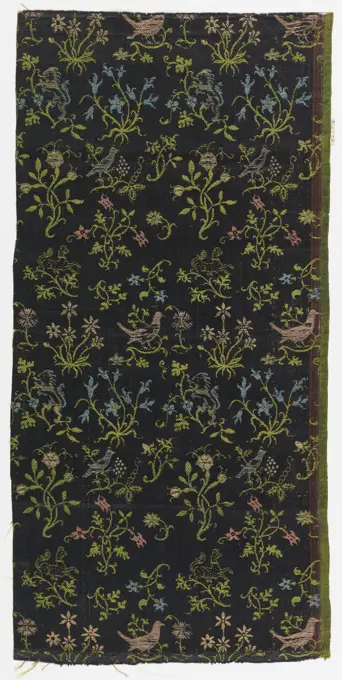
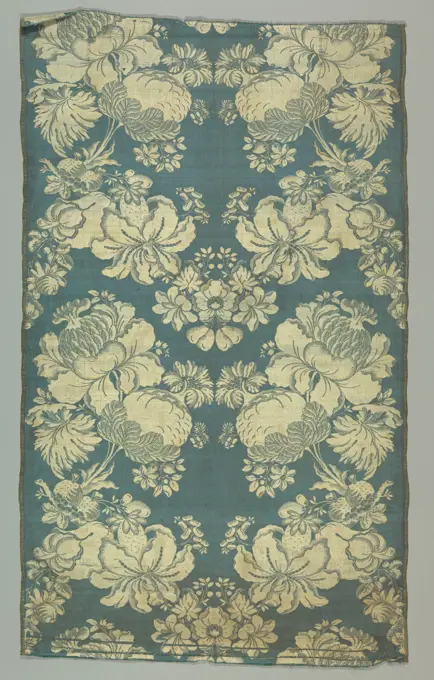
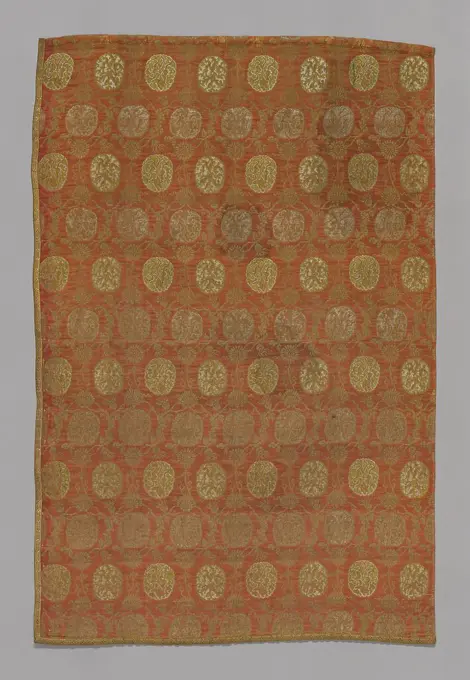
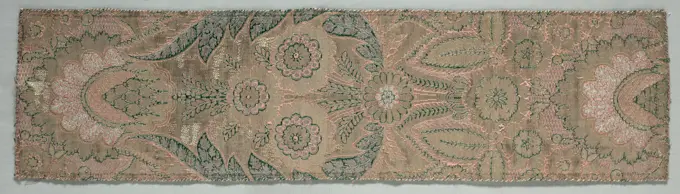
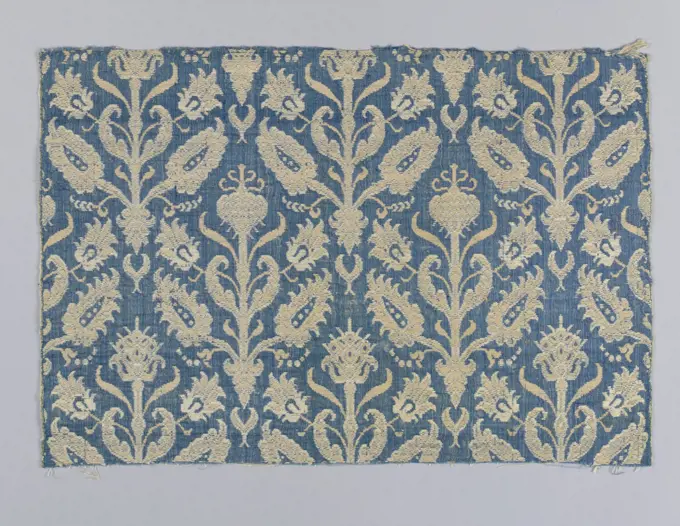
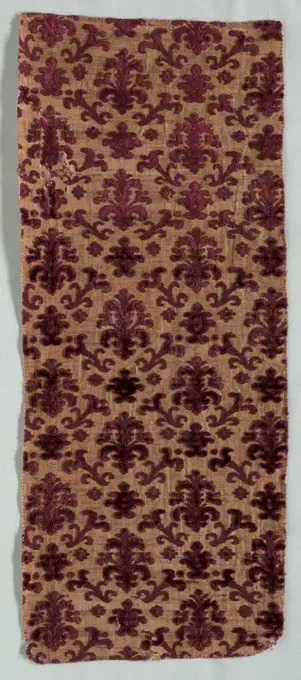
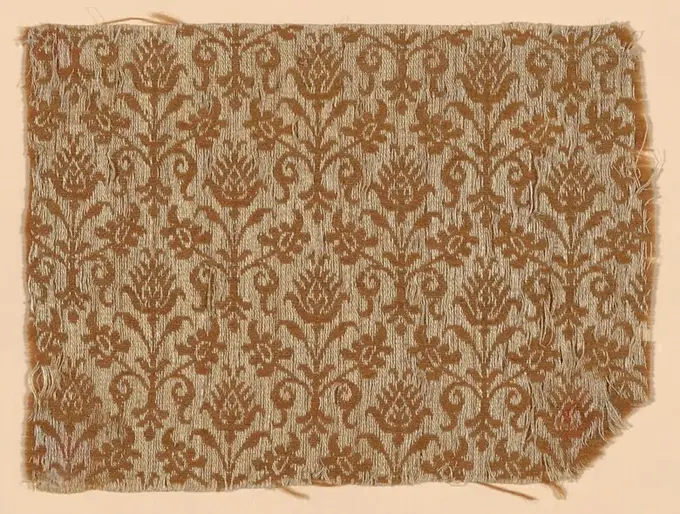
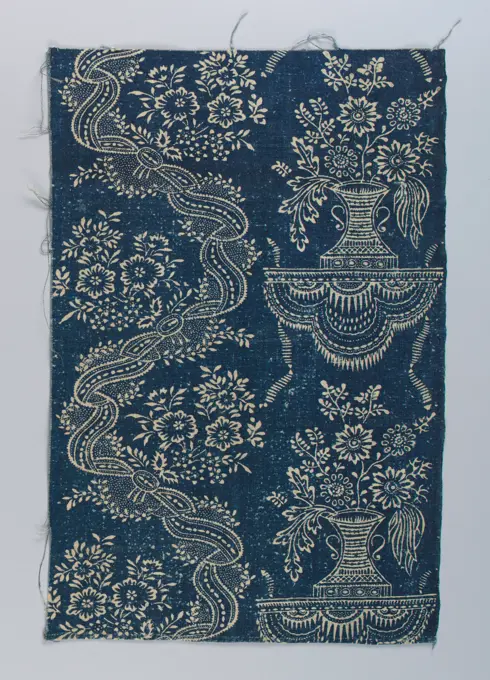
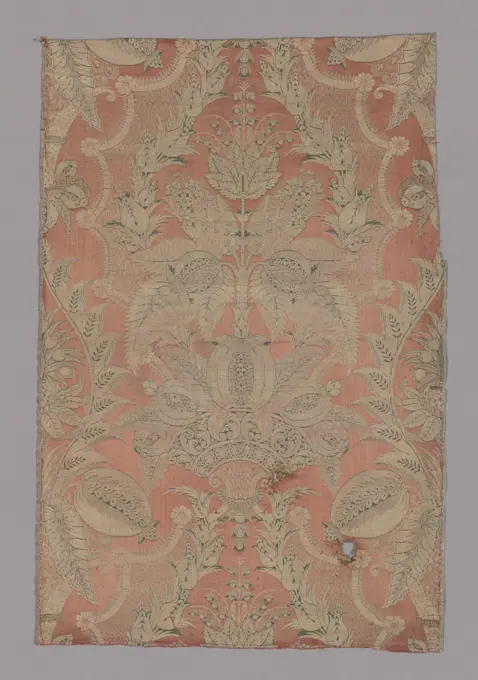
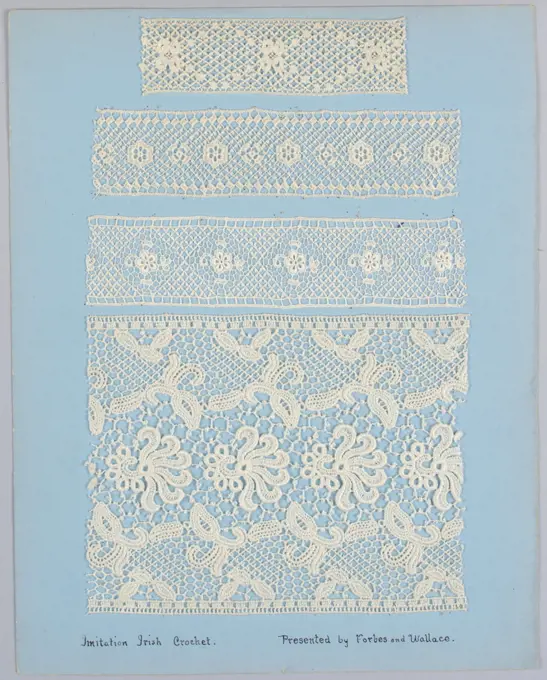
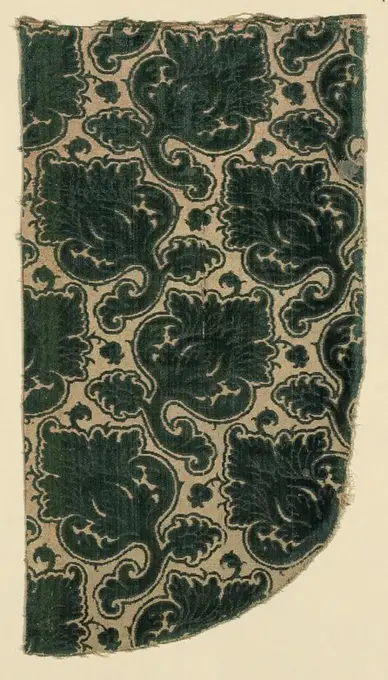
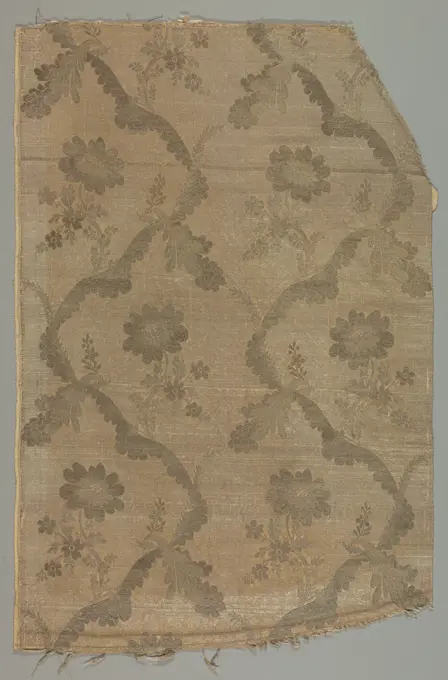
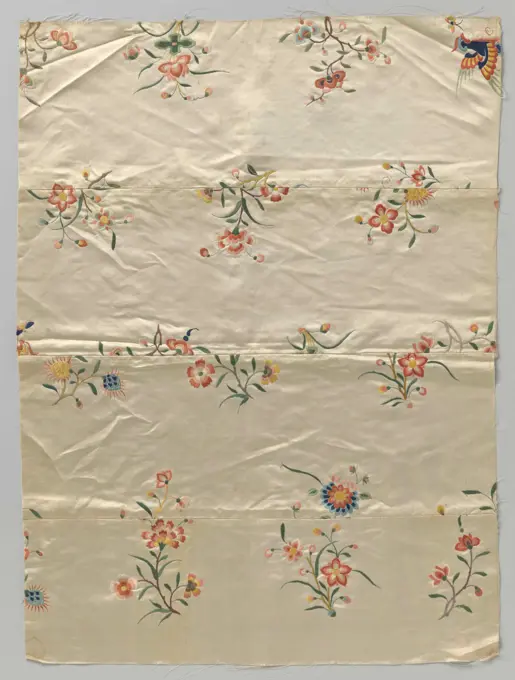
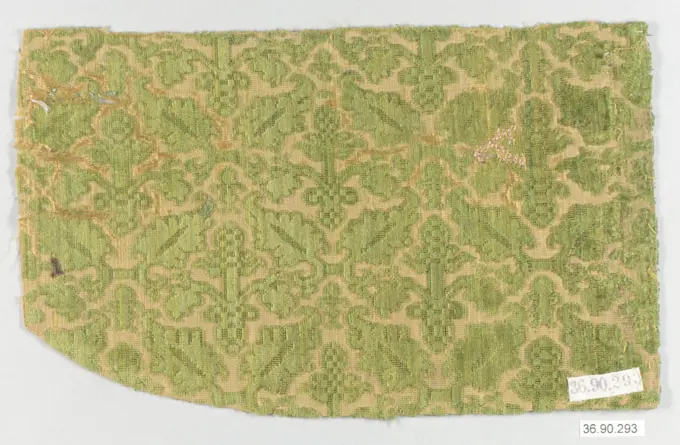
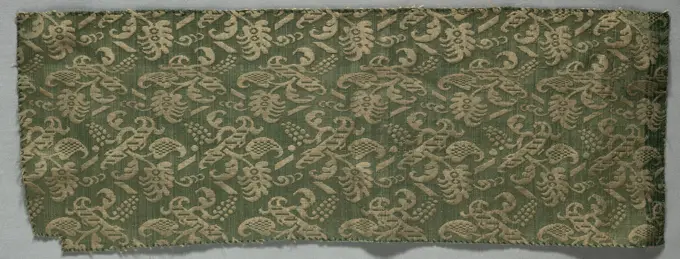
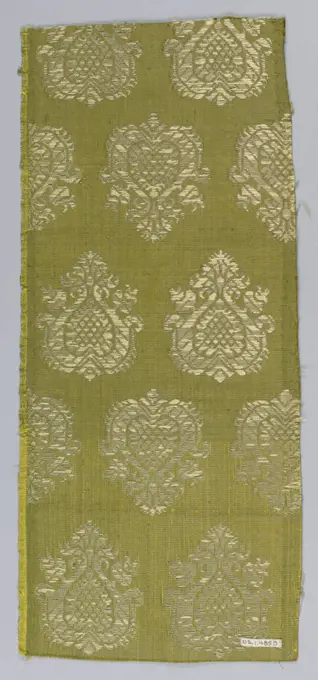
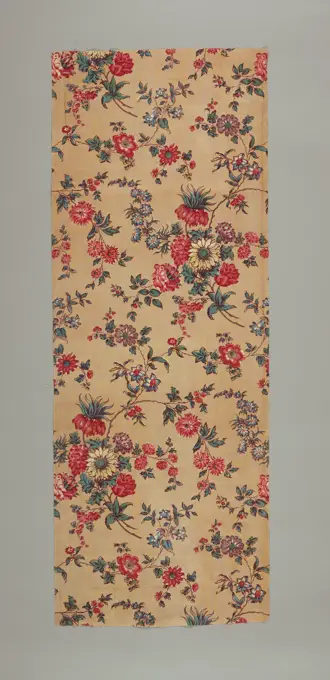
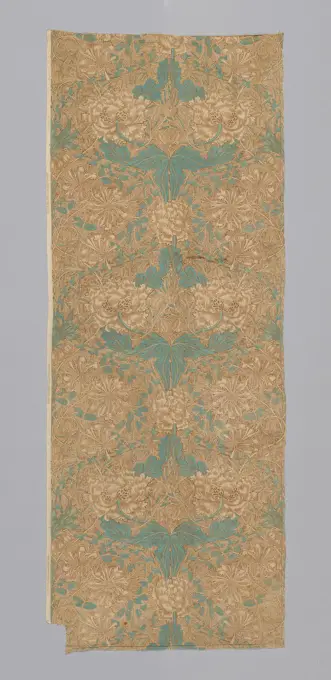
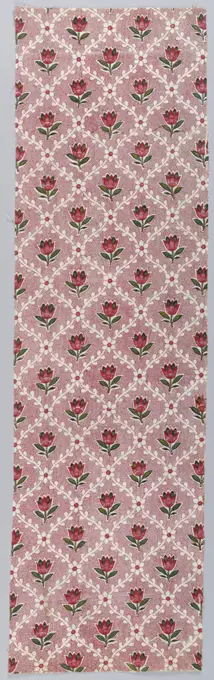
Variety of textile fragments in different colors and patterns, showcasing intricate designs from silk and cotton fabrics.

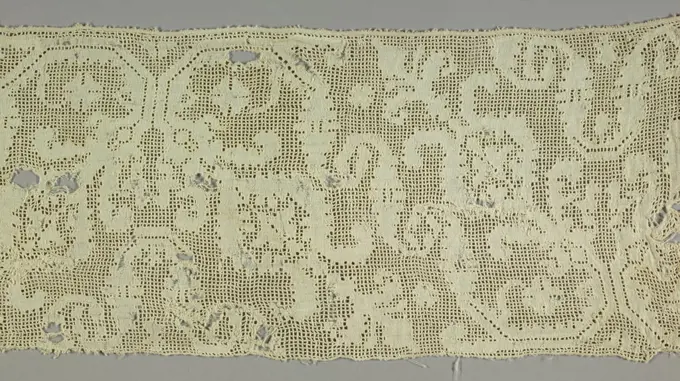
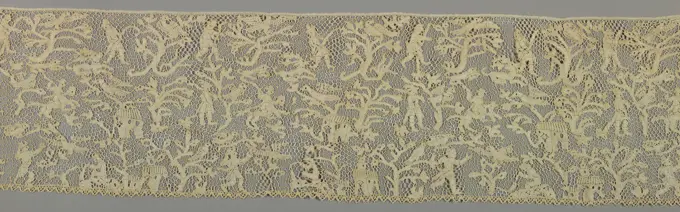
Fragment, Medium: linen Technique: bobbin lace, discontinuous tape, 17th century, lace, Fragment
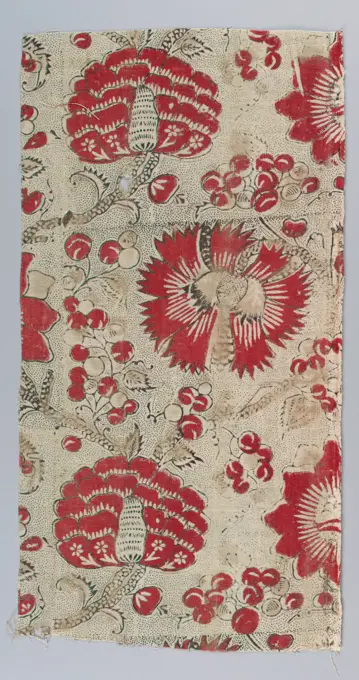
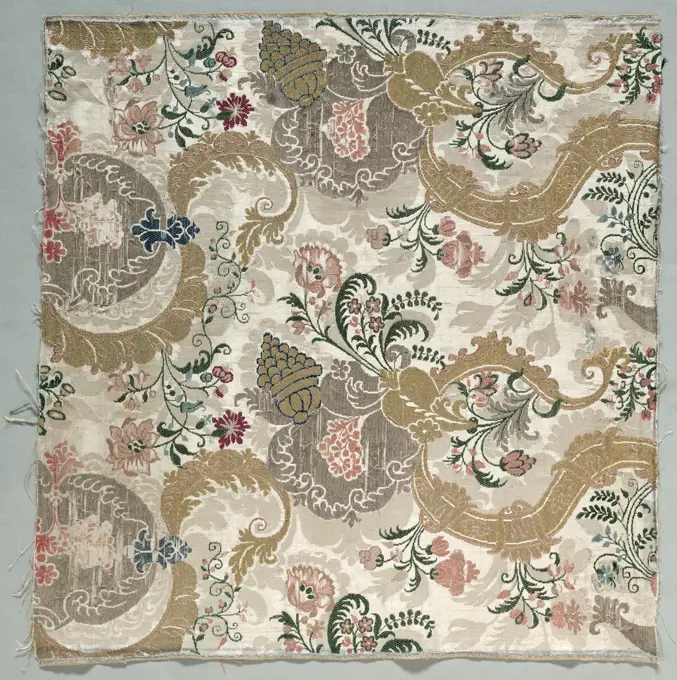
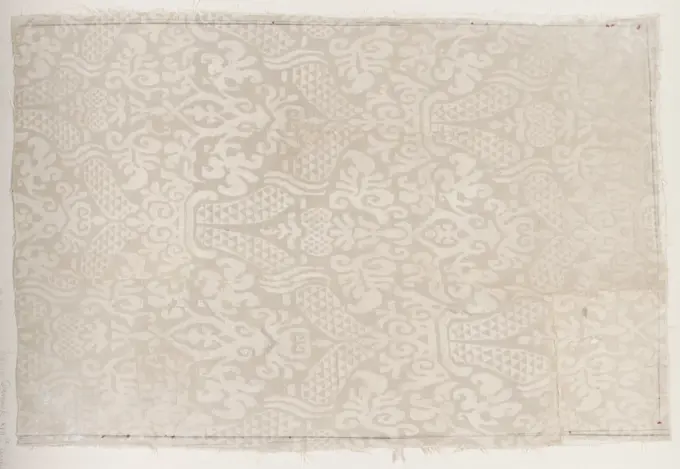
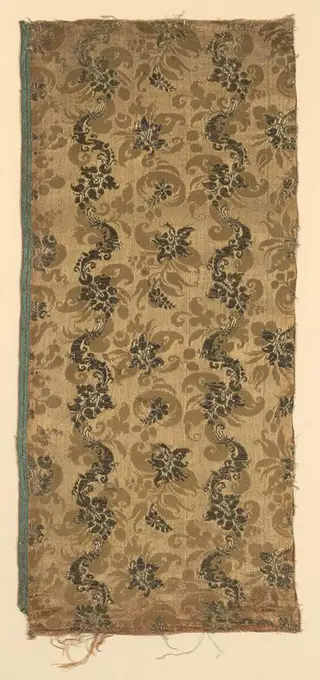
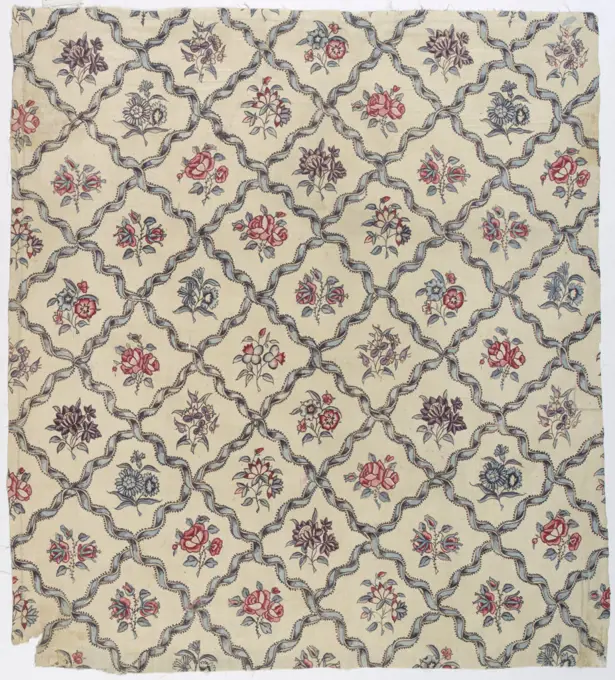
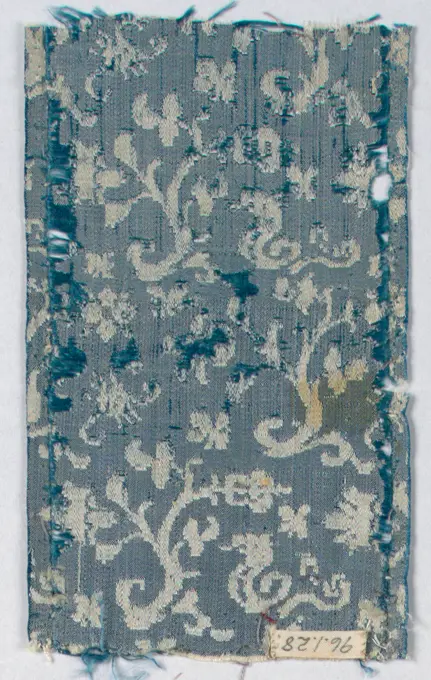
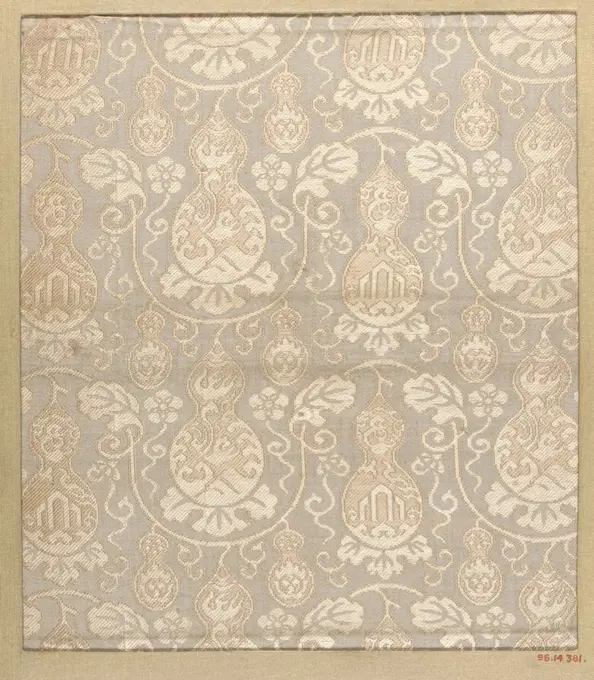
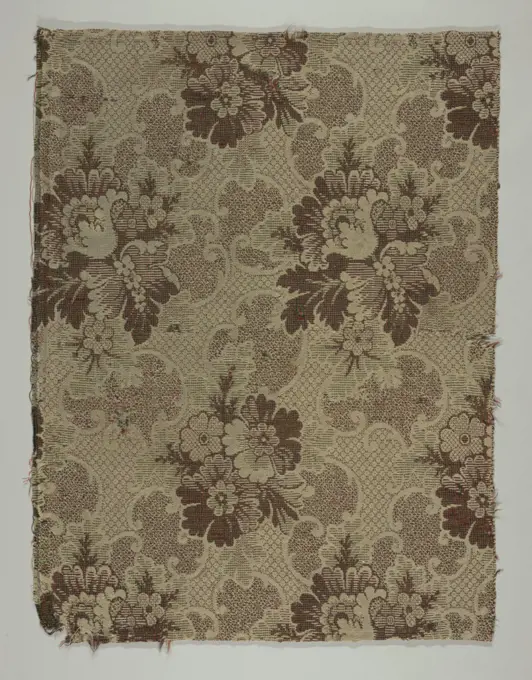
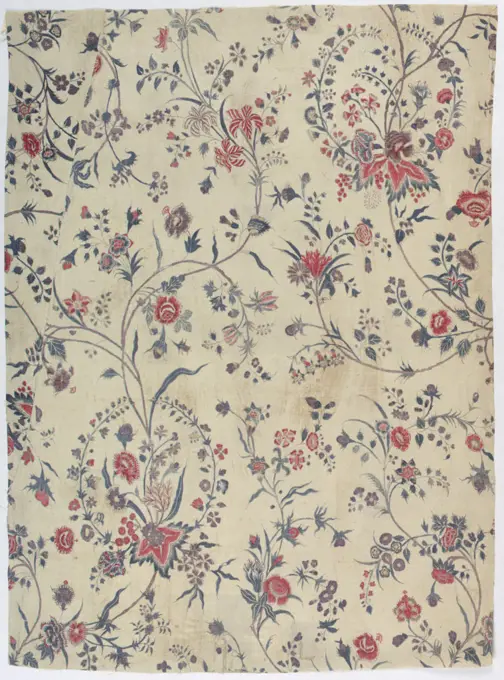
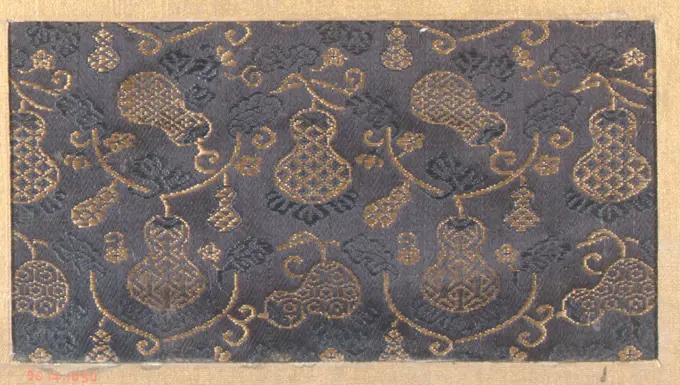
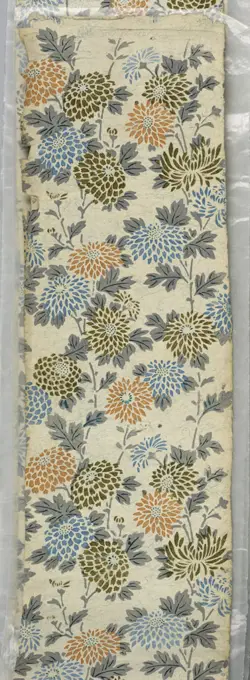
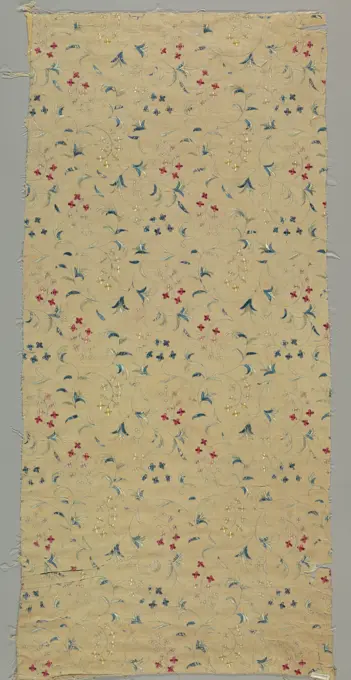
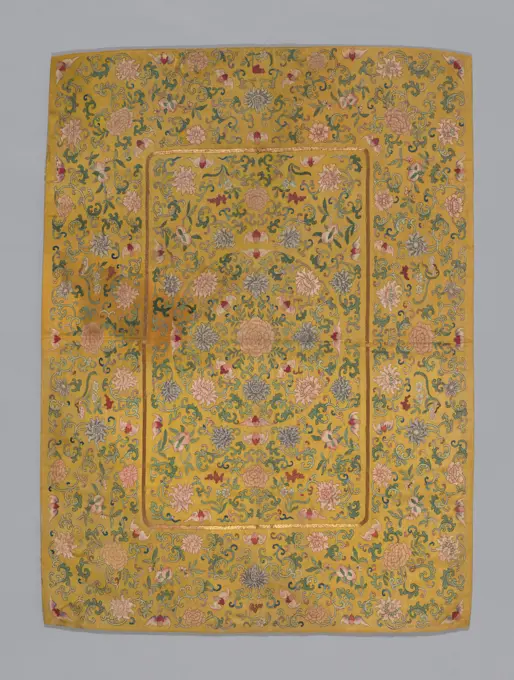
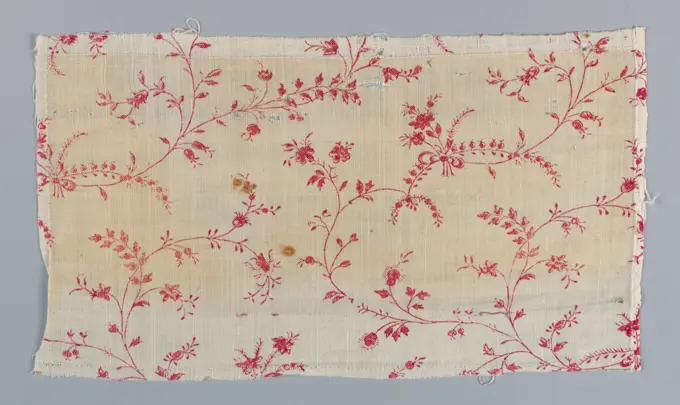
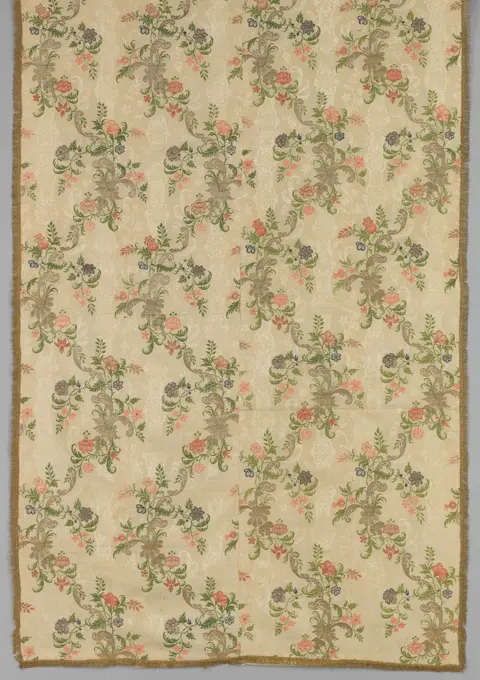
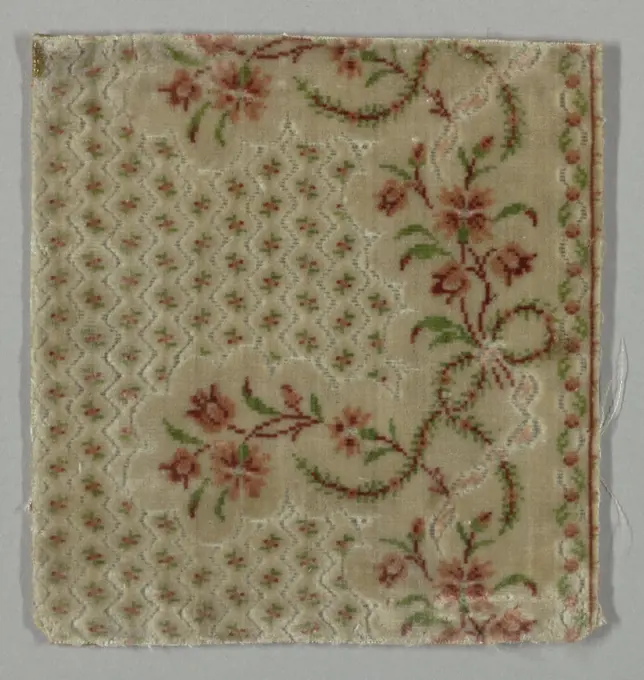
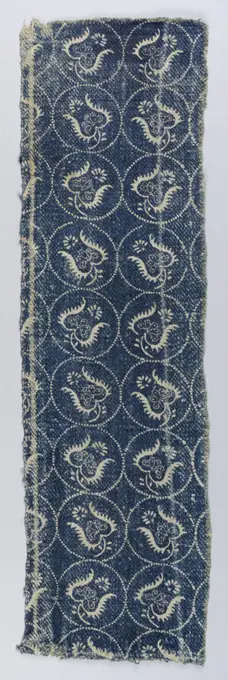
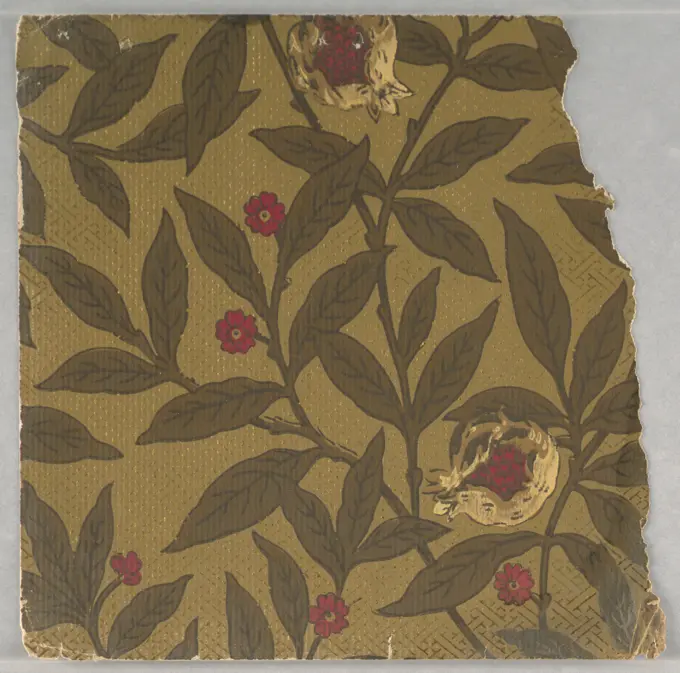
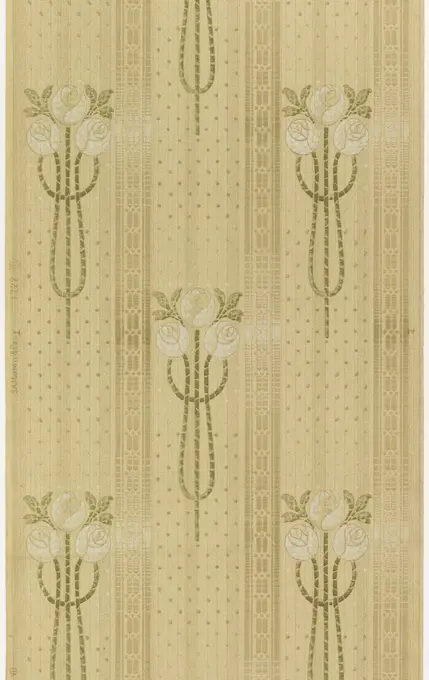
Textile (Spain); silk; Warp x Weft: 96.5 x 53.5 cm (38 x 21 1/16 in.); 1952-23-3Fragment; silkCoverlet. Date/Period: 17th century. Coverlet. Medium: cotton, Tussah silk. Technique: chain stitch embroidery on plain weave. Author: UNKNOWN.Textile; silkTextile; silk, linen; Warp x Weft: 91 x 53 cm (35 13/16 x 20 7/8 in.) Repeat H: 37.5 cm (14 3/4 in.)Piece late 17th-early 18th century Italian. Piece 216288Panel. Possibly England or France. Date: 1890-1899. Dimensions: 186.3 × 122.2 cm (73 3/8 × 48 1/8 in.)repeat: 31.1 × 31.1 cm (12 1/4 × 12 1/4 in.). Cotton, silk, wild silk and gilt-metal-strip wrapped cotton, double faced weave of two sets of complimentary warp and weft forming detached layers of interlacing in areas of plain weave over weft-float faced 1:2 's' twill weave and weft-float faced 1:4 satin weave over plain weave and single layer areas of plain weave with paired warps and wefts and with supplementary patterning wefts bound in a weft-float faced 1:3 's' twill interlacings and self-patterned by ground weft floats; edged with cotton, silk and gilt-metal-strip wrapped cotton, plain weave with supplementary patterning wefts. Origin: England. Museum: The Chicago Art Institute, USA.Textile (France); Produced by Haussmann; cotton; Repeat H: 43.2 cm (17 in.) H x W: 202.4 x 170.7 cm (6 ft. 7 11/16 in. x 5 ft. 7 3/16 in.)Fragment, Medium: linen Technique: bobbin lace, discontinuous tape, 17th century, lace, FragmentFlounce (Italy); linenBrocade Textile, c. 1700. Italy, early 18th Century. Brocade; silk and metal; overall: 69.8 x 18.4 cm (27 1/2 x 7 1/4 in.).Fragment, Medium: silk, linen Technique: two integrated fabric structures, plain weave and plain weave, Symmetrical floral sprays in half-drop alignment in blue, white and tan., Spain, 17th century, woven textiles, FragmentVelvet Fragment, 1600-1640. Italy, 1st third of 17th century. Velvet (cut and uncut); silk and silver filé; overall: 50 x 20.5 cm (19 11/16 x 8 1/16 in.).Fragment (Dress Fabric) Made 1701-1800 Iran. Silk, satin weave with secondary binding warps and self-patterning wefts .Fragment of a bordered side. A fragment of a silk tissue. Three vertical tendrils with flowers and leaves in gold and silver and some blue twigs in blue woven on a beige soil. Between the vertical tendrils scattered bouquets in gold, silver and blue.Fragment. Italy. Date: 1601-1700. Dimensions: 15.9 x 20.6 cm (6 1/4 x 8 1/8 in.). Linen and wool, compound weave (i.e: Beiderwand or lampas 2:1). Origin: Italy. Museum: The Chicago Art Institute, Chicago, USA.Fragment (France); Made by Saunier; linen; Warp x Weft: 52 x 34.7 cm (20 1/2 x 13 11/16 in.); Bequest of Elinor Merrell; 1995-50-306Brocaded Silk Cover, 1700s. Italy, 18th century. Brocade, silk; overall: 104.1 x 104.1 cm (41 x 41 in.).Panel Made 1714-1737 France. Silk, warp-float faced 7 1 satin weave with supplementary binding warps tying some three color complementary self-patterning ground wefts in plain interlacings .Machine-made openwork samples, Medium: cardboard, linen, silk, metallic Technique: linen embroidery with ground cloth dissolved Examples of embroidery on net produced by the Schiffli machine Metallic embroidery on net Machine-made openwork in imitation of hand-embroidered net Mostly floral and a few geometric patterns, some designs described as 'Spanish' Imitation hand-made filet Machine filet Imitation filet crochet Ploven (burnt-out lace) Fancy curtain lace made on the Levers machines Real filet (handmade) next to Machine-made filet Spotted curtain nets, made chiefly at Nottingham, England and Caudry, France., Samples of machine-made openwork and several examples of hand made lace mounted on boards. They imitate hand-embroidered net, crochet, or needlepoint. All are floral patterns plus a few of early 1920's geometric style., 'Embroidered net' produced by the Schiffli Machine., USA, ca. 1910, lace, Machine-made openwork samplesFragment, Medium: silk, cotton, metal strips Technique: cut and uncut supplementary warp pile (velvet) in a plain weave foundation, extra weft floats of metal strips cover alternate shots of foundation weft, Cut and uncut velvet with small group of three flowers enclosed in an elaborately decorated ogee lattice. Warp pile colors are dark green, red, light blue, yellow and ivory on a yellow and gold background., Russia, 19th century, woven textiles, FragmentFragment 16th century Italian. Fragment 230671Fragment. Italy. Date: 1601-1650. Dimensions: 48.7 × 26.3 cm (19 1/8 × 10 3/8 in.). Silk, warp-float faced satin weave with supplementary pile warps forming cut, uncut, and voided velvet. Origin: Italy. Museum: The Chicago Art Institute, Chicago, USA.Textile; silk, metallicPiece ca. 1730 possibly Portuguese. Piece. possibly Portuguese. ca. 1730. Silk. Textiles-WovenTextile (England); cottonLength of Silk Textile, 1700s. Italy, 18th century. Damask, brocaded; silk and metal; overall: 80 x 55.7 cm (31 1/2 x 21 15/16 in.).Piece ca. 1730 Italian, Venice. Piece 227380Velvet Fragment, 1500s-1600s. Italy, 16th-17th century. Velvet (cut and uncut); overall: 44.4 x 23.5 cm (17 1/2 x 9 1/4 in.).Fragment 17th century Italian. Fragment 230349Buffet runner of écru cotton, decorated with woven relief motifs with roses and chickens and in the middle with stripes of ornament work; Finishing with bobbin with blocks., 1885 - 1915  Romania cotton (textile). bobbin lace  Romania cotton (textile). bobbin laceFragment. Italy. Date: 1675-1700. Dimensions: 59.3 x 27.6 cm (23 3/8 x 10 7/8 in.)Repeat: 21.9 x 13 cm (8 5/8 x 5 1/8 in.). Silk and silvered-metal-strip-wrapped silk, warp-float faced satin weave with supplementary patterning and brocading wefts self-patterned by areas of plain weave. Origin: Italy. Museum: The Chicago Art Institute, Chicago, USA.Textile, Medium: cotton Technique: printed by block on plain weave using a different block for each color: red, black and yellow, Sprig of flowers alternately facing left and right within a diamond grid of twisted vines., Beautiran, France, ca. 1800, printed, dyed & painted textiles, TextileFragment, Medium, silk, metallic Technique: woven, Large floral discs surrounded by curved leaves., Fragment of cushion cover or panel, Turkey, 16th century, woven textiles, FragmentTextile, Medium: cotton Technique: mordant dyed and painted (chintz) on plain weave foundation, Lattice of ribbons enclosing flowers., India, 18th century, printed, dyed & painted textiles, TextileVelvet Fragment, 1400s. Italy, 15th century. Velvet (cut and voided); silk ; overall: 42.2 x 59 cm (16 5/8 x 23 1/4 in.).Fragment, 17th century; silk; Warp x Weft: 16.5 x 10.3 cm (6 1/2 x 4 1/16 in.)Length of Silk Damask, 1600s. Italy, 17th century. Damask, silk; average: 92.4 x 57 cm (36 3/8 x 22 7/16 in.).Piece 18th-19th century Japan. Piece. Japan. 18th-19th century. Silk. Edo (1615-1868). Textiles-WovenCarpet fragment, Medium: wool Technique: double cloth, Straight repeat of large, three-quarter view blossoms alternating with an offset row of a cluster of three blossoms. One plain weave structure is white, and the other is a mixture of black, green, and red., Europe or USA, 1860-1870, woven textiles, Carpet fragmentTextile with Diaper Pattern 6th-9th century Egyptian This charming silk textile was likely an attachment for a tunic. A diamond pattern of grids separates alternate roundels of confronted and addorsed birds with vegetal motifs.. Textile with Diaper Pattern. Egyptian. 6th-9th century. Silk. Textiles-WovenPiece 18th-19th century Japan. Piece 67361Fragment of four striking light silk sewn together with irradiated flower branches. Fragment of four striking light silk sewn together with irradiated flower branches. Japan Approx. 1695.Piece 16th-17th century Italian. Piece 223394Fragment; silkTextile Fragment, 1500s - 1600s. Italy, Perugia, 16th-17th century. Satin, brocaded; silk and metal thread; overall: 18.4 x 48.9 cm (7 1/4 x 19 1/4 in.).Piece 18th-19th century Japan. Piece 67555Velvet Fragment, 1600s. Italy, 17th century. Velvet; overall: 26 x 18 cm (10 1/4 x 7 1/16 in.).Fragment, Technique: withdrawn element work, Fragment of a border with a curving floral vine., Italy, 16th-17th century, lace, FragmentFragment; silk; Warp x Weft (a): 93.3 × 50.8 cm (36 3/4 in. × 20 in.) Warp x Weft (b): 92.7 × 53.7 cm (36 1/2 × 21 1/8 in.); 1952-171-2-a,bChintz, Medium: cotton Technique: mordant for black, 1 red and 2 purples applied by pen and brush over resist; madder dyed; blue applied by brush over resist; chintz on plain weave, Meandering stems with exotic blossoms., India, 18th century, printed, dyed & painted textiles, ChintzRug;  19th century (1801-00-00-1900-00-00);gift (provenance), flowers, Poland (culture), decorative fabrics, equipment and home equipmentPiece 18th-19th century Japan. Piece. Japan. 18th-19th century. Silk. Textiles-WovenBorder, Block-printed on handmade paper, Imitation lace is superimposed at intervals over the fret at the bottom of the design. Above, sections of lace alternate with groups of three three-petaled flowers and foliage. Printed in gray, white, green and black on dark brown ground., H# 445, France, 1805-20, Wallcoverings, BorderFragment of a net curtain in Neo Lodewijk -XVI style ,, 1895 - 1905 Fragment of Vitrage in Neo Lodewijk-Xvie style. Netherlands cotton (textile) Fragment of Vitrage in Neo Lodewijk-Xvie style. Netherlands cotton (textile)Fragment; silk, metallic threadUchishiki (Altar Cloth) Made 1775-1800 Japan. Silk .Textile (France); cottonFragment (England); silk on linenCornelius Christoffels, Coverlet, c 1940 CoverletPiece 18th-19th century Japan. Piece 66756Fragment Made 1601-1700 Italy. Linen and wool, compound weave (i.e Beiderwand or lampas 2 1) .Piece 18th-19th century Japan. Piece 67801Square scarf of purple changeant silk on which in many colors embroidered botas and spring motifs, anonymous, c. 1840 - c. 1850 Square scarf of purple Changeant Tafzijde on which in many colors embroidered botas and spring motifs. Tan farming of multicolored silk and gold thread. The corner patrron is of large composite cashmirching 'children on mothers shot' in red, yellow, light green, petrole, blue, purple, lilac, rose, black and white. The edge all around consists of continuous small spring motifs. The middle pattern is filled with repeated bouquetten in a bizarre stand. Covered by a curved lightning bolt and supported by arrows that run through garlands, accompanied by a harp. The scarf is composed of two lanes of side. There is embroidered over the seam. West-Europa whole: Silk. Decoration:. Decoration: embroidering Square scarf of purple Changeant Tafzijde on which in many colors embroidered botas and spring motifs. Tan farming of multicolored silk and gold thread. The corner paCover (Furnishing Fabric) Made 1850-1875 China. Yellow ground with additions of paint. .Chasuble fragments, Medium: silk, metallic Technique: 4&1 satin patterrnd by discontinuous supplementary wefts bound by supplementary warp., Symmetrical design of basket of fruit surrounded by flowers and birds., 1705-15, woven textiles, Chasuble fragmentsFragment (France); silk; Warp x Weft: 115 x 53.5 cm (45 1/4 x 21 1/16 in.) Repeat H: 74.9 cm (29 1/2 in.); 1973-33-1Fragment (England); linen, cottonPiece 1788-90 Chinese, for French market. Piece 220161Panel 18th century Italian. Panel. Italian. 18th century. Silk. Textiles-WovenFragment, Medium: silk Technique: cut voided supplementary warp pile in a satin foundation (velvet) with supplementary weft, Small-patterned or 'miniature' velvet with a border design. Ground has small continuous lozenges, each enclosing a minute flower in red and green. Border design of slender sprays of red and pink flowers and green feathery foliage. Design outlined by voided ground, which is covered by secondary pale blue silk weft., France, 1750-1800, woven textiles, FragmentTextile (Italy); silk; a) Warp x Weft: 74 x 54.5 cm (29 1/8 x 21 7/16 in.) b) Warp x Weft: 66.5 x 32.8 cm (26 3/16 x 12 15/16 in.)Textile 18th century China or Japan. Textile 53678Fragment samiet, anonymous, c. 500 - c. 899 Close on cardboard and added tissue fragment, so that the entire pattern becomes visible. Gold-colored soil with black line drawing, which form squares, garlands, stylized flower and leaf motifs Egypt silk samite Close on cardboard and added tissue fragment, so that the entire pattern becomes visible. Gold-colored soil with black line drawing, which form squares, garlands, stylized flower and leaf motifs Egypt silk samitePanel. Turkey, Bursa. Date: 1575-1600. Dimensions: 88.8 x 65.9 cm (35 x 25 11/16 in.). Silk; "gold" and "silver" metal-wrapped silk, satin weave with "gold" and "silver" supplementary metal-wrapped silk brocading wefts, supplementary binding wefts, and supplementary warps forming cut and voided velvet. Origin: Turkey. Museum: The Chicago Art Institute, Chicago, USA.Fragment From A Cope; silk, linenFragments of semi famous fabric  network pattern unknownCeiling Paper (USA); Manufactured by Maxwell & Co., S.A. (United States); machine-printed paper, liquid mica; 93.5 x 49 cm (36 13/16 x 19 5/16 in.)Fragment met op wit fond, anonymous, c. 1680 - c. 1690 Fragment with vertical light red stripes and winding tires on white stock. Netherlands Necklace and impact: Linen (Material). Necklace: Wool Fragment with vertical light red stripes and winding tires on white stock. Netherlands Necklace and impact: Linen (Material). Necklace: WoolPiece 18th-19th century Japan. Piece 67158Textile, Medium: bast fiber Technique: blue resist on 2/2 twill, Blue resist on ivory in a pattern of blossoms in circles. A square pattern layout with pattern reversed in alternate rows. One unit is 3 inches high. Selvage on one side., France, 18th century, printed, dyed & painted textiles, TextileSidewall Sample; machine-printed on paper; 22.5 x 22.5 cm (8 7/8 x 8 7/8 in.)Fragment, Medium: silk, cotton Technique:, Green and white textile in a symmetrical Louis XV floral pattern. Selvage continuous with ground and edged with double warp of cotton., Spain, late 17th-early 18th century, woven textiles, FragmentTextile Fragment, 1800s. Japan, 19th century. Silk, metallic thread; average: 10.5 x 9.6 cm (4 1/8 x 3 3/4 in.).Fragments, Medium: silk, linen, Twqo pieces of red, yellow and white brocatelle, 17th century, woven textiles, FragmentsPiece 18th-19th century Japan. Piece 66135Fragment, Medium: silk Technique: plain weave with supplementary warp patterning and discontinuous supplementary weft patterning (brocade), Fragment of silk brocade with sprays of flowers in blues, greens, yellows and soft reds, with white, lace-like scrolls on a coral ground. In the Rococo style., ca. 1740, woven textiles, FragmentFragment early 17th century Italian. Fragment 230148Flounce (Italy); linenSidewall, Maxwell & Co., S.A., Chicago, Illinois, USA, Machine-printed paper, Stylized floral bouquets of three rose-like flowers alternates with narrower column of stripes and beading. Printed in shades of green and white on a tan background., USA, 1905-1915, Wallcoverings, SidewallTextile, Medium: silk, metallic threads Technique: compound weave with discontinuous supplementary weft patterning (brocade), Allover design of flowers brocaded in metal threads on purple silk ground., France, 18th century, woven textiles, TextileTextile, Medium: silk, metal foil strips, metal foil strips wrapped around silk core Technique: plain weave with continuous and discontinuous supplementary wefts, Repeating rows of large metallic palmettes on a yellow-green ground. The orientation of the palmettes alternates each row., Italy, late 16th-early 17th century, woven textiles, TextileFragment Made 1601-1625 Spain. silk .Piece 1760-70 British, London, Spitalfields. Piece. British, London, Spitalfields. 1760-70. Silk. Textiles-WovenTextile, Medium: cotton Technique: printed and glazed plain weave, Irregularly-shaped piece of off-white cotton printed with an open pattern of multi-colored bouquets. Background dotted with small brown diamond motif., England, 1850-1900, printed, dyed & painted textiles, TextileTextile; cottonHoneysuckle Designed 1874 London. Cotton, plain weave; block printed . William Morris (Designer)Textile, Medium: cotton Technique: 2 reds block-printed, yellow and blue applied by brush, plain weave foundation,, Small flowers within a diamond grid of reserved spaces on a red picottage background., France, ca. 1780, printed, dyed & painted textiles, TextilePiece 18th century French. Piece 224336Linnamast napkin with a edge pattern ,, 1723 - 1730 White Linnamasten Napkin with Pattern of Volutes, Brand: Kroon WG 26. Northern Netherlands (Possible) linen (material) damask White Linnamasten Napkin with Pattern of Volutes, Brand: Kroon WG 26. Northern Netherlands (Possible) linen (material) damask