Textile Fragments

A variety of antique textile pieces from Japan and beyond, featuring intricate patterns and historical significance, highlighting textile artistry.

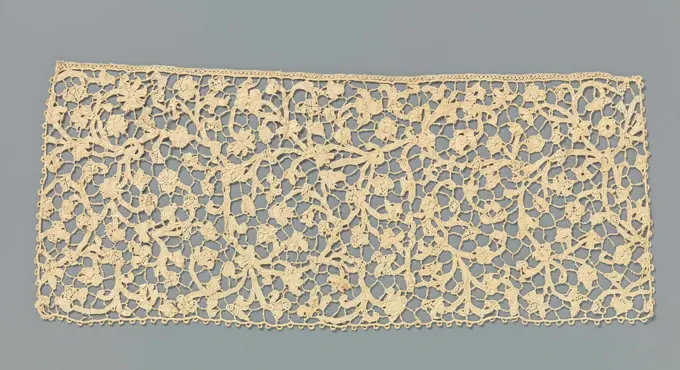
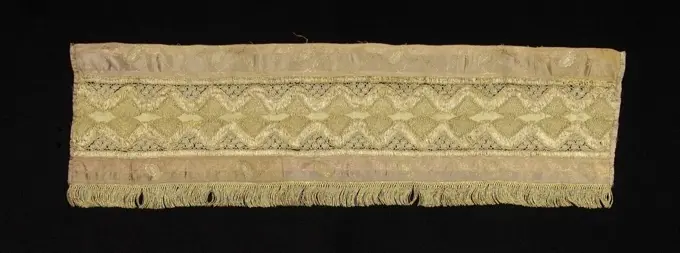
Lumbar ,, 1736 Lendloop van Linen with Entre-Deux van Kloskant, brand WG6 and 1736 Northern Netherlands linen (material). bobbin lace Lendloop van Linen with Entre-Deux van Kloskant, brand WG6 and 1736 Northern Netherlands linen (material). bobbin lace
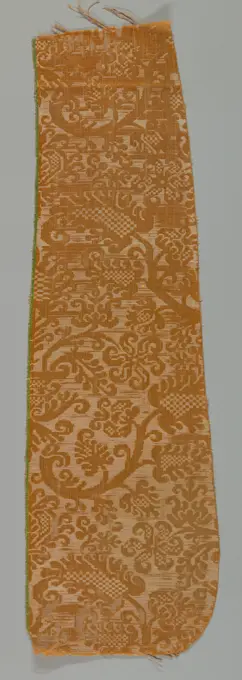
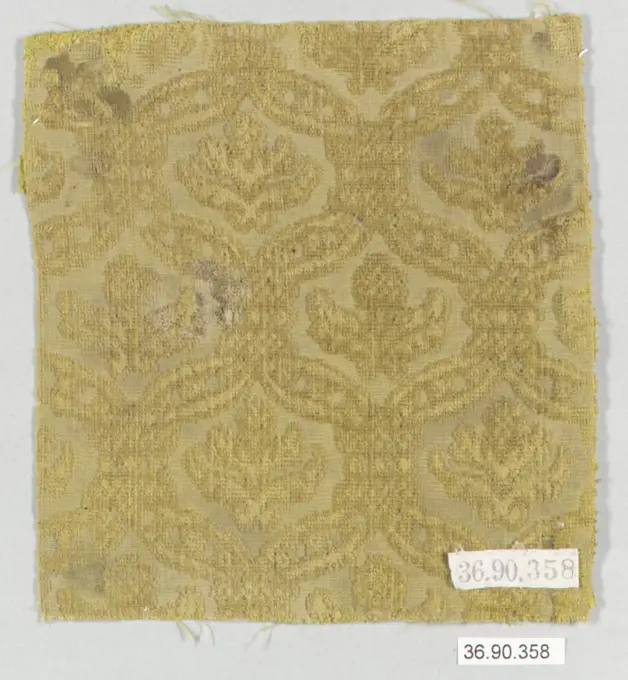
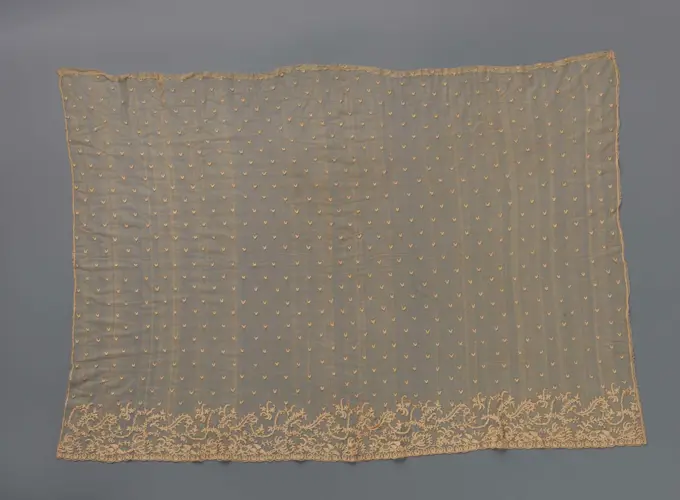
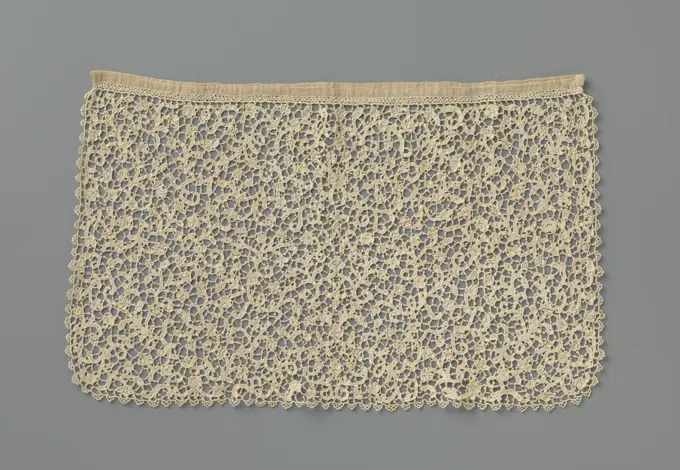
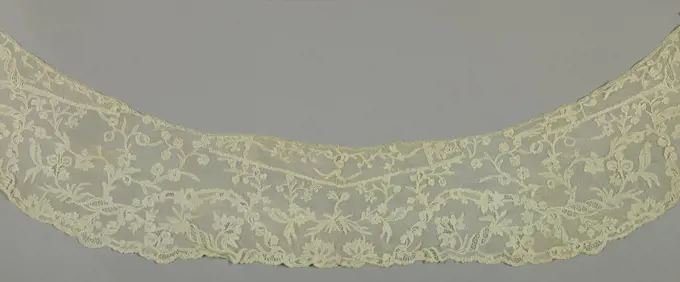
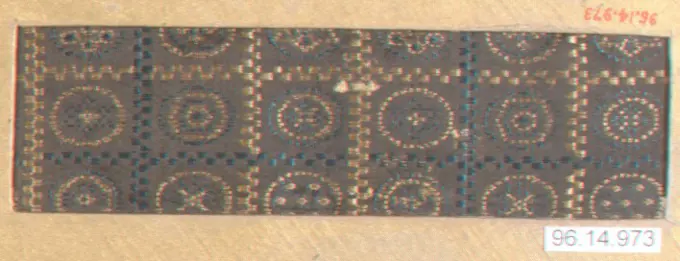
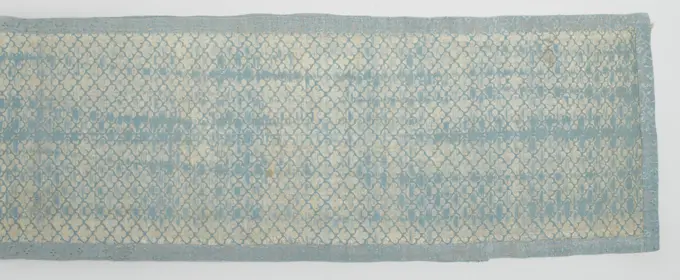
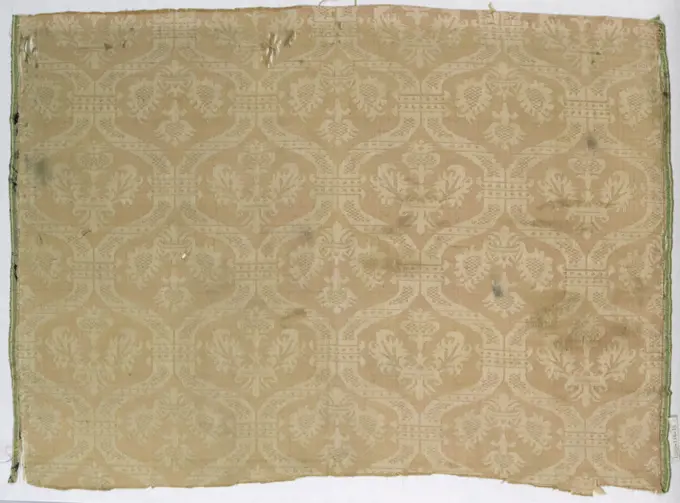
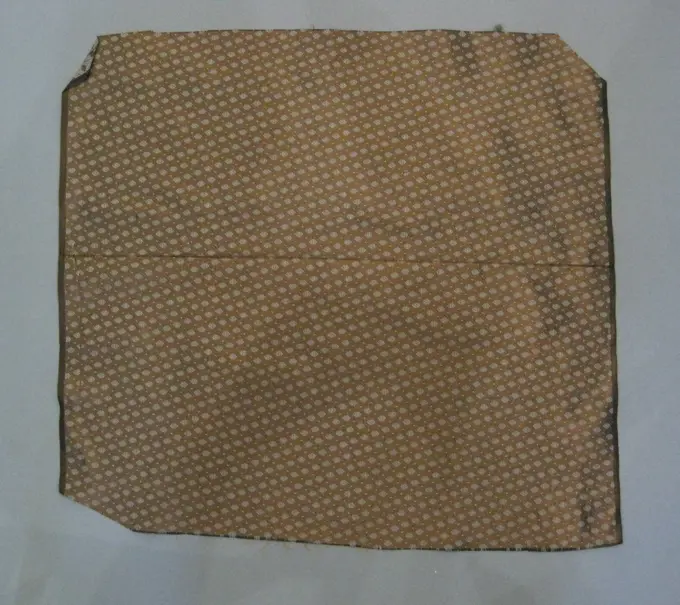
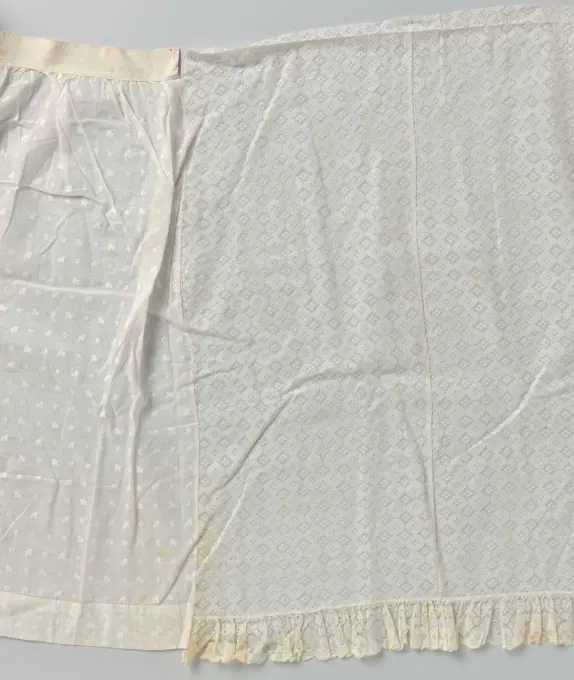
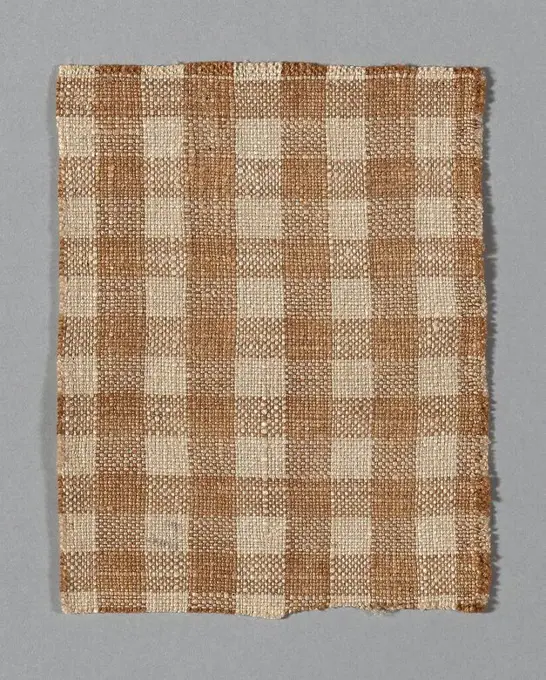
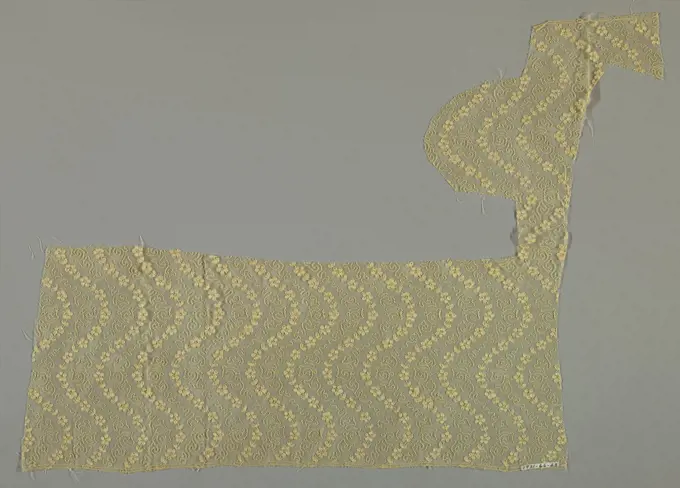
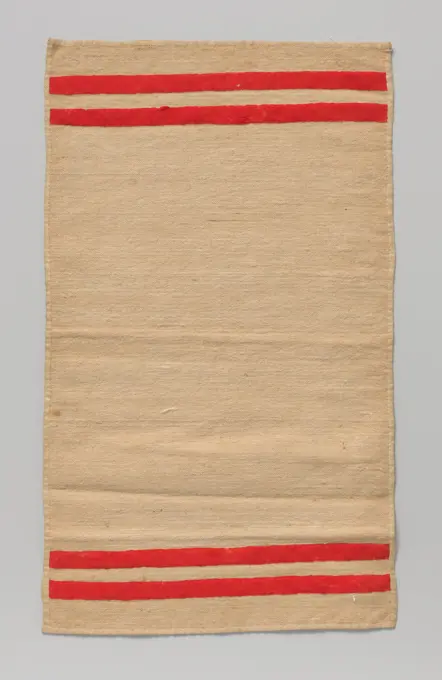
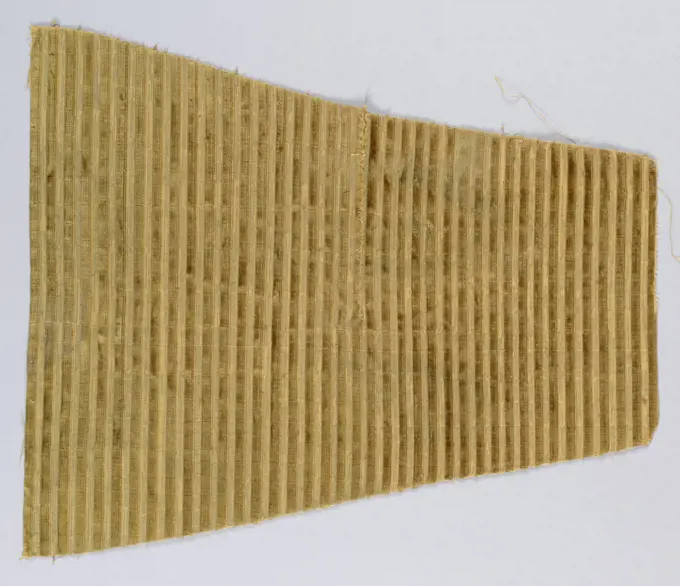
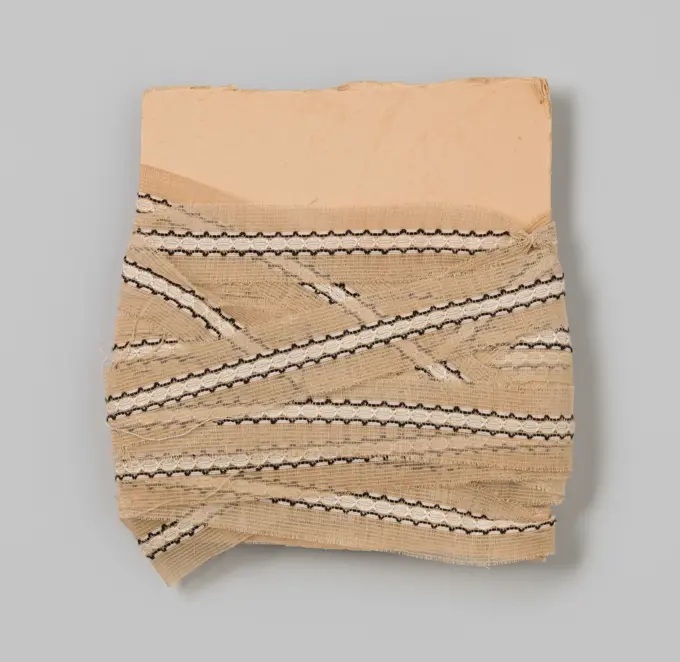
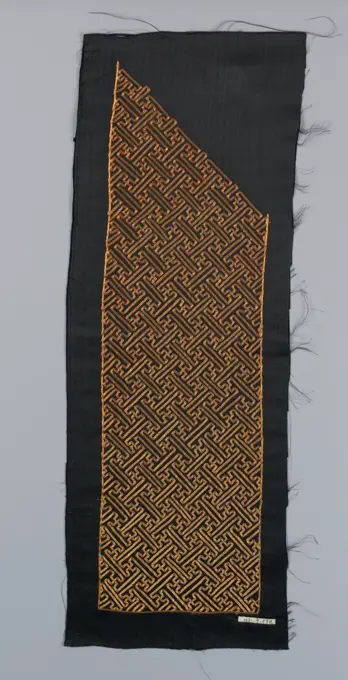
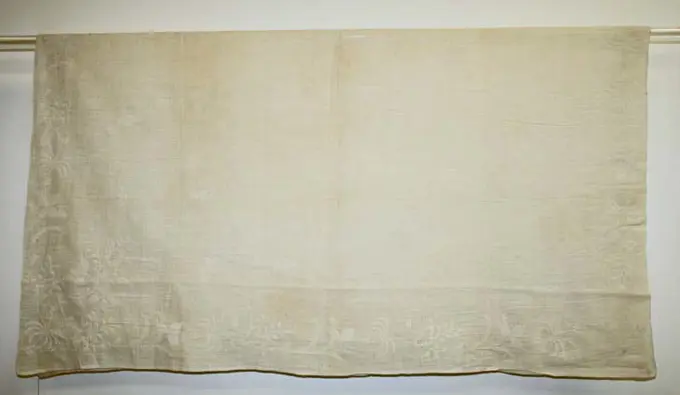
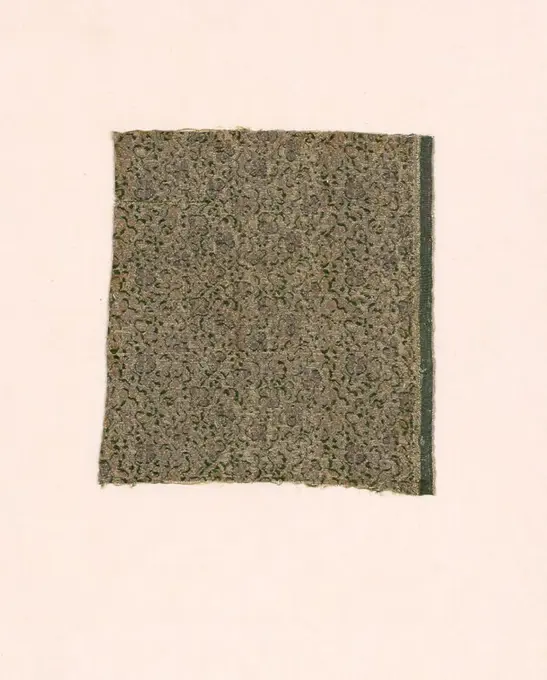
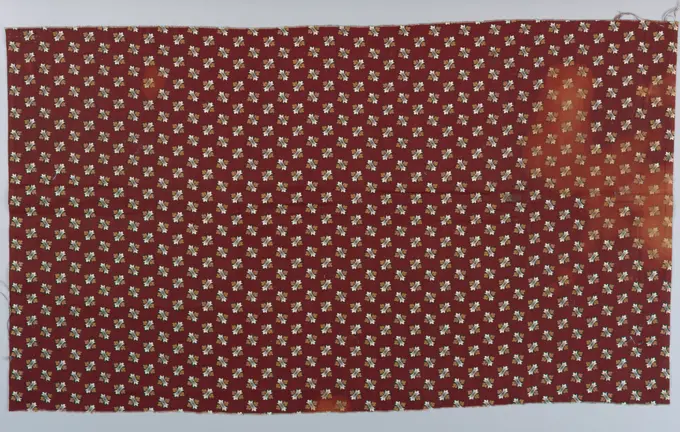
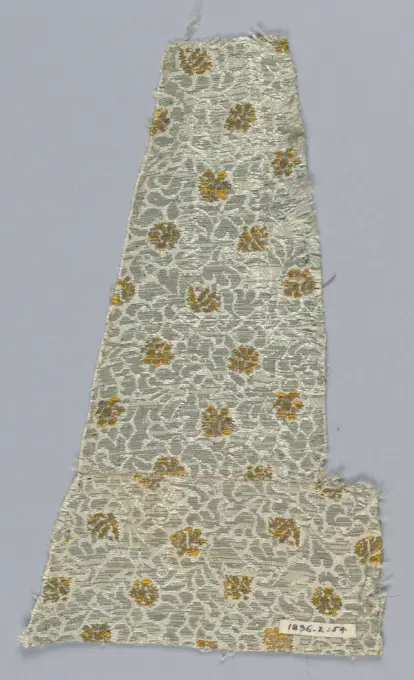
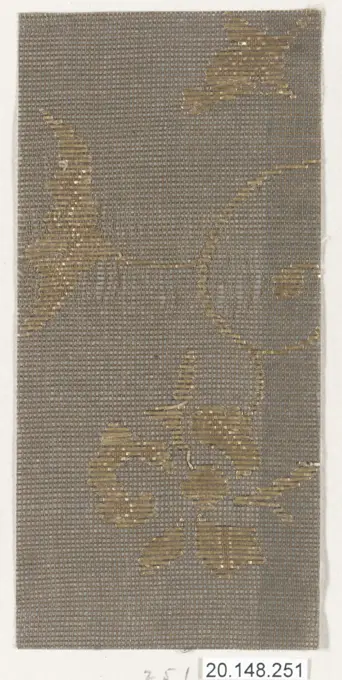
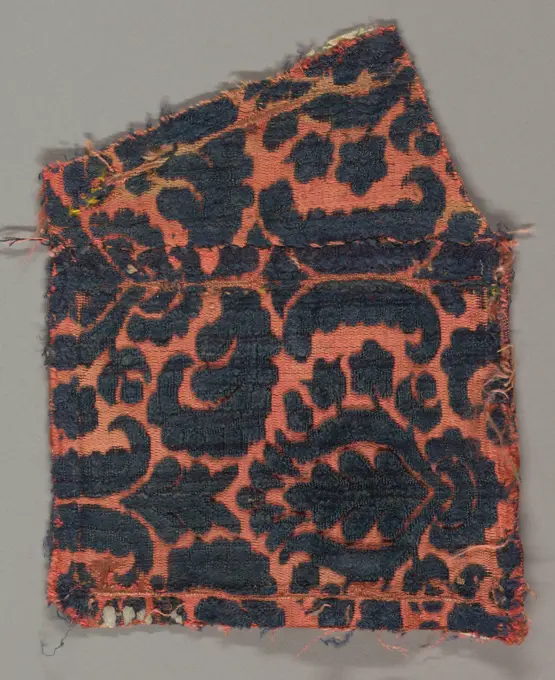
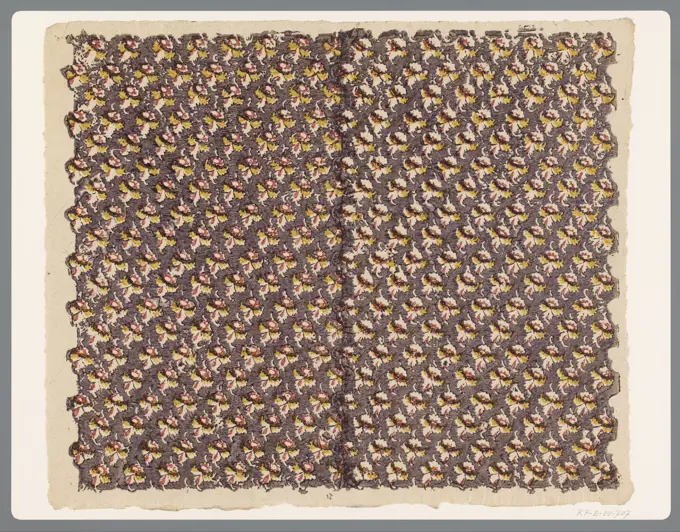
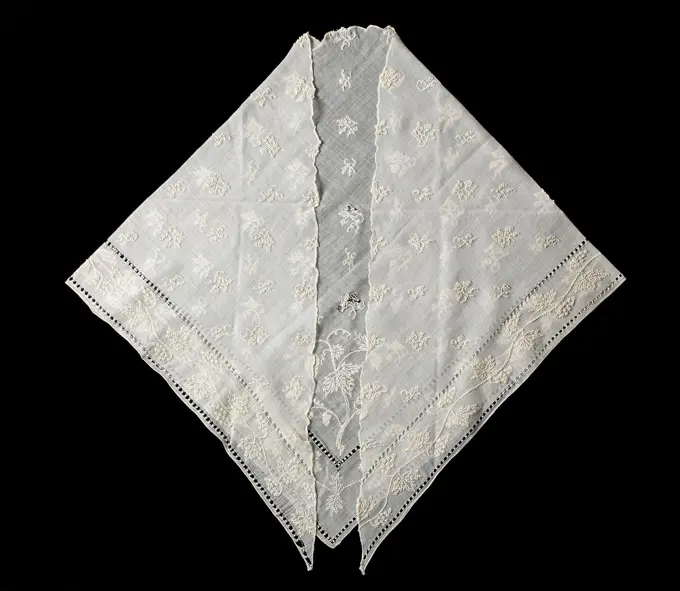
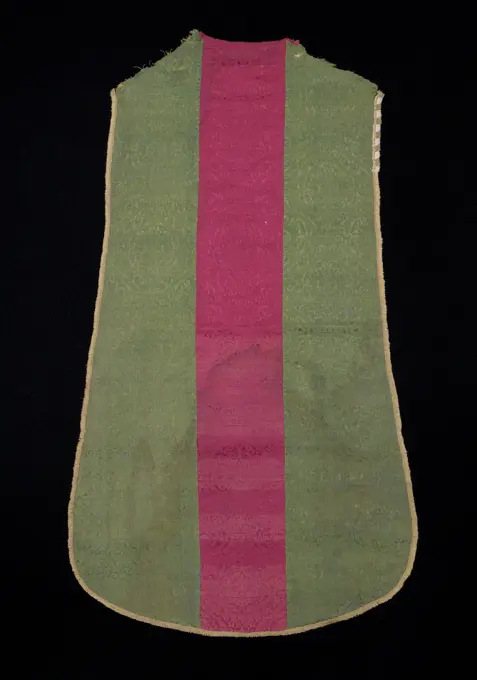
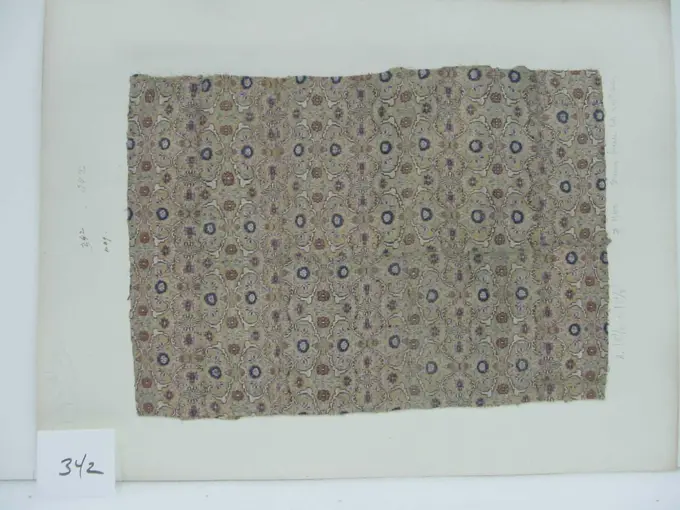
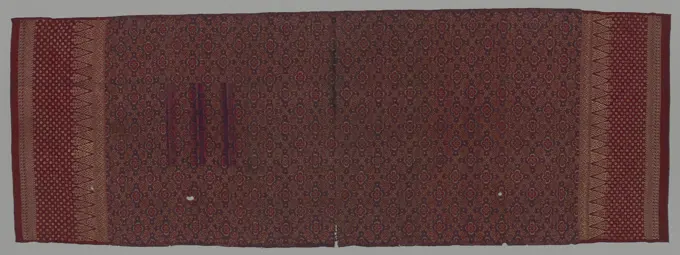
Shawl(Limar)Piece 18th century Japan. Piece 71105Piece 19th century Japan. Piece. Japan. 19th century. Silk, metallic thread. Textiles-WovenFragment; silkHafis (Dress or Furnishing Fabric). Designed by Koloman Moser (Austrian, 1868-1918); Woven and produced by Johann Backhausen & Söhne; Austria, Vienna. Date: 1899. Dimensions: 200.1 x 125.4 cm (78 3/4 x 49 3/8 in.)Repeat: 57.5 x 30.4 cm (22 5/8 x 12 in.). Cotton, satin weave self-patterned by areas of twill and plain weaves; woven on loom with Jacquard attachment. Origin: Vienna. Museum: The Chicago Art Institute, Chicago, USA. Author: Koloman (Kolo) Moser.Fragment, Medium: silk Technique: cut and uncut supplementary warp pile (velvet) in a plain weave foundation, Fragment of brown velvet in repeated small-scale pattern of stylized plant forms against a dull orange ground., Italy, 16th-17th century, woven textiles, FragmentFragment; silk, metallicFragment, Medium: wool, wool wadding Technique: quilting on twill and plain weave, Piece from a woolen quilt in dark blue on one side and tan wool on the other., USA, 18th century, embroidery & stitching, FragmentLumbar ,, 1736 Lendloop van Linen with Entre-Deux van Kloskant, brand WG6 and 1736 Northern Netherlands linen (material). bobbin lace Lendloop van Linen with Entre-Deux van Kloskant, brand WG6 and 1736 Northern Netherlands linen (material). bobbin laceFragments; silk, linen()Piece 18th-19th century Japan. Piece 66665Piece 16th-17th century Italian. Piece 223459Apron of edge embroidery on tulle for a zaans suit. Intended edge embroidery: Lierse lace or limerick side (tamerie on tulle). Rectangular model with a spreading pattern from V-tjes. Along the bottom edge a continuous pattern of a pendulum and underneath a wavy flower rank. The pendulum consists of an S-shaped pearl nose that is always interrupted by an elongated s-volute. The flower drink consists of larger and smaller flowers, alternating rosette, around and in the form of a squeezed oval. Crop the pendulum side branches above it. The bland scalloped lower edge forms along the lower part of pattern consisting of a continuous line, which in a straight row forms alternating oval loops and small eight. The sides of the tulle are formed in pointed scallops, along which two around each other swinging with tambourish work. The top is finished with a soil where a ribbon fits through. One type of ornamental land occurs in the flower hearts and the S volutes.Lumbar ,, 1720 - 1750 Lende run of linen with Entre-Deux van Kloskant, brand AG2. Northern Netherlands linen (material). bobbin lace Lende run of linen with Entre-Deux van Kloskant, brand AG2. Northern Netherlands linen (material). bobbin laceWhite napkin with woven checker pattern, anonymous, c. 1800 - c. 1930  Europe textile materials  Europe textile materialsDass slip with serpentine ranks, anonymous, c. 1690 - c. 1699 Dassle slip of natural -colored needle side: flat Venetian side. Symmetrical serpentine ranks with buttons. In the rounded corners, a slanted composite branch. On three sides triangular arches alternately large and small. Venice linen (material) flat Venetian (needle point) Dassle slip of natural -colored needle side: flat Venetian side. Symmetrical serpentine ranks with buttons. In the rounded corners, a slanted composite branch. On three sides triangular arches alternately large and small. Venice linen (material) flat Venetian (needle point)Set of collar, fichu and other accessories, Medium: linen Technique: needle lace with ground of loop & twist with twist return, Garniture of six pieces: fichu, collar, shaped pieces, and borders. All pieces have a pattern of flowers and leaves arranged on a serpentine band; worked in a great variety of ornamental stitches., Burano, Italy, 18th century, lace, Set of collar, fichu and other accessoriesTextile, Medium: silk Technique: plain weave, indigo dyed, resist applied with perforated stencil (kitri-bori), Allover pattern of fans and peonies composed of tiny white dots on a black background. Kitri-bori (awl carving)., Japan, 19th century, printed, dyed & painted textiles, TextilePiece 18th-19th century Japan. Piece. Japan. 18th-19th century. Silk. Textiles-WovenFragment of silk fabric unknownFragment of Persian silk fabric unknownBed Cover (Switzerland); linen, wool; 1976-2-2Fragment, Medium: silk Technique: 5-harness satin damask, Tan damask with vertical and horizontal rows of ogives framing stylized floral forms in beige., Italy, 17th century, woven textiles, FragmentFragments, Medium: silk, metallic thread Technique: cut and uncut supplementary warp pile (velvet) in a woven foundation, Fragment of green velvet on a cream-colored foundation shot with gold in a pattern of a small-scale ogival lattice enclosing rosettes., Italy, 16th century, woven textiles, FragmentsBrocade, 1700s - 1800s. India, Gulbarga, 18th-19th century. Brocade, "himru"; silk; overall: 81.3 x 34.3 cm (32 x 13 1/2 in.).Fragment, Medium: silk Technique: supplementary warp forming cut and uncut raised pile in plain weave foundation (velvet), Small pattern of diagonal shapes in green on cream., 17th century, woven textiles, FragmentFragment; silk; Bequest of Richard Cranch Greenleaf in memory of his mother, Adeline Emma Greenleaf; 1962-56-156Fragment, 1700s. China, 18th century. Brocaded satin, silk; overall: 26 x 21.5 cm (10 1/4 x 8 7/16 in.).Textile Swatch , 1950s to 1960s. Silk, 18 1/2 x 17 1/4 in. (47 x 43.8 cm).    1950s to 1960sPiece 18th-19th century Japan. Piece. Japan. 18th-19th century. Silk. Textiles-WovenExcerpt black silk dam mast with pattern of a stylized pomegranate moth motifs, anonymous, c. 1500 - c. 1599 Fragment black silk dam mast with pattern of a stylized pomegranate in ovale, lobed edge with network and flowers, surrounded by leaf ornaments. Italy (possibly) silk damask Fragment black silk dam mast with pattern of a stylized pomegranate in ovale, lobed edge with network and flowers, surrounded by leaf ornaments. Italy (possibly) silk damaskStrip of needle side with bows, anonymous, c. 1875 - c. 1909 Strip of natural -colored needle side: Venetian relief side. L-shaped model. On a very open bar of land there are irregular volute vines with leaf voltuties and multifaceted flowers. Venice (possibly) linen (material) Venetian raised work Strip of natural -colored needle side: Venetian relief side. L-shaped model. On a very open bar of land there are irregular volute vines with leaf voltuties and multifaceted flowers. Venice (possibly) linen (material) Venetian raised workNapkin with flower bouquets, anonymous, c. 1700 - c. 1899 Linnamast napkin with flower bouquets. Midfield: flower pattern of staggered rows with two types of flower bouquets. Standing and lying edges: a flower garland, the corners a flower bouquet. Scissors (possibly) linen (material) damask Linnamast napkin with flower bouquets. Midfield: flower pattern of staggered rows with two types of flower bouquets. Standing and lying edges: a flower garland, the corners a flower bouquet. Scissors (possibly) linen (material) damaskFall of Batist, for a dressing table. Batisten fall in a boudoir for a dressing table.Textile Swatches Onondaga Silk Company, Inc. (1925-1981). , 1948-1959. Silk, 47 1/2 x 18 in. (120.7 x 45.7 cm).    1948-1959Excerpt Eastern textile, c. 1800 - c. 1850 Gold to red. Pattern: rows of spreading pattern styl. Leaves with small cubes in between. NOTE: Consists of five excerpts sewn together. In the silk. cotton (textile). Gold to red. Pattern: rows of spreading pattern styl. Leaves with small cubes in between. NOTE: Consists of five excerpts sewn together. In the silk. cotton (textile).Fragment. United States. Date: 1801-1825. Dimensions: 12.4 x 9.5 cm (4 7/8 x 7 13/16 in.). Sample of stripe and check patterns of blue, white and tan. Origin: United States. Museum: The Chicago Art Institute, Chicago, USA.Band, Medium: cotton Technique: machine made, Band of ecru lace made in imitation of Alençon. Design shows serpentine bands of flowers alternating with serpentine lines., France, ca. 1890, lace, BandPiece 18th century Japan. Piece 71649Fragment silk velvet with shaved pattern of staggered rows of palmets in purple red.fragment Silk Veal with Shaved Pattern of Staggered Rows or Palmets in Purple Red. Italy, 16th Century.Rectangular cloth with two red stripes on both sides on the short side of the front, Susanna Maria from Pabst Rutgers-Linse, c. 1836 - c. 1898  Netherlands textile materials  Netherlands textile materialsTissue fragment in tapestry. Natural and brown-colored wool tissue fragment with geometric abstract motifs where the galen between the colors are part of the motif.Embroidered borders, 19th century, 15 x 42 in. (38.1 x 106.7 cm), embroidered linen, Morocco, 19th centuryTowel, early 20th century. Spain, early 20th century. Patterned tabby weave, macramé end: linen; average: 186.1 x 66 cm (73 1/4 x 26 in.).Velvet Fragment, c. 1700. Italy, early 18th Century. Velvet weave: silk: metal thread; overall: 24.8 x 22.3 cm (9 3/4 x 8 3/4 in.).Textile Sample from Sample Book 19th century Japan. Textile Sample from Sample Book 68092Piece 18th-19th century Japan. Piece 67493Fragment, Medium: silk Technique: supplementary warp forming raised pile (velvet), Brown leaves facing in alternate directions., 17th century, woven textiles, FragmentGalloon 17th-18th century probably European. Galloon 213882Textile Fragment 4th century. Textile Fragment 443566Scarf, 23 3/4 x 8 1/2 in. (60.33 x 21.59 cm) (without fringe), Cotton, ChinaMitaine van Machinale side, in blue nylon, anonymous, c. 1955 - c. 1960 Left mitaine in blue nylon. From machine -made side in flower pattern. Netherlands geheel: nylon. sticksels: cotton (textile). Left mitaine in blue nylon. From machine -made side in flower pattern. Netherlands geheel: nylon. sticksels: cotton (textile).Rug with side lined. A rug of linen with damask pattern; On three sides deposited with Vlaams linen cluster side, lined on one side and equipped with two loops (one filed).Textile Swatches Onondaga Silk Company, Inc. (1925-1981). Textile Swatches, 1948-1959. silk; metal, (a) - (d): 9 x 5 in. (22.9 x 12.7 cm).    1948-1959Fragment, Medium: silk Technique: woven velvet, Striped silk velvet in tan cut and uncut pile., 16th-17th century, woven textiles, FragmentFragment with geese circling lotus medallions, 1400s. India. Plain weave: cotton, stamped mordant resist and dyed; overall: 90.2 x 46.5 cm (35 1/2 x 18 5/16 in.).Cardboard with Kant in écru, black and white, Gustav Schnitzler, c. 1920 Cardboard with side -facing side in écru, black and white. NijmegenFrance (possibly) cardboard Cardboard with side -facing side in écru, black and white. NijmegenFrance (possibly) cardboardPiece 18th-19th century Japan. Piece 66697Textile Swatches Onondaga Silk Company, Inc. (1925-1981). , 1948-1959. Silk, 47 1/2 x 16 3/4 in. (120.7 x 42.5 cm).    1948-1959William Parkinson, Crochet, c 1937 CrochetSample early 19th century French. Sample. French. early 19th century. Textiles-WovenPanel (China); satin embroidered with gold metal threadTextile, Medium: piña (pineapple) fiber, cotton Technique: plain weave, Plaid of cream-colored pineapple fiber and white cotton. Narrow stripes of pineapple fiber in the warp and weft direction separates the larger blocks of cream and white. These narrow stripes are outlined by single warps and wefts of red and white dashed lines., Philippines, 19th century, woven textiles, TextileFichu early 19th century American. Fichu 119338Fragment. France. Date: 1701-1725. Dimensions: . Brocaded silk. Origin: France. Museum: The Chicago Art Institute, Chicago, USA.Fragment 16th century Italian. Fragment 230139Dasslip van naaldkant met symmetrisch patroon van vele ranken met kleine bladeren en bloemen.Natural Carriage Dasslip: Flat Venetian side. Apparently trigger but symmetrical pattern with a vertical axis in the middle from which many curling flower and leaf refines move. The motifs are made with feston stitches, where simple patterns have been realized with recesses in different flowers and leaves. The motifs are connected by a picoted bars soil. The top of the strip is finished with a splitting strap. The underside and two short sides are finished with a bow edge.Textile Swatches Onondaga Silk Company, Inc. (1925-1981). , 1948-1959. 72 silk; 28 metal, 24 x 18 in. (61 x 45.7 cm).    1948-1959Textile (USA); Manufactured by Merrimack Manufacturing Company; cottonSheet. Culture: Coptic. Dimensions: Overall: 94 1/2 × 62 in. (240 × 157.5 cm). Date: 4th century. Museum: Metropolitan Museum of Art, New York, USA.Waistcoat, uncut, Medium: linen, silk Technique: embroidery (chain stitch), Two fronts and two pocket flaps for man's waistcoat, or cream colored linen, plain cloth, embroidered in colored silks in chain stitch. Delicate vine design ascends front. Flower sprays under and on pockets. Colors: red, pink, green, violet, blue, and yellow. Bottom of some cloth, with worked edges. Buttonholes outlined in color, but not cut., France, ca. 1750-1800, embroidery & stitching, Waistcoat, uncutPiece 16th century Italian. Piece 213060Scarf early 19th century American. Scarf 98096Fragment, Medium: silk Technique: supplementary warp forming raised pile in plain weave foundation (velvet0; then embossed, Pieced fragment with embossed (stamped) pattern of strapwork forming cartouches containing elaborate fleur de lys on plain red velvet., 16th-17th century, woven textiles, FragmentPiece 19th century Japan. Piece 70420Fragment (Italy); silk, metallics; Warp x Weft: 21.4 x 12.6 cm (8 7/16 x 4 15/16 in.); 1896-2-54Fringe (Greece); silkTextile, Medium: wool Technique: printed by engraved roller, A - D) squares 5' x 5' sewn together; light wool roller printed in small all-over, geometric or floral patterns or in stripes, pastel and/or faded colors. E - L) indivudal patches., Europe or USA, 1830-60, embroidery & stitching, TextilePiece 18th-19th century Japan. Piece 67777Embossed Wool; woolTowel border 1800-1850 Russian. Towel border 173386Piece 18th century Japan. Piece 71241Masi Kuvui (Smoked Tapa) textilesFragment; silk, metallic threadSilk Fragment, 1300s. Egypt, Mamluke period, 14th century. Tabby weave; silk; overall: 9 x 17.2 cm (3 9/16 x 6 3/4 in.).Border (France); 28.5 x 11.5 cm (11 1/4 x 4 1/2 in.)Fragment (Italy); silkLeaf with spreading pattern of saved leaf motif, anonymous, 1750 - 1900  Leaf with spreading pattern of saved leaf motif.  paper. lacquer (coating) block printing (relief printing process) ornament derived from animal formsPiece 17th century Japan. Piece 71973. Fichu, triangular, linen balance embroidered with a floral spreading dotty of button stitches and trimmed with open hems between which a leaf and flower garland of button stitches. Model: dropped along all sides with a roller zoom. Decoration: in the point a vine () With grape vents and leaves above an open hem with spiders. Below the leaf and flower garland that is limited just above the hem of the FICHU by an open zoom with spiders.Textile (USA); cottonPiece 17th century Japan. Piece 71401Chasuble fourth quarter 17th century probably Italian. Chasuble 174762Fichu of cotton cheese cloth, triangular, with red cross stitches in the point marked 'gav/ 6', anonymous, c. 1850 - c. 1900 Fichu made of cotton cheese cloth, triangular, with red cross stitches in the point marked 'gav/ 6'. Model: flat hem on all sides. Netherlands whole: Cotton (textile). Brand: Cotton (Textile) embroidering Fichu made of cotton cheese cloth, triangular, with red cross stitches in the point marked 'gav/ 6'. Model: flat hem on all sides. Netherlands whole: Cotton (textile). Brand: Cotton (Textile) embroideringBand; silk, linenVitrage of mechanical side with rising flower and leaf vines within three scallops, c. 1890 Vitrage of machine side. The pattern has ascending flower and leaf vines within three scallops. The net curtain has sewn rings. Plauen (Possibly) . Vitrage of machine side. The pattern has ascending flower and leaf vines within three scallops. The net curtain has sewn rings. Plauen (Possibly) .FEDERATIVE PACT, July 14, 1790 Augustin Dupr� (1748-1833). FEDERATIVE PACT, July 14, 1790. Copper, light blue moor ribbon, embroidered in past encroaching in polychrome and golden silk yarn.Textile Fragment late 17th century. Textile Fragment 454548Waterlelies, c. 1885 - c. 1915 photograph  Maine foto: photographic support. sec. drager: cardboard  flowers: water-lily MaineFragment want Samiet, Anonymous, 1500 - 1599 Fragment woolen samite with pattern of rosettes and jumping deer. Italy Necklace: Linen (Material). impact: Wool samite / twill Fragment woolen samite with pattern of rosettes and jumping deer. Italy Necklace: Linen (Material). impact: Wool samite / twill