Textile Fragments

Historic textile fragments showcasing intricate patterns and colors, representing fabric artistry from different periods and regions.

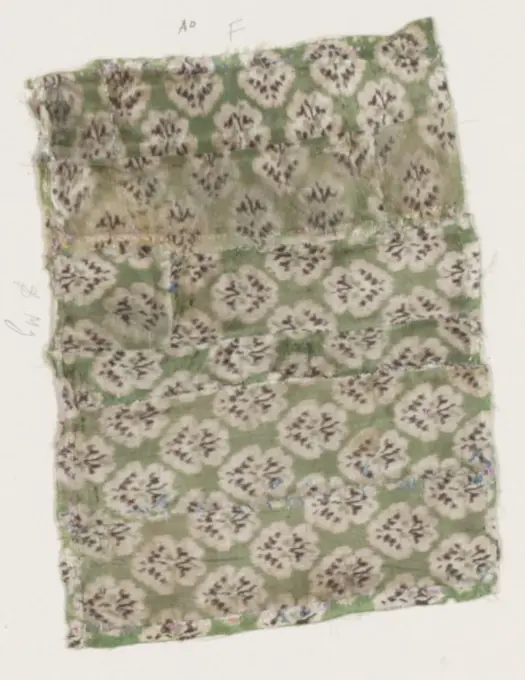
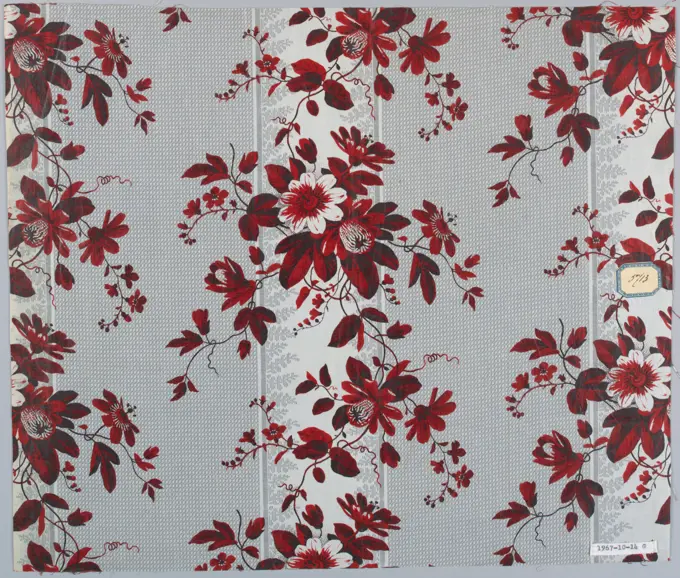
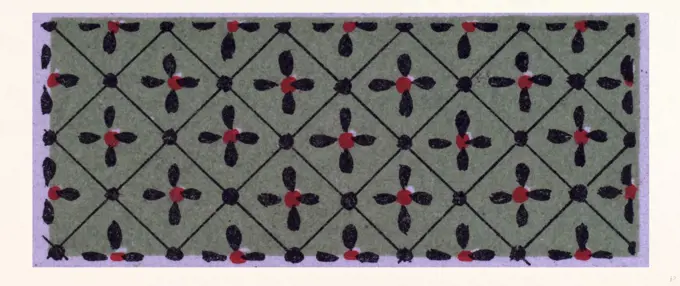
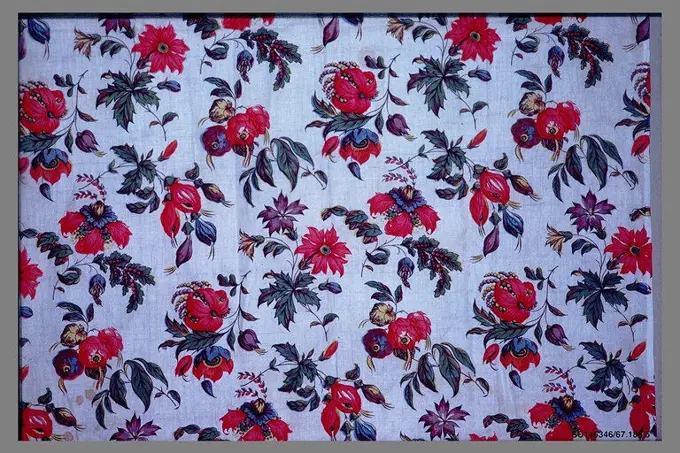
Fragment Printed Cretonne with pattern of Klaver with butterfly within Spitsovalen, Theo Nieuwenhuis, 1900 - 1925 Fragment printed cretonne with pattern of clover with butterfly within Spitsoval in the colors red, a decayed color, moss green and pink on natural stock. Netherlandsmaker: Helmond linen (material). printing Fragment printed cretonne with pattern of clover with butterfly within Spitsoval in the colors red, a decayed color, moss green and pink on natural stock. Netherlandsmaker: Helmond linen (material). printing
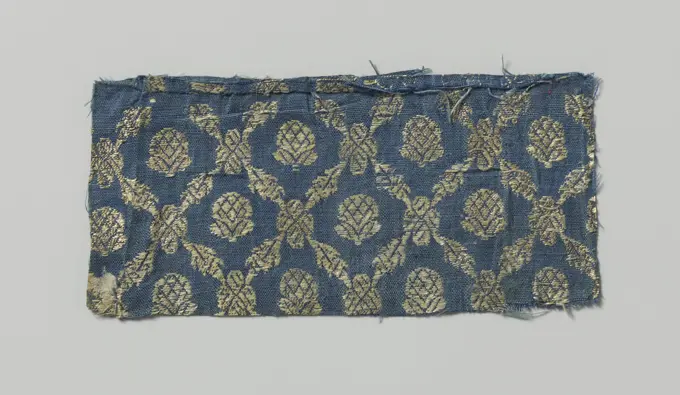
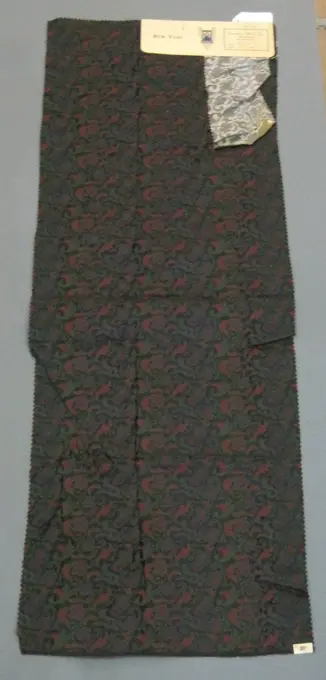
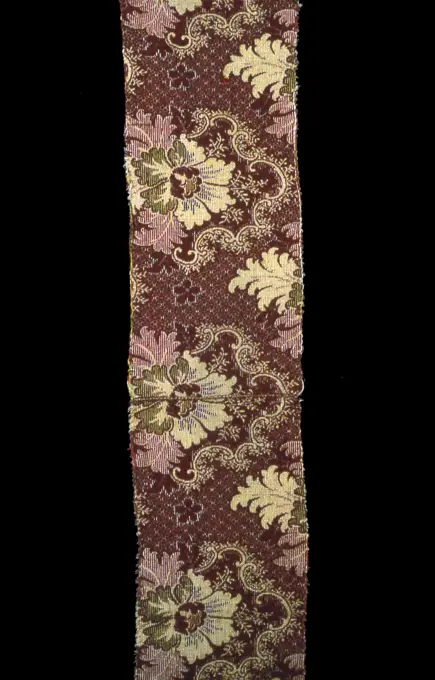
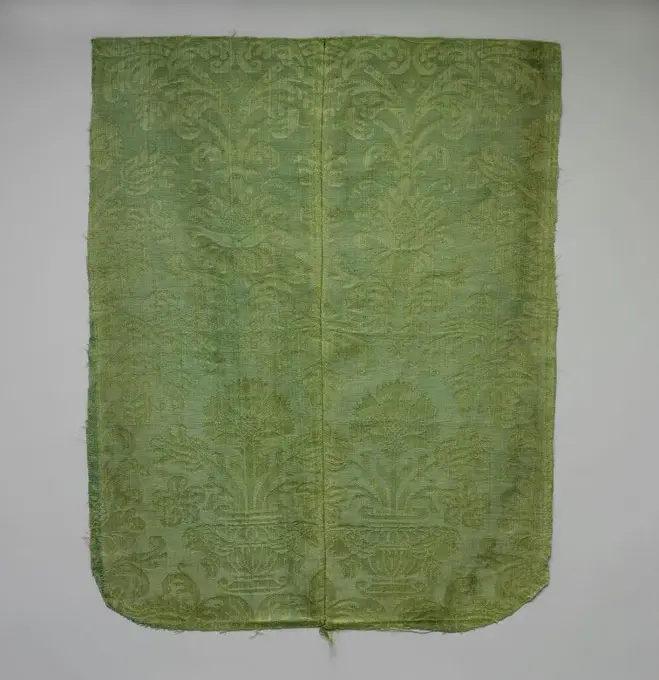
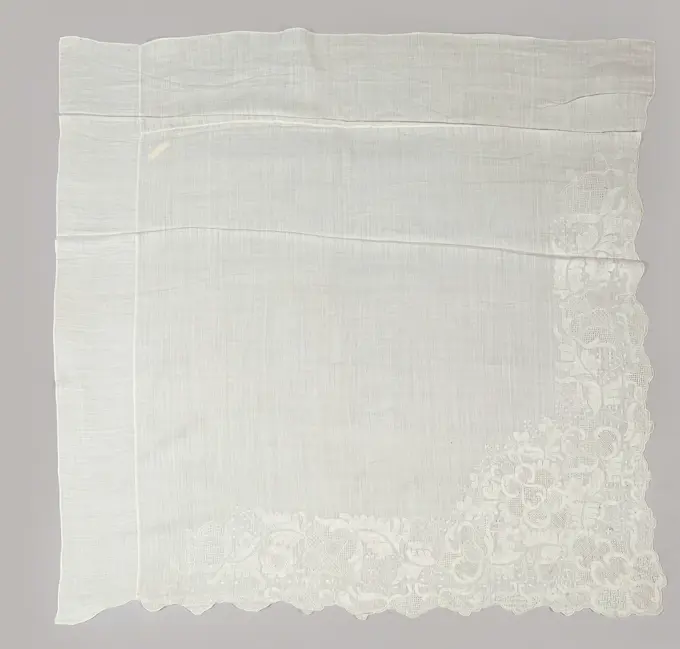
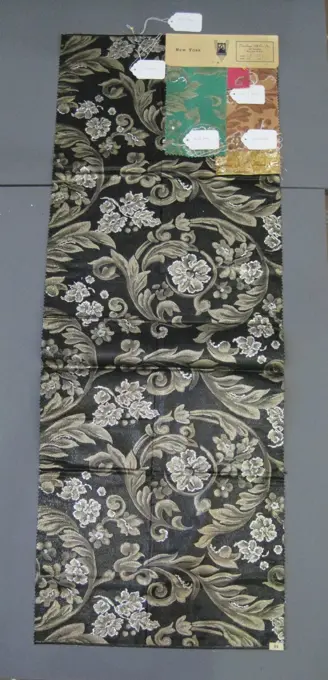
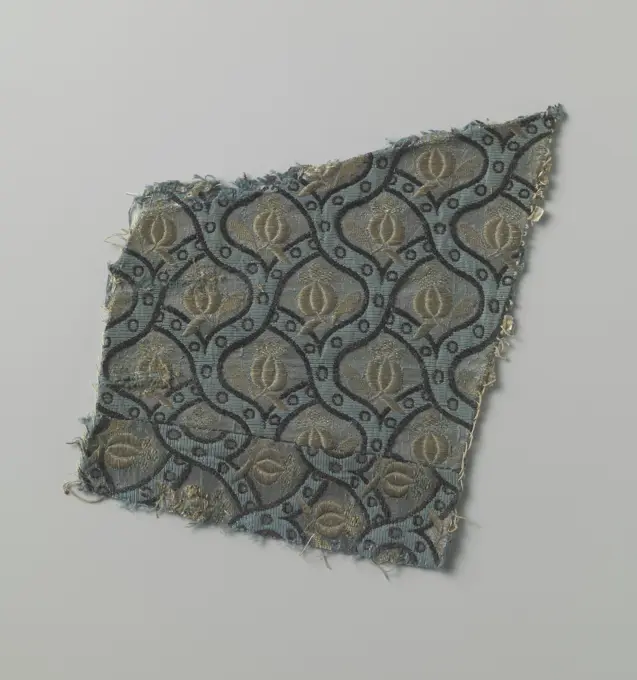
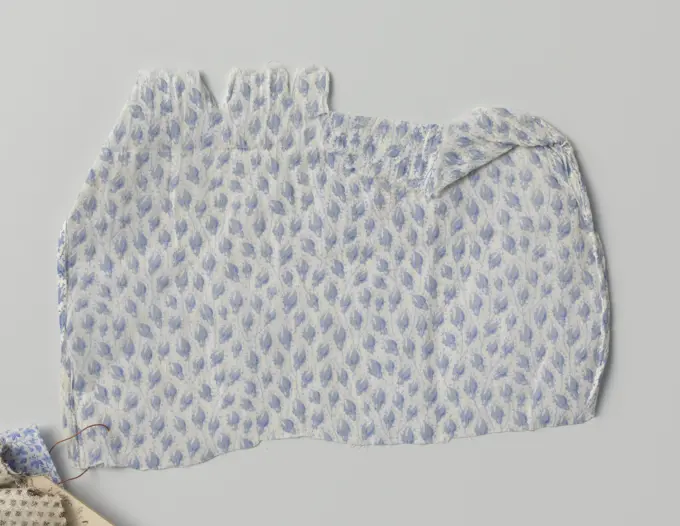
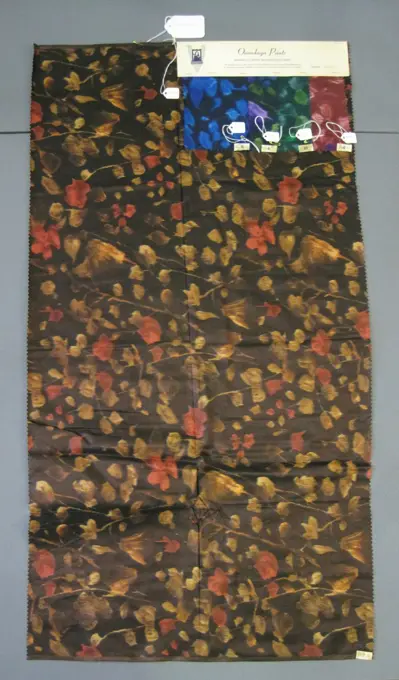
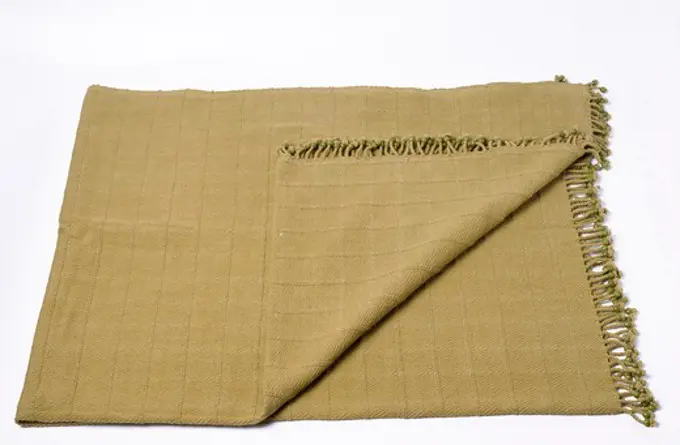
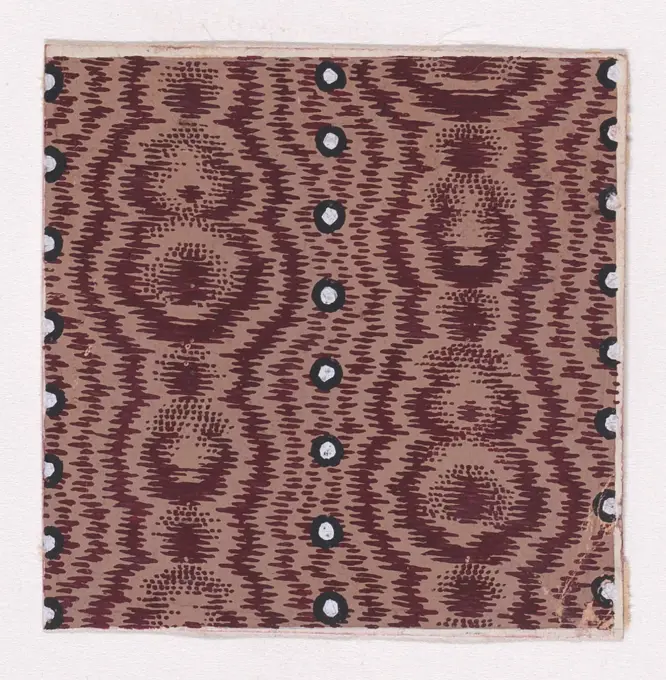
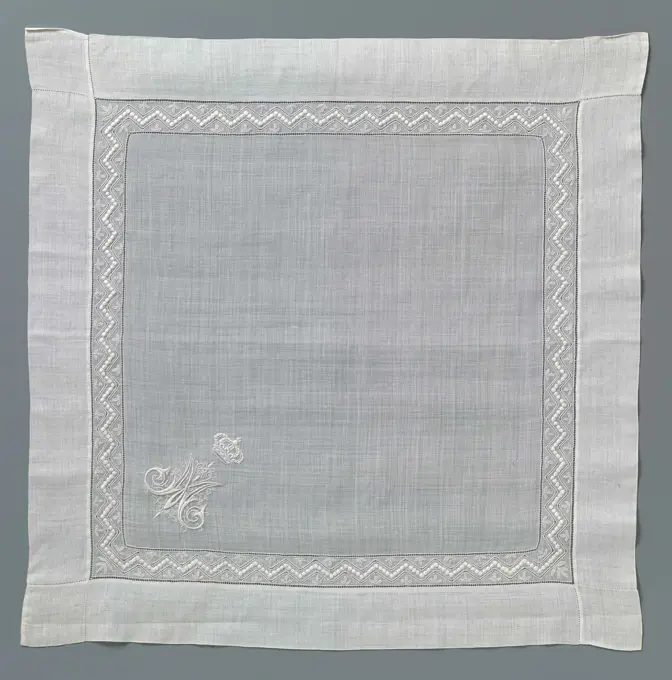
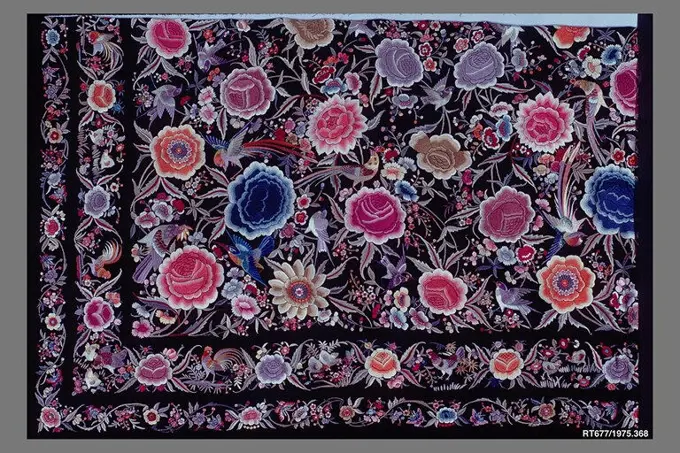
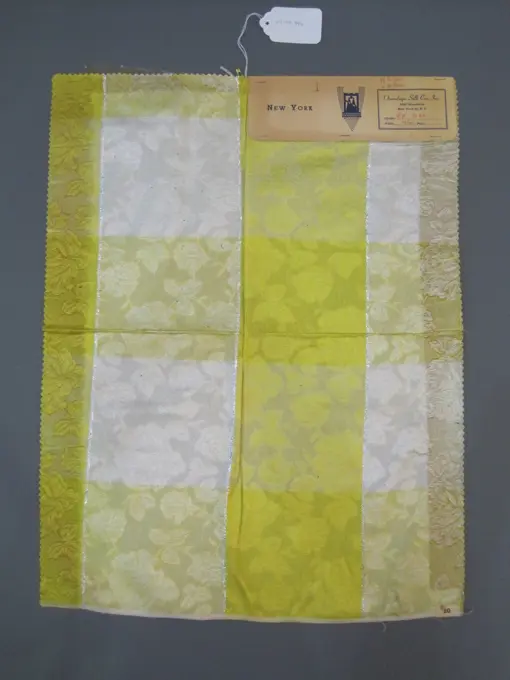
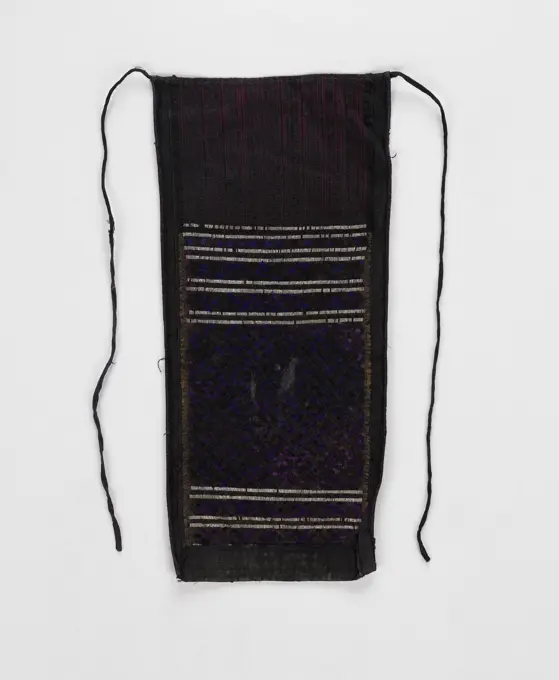
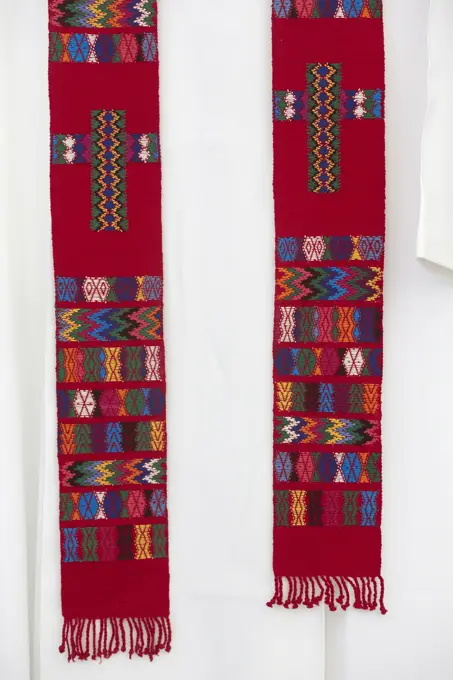
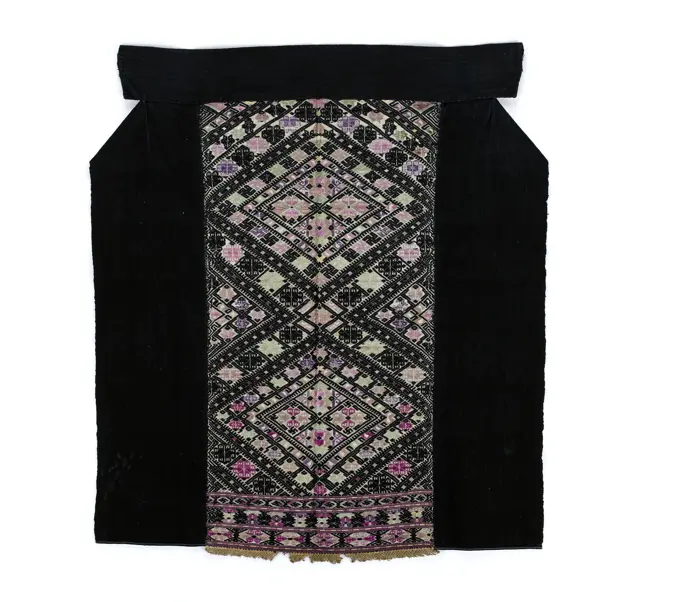
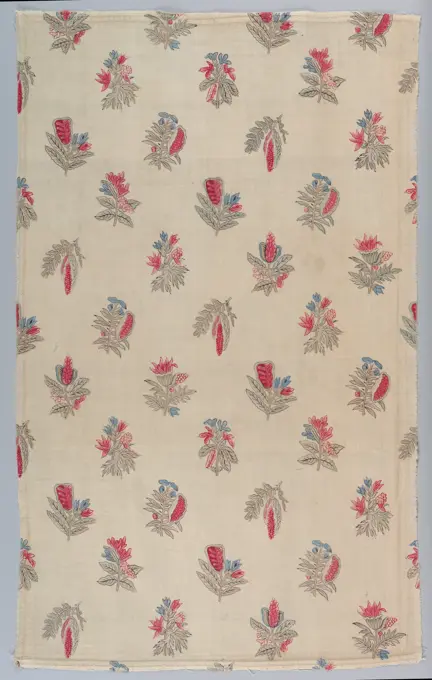
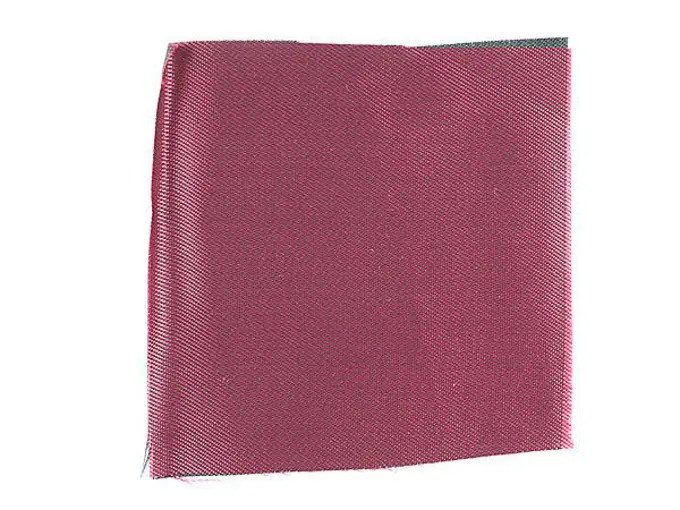
Fragment 18th century Italian. Fragment 230396Fragment zijdeweefsel, anonymous, c. 1600 - c. 1680 Fragment gray side with pattern in yellow-green from rows to the left and to the right bent flower branches. Spain (possibly) Ketting an element: Silk Fragment gray side with pattern in yellow-green from rows to the left and to the right bent flower branches. Spain (possibly) Ketting an element: SilkFragment Printed Cretonne with pattern of Klaver with butterfly within Spitsovalen, Theo Nieuwenhuis, 1900 - 1925 Fragment printed cretonne with pattern of clover with butterfly within Spitsoval in the colors red, a decayed color, moss green and pink on natural stock. Netherlandsmaker: Helmond linen (material). printing Fragment printed cretonne with pattern of clover with butterfly within Spitsoval in the colors red, a decayed color, moss green and pink on natural stock. Netherlandsmaker: Helmond linen (material). printingFragment, Medium: silk, cotton Technique; plain weave foundation with supplementary wefts bound in plain weave, Frontal and profile flowers in green, brown, pink and white., 17th century, woven textiles, FragmentTextile Swatches Onondaga Silk Company, Inc. (1925-1981). , 1948-1959. Silk, metallic yarn, 47 x 17 3/4 in. (119.4 x 45.1 cm).    1948-1959Fragment silk tissue. Fragment gray silk with pattern in yellow-green from rows to the left and to the right bent flower branches.Excerpt Eastern textile, anonymous, c. 1800 - c. 1850 A fragment of blue silk and cotton, with a diamond pattern in gold. The diamond pattern is formed by flour and leaves, in which a stylized flower. In the silk. cotton (textile). A fragment of blue silk and cotton, with a diamond pattern in gold. The diamond pattern is formed by flour and leaves, in which a stylized flower. In the silk. cotton (textile).Fragment; linen, silk, woolFragment, Medium: silk Technique: supplementary warp forming cut and uncut pile on plain weave foundation (velvet), Frames containing stylized plant forms., 17th century, woven textiles, FragmentFragment, Medium: Technique: printed, 19th century, printed, dyed & painted textiles, FragmentLength of Silk Damask, late 1600s. Italy, late 17th century. Damask, silk; average: 87.4 x 52.4 cm (34 7/16 x 20 5/8 in.).Textile Swatches Onondaga Silk Company, Inc. (1925-1981). , 1948-1959. Silk, 41 1/2 x 15 1/4 in. (105.4 x 38.7 cm).    1948-1959Textile Fragment 17th century. Textile Fragment. 17th century. Silk and metallic thread; brocaded. Country of Origin Iran or Europe. Textiles-BrocadesSkirt, 20th century, 39 1/2 x 21 1/2 in. (100.33 x 54.61 cm), Cotton; needlework, Vietnam or Laos, 20th centuryExcerpt multi -colored silk tissue, anonymous, 1700 - 1725 Fragment silk tissue with a white checkered fond in which branches and stripes. On the diamond pattern, the pattern has palm -like shrubs in many colors and gold and silver. Netherlands silk Fragment silk tissue with a white checkered fond in which branches and stripes. On the diamond pattern, the pattern has palm -like shrubs in many colors and gold and silver. Netherlands silkFragment (Spain); silkFragments, Velvet, embossed, black figured velvet probably dyed - design showing all-over floral designs - selvage present, France, 19th century, woven textiles, FragmentsTextile Swatches Onondaga Silk Company, Inc. (1925-1981). , 1948-1959. Silk, a: 42 1/2 x 23 1/2 in. (108 x 59.7 cm).    1948-1959Piece 16th-17th century Italian. Piece 224418Carpet Fragment Made 1870-1879 United States. Wool, plain weave, tied and free double cloth .Piece 19th century Japan. Piece 66498Textile Swatches Onondaga Silk Company, Inc. (1925-1981). , 1948-1959. 55 acetate, 45 rayon, 41 x 17 1/2 in. (104.1 x 44.5 cm).    1948-1959Textile (France); silkFragment Silk Luwel with Checked and Palmetten, Anonymous, 1500 - 1599 Fragment red silk fluble with window -formed diamonds in which palmettes formed by corners. Italy silk. metal thread Velvet chiseled Fragment red silk fluble with window -formed diamonds in which palmettes formed by corners. Italy silk. metal thread Velvet chiseledBorder; linenPiece French 19th centurySutra Cover Made 1590-1599 China. Silk, warp-float faced 4 1 satin weave with supplementary patterning wefts bound in weft-float faced 1 4 satin interlacings .Piece 19th century Japan. Piece 70403Fragment of embroidery  small motifs of floral twigs unknownPiece 18th-19th century Japan. Piece. Japan. 18th-19th century. Silk. Textiles-WovenBrocaded Silk, 1800s. Japan, 19th century. Silk, metallic thread; average: 68 x 68 cm (26 3/4 x 26 3/4 in.).Sidewall Sample; machine-printed on paper; 22.5 x 22.5 cm (8 7/8 x 8 7/8 in.)Fragment, Medium: silk, metallic Technique: woven, Serpentine metallic bands on red ground., 17th century, woven textiles, FragmentFragment of a silk tissue with birds and mythological animals, anonymous, c. 1200 - c. 1299 Fragment of green silk with stylized pattern of two birds with head and two myth animals bighed towards each other. Between these animals a palm decoration and leaf vines. Lucca Ketting an element: Silk. Fragment of green silk with stylized pattern of two birds with head and two myth animals bighed towards each other. Between these animals a palm decoration and leaf vines. Lucca Ketting an element: Silk.Fragment, Medium: silk Technique: plain compound satin with supplementary weft, Fragment of a dress silk with an allover design of floral sprays and a lace pattern in blue, green, purple and white. On a black ground., Spain, 1830-35, woven textiles, FragmentFragment Made 1801-1825 United States. Sample of stripe and check patterns of blue, white and tan .Tablecloth ,, 1700 - 1799 White linen tablecloth with a peel pattern, brand Hr. Netherlands (possibly) linen (material) White linen tablecloth with a peel pattern, brand Hr. Netherlands (possibly) linen (material)Printing block, Medium: walnut wood, brass, Block for printing textiles with a carved design of flowering sprays and an ornamental form arranged as a corner and a quarter-ornament of similar design for the center. Wire rods form the pattern in the field and in spaces in carved design. Grooves in back for handling., Europe, 1850-75, appliances & tools, Printing blockTextile, Medium: wool Technique: damask of alternating weft-faced 6&1 satin and warp-faced 4&1 satin, Red damask in a large scale floral design with a central motif of leaves flanked by branches and flowers. Two selvedges present., Europe, late 18th-mid-19th century, woven textiles, TextileFragment of fabric brocaded with gold unknownTextile; wool, silkPiece. Culture: Italian. Dimensions: Overall: 20 5/8 x 16 5/8 in. (52.4 x 42.2 cm). Date: late 16th-early 17th century. Museum: Metropolitan Museum of Art, New York, USA.Kerchief. unknown, authorTextile; Manufactured by Schwartz-Huguenin; cottonPiece 18th-19th century Japan. Piece 67266Textile, Medium: wool Technique: printed by heated roller on velvet (baste fiber plain weave with wool supplementary weft), Overlapping circles containing stars. The stars are in relief, the circles have been pressed down. In a strong yellow., France, early 19th century, printed, dyed & painted textiles, TextileHandkerchief isolated on the white backgroundTextile Swatches Onondaga Silk Company, Inc. (1925-1981). , 1948-1959. Silk, 47 x 35 in. (119.4 x 88.9 cm).    1948-1959Fragment, Medium: silk, metallics Technique: plain weave with supplementary weft, Design of flowers and leaves in silver on a red ground., France, 17th century, woven textiles, FragmentEmbroidered chasuble columns unknownSutra Cover. China. Date: 1590-1599. Dimensions: 34.9 × 13.2 cm (13 3/4 × 5 1/4 in.)Repeat: 18.3 × 9.3 cm (7 1/8 × 3 5/8 in.). Silk, plain weave, double cloth. Origin: China. Museum: The Chicago Art Institute, Chicago, USA.Fragment (China); silk, metallic threadsFragment multicolored silk droguet liseré, anonymous, c. 1730 - c. 1800 Fragment multicolored silk tissue. The pattern has vertical rows with multicolored flower branches, between which small yellow flower branches. Spain silk Fragment multicolored silk tissue. The pattern has vertical rows with multicolored flower branches, between which small yellow flower branches. Spain silkHanging 17th century. Hanging 448190Textile Swatches Onondaga Silk Company, Inc. (1925-1981). , 1948-1959. Silk and metal yarns, a: 46 3/4 x 17 1/2 in. (118.7 x 44.5 cm).    1948-1959Textile Swatches Onondaga Silk Company, Inc. (1925-1981). , 1948-1959. Silk, 23 1/4 x 18 in. (59.1 x 45.7 cm).    1948-1959Fragment, 1800s. India, 19th century. Brocade; silk and metal; overall: 12.7 x 6.4 cm (5 x 2 1/2 in.).Coverlet Made 1840 United States. Cotton and wool, plain weave with plain interlacings of secondary binding warps and patterning wefts (Beiderwand); woven on loom with Jacquard attachment; two loom widths joined; fringed . D. Arnold Chambersburg (Weaver)Textile (England); cotton; Warp x Weft: 104.5 x 37.3 cm (41 1/8 x 14 11/16 in.)Textile (Japan); silk, paper with applied gold foilFragment, Medium: silk Technique: slashed satin weave, Plain satin in a dull red color with a design of small T-shaped splashes, 2 cm apart, in staggered rows. Selvage consists of three yellow and two red stripes in satin with edging in plain cloth weave using five warp threads., Netherlands, 17th century, woven textiles, FragmentWoman's head covering, c. 1950, 86 x 74 in. (218.44 x 187.96 cm), Cotton; tie-dyed (lahariya), India, 20th centuryIndian ornamentFragment, Medium: Technique: printed, USA, 19th century, printed, dyed & painted textiles, FragmentPiece 18th century French. Piece 217082Stencil 18th-19th century Japan. Stencil 70532Fragment; silkTextile Swatches Onondaga Silk Company, Inc. (1925-1981). , 1948-1959. Silk, 27 1/2 x 23 in. (69.9 x 58.4 cm).    1948-1959Fragment droguet with braid belt motifs and pomegrana, anonymous, c. 1725 - c. 1799 Fragment of 2 pieces set together (not on pattern) silk droguet with pendulum tape decorations with pomegrana cones in the openings. France (possibly) silk. metal thread. Fragment of 2 pieces set together (not on pattern) silk droguet with pendulum tape decorations with pomegrana cones in the openings. France (possibly) silk. metal thread.Fragment printed cotton, anonymous, c. 1920 - c. 1950 Fragment printed cotton. Blue, fine flower ines are printed on white cotton.  cotton (textile) printing Fragment printed cotton. Blue, fine flower ines are printed on white cotton.  cotton (textile) printingTextile Swatches Onondaga Silk Company, Inc. (1925-1981). , 1948-1959. Silk, a: 40 3/4 x 21 3/4 in. (103.5 x 55.2 cm).    1948-1959Close-up of folded green-beige throwPiece 18th century French. Piece 229240BeddingTextile Design with Alternating Vertical Stripes of Abstract Figures and Pearls 1840 Anonymous, Alsatian, 19th century Rectangular sheet of paper with a textile design from a group, dated 1840, made in Mulhouse, Alsace, which was an important nineteenth-century center for textile production in the Haut-Rhin region of France. The design is made up of a light tan base and vertical stripes of abstract ornamental motifs with irregular outlines of dark reddish-brown color that alternate with vertical stripes of pearls of white color and black outlines.. Textile Design with Alternating Vertical Stripes of Abstract Figures and Pearls. Anonymous, Alsatian, 19th century. 1840. GouachePiece 18th century Japan. Piece. Japan. 18th century. Silk. Edo period (1615-1868). Textiles-WovenHandkerchief by Princess Maria van Prussen with embroidery. Handkerchief with natural colored embroidery on natural batist, plush. The open zoom and edge with zigzag and bead list is decorated in a corner with a large M, above which a crown. The lower half of the letters is thick embroidered, the upper half with an open grain. The whole is surrounded with fine spiral rans.Sample early 19th century French. Sample 224705Shawl Chinese, for European market last quarter 19th centuryTextile Swatches Onondaga Silk Company, Inc. (1925-1981). , 1948-1959. 98 silk, 2 metal, 23 x 17 1/2 in. (58.4 x 44.5 cm).    1948-1959Fragment 16th century Italian. Fragment 230112Front apron (), ChinaFragments, Medium: silk, Two fragments of woven fabric showing offset rows of small flowers (alternate rows counterfaced) on top of violet stripes on a yellow background patterned with tiny yellow flowers., France, 18th century, woven textiles, FragmentsPriest's stole, Ghent, East Flanders, Belgium, EuropeHandkerchief 1825-50 American. Handkerchief 169715Fragment majolica plate on stand, decorated with flowers in vase, in blue on white ground, plate dish crockery holder soil find ceramic earthenware glaze tin glaze lead glaze, hand turned fried glazed fried Mirror fragment of majolica dish. Stand ring pierced for hanging hole Decorated with flowers in vase strongly resembling belly bottle with long neck. In the background some vague leaf and flower motifs Decorations in blue on white background Prosprints in the performance. Yellow shard Backside fine speckled lead glaze archeology underground pit Rotterdam Stadscentrum Stadsdriehoek Groenendaal indigenous pottery serve table food decorate serving Soil discovery underground pit Groenendaal (from moat dredger) 1976-08-06.Textile (England); cottonFestival apron, c. 1970s, 28 x 24 15/16 in. (71.12 x 63.34 cm), Cotton, silk, China, 20th centuryHandkerchief, 1800s, maker unknown. Gift of Johanna Fuchs, 1984.Textile Swatches Onondaga Silk Company, Inc. (1925-1981). , 1948-1959. Silk, 48 1/2 x 18 in. (123.2 x 45.7 cm).    1948-1959Textile Swatches Onondaga Silk Company, Inc. (1925-1981). , 1948-1959. Silk, 22 x 17 1/2 in. (55.9 x 44.5 cm).    1948-1959Textile, Bird and Anemone; Made by Morris & Co. (United Kingdom); England; cottonTextile (France); cotton; 1953-126-2-aTuch mit Karomuster - Cloth with checks Tuch mit Karomuster - Cloth with checks Copyright: xZoonar.com/lantapixx 7262069Textile Swatches Onondaga Silk Company, Inc. (1925-1981). Textile Swatches, 1948-1959. 65 silk; 35 metal, (a) - (c): 11 1/2 x 5 in. (29.2 x 12.7 cm).    1948-1959Red fabric sampleFan case, early 19th century, 8 5/8 × 2 1/16 × 1/2 in. (21.91 × 5.24 × 1.27 cm) (without cord), Silk, cardboard, China, 19th centuryYellow-ground fragment with black pattern of vines, 19th century, Unknown Ryukyuan, 19 × 6 3/8 in. (48.26 × 16.19 cm) (overall), Cloth: cotton; bingata (stencil resist with applied pigments), Japan, 19th centuryRibbon Fragments (USA); silkHandkerchief 1860-70 American. Handkerchief 168514