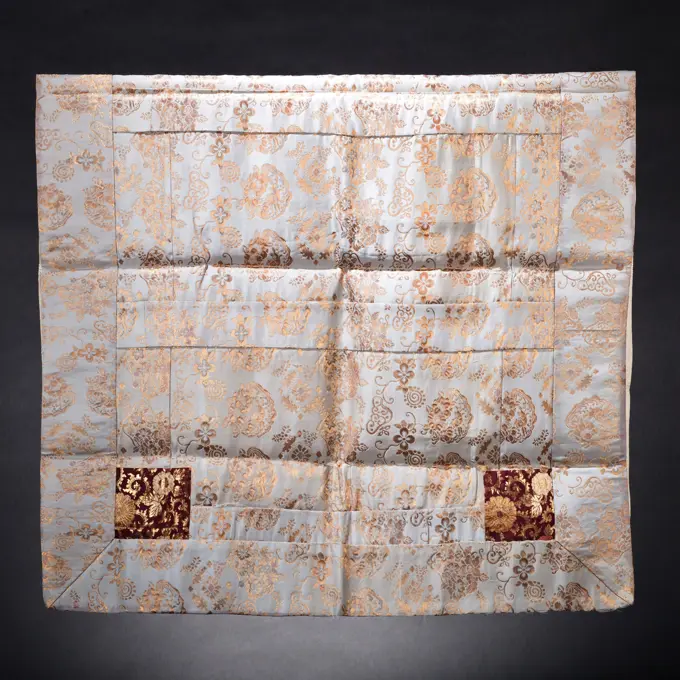
Textile Fragments

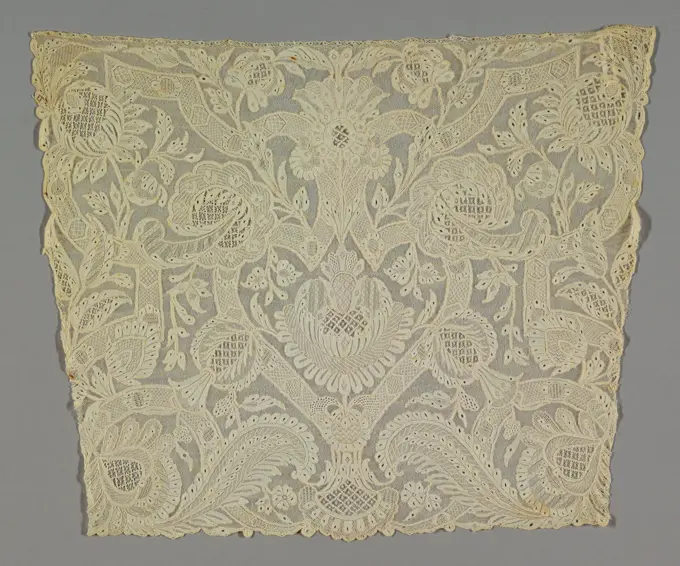
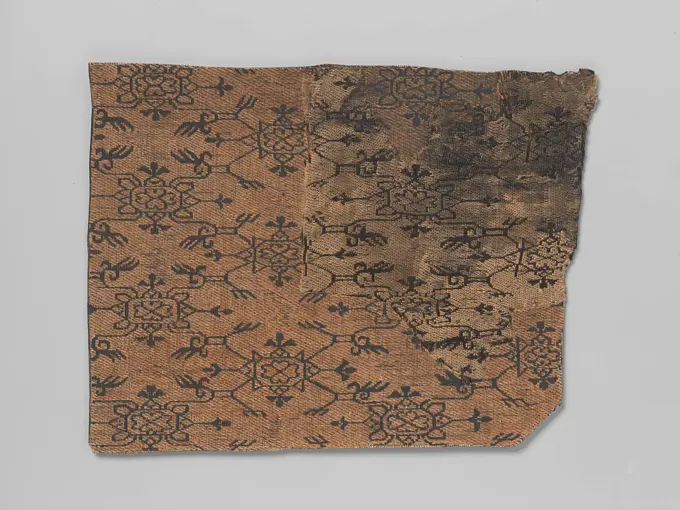
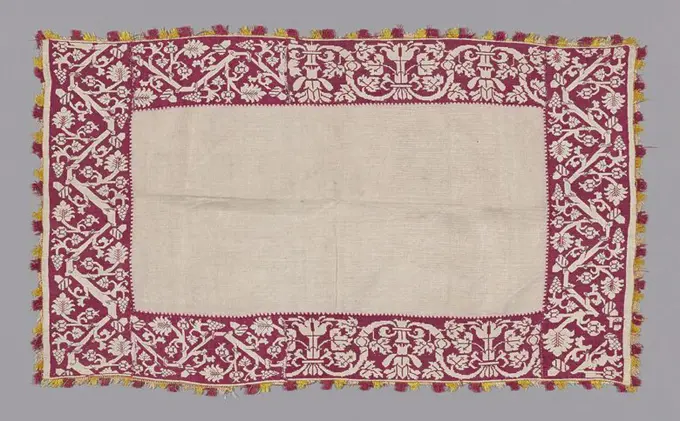
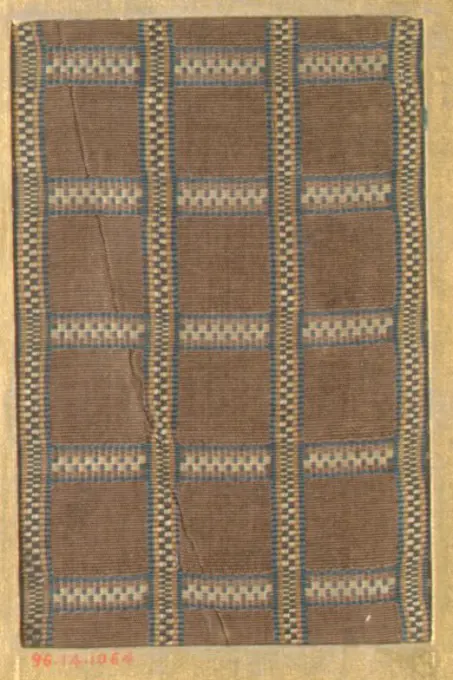
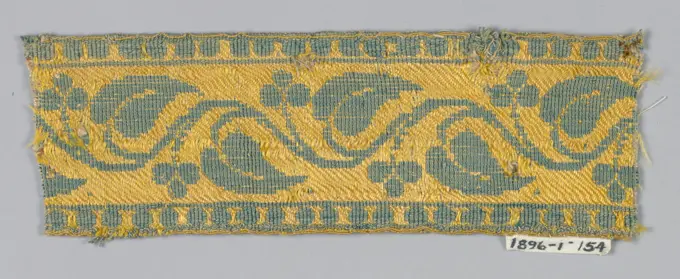
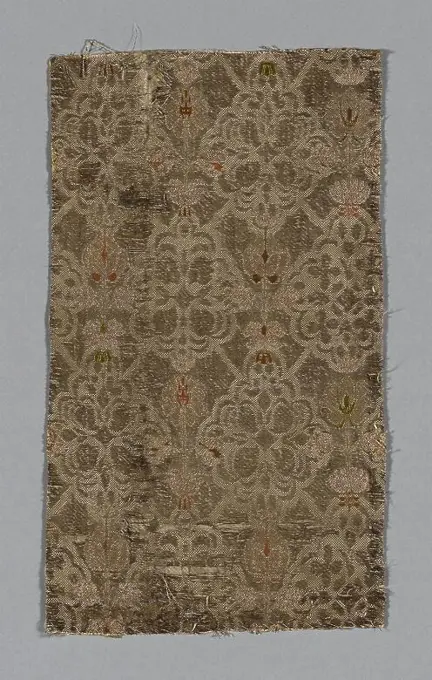
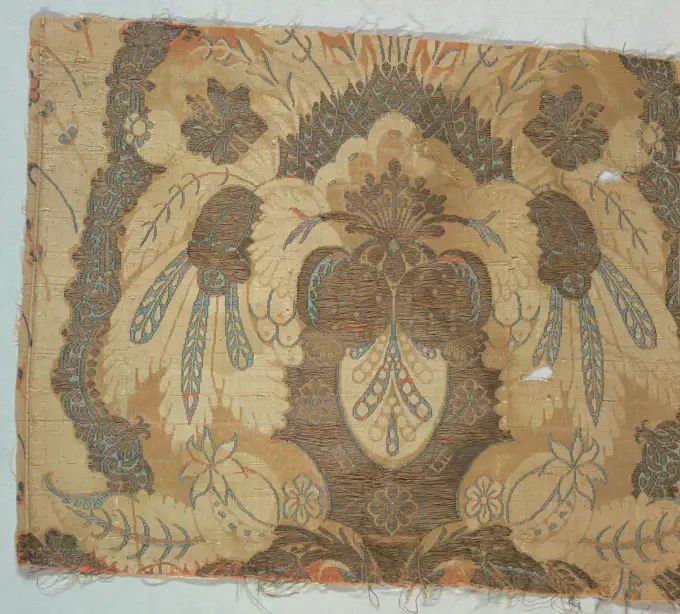
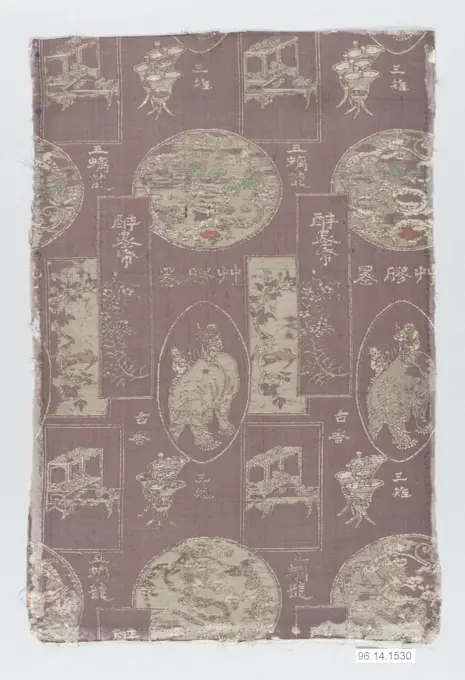
Historical textile fragments showcasing intricate patterns in rich colors, reflecting craftsmanship from various periods and styles.

Hexodring, Daghestan or Shirwan, Anonymous, 1800 - 1900 Hexagon rug, daghestan or shirwan. Midfield: Cobalt blue long distance with four hex corners in natural, blonde and beige with crochet motifs. Singed half triangles with stepped gable. Rand: five times. The middle one is white with so -called wine glass motif (= angular tulip) in beige tones with black contours. Here, outside of a few equal hems in yellow with rosettes. A second pair of hems in natural with rosettes. Caucasus wool Hexagon rug, daghestan or shirwan. Midfield: Cobalt blue long distance with four hex corners in natural, blonde and beige with crochet motifs. Singed half triangles with stepped gable. Rand: five times. The middle one is white with so -called wine glass motif (= angular tulip) in beige tones with black contours. Here, outside of a few equal hems in yellow with rosettes. A second pair of hems in natural with rosettes. Caucasus wool
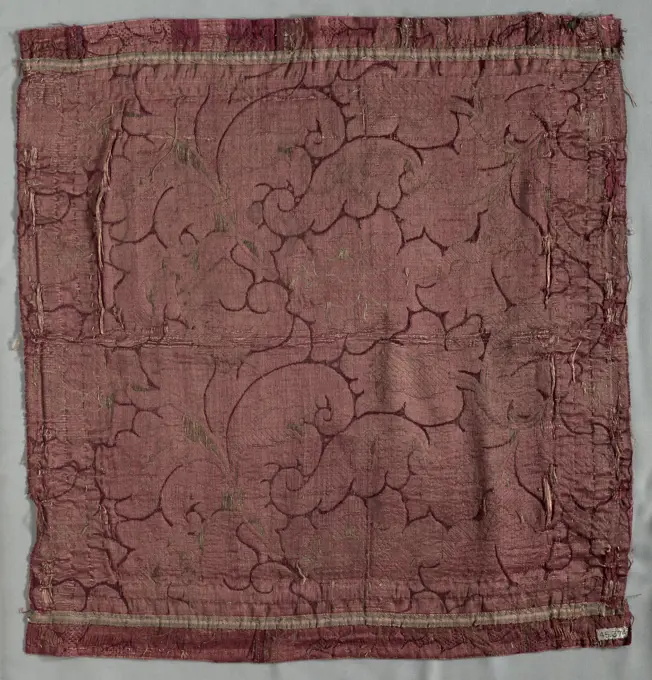
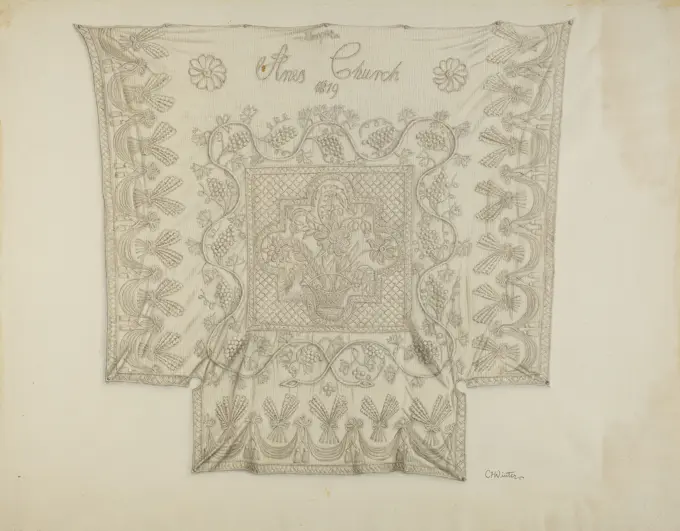
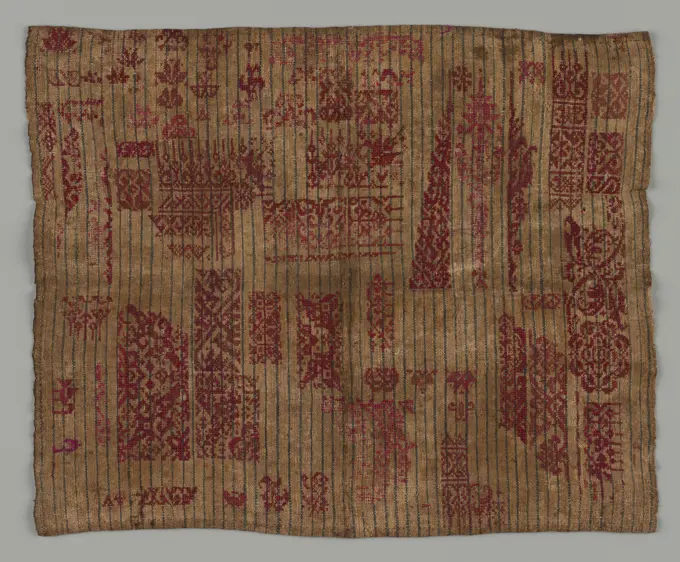
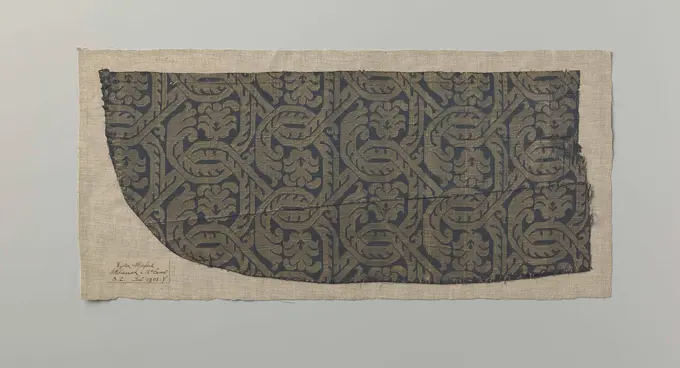
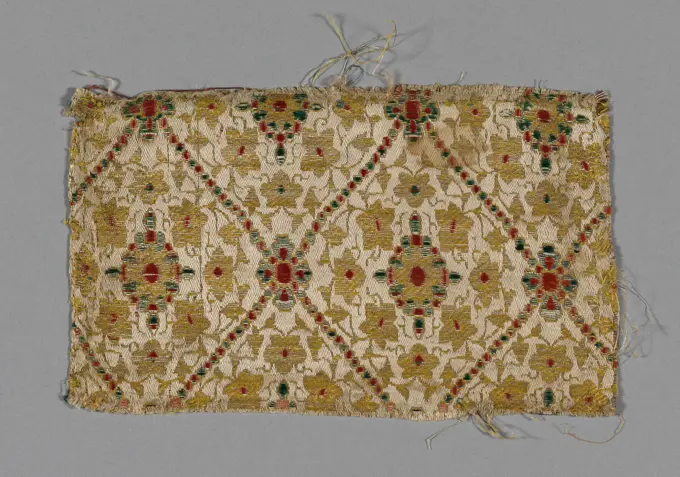
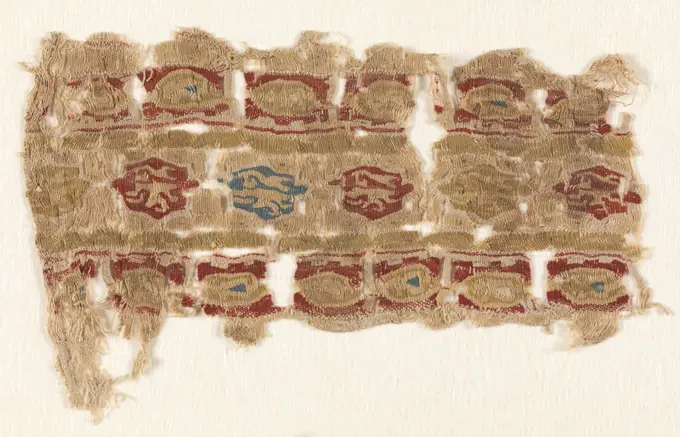
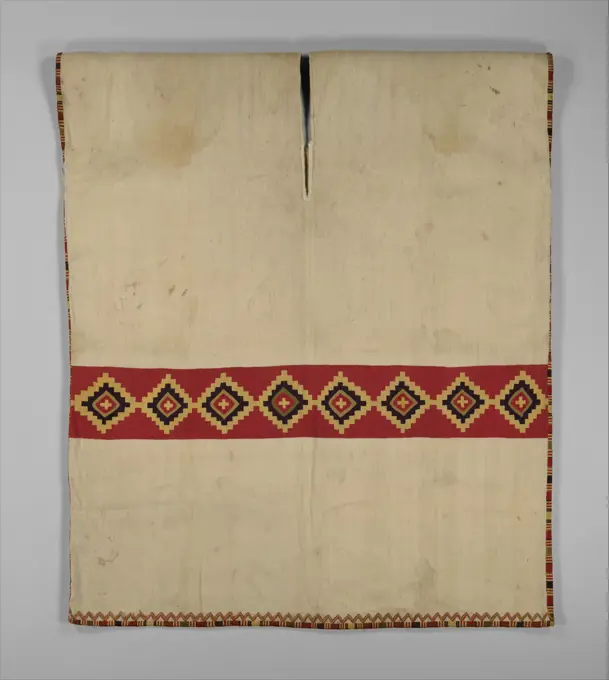
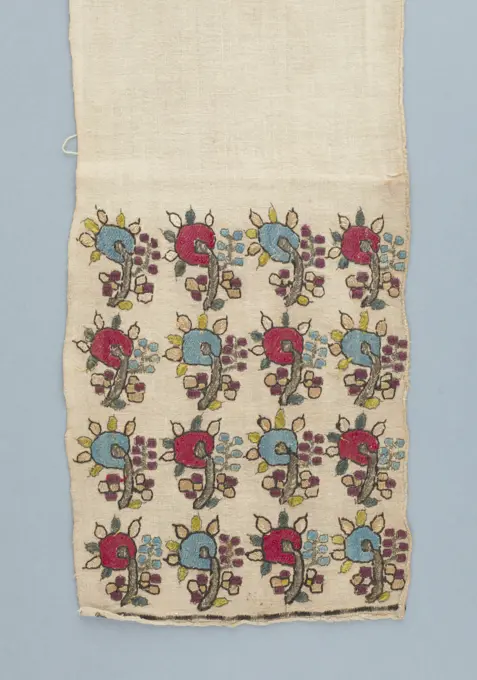
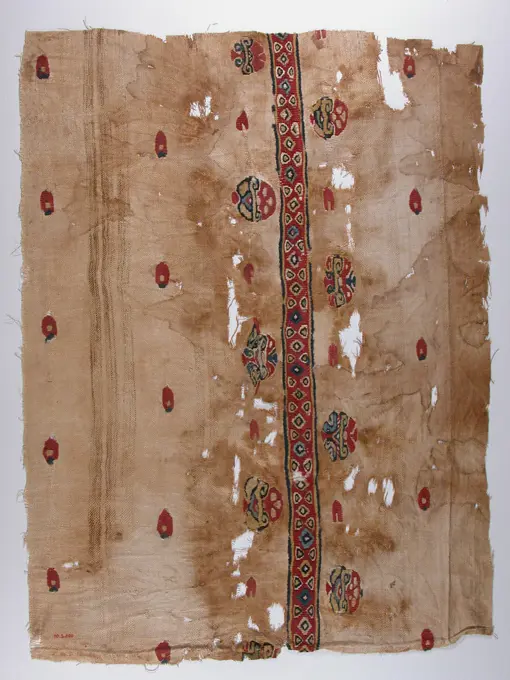
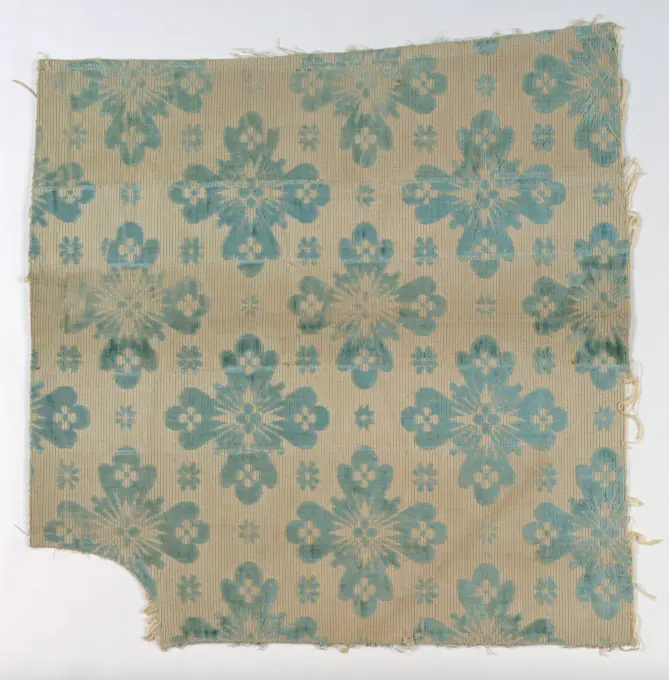
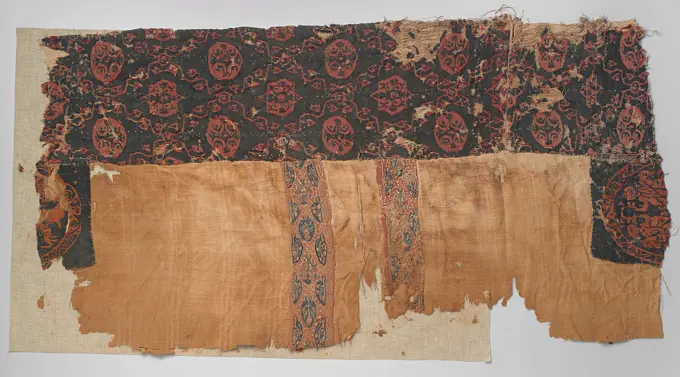
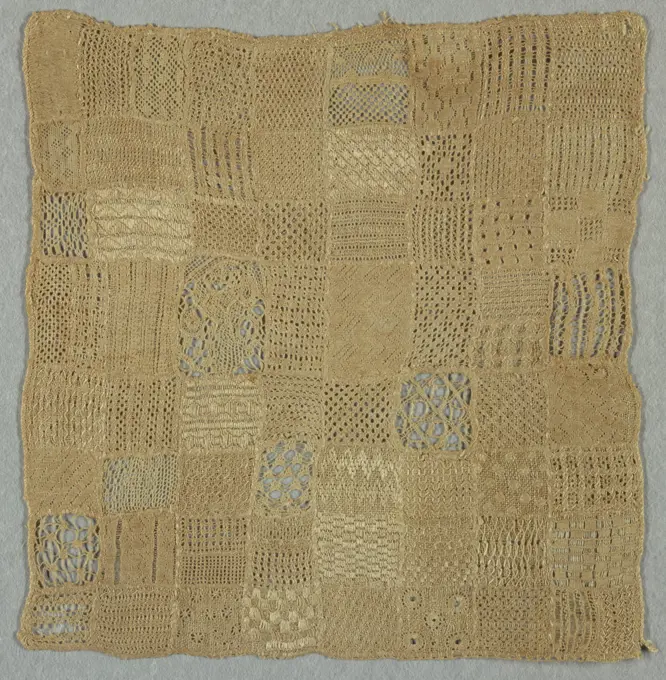
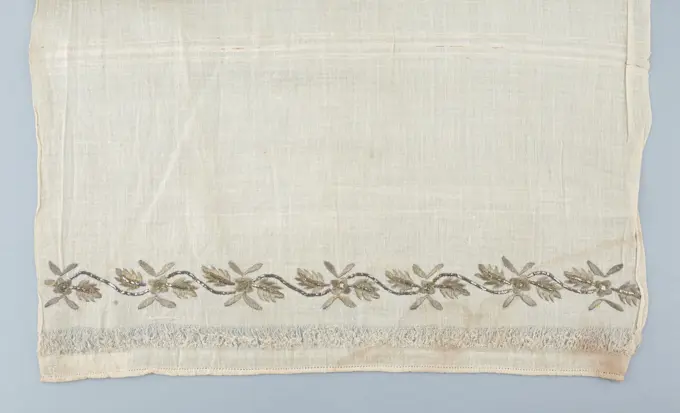
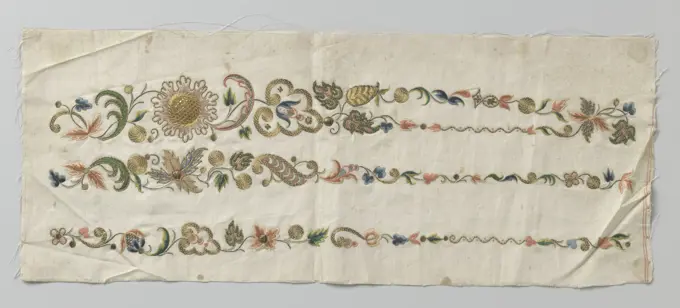
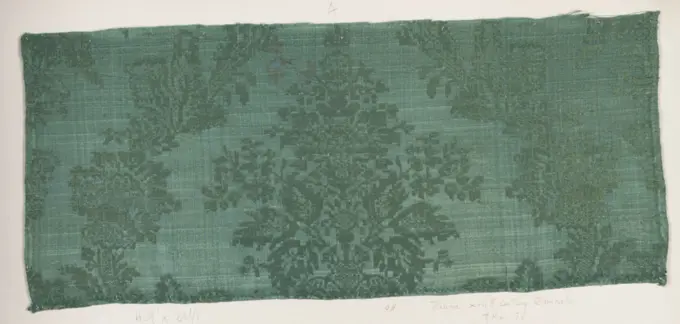
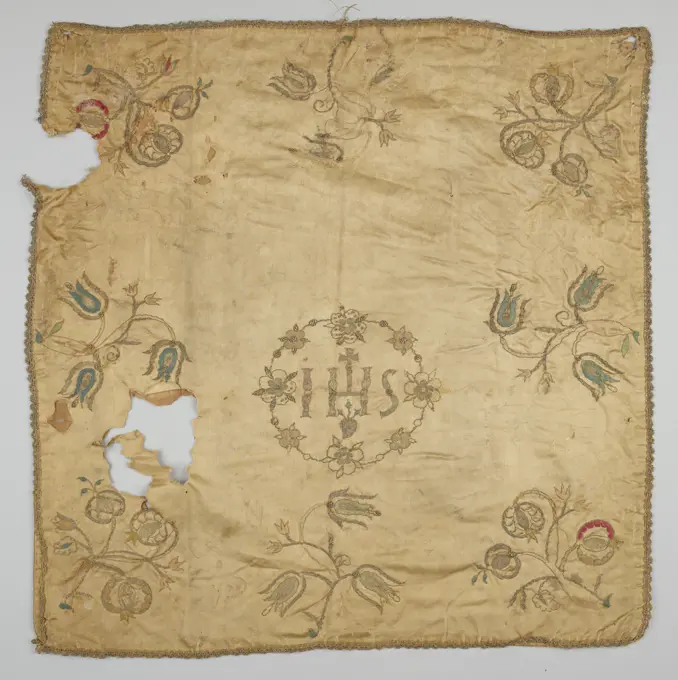
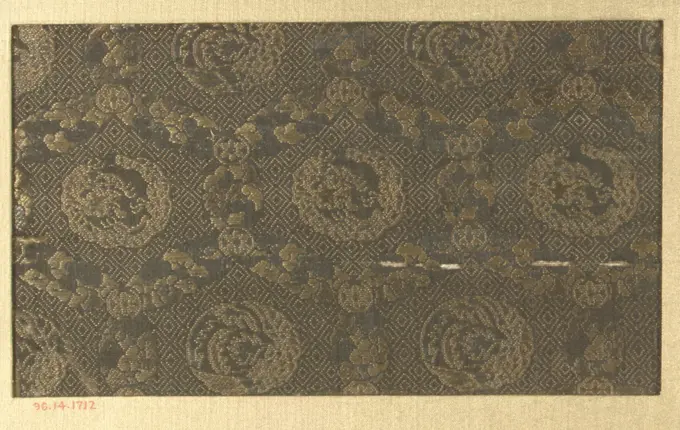
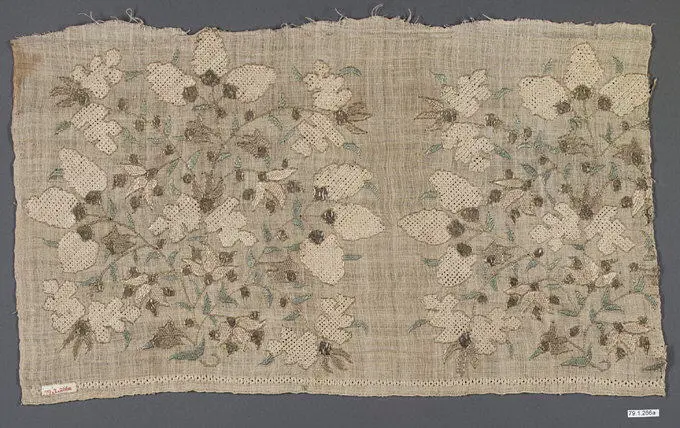
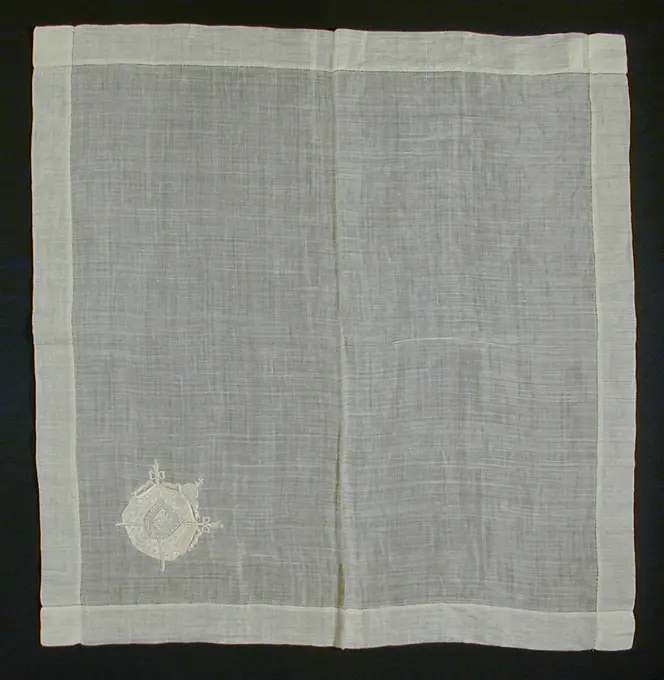
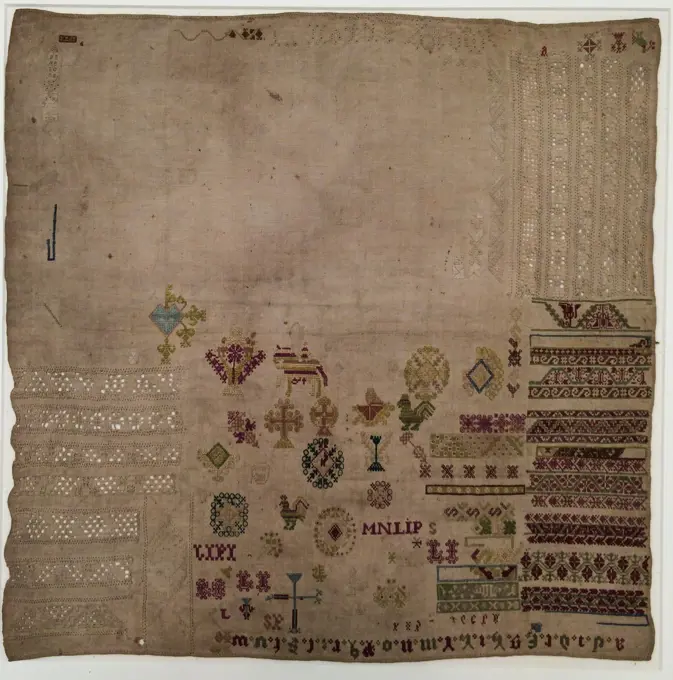
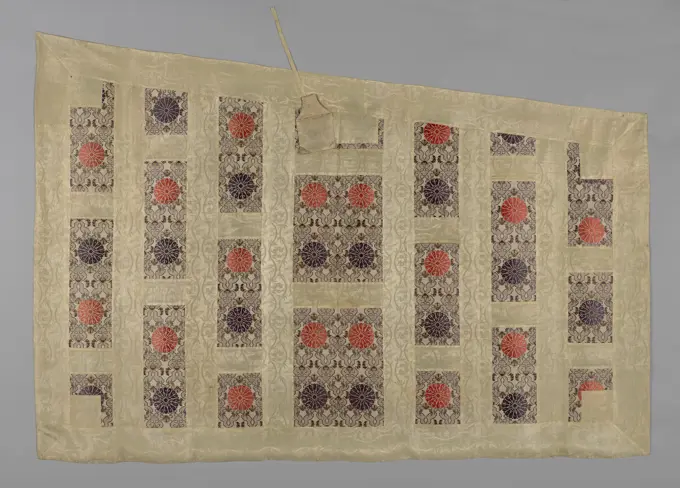
Band Fragment (Spain); silk, linen., metallicSampler(Limar)Fragment early 17th century Italian. Fragment 230050Fragment; silk, metallicSampler (Austria); linen embroidery on linen foundationNapkin with agrement volutes intersected by acanthusvoluten, anonymous, c. 1675 - c. 1700 Linnamast napkin with large pattern of agrement volutes, intersected by Acanthusvoluten. Fore lines of symmetrically stated agrements with flower filling form each other touching spirals, hollow pointed arch, quarter circles and opposite spirals. Acanthus drinks with gridding and branches are C-Voluten. Lying edges: Full -filled zigzag tires between which three -corner and three -gloomy branch. Standing edges: varied window and cross-shaped cartouches. Corners: Tor. Inner and outdoor hiding with reciproque pomegranate drink. Round: Blocking edge. Low Countries linen (material) damask Linnamast napkin with large pattern of agrement volutes, intersected by Acanthusvoluten. Fore lines of symmetrically stated agrements with flower filling form each other touching spirals, hollow pointed arch, quarter circles and opposite spirals. Acanthus drinks with gridding and branches are C-Voluten. Lying edges: FHexodring, Daghestan or Shirwan, Anonymous, 1800 - 1900 Hexagon rug, daghestan or shirwan. Midfield: Cobalt blue long distance with four hex corners in natural, blonde and beige with crochet motifs. Singed half triangles with stepped gable. Rand: five times. The middle one is white with so -called wine glass motif (= angular tulip) in beige tones with black contours. Here, outside of a few equal hems in yellow with rosettes. A second pair of hems in natural with rosettes. Caucasus wool Hexagon rug, daghestan or shirwan. Midfield: Cobalt blue long distance with four hex corners in natural, blonde and beige with crochet motifs. Singed half triangles with stepped gable. Rand: five times. The middle one is white with so -called wine glass motif (= angular tulip) in beige tones with black contours. Here, outside of a few equal hems in yellow with rosettes. A second pair of hems in natural with rosettes. Caucasus woolSampler, C. H. S., Medium: silk and cotton embroidery, linen foundation Technique:, Divided into two sections. First section has a Crucifixion, secular scenes, floral motifs, and a wreath with the initials 'C. H. S. 1724.' Second section: Alphabets, numerals and cross borders in geometric and floral designs., Germany, 1724, embroidery & stitching, SamplerFragment blue silk tissue with stylized acanthus drinks and palmets. Fragment Blue Silk with Pattern in Gold From Zigzag Tendrils With Cross-Plate Palmets and Large Hooking Curly Side Drinks.Fragment Made 900 CE-1300 Egypt. Linen, compound weave .Piece 17th century China. Piece 71958Fragment (Dress Fabric) Near East. Silk and gilt strip wound around a silk fiber core, warp-float faced twill weave, with supplementary patterning wefts and supplementary binding warps .Band fragment, Medium: linen, silk Technique: tapestry weave, Small fragmentary tapestry band with red guard borders filled with oval forms of yellow and blue. Between borders are red, yellow and blue medallions that contain a small stylized running animal., 12th-13th century, woven textiles, Band fragmentTwo Lengths of Textile, 1500s. Italy or Spain, 16th century. Damask, silk; average: 75 x 56 cm (29 1/2 x 22 1/16 in.).Fragment Made 1675-1700 Italy. Silk and silvered-metal-strip-wrapped silk, warp-float faced satin weave with supplementary patterning and brocading wefts self-patterned by areas of plain weave .Fragment; silk; Bequest of Richard Cranch Greenleaf in memory of his mother, Adeline Emma Greenleaf; 1962-56-184-aEmbroidered Towel, 19th century. Turkey, 19th century. Embroidery: silk and metal threads on linen tabby ground; average: 147.3 x 54.6 cm (58 x 21 1/2 in.).Fragment of Coptic fabric unknownSampler(Limar)Textile Fragment, 16th century. Turkey, Bursa, 16th century. Brocaded silk with metal thread weft; average: 47.6 x 28 cm (18 3/4 x 11 in.).Sampler (England); linen, silkTextile Fragment 6th-7th century. Textile Fragment 443692Fragment Made 1000-1476 Peru. Cotton and wool (camelid), slit and dovetailed tapestry weave . ChancayValance, Medium: linen Technique: eccentric weft, Valance of white linen patterned by open weaving also known as 'red de telar' or 'red de Val de Verdja.' Design shows a central female figure holding candles and flanked on either side by large-scale stylized vase form with flowers. In the interstices are small-scale female figures and animals. Heavy fringe on the bottom and band of plain linen at top., Spain, 18th century, woven textiles, ValanceTunic with Diamond Band 1460-1540 Inca Tunics with a diamond-pattern at the waist are one type of some half-dozen standardized designs known from the Inca Empire, the polity that dominated much of western South America in what is known as the Late Horizon period (AD 1470-1532). This tunic features a white ground interrupted by a red band at the waist containing eight stepped diamond shapes on each side. White tunics were particularly highly esteemed by the Incas, as white camelids were comparatively rare in the Andes. Inca tunics display remarkably little variation in size, suggesting an extreme control over production. Fine cloth was woven by the acllas, the chosen women” of the Inca, but it was also produced by full-time professional weavers who worked in the service of the Inca emperor or other important lords. The finest cloth, known as cumbi, could have as many as three hundred finely spun and dyed weft yarns per inch densely packed over equally fine three-ply warps. It is one ofBelt decorated with embroidery unknownTextile Fragment 5th-6th century. Textile Fragment 444328Embroidered doily unknownFragment (Russia); silkFragment (Egypt); warp; s-spun linen. wefts; s-spun linen, s-spun woolCravat End (Italy); linenBorder 16th century Italian, possibly Sardinia. Border 222704Fragment Samiet. Flewed on cardboard and signed tissue fragment, so that the entire pattern becomes visible. Gold-colored ground with black line drawing, forming squares, garlands, stylized floral and leaf motifsTextile Fragment 17th century. Textile Fragment 454582Cover. Italy. Date: 1601-1700. Dimensions: 50 x 82.4 cm (19 5/8 x 32 1/2 in.). Linen, plain weave; embroidered in silk. Origin: Italy. Museum: The Chicago Art Institute, Chicago, USA.Pyx veil, embroidered unknownCiborium Veil, 1600s. Italy, 17th century. Plain compound satin; silk and gold; overall: 56.8 x 59.9 cm (22 3/8 x 23 9/16 in.).Flounce (France); linenFragment, Medium: silk, linen Technique: plain weave, Checkerboard fabric in red and tan. Linen is tan, the silk is red., 13th century, woven textiles, FragmentFragment Made 1800-1825 Japan. Single plain compound cloth, silk & gilt paper; 2 1/2 strips to m.m. .Veil late 18th century. Veil 444424Piece 18th-19th century Japan. Piece 66786Sampler Made 1801-1900 México. .Fragment. Peru, south coast, Palpa Valley, Chiquerillo. Date: 1000-1476. Dimensions: 41.9 × 21 cm (16 1/2 × 8 1/4 in.). Cotton, plain weave, double cloth. Origin: Peru. Museum: The Chicago Art Institute, Chicago, USA.Sidewall (possibly France); block-printed; a) Overall: 50 x 20 cm (19 11/16 x 7 7/8 in.) b) Overall: 32.5 x 19 cm (12 13/16 x 7 1/2 in.)Towel Made 1801-1900 Turkey. embroidered .Fragment 18th century Russian. Fragment 212864Fragment van een tunica.Fragment of a tunic with segged decorations consisting of two tabulae, two clavi and two wide tires sown together. The sewn parts have different decorations. Tabulae: dark blue soil with red two riders with nimbus and hand raised in a circle with leaf drinks. Clavi: Red soil with repeating motif of scrims placed flower branches in red, orange, blue, yellow and green on dark blue soil in oval. In between winding line with white dots, along one side a border with white line motifs. Wide tires: dark blue soil with windows forming Slinger Motif with alternating a circle and an octagon with stylized motif. In the underground tissue, three stripes are woven on nine places with the help of a thicker weft.Napkin with achievements from the Spanish Succession War, Anonymous, c. 1700 - c. 1724 Napkin from Linnamast with achievements from the Spanish Succession War. The symmetrically doubled pattern shows four scenes: 1 a city -endangered city with the Tournay caption. 2 A small citadel is surrounded by two riders, who carry the foot people. Caption: Le Bataille Bavez. 3 Siege of Rijssel. Caption: Lilicidium. 4 A galloping marshal turned to the middle. Caption: Mons. Standing edges: halved trophies; Round: Blocking edge. Kortrijk linen (material) damask  Lille. Lille. Tour. Tour. Lille. Bergen (Belgium) Napkin from Linnamast with achievements from the Spanish Succession War. The symmetrically doubled pattern shows four scenes: 1 a city -endangered city with the Tournay caption. 2 A small citadel is surrounded by two riders, who carry the foot people. Caption: Le Bataille Bavez. 3 Siege of Rijssel. Caption: Lilicidium. 4 A galloping marshal turned to the middle. Caption: Mons. Standing edgesCover (possibly for a Turban) Made 1701-1800 Turkey. Turban cover with all-over embroidery of flowers in silks, gold and silver. .Fragment 17th century Italian. Fragment 230300Fragment; linen; 1933-1-154Eva Wilson, Padded Quilt, c 1938 Padded QuiltFragment (Italy); silk, metallicTrimming (Italy); silk,; Warp x Weft: 20.5 x 6.7 cm (8 1/16 x 2 5/8 in.)Piece 18th-19th century Japan. Piece 66615Fragment. Spain. Date: 1601-1700. Dimensions: 23.3 x 13.9 cm (9 3/16 x 5 1/2 in.). Brocaded silk. Origin: Spain. Museum: The Chicago Art Institute, Chicago, USA.Fragment; silk, metallic threadPiece 18th-19th century Japan. Piece. Japan. 18th-19th century. Silk. Textiles-WovenSampler, Medium: linen embroidery on linen foundation Technique: embroidered in cut, withdrawn, and deflected element work with pattern darning and needle-made fillings on plain weave foundation, Whitework sampler. Sixty-four squares of pattern darning, cutwork with needle-made fillings. Withdrawn element work and deflected element work., England, Germany, or Denmark, late 18th century, embroidery & stitching, SamplerEmbroidered shawl unknownFragment white silk tissue with multi -colored embroidery, c. 1400 - c. 1950 Fragment white silk tissue with multi -colored embroidery. The fragment has three parallel flower garlands.  silk embroidering Fragment white silk tissue with multi -colored embroidery. The fragment has three parallel flower garlands.  silk embroideringFragment 17th century Italian. Fragment 230428Sleeve band, Medium: wool on cotton Technique: embroidered, Sleeve band of grey cotton, embroidered in wool at one side in small sclaed geometric pattern, outlined by a repeated 'T' pattern., China, late 19th century, embroidery & stitching, Sleeve bandTunic, 20th century, 52 3/4 x 17 1/4 in. (133.99 x 43.8 cm), Silk, cotton, Bhutan, 20th centuryKesa Made 1711-1781 Japan. Silk, plain weave with supplementary brocading wefts; lined with silk, warp-float faced 4 1 satin weave .Sampler early 19th century German. Sampler 228669Textile; silk on silkTextile (Peru); cotton; Warp x Weft: 85 x 90 cm (33 7/16 x 35 7/16 in.)Fragment (Dress Fabric) Made 1650-1700 Italy. cisele voided satin velvet .CHAICE VEIL unknownPiece 18th-19th century Japan. Piece. Japan. 18th-19th century. Silk. Textiles-WovenStrip early 19th century British. Strip 222062Towel End early 19th century. Towel End 443063Man's Handkerchief. Europe, late 19th century. Costumes; Accessories. Silk embroidery on linen batisteHanging, Royal Dragon; Designed by Arthur Crisp (Canadian, 1881-1974); USA; silkBed curtain border 1800-1850 Russian. Bed curtain border. Russian. 1800-1850. Linen, cottonAltar Frontal (Italy); linenTextile Fragment first half 17th century. Textile Fragment 453225Piece 18th-19th century Japan. Piece. Japan. 18th-19th century. Silk. Edo (1615-1868) or Meiji period (1868-1912). Textiles-WovenEmbroidered sampler 17th century Dutch, Marken Island This work is an example of a Marken Island sampler. Samplers from this area are characterized by bands of colorful patterns. Girls stitched these bands to practice patterns for "vernaaide linten," ribbons that were attached to a cap and which were an important part of the costume tradition on Marken Island. These ribbons consisted of black embroidery on white linen. The women of Marken are said to have kept their samplers in or near their kitchens for handy reference, so much of the needlework appears darkened from residue from cooking fires. Samplers from this area, including this one, often include striped horses. Spot motifs, bands of geometric patterns, and bands of cutwork and whitework are also stitched. The letters L, S, P, I, M, and N, stitched individually, in pairs, and in groups in a seemingly random fashion on the bottom of the linen are perhaps the initials of the maker and her family members.. Embroidered sampler 2281Piece 18th-19th century Japan. Piece 67615Canopy (Tempat Sembayang,Langit-Langit)Fragment of a Sleeve 4th-5th century. Fragment of a Sleeve 443861Sidewall, Block-printed, Two pieces mounted on corrugated cardboard. Foliate framework composing network of circles and squares. The point of intersection is covered by a floral motif. The circular framework contains a floral, snowflake or crystalline motif. The square framework contains a plant motif. Printed in green on white ground., possibly France, 1820-50, Wallcoverings, SidewallTextile (England)Fragment with Inscription, before 1968. Iran, Buyid period, mid-10th to mid-11th century. Compound tabby; silk; overall: 54 x 53 cm (21 1/4 x 20 7/8 in.).Fragment 15th-16th century Italian. Fragment 230511Sampler (Mexico); linenStorage bag Made 1860-1880 United States. The main difference between these two early bags is the internsity of the dyes. the bag to the right, probably made slightly earlier, has more vibrant colors because the patterns were created with reused, unraveled wool. The colors in this bag are more muted due to the use of cornhusk, which does not take dyes as well as wool.-A Global View Recent Acquisitions of Textiles, 2012-2016, April 8-September 5, 2016. Bast fiber, two-strand weft-twining; with cornhusk supplementary weft-twining (false-embroidery);drawstring (possibly suede) .Kesa Made 1789-1818 Japan. Most of the kesa in this exhibition, as well as in the museumís collection, were made from multiple pieces of one fabric. Yet the patchwork nature of these examples is often difficult to discern, sometimes evident only from changes in pattern. This example, made for the Jodo sect, was made from two different fabrics and therefore has a very readable composition the lattice is distinct from the squares forming each column.. Silk; satin damask and twill weaves with secondary binding warps and supplementary patterning wefts; stenciled silver foil .Insertion late 16th century Greek. Insertion. Greek. late 16th century. Needle lace. Textiles-LacesPiece 18th century China. Piece 71391Lace pipeline test patch on Machine tulle with a varied flower branch, anonymous, c. 1835 - c. 1845 Testlap of natural -colored lace -up work, tuldoor stop work on mechanical tulle. Square model with one flower branch with feathered leaves or flower branches. Amsterdam (possibly) Embroidery: Cotton (textile) embroidering Testlap of natural -colored lace -up work, tuldoor stop work on mechanical tulle. Square model with one flower branch with feathered leaves or flower branches. Amsterdam (possibly) Embroidery: Cotton (textile) embroideringFragment; cotton on bast fiber; 1947-84-4Trouser Band Made 1875-1900 China. embroidered on gauze . Han-ChinesePiece 18th century Japan. Piece 72091Charlotte Winter, Bedspread, c 1938 BedspreadPiece 18th-19th century Japan. Piece 67765Noh Costume of a Buddhist Priest's Robe, late 19th century, Unknown Japanese, 42 × 70 1/8 in. (106.68 × 178.12 cm), Silk, Japan, 19th century