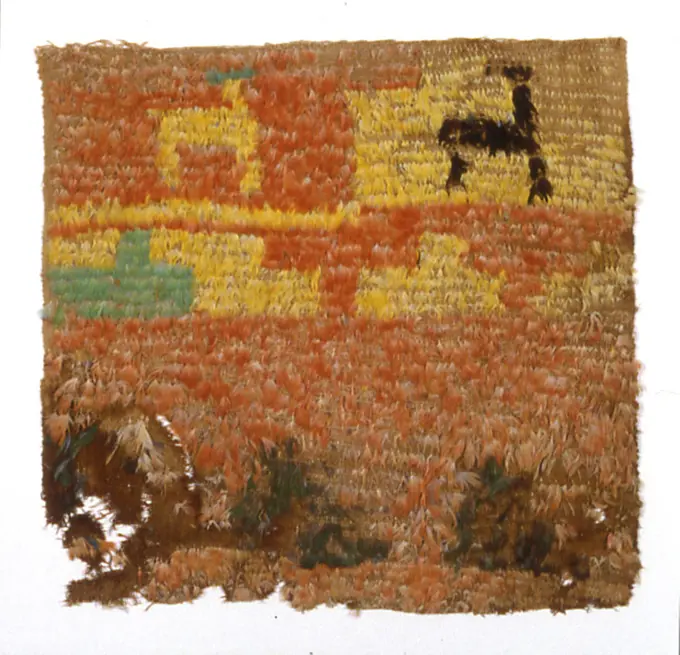
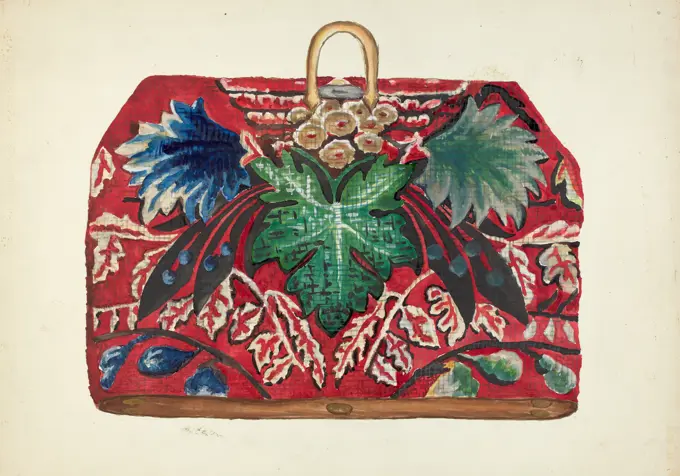
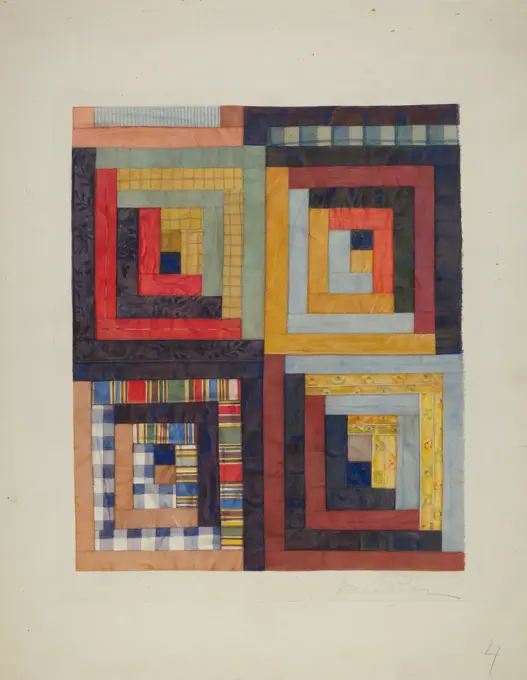
Textile Fragments

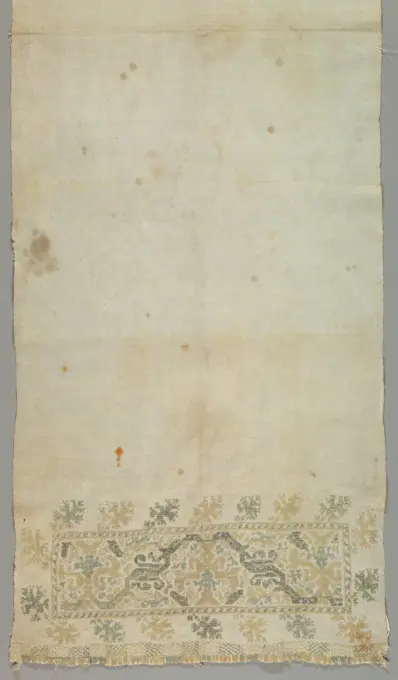
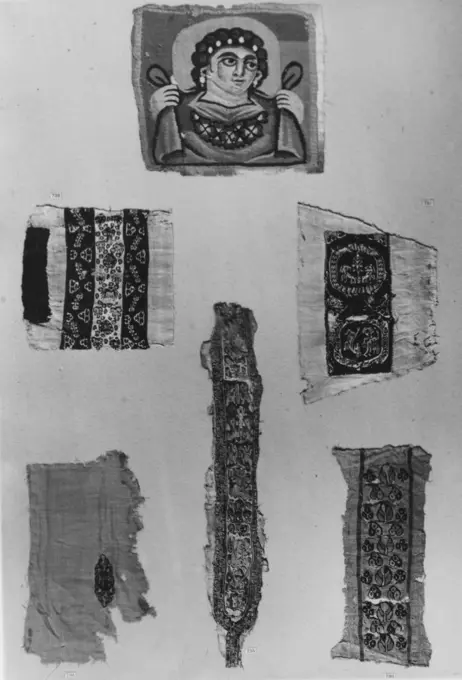
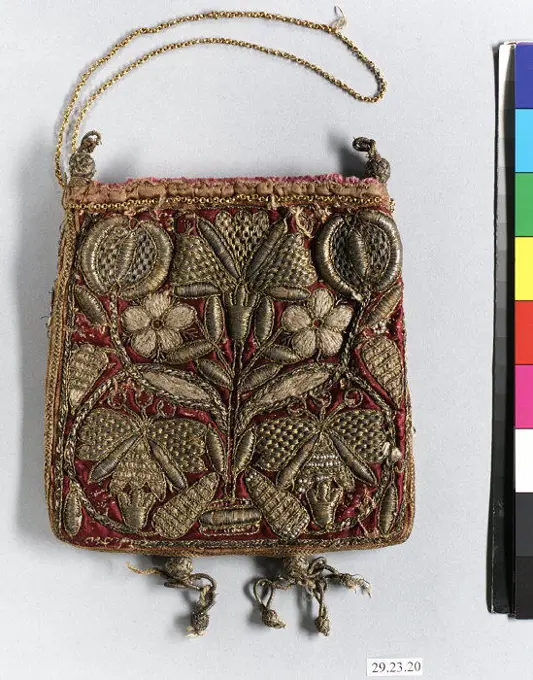
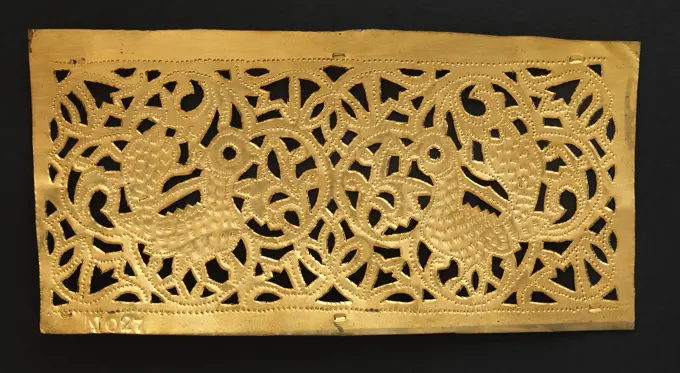
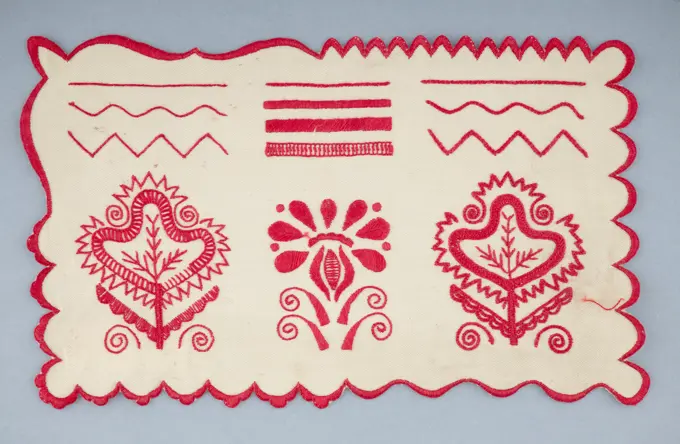
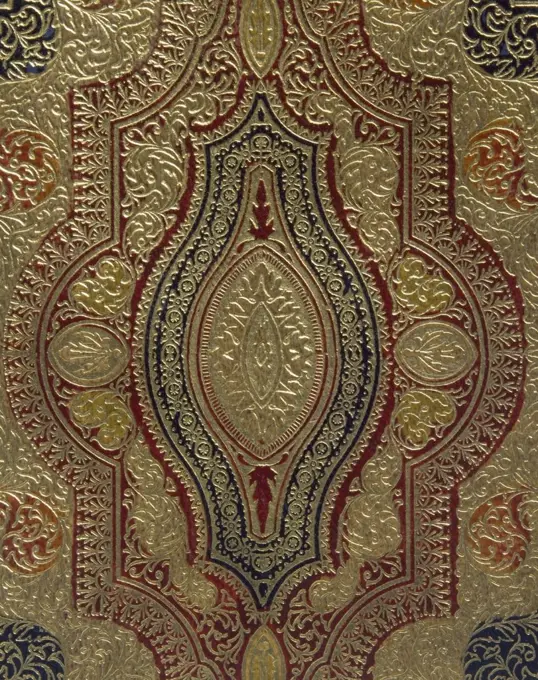
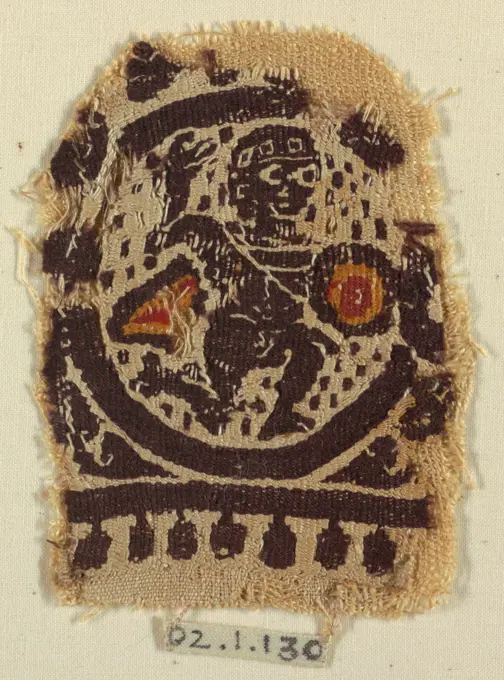
Historical textile fragments showcasing intricate patterns in rich colors, reflecting craftsmanship from various periods and styles.

Hexodring, Daghestan or Shirwan, Anonymous, 1800 - 1900 Hexagon rug, daghestan or shirwan. Midfield: Cobalt blue long distance with four hex corners in natural, blonde and beige with crochet motifs. Singed half triangles with stepped gable. Rand: five times. The middle one is white with so -called wine glass motif (= angular tulip) in beige tones with black contours. Here, outside of a few equal hems in yellow with rosettes. A second pair of hems in natural with rosettes. Caucasus wool Hexagon rug, daghestan or shirwan. Midfield: Cobalt blue long distance with four hex corners in natural, blonde and beige with crochet motifs. Singed half triangles with stepped gable. Rand: five times. The middle one is white with so -called wine glass motif (= angular tulip) in beige tones with black contours. Here, outside of a few equal hems in yellow with rosettes. A second pair of hems in natural with rosettes. Caucasus wool
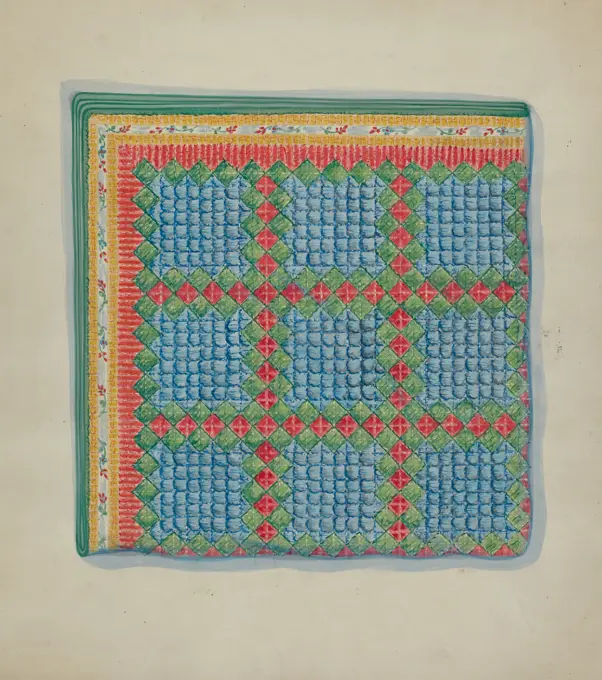
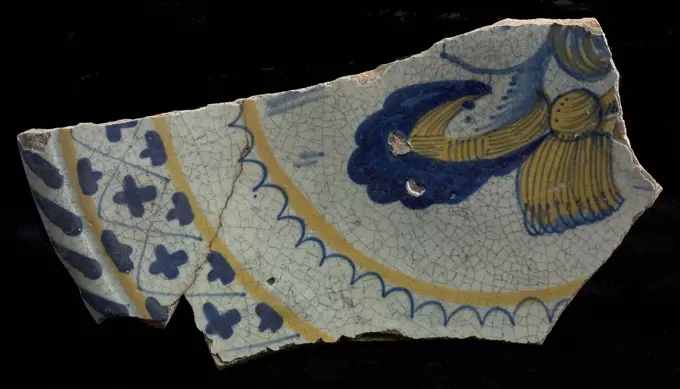
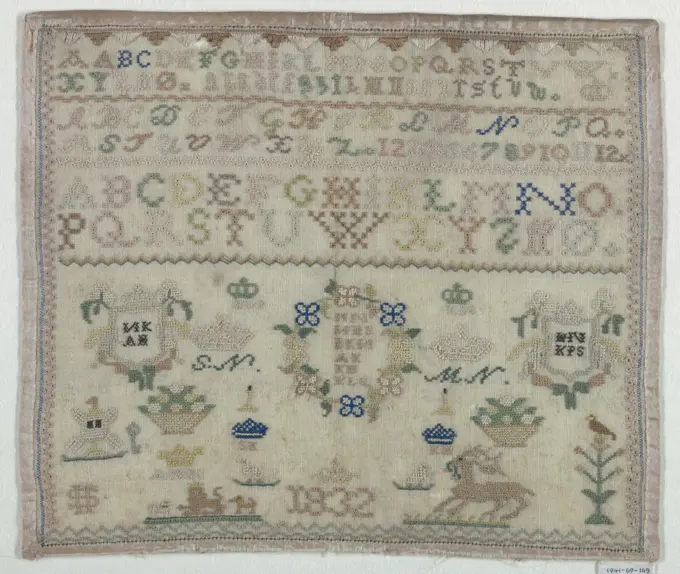
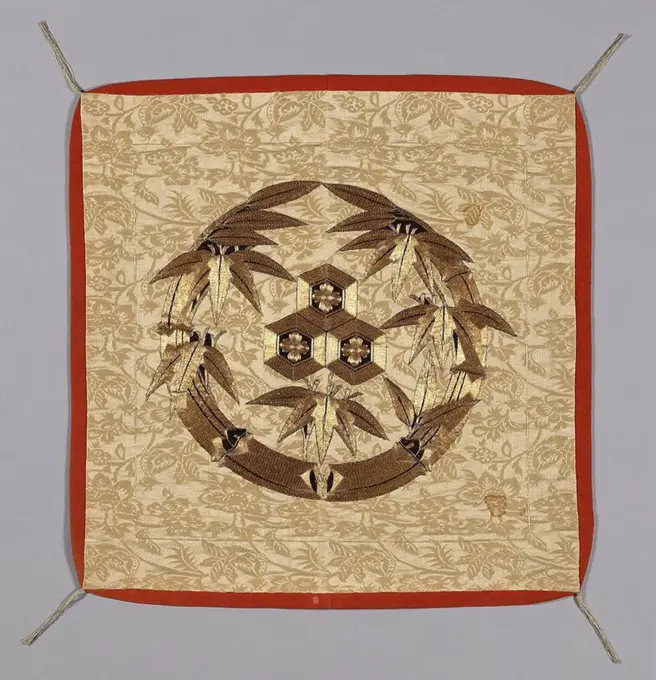
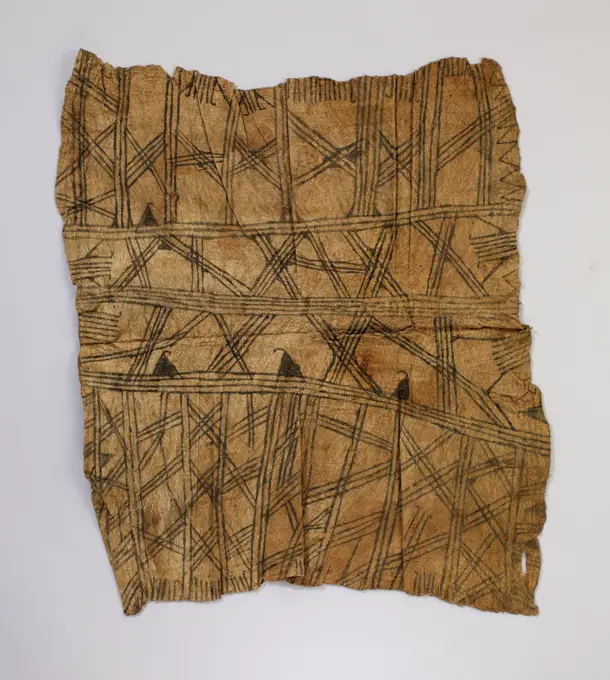
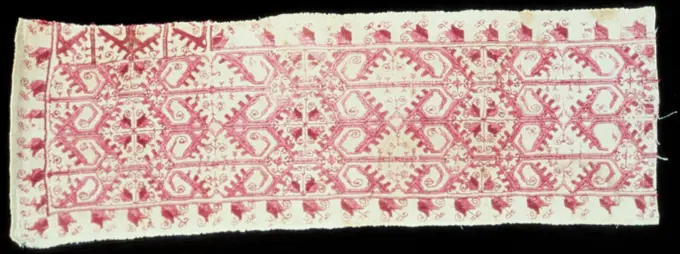
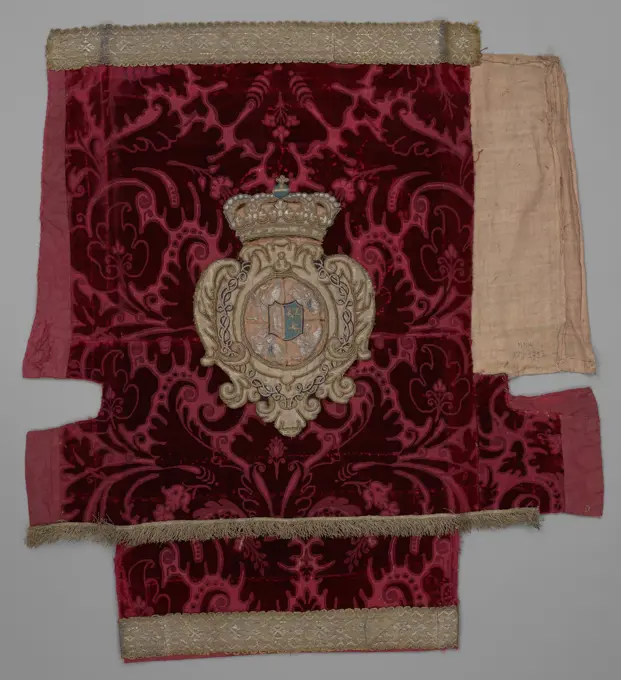
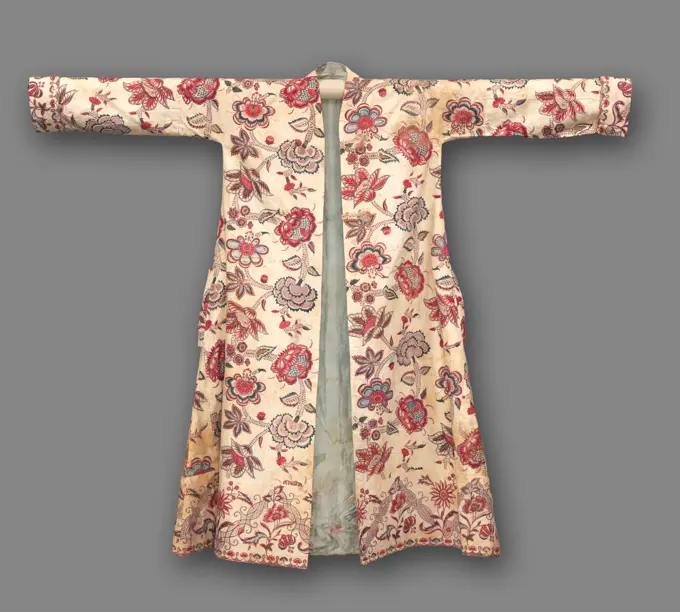
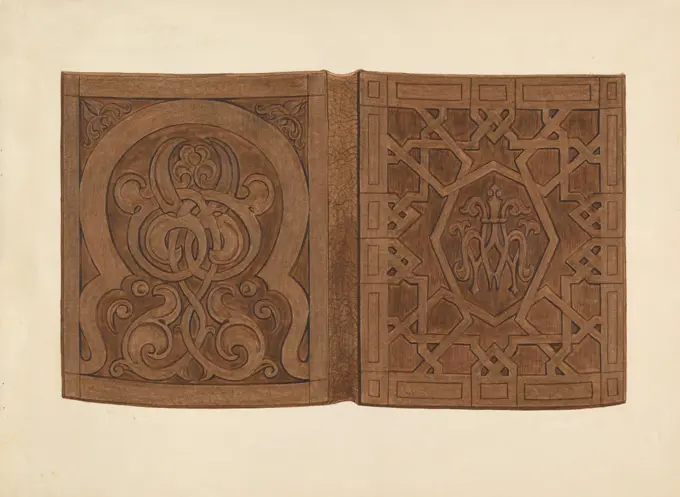
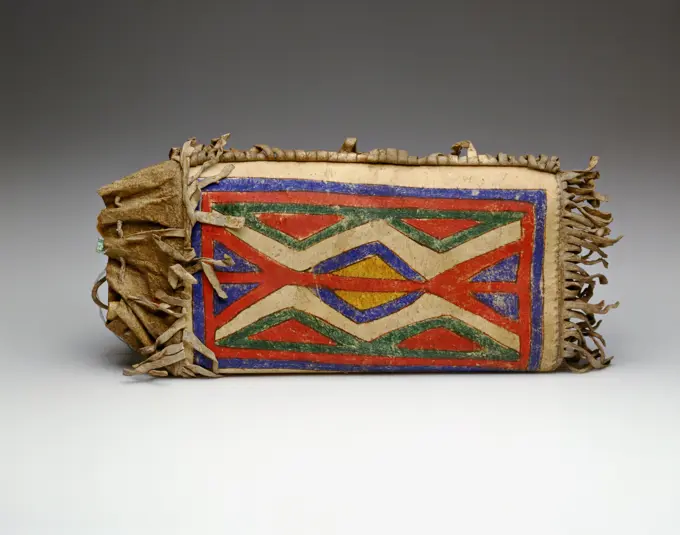
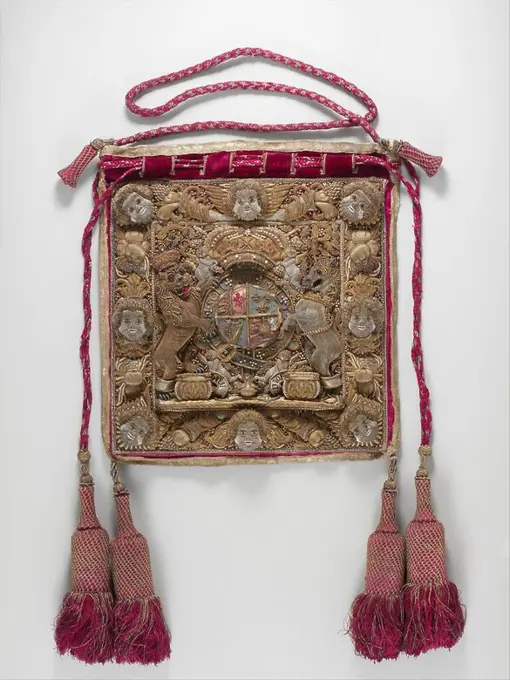
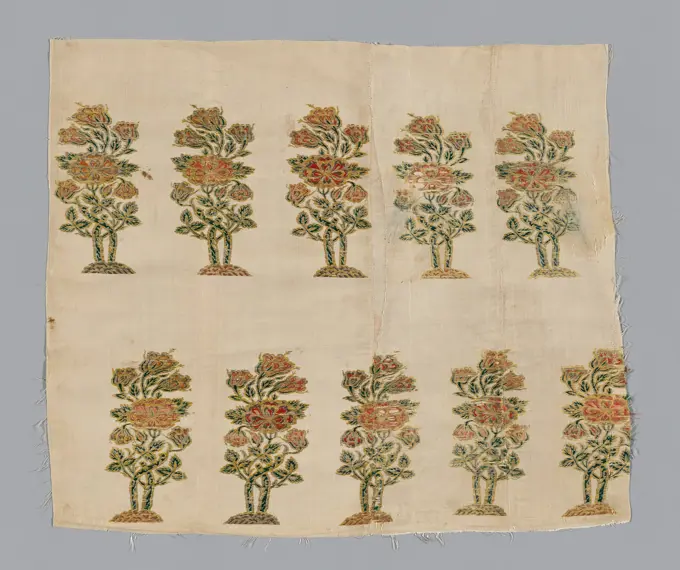
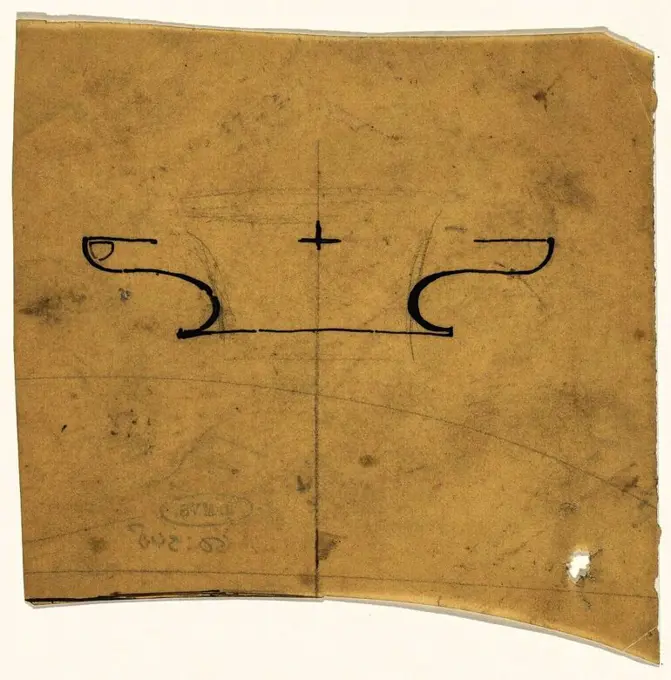
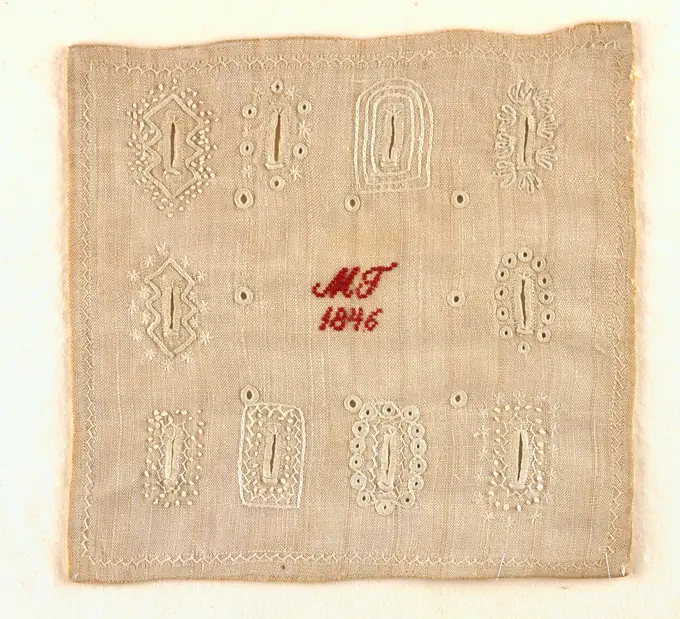
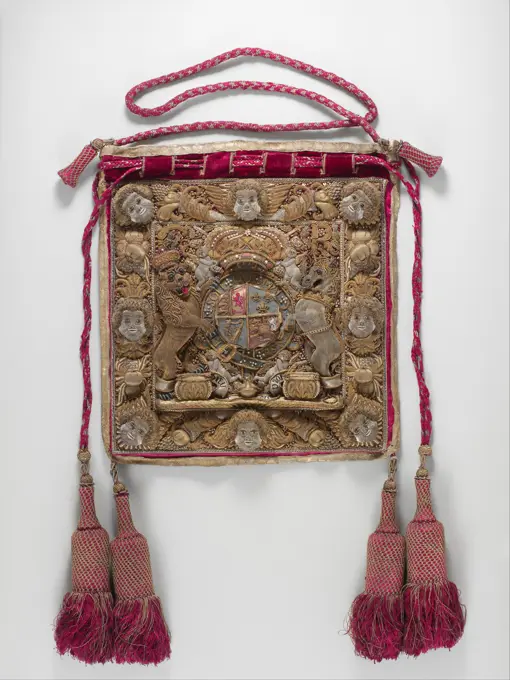
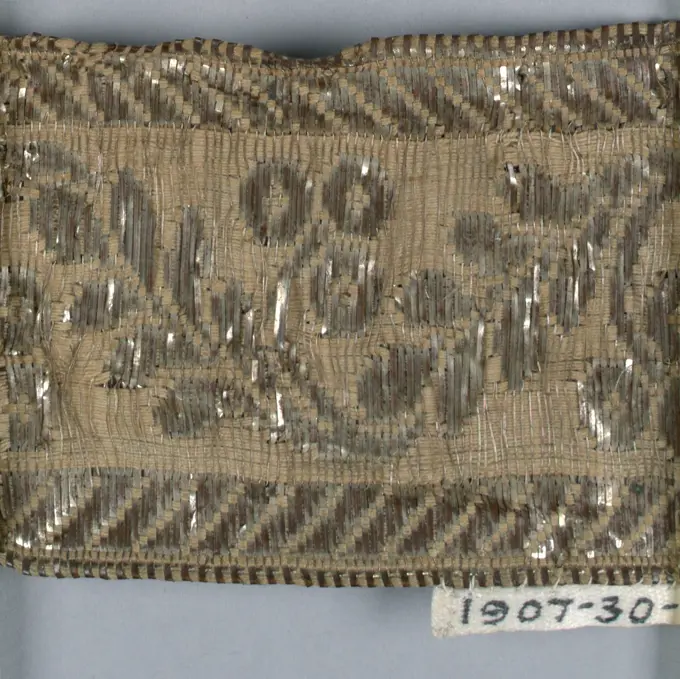
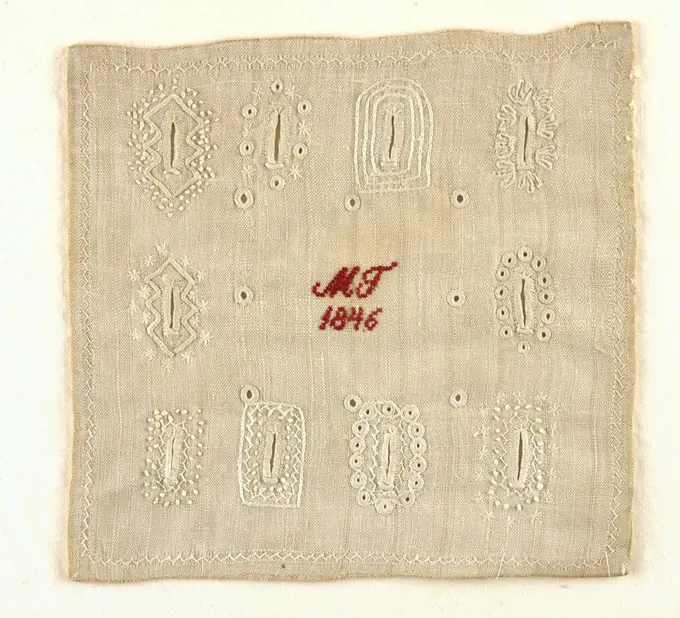
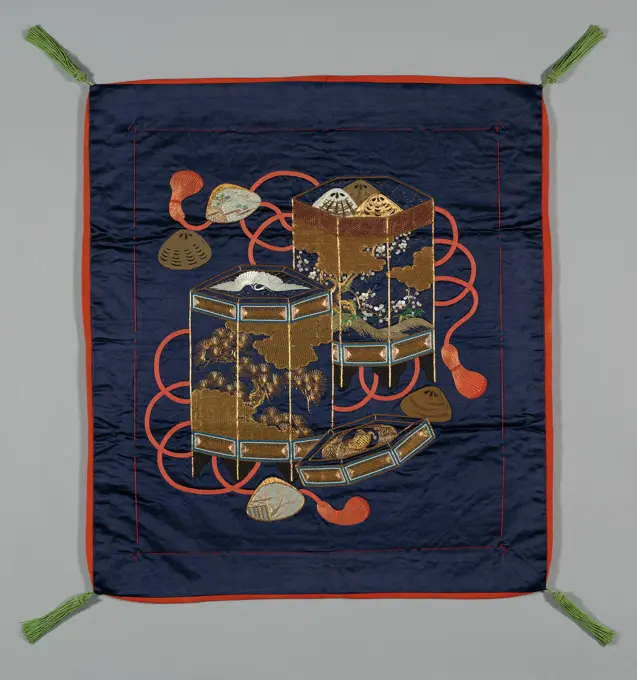
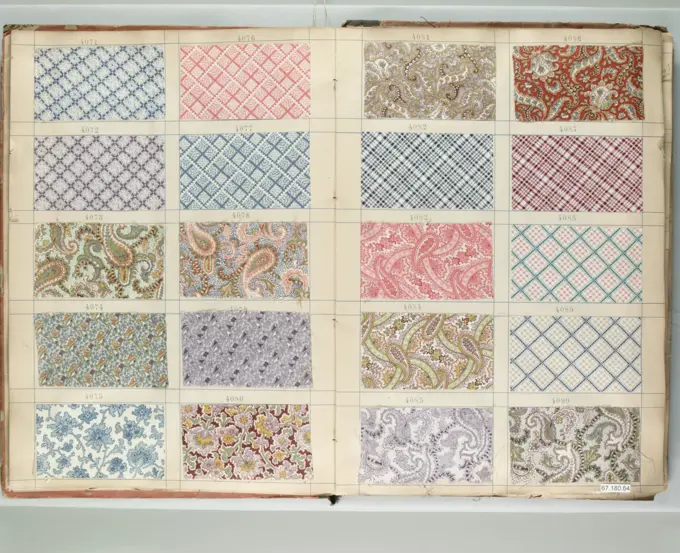
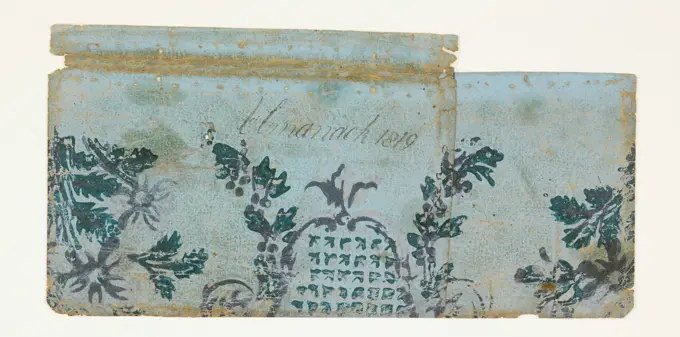
Napkin with flowers and garlands, anonymous, c. 1800 - c. 1810 Linnamast napkin with flowers and garlands. Midfield: A straight -up fine swinging branch, with cord and brush, is intersected by a wide wavy -leafed branch. Edges: three times a straight list, coordinously wound; The middle one is wide and with leaves wound, the outer narrow and with a fine flower branch overranks. Brabant (possibly) linen (material) damask Linnamast napkin with flowers and garlands. Midfield: A straight -up fine swinging branch, with cord and brush, is intersected by a wide wavy -leafed branch. Edges: three times a straight list, coordinously wound; The middle one is wide and with leaves wound, the outer narrow and with a fine flower branch overranks. Brabant (possibly) linen (material) damaskTextile Fragment 14th century. Textile Fragment 452914Sleeve British, Honiton 19th centurySampler, Medium: silk embroidery, linen foundation, silk ribbon Technique: cross, eyelet and back stitches on plain weave, Alphabets, numerals. Sets of initials in wreaths, on shields, and under crowns. Designs of animals, birds and flowers., 1832, embroidery & stitching, SamplerFukusa (Gift Cover). Japan. Date: 1775-1800. Dimensions: 57.5 x 56.5 cm (22 5/8 x 22 1/4 in.). Patterned side: silk, warp-float faced 7:1 satin weave self-pattered by areas of weft-float faced 1:3 'Z' twill interlacings; appliquéd with silk and gold-leaf-over-lacquered-paper-strip wrapped silk in surface satin stitches; laid work and couching; lined with silk, plain weave with creped wefts (chirimen) (possibly dyed with safflower (beni); interlined with cotton, plain weave; sewn with padded lining extending beyond front at center on all four sides (Yatsuzuma); silk, running "controlling" stitches along all edges; silk, knotted, cut fringe tassels. Origin: Japan. Museum: The Chicago Art Institute, Chicago, USA.Fragment early 18th century Italian or French. Fragment 230057Child's Bodice; linenNapkin with flowers and garlands, anonymous, c. 1800 - c. 1810 Linnamast napkin with flowers and garlands. Midfield: A straight -up fine swinging branch, with cord and brush, is intersected by a wide wavy -leafed branch. Edges: three times a straight list, coordinously wound; The middle one is wide and with leaves wound, the outer narrow and with a fine flower branch overranks. Mark: FvdH24. Brabant (possibly) linen (material) damask Linnamast napkin with flowers and garlands. Midfield: A straight -up fine swinging branch, with cord and brush, is intersected by a wide wavy -leafed branch. Edges: three times a straight list, coordinously wound; The middle one is wide and with leaves wound, the outer narrow and with a fine flower branch overranks. Mark: FvdH24. Brabant (possibly) linen (material) damaskPurse, 1710. Sweden, 18th century. Needlework, silk; average: 10.2 x 10.2 cm (4 x 4 in.).Mantle Nasca. Mantle, 100-200. colored wool embroidery and cotton field, 105 1/8 x 54 5/16 in. (267.0 x 138.0 cm).   Arts of the Americas 100-200Barkcloth, 20th century, 25-1/4 x 20-1/2 in. (64.1 x 52.1 cm), Natural pigment on bark, Democratic Republic of the Congo, 20th centuryPiece 16th century Spanish. Piece 222216Textile, Medium: cotton Technique: block printed on plain weave, Fragment of printed cotton with a striped pattern of branches spreading out from a narrow stripe, in red and dark brown on a white ground with brown picotage. Note 5-pointed stars on one blossom., 18th century, printed, dyed & painted textiles, TextileRibbon French 19th centuryBorder fragment, Medium: Warp; S-spun linen. Wefts; S-spun linen. S-spun wools Technique: tapestry woven, Overlapping leaves with pink six-petaled flowers. Remains of striped columns at each edge., 3rd-4th century, woven textiles, Border fragmentTextile (France); silk; Bequest of Marian Hague; 1971-50-122Border, 17th century, 20 x 6 3/4 in. (50.8 x 17.15 cm), Linen, silk; embroidery, Greece, 17th centuryKinderpolsmof van kloskant gevoerd met cremekleurige zijde.Children's pools of natural colosside - Mechelen side - with a creme-colored silk lining. Rectangular model with rounded end along which a wrinkled strip of mashing side is sewn.Stop patch of multicolored silk on cotton, M.A. Smid-Alberts, c. 1890 - c. 1895 Silk stop patch on cotton. The lap is divided into nine courses with 11 stops and the initials Ma in the central section. Haarlem (possibly) linen (material). silk embroidering Silk stop patch on cotton. The lap is divided into nine courses with 11 stops and the initials Ma in the central section. Haarlem (possibly) linen (material). silk embroideringMachinal application side cuff with fan-shaped flowers and three-piece leaves. Cuff from natural machine side: Etkant applicated on machining tulle. The Etkant imitates Duchesse-Kant. Conical model. Pattern with impeller shaped flowers. Thus smaller rosette flowers and three-piece leaves to short stems.Photo album with photos by Else Wachenheimer -Moos and Eugen Wachenheimer traveling in Bulgaria, taken between 1926 and 1927, 1926 - 1927  Photo album, half format, cardboard cover with cord binding. The album contains photos that were taken during a journey of Else and Eugen by Bulgaria in 1926 and 1927.  Cover: Cardboard   BulgariaChalice cover. Date/Period: Late 16th-early 17th century. Chalice cover. Medium: linen. Technique: punto in aria needle lace. Author: UNKNOWN.Napkin with flowers and garlands, anonymous, c. 1800 - c. 1810 Linnamast napkin with flowers and garlands. Midfield: A straight -up fine swinging branch, with cord and brush, is intersected by a wide wavy -leafed branch. Edges: three times a straight list, coordinously wound; The middle one is wide and with leaves wound, the outer narrow and with a fine flower branch overranks. Brabant (possibly) linen (material) damask Linnamast napkin with flowers and garlands. Midfield: A straight -up fine swinging branch, with cord and brush, is intersected by a wide wavy -leafed branch. Edges: three times a straight list, coordinously wound; The middle one is wide and with leaves wound, the outer narrow and with a fine flower branch overranks. Brabant (possibly) linen (material) damaskShawl 18th century European, Eastern. Shawl 125631Sampler (Netherlands); silk embroidery on linen foundationAmerican 20th Century, Applique Quilt, 1935 1942 Applique QuiltTextile FragmentNeedlepoint (Drawnwork) Lace Cloth, 19th century. Italy, 19th century. Lace, needlepoint: linen; average: 72.4 x 72.4 cm (28 1/2 x 28 1/2 in.).Rug from bobbin with a symmetrical pattern formed by a ribbon, Louise Wilhelmina van der Meulen-Nulle, c. 1914 Dress of natural -colored bobbin: ribbon side. Square model. The pattern is symmetrical and is formed by a continuous ribbon. The ribbon forms a narrow drop -shaped flour in each corner, between two leaves on a long handle that points to the center. Between the flowers in the corners, the ribbon forms a wide loop, with a flower each. In the center of the rug is a flower with petals in shape. The flowers in the loops are also made in shape, just like the leaves on the branch that stands in every narrow drop -shaped flour. Ribbon of linen and mains. The petals are made in shape. The motifs are connected by potente braids that form stars. Amsterdam linen (material) bobbin lace / tape lace (bobbin lace) / tally (or jewel) Dress of natural -colored bobbin: ribbon side. Square model. The pattern is symmetrical and is formed by a continuous ribbon. The ribbon forms a narrow drop -shaUntitled Valentine (Three Putti in Green Heart). Unknown Artist; American or English, 19th century. Date: 1860-1869. Dimensions: 74 x 92 mm (folded sheet). Collaged elements and gold paint on cut and embossed (designed) ivory wove paper. Origin: United States. Museum: The Chicago Art Institute, Chicago, USA.Purse (France); metal and horsehairPart of tiled floor from the Dutch Reformed Church in Heukelum. Four-angled part, with one blunt angle, of floor consisting of glazed tiles in the colors black, green, red and yellow. The tiles are stuck on a thick plate.Przeszo Przyszoci unknownTextile Fragment 5th century Coptic. Textile Fragment 475234Man's Morning Coat, 1700-1750. India, Mughal. Cotton: tabby weave, resist-dyed (mordant resist and batik); applied gold leaf; overall: 142 x 172 cm (55 7/8 x 67 11/16 in.).Fragment of r Coffee tunics; Egyptian workshop; VIII century (701-00-00-800-00-00);Mabel Ritter, Patchwork Quilt, c 1936 Patchwork QuiltCushion Cover. Italy, circa 1580. Textiles; covers. Silk floss and gold metallic embroidery on linenEva Wilson, Piano Decoration, c 1936 Piano DecorationCoptic fabric;  V/VI century (400-00-00-599-00-00);Piece 18th century Japan. Piece 71392Sampler, Medium: silk and metal-wrapped silk embroidery on linen foundation Technique: embroidered in tent, half cross, chain, running, and encroaching Gobelin stitches in silk; crossed chain, plaited braid, back, ladder, and chain stitch over double ladder stitches in metal-wrapped silk; wrapping created by over ladder, wrapping over double ladder, and encroaching Gobelin stitching, 'Spot' sampler with flowers, fragments of repeating pattern, a snail, a deer, a fish, and a falconer. Traces of original ink drawing can be seen on foundation. Many areas have practice stitches. Selvedge top and bottom., England, 1600-1650, embroidery & stitching, SamplerCoptic fabric; Egyptian workshop; 4th century (301-00-00-400-00-00);Gordena Jackson, Hand carved Walnut Book Covers, c 1936 Hand-carved Walnut Book CoversFragment, Medium: linen Technique: bobbin lace, Triangular fragment with a symmetrical design of blossoms and foliage. Valenciennes ground., France, 1700-1750, lace, FragmentTextile (Italy); cotton, linen, silkBand; linen, woolShawl, 19th century, L.82-½ x W.52 in., wool; needlework, India, 19th centuryFragment, Medium: linen Technique: bobbin lace (continuous braid-like), Fragment with one semicircular rounded point in a geometric design., Italy, 16th century, lace, FragmentStockings early 19th century French. Stockings 121564Trimming fragment, Medium: silk Technique: woven, Flowers and diagonal leaves in terra cotta on beige., 19th century, woven textiles, Trimming fragmentTextile Fragment 5th-6th century. Textile Fragment 443324Reticule in a basket model, of ecru-colored knitted cotton, the lower half of which decorated with beamed red and green beads. Reticule in a korf model, of ecru-colored knitted cotton. The upper half is ajour knitted in a diamond pattern. The lower half decorated from the bag has beamed green beads in vertical tracks, with two horizontal jobs whose topping a double row, the lower EEM pilot cuts ride upright crosses. The round bottom is paved and decorated with baby beads in a pointed green star. The bag is unlined.Pouget. "Plate 71". Museum of Fine Arts of the City of Paris, Petit Palais. 50917-1 Accessory, jewelry, ornament, board 71Bag early 17th century British. Bag 222247Man's Pants, 20th century, 40.5 x 88.5 in. (102.9 x 224.8 cm), Cotton; stripwoven, embroidered, Nigeria, 20th centuryCutout ca. 1892 Lockwood de Forest American A key figure in the Aesthetic movement, New York-born artist Lockwood de Forest (1850-1932) was very inspired by Indian arts and crafts, and created the Ahmedabad Woodcarving Company in Gujarat, which exported many items to the United States. These cut and chased brass cutouts, designed by de Forest, were based on examples found in wood, plaster, and stone in Indian architecture. In his designs, they would have been used as ornament on architecture or furniture.. Cutout. ca. 1892. Brass; chased. Attributed to India, Ahmedabad. MetalMantle Nasca. Mantle, 0-100 C.E. Camelid fiber, 108 11/16 x 50 13/16 in. (276.1 x 129.1 cm).   Arts of the Americas 0-100 C.E.Needlework sampler unknown, a professional school in KrakowMakeup bag in gold-plated leather with Florentine design and golden girdle, detail, 1930s, 20th century.Parfleche, c. 1905, 13 x 7 1/4 x 1 1/4 in. (33.02 x 18.42 x 3.18 cm), Rawhide, pigment, United States, 20th centuryDalmatica Unknown, West European manufactureMedallion; warp; s-spun linen. s-spun linen, s-spun wool weftsBurse. Culture: British. Dimensions: H. without tassels 19 x W. 18 inches (48.3 x 45.7 cm). Date: ca. 1714-27.This richly decorated burse was made to contain the king's Great Seal. It was part of the insignia of office of its custodian, the Keeper of the Great Seal (a post often contained within that of the Lord High Chancellor) and one of the most elaborate symbols associated with that high office. The king's Great Seal was attached to all writs, letters patent, charters, and royal proclamations and was the ultimate symbol of royal authority. Something of the aura that attached to the physical object may be seen in the sense of responsibility its keepers felt in its safekeeping. When a Thomas Sadler broke into the house of the chancellor, Lord Finch, and stole the mace and burse on February 7, 1677, he failed to take the Great Seal itself, as Lord Finch kept it under his pillow.The present example dates from the reign of the first Hanoverian king, George I, and although the coat of Fragment Made 1675-1700 Iran. Brocaded cloth, ribbed, silk and gold wound on yellow silk core .Genevieve Sherlock, Patchwork Quilt, c 1940 Patchwork QuiltDesign for salt and pepper barrels. Draughtsman: Mathieu Lauweriks. Dating: 1874 - 1932. Measurements: h 120 mm × w 125 mm. Museum: Rijksmuseum, Amsterdam.Fragments of tiraz, Medium: silk, metallics Technique: woven, Bands with design of script., Spain, 14th century, woven textiles, Fragments of tirazSteel clamping side with coarse thread as an example of a ribbon in linen stroke with ornamental thread that is used in Russian ribbon side, a fragment is added. Steel natural colosside with coarse thread as an example of a ribbon in linen stroke with ornamental thread that is used in Russian ribbon side, a fragment belongs to the steel in which this can be seen. The date concerns the steel.Piece 18th-19th century Japan. Piece 66754Fragments, Medium: silk Technique: woven velvet with cut and uncut pile, Four pieces cut from a larger cloth showing isolated polychrome flowers in an urn on a white ground., Genoa, Italy, 17th century, woven textiles, FragmentsFragment; linenMiniature Linen Sheet From Foundation Deposit 2 of Hatshepsut's Valley Temple ca. 1479-1458 B.C. New Kingdom. Miniature Linen Sheet From Foundation Deposit 2 of Hatshepsut's Valley Temple. ca. 1479-1458 B.C.. Linen. New Kingdom. From Egypt, Upper Egypt, Thebes, Asasif, Hatshepsut Valley Temple, Foundation Deposit 5AFD2, MMA excavations, 1915-16. Dynasty 18Sampler (England); silk embroidery on linen foundation; Frame H x W: 19.4 x 20 cm (7 5/8 x 7 7/8 in.)Tunic Fragment 1250-1532 Peru. Cotton, predominant warp plain weave with paired wefts; applied feathers . ChimúSegmentum, 700s - 900s. Egypt, Umayyad period (661-750) or Abbasid period (750-1258). Tapestry weave; wool and linen; average: 12.1 x 11.6 cm (4 3/4 x 4 9/16 in.).Excerpt ciselé velvet in purple with continuous pattern of windows filled with S-shaped volute, anonymous, c. 1500 - c. 1599 Fragment silk ciselé velvet with recesses in purple with continuous pattern of windows filled with S-shaped volute. With a self -sided. Italy silk Velvet chiseled Fragment silk ciselé velvet with recesses in purple with continuous pattern of windows filled with S-shaped volute. With a self -sided. Italy silk Velvet chiseledBurse ca. 1714-27 British This richly decorated burse was made to contain the kings Great Seal. It was part of the insignia of office of its custodian, the Keeper of the Great Seal (a post often contained within that of the Lord High Chancellor) and one of the most elaborate symbols associated with that high office. The kings Great Seal was attached to all writs, letters patent, charters, and royal proclamations and was the ultimate symbol of royal authority. Something of the aura that attached to the physical object may be seen in the sense of responsibility its keepers felt in its safekeeping. When a Thomas Sadler broke into the house of the chancellor, Lord Finch, and stole the mace and burse on February 7, 1677, he failed to take the Great Seal itself, as Lord Finch kept it under his pillow.The present example dates from the reign of the first Hanoverian king, George I, and although the coat of arms would be particular to each monarch, the general form and decoration had been estSample of Fringed Cloth ca. 818-700 B.C. Third Intermediate Period. Sample of Fringed Cloth 555500Trimming (France); cotton and metal strips; 1907-30-6Fragment (Shitenno from Kesa) Made 1800-1825 Japan. Silk and gilded paper strip, twill weave with supplementary patterning wefts bound in plain interlacings .Sampler, Medium: silk embroidery on linen foundation Technique: buttonhole, running and knotted stitches on plain weave, Small sampler with decorative buttonholes worked in white on a white ground, with the inscription and date in red at center., England, 1846, embroidery & stitching, SamplerFukusa (Gift Cover) Made 1801-1900 Japan. Patterned side silk, warp-float faced 4 1 satin weave (shusu); embroidered with silk and gold-leaf-over-lacquered-paper strip wrapped silk and wrapped cotton in back, Chinese knot, single satin and satin stitches; laidwork, paper padded laidwork and couching; Lining silk, plain weave with creped wefts (chirimen); sewn with lining extending beyond front equally along edges of all sides (ShihÙhi); silk, running ìcontrollingî stitches along all edges; corners silk, four-strand square braid; knotted atop open buttonhole filling stitch covered form terminating in replied fringe .Bag, 19th century, 6 1/2 x 4 in. (16.51 x 10.16 cm), Cotton, Turkey, 19th centurySteel bobbin with coarse wire as an example of ringed spiders with twelve legs with a fragment side in which this technique is used, anonymous, c. 1900 - c. 1930 sample Steel Natural-colored bobbin side with coarse wire as an example of ringed spiders with twelve legs (the Spitsovale motif) with a binche side fragment in which this technique is applied. In the steel a tie is used, in the fragment the spiders are incorporated as soil. The date concerns the steel. West-Europa staal: cotton (textile) bobbin lace / spider (bobbin lace) / Binche laceTextile Sample Book 1850-1900 French. Textile Sample Book. French. 1850-1900. Textiles-Sample BooksFragment shaved velvet with design "Zee symphen", knob on gold .. fragment shaved velvet with design "Zee symphen", knob on gold.Sidewall (England); block-printed, distemper colors, handmade paper; 26.5 x 13 cm (10 7/16 x 5 1/8 in.)Knitted hat of white cotton with open worked zigza edges and a motif with grid, anonymous, c. 1800 - c. 1900 Knitted hat of white cotton with open worked zigza edges and a motif with grid. Europe cotton (textile) knitting Knitted hat of white cotton with open worked zigza edges and a motif with grid. Europe cotton (textile) knittingContraventana en madera tallada con motivos geométricos y florales circulares, cerradura compleja.Beulah Bradleigh, Carpet Bag, 1935 1942 Carpet Bagancient rome mosaic ancient rome mosaic, Roman Ruins of Brunel, Quesada, Natural Park of the Sierras de Cazorla, Segura and Las Villas, Jaén province, Andalusia, Spain Copyright: xZoonar.com/BartomeuxBalaguerxRotgerx 21702906Fringe French 19th centuryCostumes de Suisse. Photographies d'apres Nature par A. Braun. Dornach (Haut-Rhin) (cover title). Adolphe Braun (French, 1812 - 1877)Fragment (Peru); cottonFragment majolica bowl, polychrome, with part bust, double zigzag edge, plate crockery holder soil find ceramic earthenware glaze, total, Cooked on the underside covered with lead glaze. Polychrome archeology Rotterdam decorating serving food archaeological find in the soil Rotterdam 1940.Piece 17th century Japan. Piece 71477Bell (fragment; Inscription: die. I. Augusti.Carry belt with buckle from 1863 (50 years of independence), ribbon ribbon metal textile, half century 50 years celebration Dutch IndependenceCora Parker, Patchwork Quilt, 1935 1942 Patchwork Quilt