Textile Fragments and Accessories

Historical fragments and pouches, showcasing intricate embroidery, silk materials, and artistic designs from various cultures.

Fragment (India); silk, wool, silver-wrapped silk core
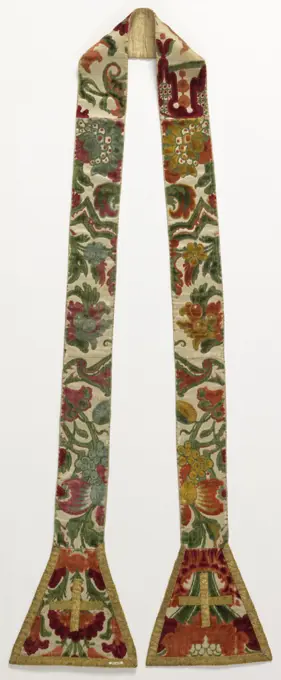
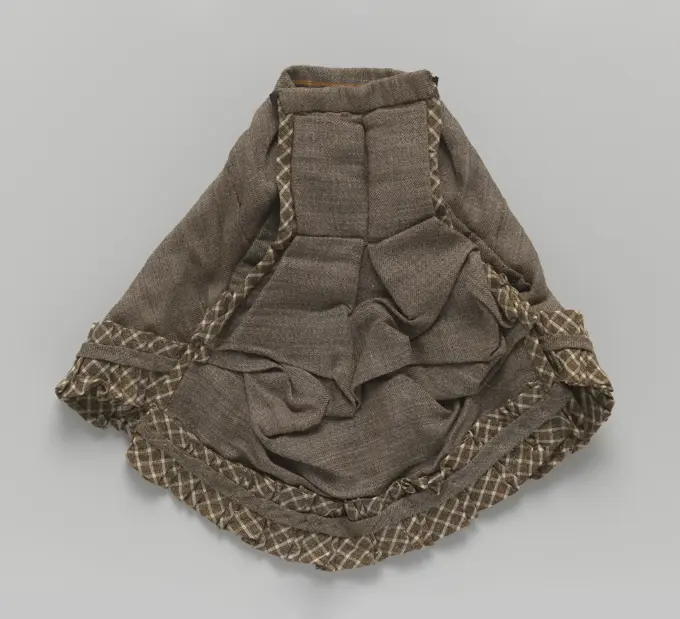
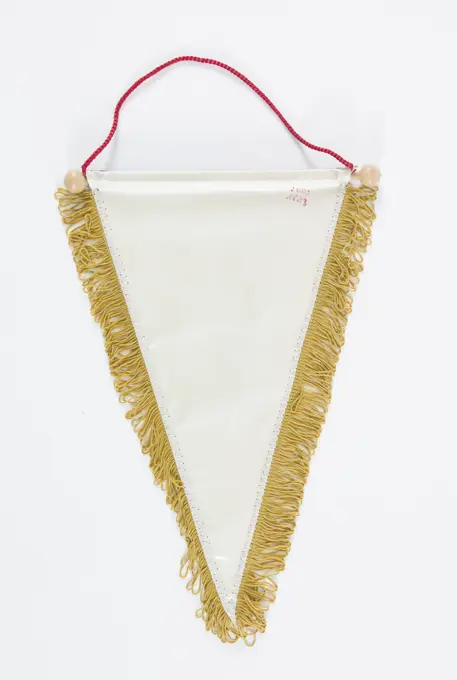
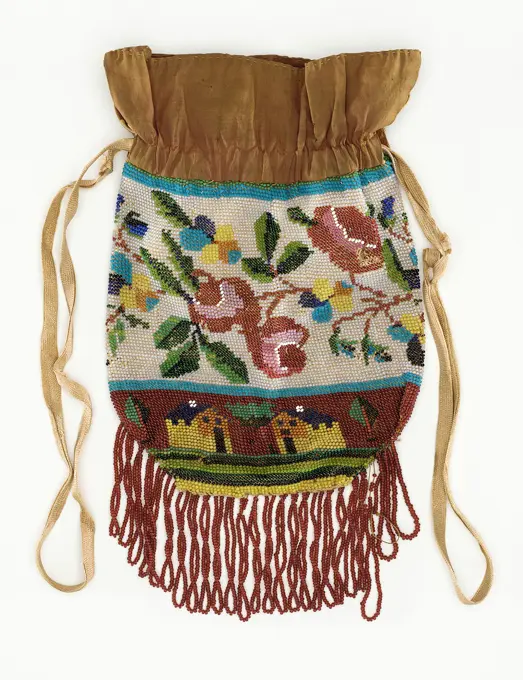
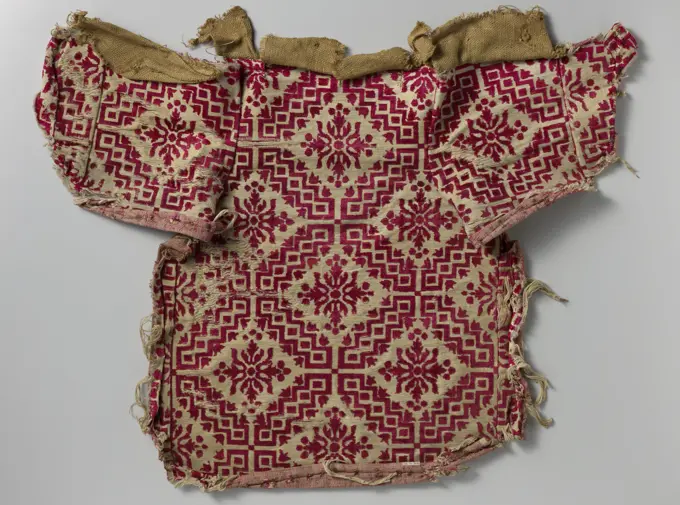
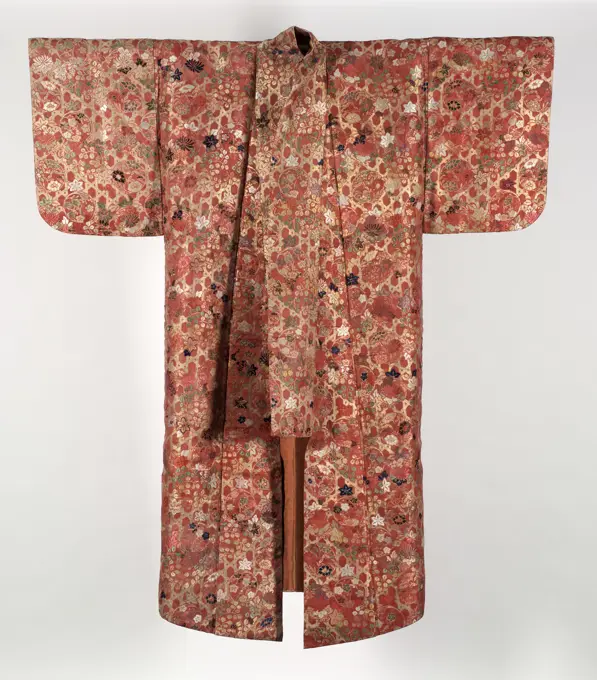
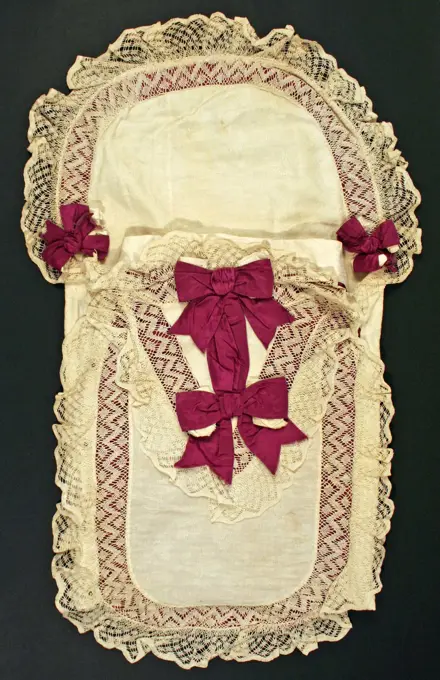
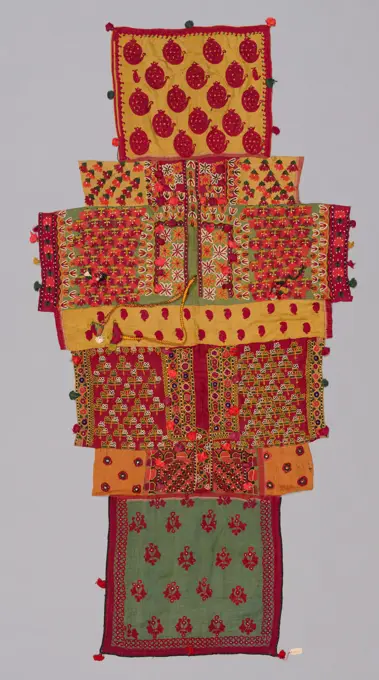
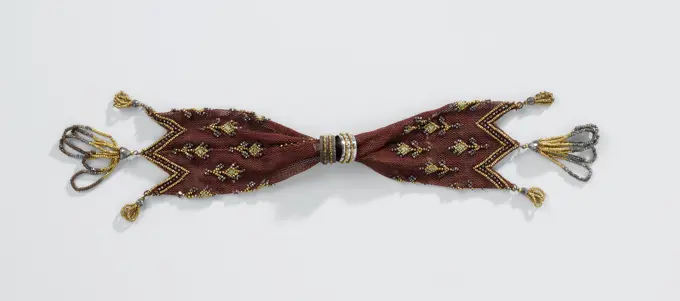
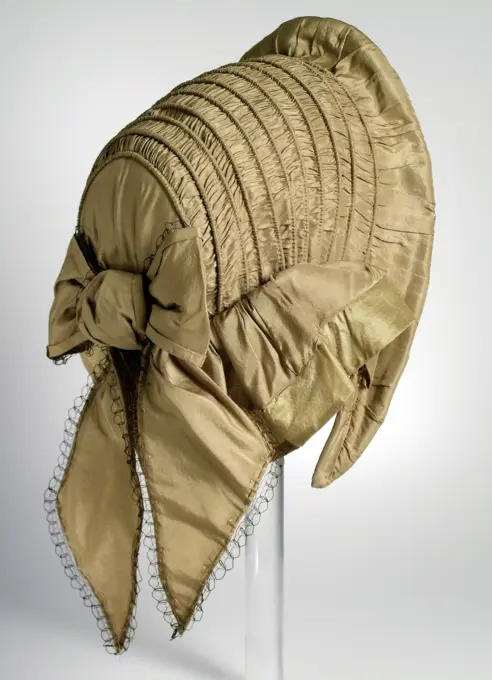
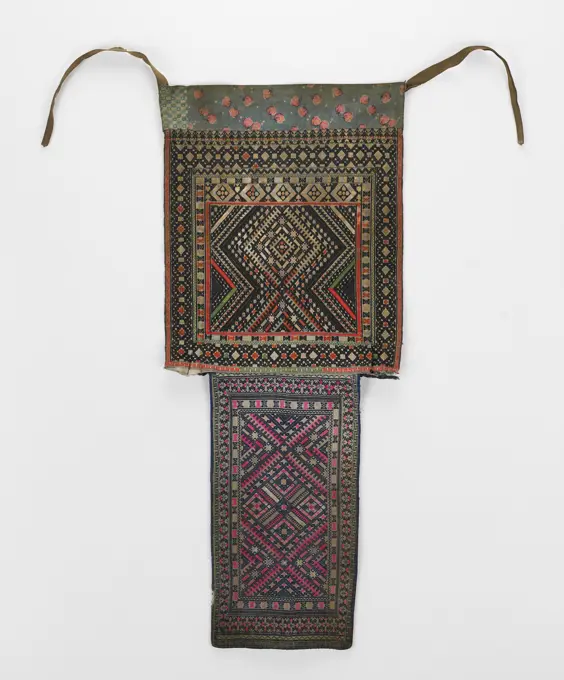
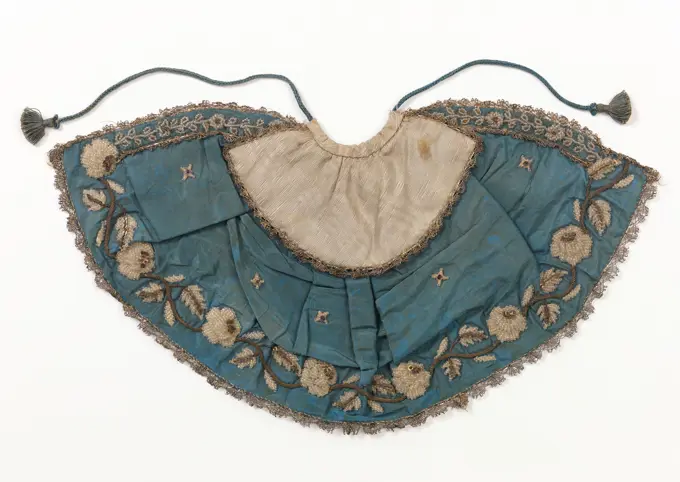
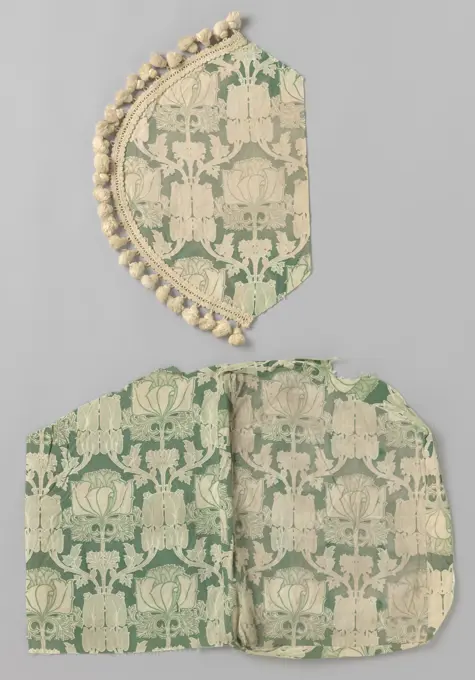
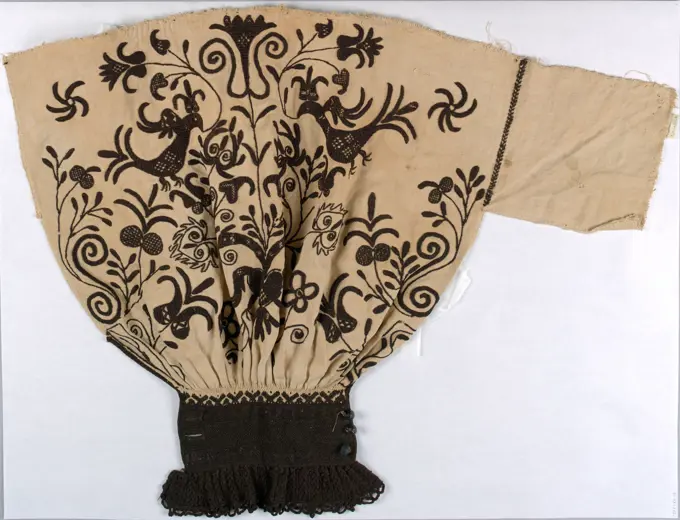
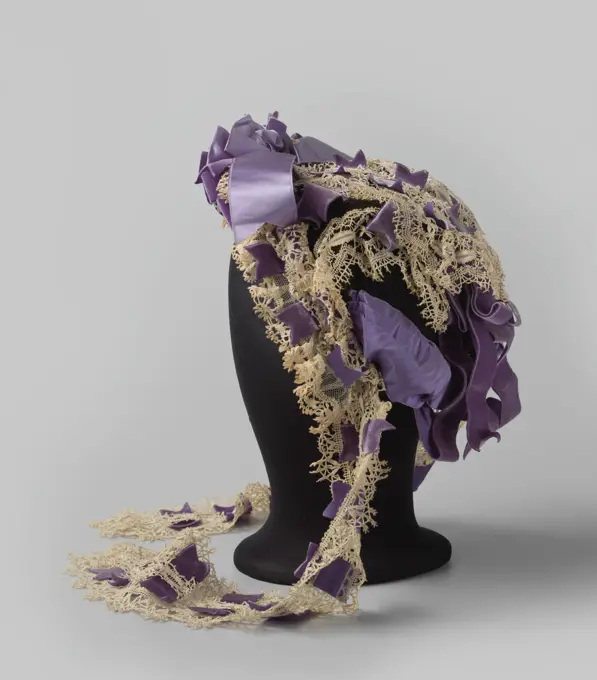
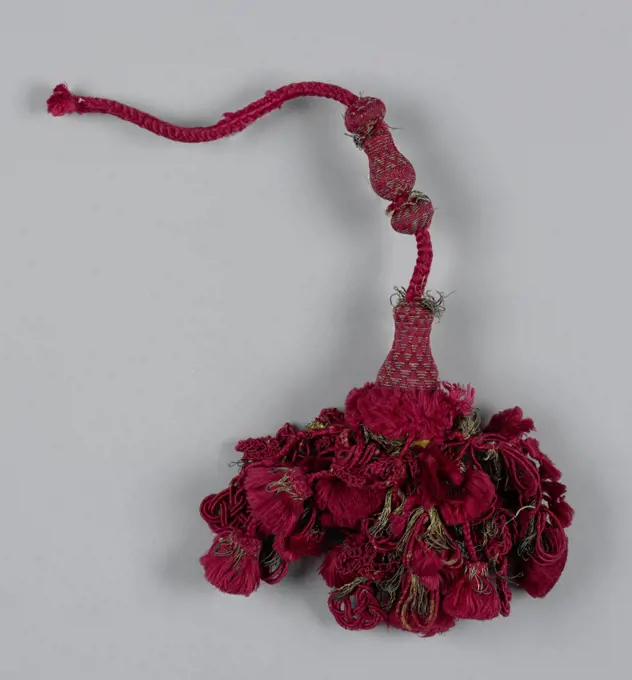
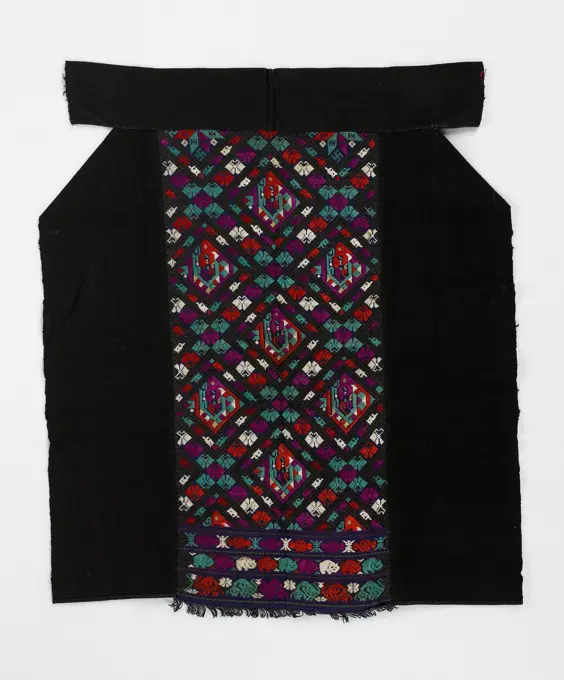
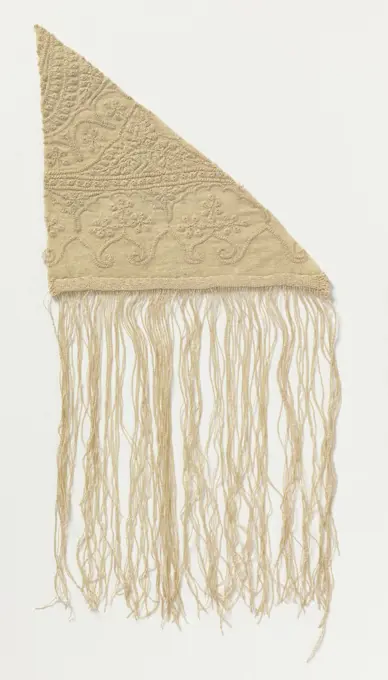
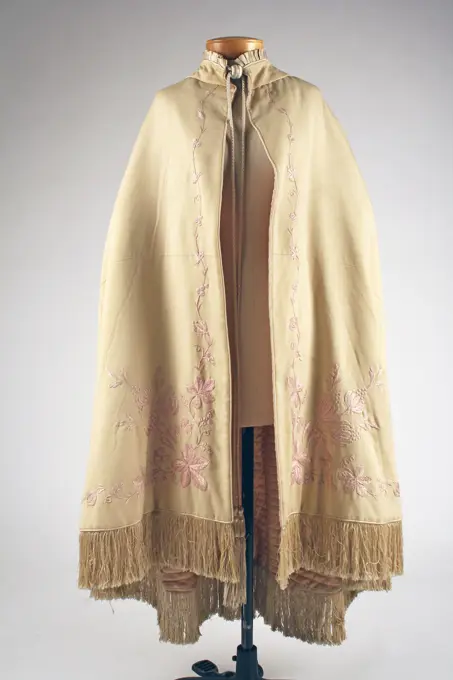
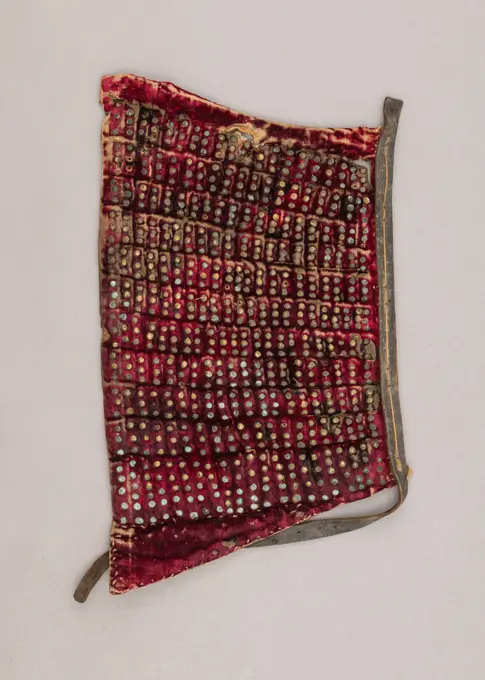
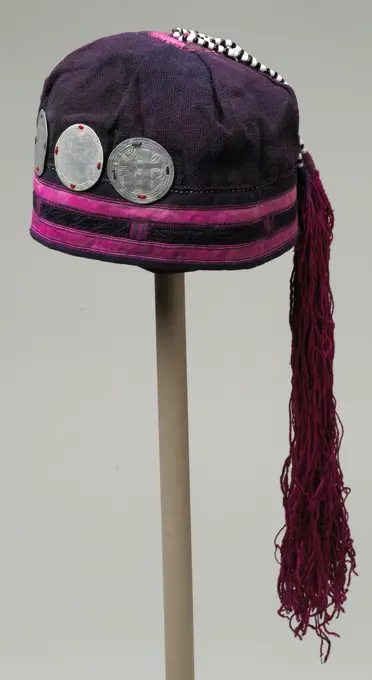
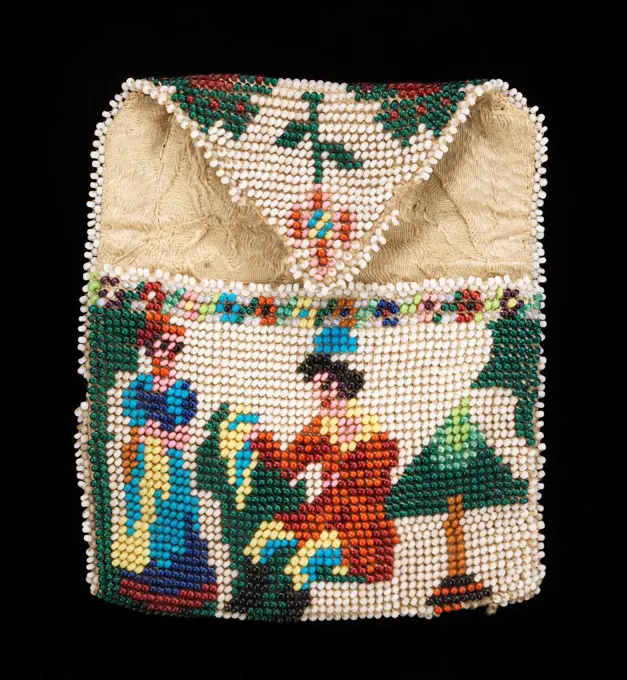
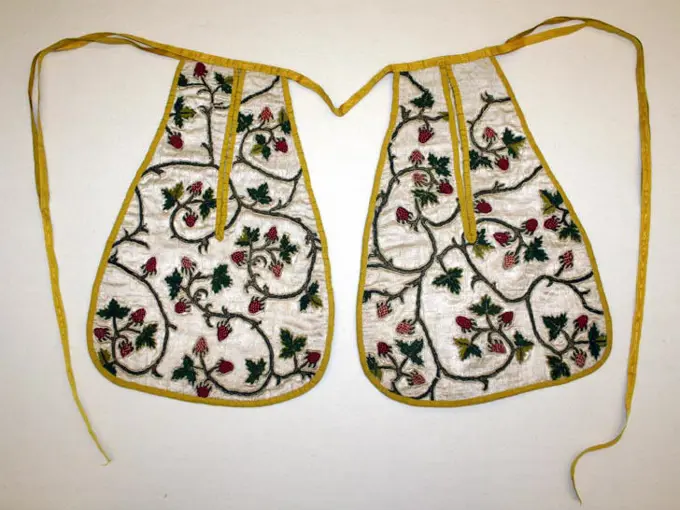
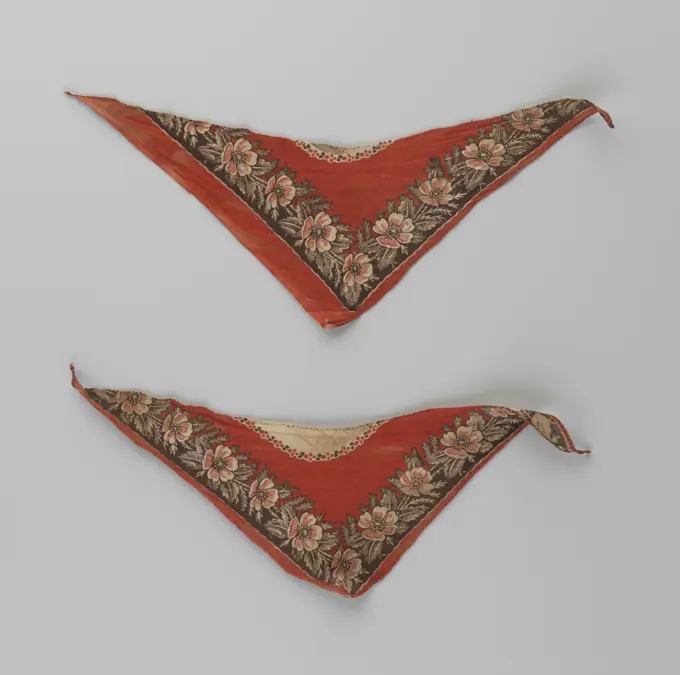
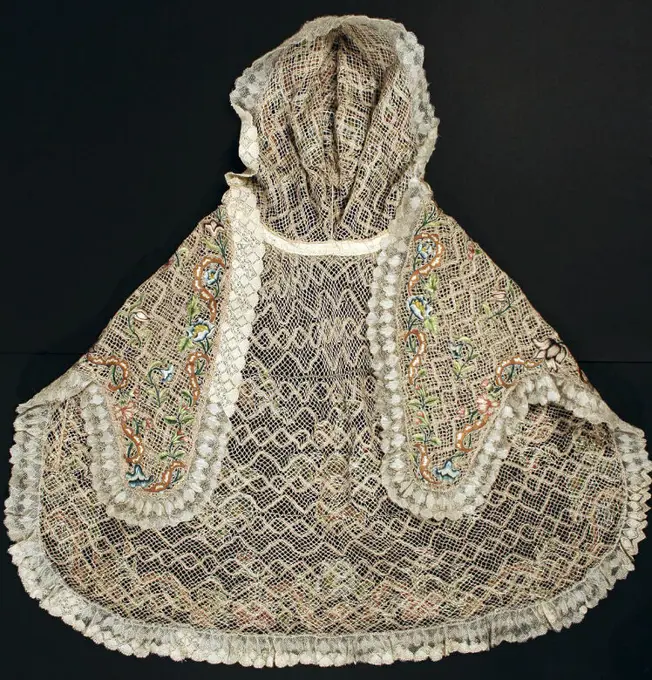
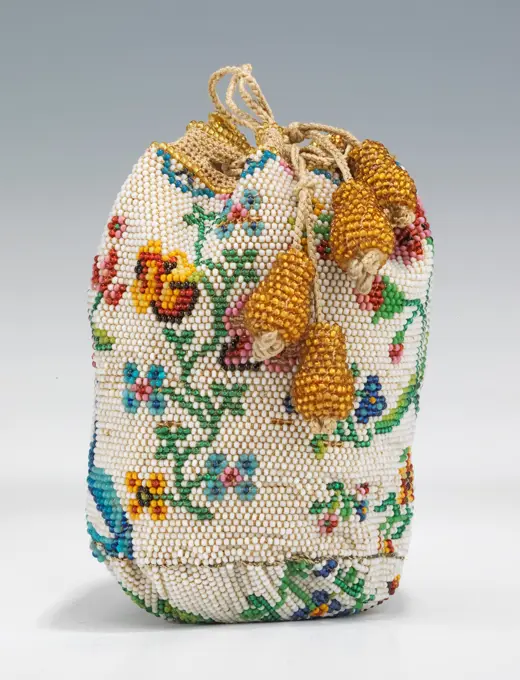
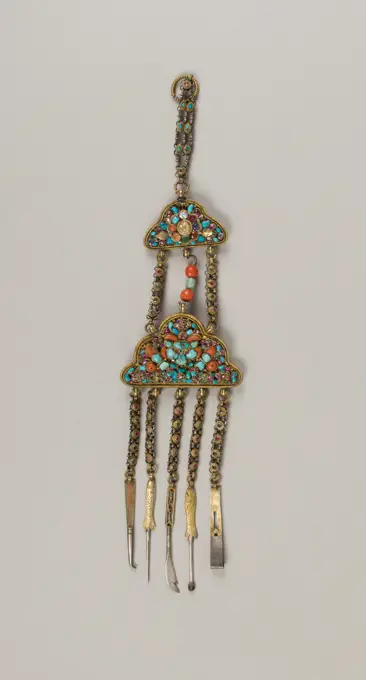
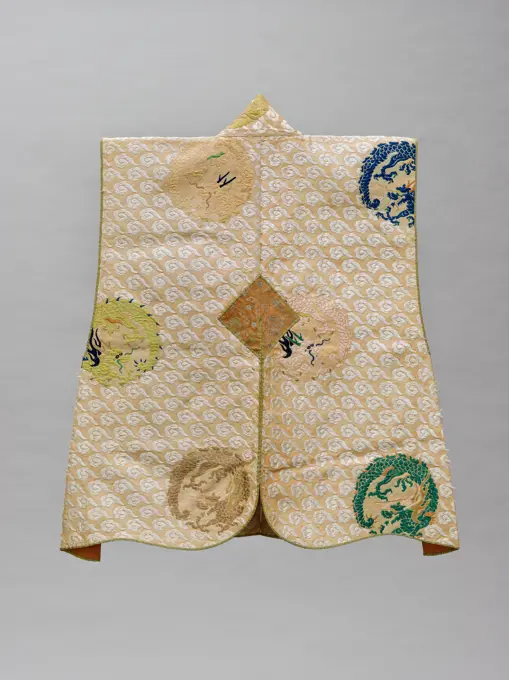
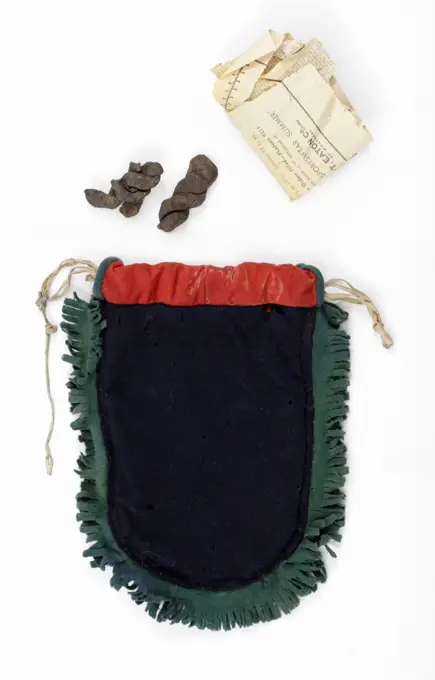
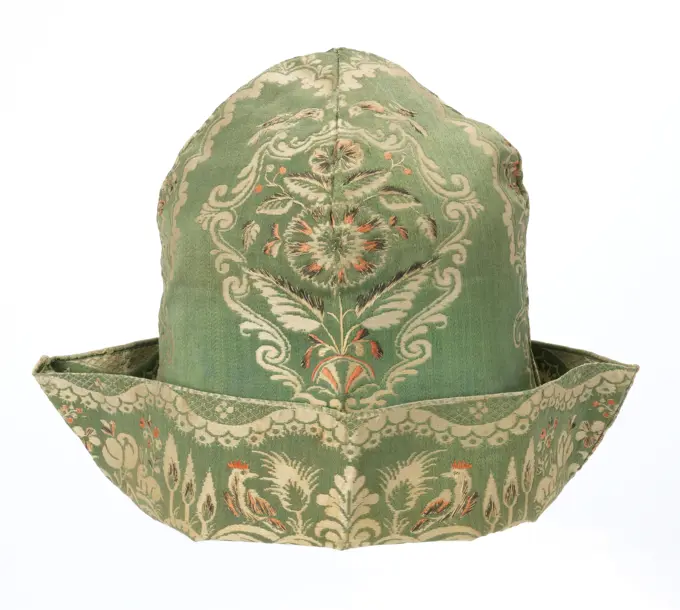
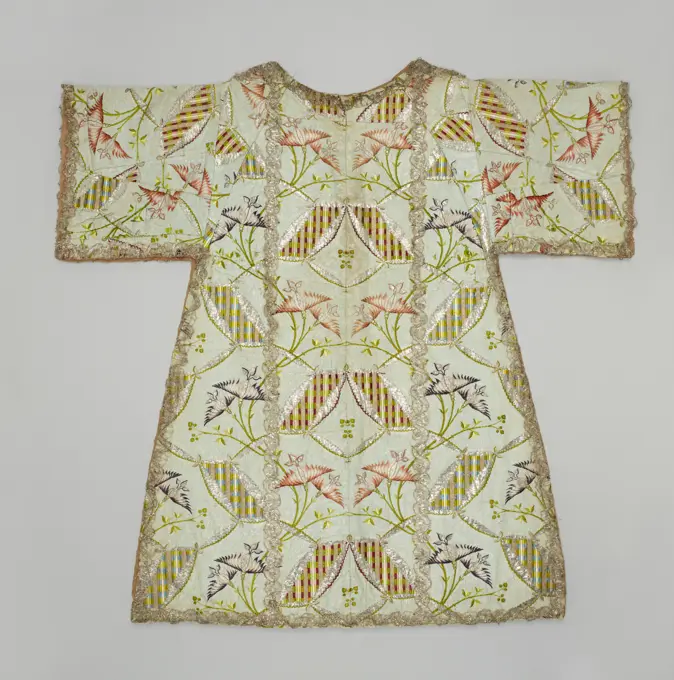
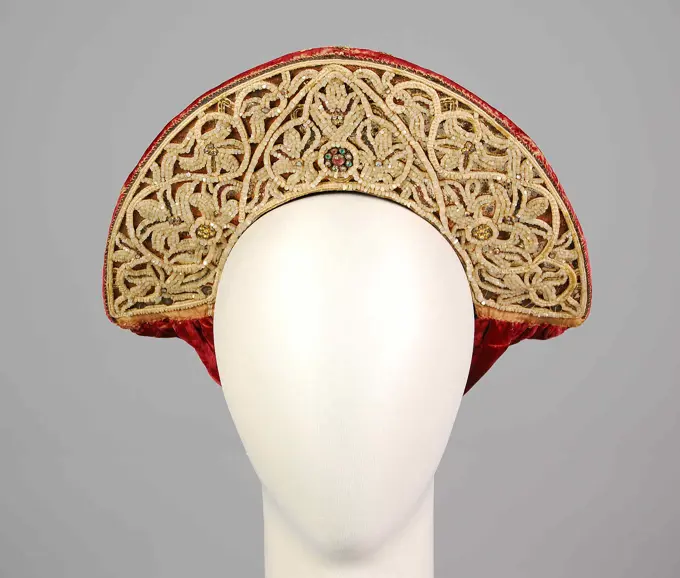
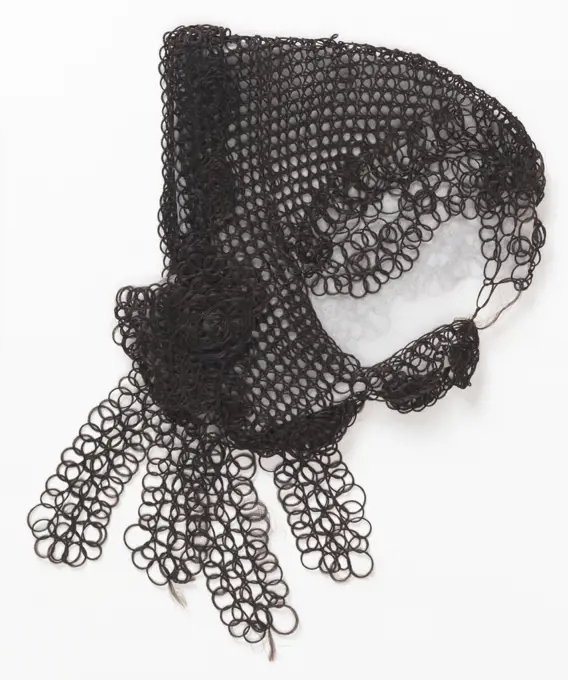
Fragment (India); silk, metallicFragment (India); silkEvening pouch. Culture: American. Date: third quarter 19th century.The unusual garland pattern seen here highlights an attractive color combination. The inclusion of faceted black beads add texture and light-catching sparkle.Margaret S. Bedell (1861-1932) donated, by gift or bequest, over 500 objects to the Brooklyn Museum, including furniture, quilts, samplers, costume and Native American beadwork. Her collection of American and European beaded bags includes examples from Philadelphia and the Catskill Mountain region of New York State, as well as Italy, Austria, Germany, and Holland. Museum: Metropolitan Museum of Art, New York, USA.Bourse. 1860. 1890. GAL2004.278.XStole, Medium: silk, linen, metallic thread, Stole of polychrome cut and uncut velvet on a white satin ground in a floral design. Ends trimmed with gold ribbon. Backed with linen., Italy, 17th century, woven textiles, StoleFour Textile Fragments 16th century. Four Textile Fragments. 16th century. Silk and metallic thread; brocaded. Country of Origin Turkey. Textiles-BrocadesFragment silk velvet with white fond of corners shaped diamondwork in which palmets. Fragment silk velvet with white fond of corners shaped diamondwork in which palmets. Italy, 16th century.Excerpt of two parts, anonymous, c. 1720 - c. 1730 Fragment of two parts, predominantly red, with pattern of large flower in diamond-shaped edge edge surrounded by flower and leaf hangers. France Ketting an element: Silk. lampas (textile material) Fragment of two parts, predominantly red, with pattern of large flower in diamond-shaped edge edge surrounded by flower and leaf hangers. France Ketting an element: Silk. lampas (textile material)Overlok from beige checkered wool, anonymous, 1870 - 1880 Part of beige checkered wool. Belonging to Pop BK-15444. Netherlands wool twill Part of beige checkered wool. Belonging to Pop BK-15444. Netherlands wool twillFragment (India); silk, wool, silver-wrapped silk coreAnonymous, office pennant of the 34th genius regiment (usual name), 1980, wood, printed fabric, cord & fringes., Paris Liberation Museum - General Leclerc Museum - Jean Moulin Museum.Panel (France); silk on silk, metallic threadCape. Culture: American or European. Date: ca. 1860. Museum: Metropolitan Museum of Art, New York, USA.Bonnet, early 1900s. Germany, Early 20th Century. Lace, wire, tinsel, moire; overall: 5.1 x 47 x 55.9 cm (2 x 18 1/2 x 22 in.).Mirror 19th century China. Mirror 69698Woman's Reticule. United States, late 19th century. Costumes; Accessories. Glass beads, kid leatherBliżej Kultury unknownSpencer ca. 1800 French. Spencer 98722Textile (England); cottonFour -day INRô (medication box);  19th century (1801-00-00-1868-00-00);Fragment late 17th century Italian. Fragment 230565Fragment chair covering in red and white velvet, anonymous, 1600 - 1699 Seat of a chair covering of citized silk velvet. Broussa (possibly)maker: West-Europa (possibly) velvet (fabric weave). silk velvet (fabric weave) Seat of a chair covering of citized silk velvet. Broussa (possibly)maker: West-Europa (possibly) velvet (fabric weave). silk velvet (fabric weave)Fragment chair covering in red and white velvet, anonymous, 1600 - 1699 Back of a seat cover made of citized silk velvet. Broussa (possibly)maker: West-Europa (possibly) cotton (textile). silk velvet (fabric weave) Back of a seat cover made of citized silk velvet. Broussa (possibly)maker: West-Europa (possibly) cotton (textile). silk velvet (fabric weave)Necktie 1840-45 American or European. Necktie 121606A sash from the funeral of Adam Mickiewicz in Krakow on July 4, 1890Jacket, ChinaReticle. XVIIIth. Gal1973.66.8Stock Exchange bag. Gal1957.38.4Noh Robe (Karaori), 1800-1850. Japan, Edo period (1615-1868). Brocaded silk with metal thread weft; overall: 151.1 x 143.5 cm (59 1/2 x 56 1/2 in.).Layette ca. 1882 American or European. Layette 105442Fragments sewn together to form Cover, 1800s - early 1900s. India, Cutch, 19th - early 20th century. Embroidery, silk thread on silk ground; overall: 141 x 69.3 cm (55 1/2 x 27 5/16 in.).Long purse with sliding rings, anonymous, c. 1820 - c. 1830 Exercise for Kleingeld, elongated of lusted wine -red silk, decorated with facet cut, gilded and silver -plated steel beads and green silk, which is closed by two silver -plated steel rings decorated with gilded steel beads. Model: elongated with serrated edge at the ends. In the middle of the longitudinal direction an opening that is closed by two rings. The fair is used twice. Decoration: The serrated ends are decorated with a double edge of plated steel beads between which a border silvered steel beads. There is a large brush of gilded and silver -plated steel beads at the middle point of the cartel edge; A ditto small brush at the corner points. On the wine red lusted side, a stray pattern of flowers made up of gilded and silver -plated steel beads and green floss side. The money opening is closed all around with gilded steel beads. Netherlands whole: Silk. Decoration: Steel (Alloy). Decoration: Gilding (Material). DecoratWoman's Capote Bonnet. United States, circa 1857. Costumes; Accessories. Silk taffetaShawl 1830s American. Shawl 123176Baby Carrier, 33 x 14 in. (83.82 x 35.56 cm)16 x 8 1/2 in. (40.64 x 21.59 cm) (object part, top section)17 x 14 in. (43.18 x 35.56 cm) (object part, bottom section), Cotton; needlework, ChinaCape For An Ecclesiastical Figurine (France); silk, metallic yarns, glass beadsThree cushion covers for garden bench made of green-white-printed heavy cotton with pattern of iris or lily bluvenes in rushed stems in the style of William Morris ,, c. 1890 - c. 1900 Three cushion covers for garden bench made of green-white-printed heavy cotton with pattern of iris or lily browsing in Spitsovale growing stems in the style of William Morris. Pattern: Large symmetrical irises or lilies with green, outlined white and light green petals on bottle green soil. They are in staggered rows within Spitsovaal rising double white outlined stems with twice a three -sheet at the nodes. England cotton (textile) printing Three cushion covers for garden bench made of green-white-printed heavy cotton with pattern of iris or lily browsing in Spitsovale growing stems in the style of William Morris. Pattern: Large symmetrical irises or lilies with green, outlined white and light green petals on bottle green soil. They are in staggered rows within Spitsovaal rising double white outlined sPurse (tobacco pouch), Medium: silk, glass and metal beads Technique: knitted in crossed stockinette stitch, Silk strung with glass and metal beads. Worked as a tube beginning at bottom., Germany, 1815-40, costume & accessories, Purse (tobacco pouch)Sleeve Fragment (Spain); linen or cotton, woolCape. Culture: probably American. Date: ca. 1887. Museum: Metropolitan Museum of Art, New York, USA.Apron, from a four-piece group, 12 1/8 x 24 3/8 in. (30.8 x 61.91 cm) (without ties), Cotton, ChinaFragment (England); cottonBoinet-Coiffure from Lila Satin, Silk Ribbon, Band Velvet and Lace Sewn on a black Tulls Surface, Semi-Round Rift on the front and with hanging ribbons, Anonymous, c. 1855 - c. 1865 Boinet-Coiffure from Lila Satijn, silk ribbon, band velvet and side sewn on a black tulls surface. Semi -round -reinforced edge on the front and with hanging ribbons. Rear part of the ball with elastic band made up. West-Europa (possibly) whole: Satin. whole: Silk. whole:. whole:. whole: Boinet-Coiffure from Lila Satijn, silk ribbon, band velvet and side sewn on a black tulls surface. Semi -round -reinforced edge on the front and with hanging ribbons. Rear part of the ball with elastic band made up. West-Europa (possibly) whole: Satin. whole: Silk. whole:. whole:. whole:Handscreen; gilded and painted paper leaf, turned wood handlePouch, woven with a pattern of multicolored flowers of beads, with a silk drawstring, Wiener Werkstätte (Possible), c. 1920 Pay, completely woven with a pattern of multicolored flowers of beads: circles from the bottom, after which a blue band with green and pink flowers, above which a diversity of flowers in blue, yellow, red and purple. From the middle a predominantly white stock, with a single excellent purple or red flower. A silk draw is strung through the crocheted top. The pouch is fed with silk. Vienna whole: Silk. whole: Glass. Lining: Silk. Cord: Silk glassblowing / braiding Pay, completely woven with a pattern of multicolored flowers of beads: circles from the bottom, after which a blue band with green and pink flowers, above which a diversity of flowers in blue, yellow, red and purple. From the middle a predominantly white stock, with a single excellent purple or red flower. A silk draw is strung through the crocheted top. The pouch is fed with silk. Vienna whole: Silk. whoSmoking cap -Tassel, Medium: silk, metal thread, wooden core, linen, Skirt of strings of silk with tassels and ornaments of red silk and silver thread. Collar of red silk, head of two balls, and two vase-shaped parts covered with red silk and metal thread in a triangular design and strung on a red silk cord., Italy or Spain, 18th century, trimmings, TasselApron, 29 x 25 in. (73.66 x 63.5 cm), Cotton, ChinaBeading Fair with a golden bracket and hook, Lourens van Hassel (attributed to), 1778 The cast arched bracket consists of two equal, hinged, bow -shaped halves with a scalloped contour. A wide, smooth upper edge is attached perpendicular to one of these two halves. Each bracket half shows a sitting, young Mercury with its winged helmet and aesculaap on a ran in the middle, a putto with mirror (prudentia) on the left corner and a putto with a staff and a mask (the theater art) on the right corner. The ends are formed as dolphins. The edges are decorated with C-Voluten on which flower garlands hang. Both bracket halves are provided with thirteen eyes on the underside, to which the beads stock market is attached. Between the halves is a smooth inner bracket with fifteen holes applied. The pins of the hinges have rosette -shaped heads. Both bracket halves have a closed bar with a ball at the top, together forming the cut with which the bracket closes. The top edge has two eyes. The chains,Fragment of embroidery (probably gremiale) unknownFragment, Medium: silk on wool Technique: embroidered on twill weave, Triangular shaped ivory wool shawl fragment, densely embroidered with ivory silk in compartmentalized floral patterns. Chain stitch border with long fringe. 2/2 twill ground fabric which has been brushed, patterned by a tightly plied ivory silk yarn couched with a single ivory silk yarn. The plied silk yarn is looped as it is couched to form a linear pattern with a distinctive quality., Kashmir, India, late 19th century, embroidery & stitching, FragmentParasol. Culture: American. Date: ca. 1870.This parasol would have been the ultimate fashion conceit because it is neither functional nor protective. It is the smallest parasol in the Brooklyn Museum Costume Collection, with a length of 22 3/4". The parasol is especially unusual because it is beaded, worked in the same manner as the beaded bags that were so prevalent in the nineteenth century. The collapsible handle, which allows the parasol to collapse to a length of 12 1/2", would allow the parasol to function more like a fan. Museum: Metropolitan Museum of Art, New York, USA.Bag, Medium: silk, metal Technique: crochet, Small spade-shaped crocheted purse. Bottom portion contains metal thread with pink and green silks in a floral design. The top is all silk, in reds, pinks and green, in a harlequin pattern. Drawstring of braided green silk., France, early 19th century, costume & accessories, BagCape 1866-69 American. Cape 91029Accessory set 1884-90 India. Accessory set 86170Headband, 22 x 1 1/4 in. (55.88 x 3.18 cm), Cotton, ChinaFragment and hexagon, Medium: linen, metallic thread Technique: needle lace, interlacing, The fragment is a band with a triangular tab edge. The hexagon encloses a centered double-tailed siren., Italy, 16th century, lace, Fragment and hexagonPair of Brigandine Tassets ca. 1500 Italian. Pair of Brigandine Tassets. Italian. ca. 1500. Metal, textile, gilded copper, leather.. Armor PartsPurse late 19th century Mexican The beadwork design of this purse is complex and visually stunning. Faceted beads are incorporated into the design to add surface interest and sparkle. Bags of this type were often no larger than a thimble, this one is relatively large. It is part of the Mexican beadwork collection of over 600 pieces assembled by Elizabeth Morrow (1873-1955), mother of writer Anne Morrow Lindbergh, the wife of renowned aviator Charles Lindbergh. Morrow collected the objects between 1927 and 1930, when her husband, Dwight Morrow, Sr., served as U.S. ambassador to Mexico. She lent the collection to the Brooklyn Museum in 1938 and upon her death, her children donated it. A collection of 155 pieces of Mexican ceramics and other decorative arts were given to Amherst College, her husband's alma mater. Mrs. Morrow collected Mexican beadwork, along with other examples of colonial and native arts, to decorate their country home in Cuernavaca in order to promote a more peaceful imJacket, ChinaHat, 20th century, 6 1/2 x 10 in. (16.51 x 25.4 cm), Cotton, silk, silver metal, glass beads; needlework, Thailand, 20th centuryReticule van Kloskant on a lining of ivory -colored ZijdeCrepeline, anonymous, c. 1912 Reticule of natural -colored bobbin side on a lining of ivory -colored Zijdcrepeline. Pouch. The front and back have the same open pattern of a star-shaped potented network of braids, with an open-sized three-lobe motif in the middle. The edges of the bag are trimmed with a lace strip. To close the bag, a knotted cord was strung by six crocheted loops. The cord consists of one piece. At the bottom of a brush of ecrukligin cotton. Europe (possibly) whole: Cotton (textile). Cord: Cotton (textile). Lining: Silk bobbin lace Reticule of natural -colored bobbin side on a lining of ivory -colored Zijdcrepeline. Pouch. The front and back have the same open pattern of a star-shaped potented network of braids, with an open-sized three-lobe motif in the middle. The edges of the bag are trimmed with a lace strip. To close the bag, a knotted cord was strung by six crocheted loops. The cord consists of one piece. Paper for diploma Beautiful needlework. Sample fine macramé in red and white.Knitted children's hat made of white cotton, decorated with horizontal stripes and ajour stripes, flower pattern and raced cord, anonymous Knitted children's hat made of white cotton, decorated with horizontal stripes and ajour stripes, flower pattern and raced cord. Yellowed.  cotton (textile) knitting Knitted children's hat made of white cotton, decorated with horizontal stripes and ajour stripes, flower pattern and raced cord. Yellowed.  cotton (textile) knittingGolden stock exchange of links and a bracket with engraving, anonymous, c. 1850 - c. 1900 There are seven golden balls at the bottom of the fair. Netherlands gold (metal) There are seven golden balls at the bottom of the fair. Netherlands gold (metal)Bonnet ca. 1818 probably American. Bonnet 94582Tote bag. 1880. GAL1960.84.3Coin purse 1825-35 Mexican The two female figures seen here are dressed in fashionable 1830s costume: the seated figure wears a brown dress with puffed sleeves and a feather headdress; the standing figure wears a blue dress and holds a shawl. Although the motifs on the reverse are conventional ones often seen in needlework samplers, the pink animal figures are an idiosyncratic addition. The lining is a dress silk that is consistent with fabrics of the late 1820s to early 1830s. The purse is part of the Mexican beadwork collection of over 600 pieces assembled by Elizabeth Morrow (1873-1955), mother of writer Anne Morrow Lindbergh, the wife of renowned aviator Charles Lindbergh. Morrow collected the objects between 1927 and 1930, when her husband, Dwight Morrow, Sr., served as U.S. ambassador to Mexico. She lent the collection to the Brooklyn Museum in 1938 and upon her death, her children donated it. A collection of 155 pieces of Mexican ceramics and other decorative arts were given to Pocket 1700-1750 British. Pocket 121603Bonnet ca. 1850 British. Bonnet 116385Lappet 1750-70 French. Lappet 156549Belt plaque, late 19th century, 10 x 3 x 1 in. (25.4 x 7.6 x 2.5 cm), Silk, glass, paper, China, 19th centuryCornelius Christoffels, Beaded Coin Purse, c 1937 Beaded Coin PurseTriangular fragment red fabric, anonymous, c. 1850 - c. 1920 Triangular fragment red fabric with flowers printed on it. Europe textile materials printing Triangular fragment red fabric with flowers printed on it. Europe textile materials printingCapuchin. Culture: probably French. Date: 1725-50. Museum: Metropolitan Museum of Art, New York, USA.Coin purse 1780-1810 European. Coin purse 156858Fringe European 19th centuryBeaded Bag, c. 1920, 7 x 4 1/2 in. (17.78 x 11.43 cm), Tanned leather, glass beads, United States, 20th centuryFan with Flowers and Butterflies 19th century China. Fan with Flowers and Butterflies 36087Fragment of a printed cotton, c. 1800 - c. 1950 Fragment of a printed cotton. A black diamond pattern is printed on white cotton, on which a flower branch. In red and black.  cotton (textile) printing Fragment of a printed cotton. A black diamond pattern is printed on white cotton, on which a flower branch. In red and black.  cotton (textile) printingWomans Belt Hangings 17th-19th century Newari for Tibetan market Personal grooming tools were integrated into the elaborate ensemble of jewelry worn by women on important occasions. Dangling below this pair of belt hangings are nail clippers, an ear pick, a nail cleaner, a pin, and tweezers.. Womans Belt Hangings. Newari for Tibetan market. 17th-19th century. Gilt silver, rubies, emeralds, sapphires, coral, shell, lapis lazuli, and turquoise. JewelryEmbroidery for Ja.r. Thorbecke (board), c. 1850  Embroidery for jacket belonging to the office of J.R. Thorbecke as Minister of the Interior. Netherlands textile materials.Bow with ribbons, Medium: silk () Technique: satin weave, White satin bow with two long pieces of broad figured white satin ribbon with fringed ends. Possibly part of a dress trimming., USA, ca. 1875, woven textiles, Bow with ribbonsStrip -Mourning shawl 1840-50 British. Mourning shawl 123100Samurai-Class Man's Summer Formal Surcoat (jinbaori) with Dragon Roundels and Stylized Cloud Pattern. Japan, mid-Edo period (1615-1868), 18th century. Costumes; principal attire (upper body). Silk twill with silk and gilt-paper supplementary weft patterning, silk satin with silk and gilt-paper supplementary weft patterning appliqué, silk plain weave with gilt-paper-wrapped weft trim, wool plain weave, full finishTobacco pouch -Nightcap (France); silk, metallic (silver metal foil wound onto white silk core)GA Spangenberg, Scarf, 1935 1942 ScarfBreast Defense (Peytral) from a Horse Armor. Culture: Tibetan or Mongolian. Dimensions: H. 22 1/2 in. (57.2 cm); W. 25 5/8 in. (65.1 cm). Date: 15th-17th century.In terms of its decoration, this peytral displays a far greater variety of motifs, executed in a more fluid and accomplished style, than any other comparable example of Tibetan horse armor. At the center of the upper section there is a Wish-Granting Jewel on a lotus throne flanked by symmetrical sprays of lush leafy stems and blossoms, and in the center of the lower section there is a Right-turning Conch Shell. The borders of the central sections are edged with silver wire, while the other sections have copper wire, both sewn in a fine chain stitch. Carbon 14 tests of the leather resulted in a date range of 1402 to 1626. Museum: Metropolitan Museum of Art, New York, USA.Dalmatica made of silk fabric unknownPurse. Culture: British. Dimensions: L. 3 x W. 2 5/8 inches (7.6 x 6.7 cm). Date: early 17th century.The elaborately embroidered purses exhibited in this case probably correspond to the sweet bags" recorded in a number of sixteenth- and seventeenth-century inventories. The purses appear to have been worn around the person and to have carried scented herbs and essences to ward off the evil smells of daily life. Museum: Metropolitan Museum of Art, New York, USA.Apron, 20th century, 17 1/4 x 15 in. (43.82 x 38.1 cm), Cotton, embroidery, indigo dye, China, 20th centuryClose-up of graffiti-patterned brown and red velvet cushions with tasselsTextile, Medium: silk, paper with applied gold foil Technique: plain compound twill, Black twill ground with incomplete design, in flat gold threads, of cloud forms. Gold leaf almost entirely gone., China, 19th century, woven textiles, TextileHeaddress 1800-1850 Russian. Headdress. Russian. 1800-1850. Silk, metal, shell, glass, metallic, cottonEngageante with tambourer work, anonymous, c. 1700 - c. 1750 Engageante with tambouring work, consisting of two strips of which the lower one protrudes outside the upper. The Engageante has a wide edge pattern of coupling leaves, which form the scalloped outside. Two stngels rise from the leaves with bell flowers. Where the wide strip is covered by the narrower strip, it is unadorned. On the upper strip there are pointed Boogranken and bonds along the inside. Netherlands (possibly) whole: Linen (Material) embroidering Engageante with tambouring work, consisting of two strips of which the lower one protrudes outside the upper. The Engageante has a wide edge pattern of coupling leaves, which form the scalloped outside. Two stngels rise from the leaves with bell flowers. Where the wide strip is covered by the narrower strip, it is unadorned. On the upper strip there are pointed Boogranken and bonds along the inside. Netherlands (possibly) whole: Linen (Material) embroideringBag with Shell Beads. Culture: Chimú or Chancay. Dimensions: H x W: 5 1/8 x 5 1/2in. (13 x 14cm). Date: 14th-15th century. Museum: Metropolitan Museum of Art, New York, USA.Cap, Medium: silk Technique: looping, Triangular shape with rosettes and streamers over each ear in brown silk., ca. 1860, costume & accessories, CapPeignoir 1888-90 American. Peignoir 109037