Textile Fragments and Accessories

Historical fragments and pouches, showcasing intricate embroidery, silk materials, and artistic designs from various cultures.

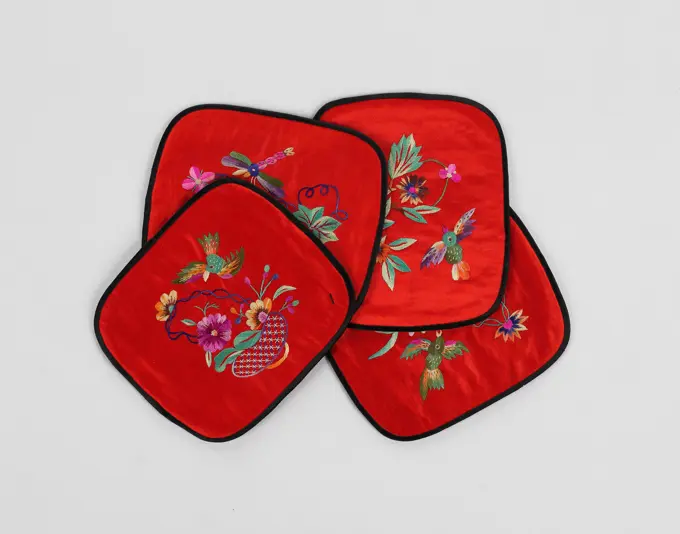
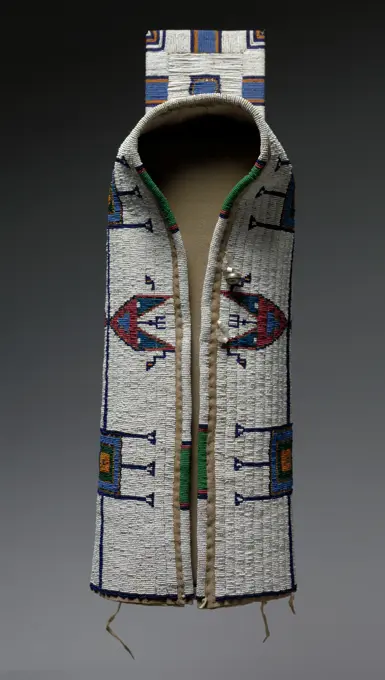
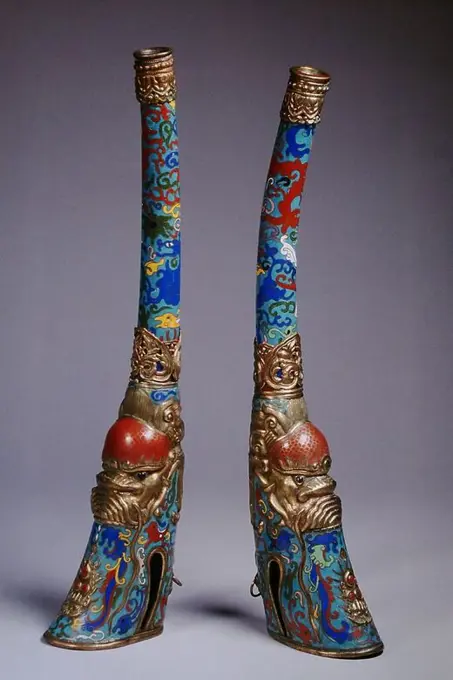
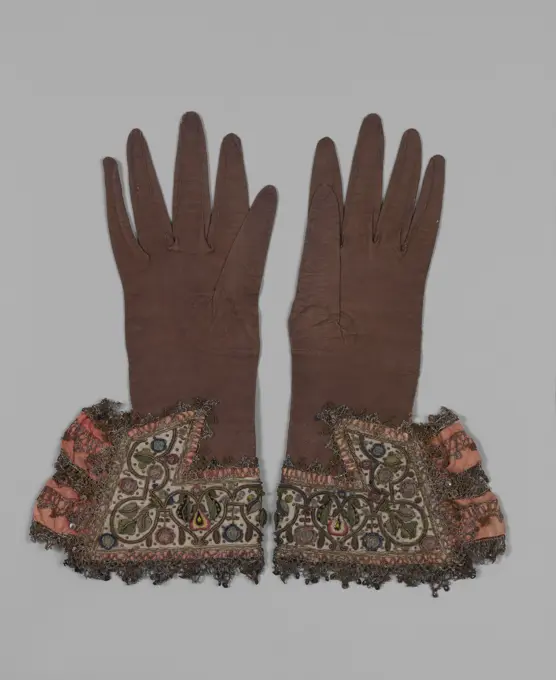
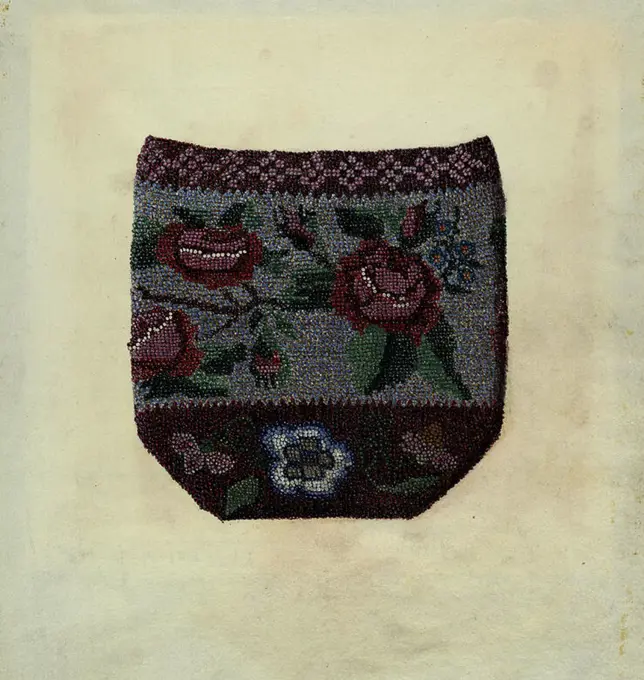
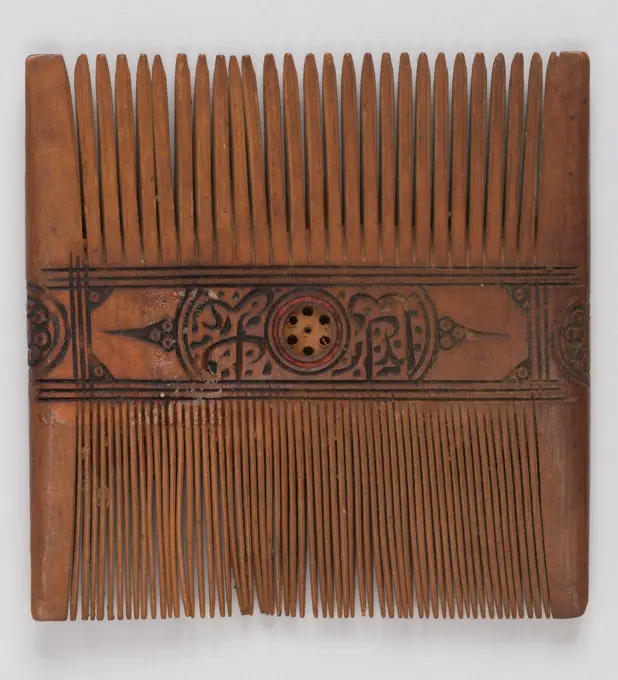
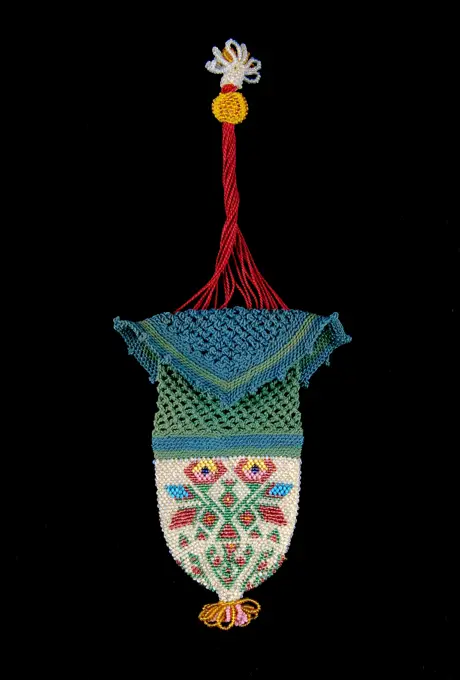
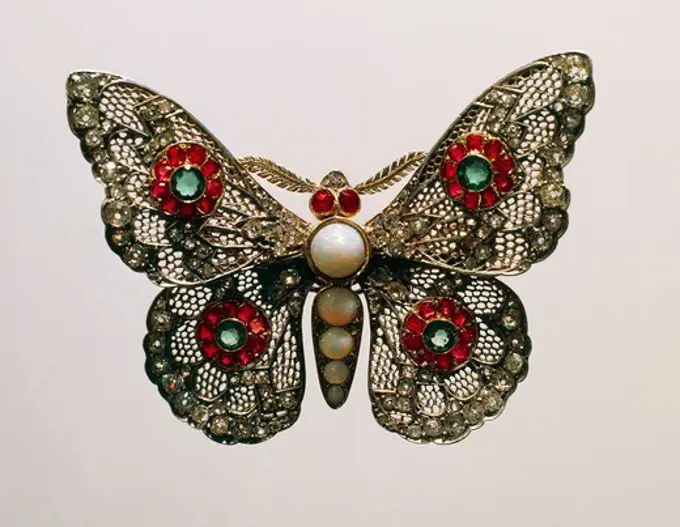
Fragment (India); silk, wool, silver-wrapped silk core
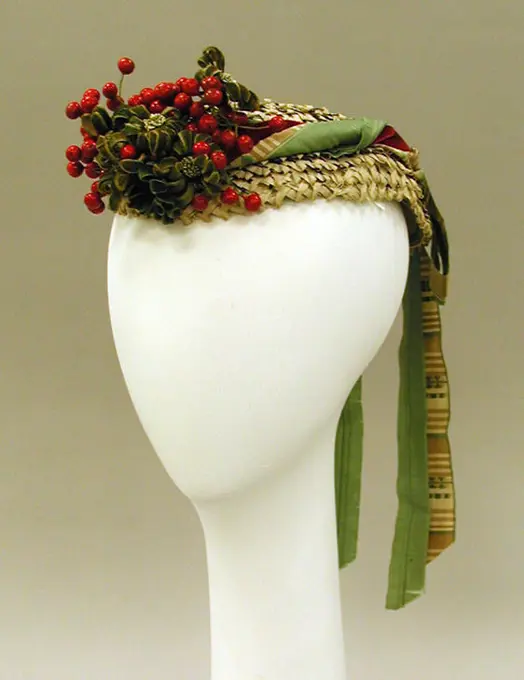
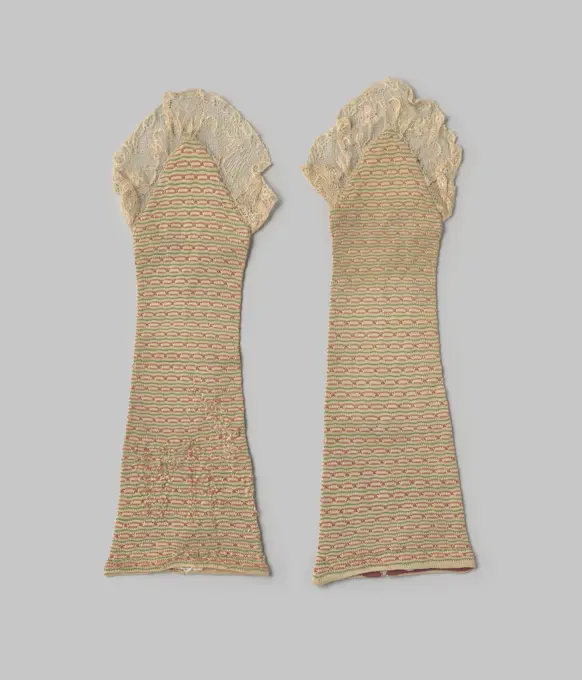
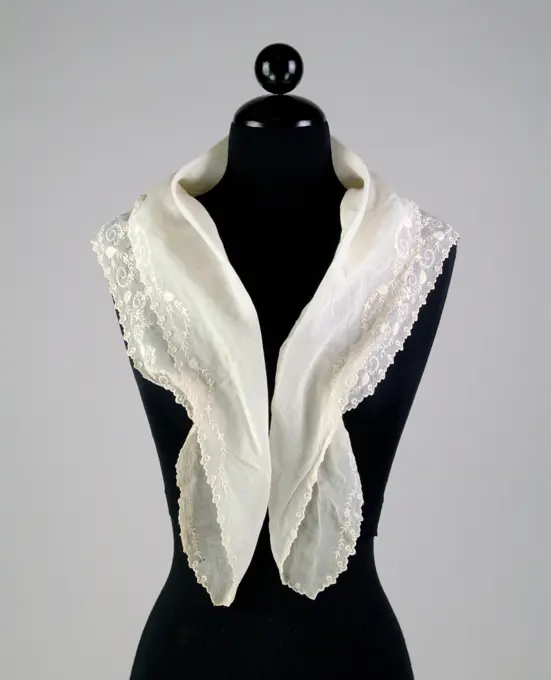
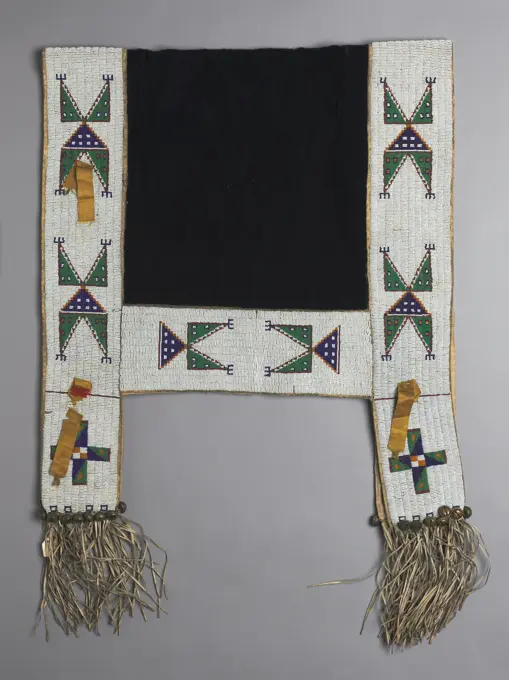
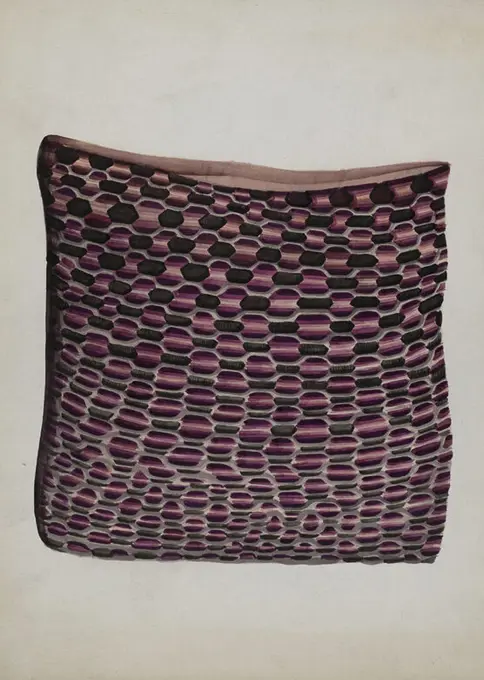
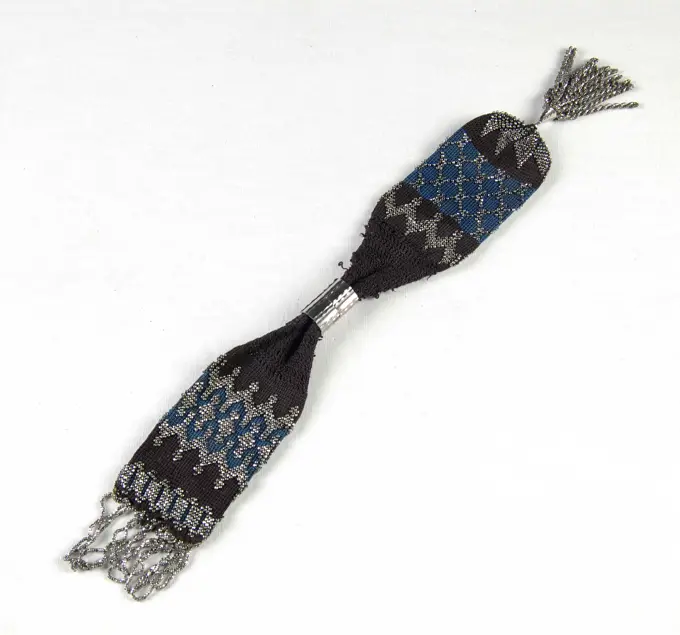
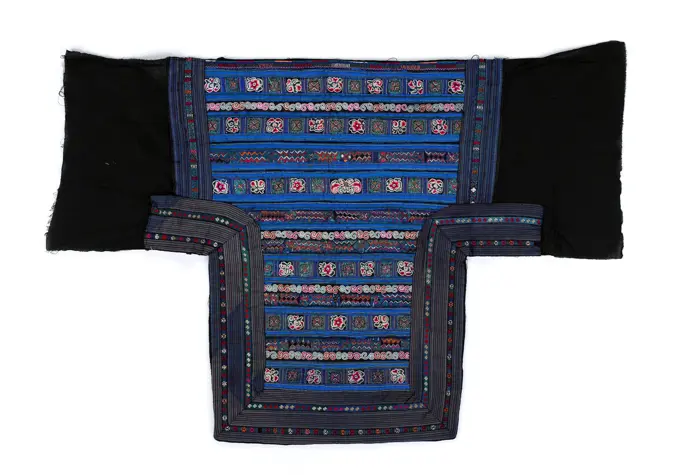
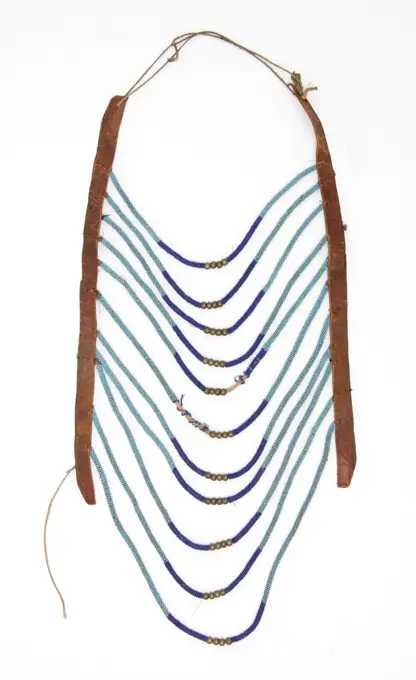
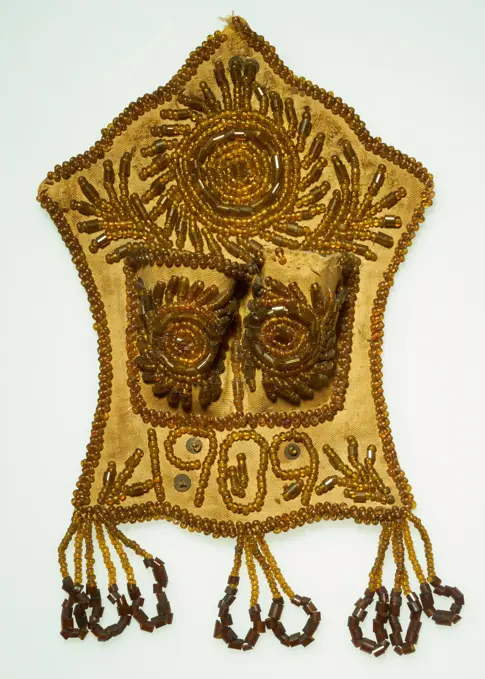
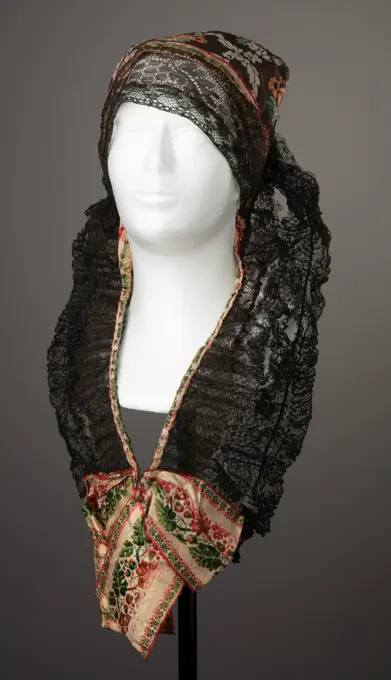
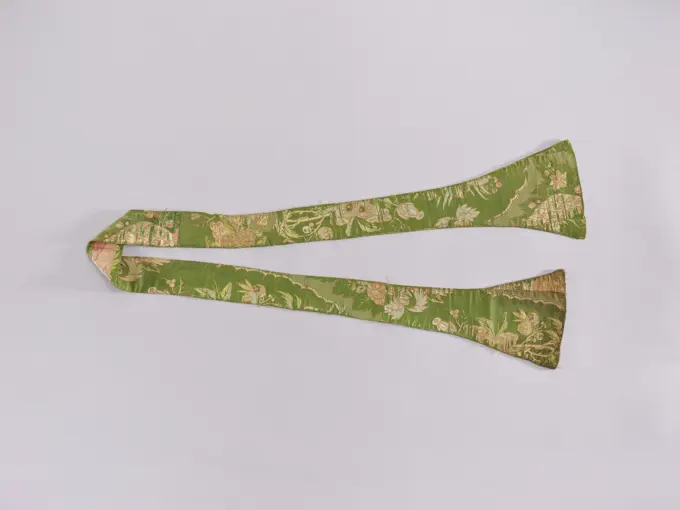
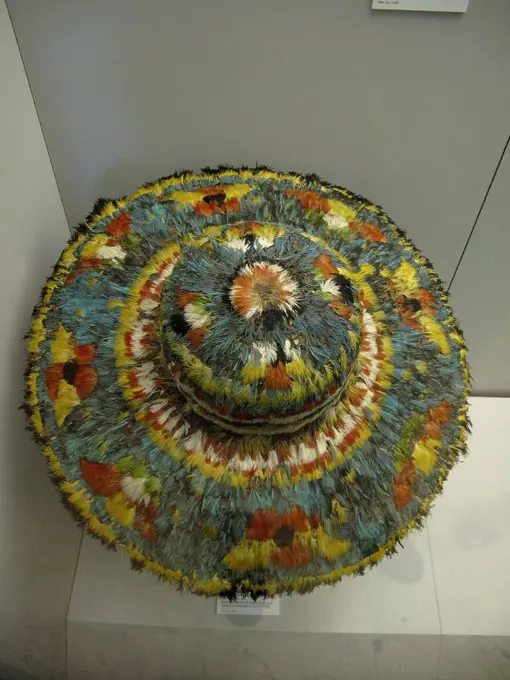
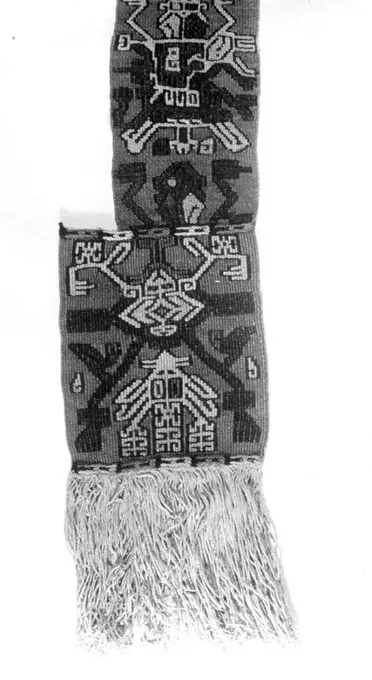
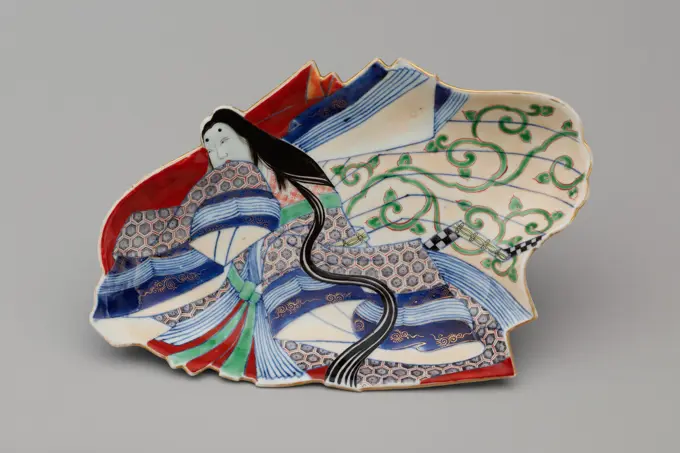
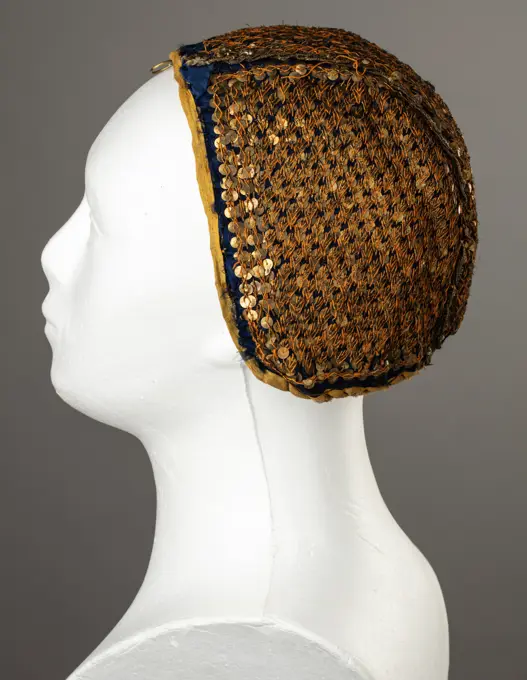
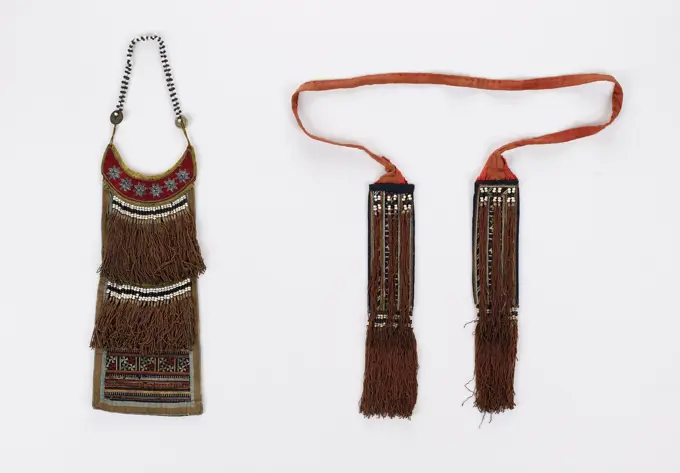
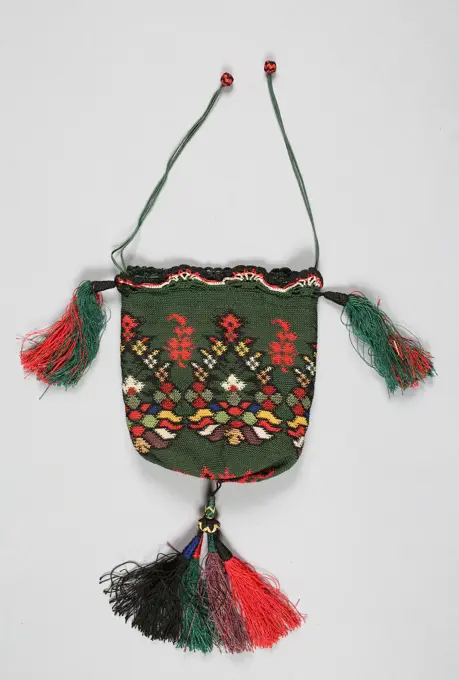
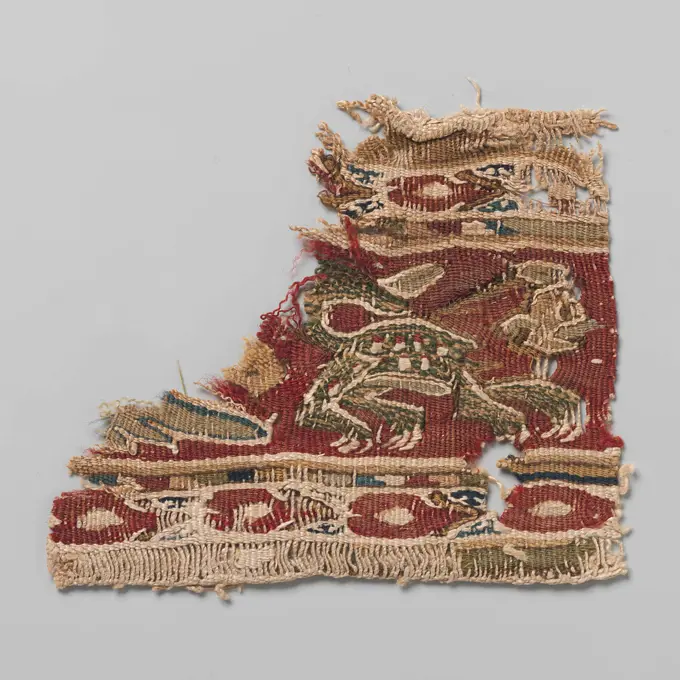
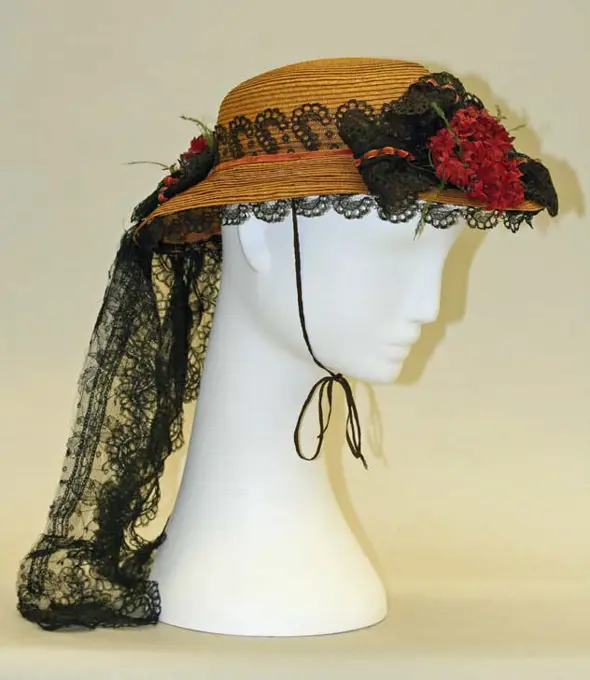
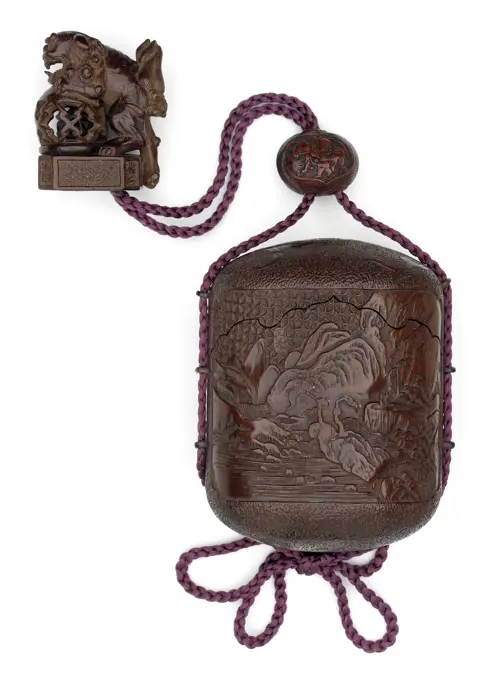
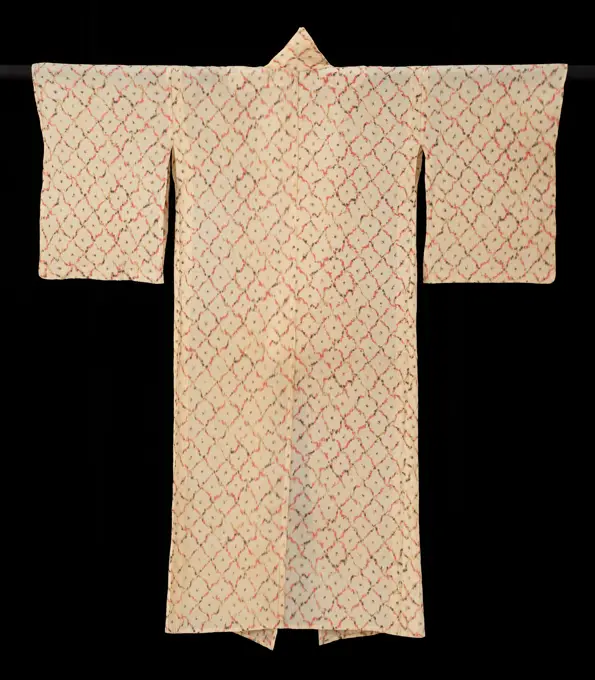
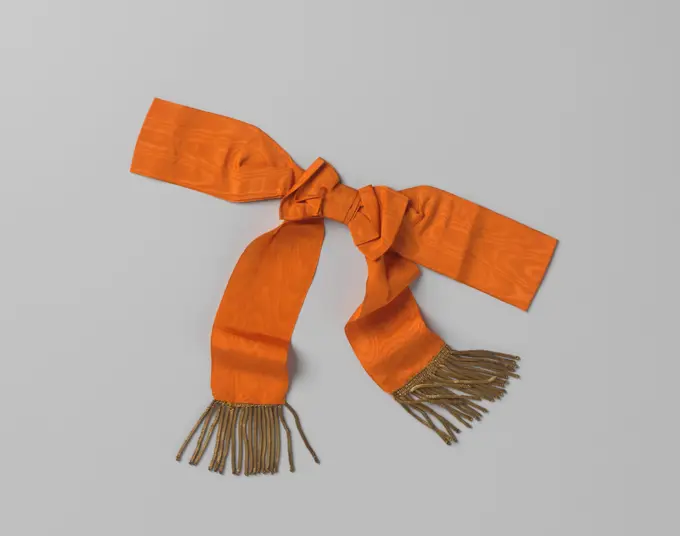
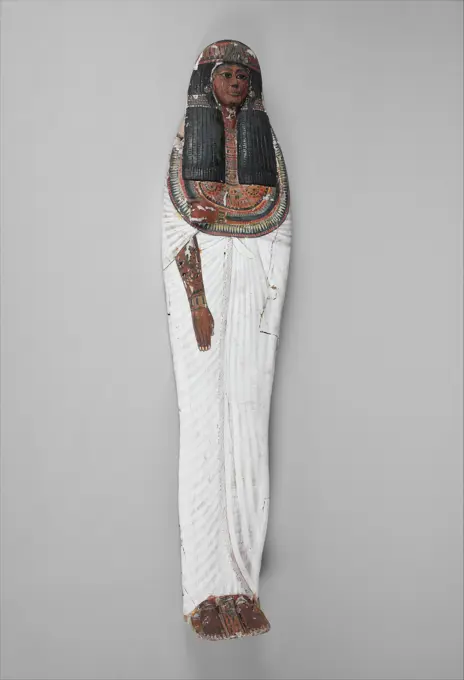
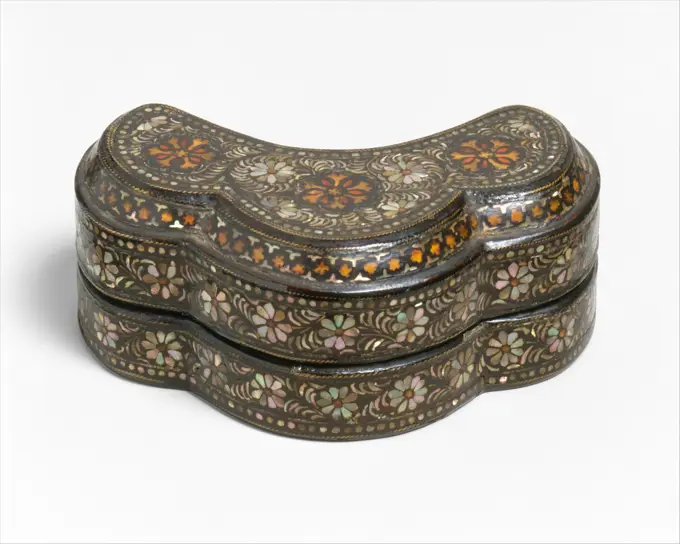
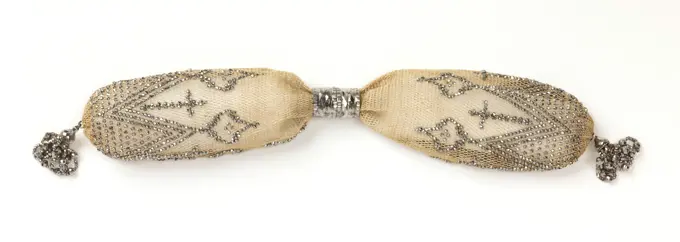
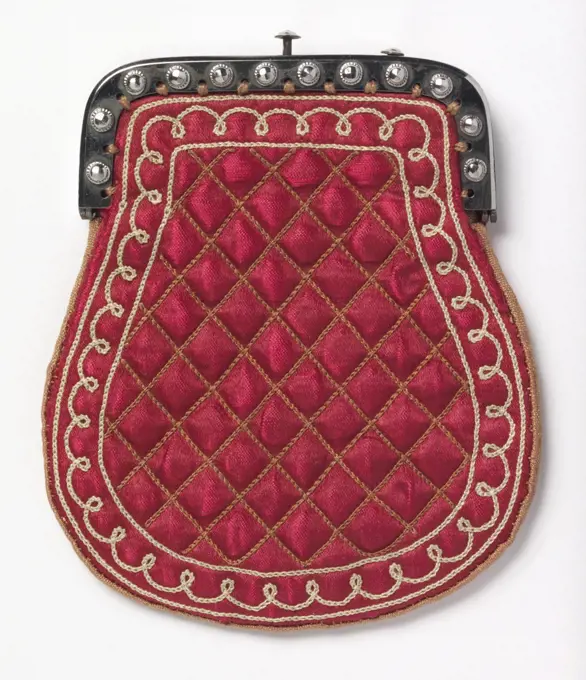
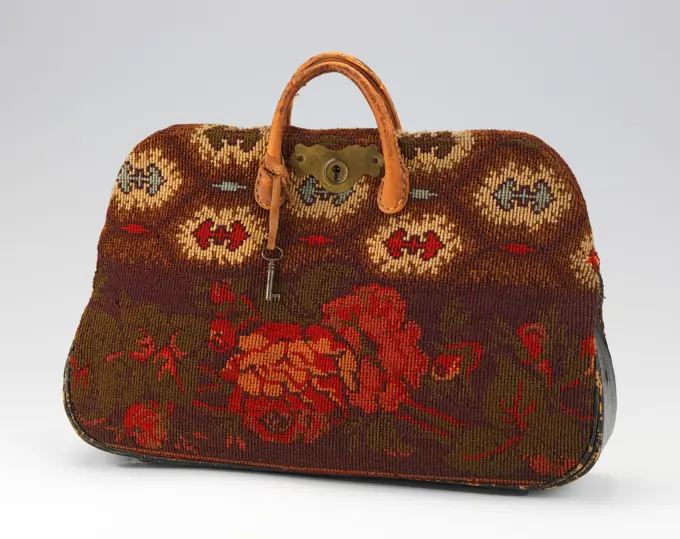
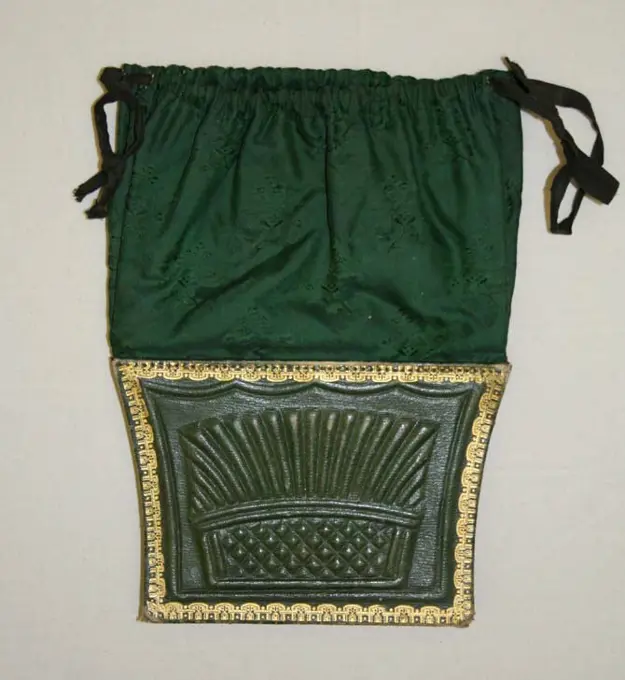
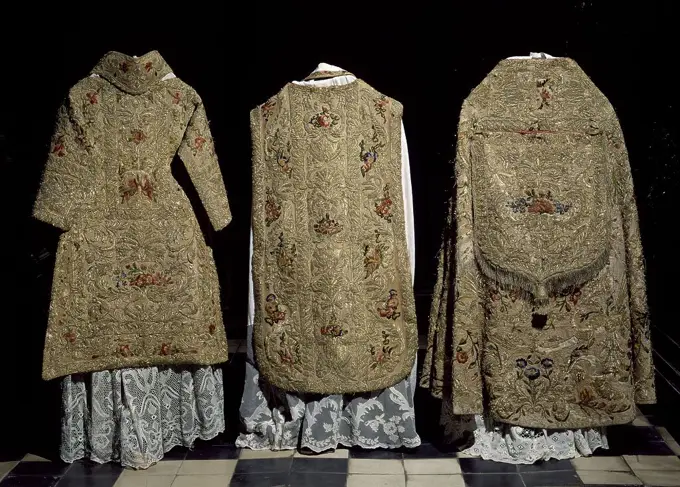
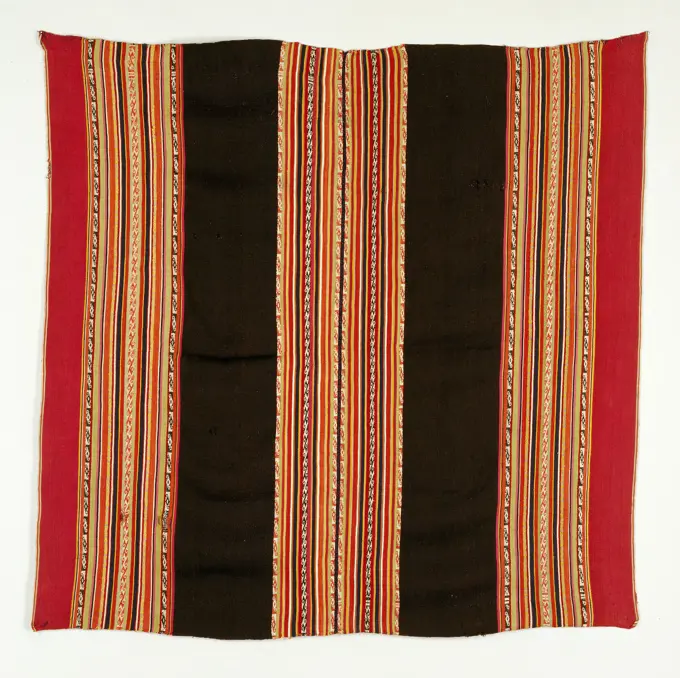
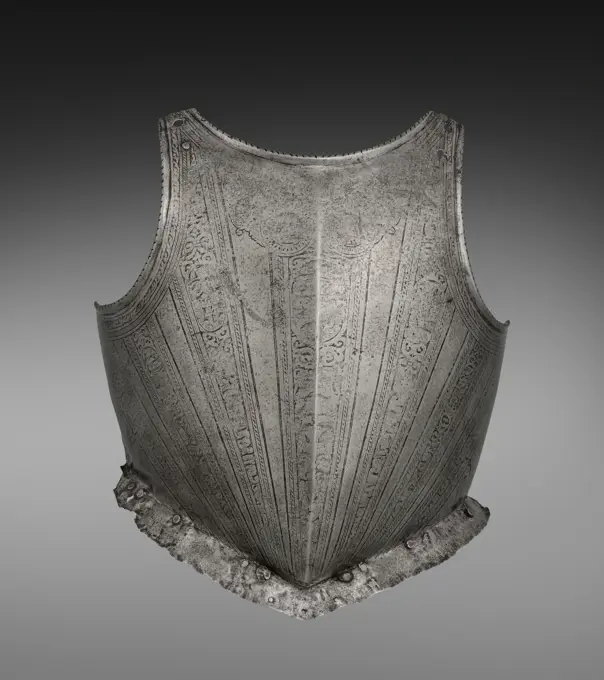
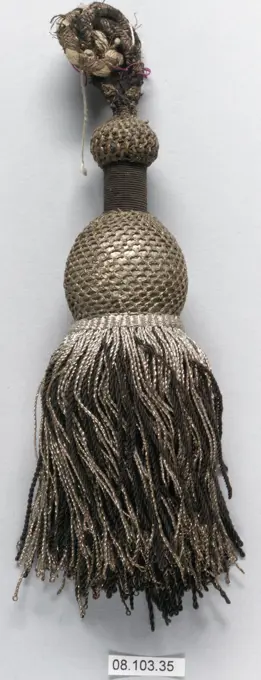
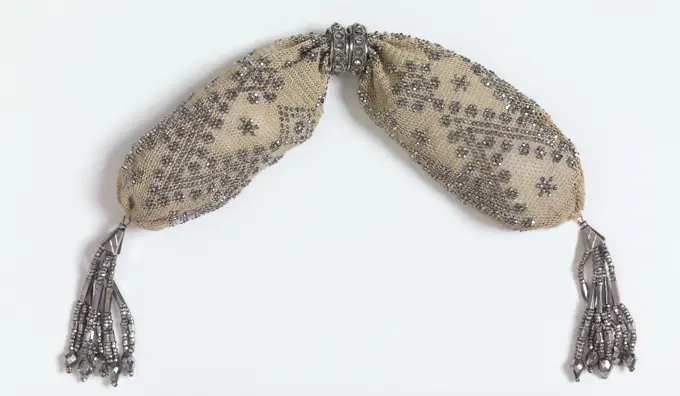
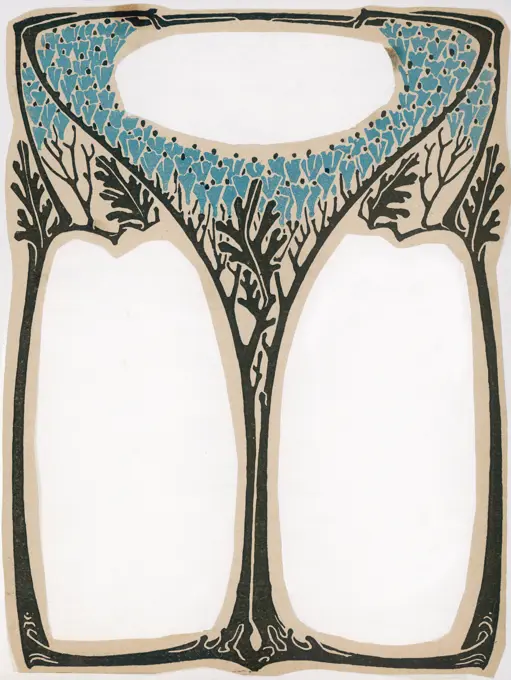
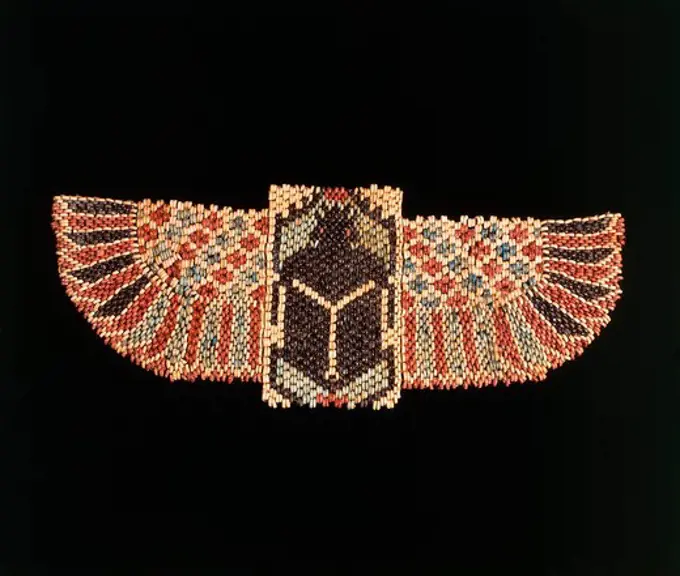
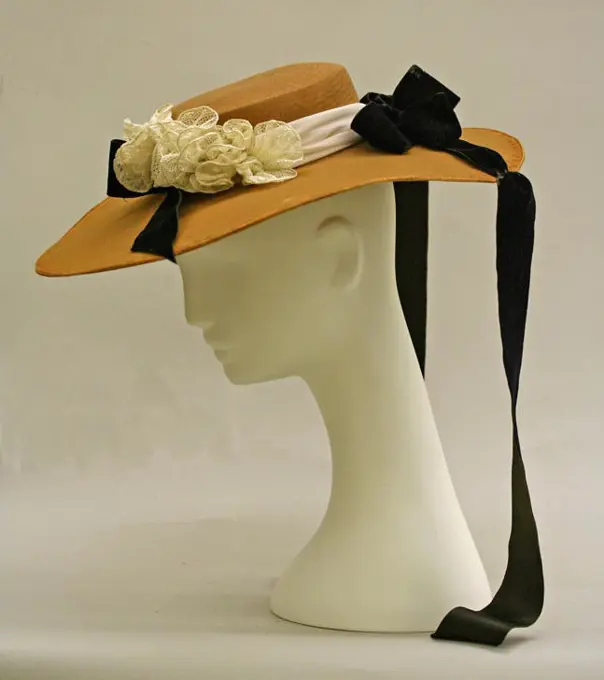
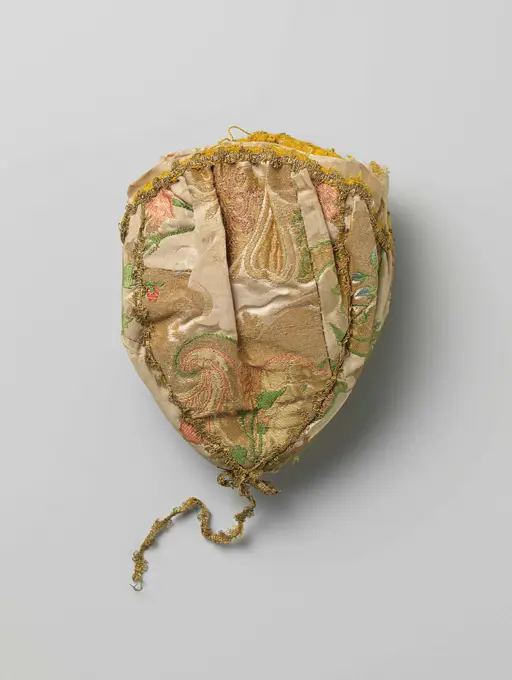
Container, 20th century, 6 1/8 x 5 x 1 7/8 in. (15.56 x 12.7 x 4.76 cm), Beads, wool, cotton, paper, United States, 20th centuryCap crown early 19th century German. Cap crown. German. early 19th century. Velvet and metal thread. Textiles-EmbroideredMiser's Purse (France); silk, steelBrisé Fan (France); painted ivory sticks, silk ribbon and tassel, metal bail, faceted stone at rivetBonnet-Coiffure of green velvet, tulle and machine side decorated with gold-colored metal frills, leaves and beads, anonymous, c. 1865 - c. 1880 Bonnet-Coiffure of green velvet, tulle and machine side decorated with gold-colored metal frills, leaves and beads. Model: cap with Laiton strap around an interior of coarse white tulle. Decoration: The laiton band is covered by a three cm wide edge of draped green velvet. On both sides, the velvet is decorated with a number of golden leaves. On the right also provided with an ornament of gilded glass drops. Left and right approx. 14 cm long, hanging green velvet slips, which are deposited with approximately six cm long gold -colored metal fringes, which end in facet cut metal beads. Netherlands (possibly) whole:. Strik: Velvet (Fabric Weave). whole:. Decoration: Gilding (Material) gilding Bonnet-Coiffure of green velvet, tulle and machine side decorated with gold-colored metal frills, leaves and beads. Model: cap with Laiton strap around an iHat 1867-68 American. Hat 107560Miser's purse, Medium: silk, glass beads, metal Technique: knitting with openwork stitch, Miser's purse with center slit and movable ring. Knitted in an openwork stitch in blue silk strung with clear glass beads. A small tassel at each end of strung glass beads. Worked flat and seamed leaving a central slit., possibly USA, possibly Europe, 1890-1910, costume & accessories, Miser's purseFuton Cover (Japan); cottonMitaine of knitted silk in white, green and red, anonymous, c. 1775 - c. 1800  Mitaine of knitted silk in white, green and red, trimmed with Rijssel side. Part of Zaans costume. Zaanstreek whole: Silk. knitting / Lille laceFichu 1830-40 American. Fichu 168447Fragment of woolen fabric unknownSaddle Blanket, third quarter of 19th century. America, Native North American, Plains, Dakota, Lakota(Sioux), 19th century. Velvet, leather, beads, silk, metal, sinew sewn, lazy squaw stitch; white cotton lining; overall: 59.7 cm (23 1/2 in.).Pillow. Dated: c. 1936. Dimensions: overall: 34 x 25.1 cm (13 3/8 x 9 7/8 in.) Original IAD Object: 20" high; 20" wide. Medium: watercolor, pen and ink, and graphite on paper. Museum: National Gallery of Art, Washington DC. Author: Natalie Simon.Parasol 1850-59 American This parasol is an excellent example of the parasols typical of the 1850s. The canopy echoes the skirt shape and tiered bands of the period. Like the flounces of the period, the fabric was woven à la disposition.. Parasol 158218Purse. Culture: American. Date: ca. 1860. Museum: Metropolitan Museum of Art, New York, USA.Handscreen, Painted paper leaf, turned wood handle, Handscreen with a hand-painted paper leaf. Obverse: a Chinoiserie scene with enthroned woman, Chinese man in hat, and man playing gongs. Reverse: a spray of flowers with three pink blossoms. Turned wood handle., France, England, mid- 18th century, costume & accessories, HandscreenMiser's purse late 19th century American. Miser's purse 170522Jacket for a Theatrical Costume. Culture: China. Dimensions: 30 1/2 x 51 1/2 in. (77.5 x 130.8 cm). Date: 18th century.Three of these exquisite jackets are known to exist: two are in the collection of the Metropolitan Museum and a third is in the Qing court collection of theatrical costumes of the Palace Museum, Beijing. All three have the same delicate floral pattern and identical seals and inscriptions on their linings. The jackets were made in the textile bureau in Suzhou as tribute objects for the imperial court. They were part of an ensemble, perhaps with a skirt or other garment, and they were worn for performances by the Jingshan theatrical troupe in the Changchun Palace, within the Forbidden City. Museum: Metropolitan Museum of Art, New York, USA.Baby carrier, c. 1960s, 26 1/4 x 38 15/16 in. (66.68 x 98.9 cm), Cotton, silk; needlework, China, 20th centuryApron, 20th century, 20 x 9 in. (50.8 x 22.9 cm), Cotton, China, 20th centurySewing bag, Medium: cotton, wool Technique: sewn from roller-printed plain weave, Rectangular reinforced panel with a pouch at one end, a small pocket above it, and a shallow pocket at the other end; three tabs of wool and cotton stripe for pins and needles. Ground pattern of overlapping ovals in shades of deep rose overprinted with close set miniature pattern of bell-shaped flowers in bright green and yellow. Two yellow bows; tied with faded salmon pink silk ribbon., USA, ca. 1830, costume & accessories, Sewing bagNecklace -Match safe whimsey, 1909, 8 3/8 x 6 3/8 x 1 1/2 in. (21.27 x 16.19 x 3.81 cm) (without dangles), Beads, cotton, sequins, United States, 20th centuryBliżej Kultury unknownStuła of Lyon matter;  beginning of the 18th century (1701-00-00-1710-00-00);Hat -SOMBRERO DE FIBRA VEGETAL, PLUMAS Y RESINA VEGETAL- INDIOS CHOLON- SIGLO XVIII- ALTO AMAZONAS- PERU- EXPEDICION DE HIPOLITO RUIZ Y JOS. Location: MUSEO DE AMERICA-COLECCION. MADRID. SPAIN.Samples (3) first half 19th century French. Samples (3) 219310Fragment (Border). Nazca-Wari; Peru, Probably south coast. Date: 700 AD-900 AD. Dimensions: 137.2 x 19.7 cm (54 x 7 3/4 in.). Origin: Peru. Museum: The Chicago Art Institute, Chicago, USA.Dish with Design of a Court Woman Made 1700-1799 Japan. Porcelain with colored enamels .Bliżej Kultury unknownRetro handmade natural flax backpackApron, from a seven-piece costume, mid 20th century, 17 1/2 x 6 1/4 in. (44.45 x 15.88 cm) (without straps), Cotton, beads, coins, metal stars, China, 20th centuryCoal Scuttle Bonnet. Dated: 1940. Dimensions: overall: 54.5 x 41 cm (21 7/16 x 16 1/8 in.). Medium: watercolor, graphite, and pen and ink on paperboard. Museum: National Gallery of Art, Washington DC. Author: Charles Johnson.Rank Badge (China); silkPromenade bonnet ca. 1866 American. Promenade bonnet 113205Tobacco pouch. 1840. 1845. GAL2010.6.106Tissue fragment in tapestry. Multicolored tissue fragment with centrally on a red ground a four-legged friend with raised tail and claws in green, yellow, red and natural. Above and lines and decorative edges in red, green, yellow, light and dark blue.silk scarf in the style of patchwork isolated on white backgroundHat 1863-65 French. Hat. French. 1863-65. strawScarf 1820-30 American. Scarf 98120Tonkotsu, Ojime, and Netsuke. Masayoshi (Japan, active early to mid-19th century). Japan, 19th century. Costumes; Accessories. Tonkotsu: cherry wood (sakura) cut from a single block and buffalo horn (suigyu) loops; tonkotsu type; Ojime: carved nut; Netsuke: woodKimono, early 20th century, Unknown Japanese, 55 1/2 x 20 1/2 in. (140.97 x 52.07 cm), Bast fiber (asa) cloth with double ikat (kasuri) designs, Japan, 20th centuryPocket (sewn onto center of round cushion) 18th century Italian or Spanish. Pocket (sewn onto center of round cushion) 460345Pair of gloves. Culture: British. Dimensions: L. 13 1/2 x W. 6 1/2 inches (34.3 x 16.5 cm). Date: 1620s.The rich brown leather of these gloves is unusual; most surviving gloves from the seventeenth century are lighter in color. However, the motifs embroidered on the gauntlets--pea pods and blossoms--were quite common during the period. Pea pods were often associated with romantic love. They are found on both household furnishings and other accessories of dress, such as a woman's jacket of about the same date in the Museum's collection (23.170.1). Museum: Metropolitan Museum of Art, New York, USA.Miser's purse, Medium: silk, steel beads Technique: knitted, Miser's purses, knitted in lavender and white silk, and finished with one tassel of steel beads (second tassel missing)., France, 19th century, costume & accessories, Miser's pursePair of gloves. Culture: British. Dimensions: L. 13 1/2 x W. 6 inches (34.3 x 15.2 cm). Date: 1600-1625. Museum: Metropolitan Museum of Art, New York, USA.Sash, Medium: silk, Italy, 19th century, woven textiles, SashCOOKED OF GALA COSTUUM OF MEMBER WARN WITH THE INGOUNT OF QUESTION YOUNA, Gebroeders Domhoff, 1909 - 1948  Orange chocked with safety pin. Worn by Ernst Hartmann, member of the guard of honor, during the inauguration of Queen Juliana on 6 September 1948. Netherlands ribbon (material)   AmsterdamMummy Board of Iineferty ca. 1279-1213 B.C. New Kingdom, Ramesside The Mistress of the House, Iineferty, was buried in an anthropoid wooden coffin (86.1.5a, b). A wooden cover, sometimes called a "mummy board," was placed over the body. This mummy board is carved and painted to represent the deceased as if she were alive and dressed in a long white pleated gown. Other objects in the collection that were discovered in the same tomb can be viewed here. Listen to experts illuminate this artwork's story Listen Play or pause #3490. Coffin of the Mistress of the House, Iineferty Supported by Bloomberg Philanthropies We're sorry, the transcript for this audio track is not available at this time. We are working to make it available as soon as possible.. Mummy Board of Iineferty 561774Cepken 18th-19th century. Cepken 86547Auspicious Pillow Decorations, 20th century, 5 1/2 x 4 3/4in. (14 x 12.1cm), Silk, embroidery, China, 20th centuryChest Protector (USA); velvet, glass beadsBonnet 1885-90 French. Bonnet 113042Cradle or Carrier, c. 1900. America, Native North American, Plains, Lakota (Sioux) people, Post-Contact. Native-tanned hide, cotton cloth, glass beads, metal beads, brass bell, sinew thread, cotton thread; overall: 22.9 x 25.4 cm (9 x 10 in.).Rkang-Gling. Culture: Chinese. Dimensions: Weight (Each): 1.3 lb. (589.676g). Date: early 19th century. Museum: Metropolitan Museum of Art, New York, USA.Pair of gloves 1620s British The rich brown leather of these gloves is unusual; most surviving gloves from the seventeenth century are lighter in color. However, the motifs embroidered on the gauntletspea pods and blossomswere quite common during the period. Pea pods were often associated with romantic love. They are found on both household furnishings and other accessories of dress, such as a woman's jacket of about the same date in the Museum's collection (23.170.1).. Pair of gloves 228954Trefoil-shaped covered box with decoration of chrysanthemums ca.12th century Korea Lacquer, celadon, or bronze ensembles composed of four trefoil boxes surrounding a larger round or flower-shaped box served as containers for cosmetics or incense. Very few Goreyo-period lacquer boxes with mother-of-pearl inlay have survived; this is a particularly fine example.. Trefoil-shaped covered box with decoration of chrysanthemums 39957Miser's Purse (France); silk, steel; L: 21.5 cm (8 7/16 in.)Purse, Medium: silk, steel frame Technique: satin with tambour stitch embroidery, Steel-framed purse in red quilted satin embroidered on the border with a curlicue design in light gray. Two compartments inside and silk lining., Europe, 19th century, costume & accessories, PurseInsignia, Medal and Button late 19th century Japan. Insignia, Medal and Button 60241Leg Wraps and Ties, 19th-20th century, Cotton, silk, China, 19th-20th centuryMan's Smoking Cap. Europe, circa 1868. Costumes; Accessories. Silk velvet with glass beads and silk knotted tasselsCarpetbag ca. 1860 American. Carpetbag 158812Reticule ca. 1827 American. Reticule 117192Fringe (Greece); silkTERNO CASULLAS Y CAPAS DE LOS PATRONOS - SIGLO XVII. Location: MUSEO CATEDRALICIO, CADIZ, SPAIN.Ahuayo, 20th century, 39 1/8 x 40 1/8 in. (99.4 x 101.9 cm), Alpaca; warp-faced plain weave, Bolivia, 20th centuryFootball cap - McGillMetal Mount with Geometrical Ornament. UnknownCollar. Culture: Chimú. Dimensions: H. 17 1/2 x W. 15 in. (44.5 x 38.1 cm). Date: 12th-14th century. Museum: Metropolitan Museum of Art, New York, USA.Breastplate, 1550-1570. Italy, Pisa, 1550-1570. Steel; overall: 35.6 x 34 cm (14 x 13 3/8 in.).Beaded Bag. Dated: c. 1939. Dimensions: overall: 28 x 24.2 cm (11 x 9 1/2 in.). Medium: gouache and graphite on paper. Museum: National Gallery of Art, Washington DC. Author: Byron Dingman.Hemelbed, made of Without with curtains of sits, anonymous, c. 1676 Hemelbed, made of Without, rigged with curtains of sits painted with a wavy flower vessel pattern on a wooden frame, consists of four styles, from below square of section, above the mattress around, between which Scots of the mattress bin are attached. The rear shot slightly raised. The bottom of the mattress bin consists of two wooden sleepers. Between the two back styles, a piece of sits is stretched as the rear wall, which is folded backwards around the styles. A rectangular framework of four slats rests on the styles, around which sits is tense, also from the inside completely around the slats up and back. Halts have been drilled through the framework and the fabric, three on each side, which put three couples of cords with brushes, that stop the curtains. Four vase -shaped corner decorations have been placed on the four corners on iron pins, consisting of twisted wooden bobbins and convex slices, covered with sitsFichu (USA); Made by Unknown; silkCombReticule 1820-40 American. Reticule 168428Russian National Wooden Tableware Russian national handmade wooden container on an isolated studio background Copyright: xZoonar.com/AndreyxSkatx 8079753Bag 1800-1825 European. Bag 116953Evening cap ca. 1870 American. Evening cap 168504Textile Swatches Onondaga Silk Company, Inc. (1925-1981). , 1948-1959. silk; metal, largest component (a): 34 x 11 in. (86.4 x 27.9 cm).    1948-1959Pelerine ca. 1840 French. Pelerine 168300Cap late 19th century Slovak. Cap 157093Goldsmith's art, 19th century. Butterfly-shaped gold brooch set with pearls, gems and fretwork, around 1870.Glass Fragment. Culture: European. Dimensions: Overall: 3 x 2 1/8 inches (7.6 x 5.4 cm). Date: 15th-16th century. Museum: Metropolitan Museum of Art, New York, USA.Cape second half 16th century French This mantle, made with a sixteenth-century Ming Dynasty velvet, is purely European in form. The gold thread is typically Chinese in style: gilded paper wound on a core of orange silk.. Cape 79091Necklace -Tassel early 19th century French. Tassel. French. early 19th century. Silk and metal thread. Textiles-TrimmingsMiser's Purse (France); silk, steel; L: 26.5 cm (10 7/16 in.)Scale Armor. Culture: Mexican. Dimensions: Wt. 23 lb. 9 oz. (10.69 kg); Wt. of helmet 3 lb. 11 oz. (1672.6 g). Date: 18th century. Museum: Metropolitan Museum of Art, New York, USA. A shrub with blue flowers is  carefully arranged to form a  striking jugendstil  composition.      Date: 1902Ceramic bead pectoral in form of a winged scarab, New Kingdom, Dynasty XXVIMorning cap ca. 1865 American. Morning cap 170371Hat mid-19th century American. Hat. American. mid-19th century. strawVirginia Berge, Infant's Bib, 1935 1942 Infant's BibHat 1860s American. Hat 113357Bube of gold brookat in a large floral pattern, on beige colored satin, trimmed with gold gallon. Bube, consisting of four pattes of gold brookat with accents in green, pink and blue, in a large floral pattern, on beige colored satin. The top edge and the seams are trimmed with gold galon, which forms a bow at the bottom. Inside a stitched yellow box of nautical leather and a lining of glazed linen, which is only stuck along two sides. No handle.Women's Tapestry-Woven (Kesi) Robe with Roundels 18th century China. Women's Tapestry-Woven (Kesi) Robe with Roundels 65020DA-SC-85-04237. Country: UnknownRoach headdress -