Textile Fragments and Accessories

Historical fragments and pouches, showcasing intricate embroidery, silk materials, and artistic designs from various cultures.

Fragment (India); silk, wool, silver-wrapped silk core
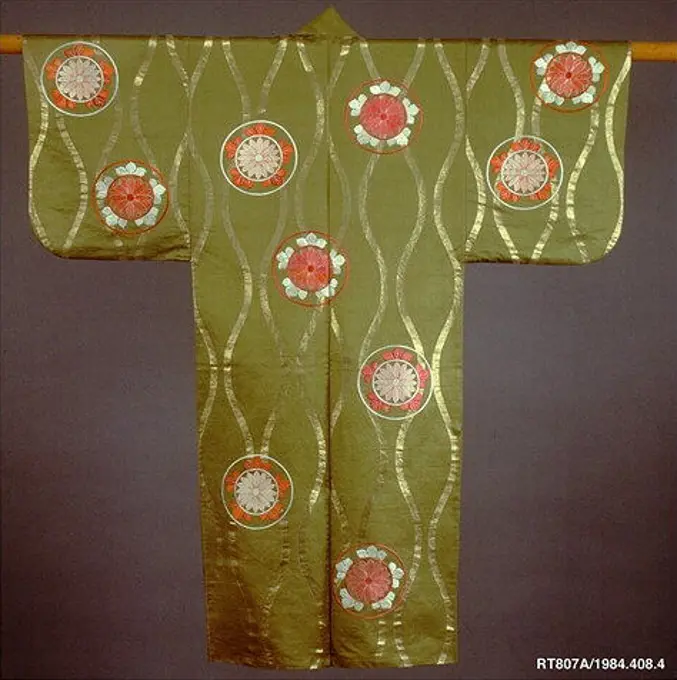
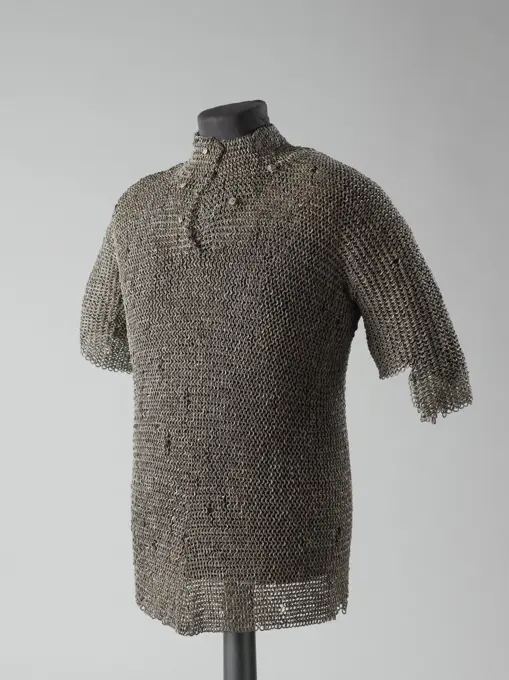
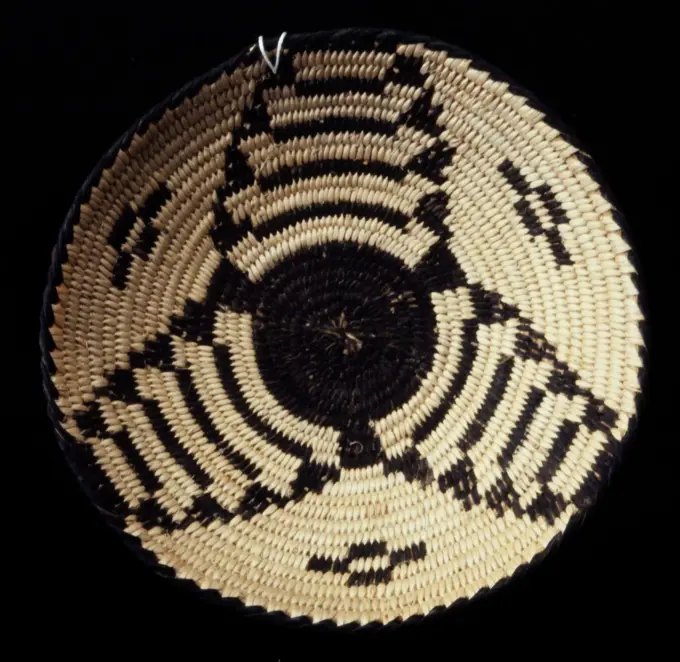
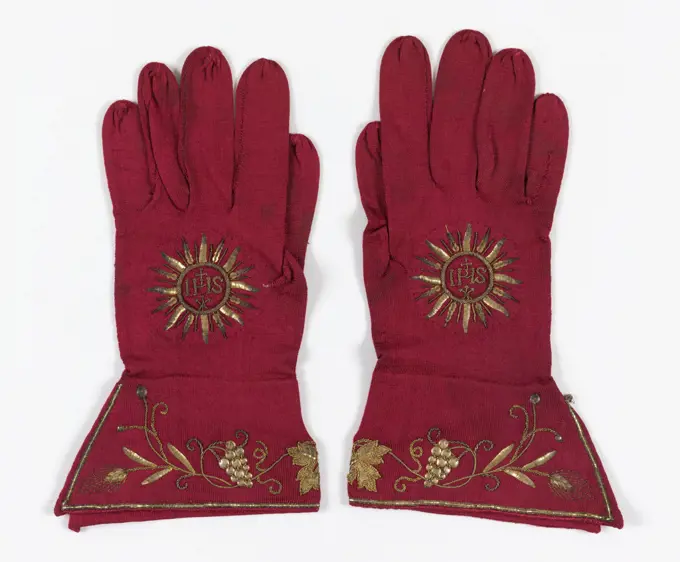
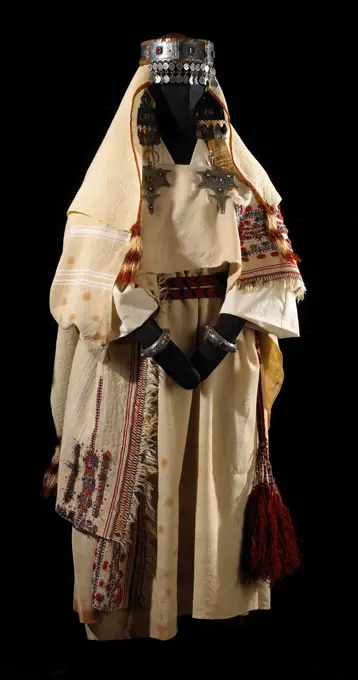
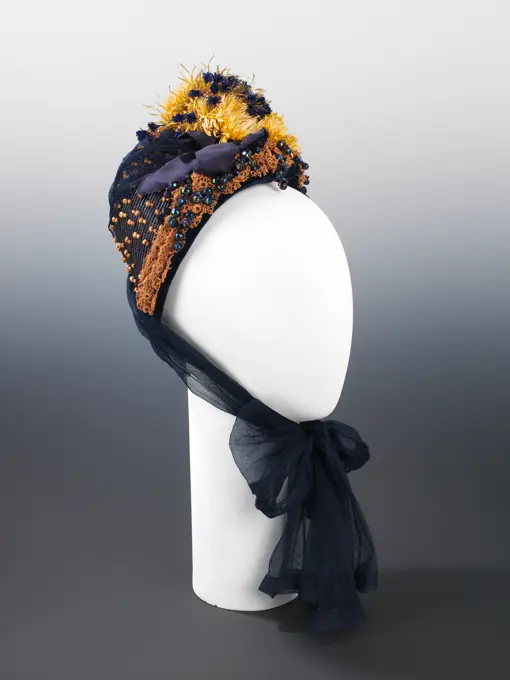
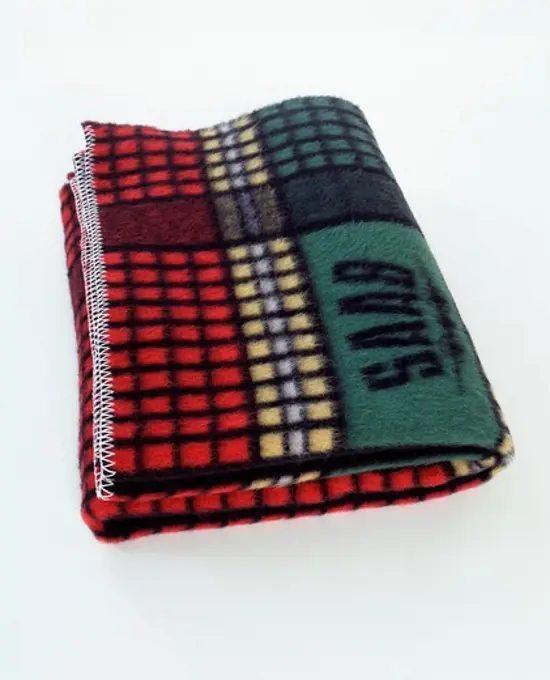
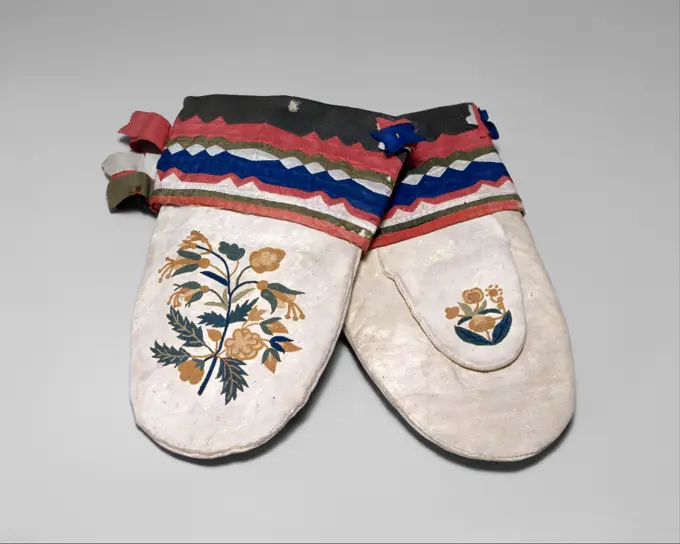
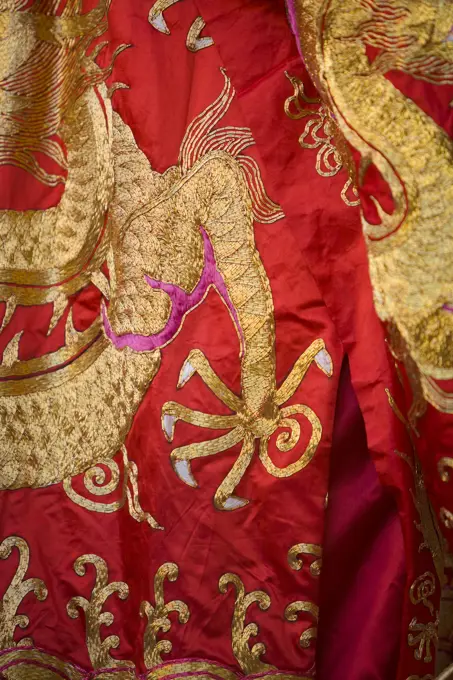
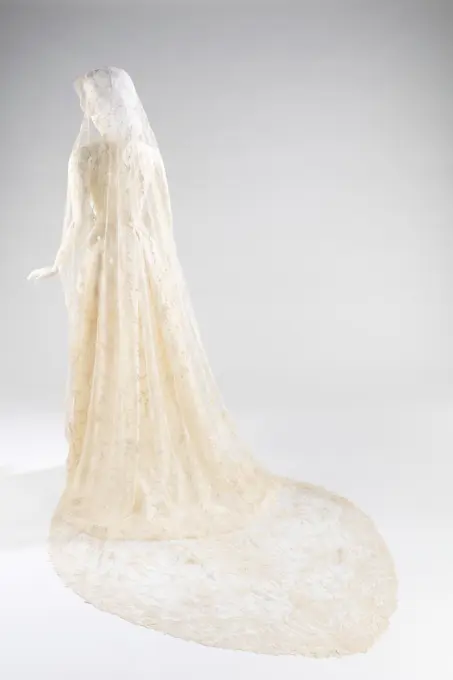
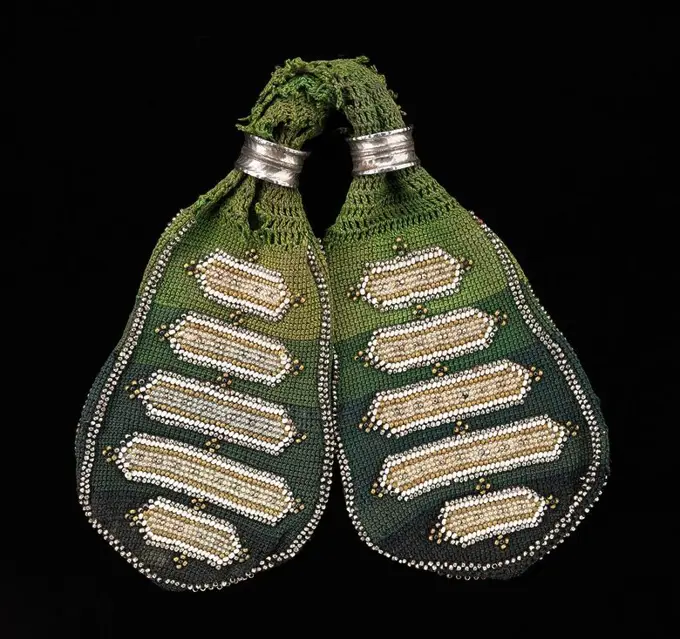
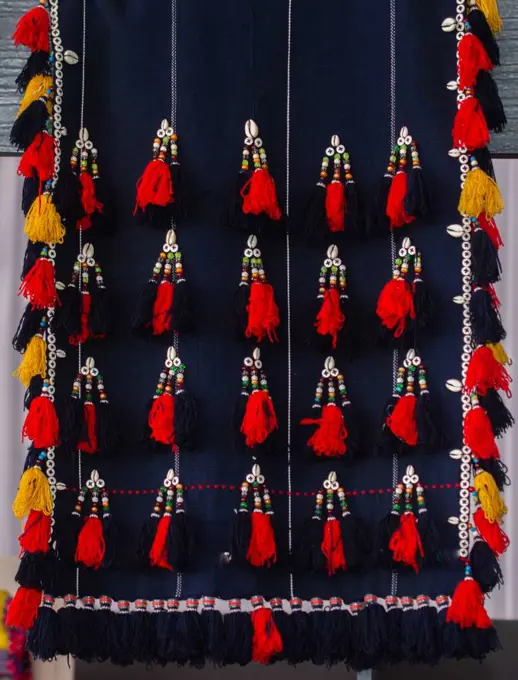
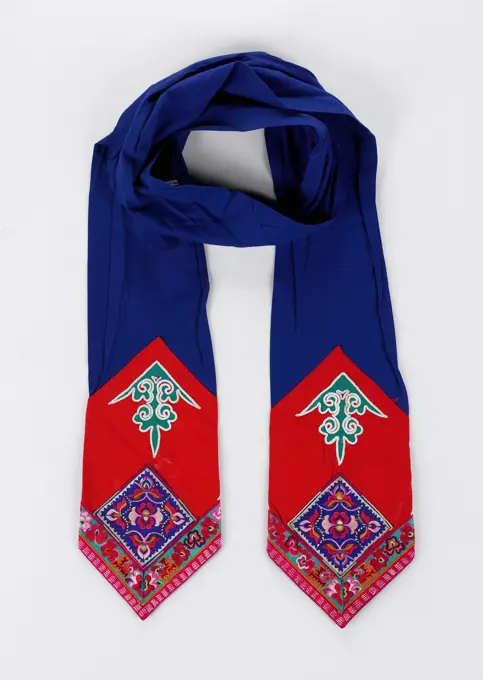
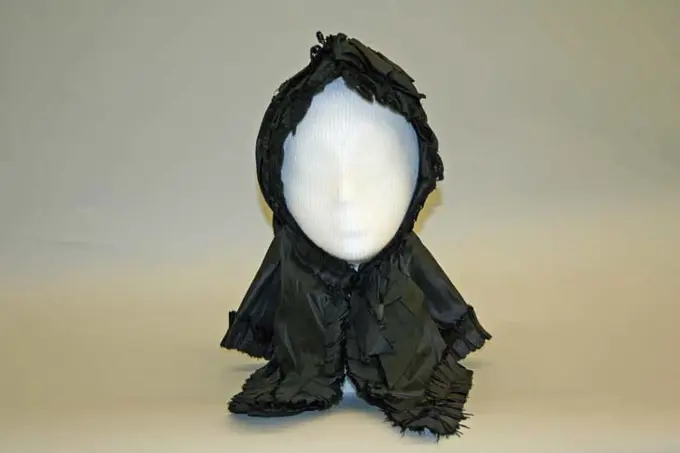
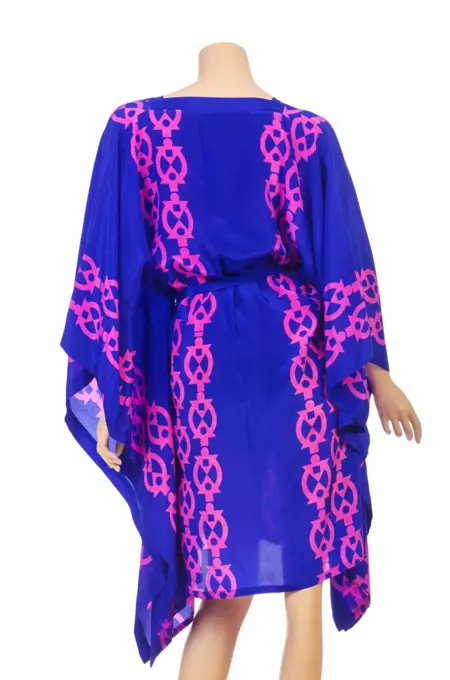
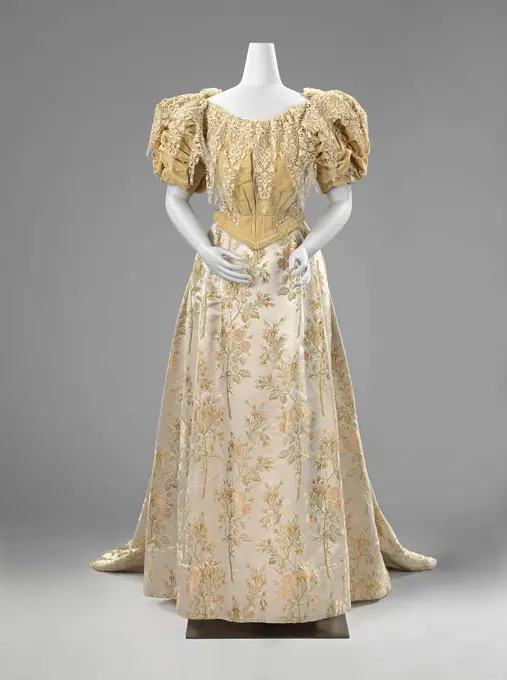
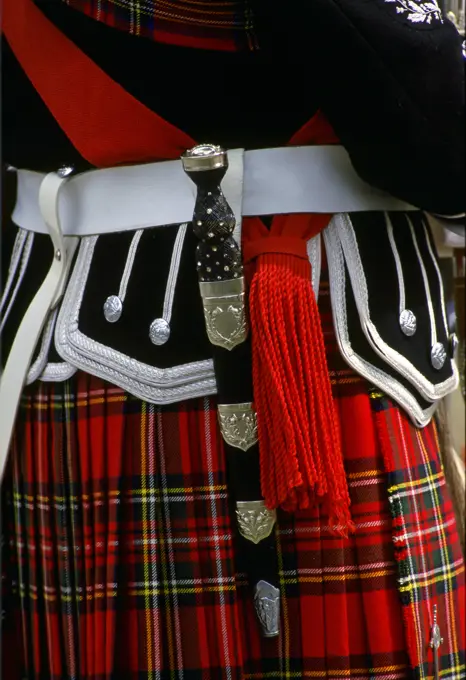
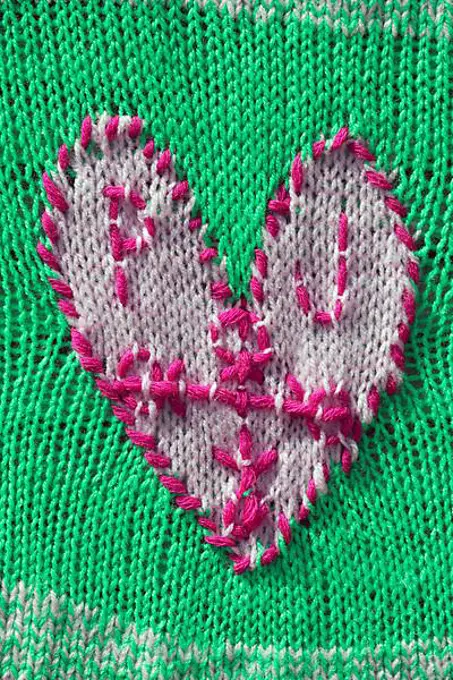
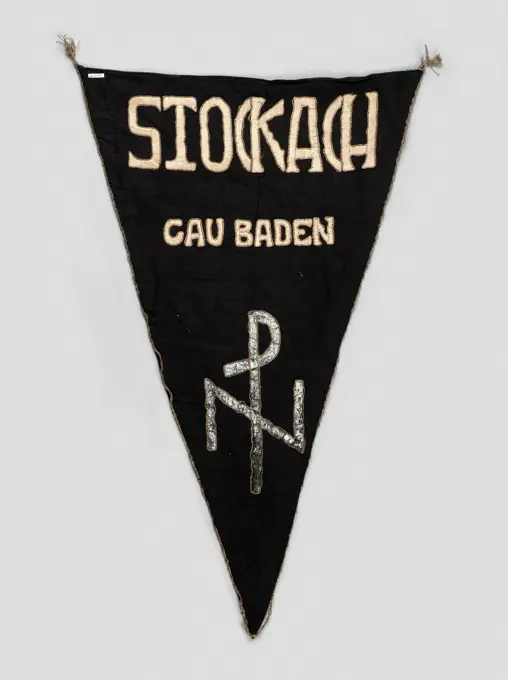
Needle Case 18th-19th century China. Needle Case. China. 18th-19th century. Ivory, silk, metallic thread. Qing dynasty (1644-1911). Textiles-EmbroideredNoh Robe Japan. Noh Robe. Japan. Silk, metallic thread. Meiji period (1868-1912). CostumesBoys Miyamairi Kimono with gramophone records. Formal kimono for a boy for the first visit to a Shinto shrine (Miyamairi Kimono), with an ornament over the entire field of gramophone records with the text 'Butterfly', 'A-8', 'Dôyô' ('children's song'), ' Kutenu Ga Naru '(' sound shoes'), 'Kinugawa myôko' (name executive singer); Plates covers with the text 'Kodomo Record', 'Electrical Process', with a plate with the text 'Kodomo Rekodo' ('Kodomo Record'), 'Suzume No Gakkô' ('the Mussen School'); Dancing boys on balls, dogs and birds, against a background of alternating blue and checkered horizontal tires. The song 'Kutsu Ga Naru' is from 1919, 'Suzume No Gakko' came out in 1921. 'Kodomo Record' is the record label. Printed wool. Cotton lining.Ensemble 1875 American. Ensemble 103076Retro handmade natural flax backpackChainmail, anonymous, c. 1400 - c. 1499  Maliënkolder with short sleeves. Vertical opening at the height of the neck. On the left and right of it, a few (square) bolts are attached to the malies. Low Countries iron (metal) forgingMiniature Basket, 1900-1942, 1 x 1 x 1 in. (2.5 x 2.5 x 2.5 cm), Plant fibers, United States, 20th century, In the early 1900s, many Euro-American women traveling through the Southwest region of the United States became infatuated with miniature Native American baskets, and some became avid collectors. Native women basket makers responded to this demand by creating ever-smaller baskets, utilizing the same harvesting, processing, and coiling techniques as those for personal use. Creating tightly woven, tiny baskets in an expanding range of designs and styles for their new clientele required the same levels of expertise and knowledgebut perhaps even more dexterity and skill.Belt -Fish trap hung up to dry, Fraueninsel, Chiemgau, Bavaria, Germany, EuropeGloves, Medium: silk, metallic yarns, spangles Technique: knitted, sewn, and embroidered Label: knitted silk, embroidered with metallic yarns and spangles, Pair of red Cardinal's gloves with cuffs embroidered in gold metallic yarns and flat gold disks in a vine design with grape clusters. Sacred monogram, IHS, in rayed disk, embroidered in gold on back of each glove. Sewn inside one glove, a handwritten label: 'Cardinal's gloves - real gold embroidery. Bought in Rome, 1897.', Italy, 18th century, costume & accessories, GlovesFibulae (tizerzai), 18th century, 7 1/2 x 4 1/2 in. (19.05 x 11.43 cm), Silver, enamel and glass cabuchon, Morocco, 18th centuryBag of Christmas gifts. Isolated on white Bag of Christmas gifts. Isolated on white Copyright: xZoonar.com/unknownx 2964909Bonnet ca. 1895 American. Bonnet 169909Women's Half Hall with frills unknownBonnet ca. 1885 Aitken Son & Company. Bonnet 156746A towelPair of Mittens Cree or Cree-Métis 1850-60Pair of Mittens 1850-60 Cree or Cree-Métis. Pair of Mittens 319157Guatemala, Highlands, Antigua, Weaving Center, Colorful Mayan FabricsUSA, Washington State, Seattle. Chinese embroidered cloth depicting a dragon.Wedding veil ca. 1875 Belgian. Wedding veil 157441Miser's purse. Culture: American. Date: 1840-60. Museum: Metropolitan Museum of Art, New York, USA.Traditional ethnic  tassels in various colors. Vintage design elBelt, 20th century, 100 x 7 7/8 in. (254 x 20 cm), Cotton, China, 20th centurySOMBRA DE UNAS GAFAS SOBRE UNA ALFOMBRA.Cowboy Mexican poncho with an ornament. National symbol of Mexico.Fukusa (Gift Cover) Made 1801-1900 Japan. Pattern side silk, gold-leaf-over-lacquered-paper-strip wrapped cotton, slit and single dovetail tapestry weave (tsuzure); lining silk, plain weave with ìcrepe-likeî wefts (kabe-ito wefts); sewn with front and lining matched in size (Tachikiri awase); silk, running ìcontrollingî stitches along all edges .Hood mid-19th century American. Hood 116789Saudi Arabia, Near Riyadh, Local WeavingsOverjapon with pli watteau of cream -colored silk, with embroidered pink stripes and colored flowers and with cream -colored embroidered bows, anonymous, 1780   silk. linen (material) embroidering   silk. linen (material) embroideringMittens, Medium: wool Technique: knitted, embroidered with pile created by pulling up loops from running stitch, Pair of adult-sized beige knitted mittens, the entire surface of which is covered with short pile loops in a widely-spaced floral pattern in green, red, pink, yellow and green on a beige ground., possibly USA, 19th century, knotted, knitted and crocheted textiles, MittensHistorical and traditional headgear made of cloth, decorated with cowrie shells, historical museum of Bamoum people, Sultan's Palace, Foumbam, West Region, Cameroon, AfricaTrimming (Italy); white, black, and colored silk in velvet weave.; Overall: 8.5 x 4.5 cm (3 3/8 x 1 3/4 in.)Wedding dress 1878-80 American. Wedding dress 109007Pillow form whimsey in the form of a heart, 1901, 7 3/16 x 7 x 3/4 in. (18.26 x 17.78 x 1.91 cm), Beads, velvet, cotton, cardboard, United States, 20th centuryBeach pareo isolated on the white backgroundBow from yellow-green velvet, part of Japon. Evening juice of white satin with rose roses and of light tile velvet. Great gala from a ministers sleeve.Scottish Dirk and kilt, Inverness, Scotland.Embroidery representing a house with a pond and a small bridge.Mini size little colorful model sailboat in viewHeart, coarsely knitted, Germany, EuropeCartoon native american indian chief headdress setEmbroidered message on a wall hanging, Sweden.scissors,needles,thimble and meter used by a tailor,are leaning on the italian flag to indicate the italian craftsmanshipEcuador, Galapagos. Santa Cruz, Puerto Ayora. Typical downtown tourist souvenir.War 1939-1945. HJ triangular pennant "Stockach Gau Baden". General Leclerc Museum of Hauteclocque and the Liberation of Paris, Jean Moulin Museum. 75313-24 German army, Baden-Wurtenberg, Panning, War 1939-1945, War 39-45, IIIEME 3rd 3rd Reich Three Reich, Hitlerian youth, object, Nazi Party, Second World War, Nazi symbol, Nazi