Textile Fragments And Embroidery

Historic textile fragments featuring intricate silk embroidery and colorful patterns, highlighting craftsmanship from various cultures and periods.

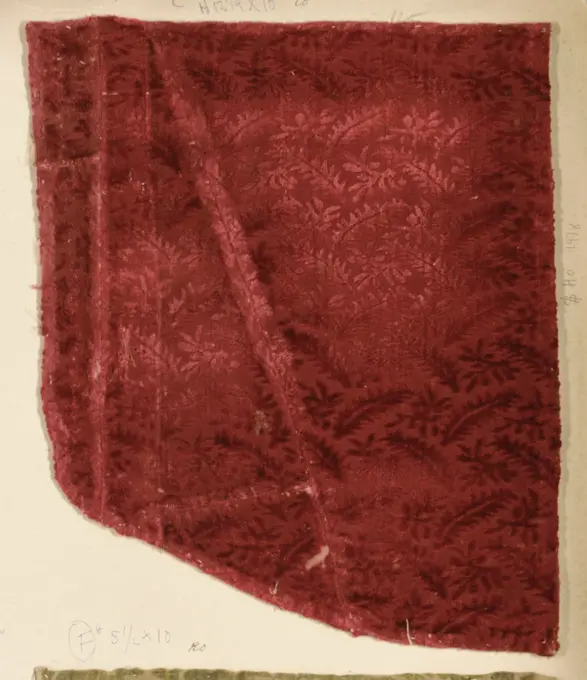
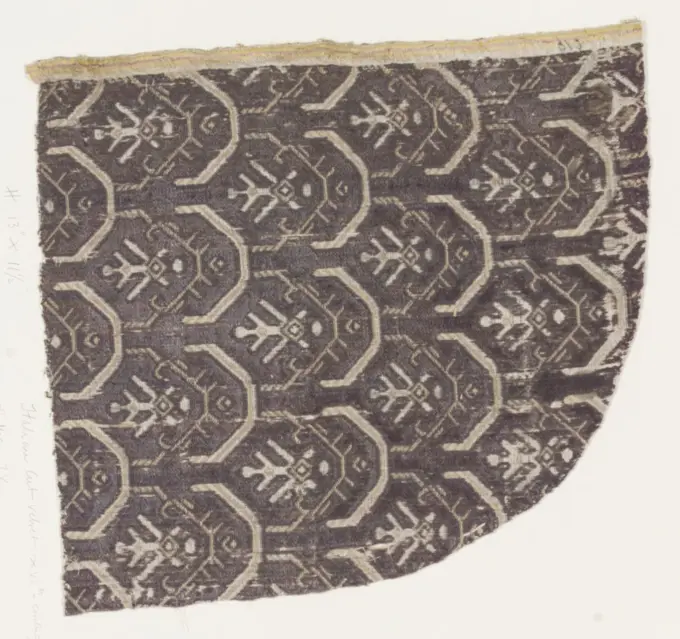
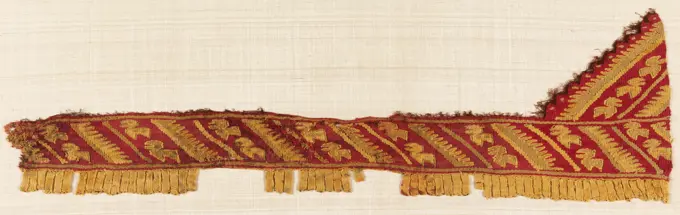
Red side fragment with pattern in gold and silver wire, anonymous, c. 1600 - c. 1699 Fragment of red silk with a pattern in a twill of browned gold and silver thread, probably in the form of cartouches, filled with feather plume-shaped figures, and surrounded by wide ornament tires. Netherlands silk.. lampas (textile material) Fragment of red silk with a pattern in a twill of browned gold and silver thread, probably in the form of cartouches, filled with feather plume-shaped figures, and surrounded by wide ornament tires. Netherlands silk.. lampas (textile material)
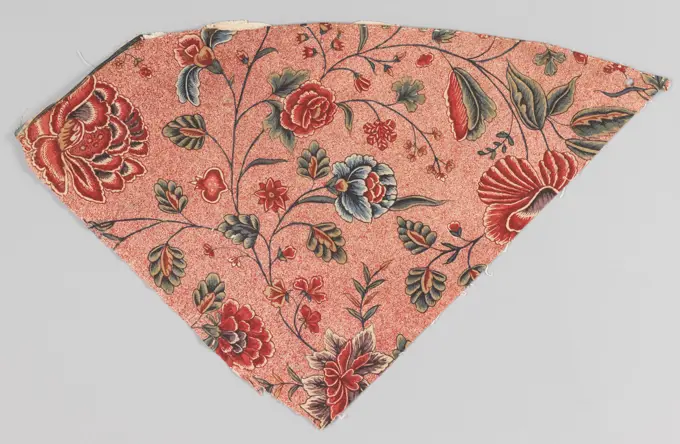
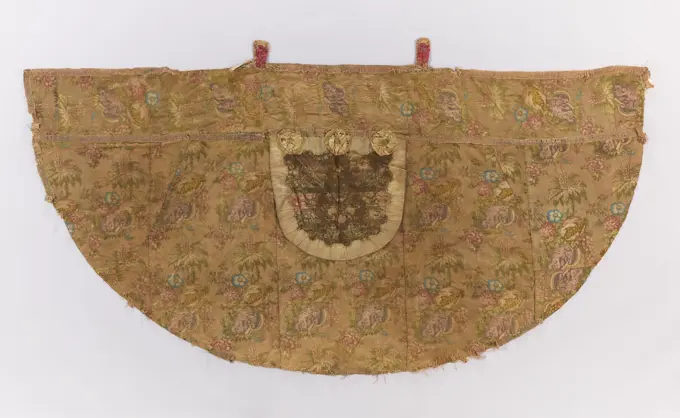
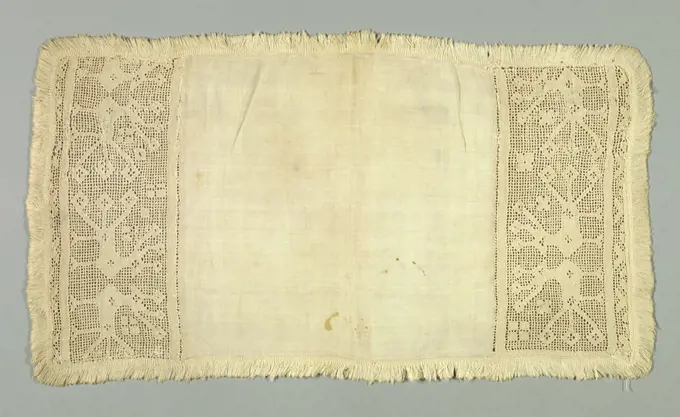
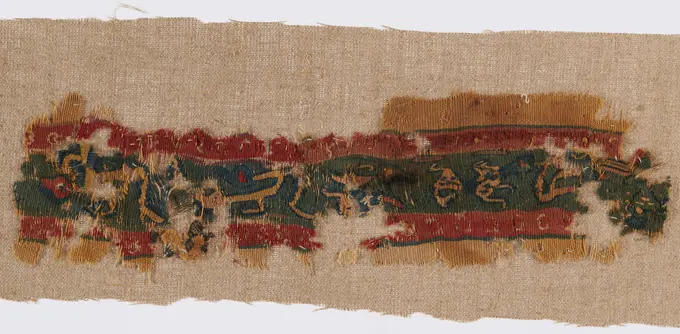
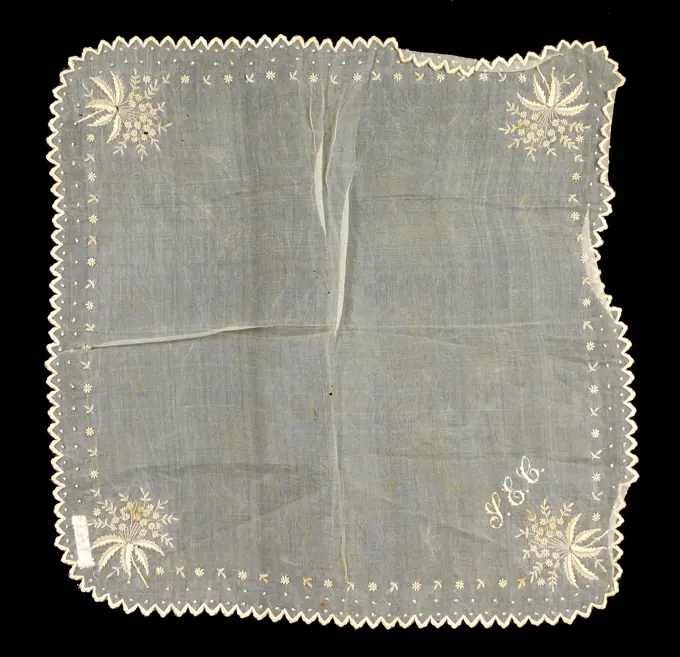
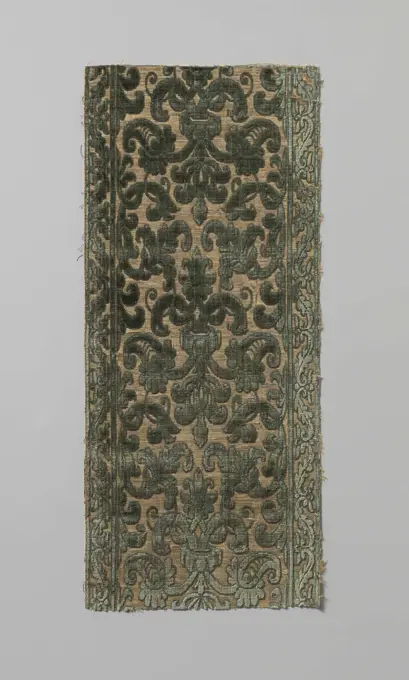
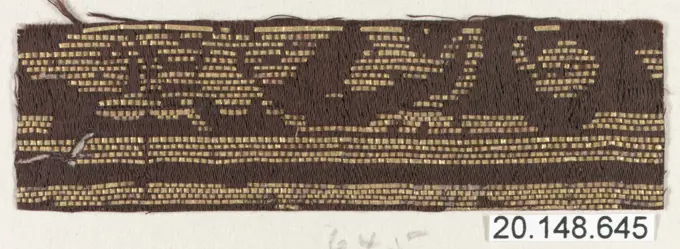
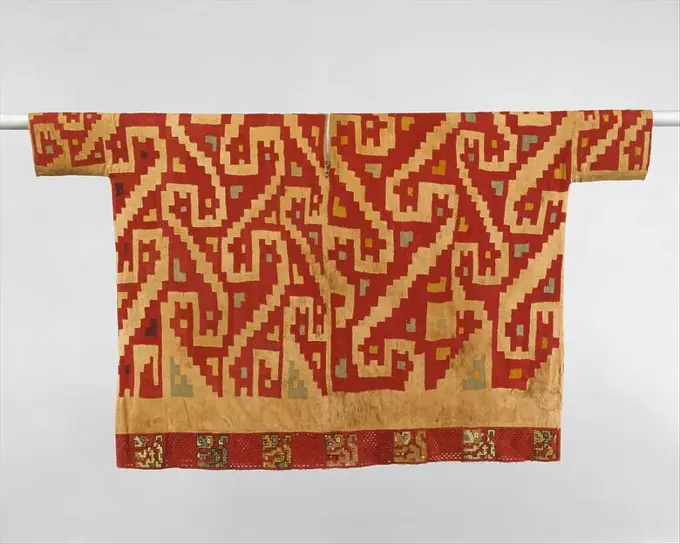
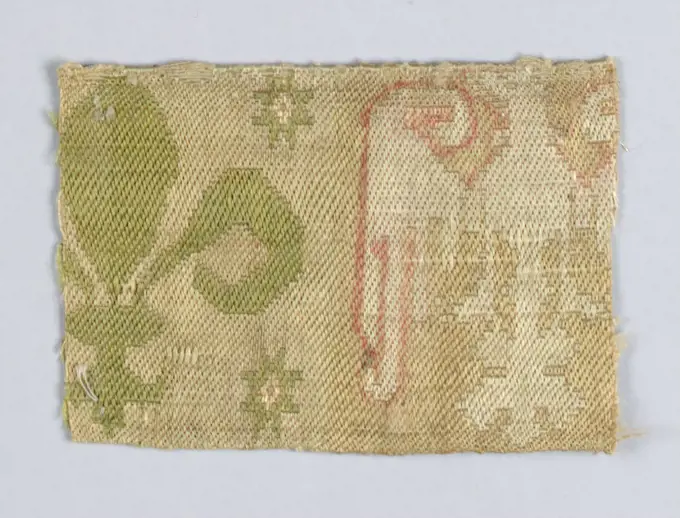
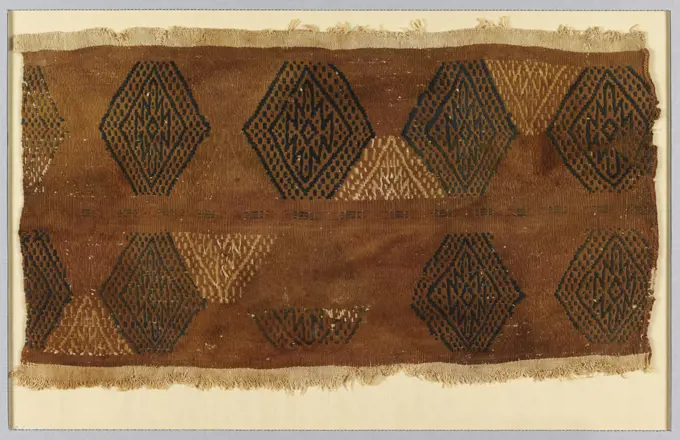
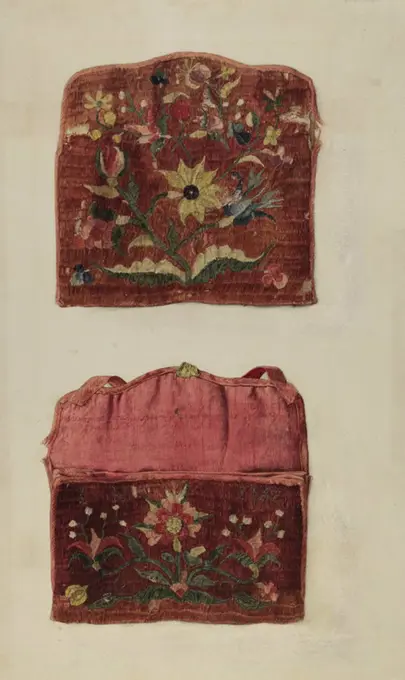
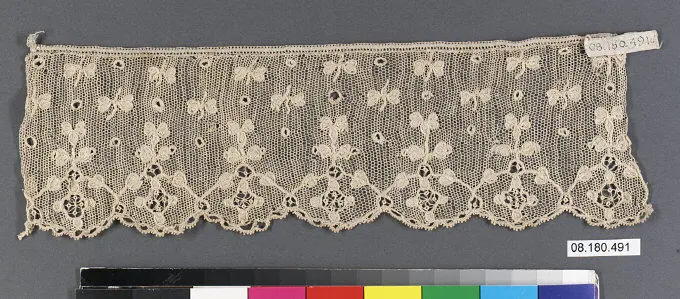
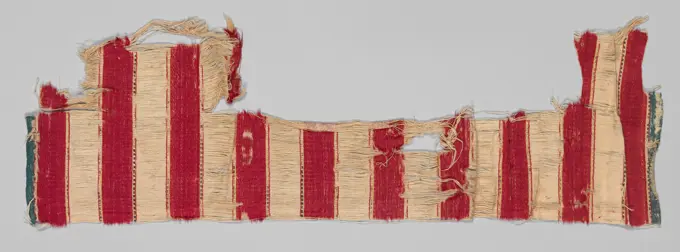
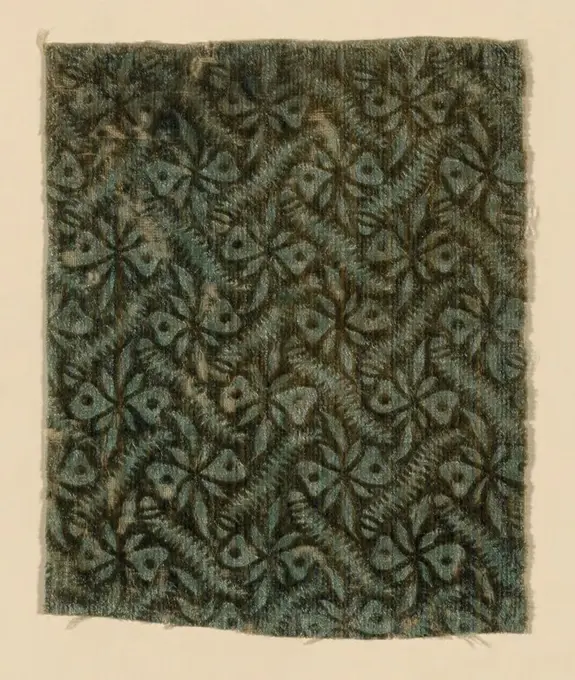
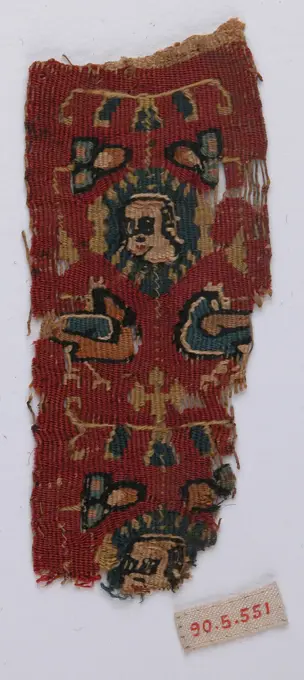
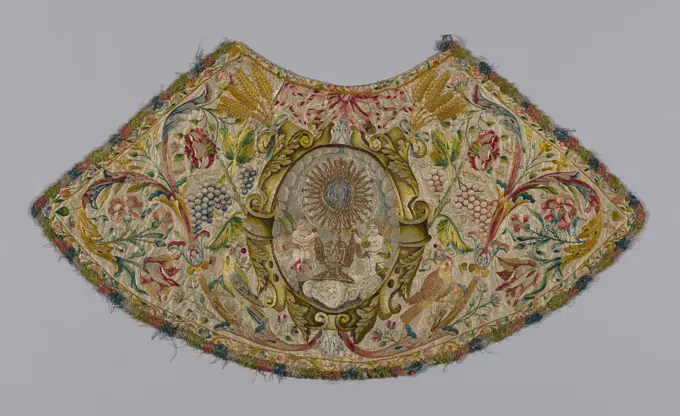
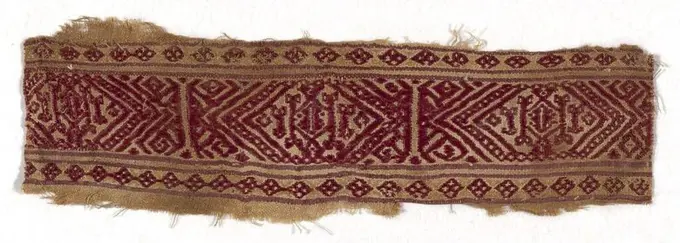
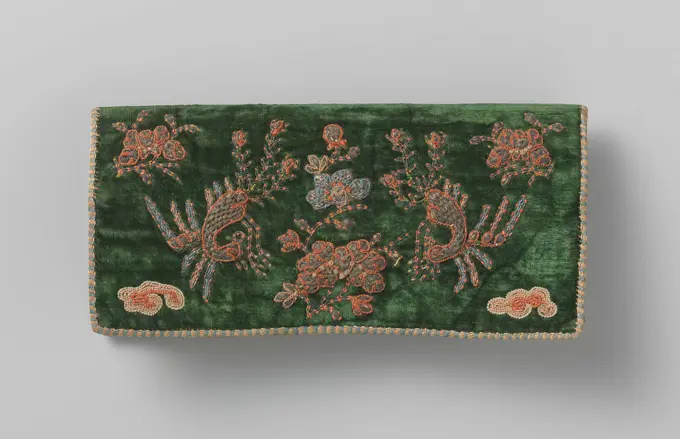
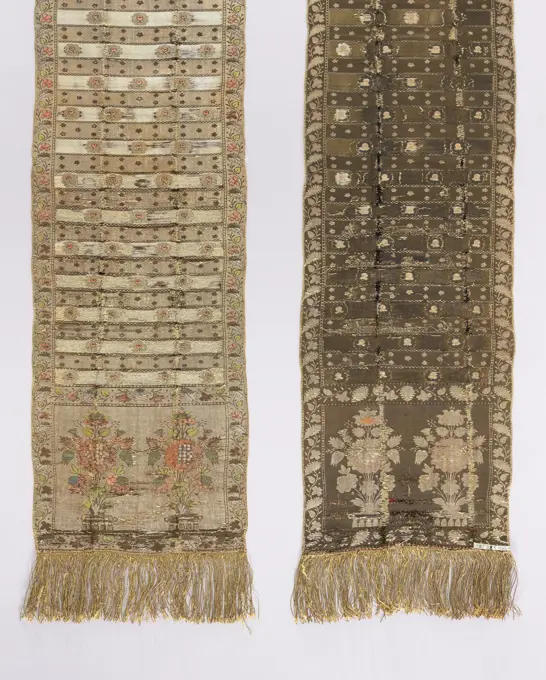
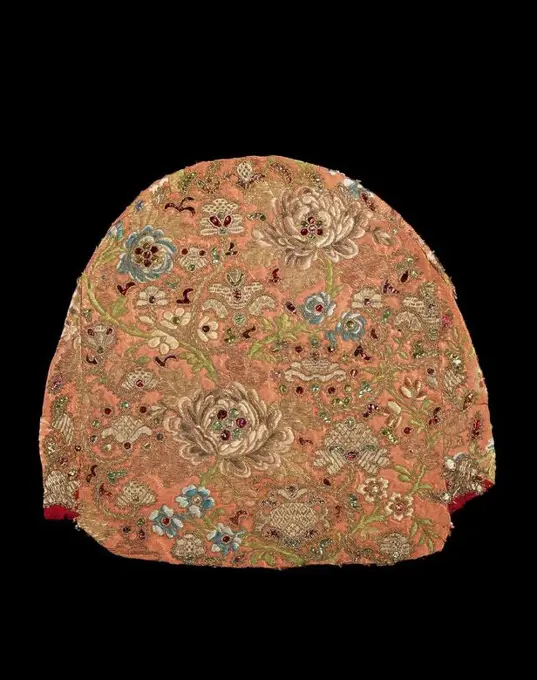
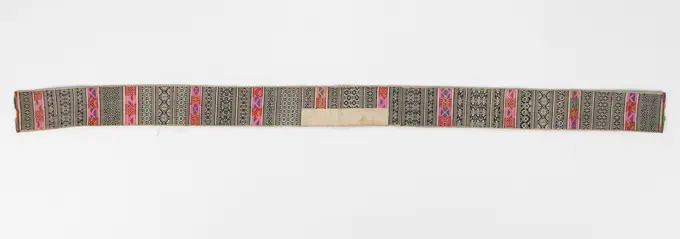
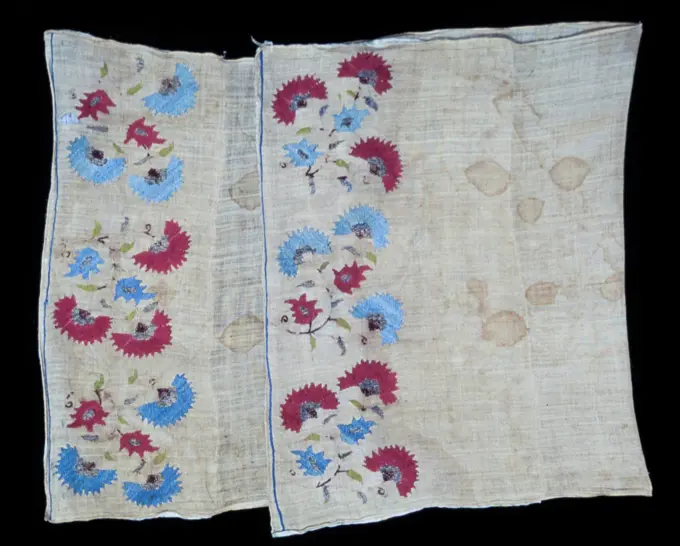
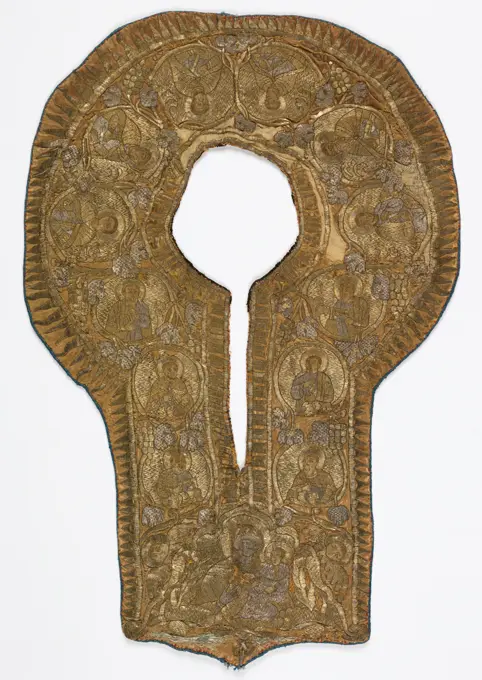
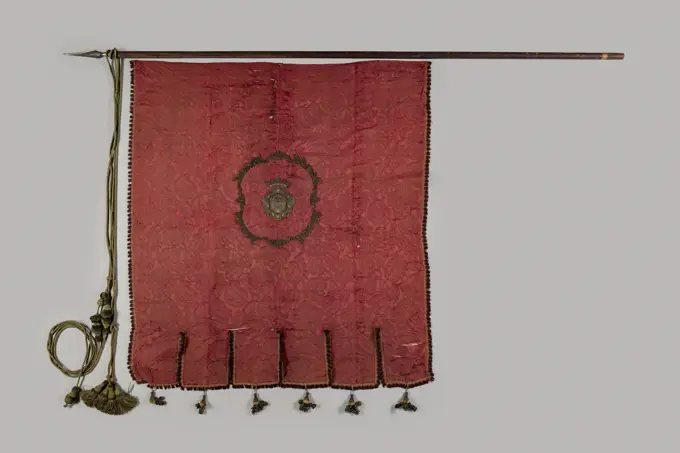
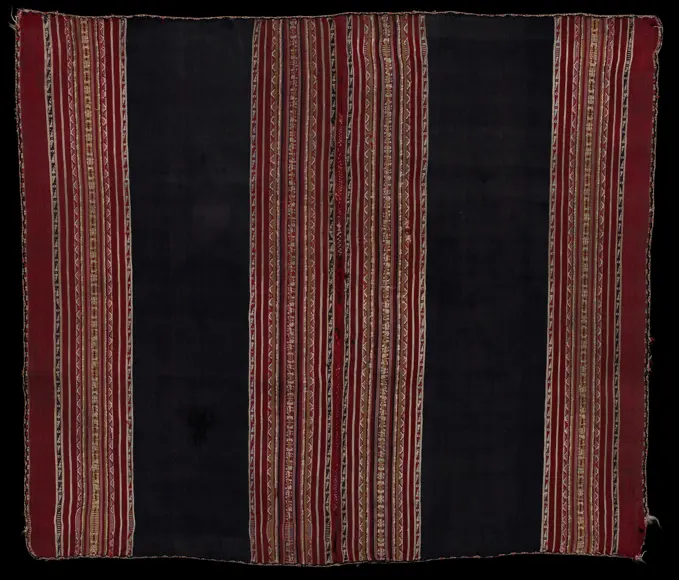
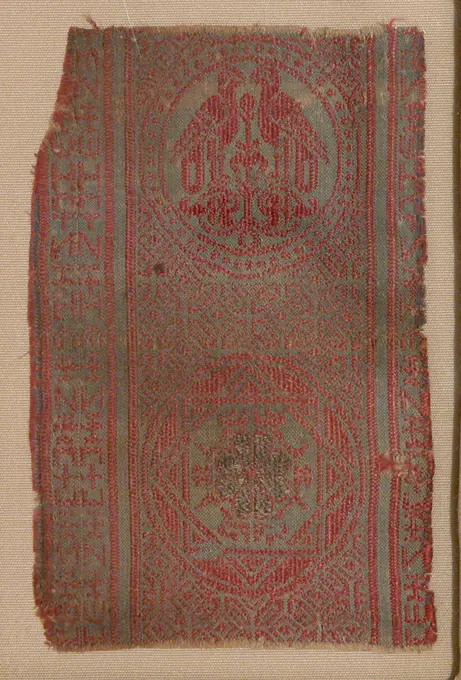
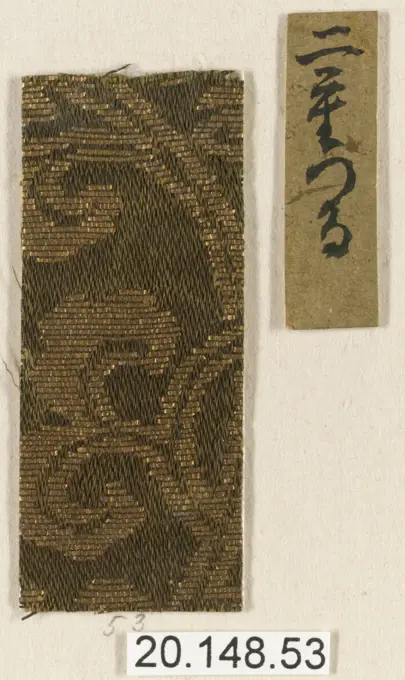
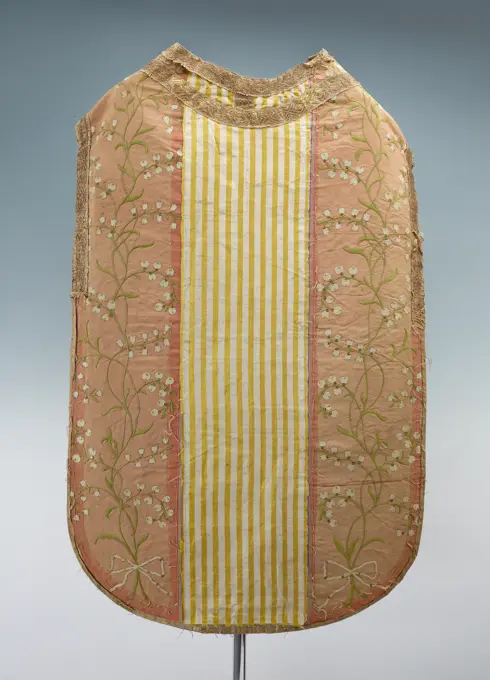
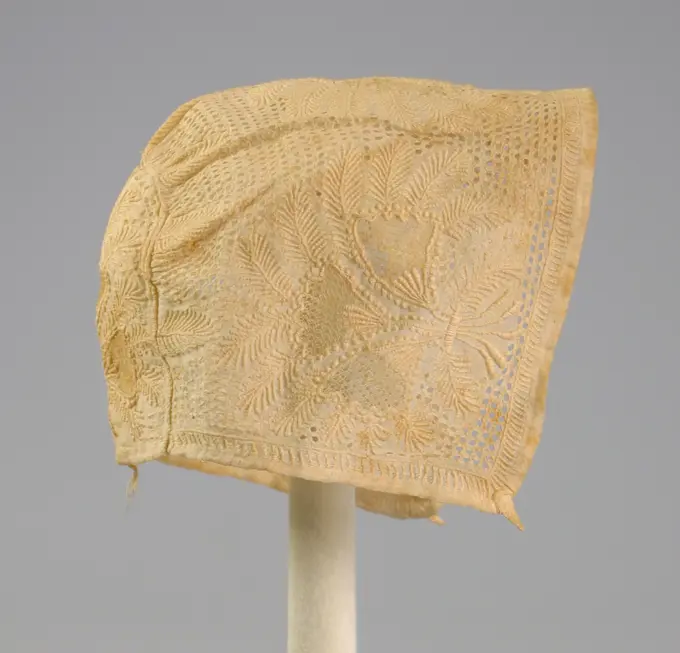
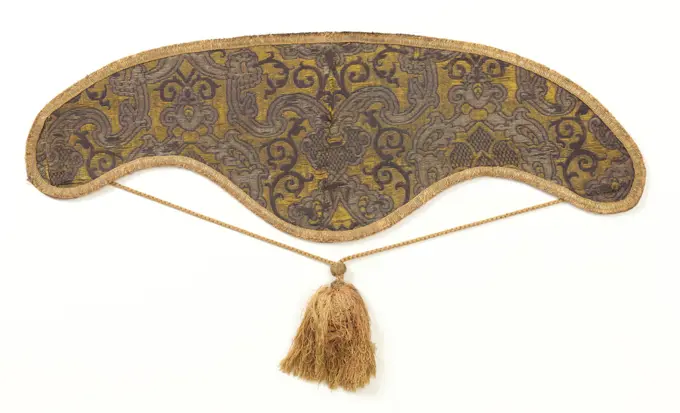
Apparel from a dalmatic, Medium: silk Technique: brocatelle, Apparel showing pomegranates in an ogival framework in mauve and white on a lemon-yellow ground., Spain, 16th century, costume & accessories, Apparel from a dalmaticPiece 18th-19th century Japan. Piece. Japan. 18th-19th century. Silk. Textiles-WovenFragment 16th century Italian. Fragment 230130Sampler (Mexico); Embroidered by Maria Nadeouton; silk and metal-wrapped silk on cottonFragment of Indian chintz 18th century Indian, for export market. Fragment of Indian chintz. Indian, for export market. 18th century. Cotton. Textiles-Painted and DyedFragment (Italy); linen; Bequest of Marian Hague; 1971-50-216Kościelna Kapa;  1735-1740 (1735-00-00-1740-00-00);Table mat, Medium: linen Technique: withdrawn element work, Table mat edged at either side with a wide border showing peacocks., Italy, 17th century, embroidery & stitching, Table matTextile Fragment 6th-7th century. Textile Fragment 444114Saddle pad;  1930s (1831-00-00-1840-00-00);Border fragments, Medium: silk Technique: supplementary warp forming cut and uncut raised pile in satin foundation (velvet), Symmetrical design of scrolls, birds, and mythical creatures in green cut and uncut velvet pile on yellow satin field. Selvage along right side of component a., Italy, 17th century, woven textiles, Border fragmentsCoptic fabric; Egyptian workshop; VII-VIII century (601-00-00-800-00-00);Handkerchief fourth quarter 19th century Philippine. Handkerchief 169603Padded cushion ca. 1600 British. Padded cushion 232011Fragment of a Kontusz sash/belt. unknown, authorTowel or Napkin Made 1801-1900 Turkey. Embroidered .Wrist Ornament. Culture: Chimú. Dimensions: H. 3 9/16 in. (9 cm). Date: 11th-15th century. Museum: Metropolitan Museum of Art, New York, USA.Fragment van een ornamentstrook van ciseléfluweel.An ornament strip. Green gray velvet on gray-white soil, with silver wire, a symmetrical Renaissance ornament in the middle and running tendrils in the narrow side courses shows. Note: Self side; 1.3 cm Skiper (3 colors arranged).Banner with Medallions of Christ's Passion (banner), 1700s. Spain, 18th century. Crimson silk brocade; satin; scalloped border with fringe and tassels; overall: 119.4 x 108 cm (47 x 42 1/2 in.).Piece 18th century Japan. Piece 71640Tunic. Culture: Moche-Wari. Dimensions: H. 34 1/4 x W. 58 in. (87 x 147.3 cm). Date: 7th-9th century.Throughout Peruvian prehistory, the tunic was the most elaborate garment worn by men. In addition to being important items of dress, tunics are significant for their technical variety and their great wealth of complex patterning.This example is strikingly bold in color. The main pattern, worked in red, represents interconnected, geometricized animals, whose serrated backs form strong diagonals across the body of the shirt. A border at the lower edge of the tunic (and originally at the sleeve ends as well), repeats a much smaller profile figure at regular intervals. Its long upraised tail has monkey references, but its long snout suggests that it is a composite animal. Such change of scale and the stylization of imagery from the center to the borders was common to textiles associated with the Huarmey Valley at this time. This variety was stimulated by external political and artistic foTrimming (Russia); cotton; 1952-80-21Towel-scarf, 19th century, L.61 x W.12-1/2 in., cotton, silk; needlework, Turkey, 19th centuryFragment of a Band 4th-5th century. Fragment of a Band 443802Band fragment, Medium: silk, linen Technique: complementary weft 2/1 twill, Two incomplete motifs; one a fleur de lys, the other an eagle with outspread wings., Germany or Spain, 14th century, woven textiles, Band fragmentFragment; linen, metallic threadBorder 16th century Italian. Border 222702Fragment, Medium: cotton, wool Technique: grouped warps, Coarse natural cotton with broad band divided top, center, and bottom with ribbed stripe. Large areas between with amorphous lozenges in black, blue and browns., Peru, 1000, woven textiles, FragmentTextile Fragment 17th century. Textile Fragment. 17th century. Silk, metal thread. Made in Iran. TextilesCollar, Medium: silk, metal thread Techique: embroidery on plain weave; edged with metal lace, Long collar made of pieces of embroidery, lined with white silk and edged with metal lace; the embroidery shows flowers in colored silks and bands and ornaments in metal thread., France, mid-18th century, embroidery & stitching, CollarBand Fragment 4th-5th century. Band Fragment 447337Square Textile Cover, 1800s. Japan, 19th century. Brocaded silk; average: 161.9 x 69.9 cm (63 3/4 x 27 1/2 in.).Hatsbol van Brusselse Kloskant (Vieux Bruxelles), Anonymous, c. 1725 Hatsbol van Kloskant. The pattern is symmetrical and has a pomegranate, horns of abundance, tulips and leaf motifs. The side has an hourglass patch. West-Europa . Brussels bobbin lace Hatsbol van Kloskant. The pattern is symmetrical and has a pomegranate, horns of abundance, tulips and leaf motifs. The side has an hourglass patch. West-Europa . Brussels bobbin laceTextile Fragment 4th-5th century. Textile Fragment 445902Purse. Dated: c. 1936. Dimensions: overall: 53.3 x 31.3 cm (21 x 12 5/16 in.). Medium: watercolor and graphite on paper. Museum: National Gallery of Art, Washington DC. Author: Phyllis Dorr.Hood from a Cope late 16th or early 17th century Spanish. Hood from a Cope 460587Towel Made 1801-1900 Turkey. embroidered .Fragment from the Mantle of Don Felipe. Spain (Villalcázar de Sirga). Date: 1201-1300. Dimensions: 22.2 x 10.5 cm (8 3/4 x 4 1/8 in.)Repeat: 5.5 x 5 cm (2 1/4 x 2 in.). Silk and gilt-animal-substrate-wrapped silk, three-color complementary weft plain weave with inner warps. Origin: Spain. Museum: The Chicago Art Institute, Chicago, USA.Fragment late 18th century Italian, Burano. Fragment 214841Textile Fragment 19th century. Textile Fragment. 19th century. Satin, silk thread. Country of Origin India. TextilesFragment. Italy. Date: 1601-1700. Dimensions: 18.5 x 15 cm (7 3/8 x 5 7/8 in.). Wool, plain weave with supplementary pile warps forming cut, solid velvet; stamped. Origin: Italy. Museum: The Chicago Art Institute, Chicago, USA.Textile; silkTextile Fragment 6th-7th century. Textile Fragment 444037Dress for Christ Child Made 1701-1800 Spain. Silk, satin weave, embroidered .Border. Egypt. Date: 1300-1400. Dimensions: 25.4 × 7.6 cm (10 × 3 in.). Silk and linen. Origin: Egypt. Museum: The Chicago Art Institute, Chicago, USA. Author: COPTIC.Sampler, Hannah Holland, American, Medium: silk embroidery on wool foundation Technique: embroidered in cross, eyelet, stem, and satin stitches on plain weave foundation, In the center are several bands of neatly worked alphabets, a verse, crowns, the initials HH and the inscription Hannah Holland My Work in the Year 1755., At the top and bottom are very crudely embroidered elements: birds, flowering trees, and a leopard. It seems probable that the top and bottom were not worked by Hannah Holland, the embroiderer of the alphabets., USA, 1755, embroidery & stitching, SamplerTextile Fragment 4th-5th century. Textile Fragment 443923Bag in envelope model of green velvet, on which a butterfly between small insects embroidered in gold thread, dropped around with yellow red cord; Cotton printed lining. Bag in envelope model of green velvet, on which a butterfly between small insects, floral motifs and two birds are embroidered on the front in gold thread and flush silk. The back is made of unfailed green velvet and comes to two-thirds of the bag, where the upper edge is finished with pink embroidery sign. The lining is made of printed cotton with small flowers in dark brown and pink, against a background of horizontal dotted jobs. Double-folding the bag can be closed with a copper hook and eye. A blue-orange band crossed the entire outer edge.Fragment (Italy); silkCuff. England. Date: 1690-1710. Dimensions: 31 × 21.7 cm (12 1/4 × 8 1/2 in.). Silk, satin weave, over linen, plain weave; embroidered in silk floss, metal strips wrapped around a silk fiber core, with silk cords; in couching, line and padded satin stitches. Origin: England. Museum: The Chicago Art Institute, Chicago, USA.Fragment of decorative belt unknownHandkerchief unknownFragment 16th century Italian. Fragment 230668Fragment; linenTextile panel 19th century American. Textile panel 100196Weefselfragment met sierstrook.Okic-colored wool tissue fragment with woven decorative strip in dark brown wool, with natural-colored linen decoration of stylized leaf and floral motifs. Left and right a border with brackets.Kontusz sash/belt. unknown, authorStola of silver brocade on a red soil, c. 1730 - c. 1740 Stola of silver brocade with floral motifs on a red soil.  silk. embroidering Stola of silver brocade with floral motifs on a red soil.  silk. embroideringShrine Surround Made 1750-1800 ChinaBuddhist Robe, Kangxi period, 1662-1722, L.94-3/4 x W.46-1/8 in., silk, China, 17th-18th centuryChair covering of relief flust with floral pattern in burgundy on natural, anonymous, c. 1650 - c. 1700 Upholstery for a seat ridge of relief flust with a floral pattern. The pattern consists of burgundy acanthus leaves on a natural soil. The edges are decorated with a passement in Bordeaux red-naturel. Along the lower edge are two rows of fringes in red and natural.  cotton (textile). linen (material). wool. velvet (fabric weave) Upholstery for a seat ridge of relief flust with a floral pattern. The pattern consists of burgundy acanthus leaves on a natural soil. The edges are decorated with a passement in Bordeaux red-naturel. Along the lower edge are two rows of fringes in red and natural.  cotton (textile). linen (material). wool. velvet (fabric weave)Trimming fragment, Medium: silk Technique: woven, Paired leaves and flower in yellow and white on red., France, ca. 1830, woven textiles, Trimming fragmentConciliate belt;  18th century (1701-00-00-1800-00-00);Sidewall - Fragment (possibly USA); machine-printed; 37.5 x 45 cm (14 3/4 x 17 11/16 in.)Fragment; silk, metallicPiece 16th-17th century Italian. Piece 223405Sidewall (USA); machine-printed; 36.5 x 27 cm (14 3/8 x 10 5/8 in.)Fragment shaved velvet. Fragment shaved velvet with pattern of acanthus leaves in the colors green and red on a cream colored soil. Probably belongs to the chair with inv.no. BK kog-1443-b.Headdress. Culture: Russian. Date: fourth quarter 18th century.This object is from the collection of Natalia de Shabelsky (1841-1905), a Russian noblewoman compelled to preserve what she perceived as the vanishing folk art traditions of her native country. Traveling extensively throughout Great Russia, she collected many fine examples of textile art of the wealthy peasant class. From the 1870s until moving to France in 1902, Shabelsky amassed a large collection of intricately embroidered hand-woven household textiles and opulent festival garments with rich decoration and elaborate motifs. The Brooklyn Museum holdings include many fine examples including the majority of the garments. Portions of Shabelsky's collection are also housed at the Museum of Fine Arts, Boston, the Cleveland Art Museum, and the Russian Museum of Ethnography in St. Petersburg.In addition to many dress reformations, Peter I established workshops in Moscow and St. Petersburg employing master craftsmen from FlandeTurban, 53 1/2 x 3 1/4 in. (135.89 x 8.26 cm), Cotton, ChinaRobe de cloche ca. 1700 Flemish. Robe de cloche 212853Embroidered Border Fragment 5th-2nd century B.C. Paracas. Embroidered Border Fragment. Paracas. 5th-2nd century B.C.. Camelid hair, cotton. Peru. Textiles-WovenSampler (England); linen, silk; Warp x Weft: 19.5 x 19.5 cm (7 11/16 x 7 11/16 in.); Bequest of Mrs. Henry E. Coe; 1941-69-193Piece 18th-19th century China. Piece 66323Towel, 18th century, 38 x 19 in. (96.52 x 48.3 cm), Cotton, silk; needlework, Turkey, 18th centuryNeckband (Russia); silk metal thead embroidery on silk foundation, backed with linenBand (possibly Spain); silk on cotton; Bequest of Marian Hague; 1971-50-63Banner, 1700s. Spain, 18th century. Crimson silk brocade, with applied embroidery; scalloped border with fringe and tassels; overall: 114.2 x 107.9 cm (44 15/16 x 42 1/2 in.).Chalice Cover Made 1650-1700 Europe. Linen, needle lace with woven tapes .Embroidery for Ja.r. Thorbecke (valve), c. 1850  Embroidery for jacket belonging to the office of J.R. Thorbecke as Minister of the Interior. Netherlands textile materials.Woman's awayo (mantle), 19th century, 43 5/8 x 37 3/8 in. (110.81 x 94.93 cm), Alpaca, Bolivia, 19th centuryTextile Fragment 13th century This rectangular silk textile fragment is decorated with two roundels within a vertical band surrounded by geometric patterning. The top roundel consists of a pearl border, containing two confronted birds flanking a plant or tree. The bottom roundel comprises a six-petalled flower within an eight-point star.Roundels containing animals are a historical near-eastern composition, dating centuries earlier, and a decorative pattern continued by Muslim craftsmen. The pearl -border encompassing the roundel at top is reminiscent of the Iranian Sasanian style. Depictions of animal forms within framing devices were also common decorative motifs in objects produced around the Mediterranean in the medieval period, and can be found ornamenting wood, textiles, ivory, metalwork and ceramics.. Textile Fragment 453294Piece 16th century Japan. Piece 71047Sidewall, Machine-printed paper, On an ungrounded paper is an all-over texture design in white with over-printed clusters of blue flowers and foliage. Both white and blue printed with diluted, transparent pigment., possibly USA, ca. 1850, Wallcoverings, SidewallRocaille cartouche with flowers ca. 1735-50 Probably manufactured in the Beauvais. Rocaille cartouche with flowers 230684Fragment (Italy); silk, metallicPouch in semicircular shape, of ivory silk on knitted cotton bottom with braid star and flower edge of beads, anonymous, c. 1820 - c. 1850 Pouch in semicircular shape, from ivory silk on knitted cotton bottom, with braid green eight -pointed star. Around the star a double border with red beads in connected pyramid shape, in which a lane of beads in the form of yellow and red flowers and green leaves. The bag has no lining or closure. Netherlands (possibly) whole: Silk. whole: Cotton (textile). Decoration: Glass knitting / knitting / glassblowing Pouch in semicircular shape, from ivory silk on knitted cotton bottom, with braid green eight -pointed star. Around the star a double border with red beads in connected pyramid shape, in which a lane of beads in the form of yellow and red flowers and green leaves. The bag has no lining or closure. Netherlands (possibly) whole: Silk. whole: Cotton (textile). Decoration: Glass knitting / knitting / glassblowingFragment Made 1601-1635 Italy. Silk, plain weave with gilt-metal strips supplementary facing wefts and supplementary pile warps forming cut and uncut voided velvet .Stomacher late 18th century German. Stomacher 102569Detalle de bordado en tejido hispano árabe, siglo XIII, Museu Tèxtil de Terrassa.Textile piece early 18th century Italian. Textile piece. Italian. early 18th century. silkPanel (formerly Cover from a Sedan Chair) 1710-1730 France. silk compound weave, brocaded .Set of IIturgical garments, embroidered  chasuble unknownChasuble;  2nd half 18th century (1765-00-00-1770-00-00);Fragment late 16th century Italian. Fragment 222877Cap ca. 1830 American. Cap. American. ca. 1830. LinenBand 18th century Italian, Venice. Band 218056Fragment (Peru); cotton, woolFragment of a kazufel, with silk and gold board embroidery. Fragment of a kazuifel, with embroidery. The Pattern Has Flowers. The Kazuifel is Made of Blue Velvet.Spread from painted cotton (sits), lined with light yellow silk .. bedspread of painted cotton (sits), lined with a light yellow side, without intermediate layer; Dessin striped with stylized motifs of flowers, cubes and shelters, in blue, red, yellow, dark red.