Textile Fragments and Shawls

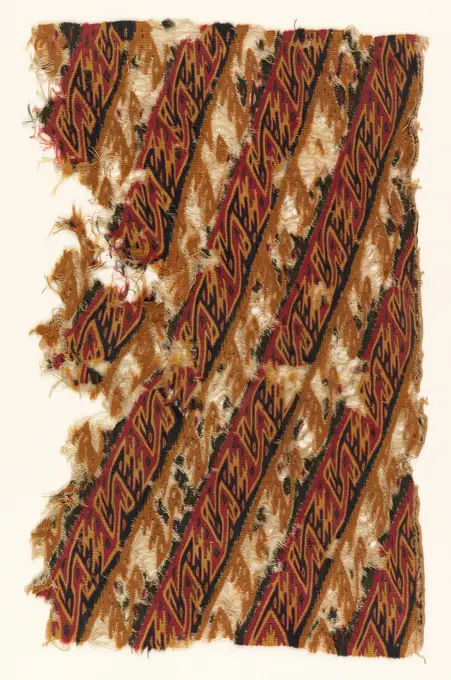
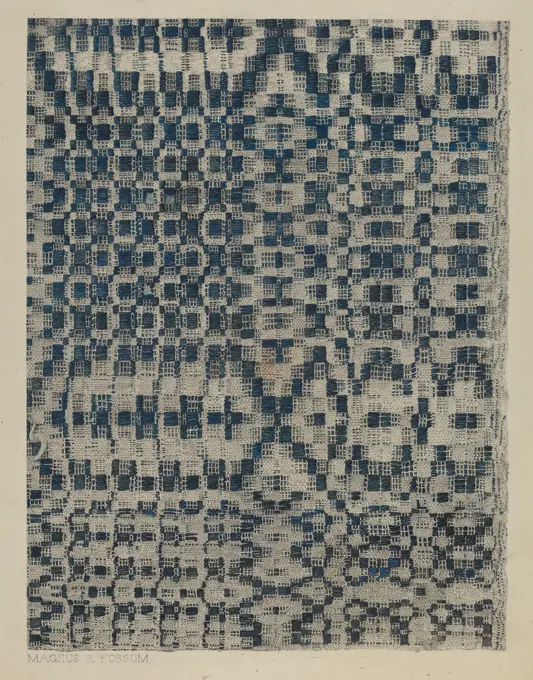
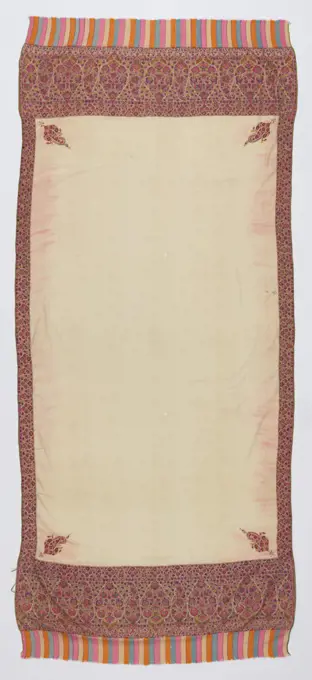
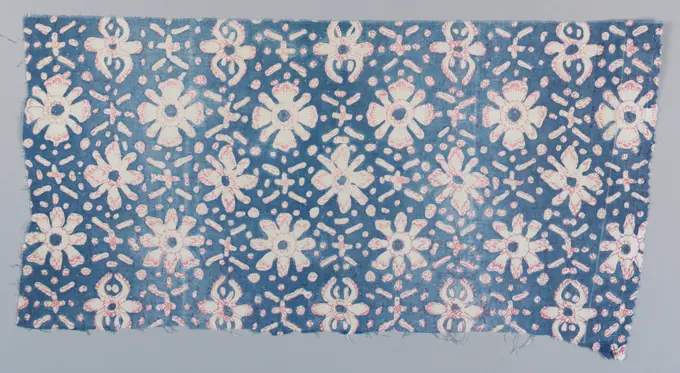
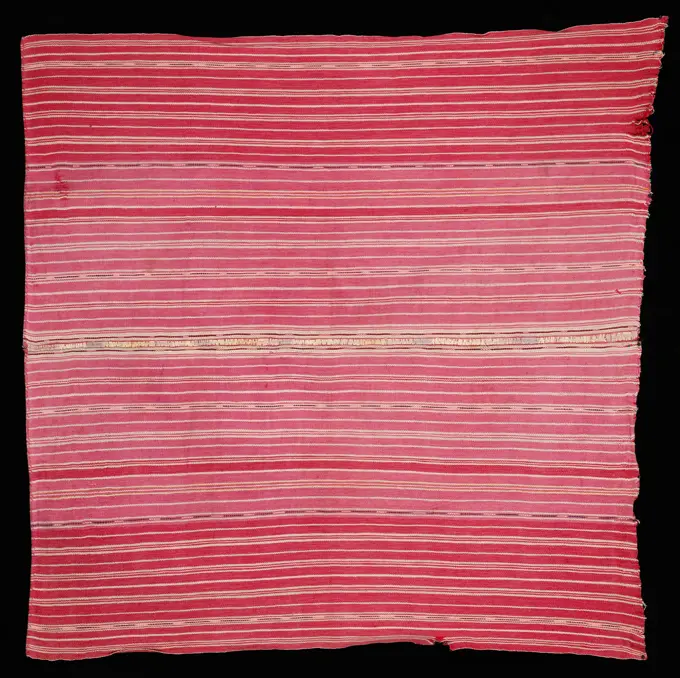
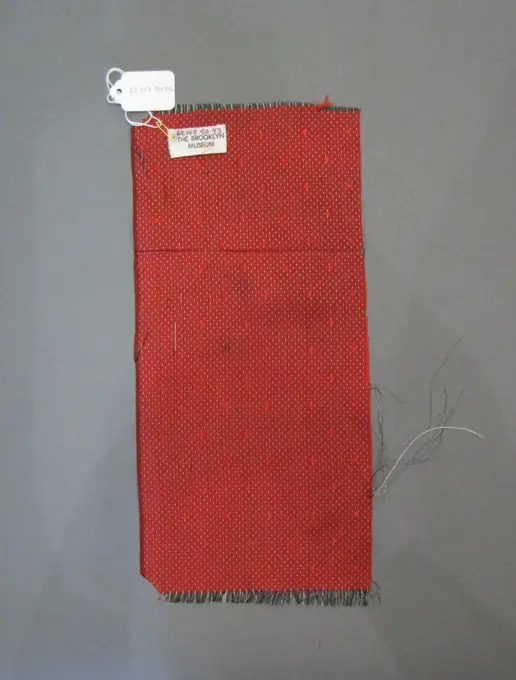
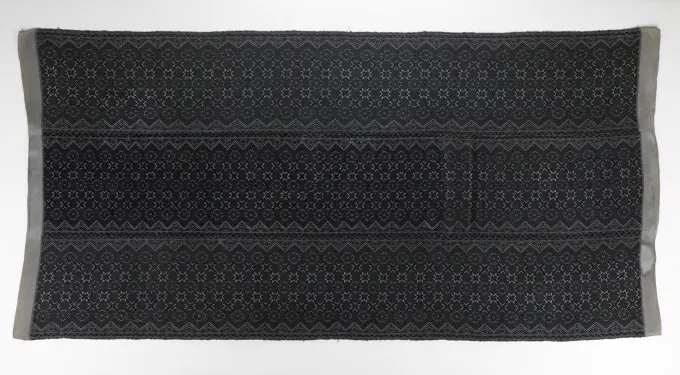
Collection of intricate textile fragments and shawls displaying detailed patterns and colors, showcasing traditional weaving techniques from various cultures.

Head Scarf (), 31 1/2 x 10 1/2 in. (80.01 x 26.67 cm), Cotton, China
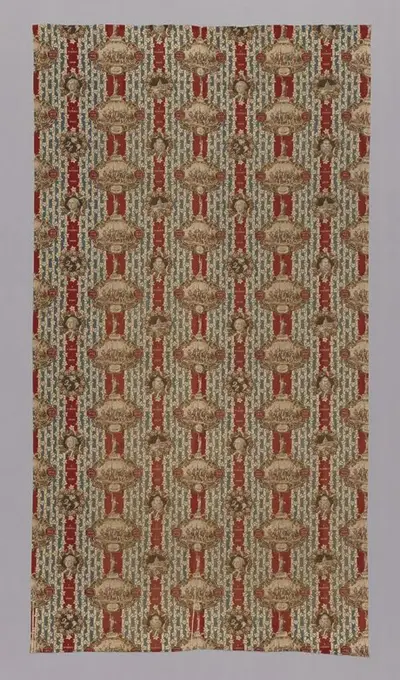
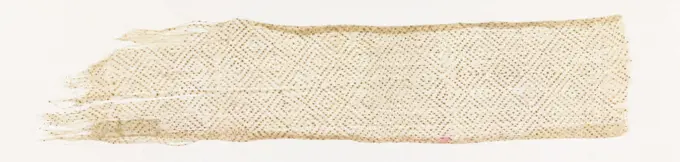
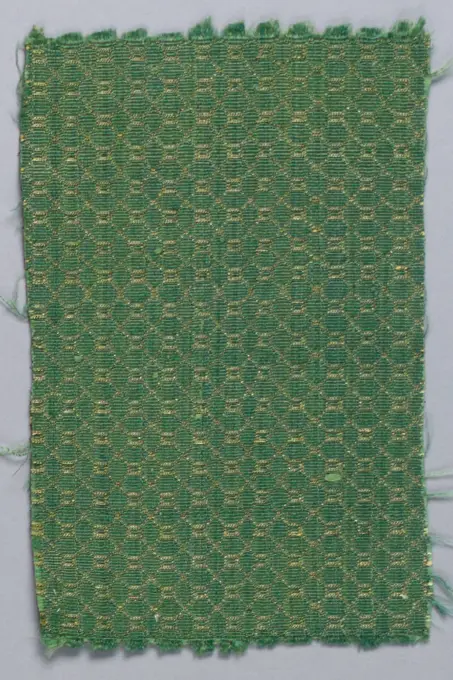
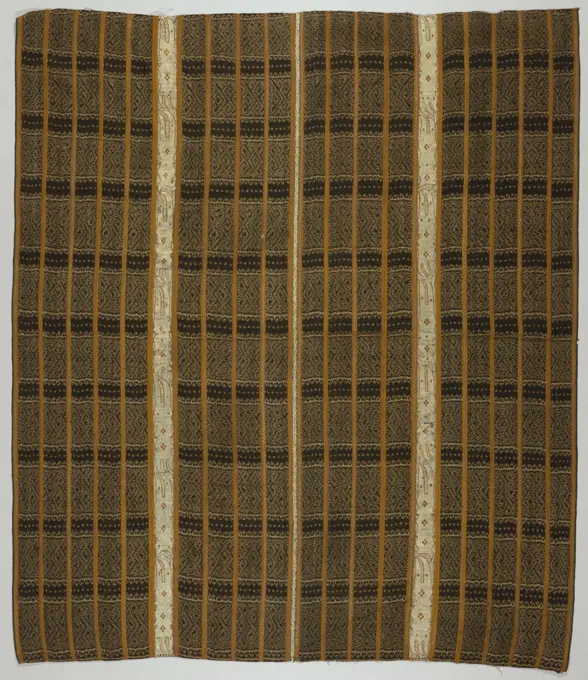
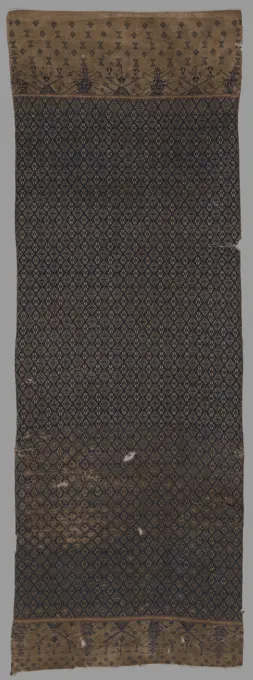
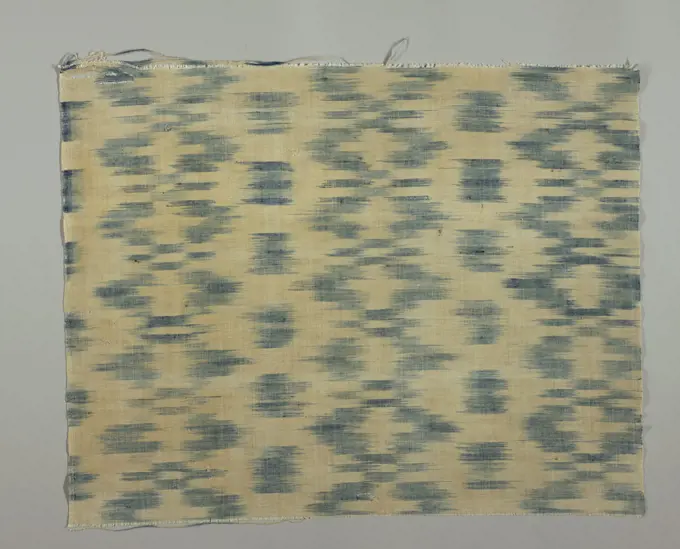
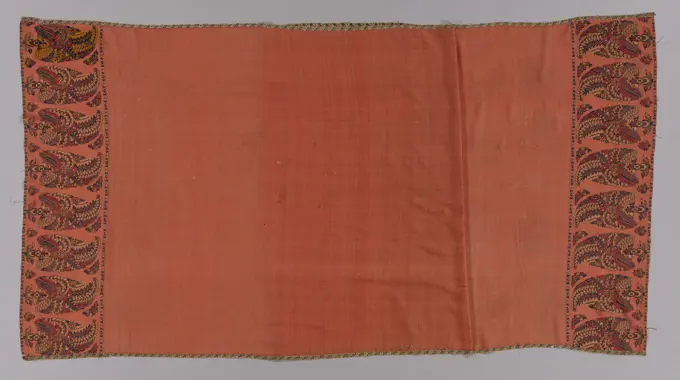
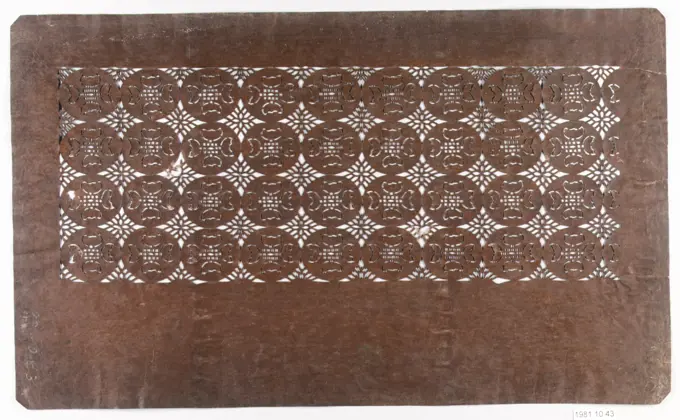
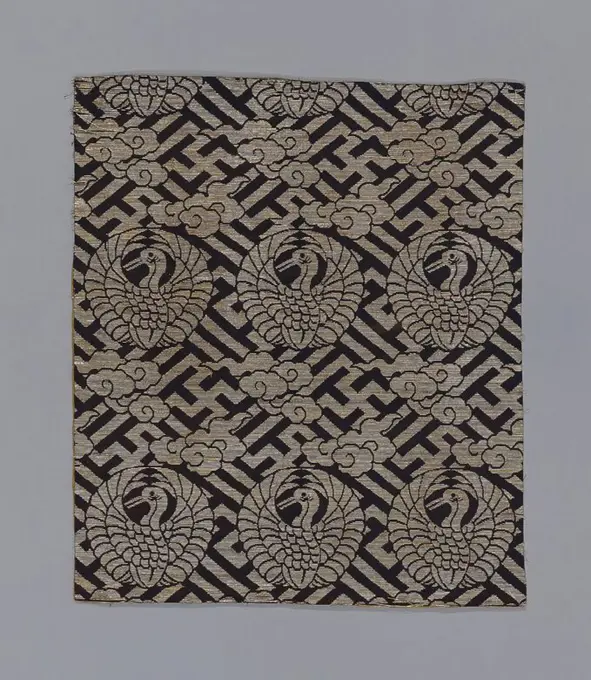
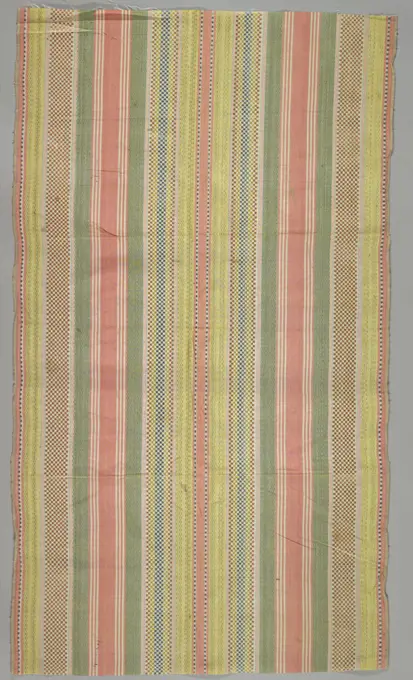
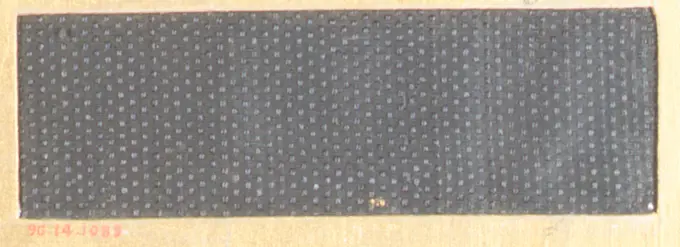
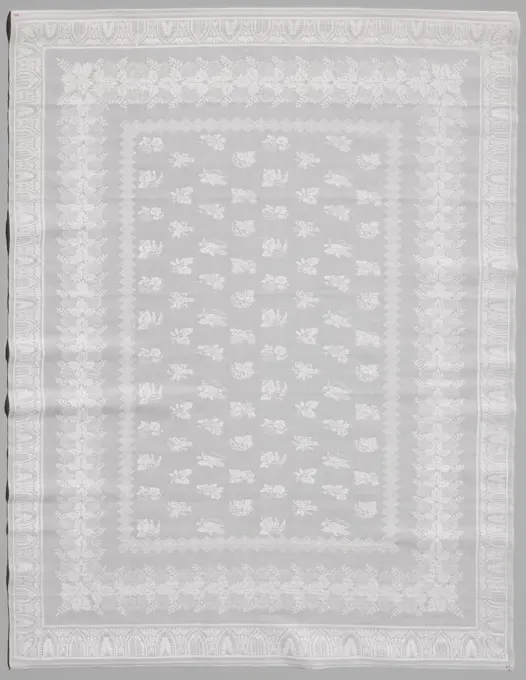
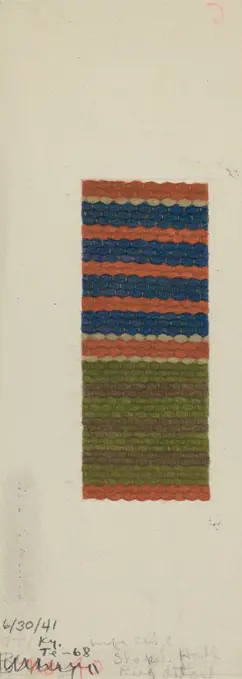
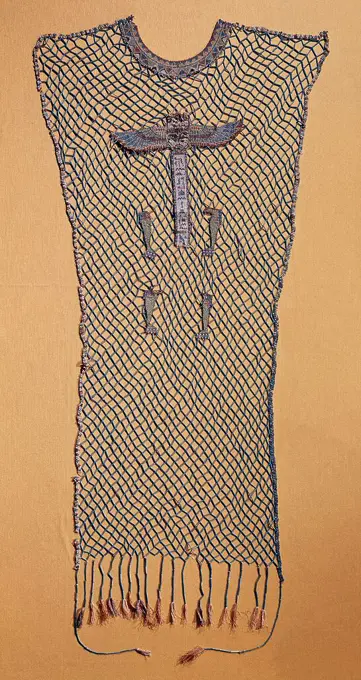
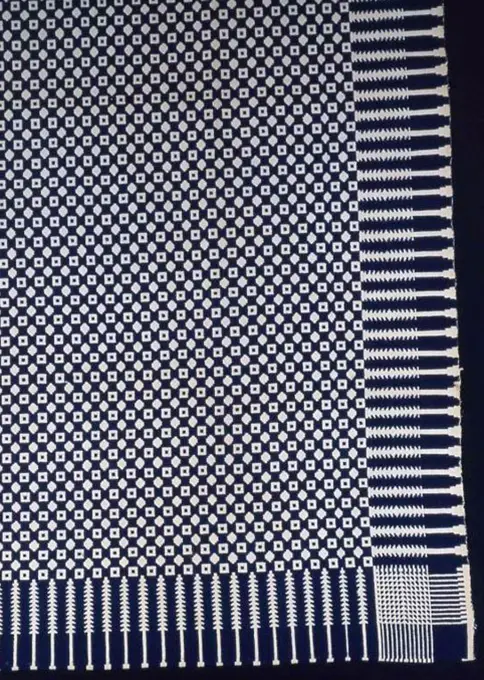
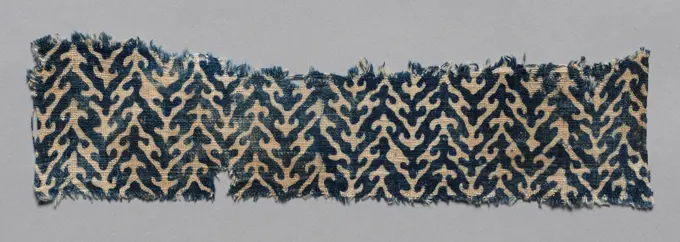
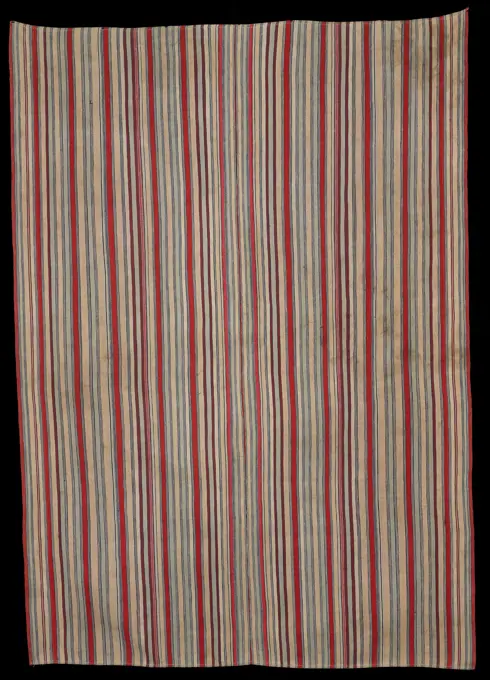
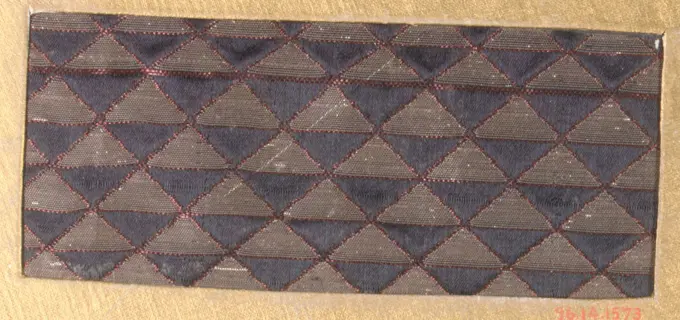
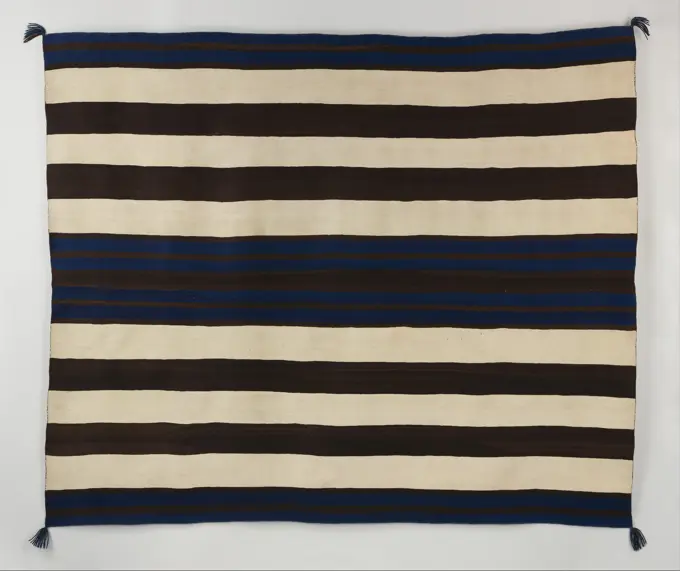
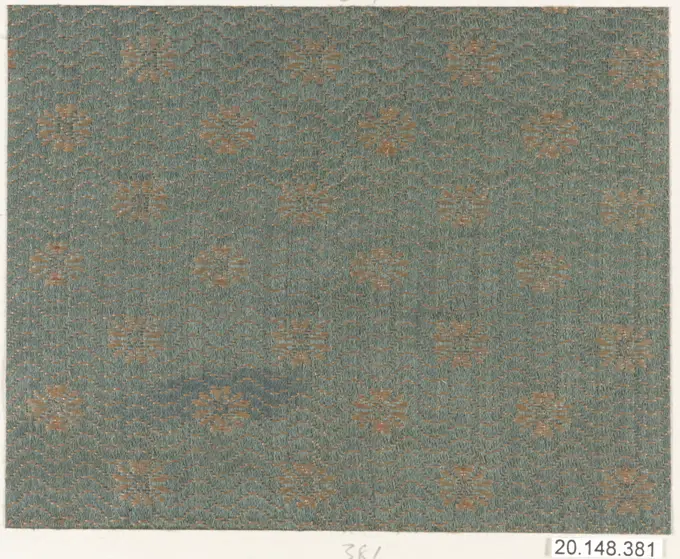
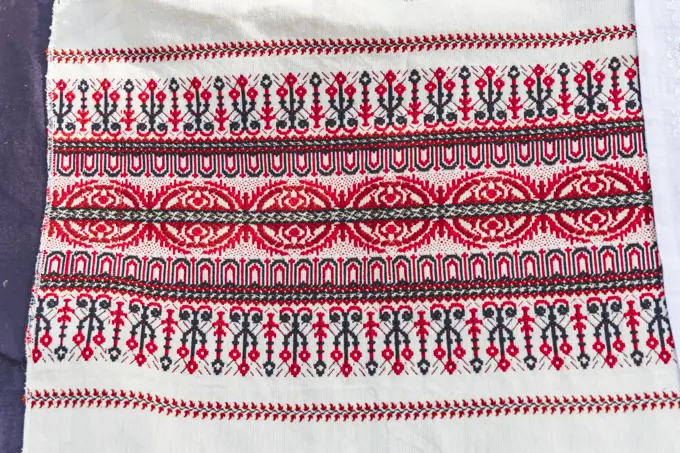
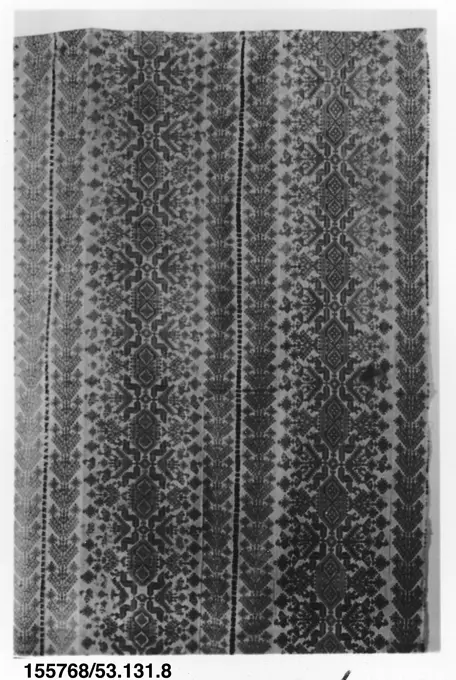
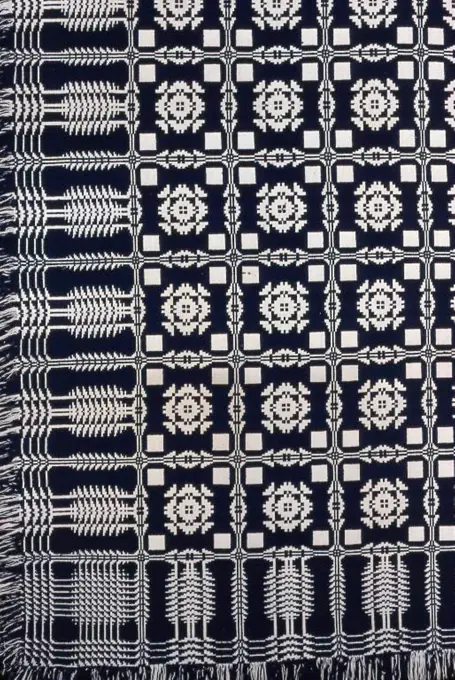
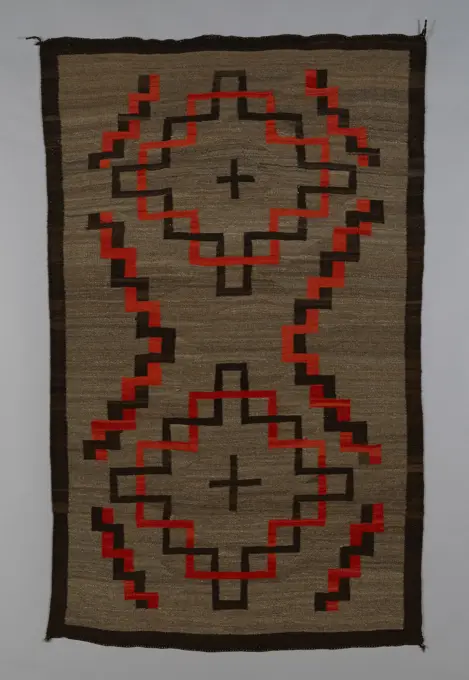
Shawl, Medium: wool Technique: tapestry weave, interlocking twill, White ground with close-set finely stylized floral serpentines and small floral sprigs in interspaces; in red, yellow, blue, blue-green, black. Narrow floral guard border on four sides. Warp-fringed ends., India, 1830s, woven textiles, ShawlPiece Japan. Piece 70751Fragment Oriental textile. A fragment of Eastern textiles. A red surface has a pattern of peeling golden windows from yellow silk and gold thread.Panel (Furnishing Fabric). United States. Date: 1892-1893. Dimensions: 236 x 127.9 cm (92 7/8 x 50 3/8 in.). Cotton, plain weave; roller printed; two loom widths pieced. Origin: United States. Museum: The Chicago Art Institute, Chicago, USA.Fragment, Medium: silk Technique: printed or pounced on plain weave, gold powder on gum or wax base, Strip of very fine sheer undyed silk plain weave with small-scale all-over design of diamonds within diamonds in diamond trellis, all drawn in line of gold dots., Rajasthan, India, 17th-18th century, printed, dyed & painted textiles, FragmentFragment 16th century Italian, Florence. Fragment 230102Fragment; silk and metallic thread; Warp x Weft: 12.5 x 8.3 cm (4 15/16 x 3 1/4 in.)Head Scarf (), 31 1/2 x 10 1/2 in. (80.01 x 26.67 cm), Cotton, ChinaPanel (Bed Curtain) Made 1701-1800 Náxos. Linen, plain weave; embroidered with silk in running stitches (pattern darning) three loom widths joined .Tapis (skirt), Medium: silk and cotton embroidery on silk foundation Technique: warp-faced plain weave with tied resist patterning in warp (ikat); discontinuous supplementary weft patterning (brocade); and embroidery in split and surface satin stitches, Two panels are stitched together to form what was once a tubular sarong. Each panel is patterned with warp ikat in a geometric interlock pattern arranged in a grid of dyed and woven lines. Narrow woven orange stripes are embroidered with white silk, and wider bands are patterned with discontinuous supplementary wefts., Indonesia, late 19th century, printed, dyed & painted textiles, Tapis (skirt)Tent Hanging, 19th century, L.54 x W.11-1/2 in., Turkey, 19th centuryRitual Cloth (Osap Langit Langit,Pesujutan)Textile, Medium: cotton, linen Technique: resist printed warp (ikat) on plain weave, Length of cotton and linen cloth with horizontal blazes of shaded blue from ikat warp. Cloth selvedge terminating in cord., Spain, 18th-early 19th century, printed, dyed & painted textiles, TextileExcerpt red silk samiet, anonymous, 1500 - 1599 Red side fragment with pattern in yellow of stars, rosettes and arabesks. Spain silk samite Red side fragment with pattern in yellow of stars, rosettes and arabesks. Spain silk samiteFragment (Peru); silk, cottonPiece 17th century Japan. Piece 71976Sewing case, Medium: cotton, wool Technique: sewn from printed plain weave, Oblong case, made to fold or roll, with five pockets and a red flannel flap at the top for needles. Three patterns of printed cotton back a single piece if brown block design on a stippled ground; pockets of dark red and green patterned cottons. Remains of a gold taffeta ribbon tie, with the inscription in black: Reina Victoria, with the shield of Britain, with lion and unicorn., USA, ca. 1839, costume & accessories, Sewing caseFragment, Medium: silk and metallic thread, Grid pattern in green and gold., 17th century, woven textiles, FragmentStrook zwarte machinale kant met ruitvormige cartouches.Strip black machine side: machining chantilly-side. The repetitive and virtually symmetrical pattern exists slightly below the center line of the strip from a concatenation of diamond-shaped cartouches. Each window is crowned by a narrow veer-shaped leaf on c-volutes. Between the windows a leaf garland hangs with one rosette flower and a loose rose roof above and mates. At the bottom is behind the windows along a straight horizontal job. On this runway hang three longer-term half oven with dots between the successive windows. On every half oval a straight down hanging spring-shaped leaf or ear of corn, alternately with and without round recesses in the middle. The motifs are connected to each other by machining. The slot edge consists of narrow deep scallops and are formed by the hanging corners. The top of the strip is straight, but largely unfinished or cut. Along the short sides, a strip has been set with spring-shaped leaves, Fragment, Medium: silk Technique: supplemenatry warp forming cut and uncut pile in plain weave foundation, Quadrangular motif which gives the impression of diagonal movement in red velvet., 17th century, woven textiles, FragmentShawl of Joined Fragments. Dimensions: Textile: L. 112 1/2 in. (285.7 cm)W. 57 1/2 in. (146.1 cm). Date: second quarter 19th century and later. Museum: Metropolitan Museum of Art, New York, USA.Skirt, 19th century, 38 x 34 in. (96.52 x 86.36 cm), Silk, metal thread, Myanmar (Burma), 19th centuryStone Block with Relief before 16th century Ecuador. Stone Block with Relief 314213Cravat (one of a pair) early 18th century Italian or Flemish. Cravat (one of a pair) 223011Long Shawl, 1785-1800. India, Kashmir, 19th century. 2/2 twill tapestry weave, double interlocked; wool; overall: 325 x 104.1 cm (127 15/16 x 41 in.). Artistic styles evolved with increasingly elaborate mosaic-like decoration during the 1800s to meet an insatiable European demand. Early shawls had plain fields with isolated plants in the end panels, which led to decorated side borders and vases of blossoming stems. Such flora was replaced by colorful, dense blossoms forming cone-shaped botehs, or paisleys, on trays. To this was added a gallery of small botehs and angular floral vines around a rich blue field with single botehs in the corners. Lightweight, supple, warm, and colorful, Kashmir shawls had no equal. Fine, soft goat-hair wool was woven in a 2/2 twill tapestry weavethe equivalent of painting with colored weft threads. Imitations woven in Paisley, Scotland, prompted the popular term paisley.Stencil 19th century Japan. Stencil 70700Piece China. Piece 68783Fragment 18th century Italian. Fragment 230074Lane silk with dessess of vertical stripes interrupted by horizontal tires in other color racks creating a pattern of blocks and rectangles. Baan silk with dessess of vertical stripes interrupted by horizontal tires in other color rods creating a pattern of blocks and rectangles to which tires with, respectively geometric abstract shapes, interrupted by fan, smaller geometric abstract forms, round shapes, are constructed from C-Volutes, geometric abstract forms Interrupted by impellers (vice versa), smaller geometric abstract shapes and flower raft. All this in light blue, yellow, purple, orange, silver / white, red and green on a whole-gray fond, dark blue, brown and taupe.Samples (2) first half 19th century French. Samples (2). French. first half 19th century. Silk. Textiles-WovenBlanket Made 1855-1885 New Mexico. Wool, single interlocking tapestry weave; twined selvages, heading and finish terminating in tassels . Navajo (Diné)Eyedazzler Style Rug, c. 1890-1900. America, Native North American, Southwest, Navajo, Post-Contact, Transitional Period. Tapestry weave: wool (handspun); overall: 184 x 138.5 cm (72 7/16 x 54 1/2 in.).Kain van Oriental textile; Silk tissue. Cain of iron red side with a decor in gold thread woven. Midfield is decorated with geometric ornaments. On the narrow sides a wide ornament of edges with different motifs.Uchishiki (Altar Cloth). Japan. Date: 1801-1825. Dimensions: 67.9 x 57.7 cm (26 3/4 x 22 3/4 in.)Repeat: 30.7 x 19.3 cm (12 1/8 x 7 5/8 in.). Silk, cotton and gold-leaf-over-lacquered-paper strip, warp-float faced 3:1 'Z' twill weave with plain interlacings of secondary binding warps and supplementary patterning wefts. Origin: Japan. Museum: The Chicago Art Institute, Chicago, USA.Heupoek; Long cloth. JalamPan; Morning / afternoon Doek.Textile, Medium: silk Technique: predominantly warp-faced plain weave with supplementary warp patterning, Warp stripes of various widths in green, yellow, salmon, pale pink, and white; some with small checks in a contrasting color using blue, yellow and orange supplementary warps., Spain, 17th-18th century, woven textiles, TextileBand (France); cottonPiece 18th-19th century Japan. Piece 66811Sampler (Austria); Made by Charlotte Schreiber (Austrian); linenCover late 16th-early 17th century Italian. Cover 461410Fragment 18th century Swiss, Basel. Fragment 215180Napkin (USA); linen; Warp x Weft: 31 x 31 cm (12 3/16 x 12 3/16 in.); 1961-27-1Linnamast napkin with a flower pattern, c. 1800 - c. 1900 Linnamast napkin with scatter motifs and fruit branches ordered in midfield. Running and lying edges, with 1: zigzag figures; 2: leaf motif edge consecutive; 3: closed floral edge; 4: checkerboard motif. The napkin is part of seven napkins (BK-1976-123-A to BK-1976-123-H) and a tablecloth (BK-1976-122). Netherlands (possibly) linen (material) damask Linnamast napkin with scatter motifs and fruit branches ordered in midfield. Running and lying edges, with 1: zigzag figures; 2: leaf motif edge consecutive; 3: closed floral edge; 4: checkerboard motif. The napkin is part of seven napkins (BK-1976-123-A to BK-1976-123-H) and a tablecloth (BK-1976-122). Netherlands (possibly) linen (material) damaskMona Brown, Shaker Rug, 1941 Shaker RugMALLA FUNERARIA DE CANUTILLOS-MOMIA PROTEGIDA CON HIJOS DE HORUS Y ESCARABAJO. Location: MUSEO ARQUEOLOGICO NACIONAL-COLECCION. MADRID. SPAIN.Coverlet Made 1844 Pennsylvania. Cotton and wool, plain weave with plain interlacings of secondary binding warps and patterning wefts (Beiderwand); woven on loom with Jacquard attachment; two loom widths joined; fringed .Souvenirs of Józef Czapski  Curtains for WindowsCeremonial Weaving (Bebali,Kekancan)Piece. Culture: Italian. Dimensions: L. 5 1/2 x W. 5 inches (14.0 x 12.7 cm). Date: 16th-17th century. Museum: Metropolitan Museum of Art, New York, USA.Back doubleur. 1910. Adam, Paul (1862-1920). bindings (gathered matter components), Book covers. Spencer Collection. BookbindingCoverlet Made 1820-1839 United States. Cotton and wool, plain weave double cloth; two loom widths joined .Fragment, 1100s - 1300s. India, 12th-14th century. Plain cloth, resist dyed; cotton; overall: 6.4 x 24.2 cm (2 1/2 x 9 1/2 in.).Close up of zipperTextile (USA); cottonHandkerchief, early 1800s. France, early 19th century. Embroidery on linen ground; lace edging; overall: 63.5 x 63.5 cm (25 x 25 in.).Textile (Peru); cotton, woolDoek, Anonymous, 1900 - 1949 Cloth with floral and geometric motifs. Thailand silk twill Cloth with floral and geometric motifs. Thailand silk twillTextile (France); silk, metallic thread; Anonymous bequest in memory of Albert and Rebecca Elsberg; 1938-82-58-cBelt (fragment), 52 x 8 in. (132.08 x 20.32 cm), Cotton; weft patterning, ChinaMagnus S Fossum, Coverlet, c 1938 CoverletKira, 20th century, Mensi Mattha, Bhutanese, 104 x 19 1/2 in. (264.16 x 49.53 cm) (a, middle panel)106 x 17 1/4 in. (269.24 x 43.82 cm) (b, c), Bhutan, 20th centuryTextile, Medium: cotton Technique: printed on plain weave, Square sample with a tiny design of oak leaveshalf red, half brownsurrounded by a dark brown stipple pattern on an off-white ground., England, 1800-1835, printed, dyed & painted textiles, TextileCoverlet Made 1801-1900 United States. Cotton, plain weave self-patterned by main warp and ground weft floats; edged with cotton, square netting; embroidered in cloth, overcast and stem stitches; attached cotton fringe .Shawl, Medium: wool Technique: embroidered on tapestry weave, Oblong shawl of white Kashmir wool with wide end borders and narrow side borders in brilliant colors, mainly in a paisley motif. Border in tapestry weave with embroidered outlines and details, mainly in red. Corner ornaments embroidered in brilliant colors., India, 19th century, embroidery & stitching, ShawlShoulder cloth, c. 1950, 63 5/8 x 16 5/16 in. (161.61 x 41.43 cm), Cotton, silk; supplementary weft patterning, Laos, 20th centurySash, 20th century, 165 1/2 x 20 3/8 in. (420.4 x 51.8 cm), Cotton, Laos, 20th centuryBlack fabric sampleMedieval ornamentBarkcloth Fragment (Kapa) 19th century Hawai'i. Barkcloth Fragment (Kapa) 310423Cloth; Tapis. Cloth with amoeboids.Textile (USA); Designed by Harvey Smith (American, 1906-1994); Warp x Weft: 49 x 26 cm (19 5/16 x 10 1/4 in.) Repeat H (straight repeat): 9 × 20.5 cm (3 9/16 × 8 1/16 in.)Textile, Medium: cotton Technique: printed by engraved roller on plain weave, Cream-colored cotton roller printed with an al-lover pattern of pink and blue bows with scattered black dots., England, France, 19th century, printed, dyed & painted textiles, TextileShoulder Cloth, 20th century, 91 1/8 x 15 1/8 in. (231.46 x 38.42 cm) (without fringe), Cotton; needlework, Myanmar (Burma), 20th centuryTextile Swatches Onondaga Silk Company, Inc. (1925-1981). , 1948-1959. 72 silk, 28 metal, 47 1/2 x 35 1/2 in. (120.7 x 90.2 cm).    1948-1959Fragment Made 1501-1600 Spain. Silk, satin damask weave .Ribbon (USA); silkScarf Made 1820-1889 Northern France. Cotton, machine-made net; embroidered with cotton and linen in darning and wave filling stitches .Cargador, 1920-1930, 63 1/8 x 46 3/4 in. (160.34 x 118.75 cm), Cotton; plain weave, Guatemala, 20th centuryFragment, Medium: silk Technique: supplementary wefts in plain weave foundation, Light yellow ground has an offset repeating design of yellow-green sprigs with pink flowers and small birds., Italy or Spain, 17th century, woven textiles, FragmentPiece 18th-19th century Japan. Piece 67286Doek, Anonymous, 1900 - 1999 Cloth with amoeboes. Sumatra cotton (textile). silk Cloth with amoeboes. Sumatra cotton (textile). silkWearing Blanket 1840-60 Navajo. Wearing Blanket 313231Piece 18th-19th century Japan. Piece 67161Piece 18th century Japan. Piece 71372Gjirokaster, Albania. Traditional red, black, and white embroidered cloth in Gjirokaster.Sleeve Made 1801-1900 Czech Republic. embroidered, muslin, wool .Closeup view of corrugated cardboard use as a scratching post for cat. Cat scratching post. Closeup view of corrugated cardboard use as a scratching post for cat. Copyright: xZoonar.com/VeeravongxxKomalamenax 22184062Chinese ornamentBed curtain 18th century Greek Islands, Cyclades, possibly Melos. Bed curtain. Greek Islands, Cyclades, possibly Melos. 18th century. Silk on linen. Textiles-EmbroideredFringe ca. 1880 probably European. Fringe. probably European. ca. 1880. Silk and beads. Textiles-TrimmingsDance skirt, 20th century, 30 13/16 x 47in. (78.3 x 119.4cm), Cotton, silk, cowrie shells, beads, seeds, metal; woven fabric, Myanmar (Burma), 20th centuryCoverlet Made 1820-1825 United States. Cotton and wool, plain weave double cloth; woven on loom with Jacquard attachment; two loom widths joined; fringed .Close-up of a guayabera shirtBands; silk on linen; trimmed with linen laceCloth (tzute), 1900-1920, 31 x 30 1/2 in. (78.74 x 77.47 cm), Cotton, silk; ikat, Guatemala, 20th centuryTextile Swatch Textile Swatch, 1950s to 1960s. Silk, a: 6 1/4 x 13 1/2 in. (15.9 x 34.3 cm).    1950s to 1960sBook cover with circle and dot pattern ca. 1882 Anonymous. Book cover with circle and dot pattern. Anonymous , 19th century. ca. 1882. Relief print (wood or metal). PrintsCeremonial Wrap, 79 x 38 1/2 in. (200.66 x 97.79 cm), ChinaTextile (France); silk, metallic threadBlanket or Rug 1895-1905 United States. This blanket or rug displays many of the characteristics of Navajo weavings made at the turn of the previous century. During this period, Navajo artists were working in an increasingly commercial environment, with many of their weavings destined for non-Indian buyers for display in their homes. Weavers also could sell their work through traders who would make suggestions on colors and designs in response to market trends. The design of this work is bold and straightforward, presenting two interlocking medallions running vertically down the central axis, framed by double interlocking fencing. The artist used limited color palette that is a striking departure from the Navajo weaversí earlier vibrant ìEye Dazzlerî blankets.. Wool, dovetailed tapestry weave; twined edges; corner knotted tassel; two selvages present . Navajo (Diné)