Textile Fragments and Shawls

Collection of intricate textile fragments and shawls displaying detailed patterns and colors, showcasing traditional weaving techniques from various cultures.

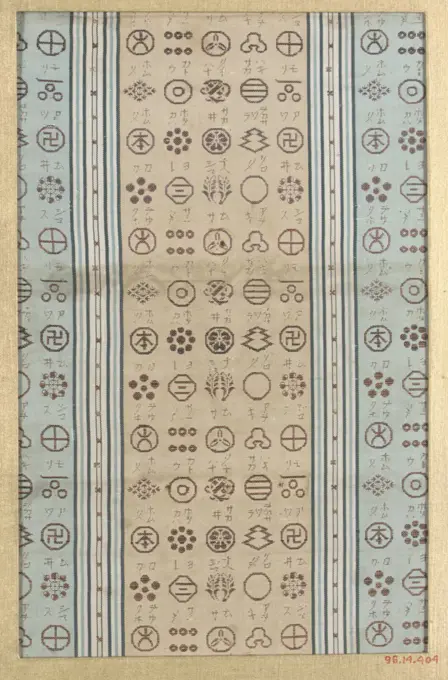
Head Scarf (), 31 1/2 x 10 1/2 in. (80.01 x 26.67 cm), Cotton, China
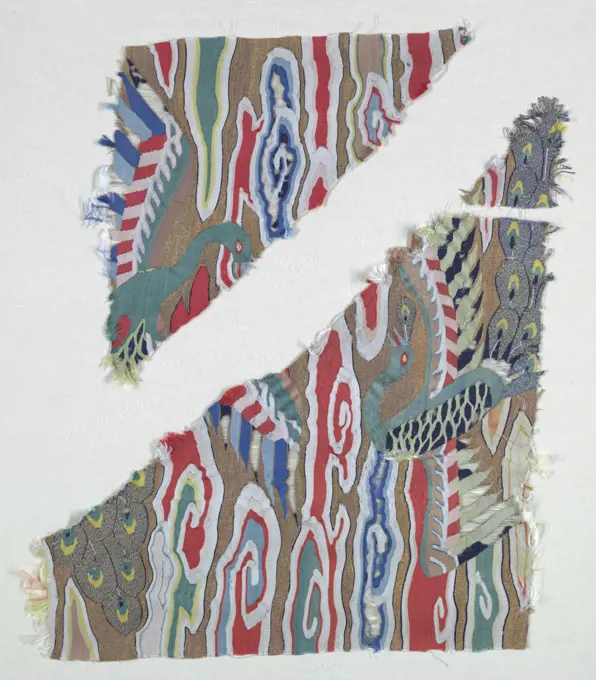
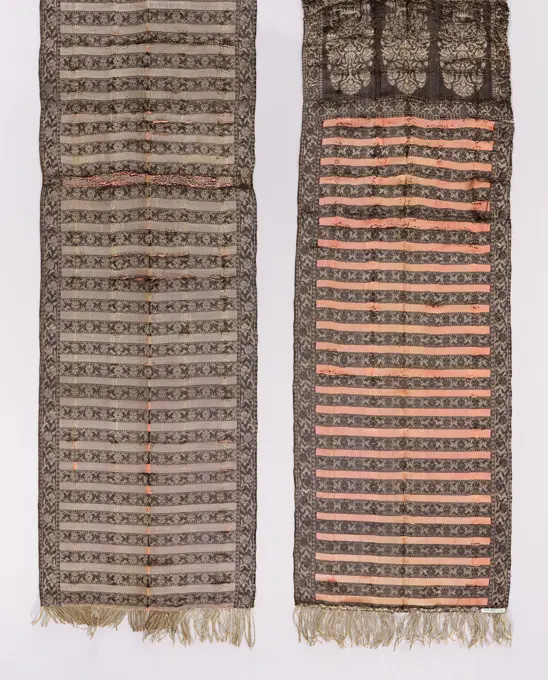
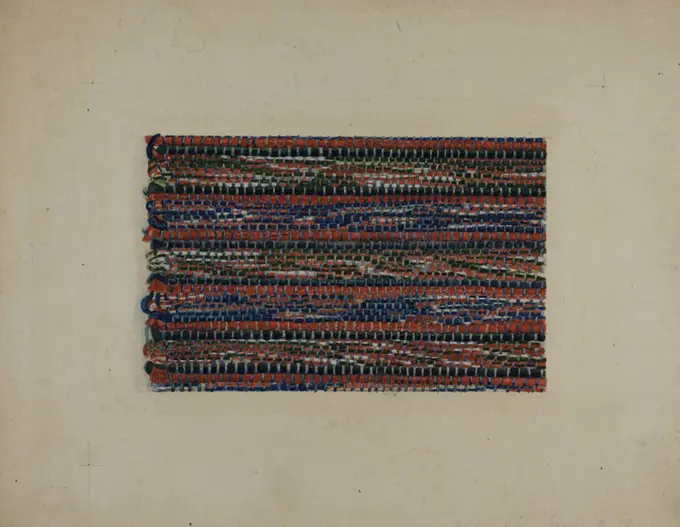
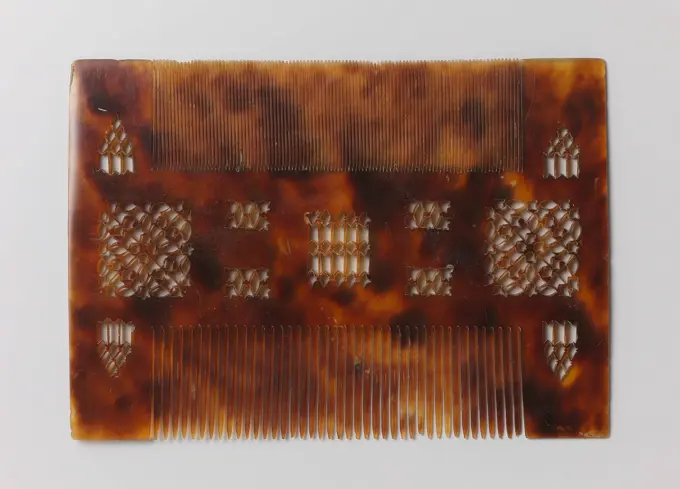
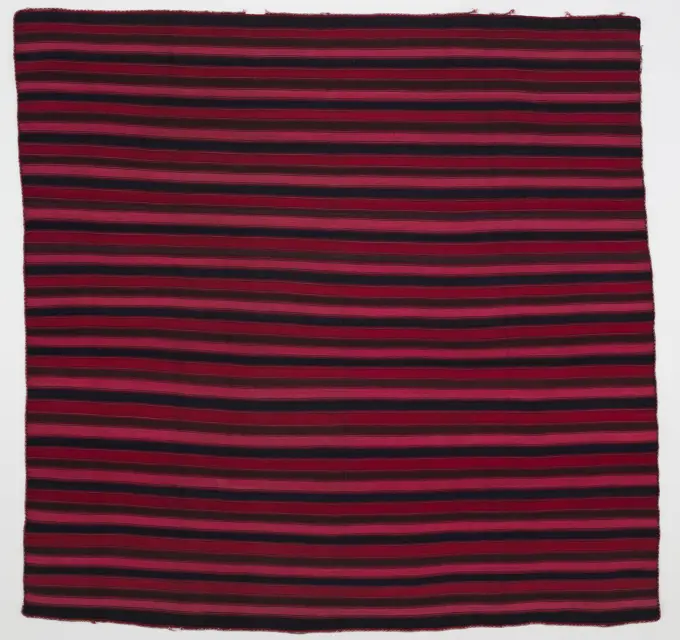
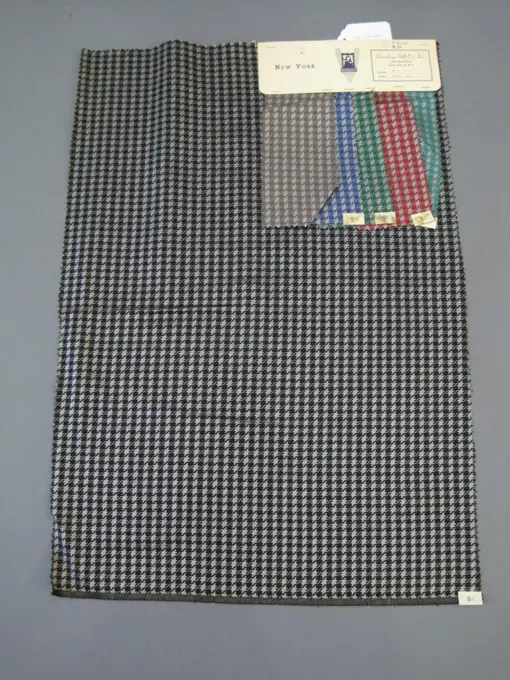
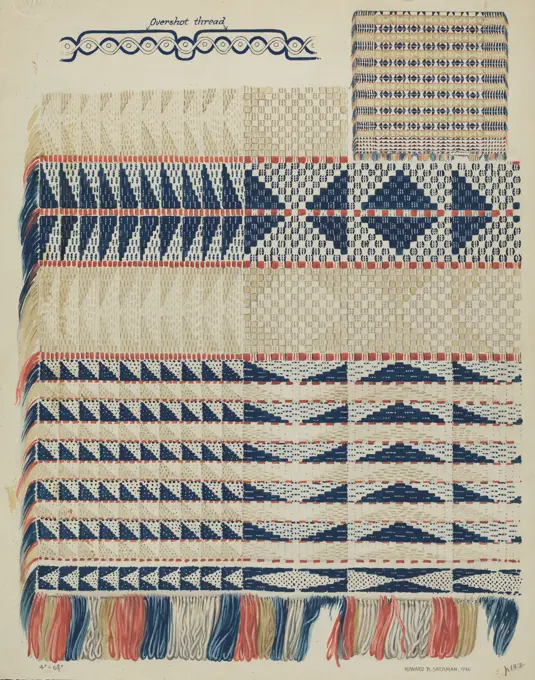
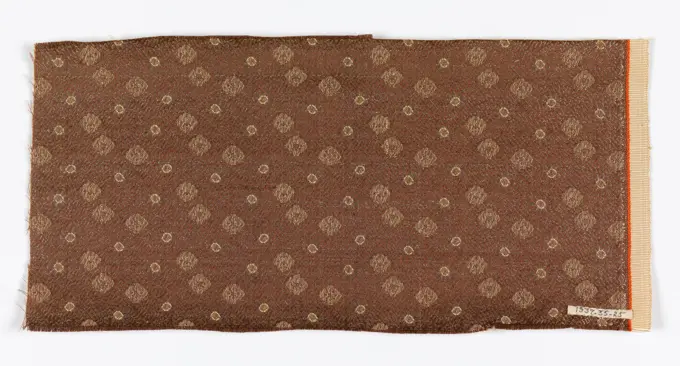
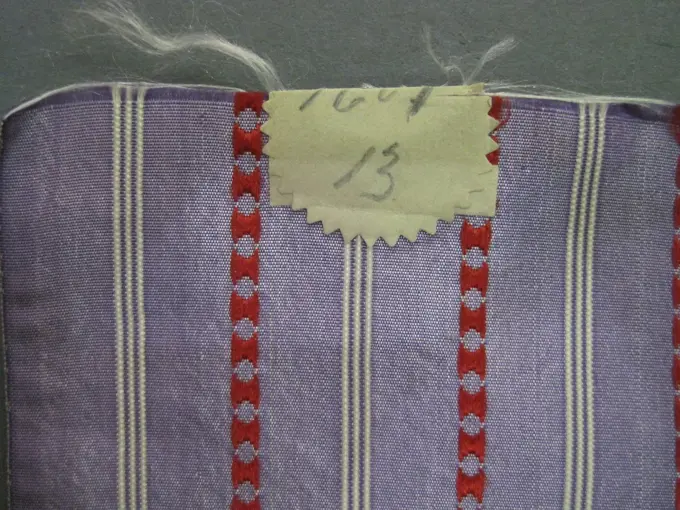
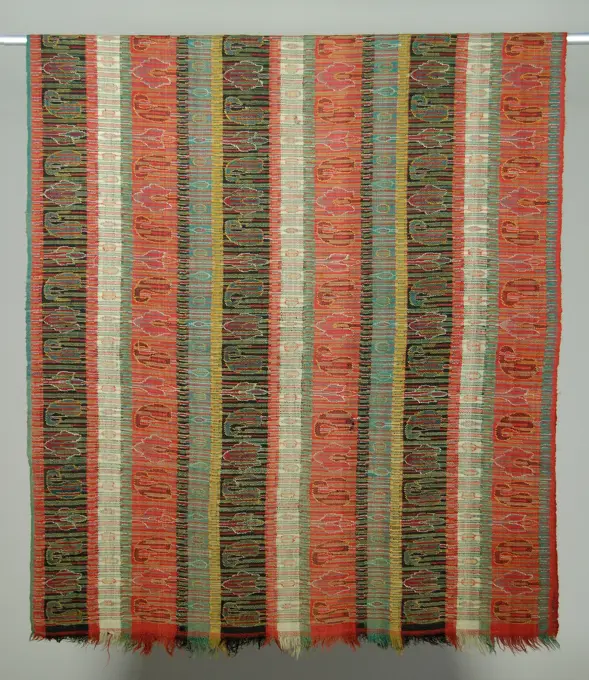
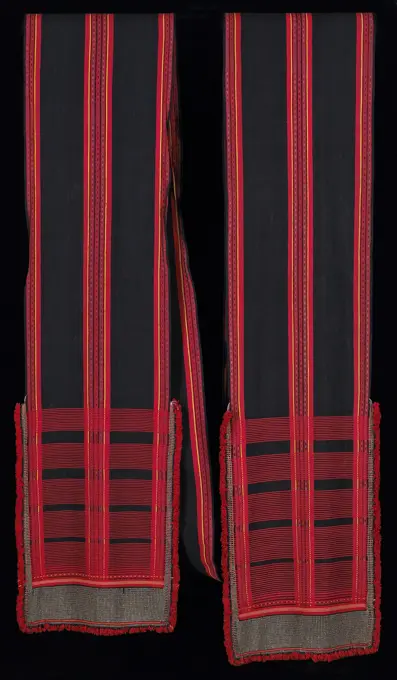
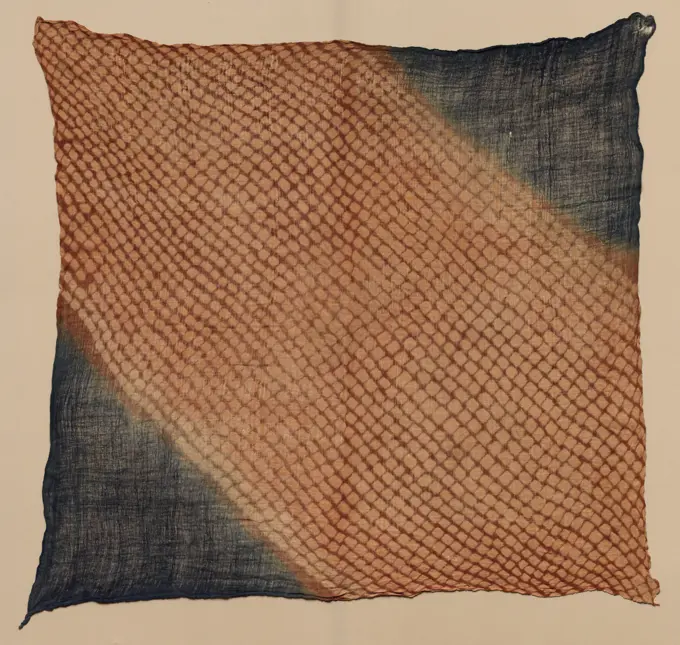
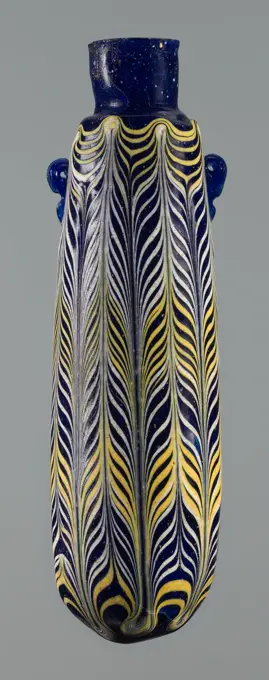
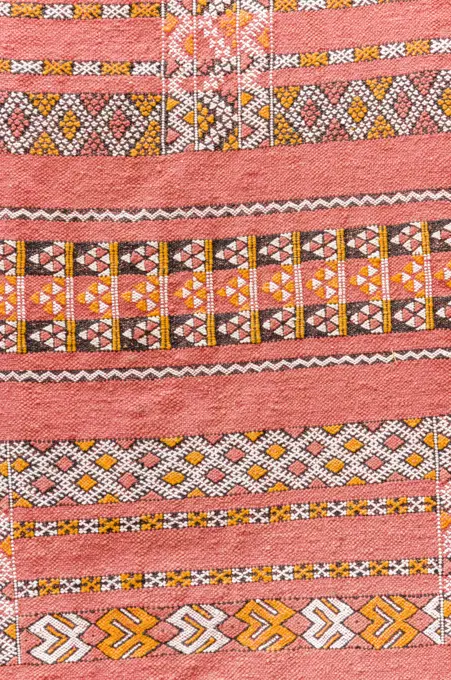
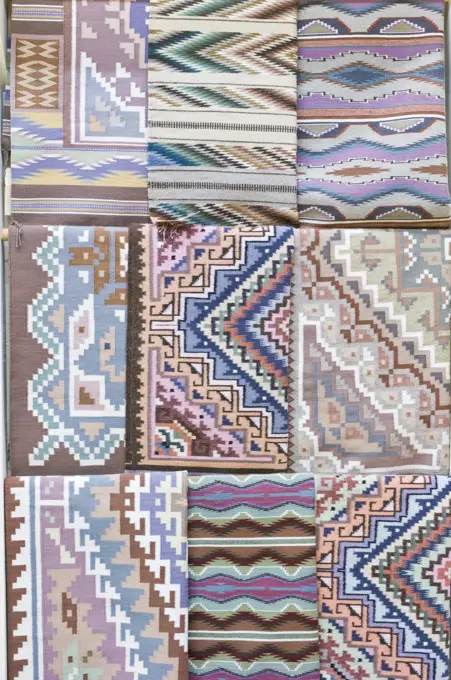
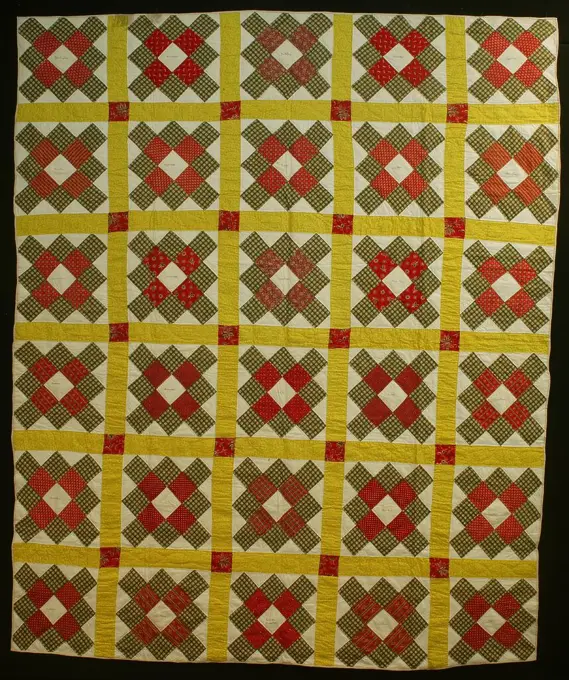
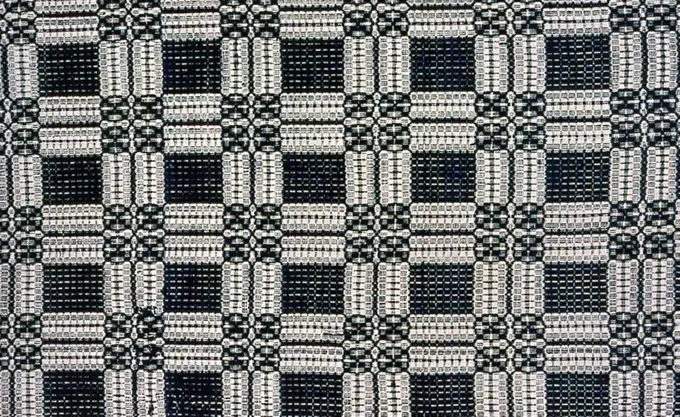
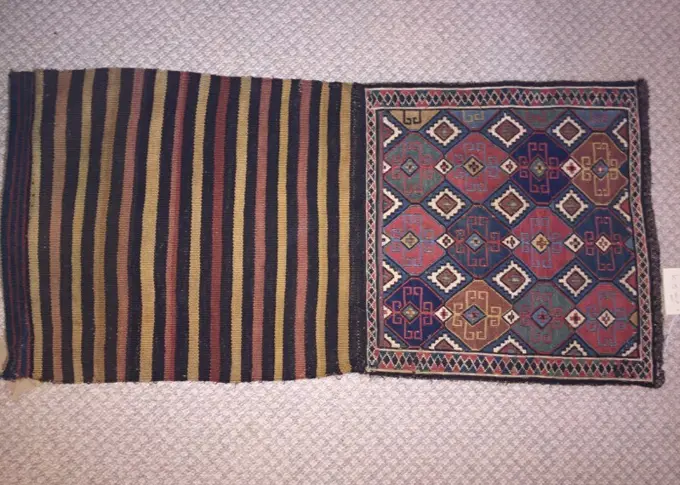
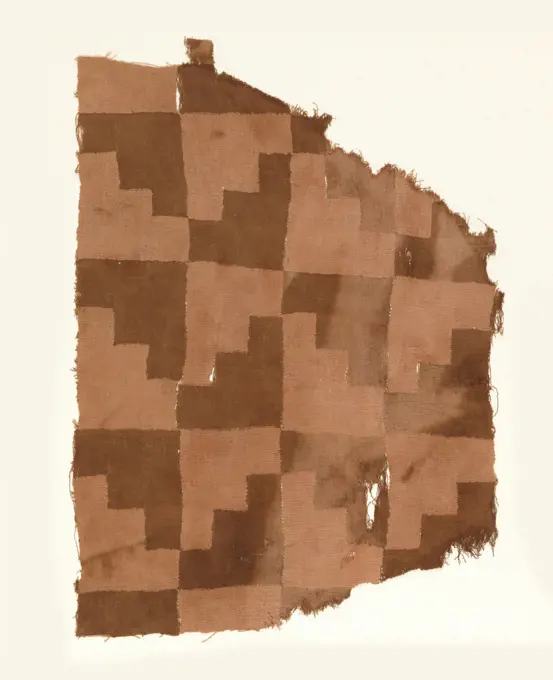
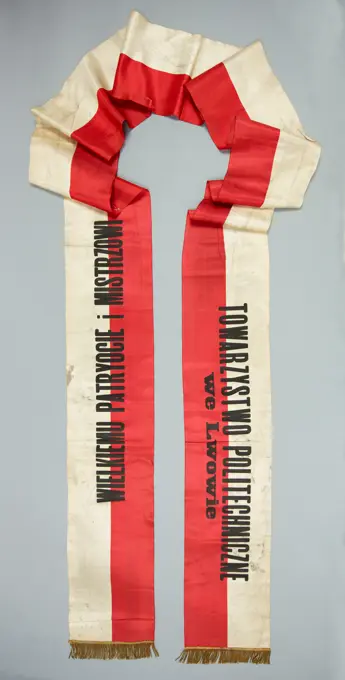
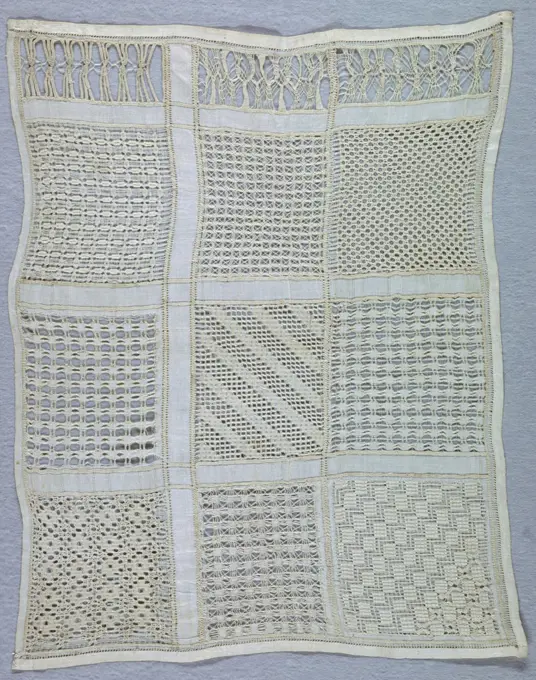
Sampler, Medium: cotton Technique: embroidered in withdrawn element work on plain weave foundation, Nine squares and three bands of withdrawn element work in white., Mexico, 19th century, embroidery & stitching, SamplerFragment, Medium: silk Technique: supplementary warp forming cut and uncut pile (velvet), Bands in red cut and uncut velvet. green selvage on the right., 17th century, woven textiles, FragmentHandkerchief, 1800s, maker unknown. Gift of Johanna Fuchs, 1984.Bedcover (Pincushion and Burrs or Square and Swallows Quilt). United States. Date: 1820-1840. Dimensions: 209.6 x 257.8 cm (82 x 101 1/2 in.). Cotton, plain weave, in parts (block) printed; pieced; backed with cotton, plain weave; quilted and stitched in trapunto technique. Origin: United States. Museum: The Chicago Art Institute, Chicago, USA.Piece 18th-19th century Japan. Piece. Japan. 18th-19th century. Silk. Edo (1615-1868). Textiles-WovenTextile Swatch , 1950s to 1960s. Silk, 19 1/2 x 21 1/2 in. (49.5 x 54.6 cm).    1950s to 1960sRank badge, Medium: silk Technique: plain weave with discontinuous wefts (tapestry or k'ossu), Three fragments of a rank badge showing parts of two birds against a cloud background., China, possibly 15th century, woven textiles, Rank badgeMedieval ornamentFringe (Italy); silkBlanket, 70 1/4 x 43 1/4 in. (178.44 x 109.86 cm), Cotton, wool (); needlework, ChinaRed -white checkered curtain, anonymous, 1776 - 1800 Curtain of red-white checkered silk with a frowned head. At the rear at the top a coarse linen border with copper rings. A string is attached to a curtain ring at the end. Northern Netherlands silk. linen (material) Curtain of red-white checkered silk with a frowned head. At the rear at the top a coarse linen border with copper rings. A string is attached to a curtain ring at the end. Northern Netherlands silk. linen (material)Kontusz sash/belt. unknown, authorShaker Rug Strip. Dated: c. 1936. Dimensions: overall: 21.6 x 27.9 cm (8 1/2 x 11 in.). Medium: watercolor and gouache over graphite on paper. Museum: National Gallery of Art, Washington DC. Author: Lucille Chabot.. Ridge of turtle with a Ajour cut in midfield and teeth on both sides. Model: Elongated, wide and flat model. Teeth on the long sides. Decoration: Geometric shapes are cut in the midfield.Fragment 16th century Italian, Florence. Fragment 230096Linen frame Horizontal linen frame isolated included clipping path Copyright: xZoonar.com/Baloncicix 14217772Textile, 18th century, 44 1/2 × 42 3/4 in. (113.03 × 108.59 cm), Wool, pigments, Peru, 18th centuryConciliate belt;  XVIII/19th century (1751-00-00-1810-00-00);Chinese ornamentRibbon French 19th century View more. Ribbon. French. 19th century. Textiles-TrimmingsFragment, Medium: silk Technique: cut supplementary warp pile (velvet) in a woven foundation, Tan velvet fragment with vertical pink stripes and tri-colored polka dots of green, black and orange., France, late 18th century, woven textiles, Fragmentjointed by white thread two textile materials jointed by white thread Copyright: xZoonar.com/YuryxZapx 3683081Paper for diploma Beautiful needlework. Square piece linen with various phases of point coupe technique.Textile Swatches Onondaga Silk Company, Inc. (1925-1981). , 1948-1959. 52 wool, 48 silk, 26 3/4 x 18 1/2 in. (67.9 x 47 cm).    1948-1959North America, USA,  Georgia; Quilts on display in Savannah.Howard H Sherman, Handwoven Coverlet, 1936 Handwoven CoverletFront wrapper. Photographs, Photograms. 1846. Spencer Collection. Plants in artFragment, Medium: Technique: printed, USA, 19th century, printed, dyed & painted textiles, FragmentObi with Geometric Patterns first half of the 19th century Japan. Obi with Geometric Patterns 70646Leather belt over wooden background.Textile (Japan); silk; Warp x Weft: 10.8 x 22.7 cm (4 1/4 x 8 15/16 in.); 1937-35-25Pieces early 19th century Japan. Pieces 65720Woman's Mantle (Iskallu) Made 1860-1880 Bolivia. Wool, plain weave; joined in darning stitches; braided edge . AymaraTextile Swatch Textile Swatch, 1950s to 1960s. Silk, 19 3/4 x 14 in. (50.2 x 35.6 cm).    1950s to 1960scinnamon sticks frameMan's ceremonial kawa ponchito, 19th century, 19 9/16 x 42 1/2 in. (49.69 x 107.95 cm) (folded), Alpaca, Bolivia, 19th centuryAlpujarras blankets rugs in Granada traditional colorful SerapeMan's Coverlet (Sakhalare), 20th century, 58 x 90 in. (147.3 x 228.6 cm), Wool, cotton, Mali, 20th centuryFringe European 19th centuryShawl third quarter 19th century American. Shawl 169709Man's Loincloth, 20th century, 184 3/8 x 11 1/2 in. (468.31 x 29.21 cm) (without fringe), Cotton, metal and glass beads; needlework, Laos, 20th centuryUntitled, Mark Rothko, 1956, National Gallery of Art, Washington DC, USA, North AmericaPiece 19th century Japan (Shiga). Piece 70422Evening mitts fourth quarter 19th century American. Evening mitts 169443Purse late 19th century Mexican. Purse 170253Head Cloth, 1000-1460s. Central Andes, central coast, Chancay people. Cotton; overall: 99.1 x 99.1 cm (39 x 39 in.). This lovely, sheer panelpatterned entirely with tie-dyeingwas probably worn as a head cloth, a common article of women’s wear among the Chancay people of Peru’s central coast. Its colors are reminiscent of deep twilight, when the sky turns a luminous, dark blue and a shimmer of orange light appears on the horizon. It is not known whether the squares in the field have symbolic significance.Sample early 19th century French. Sample 224694slate stone tray isolated on white backgroundwooden sign board isolated on white backgroundPeruvian weaving for sale in a market in Lima, Peru.Pattern of rows of colorful pencilsWaist Band, from a two-piece set, 101 3/16 x 4 3/16 in. (257.02 x 10.64 cm) (without fringe), Cotton, ChinaAlabastron; Egyptian workshop; IV-III century BC (-399-00-00--201-00-00);Cotton Rag PaperCeremonial Pants, 20th century, 43 x 21 in. (109.22 x 53.34 cm), Cotton, acrylic; supplementary weft patterning, Guatemala, 20th centuryMan's longyi, 19th century, 42 5/16 x 138 1/8 in. (107.47 x 350.84 cm), Silk, Myanmar (Burma), 19th centuryCarpet for sale in the Souk, Marrakech, Morocco.Evening mitts fourth quarter 19th century American. Evening mitts 156782Ceremonial Mat, 20th century, 76 3/4 x 38 5/16 in. (194.95 x 97.31 cm), Plant fibers, Republic of Kiribati, 20th centuryLinnamast napkin with a geometric pattern in which the woven monogram PB, Peter Behrens (attributed to), c. 1908 - c. 1912 Linnamast napkin with geometric pattern in which the woven monogram pb. Germany. Bielefeld (possibly) linen (material) damask Linnamast napkin with geometric pattern in which the woven monogram pb. Germany. Bielefeld (possibly) linen (material) damaskReplica Ancient Egyptian Mat work hangings. Copied from woven mats made of reeds; they were in use as wall decorations in official dwellings and official buildings as well as tombs throughout ancient Egypt. Recreated in 2011Fragment, Medium: Technique: printed, USA, 19th century, printed, dyed & painted textiles, FragmentPiece 16th century Italian. Piece 213058Half Model of an 80-Gun Ship of the Line, anonymous, c. 1797 ship model. half model. builder's model Polychromed mold model (starboard) of a three -mast. No gun ports, no decks indicated; Halfdek can be distinguished by the Gillingen. Willed mirror, Hol Wulf, no fence or side gallery; Straight with square stirring king. Rising seam, two mountainwood and one reehout. Round underwater ship. Scale approx. 1:55 (derived). Netherlands wood (plant material)Coverlet. United States, circa 1880. Textiles; covers. Silk plain weave and silk velvet applique on cotton plain weave.USA, NM, Gallup, Handmade Navajo Rugs for SaleKnitted design pattern.Curtain of relief velegel with a pattern of zee symphen. Cotton curtain of cotton with a pattern of zey symphen. According to a drawstring with brush.Close-up of a ball of fabricTractor, Anonymous  Wooden signs attached by nail Textile (France); silkSouth America, Peru, The detailed pattern of fabric found in the grave of an Inca mummy, which was discovered in the Lima area.Textile Swatches Onondaga Silk Company, Inc. (1925-1981). , 1948-1959. 90 wool, 10 silk, 48 x 17 1/4 in. (121.9 x 43.8 cm).    1948-1959National style of embriodery. National style of embriodery. Copyright: xZoonar.com/andriixsalivonx 1746409"Renaissance" Fringe. Italy. Date: 1501-1600. Dimensions: 15.2 x 15 cm (6 x 5/8 in.). Silk and gold gilt strip wound around a silk fiber core, plain weave with supplementary patterning weft extended loop fringe. Origin: Italy. Museum: The Chicago Art Institute, Chicago, USA.Tartan fabric sampleNative American blankets, Richardson's trading post, Likely Navajo, Gallup, New Mexico, USABedcover ("Album Patch" or "Signature" Quilt). United States. Date: 1847. Dimensions: 228 x 188.3 cm (89 3/4 x 74 1/8 in). Cotton, plain weaves; printed; quilted; backed and edged with cotton, plain weave; pieced; printed. Origin: United States. Museum: The Chicago Art Institute, USA.sausage isolated on a white background                                    Genevieve Sherlock, Sample of Calico, c 1941 Sample of CalicoTractor, Anufrieva, Evdokia Mikhaylovna (1904-1981)Coverlet Made 1820-1830 United States. Cotton and wool, plain weave with supplementary patterning wefts (overshot); two loom widths joined .Shidong-style Woman's Headband, 32 x 3 11/16 in. (81.28 x 9.37 cm), Cotton, silk (), ChinaFragment (USA)Fabric Swatch Fab-Tex Inc.. , 1963-1966. Wool, sheet: 5 x 5 in. (12.7 x 12.7 cm).    1963-1966Shahsevan Double Saddle Bag (Pair) ca. 1870 While the term "carpet" evokes a heavy, large rectangular textile (either knotted pile or flat-woven tapestry, called kilim) that covers a floor, a vast array of rug genres and techniques can be found in the Islamic world, where they serve various functions in nomadic encampments, villages, cities, and palaces. Flat-woven and richly embroidered textiles, such as this one, belong to the kinds of smaller tribal weavings that were common in the Middle East from Anatolia to Iran; it was generously given to The Met by Inger G. and William B. Ginsberg of New York. Such textiles were woven by nomadic tribes as containers for everyday items. Some were designed specifically to transport or store bedding, flour, salt, and wooden spindles used to make the woolen yarns from which these works were woven. Others were of smaller size, comparable to cross-body women's handbags, or çanta, or also possibly used by children. Most notable is the ubiquitous doublFragment, Medium: wool, cotton Technique: plain weave with discontinuous and interlocked warps and wefts Label: wool and cotton plain weave with discontinuous, interlocked warps and wefts, Fragment of a woven tunic with interlocked step patterns in brown and pink., Peru, 1100-1400, woven textiles, FragmentBlank holiday red welcome mat with holly corners isolated on white background8 of Diamonds from a deck of Goodall & Son Ltd. playing cards, c1940. Artist: Unknown.A Square-ish area painted with oil paintsoutdoor Xmas garland decorate window outdoor Xmas garland decorate window in night Copyright: xZoonar.com/ValeryxVoennyyx 6694076Leinsamen - Flax seed in frame Leinsamen - Flax seed in frame Copyright: xZoonar.com/lantapixx 7084468Pattern of blue pencils at yellow backgroundA sash from the funeral of Adam Mickiewicz in Krakow on July 4, 1890Borders (France); machine-printed on ingrain paper; 76 x 43 cm (29 15/16 x 16 15/16 in.)