Textile Fragments Collection

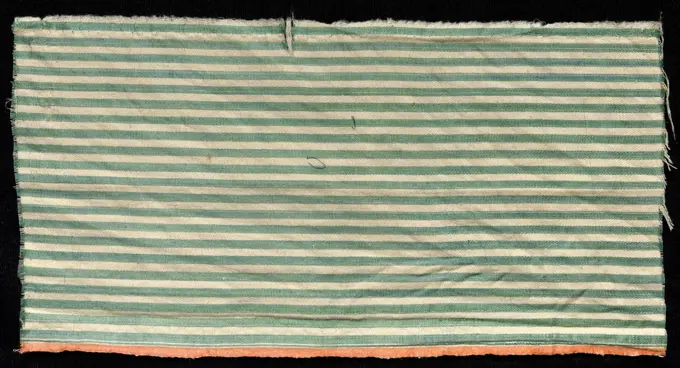
A collection of historical textile fragments including silk and cotton, showcasing intricate patterns and embroidery techniques from various cultures and time periods.

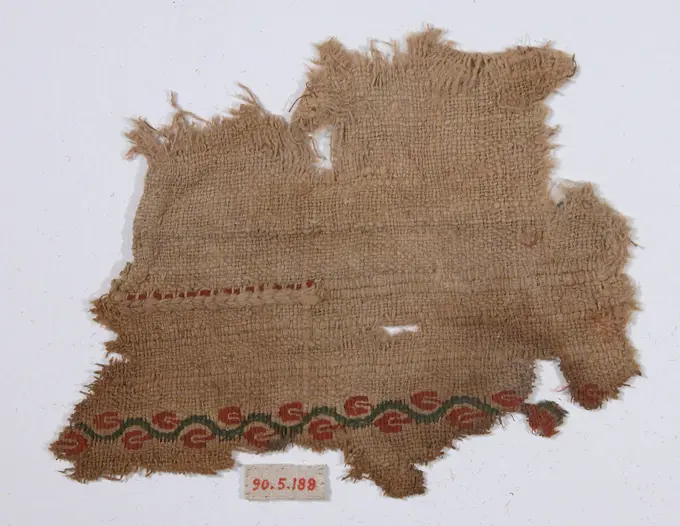
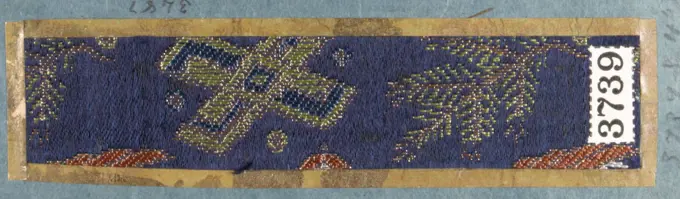
Fragments, Medium: silk, metallic Technique: woven, Pattern of red flowers in ogival shaped latticework. Bottom border of flowers., Indo-Persia, 19th century, woven textiles, Fragments
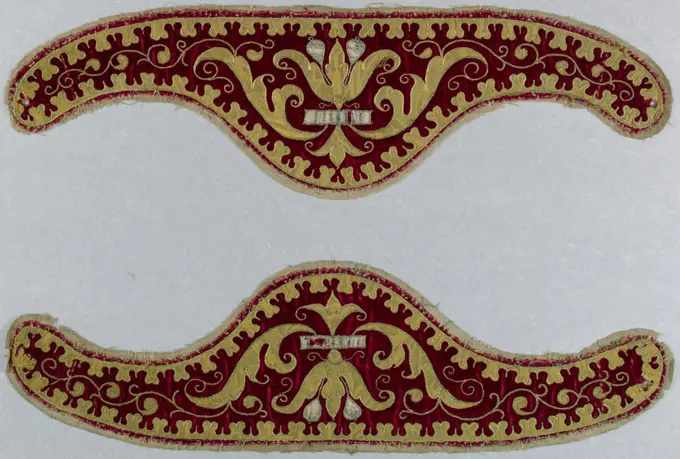
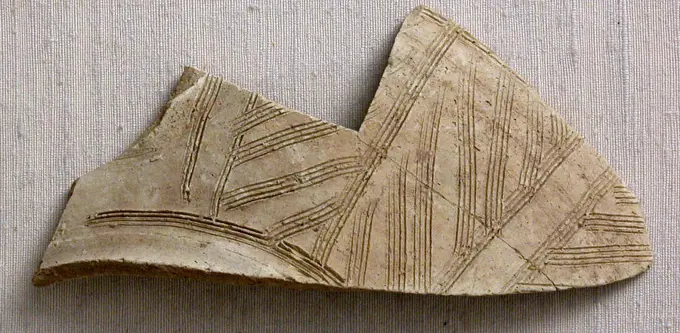
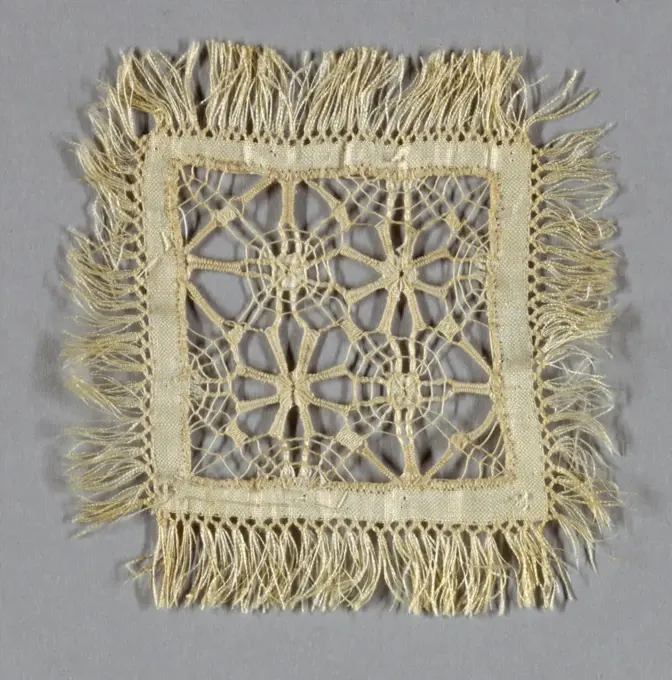
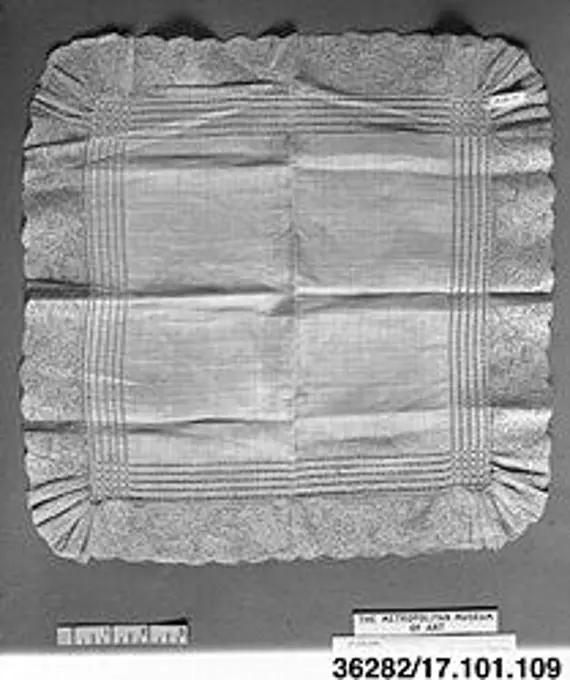
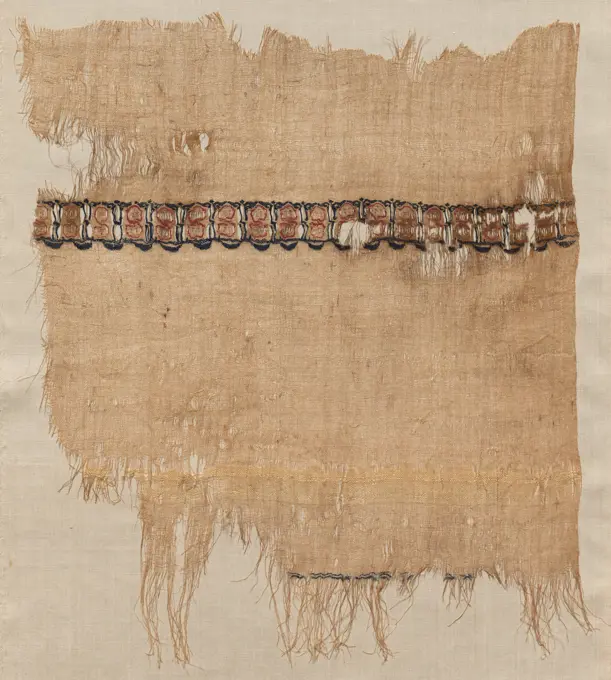
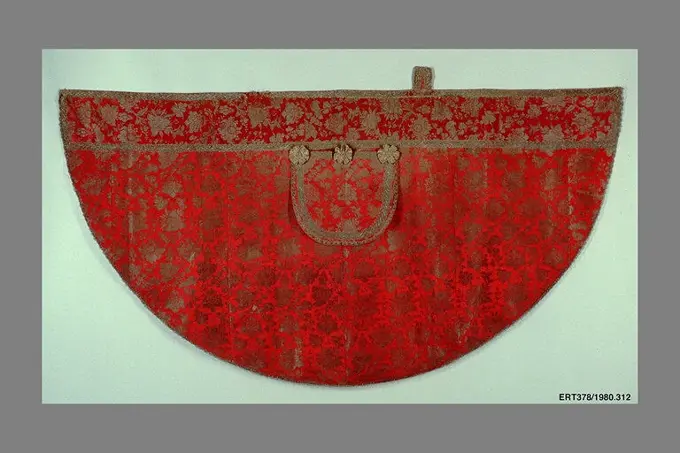
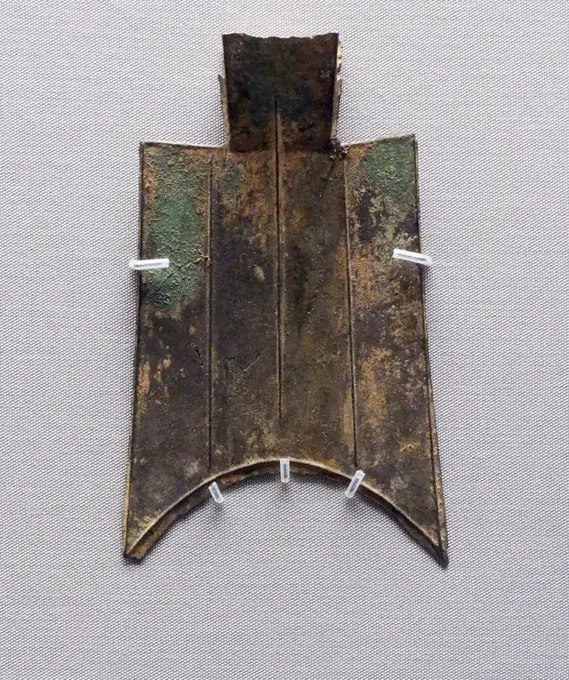
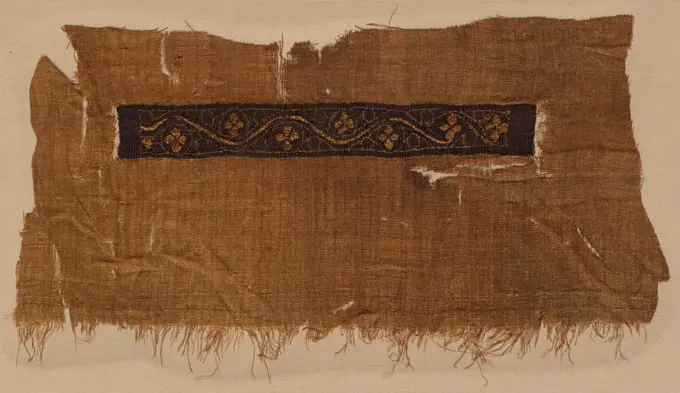
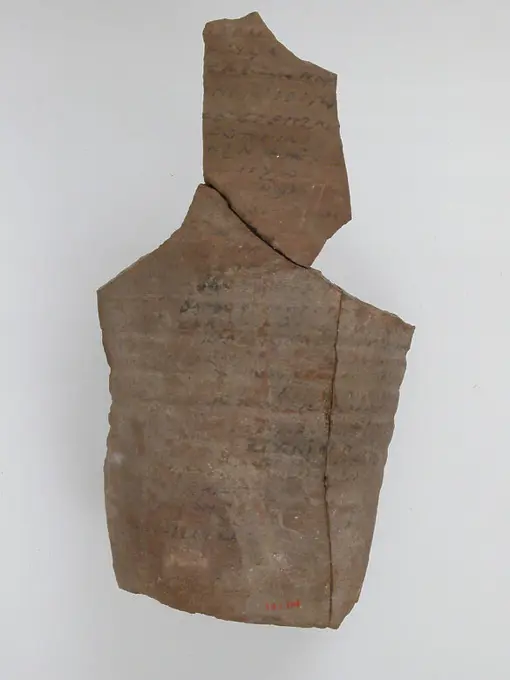
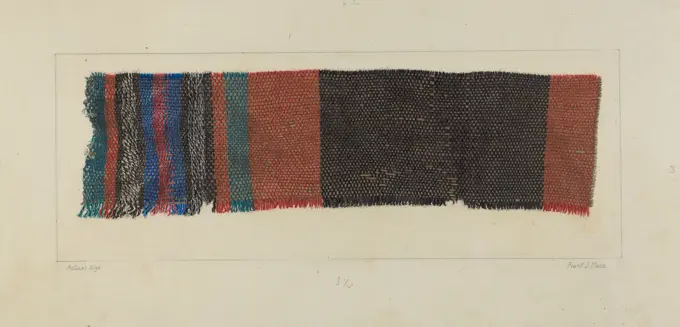
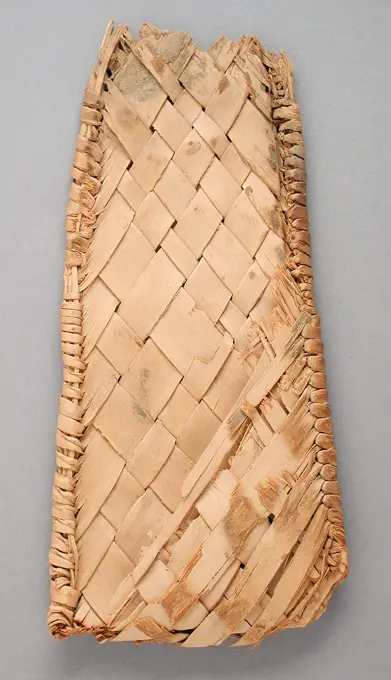
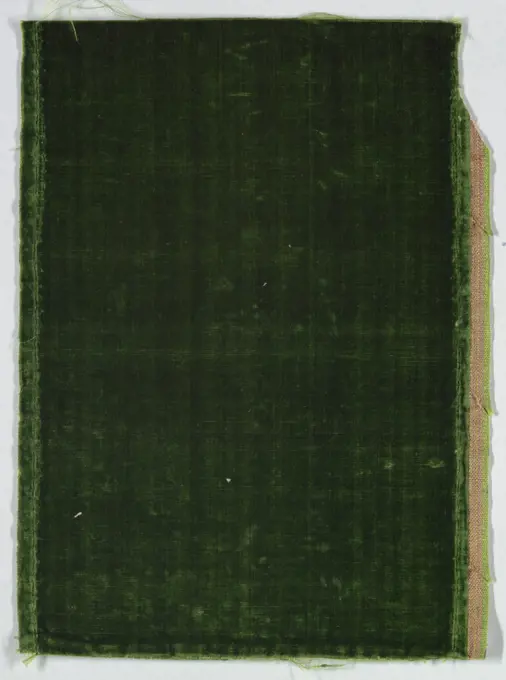
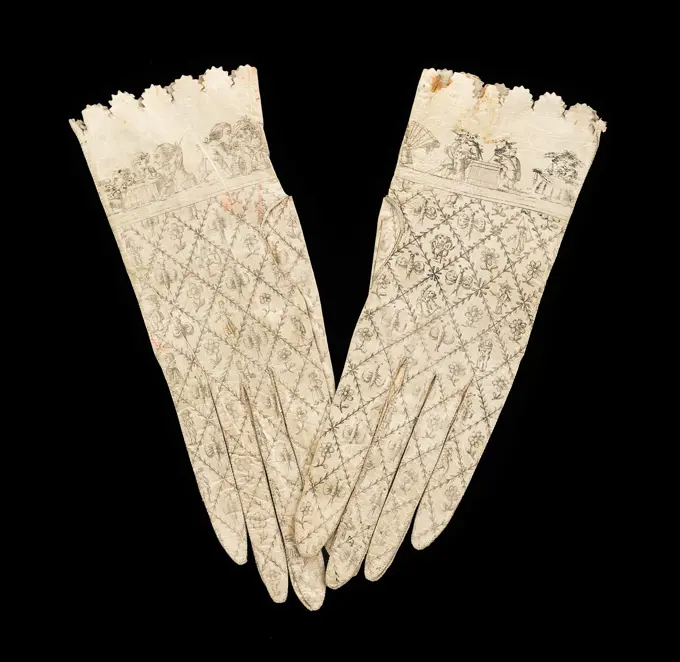
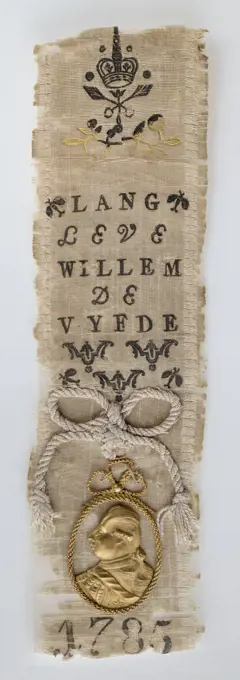
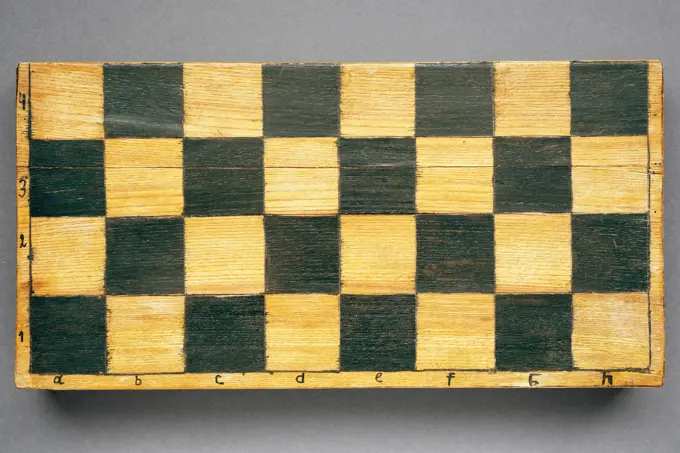
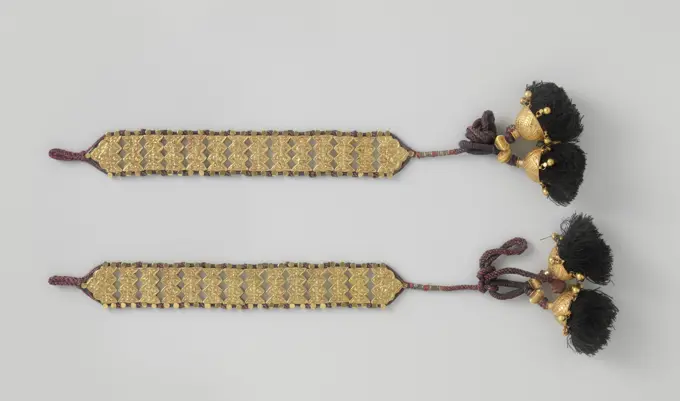
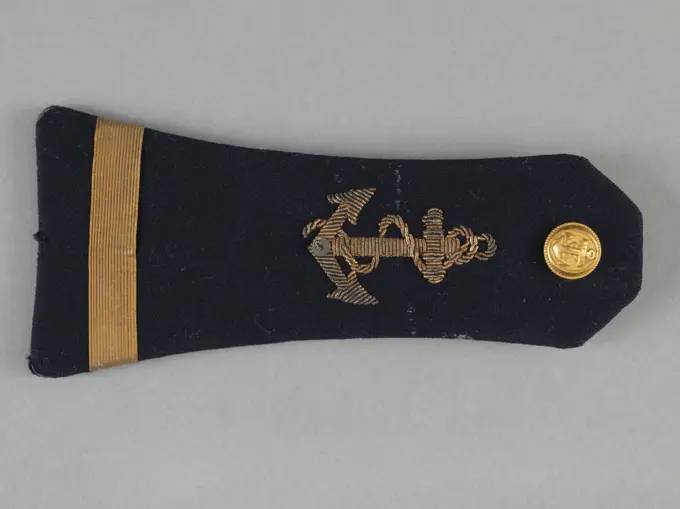
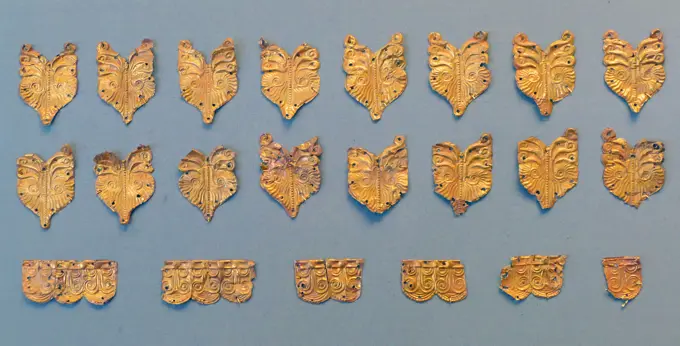
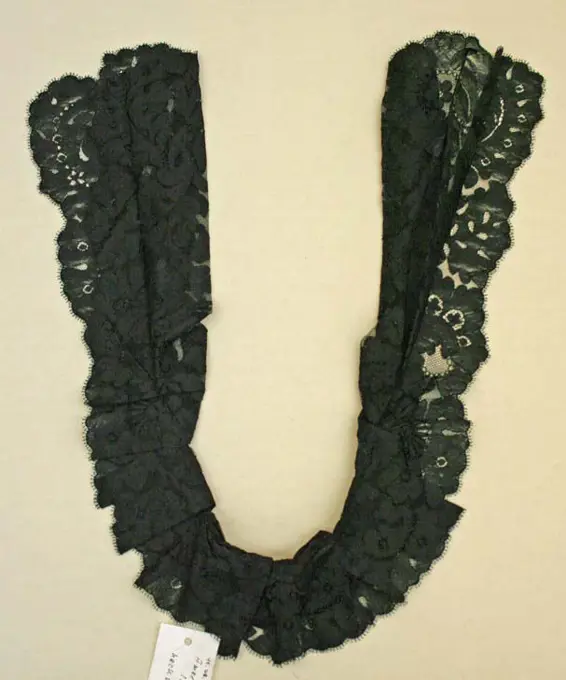
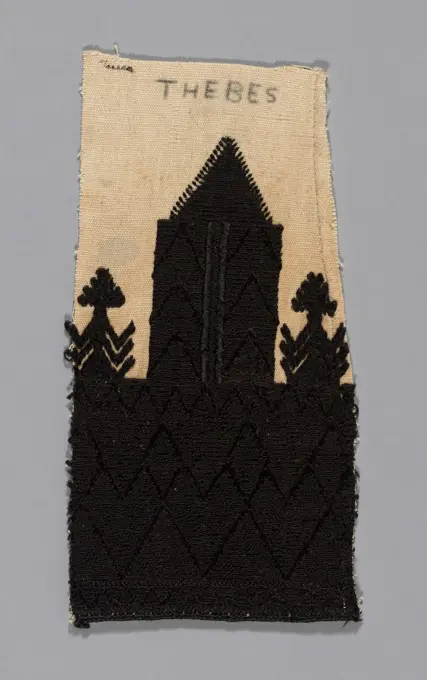
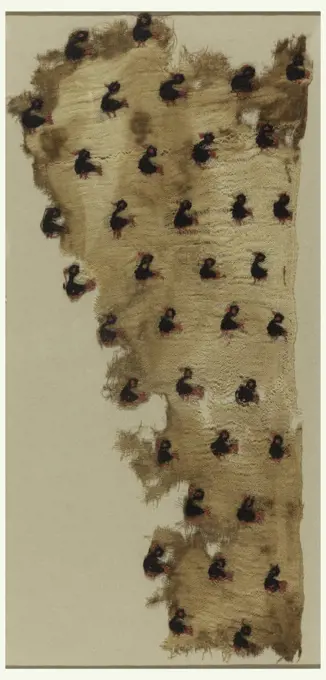
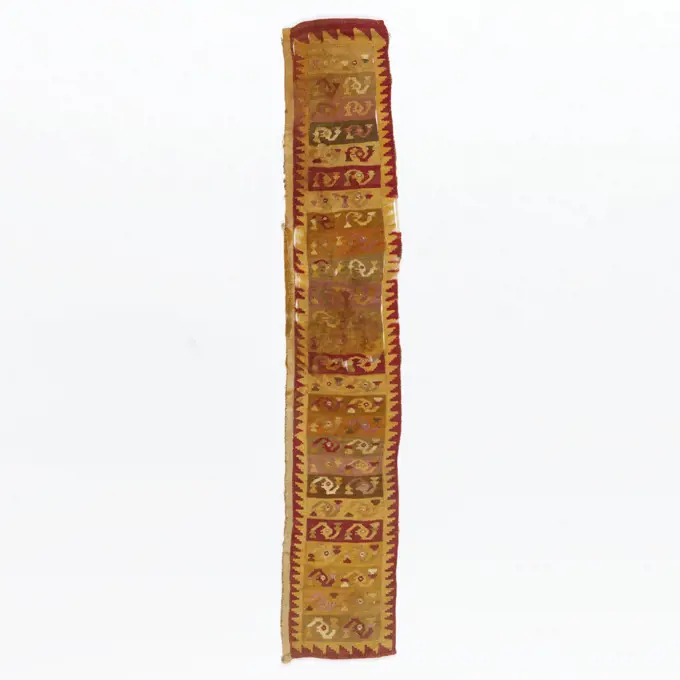
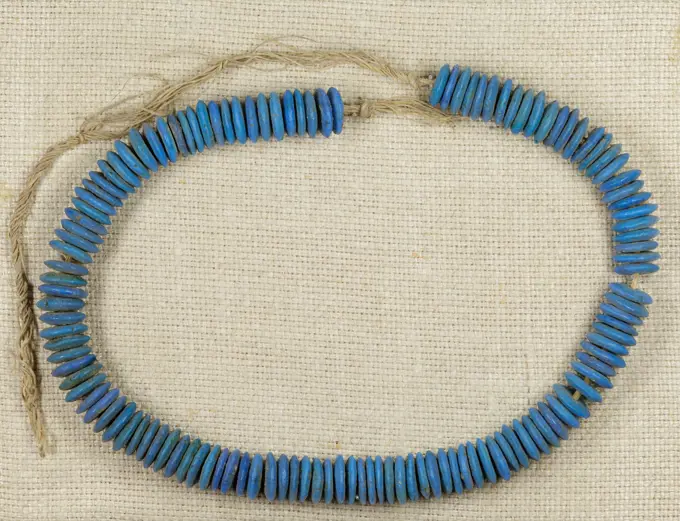
China: Fragment of silk depicting a floral medallion, Tang Dynasty (618-907), c. 8th centuryMitts early 18th century French. Mitts 170536Fragment Made 1201-1300 Italy. Silk, twill weave, brocaded with metal thread .Headpiece, 907-1125. China, Liao dynasty (907-1125). Embroidery, silk; overall: 22.3 x 53.8 cm (8 3/4 x 21 3/16 in.). Pair of Headpieces Embroidery; silk Liao Dynasty (907-1125) The Cleveland Museum of Art, Gift of Lisbet Holmes 1995.109.a and 1995.109.b (Cat. no. 52) These headpieces are embroidered with butterflies, birds, animals, flowers, leaves, and delicate vine scrolls. In general, the design is related to the theme of the lotus pond, best known from Liao tomb paintings. Paired ducks or geese swimming in water and looking in opposite directions seem to have become popular in the north of China before spreading further south and to Central Asia. On the other hand, recumbent animals looking back are a Central Asian image that migrated to northern China. Headpieces of this shape, intersected by two bands and secured by ties, have a long history in northern China. A gold replica was found in a tomb dating as early as ad 500-550.Stockings ca. 1885 French. Stockings 80760The Museum is a treasure house of aborginal exhibits and artifactsFragment (France); linenMaurice Van Felix, Muffin Pan, c 1939 Muffin PanCollars, Medium: silk, metallic thread, linen Technique: embroidered, Two apparels (separate collars worn by a priest over the neck of a vestment). Red velvet with applied design in gold cloth outlined with couched gold thread, and white silk with subtle decoration in blue thread. Central design of conventionalized flower with wide leaves ending in long tendrils of gold thread. Flower crossed by a band of white silk with perpendicular blue embroidered lines, and two leaves in white silk couched in blue thread. Backed with a coarse natural linen. Apparels are incomplete and would have been lined with linen or silk and fastened with cords and tassels which are missing., Spain, 17th century, embroidery & stitching, CollarsShaker Rug Binding Tapes. Dated: c. 1937. Dimensions: overall: 22.8 x 16.6 cm (9 x 6 9/16 in.). Medium: watercolor, graphite, and gouache on paperboard. Museum: National Gallery of Art, Washington DC. Author: Helen Dana.Fragment of a Tunic 6th-7th century. Fragment of a Tunic 443677Band, Technique: woven, Combination of two structures, 17th century, trimmings, BandLinen mark (Type V) Middle Kingdom ca. 1961-1917 B.C. View more. Linen mark (Type V). ca. 1961-1917 B.C.. Linen. Middle Kingdom. From Egypt, Upper Egypt, Thebes, Deir el-Bahri, Tomb MMA 507 (The Slain Soldiers), MMA excavations, 1926-27. Dynasty 12Edging (Italy); linenFragment of a Tunic 5th century. Fragment of a Tunic 443674Four jabots, anonymous, c. 1800 - c. 1810 Jabot of linen consisting of a double smooth edge with two strips of which are sewn, the upper of which is very finely pleated and the bottom in wider flat pleats are folded and ironed. A founded buttonhole in the smooth edge. Netherlands Board: Linen (Material). Strip: Linen (Material) Jabot of linen consisting of a double smooth edge with two strips of which are sewn, the upper of which is very finely pleated and the bottom in wider flat pleats are folded and ironed. A founded buttonhole in the smooth edge. Netherlands Board: Linen (Material). Strip: Linen (Material)Sherd ca. 3rd-7th century A.D. Sasanian. Sherd 328959Sutra Cover. China, Ming dynasty (1368-1644). Date: 1590-1599. Dimensions: 35.5 × 13.6 cm (14 × 5 3/8 in.)Warp repeat: 27 cm (10 5/8 in.). Silk, plain weave, double cloth. Origin: China. Museum: The Chicago Art Institute, Chicago, USA.Cap ca. 1820 American. Cap. American. ca. 1820. Cotton, silkTrimming, Length of trim; possibly England; cotton, silk, wool, wood; Warp x Weft: 362 x 7 cm (11 ft. 10 1/2 in. x 2 3/4 in.); given by Miss Amy R. Knox; 1968-116-2-fSample, Medium: linen Technique: grid of withdrawn element with needle lace, reticella style, Square of fringed linen with center portion ornamented with drawn and cutwork with lace stitches. One of six samples mounted on a piece of blue satin ribbon., New York, USA, 1892, lace, SampleGaming stick -Roundel 4th century. Roundel 444307Cap crown and lappet first half 18th century Flemish. Cap crown and lappet 227499Wood and LeatherShieldTerracotta rim fragment of a skyphos (deep drinking cup) early 5th century B.C. Greek, Attic Below the rim, dot ivy; draped youth to right, with a lyre (Apollo); deer to right, looking back at the youth; in the background, vines. Terracotta rim fragment of a skyphos (deep drinking cup). Greek, Attic. early 5th century B.C.. Terracotta; black-figure. Archaic. VasesFragment, 1800s. India, Surat, 19th century. Cotton and silk; overall: 31.1 x 16.5 cm (12 1/4 x 6 1/2 in.).Textile (Greece); cotton embroidery on cotton foundationEmbroidered Sash ("Uckur"), 19th century. Turkey or Greece, Sporades Islands, Skyros , 19th century. Embroidery: silk thread and brass strip hooked through and pressed flat on linen tabby ground; average: 158.8 x 20.4 cm (62 1/2 x 8 1/16 in.).Cutout. Designer: Lockwood de Forest (American, New York 1850-1932 Santa Barbara, California). Dimensions: H. 3 5/8 in. (9.2 cm)W. 7 3/16 in. (18.3 cm). Date: ca. 1892.A key figure in the Aesthetic movement, New York-born artist Lockwood de Forest (1850-1932) was very inspired by Indian arts and crafts, and created the Ahmedabad Woodcarving Company in Gujarat, which exported many items to the United States. These cut and chased brass cutouts, designed by de Forest, were based on examples found in wood, plaster, and stone in Indian architecture. In his designs, they would have been used as ornament on architecture or furniture. Museum: Metropolitan Museum of Art, New York, USA.Overvest 19th century Taiwan (Atayal). Overvest 70651Fragment (Italy); linenHandkerchief 17th-18th century Flemish. Handkerchief. Flemish. 17th-18th century. Bobbin lace, binche. Textiles-LacesTextile (India); cotton, silk, metallic threadFragment, Medium: Technique: printed, USA, 19th century, printed, dyed & painted textiles, FragmentFragment of fabric unknownFragment of a Tiraz-Style Textile, 1094 - 1130. Egypt, Fatimid period, Caliphate of al-Musta'li or al-Amir, AH 487-524, 11th-12th Century. Tabby ground with inwoven tapestry ornament; linen and silk; overall: 37.2 x 31.5 cm (14 5/8 x 12 3/8 in.).Fragment; warp; s-spun linen. wefts; z-spun linen, z-spun woolCope 18th century Italian Sumptuous fabrics without any particular religious imagery were often used to make ecclesiastical vestments. This cope, in its original state, is composed of four full and two partial widths of a handsome red silk satin with an asymmetrical floral pattern, shown here in detail. The same fabric is used for the orphrey band, the morse, and the hood, which are, in addition to the cope as a whole, bordered in metallic lace. The hood is trimmed with an additional band of metallic lace and three bows of brocaded ribbon. The various floral and design elements of the main fabric, as well as the pattern organization in general, can be related to Italian textiles, particularly Venetian silks of the fifteenth century. The asymmetrical undulating composition and motifs of stylized blossoms, pomegranate buds with superimposed rosettes, and multilobed leaves with rounded edges are all inspired by the earlier fabrics. Also similar is the combination of solid-color ground witDuring the Warring States period (475-221 BC), the various states used different forms of spade money. The earliest money In China was shaped like tools, including spades and knives.Tile 12th-14th century. Tile 447368Seat Cover(bench), Jiaqing period, 1796-1820, L.49-5/8 x W.19-3/4 in., silk, gold thread, embroidery, China, 18th-19th centuryFragment, Probably a Scarf, 300s - 400s. Egypt, Byzantine period, 4th-5th century. Tabby ground with inwoven tapestry ornament; linen, wool, and gold foil around gummed silk; overall: 11.5 x 21.9 cm (4 1/2 x 8 5/8 in.).Because leather with colored and embroidered caps. Leather upper of leather with broken roof with red and brown leather pieces. On the back and the hood decorated with embroidered flower pattern in silver thread. Along the hood decorated with treated leather with Roman text. The cover is open on the side and equipped with a trens and a bubble-shaped button.Velvet serve;  half. XVIIIW. (1750-00-00-1750-00-00);Ostrakon. Culture: Coptic. Dimensions: Overall: 9 13/16 x 5 11/16 x 3 1/4 in. (25 x 14.5 x 8.3 cm). Date: 600. Museum: Metropolitan Museum of Art, New York, USA.Piece 18th century Japan. Piece 71426Suspenders 19th century European. Suspenders 98247Conciliate belt; Royal Manufacture of Jedwabna in Grodno (Grodno; Silk fabric and belt fabric factory; 1768-1780); 1768-1780 (1768-00-00-1780-00-00);Slob () Stocking of turquoise silk tricot, without foot, with the latch long ecrinke -like linen ribbons, c. 1700 - c. 1800 Slob () Stocking of Turquoise Silk Tricot with a diamond -fancier decoration on the latch. Without foot, split at the heel. With the Klok long ecrinkey linen ribbons. Along the top edge two fine purple stripes. Netherlands (possibly) whole: Silk. Lint: Linen (Material). knitting Slob () Stocking of Turquoise Silk Tricot with a diamond -fancier decoration on the latch. Without foot, split at the heel. With the Klok long ecrinkey linen ribbons. Along the top edge two fine purple stripes. Netherlands (possibly) whole: Silk. Lint: Linen (Material). knittingFrank J Mace, Woolen Cloth, 1935 1942 Woolen ClothBasketry Sandal. Egypt, New Kingdom - Roman Period (1569 BCE - 337 CE). Costumes; Accessories. FiberFragment, Medium: silk Technique: supplementary warp forming raised pile (velvet), unpattern green velvet., 17th century, woven textiles, FragmentArchitectural Fitting (Gong). China, Qishan county, Shaanxi province. Date: 770 BC-481 BC. Dimensions: . Bronze. Origin: China. Museum: The Chicago Art Institute, Chicago, USA.Gloves 1800-1810 Spanish Fashioned from fine Spanish kid, these gloves embody high fashion with a double historical twist. The lattice pattern expresses the geometry of the newly-resurrected design vocbulary of the classical period, while the figures at the top are taken from a series of etchings by Jacques Callot (1592-1635) entitled Varie Figure Gobbi (Various Hunchbacked Figures) ca. 1622., which William Konig (active ca. 1721) interpreted in prints. Callot was an ancestor of the famed Parisian couturieres, The Callot Sisters.. Gloves 157064Commemorative ribbon or tote sign, white rips with application of bow and gold-colored metal medallion with portrait and Long live William the Fifth, 1785, souvenir ribbon ribbon bearer identification carrier silk metal gold, textile Long live Willem the Fifth 1785 Orange stadtholder Prince Prince William V Willem Vvintage chess box vintage handmade chess box with square pattern on front surface Copyright: xZoonar.com/YuryxZapx 14972757Hat van Tulle Doorstop decorated with leaves and stars, anonymous, c. 1850  Hat van Tulle Doorstop. The ball has a circle consisting of a pearl list. Within the circle, the pattern has a ten -pointed star around which ten rosettes. The edge is scalloped and consists of fan -shaped medallions of leaf branches with various fillings. The ground is littered with stars. Netherlands .Wool Fragment, 3rd century. Syria, 3rd century. Tapestry; wool ; average: 9.9 x 2 cm (3 7/8 x 13/16 in.).Apron 1880s American. Apron 100162Maniple adorned with appiqué unknownBorder; block-printed on handmade paper; 1953-188-1-a/eTextile Fragment, undetermined Camelid fiber, 3 × 5 1/2 in. (7.6 × 14 cm).   Arts of the AmericasPair of upper arm bracelets (baju bandh), anonymous, c. 1750 A few upper bracelets (Baju Bandh) consisting of links of gold repoussé in zigzag shape, strung on a dark purple silk cord. Hang on one of the ends with gold decorated brushes. Surat gold (metal). silver (metal) A few upper bracelets (Baju Bandh) consisting of links of gold repoussé in zigzag shape, strung on a dark purple silk cord. Hang on one of the ends with gold decorated brushes. Surat gold (metal). silver (metal)Plaque () ca. 1850-1640 B.C. Middle Kingdom. Plaque () 557338Fragments of embroidery from the chasuble unknownUnknown, 2nd class ship's shoulder paw (for Spencer, outing outfit) of the national navy (attributed title), 1935. Fabric, mechanical and manual seams. Metal, embroidered cannetilla. Museum of the Liberation of Paris - General Leclerc Museum - Jean Moulin Museum.Excerpt of a dish with red-baking shard, with green glaze at the front and back, on which in sgrafitto technology with black stripes are applied, anonymous, 1200- 1899  Italy earthenware  Italy earthenwareGold cut-outs in the shape of rosettes, pairs of sacred horns, and a plate with decoration of lilies. Tholos tomb of ClytaemnestraFringe European 19th centuryNeckpiece 1700-1945 American or European. Neckpiece 119260Fragment Made 1801-1900 Thebes. Cotton, plain weave; embroidered with silk in Cretan, split, and trammed stem stitches .Miniature Parfleche, one of a pair, late 19th-early 20th century, 13 1/2 x 6 x 2 1/8 in. (34.29 x 15.24 x 5.4 cm), Animal hide, pigment, United States, 19th-20th centuryFragment, Medium: linen Technique: bobbin lace (continuous tape), Fragment of a closely-worked, wavy, ribbon-like floral design., Italy, 17th century, lace, FragmentFragment; warp; s-spun linen. wefts: s-spun linen. s-spun woolsFragment 14th century. Fragment 446484Piece 18th century Japan. Piece. Japan. 18th century. Silk / Compound weave. Edo period (1615-1868). Textiles-WovenPurse (probably France); leatherChristening mitts 19th century American. Christening mitts 98136Panel. Italy, Florence. Date: 1501-1600. Dimensions: 69.8 × 56.8 cm (27 1/2 × 22 3/8 in.) Repeat: 4.8 × 4.8 cm (1 1/2 × 1 1/2 in.). Linen, plain weave; block printed. Origin: Florence. Museum: The Chicago Art Institute, Chicago, USA.Pendant of a Clavus (), 300s - 500s. Egypt, Byzantine period, 4th - 6th century. Tapestry weave: wool; overall: 5.5 x 3.3 cm (2 3/16 x 1 5/16 in.).Garters early 19th century French. Garters 121188Passage for painting. Passage for Painting of Courtisan. Fake.Purse first quarter 17th century British. Purse 228963Textile Sample from Sample Book 19th century Japan. Textile Sample from Sample Book 68216Fragment, Medium: wool embroidery on cotton foundation Technique: embroidered on plain weave, Fragment of loosely woven white cotton embroidered with red and black birds., Peru, 1200-1400, embroidery & stitching, FragmentShard with Figural Decoration ca. 4th-5th century Pakistan. Shard with Figural Decoration 44694Fragment, Medium: linen Technique: needle lace, Fragment in the shape of a tiny blossom with leaves., Italy, 16th-17th century, lace, FragmentStrip 17th century Italian, Abruzzi and Calabria. Strip 217134Textile Fragment 5th century Coptic. Textile Fragment. Coptic. 5th century. Linen, wool. Made in Byzantine Egypt. Textiles-WovenKoze with three holes in the top wall and one hole in the middle, decorated with three ring binders. Small size sleeve with a wall of the same thickness. The tube has three holes in the top wall, which goes half, and one hole in the middle. Decorated with three ring bands. Possibly it concerns a sailmaker toolCrupper  -Stocking of yellow wool, without heel, hand knitted, anonymous, c. 1879 - c. 1880 Stocking of yellow wool, without heel. Hand knitted. Inscription, embroidered in red cross stitch: '1 MH'. Amsterdam whole: Wool knitting / embroidering Stocking of yellow wool, without heel. Hand knitted. Inscription, embroidered in red cross stitch: '1 MH'. Amsterdam whole: Wool knitting / embroideringDecorative pillow isolated with clipping path included Decorative pillow isolated with clipping path included Copyright: xZoonar.com/Baloncicix 7120107Banner late 18th century British. Banner 26934Undersleeves 1850s probably American. Undersleeves 120058Textile, Medium: wool, cotton Technique: slit tapestry with wrapping; weft-faced plain weave; SLIT TAPESTRY: limited use of non-horizontal welts, sometimes between color areas only; two-faced; long slits are sewn together; SIDES: remains of attached fabric; ENDS: warp selvage on one end, turned udner and sewn down; other end cut, turned under, and sewn., Strip patterned by narrow bands containing bird heads () with tassels on backgrounds of varying colors including shades of red, pink, light brown, orange and yellow. A triangular stepped or toothed border on four sides with a single ivory tapestry woven strip attached to one side - [there must have been others attached., Ica, Peru, ca. 1300, woven textiles, TextileFragment of a Band 6th-7th century. Fragment of a Band 443702Shebiu Necklace of Amenhotep ca. 1479-1458 B.C. New Kingdom This necklace of lentil-shaped beads was found on top of the coffin of a twelve-year-old boy named Amenhotep (36.3.153). The necklace and two armlets found in Amenhotep's coffin (36.3.155, 36.3.156) are made of Egyptian faience, a ceramic material made of quartz frit. These pieces of jewelry are sized for an adult, and may have been a gift from the child's father.Gold necklaces of lentoid beads (shebiu-collars) and arm bands (a'a-armlets) were part of the honor jewelry presented by the king to important officials other highly valued individuals. Combinations of gold and blue armlets are depicted in tomb paintings (see the detail of facsimile 30.4 106 above), and it is possible that the faience versions of the gold jewelry were part of the sets, not just imitations.. Shebiu Necklace of Amenhotep. ca. 1479-1458 B.C.. Faience, linen cord. New Kingdom. From Egypt, Upper Egypt, Thebes, Sheikh Abd el-Qurna, below the Tomb of Senenmuold tailor scissors and belt on the wooden background