Textile Fragments From History

Close-up images of various historical textile fragments featuring intricate patterns, in neutral and muted colors from different eras.

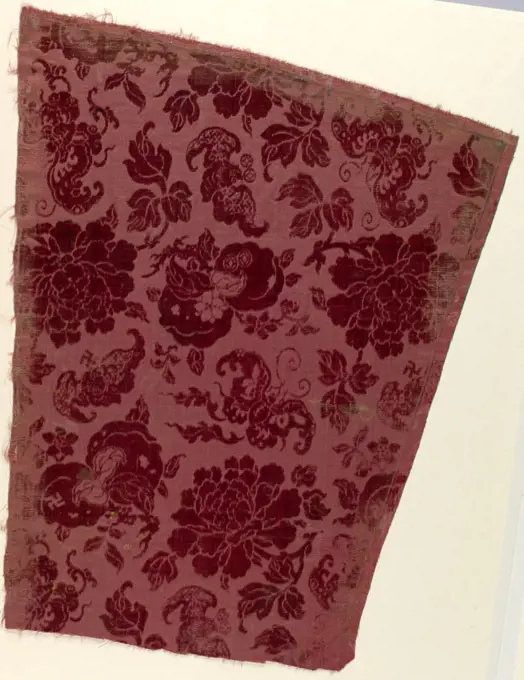
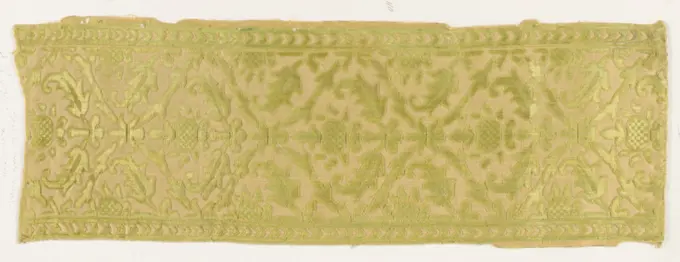
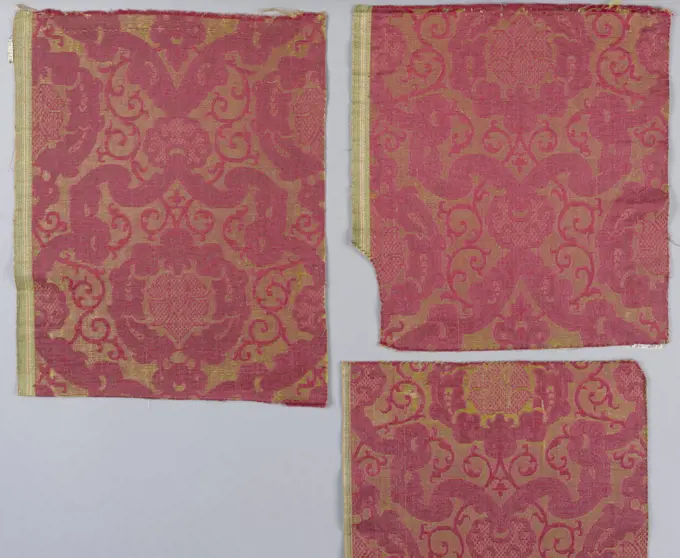
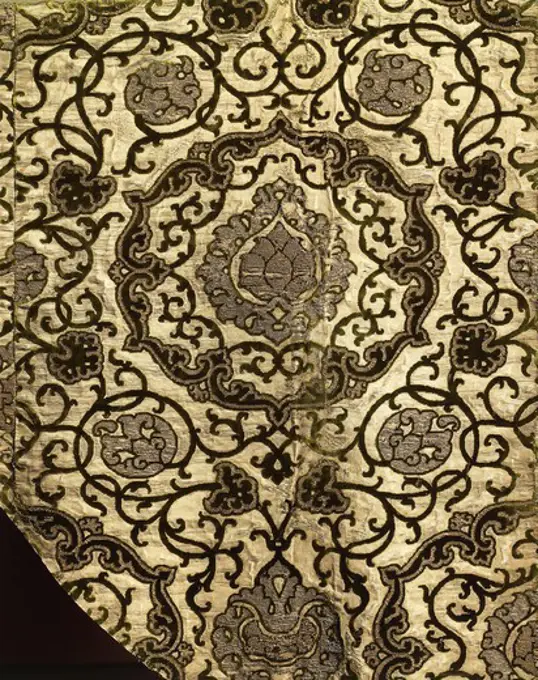
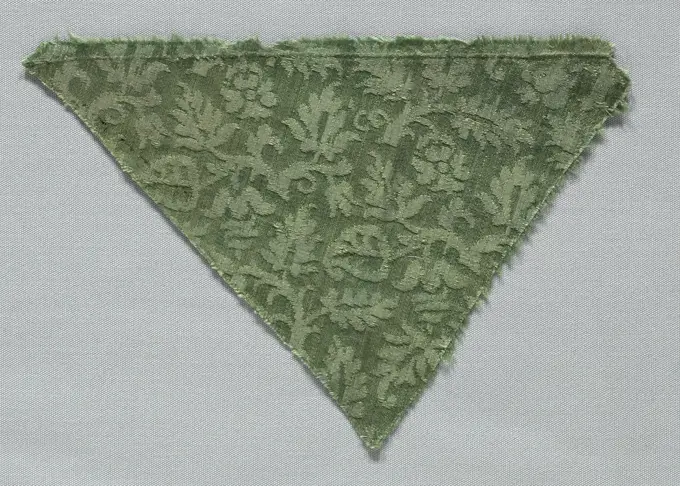
Fragment, Medium: silk, metallic Technique: supplementary warp forming cut and uncut pile in plain weave foundation (vevet) with supplementary wefts, Scrolling floral forms in green velvet on gold faced with metallic gold., 17th century, woven textiles, Fragment
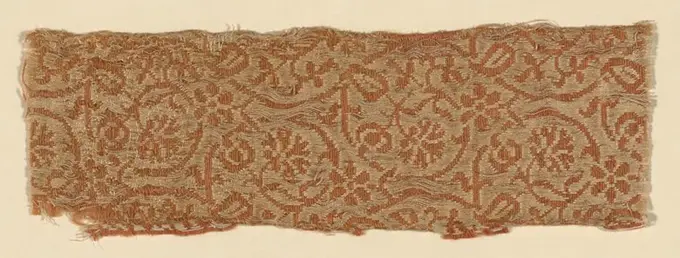
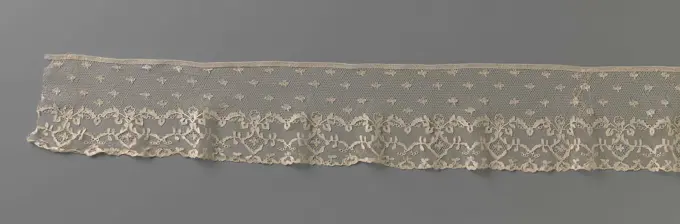
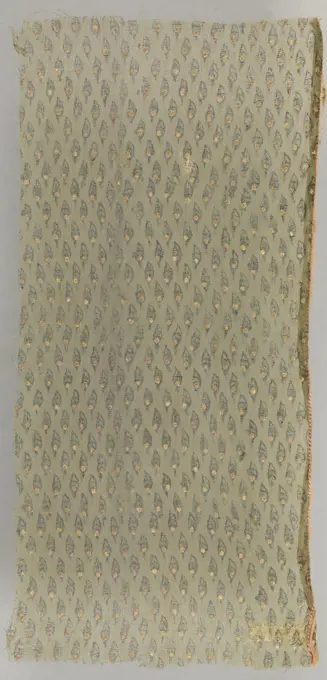
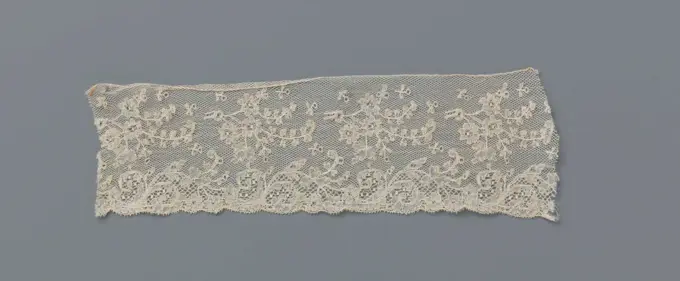
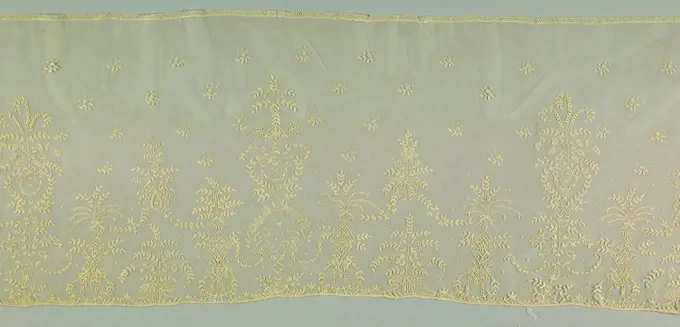
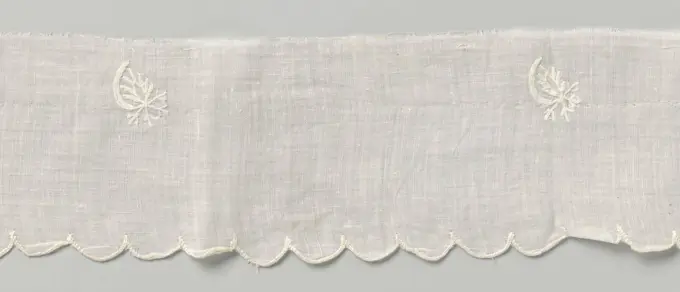
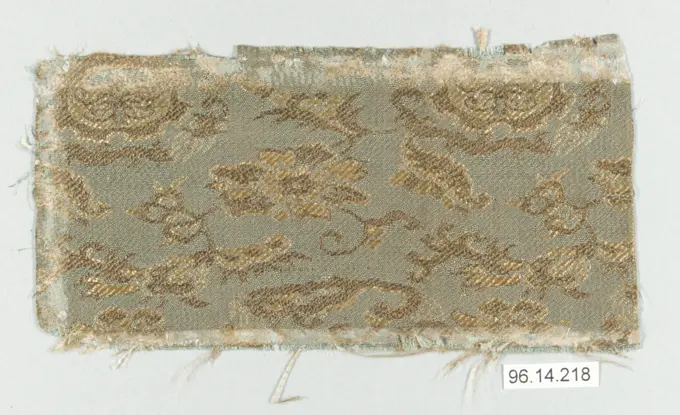
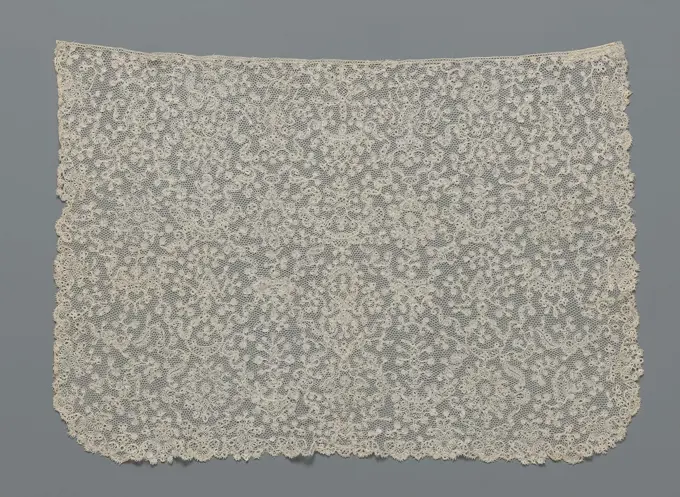
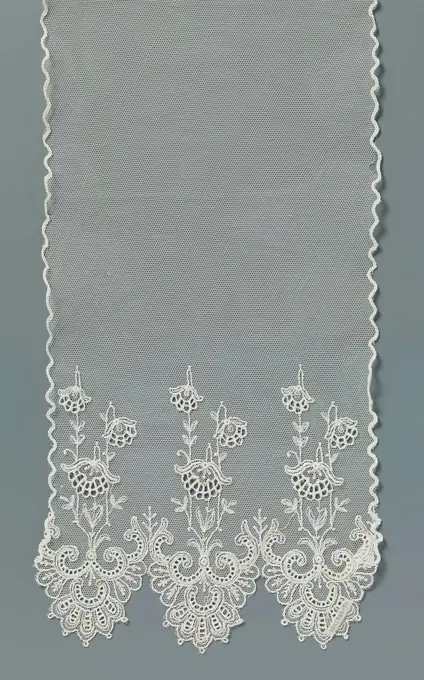
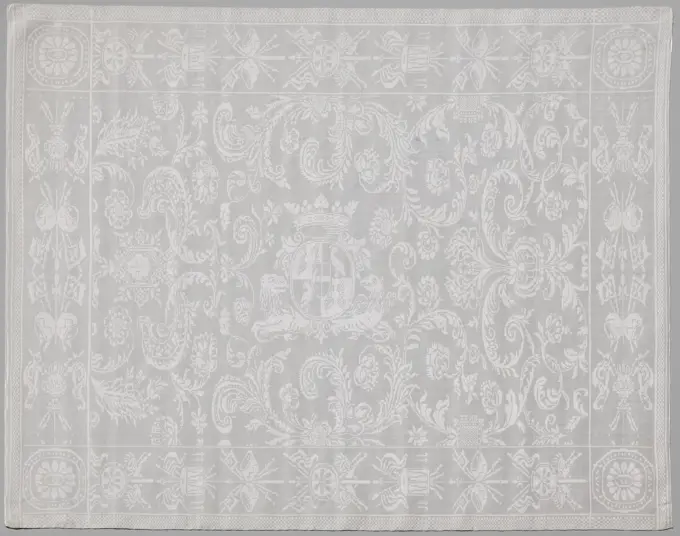
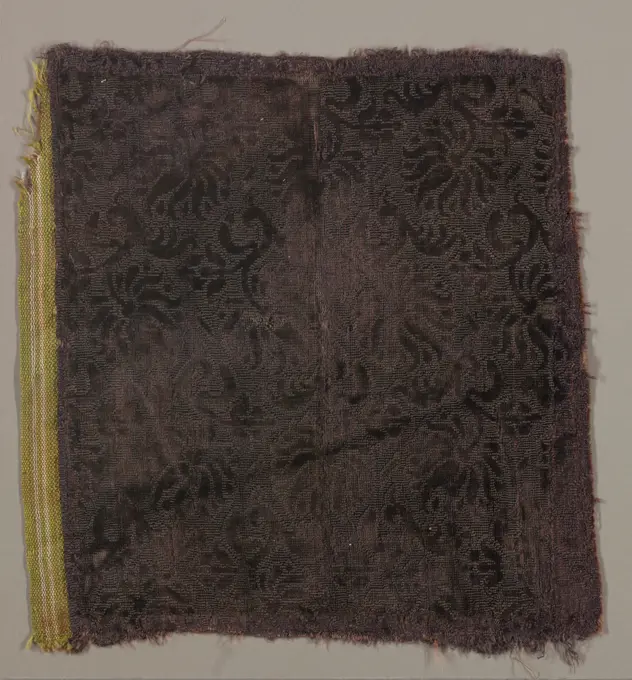
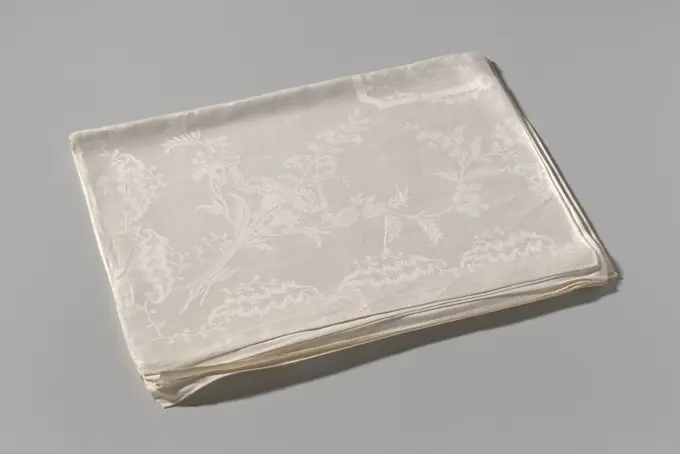
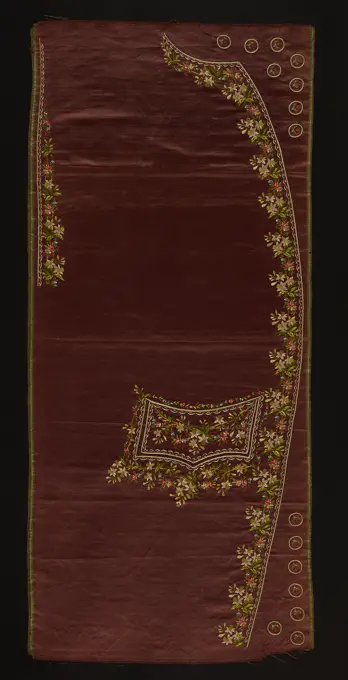
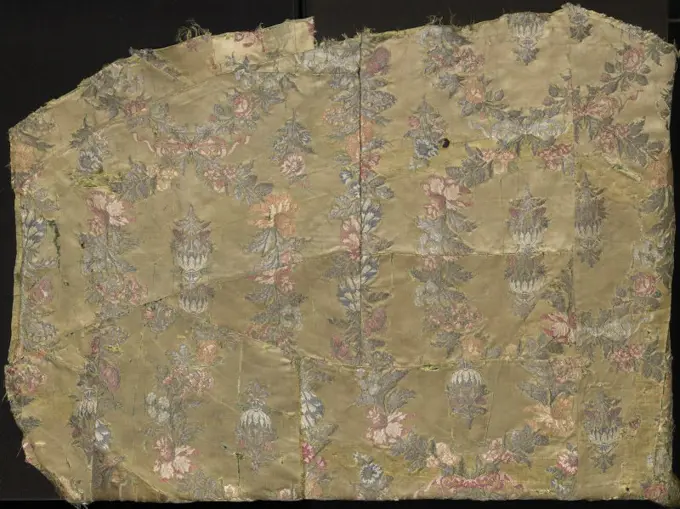
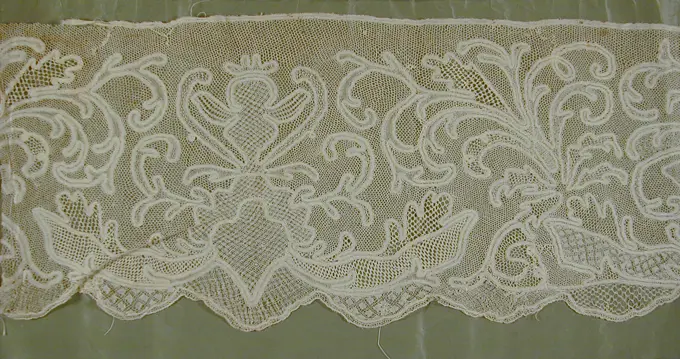
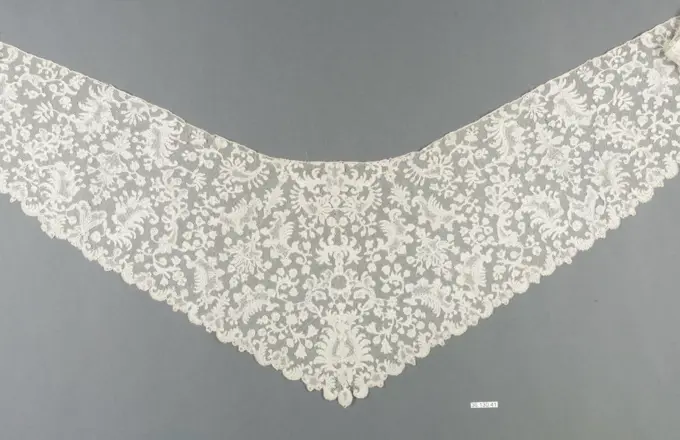
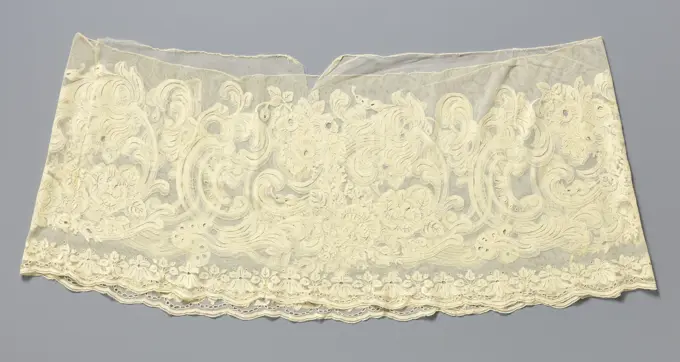
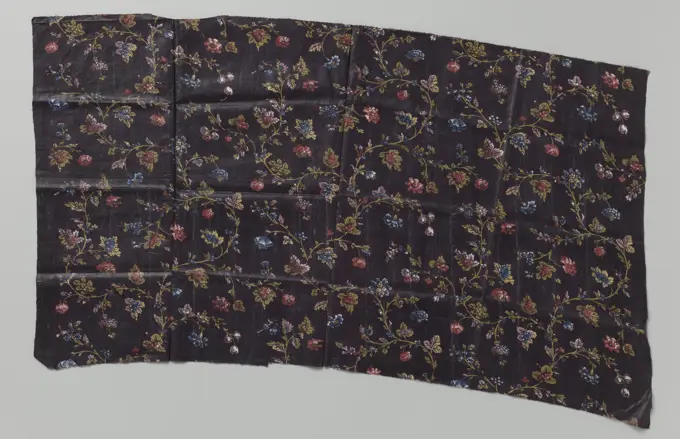
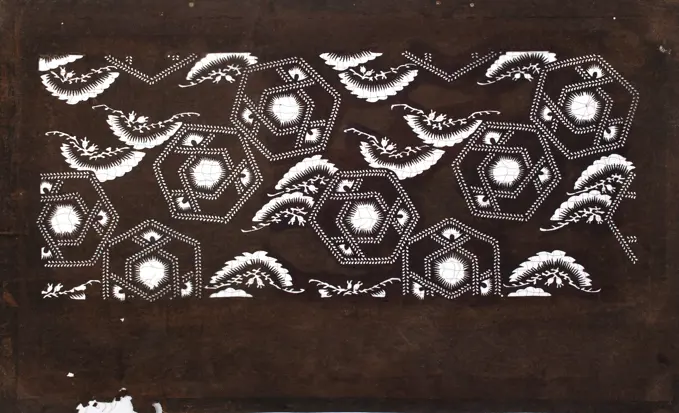
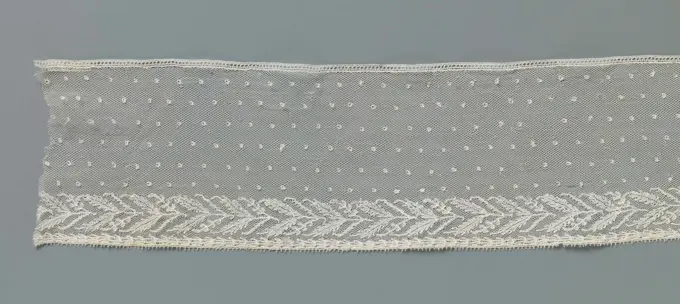
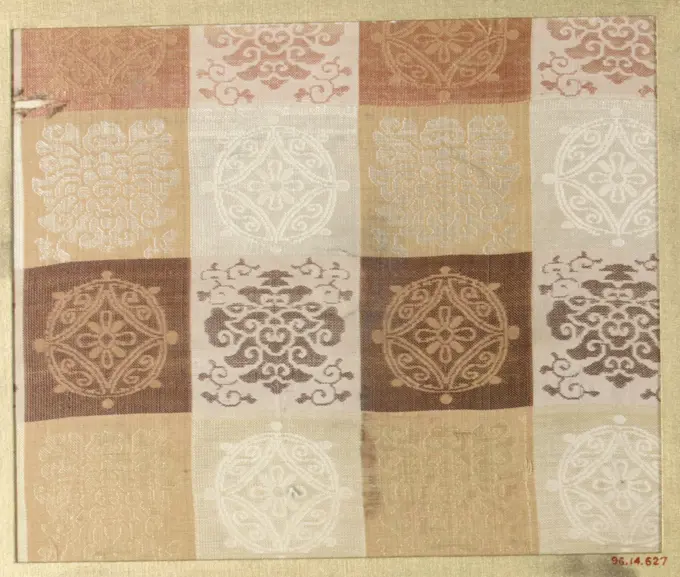
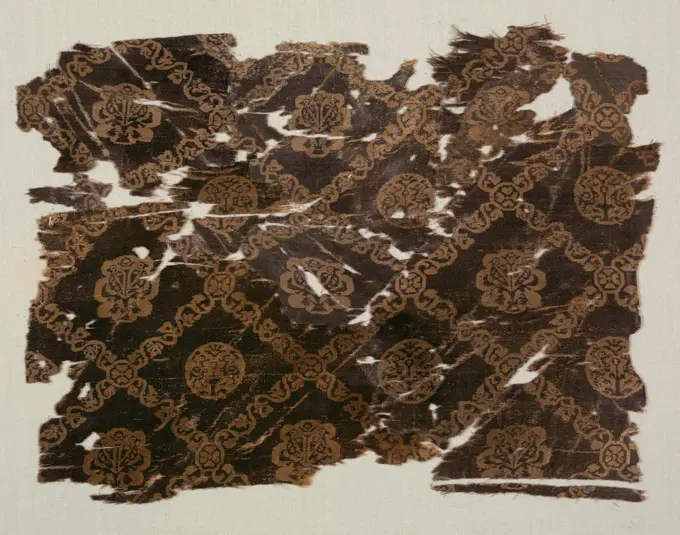
Piece 18th-19th century Japan. Piece 66193Sample ca. 1883 Associated Artists. Sample 14022Excerpt reddish -brown with cream -colored tissue in wool and linen; Damast, Anonymous, c. 1700 - c. 1899 Fragment red -brown tissue with a pattern of flowers and leaf branches in cream color. Some petals have an open -up edge pattern. There are lines around the flowers around small circles.  linen (material). wool damask Fragment red -brown tissue with a pattern of flowers and leaf branches in cream color. Some petals have an open -up edge pattern. There are lines around the flowers around small circles.  linen (material). wool damaskFragment. Netherlands. Date: 1601-1625. Dimensions: 29.2 x 9.8 cm (11 1/2 x 3 7/8 in.). Linen and wool, compound weave (ie. Beiderwand or Lampas 2:1). Origin: Netherlands. Museum: The Chicago Art Institute, Chicago, USA.Fragments, Medium: silk Technique 4&1 satin damask, Interlaced strapwork forming compartments in red., 17th century, woven textiles, FragmentsVolant van kloskant met ruitvormige medaillons.Volant of natural colosside: Parisian side. The ground has been shared in two in a paris soil with clover leaves at the top and a tulet below. In the last one is a symmetrical pattern of diamond-shaped openwork medallions with sidewalks crowned by a flower between two leaves. The leaves, the side drinks and a series of flowers and ranks in the sculpture are released in three closed garlands. The motifs are made in linen stroke and equipped with contour wires. A rose soil has been applied as ornamental ground. The top of the strip is finished with a separate splitting strap.Textile Sample from Sample Book 19th century Japan. Textile Sample from Sample Book 68093Fragment, Medium: linen Technique: bobbin lace (Lille-style with heavy outlining thread), Fragment of Lille style bobbin lace., 19th century, lace, FragmentFragment, Medium: silk, metallic Technique: supplementary warp forming cut and uncut pile in plain weave foundation (vevet) with supplementary wefts, Scrolling floral forms in green velvet on gold faced with metallic gold., 17th century, woven textiles, FragmentPiece 18th-19th century Japan. Piece 66800Silk Brokaat Decorated With Flowers And Leaves, Anonymous, 1725 - 1775 Silk brokaat, consisting of two rectangular fragments sewn together. Green branches with salmon -colored and with blue flowers in an asymmetrical frame of silver rosette and chalice and long leaves on a ground of horizontally woven silver thread.  silk. brocade (textile) Silk brokaat, consisting of two rectangular fragments sewn together. Green branches with salmon -colored and with blue flowers in an asymmetrical frame of silver rosette and chalice and long leaves on a ground of horizontally woven silver thread.  silk. brocade (textile)Sidewall (possibly USA); block-printed; Overall: 72.5 x 49.5 cm (28 9/16 x 19 1/2 in.)Cap streamer fragment, Medium: linen Technique: bobbin lace, Mechlin style, Mechlin-style, Belgium, 18th century, lace, Cap streamer fragmentFragment 17th century Italian. Fragment 230562Fragment of embroidery;  1 PO. 18th century (1701-00-00-1750-00-00), 1. PO. 18th century (1701-00-00-1750-00-00);embroideryFragment, Medium: cotton Technique: printed or painted on plain weave with dye, gold powder on wax or gum base, Close-set diagonal repeat of small pointed leaf outlined in black and decorated with gold dot in lower part, above tiny stem; on dull yellow-green ground., Rajasthan, India, 17th-18th century, printed, dyed & painted textiles, FragmentPiece 18th-19th century Japan. Piece. Japan. 18th-19th century. Silk. Textiles-WovenRibbon 1860-70 French or British. Ribbon 227445Textile, Medium: linen Technique: block printed on plain weave, Fragment of printed linen with twining lizards forming a leaf-like form, which is surrounded by vine-like forms. In gold on an undyed ground., Germany, 14th-15th century, printed, dyed & painted textiles, TextileExcerpt blue silk samite with ferronnerie pattern, anonymous, 1500 - 1599 Fragment blue silk with ferronnerie pattern in silver from asymmetrical hooking tulp, palmet and rosette. Italy silk. samite Fragment blue silk with ferronnerie pattern in silver from asymmetrical hooking tulp, palmet and rosette. Italy silk. samiteStrook kloskant met liggende bloemtakjes.At a nice ground ground, a mechelen soil (also known as ice soil), are righ-facing lying twigs, to which three small florets; Things of this single scattered bakes. An edge with open grid work fills consists of consecutive spiral drinks, including three florets and edges of Campanes, which form the slot. Mechelen side.Flounce, Medium: linen net Technique: applique on net, Pattern of floral prays and diamond shaped medallions. Pattern of Limerick type but probably made in England., probably England, 19th century, lace, FlouncePocket 1740-70 Italian. Pocket 168282Silk Brokaat Decorated With Flowers And Leaves, Anonymous, 1725 - 1775 Silk brokaat, consisting of two rectangular fragments sewn together. Green branches with salmon -colored and with blue flowers in an asymmetrical frame of silver rosette and chalice and long leaves on a ground of horizontally woven silver thread.  silk. brocade (textile) Silk brokaat, consisting of two rectangular fragments sewn together. Green branches with salmon -colored and with blue flowers in an asymmetrical frame of silver rosette and chalice and long leaves on a ground of horizontally woven silver thread.  silk. brocade (textile)Lower edge of hat veil, Medium: straw, cotton Technique: satin and running stitches on machine-made net, Hat veil embroidered with straw in a floral design., Italy or Switzerland, mid-19th century, lace, Lower edge of hat veilFragment late 18th century French or Italian. Fragment 230114Tapa Cloth; bark (bronssetia)Fragment of fabric unknownStrip Application side with rosette flowers in symmetrical leaf branches, anonymous, c. 1840 - c. 1850 Strip natural -colored Brussels Application side: Needle side Applicated on Machine Tulle. Strooi pattern of four rows of leaf branches on a fine hexagonal mesh ground. Along the bottom edge a repetitive motif of a symmetrical leaf branch with one rosette flower in the center and one rosette flower in each of the two volutes underneath. The branch originates from a hanging flower with a drop -shaped heart, the petals of which are part of the scrap edge along the bottom. Different decorative grounds in the motifs and relief contours of wire bundles. The top is trimmed with a border bobbin. Brussels linen (material) Brussels Applied Strip natural -colored Brussels Application side: Needle side Applicated on Machine Tulle. Strooi pattern of four rows of leaf branches on a fine hexagonal mesh ground. Along the bottom edge a repetitive motif of a symmetrical leaf branch with one rosette flStrip of a fall, Batist, for a dressing table.strip Batist with Embroidered Flowers and Belt Bottom. Belonging to a Fall for a dressing table in a boudoir (inv.no. BK 1980-789-F)Textile Fragment 17th century. Textile Fragment 454454Napkin with grape vines and the weapons Nassau, Schagen, Hornes and Ghiennes. Marked AVB 13., Anonymous, 1682 White linen Damas napkin with grape vines and the weapons Nassau, Schagen, Hornes and Thiennes, marked AVB 13. Northern Netherlands linen (material) damask White linen Damas napkin with grape vines and the weapons Nassau, Schagen, Hornes and Thiennes, marked AVB 13. Northern Netherlands linen (material) damaskPiece 19th century Japan. Piece 67668Machine-made Openwork Samples (USA); cardboard, linen, silk, metallic; 1971-26-2-25Silk Fragment, 13th century. Spain, 13th century. Lampas weave, brocaded; silk and gold thread; overall: 46.5 x 10 cm (18 5/16 x 3 15/16 in.).Fragment, Medium: silk Technique: cut and voided supplementary warp pile in a satin foundation (velvet), Fragment of red velvet with cut pile in a satin ground. Design of peonies, butterflies, bats, coins and small swastikas., China, 18th century, woven textiles, FragmentPiece 19th century Japan. Piece. Japan. 19th century. Silk. Edo (1615-1868) or Meiji period (1868-1912). Textiles-WovenFragment 16th-17th century Italian. Fragment 230677Dasslip from dick edge with a symmetrical pattern of candelabers or floral baskets surrounded by garlands of voluten. Natural collate dasslip. Pattern with short tales, rosettes and candelabers or flourets, in which various decorative stitches and shape layers are also split, be connected to a symmetrical drawing by garlands of volutes and a grade land. Suspended reliefs surround some details of the decor. Three sides of each slip are scalloped from two repeating motifs.Strikdas van machinale kant met klaprozen aan uiteinden.Tie from natural-colored machining: machine tulle with machined embroidery. Elongated rectangular model. The tie has a pattern at the ends, further the tulle is unprocessed. At each end there are three deep slippers, each with a symmetrical pattern of C-Volutes and a godreways. Thin flower stems from this pattern. For each shell three upright stems with different heights to which nodding flowers, poppies. The long sides are finished with a regular sloping edge along which a braid is located.Fragment; silk, metallic yarnsVelvet Fragment, 1400s. Italy, 15th century. Velvet (cut, voided, and brocaded): silk and gold thread; overall: 28 x 47 cm (11 x 18 1/2 in.).Fragment late 16th century Italian. Fragment 230244Printed Textile. Dated: c. 1941. Dimensions: overall: 36.5 x 29 cm (14 3/8 x 11 7/16 in.) Original IAD Object: 24" wide. Medium: watercolor on paperboard. Museum: National Gallery of Art, Washington DC. Author: Joseph Lubrano.Napkin with the coat of arms of Cornelis Hop, Anonymous, c. 1700 - c. 1724 Napkin van Linnamast with the coat of arms of Cornelis Hop. Midfield: Symmetrical pattern of multifaceted volutes with blocked thickenings at the junctions. In between a lying oval shield with a weapon of Cornelis Hop (1685-1762), ambassador at the court of King Louis XV of France: celebrated, 1 and 4 header standing on Bol (the bird of 1, that of 4 surrounding); 2 and three two lined wings. Heart shield shared: 1 a crossbar, 2 on the right a five -pointed star, on the left a desired Wassenaar. The shield covered with five -sized crown. Shield holders: On the right an eagle, on the left an aligned lion. Edges: weapon trophies. Corners: a round axle. All around blocks. Southern Netherlands linen (material) damask Napkin van Linnamast with the coat of arms of Cornelis Hop. Midfield: Symmetrical pattern of multifaceted volutes with blocked thickenings at the junctions. In between a lying oval shield with a weapon oFragment veelkleurige gebrocheerde zijde.Two set fragments of purple and white striped silk, on which colored flowers and tendrils.Bodice (Philippines); piña fiber, cottonSiercraft for an evening mantle of mixed side with rose hedge, Martha Berkers, 1915 Ornamental piece for an evening mantle of natural -colored mixed side - bobbin in combination with needle side - Brussels Duchesse. There are roses on a wide -spread braid that usually support on two leaves. An intermediate ornament consists of single and double volutes and many small flowers. Lock linen (material) mixed lace / mixed Brussels Ornamental piece for an evening mantle of natural -colored mixed side - bobbin in combination with needle side - Brussels Duchesse. There are roses on a wide -spread braid that usually support on two leaves. An intermediate ornament consists of single and double volutes and many small flowers. Lock linen (material) mixed lace / mixed BrusselsTextile Swatches Onondaga Silk Company, Inc. (1925-1981). , 1948-1959. Silk, 24 x 9 1/2 in. (61 x 24.1 cm).    1948-1959Fragment, Medium: silk, linen(), metallic Technique: two integrated fabric structures, Cartouches with checked brackets at the intersections framing blossoms. Red and yellow., 17th century, woven textiles, FragmentCollar of mixed side with the closed flower edge for a décolleté, anonymous, c. 1875 - c. 1899 Collar of natural -colored mixed side: Brussels Kloskant in combination with a needle -sided land, a fine mesh side. This type of lace is also known under the name: Point d'Angleterre. A pointed back piece gradually in square ends. The closed edge is formed by a wavy branch, on which alternately a five-leaf rosette (bobbin and needle side) with one extended petal and an anemone (bobbin). On the fine Maas soil there is an airy row of wingerd leaves and flower claws. Brussels linen (material) mixed lace / Brussels bobbin lace Collar of natural -colored mixed side: Brussels Kloskant in combination with a needle -sided land, a fine mesh side. This type of lace is also known under the name: Point d'Angleterre. A pointed back piece gradually in square ends. The closed edge is formed by a wavy branch, on which alternately a five-leaf rosette (bobbin and needle side) with one extended petal and an anFragment Swedish (Rattvik) (Dalarna) 19th centuryPiece 18th-19th century Japan. Piece. Japan. 18th-19th century. Silk. Edo period (1615-1868). Textiles-WovenTextile Swatches Onondaga Silk Company, Inc. (1925-1981). Textile Swatches, 1948-1959. silk; metal, (a) - (e): 8 1/2 x 4 1/2 in. (21.6 x 11.4 cm).    1948-1959Fragment 17th century Italian. Fragment 230479Fragment; silkSari India 19th centuryFragment, Medium: Warp; linen. Wefts; linen, silk. Technique: supplementary wft floats on a plain weave background., Diagonal bands of brown silk in geometric pattern. One selvage present., Near East, 12th-14th century, woven textiles, FragmentHat voile of edge embroidery on tulle with a large daisy in every semicircular shell. Hat venoile of natural-colored edge embroidery on machine tulle, tuled stones. Along three sides, one large daisy is always one large daisy, without stem. In addition, a sling of finer half-star-shaped flowers and toothed leaves walks. In all flowers and especially in the Great, a selection of filling patterns in forwarding technology has been applied. In the two lower corners of the voile are bouquets with five different flowers. The sides with shelters are finished with feston stitches. A slot has been made along the top edge for deleting a ribbon.Tablecloth with flower pattern inside windows of branches, anonymous, 1767 - 1816 Tablecloth of white linen with pattern of flowers inside windows of twigs, brand WS 3. Three napkins (BK-1980-379-A to BK-1980-379-C) belong to the tablecloths. Northern Netherlands (Possible) linen (material) damask Tablecloth of white linen with pattern of flowers inside windows of twigs, brand WS 3. Three napkins (BK-1980-379-A to BK-1980-379-C) belong to the tablecloths. Northern Netherlands (Possible) linen (material) damaskToilet set, c. 1795 Rectangular box belonging to the Mirror Standard AK-RAK-2003-8-1. Covered with black lacquer with gold decorations. On the lid a monogram ECVB surrounded by a narrow b and with leaf motifs and four small flowers. Around the central medallion a flower band and outside this tire the surface is filled with geometric motifs. Loose flower branches on the sides. China whole: Wood (plant material). whole: Lacquer (coating) lacquering Rectangular box belonging to the Mirror Standard AK-RAK-2003-8-1. Covered with black lacquer with gold decorations. On the lid a monogram ECVB surrounded by a narrow b and with leaf motifs and four small flowers. Around the central medallion a flower band and outside this tire the surface is filled with geometric motifs. Loose flower branches on the sides. China whole: Wood (plant material). whole: Lacquer (coating) lacqueringTextile Swatches Onondaga Silk Company, Inc. (1925-1981). , 1948-1959. Wool, silk, 54 x 18 1/2 in. (137.2 x 47 cm).    1948-1959Cover 16th century Italian, Sicily. Cover 218752Anonymous, coated in pieces (attributed title), 1775. Satin of 8 chain, uncheck 3, plum silk son, embroidery in the past, polychrome silk son. Palais Galliera, fashion museum of the city of Paris.Cover, Medium: linen Technique: needlework on knotted net, Cover of white linen with wide borders of embroidered net with a design of a flowerpot with carnations and confronted peacocks on either side. Edged with scalloped bobbin lace., Italy, 17th century, lace, CoverUncut Robe: Proper Right Front and Back Panel, c. 1890s. China, late 19th century. Embroidered silk, gauze weave; overall: 279.4 x 77.5 cm (110 x 30 1/2 in.).Piece of fabric. unknown, authorFragment van een veelkleurig zijdedamast.A silk tissue. On a beige ground a continuous garland with various light-salmon colored, yellow and blue flowers and salmon-colored and silver leaves.Cope, Medium: silk Technique: voided velvet, Cope of green voided velvet., Italy, ca. 1500, woven textiles, CopeFragment. Dimensions: 10 in. high 14.00 in. wide (25.4 cm high 35.6 cm wide). Date: 18th century. Museum: Metropolitan Museum of Art, New York, USA.Strip side, white, sculpted on one side with floral pattern, on cardboard, Gustav Schnitzler, c. 1925 Strip lace, white, sculpted on one side with floral pattern, on cardboard Nijmegen cardboard Strip lace, white, sculpted on one side with floral pattern, on cardboard Nijmegen cardboardFragment of Alb Flounce. Italy, Milan, 18th century. Costumes. Linen bobbin laceFragment zijdeweefsel, c. 1600 - c. 1610 Fragment gray damask with pattern of stylized tulips and other flowers.  Ketting an element: Silk damask Fragment gray damask with pattern of stylized tulips and other flowers.  Ketting an element: Silk damaskGarniture 18th century French. Garniture 226061Example of Kant, c. 1890 photograph   paper cyanotype laceRetro place mat on wooden deck table.Textiles, Italy 16th century. Florentine, chiselled velvet with pomegranate-shaped motif.Fragment silk tissue of a seat cover., C. 1805 Fragment yellow silk tissue, from a seat cover. The pattern has pink palmets and arabesks on a yellow ground. The fragment is part of thirteen fragments with invnr. BK-1992-18-A to BK-1992-18-M. France silk Fragment yellow silk tissue, from a seat cover. The pattern has pink palmets and arabesks on a yellow ground. The fragment is part of thirteen fragments with invnr. BK-1992-18-A to BK-1992-18-M. France silkChiné piece, late 19th century, 22 1/2 x 13 1/2 in. (57.15 x 34.29 cm), Silk; printed, France, 19th centuryBrieventas van M.A. de Ruyter.Flat green velvet bag with red leather edges. Pieces of leather are sewn on the velvet on which gold thread is embroidered. Only the side of the valve decorated; Under the valve the inscription: De Ruyter. Inside lined with linen, two compartments separated by a piece of leather. In the bag a rectangular parchment label with inscription: letter bag by the Admiraal M. A. / De Ruyter worn / A.Textile Swatch , 1950s to 1960s. Silk, 20 1/4 x 13 in. (51.4 x 33 cm).    1950s to 1960sStrip of lace pledger on mechanical tulle with roses and C-volutes, anonymous, c. 1860 - c. 1880 Strip of natural -colored lace -ups, tuldoor stop work on mechanical tulle. The pattern has thick roses of branches and neo-Rococo C-Voluten. Along the scalloped lower edge, a concatrient pattern of two types of floral motifs runs. The top is finished with a narrow hem. The ends of the strip are sewn together. The strip may be used or intended for a skirt or for the shoulders.   embroidering Strip of natural -colored lace -ups, tuldoor stop work on mechanical tulle. The pattern has thick roses of branches and neo-Rococo C-Voluten. Along the scalloped lower edge, a concatrient pattern of two types of floral motifs runs. The top is finished with a narrow hem. The ends of the strip are sewn together. The strip may be used or intended for a skirt or for the shoulders.   embroideringFragment of silk fabric unknownFragment sits, so -called 'night land', with pattern of flower branches, c. 1750 - Before 1767 Fragment sits, supposedly 'night land', with pattern of flower branches that grew up. General cargo. Eastern textile. India cotton (textile) Fragment sits, supposedly 'night land', with pattern of flower branches that grew up. General cargo. Eastern textile. India cotton (textile)Wedding veil ca. 1825 Italian. Wedding veil 102622Silk Damask Fragment, 1500s. Italy, 16th century. Damask, silk; overall: 16 x 19.5 cm (6 5/16 x 7 11/16 in.).Napkin with flowers and garlands, anonymous, c. 1800 - c. 1810 Linnamast napkin with flowers and garlands. Midfield: A straight -up fine swinging branch, with cord and brush, is intersected by a wide wavy -leafed branch. Edges: three times a straight list, coordinously wound; The middle one is wide and with leaves wound, the outer narrow and with a fine flower branch overranks. Brabant (possibly) linen (material) damask Linnamast napkin with flowers and garlands. Midfield: A straight -up fine swinging branch, with cord and brush, is intersected by a wide wavy -leafed branch. Edges: three times a straight list, coordinously wound; The middle one is wide and with leaves wound, the outer narrow and with a fine flower branch overranks. Brabant (possibly) linen (material) damaskLength of Dress or Furnishing Fabric Made 1852-1870 Lyon. Silk, plain weave with self-patterning weft floats and areas of satin weave; watered (moirÈ) .Waistcoat. Culture: British. Date: ca. 1740. Museum: Metropolitan Museum of Art, New York, USA.Bliżej Kultury unknownTextile Swatch Textile Swatch, 1950s to 1960s. Silk, 22 1/2 x 14 1/4 in. (57.2 x 36.2 cm).    1950s to 1960sEdna C Rex, Pillow Sham, c 1936 Pillow ShamPiece 18th century Japan. Piece 72090Fragment Zijddamast in white and silver with pattern of pomegranates, anonymous, c. 1710 - c. 1730 Fragment Zijddamast in white and silver. Pattern (incomplete): two thick flower heads or pomegranates over cutting a whimsical, sloping trunk. The button or pomegranate has an equally opened top, a tormented structure like a hobborn and is right winger surrounded by a bunch of berries. France (possibly) silk. brocade (textile). Fragment Zijddamast in white and silver. Pattern (incomplete): two thick flower heads or pomegranates over cutting a whimsical, sloping trunk. The button or pomegranate has an equally opened top, a tormented structure like a hobborn and is right winger surrounded by a bunch of berries. France (possibly) silk. brocade (textile).Fragment (France); silk; Warp x Weft: 67.5 x 54.5 cm (26 9/16 x 21 7/16 in.)Catagami dye template with a stylized geometric -line motif;  XIX/XXW. (1868-00-00-1912-00-00);ISE-CATAGAMI, templates, purchase (provenance)Textile Swatches Onondaga Silk Company, Inc. (1925-1981). , 1948-1959. Silk, 41 1/2 x 15 in. (105.4 x 38.1 cm).    1948-1959Strook kloskant met rechte baan van dubbele v-vormige takken.Strip natural colosside: Mechelen side. Under a scattering pattern of six rows of circles is a straight path with lying, double V-shaped branches along the underside of the strip. The motifs are connected by a fine Maas soil, a Mechelen soil. The sparse fullwork is made in linen stroke with thicker and shiny contour wires. The top is finished with a separate clust strap. The bottom of the strip is straight finished and equipped with picots.Piece 18th-19th century Japan. Piece 66351Silk with lattice of animals in medallions, 600s-800s. Egypt or Syria. Samite: silk; overall: 25.7 x 34 cm (10 1/8 x 13 3/8 in.); mounted: 32.4 x 40.6 cm (12 3/4 x 16 in.).