Textile Fragments From History

Close-up images of various historical textile fragments featuring intricate patterns, in neutral and muted colors from different eras.

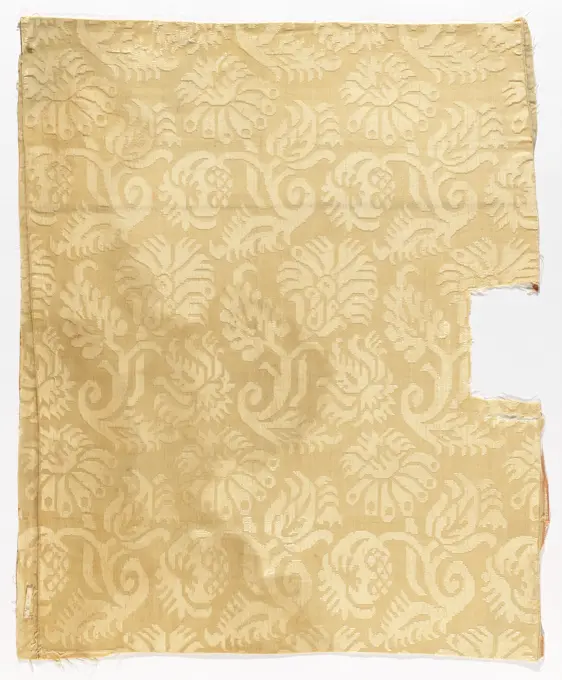
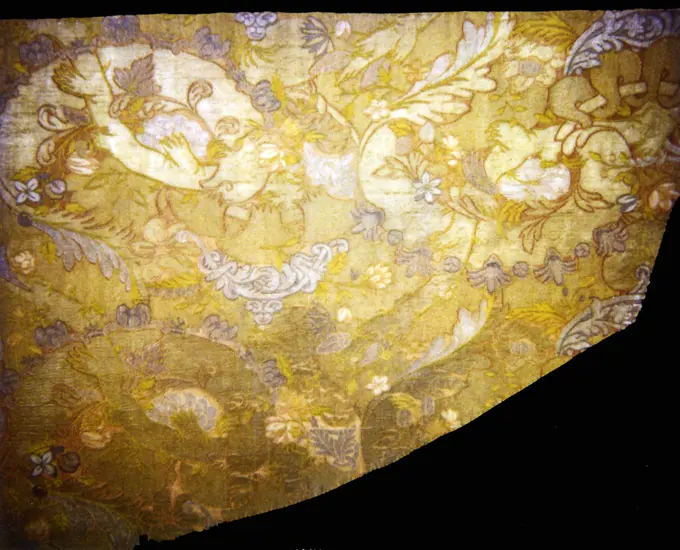
Fragment, Medium: silk, metallic Technique: supplementary warp forming cut and uncut pile in plain weave foundation (vevet) with supplementary wefts, Scrolling floral forms in green velvet on gold faced with metallic gold., 17th century, woven textiles, Fragment
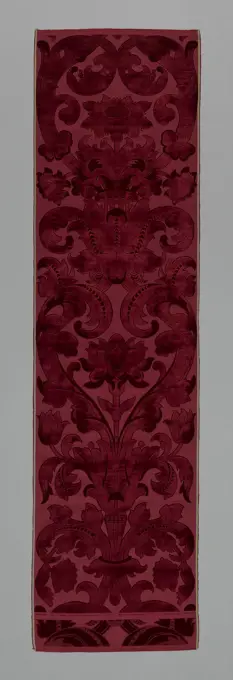
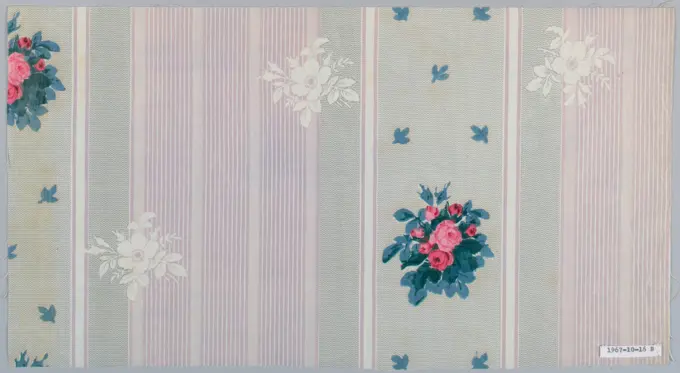
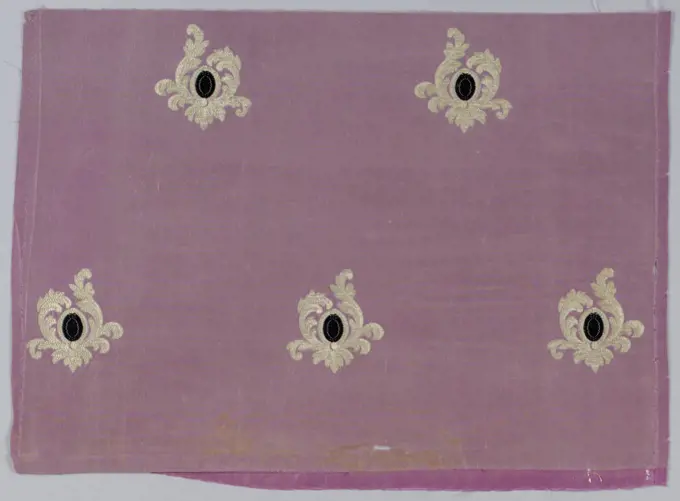
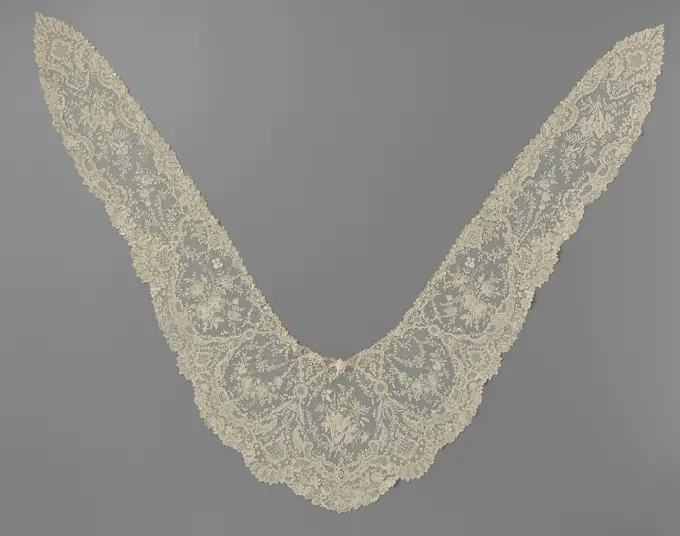
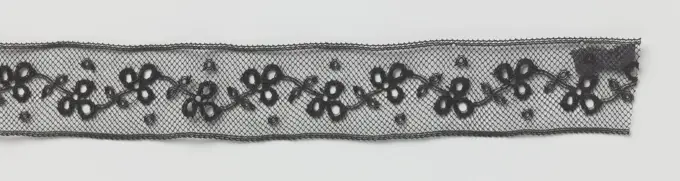
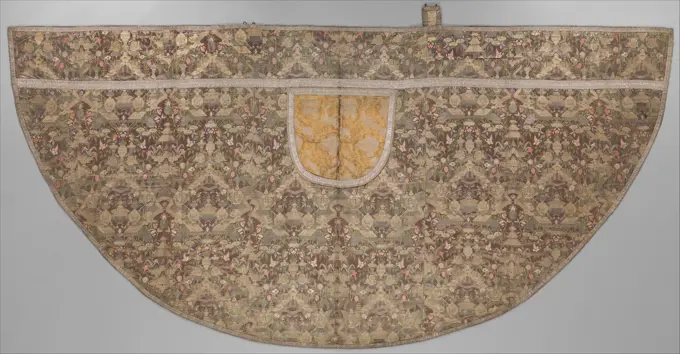
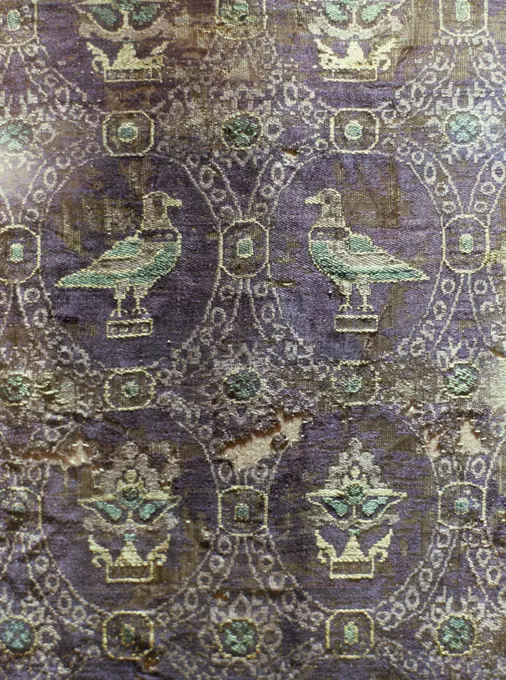
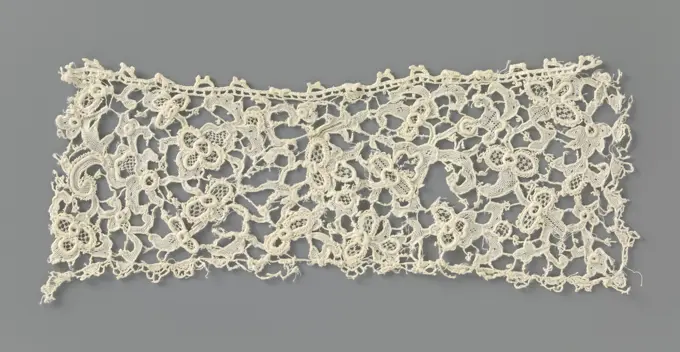
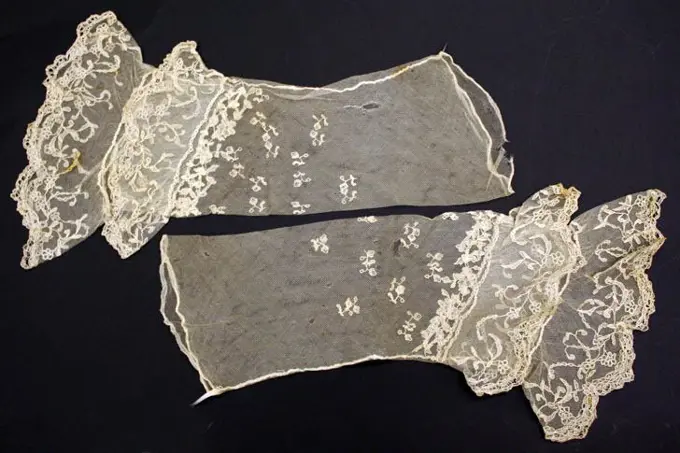
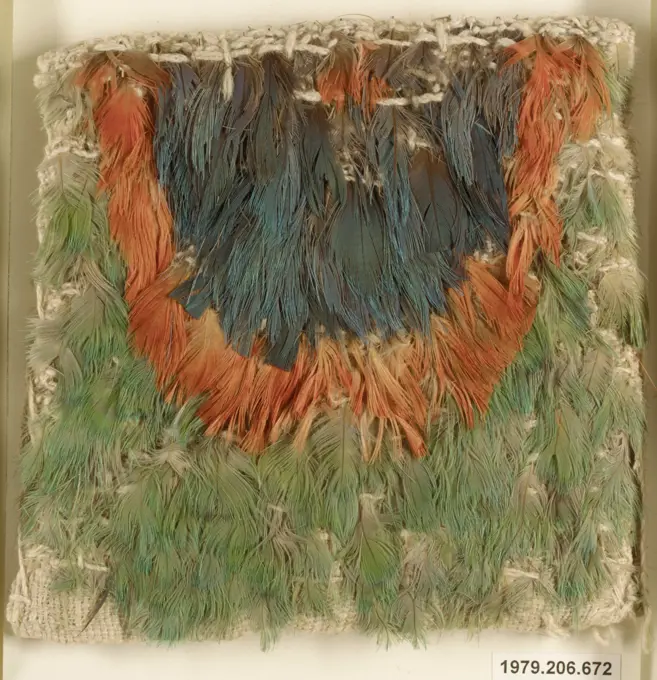
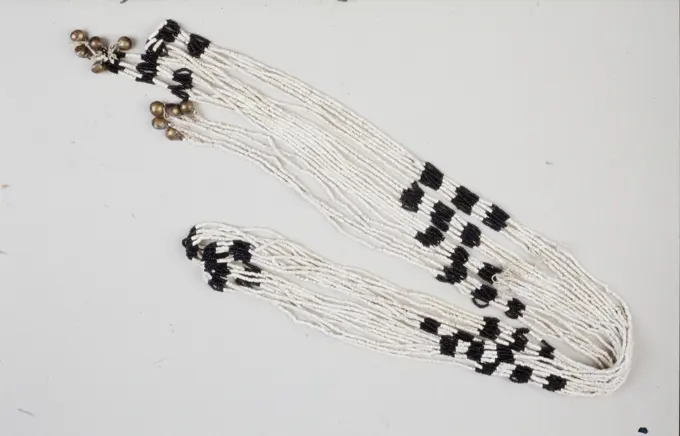
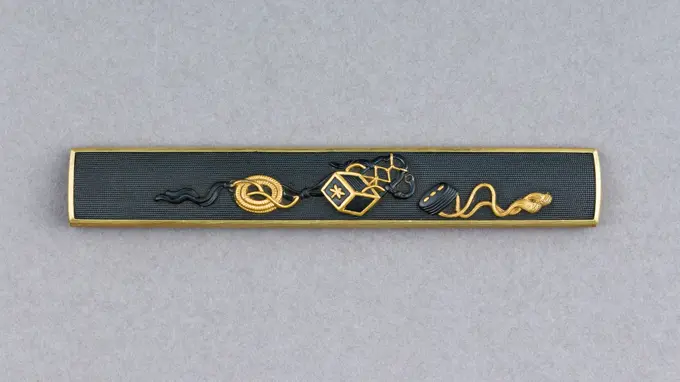
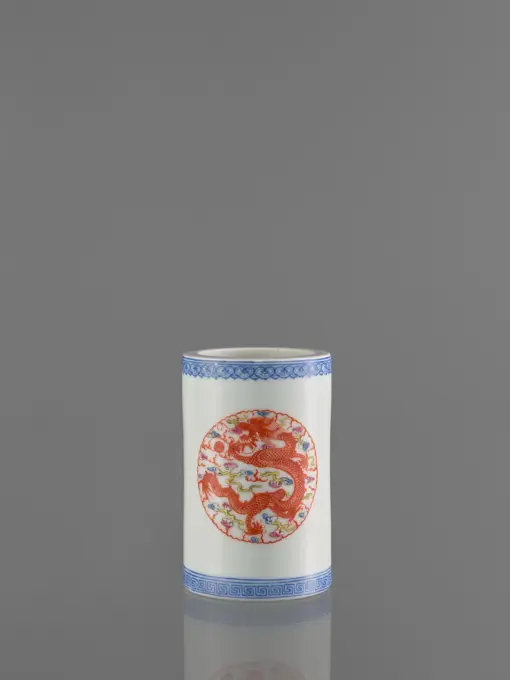
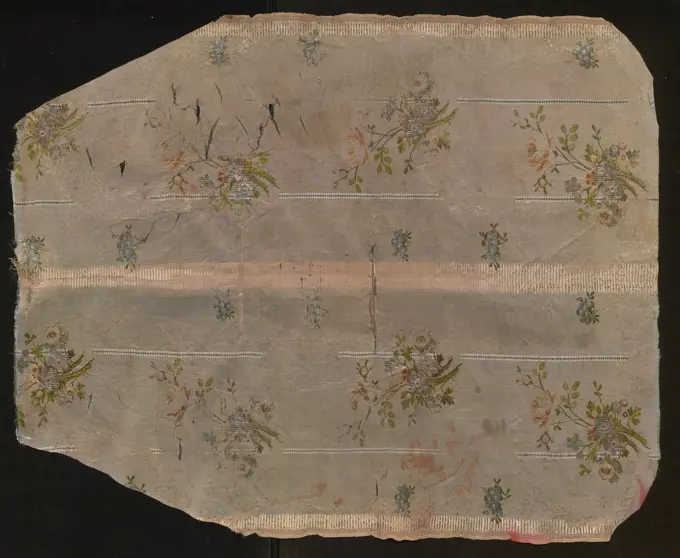
Ritual Textile (PuaKumbu)Photo album from a journey through Switzerland, Austria and Germany by the Dutch Derkinderen family. Photo album in velvet folder with two metal golden locks. The front and back are equipped with panels with wood carving with leaf motifs. Schayers of changing paper with geometric pattern. The album contains 24 plugs with gold on cut. In it 86 photos and 3 prints, each in the format of a carte-de-visite. Each page has two passe partouts, each decorated with a gold-colored frame. It concerns pictures and prints of paintings and cities and landscapes in Germany, Austria and Switzerland. Attached in the album a list of descriptions of the images. The album has been compiled during a journey through the Amsterdam Derkinderen family.Needlepoint (Reticella) Lace Band, 18th-19th century. Italy, 18th-19th century. Lace, needlepoint: linen; average: 8.6 x 57.2 cm (3 3/8 x 22 1/2 in.).Panel Made 1860-1880 Lyon. This velvet features a design with two different lengths of cut pile on a voided ground. At the bottom of this length, there is a band woven with the same material and in the same pattern, executed with cut and uncut velvet. The uncut loops look markedly different in comparison to the cut pile, a distinction that highlights the way in which designers and weavers of velvet can exploit and manipulate velvet piles to create subtle or dramatic effects.-Modern Velvet A Sense of Luxury in the Age of Industry, Oct 21, 2016-Mar 19, 2017, Galleries 57-59. Silk and cotton, twill weave with supplementary pile warps forming cut pile-on-pile voided velvet; band of partially uncut pile . Mathevon et Bouvard (Producer)Goldsmith's art, France, 20th century. Cosmetics box with mother-of-pearl plaques, turquoises, emerald and rose-shaped platinum decorations, Cartier 1923.Napkin;  XIXW. (1801-00-00-1900-00-00);Valance, Medium: cotton Technique: weft ikat in 12 twill, Wide valance with bands of solid blue and ochre, pink and beige weft ikat. Same fabric used as part of the facing on the back of the valance. valance is bound with plain weave tape., France, 18th century, printed, dyed & painted textiles, ValanceBig round collar with S-Ranken, Anonymous, 1966 Collar of natural Venetian needle side "Gros Point". Large round model, composed of two round collars, the smallest of which is described here: on an open ground of picoted bars is a full floral decor, which grows over wide S-Ranken and sometimes covered it. The flowers are large, richly subdivided and varied exotic flowers, such as symmetrical palms with mosaic fillings and feathered leaves. Venice (possibly) linen (material) Venetian gros point (heavy raised Venetian lace) Collar of natural Venetian needle side "Gros Point". Large round model, composed of two round collars, the smallest of which is described here: on an open ground of picoted bars is a full floral decor, which grows over wide S-Ranken and sometimes covered it. The flowers are large, richly subdivided and varied exotic flowers, such as symmetrical palms with mosaic fillings and feathered leaves. Venice (possibly) linen (material) Venetian gros point (heavy raised VenetiaFringe sample, Medium: silk, Yellow fringe with tasseled ends arranged in scallops. Corded top in yellow and white., USA, late 19th century, trimmings, Fringe sampleTablecloth with a flower pattern, anonymous, c. 1800 - c. 1810 Tablecloth from Linnamast with a flower pattern. Spreading rows of rosettes. Wide edge of spiral, a middle trunk -comprehensive two -sided feathered leaf vines. Falling leaf as a filling. Equal indoor and outdoor zoom of connected circles. Round: Blocking edge. The leaf vines of the napkins are not identical to those of the tablecloth. West-Europa linen (material) damask Tablecloth from Linnamast with a flower pattern. Spreading rows of rosettes. Wide edge of spiral, a middle trunk -comprehensive two -sided feathered leaf vines. Falling leaf as a filling. Equal indoor and outdoor zoom of connected circles. Round: Blocking edge. The leaf vines of the napkins are not identical to those of the tablecloth. West-Europa linen (material) damaskRibbon made of brOOCHED SIDE with a cream-colored surface on which a side-on-side pink and green flower and leaf vank have been applied over the entire length, c. 1800 - c. 1815 ribbon (material) Ribbon of brochureed silk with a cream-colored surface on which a side-on-side pink and green flower and leaf vank have been applied over the entire length. The edges are scooped. West-Europa whole: SilkPiece 18th-19th century Japan. Piece 66619Textile; Manufactured by Schwartz-Huguenin; cottonFragments, Medium: silk Technique: cut and uncut supplementary warp pile (velvet) in a woven foundation, Panel of green cut and uncut velvet in a pattern of palmette and foliage., Italy, 16th-early 17th century, woven textiles, FragmentsFragments, Medium: silk Technique: plain weave with discontinuous supplementary wefts (brocading), Length of bright purple silk taffeta, brocaded with detached motifs in black and white on floral ground. Dyed with fuschine, the first stable synthetic dye., France, 19th century, woven textiles, FragmentsTunic Fragment with Band Decoration Coptic. Tunic Fragment with Band Decoration, 5th-7th century C.E. Wool, 9 1/2 x 11 3/4 in. (24.1 x 29.8 cm).   Egyptian, Classical, Ancient Near Eastern Art 5th-7th century C.E.Cap streamers. Date/Period: Ca. 1730. Cap streamers. Medium: linen . Technique: bobbin lace. Author: UNKNOWN.Wide collar of mixed side with five points, anonymous, c. 1900 - c. 1924 Collar of natural -colored mixed side - bobbin in combination with needle side - Brussels Duchesse. Five -pointed wide shape with straight outside and circular inner edge. The inner part (needle side) has loose branches, including a Margriet on a mesh network. The outer part (bobbin) shows a braid soil filled with three -leaf, margrites and small rosette flowers. Brussels linen (material) mixed lace / mixed Brussels Collar of natural -colored mixed side - bobbin in combination with needle side - Brussels Duchesse. Five -pointed wide shape with straight outside and circular inner edge. The inner part (needle side) has loose branches, including a Margriet on a mesh network. The outer part (bobbin) shows a braid soil filled with three -leaf, margrites and small rosette flowers. Brussels linen (material) mixed lace / mixed BrusselsCurtain panel. Culture: American. Dimensions: 176 x 33 1/2 in. (447 x 85.1 cm). Date: ca. 1880-1910. Museum: Metropolitan Museum of Art, New York, USA.Bed curtain border. Culture: Russian. Dimensions: 20 x 63 in. (50.8 x 160 cm). Date: early 19th century.This object is from the collection of Natalia de Shabelsky (1841-1905), a Russian noblewoman compelled to preserve what she perceived as the vanishing folk art traditions of her native country. Traveling extensively throughout Great Russia, she collected many fine examples of textile art of the wealthy peasant class. From the 1870s until moving to France in 1902, Shabelsky amassed a large collection of intricately embroidered hand-woven household textiles and opulent festival garments with rich decoration and elaborate motifs. The Brooklyn Museum holdings include many fine examples including the majority of the garments. Portions of Shabelsky's collection are also housed at the Museum of Fine Arts, Boston, the Cleveland Art Museum, and the Russian Museum of Ethnography in St. Petersburg. Museum: Metropolitan Museum of Art, New York, USA.Fragment of embroidery  motifs of trees and palms unknownFragment, Medium: silk Technique: cut supplementary warp pile (velvet), Fragment of cream-colored velvet. Small allover design in fancy cloth ground of self-color. Interstices filled with cut velvet. Intricate pattern of fine curving lines., France, 18th century, woven textiles, FragmentSidewall (USA); machine-printed on ungrounded paper; 50.5 x 11 cm (19 7/8 x 4 5/16 in.)Fichu from needle side with carnation and rosary. A broad scaled backpiece gradually takes place in pointed ends. The finely drawn edges exhibit small C-volutes, which also framed five round medallions in the back. In between, bell-shaped slopes with an oval in the top, an asymmetrical Rocaille medallion in the heart and a wreath of leaves along the outside. In the backing, carrier and rosa branches alternate with flower garlands. The entire above the medallions has seeded mates from four dots. The fond in the medallions is unfromed. Point the Gaze de Bruxelles.Fragment; silkLinen garment found among mummy wrapping of Irtyru, Egypt.Embroidered Bell Pull ca. 1860 American. Embroidered Bell Pull 13569Fragment 18th century Italian, Venice. Fragment 218094Machinal side with golf drink, anonymous, c. 1900 - c. 1965 Strip or an intermediate creature made of black machine side. There is a golf drink with clover leaves on a mesh stock. West-Europa cotton (textile) Strip or an intermediate creature made of black machine side. There is a golf drink with clover leaves on a mesh stock. West-Europa cotton (textile)Cope main textile: 1720s; hood textile: mid-17th century Dutch and Italian Until recently, products of the Dutch silk-weaving industry have been difficult to identify. The duc de Richelieu (Louis-Francois- Armand de Vignerod du Plessis, 1696 - 1788) collected hundreds of European textile samples between 1720 and 1736 in an attempt to document local and regional production; included in this collection are several woven silks from the Netherlands labeled Indiennes.” This nomenclature and certain characteristics of the group have been confirmed by recent archival research in Amsterdam.¹ These fabrics have a width of about 30 1⁄2 inches (78 centimeters) and feature distinctively playful patterns with exotic elements, mostly interpretations of Chinese motifs.² Dutch silk indiennes were certainly intended for fashionable womens dress, as is evident from a particularly spectacular example of Dutch silk weaving at the Museum of Fine Arts, Boston (no. 43.1871a-c). The Dutch were exporting silkByzantine silk textiles dating from 10th century, Treasury of Ste. Foy, Conques, Midi_Pyrenees, France, EuropePanel, 19th century, 71 1/4 x 21 1/4 in. (180.98 x 53.98 cm), embroidery, Russia, 19th centurySidewall, Machine-printed on ungrounded paper, Diamond trellis design with inset floral motif. b) Deep blue oval at grid intersections, with connecting rope twist or cable molding. Printed in blue, white and possibly black on ungrounded tan paper. a) is a much smaller piece of the same design, printed in gray with green ovals., USA, 1840-60, Wallcoverings, SidewallAnni Albers, La Luz I, 1947, wire and linen, Bauhaus.Sample early 19th century French. Sample 224792Strip of needle side with bows and palm flowers, anonymous, c. 1833 - c. 1965 Strip of natural -colored needle side: Venetian relief side. Pattern with bows, different flowers and a few tendrils on an open bar with few bars and a few picots. Arching edges. Cut on the two short sides. unknown cotton (textile) Venetian raised work Strip of natural -colored needle side: Venetian relief side. Pattern with bows, different flowers and a few tendrils on an open bar with few bars and a few picots. Arching edges. Cut on the two short sides. unknown cotton (textile) Venetian raised workEmbroidered mass set unknownVitrage in Neo Lodewijk-XVI style, with copper rings. Vitrage in Neo Lodewijk-Xvie style, with copper rings.Undersleeves mid-19th century Belgian. Undersleeves 102665Miniature Tunic 12th-13th century Ica. Miniature Tunic. Ica. 12th-13th century. Cotton, feathers. Peru, Ica Valley. Textiles-FeatherworkEmbroidery sample for a mans suit or waistcoat ca. 1785-1815 French. Embroidery sample for a mans suit or waistcoat 224821Fragment. Possibly Chimú; Peru, Possibly north coast. Date: 1250-1470. Dimensions: 32.4 × 10.8 cm (12 3/4 × 4 1/4 in.). Origin: Peru. Museum: The Chicago Art Institute, USA.Strip with two putti, anonymous, after jacques vauquer, after 1631 - before 1676 print Putti on both sides of an oval medallion with leaf vines in the background. France (possibly) paper engravingTextile (USA); birch bark embroidered with dyed porcupine quillsFontaneldoek with Mechelen side in Red Cross stitch marked: NG24, Anonymous, c. 1700 - c. 1750 Fontaneldoek with Mechelse side in the Red Cross stitch marked: NG24. Europe . Mechlin (lace) Fontaneldoek with Mechelse side in the Red Cross stitch marked: NG24. Europe . Mechlin (lace)Sample early 19th century French. Sample. French. early 19th century. Silk on felt. Textiles-EmbroideredTextile Swatches Onondaga Silk Company, Inc. (1925-1981). Textile Swatches, 1948-1959. 65 silk; 35 metal, (a) - (c): 11 1/2 x 5 in. (29.2 x 12.7 cm).    1948-1959Engageantes (two). France, circa 1750. Costumes. White cotton embroidery, white cotton groundSword Guard (Tsuba). Culture: Japanese. Dimensions: Diam. 3 1/8 in. (7.9 cm); thickness 3/16 in. (0.5 cm); Wt. 3.1 oz. (87.9 g). Date: ca. 1615-1868. Museum: Metropolitan Museum of Art, New York, USA.Handmade Lace on the WoodPillow Slip, 16th century, W.12 x L.16 in., Linen, silk; embroidered, Italy, 16th century, Employing traditional techniques, the embroiderer who created this delicate pillow cover responded to the new fashion demands by employing color and stitch variation to create the illusion of an semi sheer textile.Fragment, Medium: linen Technique: needle lace, Fragment in a pattern of a small branch with a portion of two small scalloped blossoms attached to it., Venice, Italy, 17th century, lace, FragmentTextile Swatches Onondaga Silk Company, Inc. (1925-1981). , 1948-1959. Silk, 40 x 34 in. (101.6 x 86.4 cm).    1948-1959Textile Swatches Onondaga Silk Company, Inc. (1925-1981). Textile Swatches, 1948-1959. 34 Rayon; 34 Nylon; 32 silk, (a) - (e): 8 1/2 x 4 1/2 in. (21.6 x 11.4 cm).    1948-1959Necklace, 20th century, 117 in. (297.18 cm), Glass beads, bells, Taiwan, 20th centuryTowel with bubble motif, c. 1850 - c. 1899 Towel from Linnamast, in the middle studs, edges with a wave leaf ornament, marked with binding hole letters mn 8 and a name band AO.  linen (material) damask Towel from Linnamast, in the middle studs, edges with a wave leaf ornament, marked with binding hole letters mn 8 and a name band AO.  linen (material) damaskKnife Handle (Kozuka) ca. 1615-1868 Japanese A kozuka is a handle of a by-knife that is part of a sword mounting. It is kept in a slot on the reverse of a katana scabbard, often with a matching kōgai (hairdressing tool).. Knife Handle (Kozuka) 34510Textile Swatches Onondaga Silk Company, Inc. (1925-1981). , 1948-1959. Silk, 24 x 8 1/2 in. (61 x 21.6 cm).    1948-1959Naczynie na pędzle. unknown, craftsmanFragment of the fabric;  18th century (1701-00-00-1800-00-00);Górska, Jadwiga - collection, gift (provenance), fabricsFragment with Animal and Geometric Decoration Coptic. Fragment with Animal and Geometric Decoration, 5th-7th century C.E. Wool, 3 1/4 x 3 1/4 in. (8.3 x 8.3 cm).   Egyptian, Classical, Ancient Near Eastern Art 5th-7th century C.E.Towel cover, Medium: cotton () on linen Technique: embroidered, Towel cover with name, date, stars, plants, birds, and crowns embroidered in cross stitch., Pennsylvania, USA, 1838, embroidery & stitching, Towel coverStill life with wool and knitting needles. .Fragment printed tripe. Fragment printed tripe, violet and dark purple.Textile Fragment 3rd-4th century. Textile Fragment 443303Knife Handle (Kozuka) ca. 1615-1868 Japanese A kozuka is a handle of a by-knife that is part of a sword mounting. It is kept in a slot on the reverse of a katana scabbard, often with a matching kōgai (hairdressing tool).. Knife Handle (Kozuka) 34538Panel from a Cope Made 1708-1710 Venice. Silk and gilt and-silvered-metal-strip-wrapped silk, warp-float faced 7 1 satin weave with weft-float faced 1 3 and 2 2 'S' twill interlacings of secondary binding warps, supplementary brocading wefts and self-patterning ground wefts .Tile Panel. Date: late 13th-first half 14th century. Museum: Metropolitan Museum of Art, New York, USA.Frieze (USA); machine-printed paper; 92 x 49 cm (36 1/4 x 19 5/16 in.)Schafwolle Schafwolle, Sheep s wool, Raw cheep wool Copyright: xZoonar.com/GerdxHerrmannx 16860206Workpiece for diploma beautiful handicraft. Piece of Black Cotton Satin with Flower Branch Embroidered in White.Gilded bed of King Tutankhamen.  1323 BCTextile fragment with floral pattern 18th-19th century Japan. Textile fragment with floral pattern. Japan. 18th-19th century. Silk. Edo (1615-1868). Textiles-TapestriesCase (Inr) with Design of Monkeys' Festival 18th-19th century Japan. Case (Inr) with Design of Monkeys' Festival. Japan. 18th-19th century. Maki-e with black on gold lacquerOjime: lacquered wood in the shape of a chestnutNetsuke: carved ivory with a sleeping man and a monkey. Edo (1615-1868) or Meiji period (1868-1912). InrZardozi fabric sample in the New York City showroom/office of an Indian company that makes embroidery for the fashion industry.Glass Fragment 12th-14th century French. Glass Fragment. French. 12th-14th century. Pot-metal glass, vitreous paint. Glass-StainedFragment (France); silk, metallic; Warp x Weft: 20.2 x 11.5 cm (7 15/16 x 4 1/2 in.); 1896-2-63Antique BooksSulu Flag, Isolated On White Sulu Flag, Isolated On White Background Copyright: xZoonar.com/IgorxLubnevskiyx 12461412Valentines, Easter cards, and a marriage certificate, decorated with cupids, owls, dunce caps, bows and arrows, women, harps, plants, and flowers. Created in 1883 by L. Prang & Co. in BostonSample early 19th century French. Sample 224832