Textile Fragments Through Ages

A visual collection of historical textile fragments from different regions and time periods, showcasing their intricate designs.

Oriental carpet, Anonymous, 1800 - 1900 Eastern carpet, medailla rug. In the middle a medallion with flowers against a solid terracotta fond. The edge is divided into red and olive -green color areas by windows and huge corners; A flower in every octagon. Chinese Turkestan Ketting an element: Cotton (Textile). Pool: Wool. Pool: Silk Eastern carpet, medailla rug. In the middle a medallion with flowers against a solid terracotta fond. The edge is divided into red and olive -green color areas by windows and huge corners; A flower in every octagon. Chinese Turkestan Ketting an element: Cotton (Textile). Pool: Wool. Pool: Silk
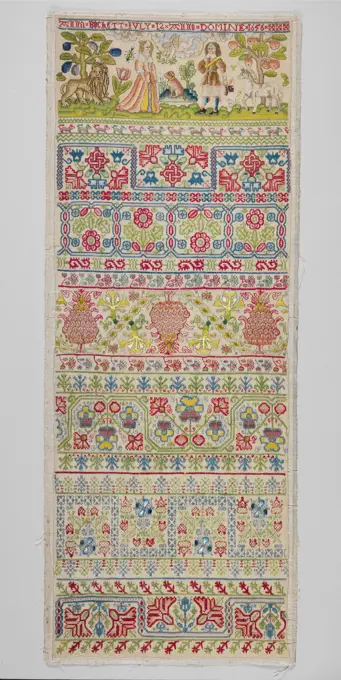
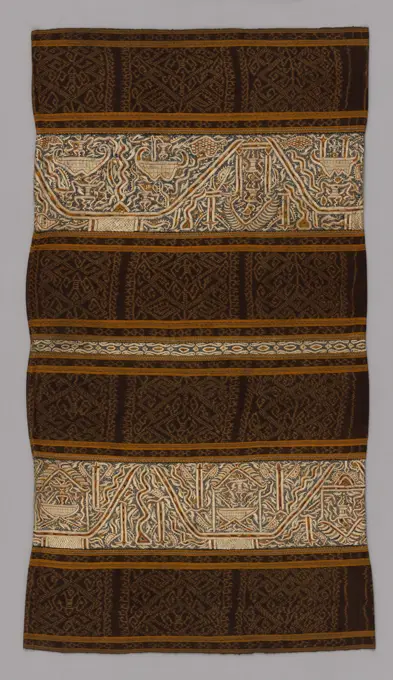
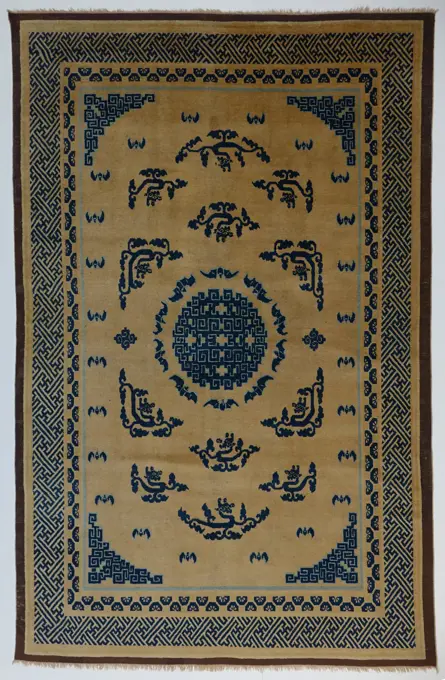
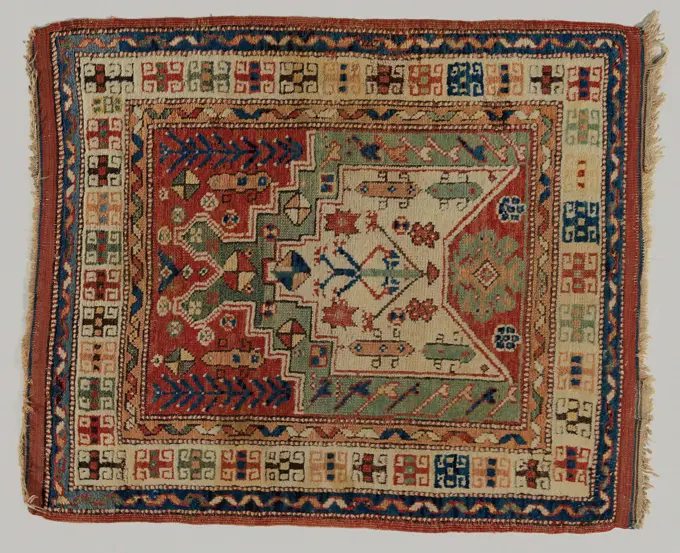
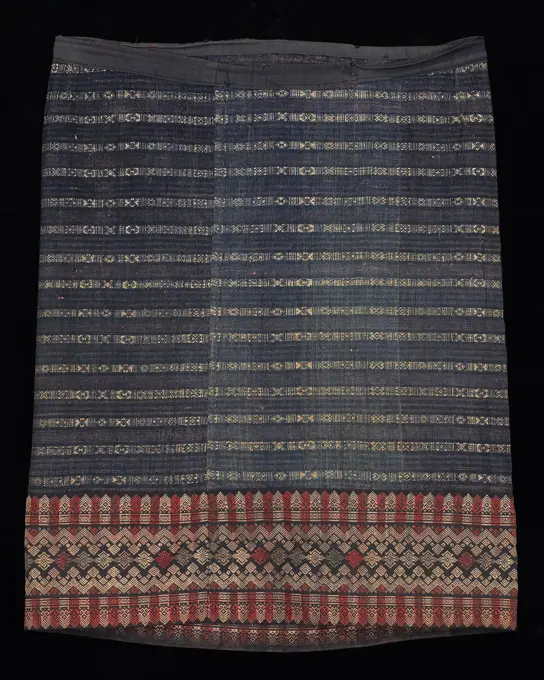
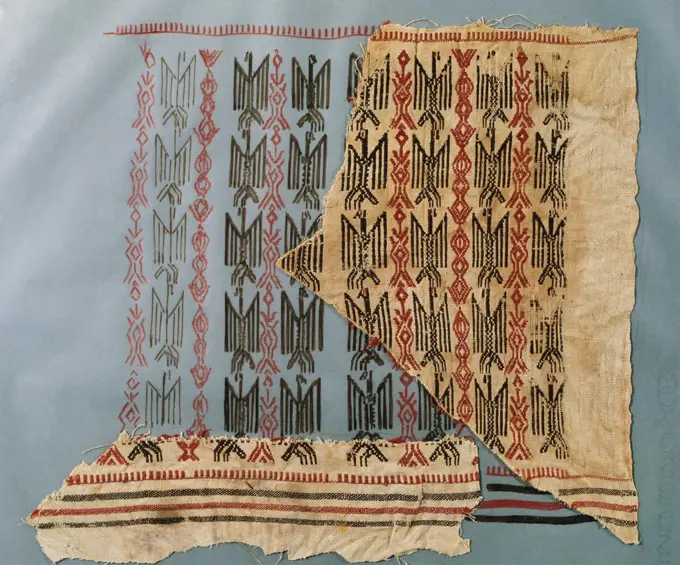
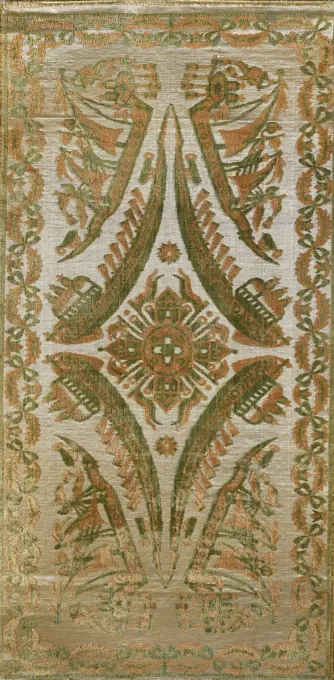
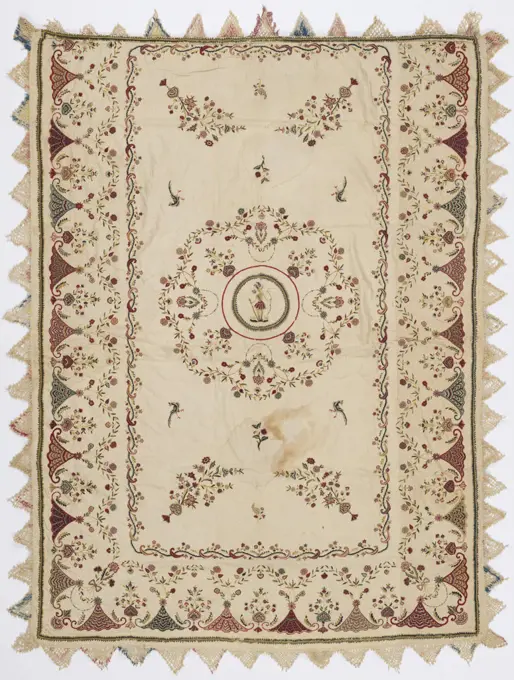
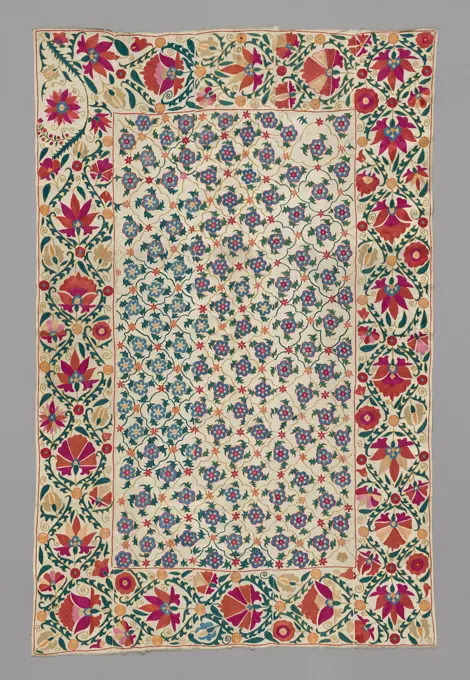
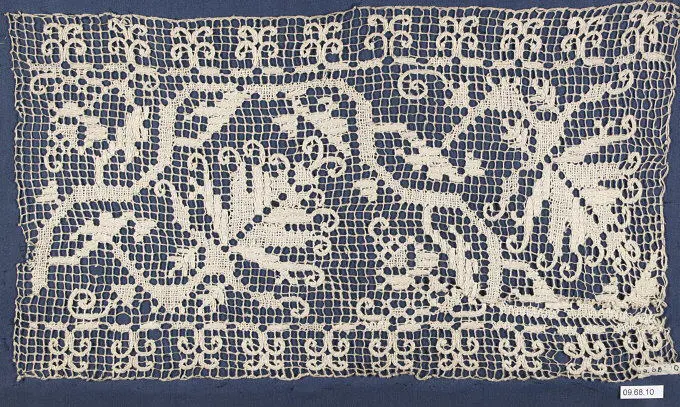
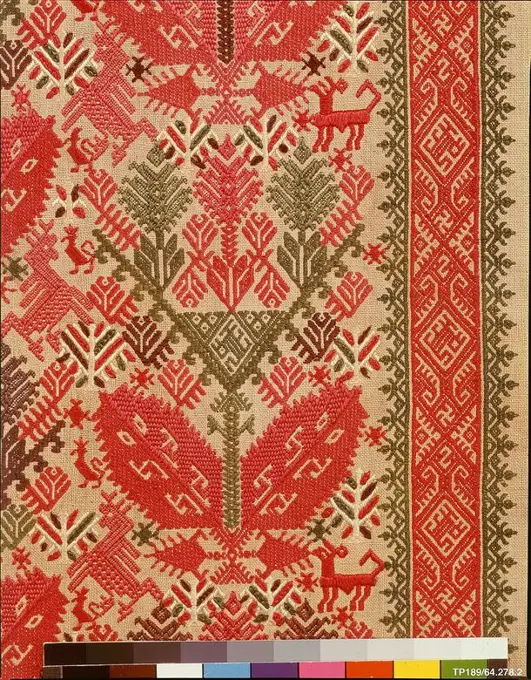
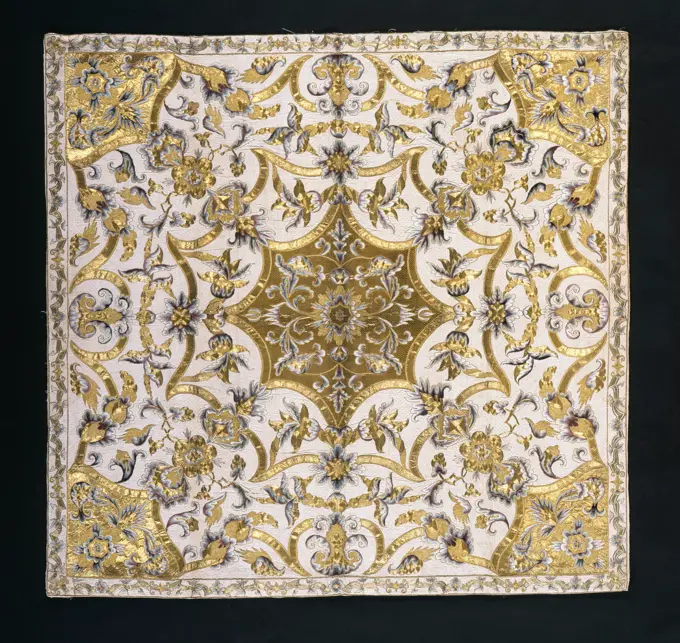
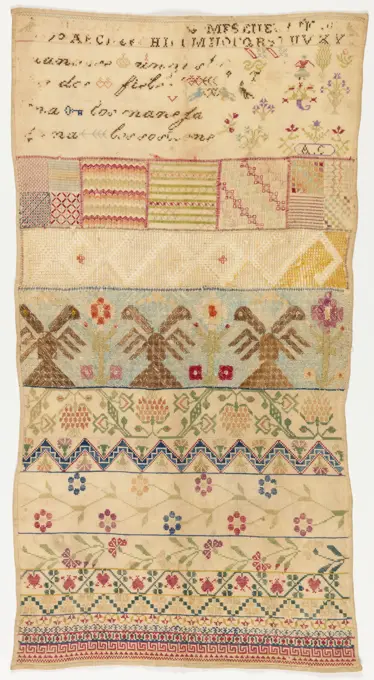
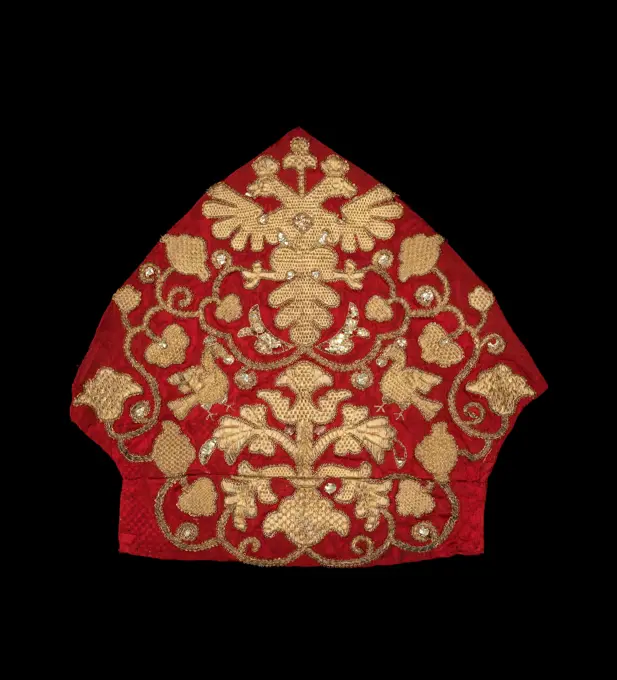
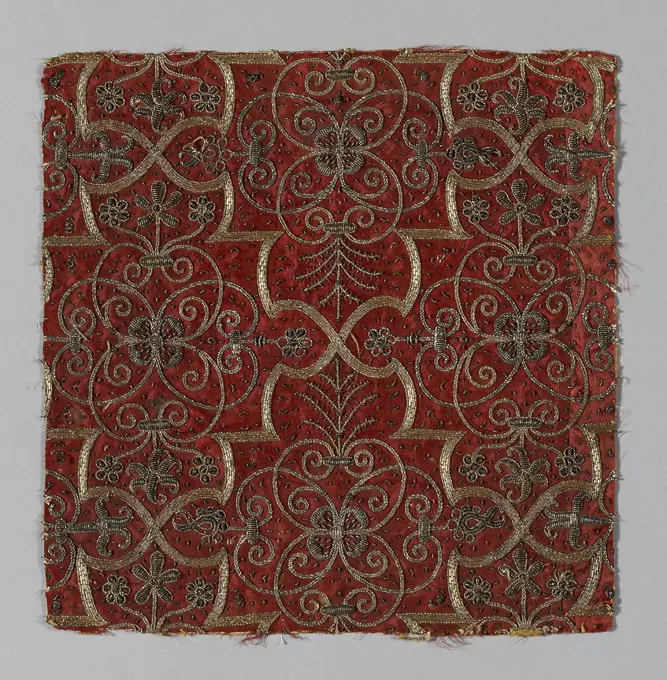
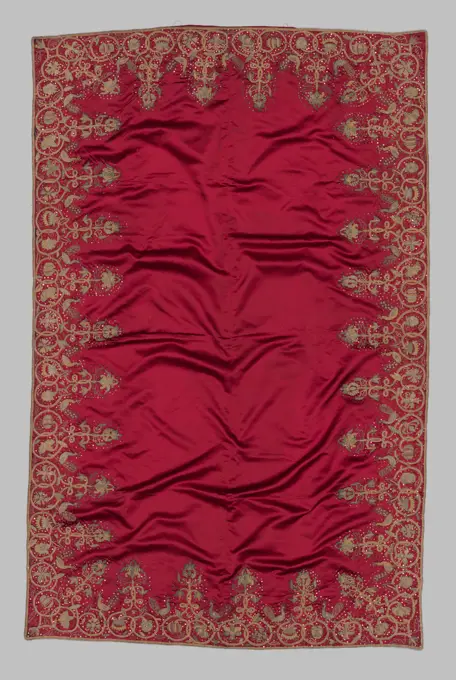
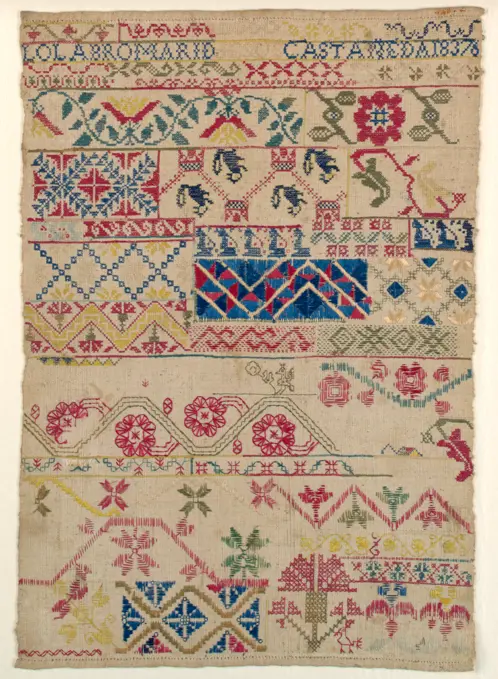
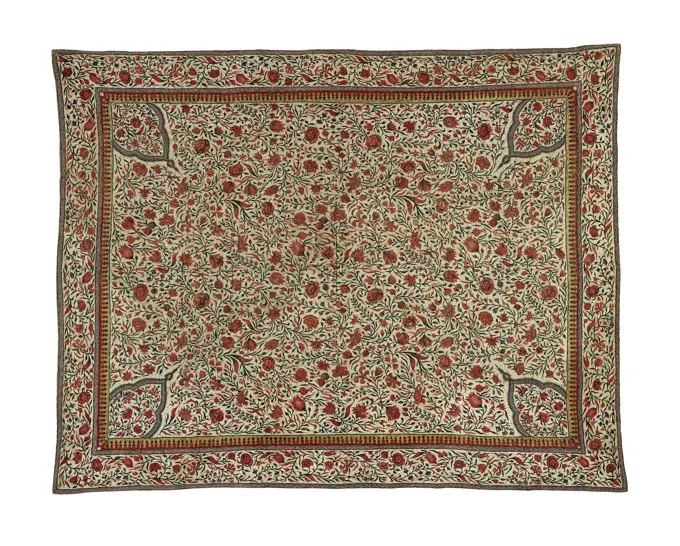
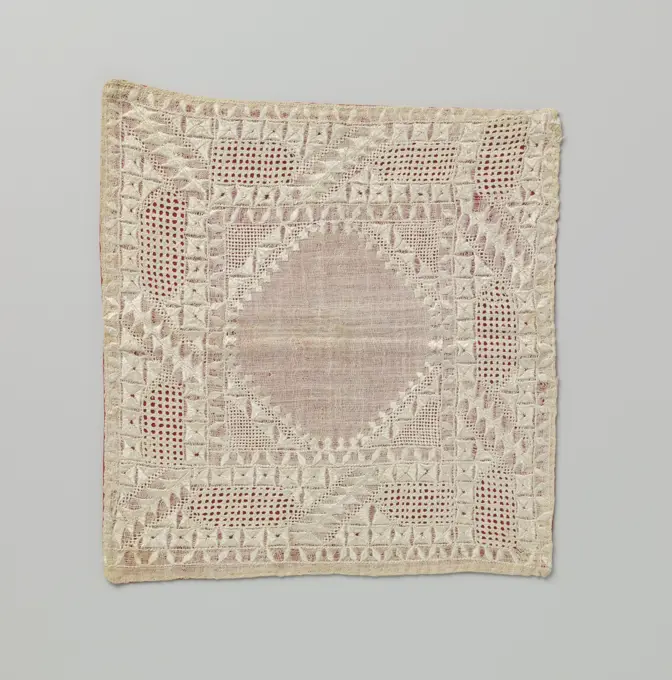
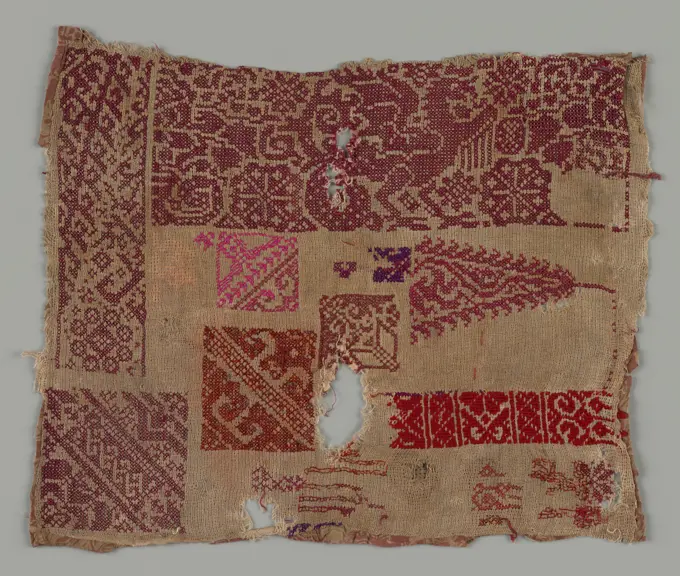
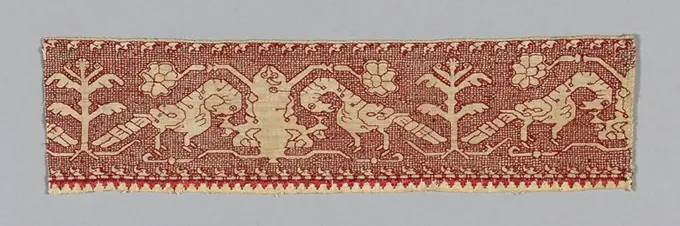
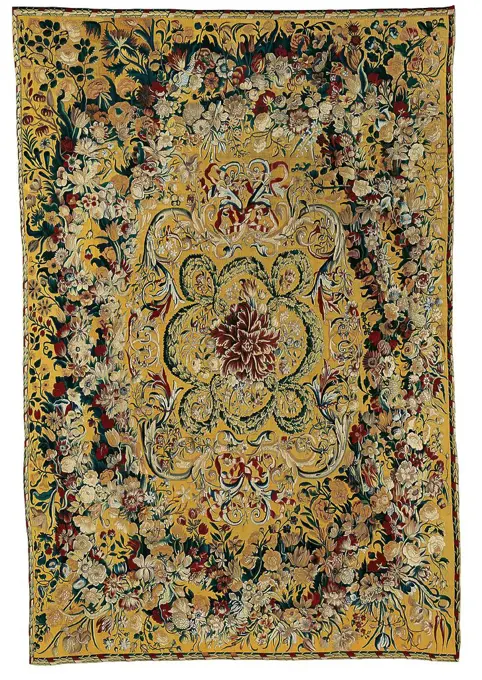
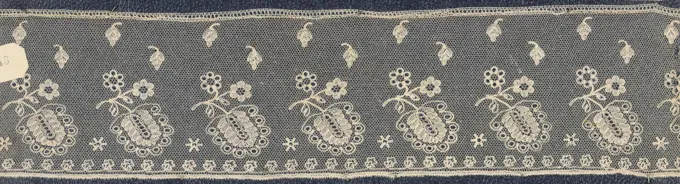
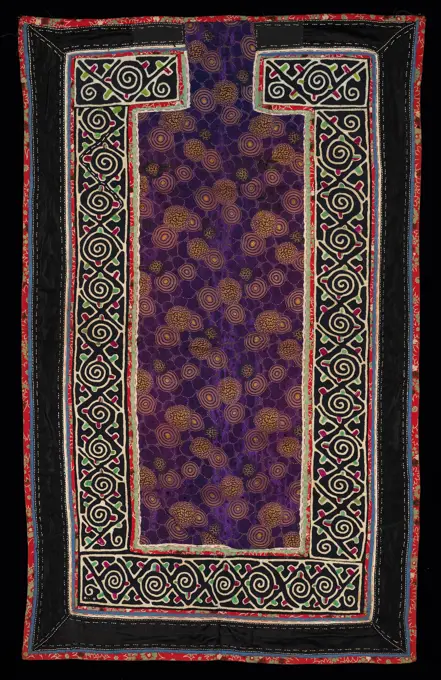
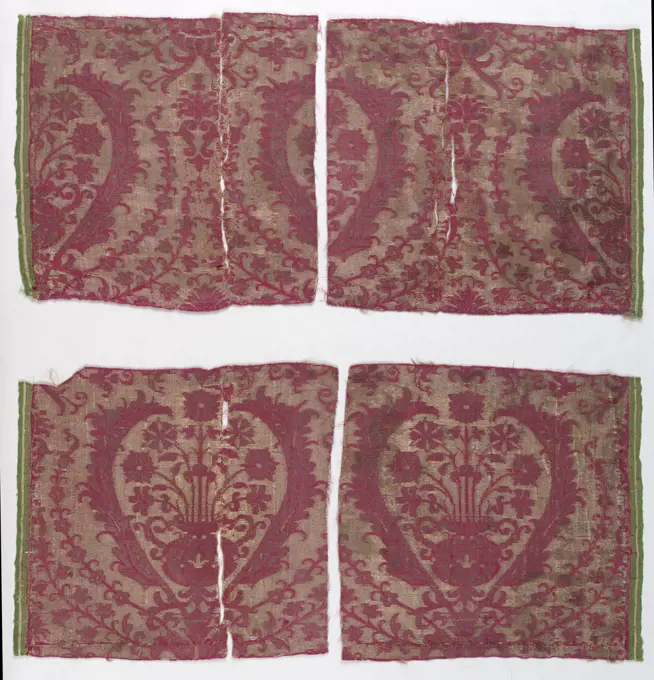
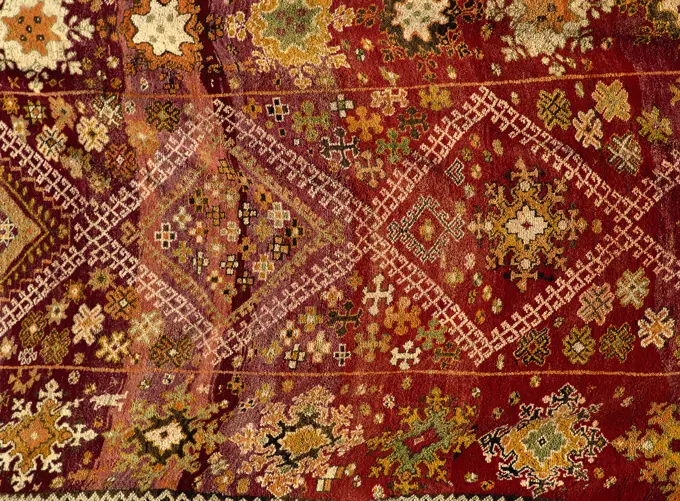
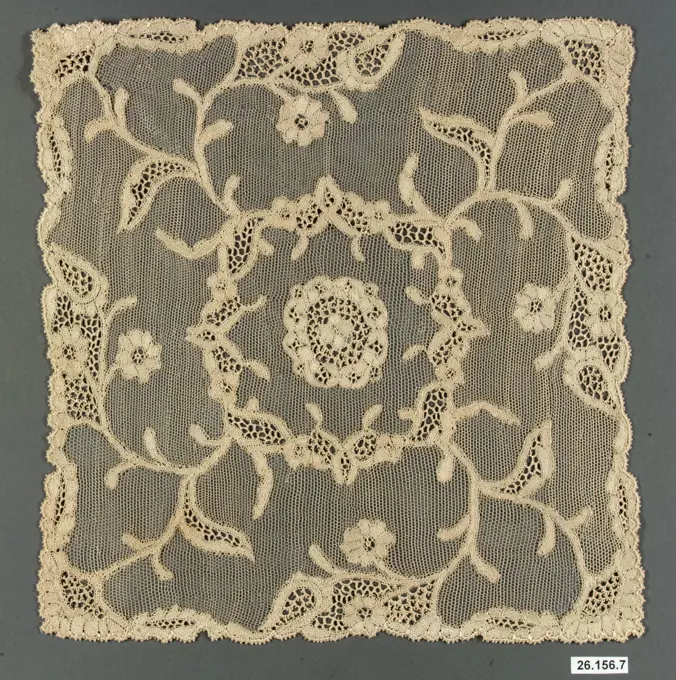
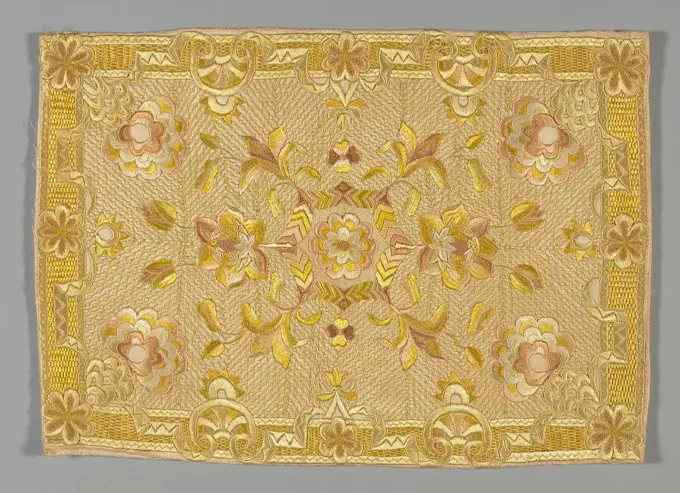
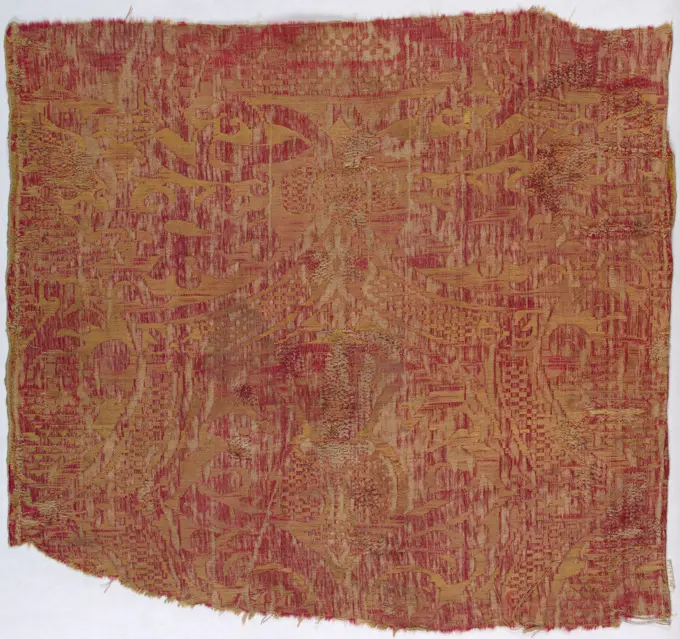
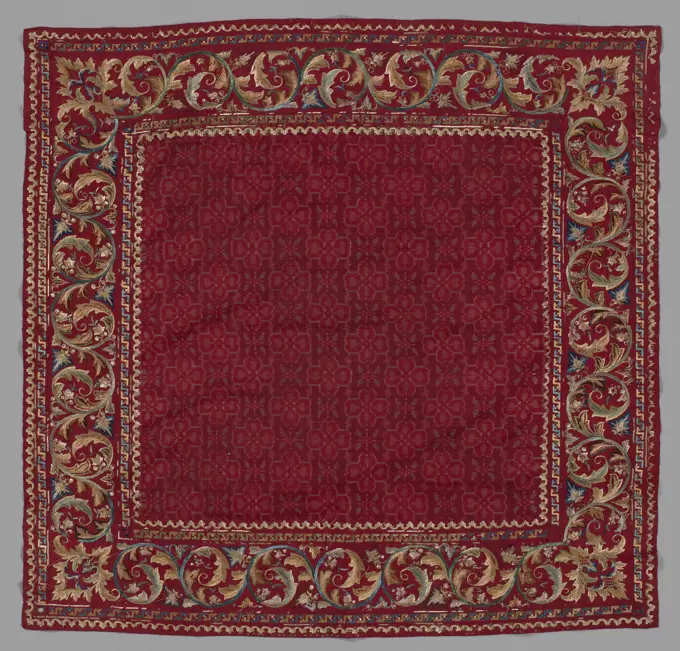
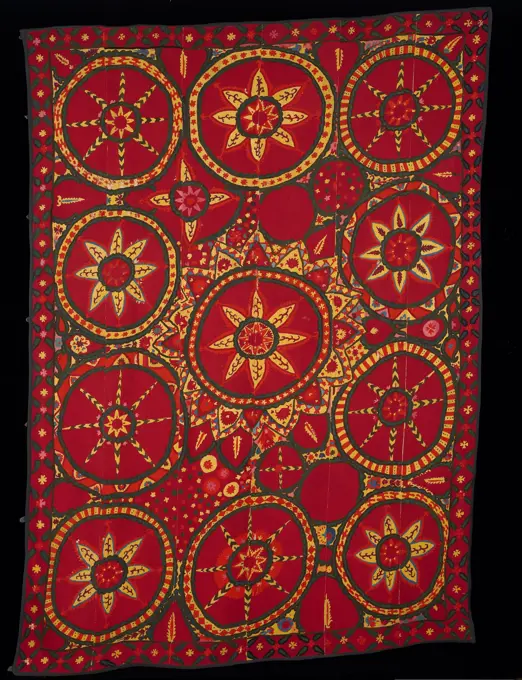
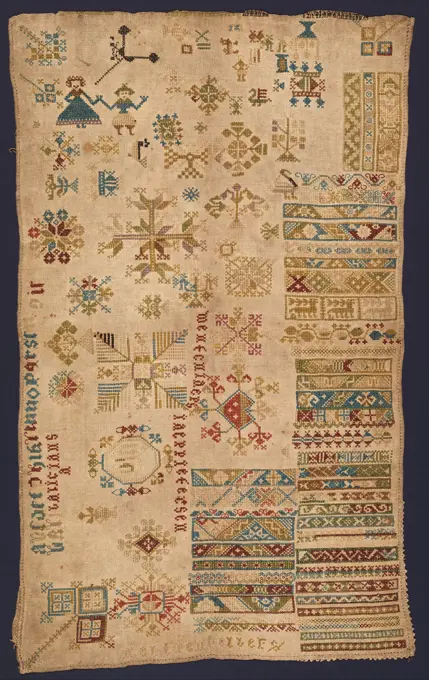
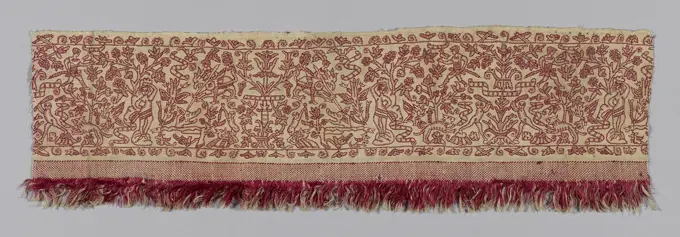
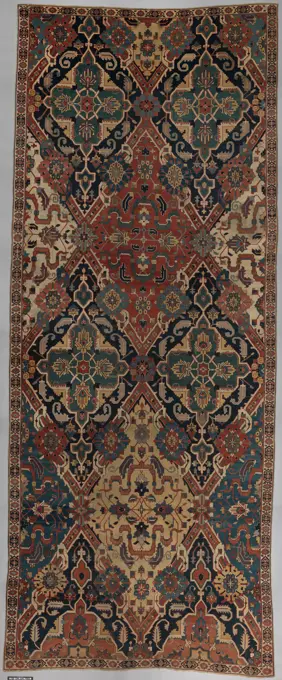
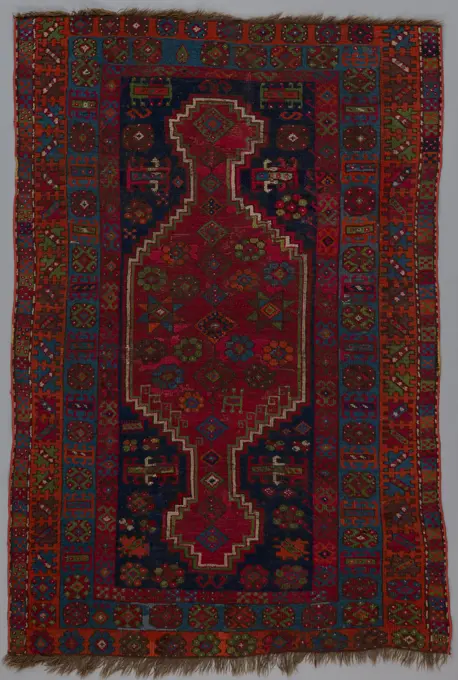
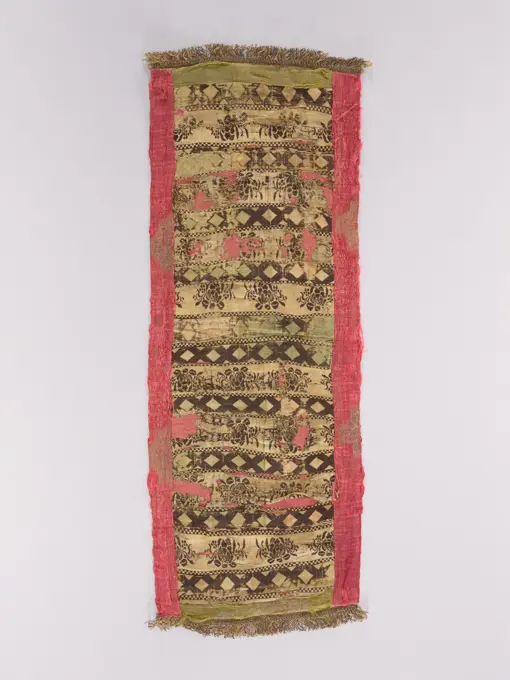
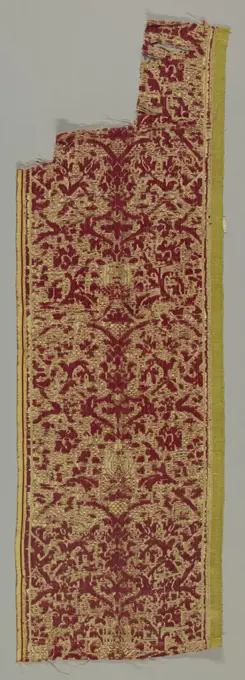
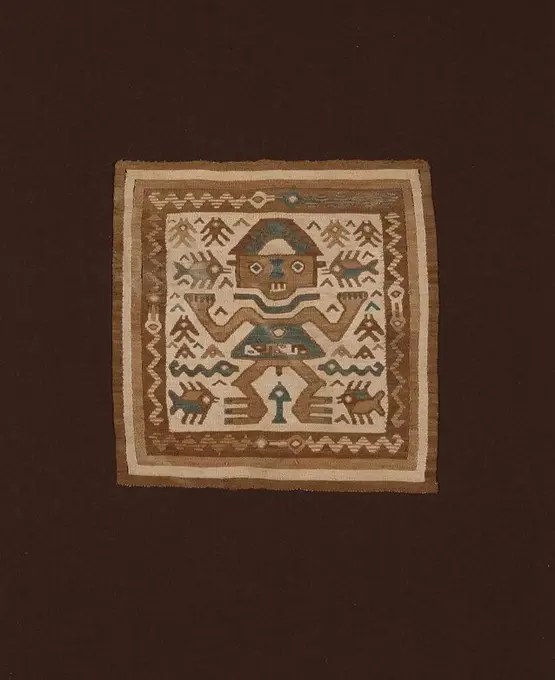
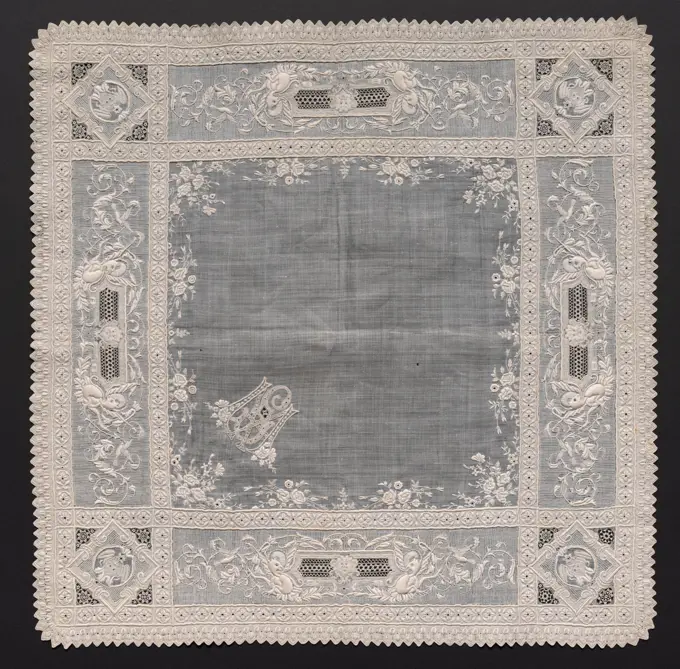
Fragment; silkCanvas, anonymous, c. 1900 - c. 1920 Ceremonial cloth with window and floral motifs; The Cempaka Bloem and the Michaela Cempaka. Tenganan cotton (textile) Ceremonial cloth with window and floral motifs; The Cempaka Bloem and the Michaela Cempaka. Tenganan cotton (textile)Medalleled with three octagonal medallions against a black fond in midfield. Oriental carpet, locked felt of knotted wool. In midfield three octagonal medallions against a black fond. Light blue rectangles stretched between the medallions. Three narrow edges.Fragment (Italy); silk; Bequest of Richard Cranch Greenleaf in memory of his mother, Adeline Emma Greenleaf; 1962-56-131-aBand, Medium: silk embroidery on linen foundation Technique: embroidered on plain weave, Fragment of border, cream linen ground embroidered in red, green, white and black silk. Highly stylized plant forms with birds and stags confronted. Narrow guard borders., Greece, 17th century, embroidery & stitching, BandSampler 1656 Anna Buckett Band samplers comprise neatly worked rows of patterns suitable for repeating motifs or figural motifs on the long narrow strip of linen canvas. This is the most common type of extant seventeenth-century sampler, and its standard format was established by about 1630. The foundation was generally cut from one complete width of plain-weave linen, so that the selvages are present at what becomes the top and bottom of the finished work, and the sides are hemmed. Polychrome band samplers are typical, although some band samplers combined rows of whitework, cutwork, and needle lace with the polychrome patterns (see MMA, 57.122.368). A band sampler such as this would have most likely been a task completed by a schoolgirl under the supervision of an embroidery instructor of some kind. In fact, a band sampler was usually the first piece worked by a budding embroiderer beginning at about age seven or eight. The complete embroidered works by Martha Edlin, the only extant gWoman's Ceremonial Skirt (tapis) Made 1801-1900 Sumatra. Six panels joined four panels of stripes of cotton, warp resist dyed (warp ikat), plain weave with paired warps and stripes of cotton and silk warp-faced, weft ribbed plain weave with supplementary brocading wefts and a stripe of cotton, plain weave; embroidered with silk in double running, stem and surface satin stitches and two panels of cotton, plain weave; embroidered with silk in chain, double running, split, and surface satin stitches; mirror pieces; gilt-metal pieces attached with silk . PaminggirRitual Textile (PuaSungkit)Fragment (India); silk, metallicCarpet late 18th-19th century China Ningxia carpets came to the attention of the Kangxi emperor (r. 1662-1722) during a journey to the western provinces in 1696-97, and in the early part of the Qing dynasty, a number of Ningxia carpets were ordered for audience halls in the palace. This carpet contains elements often found in high-quality Ningxia carpets: curvilinear and geometric renderings of dragons, a swastika-like fret as seen in the border, and the characteristic outer edge of grayish brown.. Carpet. China. late 18th-19th century. Wool and cotton. Qing dynasty (1644-1911). Textiles-RugsFragment, Medium: silk, metallic, linen Technique: 2/1 twill with complementary wefts, Staggered trefoils containing paired addorsed birds and animals., Spain, 13th century, woven textiles, FragmentTextile (France); cotton; Warp: 165cm (64 3/4in.) Weft: 54 cm (21 1/4in.) (Left selv. only.); Bequest of Elinor Merrell; 1995-50-226Oriental carpet. Oriental carpet, prayer cloth with a keyhole motif. White mihrab with a keyhole motif at the bottom. Filling, among other things, with a tree of life. Triple edges, of which the width white with square double hooks. Button: Ghiledes knot.Fragment, Medium: silk, metallic Technique: woven double cloth, Rose and white quatrefoil design, possibly Turkey, possibly 18th century, woven textiles, FragmentThai skirt, 20th century, 29 7/8 x 25 3/8 in. (75.88 x 64.45 cm), Cotton, silk; woven fabric, Laos, 20th centuryTrouser Band Made 1875-1900 China. Forty-four pairs and eight odd pieces of embroidered sleeve, ankle bands, etc. on gauze. . Han-ChineseTextile. Hispano-Arabic. Piece of tissue with eagles. 12th-13th century. Linen and silk. From Collegiate of St. Vicenc de Roda de Ribagorca. Episcopal Museum of Vic. Catalonia. Spain.Makata - cover for pillow;  18th century (1701-00-00-1800-00-00);Makatis, fabrics, purchase (provenance)Sampler (Spain); cotton embroidery on linen foundation; Warp x Weft: 28 x 48.9 cm (11 x 19 1/4 in.); Bequest of Gertrude M. Oppenheimer; 1981-28-406Complete Skirt Border, 1700s. Greece, Crete, 18th century. Embroidery: silk on linen tabby ground; overall: 42.2 x 205.8 cm (16 5/8 x 81 in.).Bliżej Kultury unknownBand, Medium: linen Technique: grid of withdrawn element, needle lace (reticella), and bobbin lace, continuous braid-like, Fragment with a band of needle lace and bobbin lace, probably Italy, 16th-17th century, lace, BandWaist Wrapper (Sarung, BalonganSuniaragi)Bedcover, Medium: cotton foundation, wool, silk, metal-wrapped silk, sequins, glass beads and metal coils Technique: embroidery in stem, satin and chain stitches on 12 twill, Design: Border on all four sides of fan-like shapes alternate with sprays of flowers. In the center a circle containing a figure holding a bow, wearing a sheath of arrows and carrying a spear. Embroidery losses in this area. Central circle is surrounded with a floral wreath. Floral sprays coming in diagonally from each corner. Isolated birds and floral sprigs on the field. Piece is surrounded with a woven fringe where the wefts have been braided into deep triangles. Colored silk has been tied to the crossings of the braids., Mexico, 18th century, embroidery & stitching, BedcoverSampler (USA); Embroidered by Mary Babb (American); silk, linen, and cotton embroidery on linen foundationSuzani (large embroidered hanging or cover) Made 1801-1900 Uzbekistan. The term suzani comes from the Persian word for needle, but in Central Asia it specifically refers to large, spectacularly colorful textiles embroidered in silk. Suzanis were traditionally used as wall hangings or as covers to wrap bedding and clothing. Produced by women, they were an essential part of a wedding dowry. Because of their size, suzanis consist of several widths of narrower cloth. These ground (or base) fabrics were first laid out and the design drawn upon them. Each width of cloth was then embroidered separately, perhaps by several artists working together, before being assembled.. Cotton, plain weave; embroidered with silk .Border late 16th or early 17th century German. Border 217942Pair of bed curtains. Culture: Greek Islands, Patmos. Dimensions: Overall (64.278.1): L. 87 1/2 x W. 20 3/4 inches (222.3 x 52.7 cm); Overall (64.278.2): L. 87 3/4 x W. 21 inches (222.9 x 53.3 cm). Date: 18th century.The focal point for textile furnishings in the traditional house in the Cyclades was the bed in an alcove or on a raised mezzanine. The main bed was curtained off, and it was the curtains plus cushions and bolsters that comprised the bulk of domestic fabrics. This panel is embellished with columns and rows of double-leaf and complex triangular forms once considered typical of embroidery attributed to Patmos but now thought to represent Cycladic manufacture. Museum: Metropolitan Museum of Art, New York, USA.Prayer Carpet Made 1880-1900 Turkey. Wool and cotton, plain weave with supplementary wrapping wefts forming cut pile through a technique known as Turkish (Ghiordes) knots .Coverlet. England, circa 1720. Textiles; covers. Linen plain weave, quilted with silk and metallic-thread embroideryFragment; silk, metallicSampler (Mexico); silk embroidery on cotton foundationCushion Cover (one of a set of four), 1700s. China, Qing dynasty (1644-1911). Silk, metallic thread; overall: 45.7 x 56.5 cm (18 x 22 1/4 in.).Fragment (Nakshe) Made 1875-1900 Iran. Colored silk on linen .carpet with geometric ornamentPanel (Algeria); sik embroidery on linen foundationFragment, Medium: linen on linen Technique: cross stitch embroidery, Geometric designs forming an all-over pattern. In blue on a white ground. Border design of tiny trees., possibly 17th century, embroidery & stitching, FragmentCover; linen; Bequest of Marian Hague; 1971-50-221Band fragment, Medium: Warp; S-spun linen. Wefts; S-spun linen, S-spun wool. Technique: slit tapestry woven with supplementary weft wrapping, Four dark brown circles containing animals, probably hares, a bird and a plant., Egypt, 4th-5th century, woven textiles, Band fragmentVelvet Fragment, c. 1500. Italy, late 15th-early 16th Century. Velvet; overall: 55.9 x 47 cm (22 x 18 1/2 in.).Sleeve, Medium: cotton, wool, metal Technique: satin, chain and half cross stitch embroidery, A solidly embroidered geometric pattern worked in olive green cotton decorates the top edge. The remainder is covered with a stylized floral and geometric repeat worked in brightly colored wools and metallic thread., Balkans, 19th century, embroidery & stitching, SleeveHeaddress 19th century Russian This object is from the collection of Natalia de Shabelsky (1841-1905), a Russian noblewoman compelled to preserve what she perceived as the vanishing folk art traditions of her native country. Traveling extensively throughout Great Russia, she collected many fine examples of textile art of the wealthy peasant class. From the 1870s until moving to France in 1902, Shabelsky amassed a large collection of intricately embroidered hand-woven household textiles and opulent festival garments with rich decoration and elaborate motifs. The Brooklyn Museum holdings include many fine examples including the majority of the garments. Portions of Shabelsky's collection are also housed at the Museum of Fine Arts, Boston, the Cleveland Art Museum, and the Russian Museum of Ethnography in St. Petersburg.This fine embroidered example incorporates several common motifs in Russian costume. The tree of life is a common motif in religious Russian manuscripts dating back to theFragments, 1700s. Iran, 18th century. Silk, brocaded, with metal thread weft; overall: 67.3 x 56.1 cm (26 1/2 x 22 1/16 in.).Fragment. Italy. Date: 1601-1700. Dimensions: . Satin: flat, raised and couched. Origin: Italy. Museum: The Chicago Art Institute, Chicago, USA.Fragment (Greece); silk on linenOrnamental textile 1600-1620 Anonymous This embroidered cover probably served to decorate a small table, cabinet or other piece of furniture. The repeating border design of deep scallops is also seen on embroidered clothing and patterns for white linen lace, as well as furnishing textiles like this cover. The embroidery is executed in two colors of metal-wrapped thread: silver and gold (which was made of gilded silver), and the motifs include flowers common to English gardens of the period: irises, lilies, pansies and pomegranate fruits flanked by peacocks, with a caterpillar appearing on every third repeat of the design. Listen to experts illuminate this artwork's story Listen Play or pause #405. Embroidery and Craftsmanship Supported by Bloomberg Philanthropies We're sorry, the transcript for this audio track is not available at this time. We are working to make it available as soon as possible.. Ornamental textile. British. 1600-1620. Silk satin embroidered with silver and gilded-siSampler, Medium: linen embroidery with glass beads on linen foundation Technique: embroidered on plain weave, Sampler showing examples of many different geometric borders plus openwork, in yellow, tan, blue and red on a natural linen ground., Spain, 18th century, embroidery & stitching, SamplerPiece 18th-19th century Japan. Piece 67541Sampler (Mexico); Embroidered by Maria Jesus Castaneda; silk and cotton embroidery on cotton foundation; Warp x Weft: 53.3 x 37.5 cm (21 in. x 14 3/4 in.); Bequest of Gertrude M. Oppenheimer; 1981-28-449Children's spread or blanket of sits, quilted and stitched, with pattern of flower vines, anonymous, c. 1725 - c. 1750 Children's spread or blanket of sits, quilted and stitched. Cotton, painted by means of beits and recess technology, painted and quilted with white cotton wool, stitched in yellow; lined with red silk. Design: continuous pattern of small flower vines; In the corners of mirab arches; Four edges consisting of flower edge, framed by narrower edges with winding pattern; The inner edge with design of rows of stems awarded by stars. The paintings in different shades of red, eggplant, green, yellow (especially in the inner edge) and (little) blue on a cream -colored stock. Condition: Problematic with regard to the silk lining: there are gaps in cases. Northwest-Indiacoromandelkust cotton (textile). silk chintz Children's spread or blanket of sits, quilted and stitched. Cotton, painted by means of beits and recess technology, painted and quilted with white cotton wool, stitcheEmbroidery patch made of silk on cotton mousseline, industrial school De Windroos, c. 1880 - c. 1905 Embroidery patch made of silk on cotton mousseline. The piece is lined with red satinet.  cotton (textile). embroidering Embroidery patch made of silk on cotton mousseline. The piece is lined with red satinet.  cotton (textile). embroideringBox 19th century. Box 444617Sampler(Limar)Armenian sash unknownALFOMBRA MANUFACTURADA DE CUENCA. Location: MUSEO ARQUEOLOGICO NACIONAL-COLECCION. MADRID. SPANIEN.Fragment from a Border. Italy. Date: 1601-1700. Dimensions: 7.4 x 30.8 cm (2 7/8 x 12 1/8 in.). Linen, plain weave; embroidered with silk floss in double running and back stitches. Origin: Italy. Museum: The Chicago Art Institute, Chicago, USA.Table Carpet with Garlands of Flowers and Rinceaux. Possibly Flanders or France. Date: 1650-1675. Dimensions: 254 × 376.56 cm (100 × 148 1/4 in.). Wool and silk, slit and double interlocking tapestry weave. Origin: Flanders. Museum: The Chicago Art Institute, USA. Author: Manufacture de Aubusson.Tablecloth, Medium: linen ground, cotton border, mercerized cotton embroidery Technique: embroidered on plain weave, Rectangular brown tablecloth embroidered in a geometric and linear pattern of orange, brown and yellow., USA, ca. 1910, embroidery & stitching, TableclothSampler Made 1801-1900 México. Linen; silk on linen .Textile; 1974-52-141Baby carrier cover, 20th century, 27 1/2 x 17 1/2 in. (69.85 x 44.45 cm), Cotton, silk; needlework, Thailand, 20th centuryOdtini, 1900-1925, 75 x 52 1/4 in. (190.5 x 132.72 cm), Linen, cotton; embroidery, India, 20th centuryConciliate belt;  2nd half 18th century (1751-00-00-1800-00-00);Piece 18th-19th century Japan. Piece 66985Embroidered veil. unknown, authorStrip bobbin with curling tendrils made with ribbons, anonymous, anonymous, c. 1675 - c. 1699 Strip of natural -colored bobbin: Milanese side (ribbon side). The strip is made possible or used for Rochette. The repeating pattern consists of curling tants. The motifs are made with ribbons of more or less equal width and made in linen battle with openwork edges. The motifs are connected by a grid, a Valenciennes ground. The sides are finished with a cloaked strap in linen stroke and the underside is finished with a bow edge with picots. Milan (possibly) linen (material) bobbin lace / tape lace (bobbin lace) / Milan lace Strip of natural -colored bobbin: Milanese side (ribbon side). The strip is made possible or used for Rochette. The repeating pattern consists of curling tants. The motifs are made with ribbons of more or less equal width and made in linen battle with openwork edges. The motifs are connected by a grid, a Valenciennes ground. The sides are finished with a cloaked strap in lFragments, Medium: silk, linen, metallic Technique: combination of two structures, Vase framed in curving leaves in red and gold metallic., Selvage at one side., 17th century, woven textiles, FragmentsRectangular palms scarf with a stretched, lobed mid -cartouche and a multi -colored full of pattern, anonymous, c. 1850 - c. 1870 Rectangular palms scarf (carrot cloth) of wool, with a multicolored full pattern. The symmetrical pattern is on a long standing and short lying axle. In the middle a stretched, lobed cartouche, which is included in the rest of the backdrop. On the long ends there are two long, twisted botas, where, in the middle, a small palmet hangs in between. On the horizontal axis is a small palmet, from which a four -doubled, accolade -shaped side edge runs, continuously to the short ends. Nos. Three and four have rosette -shaped lobes, which are oriented to the outside and have been extended to a palmet in the corner. In the double -standing edge with inner rigid arches and with a good solution also in the horizontal edges. In the horizontal edge stands outside the aforementioned arches with plain parties. These have from the middle of the colors of black, turquoise, rHarshang Carpet 19th century. Harshang Carpet 452024Textile Fragment 17th-18th century. Textile Fragment. 17th-18th century. Silk. Made in Iran. TextilesSelendang (Shawl) Indonesia. Cotton thread woven in tie-dye process known as ikat, in two pieces; seven horizontal bands of design representing .Carpet for sale, Fez, Morocco, North Africa, AfricaTable carpet with unicorns Dutch ca. 1600 The little unicorns in roundels in the border show that this was made to be placed on a table, with the border hanging down all around.Square (one of three) 18th century French. Square (one of three). French. 18th century. Needle lace, point dAlençon, silk. Textiles-LacesPillow Sham Made 1710-1730 England. Cotton, plain weave; underlaid with linen, plain weave; embroidered with silk floss and silk yarns in herringbone, individual satin, satin, and stem stitches; laid work, couching, and French knots .Fragment; silk, linenQuilt, 'Rising Sun'Head Cloth(Limar)Piece 16th-17th century Italian. Piece 224422Trimming (Italy); silk, metallic threadBabyk with Potocki and Mniszchów coats of arms;  1. PO. 18th century (1701-00-00-1750-00-00);Mniszech (coat of arms), Pilawa (coat of arms), coats of arms, equipment of the court and home, interior furnishings, purchase (provenance)Suzani, late 19th-early 20th century, 80 x 110 in. (203.2 x 279.4 cm) (irregular shape, top wider than bottom), Silk, cotton; continuous-thread couching, open chain stitch, Uzbekistan, 19th-20th centurySampler with geometric patterns, lettering, and various motifs mid-17th century Dutch This Dutch sampler is an of example a practical working document, with various small patterns and motifs scattered across the surface of the cloth in different orientations making the best use of the available space on the foundation fabric. Apparently the women of Marken Island kept their samplers in or near their kitchens for handy reference. This practice has caused the samplers from this area to be discolored from exposure to the fumes and residue from cooking fires.. Sampler with geometric patterns, lettering, and various motifs 228136Fragment Made 1601-1700 Europe. Linen and wool, compound weave (i.e. Beiderwand or Lampas 2 1) .Border Made 1601-1700 Italy. Linen, plain weave; embroidered with silk floss in back, double running, hem, and running stitches; cut fringe warp and cut embroidered fringe .Panel Made 1601-1625 Turkey. Silk and cotton, satin weave with gilt-metal-strip-wrapped silk, discontinuous supplementary facing wefts and two-color supplementary pile warps forming cut voided velvet .Oriental carpet. Oriental carpet, prayer dress. Midfield with red mihrab with stair facade and flower stalks. An oil lamp in the corner pieces. Widest edge decorated with windows in which eight-pointed star.The 'Nigde' Carpet 18th century The so-called "Nigde Carpet," one of the most famous Islamic carpets, was allegedly discovered in a mosque in the central Anatolian city of Nigde but was probably produced in northwest Iran or Transcaucasia. The origins of its design are indisputably Iranian, as is its overall layout of ogival forms. The composition may have been inspired by a silk textile layout, possibly filtered through the production of the ogival-layout rugs woven in the so-called "vase carpet technique" in Kirman in the seventeenth century. Although mutated into angular and geometric forms, the basic design elements of sinuous Chinese cloud-bands, lotus-flower palmettes, and curved leaves, all part of the rich vocabulary of Safavid carpets, are clearly identifiable in this carpet.. The 'Nigde' Carpet. 18th century. Cotton (warp and weft), wool (pile); symmetrically knotted pile. Made in Northwestern Iran, probably. Textiles-RugsBliżej Kultury unknownFragment of embroidery  dense twig ornamentation unknownBed curtain border. Culture: Russian. Dimensions: 59 x 17 in. (149.9 x 43.2 cm). Date: late 18th century.This object is from the collection of Natalia de Shabelsky (1841-1905), a Russian noblewoman compelled to preserve what she perceived as the vanishing folk art traditions of her native country. Traveling extensively throughout Great Russia, she collected many fine examples of textile art of the wealthy peasant class. From the 1870s until moving to France in 1902, Shabelsky amassed a large collection of intricately embroidered hand-woven household textiles and opulent festival garments with rich decoration and elaborate motifs. The Brooklyn Museum holdings include many fine examples including the majority of the garments. Portions of Shabelsky's collection are also housed at the Museum of Fine Arts, Boston, the Cleveland Art Museum, and the Russian Museum of Ethnography in St. Petersburg.The embroidery technique on this piece is unusual, and creates a surface texture like that of aFragment of a Kontusz sash/belt. unknown, authorFragment, Medium; silk, linen Technique: woven, Red and white pattern. Selvage present., 17th century, woven textiles, FragmentFragment of semi silksemi silk fabric, Eastern unknownFragment (Italy); linen, silk; Bequest of Marian Hague; 1971-50-194Scarf 1840s American. Scarf 81580Panel. Peru, Possibly Rimac Valley, central coast. Date: 1000-1476. Dimensions: 26.7 x 26 cm (10 1/2 x 10 1/4 in.). Cotton, slit, dovetailed, and single and double interlocking tapestry weaves with eccentric and interlaced outlining wefts. Origin: Peru. Museum: The Chicago Art Institute, Chicago, USA.Handkerchief, early 1800s. France, early 19th century. Embroidery: linen; overall: 34.2 x 34.2 cm (13 7/16 x 13 7/16 in.).Bed curtain border Russian 1800-1850Cushion Cover (Yastik) 17th century Costly velvet furnishing fabrics with glittering metalwrapped thread embellishment were used to adorn the interior of Ottoman royal palaces and the homes of the wealthy elite. This piece originally served as yastik, or bolster, cushion cover. Often these covers were produced in quantity, woven one after the other in a continuous length on the loom, and later cut to size.