Textile Patterns

Historical textile fragments with geometric designs, showcasing intricate weaving and printing techniques from various cultures.
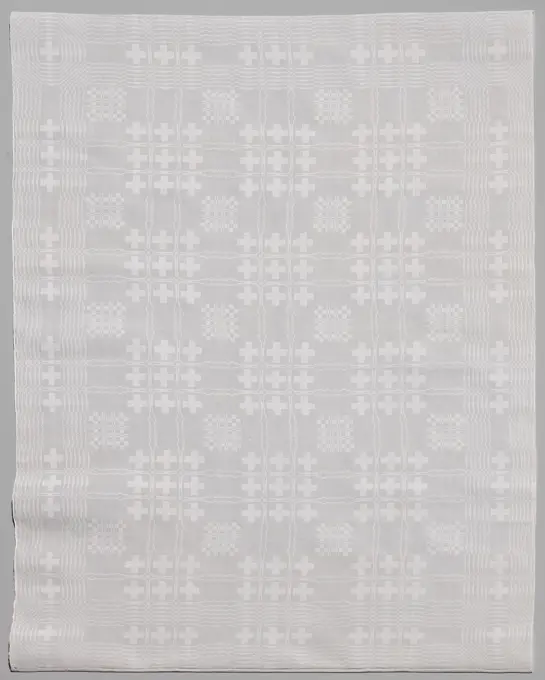
Linnamast napkin with peel pattern, c. 1800 - c. 1850 Linnamast napkin with peel pattern, marked my 12.  linen (material) damask Linnamast napkin with peel pattern, marked my 12.  linen (material) damask
Linnamast napkin with peel pattern, c. 1800 - c. 1850 Linnamast napkin with peel pattern, marked my 12. linen (material) damask Linnamast napkin with peel pattern, marked my 12. linen (material) damask
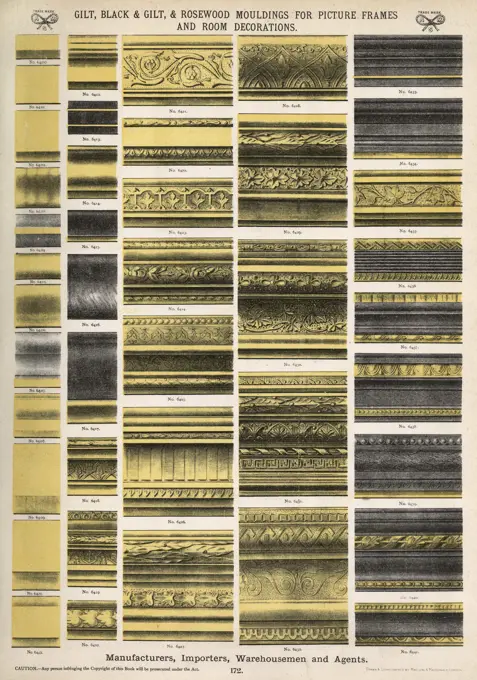
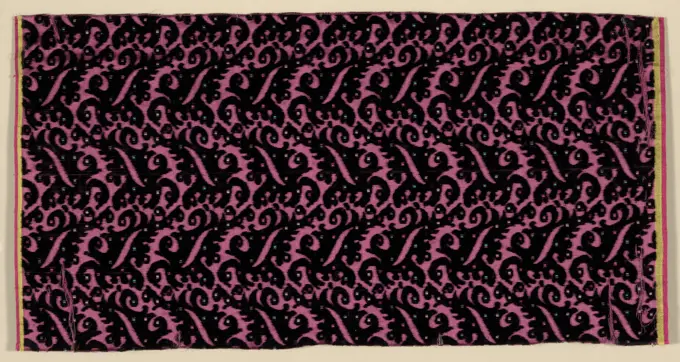
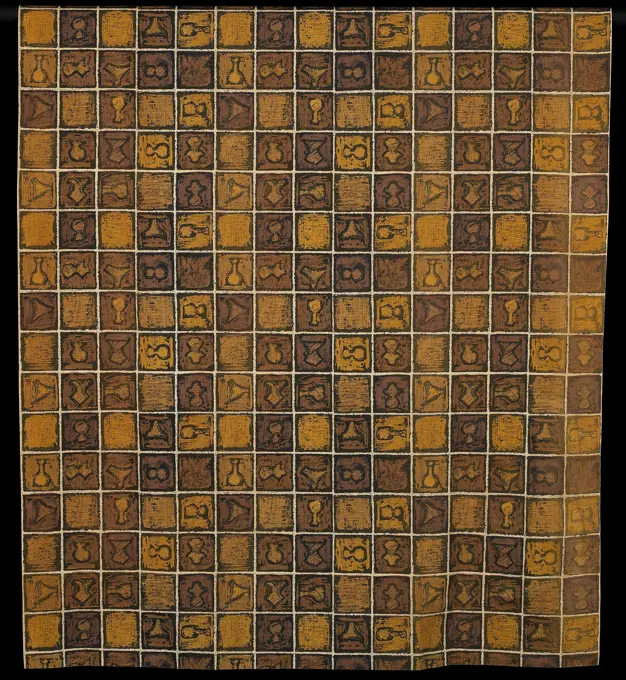
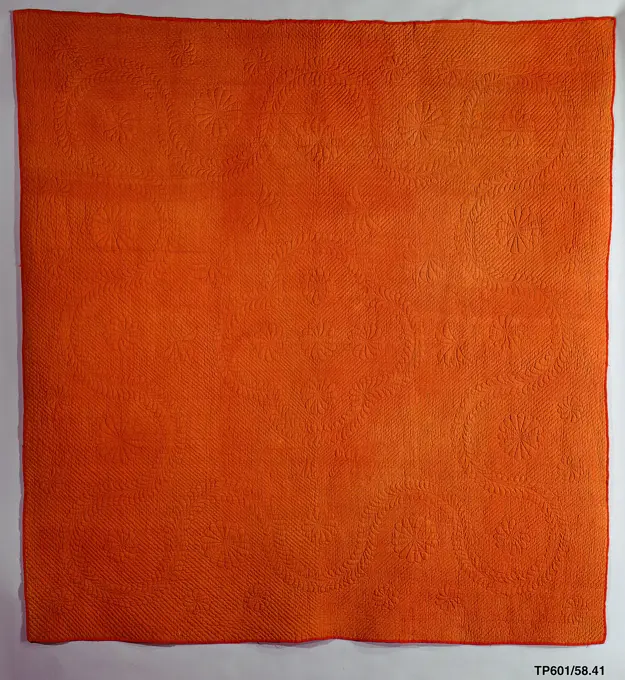
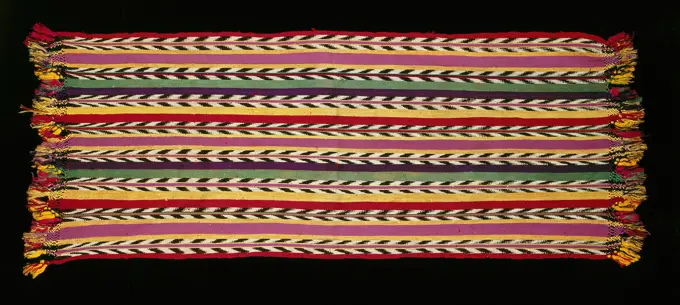
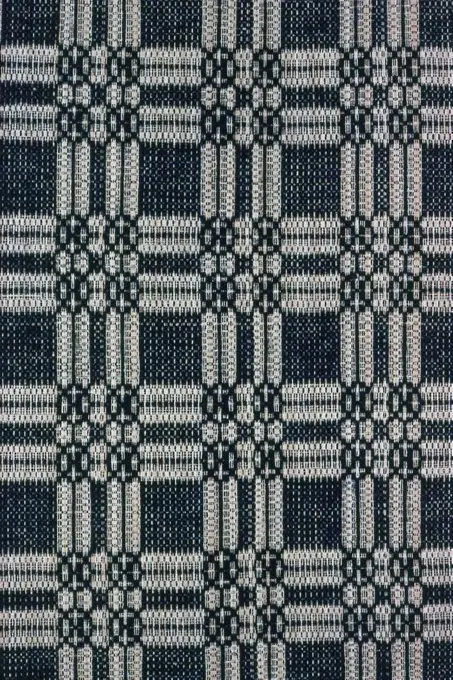
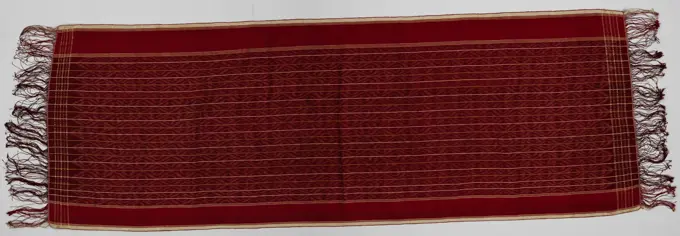
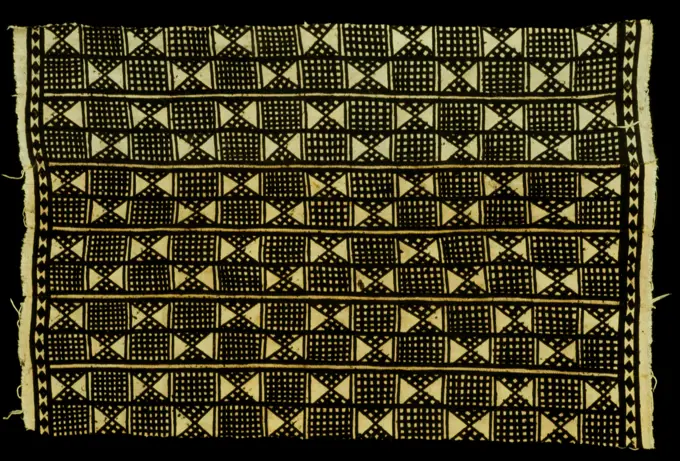
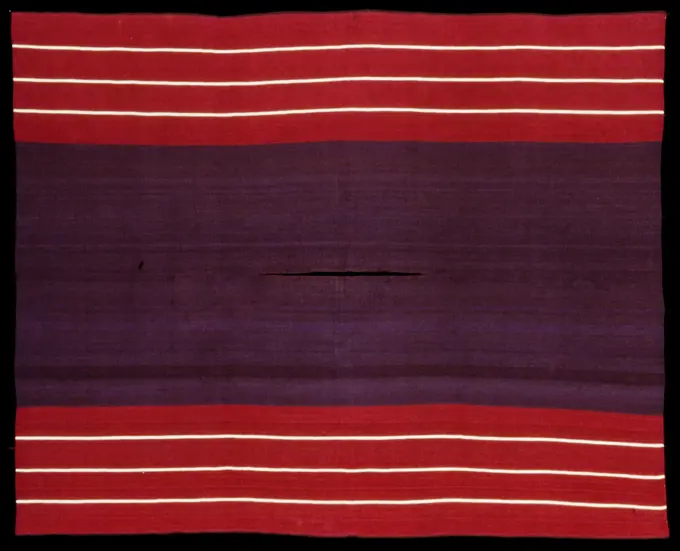
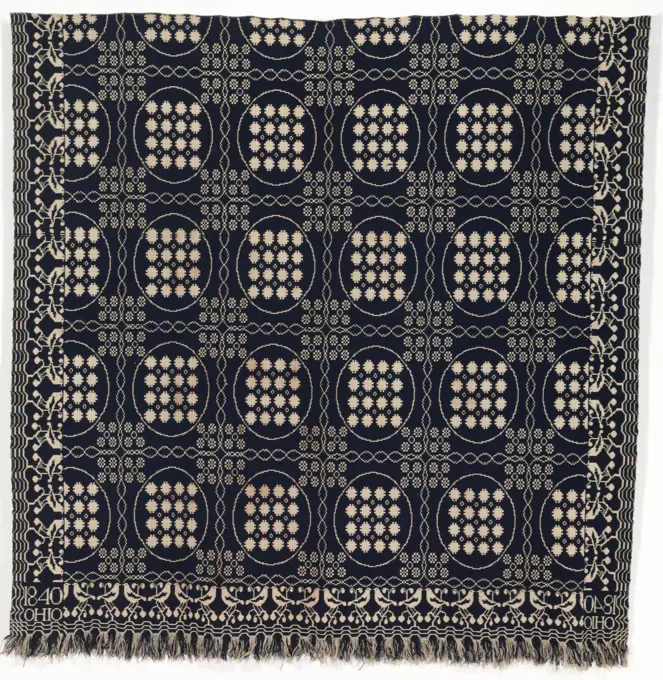
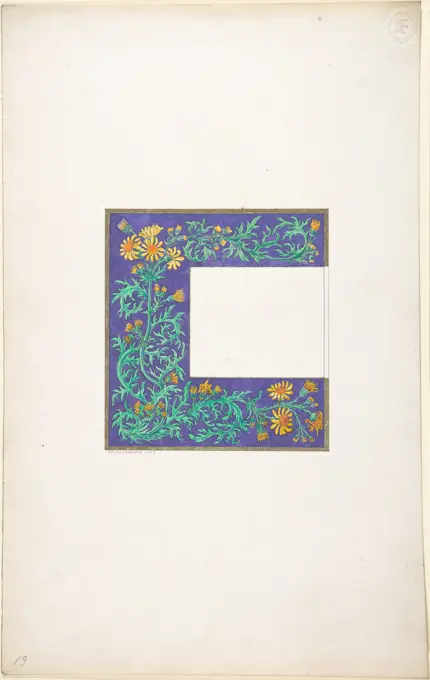
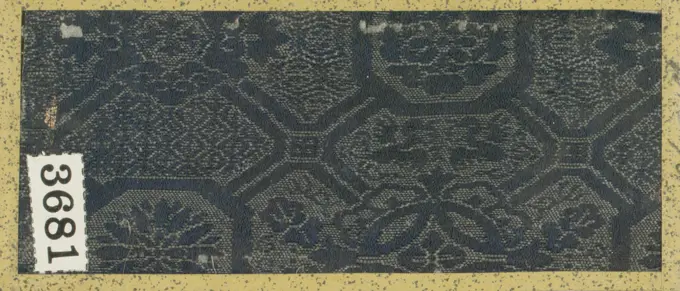
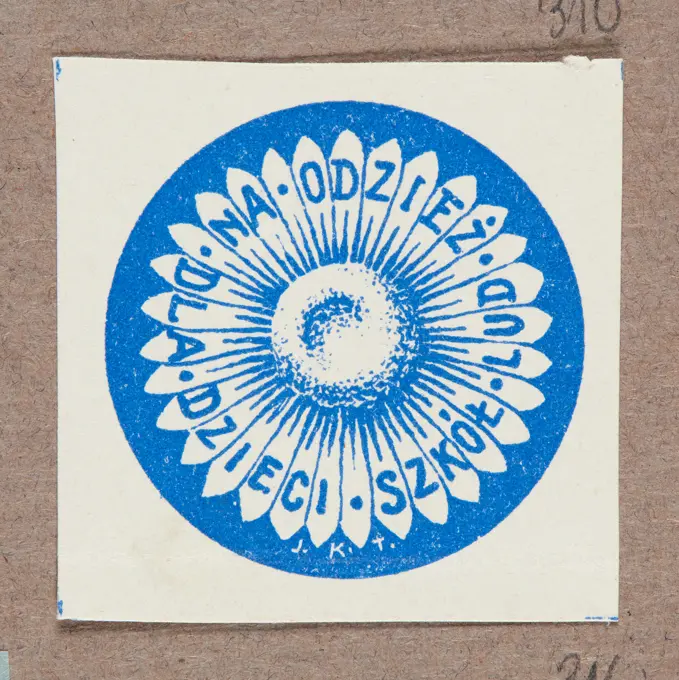
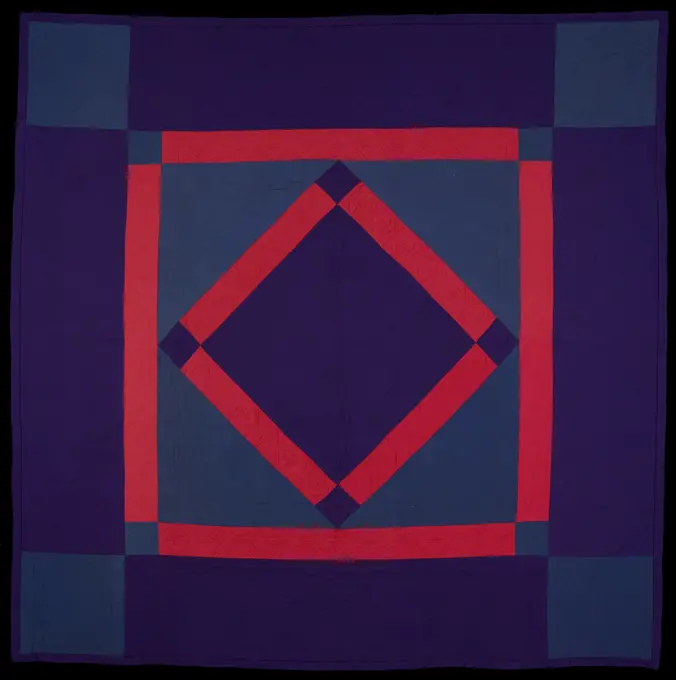
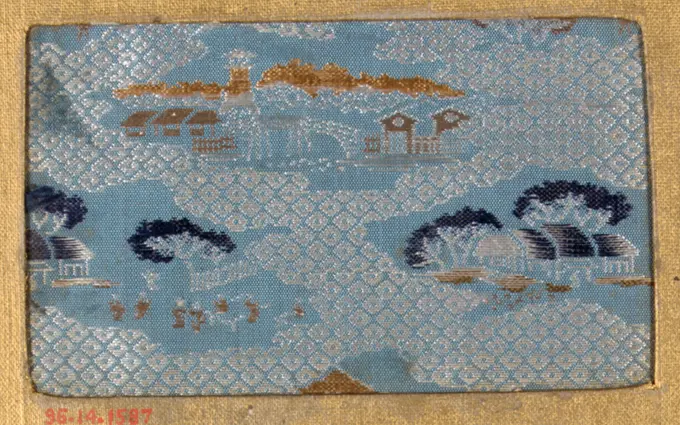
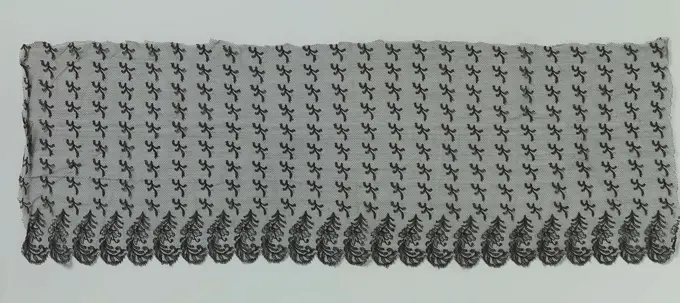
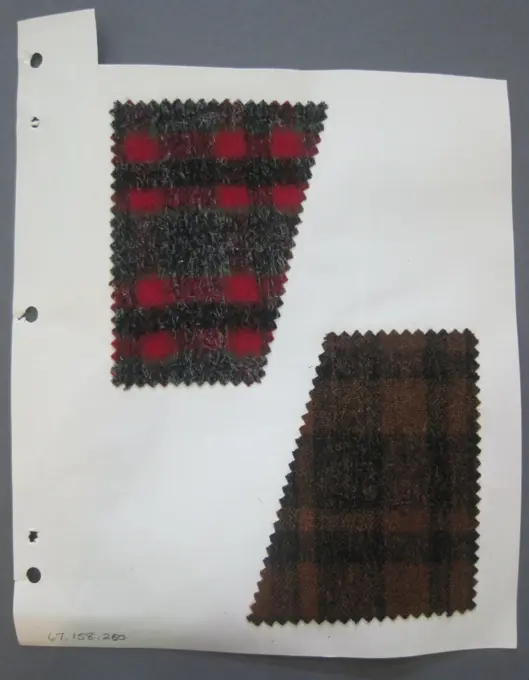
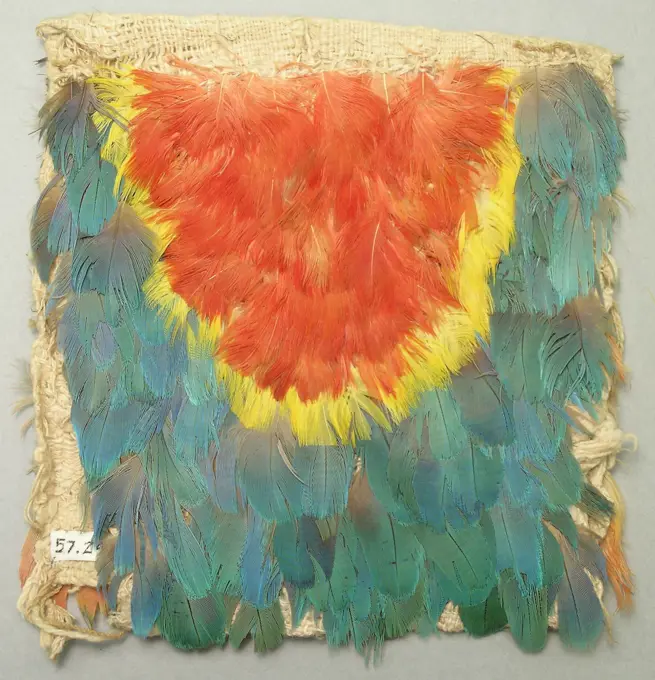
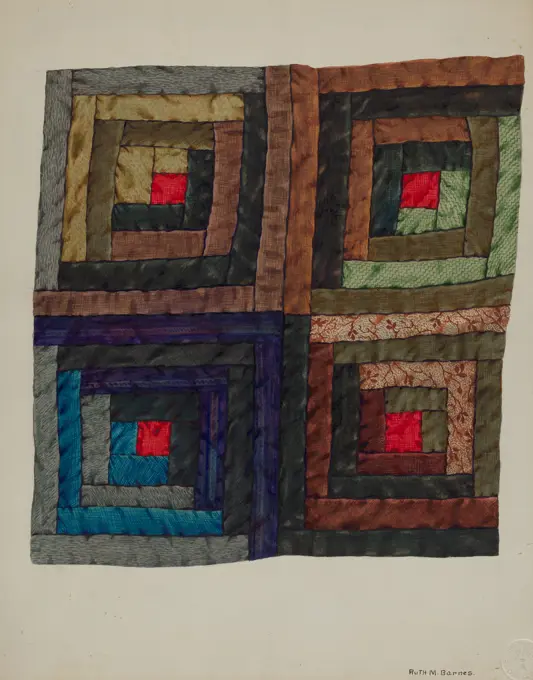
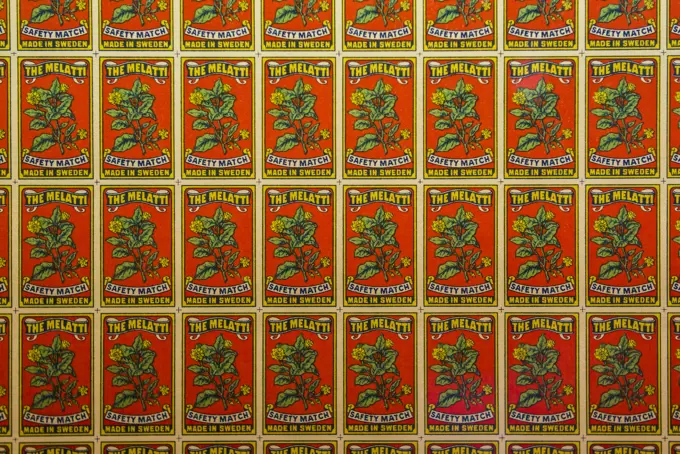
Arabian ornamentMouldings for picture frames and room decorations, Plate 172, showing a range of styles and patterns in gilt, black and gilt, and rosewood.      Date: circa 1880sMedieval ornamentFragment Made 1838-1855 United States. This work exemplifies American efforts toward domestic silk production in the early 19th century. At the time, some Americans expressed concern that the importation of luxury goods, such as silk, from Europe, did not properly showcase the nationís greatness. Under the direction of Gertrude Rapp, members of the Harmony Society, a small pious sect of Lutheran immigrants, raised silkworms and wove silk textiles. Although members supposedly had no interest in fashion or luxury, this colorful silk velvet demonstrates their dedication to self-sufficiency.óModern Velvet A Sense of Luxury in the Age of Industry, Oct 21, 2016-Mar 19, 2017, Galleries 57-59. Silk, satin weave with supplementary patterning warps and pile warps forming cut voided velvet . Gertrude Rapp (Designer)Border, Medium: linen Technique: bobbin lace, Brussels style, Belgium, late 18th century, lace, BorderPiece 17th century Japan. Piece 66084Inside front wrapper. Photographs, Photograms. 1846. Spencer Collection. Plants in artTextile (Lyons, France); silkTextile, Medium: cotton, silk Technique: embroidered, Horizontal bands of varying widths in heavy white cotton wefts alternating with bands of a much finer open weave with yellow silk wefts. Warp is fine white cotton threads. Three geometric bands embroidered at each end in white cotton with touches of red cotton, yellow silk, gray wool, grouped fine silk threads. Short twisted warp fringe at each end., Shkoder, Albania, late 19th-early 20th century, embroidery & stitching, TextilePiece 16th-17th century Italian. Piece 223562Double Cammer in Red, Yellow, Blue and Green, Anonymous, 1700 - 1850 marbled paper Double Cammer in red, yellow, blue and green. Used as a cover.  paper. paint (coating) double combed marbled paperTextile Swatches Onondaga Silk Company, Inc. (1925-1981). Textile Swatches, 1948-1959. 72 silk; 28 metal, (a) - (c): 24 x 8 in. (61 x 20.3 cm).    1948-1959Miniature Dress 12th-13th century Ica. Miniature Dress 312824Textile; Manufactured by Cheney Brothers (United States); silkFragment, Medium: Technique: printed, USA, 19th century, printed, dyed & painted textiles, FragmentPiece 18th century Japan. Piece 71600Textile Swatches Onondaga Silk Company, Inc. (1925-1981). , 1948-1959. Silk, 47 3/4 x 18 in. (121.3 x 45.7 cm).    1948-1959Piece 18th-19th century Japan. Piece 66411Color embroidery project for a napkin Smerecz Ska, MariaEin leerer Teller mit Essstäbchen für japanisches oder chinesisches Essen An empty plate with chopsticks for Japanese or Chinese food. Kitchen empty plate for Asian food LicenseRF Copyright: xZoonar.com/TetianaxChernykovax 23235746Cloth. Three-part cloth, bridal gift.Hoggar, 1950s, 78 1/4 x 57 9/16 in. (198.76 x 146.21 cm), Cotton; printed, England (), 20th centuryQuilt, Wholecloth calamanco ca. 1780 American This quilt has a rust-colored glazed wool top and back, with brick-red wool edge binding. It is quilted with a central medallion and a feather-vine border.. Quilt, Wholecloth calamanco 13860Wrap, 1945-1950, 82 5/8 x 30 7/8 in. (209.9 x 78.4 cm), Silk; warp-faced ikat, Guatemala, 20th centuryThree Fragments. Italy. Date: 1601-1700. Dimensions: a: 95.9 x 22.5 cm (37 3/4 x 8 7/8 in.)b: 71 x 22.7 cm (28 x 9 in.)c: 71 x 22.8 cm (28 x 9 in.). Linen, plain weave; embroidered in silk in thread counted needlework (Irish stitch). Origin: Italy. Museum: The Chicago Art Institute, Chicago, USA.Coverlet Made 1820-1830 North Carolina. Cotton and linen, plain weave with supplementary patterning wefts (overshot); one loom width .Indian ornamentBorder, Block-printed and flocked paper, Narrow border containing a continuous Greek key motif. Printed in tan, darker tan, burgundy flock and metallic gold. This object is in two pieces, joined on the verso by gummed glassine., France, 1850-70, Wallcoverings, BorderShoulder cloth, Anonymous, 1900 - 1999 Ceremonial cloth with wave pattern and round figures in midfield that symbolize buffalo eyes (simarpusoran). Noord-sumatra cotton (textile) Ceremonial cloth with wave pattern and round figures in midfield that symbolize buffalo eyes (simarpusoran). Noord-sumatra cotton (textile)Piece 18th century Japan. Piece 71778Five jewels, including two diamonds. .Sample (France); silk; Anonymous bequest in memory of Albert and Rebecca Elsberg; 1938-82-189-bTextile, Medium: silk Technique: plain compound weave, Allover pattern of small butterflies reserved in plain ribbed cloth on a black ground formed by extra warps in dark teal carried on the face of the material in long floats, Japan, 19th century, woven textiles, TextileField of four tiles with circles and rosettes. Field of four tiles (2 x 2) Each decorated with a rosette surrounded by each other intersecting circles.Child's Skirt, 20th century, Nakun Diarra, 42 1/2 x 27 3/4in. (108 x 70.5cm), Cotton; stripwoven, mudcloth (bogolanfini); dyed, Mali, 20th centuryBedspread, multi -colored tambourated, then glinded ,, c. 1730 - c. 1750 Cotton multicolored tambourated, then glued bedspread, decorated with flower branches around a central ornament, oriental textile. Gujarat cotton (textile) Cotton multicolored tambourated, then glued bedspread, decorated with flower branches around a central ornament, oriental textile. Gujarat cotton (textile)Ponchita, 19th century, 36 1/2 x 44 1/4 in. (92.7 x 112.4 cm), Alpaca; warp faced plain weave, Bolivia, 19th century, For many Aymara Indians living in the Andean Mountains of South America, the primary beauty of a cloth was the thread from which it was made. Quality of the fiber, consistent diameter and the angle of the twist all play an important role in the final aesthetic. Here the weaver has used a different angle of twist for the white threads which adds a subtle nuance favored by the culture.Fragment (USA)Coverlet, 1840. America, Ohio, Clinton County, Port William, 19th century. Double weave: wool and cotton ; average: 203.2 x 212.7 cm (80 x 83 3/4 in.).Fragment; silk; Warp x Weft: 10 x 10.8 cm (3 15/16 x 4 1/4 in.); 1953-162-20Decorated Border 1830-62 Freeman Gage Delamotte British. Decorated Border 363569Cotton Prints. Dated: c. 1939. Dimensions: overall: 34.8 x 28.1 cm (13 11/16 x 11 1/16 in.). Medium: watercolor and graphite on paper. Museum: National Gallery of Art, Washington DC. Author: Albert Levone.Handkerchief, circa 1900, maker unknown. Gift of Constance Morice, 1967.Georgian embroidery pattern 85Set of traditional hand made Yemeni shoesFour empty vintage tin signs on a white background Four empty vintage tin signs on a white background Copyright: xZoonar.com/BorisxZerwannx 16037991Fragment; silk; Bequest of Richard Cranch Greenleaf in memory of his mother, Adeline Emma Greenleaf; 1962-56-173Tile (USA); glassPiece 19th century Japan. Piece 72116Fragment, Medium: silk Technique: 8 unit satin damask, Large scale floral bouquet tied with a ribbon in orange silk damask., 19th century, woven textiles, FragmentOpen sewing cap from white linen on linen. Open sewing cap from linen on linen. The embroidery has nine tasting, an open zoom and Swedish seams.flat lay material 4Textile Sample from Sample Book 19th century Japan. Textile Sample from Sample Book. Japan. 19th century. Silk. Textiles-WovenTea towel ,, 1831 - 1860 Red -tucked tea towel from Linen. Brand R6. Netherlands linen (material) Red -tucked tea towel from Linen. Brand R6. Netherlands linen (material)A question stamp depicting flower and text: on*clothing*For*children*school**people; Trzeb Ski, Jan Kanty (Radom; Litographic Zak around 1914 1920 (1914-00-00-1920-00-00);Comb 12th century. Comb 445019Two red picture frames -  horizontal &  vertical  isolated on whiteAmerican 20th Century, Textile  Technique Demonstration, 1935 1942 Textile: Technique DemonstrationDoormat on grey tiled floor, top viewTextile Fragment 5th-6th century Coptic. Textile Fragment 475225Fragment, Medium: Technique: printed, 19th century, printed, dyed & painted textiles, FragmentArthur G Merkley, Tyler Coverlet, c 1941 Tyler CoverletDiamond in Square quilt, c. 1910, Unknown Amish, 78 7/8 x 80 1/8 in. (200.34 x 203.52 cm), Wool, cotton; pieced and quilted, United States, 20th century, Even a simple quilt design can pack a powerful graphic punch, as this one does with its contrasting color scheme. The Diamond in Square is a longtime favorite of the Amish.Detail of Quilt. Dated: c. 1937. Dimensions: overall: 35.8 x 28.8 cm (14 1/8 x 11 5/16 in.) Original IAD Object: 128 1/2" square. Medium: watercolor, gouache, and graphite on paperboard. Museum: National Gallery of Art, Washington DC. Author: Francis Law Durand.Piece 18th-19th century Japan. Piece. Japan. 18th-19th century. Silk. Textiles-WovenStrook zwarte machinale kant met een onderzijde van j-vormige gevederde bladeren met bloem.Strip black machine side: machining chantilly-side. The repetitive pattern consists of nine rows of straight among each other branches and a row hanging feathered leaves with always one flower along the bottom edge. The feathered leaves hang like a j down, the flower is located halfway between the stick of the J and oversours the leaf. The bends of the J-shaped leaves form the slip edge along the bottom of the strip, which is finished with picots. The top of the strip is straight cut and not finished.Rectangular edge tile in purple with hinged decor of tulip, with flower of ten oval petals, leaves, type of tulip fawn, yellow pottery, border tile wall tile tile material ceramics earthenware glaze, baked 2x glazed paintedKira, 20th century, 100 x 53 in. (254 x 134.6 cm), Wool, synthetic, Bhutan, 20th centuryCloseup detail of woven basket.leather preform for bag with embossed images leather-working - hand painted leather preform for bag with embossed images of town isolated on white background ,property released Copyright: xZoonar.com/ValeryxVoennyyx 9596768 ,model released, Symbolfoto ,property releasedTextile fragment with repeating pattern of paired flowers and linked circles 18th-19th century Japan. Textile fragment with repeating pattern of paired flowers and linked circles 65901Shawl, 20th century, 91 x 44 in. (231.14 x 111.8 cm) (uneven; with fringe), Cotton, indigo dye, Mali, 20th centuryPiece 18th-19th century Japan. Piece. Japan. 18th-19th century. Silk. Textiles-WovenGreek Ornament and Etruscan OrnamentTable XVII (charges and field divisions) for the Norbert Eugeniusz Malinowskis publication “Heraldry, i.e. the study of coats of arms containing a lecture on the theory of world heraldry collected from the best sources [!, the theory of Polish heraldry,5. Weinhold J., Kochański i Marszycki (Warszawa ; zakład litograficzny ; fl. 183.), lithography atelierEmbroidery sample for a mans suit ca. 1785 French. Embroidery sample for a mans suit 224777Detail of an aluminium covered glass woolDemonstration Set of Cloisonne Technique. Namikawa Yasuyuki (Japan, 1845-1927). Japan, 19th century. Furnishings; Accessories. Cloisonne enamel on copperBanner (Hata) and Staff. Culture: Japanese. Dimensions: H. 39 1/4 in. (99.7 cm); W. 25 5/8 in. (65.1 cm). Date: 18th-19th century. Museum: Metropolitan Museum of Art, New York, USA.Salesman's sample book, Medium: leather, paper, wool, cotton Technique: plain and twill weave, some printed, Red, straight-grained Morocco leather portfolio with gilt stamped edges and lettering; green Morocco leather lining; accordion-pleated structure containing 14 panels with 10 samples on each panel and a top panel of red straight-grained Morocco leather; 16 panels of 10 samples each on other side. Samples are plain and twill weave wool, wool and cotton twills, cotton cloths and twills; some sized and printed with fine check print., France, 19th century, sample books, Salesman's sample bookCircular floral stone carvings bordered by pyramids and spiralsnotebook at white paper backgroundWood stain Wood stain varnish color samples Copyright: xZoonar.com/MarkoxBericx 6827384Wrapping Cloth, Pojagi Made 1801-1900 Korea. Silk, plain weave; pieced; attached ribbon and cord .Fabric Swatch Fab-Tex Inc.. , 1963-1966. Wool, sheet: 8 1/4 x 10 1/2 in. (21 x 26.7 cm).    1963-1966Field of forty-eight tiles with ships. Field of eighty tiles (8 x 6) each with a blue and purple painted ship. In the corners, an oxen head.Miniature Tunic 12th-13th century Ica. Miniature Tunic 312869USA, Utah, Monument Valley. Detail of Navajo rug in the Navajo Tribal Park in Monument Valley, Utah.Ruth M Barnes, Log Cabin Quilt, c 1937 Log Cabin QuiltLetterpress UMosaic Spain flag setFabric Swatch Fab-Tex Inc.. , 1963-1966. Wool, sheet: 8 1/4 x 9 1/2 in. (21 x 24.1 cm).    1963-1966Textile Swatches Onondaga Silk Company, Inc. (1925-1981). Textile Swatches, 1948-1959. 60 acetate; 27 nylon; 13 metal, (a) - (b): 11 x 5 in. (27.9 x 12.7 cm).    1948-1959Sweden, Lake Vattern Area, Jonkoping, city where the match was invented, Tandsticksmuseet, Match Museum, antique matchbox designPostage stamps of the different countries Postage stamps of the different countries, for backgrounds or textures Copyright: xZoonar.com/OlgaxPopovax 3681362Coverlet Made 1833 New York. Cotton and wool, double weave; two loom widths joined .Alphabet in objects, letters from objects, motif ABC, photographic task, photo task, creative photography, creativity, photo bookSymbols on label clothes showing as it is necessary to look after these clothes. Close up.SELLOS CONMEMORATIVOS DE AJEDREZ DE VARIOS PAISES,YUGOSLAVIA-POLONIA,ISLANDIA Y FRANCIA.