Textile Patterns And Fragments

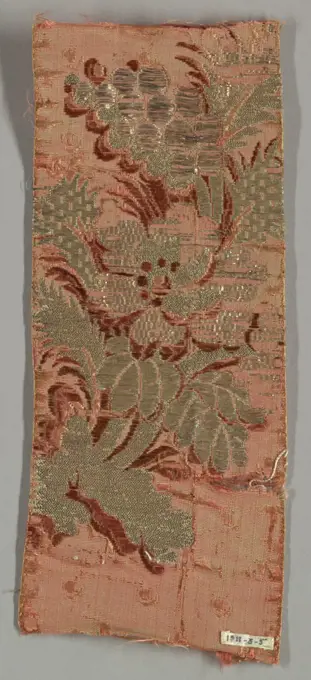
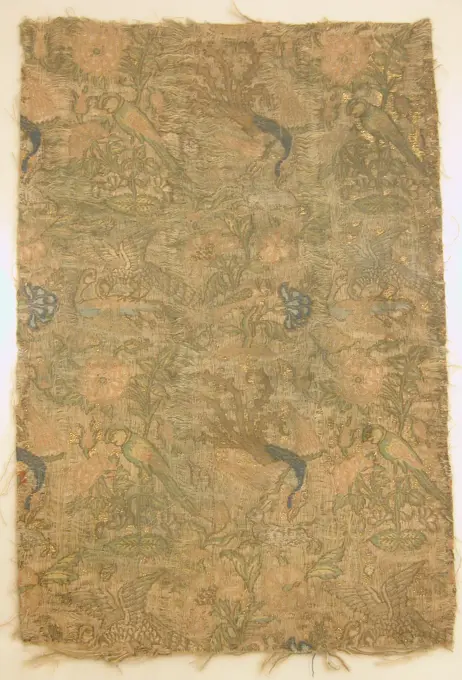
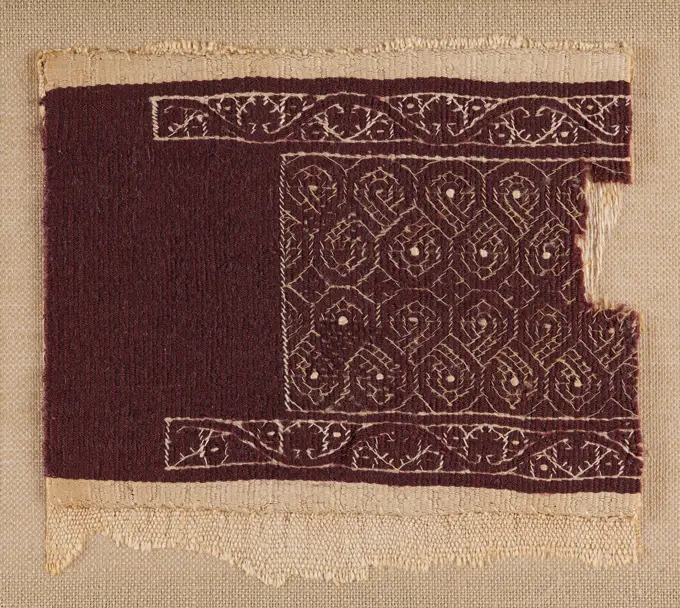
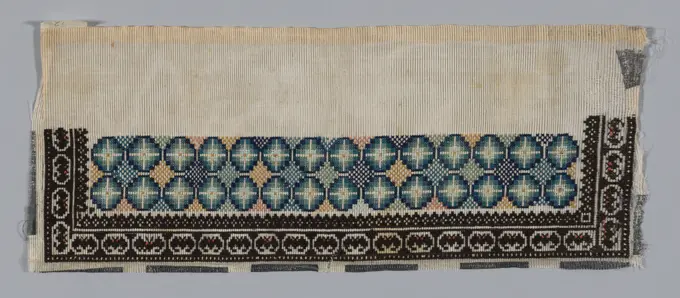
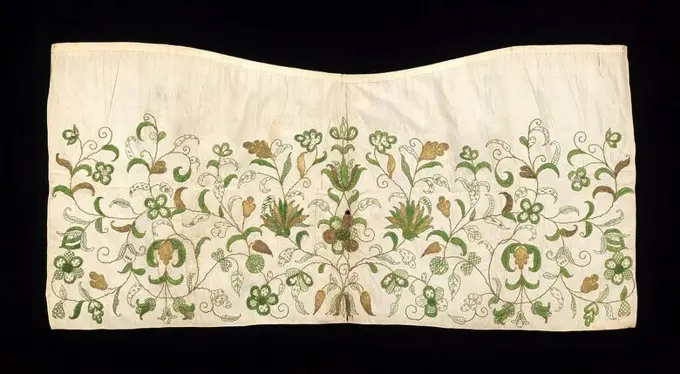
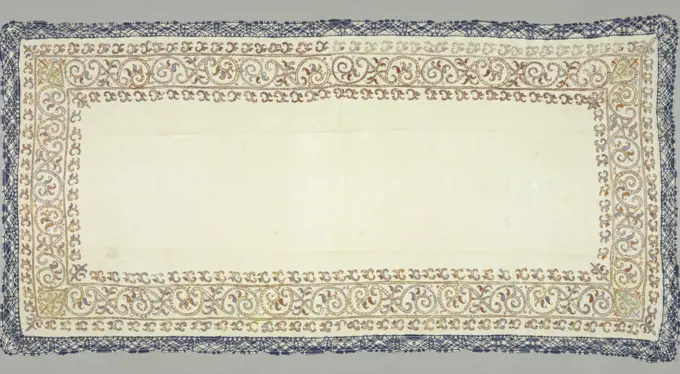
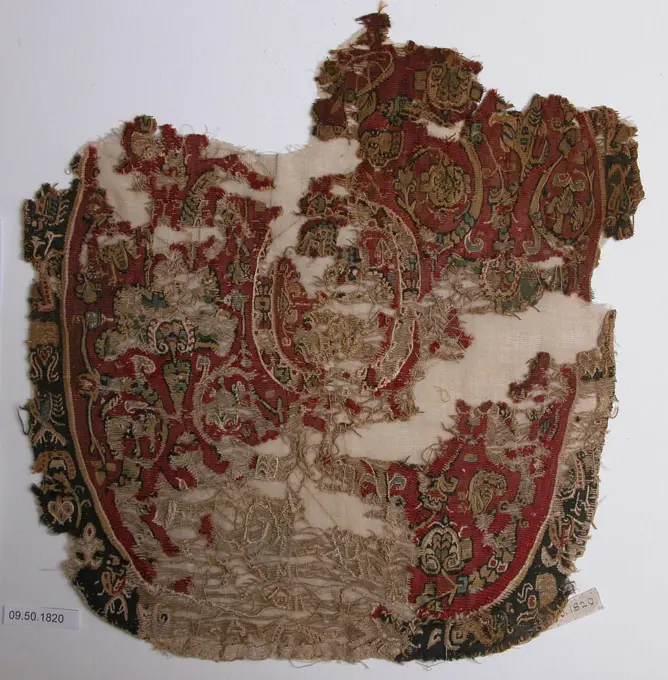
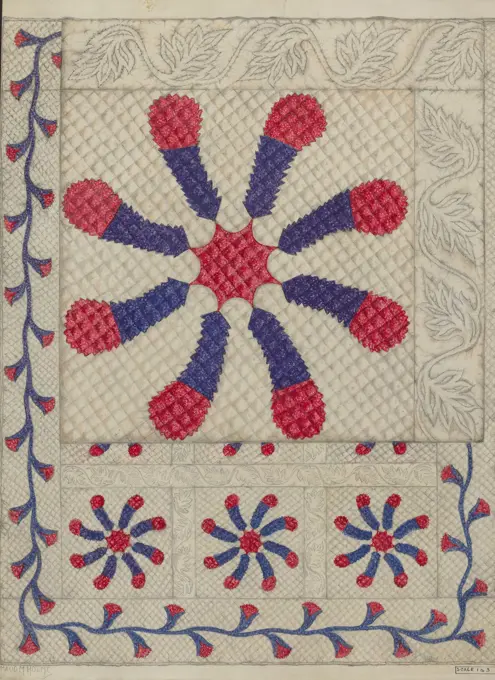
A variety of intricately woven textiles from different periods, featuring floral patterns and vibrant colors, highlighting traditional craftsmanship.

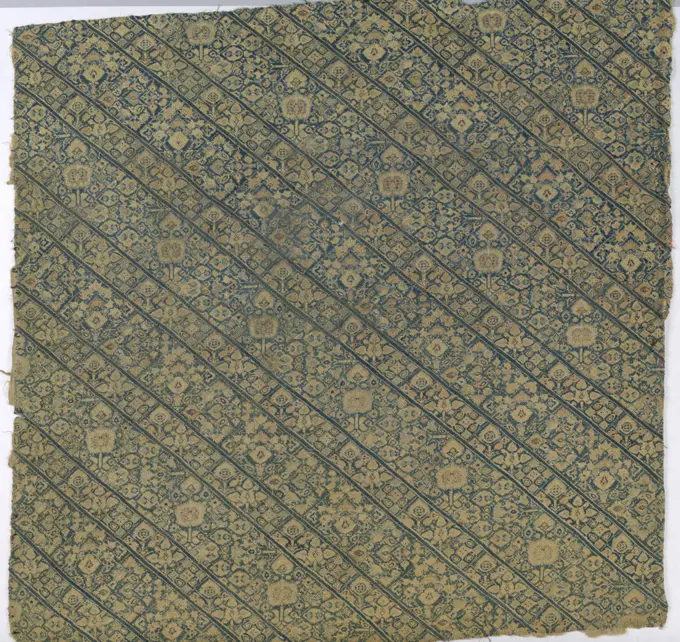
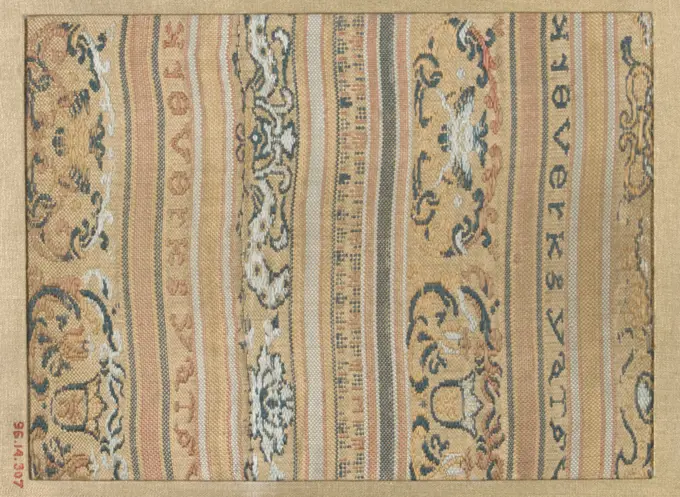
Textile, Medium: silk, metallic thread Technique: compound twill, A ground of gold twill (metal very worn), with serpentine branches bearing carnation and lily blossoms primarily in blue, outlined with supplementary white weft. Other details of the design are worked in supplementary orange and green wefts (badly faded). Right selvedge present., Turkey, 17th century, woven textiles, Textile
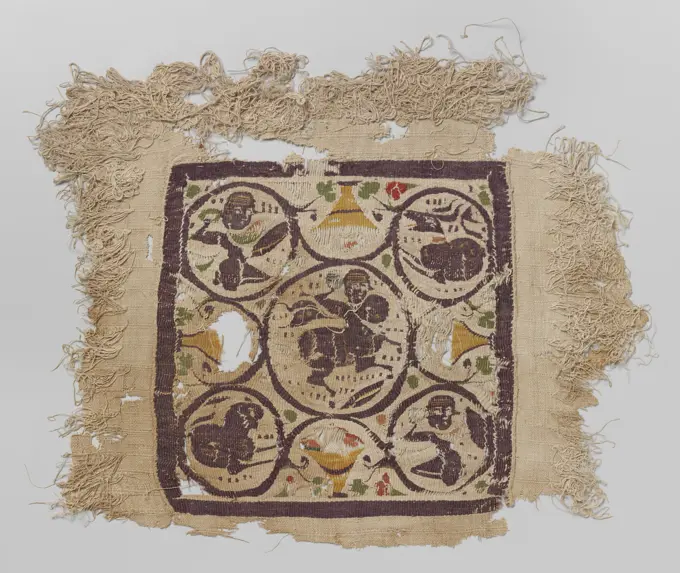
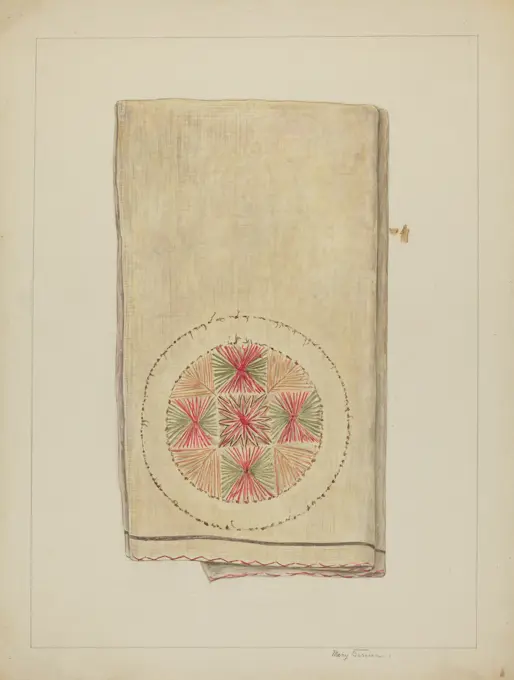
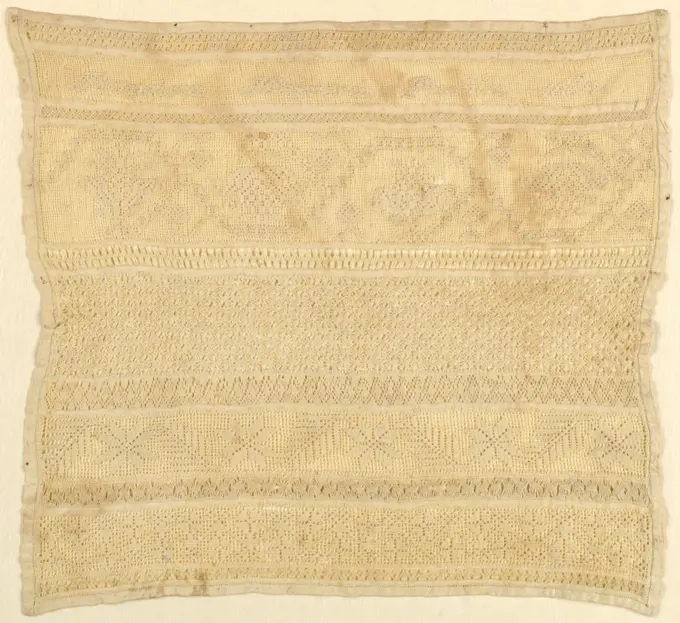
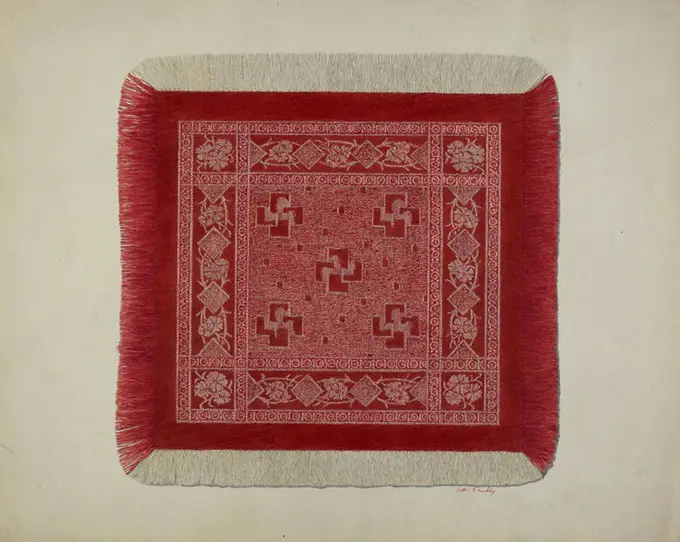
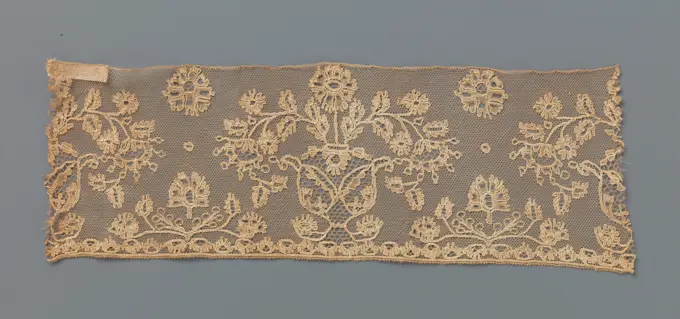
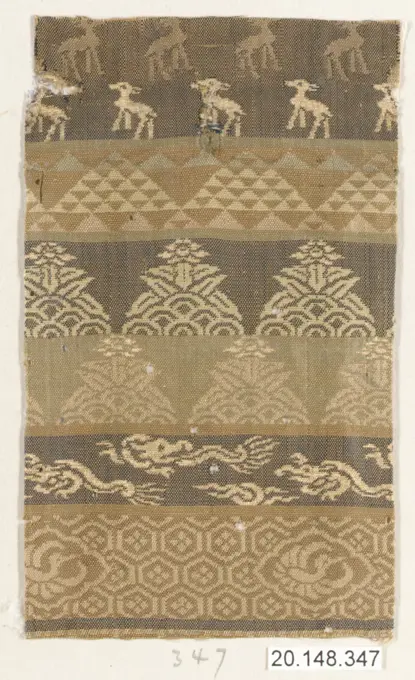
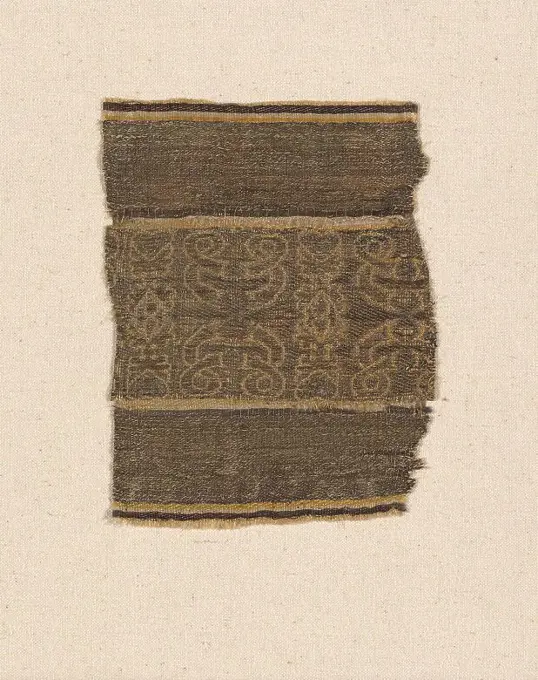
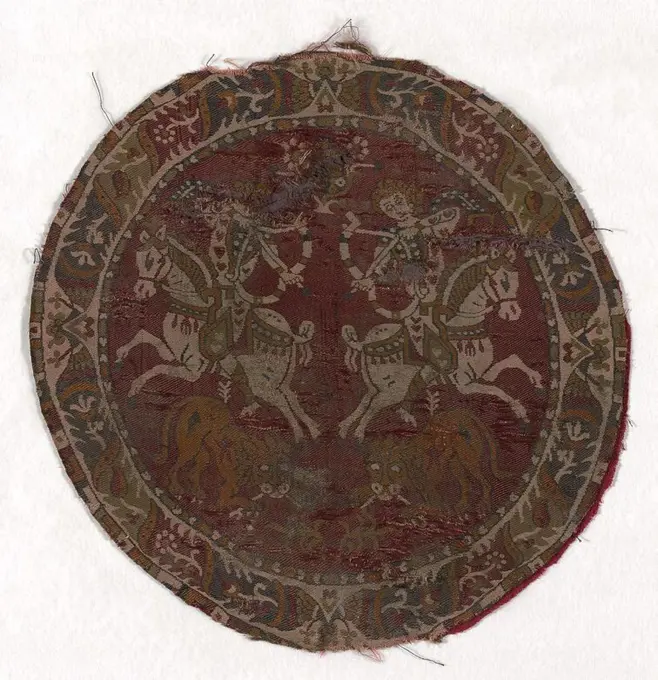
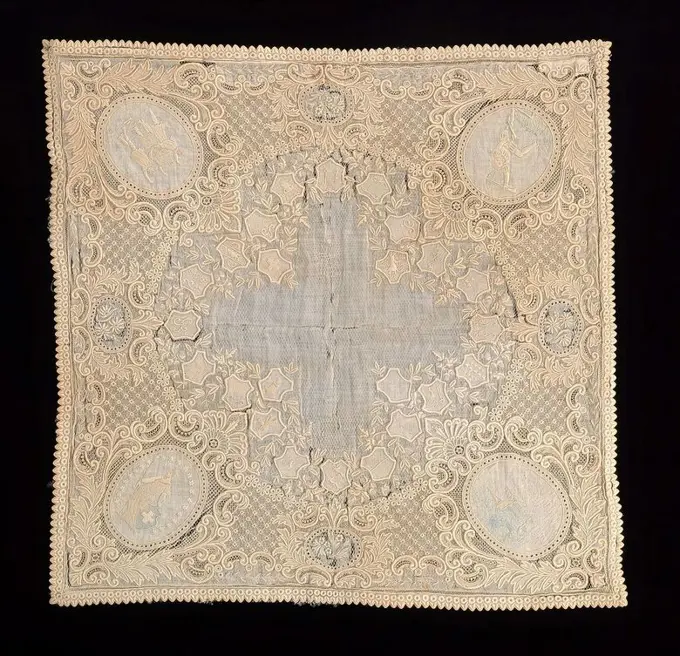
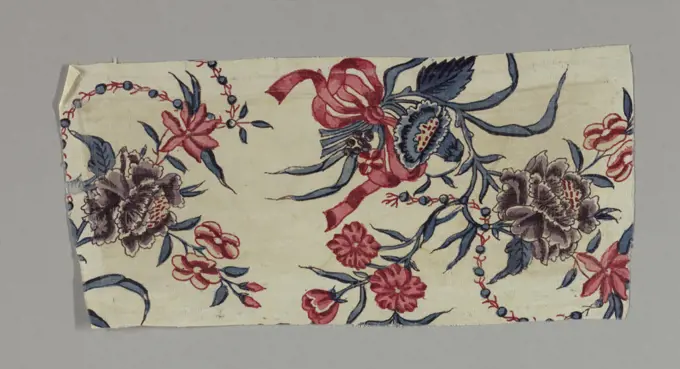
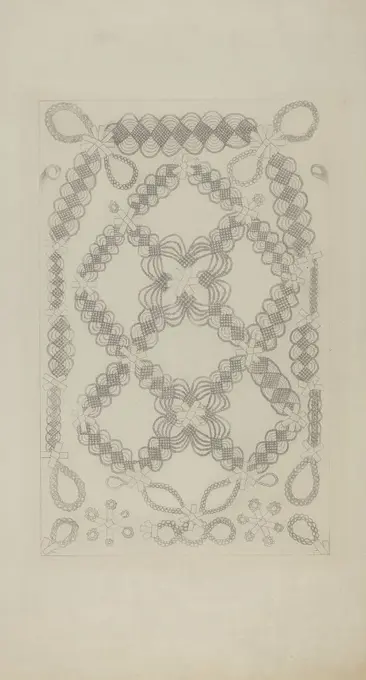
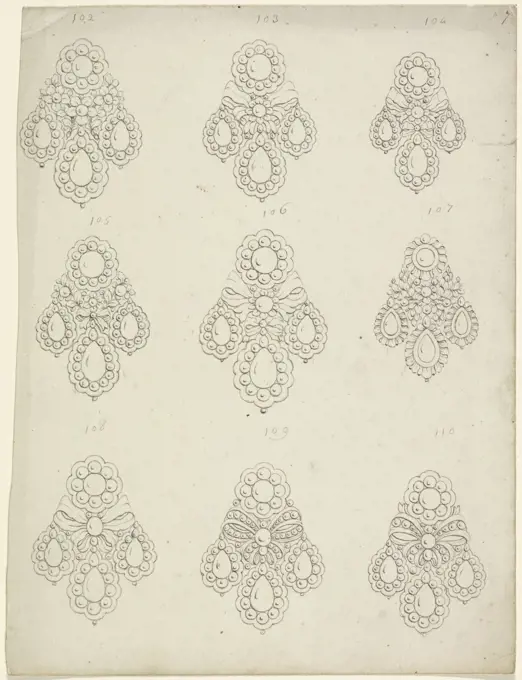
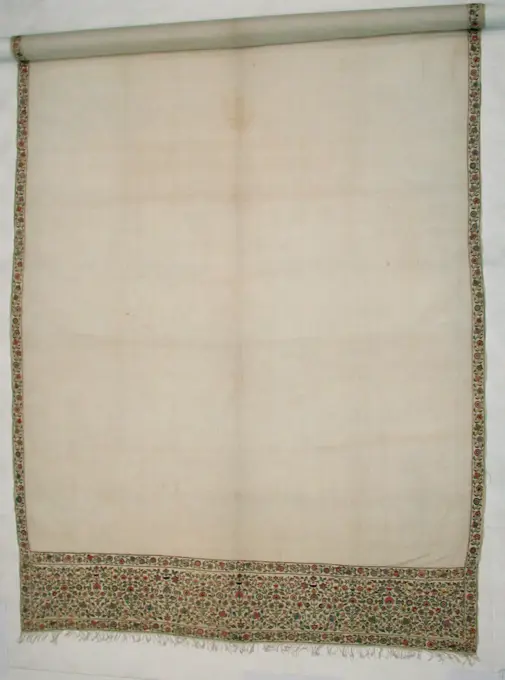
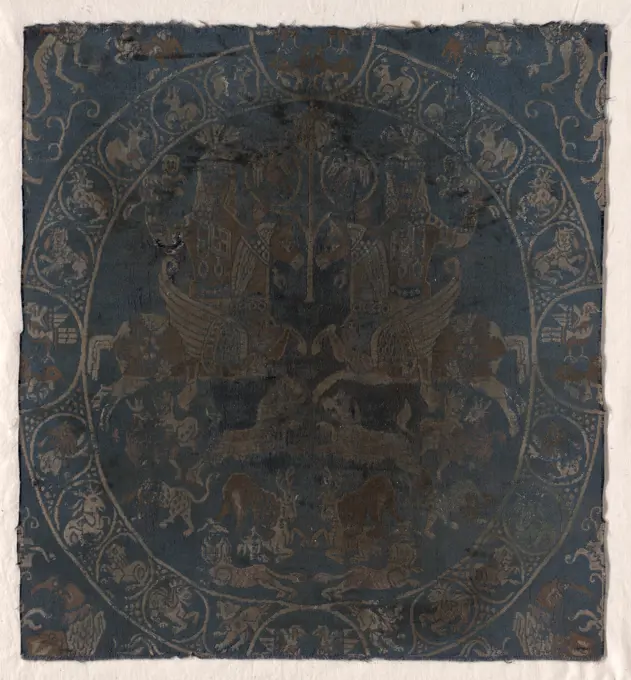
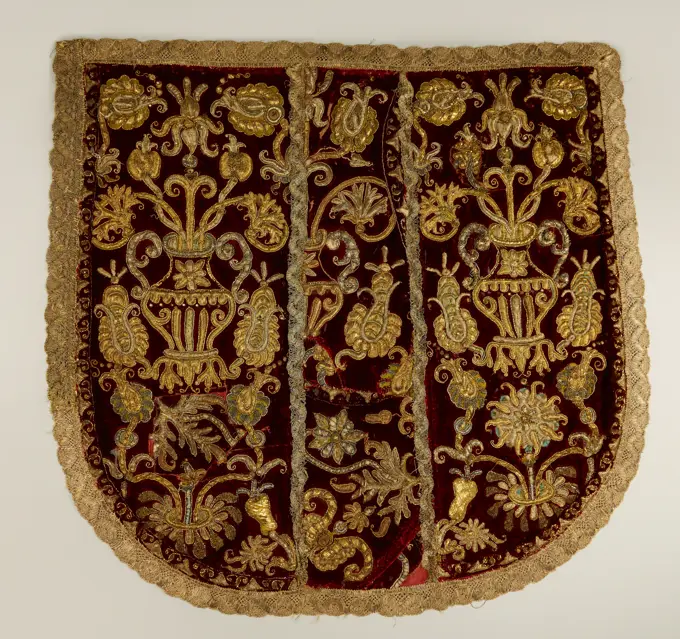
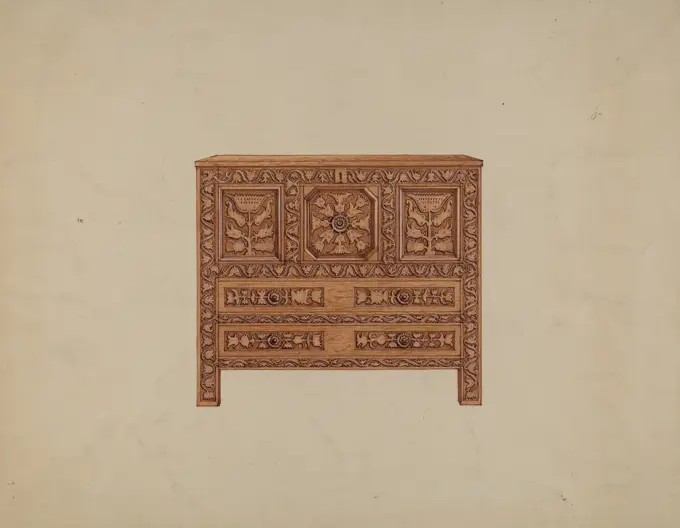
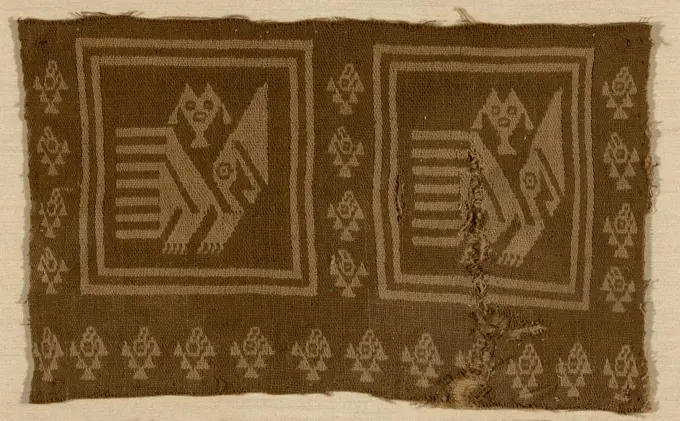
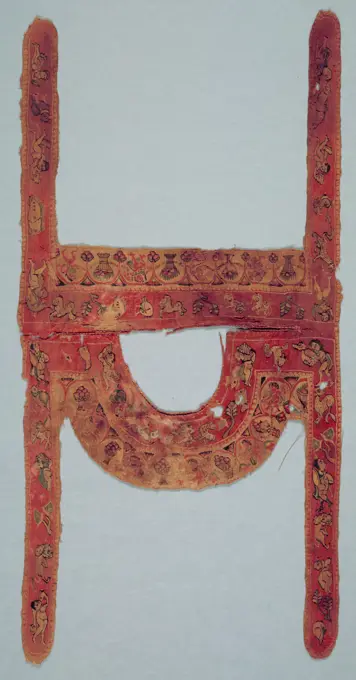
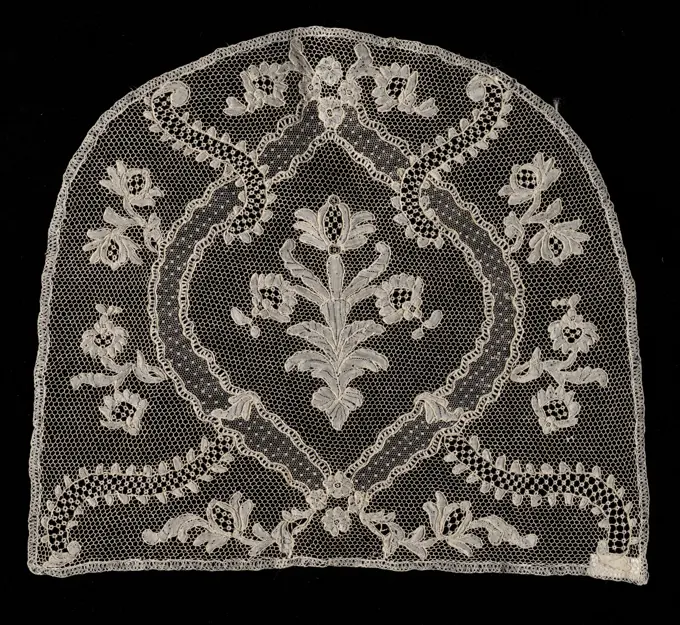
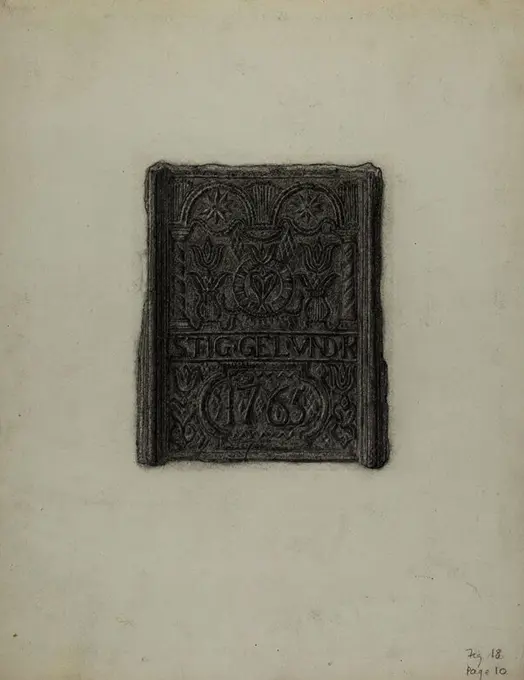
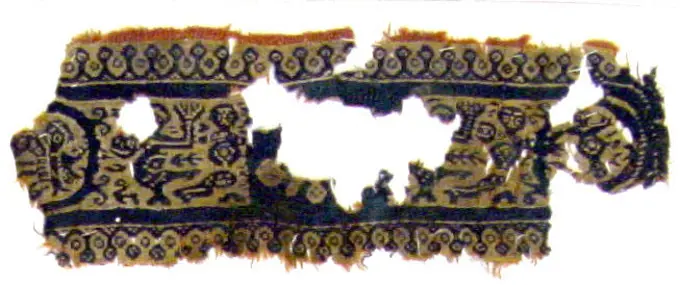
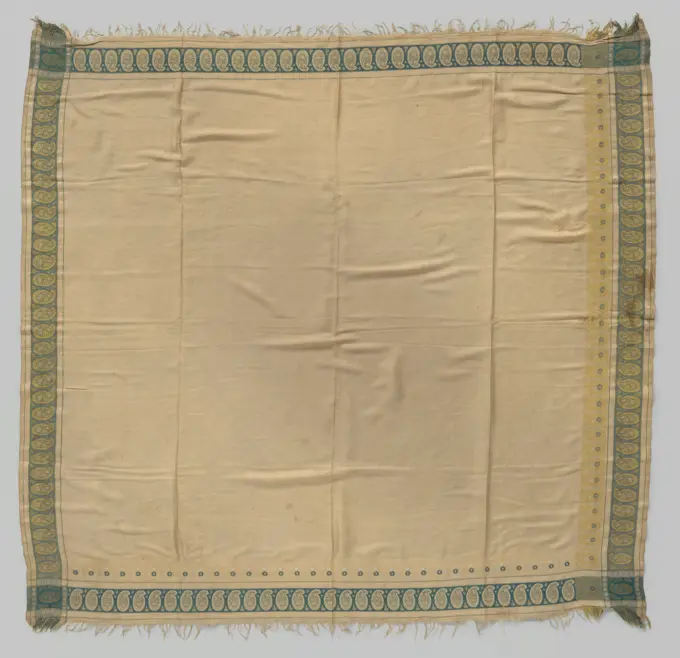
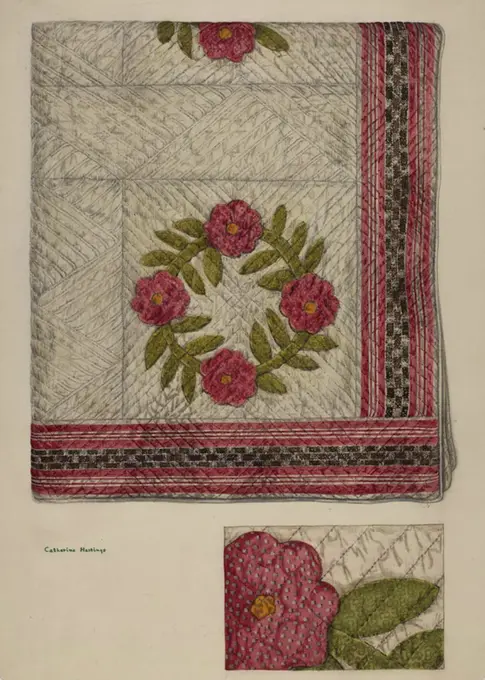
Textile, Medium: silk, metallic thread Technique: compound twill, A ground of gold twill (metal very worn), with serpentine branches bearing carnation and lily blossoms primarily in blue, outlined with supplementary white weft. Other details of the design are worked in supplementary orange and green wefts (badly faded). Right selvedge present., Turkey, 17th century, woven textiles, TextilePiece 18th century Japan. Piece 71339Piece 18th-19th century Japan. Piece 66688Piece 18th-19th century Japan. Piece. Japan. 18th-19th century. Silk. Textiles-WovenFragment, Medium: silk, metallic threads Technique: plain compound weave with supplementary weft, Red-orange ground with an incomplete spray of a flower and decorative foliage with brocading in two shades of red and flat metallic strips, metallic thread and metallic frisé thread., France, 18th century, woven textiles, FragmentTextile Fragment 17th century. Textile Fragment 445695Fragment of the decorative belt; Egyptian workshop; III-V century (201-00-00-500-00-00);Fragment; silk; Bequest of Richard Cranch Greenleaf in memory of his mother, Adeline Emma Greenleaf; 1962-56-106Cover or Handkerchief Made 1801-1850 Turkey. Embroidered in design of trees and tents .Band, Medium: silk Technique: uncut velvet pile in satin foundation, Band of foliate flowers in reddish-orange pile on a yellow satin background., China, 19th century, woven textiles, BandTextile Fragment 17th-18th century. Textile Fragment 454483Fragment, 1800s. China, 19th century. Silk; overall: 29.2 x 12.1 cm (11 1/2 x 4 3/4 in.).Fragment of a Tiraz-Style Textile, 1130 - 1149. Egypt, Fatimid period, Caliphate of al-Hafiz, AH 524-44 (A.D. 1130 - 1149). Tabby ground with inwoven tapestry ornament; linen and silk; overall: 11.2 x 15.9 cm (4 7/16 x 6 1/4 in.).Alice Stearns, Shaker Rug, c 1936 Shaker RugPiece 18th-19th century Japan. Piece. Japan. 18th-19th century. Silk. Textiles-WovenPiece of fabric. unknown, authorChalice Cover Made 1675-1700 Italy. Linen, needle lace .Strip brown needle side consisting of two strips sewn together with an emperor crown-like flower between acanthus leaves. Strip Brown needle side. The strip consists of two strips sewn together, so that the strip has doubled itself in the width. The pattern of each of the strips sown together consists of an emperor kloating-like flower between acanthus leaves and flanked on the right by a strip-width filling, lying C-volitude. The C-volt is formed by a narrow acanthus sheet and includes a loop-shaped flower with moon-shaped petals. This C-volute repeated in mirrored form and the pattern is then broken. The original pattern is symmetrical and repeats itself. For the complete pattern: BK-1973-87-a. The motifs are made with feston stitches and equipped with light relief contours. The motifs are connected to each other by a speechly picoted bars soil. The top of both strips are straight finished, the straight upside side of the lower strip on the slight sloping edge of the upper strip. TheWoman's Trouser Band Made 1875-1900 China. Embroidered in shades of blue and black on gauze. . Han-ChineseWeefselfragment met tabula, anonymous, c. 300 - c. 699 Natural linen tissue fragment with woven tabula with five circles in burgundy red. In the central circle a centaur, in the circles in the top left and bottom right a kneeling figure with shield and wreath, top right a lying deer and bottom left a lying animal, possibly an ox. The surfaces between the circles are filled with yellow flower or fruit baskets. Here and there are color accents in red, green and blue. The flying wire technique was used for detailing. There are remnants of loop tissue on three sides, which indicates possible use as a pillow. Egypt Ketting an element: Linen (material). Entry: Wool tapestry Natural linen tissue fragment with woven tabula with five circles in burgundy red. In the central circle a centaur, in the circles in the top left and bottom right a kneeling figure with shield and wreath, top right a lying deer and bottom left a lying animal, possibly an ox. The surfaces between the circles are filled wiTextile ; silk, linenChasuble made of silk fabric unknownMary Berner, Blanket, c 1936 BlanketSampler, Medium: cotton embroidery on cotton foundation Technique: embroidered in withdrawn element work on plain weave foundation, Eleven bands of pattern including a dated signature, all in white withdrawn element work., Hidalgo, Mexico, 1864, embroidery & stitching, SamplerPiece 18th-19th century Japan. Piece 66270Fragment, Medium: silk on cotton Technique: tent stitch embroidery, Blue-green embroidery on an ivory ground showing diagonal floral bands. Type of material used for women's pants., Iran, 18th century, embroidery & stitching, FragmentFragments of silk fabric  a pattern of flower branches unknownPanel (Peru); cotton, woolBobbin Lace Piece of Flounce made into a Cuff, 17th century. Flanders, 17th century. Lace, bobbin: linen; average: 21.9 x 32.4 cm (8 5/8 x 12 3/4 in.).Piece 18th-19th century Japan. Piece. Japan. 18th-19th century. Silk. Textiles-WovenFragment ca. 1800 Italian. Fragment 230418Textile, Medium: crewel wool on cotton Technique: embriodered on tabby weave, Narrow valance. Closely woven cotton (tabby weave) embroidered in polychrome wool. Design shows alternating clsuters of roses and carnations arranged under symmetrically curving floral branches. Lower edge scalloped. Colors, shades of red, rose, blue, violet, yellow, green. Stitches mostly chain and stem stitches., France, mid-18th century, embroidery & stitching, TextileFragment of embroidery unknownFragment Green Zijddamast, Anonymous, 1700 - 1799  A fragment of green silk tissue with large leaf pattern. Note: Self -sides; 1) 0.6 cm 2) Not complete 0.4 cm, twill, 2 colorful 3 lanes.  silk damaskGenevieve Sherlock, Detail of Hitchcock Chair, 1935 1942 Detail of Hitchcock ChairBorder 18th century Dutch. Border 226036Panel of needle side with cat, anonymous, c. 1920 - c. 1930 Panel of natural needle side. Rectangular model with an image of a cat inside a straight decorative frame. The cat is depicted straight from the front and sits on a wall or something similar, where his tail hangs down to the floor. The cat is made up of feston stitches. The space between the cat and the list consists of a fine grid, a mesh side. The rectangular panel runs under the decorative frame. This extension is a decorative soil with a square grid as in the list. There are two openwork circles in the grid. Cat eyes Festunned relief contours have been applied to the decorative frame, decorative grounds and the cat. Belgium (possibly)Brussels linen (material) Panel of natural needle side. Rectangular model with an image of a cat inside a straight decorative frame. The cat is depicted straight from the front and sits on a wall or something similar, where his tail hangs down to the floor. The cat is made up of feston stitcheCover, Medium: linen Technique: withdrawn element; bobbin lace, White cover with a wide reticella border worked with three rows of stars at each end. Narrow border in the same design at the sides. Deep pointed bobbin lace at the ends and and narrower bobbin lace eding at the sides., Italy, 17th century, lace, CoverPiece 18th-19th century Japan. Piece 66032Piece 18th century Japan. Piece 71223Fragment of white embroidery unknownFragment (Italy); silk, metallicFragment (Italy); silk on linen; Bequest of Marian Hague; 1971-50-82Red and White Napkin. Dated: c. 1941. Dimensions: overall: 40.8 x 50.9 cm (16 1/16 x 20 1/16 in.). Medium: watercolor and graphite on paper. Museum: National Gallery of Art, Washington DC. Author: Arthur G. Merkley.Strip bobbin with decorated flowerpot, anonymous, c. 1700 - c. 1799 Strip of natural -colored bobbin, Lillese Pottekant. The repeating pattern consists of a decorated flowerpot with ears and legs, which contains a symmetrical bouquet. Central is one large flower, flanked by a branch with two smaller and one larger hanging flower and various lobed leaves. The motifs are connected by a Maas soil, a tuler land. The motifs are made in linen battle with thicker and shiny contour threads. Ornamental grounds have been used in, among other things, the flowerpot and the flower hearts. The top and bottom are straight, with the bottom with picots. Southern Netherlands linen (material) bobbin lace / pot lace Strip of natural -colored bobbin, Lillese Pottekant. The repeating pattern consists of a decorated flowerpot with ears and legs, which contains a symmetrical bouquet. Central is one large flower, flanked by a branch with two smaller and one larger hanging flower and various lobed leaves. The mFabric fragment. unknown, authorPiece 18th century Japan. Piece 71338Fragment. Spain. Date: 1201-1300. Dimensions: 15.6 x 11.9 cm (6 1/8 x 4 5/8 in.)Weft repeat: 6.3 cm (2 1/2 in.). Silk, linen, and gilt-animal-substrate-wrapped linen, narrow bands of two color and double faced weft-float faced twill weaves with inner warps and wider bands of three color complementary weft weft-float faced twill weave with inner warps. Origin: Spain. Museum: The Chicago Art Institute, Chicago, USA.Roundel. Iran (Persia, Khorasan). Date: 601 AD-700 AD. Dimensions: 24.1 x 24.1 cm (9 1/2 x 9 1/2 in.). Silk, plain compound twill weave. Origin: Syria. Museum: The Chicago Art Institute, Chicago, USA.Piece 18th-19th century Japan. Piece 66984Textile Fragment early 17th century. Textile Fragment 454524Tile 12th-14th century. Tile 447380Handkerchief. Culture: Swiss. Date: third quarter 19th century.The extremely detailed subject matter of this handkerchief suggests that it was possibly worked for a special, commemorative occasion. The dense embroidery is combined with other decorative techniques to create an elaborate, customized piece. Museum: Metropolitan Museum of Art, New York, USA.Fragment (India); cottonTextile Fragment 5th-6th century Coptic. Textile Fragment. Coptic. 5th-6th century. Linen, wool. Made in Byzantine Egypt. Textiles-WovenChintz fragment, Medium: cotton Technique: mordants for 2 reds, 2 purples and black applied by pen or brush; madder dyed; blue applied over resist; yellow over blue for green; chintz on plain weave, Ribbon-tied stems of flowers. Design is an Indian adaption of a European woven fabric as part of the motif is a mirror image., India, 18th century, printed, dyed & painted textiles, Chintz fragmentPiece 18th-19th century Japan. Piece. Japan. 18th-19th century. Silk. Edo (1615-1868). Textiles-WovenThree geometric motifs with moresken; Vararum Protractionum Quas Vulgo Maurusias Vocant (...); Two diamond shaped and a rectangular moresk ornament. Links a diamond with white moresken on a dark floor, right a diamond with black moresken on a light surface. One of 15 blades from a series of 23 Frisians with title page.Fragment. Italy. Date: 1601-1635. Dimensions: 27.9 x 14.2 cm (11 x 5 5/8 in.). Silk, plain weave with supplementary pile warps forming cut, uncut, and voided velvet. Origin: Italy. Museum: The Chicago Art Institute, Chicago, USA.Fragment (India); cottonHandkerchief. unknownFragment tkaniny. warsztat egipski, workshopShaker Hair Wreath. Dated: c. 1938. Dimensions: overall: 43.9 x 23.4 cm (17 5/16 x 9 3/16 in.) Original IAD Object: 13 1/2" wide; 21 1/2" long. Medium: graphite on paperboard. Museum: National Gallery of Art, Washington DC. Author: Helen Bronson.Designs of nine earrings or brooches with pearls, bows and floral patterns, numbered 102 to 110., Three Sheets with Designs for Earrings Earrings Earrings or brooches, draughtsman: anonymous, France, (possibly), c. 1750 - c. 1780, paper, pen, h 265 mm × w 203 mmScarf 18th century. Scarf 450496Strip of a climbing side with a twist ribbon that forms whimsical motifs. Strip natural colosside: Oosteuropean side. A winding ribbon forms whimsical motifs. The ribbon has been split into linen. The top of the short strip is straight finished. The very slight sloping edge is finished with picots.Fragments, 1700s. Iran, 18th century. Silk, brocaded, with metal thread weft; overall: 54 x 30.5 cm (21 1/4 x 12 in.).Carpet late 17th century. Carpet 450468Indian ornamentTest plaque of edge embroidery on machining with a padded flower branch. Natural-colored tone-colored tote steak on machine tulle. Square model with one flower branch with feathered leaves or flower branches.Towel or Napkin (Altered) Made 1701-1900 Turkey. Embroidered . AnonymousModern Reproduction of the Bahram Gur silk in Berlin, c. 1895 (). Germany, Krefeld . Diasper weave; silk; average: 36.9 x 34.3 cm (14 1/2 x 13 1/2 in.).Fragment, Medium: linen Technique: bobbin lace, discontinuous tape, Fragment of a large scale foliated scroll pattern in diagonal, symmetric arrangement., Milan, Italy, 18th century, lace, FragmentTextile Fragment early 18th century. Textile Fragment 454573Valance (Spain); linenFragment of embroidery  small motifs of scattered flowers unknownPiece of tapestry, embroidered  flower vase motif unknownFolk embroidery pattern unknownApron. Culture: probably British. Date: second quarter 18th century. Museum: Metropolitan Museum of Art, New York, USA.Table cover, Medium: linen, silk Technique: embroidered on plain weave using satin, cross stitch, and stem stitch; bobbin lace attached; Hem-stitching at each end of fabric., Rectangular linen cover having a plain center with an embroidered border on four sides in light and shades of orange. Embroidered design is comprised of two elements: a continuous leafy scroll with heart-like devices in each corner, and narrow guard on each side of isolated leaf or vine-like elements with elaborate finials at each corner. A continuous trim of bobbin lace in ivory and deep blue is sewn to the outer edge, and is in the form of a randa., Spain, 18th century, embroidery & stitching, Table coverAurifries with silk and gold thread embroidery on linen. Aurifries of which parts of the embroidery have been removed. These parts are set separately and numbered BK-NM-5440-B and C.Roundel 7th-8th century. Roundel 445851Maud M Holme, Pieced and Quilted Coverlet, c 1937 Pieced and Quilted CoverletMartin Partyka, A Connecticut type Hadley Chest, c 1936 A Connecticut-type Hadley ChestSidewall - Fragment (USA); machine-printed; 24 x 15 cm (9 7/16 x 5 7/8 in.)Fragment Made 1000-1476 Peru. Double weave . ChancayChasuble, Back 16th century Italian or Spanish. Chasuble, Back 461326Trimming Fragment (France); silkFragment from a Child's Tunic: Neck Opening, 600s-700s. Egypt, Umayyad period (661-750). Wool and linen: tabby weave, inwoven tapestry ornament; overall: 67.5 x 34 cm (26 9/16 x 13 3/8 in.).Fragments (Italy); silk; Warp x Weft (a): 37.7 x 31.6 cm (14 13/16 x 12 7/16 in.) Warp x Weft (b): 31.6 x 36.6 cm (12 7/16 x 14 7/16 in.) Warp x Weft (c): 12.2 x 28.3 cm (4 13/16 x 11 1/8 in.) Warp x Weft (d): 13.2 x 7.5 cm (5 3/16 x 2 15/16 in.)Needlepoint Lace (Argentan Lace) Cap Crown, late 18th century. France, Argentan, late 18th century. Lace, needlepoint; average: 21.6 x 24.8 cm (8 1/2 x 9 3/4 in.).Pa. German Stove Plate. Dated: c. 1936. Dimensions: overall: 35.5 x 27.9 cm (14 x 11 in.) Original IAD Object: 20 1/4" high; 24" wide. Medium: graphite on paper. Museum: National Gallery of Art, Washington DC. Author: Elmer G. Anderson.Trimming of embroidered stole unknownAmerican 20th Century, Textile, 1935 1942 TextileTextile Fragment 5th century Coptic. Textile Fragment 475283Pair of garters, Medium: cotton, silk Technique: counted stitches, Padded garters embroidered in petit-point on canvas mesh. Simple polychrome design of floral vine. Lined with white taffeta., France, 1700-1750, embroidery & stitching, Pair of gartersTop of embroidered burse unknownSquare cashmere scarf with plain ecru midfield, along which a blue edge filled with ecru and yellow botas, anonymous, c. 1820 Square palm shell of woven silk with a solid ecrinke -nealous center. The pattern consists of an outdoor edge of blue stock, on which horizontal ecrinke -poly and vertical yellow -oriented botas of equal shape are already inside. Narrow lists of Écressleur with rosette leaves in white, enclose the edges. They cut each other in the corner. Along one corner, two interior edges with a continuous row of to the right run, the standing are in light lemon yellow, with small volute and in the ran a blue rosette flower, but the horizontal edge is in Écru. The technology consists of a silk chain and a silk impact in twill binding 1/3 woven. I.e. Kepers in the chainkeper in the right -hand edge and weigh in midfield and the left side edge. There is only linen binding in the frames around the edge and at the fringes. The color threads at the rear kept flottant and not cut oQuilt - Garden Wreath. Dated: c. 1939. Dimensions: overall: 49.2 x 35.2 cm (19 3/8 x 13 7/8 in.). Medium: watercolor and graphite on paper. Museum: National Gallery of Art, Washington DC. Author: Katherine Hastings.Sewing sample, France, late 19th century, Sewing sample