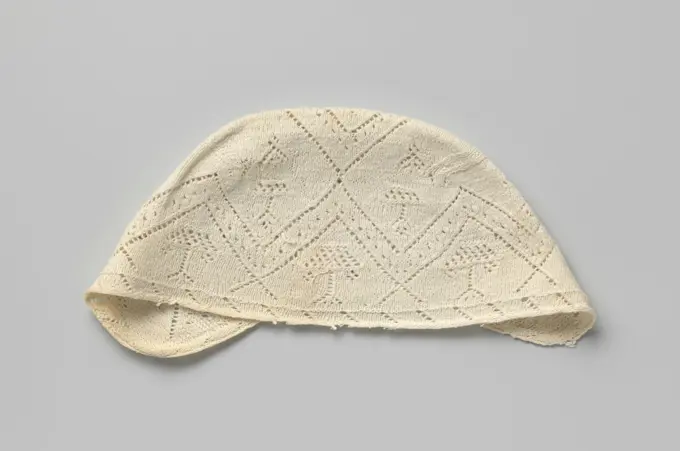
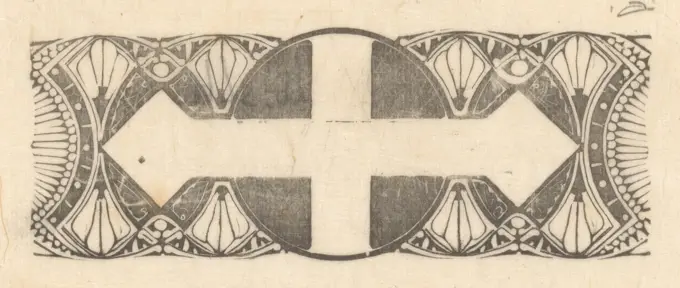
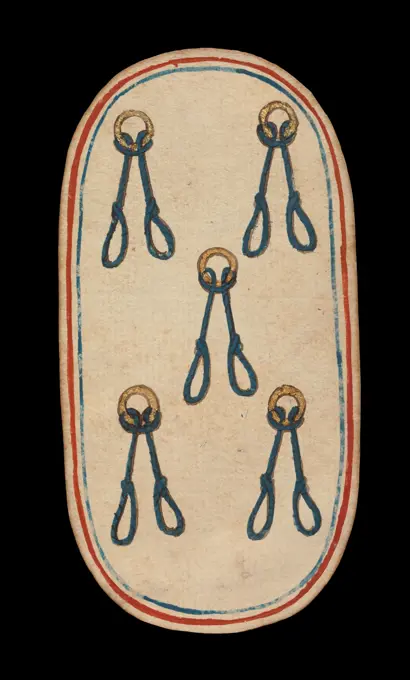
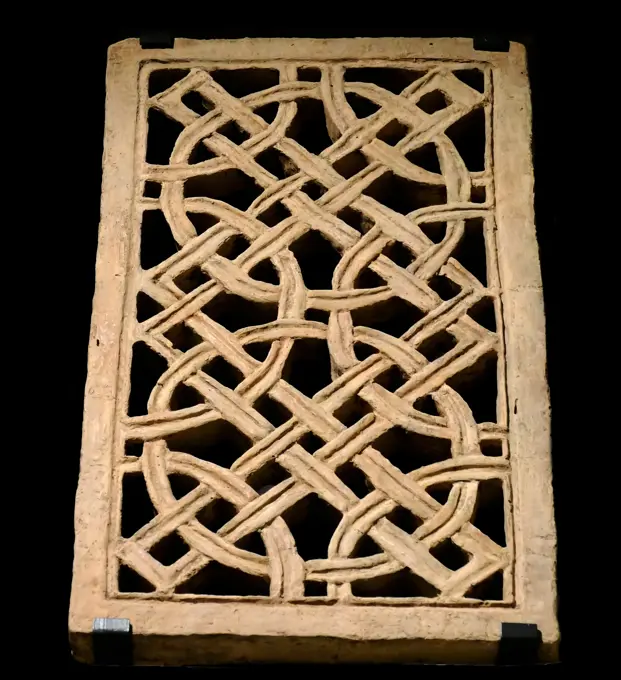
Textile Patterns And Fragments

A variety of intricately woven textiles from different periods, featuring floral patterns and vibrant colors, highlighting traditional craftsmanship.

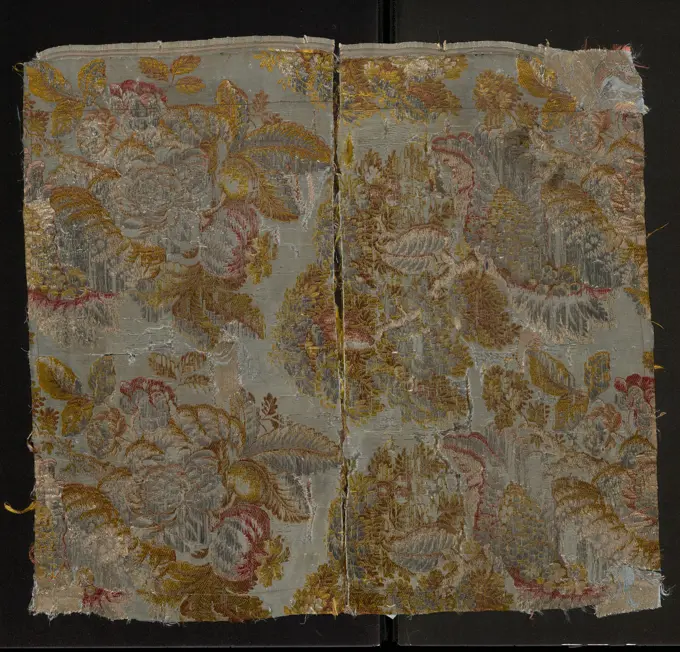
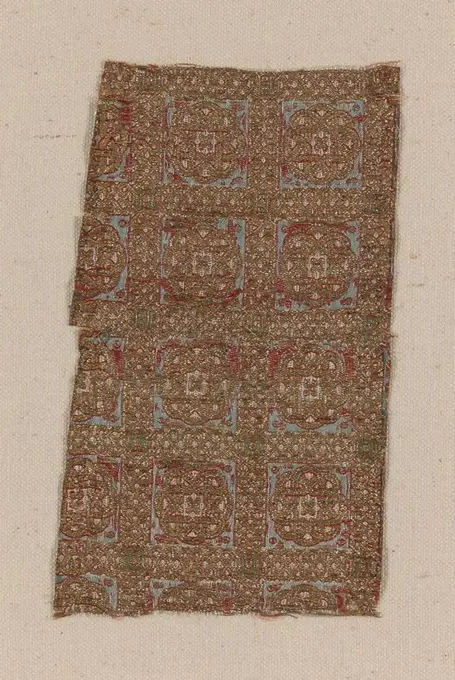
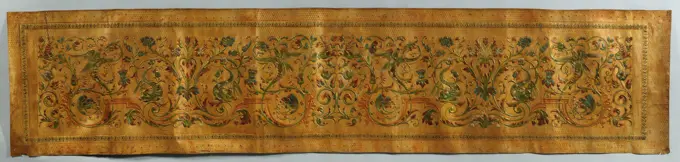
Textile, Medium: silk, metallic thread Technique: compound twill, A ground of gold twill (metal very worn), with serpentine branches bearing carnation and lily blossoms primarily in blue, outlined with supplementary white weft. Other details of the design are worked in supplementary orange and green wefts (badly faded). Right selvedge present., Turkey, 17th century, woven textiles, Textile
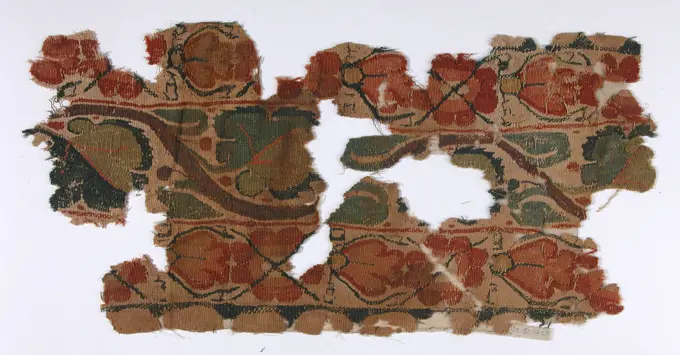
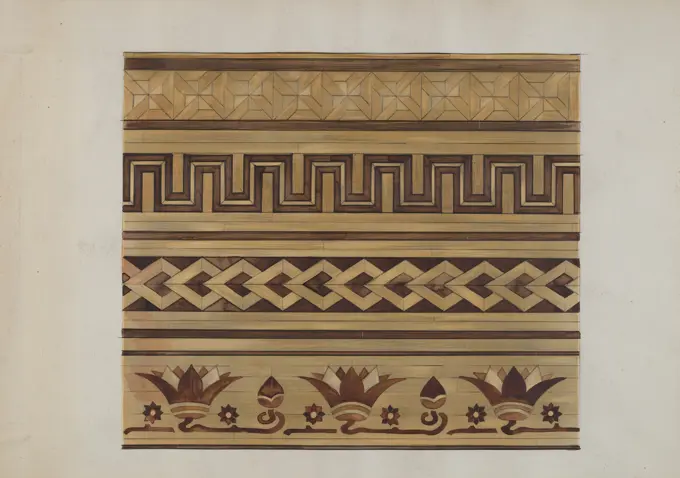
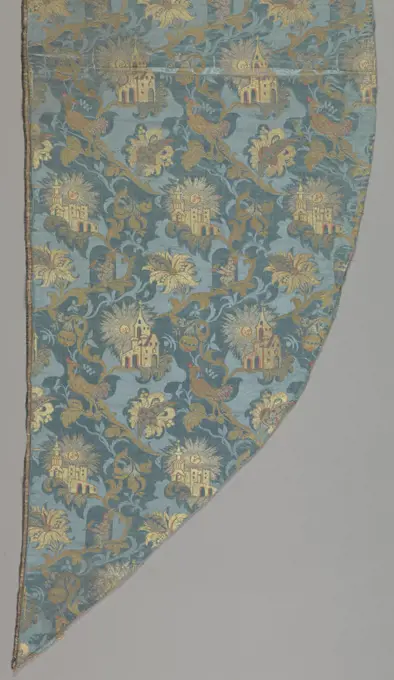
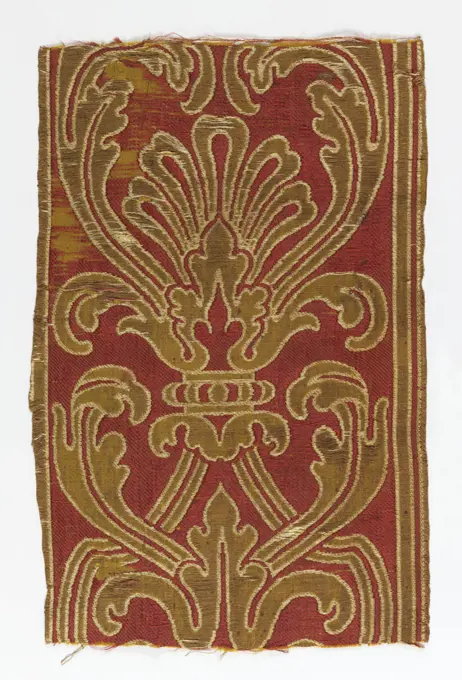
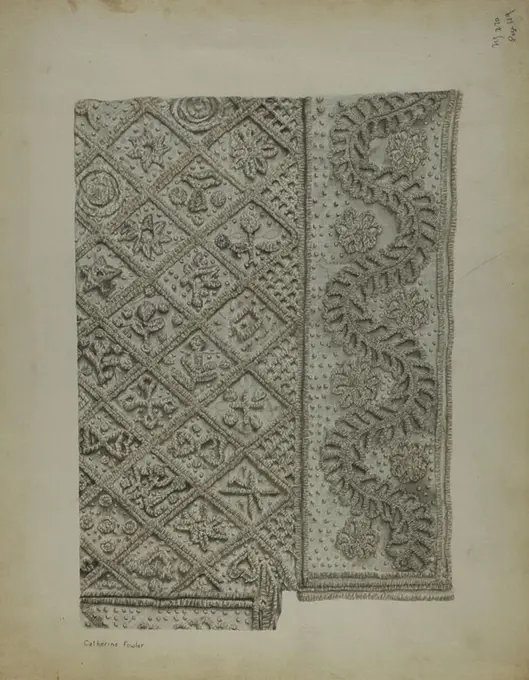
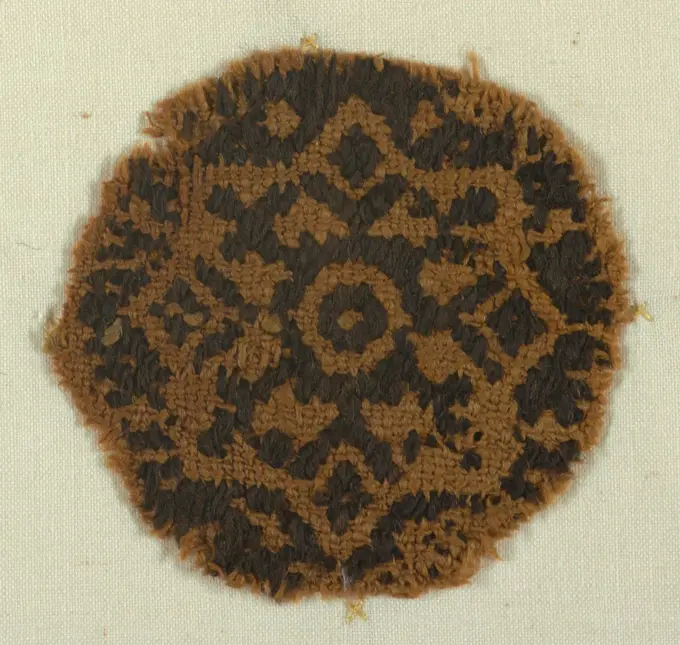
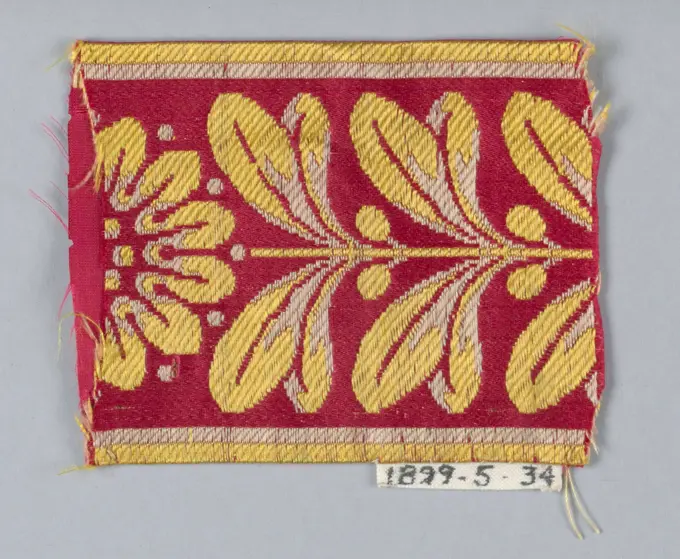
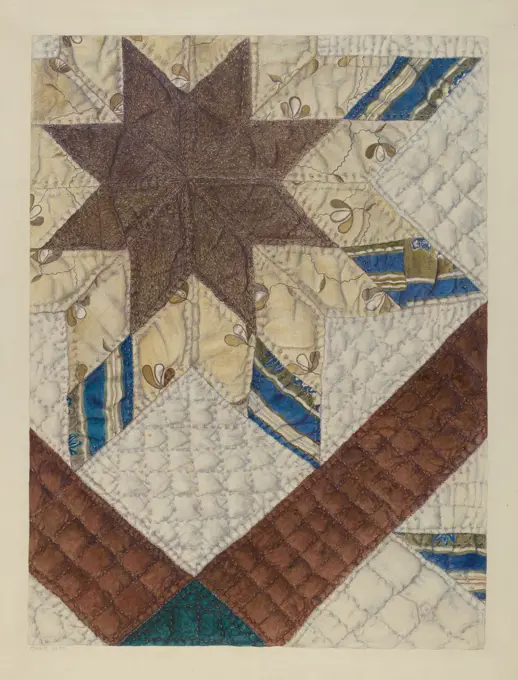
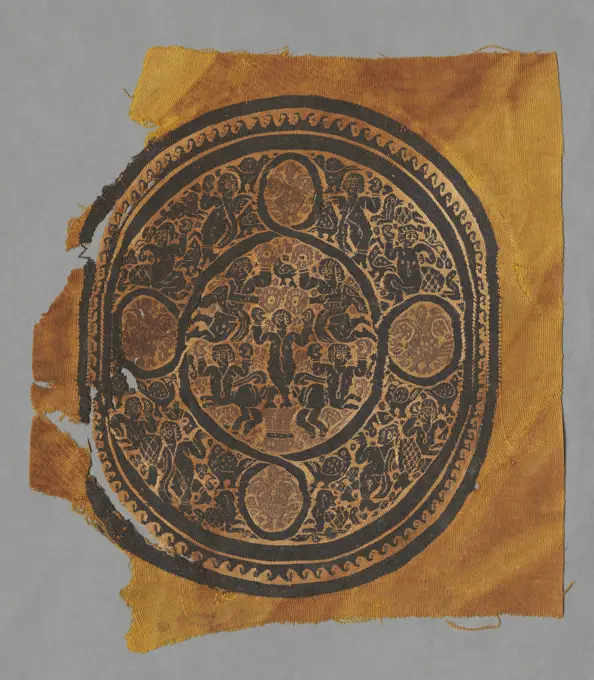
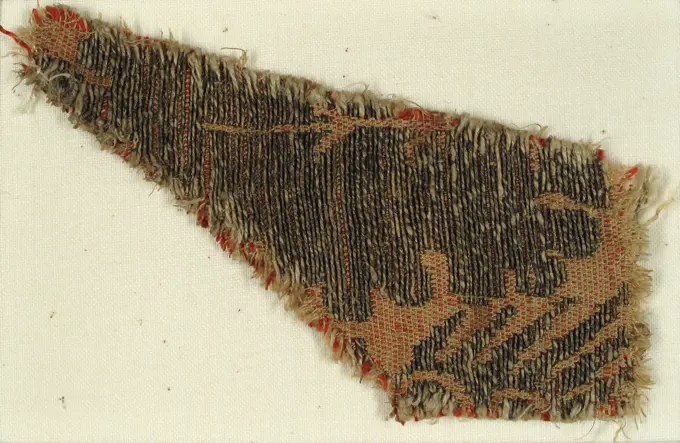
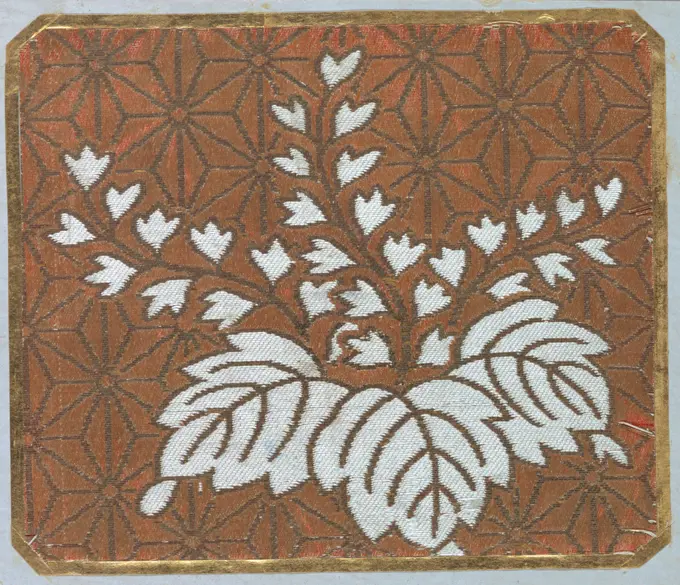
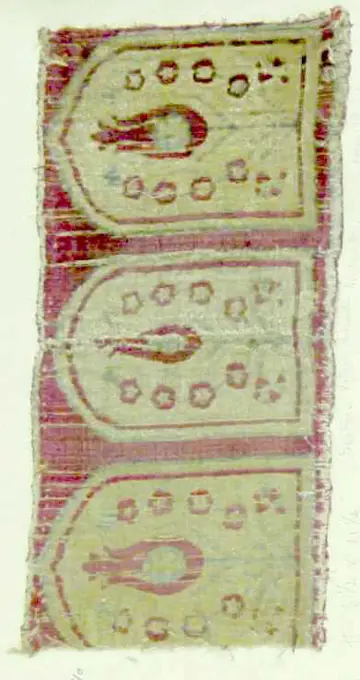
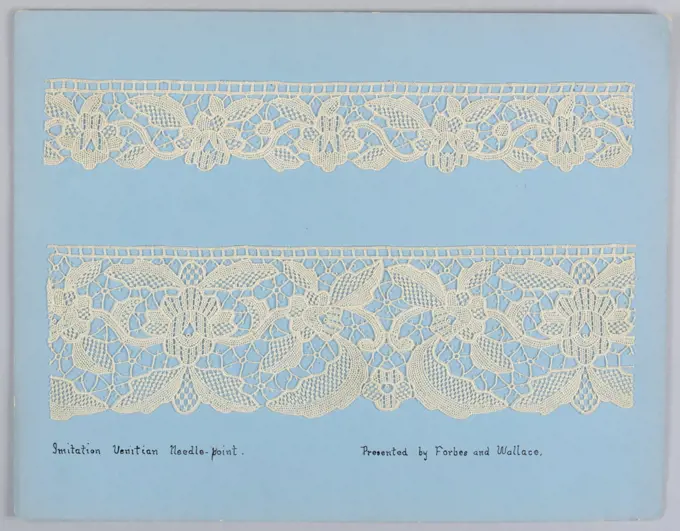
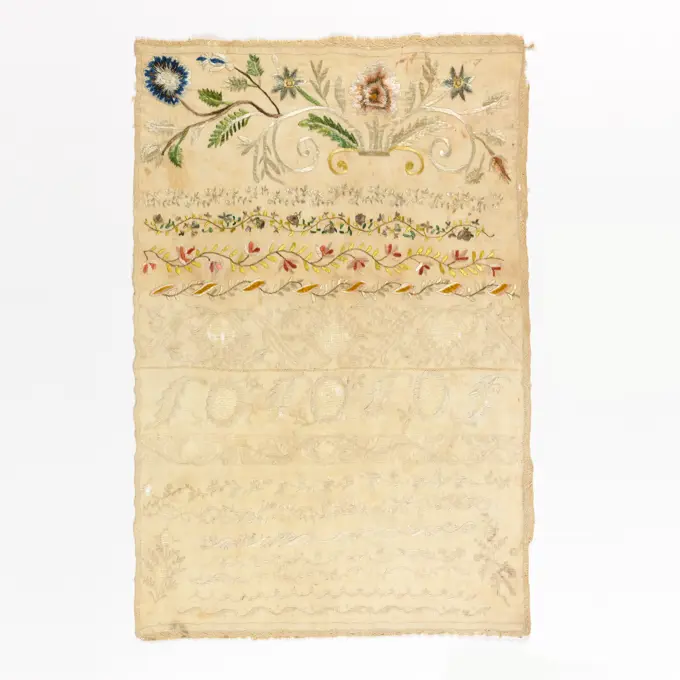
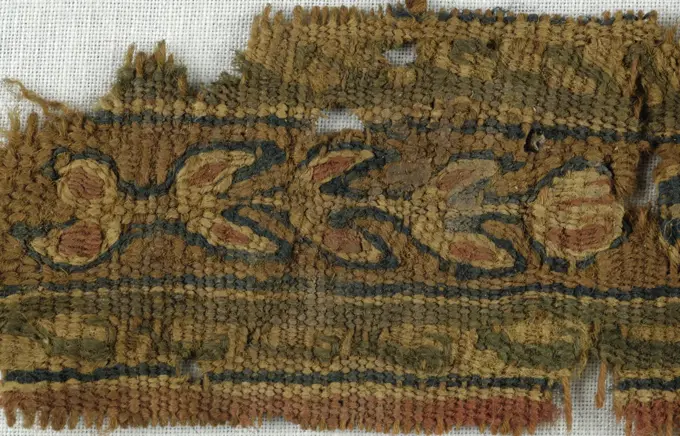
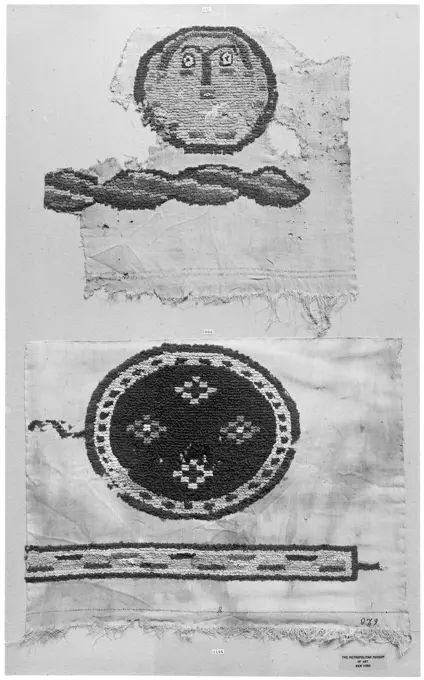
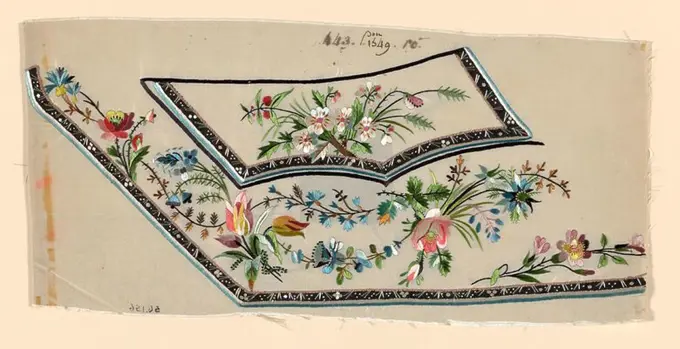
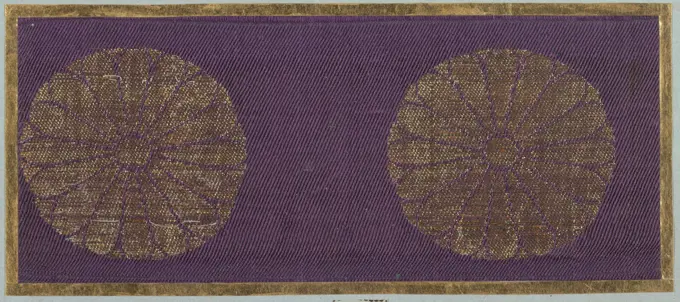
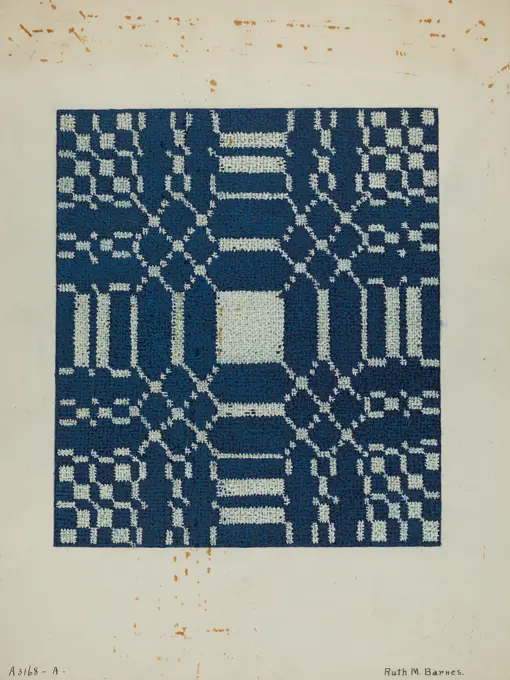
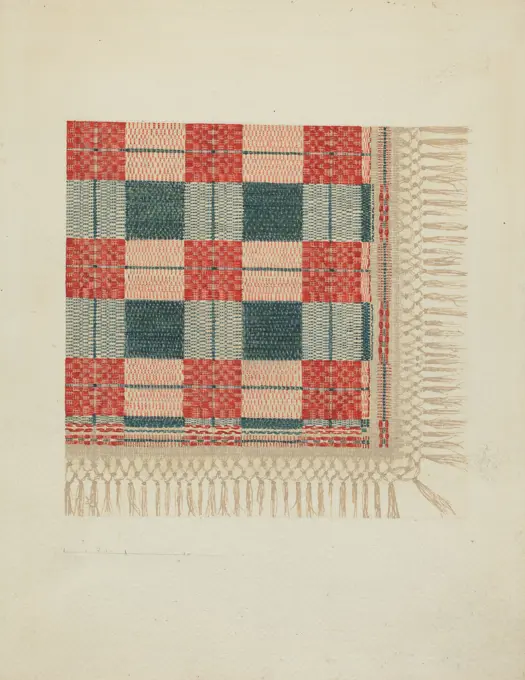
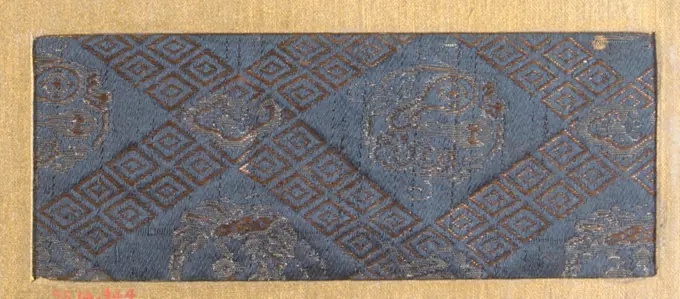
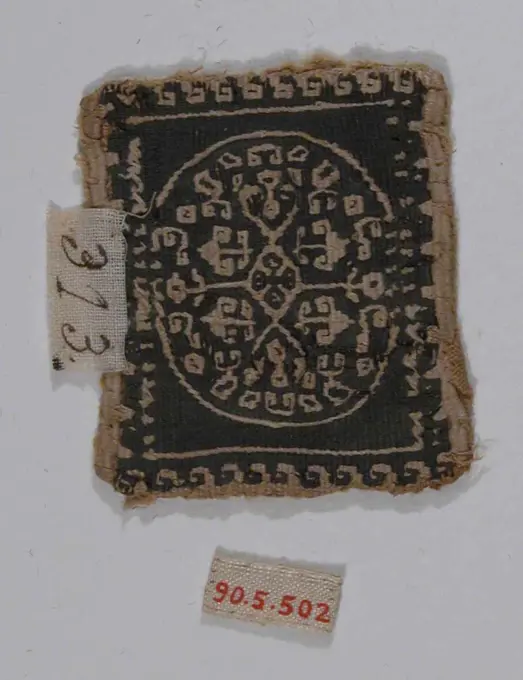
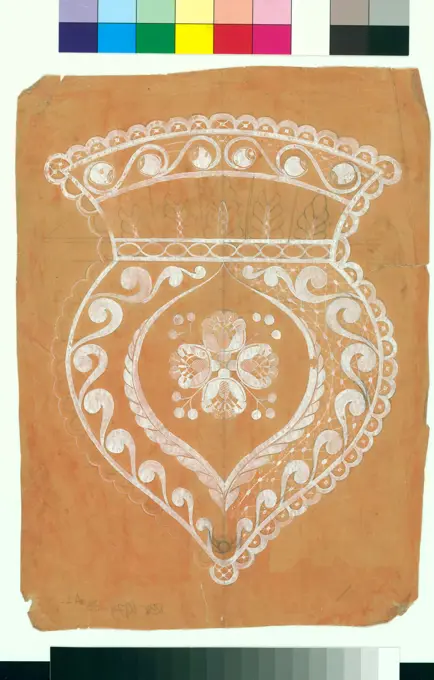
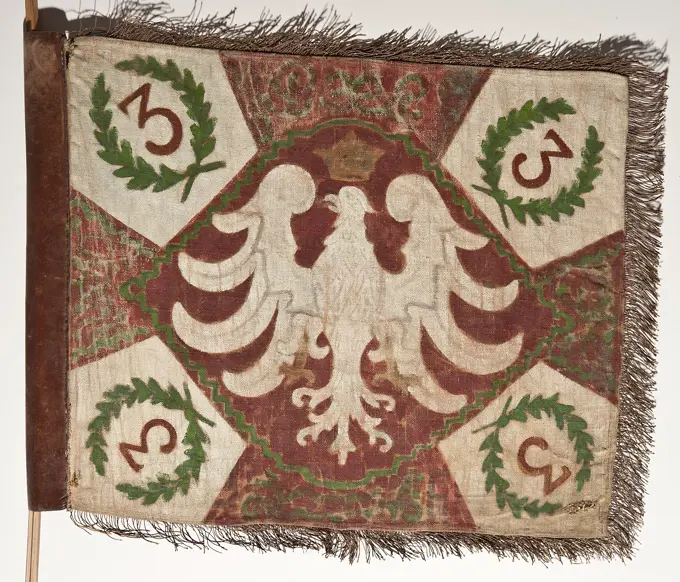
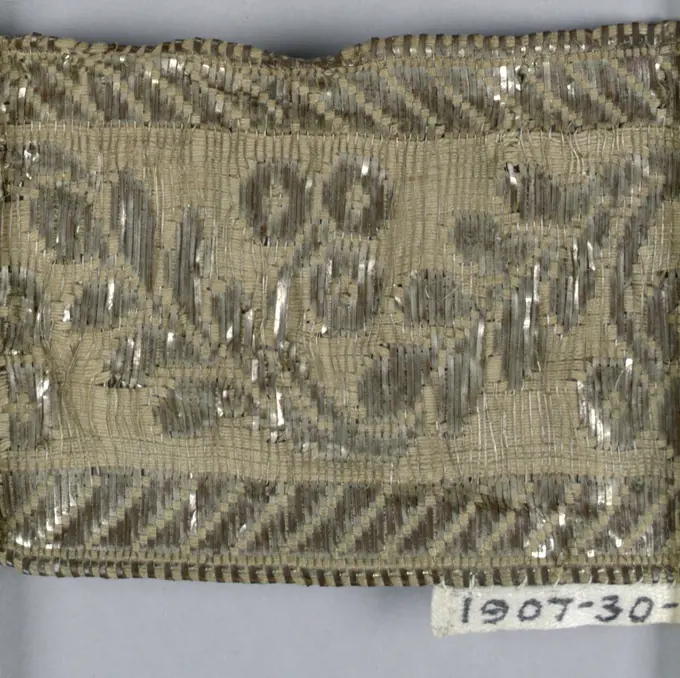
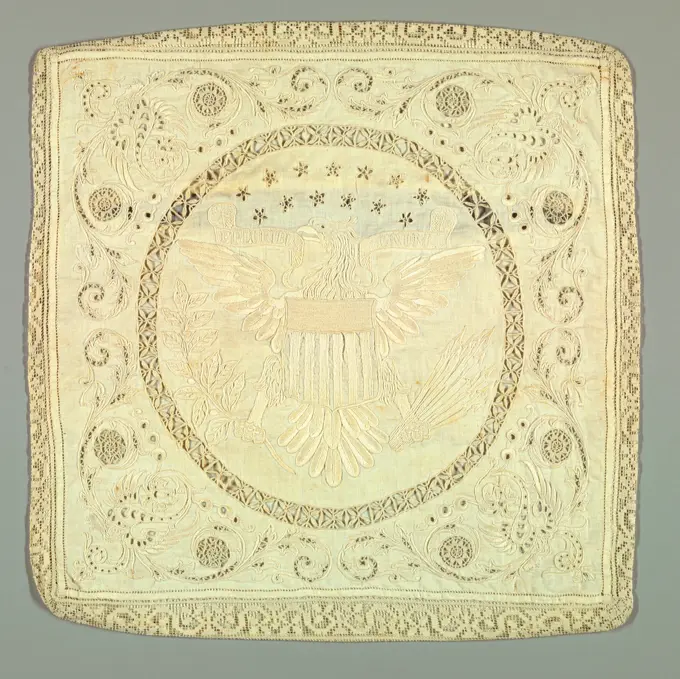
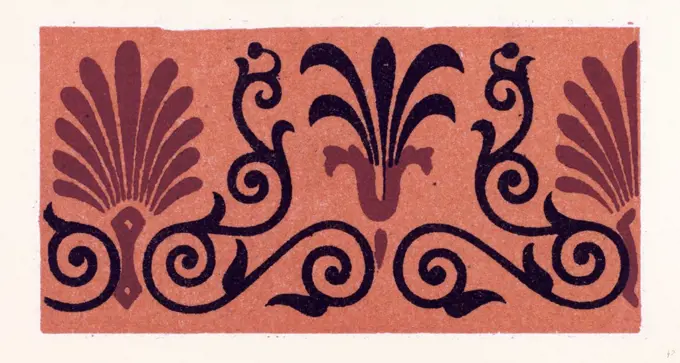
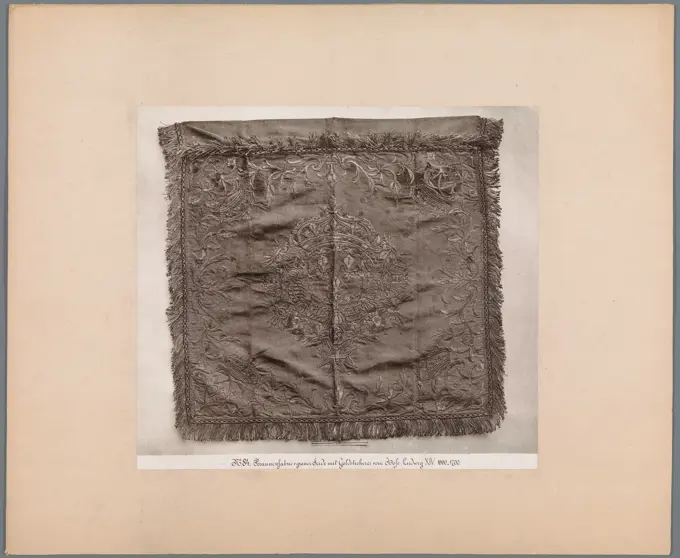
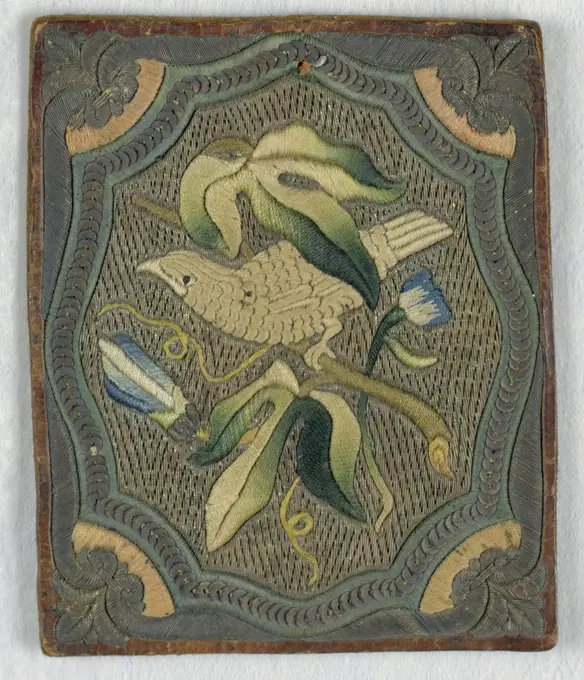
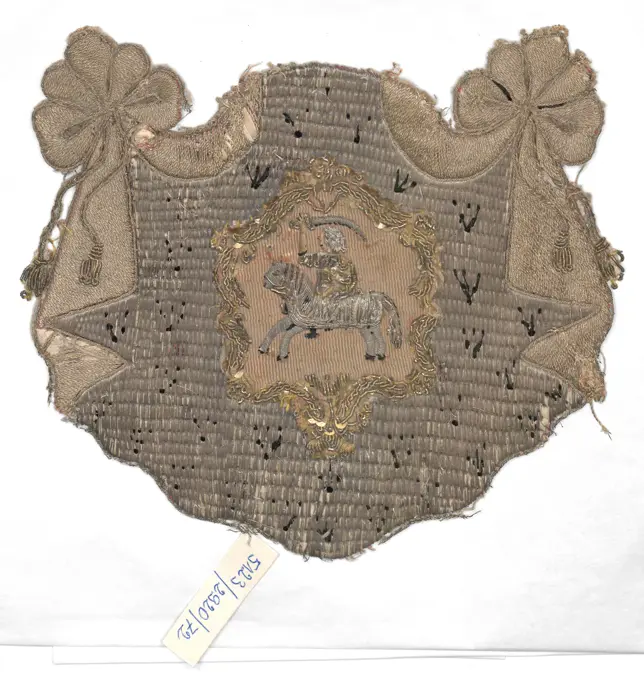
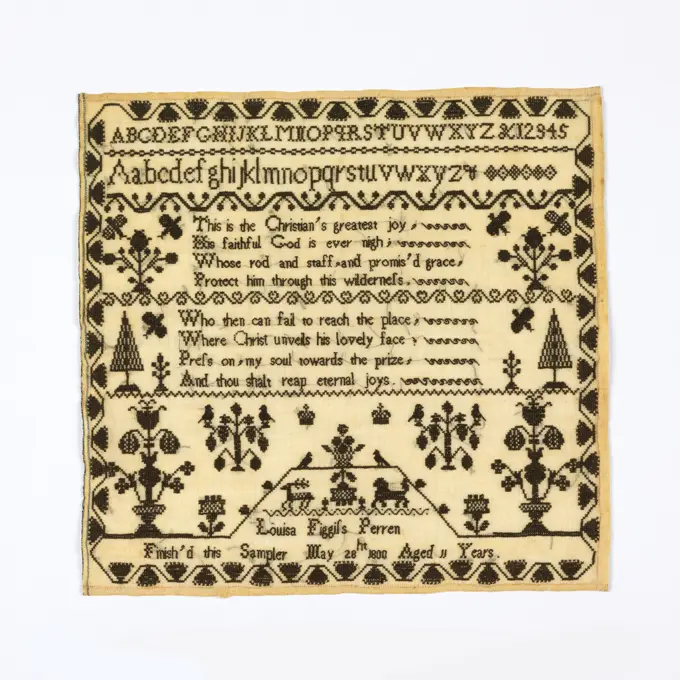
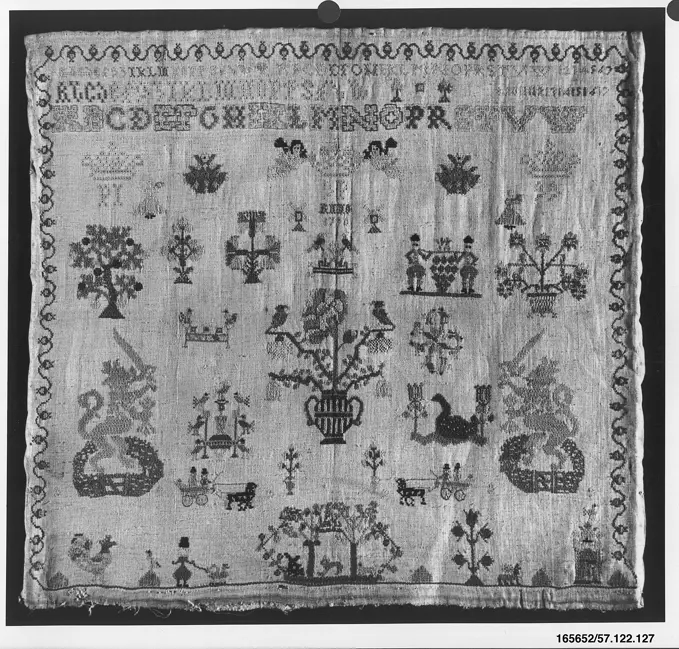
Two fragments of fabric;  1. PO. 18th century (1701-00-00-1750-00-00);Society for the Care of the Monuments of the Past (Warsaw - 1906-1944) - collection, fabricsBag, Medium: silk, silver-wrapped silk thread, linen Technique: embroidery with brick and plaited braid stitch on linen plain weave foundation, Worked as a single panel, folded with seams covered with plaited braid stitch. Same pattern on reverse. Drawstring was threaded through the embroidery., England, ca. 1600, costume & accessories, BagTextile Fragment 5th century Coptic. Textile Fragment 475285Band 5th century. Band. 5th century. Linen, wool; tapestry weave. Attributed to Egypt. TextilesTowel border 1800-1850 Russian. Towel border 175586Textile (France); cottonStrip machining with three rows embroidered branches with forget-me-staples. Strip natural-colored mechanical side: machine embroidery on machine tulle. Just above the center line of the strip, the pattern with three rows starts embroidered forget-me-staples, increasing in size to legends. The upper row consists of a repeat of becoming one forget-me-not between four twigs with spiral leaves. The middle row consists of longer twigs and three forget-me-staples. The row along the bottom of the strip consists of the longest and widest branches, with four flowers. Around every large branch a shell is formed, finished with nine small lobes wound with a thick wire. The top of the strip is not finished, on a small piece, where a type of nompan is made in.Sebastian Simonet, Parquetry Floor, c 1936 Parquetry FloorFragment, Medium: silk, metallic thread Technique: damassé (8-harness satin plus plain weave) with floats of continuous and discontinuous supplementary wefts bound on the front in 13 twill; the continous supplementary weft is used only to reinforce the gold thread, Diagonal branches with an exotic bird and blossoms., Europe, 1695-1700, woven textiles, FragmentFragment; linen; Bequest of Marian Hague; 1971-50-218Textile Fragment 5th-6th century. Textile Fragment 443725Stoplap of linen in which ten different stops have been worked with multicolored silk and the initials LA, FGVW, EC and Anno 1803 are embroidered, GHA, 1803 The initials La and FGV (AN) W, the parents of the embroidery star, were executed in large italic letters. This seems to have been usual in the orphanage where she probably stayed, the Amsterdam Maagdenhuis. The preserved tests show that it has been a competent craftsman. Did she give her teacher an honor with the large letters EG The stops have been worked in three rows one above the other with V.L.N.R. The following techniques: (upper row) Kelim, Matting, Detect with EC, flat binding; (middle row) diamond, breath, satin stitch; (bottom row) checker, geese eye: breakthrough with eight satin hearts etc., diamondkeper. The initials LA and FGVW in Kruissteek, anno 1803 in Stersteek. GHA on the weapon board in cross stitch, double open hem with soft green silk. Double open hem. Amsterdam Lap: Linen (Material). Stopwork: Silk. EmbroideBorder fragment, Medium: silk, linen Technique: brocatelle, Fragment of a border with a symmetrical design of acanthus leaf and scrolls in green and white on a red ground., Italy, 17th century, woven textiles, Border fragmentPiece 19th century Japan. Piece 71992Ornament with chinese rose. Leaf 42 Recto from a sketchbook with 49 sheets.Tufted Candlewick Bedspread. Dated: c. 1939. Dimensions: overall: 46 x 35.8 cm (18 1/8 x 14 1/8 in.). Medium: watercolor and graphite on paper. Museum: National Gallery of Art, Washington DC. Author: Catherine Fowler.Napkin with the Oranjeboom and the coat of arms of Prince Maurits, Passchier Lammertijn, 1601 Napkin van Linnamast Napret with the Oranjeboom and the weapon of Prince Maurits. Midfield: The Oranjeboom with the weapon of Prince Maurits, flanked by the eight quarters and the text Nassav Je Maintiendray Ano.1601. Standing edges including weapon trophies, yachts and fishermen. Upper edge: the weapons of the provinces. Lower edge: Rederijkersvers and Het Wapen van Haarlem. Haarlem linen (material) damask Napkin van Linnamast Napret with the Oranjeboom and the weapon of Prince Maurits. Midfield: The Oranjeboom with the weapon of Prince Maurits, flanked by the eight quarters and the text Nassav Je Maintiendray Ano.1601. Standing edges including weapon trophies, yachts and fishermen. Upper edge: the weapons of the provinces. Lower edge: Rederijkersvers and Het Wapen van Haarlem. Haarlem linen (material) damaskTextile, Medium: silk, gilded parchment wound around linen core Technique: two interconnected structures: 4&1 satin and weft faced plain weave (lampas), Dark blue satin ground with design entirely in gold. Central symmetrical fountain or standard with branching foliage, flanked by paired confronted rampant griffons. In offset repeat., Italy, 14th century, woven textiles, TextileApron on B  XVII century (1601-00-00-1700-00-00);drum apron, vexilleTextile, Medium: silk, metallic thread, gold paint Technique: embroidered using satin, stem and couching stiches on satin weave; painted, Europe, early 18th century, embroidery & stitching, TextileQuilt Patches. Dated: c. 1937. Dimensions: overall: 30.5 x 22.9 cm (12 x 9 in.). Medium: watercolor and graphite on paper. Museum: National Gallery of Art, Washington DC. Author: Mary Fitzgerald.Medallion (Egypt); warp; z-spun wool, weft; s-spun woolFragment, Medium: silk Technique: two interconnected structures (5 harnes satin pattterned with plain weave), Green trellis formed by intersecting diagonal lines with white flowers. Each compartment contains a bird or a lion in beige. Blue background., Spain, 15th century, woven textiles, FragmentFragment Made 1701-1800 China. Silk, plain weave, painted .Piece 18th century Japan. Piece 71147Trimming Fragment (France); silkCoverlet Detail. Dated: c. 1942. Dimensions: overall: 35.7 x 26.7 cm (14 1/16 x 10 1/2 in.) Original IAD Object: 10" wide; 17" long. Medium: watercolor and graphite on paper. Museum: National Gallery of Art, Washington DC. Author: Annie L. Vaughn.Needlework Pattern Made 1601-1700 England. Linen, plain weave with pencil and pen drawn floral design .Maud M Holme, Double Star Patchwork Quilt, c 1939 Double Star Patchwork QuiltRectangle with braid and mask.a mask with bow surrounded by braid and leaf motifs.Fragment from the Dalmatic of San Valero. Spain. Date: 1201-1300. Dimensions: 13.5 x 7.8 cm (5 3/8 x 3 1/8 in.)Repeat: 2.9 x 2.9 cm (1 1/8 x 1 1/8 in.). Silk and gilt-animal-substrate-wrapped silk, weft-faced four color complementary weft plain weave with inner warps and areas of detached plain interlacing of inner warps with complementary ground wefts (blue). Origin: Spain. Museum: The Chicago Art Institute, Chicago, USA. Author: Islamic.Fragment of Round Segmentum, AD 400s-600s. Africa, North Africa, Egypt, Coptic-style weaver(s). Wool: tabby ground, inwoven tapestry ornament; overall: 33 x 29.2 cm (13 x 11 1/2 in.).Textile with Foliated Design 14th century Italian. Textile with Foliated Design 463304BeadPanelFragment (Japan); woven silk and metalTextile Fragment 16th-17th century. Textile Fragment 454588Church tablecover. unknown, authorFragment of a Chasuble, 1400-1420. Italy, beginning of the 15th century. Velvet (cut and voided); silk; overall: 15.6 x 11.7 cm (6 1/8 x 4 5/8 in.).Machine-made openwork samples, Medium: cardboard, linen, silk, metallic Technique: linen embroidery with ground cloth dissolved Examples of embroidery on net produced by the Schiffli machine Metallic embroidery on net Machine-made openwork in imitation of hand-embroidered net Mostly floral and a few geometric patterns, some designs described as 'Spanish' Imitation hand-made filet Machine filet Imitation filet crochet Ploven (burnt-out lace) Fancy curtain lace made on the Levers machines Real filet (handmade) next to Machine-made filet Spotted curtain nets, made chiefly at Nottingham, England and Caudry, France., Samples of machine-made openwork and several examples of hand made lace mounted on boards. They imitate hand-embroidered net, crochet, or needlepoint. All are floral patterns plus a few of early 1920's geometric style., 'Embroidered net' produced by the Schiffli Machine., USA, ca. 1910, lace, Machine-made openwork samplesPiece 18th-19th century Japan. Piece. Japan. 18th-19th century. Silk. Edo (1615-1868). Textiles-WovenFragment striped silk Pekin with sprinkled flower branches. A fragment of white silk tissue with red stripes, which cooled flower branches in red and green.Sutra Cover with Flowers and Lingzhi Fungus in a Diagonal Lattice 16th century China. Sutra Cover with Flowers and Lingzhi Fungus in a Diagonal Lattice. China. 16th century. Silk. Ming dynasty (1368-1644). Textiles-WovenFragment of embroidery unknownElmer G Anderson, Pa German Stove Plate, c 1936 Pa. German Stove PlateKontusz sash/belt. Manufaktura Paschalisa Jakubowicza (Warszawa ; wytwórnia pasów ; 1788-1794), manufactureBorder 16th-17th century Italian. Border 216483Chester Faris, Chest Design, 1935 1942 Chest DesignPanel Made 1701-1725 United States. Linen, twill weave; embroidered in woolStitches Stem, long & short, outline, French knot, bullion, block shading, split .Sampler (Mexico); silk and linen embroidery, linen foundationFragment Made 501 CE-800 CE Egypt. Linen and wool, tapestry weave . Ancient EgyptianTextile Fragment 300-600 Coptic. Textile Fragment 475243Cap crown, Medium: linen Technique: bobbin lace, Brussels style, Cap crown worked with a central motif of an urn with a flower surrounded by ornamental bands and flower motifs., Belgium, 18th century, lace, Cap crownBand Fragment with Botanical Decoration Coptic. Band Fragment with Botanical Decoration, 5th-7th century C.E. Wool, 1 3/8 x 5 1/2 in. (3.5 x 14 cm).   Egyptian, Classical, Ancient Near Eastern Art 5th-7th century C.E.Family album by Pieter Serwouters with 34 magazines, Pieter Serwouters, 1596 - 1657 Family album by Pieter Serwouters with 34 magazines, partly unwritten. Blades with pasted drawings and prints. In the front of the family crest. Entirely in a binding of parchment with gold stamp. On the back `Serwouters'.  paper pen / brush / engraving Family album by Pieter Serwouters with 34 magazines, partly unwritten. Blades with pasted drawings and prints. In the front of the family crest. Entirely in a binding of parchment with gold stamp. On the back `Serwouters'.  paper pen / brush / engravingBorder (England); Manufactured by Bromley Hall (United Kingdom); cotton; Warp x Weft: 223 x 33 cm (7 ft. 3 13/16 in. x 13 in.) Repeat H (straight): 83.8 cm (33 in.)Piece 17th century Japan. Piece 72244Epaulet -Textile Fragment 4th-5th century. Textile Fragment. 4th-5th century. Wool, linen; plain weave, weft loop weave. Attributed to Egypt. TextilesCharles Roadman, Coverlet, 1935 1942 CoverletSalesman's Sample (Waistcoat Pocket). France, probably Lyon. Date: 1780-1790. Dimensions: 16.9 × 36.2 cm (6 5/8 × 14 1/4 in.). Silk, plain weave; appliquéd with silk, plain weave; embroidered with silk floss and silk chenille yarns in outline, satin, single satin and stem stitches; couching and French knots. Origin: France. Museum: The Chicago Art Institute, Chicago, USA.Fragment (Japan)Ruth M Barnes, Coverlet, c 1940 CoverletFragment, Medium: linen Technique: bobbin lace (continuous tape with bars added), Fragment with a design of closely-worked, ribbon-like scrolls., Belgium, 17th century, lace, FragmentDorothy Lacey, Woven Coverlet, 1935 1942 Woven CoverletPiece 18th-19th century Japan. Piece 66667Textile Fragment 4th century. Textile Fragment 443988Gold leather, strip, from so -called elevated gold leather, with ornament of Grotesken, Anonymous, 1850 - 1900 Gold leather, strip, from so-called elevated gold leather, with ornament of grotesken which included: fish, dragons, mask, flowers, leaves and C-volutes, framed by a "jewelry edge", painted in green, red, blue and orange/gold against one Background pressed in checks. South of the Netherlands leather. Gold leather, strip, from so-called elevated gold leather, with ornament of grotesken which included: fish, dragons, mask, flowers, leaves and C-volutes, framed by a "jewelry edge", painted in green, red, blue and orange/gold against one Background pressed in checks. South of the Netherlands leather.Baptismal scarf decorated with brushes, 1883 photograph  European Publisher: Munich Printer: Karlsruhe paper. printing ink collotype textile fabric, cloth EuropeCalifornia mining scene with four miners. Unknown maker, American. Lace design with a motif of a drop-shaped bag in white ink on orange paper. On lace designs and a sketch with inventory numbers: BK-1979-33-A-1 to BK-1979-33-A-6-b.Fragment silk tissue of a chair covering, c. 1805 Fragment yellow silk tissue, from a seat cover. The pattern has pink palmets and arabesks on a yellow ground. The fragment is part of thirteen fragments with invnr. BK-1992-18-A to BK-1992-18-M. France silk Fragment yellow silk tissue, from a seat cover. The pattern has pink palmets and arabesks on a yellow ground. The fragment is part of thirteen fragments with invnr. BK-1992-18-A to BK-1992-18-M. France silkDouble -sided scout pennant;  Before 1939 (1900-00-00-1939-00-00);pennantChairback (Scotland); wool on canvasTrimming, Medium: cotton and metal strips, Trimming (galloon) with design of leave-and-flower sprays, set between ornamental borders; furnishing trim, France, mid-19th century, trimmings, TrimmingKoścanu decorations from the Antoni Strzacki collection in 1919 - details on a 1: 1 scale; Kotarbi, Mieczys Aw (1890-1943); 1919 (not after 24.01.1919) (1919-00-00-1919-00-00);Pillowcover (USA); cotton and linen on linen foundationGreek Ornament and Etruscan OrnamentFragment of a Tunic 3rd-4th century. Fragment of a Tunic 443844Sidewall, Machine-printed, Narrow brown diagonal bands form a diaper pattern at the intersections of which are blue four-pointed motifs resembling stars. At the center of the open spaces of the diaper are brown diamond-shaped figures. Printed on cream ground., USA, 1850-1900, Wallcoverings, SidewallBanier for a trombone of the court of Ludwig XIV decorated with Fleur-de-Lys, c. 1875 - c. 1900 photograph  Europe cardboard. paper. printing ink collotype textile fabric, cloth. fleur-de-lis ~ ornament EuropePiece 16th-17th century Italian. Piece 216959Purse cover, Medium: leather, metal, silk Technique: satin and couching stitches, Design of a bird on a flowering branch, worked in silk, with background and frame in metal., Mexico, 19th century, embroidery & stitching, Purse coverTrimming, Medium: silk Technique: cut supplementary warp pile on satin ground (velvet), Trimming fragment in a design of an angular stem with leaves in red cut velvet on a yellow satin ground., France, 19th century, trimmings, TrimmingPouch(Kaliko)Steel bobbin with coarse wire as an example of square Valenciennes-Ground (grid), anonymous, c. 1900 - c. 1930 sample Steel natural-colored bobbin with coarse wire as an example of a square Valenciennes ground with a fragment side in which this technique is used. The date concerns the steel. Amsterdam cotton (textile) bobbin laceKnitted hat of white cotton with openwork zigza edges and a tree -shaped motif, anonymous, c. 1800 - c. 1900 Knitted hat of white cotton with open worked zigza edges and a tree -shaped motif. Europe cotton (textile) knitting Knitted hat of white cotton with open worked zigza edges and a tree -shaped motif. Europe cotton (textile) knittingSampler. Harriot Augusta Raymond (American, 1808-1887); United States, Massachusetts, Boston. Date: 1809-1829. Dimensions: 44.1 x 42.2 cm (17 3/8 x 16 5/8 in.). Linen, plain weave; embroidered with wool and silk in cross stitches. Origin: United States. Museum: The Chicago Art Institute, Chicago, USA. Author: Harriot A. Raymond.Catalogs card, so -called catalog patch, from the Nordic Museum. Objects Inv. No. 91884, bridal stocking band from 1843. Watercolor by Emelie von Walterstorff. NordicPlatter (part of a service) 1770-85 Chinese, probably for Swedish market. Platter (part of a service) 201171Moresken and Arabesken in a four times mirrored motif, Anonymous, After Bernard Salomon, c. 1516 - c. 1571 print There is a circle in the four corners, of which approximately one third of the circumference is missing. France (possibly) paper Niello (technique)Business card from Mathieu Lauweriks.business Card Without Text.5 of Nooses, from The Cloisters Playing Cards ca. 1475-80 South Netherlandish The Cloisters set of fifty-two cards constitutes the only known complete deck of illuminated ordinary playing cards (as opposed to tarot cards) from the fifteenth century. There are four suits, each consisting of a king, queen, knave, and ten pip cards. The suit symbols, based on equipment associated with the hunt, are hunting horns, dog collars, hound tethers, and game nooses. The value of the pip cards is indicated by appropriate repetitions of the suit symbol. The figures, which appear to be based on Franco-Flemish models, were drawn in a bold, free, and engaging, if somewhat unrefined, hand. Their exaggerated and sometimes anachronistic costumes suggest a lampoon of extravagant Burgundian court fashions. Although some period card games are named, it is not known how they were played. Almost all card games did, however, involve some form of gambling. The condition of the set indicates that the cards were hLatticed window grill in sandstone from Faras Cathedral was a cathedral in the Lower Sudanese Nubian city of Faras. between the 7th and 14th centuries. re-discovered by Polish archaeologists under Kazimierz Michalowski between 1960 and 1964Textile Fragment 4th century. Textile Fragment 443424Sewing sample, France, late 19th century, Sewing sampleEmbroidered coat of arms;  18th century (1701-00-00-1800-00-00);embroiderySleeve flounce, Medium: silk Technique: bobbin lace, blonde style, Blonde sleeve flounce in a design of deep scallops along the bottom edge. Above scallops is a horizontal vine with foliage and blossoms., Spain, 1850-1900, lace, Sleeve flounceSampler (USA); Embroidered by Louisa Figgiss Perren (American); silk embroidery on wool foundation; Frame H x W x D: 29.5 x 29.8 cm (11 5/8 x 11 3/4 in.) Warp x Weft (unframed): 27 x 27.9 cm (10 5/8 in. x 11 in.)Piece 18th century Japan. Piece 71388Sampler 1790 Dutch. Sampler 228054