Textile Patterns And Fragments

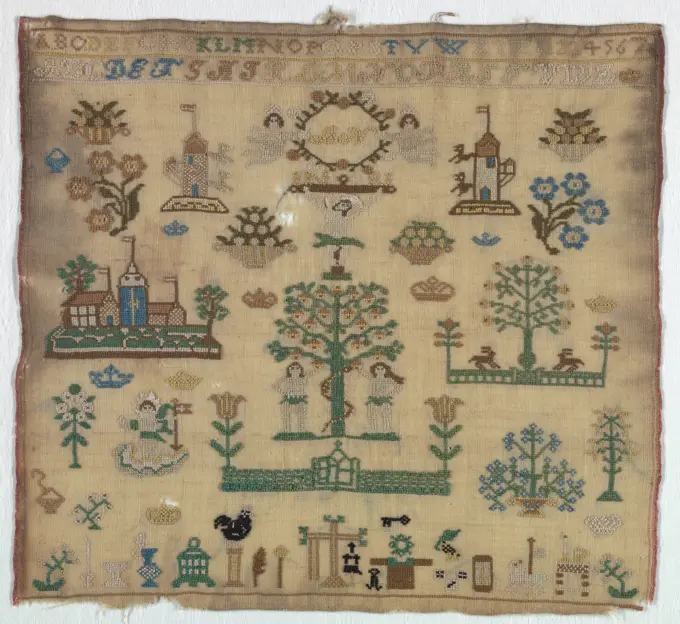
A variety of intricately woven textiles from different periods, featuring floral patterns and vibrant colors, highlighting traditional craftsmanship.

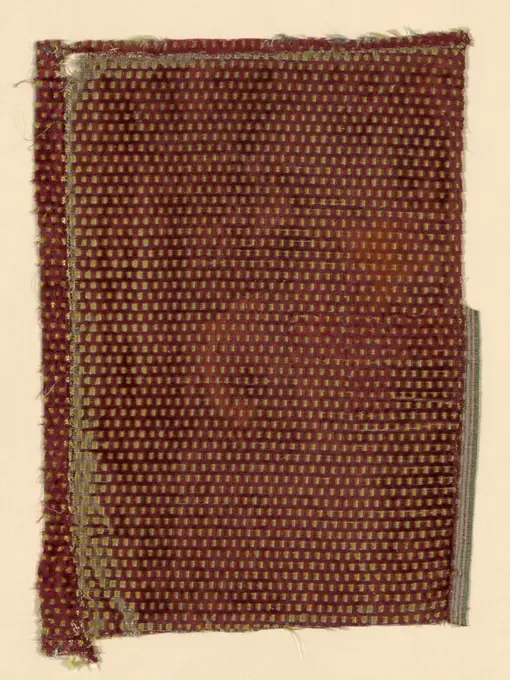
Textile, Medium: silk, metallic thread Technique: compound twill, A ground of gold twill (metal very worn), with serpentine branches bearing carnation and lily blossoms primarily in blue, outlined with supplementary white weft. Other details of the design are worked in supplementary orange and green wefts (badly faded). Right selvedge present., Turkey, 17th century, woven textiles, Textile
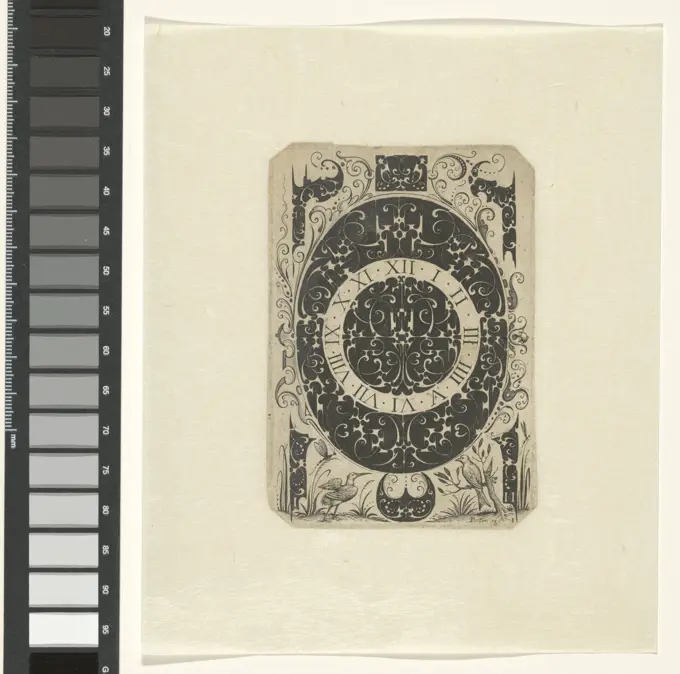
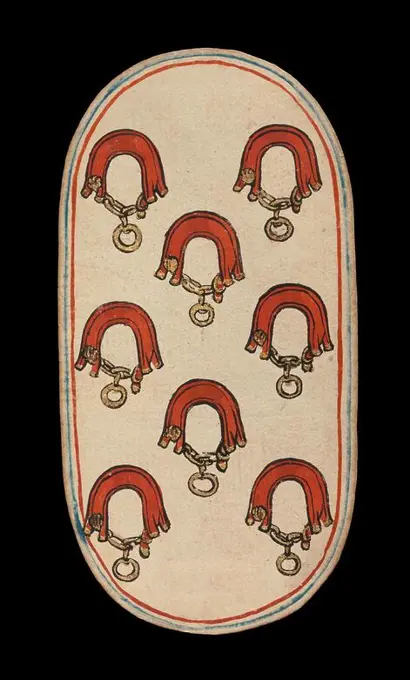
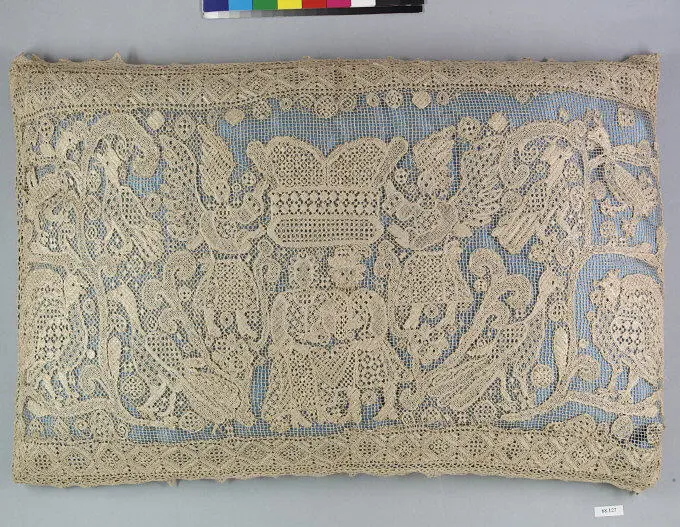
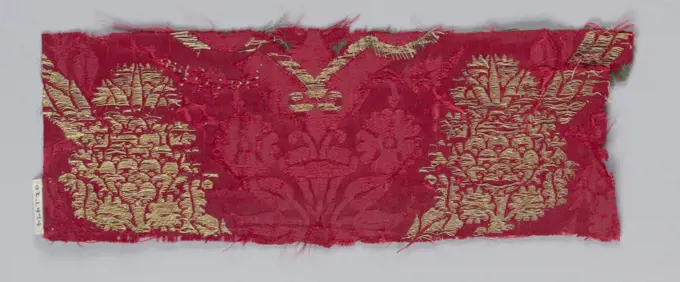
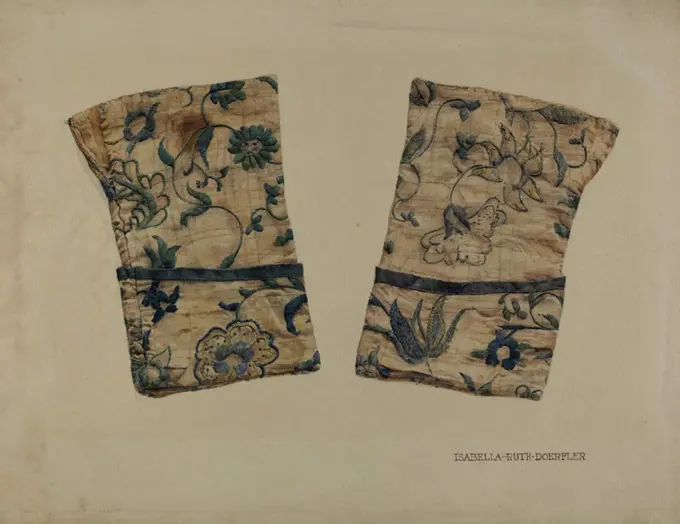
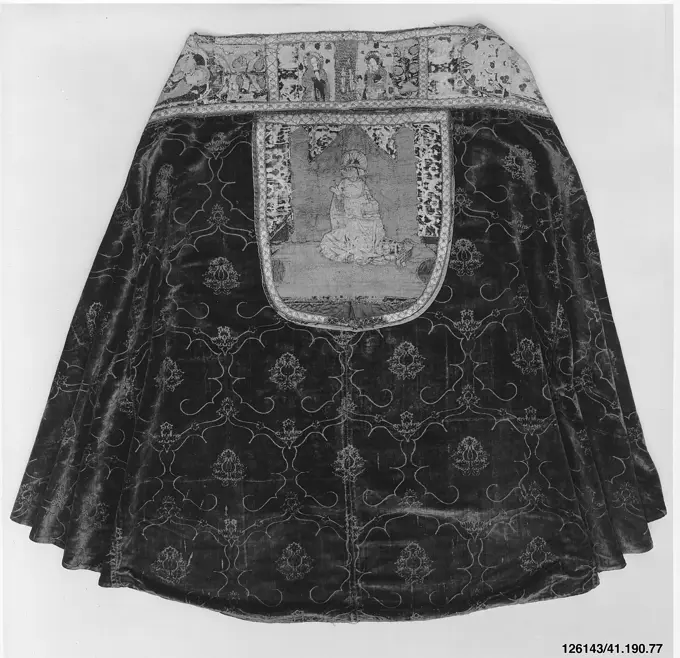
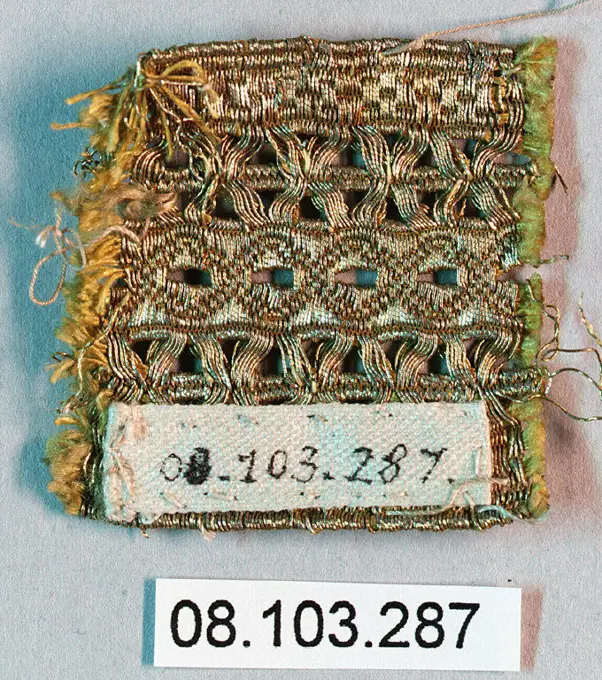
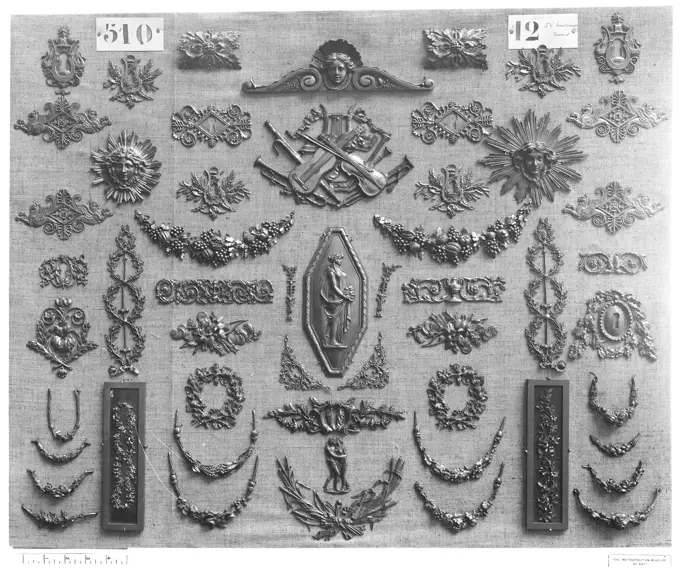
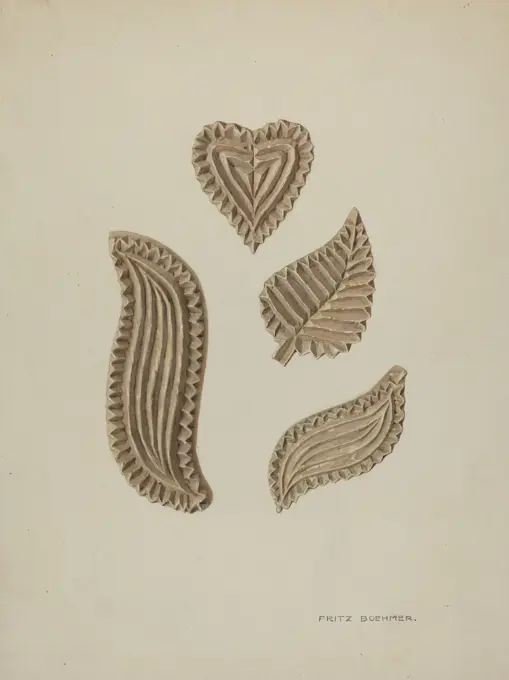
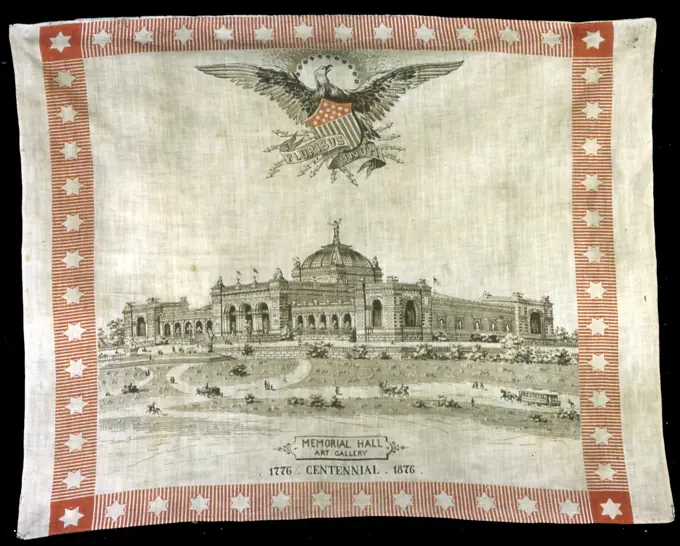
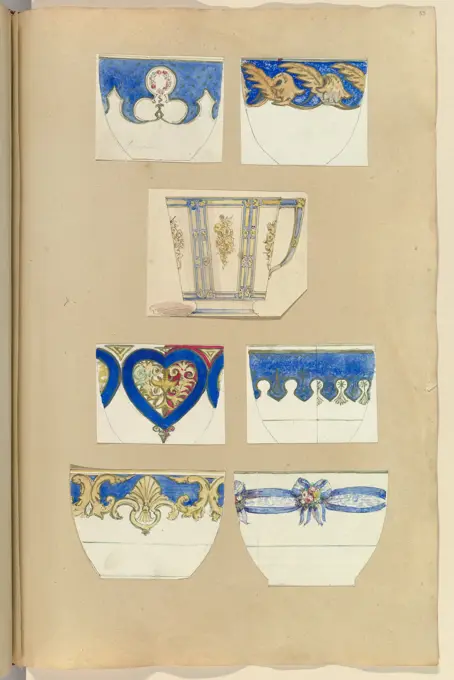
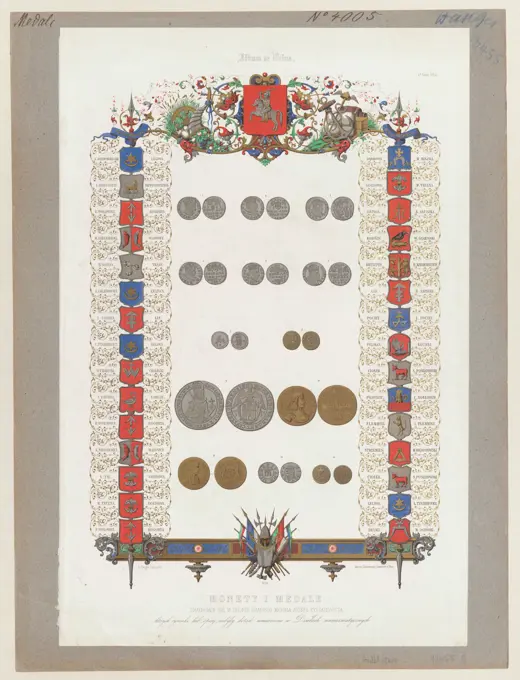
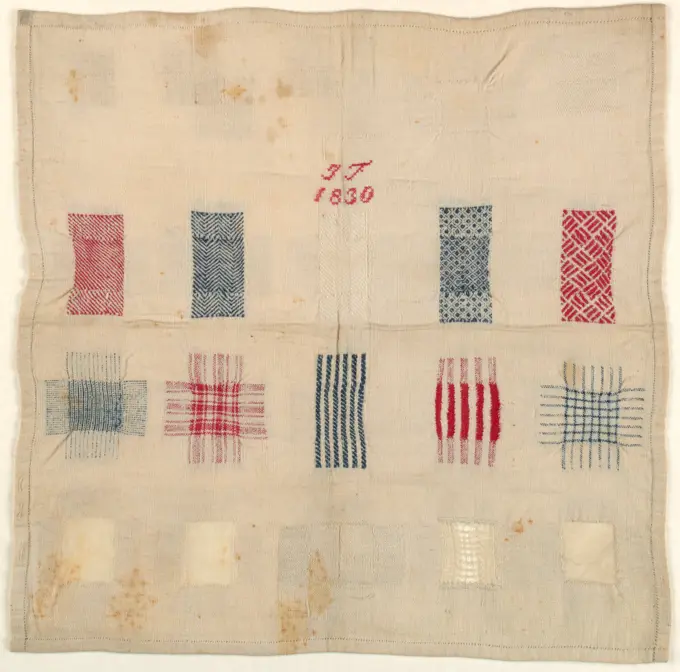
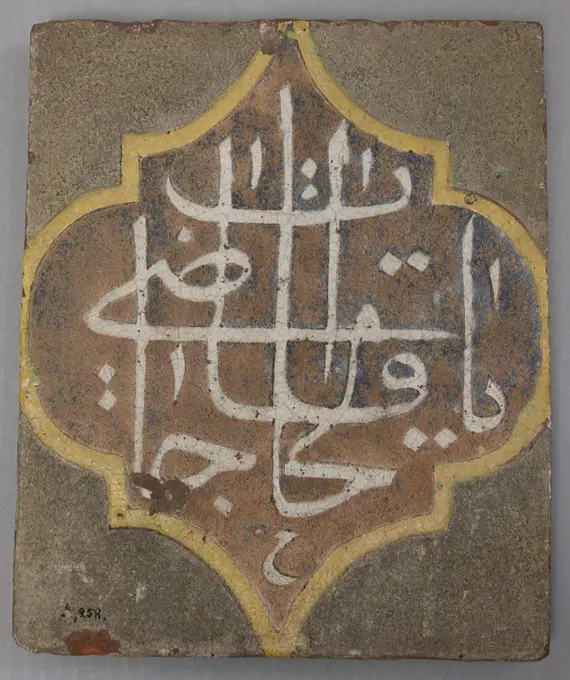
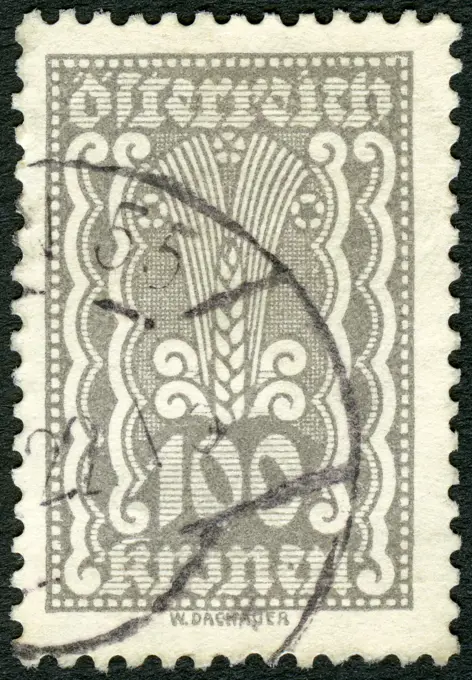
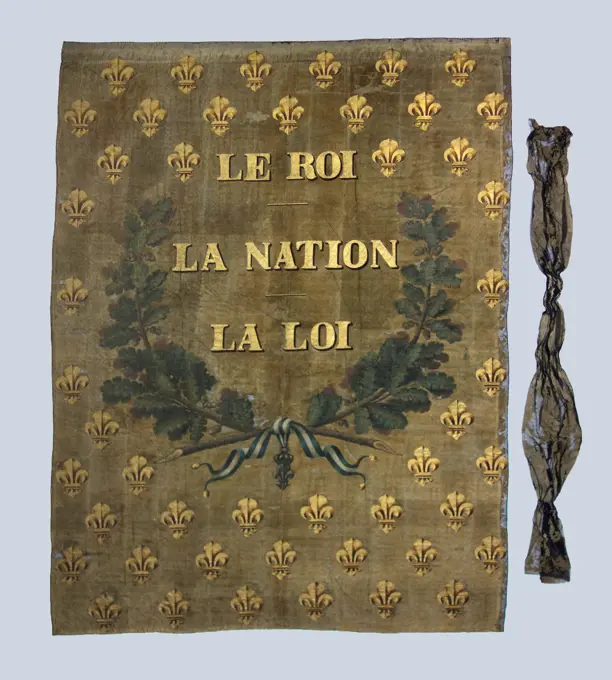
Fragment of appIIqué unknownCushion cover with Berlin embroidery of three very large roses surrounded by leaves in cross stitch, marked and dated with beads., Anonymous, 1856 Cushion cover with Berlin embroidery of three very large roses surrounded by leaves in cross stitch, marked and dated with beads. Coarse -mesh, linen pattern with a fringe along the sides; hemmed up and below. The roses are executed in button work with an extra high pole and relief shaved. Above the roses with black (gitten) Beads worked 'AVDV' and 'MH', under the roses 'WVDV ... April 20, 1856'. Netherlands Stramien: Linen (Material). Roses: Wool. Leaves: Silk. Leaves: Wool. Inintaren, Date: Jet (Coal) embroidering / embroidering Cushion cover with Berlin embroidery of three very large roses surrounded by leaves in cross stitch, marked and dated with beads. Coarse -mesh, linen pattern with a fringe along the sides; hemmed up and below. The roses are executed in button work with an extra high pole and relief shaved. Above the roses with blacDesigns for a Dial and Other Gold- and Silversmiths Wares, c. 1614 - c. 1619  Design for a dial. At the bottom of some birds and insects. Numbered in the bottom right: 1. One (no. 1, 3, 5, or 6) from a series of 6 vertical designs for goldsmiths.  paper engraving ornaments ~ art. clock. ornament derived from animal forms. ornament derived from objects. birds. insects8 of Collars, from The Cloisters Playing Cards. Culture: South Netherlandish. Dimensions: 5 3/16 × 2 3/4 in. (13.2 × 7 cm). Date: ca. 1475-80.The Cloisters set of fifty-two cards constitutes the only known complete deck of illuminated ordinary playing cards (as opposed to tarot cards) from the fifteenth century. There are four suits, each consisting of a king, queen, knave, and ten pip cards. The suit symbols, based on equipment associated with the hunt, are hunting horns, dog collars, hound tethers, and game nooses. The value of the pip cards is indicated by appropriate repetitions of the suit symbol. The figures, which appear to be based on Franco-Flemish models, were drawn in a bold, free, and engaging, if somewhat unrefined, hand. Their exaggerated and sometimes anachronistic costumes suggest a lampoon of extravagant Burgundian court fashions. Although some period card games are named, it is not known how they were played. Almost all card games did, however, involve some form of gStick;  19th century (1801-00-00-1900-00-00);Ribbon French 19th centuryDiseño de joyas del siglo XVII. Colegio de argenters de Reus. Museum: Diseño de joyas del siglo XVII. Colegio de argenters de Reus.Pillow cover early 19th century German. Pillow cover 229252Steel bobbin with coarse wire as an example of rose soil (grid), anonymous, c. 1900 - c. 1930 sample Steel natural -colored bobbin with coarse wire as an example of a rose soil with a fragment side in which this technique is used. The date concerns the steel. Amsterdam cotton (textile) bobbin laceMiniature Tunic 12th-13th century Ica. Miniature Tunic 312873Sample Belgian, Brussels 19th centuryFragment, Medium: silk, metallic Technique; brocaded satin damask, Red damask weave with gold. Ogival pattern., Italy, 17th century, woven textiles, FragmentLinen Cuffs. Dated: 1935/1942. Dimensions: overall: 27.8 x 36 cm (10 15/16 x 14 3/16 in.). Medium: watercolor and graphite on paper. Museum: National Gallery of Art, Washington DC. Author: Isabella Ruth Doerfler.Fragment, Medium: Warp; S-spun linen. Wefts; S-spun linen, S-spun wool Technique: slit tapestry, Oval medallion in the form of a leaf., Egypt, 4th-5th century, woven textiles, FragmentCope 15th century Italian. Cope 468040Square; silkGalloon 17th-18th century Unknown. Galloon 213784Medicine bag with floral design , Bags, Ojibwa Indians, Peabody Museum of Archaeology and Ethnology, Tichnor Brothers Collection, postcards of the United StatesVase ornament (part of a set) French 18th century View more. Vase ornament (part of a set). French. 18th century. Gilt bronze. Metalwork-Gilt BronzeSet of four clock ornaments French 18th century View more. Set of four clock ornaments. French. 18th century. Gilt bronze. Metalwork-Gilt BronzeCanary bird cage - digital file from original item | Library of CongressFritz Boehmer, Pa German Stamping Blocks for Homespun Cotton or Linens, c 1939 Pa. German Stamping Blocks for Homespun Cotton or LinensOrnaments on the Caracen collarbone in the collection of the Krasi Michry Arrangement in Warsaw - four views at the front; Frania, Zygmunt (1882-Post 1932); 1919 (1919-00-00-1919-00-00);Band 16th century Italian. Band 214946Handkerchief Made 1800-1899 Pennsylvania. Cotton, plain weave; printed . Thomas HunterScene tile, landscape tile with village, blue decor on white ground, corner fill spider, wall tile tile sculpture ceramic earthenware glaze tin glaze, in form made baked glazed painted baked Wall tile with blue decor on white background. Scene tile landscape tile with village Centrally house in polder landscape left of it two wooden figures on the right church tower Yellow-brown shard Scraped earthenware. Corner filling spider Something oblique sides Rotterdam City triangle Sand street indigenous pottery Originating from the demolition of houses on the Zandstraat Rotterdam possibly from the Hofstraat see Registration book.Band 17th century Italian. Band 219386Seven Designs for Decorated Cups 1845-55 Alfred Henry Forrester Alfred Crowquill British. Seven Designs for Decorated Cups 394854The medieval weapons from around A.D. 1400 represented here are three shields. The illustration dates to 1882.Livery Trimmings; silk; Bequest of Richard Cranch Greenleaf in memory of his mother, Adeline Emma Greenleaf; 1962-56-34-a/eInsertion 16th century Italian, Venice. Insertion. Italian, Venice. 16th century. Bobbin lace. Textiles-LacesLetter case 17th-early 18th century French. Letter case. French. 17th-early 18th century. Silk and metal thread. Textiles-WovenMedallion with tibs and flowers, Jacques Vauquer, 1631 - 1686 print Van blad medallion 7 uit of clean flowers clean flowers for o'rfeures and grauers. print maker: France (possibly)after design by: France (possibly)publisher: Blois paper engravingFragment (Italy); silk, metallic; Warp x Weft (a): 19.4 x 21.6 cm (7 5/8 x 8 1/2 in.) Warp x Weft (b): 16.2 x 14.9 cm (6 3/8 x 5 7/8 in.) Warp x Weft (c): 9.5 x 11.7 cm (3 3/4 x 4 5/8 in.) Warp x Weft (d): 10.2 x 14.3 cm (4 in. x 5 5/8 in.) Warp x Weft (e): 5.7 x 7.6 cm (2 1/4 in. x 3 in.) Warp x Weft (f): 5.4 x 4.4 cm (2 1/8 x 1 3/4 in.)Fragment (Egypt); warp; s-spun linen. wefts; s-spun linen, s-spun woolsSampler; silk embroidery on wool foundationFragment. Italy. Date: 1775-1800. Dimensions: 24.5 x 17.2 cm (9 5/8 x 6 3/4 in.). Silk, cut, and voided velvet with additional patterning weft floats against plain weave foundation. Origin: Italy. Museum: The Chicago Art Institute, Chicago, USA.Textile 19th century Japan. Textile 67987Coins and medals from the collections of Michał Józef Tyszkiewicz. Lemercier, Rose Joseph (Paryż ; zakład litograficzny ; 1827-post 1899), lithography atelier, Hauger, E. (fl. ca 1850), graphic artist, Wilczyński, Jan Kazimierz (1806-1885), publisherSampler 1841 possibly Belgian. Sampler. possibly Belgian. 1841. Wool on canvas. Textiles-EmbroideredDarning Sampler (Germany); cotton, woolSquare; linenBon for 2 Brands, Commune, Kończyce (Kunzendorf), 1.03.1922, W.D. 1.10.1923 Ligoń, Stanisław (1879 1954), K. Miarka G. M.B. H., Nikolai o/s, MikołówField of five edge tiles with animals and hunters., Anonymous, c. 1600 - c. 1630 Tile field of five rand tiles (1 x 5), each with a blue painted animal or hunter on a ground. Netherlands earthenware. tin glaze majolica Tile field of five rand tiles (1 x 5), each with a blue painted animal or hunter on a ground. Netherlands earthenware. tin glaze majolicaTile 17th century. Tile 442919Sampler (England); Embroidered by Mary McIlroy; silk embroidery on cotton foundationSteel bobbin with coarse wire as an example of forms with a fragment old Mechelen side in which this technique is used, anonymous, c. 1900 - c. 1930 sample Steel natural -colored bobbin with coarse wire as an example of forms with a fragment old Mechelen side in which this technique is used. West-Europa staal: cotton (textile). fragment: linen (material) bobbin lace / tally (or jewel) / old Mechlin lace12/31/1957. Tresjuncos. Roman Pavement.AUSTRIA - 1922: shows Symbols of Agriculture AUSTRIA - CIRCA 1922: A stamp printed in Austria shows Symbols of Agriculture, circa 1922 Copyright: xZoonar.com/OlgaxPopovax 6048130Banner with Tassel and Shaft 18th century French. Banner with Tassel and Shaft 26966