Textiles And Decorative Bags

Images of various fabric bags and textiles with intricate patterns, some dated to historical periods.

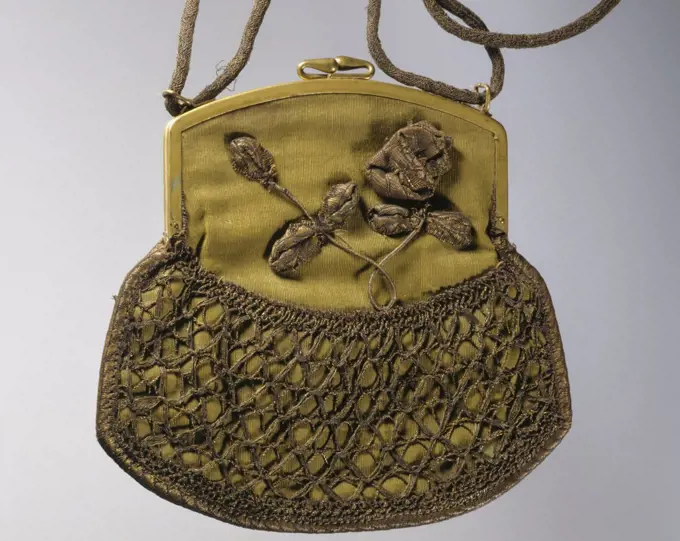
Rust-colored moire bag and floral crochet application in brocade lame, fashion accessories, Italy, early 20th century.
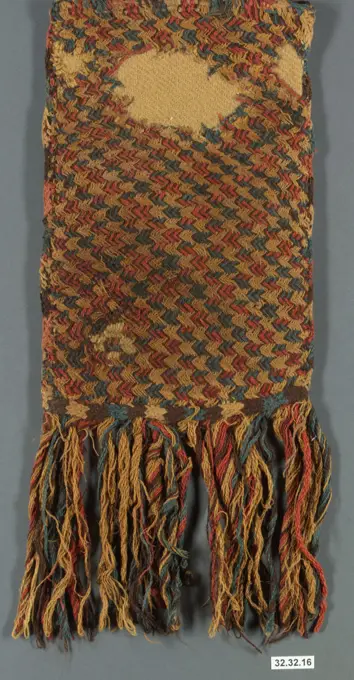
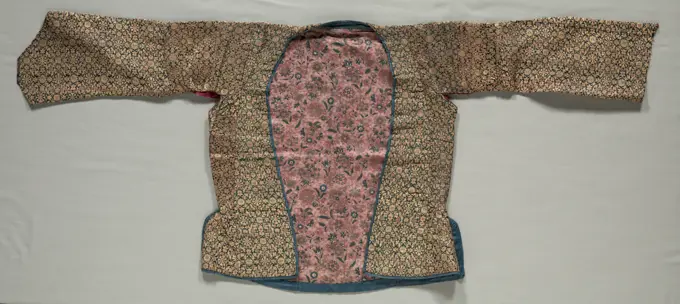
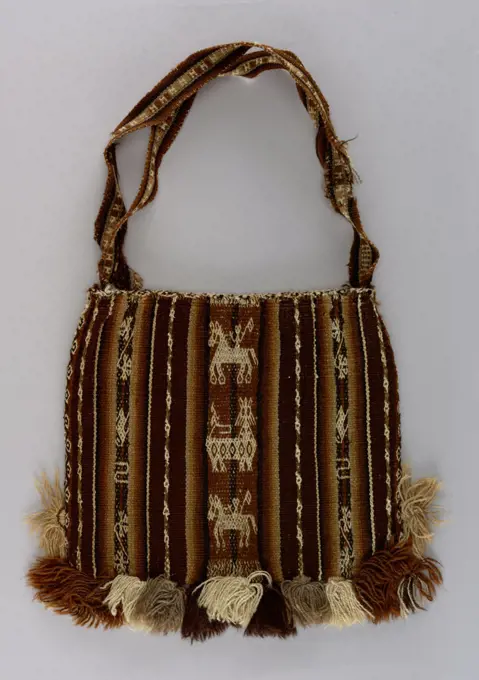
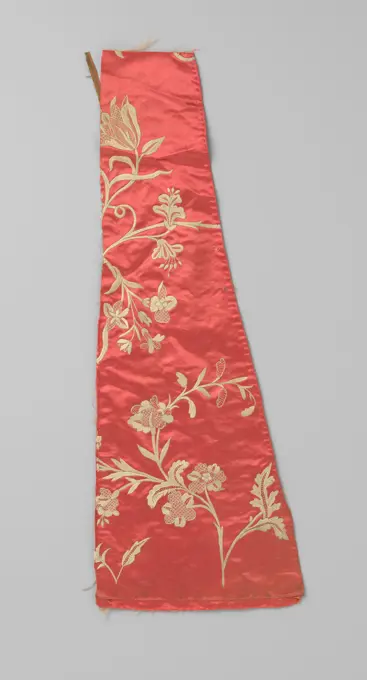
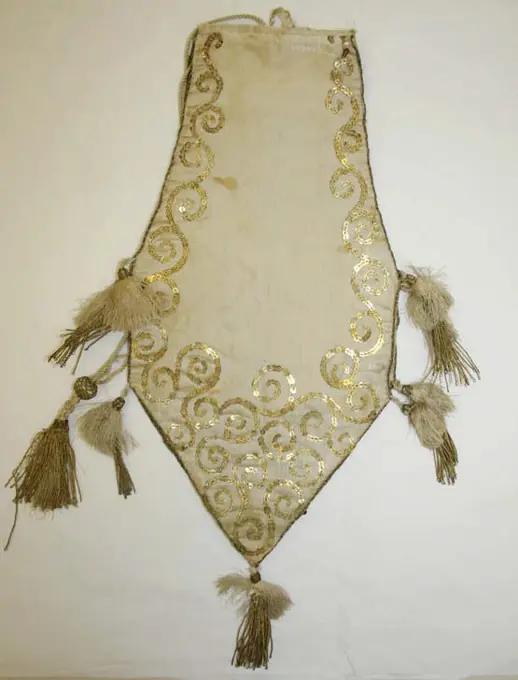
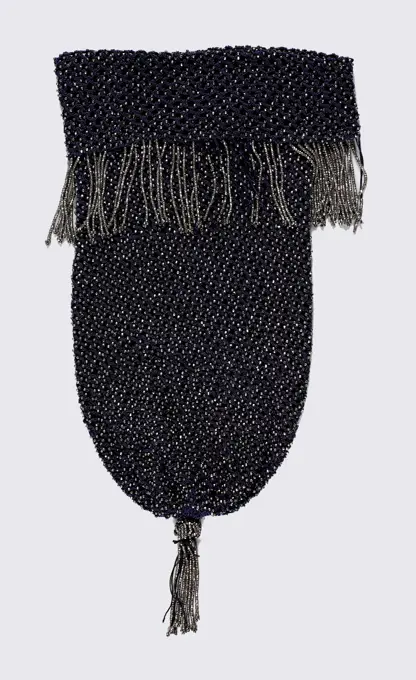
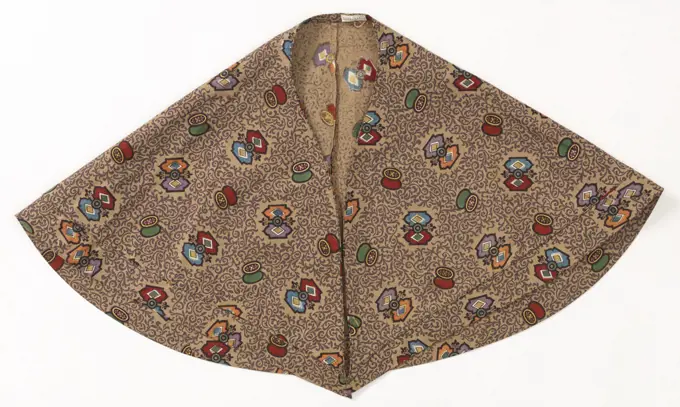
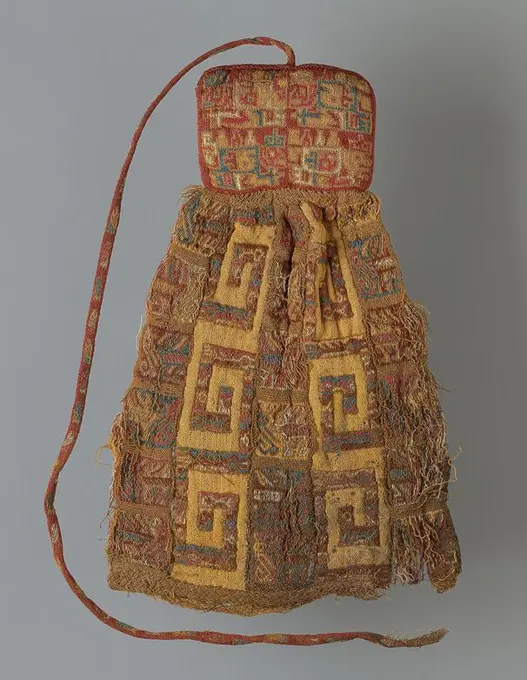
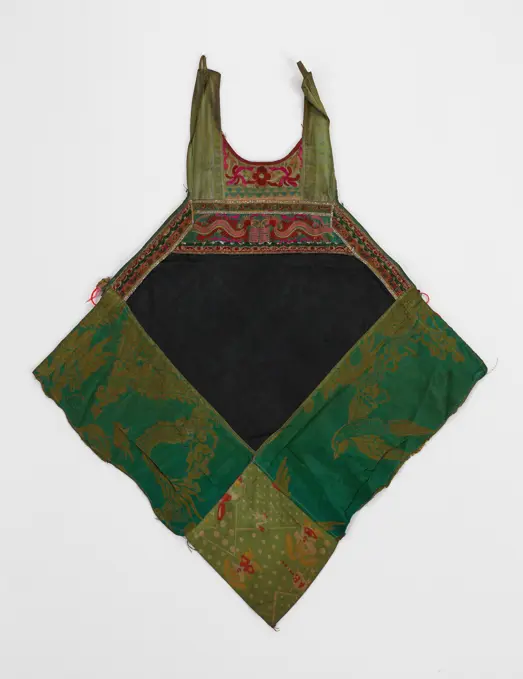
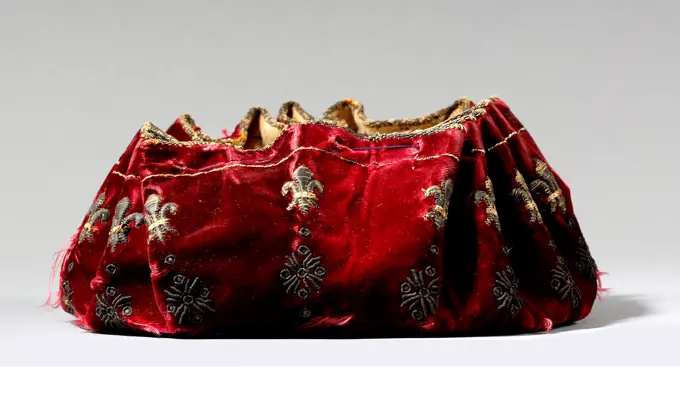
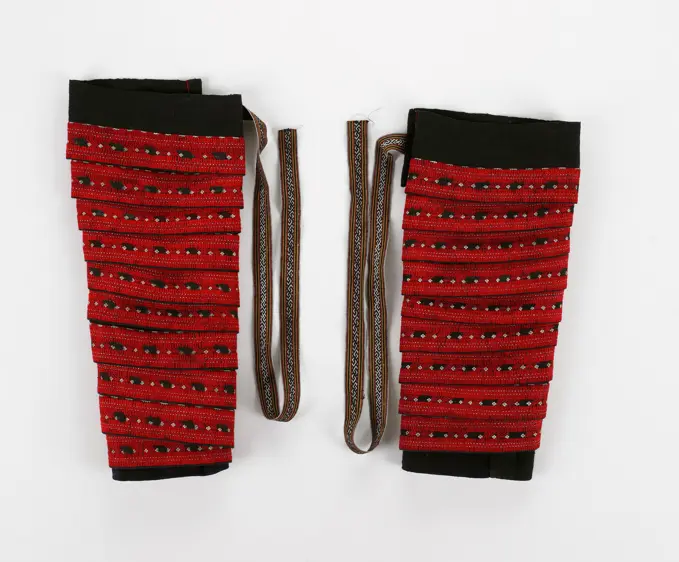
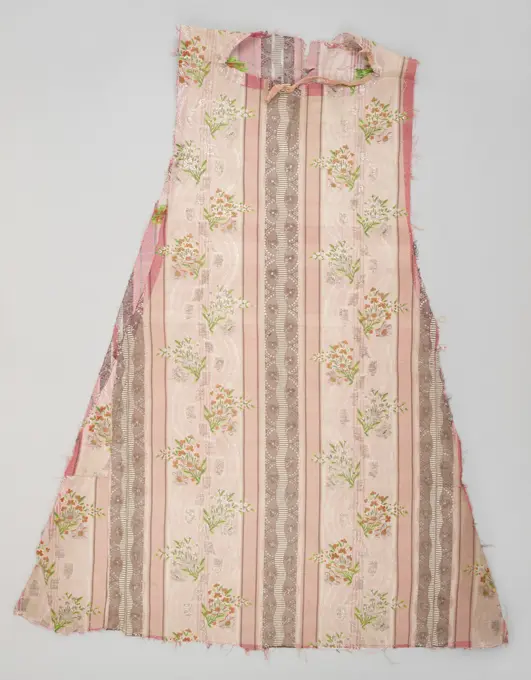
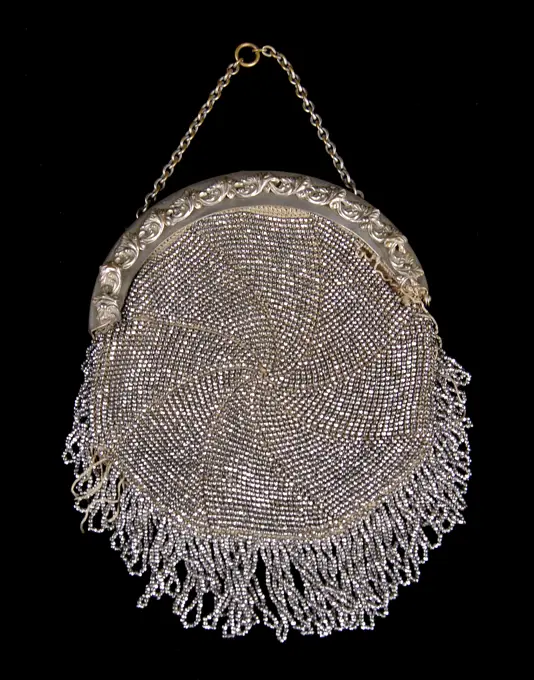
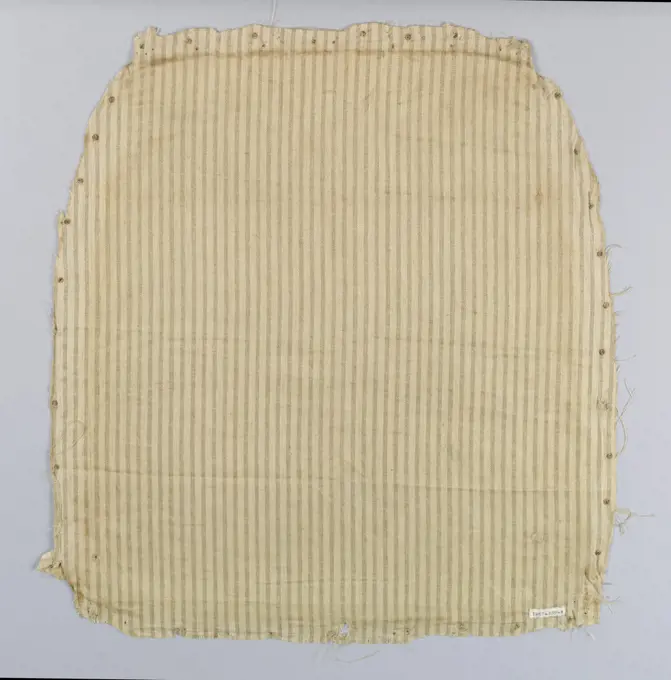
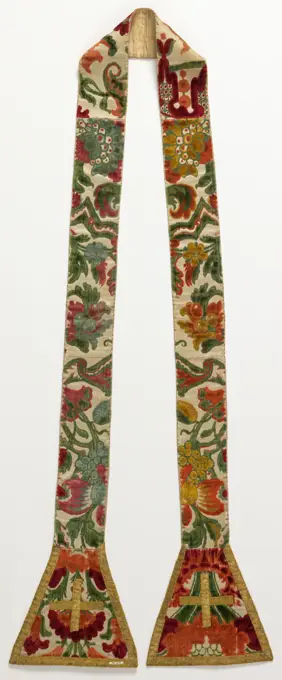
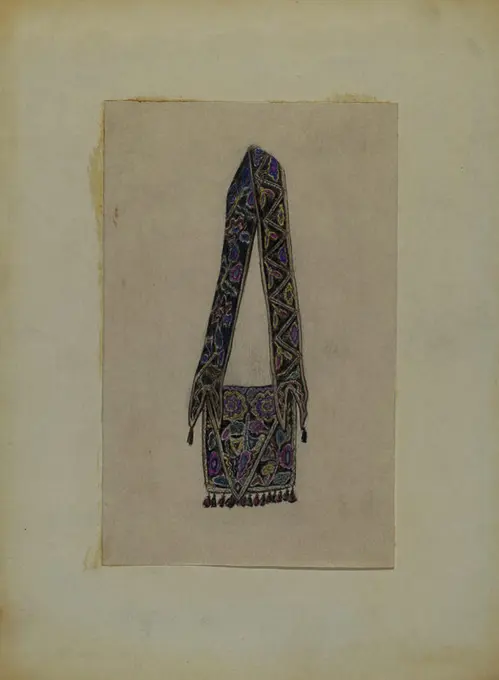
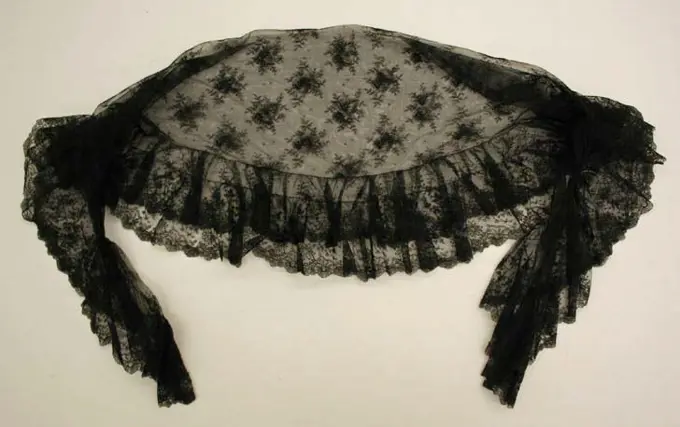
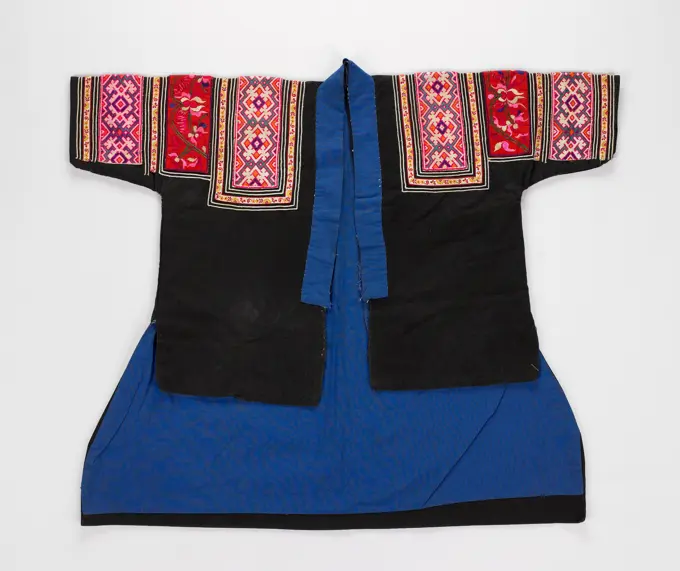
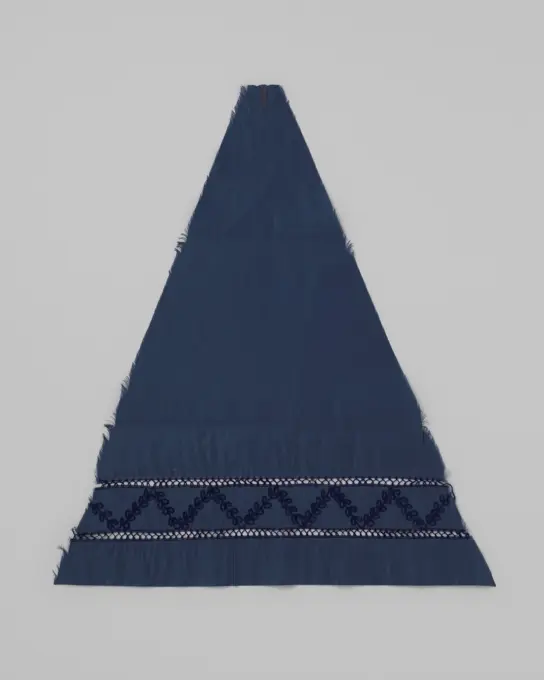
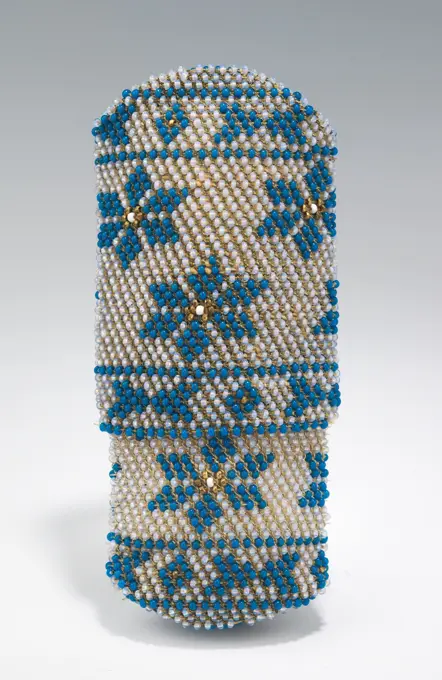
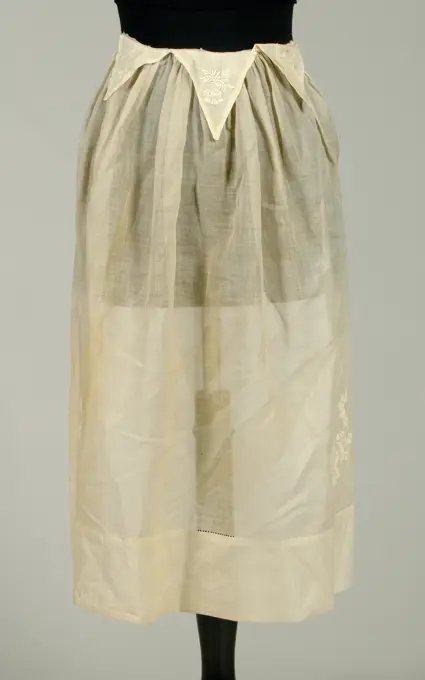
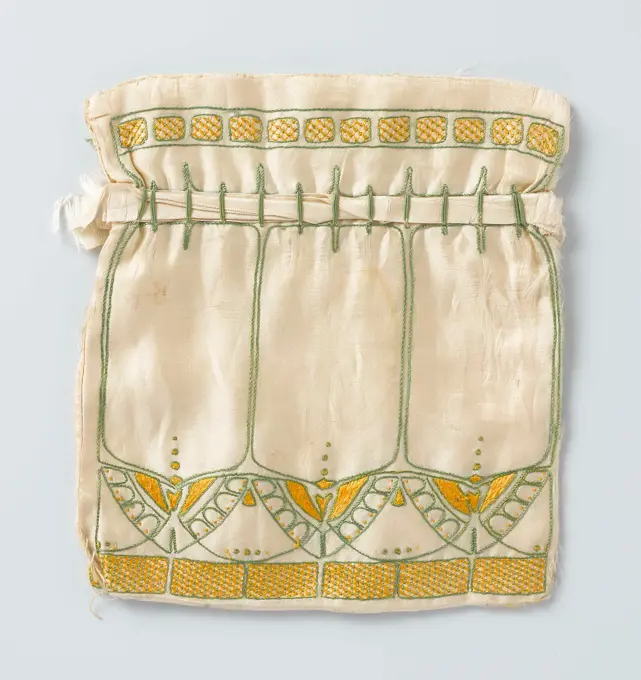
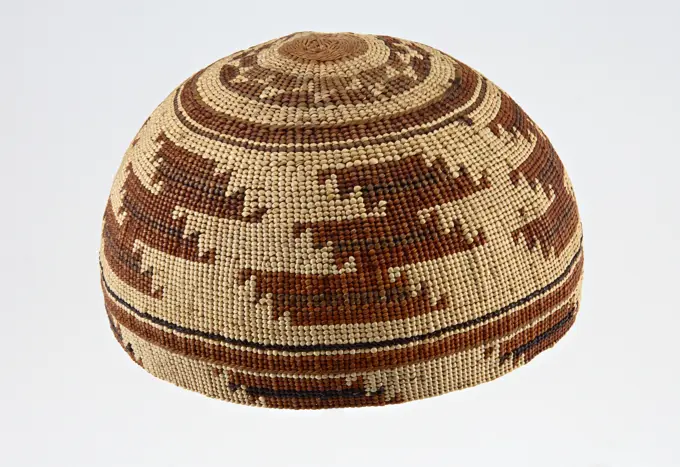
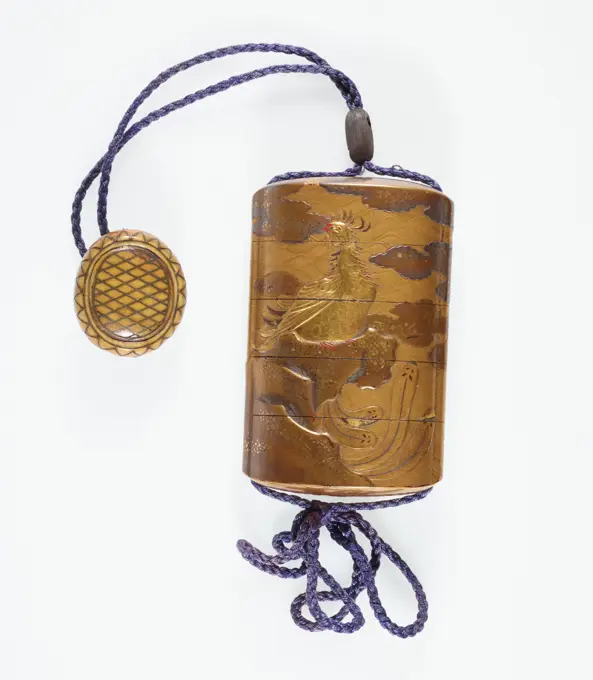
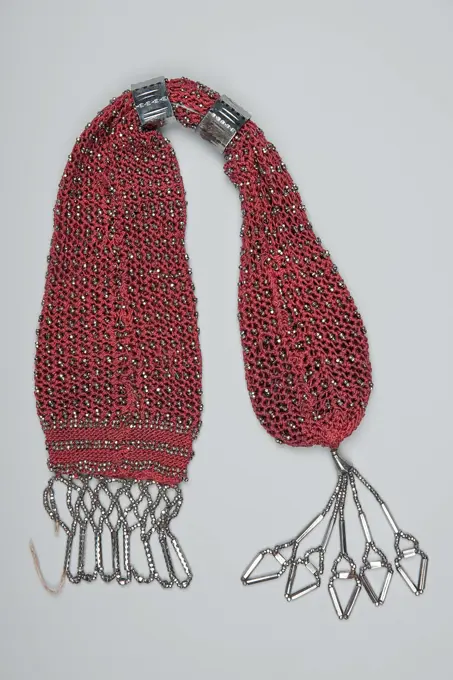
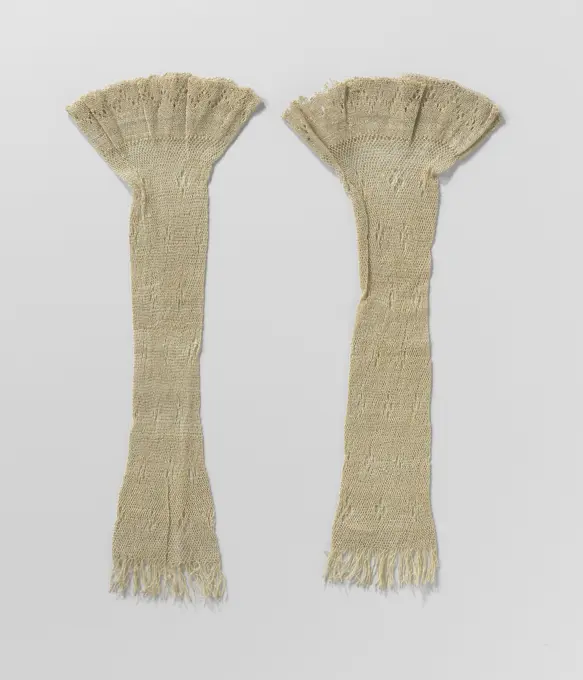
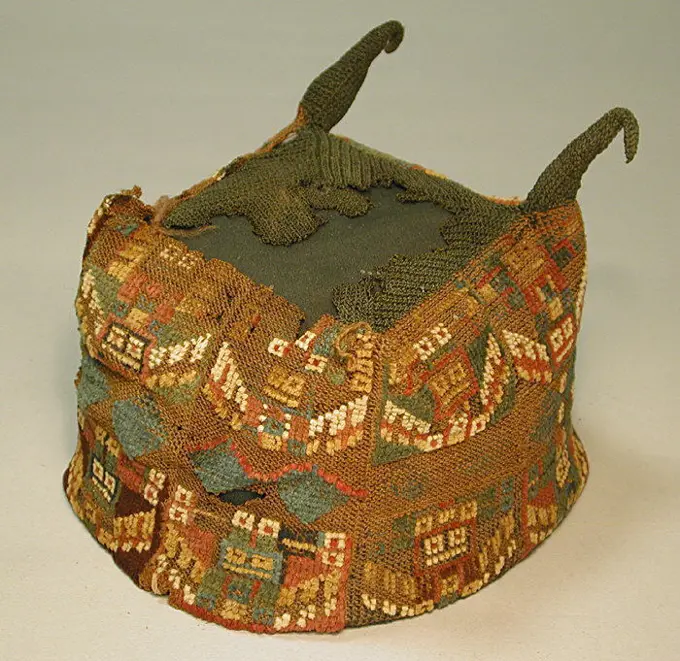
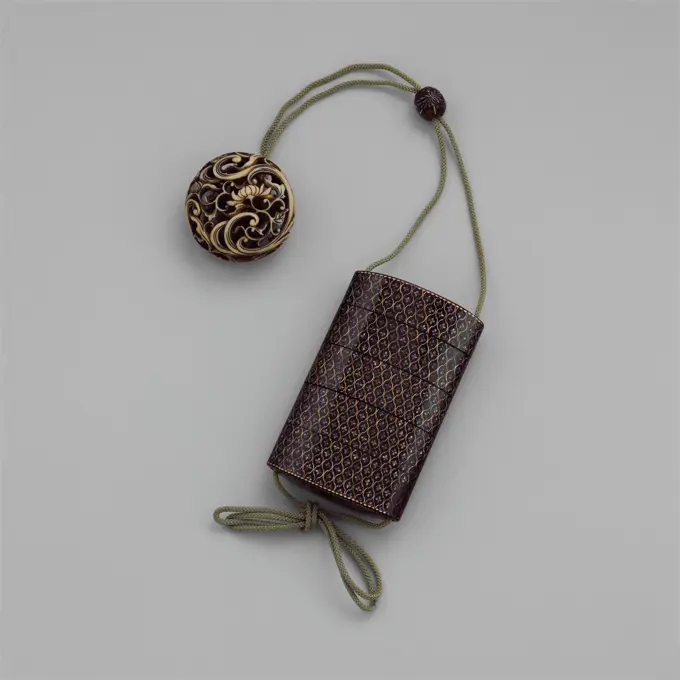
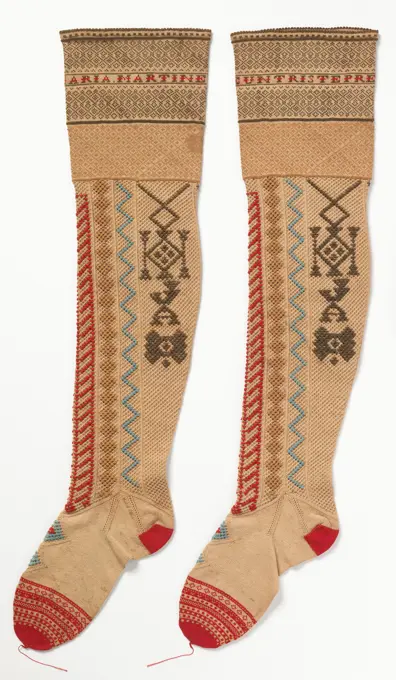
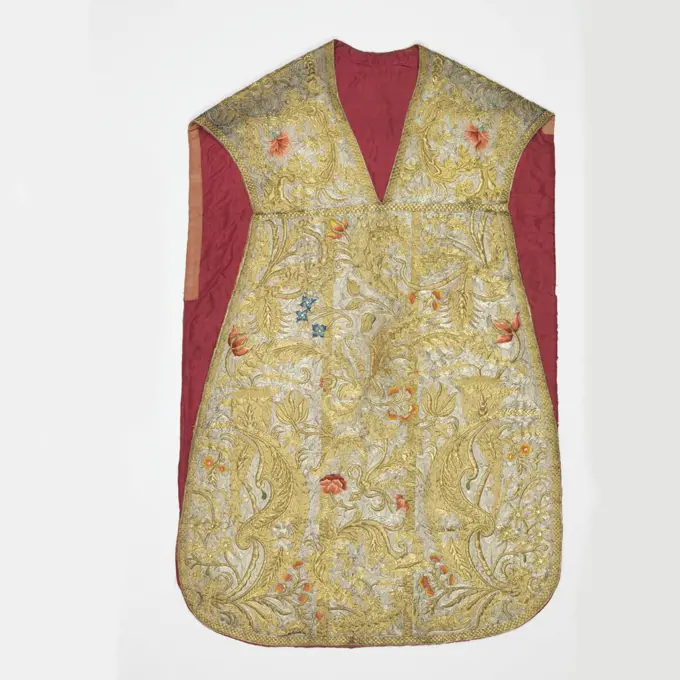
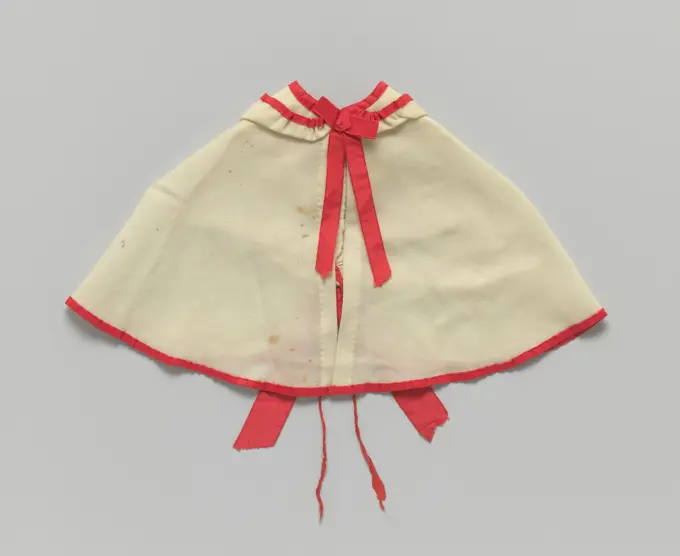
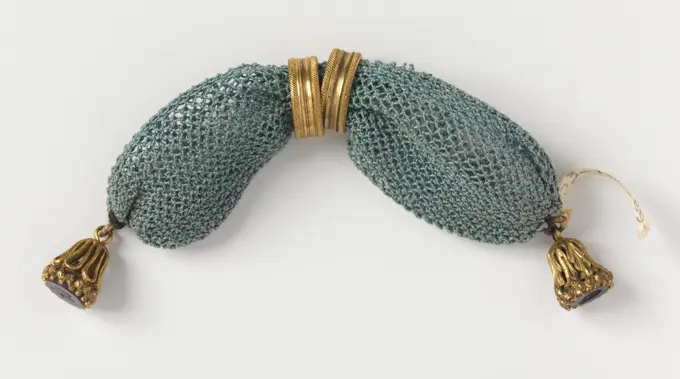
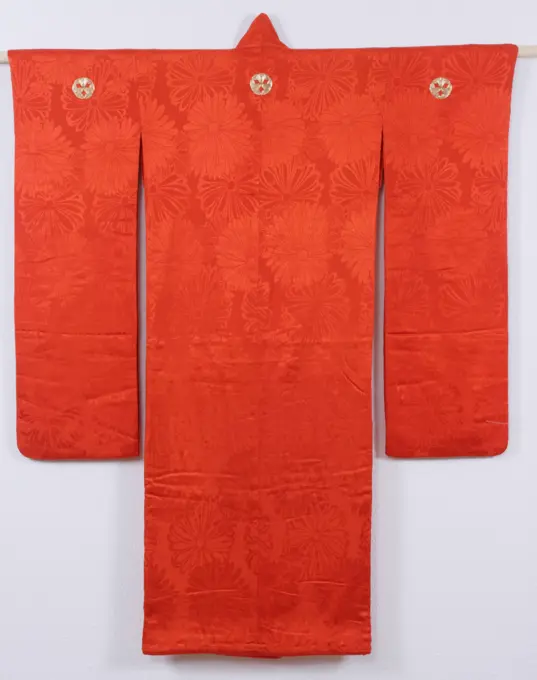
Reticle. GAL1948.11.26Two knitted fragments red side lamps, with pattern of arabesque and stylized leaf refines in white, yellow and green. Fragment of two patterned pieces of red silk on pattern together with arabic and stylized leaf refines in white, yellow and green.Fringed Bag 7th century Nasca. Fringed Bag. Nasca. 7th century. Camelid hair. Peru, Rio Grande de Nasca. Textiles-WovenCandy bag. End XIXth. GAL1958.59.35Woman's Pocket. Dated: 1935/1942. Dimensions: overall: 29.5 x 22.2 cm (11 5/8 x 8 3/4 in.). Medium: watercolor, graphite, and colored pencil on paperboard. Museum: National Gallery of Art, Washington DC. Author: Joseph Lubrano.Purse 1820-30 French. Purse 84628Aunciary bag. 1900. Recto. GAL1981.146.6_1Pouch. Culture: European, Eastern. Date: 1840-60.Despite its condition, this pouch bag is notable for its skilled workmanship. Patterning effects normally achieved through weaving are replicated here in crochet. The motifs suggest the cross-cultural influence of Ottoman Empire. According to the donor, this bag was originally from the Balkan region of Eastern Europe, an area that at the time included Serbia, Bosnia-Herzegovina, and Croatia. Museum: Metropolitan Museum of Art, New York, USA.Fashion, 20th century. Belle Epoque knitted handbag.Rust-colored moire bag and floral crochet application in brocade lame, fashion accessories, Italy, early 20th century.Fragment of fabric unknownBag, Medium: wool Technique: plain weave with supplementary weft, Lozenge pattern in blue on tan background. Bag is sewn together with bright red wool; shoulder bnd in plain weave., Nayarit, Mexico, probably 19th century, woven textiles, BagJacket for a Child, 1700s. Iran, 18th century. Silk taquete; overall: 53.4 x 124 cm (21 x 48 13/16 in.).Fragment Sits with symmetrical lace pattern and flower drinks on Oknergele Fond. Fragment Sits. Design: symmetrical striptic, filled with grid pattern, so-called lace pattern, and flower drinks; in the axle large flower arrangements in red, blue, eggplant, yellow and green against an ocheral fond; The fond of the bandwork is white. Hindeloopens fur. Note: Previously other inv.nrs. Given: BK-NM-3725 and BK-NM-12206-B, with references to the catalog of the textile art in the Dutch Museum of History and Art in Amsterdam (1903), Cat.nrs 344 and 345.Bag, Medium: wool Technique: complementary warp, Small square flat bag with remains of woven shoulder straps. Warp rep stripes of various widths in cream, black and shades of brown alternate with warp-patterned stripes in same colors showing horsemen, animals, floral and geometric forms on dark brown warp rep. Tassels of same wool on lower sides and across bottom. Edging of tubular embroidery on three sides., Bolivia, 19th century, woven textiles, BagTextile, Medium: cotton Technique: printed on plain weave, Small-scale allover pattern of flower sprigs with red flowers in alternate rows with blue and white flowers on a dark green ground. Flowers have yellow stems and leaves., England, 19th century, printed, dyed & painted textiles, TextileSilk fringe, black, on cardboard, Gustav Schnitzler, c. 1920 Silk fringe, black, on cardboard. NijmegenFrance (possibly) silk. cardboard Silk fringe, black, on cardboard. NijmegenFrance (possibly) silk. cardboardVest with false bags with valve and high -standing collar of cream silk, embroidered with double leaf vines in vegetable tones with sequins and anthracite -colored and brown piping, anonymous, c. 1800 - c. 1825 Vest with false bags with valve and high -standing collar of cream silk, embroidered with double leaf vines in vegetable tones with sequins and anthracite -colored and brown piping. Bag with knot of wood or leg (). France (possibly) silk. flannel. wool embroidering Vest with false bags with valve and high -standing collar of cream silk, embroidered with double leaf vines in vegetable tones with sequins and anthracite -colored and brown piping. Bag with knot of wood or leg (). France (possibly) silk. flannel. wool embroideringApron probably 19th century Romanian. Apron 98430Church cope. unknown, authorPiece 16th-17th century Italian. Piece 223418Embroidered Interior Textile, anonymous, c. 1750 - c. 1760  France (possibly) silk embroidering  France (possibly) silk embroideringReticule ca. 1801 French. Reticule 117191Cap 1720 American or European. Cap 112624Reticule of knitted cotton decorated with multicolored glass beads and with metal rings for the shape, anonymous, c. 1820 - c. 1840 Reticule of knitted cotton decorated with multicolored glass beads. Hire model, with metal disc in the bottom and a narrowed ring, immediately above it. The basket part of very fine yellow beads with upstairs and bottom of different piping. Above an edge of colorful flowers and above it a high white border of purple beads speckled and pattern with an ajour. Netherlands (possibly)maker: West-Europa Knitting: Cotton (textile). Decoration: Glass. Rings: Metal knitting / glassblowing / knitting Reticule of knitted cotton decorated with multicolored glass beads. Hire model, with metal disc in the bottom and a narrowed ring, immediately above it. The basket part of very fine yellow beads with upstairs and bottom of different piping. Above an edge of colorful flowers and above it a high white border of purple beads speckled and pattern with an ajour. Netherlands Sleeve of light brown cotton with flowers, branches and tendrils printed, anonymous, c. 1700 - c. 1800 Sleeve of light brown cotton with pink flowers, white branches and red and white tendrils printed. The lower edge of the cuff is cut and the outside of the entire sleeve shows old traces of mold. Netherlands cotton (textile) printing Sleeve of light brown cotton with pink flowers, white branches and red and white tendrils printed. The lower edge of the cuff is cut and the outside of the entire sleeve shows old traces of mold. Netherlands cotton (textile) printingYellow/ black catch cord at a Sjako from the Hussars Regiment No. 8, 1800 - 1850  Court of yellow and black braided wool or cotton. With one brush and mirror.  textile materials braidingPurse. Culture: British. Dimensions: Overall (excluding tassels and draw cord): 5 1/8 x 5 1/8 in. (13 x 13 cm). Date: early 17th century.Small decorative purses and bags such as this one rarely appear in sixteenth- and seventeenth-century portraits, but they have survived in relatively large numbers. This example, with its lively pattern of flowers, birds, and butterflies, was executed with a generous amount of gold and silver metal thread of very high quality, worked with polychrome silk threads to create subtly shaded colors. Museum: Metropolitan Museum of Art, New York, USA.Stock Exchange bag. Gal1957.23.75Velvet Made 1600-1650 Italy. cisele voided cloth velvet .Coif (England); silk and metal-wrapped silk thread embroidery, linen foundationPurse first quarter 17th century British. Purse. British. first quarter 17th century. Canvas embroidered with silk, silver, and silver-gilt thread. Textiles-EmbroideredSotck exchange. Mid -19th. GAL1987.98.4Capelet, Medium: cotton Technique: printed by block and engraved roller on plain weave, Caplet of plain weave cotton printed with allover pattern of purple scrolling leaves with larger scattered polychrome shapes., USA, ca. 1825, costume & accessories, CapeletPurse (USA); wool, silk, cotton liningPair of tassels 17th century Italian. Pair of tassels. Italian. 17th century. Linen and metal thread. Textiles-TrimmingsGloves, Label: cut, sewn and embroidered leather gloves; silk satin gauntlets embroidered with metallic yarns; woven metallic fringe, Pair of white leather gloves with deep gauntlets of dark red satin. The gauntlets are embroidered in gold metallic yarns with a small repeating design of a fleur-de-lis, and are edged with gold fringe. Lined with yellow silk., Italy, 1600-1650, costume & accessories, GlovesStole, embroidered, white  twig ornamentation unknownWoman's Head Covering (Fanchon). Europe or United States (), third quarter of the 19th century. Costumes; Accessories. Silk net with silk embroidery and silk fringeJacket, ChinaMitaine of black and white striped silk, c. 1750 - c. 1800 Silk Mitaine, alternating in the width, the white lanes are decorated with blue sides of elongated squares and the underside is provided with black side. Zaanstreek whole: Silk knitting Silk Mitaine, alternating in the width, the white lanes are decorated with blue sides of elongated squares and the underside is provided with black side. Zaanstreek whole: Silk knittingVest with four bags, 12 brown buttons with honeycomb and lapel of cotton with leaves, window and other motifs in brown, black, orange, yellow, red and purple; Behind white cotton, anonymous Possibly a waistcoat.  cotton (textile). Possibly a waistcoat.  cotton (textile).Sector of a parasold deck of dark blue cotton, decorated with embroidery, c. 1885 - c. 1900 Sector of a parasold deck of dark blue cotton, decorated with embroidery. The embroidery consists of two rows of stitching stitches with a flannel stitch, between which a swinging leaf vank. A label is attached to the deck with a metal clamp. Nijmegen Parasoldek: cotton (textile). Embroidery: Cotton (textile) embroidering Sector of a parasold deck of dark blue cotton, decorated with embroidery. The embroidery consists of two rows of stitching stitches with a flannel stitch, between which a swinging leaf vank. A label is attached to the deck with a metal clamp. Nijmegen Parasoldek: cotton (textile). Embroidery: Cotton (textile) embroideringWoman's Beaded Purse. United States, 19th century. Costumes; Accessories. Silver, silk satin, steel cut beadsMiser's purse, Medium: silk, metal Technique: crochet, embroidery, Crocheted black silk embroidered with small red and green squares, outlined in steel beads. More steel beads form bars and crosses. Side closing controlled by two steel rings; steel bead tassels at each end of purse., France, early 19th century, costume & accessories, Miser's pursetop view religious mat with copy spaceTassels. Nazca; Peru, south coast, Probably Nazca Valley. Date: 500 AD-900 AD. Dimensions: 33.7 x 20.3 cm (13 1/4 x 8 in.). Wool; (strap), tubular plain weave, patterned in five-color, three-span floats, warp substitution; oblique twill interlacing with paired elements; "cross-knit" looping; plain oblique interlacing with four elements; strips of tubular plain weave double cloth and five-color complementary warp weave with warp substitution; strips of plain weave double cloth and five-color complementary warp weave; oblique twill interlacing with three elements. Origin: Peru. Museum: The Chicago Art Institute, Chicago, USA.Headdress late 19th century probably Albanian This unique piece of headwear, with its serpent form, may have been some kind of talisman to ward off evil spirits. It is notable for its intentionally representational design.. Headdress 158836Drum, 1846 musical instrument. percussion instrument. drum Trom of the militia. The brass kettle is equipped with a veal sheet on both sides, held by a hoop and tense by means of a tension with tractors and screws. Both hoops are decorated with a motif of triangles in the colors red, white and blue. With engraved numbers: 1846. Netherlands Kettle: Brass (Alloy). Hoop: Wood (Plant Material). Team resorts: RopeUnder Apron, 28 x 23 in. (71.12 x 58.42 cm), Cotton, silk, metallic threads, ChinaCape 1575-1625 Italian. Cape 88906Gaming scholarship. GAL1998.121.2Bag Whiting & Davies CompanySample first half 19th century French. Sample. French. first half 19th century. Textiles-WovenPair of Leg Wraps, 161 x 3 3/4 in. (408.94 x 9.53 cm) (a)163 x 3 3/4 in. (414.02 x 9.53 cm) (b), Cotton, ChinaFragments of silk fabric from two Dalmatians unknownEvening bag 1850-59 probably European. Evening bag 168623Carpet Bag. Dated: c. 1939. Dimensions: overall: 49.8 x 34.8 cm (19 5/8 x 13 11/16 in.) Original IAD Object: 14" high; 12" wide; 2" deep. Medium: watercolor and graphite on paperboard. Museum: National Gallery of Art, Washington DC. Author: Samuel O. Klein.Chair seat cover, Medium: linen Technique: woven, Two shades of undyed linen woven in a warp chevron twill in a design showing brown stripes on a buff ground., USA, early 19th century, woven textiles, Chair seat coverFragment; silk, cottonStole (Italy); silk, linen, metallic threadMan's Shoulder Pouch. Dated: 1935/1942. Dimensions: overall: 20.4 x 12.9 cm (8 1/16 x 5 1/16 in.). Medium: colored pencil and graphite on paper. Museum: National Gallery of Art, Washington DC. Author: Melita Hofmann.Fichu late 19th century American or European. Fichu 118967Jacket, ChinaBracket bag with rounded bracket of ivory celluloid on which a Buddha between two elephants in relief, and a pouch of blue, green, black and beige floral and striped satin, switch chain of ivory -colored celluloid, anonymous, c. 1920 - c. 1930 Beugelbag in a rounded shape, of blue, green, black and beige satin with large woven flowers and horizontal stripes on both sides. Between the front and back of the bag a narrow track of the same fabric, with a yellow board along the seams. The ivory bow -shaped bracket is made of celluloid, on which on both sides in relief a Buddha amidst two elephants kneel through their front legs. On top of the bracket, a cut closure and two eyes, to which a switch chain of the same material as the bracket as a handle. Lining of yellow changant side. West-Europa (possibly) whole: Silk. Bracket: celluloid (cellulosic). Lining: Silk. Hengel: Celluloid (Cellulosic) casting / casting Beugelbag in a rounded shape, of blue, green, black and beige satin with large wKnitted sleeping cap of white cotton with a sliced scalloped edge with diagonally knitted stripes, above which a decorative pattern; On top of star shape with ajour edges, anonymous, c. 1800 - c. 1850 Sleeping cap of knitted white cotton. Turned scalloped edge with diagonally knitted stripes. The sphere is straight with an edge of leaf shapes, while the crown in triangles with ajour edge. The brush is a later addition. Netherlands cotton (textile) knitting Sleeping cap of knitted white cotton. Turned scalloped edge with diagonally knitted stripes. The sphere is straight with an edge of leaf shapes, while the crown in triangles with ajour edge. The brush is a later addition. Netherlands cotton (textile) knittingSector of a parasold deck of dark blue cotton, decorated with embroidery, Gustav Schnitzler, c. 1885 - c. 1900 Sector of a parasold deck of dark blue cotton, decorated with embroidery. The embroidery consists of two rows of stitching stitches with a flannel stitch, between which a swinging leaf vank. A label is attached to the deck with a metal clamp. Nijmegen Parasoldek: cotton (textile). Embroidery: Cotton (textile) embroidering Sector of a parasold deck of dark blue cotton, decorated with embroidery. The embroidery consists of two rows of stitching stitches with a flannel stitch, between which a swinging leaf vank. A label is attached to the deck with a metal clamp. Nijmegen Parasoldek: cotton (textile). Embroidery: Cotton (textile) embroideringCarpet Bag (USA); wool pile on linen foundationPurse (France); silk, steelTobacco pouch -Purse late 19th century Mexican The stylized flower head pattern on this knitted purse is reminiscent of European and American cross-stitch patterning. The stiffened structure is created by adding silver metal to linen cord. The purse is part of the Mexican beadwork collection of over 600 pieces assembled by Elizabeth Morrow (1873-1955), mother of writer Anne Morrow Lindbergh, the wife of renowned aviator Charles Lindbergh. Morrow collected the objects between 1927 and 1930, when her husband, Dwight Morrow, Sr., served as U.S. ambassador to Mexico. She lent the collection to the Brooklyn Museum in 1938 and upon her death, her children donated it. A collection of 155 pieces of Mexican ceramics and other decorative arts were given to Amherst College, her husband's alma mater. Mrs. Morrow collected Mexican beadwork, along with other examples of colonial and native arts, to decorate their country home in Cuernavaca in order to promote a more peaceful image of that country through its worksApron 1885 American. Apron 168306. Pouch of cream-colored silk, embroidered with stylized butterfly pattern in green and yellow silk. Model: Square. Closure by means of a ribbon that is drawn by green silk troubles. Lined with cream-colored satin. Decoration: Along the opening A band of square, green cubes filled with a waffle pattern from yellow silk. Three elongated rectangles under the tire clasp, including a hemisphere buttery motif. Along the zoom green, lying rectangles filled with a yellow waffle pattern. Art Nouveau style.Hat -Four-case inro showing a pair of Ho-o birds perched on rocks, clouds, wave pattern, 18th-19th century, Fusen, Japanese, 3 1/4 × 2 1/8 × 1 in. (8.26 × 5.4 × 2.54 cm), Lacquer (hiramaki-e, takamaki-e, kinji), silver, red, kirigane, gold foil, Japan, 18th-19th century, This ornate inrō shows two phoenixes in gold takamaki-e with red lacquer accents. Kirigane sheets add texture to the seaside rocks that the mystical birds perch upon, and the wandering clouds that obscure the delicately rendered golden waves. Silver powder adds definition and dimension to the edges of the otherwise monochromatic design. The phoenix is a mythical creature imbued with a variety of symbolic meanings. It is one of the four heavenly animals that preside over the cardinal directionsa tortoise wrapped by a snake for North, a dragon for East, the phoenix for South, and a white tiger for Westand is more generally seen to bring good luck and long life. This inrō shows a few of the bird’s storied composite features,Purse with Egyptian ornament Purse; Made by Sloan & Company; Retailed by Black, Starr and Frost Co. (United States); USA; gold mesh, turquoise; 19.5 L (including ring and chain) x 7.5 W x 1.2 D cm (7 11/16 x 2 15/16 x 1/2 in. )Coronet (oríkògbófo), 1900s. Africa, West Africa, Nigeria, Yorùbá-style maker. Cloth, glass beads, and thread; overall: 19 x 19 x 18 cm (7 1/2 x 7 1/2 x 7 1/16 in.).Japan, Inuyama, Culture Museum, karakuri doll, festivalWoman's Purse. United States, circa 1845-1850. Costumes; Accessories. Wool, silkHeaddress 19th century German. Headdress 89662Miser's purse. unknown, authorMantle 1860s European. Mantle 82131Mitaine van Beige Silk Egyptian braid, Anonymous, c. 1800 - c. 1825 Mitaine van Beige Silk Egyptian braid. Fingerless, finished right down. There are four -time mosquitoes sprinkled over the entire height. At the wrist, a finer Mazenfond decorated with an Ajour Zigzagrand. Netherlands (possibly) whole: Silk Mitaine van Beige Silk Egyptian braid. Fingerless, finished right down. There are four -time mosquitoes sprinkled over the entire height. At the wrist, a finer Mazenfond decorated with an Ajour Zigzagrand. Netherlands (possibly) whole: SilkHat, c. 1925-1950, 5 1/2 x 5 1/2 x 5 in. (13.97 x 13.97 x 12.7 cm), Cotton; needlework, Uzbekistan, 20th centuryBasket 19th century Japan. Basket. Japan. 19th century. Bamboo. Edo (1615-1868) or Meiji period (1868-1912). BasketryChasuble made of silk fabric unknownLetter Case (France); silk and metal-wrapped silk embroidery on silk foundationShoulder Bow of Orange moiré ribbon with frills of gold thread with pin at the rear, Anonymous, in or before 1898 Shoulder bow of orange moiré ribbon with frills of gold thread with pin on the rear, worn on the court skirt by members of the honorary guard, at the inauguration of Queen Wilhelmina in 1898. Model: The ribbon is sewn in a small center bow with a few extra long Loops and ends that are finished with gold frain. Amsterdam (possibly) Lint: Silk. fringe:. pin: metal   Amsterdam Shoulder bow of orange moiré ribbon with frills of gold thread with pin on the rear, worn on the court skirt by members of the honorary guard, at the inauguration of Queen Wilhelmina in 1898. Model: The ribbon is sewn in a small center bow with a few extra long Loops and ends that are finished with gold frain. Amsterdam (possibly) Lint: Silk. fringe:. pin: metal   AmsterdamFour-Cornered Hat 7th-9th century Wari Finely woven, brightly colored hats, customarily featuring a square crown, four sides, and four pointed tips, are most frequently associated with two ancient cultures of the Andes: the Wari and the Tiwanaku. The Wari Empire dominated the south-central highlands and the west coastal regions of what is now Peru from 500-1000 A.D. The Tiwanaku occupied the altiplano (high plain) directly south of Wari-populated areas around the same time, including territory now part of the modern country of Bolivia. The cultures not only developed and flourished as contemporaries, but also occupied adjacent lands for nearly four centuries. A Wari ceremonial center called Cerro Baúl was located a mere five miles from Tiwanaku-settled fields in the Moquegua Valley of Peru. The two cultures likely encountered each other at Cerro Baúl and elsewhere, but the nature of these interactions remains largely unknown. Four-cornered hats from both the Wari and the Tiwanaku were Purse-Shaped Vinaigrette with View of Windsor Castle. Marked JT; Birmingham, England. Date: 1843-1844. Dimensions: 3.2 × 1.3 cm (1 1/4 × 1/2 in.). Silver. Origin: Birmingham. Museum: The Chicago Art Institute, Chicago, USA.Inrō with Geometric Pattern first half of the19th century Japan Although the pearl-shell motifs scattered over the surface of this inro appear floral, the lattice-like structure also identifies the design as an abstract representation of nets. Such a repetitive pattern over the entire surface may reflect the use of stencils to decorate Japanese textiles with small, repetitive patterns by the resist-dye technique, a tradition that flourished in the late eighteenth and nineteenth centuries.. Inrō with Geometric Pattern 58805Stockings (Spain); linen; H: 74 cm (29 1/8 in.)Headdress, 1700s. Germany, Buckeburg, 18th century. Embroidery, gold thread; decorated with gold lace and streamers of moiré ribbon; overall: 94 x 39.4 cm (37 x 15 1/2 in.).Apron, ChinaChasuble, Medium: silk and metallic embroidery, silk foundation, linen backing, silk lining Technique: embroidered in couching and satin stitches Label: silk embroidered with silk and metallic yarns, Chasuble of white silk entirely covered with embroidery in gold and silver metallic yarns and multi-colored silk floss, backed with white linen and lined with red silk. Background of couched silver, with ornamental foliage in couched gold thread and naturalistic flowers in colored silk floss., France, 18th century, costume & accessories, ChasubleWhite cape with hood trimmed with red edges, anonymous, c. 1850 - c. 1920 The cape closes with two hooks and eyes of metal. Netherlands Textile Materials. hooks and eyes: metal The cape closes with two hooks and eyes of metal. Netherlands Textile Materials. hooks and eyes: metalMiser's Purse (France); silk, metalWilliam Plummer, Basket, 1776/77, silver.Bliżej Kultury unknownBridal-Nagajuban with chrysanthemums. Undercono (Nagajuban) for a bridal cimono with a decoration of large chrysanthemum motifs. Red crepe silk (Chirimen) with damask woven decoration and detailing in gold thread. Red silk lining. Five family arms (mon) of bamboo leaf.