Textiles and Fabrics

A collection of historical textile pieces showcasing various techniques and patterns, including silk, embroidery, and lace from different centuries.
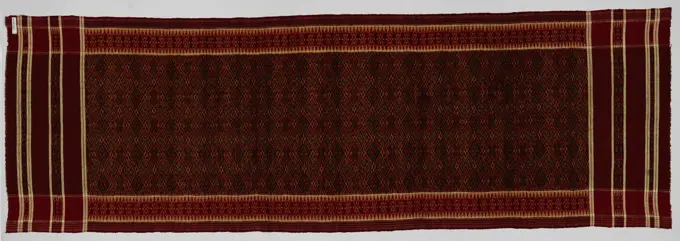
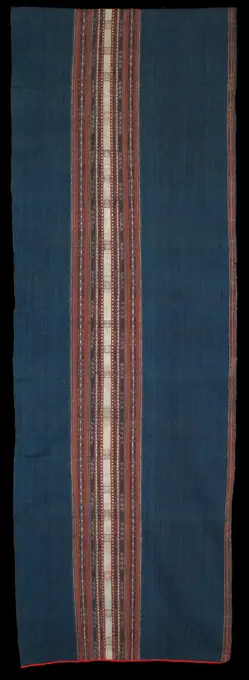
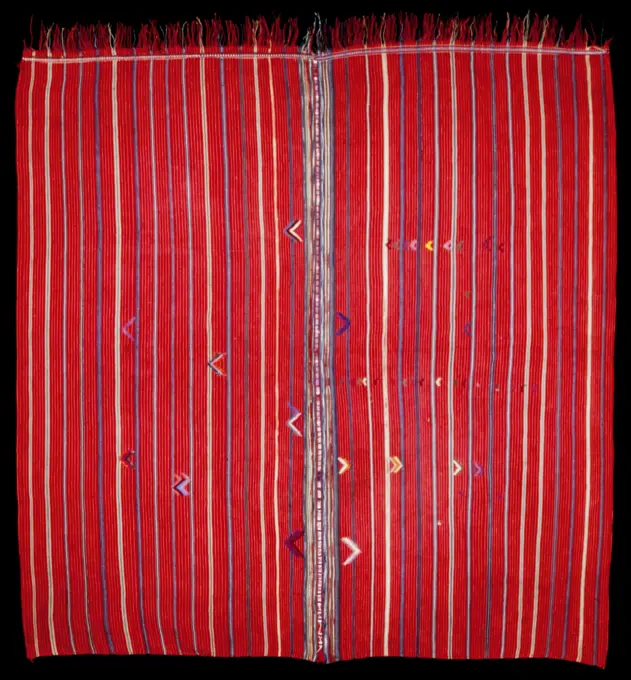
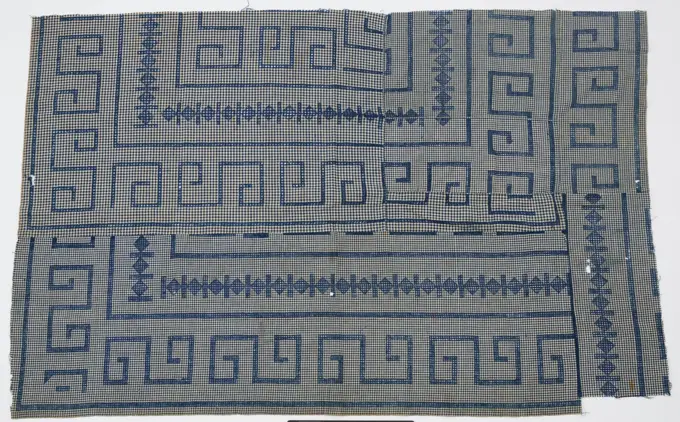
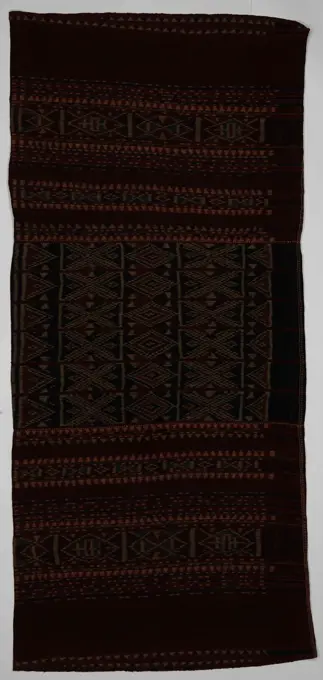
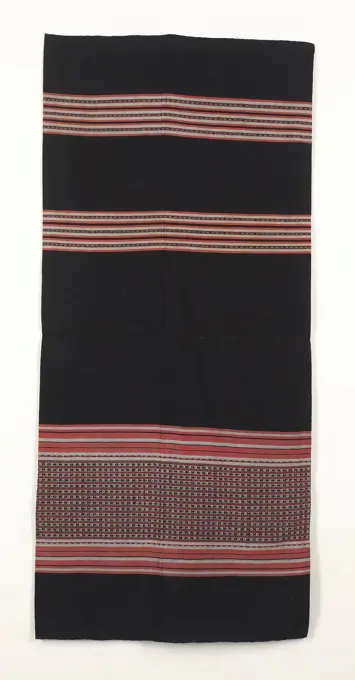
Doek, Anonymous, 1900 - 1949 Cloth in the middle with snake skin, patola motifs; Ceremonial canvas worn for visits to the prince. Bali cotton (textile) Cloth in the middle with snake skin, patola motifs; Ceremonial canvas worn for visits to the prince. Bali cotton (textile)
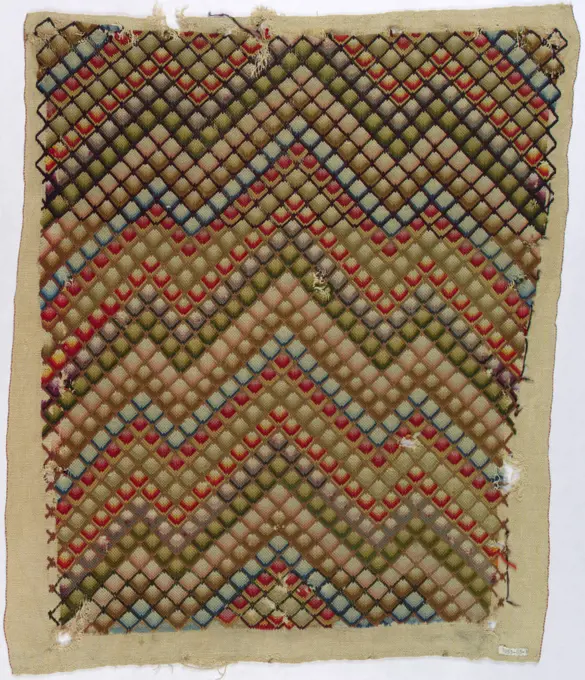
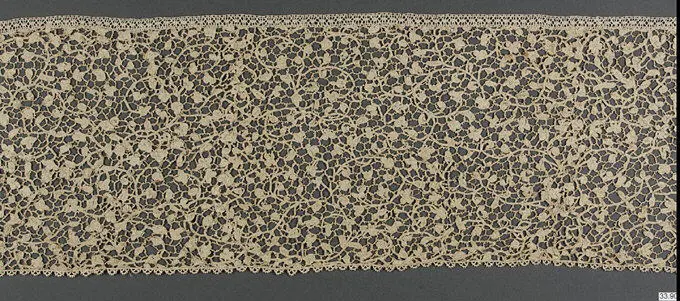
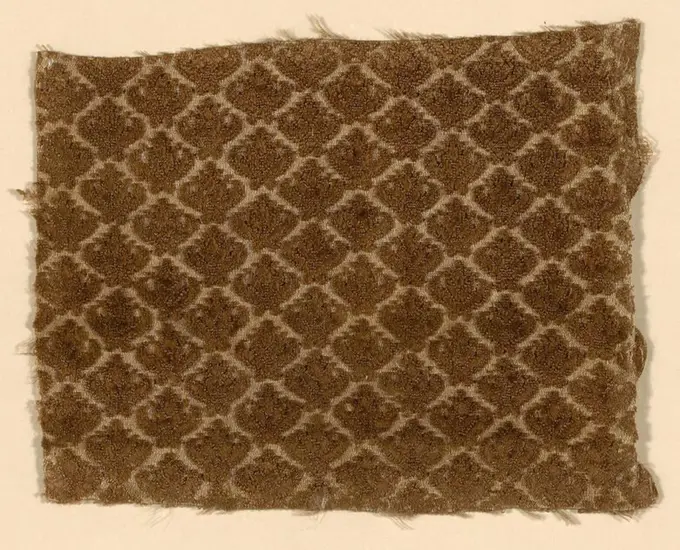
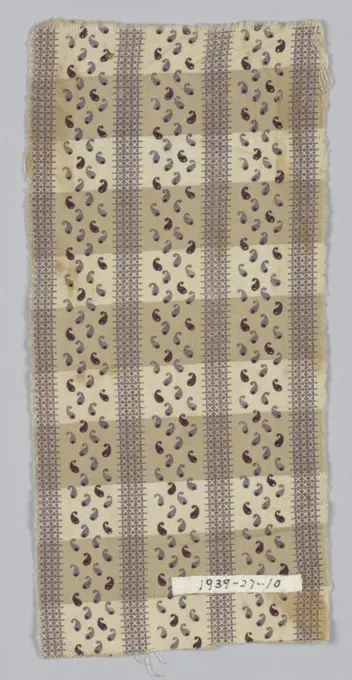
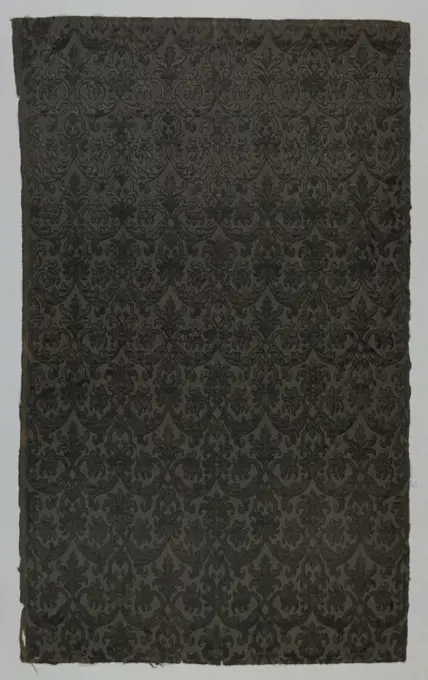
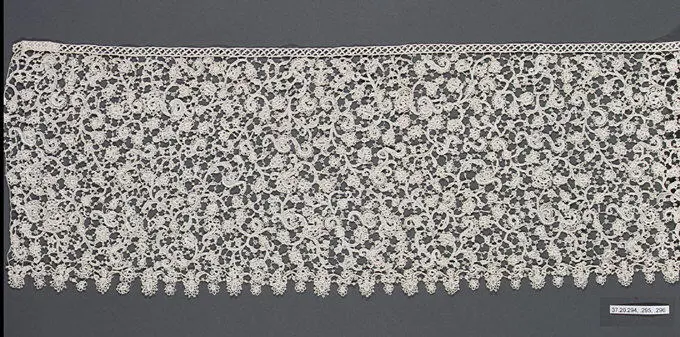
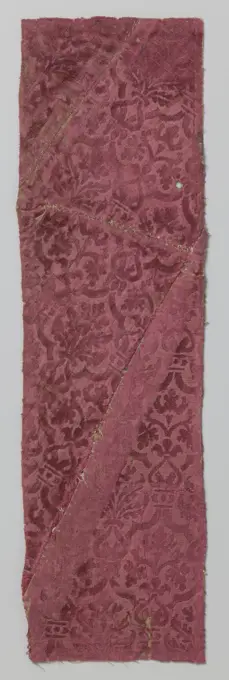
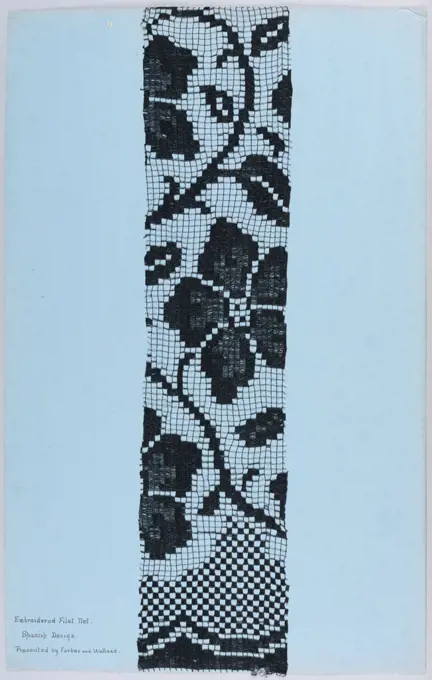
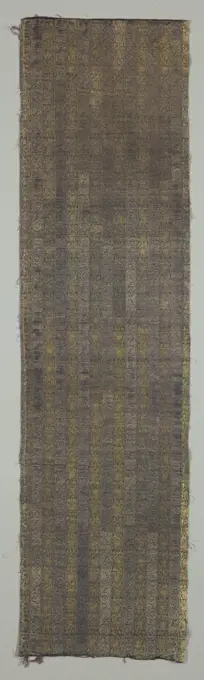
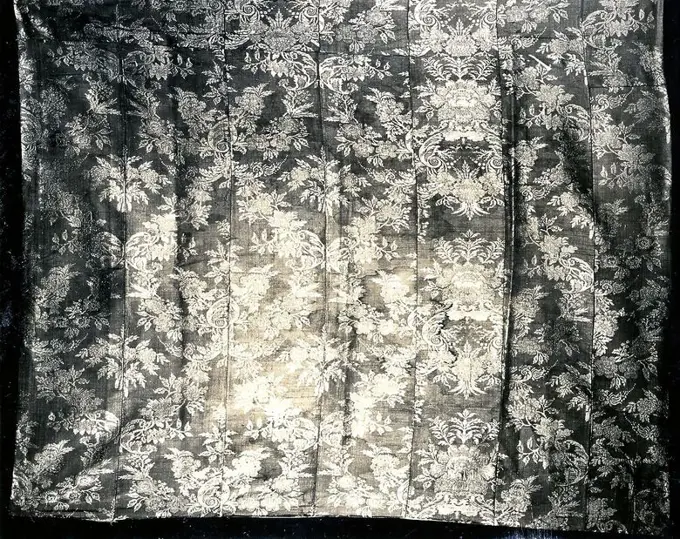
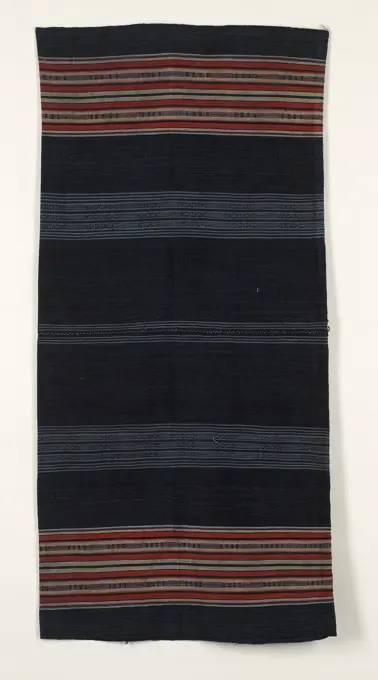
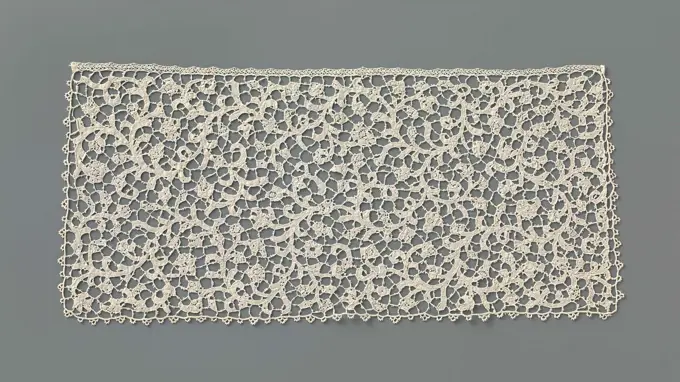
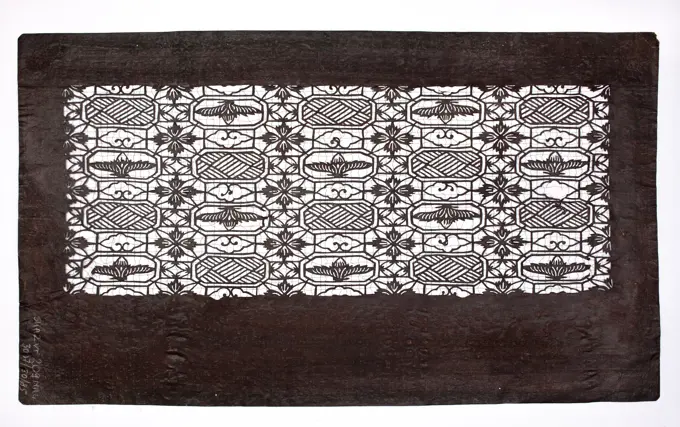
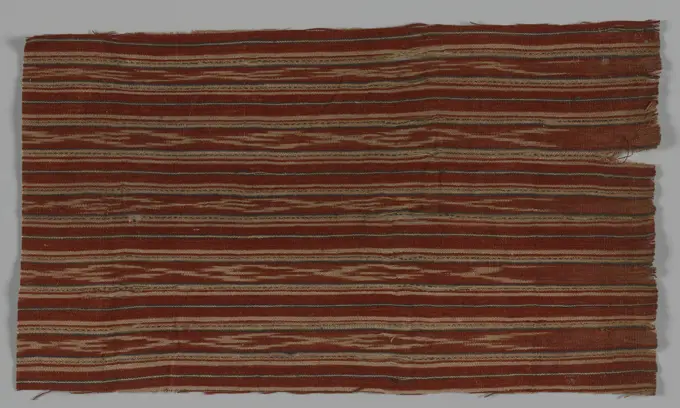
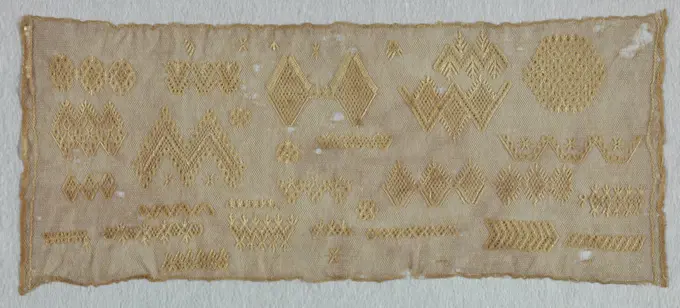
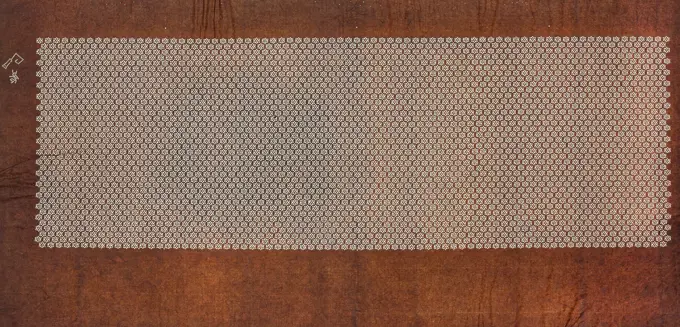
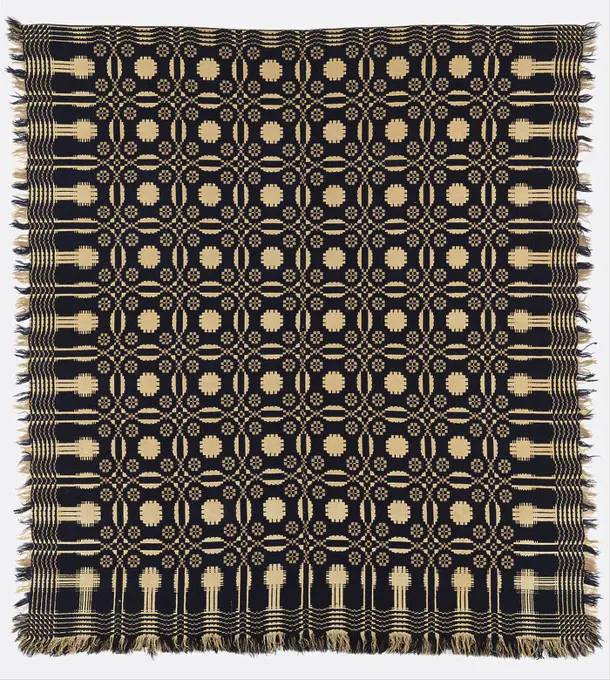
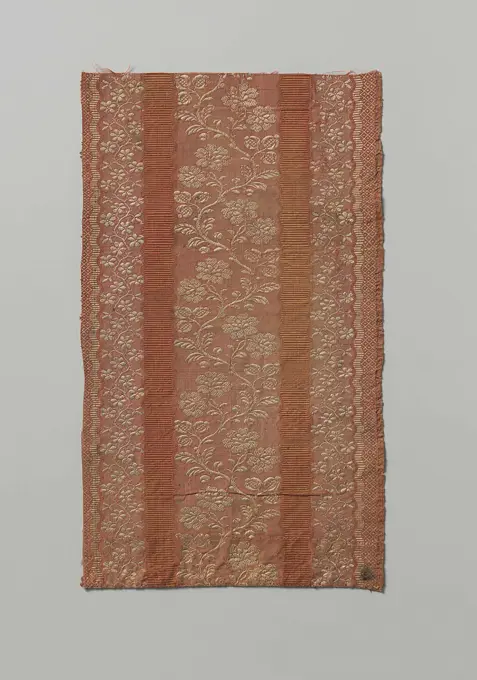
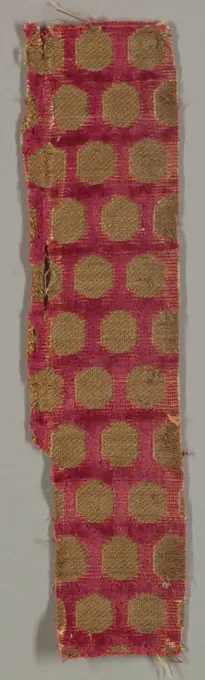
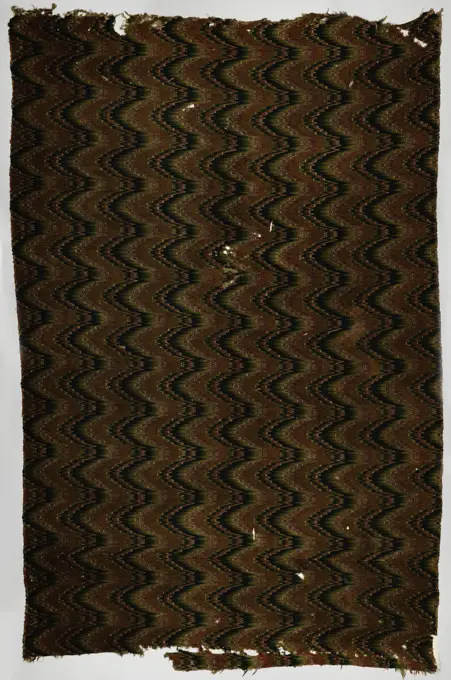
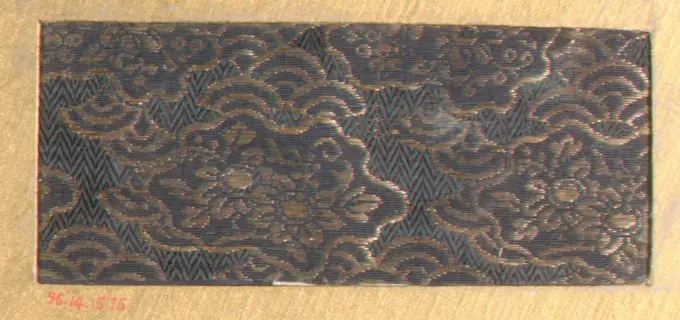
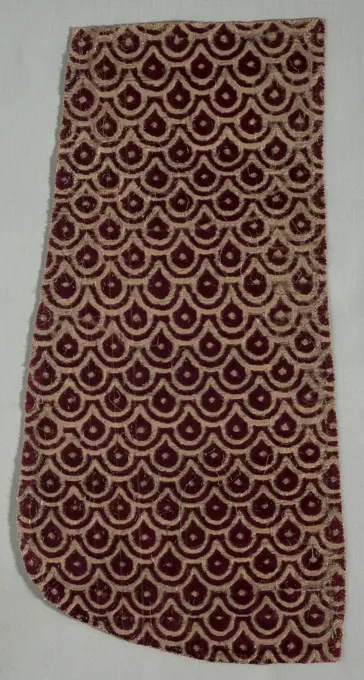
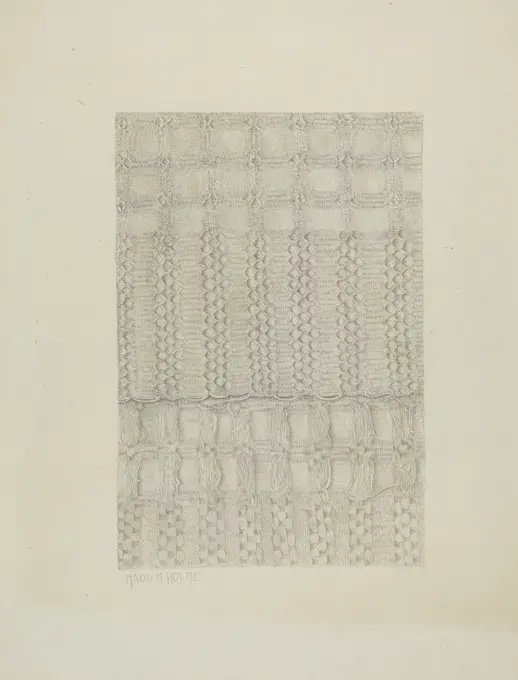
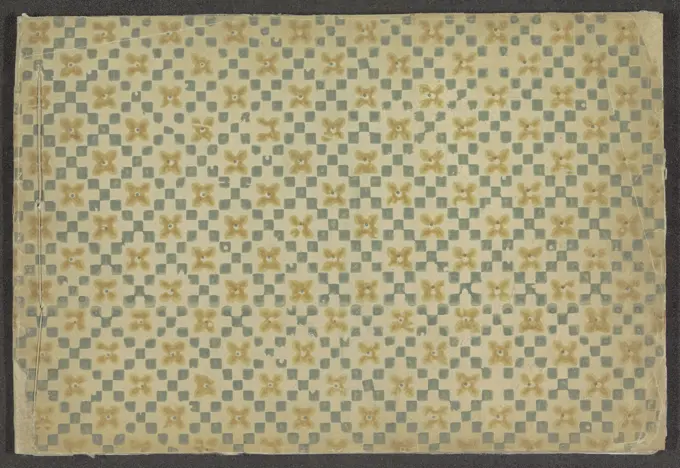
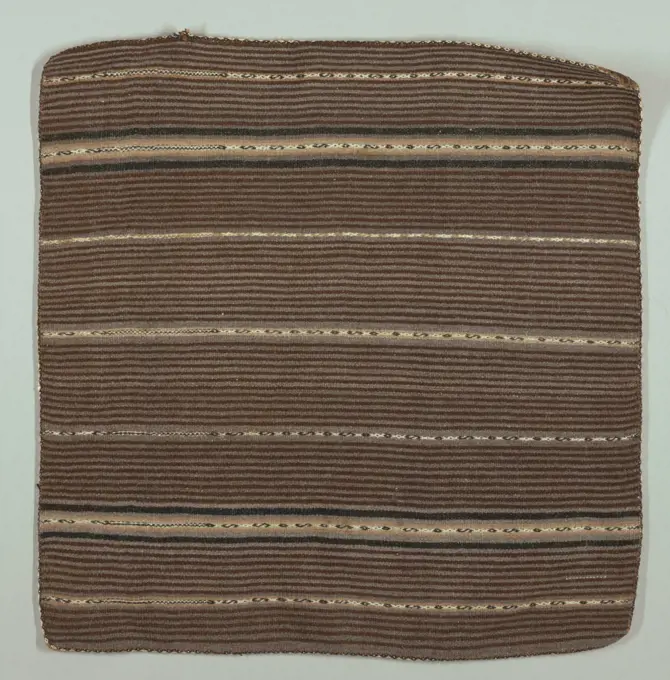
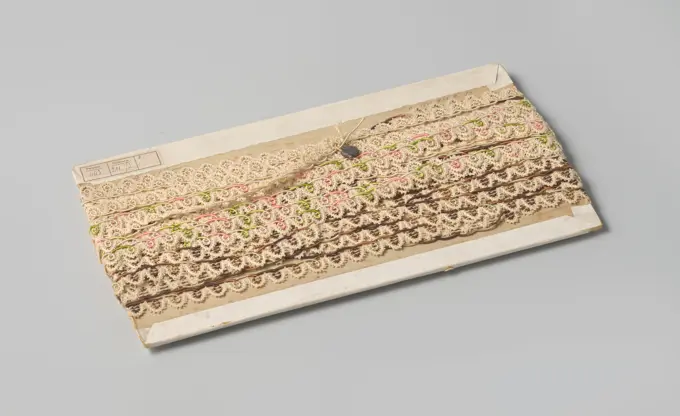
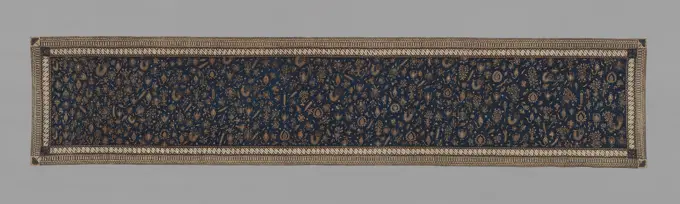
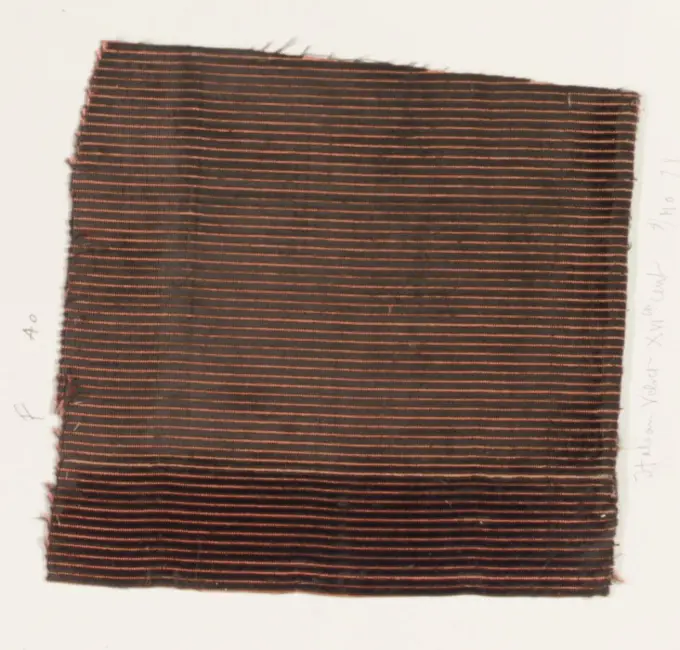
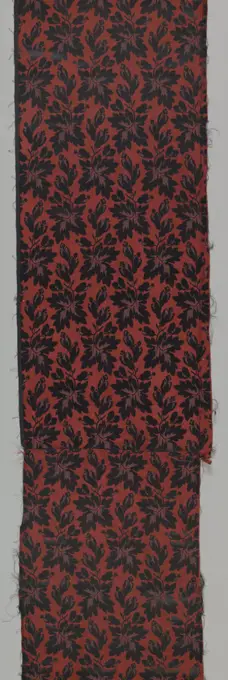
Textile, Medium: silk Technique: compound plain weave, Silk panel in dull blue with a small allover pattern of serpentine leaves and flowers., France, 18th century, woven textiles, TextileTextile, Medium: wool, linen Technique: counted stitch embroidery, Oblong panel of canvas, embroidered solidly in colored wools. Design of shaded blocks, about half inch square, arranged in zigzag or flame stitch pattern., USA, mid-19th century, embroidery & stitching, TextilePiece 16th century Japan. Piece 71060Border 17th century Italian, Venice. Border. Italian, Venice. 17th century. Needle lace, mezzo punto. Textiles-LacesDoek, Anonymous, 1900 - 1949 Cloth in the middle with snake skin, patola motifs; Ceremonial canvas worn for visits to the prince. Bali cotton (textile) Cloth in the middle with snake skin, patola motifs; Ceremonial canvas worn for visits to the prince. Bali cotton (textile)Textile, Medium: silk Technique: 4&1 satin damask, All over gold pattern of small leaves on blue-green ground., 17th century, woven textiles, TextilePiece 16th-17th century Italian. Piece 223555Kesa Made 1875-1900 Japan. .Fragment Made 1501-1700 Europe. silk .Fragment. Italy. Date: 1650-1700. Dimensions: 14 cm × 17.3 cm (5 1/2 × 6 13/16 in.). Cisele voided satin velvet. Origin: Italy. Museum: The Chicago Art Institute, Chicago, USA.Piece 18th-19th century Japan. Piece 67285Sjaal van kloskant met gestrooide takjes.Scarf of black climbing side: Chantilly side. A long rectangle has a mesh stock, on which a four-sided symmetrical, closed pattern is scattered plated berry branches and mates. Large tubs are formed by an edge of oak leaves, small tub by a winger blade. Inwarded different types of flour branches above a horizontal C-volt or supports at the ends of two small degrees Cs, which connect the large C-Volutes.Fragment, Medium: cotton Technique: block-printed on plain weave, Fragment of cotton block-printed in purple, yellow, and black. Stylized floral pattern contained within stripes running full width., Jaipur, Rajasthan, India, late 18th-early 19th century, printed, dyed & painted textiles, FragmentFragment, Medium: cotton Technique: printed, Fragment with a pattern formed by horizontal stripes of brown and white, and vertical stripes of purple and white, alternating with white ornamented with purple curved drops., England or USA, ca. 1850, printed, dyed & painted textiles, FragmentFragment, Medium: silk Technique: cut and uncut supplementary warp pile (velvet) in a woven foundation, Panel of black figured velvet, cut and uncut, with a ground shot with silver in a symmetrical pattern of palmette and foliage., Italy, 16th century, woven textiles, FragmentFragment with bamboo pattern, 19th century, Unknown Ryukyuan, 18 3/4 × 13 1/16 in. (47.63 × 33.18 cm) (overall), Cloth: Japanese fiber banana (bashō); bingata (stencil resist with applied pigments), Japan, 19th centuryBorder (one of three joined) early 18th century () Italian. Border (one of three joined) 226152Fragment 16th century Northern Italian. Fragment 230580Piece 18th century Japan. Piece 71227Piece 15th century Japan. Piece 71040Piece 18th-19th century Japan. Piece 66759Excerpt red silk velvet, anonymous, c. 1500 - c. 1599 Fragment red silk ciselé velvet. The pattern has palm with medallions. Italy (possibly) silk. velvet (fabric weave). ciselé velvet Fragment red silk ciselé velvet. The pattern has palm with medallions. Italy (possibly) silk. velvet (fabric weave). ciselé velvetFragment, Medium: cotton Technique: complex gauze weave, Self-contain square fragment with edges continuous with field. Two parallel warps cross next pair to form an allover trellis loosely spanned by basic wefts., Peru, 1000-1400, woven textiles, FragmentMachine-made openwork samples, Medium: cardboard, linen, silk, metallic Technique: linen embroidery with ground cloth dissolved Examples of embroidery on net produced by the Schiffli machine Metallic embroidery on net Machine-made openwork in imitation of hand-embroidered net Mostly floral and a few geometric patterns, some designs described as 'Spanish' Imitation hand-made filet Machine filet Imitation filet crochet Ploven (burnt-out lace) Fancy curtain lace made on the Levers machines Real filet (handmade) next to Machine-made filet Spotted curtain nets, made chiefly at Nottingham, England and Caudry, France., Samples of machine-made openwork and several examples of hand made lace mounted on boards. They imitate hand-embroidered net, crochet, or needlepoint. All are floral patterns plus a few of early 1920's geometric style., 'Embroidered net' produced by the Schiffli Machine., USA, ca. 1910, lace, Machine-made openwork samplesBaan side, composed of two pieces with self -sides, 1600 - 1625 Baan side, composed of two pieces with self -sides. Dessin: placed in rows and alternately changing transit beams with rising and hanging lobed leaves and bell -shaped flowers in golden yellow and green on a golden yellow stock. Lined with dark brown linen in flat binding. On the fringes the number: 31677. Written on the back in blue: A1/575. Painted paper on which the letters aa. Condition: Fairly good. Italy silk Baan side, composed of two pieces with self -sides. Dessin: placed in rows and alternately changing transit beams with rising and hanging lobed leaves and bell -shaped flowers in golden yellow and green on a golden yellow stock. Lined with dark brown linen in flat binding. On the fringes the number: 31677. Written on the back in blue: A1/575. Painted paper on which the letters aa. Condition: Fairly good. Italy silkPrinting block, Medium: wood, metal, Design of curving plant forms made by metal nails which would print in picotage effect., India, 19th century, appliances & tools, Printing blockTextile (Japan); cotton; Warp x Weft: 169 x 35.5 cm (5 ft. 6 9/16 in. x 14 in.) Repeat H: 21 cm (8 1/4 in.); Bequest of Elinor Merrell; 1995-50-328Fragment; silk; Bequest of Richard Cranch Greenleaf in memory of his mother, Adeline Emma Greenleaf; 1962-56-91Sheet with overall pattern of flowers within squares 19th century Anonymous. Sheet with overall pattern of flowers within squares. Anonymous , 19th century. 19th century. Relief print (wood or metal). PrintsFragment Eastern textile ,, 1800 - 1850 An excerpt of a fabric. Squares in white and gold on a dark blue soil. In the silk. cotton (textile). An excerpt of a fabric. Squares in white and gold on a dark blue soil. In the silk. cotton (textile).Piece 18th century Japan. Piece 71107Fragment. United States. Date: 1801-1825. Dimensions: 128.3 x 32.4 cm (50 1/2 x 12 3/4 in.). Sample of stripe and check patterns of blue, white and tan. Origin: United States. Museum: The Chicago Art Institute, Chicago, USA.Border (one of three joined) early 18th century () Italian. Border (one of three joined) 226150Fragment, Medium: silk, metallic thread Technique: discontinuous supplementary wefts floating from face to face in a 3/1 twill foundation, Two alternating floral vine pattern stripes, three-quarters of an inch wide, one gold and the other silver on a red-purple background., India, 19th century, woven textiles, FragmentPanel. France (provincial) or Italy. Date: 1723-1750. Dimensions: 204.3 × 134.2 cm (80 3/4 × 52 3/4 in.)Warp repeat: 37.2 cm (14 5/8 in.). Silk, plain weave with supplementary patterning and brocading wefts bound in 3:1 twill interlacings. Origin: France. Museum: The Chicago Art Institute, Chicago, USA.Band, Medium: cotton or linen Technique: knot and satin stitch embroidery, Standing collar (cut from man's shirt) embroidered in knot and satin stithches in deisgn of small four-petalled flowers set within large diamond shapes; buttonholed on three sides; two worked buttonholes., Spain, Toledo, 19th century, embroidery & stitching, BandWhite pillowcase of linen with lace edge, marked HW 24, Anonymous, c. 1600 - c. 1950 White pillowcase of linen with lace edge, marked HW 24. Cord closure.  linen (material). White pillowcase of linen with lace edge, marked HW 24. Cord closure.  linen (material).Man's long wrap, mid 20th century, 130 13/16 x 27 1/2 in. (332.26 x 69.85 cm), Wool; woven with resist dyed ikat and warp patterning, Vietnam, 20th centuryFragment 16th-17th century Italian. Fragment 230527Skirt, 1950, 24 1/2 x 53 in. (62.23 x 134.62 cm) (tubular), Cotton; woven fabric, Laos, 20th centuryWaist Wrapper(Sarung)Textile Swatches Onondaga Silk Company, Inc. (1925-1981). , 1948-1959. Silk, 47 1/2 x 17 in. (120.7 x 43.2 cm).    1948-1959Jabot van naaldkant met spiraalranken.Jabot of natural needle side: Flat Venetian side. Spiral reflections are symmetrical in open bars with respect to a standing center axle. Button-shaped flowers grow to some side volutes. Straight outlines with animals triangles and single arcs.Fragment of both wall pattern tissue, anonymous, 1700 - 1725 Fragment of wool and linen, so -called both wall tissue. With a chain of white linen, an impact of dark blue wool, a large peel pattern is woven from the type as a Linnamast with the Oranjeboom in twill and satin binding. Germany Necklace: Linen (Material). impact: Wool. Fragment of wool and linen, so -called both wall tissue. With a chain of white linen, an impact of dark blue wool, a large peel pattern is woven from the type as a Linnamast with the Oranjeboom in twill and satin binding. Germany Necklace: Linen (Material). impact: Wool.Piece 19th century China or Japan. Piece 72220Dying template katagami; Dese Geometric-bristly stylized as traditional desese Chocze Glitter (Syokko);  XIX/XXW. (1868-00-00-1912-00-00);ise-catagami, glitter ornament, templates, purchase (provenance)Fragments; silk, metallic threadLinnamast napkin with a flower pattern, c. 1700 - c. 1799 White Linnamasten Napkin with a pattern of rosettes and edges all around, brand HW 48 and 1847. Netherlands (possibly) linen (material) damask White Linnamasten Napkin with a pattern of rosettes and edges all around, brand HW 48 and 1847. Netherlands (possibly) linen (material) damaskFragment. Italy. Date: 1775-1800. Dimensions: 9 × 14.3 cm (3 1/2 × 5 5/8 in.). Silk and silvered-metal strips, warp-float faced twill weave with supplementary facing wefts and suplementary pile warps forming cut and uncut voided velvet. Origin: Italy. Museum: The Chicago Art Institute, Chicago, USA.Coverlet, Four Snowballs pattern with Pine-tree border ca. 1830 American This double cloth coverlet is woven in two panels from undyed cotton and dark blue, light blue, and salmon-colored wool. It is seamed at the center and hemmed at the top. The bottom edge is finished with a natural fringe.. Coverlet, Four Snowballs pattern with Pine-tree border. American. ca. 1830. Wool and cotton, woven. Possibly made in Pennsylvania, United StatesRitual Cloth(Bidak)Old paper tag on natural burlapSampler, Medium: cotton Technique: darning and drawnwork stitches on net, Ground filled with samples of embroidery in darning and drawnwork stitches., Germany, 19th century, embroidery & stitching, SamplerDying template katagami, type of komon; Dese - "shell" ornament (kikko), with chrysanthemum flowers;  End of the 20th century (1990-00-00-2000-00-00);Chrysanthemums, gift (provenance), Japanese (culture), templates, Japanese artCoverlet. Date/Period: Early 19th century. Coverlet. Medium: cotton, wool. Technique: double cloth (two interconnected layers of plain weave). Author: UNKNOWN.Fragment red striped silk mexicaine with white flowers. A fragment red silky tissue with dark stripes, between which white floral drinks.Fragment, possibly 13th century; silk, metallic; Warp x Weft: 22 x 6 cm (8 11/16 x 2 3/8 in.)Fragment 16th-17th century Italian. Fragment 230335Wall extension of linen with woolen embroidery, point the hongrie ,, c. 1650 - c. 1700 Wall extension with "lightning bolt pattern" or "Bargello work". The surface is made of linen on which a woolen embroidery. At the bottom is a cross strip sewn and at the top a narrow -tuning cross strip. Netherlands wool. linen (material). embroidering Wall extension with "lightning bolt pattern" or "Bargello work". The surface is made of linen on which a woolen embroidery. At the bottom is a cross strip sewn and at the top a narrow -tuning cross strip. Netherlands wool. linen (material). embroideringPiece 18th-19th century Japan. Piece 67288Book cover with overall blue dot and floral pattern 18th century Anonymous. Book cover with overall blue dot and floral pattern. Anonymous , 18th century. 18th century. Relief print (wood or metal). PrintsHandkerchief, c 1800-1825. Russia or France, Early 19th century. Embroidered cotton; overall: 66 x 71.8 cm (26 x 28 1/4 in.).Textile Swatches Onondaga Silk Company, Inc. (1925-1981). , 1948-1959. 38 rayon, 35 silk, 27 acrylic fibers, 42 1/2 x 17 1/2 in. (108 x 44.5 cm).    1948-1959Fragment of a Chasuble, 1400s. Italy, 15th century. Velvet (cut and voided); silk and metal; overall: 48.8 x 24.7 cm (19 3/16 x 9 3/4 in.).Fragment covering fabric of printed Trijp with black tires with chain pattern on an olive green soil, anonymous, c. 1910 - c. 1920 Fragment covering fabric from printed Trijp. Black tires with chain pattern run on an olive green soil. Trijp woven with a V-binding. Netherlands (possibly) Pool layer: mohair. Ground tissue: Cotton (textile) printing Fragment covering fabric from printed Trijp. Black tires with chain pattern run on an olive green soil. Trijp woven with a V-binding. Netherlands (possibly) Pool layer: mohair. Ground tissue: Cotton (textile) printingCope Made 1460-1470 Venice. Velvet textiles often formed the foundation for the most sumptuous ecclesiastical vestments, or ceremonial attire, worn by European clergy. The cope, a cape-like garment, is worn during processions. It is usually decorated with a band of embroidery, or orphery, on its straight edge. These precious textile components were often separated to increase their value on the art market in the 19th and 20th centuries.. Silk and gilt-metal-strip-wrapped silk, warp-float faced 4 1 satin weave with supplementary brocading wefts bound by main warps in weft-float faced 1 4 'S' twill interlacings and with supplementary pile warps forming cut voided velvet .Fragment, Medium: silk Technique: supplementary warp pile (velvet), Italy, 16th-17th century, woven textiles, FragmentMetrage coarse cream-white silk tulle, with black picots on one side, gustav schnitzler, c. 1900 Metrage Grove cream-white silk tulle, with black picots on one side NijmegenFrance (possibly) whole: Silk. Metrage Grove cream-white silk tulle, with black picots on one side NijmegenFrance (possibly) whole: Silk.Maud M Holme, Handwoven Coverlet, c 1939 Handwoven CoverletAlbum with ornament prints with cartouches, masks, vases and capitals, 1644 - 1718  Album with title print and twenty -four ornament prints with cartouches, masks, vases and capitals. It is the press series entitled: Disegni, et abbbozzi di agostino mitelli intagliati dal figluolo di lui gioseppe maria mitelli. Cover of decorative paper with floral pattern in blue and yellow, colored using templates, bound with rope.  paper etching ornaments ~ artWoman's tzute, c. 1930-1940, 50 x 46 3/4 in. (127 x 118.7 cm), Cotton, silk, Guatemala, 20th centuryTowel Made 1701-1900 Turkey. Embroidered .Pelete bite' lower wrapper, late 19th century, 60 1/4 × 39 in. (153.04 × 99.06 cm), Cotton, Nigeria, 19th century, Kalabari men and women of Nigeria occasionally wear a unique cloth called 'pelete bite' ('cut-thread cloth'), which is created by altering fabrics imported from India. Starting with existing striped or checked patterns, new designs are made by cutting parts of the white threads with a razor and removing them. The technique also produces little holes, adding to the visual effect. The women who create 'pelete bite' are important figures in Kalabari society: artists, innovators, and entrepreneurs. Their art transforms imported cloth into a cultural symbol.Hip cloth; Sarung. Three-part cloth with geometric motifs.Fragment; silk; Warp x Weft: 34.5 x 19.4 cm (13 9/16 x 7 5/8 in.)Textile Swatches Onondaga Silk Company, Inc. (1925-1981). , 1948-1959. 75 wool, 25 silk, 47 3/4 x 17 3/4 in. (121.3 x 45.1 cm).    1948-1959Piece 18th-19th century Japan. Piece. Japan. 18th-19th century. Silk. Textiles-WovenPostcard red empty Nikolaus , Krampus card, UnknownTextile, Medium: wool Technique: warp rep with warp-patterned stripes, Contained square with thin stripes in two shades of brown with broader stripes at intervals in tans, black, white with narrow geometrically patterned central stripe. Edged on four sides with fancy buttonhole stitch in black, tan, and white wool., Bolivia, 19th century, woven textiles, TextileFragment. Ica; Probably Ica Valley, south coast, Peru. Date: 1000-1532. Dimensions: 20 x 31.8 cm (7 3/8 x 12 1/2 in.). Cotton and wool (camelid), two-color complementary weft diamond twill weave. Origin: Peru. Museum: The Chicago Art Institute, Chicago, USA.Skirt, c. 1950, 26 1/4 x 57 in. (66.68 x 144.78 cm) (tubular), Cotton; woven fabric, Laos, 20th centuryPassement of scalloped white side with picots weaving with a shallow shiny white thread, on cardboard, c. 1925 Picots of scalloped white lace with picots with a shallow shiny white wire, on cardboard. Nijmegen cardboard. Picots of scalloped white lace with picots with a shallow shiny white wire, on cardboard. Nijmegen cardboard.Piece ca. 1840-50 American. Piece 13807Sampler 19th century German. Sampler 228655Fragment (Japan)Fragment Made 1700-1800 China. .Fragment (Japan)Hanging /Sash Made 1801-1900 Java. Batik dyed .Sidewall (USA); machine-printed on continuous paper; 64 x 47 cm (25 3/16 x 18 1/2 in.)Green silk dam mast with a pattern of pomegranate moths, anonymous, c. 1450 - c. 1550 Damask from green silk with a pattern consisting of a seven -lobby leaf in which a pomegranate in flower wreath. Flooded branches bend around the magazine, which were crowned at their meeting and wear a pomegranate. Similar pattern as BK-NM-11476-B-1 and BK-NM-11476-B-2, but with a different type of pomegranate. Italian manufacture. Two set pieces. Italy silk damask Damask from green silk with a pattern consisting of a seven -lobby leaf in which a pomegranate in flower wreath. Flooded branches bend around the magazine, which were crowned at their meeting and wear a pomegranate. Similar pattern as BK-NM-11476-B-1 and BK-NM-11476-B-2, but with a different type of pomegranate. Italian manufacture. Two set pieces. Italy silk damaskFragment silk tissue, possibly part of a piece of clothing, anonymous, c. 1825 - c. 1835  Black fond with purse brushes, on which wavy vertical tracks in purple, interrupted by black, between which flowers and two repeated Chinese female figures. Spain silkPiece 18th century China. Piece 68580Fragment 18th century Italian. Fragment 230502Sampler, Medium: linen Technique: embroidered with drawnwork, Unfinished. Fifteen narrow bands of flowers with the alphabet. Third band from the top contains the alphabet and an unfinished floral vine. Many of the lines are done entirely in drawnwork., England, 18th century, embroidery & stitching, SamplerStockings 1880s French. Stockings 121553Antique cardboard photo frame from ca. 1900Textile, Medium: silk Technique: satin weave (), Medium scale close-set repeat of maple leaves with drooping flowers in dark blue satin and plain weave on rust ribbed ground. Dark blue warps and rust wefts., France or USA, 1890-99, woven textiles, TextilePaper-Bound Album of Silhouettes, Grandmother of Henry W. A. Littledale, English, active 19th c., Silhouette of black coated paper, cut out, with green paper binding, Ten silhouettes of genre scenes, children and putti in various occupations. End paper bears the inscription: 'Harry W. A. Littledale / from his affectional Grand-mam'. (A note states that Littledale sat for his silhouette portrait to A. Edoart in September, 1826)., England, ca. 1825, albums (bound) & books, Album, AlbumFragment Made 1801-1825 United States. Sample of stripe and check patterns of blue, white and tan .Pillow case, 19th century, 38 1/4 x 21 in. (97.16 x 53.34 cm), Wool; weft faced plain weave, Sweden, 19th century