Textiles and Fragments

A variety of textile fragments and artifacts, including historical beakers and fabric remnants, showcasing intricate designs and cultural significance from different eras.

Millefleurs ground with book . unknown c. 1500-1535 Tapestry Materials/Techniques: unknown Culture: Southern Netherlands Weaving Center: unknown Ownership History: The Saint Louis Art Museum by 1923 (sold). French & Co.
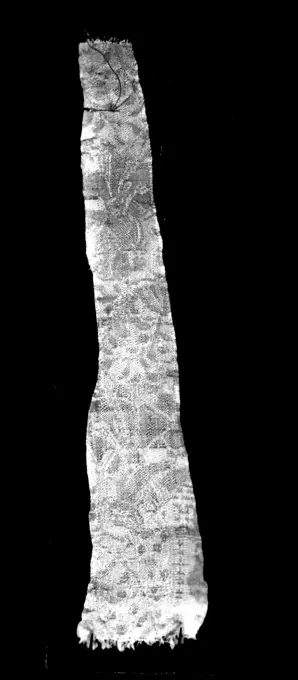
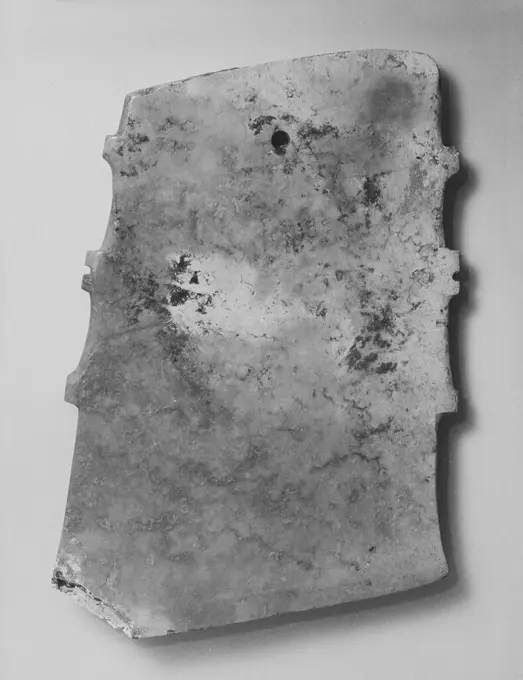
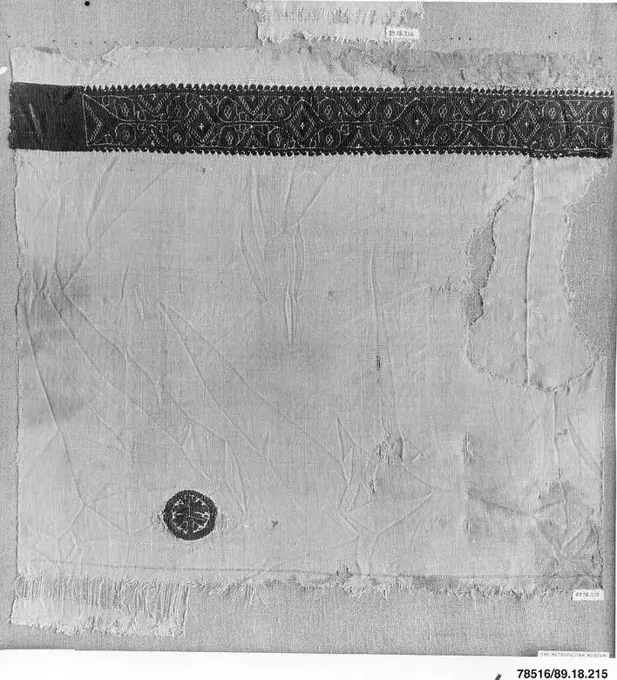
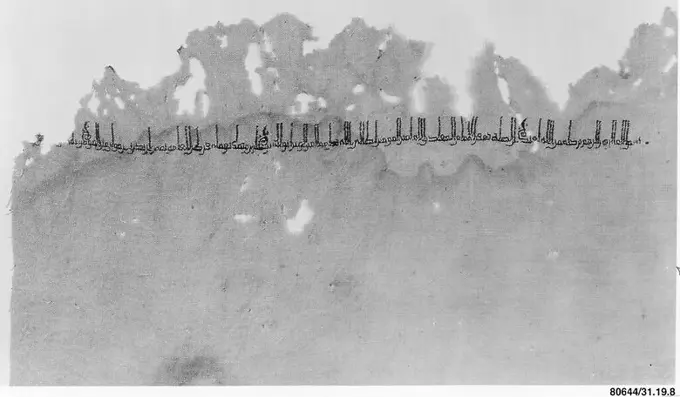
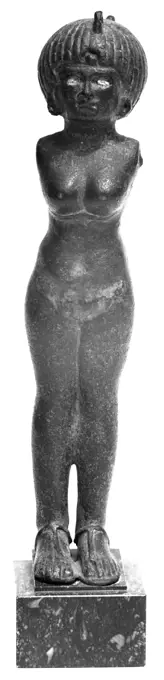
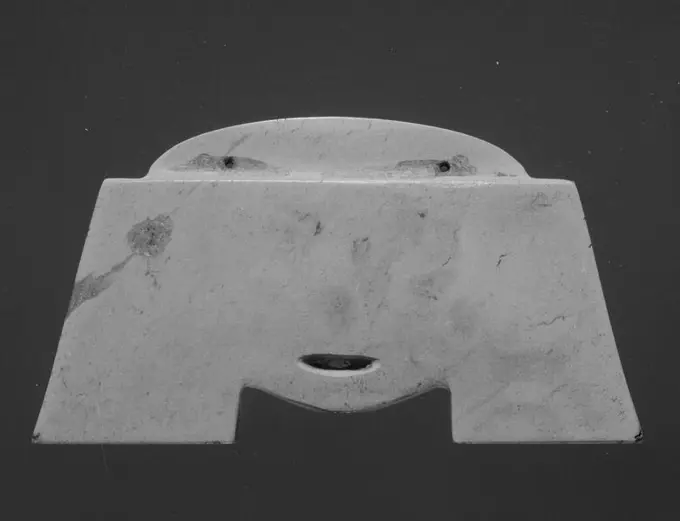
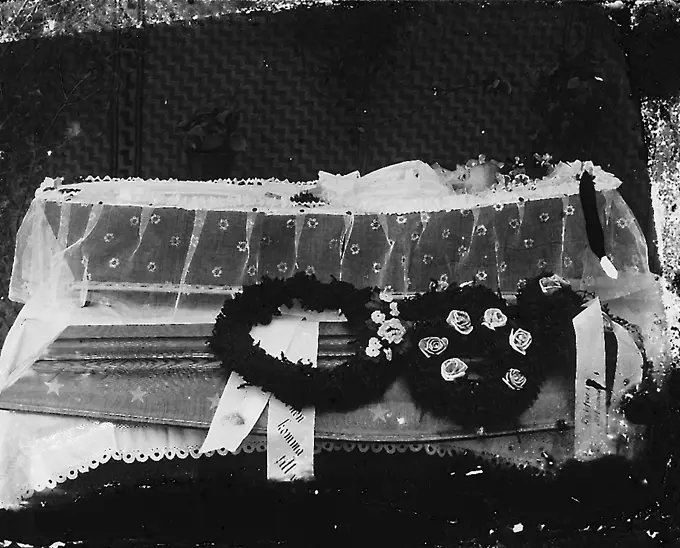
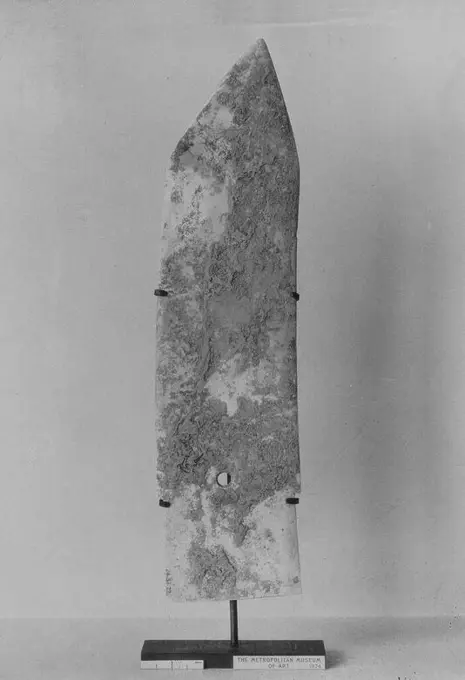
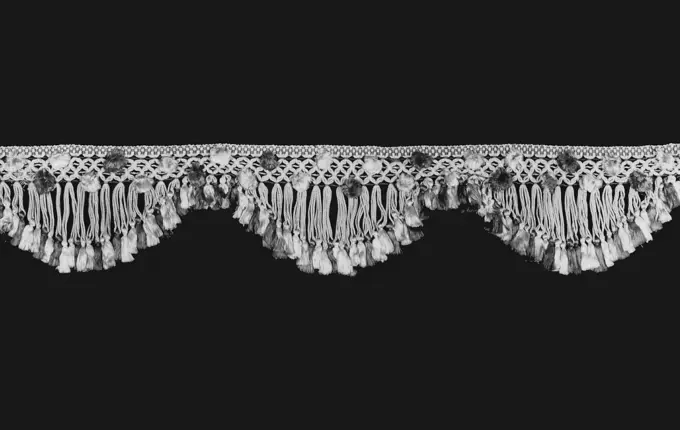
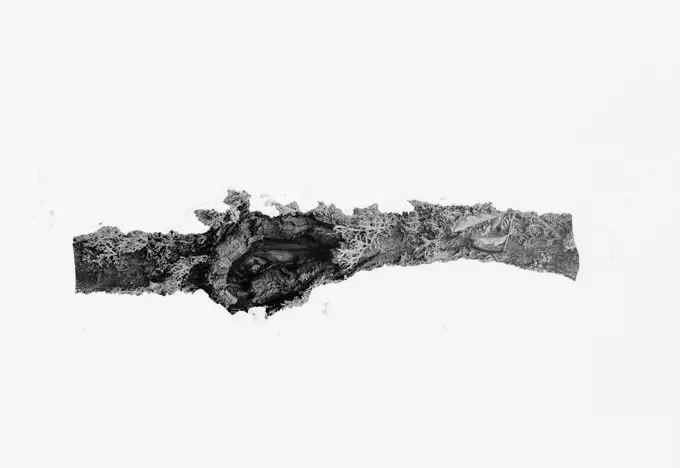
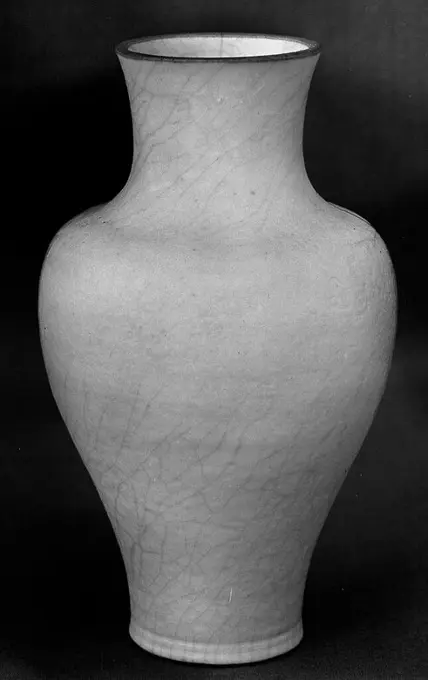
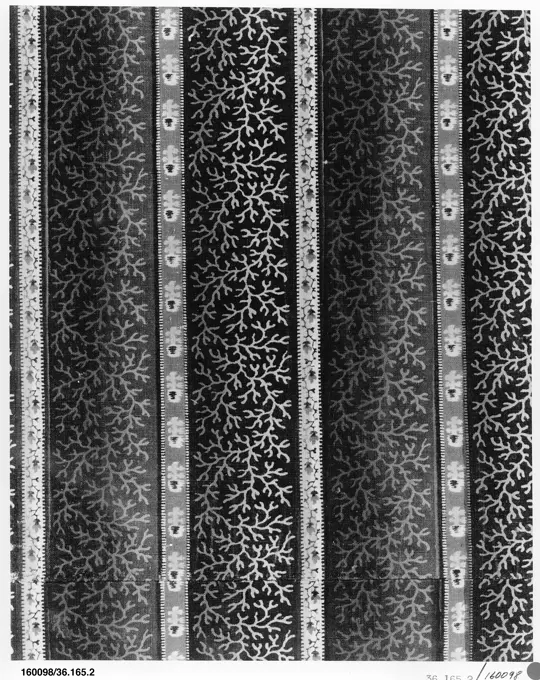
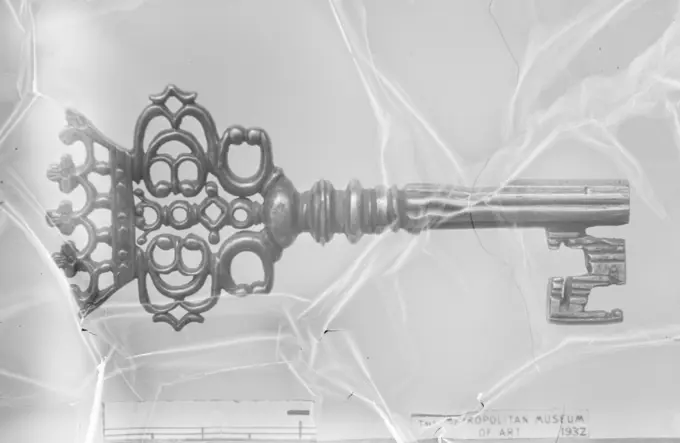
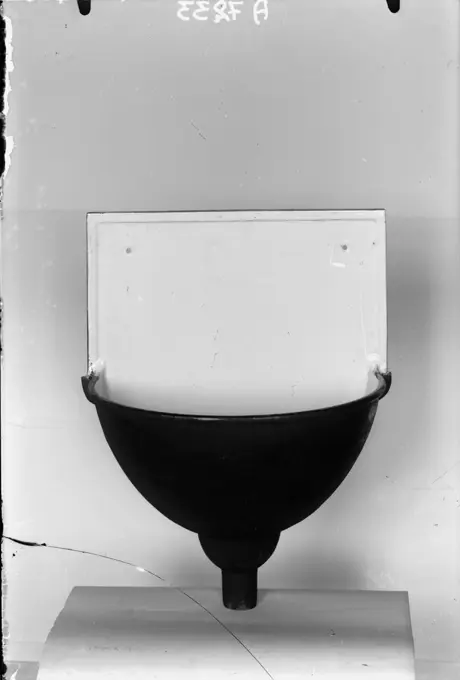
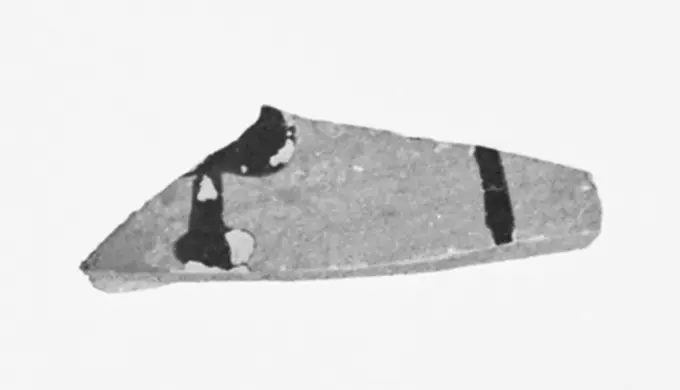
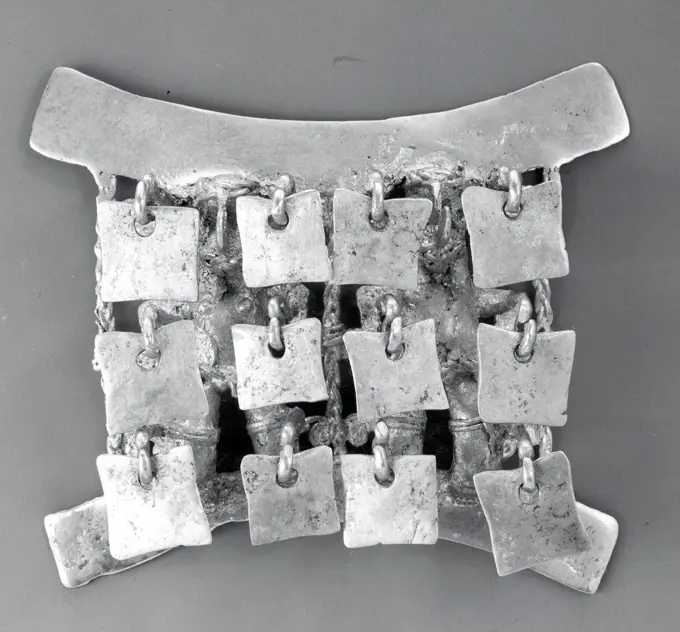
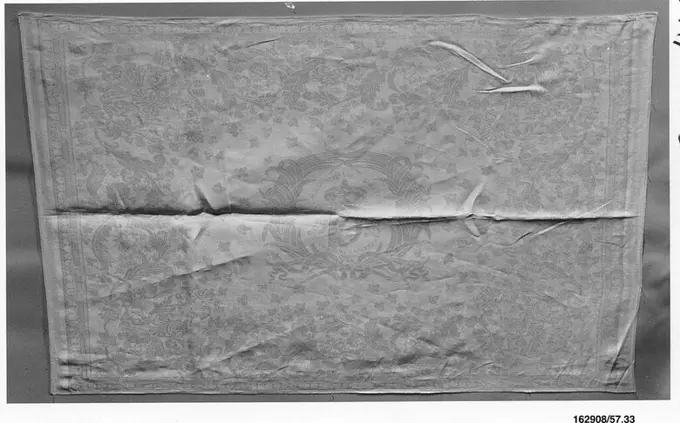
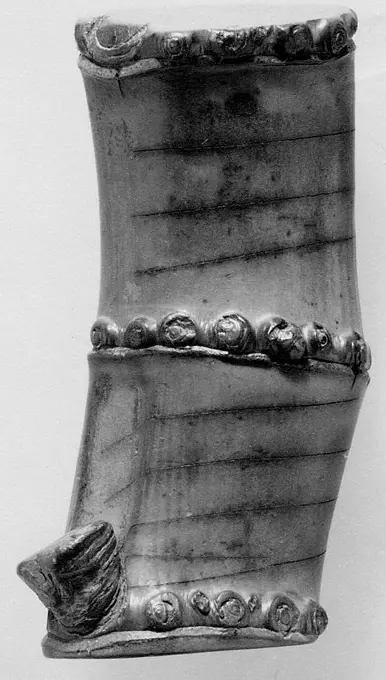
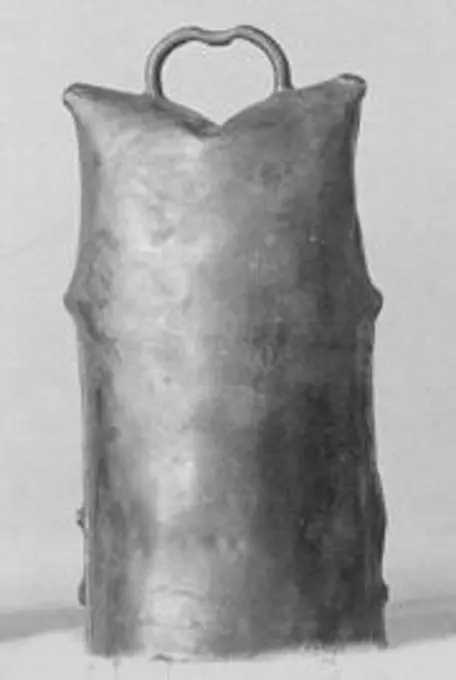
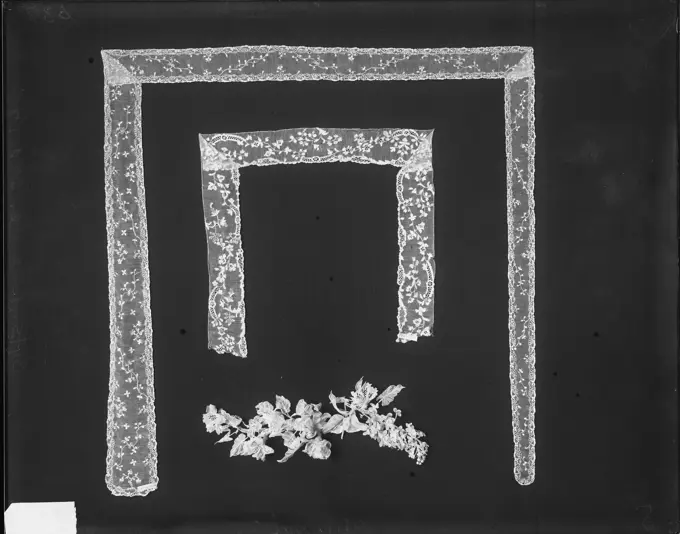
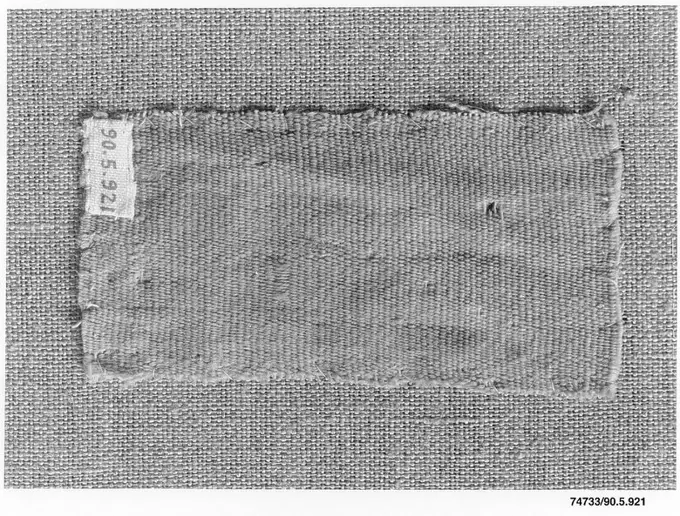
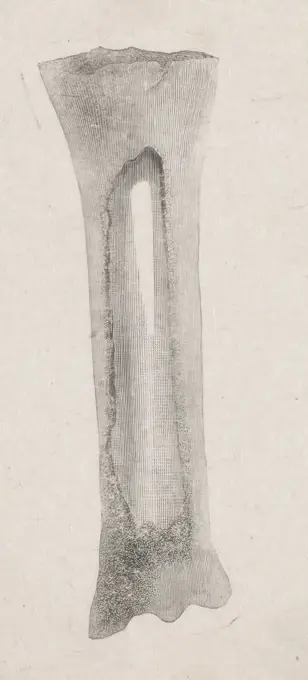
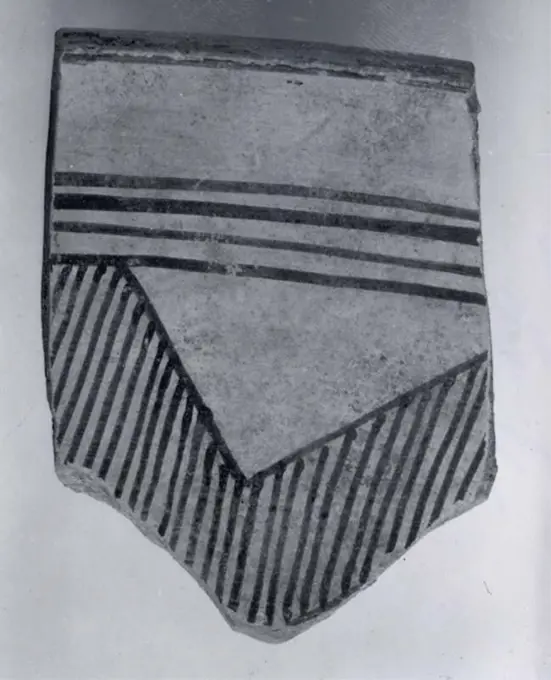
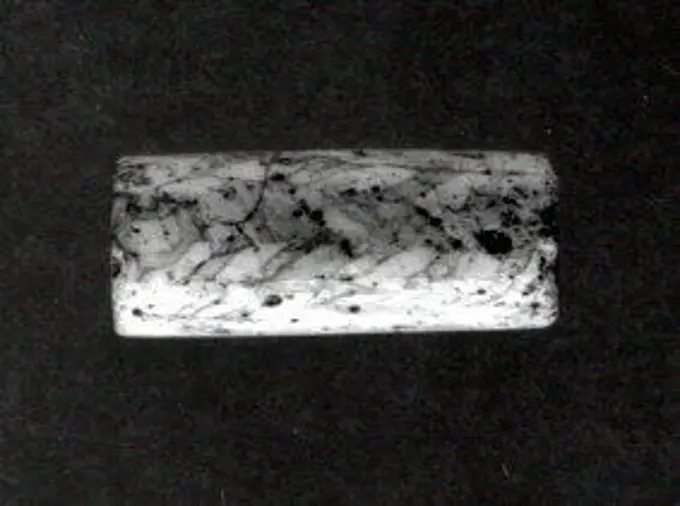
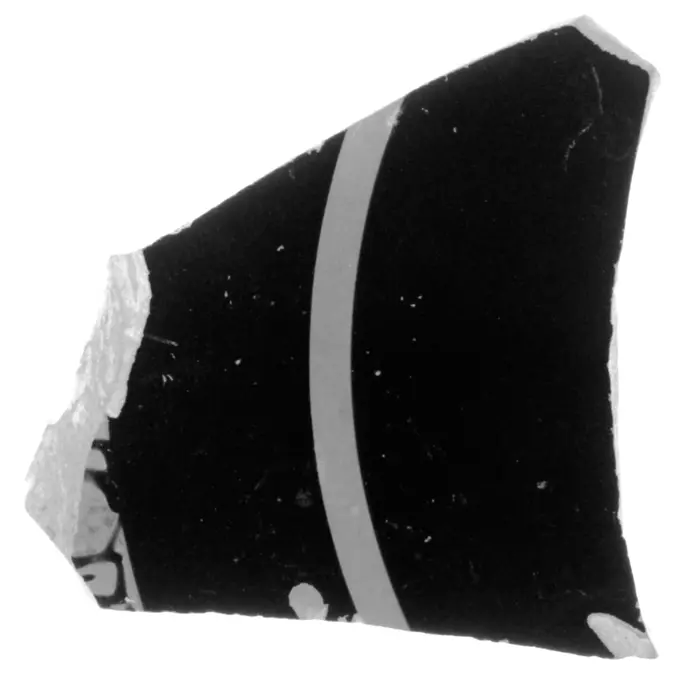
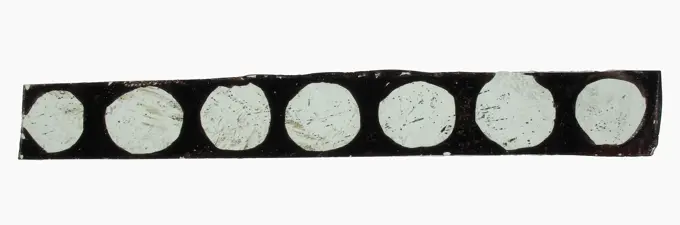
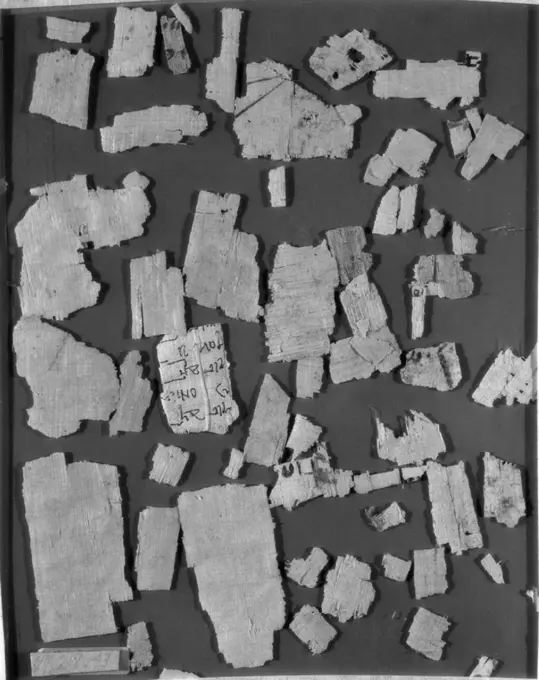
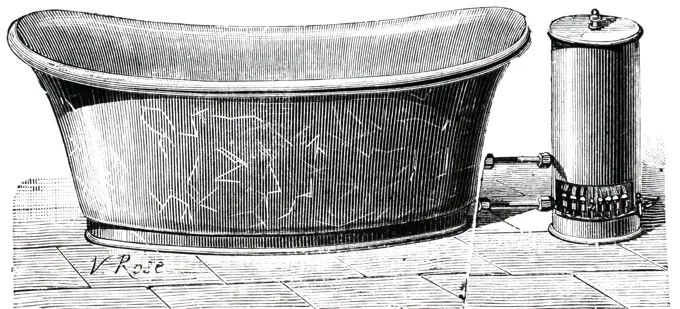
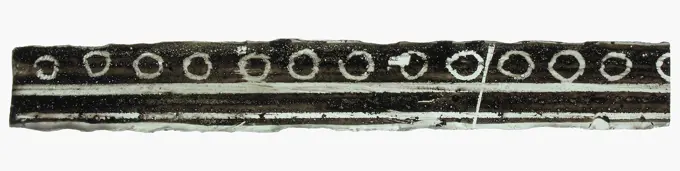
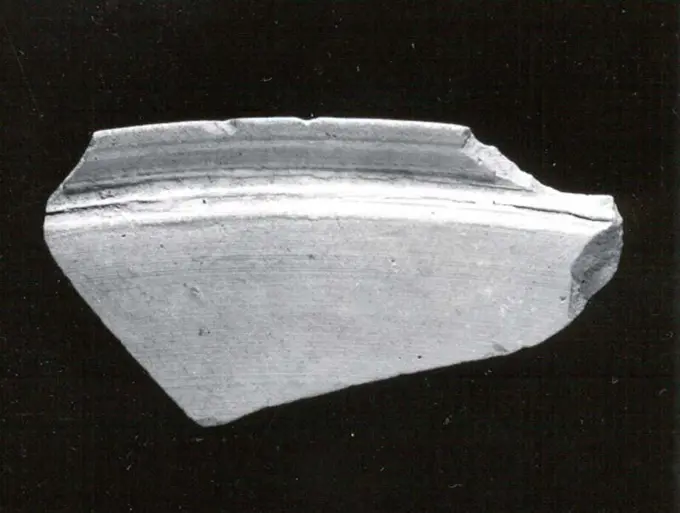
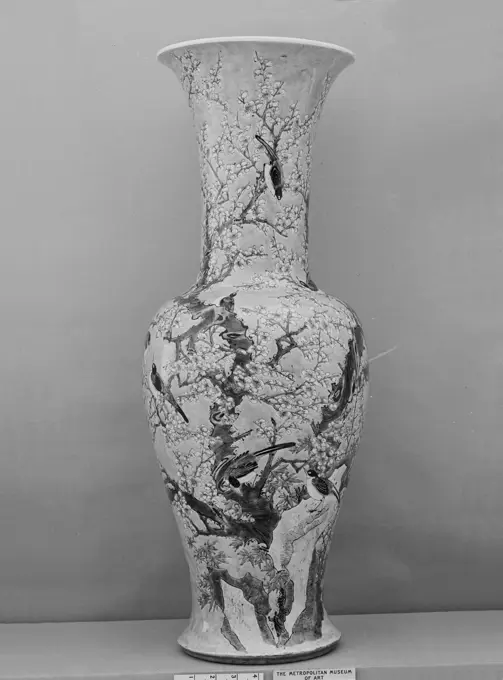
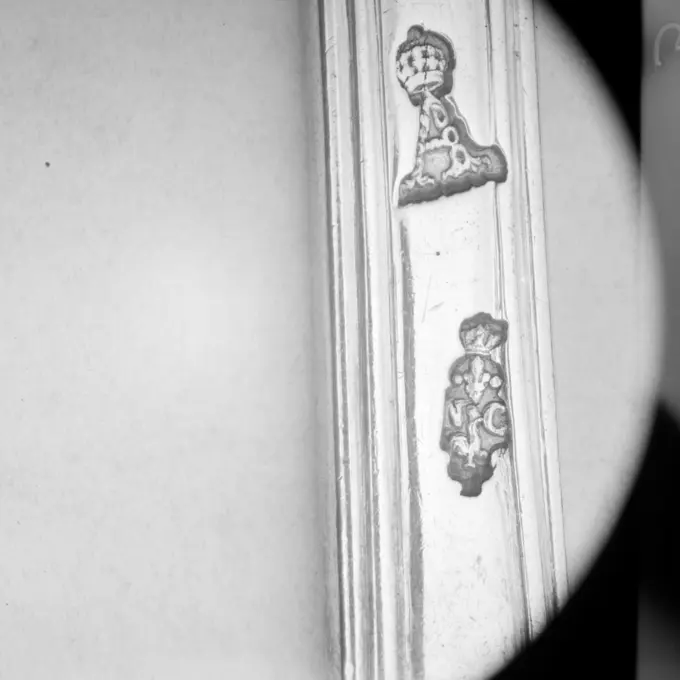
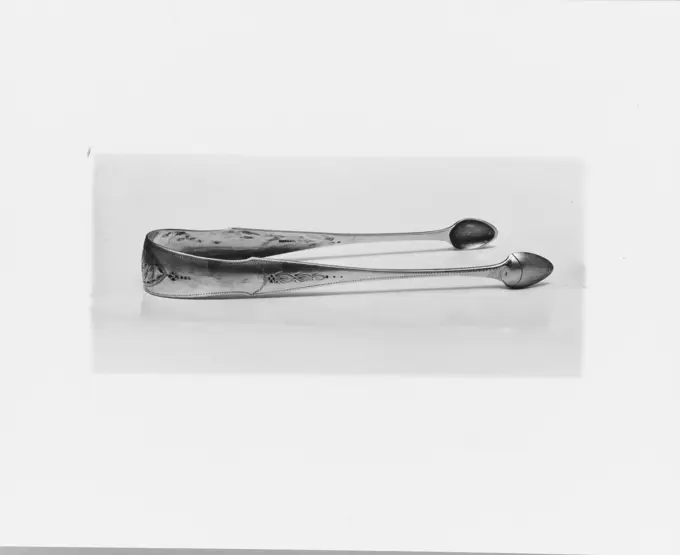
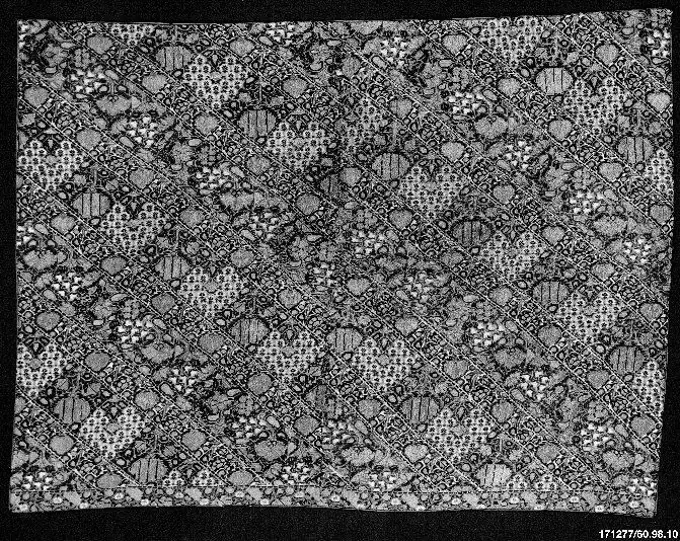
Border Fragment. Possibly north coast, Peru. Date: 1000-1476. Dimensions: 113 x 11.4 cm (44 1/2 x 4 1/2 in.). Fancy compound cloth. Warp: s-spun tightly twisted; s-spun, two, ply, all cotton. Weft: cotton in pairs; one s-spun and one z-spun. Origin: Peru. Museum: The Chicago Art Institute, Chicago, USA. Author: Huacho.Beaker 14th-15th century Chimú. Beaker 310635Attic Black-Figure Neck Amphora Fragment. Attributed to the Swing Painter (Greek (Attic), active about 550 - 525 B.C.)Fragment (Dress Fabric) Made 1601-1625 Iran. Plain double cloth, silk .Millefleurs ground with book . unknown c. 1500-1535 Tapestry Materials/Techniques: unknown Culture: Southern Netherlands Weaving Center: unknown Ownership History: The Saint Louis Art Museum by 1923 (sold). French & Co.Attic Red-Figure Stamnoid Fragment (comprised of 2 Joined Fragments). Attributed to the Brygos Painter (Greek (Attic), active about 490 - 470 B.C.)Textile Fragment 1035-94. Textile Fragment 448630Attic Black-Figure Hydria Fragment. UnknownEtruscan Black-Figure Vase Fragment. UnknownCollection Dutch Heidematschappij. Grain rust. undatedAttic Red-Figure Krater () Fragment. UnknownHatchet. Culture: China. Dimensions: H. 3 5/8 in. (9.2 cm); W. 2 1/2 in. (6.4 cm). Date: ca. 500 B.C.. Museum: Metropolitan Museum of Art, New York, USA.Sealing ca. 1981-1640 B.C. Middle Kingdom. Sealing. ca. 1981-1640 B.C.. Mud. Middle Kingdom. From Egypt, Memphite Region, Lisht North, Cemetery, MMA excavations, 1920-22. Dynasty 12-13Band Fragment. Dimensions: H. 3 1/8 in. (8 cm)W. 2 7/16 in. (6.2 cm). Date: 12th century. Museum: Metropolitan Museum of Art, New York, USA.Attic Red-Figure Skyphos or Mastoid Fragment. UnknownCoin A.H. 120/ A.D. 737. Coin. A.H. 120/ A.D. 737. Copper. Excavated in Iran, Nishapur. CoinsFragment. Dimensions: 18 in. high 18.00 in. wide (45.72 cm high 45.72 cm wide). Date: 3rd-4th century. Museum: Metropolitan Museum of Art, New York, USA.Fragment. Dimensions: H. 11 1/2 in. (29.2 cm)W. 15 1/2 in. (39.4 cm). Date: 10th century. Museum: Metropolitan Museum of Art, New York, USA.Shard (Study Collection) China. Shard (Study Collection). China. Ceramic with dark blue glaze. Qing dynasty (1644-1911). CeramicsPiece 16th-17th century Italian. Piece 223556Band Fragment. Dimensions: H. 3 1/2 in. (8.9 cm)W. 1 1/4 in. (3.2 cm). Date: 5th-6th century. Museum: Metropolitan Museum of Art, New York, USA.Attic Black-Figure Mastoid Cup Fragment. UnknownPiece late 17th century French. Piece 217130Sampler 19th century German. Sampler 228611Sugar sifter 19th century Dutch. Sugar sifter 188073Three crowns (depicted - name).Three crowns (depicted - name)Statuette of a Woman. UnknownTwo strips of bobbin lace, lace needlework linen, textile, Two strips of bobbin lace with serrated leaf motifs that can be considered as typical for early Brussel bobbin lace from around 1700 dress manIvory Tone Pendant. Culture: China. Dimensions: H. 1 3/8 in. (3.5 cm); L. 2 9/16 in. (6.5 cm). Date: ca. 2400-2000 B.C.. Museum: Metropolitan Museum of Art, New York, USA.Piece 17th century Italian. Piece 224538Collection of the Dutch Heidematschappij. Larch and Douglas, cross-section, European Lork, Japanese Lork. undatedCover 1700-1800 American. Cover 2285Vase. Culture: China. Dimensions: H. 6 in. (15.2 cm). Museum: Metropolitan Museum of Art, New York, USA.Piece 16th-17th century Italian. Piece 223534Plug Bayonet 1685-88 British. Plug Bayonet 32784Plaque China. Plaque. China. Nephrite. Qing dynasty (1644-1911), Qianlong period (1736-95). JadeChisel ca. 4600-3600 B.C. Ghassulian. Chisel 326523Textile Fragment 10th century. Textile Fragment. 10th century. Linen; embroidered in silk. Attributed to Egypt. Textiles-EmbroideredLit they paired, unknown child. Lit de parade, okänt barn.Saddle Rug with Peony Roundels 18th century China. Saddle Rug with Peony Roundels 70558Female Protome. UnknownCeremonial Dagger-Ax (Ge). Culture: China. Dimensions: W. 2 3/8 in. (6 cm); L. 9 1/8 in. (23.2 cm). Date: 13th-11th century B.C.. Museum: Metropolitan Museum of Art, New York, USA.Fringe Made 1601-1800 France. Silk, warp-striped, warp-faced plain weave with extended ground weft loop fringe; grouped and knotted; with attached silk tassels .Piece ca. 1750 French. Piece 224348Fragment of a Tunic. Dimensions: 14 5/16 in. high 2 9/16 in. wide (36.3 cm high 6.5 cm wide). Date: 4th-5th century. Museum: Metropolitan Museum of Art, New York, USA.Collection of the Dutch Heidematschappij. Packed. undatedAttic Black-Figure Band Cup Fragment. UnknownVintage Photograph. A peice of metal with rust. Frame 3.Vase. Culture: China. Dimensions: H. 19 in. (48.3 cm). Date: 18th century. Museum: Metropolitan Museum of Art, New York, USA.Vase with flowers. Culture: China. Dimensions: H. 4 3/4 in. (12.1 cm); W. 3 1/2 in. (8.9 cm); Diam. of rim: 1 1/2 in. (3.8 cm); Diam. of foot: 1 3/8 in. (3.5 cm). Date: 19th century. Museum: Metropolitan Museum of Art, New York, USA.Piece ca. 1840-60 American. Piece 13805Key 17th century British. Key. British. 17th century. Iron. Metalwork-SteelBlade ca. 4600-3600 B.C. Ghassulian. Blade 326548Textile Fragment 3rd-4th century. Textile Fragment 445924Produktbild.Attic Black-Figure Amphora Fragment. UnknownOffering table ca. 2323-2150 B.C. Old Kingdom. Offering table. ca. 2323-2150 B.C.. Travertine (Egyptian alabaster). Old Kingdom. From Egypt, Memphite Region, Lisht North, Old Kingdom Cemetery, Tomb I, Pit B, MMA Excavations 1932. Dynasty 6Figure Pendant with Danglers 13th-16th century Diquís This pendant features two individuals covered by twelve square danglers. Composite creatures consisting of human figures with pronounced animal features occur throughout Costa Rica, signaling that beliefs and their expressions were shared by many groups. Local styles developed distinctive characteristics, however. Metalwork from the Diquis Delta area in southwestern Costa Rica is ornate and replete with detail. Spirals and twisted and braided rope proliferate, and danglers, tinkling like bells and glittering in the sunlight, sometimes conceal the figures behind them.Costa Rica is the most northerly of the Precolumbian goldworking areas, which run from southern Peru and Bolivia on the west side of South America, along the Andean Mountain chain to Ecuador and Colombia, and from there across onto the Isthmus of Panama. This generally continuous region, in which ancient American goldworking technologies developed, intermingled, and expaFrogs Skating 1866 Henry Victor Burgy French. Frogs Skating. Henry Victor Burgy (French, died 1901). 1866. Etched copper plate. PlatesDinner napkin. Culture: Irish. Dimensions: H. 26 1/2 x W. 33 1/2 inches (67.3 x 85.1 cm) (loom W. 26 1/2 inches). Date: 1849. Museum: Metropolitan Museum of Art, New York, USA.Sweden, Blekinge, Blekinge, Karlskrona, Karlskrona, external marina (depicted, town).Sweden, Blekinge, Blekinge, Karlskrona, Karlskrona, External War Gogs (depicted, City)Strip 16th-17th century Italian. Strip 215437Sweden, Blekinge, Blekinge, Karlskrona, Karlskrona, external marina (depicted, town).Sweden, Blekinge, Blekinge, Karlskrona, Karlskrona, External War Gogs (depicted, City)Hanging Case 19th century China. Hanging Case 68497Unattributed Trebizond Coin. UnknownSeal China. Seal. China. Bamboo. Qing dynasty (1644-1911), Qianlong period (1736-95). SealsAttic Black-Figure Vase Fragment. UnknownCow bell ca. 1850-89 German. Cow bell. German. ca. 1850-89. Brass plated iron, leather. Germany. Idiophone-Struck-bell-clapperQuille ca. 1775 French. Quille. French. ca. 1775. Needle lace, point dAlençon. Textiles-LacesCovered Box 20th century China. Covered Box 62049Transparent Polyethylene Plastic WarpPiece late 16th century Italian or Spanish. Piece 227196Fragment. Dimensions: 3 3/4 in. high 1 15/16 in. wide (9.6 cm high 4.9 cm wide). Date: 5th-6th century. Museum: Metropolitan Museum of Art, New York, USA.Netherlands, Weissenbruch, Isaac, Human bone with an abnormality, print, prints, height 122 mm, width 47 mm, Dutch, 1826-08-27 - 1912-11-13, print maker, printmaker, 1836 - 1912, paper, papier, houtgravureDish China. Dish. China. Jade. Qing dynasty (1644-1911). JadeUnattributed Trebizond Coin. UnknownSherd ca. early to mid-3rd millennium B.C. Indus. Sherd 324717Attic Red-Figure Kylix Fragment. UnknownCarpet Fragment 17th century. Carpet Fragment 448459Fragment of brocaded silk with imitation slashing 16th century Italian. Fragment of brocaded silk with imitation slashing 224460Bead ca. 16th-14th century B.C.. Bead. ca. 16th-14th century B.C.. Glass. Mitanni (). Mesopotamia or SyriaAttic Black-Figure Band Cup Fragment. UnknownSweden, Blekinge, Blekinge, Karlskrona, Karlskrona, external marina (depicted, town).Sweden, Blekinge, Blekinge, Karlskrona, Karlskrona, External War Gogs (depicted, City)Glass Fragment 15th century European. Glass Fragment. European. 15th century. Colorless glass. Glass-StainedBead China. Bead 43155Papyrus Fragments Inscribed in Demotic and Greek Papyrus Fragments Inscribed in Demotic and Greek, 664 B.C.E.-395 C.E. Papyrus, ink, Glass: 10 1/4 x 8 1/16 in. (26 x 20.5 cm).   Egyptian, Classical, Ancient Near Eastern Art 664 B.C.E.-395 C.E.Attic Cup Fragment. UnknownAn engraving depicting a gas heating apparatus for a bath. Dated 19th centuryUrban abstract exhibition2010  Bombay Mumbai  Maharashtra  India Copyright: xHarixMahidhar/DinodiaxPhotoxGlass Fragment 14th-15th century European. Glass Fragment. European. 14th-15th century. Colorless glass. Glass-StainedCap crown 18th century Flemish. Cap crown 223024Sherd ca. 2500-1750 B.C. Iran This sherd is made of a buff clay. It is typical of Namazga IV/V ceramics from Turkmenistan, dating to ca. 2500-1750 B.C. It was excavated in 1937 at a prehistoric site in the vicinity of Nishapur in northeastern Iran. While Nishapur itself was founded by the Sasanian king Shapur I (reigned ca. A.D. 241-272), this sherd shows that human habitation there goes back to the prehistoric period. Furthermore, the prehistoric pottery from Nishapur has close affinities with ceramic materials from Central Asia rather than with contemporary sites in Iran, meaning that in this period its inhabitants were likely culturally linked to their neighbors to the east. At the same time, Nishapurs location on what later became known as the Great Khorasan Road suggests that it was part of the trade network that facilitated the import of precious stones such as lapis lazuli, carnelian and turquoise from Central Asia to Mesopotamia.. Sherd 323672Vase with Flowers and Birds late 17th-early 18th century China. Vase with Flowers and Birds. China. late 17th-early 18th century. Porcelain painted with overglaze enamels. Qing dynasty (1644-1911), Kangxi period (1662-1722). CeramicsAttic Black-Figure Amphora Fragment. UnknownSection of a spoon handle 1776-77 Nicolas Collier. Section of a spoon handle 198396Plum-Tree Vase China. Plum-Tree Vase. China. Jadeite. Ming dynasty (1368-1644). JadeTrebizond Coin; about 13th century; Silver, Byzantine Coinage of the empire of TrebizondsCha Koh 19th century Chinese. Cha Koh 500592Tongs ca. 1800 Isaac Hutton American. Tongs. American. ca. 1800. Silver. Made in Albany, New York, United StatesFragment of Woman's Trousering (Nakshe) 18th century