Textiles and Fragments

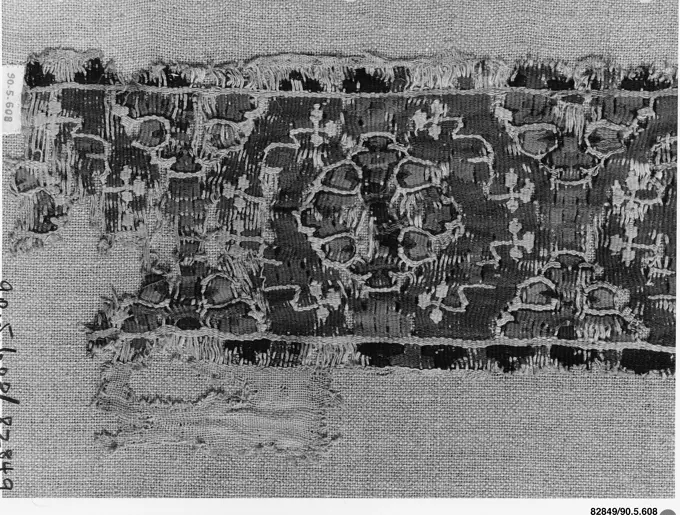
A variety of textile fragments and artifacts, including historical beakers and fabric remnants, showcasing intricate designs and cultural significance from different eras.

Millefleurs ground with book . unknown c. 1500-1535 Tapestry Materials/Techniques: unknown Culture: Southern Netherlands Weaving Center: unknown Ownership History: The Saint Louis Art Museum by 1923 (sold). French & Co.
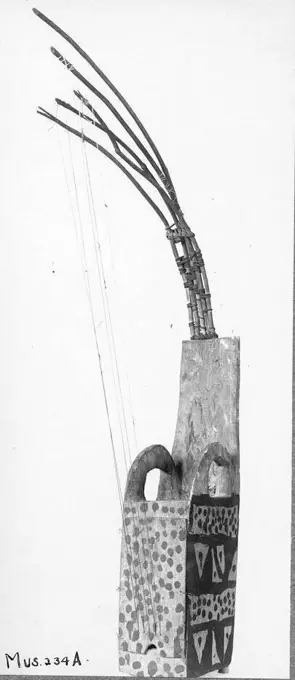
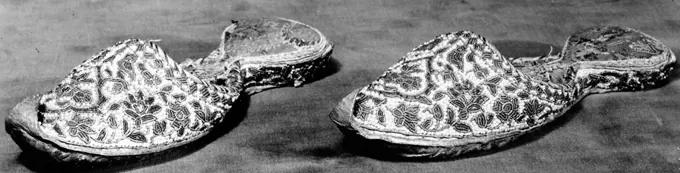
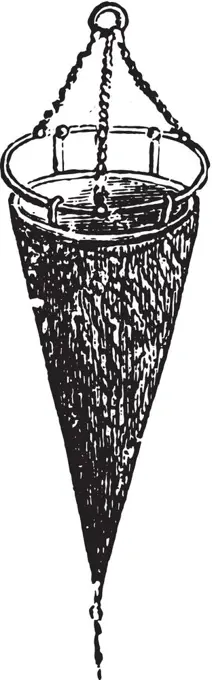
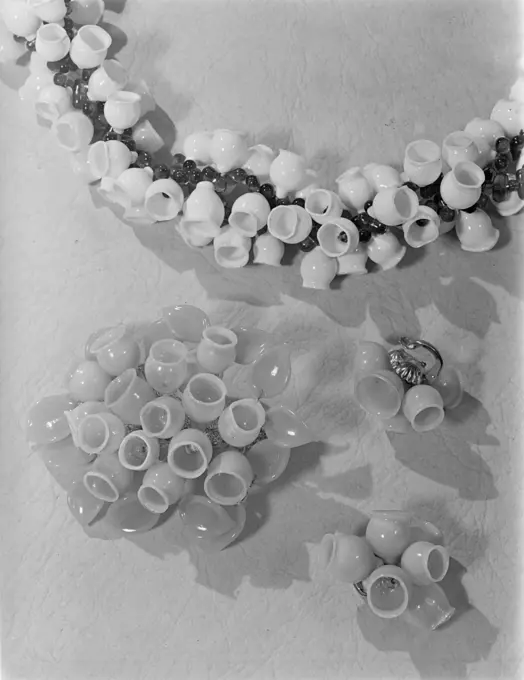
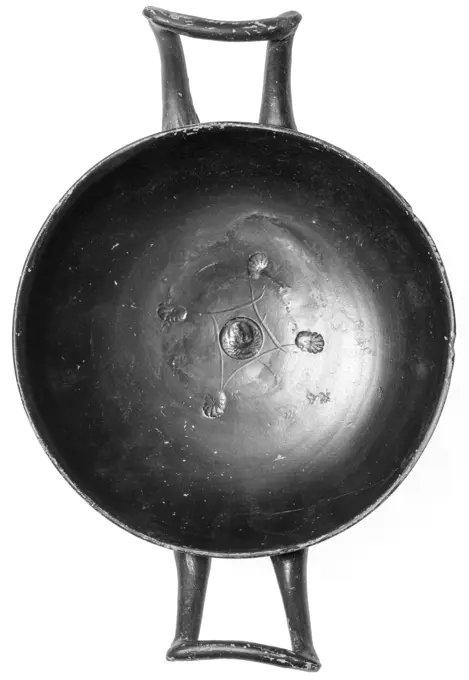
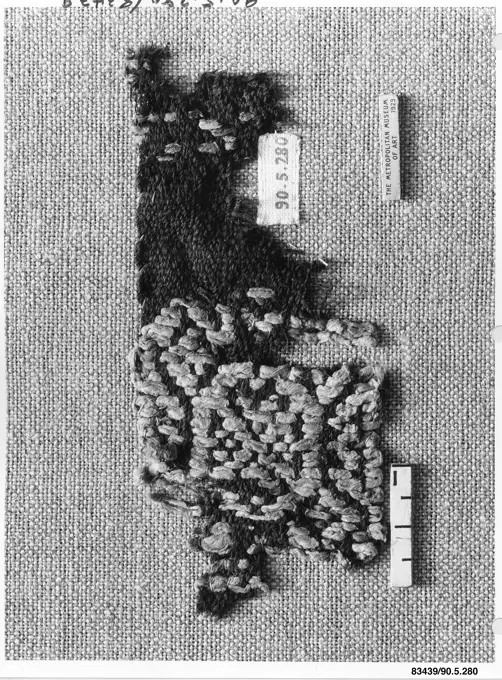
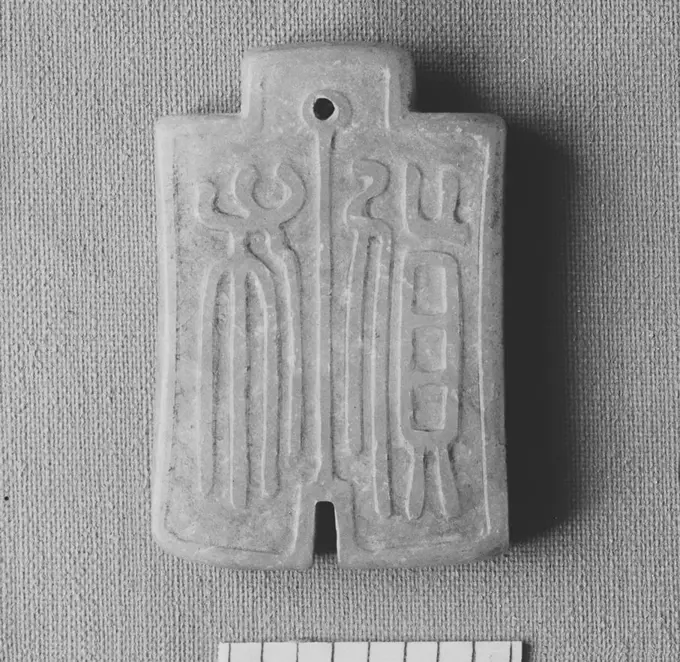
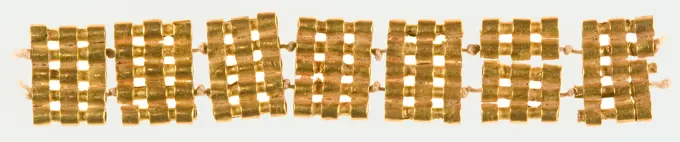
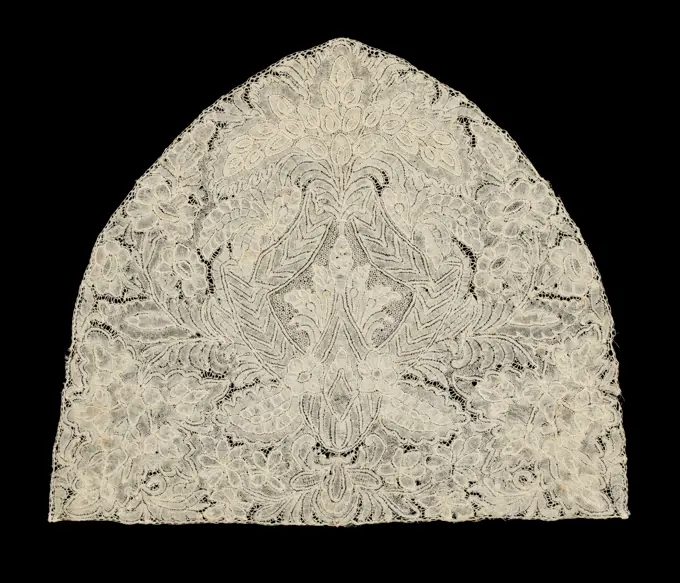
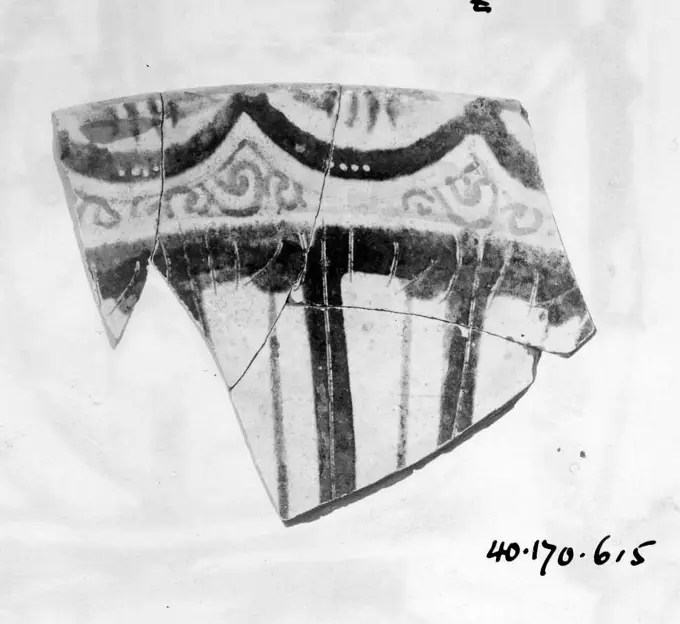
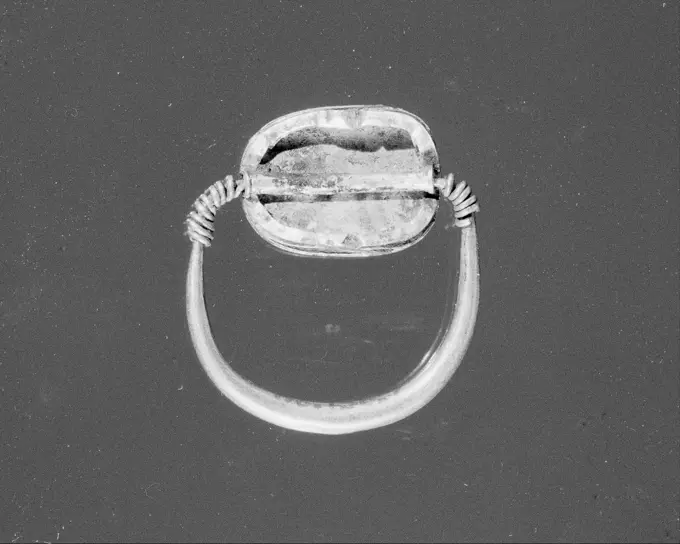
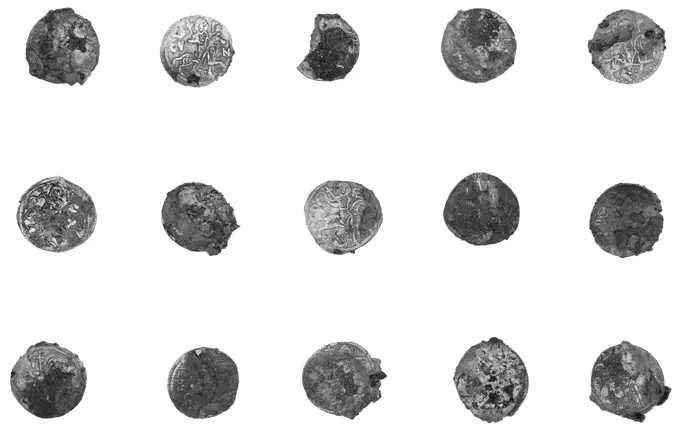
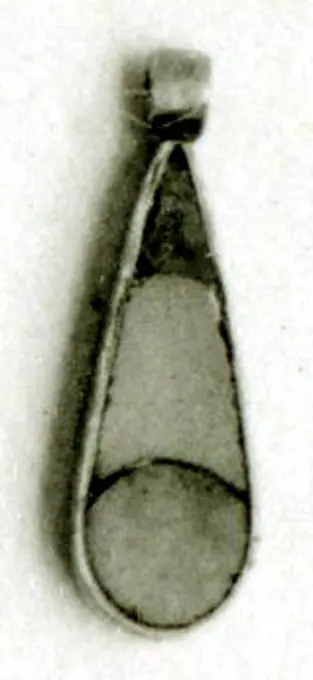
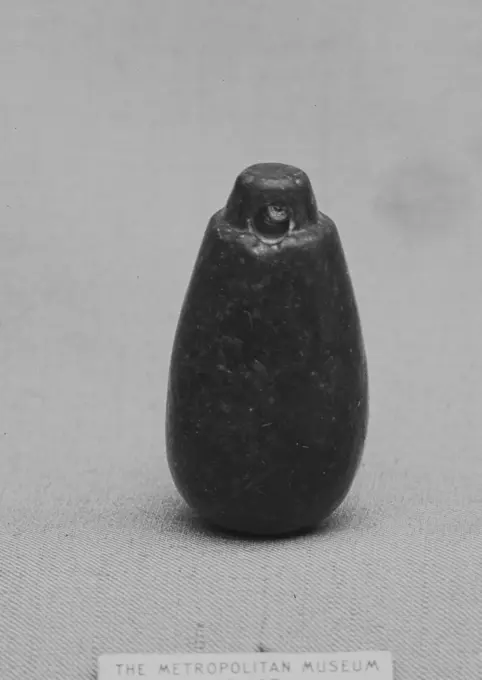
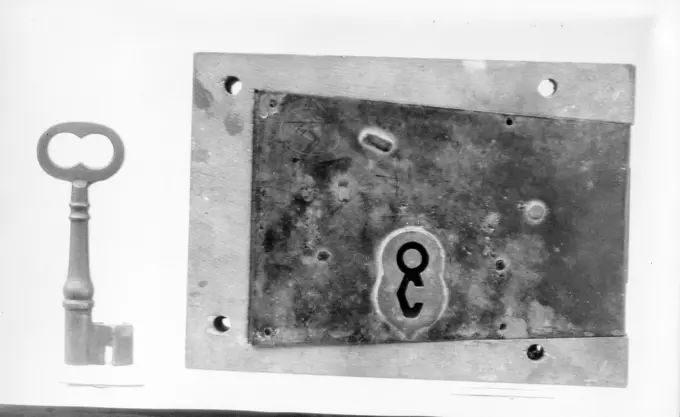
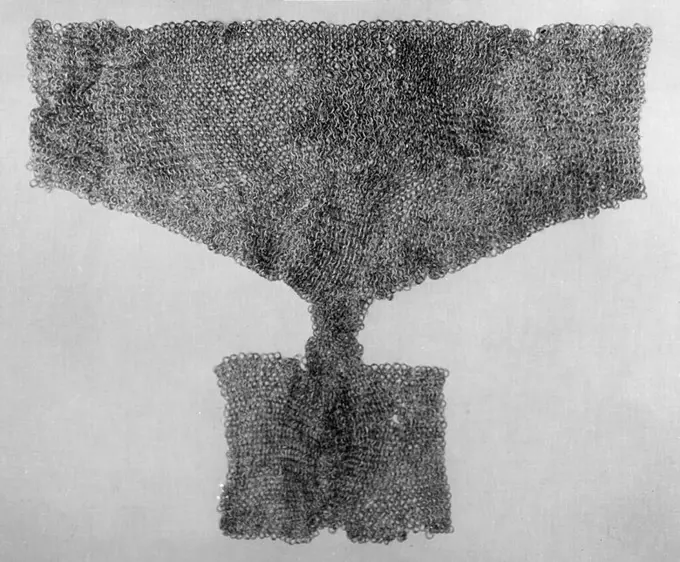
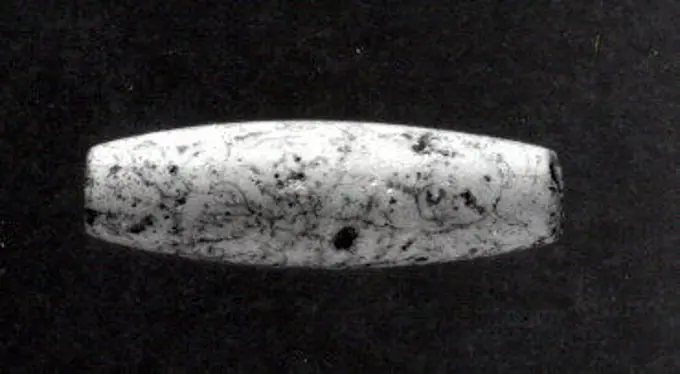
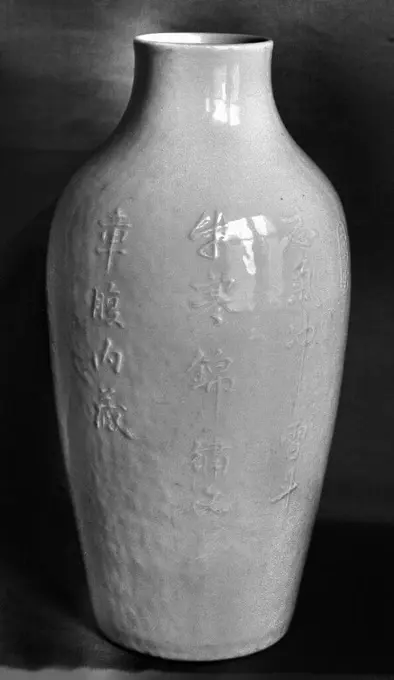
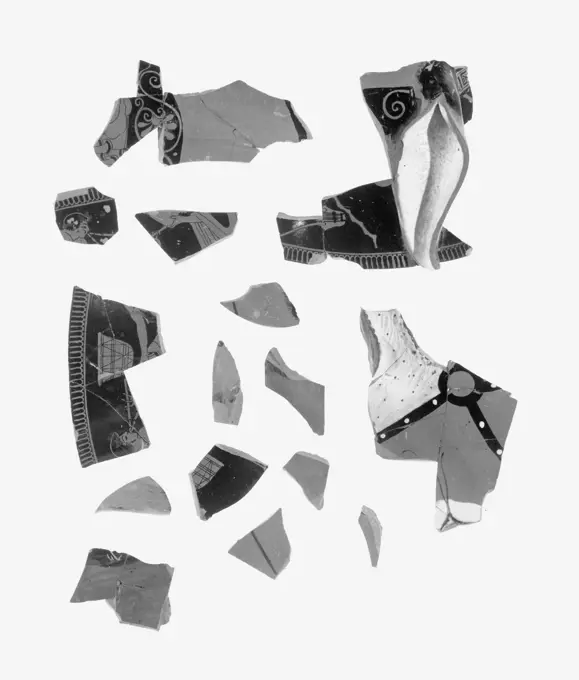
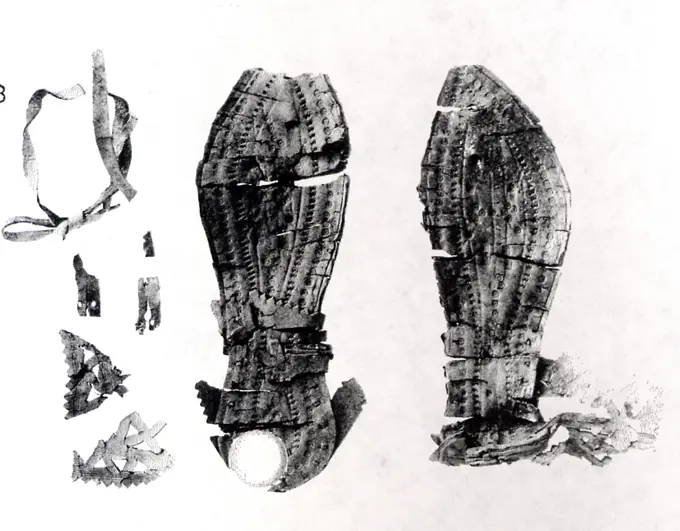
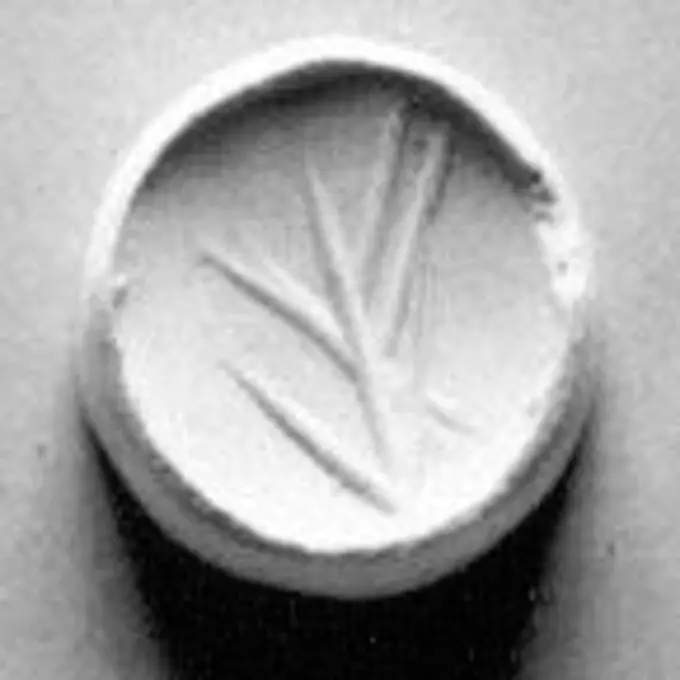
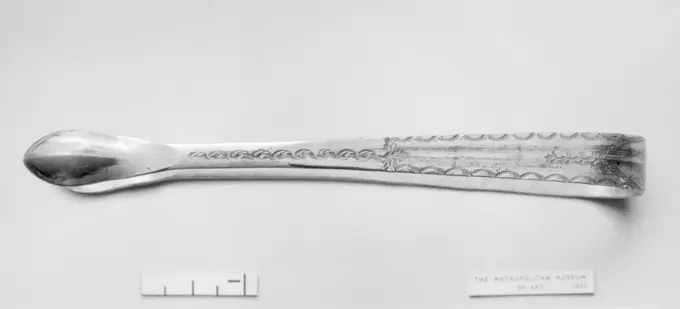
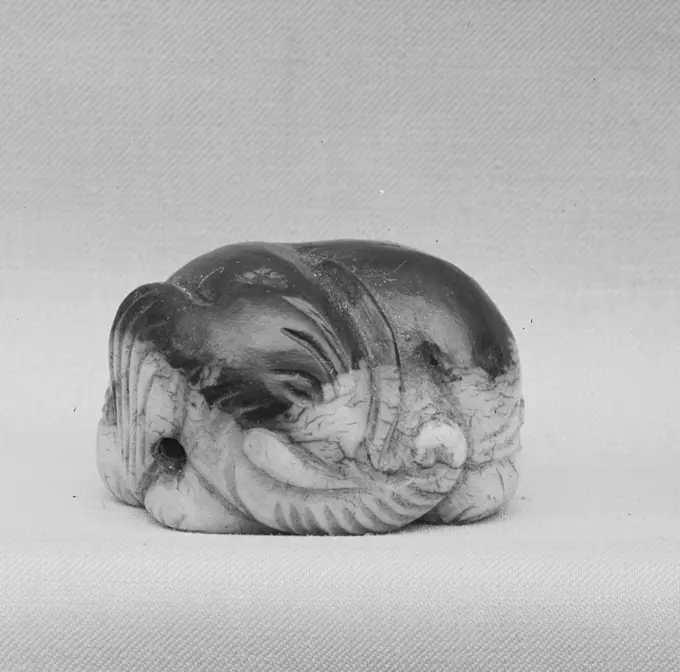
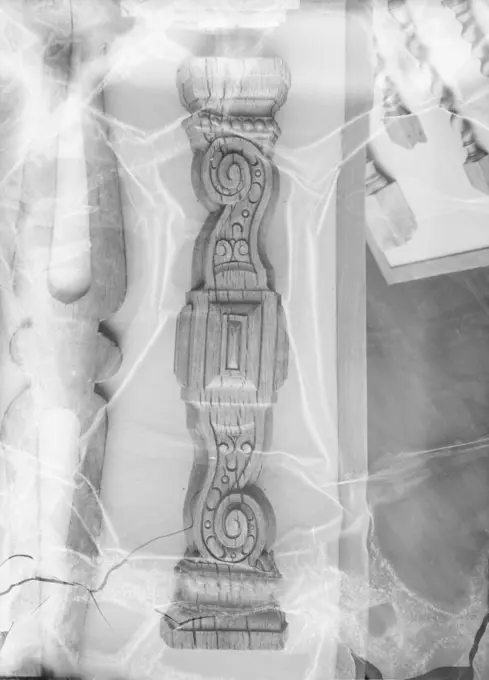
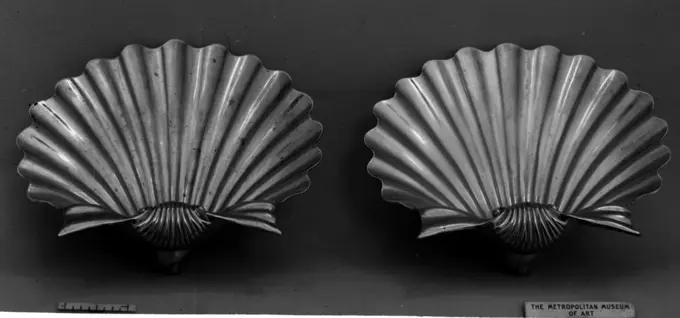
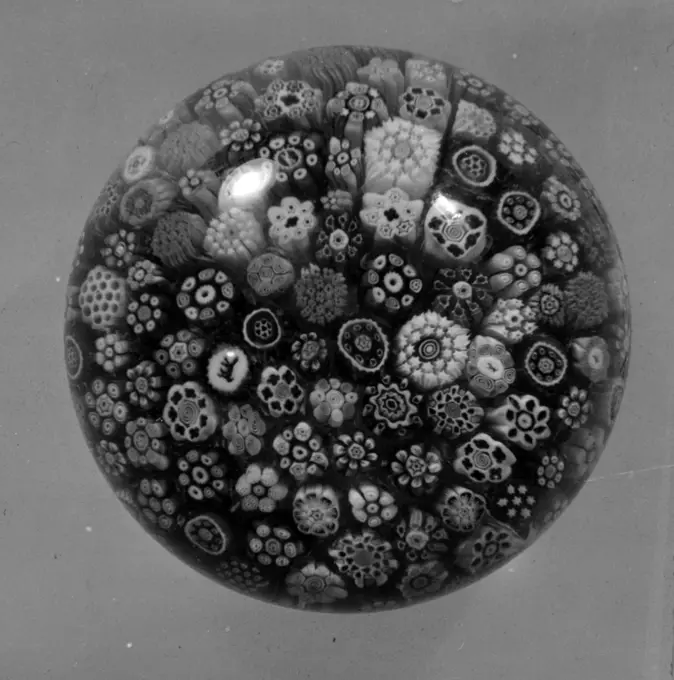
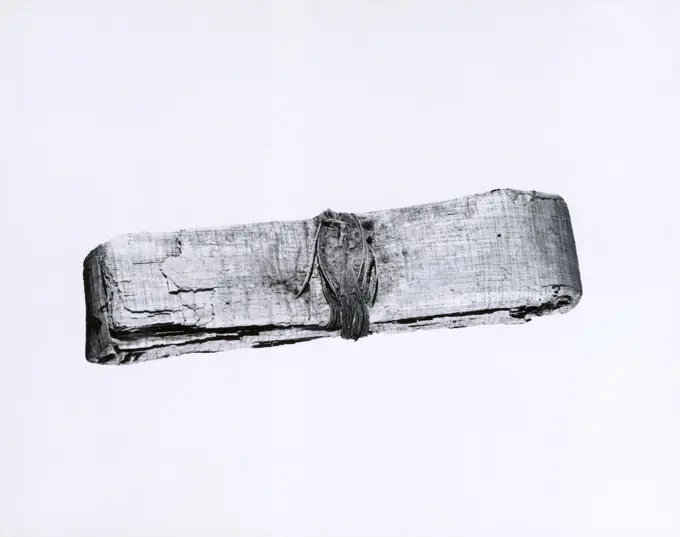
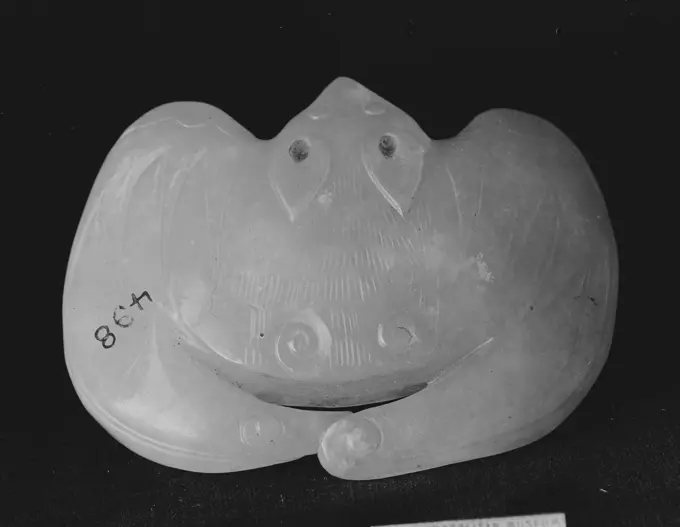
Bulbvase. Maker, possibly by: New England Glass Company, American, 1818-1878Angra Oowena late 19th Century Baganda. Angra Oowena 501156Old photo album isolated on white. Emilia-Romagna Ferrara Ferrara Museo Civico di Schifanoia97. Hutzel, Max 1960-1990 General Notes: INCOMPLETE RECORD--NEGATIVES PROCESSED, PRINTS FILED German-born photographer and scholar Max Hutzel (1911-1988) photographed in Italy from the early 1960s until his death. The result of this project, referred to by Hutzel as Foto Arte Minore, is thorough documentation of art historical development in Italy up to the 18th century, including objects of the Etruscans and the Romans, as well as early Medieval, Romanesque, Gothic, Renaissance and Baroque monuments. Images are organized by geographic region in Italy, then by province, city, site complex and monument.Textile Fragment 18th century. Textile Fragment 450614Slippers Made 1801-1900 India. Embroidered in colored beads; seed pearls and couched gold cords .Pocketbook-shaped rattle 18th century () Bakwe, Grebo or Kru people Instruments made of sonorous materials (idiophones) are the most widespread type in sub-Sahara Africa. Names of identical instruments change from region to region. Some instruments and the music linked to them have traveled beyond the African homeland to North and South America and the Caribbean. Idiophones are sounded by shaking (rattle, sistrums), beating together (iron clappers), or striking (xylophones, slit gongs, bells). They reinforce the rhythmic foundation of a piece, provide a melodic line, signal by imitating spoken languages, or perform rhythmic, melodic and communicative roles simultaneously.. Pocketbook-shaped rattle. Bakwe, Grebo or Kru people. 18th century (). Metal. Liberia-Côte d'Ivoire (Ivory Coast) border. Idiophone-Struck-bell-clapperLooking Glass. Culture: American. Dimensions: 54 1/4 x 31 in. (137.8 x 78.7 cm). Date: ca. 1800. Museum: Metropolitan Museum of Art, New York, USA.Amulet: plumes 664-332 B.C. Late Period. Amulet: plumes. 664-332 B.C.. Serpentinite. Late Period. From Egypt. Dynasty 26-30Piece 18th century French. Piece 214104Sweden, Blekinge, Blekinge, Karlskrona, Karlskrona, external marina (depicted, town).Sweden, Blekinge, Blekinge, Karlskrona, Karlskrona, External War Gogs (depicted, City)Bourse. GAL1970.13.6Sample ca. 1840 French, Mulhausen. Sample. French, Mulhausen. ca. 1840. Cotton. Textiles-PrintedCanopic jar with human-headed lid (Imsety). Dynasty: Dynasty 18. Date: ca. 1550-1295 B.C.. Museum: Metropolitan Museum of Art, New York, USA.Towel 19th century. Towel. 19th century. Linen; embroidered in tinsel, silk, and silver-gilt thread. Attributed to Turkey. Textiles-EmbroideredFoucault Pendulum. A device used to demonstrate the rotation of the Earth. From Domestic Life, vintage engraving, 1880.Poll photo collection. Reporting Marie Chauvel. Jewelry made from glass from the fa. Marie Chauvel Décoration. June 1936. France, ParisMarblehead, Lee Mansion, back rest , Seating furniture. Samuel Chamberlain Photograph Negatives CollectionPiece 16th-17th century Italian. Piece 222902Beads ca. 9th-7th century B.C. Assyrian. Beads 324635A didjeridu from the collection of Mr. "Mel" Ward at Katoomba. April 13, 1950.Lazio Viterbo Viterbo Museo Civico8. Hutzel, Max 1960-1990 Views of paintings (Middle Ages through 18th c.), frescoes, a tabernacle, coffin, sculpture reliefs, portal fragments, busts, sculpture, tapestry found in the Pinacoteca, Second floor gallery and Second floor cloister sequences. Antiquities: Many views of Etruscan and Roman fragments, sculpture, sarcophagi, pottery, masks, jewelry and other objects found in the Storeroom sequence (inventory numbers on back of prints), and the Cloister, Second floor Cloister, Valle Giulia, Sala Romana and Sala Etrusca sequences. General Notes: There are eight separate numerical sequences for this location. The cloister as an architectural structure, rather than museum site, is documented in the record and file for S. Maria della Verita, Cloister, all views of which are stored in Medieval core collection. Five views from the Museo Civico Second floor cloister sequence are stored in Medieval. German-born photographer and scholar Max Hutzel (1911-1Earring or bonnet-pendant. Culture: China. Dimensions: H. 3 9/16 in. (9 cm); W. 3/8 in. square (1 cm). Museum: Metropolitan Museum of Art, New York, USA.Campanian Black Kylix (Stemless); Campania, South Italy, Europe; 323 - 31 B.C; Terracotta; 5.5 x 19.5 x 13 cm (2 3,16 x 7 11,16 x 5 1,8 in.)Abruzzo L'Aquila Sulmona Museo Civico6. Hutzel, Max 1960-1990 Museo Civico Treasures: these objects (Tesoro del Pio Istituto della SS. Annunziata and Tesoro della Cattedrale) are now housed in the security vault of a bank, not in the Museo Civico, as noted in Hutzel's photo campaign notes of August 1984. Views of the treasures include: a silver processional cross (14th century); gold, silver and enamel chalice (13th century), gold and silver crosier with sculpted figures depicting the Annunciation (13th century), a silver and gold reliquary with glass (13th century), a silver diadem (13th century), and a box-like silver and gold reliquary (15th century). German-born photographer and scholar Max Hutzel (1911-1988) photographed in Italy from the early 1960s until his death. The result of this project, referred to by Hutzel as Foto Arte Minore, is thorough documentation of art historical development in Italy up to the 18th century, including objects of the Etruscans and the Romans, as welDuckweed or Lemna minor, vintage engraved illustration. Dictionary of Words and Things - Larive and Fleury - 1895Fragment of a Band 5th-6th century. Fragment of a Band 443766Girdle pendant China. Girdle pendant. China. Jade. Han dynasty (206 B.C.-A.D. 220). JadeLength late 19th century China. Length 70566Vase China. Vase. China. Nephrite, white with very light greenish tint. Qing dynasty (1644-1911), Qianlong period (1736-95). JadeAttic Black-Figure Eye Cup Fragment. UnknownSpacers from the Jewelry of Sithathoryunet ca. 1887-1813 B.C. Middle Kingdom. Spacers from the Jewelry of Sithathoryunet. ca. 1887-1813 B.C.. Gold. Middle Kingdom. From Egypt, Fayum Entrance Area, Lahun, Tomb of Sithathoryunet (BSA Tomb 8), Chamber E, box 1, BSAE excavations 1914. Dynasty 12Still lifeFragment (Possibly From a Tunic). Peru. Date: 600 AD-1532. Dimensions: 99.1 x 71.1 cm (39 x 28 in.). Origin: Peru. Museum: The Chicago Art Institute, USA.Blade. China. Date: 2500 BC-2000 BC. Dimensions: 31.3 × 5.3 × 0.6 cm (12 5/16 × 2 1/16 × 1/4 in.). Jade. Origin: China. Museum: The Chicago Art Institute, Chicago, USA.Cap Crown (Belgium); linenPiece 1750-60 French. Piece 216551Fragment of a Bowl 9th-10th century. Fragment of a Bowl 450276Three Borders Made 1770-1790 Lyon. Silk, warp-float faced, satin weave with supplementary pile warps forming cut, uncut and voided velvet .Tab'l Bel Edee late 19th century Egyptian. Tab'l Bel Edee 501887Piece Italian 19th centuryTypical traditional aboriginal basket. Pagara of the Wayana Indians tribe, French Guiana, South America. Drawing by P. Sellier. From Cayenne to the Andes (1878-1879) by Jules Crevaux (1847 - 1882) Le Tour du Monde 1880Scarab Ring Without Mounting ca. 1648-1540 B.C. Second Intermediate Period. Scarab Ring Without Mounting 546020Lazio Roma Rome SS. Giovanni e Paolo, Museum8. Hutzel, Max 1960-1990 Medieval: Ceramic fragments, sculptural fragments, fresco fragments, inscribed tomb markers. Houses one of the best collections of Malagan medieval ceramics for casting wall monuments, copies of which are housed in campanile. Specific Location: Museum Antiquities: Ceramic fragments, sculptural fragments, architectural fragments Object Notes: Basilica has separate record and is filed separately. German-born photographer and scholar Max Hutzel (1911-1988) photographed in Italy from the early 1960s until his death. The result of this project, referred to by Hutzel as Foto Arte Minore, is thorough documentation of art historical development in Italy up to the 18th century, including objects of the Etruscans and the Romans, as well as early Medieval, Romanesque, Gothic, Renaissance and Baroque monuments. Images are organized by geographic region in Italy, then by province, city, site complex and monument.Flask. UnknownSection of a spoon handle 1788 Gabriel Gerbu. Section of a spoon handle. French, Paris. 1788. Silver. Metalwork-SilverTrebizond Coin; about 13th century; Silver, Byzantine Coinage of the empire of TrebizondsDrop pendant ca. 1878-1840 B.C. Middle Kingdom. Drop pendant. ca. 1878-1840 B.C.. Gold inlaid with lapis lazuli and turquoise. Middle Kingdom. Probably from Memphite Region, Dahshur, de Morgan excavations, 1894-95; From Egypt. Dynasty 12ToiletBottleEarring or bonnet-pendant China. Earring or bonnet-pendant 42975Fragment of a Pendant China. Fragment of a Pendant 43451Lock and Key 1700-1730. Lock and Key. 1700-1730. Iron, woodIt is a part or attachment by which the handle is held in the hand. It is usually made up of rubber or cloth, vintage engraved line art illustration. Bicycle Accessories 1900.Attic Red-Figure Mule's Head Rhyton Fragment. Attributed to the Brygos Painter (Greek (Attic), active about 490 - 470 B.C.)Brayette and Buttock Defense. Culture: German. Dimensions: H. 30 in. (76.2 cm); W. 32 in. (81.3 cm); Diam. (outside) of main section links 1/2 in. (12.9 mm); Diam. (inside) of main section links 11/32 in. (8.9 mm); Diam. (outside) of riveted links from half-riveted section 7/16 in. (11.1 mm); Diam. (inside) of riveted links from half-riveted section 11/32 in. (8.9 mm); Diam. (outside) of solid links from half-riveted section 7/16 in. (10.7 mm); Diam. (inside) of solid links from half-riveted section 1/4 in. (6.6 mm); Wt. 5 lbs. 12 oz. (2.6 kg).. Date: 16th century. Museum: Metropolitan Museum of Art, New York, USA.Sweden, Blekinge, Blekinge, Karlskrona, Karlskrona, external marina (depicted, town).Sweden, Blekinge, Blekinge, Karlskrona, Karlskrona, External War Gogs (depicted, City)Bead ca. 16th-14th century B.C.. Bead. ca. 16th-14th century B.C.. Glass. Mitanni (). Mesopotamia or SyriaAbruzzo L'Aquila S. Giuliano (L'Aquila environs) Museo47. Hutzel, Max 1960-1990 Views of the four collections housed in museum: Roman coins; Pre-Columbian art brought from Central America in 17th century; Greek and Roman sculpture; Egyptian sculpture and minor arts. Museum Roman coins; Greek and Roman sculpture; Egyptian sculpture and minor arts; Pre-Columbian sculpture. German-born photographer and scholar Max Hutzel (1911-1988) photographed in Italy from the early 1960s until his death. The result of this project, referred to by Hutzel as Foto Arte Minore, is thorough documentation of art historical development in Italy up to the 18th century, including objects of the Etruscans and the Romans, as well as early Medieval, Romanesque, Gothic, Renaissance and Baroque monuments. Images are organized by geographic region in Italy, then by province, city, site complex and monument.Piece mid-18th century French. Piece 223696Implement to loosen knots China. Implement to loosen knots 42985For Woman, "Mobiles" series from Pictures Poet.Requested your cable 30/12. February 25, 1954.Lazio Roma Rome SS. Giovanni e Paolo, Museum0. Hutzel, Max 1960-1990 Medieval: Ceramic fragments, sculptural fragments, fresco fragments, inscribed tomb markers. Houses one of the best collections of Malagan medieval ceramics for casting wall monuments, copies of which are housed in campanile. Specific Location: Museum Antiquities: Ceramic fragments, sculptural fragments, architectural fragments Object Notes: Basilica has separate record and is filed separately. German-born photographer and scholar Max Hutzel (1911-1988) photographed in Italy from the early 1960s until his death. The result of this project, referred to by Hutzel as Foto Arte Minore, is thorough documentation of art historical development in Italy up to the 18th century, including objects of the Etruscans and the Romans, as well as early Medieval, Romanesque, Gothic, Renaissance and Baroque monuments. Images are organized by geographic region in Italy, then by province, city, site complex and monument.Vase. Culture: China. Dimensions: H. 9 1/2 in. (24.1 cm). Museum: Metropolitan Museum of Art, New York, USA.Attic Red-Figure Mule's Head Rhyton Fragment (part of 81.AE.216.A). Attributed to the Brygos Painter (Greek (Attic), active about 490 - 470 B.C.)Attic Black-Figure Neck Amphora Fragment (comprised of 3 Joined Fragments). UnknownCarpet Fragment 18th century. Carpet Fragment. 18th century. Wool. Attributed to Caucasus. Textiles-RugsFragments of a Pair of Sandals 4th century Coptic. Fragments of a Pair of Sandals. Coptic. 4th century. Leather. LeatherworkPiece 18th-19th century Japan. Piece 66012Stamp seal (scaraboid with pointed top) with plant 7th - 6th century B.C. Assyro-Babylonian. Stamp seal (scaraboid with pointed top) with plant. Assyro-Babylonian. 7th - 6th century B.C.. Veined and flawed red and yellow Carnelian (Quartz). Neo-Assyrian / Neo-Babylonian. Iran or MesopotamiaPaper knife. Artist: Berquin-Varangoz Workshop. Culture: France. Dimensions: W. 2 3/16 in. (5.5 cm); D. 1 5/16 in. (3.3 cm); L. 13 7/16 in. (34.1 cm). Date: 1890. Museum: Metropolitan Museum of Art, New York, USA.Sugar tongs ca. 1770-80 British. Sugar tongs 194876Zanguleh (zangula) ca. 1850-89 Iranian (Persian). Zanguleh (zangula) 504814Drohiczyn seal. unknown, managerBall Net 4th century Coptic. Ball Net 475101Girdle pendant China. Girdle pendant 42899Baluster early 17th century British. Baluster. British. early 17th century. Oak. WoodworkArmlet. Culture: France. Dimensions: H. 3 1/8 in. (7.9 cm); W. 3/8 in. (1 cm). Date: 1897. Museum: Metropolitan Museum of Art, New York, USA.Pair of dishes ca. 1810-30 T. and J. Creswick. Pair of dishes. British, Sheffield. ca. 1810-30. Sheffield plate. Metalwork-SilverplateSweden, Blekinge, Blekinge, Karlskrona, Karlskrona, external marina (depicted, town).Sweden, Blekinge, Blekinge, Karlskrona, Karlskrona, External War Gogs (depicted, City)Paperweight ca. 1845-50 French, Baccarat. Paperweight. French, Baccarat. ca. 1845-50. Glass. GlassIron vintage design element Iron vintage design element Copyright: xZoonar.com/StanislavxRishnyakx 2960309Freedom for Tamut and Yehoishema Aramaic. Freedom for Tamut and Yehoishema, June 12, 427 B.C.E. (date written). Papyrus, ink, mud, a: Small Box of Fragments: 1 3/4 x 4 1/16 x 4 1/16 in. (4.5 x 10.3 x 10.3 cm).   Egyptian, Classical, Ancient Near Eastern Art June 12, 427 B.C.E. (date written)Girdle clasp China. Girdle clasp. China. Light bluish-gray jadeite. Qing dynasty (1644-1911), Qianlong period (1736-95). JadeMarijuana Joint on Black Background, Cannabis, Weed JointNAIPE DECORADO CON LINEA DIAGONAL ROJA CON DOS APENDICES - CUERO Y PIGMENTO - SIGLO XVIII - PROCEDENTE DE CHILE - ESTILO MAPUCHE - 10,6x7,6 CM. Location: MUSEO DE AMERICA-COLECCION. MADRID. SPANIEN.Fragment of a Man's Cravat. France or Italy, late 17th century. Costumes; Accessories. Linen Venetian-type needle laceAttic Red-Figure Duck Askos Fragment (comprised of 3 joined fragments). UnknownVintage Photograph. Coins laid out as a dollar sign design on top of rows of other coins.Bead ca. 9th century B.C. Iran. Bead 325285Hauberk of Mail German, Nuremberg 15th century From about the third century B.C. through the early fourteenth century A.D., mail, also called chain mail, was the predominant and most effective type of body armor known in Europe. From about the mid-fifteenth century onward, mail was used in conjunction with full plate armor to fill the gaps between plates. Separate mail sleeves were made to be worn with a cuirass (breastplate and backplate); shaped panels of mail called gussets, covered the armpits or the crooks of the elbows and were attached to arming jackets, garments specially tailored to be worn under armor; and mail breeches, called brayettes or pairs of paunces, could be worn by men fighting on foot. View more. Hauberk of Mail. German, Nuremberg. 15th century. Iron, copper alloy (latten), bronze. Nuremberg, Bavaria. MailDocument Sealing ca. 1390-1353 B.C. New Kingdom. Document Sealing. ca. 1390-1353 B.C.. Mud. New Kingdom. From Egypt, Upper Egypt, Thebes, Malqata, no exact location recorded, MMA excavations, 1910-12. Dynasty 18Snuff bottle with stopper China. Snuff bottle with stopper 41090Collection of the Dutch Heidematschappij. Veen profiles, bucket of broker. undated. EmbroideryOrnament 9th-17th century Mali. Ornament. Mali. 9th-17th century. Copper alloy. Mali, Inland Niger Delta region. Metal-OrnamentsProduktbild.Engraved Gem. UnknownElement of the sword of the sword ();  beginning of the 20th century (1900-00-00-1932-00-00);Jabłoński, Witold (1901-1957) - collection, Chinese (culture), gift (provenance), swords, graphic prints, Chinese artFragment of Shoulder Band 5th-6th century. Fragment of Shoulder Band 444087Icebreaker Thule propellers.Thule (depicted - name)1970S Crowd Aerial In Open Sardine Can