Textiles and Fragments

A variety of textile fragments and artifacts, including historical beakers and fabric remnants, showcasing intricate designs and cultural significance from different eras.

Millefleurs ground with book . unknown c. 1500-1535 Tapestry Materials/Techniques: unknown Culture: Southern Netherlands Weaving Center: unknown Ownership History: The Saint Louis Art Museum by 1923 (sold). French & Co.
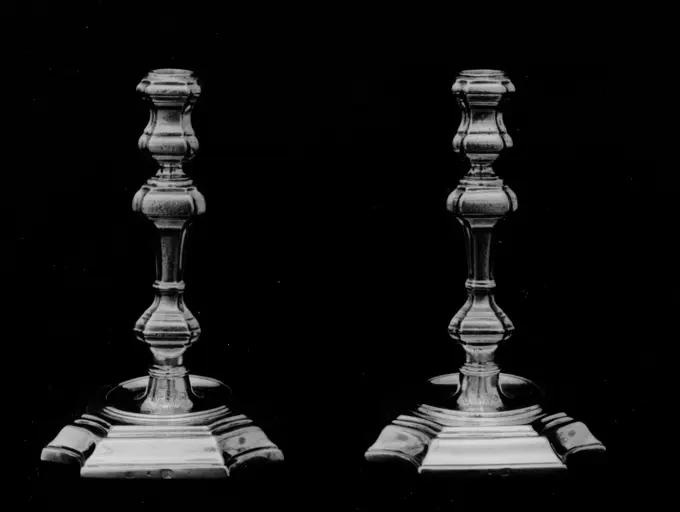
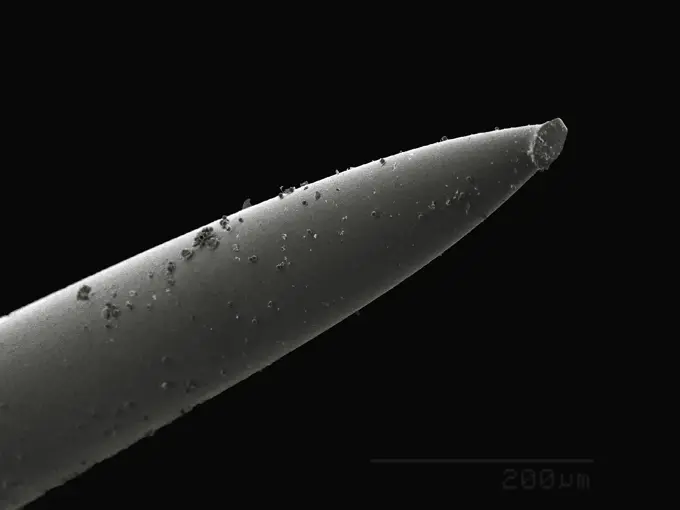
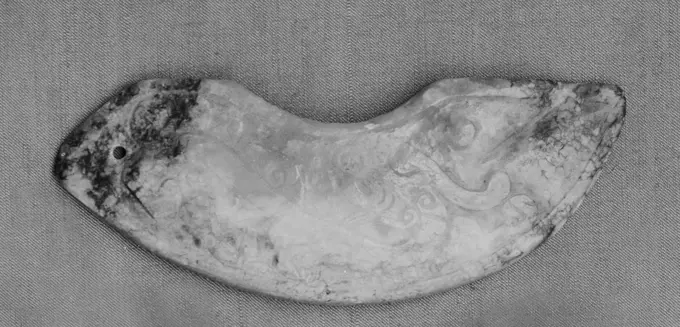
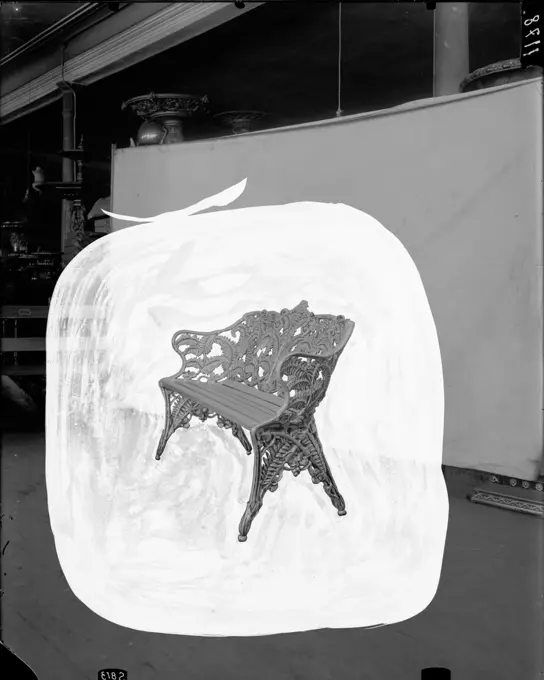
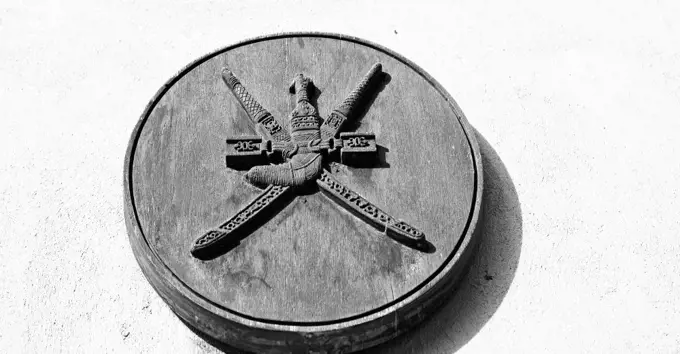
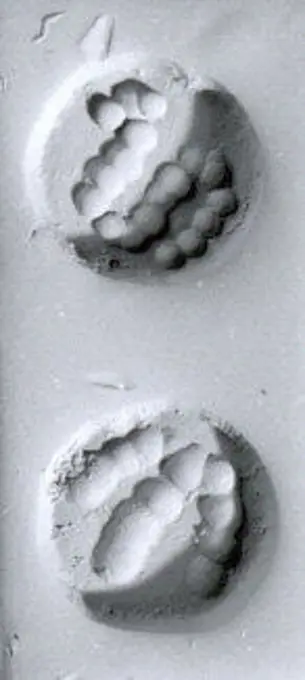
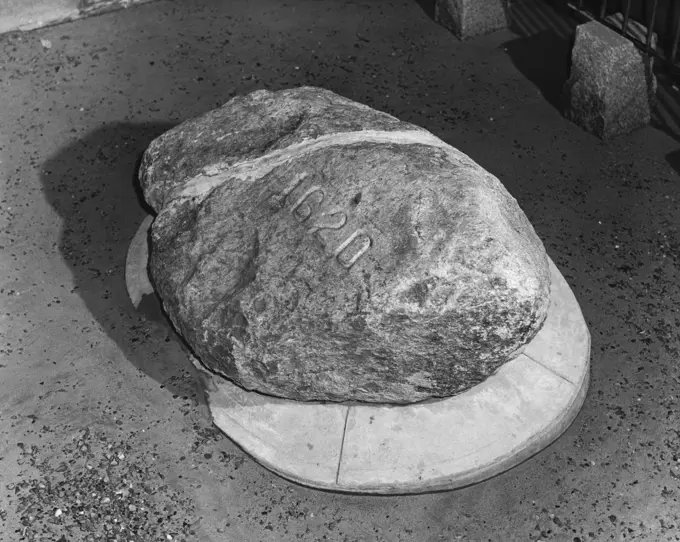
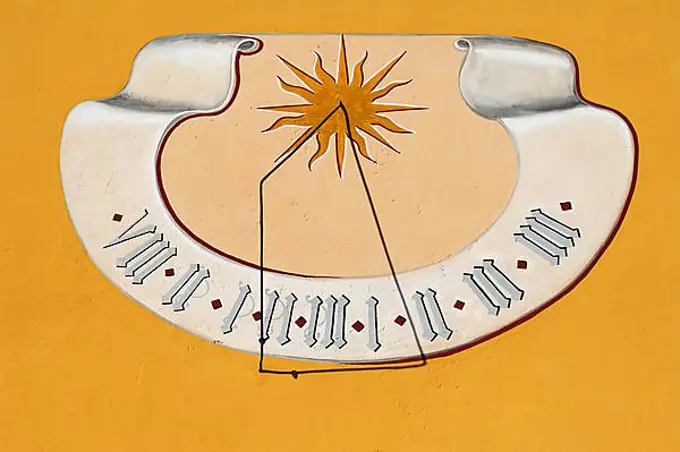
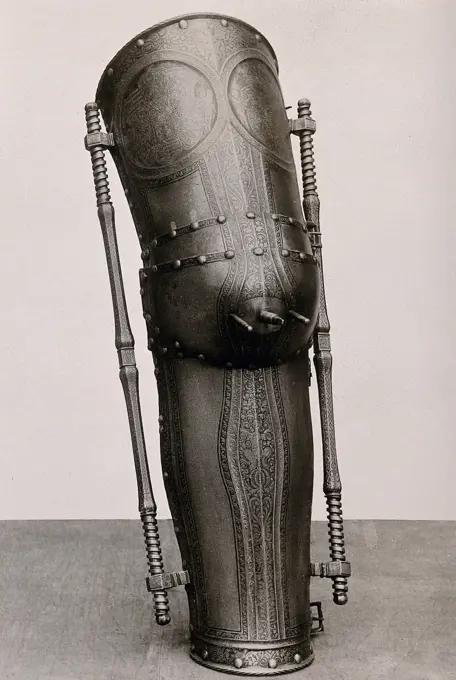
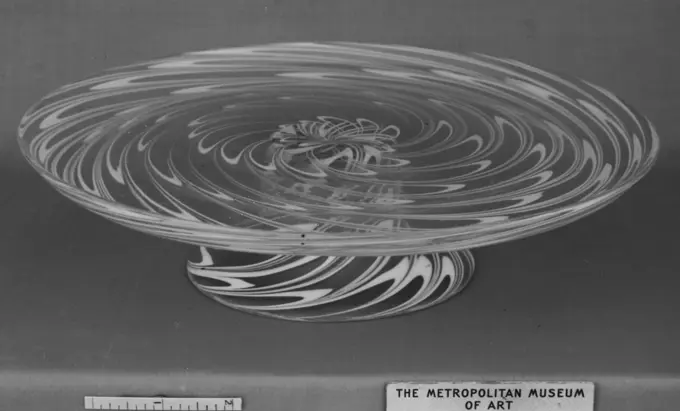
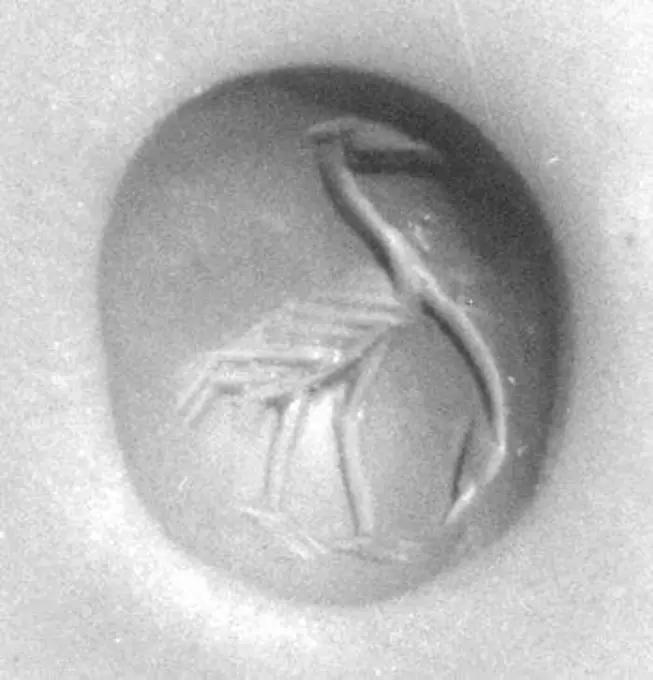
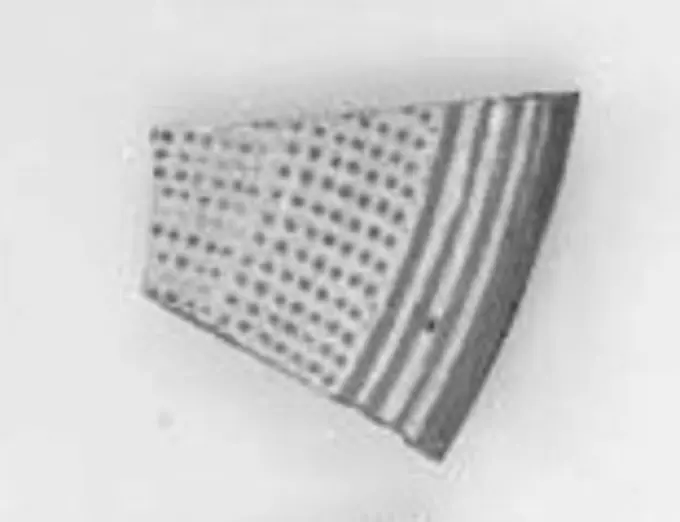
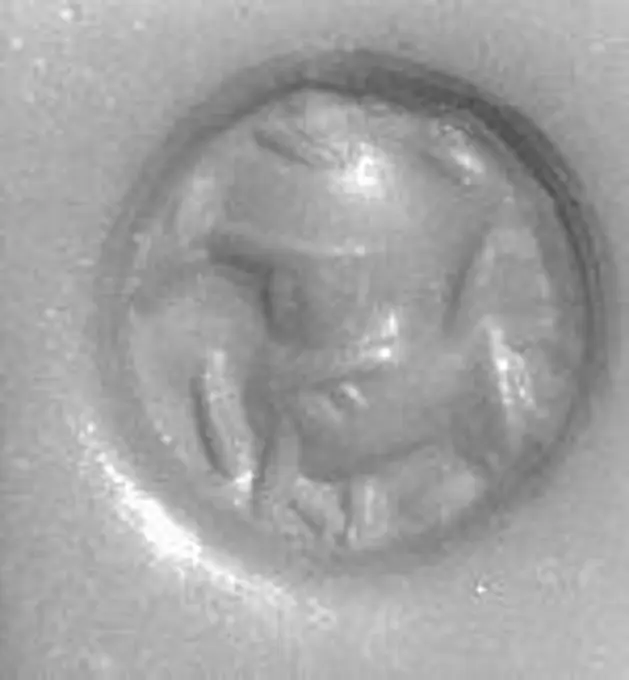
Pre-Viking head of a sea-monster, probably from the prow of a ship. Artist: UnknownIt is a specially designed chain bearing. Usually made up of metal like steel or iron which provides support to the main frame, vintage engraved line art illustration. Bicycle Accessories 1900.Pair of sandals ca. 1981-1975 B.C. Middle Kingdom. Pair of sandals. ca. 1981-1975 B.C.. Wood. Middle Kingdom. From Egypt, Upper Egypt, Thebes, Southern Asasif, Tomb of Wah (MMA 1102), inside coffin at foot end, MMA excavations, 1920. Dynasty 12Fibula fragment ca. 7th century B.C. Edomite. Fibula fragment 326233Accessories of an NBCD gas mask.Anefo photo collection. KLM main building in Amstelveen put into use. Interior. April 2, 1971. Amstelveen, Noord-HollandBottle 18th-19th century Italian, possibly Venice (Murano). Bottle. Italian, possibly Venice (Murano). 18th-19th century. Glass. GlassLOCT (1990) FOTOGRAFIAS AEREAS Y POLAROID 15*55cm. Author: PEDRO MORA 1961/. Location: PRIVATE COLLECTION. Sevilla. Seville. SPAIN.Poelzig Hans (1869-1936), exhibition of porcelain Volkstedter models after designs by Poelzig and Moeschke in the Kunsthalle, Mannheim (without year): hanging light. Photo on paper, 24 x 18.1 cm (including scan edges)Bliżej Kultury unknownSeal 18th century China. Seal 41955Scaraboid; Pendants Group; about 400 B.C; Mottled grey-white chalcedony; 0.9 × 2.5 × 1.9 cm (3,8 × 1 × 3,4 in.)Anefo photo collection. Recording roof tiles. January 18, 1956Textile Fragment 5th-6th century. Textile Fragment 444179Gope Board, 20th century, 39 1/4 x 16 in. (99.7 x 40.64 cm), Wood, pigment, Papua New Guinea, 20th centuryBric a brac 1984, collage by Robert Benayoun (1926 - 1996); a French film critic and authorUnknown, Pair of Candlesticks, c. 1690, silver.Textile fragment ca. 6th-7th century A.D. Sasanian. Textile fragment. Sasanian. ca. 6th-7th century A.D.. Linen, plain weave with warp-float pattern. Sasanian. IranA closeup view of a sharp pencil tip against a dark backdrop.Girdle pendant China. Girdle pendant 43076Brayette German 16th century From about the third century B.C. through the early fourteenth century A.D., mail, also called chain mail, was the predominant and most effective type of body armor known in Europe. From about the mid-fifteenth century onward, mail was used in conjunction with full plate armor to fill the gaps between plates. Separate mail sleeves were made to be worn with a cuirass (breastplate and backplate); shaped panels of mail called gussets, covered the armpits or the crooks of the elbows and were attached to arming jackets, garments specially tailored to be worn under armor; and mail breeches, called brayettes or pairs of paunces, could be worn by men fighting on foot.Patten (Overshoe). England. Date: 1801-1825. Dimensions: . Leather. Origin: England. Museum: The Chicago Art Institute, Chicago, USA.Cast iron sofa with fern leaves. Retouched image.in oman the national emblem wood  made    and the wallStamp seal ca. late 3rd-early 2nd millennium B.C. Bactria-Margiana Archaeological Complex. Stamp seal. Bactria-Margiana Archaeological Complex. ca. late 3rd-early 2nd millennium B.C.. Lapis lazuli (Lazurite). Bronze Age. Bactria-MargianaClose-up of a stone, Plymouth Rock, Plymouth, Massachusetts, USASundial at the church of St. Georg, Am Kirchplatz, Igensdorf, Upper Franconia, Bavaria, Germany, EuropeSweden, Blekinge, Blekinge, Karlskrona, Karlskrona, external marina (depicted, town).Sweden, Blekinge, Blekinge, Karlskrona, Karlskrona, External War Gogs (depicted, City)A metal leg covering or prosthesis: decorative with spokes at the knee, housed at the German National Museum, Nürnberg. Photograph by Christof Müller, 1910/1930 ().Rosary Beads. Dated: c. 1940. Dimensions: overall: 35.3 x 25.1 cm (13 7/8 x 9 7/8 in.). Medium: watercolor and graphite on paper. Museum: National Gallery of Art, Washington DC. Author: Josephine C. Romano.Edging 16th century Italian, Venice. Edging 221103different types of screws on black isolated backgroundTazza 18th-19th century Italian, Venice (Murano). Tazza. Italian, Venice (Murano). 18th-19th century. Glass. GlassStamp seal ca. 3rd-7th century A.D. Sasanian. Stamp seal 323225Shard 15th century Korea. Shard. Korea. 15th century. Pottery. Joseon dynasty (1392-1910). CeramicsStamp seal Sasanian ca. 3rd-7th century CE View more. Stamp seal. Sasanian. ca. 3rd-7th century CE. Hematite. Sasanian. Iran or MesopotamiaSpiral bead ca. late 3rd-early 2nd millennium B.C. Iran This silver bead consists of a central tube with four coils emerging from it. It was excavated at Tepe Nush-i Jan, an Iron Age hilltop site about 60 km sound of Hamadan in western Iran. Nush-i Jan was occupied in the 7th and 6th centuries B.C., and its occupants are generally thought to be the Medes, an Iranian people known from Assyrian, Achaemenid and Biblical sources. Though the textual sources portray them as a powerful empire, archaeological evidence for the Medes has yet to sustain this impression. Rather, they seem to have lived in scattered fortified sites in western and central Iran, without any clear capital. Nush-i Jan, one of the best known of these sites, features two temples, a columned hall, and a fort, where the bead was found.The bead was discovered in a bronze bowl containing 231 pieces of silver, including jewelry, ingots and scraps. At the time coins were not yet in use in Iran, and silver bullion was the primaPatsy paper doll accessories , Hats. Phyllis Tyler Paper Doll CollectionCollection of the Dutch Heidematschappij. A pack of cigarettes brand Lucky Strike is on the floor. Written above "Container". undated. Rotterdam, South HollandSweden, Blekinge, Blekinge, Karlskrona, Karlskrona, external marina (depicted, town).Sweden, Blekinge, Blekinge, Karlskrona, Karlskrona, External War Gogs (depicted, City)