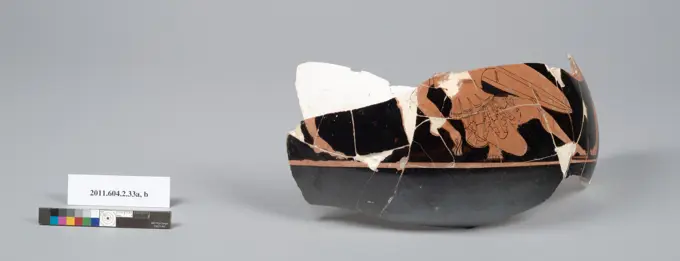
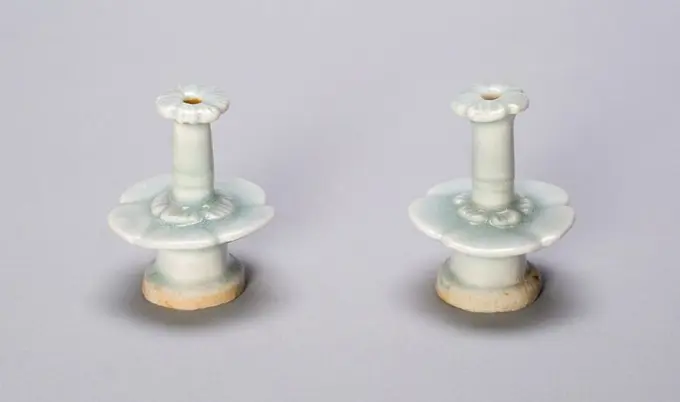
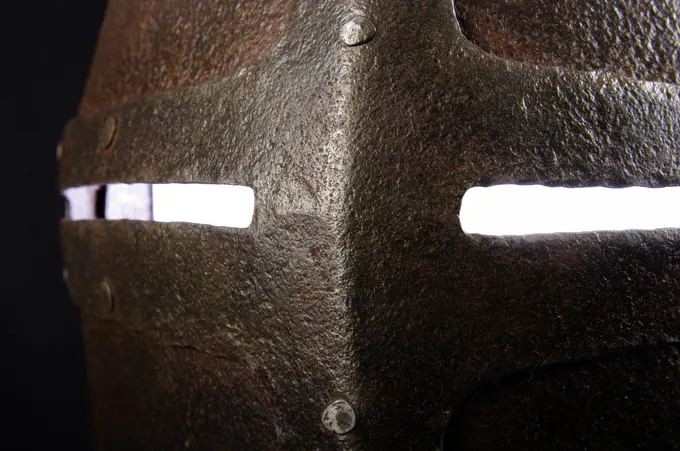
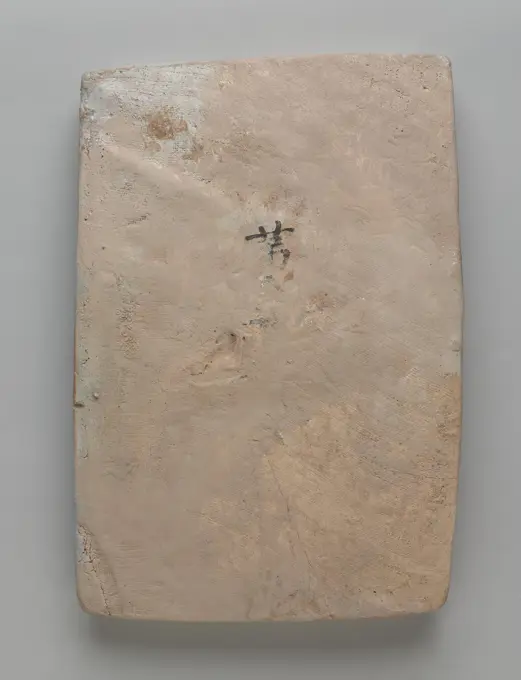
Textiles and Napery

Elegant linen napkins and vintage textile pieces with intricate designs, including grape motifs and historical patterns, showcasing craftsmanship from different eras.

A drops of transparent cosmetic gel on a beige background. Texture.
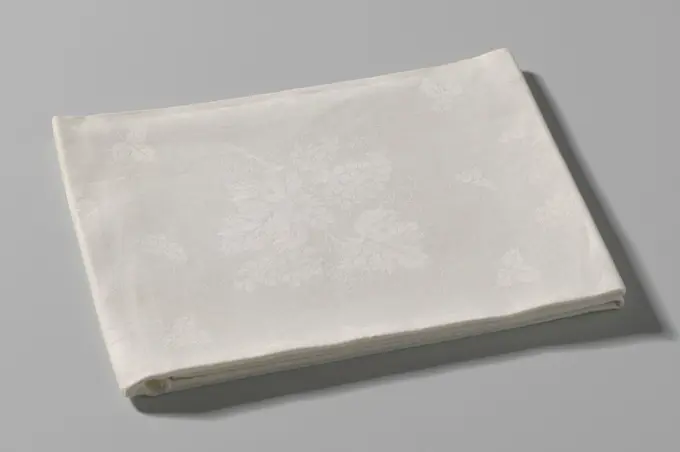
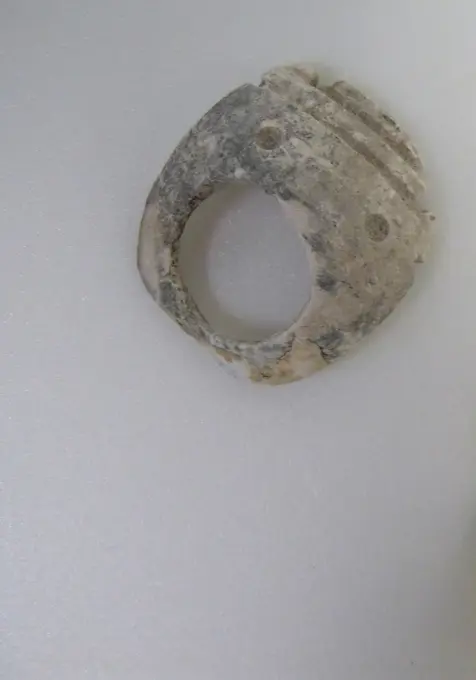
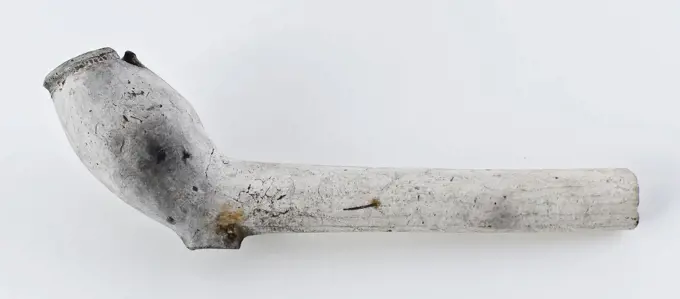
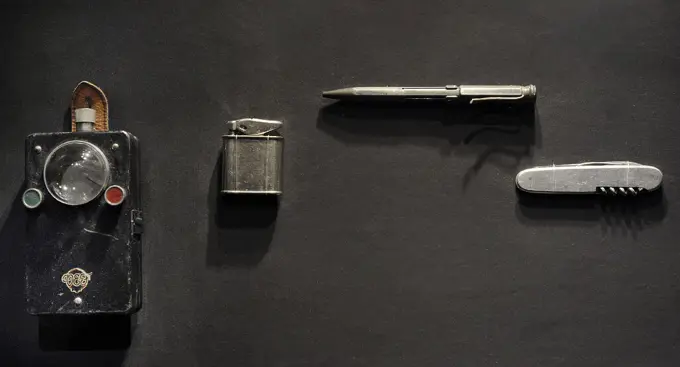
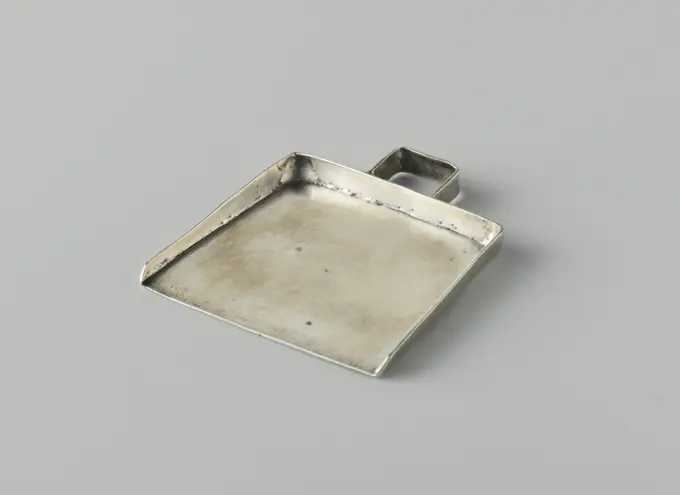
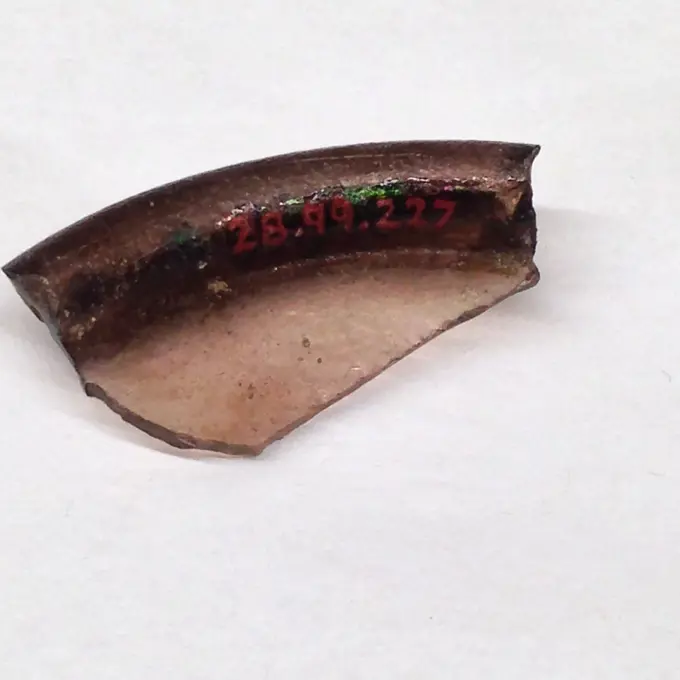
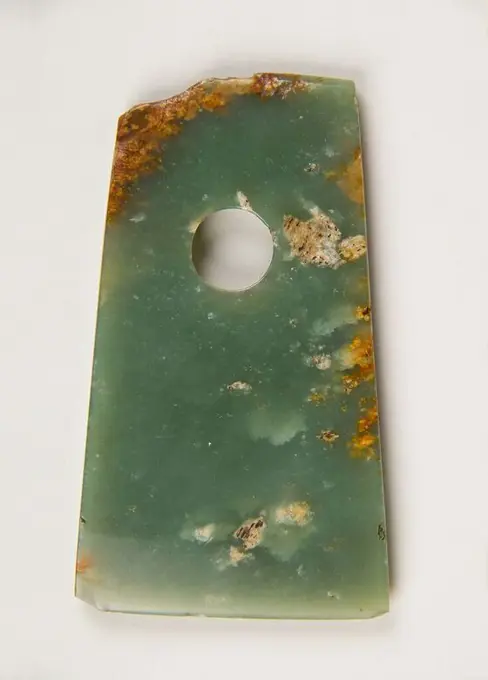
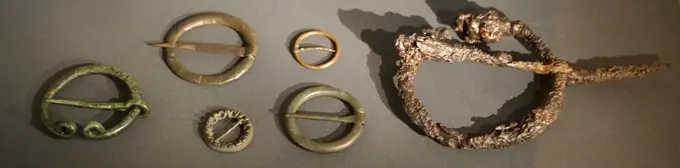
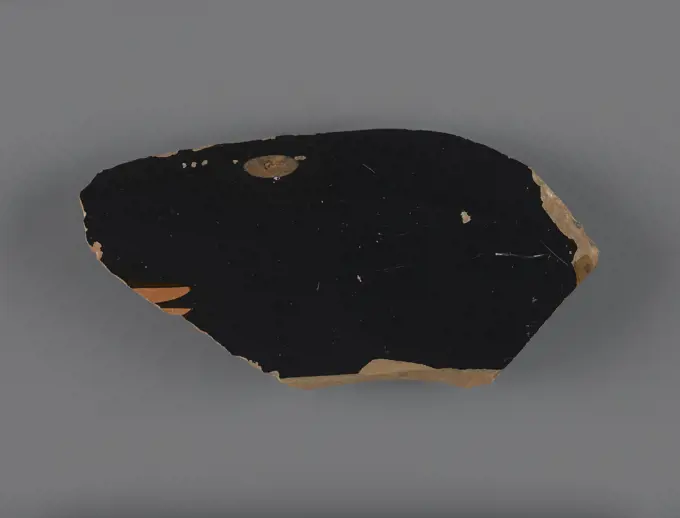
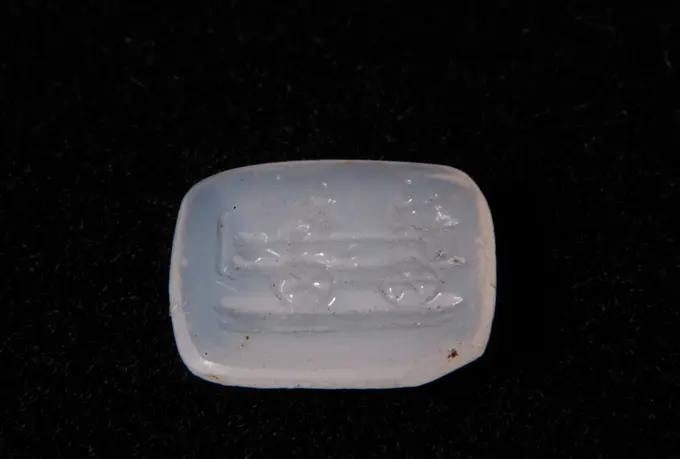
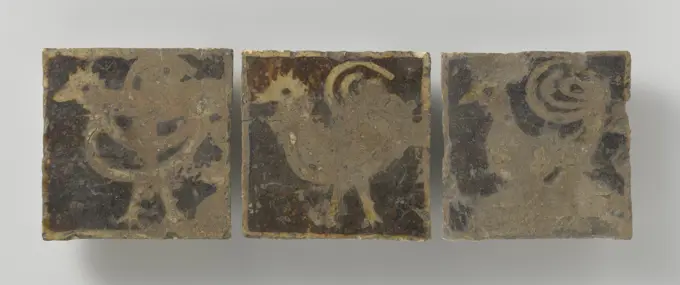
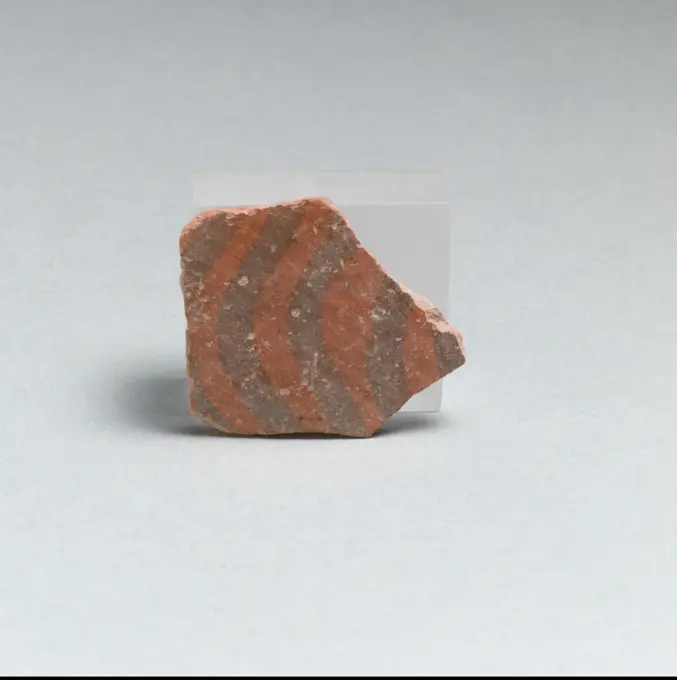
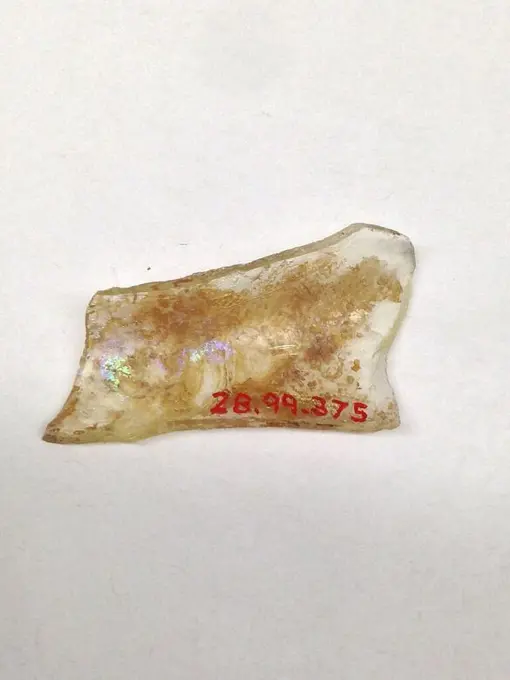
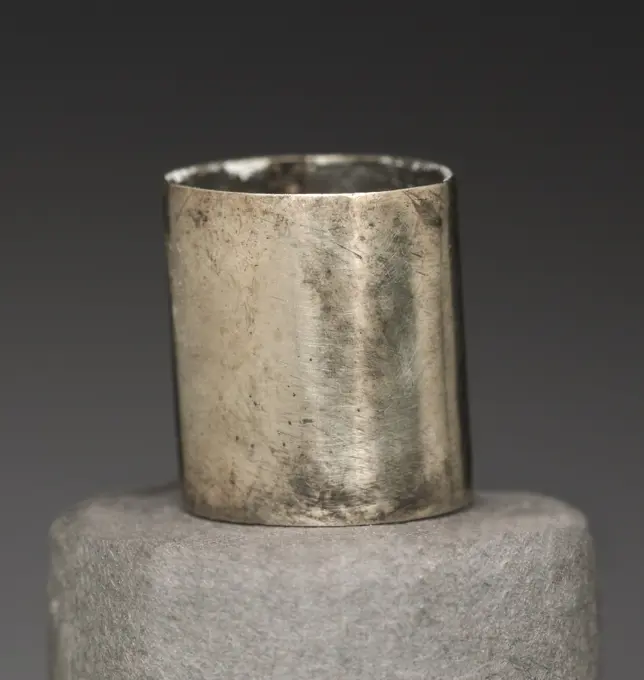
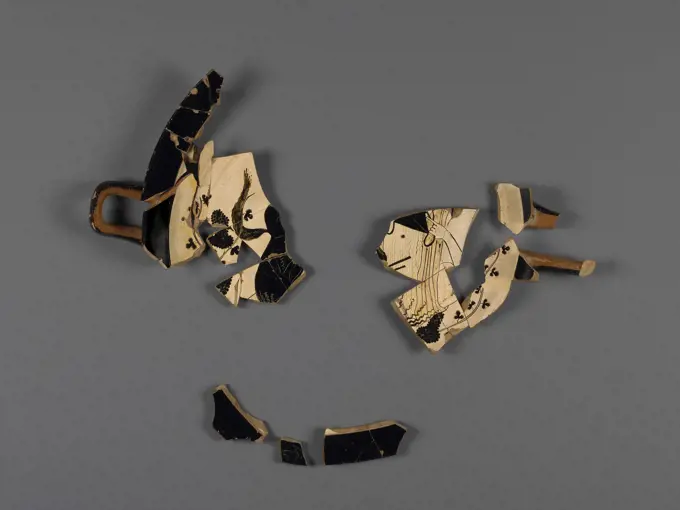
Hinge..Linnamast napkin with grapes, c. 1800 - c. 1900 Linnamast napkin. The field has four branches with leaves and grape bunches, between which spread small grape bunches and leaves. A winding grape vine runs along the edge. The napkin is marked in red with a cross stitch: GVL 50 and has a sewn number 1193 in red on white. North Brabant (Possibly) linen (material) damask Linnamast napkin. The field has four branches with leaves and grape bunches, between which spread small grape bunches and leaves. A winding grape vine runs along the edge. The napkin is marked in red with a cross stitch: GVL 50 and has a sewn number 1193 in red on white. North Brabant (Possibly) linen (material) damaskLinnamast napkin with the tree of Jesse, 1600 - 1625 White Linnamasten napkin with the tree of Jesse. The napkin belongs to five equal napkins (BK-1966-145-A to BK-1966-145-F). Holland linen (material) damask White Linnamasten napkin with the tree of Jesse. The napkin belongs to five equal napkins (BK-1966-145-A to BK-1966-145-F). Holland linen (material) damaskShell Ring, 400-999, 2 1/2 in. (6.35 cm), Shell, Mexico, 5th-10th centuryNapkin van Linen with peel pattern ,, 1725 - 1767 White linen napkin with a peel pattern so -called tower work, brand ARVG 39 Northern Netherlands (Possible) linen (material) White linen napkin with a peel pattern so -called tower work, brand ARVG 39 Northern Netherlands (Possible) linen (material)Anonymous. "Cutting background with an inscription". Colorful glass, inscription included in golden threads, 3rd century. Museum of Fine Arts of the City of Paris, Petit Palais. 99936-17 Antiquite, IIIEM III 3rd 3rd 3 century, glass, ancientA drops of transparent cosmetic gel on a beige background. Texture.Terracotta fragment of a bell-krater (bowl for mixing wine and water) 460-440 B.C. Greek, Attic Below the rim, a band of laurel; part of a draped male; part of a palmette with tendrils. Terracotta fragment of a bell-krater (bowl for mixing wine and water). Greek, Attic. 460-440 B.C.. Terracotta; red-figure. Classical. VasesZucchini closeup, concept imageClay Ring, 400-999, Earthenware, Mexico, 5th-10th centuryBattle of Solferino, in honor of Napoleon III, Emperor of the French, Anonymous, 1859 history medal Menning to carrying and carrying ring. Front: breastpiece man inside change. Reverse: inscription inside laurel wreath. France metal striking (metalworking) / gilding  SolferinoWhite clay pipe, unnoticed, with smooth handle, clay pipe smoking equipment smoking ground find ceramics pottery, pressed finished baked white clay pipe unnoticed with smooth handle archeology indigenous pottery import smoking tobaccoNapkin from white Linnamast ,, 1706 White linen damask napkin with scenes from the Spanish Succession War and the investment "Princ et dvx de Marloborvgh Belgivm dellavit" and "Anvers", "Malinis", "Brvssel", "Loven", "Gendt", "Brvgge", " Osstende "and" meaning ". Flanders linen (material) damask White linen damask napkin with scenes from the Spanish Succession War and the investment "Princ et dvx de Marloborvgh Belgivm dellavit" and "Anvers", "Malinis", "Brvssel", "Loven", "Gendt", "Brvgge", " Osstende "and" meaning ". Flanders linen (material) damaskBasin.   Maker: John Coney, American, 1655-1722Bowl Huta Huta HydrangeaWorld War II (1939-1945). Personal belongings of Colonel R. Kanda, Latvian communications officer of the Jekelna battle group post. Leningrad Region, 1942. Latvian War Museum. Riga. Latvia.Candle bracket, Wrought iron, Made of strap-like scrolls of iron joined in reverse position and terminating in a leaf-shaped bobeche with four prickets, the central one threaded at the base. Outer edges of scrolls with double frill of continuous, pierced leaf ornament., Italy, ca. 1750, metalwork, Decorative Arts, Candle bracketScarab in setting 6th-5th century B.C Cypriot Setting with Egyptian greystone scarab; Osirian hawk and winged uraeus.. Scarab in setting 243595Hair comb or comb of plain fine turtle and horn, with a long row of narrow teeth, tapered, anonymous, c. 1800 - c. 1899 Hair comb or comb from plain fine turtle and horn, with a long row of narrow teeth, tapered. Netherlands (possibly) horn (animal material) sawing / filing / polishing Hair comb or comb from plain fine turtle and horn, with a long row of narrow teeth, tapered. Netherlands (possibly) horn (animal material) sawing / filing / polishingJar 9th-10th century. Jar 452363Large Grinder for Jade. Culture: China. Dimensions: H. 3/8 in. (1 cm); Diam. 4 1/4 in. (10.8 cm). Date: 20th century. Museum: Metropolitan Museum of Art, New York, USA.Oval dish with scalloped edge, c. 1800 - c. 1850 Oval dish from Tin. The edge is scalloped and has some excellent points. Germany tin (metal) Oval dish from Tin. The edge is scalloped and has some excellent points. Germany tin (metal)Glass astragal (knucklebone) 3rd-2nd century B.C. Greek Translucent cobalt blue.Shaped like the knucklebone of a sheep or goat. Solid with continuous mold seam along sides and ends.Intact; pinprick bubbles; dulling and patches of faint weathering.In antiquity, one of the most popular games of chance was played with astragaloi, knucklebones of sheep and goats. They could be used like dice or like jacks, thrown in the air and caught on the back of the hand. Knucklebones have been found in tombs where they must have been intended to help the deceased while away endless time.. Glass astragal (knucklebone). Greek. 3rd-2nd century B.C.. Glass; cast in a two-part mold. Hellenistic. GlassDrop of waterDessert scale, with relief of grapes and leaves, Peter Regout, c. 1860 - c. 1890 Dessert scale of earthenware, cream -colored. The flat with relief of grapes and leaves. The edge is provided with fifteen notches on the outside, the top of the edge is divided into compartments by means of reliëfrand. Maastricht . vitrification Dessert scale of earthenware, cream -colored. The flat with relief of grapes and leaves. The edge is provided with fifteen notches on the outside, the top of the edge is divided into compartments by means of reliëfrand. Maastricht . vitrificationStamp seal ca. 3rd-7th century A.D. Sasanian. Stamp seal. Sasanian. ca. 3rd-7th century A.D.. Chalcedony, milky. Sasanian. Iran or Mesopotamialeere graue Teller und Leinenserviette. Kochende Hintergrund. Rustikaler Stil. Selektiver Fokus. Draufsicht, Polizist empty grey plates and linen napkin on grey concrete or stone table. Cooking background. Rustic style. Selective focus. Top view, copy space Copyright: xZoonar.com/ViktoryxPanchenkox 22834453Glass bead 4th century B.C. Greek, South Italian, Apulian. Glass bead. Greek, South Italian, Apulian. 4th century B.C.. Glass. Late Classical. GlassOrnament with Six Bells early 1st millennium B.C. North China. Ornament with Six Bells 58529Anefo photo collection. Mr Smulders devices etc. 7 March 1950Fabric Look, Cornelis Coutrier, c. 1730 Unsired fabric with square handle. The dust tin is marked: stk. = Amsterdam, size = foot 378. Amsterdam silver (metal) Unsired fabric with square handle. The dust tin is marked: stk. = Amsterdam, size = foot 378. Amsterdam silver (metal)Fragment ca. 1150-ca. 1250 European or Middle Eastern. Fragment 694384Hatchet. Culture: China. Dimensions: H. 4 5/16 in. (11 cm); W. 2 1/2 in. (6.4 cm); L. 1/4 in. (0.7 cm). Museum: Metropolitan Museum of Art, New York, USA.Collection of Norse and Celtic artefacts worn by woman of the Settlement Age.Vessel in the form of a dragon.The dragon shape of this vessel alludes to the special powers ascribed to rock crystal: it was thought to change colour or crack when it came into contact with poison. Dragon blood was considered the deadliest substance known to man. The dragon, which now somewhat resembles a crocodile, originally had wings.tumbled white Agate gemstone on white macro shooting of natural mineral rock specimen - tumbled white Agate gemstone on white marble background from India Copyright: xZoonar.com/ValeryxVoennyyx 11950047Attic Red-Figure Hydria Fragment; Attributed to the Berlin Painter (Greek (Attic), active about 500 - about 460 B.C.); Athens, Greece; about 480 B.C; Terracotta; 8.6 × 4.2 cm (3 3,8 × 1 5,8 in.)Saucer of yellow-baking earthenware, with blue glaze on the top and bottom, on which a stylized painting of a flower on the flat, and stripes and corrugated edges on the edge, and on the back a pattern of semi-circles in blue, anonymous, c. 1500 - c. 1699 fragment   earthenware. glazeSignet Matrix - Seal Matrix, 1800-1850. Possibly made in Birmingham. Presented by Francis Buckley, 1934.. A 'signet' or 'seal matrix' is a small stamp used for impressing the mark of its owner in wax onto documents. This is one of a collection of twenty-seven acquired by the museum in 1934. The majority of examples are finely made of moulded translucent glass, in this case an opalescent colour. This example has a design of an early type of railway locomotive. .Creamer from a coffee and tea service, c. 1930, Unknown Italian, 6 3/4 x 5 1/2 x 5 1/2 in. (17.15 x 13.97 x 13.97 cm), Silver, Italy, Art DecoThree floor tiles decorated with a rooster, anonymous, 1300 - 1450 Three floor tiles decorated with a 'rooster'. Netherlands earthenware. lead glaze   Our Lady Munsterkerk Three floor tiles decorated with a 'rooster'. Netherlands earthenware. lead glaze   Our Lady MunsterkerkGrahal-Manzara. Carnavalet 2013-2016 collection sites. Numismatics.Vase fragment ca. 4000-3000 B.C. Neolithic, Thessaly. Vase fragment 253234 Neolithic, Thessaly, Vase fragment, ca. 40003000 B.C., Terracotta, length 1 9/16in. (3.9cm). The Metropolitan Museum of Art, New York. Anonymous Gift, 1930 (30.119.29)Fragment. Culture: European or Middle Eastern. Dimensions: L. 1 3/4 in. (4.5 cm). Date: ca. 1150-ca. 1250. Museum: Metropolitan Museum of Art, New York, USA.Doos "Houppes", René Lalique, 1921 Pressed, cylindrical box of colorless glass. Pressed lid in the shape with a motif of seed balls of the dandelion, the inside covered with a matte layer, the edge sharpened, the top polished. Engraved in the soil: R Lalique, France N 129. France glass glassblowing / etching / grinding Pressed, cylindrical box of colorless glass. Pressed lid in the shape with a motif of seed balls of the dandelion, the inside covered with a matte layer, the edge sharpened, the top polished. Engraved in the soil: R Lalique, France N 129. France glass glassblowing / etching / grindingDas van applicatiekant met een waterlelie aan elk uiteinde.Natured Applications Officatie: Dick Appliqued On Machine Tulle. Long crazy rectangular model. Spreading pattern of few oval leaves. The ends are decorated with a water lily-like flower made with a splitting ribbon that forms the contours of triangular flower leaves. Some leaves and thin curling garlands surround this flower. The closted motifs are made in linen stroke with recesses and partly equipped with contour lines and picots. The sloping edge along the sides stems from a concatenation of ovals that are slightly larger around the slightly widened ends.PILLOWS - 1996-1997. Author: JOSE MARIA SICILIA. Location: PRIVATE COLLECTION.Earthenware grease trap on four fins, with one ear on the round side, grease trap baking utensil holder soil find ceramic earthenware glaze lead glaze, hand-formed glazed baked Large earthenware bowl red shard brown-red glaze one ear four fins one of which in plaster pouring channel archeology Valckensteyn Poortugaal Albrandswaard indigenous pottery oil fat lighting cooking frying food preparation kitchen Soil discovery: canal east side castle Valckensteyn in Poortugaal now Albrandswaard 1961-1962.Dish with Mythical Bovine (Xiniu) amid Waves Viewing the Moon and Constellations. China. Date: 1100-1199. Dimensions: H. 3.0 cm (1 3/16 in.); diam. 14.6 cm (5 3/4 in.). Ding ware; porcelain with underglaze mold-impressed decoration; metal rim. Origin: China. Museum: The Chicago Art Institute, Chicago, USA.Decorative Door Boss And Nail; steel-plated ironTin for Tin for Kraantjeskan, Carel Lodewijk Schurffius (attributed to), c. 1775 - c. 1812 Tin leaf that serves as a frame for the tap jug. On the three wooden legs is a leaf with a raised, openwork tire. On top of that is a grant on three legs. The upper edge of the Comfoor is decorated with an openwork band with garlands. Netherlands tin (metal). wood (plant material). copper (metal) casting Tin leaf that serves as a frame for the tap jug. On the three wooden legs is a leaf with a raised, openwork tire. On top of that is a grant on three legs. The upper edge of the Comfoor is decorated with an openwork band with garlands. Netherlands tin (metal). wood (plant material). copper (metal) castingCameo with Hercules. Wedgwood Manufactory; England, founded 1759. Date: 1775-1799. Dimensions: 8 × 4 × 0.5 cm (2 3/16 × 1 5/8 × 3/16 in.). Stoneware (jasperware). Origin: Burslem. Museum: The Chicago Art Institute, Chicago, USA.Oval amulet with Quranic inscription. unknown, craftsmanElement of Wig Decoration , 1980-1801 BC. Egypt, Middle Kingdom, Dynasty 12. Silver; overall: 2.5 cm (1 in.).Button, pearl shell and copper, flat, circular buttons with plain center surrounded by a band of carving, on either side of which are plain areas with flecking - copper shank., On card 29, France, 19th century, costume & accessories, Decorative Arts, ButtonSwatch (France); silk; 1896-27-5Set of marble stone ashtrays for sale in viewGold earring with winged Eros 3rd2nd century B.C. Greek. Gold earring with winged Eros 242942. Oval tsuba, fully covered with stylized waves in Takabori with golden drops; The Kogai-Hitsu is filled with shakudo; Signed "Takase Yoshitoshi".Fragment of middle section, miniature, anonymous, c. 1775 - c. 1795 Broken flower fragment from the middle part of silver, on Piedestal, with portrait medallions. Netherlands silver (metal) Broken flower fragment from the middle part of silver, on Piedestal, with portrait medallions. Netherlands silver (metal). Rectangular, hexagonal pattipan of porcelain with ribbed wall, painted on the glaze in blue, red, black and gold. On the flat an unidentified family crest in a medallion. The upper part of the weapon with three flowers on a blue background and the lower part with a flower and seven loose leaves on a golden ground. The cover consists of flower drinks and the helmet sign is a swan with a flower as a cup. To the weapon flower drinks and a Spearhead border. On the wall a bond with flower drinks. Weapon porcelain with email colors.Terracotta fragments of a psykter (vase for cooling wine) 500-480 B.C. Greek, Attic The larger fragment depicts, at the left, part of the left greaved calf and foot of a warrior to right; part of an inscription, ...MACHE; the lower torso, legs, and right arm of a warrior falling backwards, wearing a chitoniskos and greaves, holding a shield in his left hand; part of an inscription, ...TIS; left leg, with greave and shield of a warrior to left; the second smaller fragment depicts a bit of the top of the greave and knee of a warrior to right; the lower torso and legs of a warrior wearing a chitoniskos, crouching to left. Terracotta fragments of a psykter (vase for cooling wine). Greek, Attic. 500-480 B.C.. Terracotta; red-figure. Archaic. VasesPair of Miniature Candlestands with Petal-lobed Nozzles. China. Date: 1250-1279. Dimensions: H. 4.7 cm (1 7/8 in.); diam. 3.6 cm (1 7/16 in.). Qingbai-type ware; glazed porcelain. Origin: China. Museum: The Chicago Art Institute, Chicago, USA.Iron helmet Iron helmet of the medieval knight. Very heavy headdress Copyright: xZoonar.com/ValeryxxSibrikovx 2449840A buckle for a women's beltLED bulb in black backgroundPlateTabaksdoos, anonymous, 1700 - 1750 The lid, the bottom, the wall and the lid attached to the top and bottom and on the sides round object is composed of three parts. Bottom and lid have vertical profiled edges, which include the wall of the box. The soil has two engraved representations with the fall and the expulsion of Adam and Eva from paradise and in the middle a partially readable text that relates to that. On the lid three scenes with God's creation of man in paradise and a partially readable text that relevant it. The wall has the engraved inscriptions on the front and back: 'Vrintschap Tetoone Sonder Gunst / That is an Aart of ... art' and 'who lives for ... ter teyt that / it will be done. ' Netherlands brass (alloy) striking (metalworking) / engraving The lid, the bottom, the wall and the lid attached to the top and bottom and on the sides round object is composed of three parts. Bottom and lid have vertical profiled edges, which include the wall of the box. The soil has two Weisser Anker Weisser AnkerEpitaph Tablet for Bak Eun (1479-1504), from a Set of 14 Korean. Epitaph Tablet for Bak Eun (1479-1504), from a Set of 14, 1509. Porcelain with underglaze, 9 3/8 × 6 1/8 × 1 3/8 in. (23.8 × 15.6 × 3.5 cm).   Asian Art 1509Batter ..Pipette with spilled cosmetic oil or serum on a gray background. Photos for your cosmetics business.. Pipette with spilled cosmetic oil or serum on a gray background.Terracotta fragment of a column-krater (bowl for mixing wine and water) 460-440 B.C. Greek, Attic On the top of the mouth, pendant, linked lotus buds with dots in the interstices; on the handle strap, a circumscribed palmette; on the side of the rim; ivy; part of the neck is preserved. Terracotta fragment of a column-krater (bowl for mixing wine and water). Greek, Attic. 460-440 B.C.. Terracotta; red-figure. Classical. VasesVintage looking Beermat drink coaster Vintage looking Blank cardboard beermat for a pint of beer Copyright: xZoonar.com/ClaudioxDiviziax 9720049A drop of cosmetic product on a beige background. Texture of serum.Fragmentary Wine Cup with Dionysos and a Satyr; Onesimos (Greek (Attic), active 500 - 480 B.C.), and Euphronios (Greek (Attic), active 520 - 480 B.C.); Athens, Greece; about 490 B.C; Terracotta;Chalcedony scaraboid seal 5th century B.C. Greek Lion prowling.. Chalcedony scaraboid seal. Greek. 5th century B.C.. Chalcedony. Classical. GemsDutch photo album with fifty photos, anonymous, various manufacturers, 1870 - 1900  Photo album with fifty cartes-de-visiting on fifty pages with gold lines framed passe-partouts. Portraits of unknown men, women and children are depicted. With three portraits a name is mentioned on the album magazine, presumably from the portrayed person. The majority of the photos were taken in the city of Groningen. The photos were taken by various photographers, including Benjamin Sanders, Friedrich Julius von Kolkow and Godfried de Jong. The photographer is anonymous of two photos. Netherlands cardboard. paper. photographic support. leather.. metal albumen print / carbon print historical persons. historical persons - BB - woman. child between toddler and youth (of undetermined sex)Shards of Kommen from V.O.C. ship De 'Witte Leeuw', Before 1613 bowl Shards of Kommen from V.O.C. ship De 'Witte Leeuw'.  porcelain   Sint-HelenaFragment of glass pendant or ring, dark blue glass, jewelery clothing accessory clothing soil find glass, molten drawn Part of glass ornament from the late Iron Age or Roman period Dark blue glass or glass paste Possibly ring or pendant Possibly part of bracelet that has been reused and processed archeology pendant Vlaardingen late iron age prehistory roman times Grondvondst Vlaardingen.Chalcedony eight-sided cone 1st half of the 5th century B.C. Greek Two vultures devouring a stag.. Chalcedony eight-sided cone. Greek. 1st half of the 5th century B.C.. Chalcedony. Late Archaic or Early Classical. GemsTwo fragments of bottom, foot and part of wall of waffle cup, drinking cup drinking utensil holder soil find glass, hand-blown in the mold blown glass application Two fragments of bottom foot and part wall of waffle cup in clear colorless glass Under bottom pontilemark On bottom laid around continuous serrated stand ring On the wall (from bottom to edge) One continuous colorless glass wire has been placed which has been blown out of the mold with 22 notches. The wall goes up almost horizontally archeology Rotterdam rail tunnel drinking beer Soil discovery: rail tunnel Rotterdam.Vamplate (Hand Guard for a Lance) ca. 1490 Matthes Deutsch German The vamplate, for a lance used in the Scharfrennen (a joust fought on horseback with sharpened lances), has an upper plate designed to break away on impact, signaling to the judges and the audience a well-aimed hit.. Vamplate (Hand Guard for a Lance) 22282Pair of Earrings, Rope Twist 8th-12th century Indonesia (Central Java). Pair of Earrings, Rope Twist. Indonesia (Central Java). 8th-12th century. Gold. JewelryGold ring with chalcedony scaraboid ca. 6th century B.C. Cypriot A hawk-headed deity and a worshipper beneath a winged disc.These rings, like the pendant rings, all have a swivel bezel with engraved scarabs decorated with Egyptian gods and symbols. However, this type of ring originates from Phoenicia, where Egyptianizing designs were very popular.. Gold ring with chalcedony scaraboid 243562Carnavalet museum, tokens collectionAverage money punch guaranteed for departments 1809-1819; Silver punch 2nd title for departments; trace of an unidentifiable master's poison; unidentified poison; Besançon community hallmark 1794-1797. Large strip composed in kitten leaving inside by a small curved band, a hollow strip, a guilloche net and an imitation stones strip, large flower motif at the top and bottom, 2 small flower patterns on the sides.Button, Cut steel, Steel button decorated with faceted steel ornaments, all have a central boss and one of two rings of bosses surrounding it; all have scalloped edge except F,H,K,L,M,N., On card 65, England, 1801-50, costume & accessories, Decorative Arts, ButtonBurned paper and close up holebartending concept - hand-cut ice ball at bar. hand-cut ice ball at barSet of stone weights from the Indus Valley civilization at Mohenjo Daro; Indian Sub-continent; 2500-2300 B.C.Relief fragment from the tomb of Meketre ca. 1981-1975 B.C. Middle Kingdom. Relief fragment from the tomb of Meketre 545334Pen tray ca. 1784 British. Pen tray 191273Sharf of a sign from the wreck of the East Indians Hollandia, Anonymous, 1700 - in Or Before 1743 plate (dishes) Porcelain, plate, type 2; fragm of base, sim. NG 1980-27H507. Netherlands porcelain   SecondKerchief early 19th century American. Kerchief 98042ShellNetsuke, japanese miniature sculpture. Museum: COLECCION PRIVADA.Hand holding a yellow color measuring tape on a white backgroundClose up of sea snail shell on white backgroundStone Pulidor before 16th century Mexican. Stone Pulidor 316344