Textiles and Napery

Elegant linen napkins and vintage textile pieces with intricate designs, including grape motifs and historical patterns, showcasing craftsmanship from different eras.

A drops of transparent cosmetic gel on a beige background. Texture.
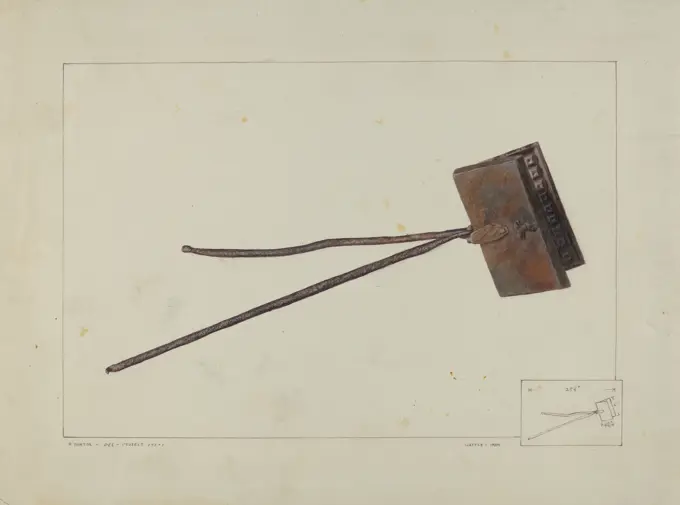
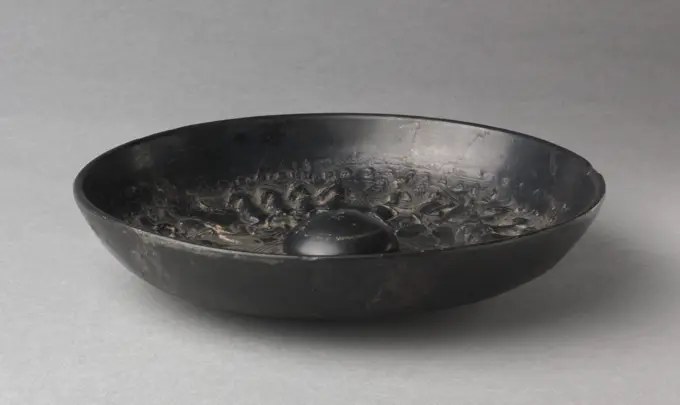
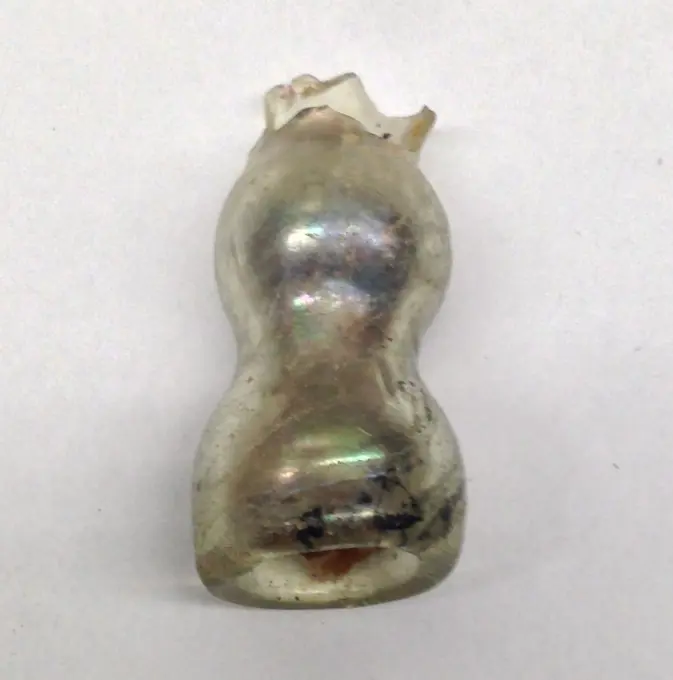
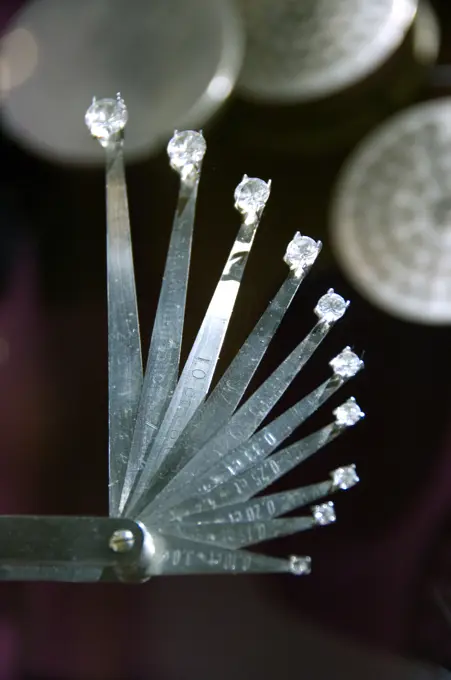
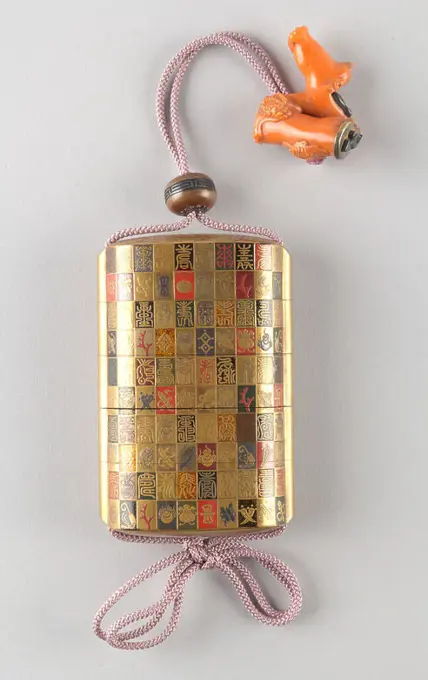
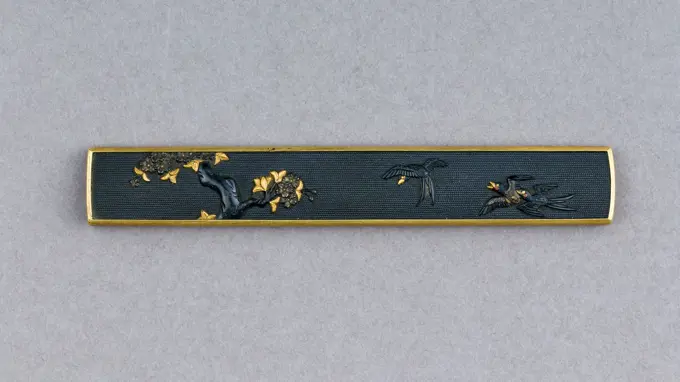
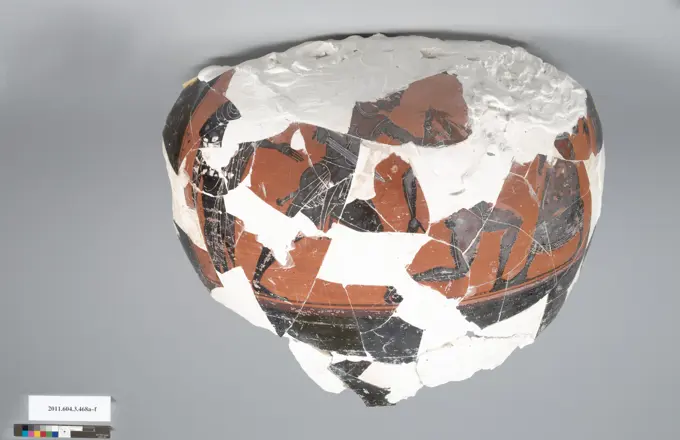
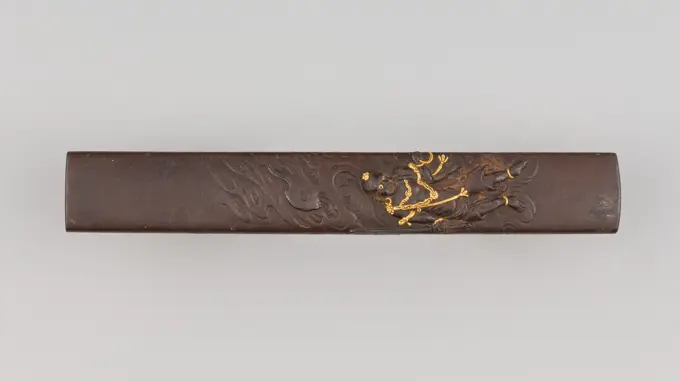
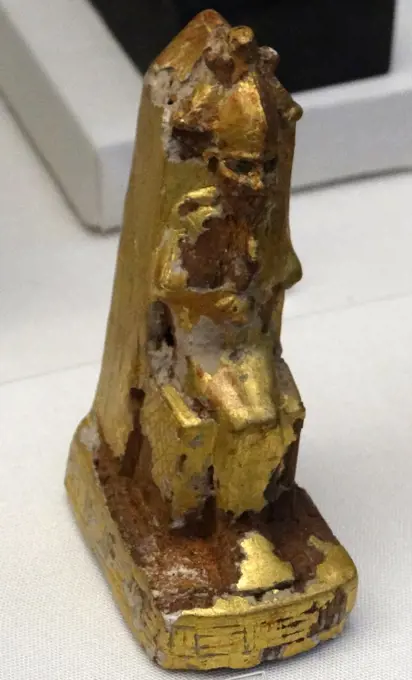
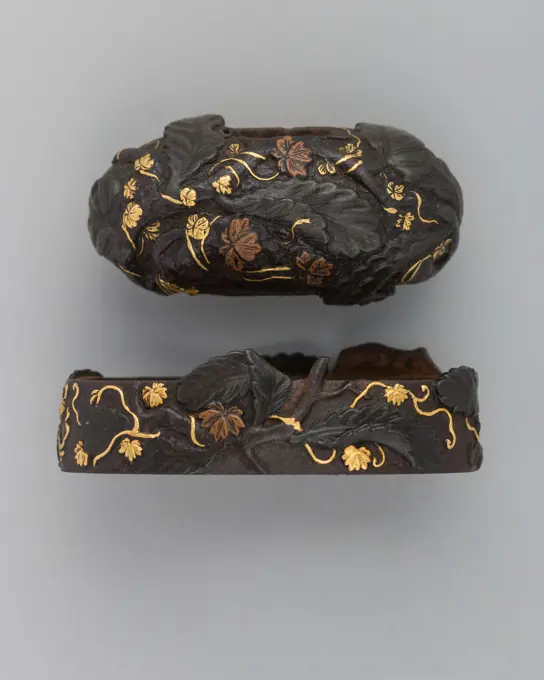
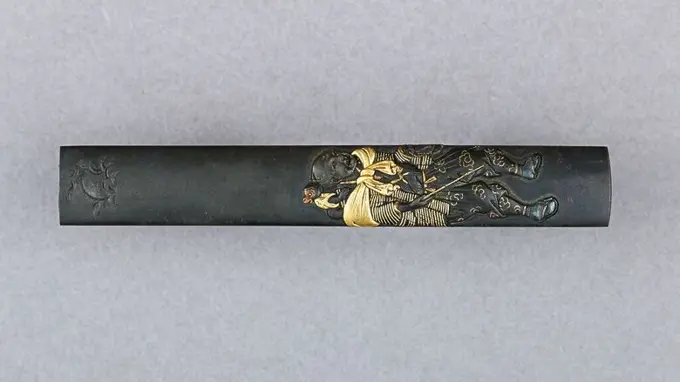
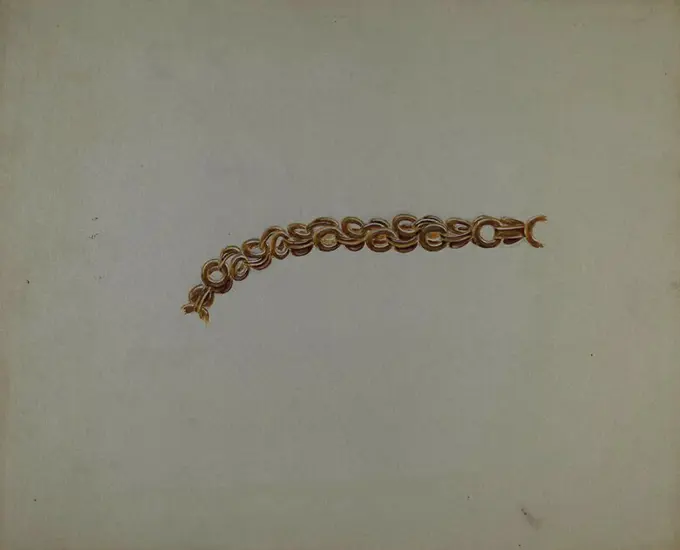
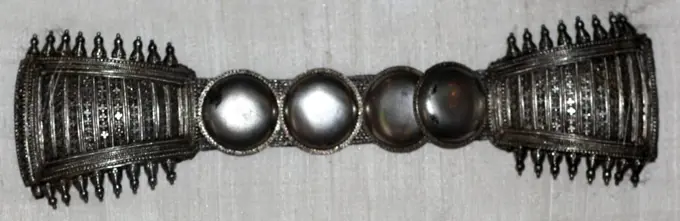
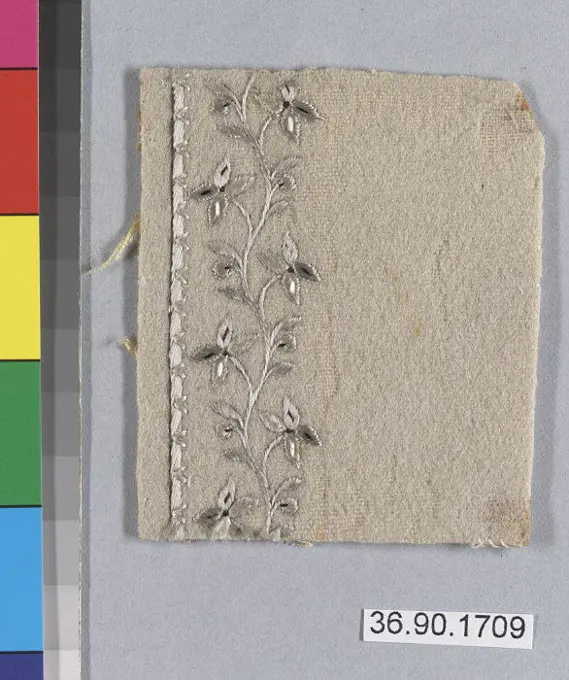
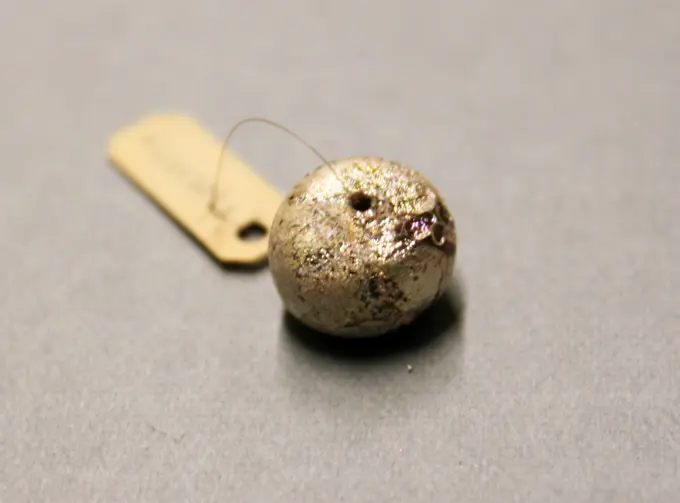
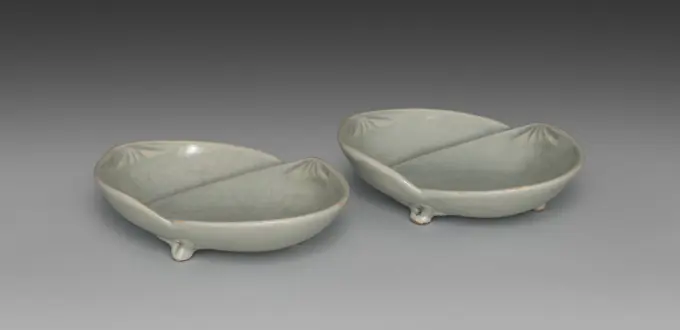
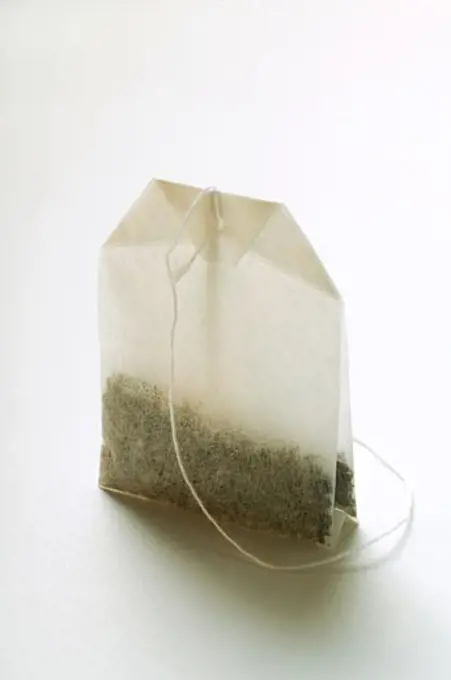
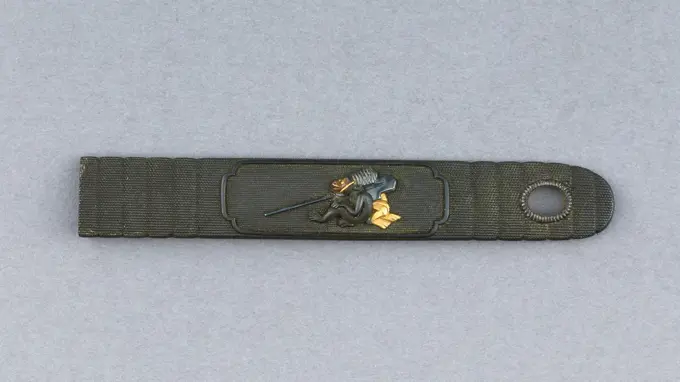
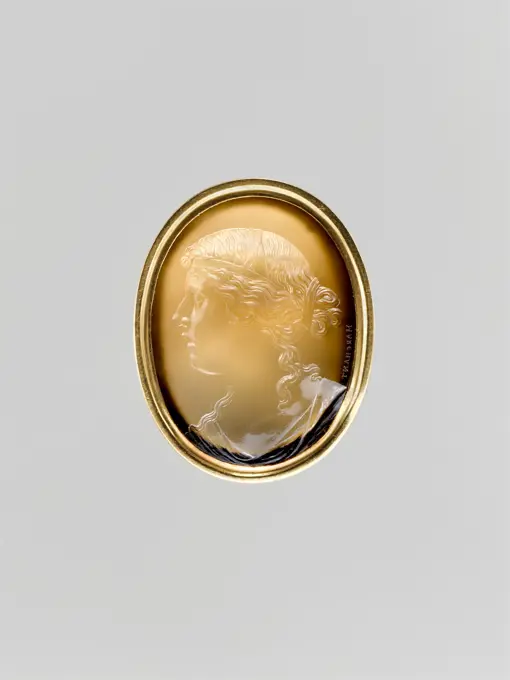
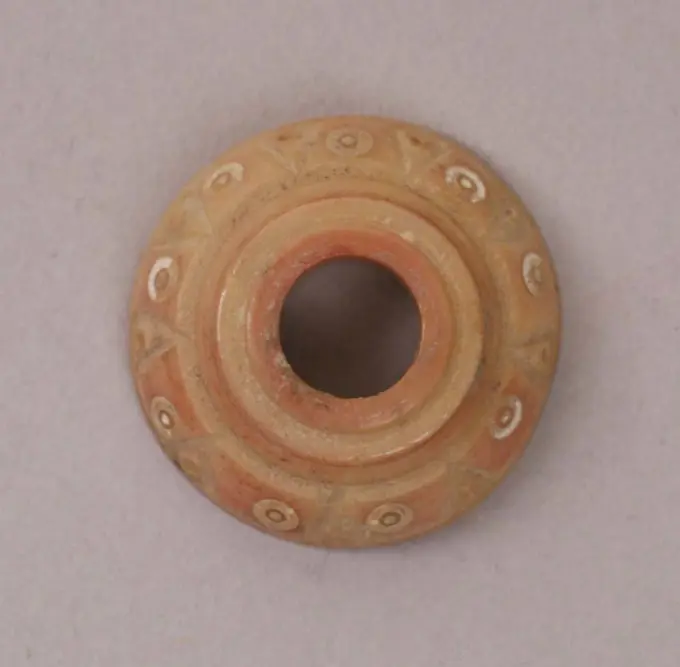
Button or Bead 9th-10th century The dot-in-circle motif recalls designs presumed to be of magical significance, most likely an abstract eye to ward off the evil-eye, which serves an apotropaic function. Easily reproduced with a tool and visible in many cultures and times, this symbol may have lost its meaning, and become simply a decorative pattern, or may have one that we have not yet discovered.. Button or Bead. 9th-10th century. Bone; tinted, incised, and inlaid with paint. Excavated in Iran, Nishapur. Ivories and BoneIce cubes Two ice cubes slowly melting on a shiny surface Copyright: xZoonar.com/PaulxFleetx 6569359Ralph Morton, Waffle Iron, c 1938 Waffle IronBlack-Gloss Mesomphalic Phiale (Libation Bowl): Apotheosis of Herakles, 200s BC. South Italian, Campanian (Calenian). Ceramic; diameter: 20.6 cm (8 1/8 in.); overall: 4.4 cm (1 3/4 in.).Fragment of Flask Necks 13th century French or German and Syrian. Fragment of Flask Necks 729806Paper pieces with space for your messageRVD / Royal House photo collection. Tray. Receive a gift from the state visit to the Antilles. zd}A pair of chop sticksCricket Feeding Dish, 19th-20th century, 13/16 x 2 15/16 x 2 3/4in. (2.1 x 7.5 x 7cm), Glazed porcelain, silver, Thailand, 19th-20th centuryPenkak decorated with rosettes and seahorses., Jacob Pieter van den Bosch, c. 1900 - c. 1910 The driven copper container has a rectangular shape with a low wall, which turns into an excellent edge. He is divided in two compartments for pens and other writing utensils due to a raised rib. The bottom is decorative with hammer layers. Four rosettes have been beaten in the corners, such that the hearts at the bottom are spherical and serve to legs of the object. This motive is opposite repeated at the ends of the rib, on the widened short edges. Two stylized antithetically placed seahorses were driven on either side of it. The middle of the long narrow edges are accentuated with some driven ornament. Amsterdam copper (metal) hammering The driven copper container has a rectangular shape with a low wall, which turns into an excellent edge. He is divided in two compartments for pens and other writing utensils due to a raised rib. The bottom is decorative with hammer layers. Four rosettes haveClose-up of a nailPair of SaltSpoons.   Maker: Samuel Canfield, American, active ca. 1780-1836Mosaic glass fragment. The small glass fragment shows some purple dots on a white background, around which circular several rows of small violet dots rows, so that the impression of several flowers arises. In Roman times you used colored, ornamented glass for vessels, mosaics, wall decorations and furniture ornaments. For The preparation was formed differently colored glasses to tubes and rods. These were compressed and heated, causing a long bar. The glass sliced now had a wide variety of amorphous or floral patterns.Silver and wood Alms Bowl from Scandinavia. Dated 16th CenturyStanding Cup and Cover, 1600-1700. Pinto Collection - Purchased from Edward H Pinto, 1965.. Boxwood standing cup and cover, northern Europe, 17th century. This beautifully made rose engine-turned cup is similar to lignum vitae wassail bowls made in England in the 17th century.Glass mosaic fragment late 1st century B.C.-early 1st century A.D. Roman Thin-walled body fragment.Translucent purple, light blue appearing green, opaque yellow and white, and colorless.Very shallow curving side, with two straight edges at right angle to each other.Mosaic pattern formed from polygonal sections of two canes: one in a purple ground with a hollow white circle and a central white rod outlined with fine green and yellow circles, and the other (only partially preserved) in a colorless ground with white or yellow lines.Polished exterior; pitting of surface bubbles on exterior; iridescent weathering on interior and edges.Perhaps cut down into a square shape in antiquity.. Glass mosaic fragment 257377Netherlands (aka Holland), Amsterdam. Diamond Museum (aka Diamant Museum). Gauge showing the different stone size. (Editorial Usage Only)Fidele jusqu'a l'infamie, told in response to William I to Liège, Anonymous, 1829  Silver carrying sign on green ribbon (presumably original), in the form of open book, on which bundle of eight arrows rest. Front: left half of book: inscription; Right half of book: Inscription. Reverse: left half of book: Blanco; Right half of book: Inscription under two collapsed hands Belgium silver (metal). textile materials striking (metalworking) / engraving  Liègerough noble opal gemstone on black macro shooting of natural mineral - rough noble opal gemstone on black granite from Ural Mountains Copyright: xZoonar.com/ValeryxVoennyyx 12230820Egypt, Saqqara necropolis, Detail of cartonnage, mask covering deceased's faceDrug, Cocaine in spoon against black background1/4 tical of salung uitThailand,1650-1850, , 1650 - 1850 coin Silver, grain -shaped mint. Equipped with two stamps (KRA): chakra and pagoda.  silver (metal) castingCOMEDERO DE CONEJOS "MENJADOR DE CONILLS" - S XX ARTE POPULAR -. Location: ALFARERIA. MARRATXI-PORTOL. MALLORCA. SPAIN.Inro with the Characters for Longevity and Good Fortune and the "Seven Lucky Treasures" on Checkerboard Ground. Culture: Japan. Dimensions: 3 5/8 x 2 3/8 x 1 in. (9.2 x 6 x 2.5 cm). Date: second half of the 18th century. Museum: Metropolitan Museum of Art, New York, USA.Weight 2nd millennium B.C.. Weight 325876Pipette with spilled cosmetic oil or serum on a gray background. Photos for your cosmetics business.. Pipette with spilled cosmetic oil or serum on a gray background.Parasol mid-19th century probably French. Parasol 104852Metal aluminum can of canned sardines in oil with spices and salt Metal aluminum can of canned sardines in oil with spices and salt on a dark concrete background Copyright: xZoonar.com/TetianaxChernykovax 21290140Bracelet 3rd-12th century. Bracelet 446065Frozen gilthead sea bream on white background, close_upGeorge Wintle, Caddy Spoon, c. 1815, silver.Dutch silver Etrog boxes 18th century, used by Jews in the celebration of the festival of SuccothDumortierite mineral on cottonFragment of vessel neck with strainer. unknown, craftsmanRed & Pink Rocks by Georgia O'Keeffe, 1887-1986Fragment of a vessel. A low curvature of the glass fragment allows the assignment to a vessel, possibly a shell. Through the glass, several strips of different designs are drawn in parallel: get a blue, a transparent with a yellow spiral thread, a darkrot with narrow green edges and a white strip. For the production, different colored glasses were shaped to tubes and rods. These were compressed and heated, causing a long bar. The glass sliced now had different amorphous or floral patterns. Thereafter, several of these platelets were folded, heated again and pressed into a vascular shape. Burry for the elaborate manufacturing process and its fragility was one of the luxury articles of antiquity.Scaraboid Grasshopper 1479 BCE-1069 BCE Egypt. Faience . Ancient Egyptian17.05.2025, NRW, Deutschland, Dortmund, Kunst und Kultur, Museen, Ausstellung Am Tisch im Museum Ostwall im Dortmunder U, Aschenbecher aus Glas mit zwei Zigaretten, Deutschland *** 17 05 2025, NRW, Germany, Dortmund, art and culture, museums, exhibition At the table in the Museum Ostwall in the Dortmunder U, glass ashtray with two cigarettes, Germany Copyright: xD.xKerlekin/SnowfieldxPhotographyx SF170525AusstellungD5Knife Handle (Kozuka) ca. 1615-1868 Japanese A kozuka is a handle of a by-knife that is part of a sword mounting. It is kept in a slot on the reverse of a katana scabbard, often with a matching kōgai (hairdressing tool).. Knife Handle (Kozuka) 34511cooling pipes industrial cooling unit water-to-air heat exchanger fragment with focus on central pipes Copyright: xZoonar.com/YuryxZapx 11272514PlatterFragment 19th century China. Fragment 40610Tsuba. Copper nanako-ji (granulated background)-Taka-Zogan (relief inlay). Cernuschi Museum, Asia Museum of Asia in the city of Paris.Plate with the weapons of Corneliani or Actis, Italian Majolique de Druta, 1537 (reverse) ". Museum of Fine Arts of the City of Paris, Petit Palais. 27009-20 Deruta, Italian majolica, various objects, reverse, plateDried anchovy on plate, elevated viewTerracotta fragments of an amphora (jar) third quarter of the 6th century B.C. Greek, Attic The largest fragment shows on the obverse, a draped male to right wearing a himation, with his left arm extended and his hand gesturing to Theseus, who holds a sword in his right hand, and is grasping the neck of the Minotaur with his left hand; lower body of a woman to left, wearing a garment with a patterned hem; the second fragment has part of the scene from the obverse, the hair and right arm and shoulder of Theseus; Reverse, back of the head, neck, left shoulder and part of the upper left arm of a draped youth to left; on both the observe and reverse, at the top of the panel, a palmette-lotus chain; start of handle root; the third fragment has part of the scene from the reverse, Hermes to left, wearing a patterned chitoniskos, nebris, and winged boots, holding a kerykeion in his left hand; two forelegs of a galloping horse to left; at the far left, part of a single palmette from under the Half Model of a 24-Gun Frigate, anonymous, c. 1790 - c. 1825 ship model. half model. builder's model Polychromed mold model (starboard) of a three -mast. Eleven guns on one gun deck. Gewlen mirror, Hol Wulf, Hek and side gallery of one floor; Straight with square stirring king. See at both ends slightly ascending, one mountain wood and one reehout. Peaked around. Netherlands wood (plant material)DEDO PIE NARIZ Y BOCA - 2000. Author: VICTORIA CIVERA REDONDO 1955/. Location: GALERIA SOLEDAD LORENZO. MADRID. SPAIN.Führungshand Führungshand Copyright: xZoonar.com/BartomeuxBalaguerxRotgerx 22556781Fossilized tooth of the giant shark, the 60 feet long Carcharodon megalodon.a place setting at a Japanese sushi restaurantFor a long time;  20th century (1920-00-00-1930-00-00);Knife Handle (Kozuka) 19th century Japanese A kozuka is a handle of a by-knife that is part of a sword mounting. It is kept in a slot on the reverse of a katana scabbard, often with a matching kgai (hairdressing tool).. Knife Handle (Kozuka). Japanese. 19th century. Iron, gold, copper-gold alloy (shakud). Sword Furniture-KozukaMagnesite on blue - Magnesite on Blue Magnesite on Blue - Magnesite on BluePair of Cuff Studs, Shaped tortoiseshell with carved and applied tortoiseshell, A pair of rectangular tortoiseshell cuff links with ornate 'E' monogram on each link, Italy, late 19th century, jewelry, Decorative Arts, Pair of Cuff StudsWood and gold leaf seated figure of Osiris. Ptolemaic. Dated 100 BCFragment. Culture: European or Middle Eastern. Dimensions: L. 2 in. (5.1 cm). Date: ca. 1150-ca. 1250. Museum: Metropolitan Museum of Art, New York, USA.Sword-Hilt Collar and Pommel (Fuchigashira) late 18th-early 19th century Japanese A fuchigashira is a pair of matching sword fittings comprising the fuchi (collar at the base of the grip of the sword hilt) and kashira (pommel cap at the end of a sword hilt).. Sword-Hilt Collar and Pommel (Fuchigashira). Japanese. late 18th-early 19th century. Iron, gold. Sword Furniture-Fuchi-KashiraSet colored Round woven straw mats isolated against transparent background.. Hairpin made of spotted golden-yellow incirected plastic in the form of a curved rectangle, with three horizontal beams, the middle of which is loose on one side and forms the pin.METAL LIPSTICKS - EXPOSICION "SADE" REALIZADA EN 1999. Author: ANA LAURA ALAEZ (1964-). Location: GALERIA JUANA DE AIZPURU. MADRID. SPAIN.Stoel, anonymous, c. 1700 - c. 1799 Filigrein chair on four turned legs. The backrest of the chair is bent out. The chair is marked: Zwijnskop. The chair is part of an ameblement consisting of: 1 table (BK-NM-11177-88), 1 Bank (BK-NM-11177-89), 2 footbanks (BK-NM-111177-90 and BK-NM- 11177-91) and 5 more seats (BK-NM-1177-92, BK-NM-11177-93, BK-NM-11177-95, BK-NM-11177-96, BK-NM-11177-97) . Netherlands (possibly) silver (metal) filigree Filigrein chair on four turned legs. The backrest of the chair is bent out. The chair is marked: Zwijnskop. The chair is part of an ameblement consisting of: 1 table (BK-NM-11177-88), 1 Bank (BK-NM-11177-89), 2 footbanks (BK-NM-111177-90 and BK-NM- 11177-91) and 5 more seats (BK-NM-1177-92, BK-NM-11177-93, BK-NM-11177-95, BK-NM-11177-96, BK-NM-11177-97) . Netherlands (possibly) silver (metal) filigreeBottom plate for portrait Hendrik Hooft Danielz ,, 1787 history medal Small silver plate with two holes above, along the edge, an engraved text  silver (metal) engravingDoghok, Pieter van Somerwil (II), 1773 There is a doghouse on an elongated, almost square plate. There is a dog in front of the loft. The edge of the plate is sculpted and a diamond pattern is engraved in the plate. The image is engraved: stk. = Amsterdam, Jrl. = O (1773), Mt. = Pieter van Somerwil II and an ax. Amsterdam silver (metal) There is a doghouse on an elongated, almost square plate. There is a dog in front of the loft. The edge of the plate is sculpted and a diamond pattern is engraved in the plate. The image is engraved: stk. = Amsterdam, Jrl. = O (1773), Mt. = Pieter van Somerwil II and an ax. Amsterdam silver (metal)Rippled blue cleaning sponge floating midair against gray backgroundKnife Handle (Kozuka). Culture: Japanese. Dimensions: L. 3 13/16 in. (9.7 cm); W. 9/16 in. (1.4 cm); thickness 3/16 in. (0.5 cm); Wt. 1.1 oz. (31.2 g). Date: ca. 1615-1868. Museum: Metropolitan Museum of Art, New York, USA.Emilia-Romagna Ferrara Ferrara Museo Civico di Schifanoia17. Hutzel, Max 1960-1990 General Notes: INCOMPLETE RECORD--NEGATIVES PROCESSED, PRINTS FILED German-born photographer and scholar Max Hutzel (1911-1988) photographed in Italy from the early 1960s until his death. The result of this project, referred to by Hutzel as Foto Arte Minore, is thorough documentation of art historical development in Italy up to the 18th century, including objects of the Etruscans and the Romans, as well as early Medieval, Romanesque, Gothic, Renaissance and Baroque monuments. Images are organized by geographic region in Italy, then by province, city, site complex and monument.Bliżej KulturyFragment. Culture: European or Middle Eastern. Dimensions: L. 2 in. (5.1 cm). Date: ca. 1150-ca. 1250. Museum: Metropolitan Museum of Art, New York, USA.Gold Chain. Dated: c. 1937. Dimensions: overall: 27.9 x 23 cm (11 x 9 1/16 in.). Medium: watercolor and graphite on paperboard. Museum: National Gallery of Art, Washington DC. Author: Dorothy Posten.Comb 1826 American. Comb 117626Carnavalet museum, tokens collectionSilver ornaments (body jewellery) from India 19th centurySample early 19th century French. Sample 224797Branch with Leaves. Unknown maker, British, active India about 1843Vase Fragment 4th century Coptic. Vase Fragment. Coptic. 4th century. Glass. Made in Kharga Oasis, Byzantine Egypt. Glass-VesselsEngagement ring displayed on a white ceramic dish on a polished wooden surface, Dresden, GermanyButtons (USA); brassBeads 8th-13th century. Beads. 8th-13th century. Glass. Excavated in Iran, Nishapur. GlassCarnelian ring stone Post-Classical. Carnelian ring stone. Post-Classical. Sard. GemsSaucers with Matching Shells, c. 1893-1914. Seifū Yohei III (Japanese, 1851-1914). Pair of dishes; porcelain with green glaze and crackling, molded design; height (each): 3 cm (1 3/16 in.); width (each): 12 cm (4 3/4 in.).Painted torn note paper on white backgroundStack of old vintage receipt books on white background.Tea bagA drop of transparent cosmetic gel with chamomile on a blue background. Perfect for demonstrating the consistency of your gel or serum.Gaming Piece, c.1700. Martin Brunner (German, 1659-1725). Wood; diameter: 6.1 cm (2 3/8 in.); overall: 1.3 cm (1/2 in.).mud from DEAD sea. studioNapkinring.  Manufacturer: Meriden Britannia Company, American, 1852-1898CurtainPin. Maker, possibly by: Boston and Sandwich Glass Works, American, 1826-88Food photography, dried up baker's yeast cube (Saccharomyces cerevisiae), studio photography with a dark backgroundSword Guard (Tsuba), c. 1615-1868. Japan, possibly Edo period (1615-1868). Iron; average: 6.7 x 6.7 cm (2 5/8 x 2 5/8 in.).Knife Handle (Kozuka) ca. 1615-1868 Japanese A kozuka is a handle of a by-knife that is part of a sword mounting. It is kept in a slot on the reverse of a katana scabbard, often with a matching kōgai (hairdressing tool).. Knife Handle (Kozuka) 34665City of Enkhuizen, a lead with no. 113, Anonymous, 1831  One -sided, rod -shaped brass dest with rectangular recess on the right side. Front: coat of arms with the year on the left, on the right -hand number 113. Rail side: Blanco. Enkhuizen brass (alloy) striking (metalworking)  EnkhuizenA drop of cosmetic gel with a flower on a pink background. A perfect illustration for your product.Portrait of Emma Hart, Later Lady Hamilton (1765-1803) 1786-87 Nathaniel Marchant Neoclassical Europe appreciated Nathaniel Marchant's emulation of the best in Greco-Roman form and his glyptic perfectionism, with results not unlike our a late 1st century cameo in the Museum's collection (10.110.1). In 1786-87 he visited Naples, where the beauteous Emma Hart was the current rage. Artists crowded the rooms of her protector, Sir William Hamilton: "The house is full of painters painting me," Emma wrote. "Marchant is cutting my head in stone, that is in cameo for a ring.. All the artists is coming from Rome to study from me." Either Marchant cut both a cameo and an intaglio or the unlettered Emma confused the two. The Grecian headdress is in keeping with her famous "attitudes," poses she struck based on masterpieces of antiquity.. Portrait of Emma Hart, Later Lady Hamilton (1765-1803) 198583Portugal, Azores, Sao Miguel Island, Maia. Tobacco Museum in old tobacco factory, weight scale (Editorial Use Only)Hand holding a heart shaped burnt out of a cardboardAbandoned flower on the ground India Asia Copyright: xNehaxSadaye/DinodiaxPhotoxButton, Cut steel, Steel button decorated with faceted steel ornaments, all have a central boss and one of two rings of bosses surrounding it; all have scalloped edge except F,H,K,L,M,N., On card 65, England, 1801-50, costume & accessories, Decorative Arts, Button