Textiles and Napery

Elegant linen napkins and vintage textile pieces with intricate designs, including grape motifs and historical patterns, showcasing craftsmanship from different eras.

A drops of transparent cosmetic gel on a beige background. Texture.
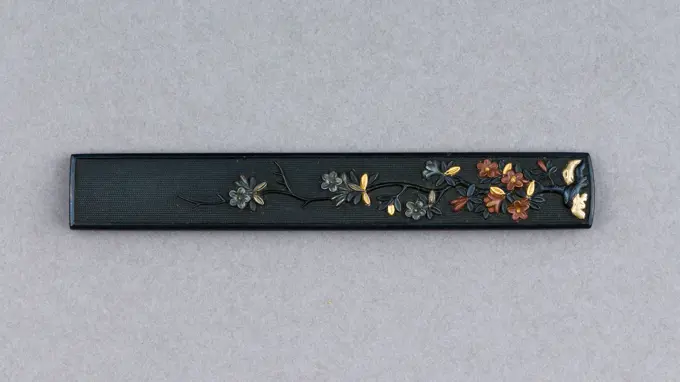
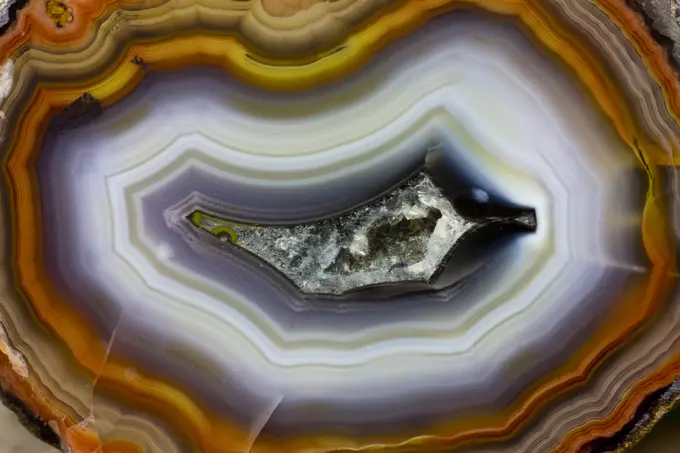
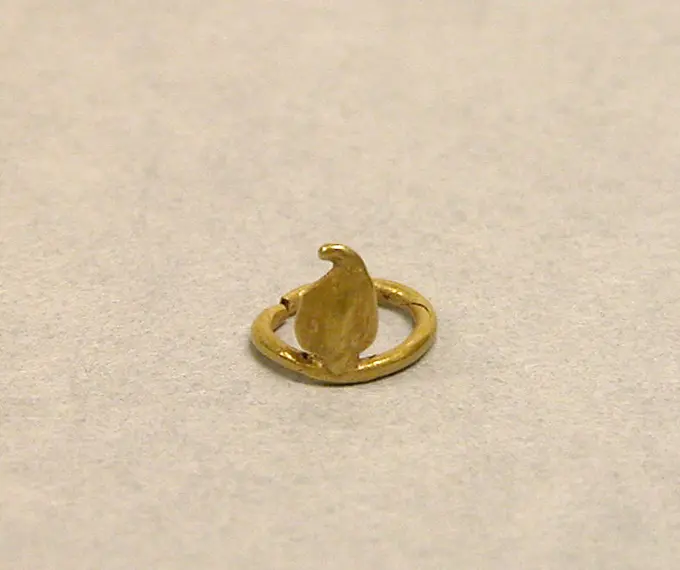
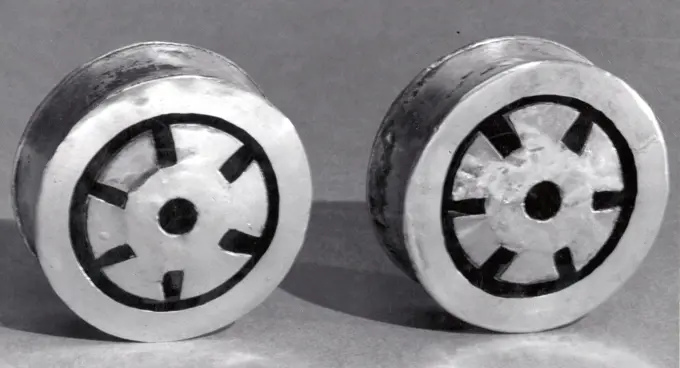
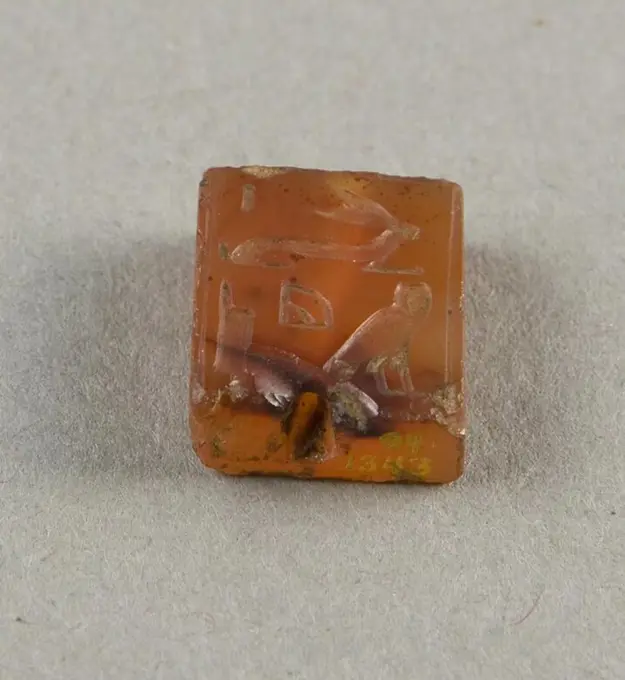
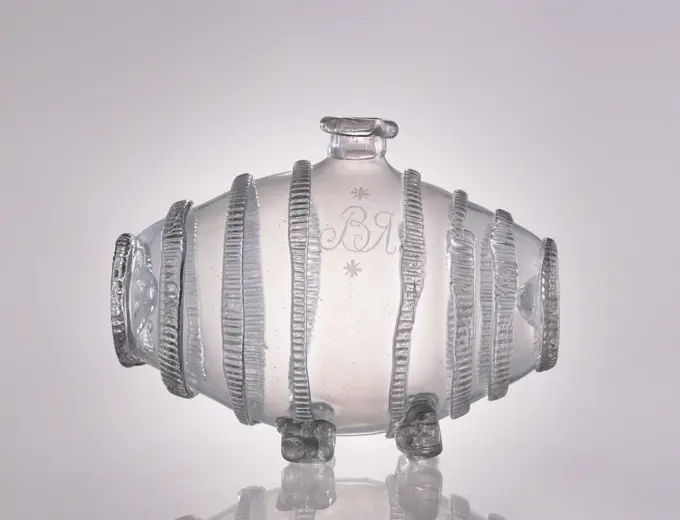
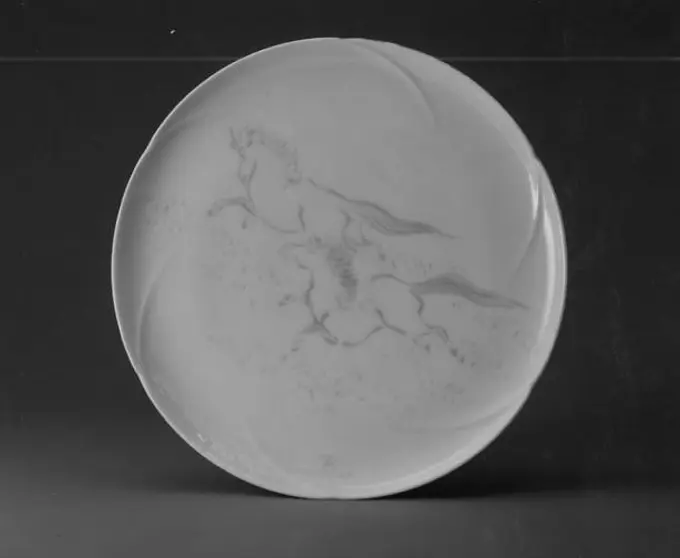
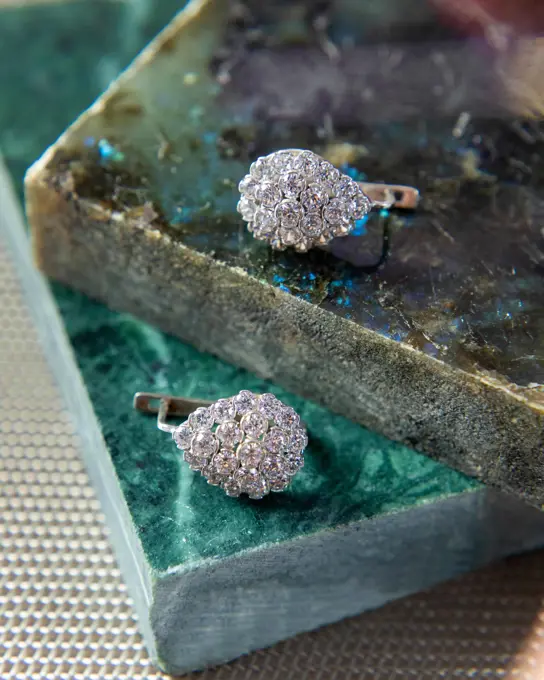
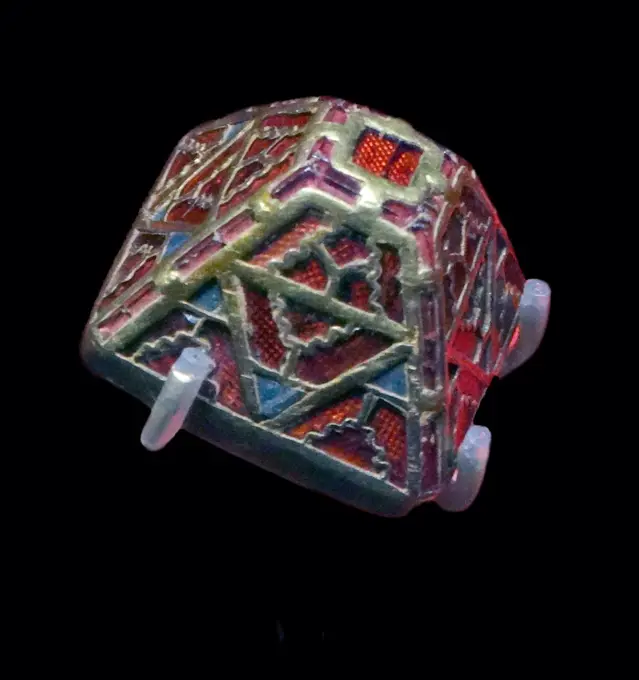
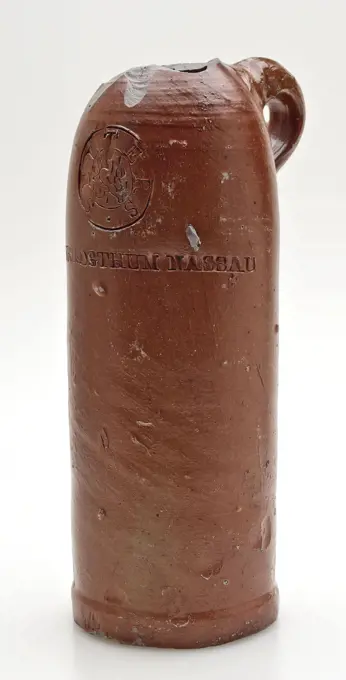
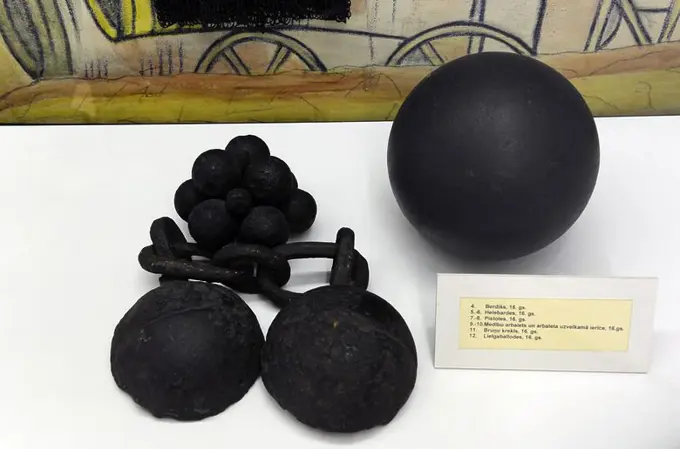
25 year old government anniversary Queen Wilhelmina, Chris van der Hoef, 1923 history medal Hexagonal bronze medal: front: frontal woman in Lange Mantel (Queen Wilhelmina) for the throne decorated with Indonesian ornaments, with text above text ('Queen Wilhelmina'); Reverse: stylized tree, derived from the Borobudur, with incense scenes on both sides and on sides dates (1898 and 1923). Netherlands bronze (metal) striking (metalworking)Knife Handle (Kozuka) ca. 1615-1868 Japanese A kozuka is a handle of a by-knife that is part of a sword mounting. It is kept in a slot on the reverse of a katana scabbard, often with a matching kōgai (hairdressing tool).. Knife Handle (Kozuka) 34519Bead ca. 1st century B.C.-1st century A.D. Parthian This biconical blue glass bead was excavated at Shahr-i Qumis in northern Iran, which has been identified as the ancient city of Hecatompylos, established by the Parthians as their capital by about 200 B.C. In Greek Hecatompylos means a hundred gates,’ suggesting that the city was quite large. Indeed, the modern archaeological site includes several mounds, only a few of which have been excavated, and a vast area covered with potsherds. It was found at Site VIII, one of the mounds that was not extensively studied.The excavations at Shahr-i Qumis by the British Institute of Persian Studies in 1967 were co-sponsored by the Metropolitan Museum of Art. However, the museum did not acquire this bead until 1978, as a result of the Met’s financial contributions to the Institute’s excavations at Tepe Nush-i Jan, another site in Iran. At the time the Iranian government allowed foreign excavators to keep a portion of the finds, and these excavatBanded Agate, Sammamish, WashingtonPair of Ear Ornaments, Pendant Leaf 8th-12th century Indonesia (Central Java). Pair of Ear Ornaments, Pendant Leaf 64235Ear Spool late 15th-early 16th century Inca () Ear ornaments were worn by prominent personages of both sexes in many cultures in ancient Peru. Among the Inka, only noblemen wore such ornaments; their substantially distended earlobes led the Spanish to call them orejones (big ears). Since the Spanish melted down all the gold and silver jewelry that came into their hands, little Inka precious metalwork survives. These rare ornaments are spool-shaped and have curved-in sides for better placement in the earlobes; they have gold outlays.. Ear Spool 313273Close-up of a decoration with leaves and petalsShoe buckles fourth quarter 19th century American. Shoe buckles 169012Jade Plaque Depicting a Seated King and Palace Attendant 607 A.D. Mayan. Matchsafe; silver, glass; Overall: 5.6 x 3.5 x 1.5 cm (2 3/16 x 1 3/8 x 9/16 in.)Plaque: "Amun is in Luxor". Egyptian. Date: 1550 BC-664 BC. Dimensions: 1.3 × 1.1 × 0.5 cm (1/2 × 7/16 × 3/16 in.). Carnelian. Origin: Egypt. Museum: The Chicago Art Institute, Chicago, USA. Author: Ancient Egyptian.Hand holding a dry autumn leaf in hand on a white backgroundStone with hole in it on mossy wood, extreme close-up Wine barell. Rosja, creator, Polska, creatorSketchbook with 18 sheets. Sketchbook consisting of 18 sheets with figure studies, portraits and cityscapes.Plate ca. 1875 Félix Bracquemond French. Plate. French (Limoges). ca. 1875. Porcelain. Ceramics-PorcelainPorringer.   Maker: Samuel Ely Hamlin, American, 1774-1864Rectangular mantille with edges of black bobbin, anonymous, c. 1840 Mantille with edges of black silk bobbin, Chantilly side. Rectangular model of machine tulle with burst edges. The wide bottom edge has a repeating pattern of a C-shaped composition, made with large flowers and leaves. The three other sides have a scalloped edge consisting of connected oval leaves. unknown silk bobbin lace Mantille with edges of black silk bobbin, Chantilly side. Rectangular model of machine tulle with burst edges. The wide bottom edge has a repeating pattern of a C-shaped composition, made with large flowers and leaves. The three other sides have a scalloped edge consisting of connected oval leaves. unknown silk bobbin laceEin Paar funkelnde Diamantohrringe auf grünem Marmor Ein Paar funkelnde Diamantohrringe auf grünem Marmor LicenseRF Copyright: xZoonar.com/FarhadxIbrahmzadex 23382507Pair of sword pyramids, with cloisonné and blue glass decoration which were fastened to the ends of a leather band, attached to a scabbard of a sword. from the Staffordshire Hoard. The Staffordshire Hoard is a collection of Anglo-Saxon. Discovered in a field near the village of Hammerwich, near Lichfield, in Staffordshire, England, in 2009. it consists of over 3, 500 items, dated to the 7th or 8th centuries, placing the origin of the items in the time of the Anglo-Saxon kingdom of Mercia.Fragment of a Bowl 13th-14th century. Fragment of a Bowl. 13th-14th century. stonepaste, incised; glazed with transparent green glaze. Made in Egypt. CeramicsTwo CupPlates. Maker, probably by: Boston and Sandwich Glass Works, American, 1826-88closeup of an old football ballOLYMPUS DIGITAL CAMERATrayClose-up of a computer cableHinged Cuff Bracelet ca. 1479-1425 B.C. New Kingdom Three pairs of hinged bracelets (26.8.125-.130) are associated with the tomb of three foreign wives of Thutmose III. They are all made of burnished gold inlaid with carnelian and glass that was originally turquoise and dark blue, but has faded. Each is inscribed on the inner surface with the cartouches and epithets of Thutmose III suggesting that they were a gift of the king.. Hinged Cuff Bracelet 545163Acupuncture needlesPlastic mask 1992-1994, by Romuald Hazoumè (born 1962 in Porto Novo), artist from the Republic of Benin(SIN TITULO). Author: ANTONI TAPIES (1923-2012). Location: FUNDACION ANTONI TAPIES. Barcelona. SPAIN.Empty black ceramic plate on a dark concrete background empty black ceramic plate on a dark concrete backgroundaging cheese heads. aging cheese heads with white and blue moldBienenwabe auf schwarz - Natural comb on black Bienenwabe auf schwarz - Natural comb on black Copyright: xZoonar.com/lantapixx 11529748Robert Shepherd and William Boyd, Tray, 1827, silver.Coffee cup rings isolated on a white background. Coffee stain on a white backgroundClose-up of a climbing holdEngland, West Midlands, Birmingham, Birmingham Museum and Art Gallery, Display of Egyptian Ear Studs and Rings dating from 1021-1350BCOrnament ca. late 3rd millennium B.C.. Ornament 326073Seal. Culture: China. Dimensions: H. 4 5/8 in. (11.7 cm); W. 2 3/4 in. (7 cm). Date: 19th century. Museum: Metropolitan Museum of Art, New York, USA.Dish. Maker, possibly by: Boston and Sandwich Glass Works, American, 1826-88Three collar emblems with subsurface of the weapon of cavalry. Due to the black and white version, it is not visible that this is around three cavalry regiments with their own regiment colors; White, Regiment Hussars from Sytsema, red, Regiment Hussars Prince Alexander; Blue, Hussars Hussars Regiment Hussars.Foot of a Vessel 4th century Coptic. Foot of a Vessel 479200Ida paper doll accessories , Hats, Jewelry. Phyllis Tyler Paper Doll CollectionCross for the Schutterskoning of the Dutch Association of Voluntary Burgergachten, Anonymous, 1922 award medal Silver carrying pin with eye and ring. The cross for Schutterskoning is a wide, blue enamelled, five -pointed star, placed over a pentagon consisting of rays. A bastion has been placed in the middle of the star, on which a crown above two crossed rifles. The downside is flat.  penning: silver (metal). penning - ster:. lint: textile materialsClose-up of bronze sequined cushionHacienda Zuleta, Zuleta, Ecuador, close up of silver spurs, used by gauchos on horsebackPo 19th century Chinese. Po 500581Plaster cast of a tooth with a golden dental crown, dental goldSteering wheel of a boat in hand on black backgroundBee Amulet ca. 2150-2100 B.C. Late Old Kingdom. Bee Amulet. ca. 2150-2100 B.C.. Green feldspar. Late Old Kingdom. From Egypt; Said to be from Southern Upper Egypt, Aswan (Syene)Neck of a Vessel 4th century Coptic. Neck of a Vessel 479167Farbe, Farben,grau,kugelförmig, kugelig, Kugeln, Kugel,Muster,Form, Formen,rund,Material,Holz,Erhöhte Ansicht, Aufsicht,Draufsicht,vier Tiere,Tier,wirbelloses Tier,Stachelhäuter,Seeigel,Mitteleuropa,Westeuropa,Studioaufnahme,Innenaufnahme,Farbaufnahme,  Farbe,Fotografie,niemand,Querformat,Deutschland,Europa (c) F1online www.f1online.de, Tel. 069/80069-0, E-Mail:agency@f1online.de Malachite. A carved and polished octagonal column with a brass base.Stoneware mineral pitcher, cylindrical with round shoulder, sausage ear and short neck, mineral water pitcher jar product packaging container soil find ceramic stoneware glaze salt glaze approx., hand turned glazed baked Stoneware mineral pitcher cylindrical with round shoulder short neck and sausage ear. Stand area with traces of deduction and soul. brown glazed. Marked under the ear and marked on the front with medallion and text. Chalkboard in medallion: SELTERS in the midfield leftwing claw lion archeology Rotterdam Kralingen-Crooswijk Struisenburg Oostmaaslaan Boslaan Buizengat advertising indigenous pottery import drinking water drinking medicine medicine packaging Soil discovery: Buizengat Oostmaaslaan Boslaan Rotterdam an old landfill of urban waste.flat lay assortment dried plants tea 2set of spherical views of Paris city and landmarks, FranceProjectile. Cannonballs. Modern Age. Artillery. 16th century. Museum of History and Navigation. Riga. Latvia.The Carambolo treasure, 8th century BC, Archaeological museum, Sevilla, Region of Andalusia, Spain, Europe.Can of sardines in oil on textileWalk sign on a city post, Redondo Beach, California.MilledBordersFélix Bracquemond (1835-1914). Eugène Rousseau, publisher (1827-1890). Manufacture of Creil and Montereau, manufacturer under the name Lebeuf and Milliet. Soup bowl. Brand printed in black under the room. Earthenware. 1866-1875. Museum of Fine Arts of the City of Paris, Petit Palais.