Textiles and Patterns

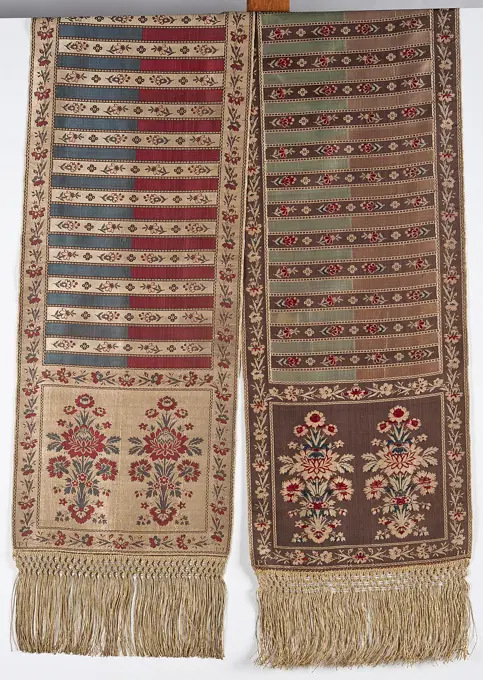
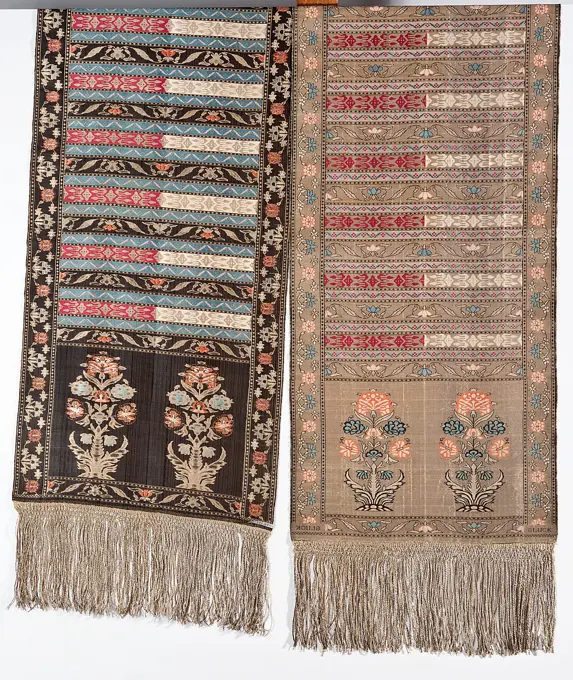
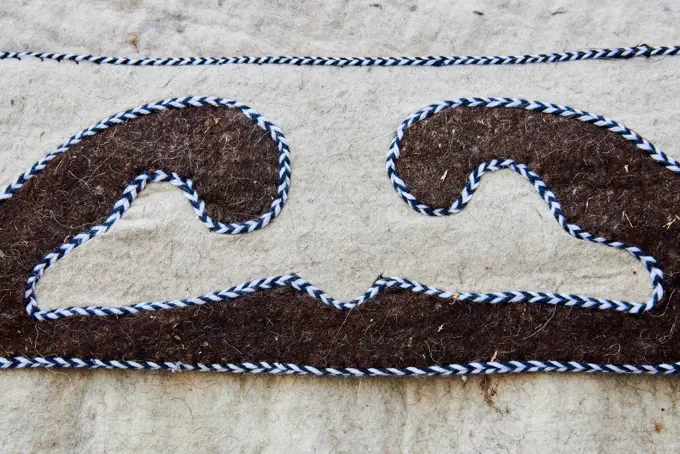
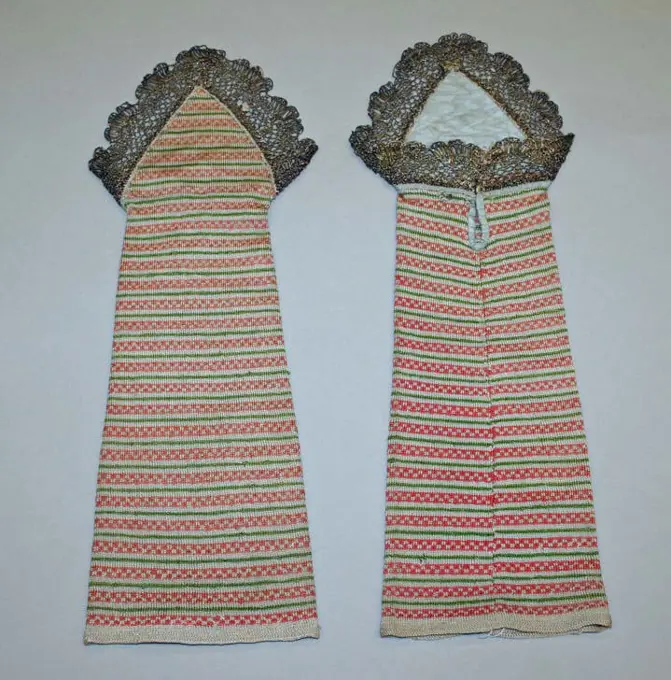
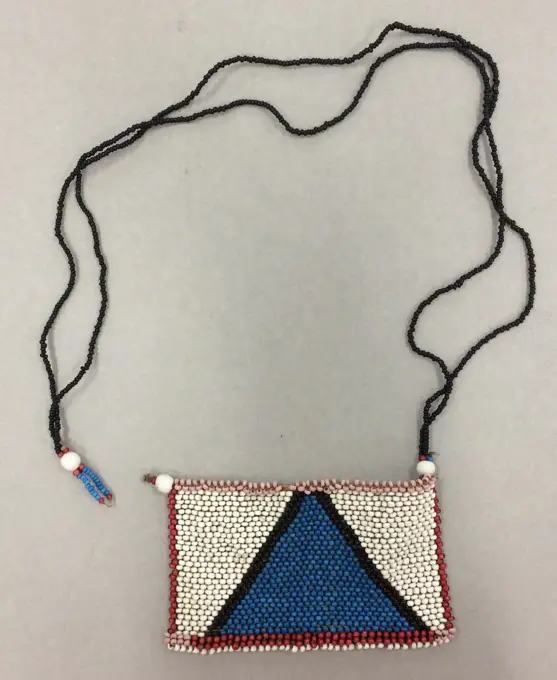
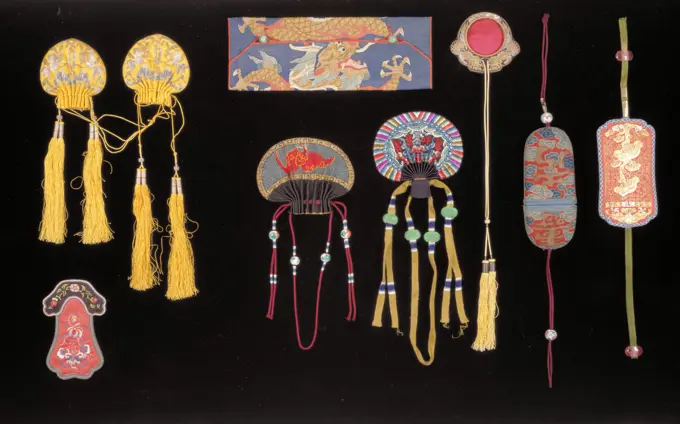
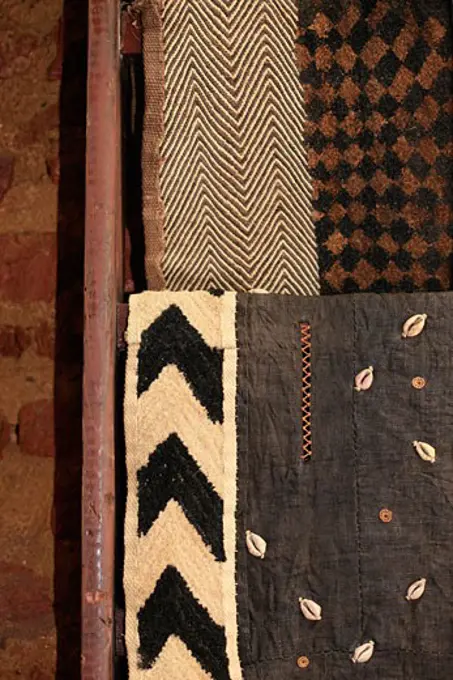
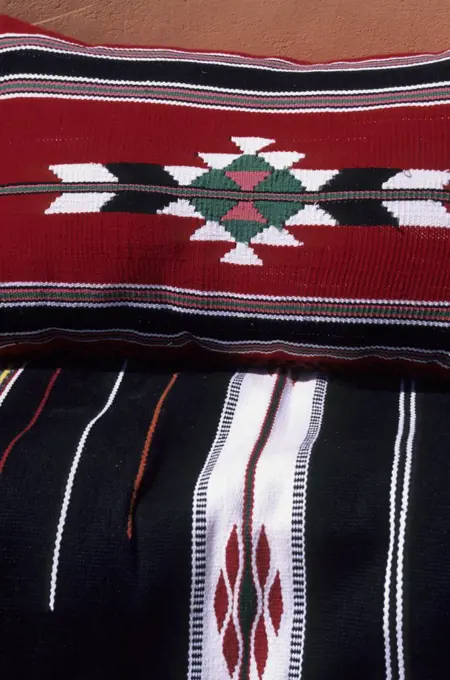
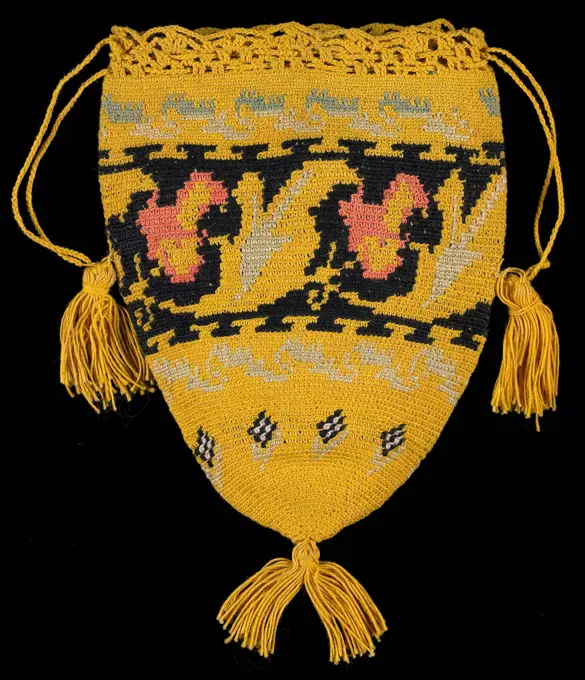
Vibrant and intricately designed textiles, including serapes and scarves from various cultures, showcasing rich colors and patterns.

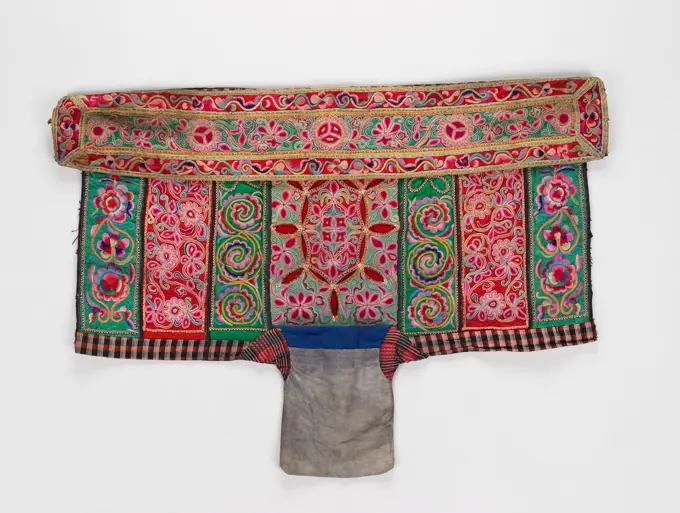
Baby Carrier, 31 1/2 x 25 1/2 in. (80.01 x 64.77 cm), Silk, cotton; needlework, China
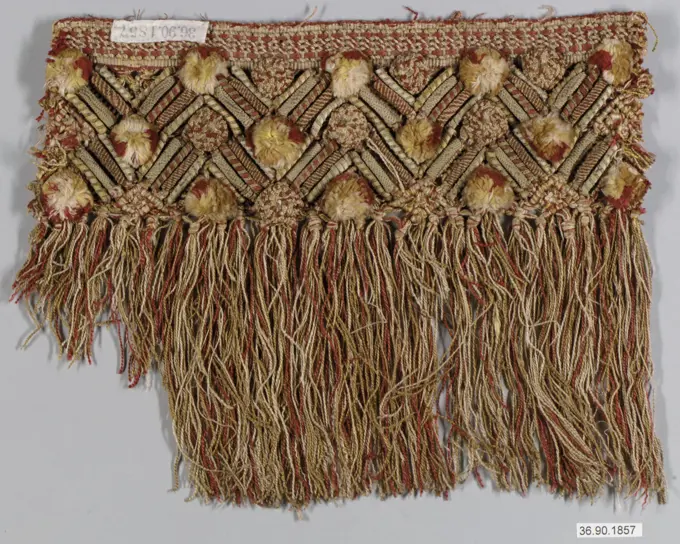
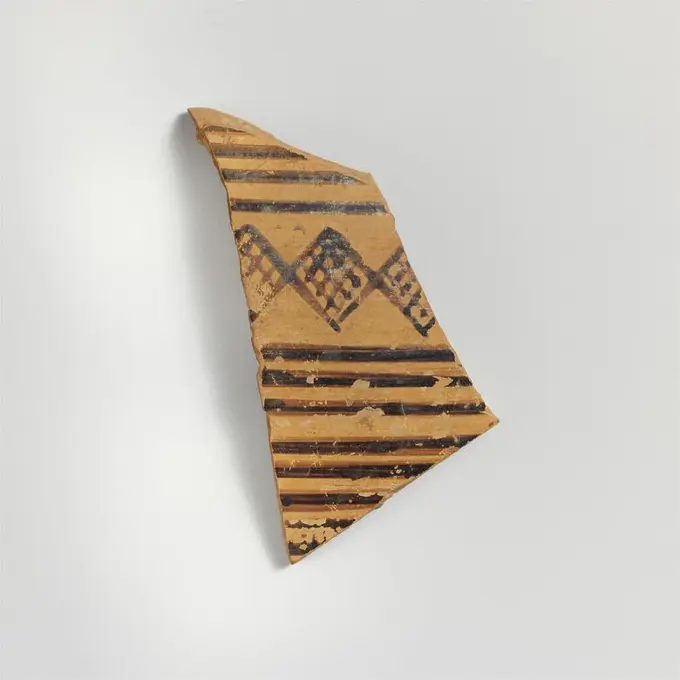
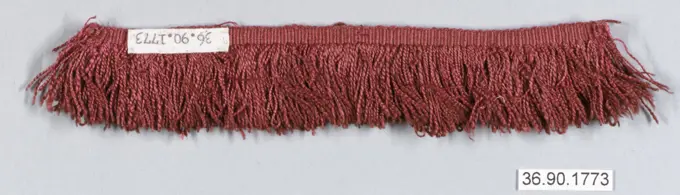
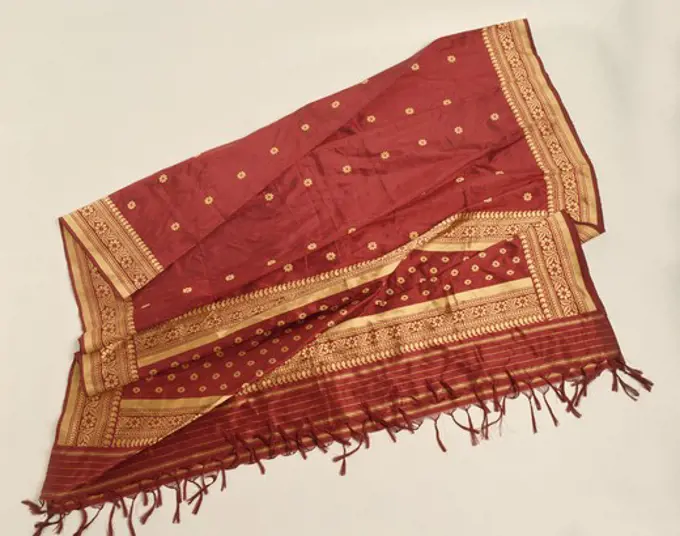
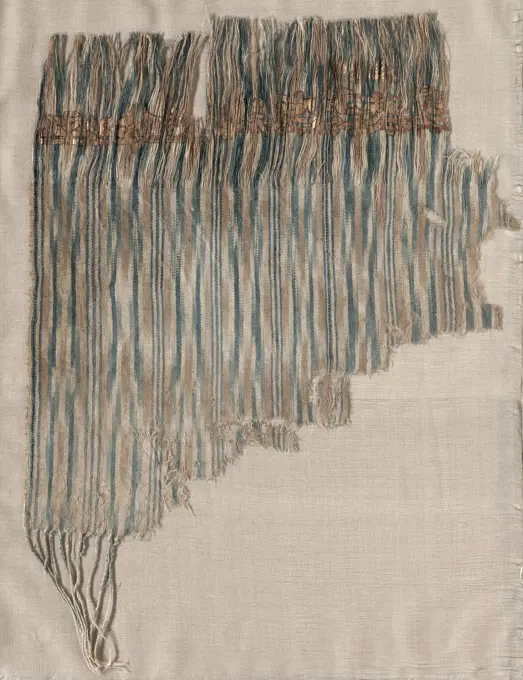
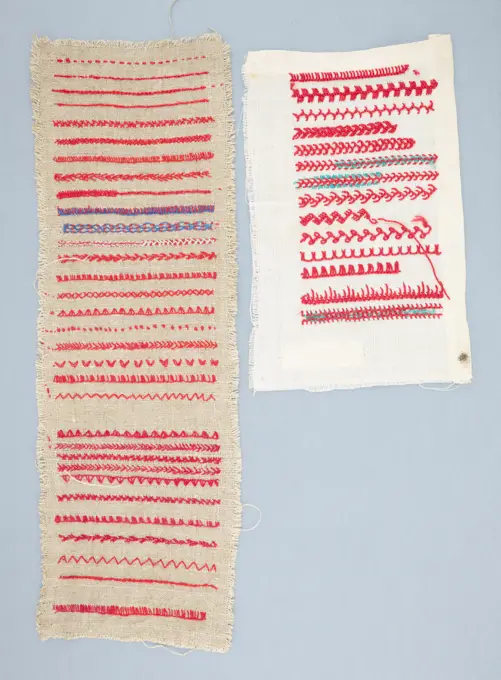
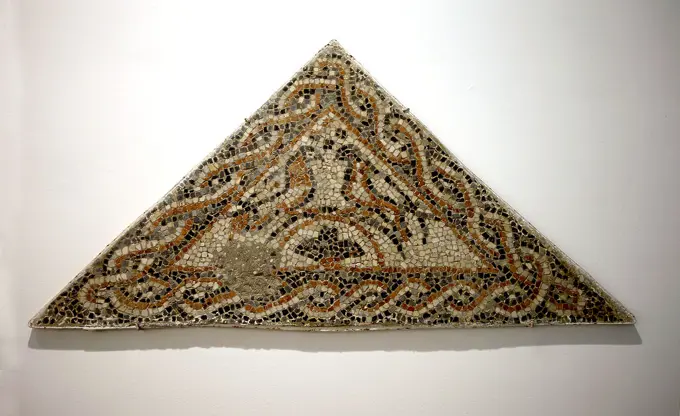
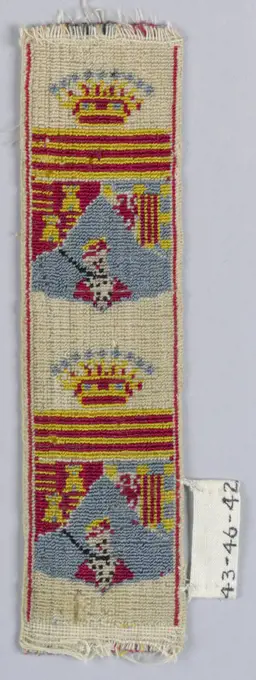
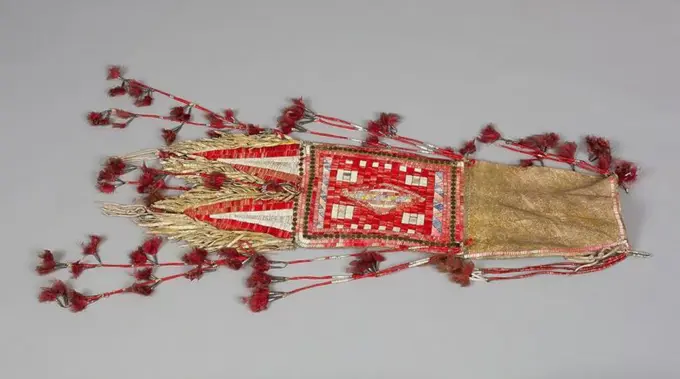
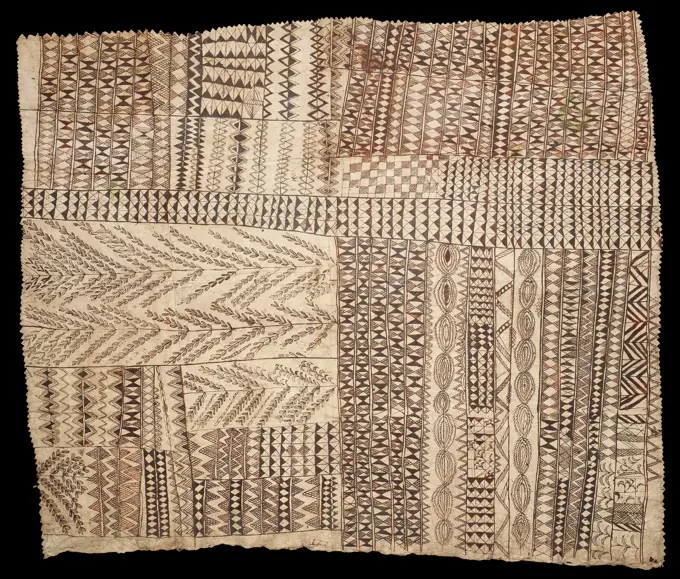
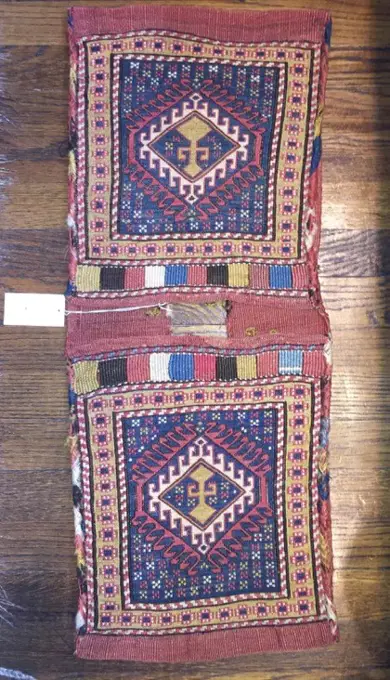
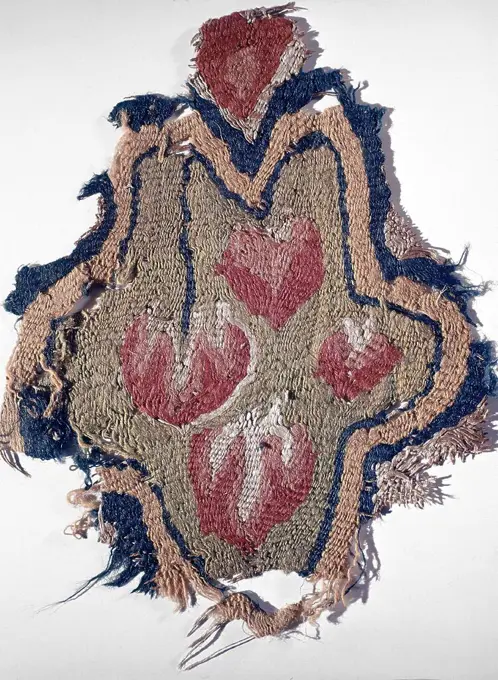
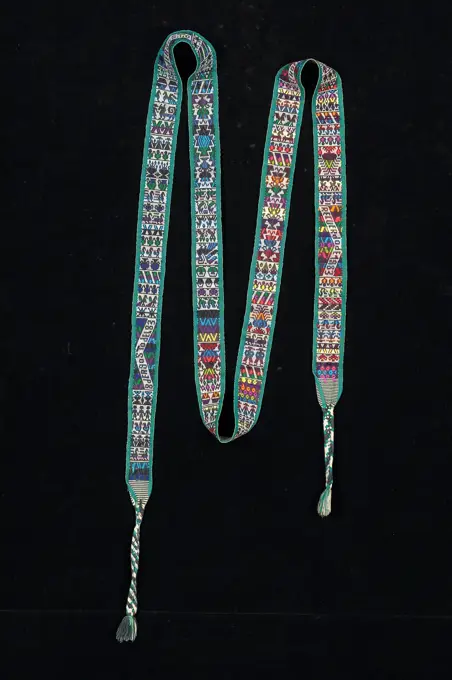
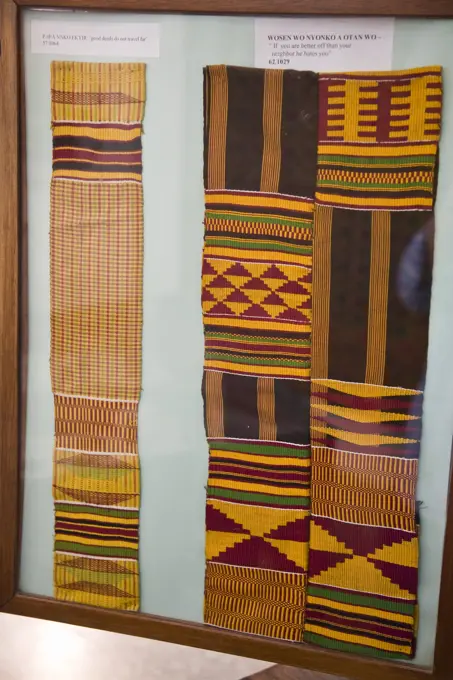
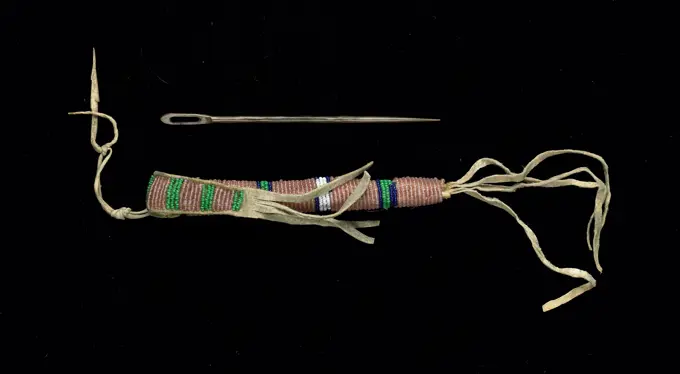
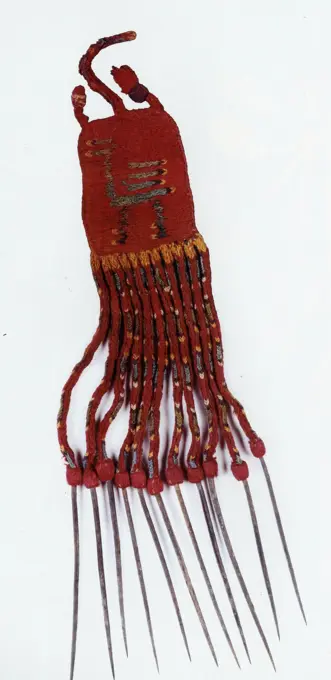
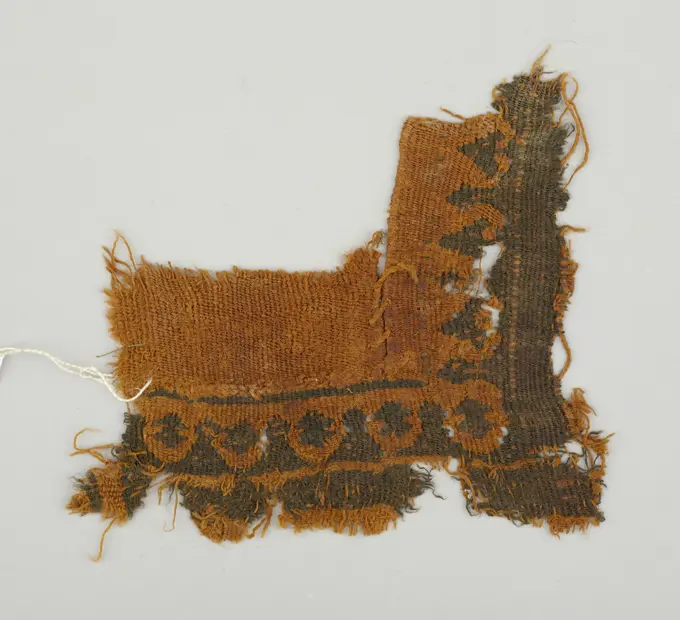
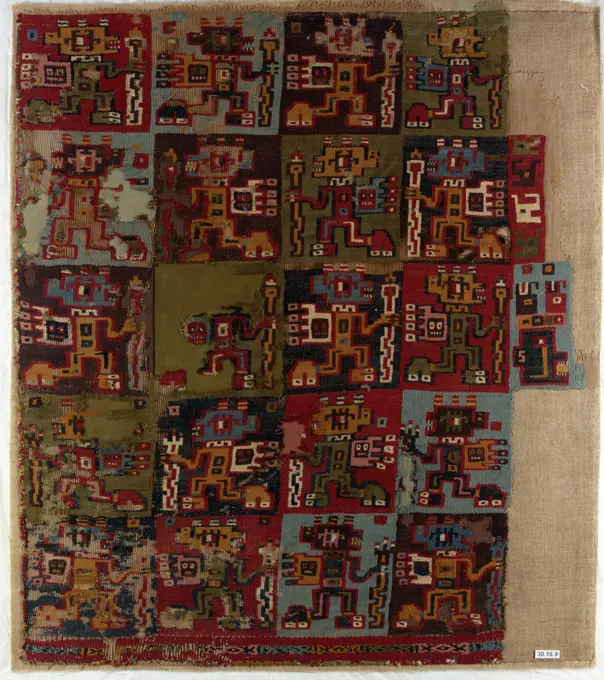
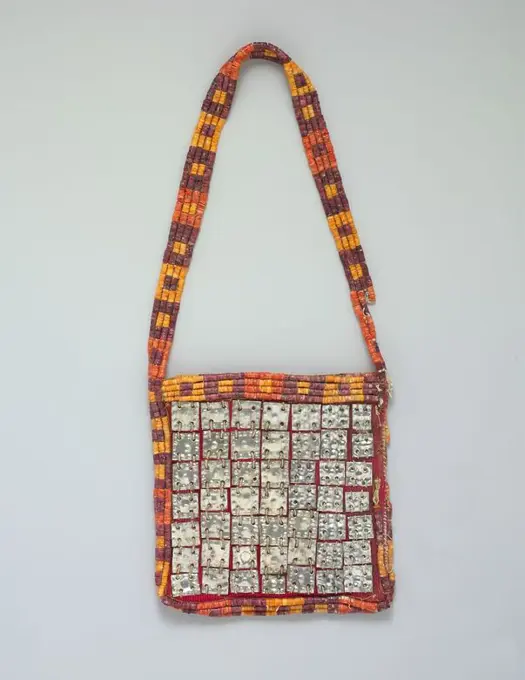
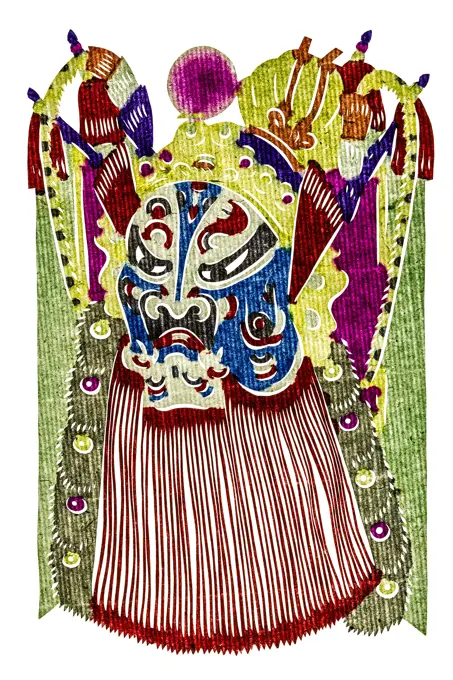
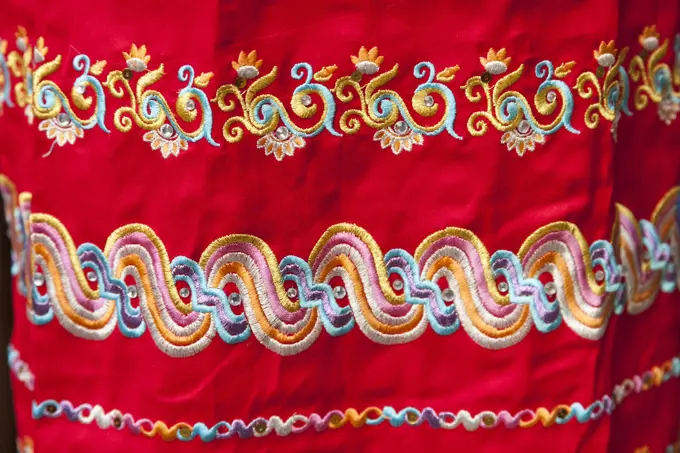
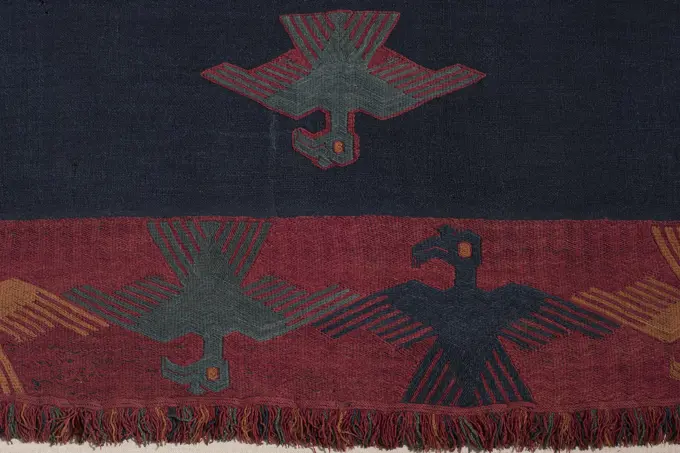
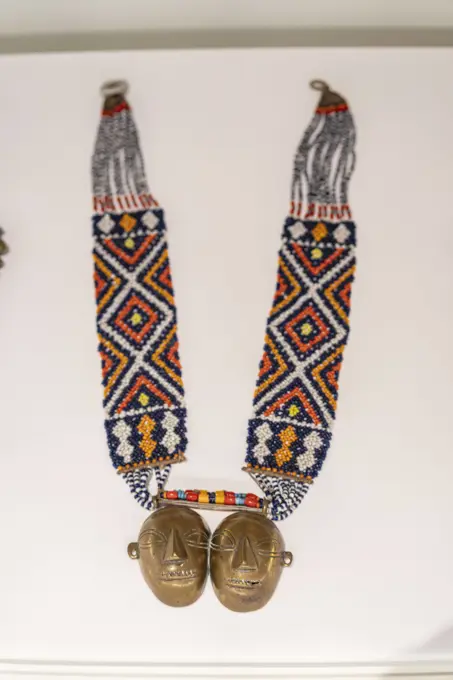
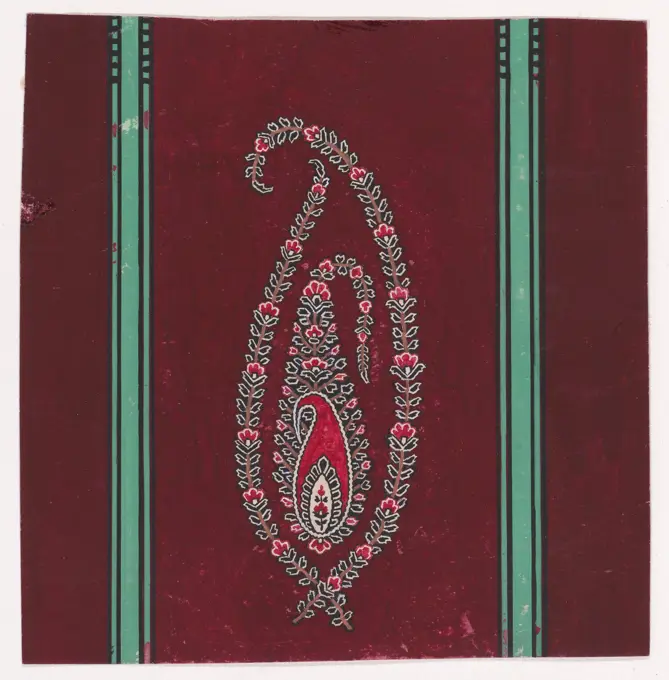
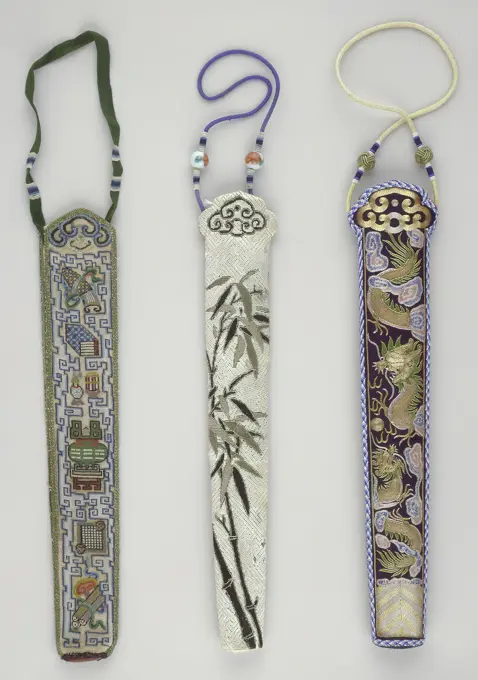
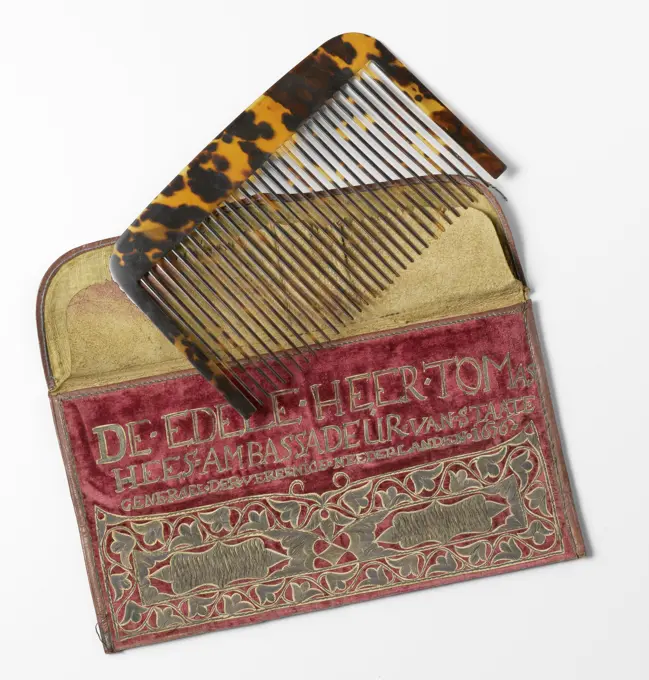
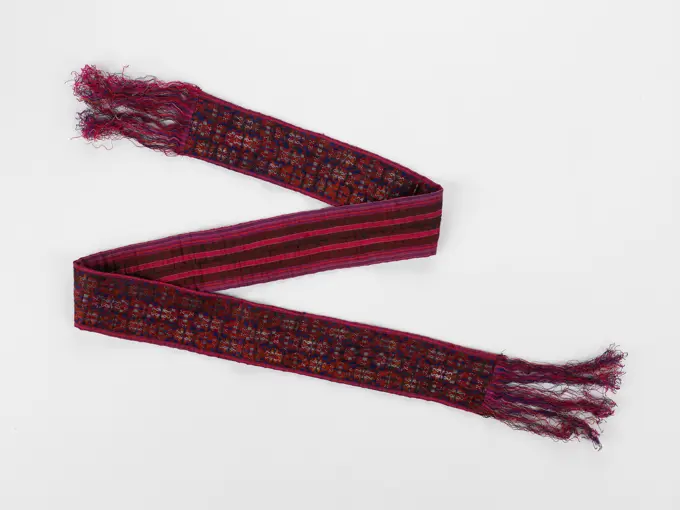
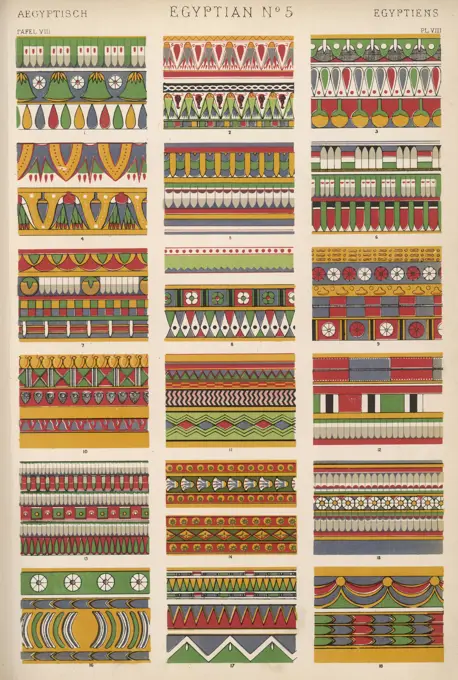
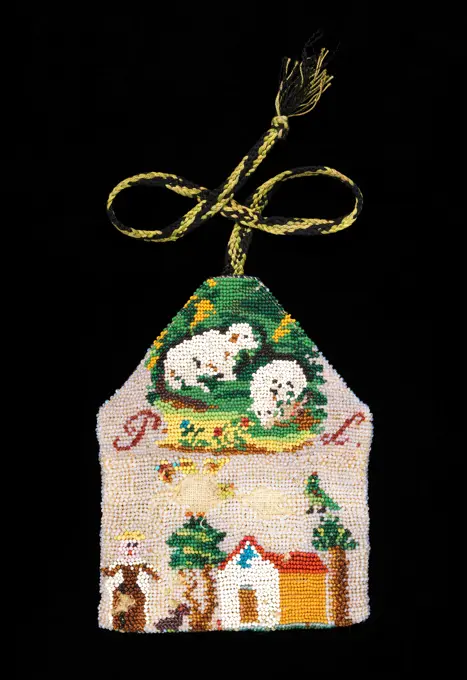
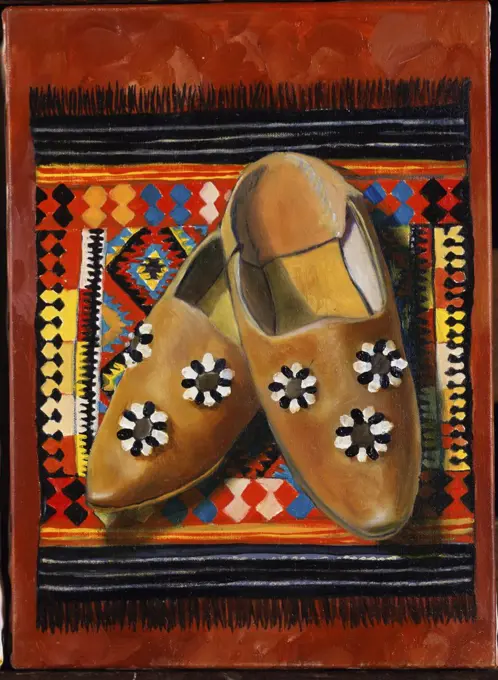
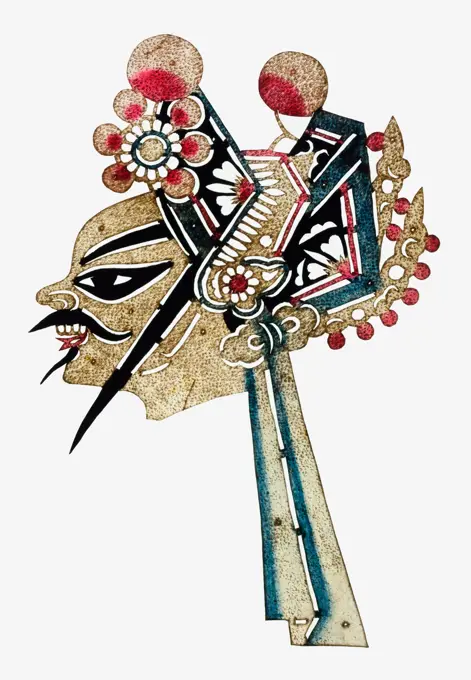
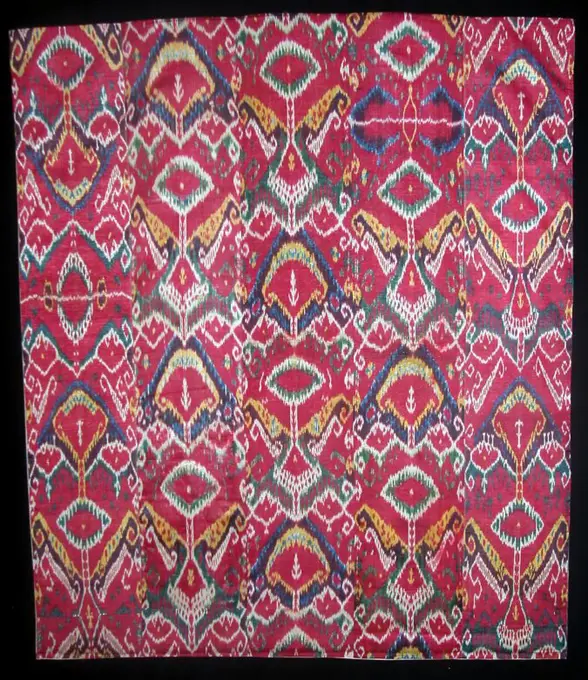
Wall Hanging Composed of Five Panels. Uzbekistan, Bukhara. Date: 1801-1850. Dimensions: 171.45 x 144.15 cm (67 1/2 x 56 3/4 in.). Silk and cotton, warp-resist-dyed (warp ikat), plain weave. Origin: Uzbekistan. Museum: The Chicago Art Institute, Chicago, USA.Conciliate belt;  2. PO. 18th century (1750-00-00-1799-00-00);Contact beltsKontusz sash. Manufaktura Karola Stanisława Radziwiłła (Słuck ; wytwórnia pasów ; ca 1767-1790), manufacture, Madżarski, Jan (fl. ante 1757-ca 1800), manufacturerBaby Carrier, 30 1/2 x 14 1/2 in. (77.47 x 36.83 cm), Cotton; needlework, ChinaFringe 18th century Italian or Spanish. Fringe 224938Strip -Wool Fragments with Brown PatternBandsTerracotta sherd from a vessel with horizontal bands and cross-hatched diamond pattern. Culture: Greek, Laconian. Dimensions: 3 1/4 × 2 5/16 × 1/4 in. (8.3 × 5.8 × 0.7 cm). Date: ca. 900-700 B.C.. Museum: Metropolitan Museum of Art, New York, USA.Valance China. Valance 68541Woman's bag, mid 20th century, 11 1/2 x 12 in. (29.21 x 30.48 cm), Cotton, seeds, metallic () discs; needlework, Myanmar (Burma) / Laos, 20th centuryFringed Bag 7th century Nasca. Fringed Bag 307844Fringe 18th century British. Fringe. British. 18th century. Textiles-TrimmingsShawl, 19th century, L.79-3/4 x W.79-3/8 in., India, 19th centuryBaby carrier, ChinaClose-up of gold and rust-coloured Indian silk throwArmband, 20th century, 22 x 14in. (55.9 x 35.6cm), Silk, metal, sequins; needlework, Morocco, 20th centuryWoman's headpiece, 20th century, 67 x 15 in. (170.18 x 38.1 cm), Laos, 20th centuryIntricately beaded Potawatomi bandolier bag with floral designs and decorated on bottom with tassle fringe, OklahomaFragment of a Tiraz, 900s. Yemen, San'a', Reign of Rassid Imams, 10th century A.D. (second half of 4th c. AH). Ikat dyed tabby cloth with painted inscription; overall: 41.7 x 30 cm (16 7/16 x 11 13/16 in.).Mantle (Peru); warp: cotton; weft: silk, metallic (silver strips wrapped around linen core)Two embroidery samples unknown, a professional school in KrakowRug, 20th century, 39 3/4 x 31in. (101 x 78.7cm), United States, 20th centuryShawl fragments, Medium: wool, silk Technique: double-interlocked 2/2 twill tapestry; chain stitch embroidery, Four fragments from the end of a late Kashmir shawl. Cartouches containing embroidered or tapestry script on backgrounds of black, red or ivory. About 1/4 inch of field pattern intact on some fragments. Other colors include green, light blue, yellow-orange., India, 19th century, embroidery & stitching, Shawl fragmentsJacket, 1980s, 32 x 37 1/2 in. (81.3 x 95.2 cm), Cotton; resist dyed, mudcloth (bogolanfini), Mali, 20th centuryMan's Loincloth, 20th century, 153 x 10 15/16 in. (388.62 x 27.78 cm) (without fringe or glass beads), Cotton, lead and glass beads; needlework, Laos, possibly Vietnam, 20th centuryBand, Medium: linen, cotton, silk Technique: long-armed cross stitch embroidery, Design of leaves on angular stem, left in ground; embroidery in long-armed cross stitch forms background., Europe, 17th century, embroidery & stitching, BandMosaic depicting two Eucharistic doves. (4th-5th cent. AD). Torrox, Malaga. Archaeology Museum of Catalonia, Barcelona, Spain.Back Apron (Arkalik), c. 1940, 20 x 18 1/4 in. (50.8 x 46.36 cm), Wool; needlework, Turkey, 20th centuryTobacco pouch -Trimming, White and colored silk in uncut velvet weave., Head and shoulders of soldier with gun shown against arms under crown; in red, yellow, and blue on white., Italy, 18th century, trimmings, TrimmingTobacco Bag. Dakota; Central Plains or Northern Plains, United States. Date: 1880-1890. Dimensions: 91.4 x 35.6 x 6.4 cm (36 x 14 x 2 1/2 in.). Porcupine quills, leather, beads, shell, and feathers. Origin: Northern Plains. Museum: The Chicago Art Institute, Chicago, USA.USA, New Mexico, Taos: Navaho Rug Gallery Kit Carson RoadGarters ca. 1790 French. Garters. French. ca. 1790. silkHiapo (tapa cloth), 1800s, Niue, maker unknown. Augustus Hamilton Collection.Shahsevan Double Saddle Bag ca. 1860 While the term "carpet" evokes a heavy, large rectangular textile (either knotted pile or flat-woven tapestry, called kilim) that covers a floor, a vast array of rug genres and techniques can be found in the Islamic world, where they serve various functions in nomadic encampments, villages, cities, and palaces. Flat-woven and richly embroidered textiles, such as this one, belong to the kinds of smaller tribal weavings that were common in the Middle East from Anatolia to Iran; it was generously given to The Met by Inger G. and William B. Ginsberg of New York. Such textiles were woven by nomadic tribes as containers for everyday items. Some were designed specifically to transport or store bedding, flour, salt, and wooden spindles used to make the woolen yarns from which these works were woven. Others were of smaller size, comparable to cross-body women's handbags, or çanta, or also possibly used by children. Most notable is the ubiquitous double saddlStrip -Sector of a parasoldek of dark blue cotton, with a border of Batist embroidered with wold wire, c. 1885 - c. 1900 Sector of a parasold deck of dark blue cotton, with a border of Batist embroidered with wold wire. Nijmegenfrance whole: Cotton (textile). Rand: Cotton (textile). Embroidery Rand: Wool embroidering Sector of a parasold deck of dark blue cotton, with a border of Batist embroidered with wold wire. Nijmegenfrance whole: Cotton (textile). Rand: Cotton (textile). Embroidery Rand: Wool embroideringMan's wrapper, 66 1/4 x 33 11/16 in. (168.28 x 85.57 cm), Cotton, NigeriaTextile Goats Hair Tapestry, ca. 323 B.C.-A.D. 256, Hair, warp by weft: 32 × 29 cm (12 5/8 × 11 7/16 in.), Yale-French Excavations at Dura-Europos, Excavated in Dura-Europos, Syria, Syrian, Dura-Europos, Greco-Roman or Parthian, TextilesTEJIDO ARABE.Band, Medium: wool Technique: warp-faced plain weave with float patterning, Belt of dark red wool with center design of black and white checker pattern. White cords to tie at sides., Peru, possibly 1200, woven textiles, BandWoman's belt (faja), 1983, L.102 x W.1-3/4 in. (with fringe), Cotton; discontinuous weft patterning, Guatemala, 20th centuryAfrica, West Africa, Ghana, Accra. Traditional woven Asante Kente cloths in the National Museum of Ghana.Bandana (USA); Manufactured by Wamcraft; cottonAwl Case with Awl, 1890s, 6 13/16 x 1 x 1 in. (17.3 x 2.54 x 2.54 cm) (case only, without ties or fringe), Animal hide, beads, copper, United States, 19th centuryCushion Cover (Italy); silk on linen; Bequest of Marian Hague; 1971-50-89TextilePendant.  Artist: UnknownFragment of Coptic fabric unknownanother side of surgeon s knot joining ropes another side of surgeon s knot joining different ropes close up isolated on white background Copyright: xZoonar.com/ValeryxVoennyyx 13966563Mantle Fragment 9th-10th century Wari. Mantle Fragment. Wari. 9th-10th century. Camelid hair, cotton. Peru. Textiles-WovenBag. Culture: Chimú. Dimensions: Length 6-1/4 in. (16 cm). Date: 14th-15th century. Museum: Metropolitan Museum of Art, New York, USA.Chinese tradition opera mask, isolated on white background Chinese tradition opera mask, isolated on white background Copyright: xZoonar.com/OleksandrxKostiuchenkox 9747153Colourful fabric for sale, Yangon, Rangoon, Myanmar, Burma CAP/MEL Mel Longhurst/ Burma Myanmar Copyright: xMelxLonghurst/CapitalxPicturesxMantle Nasca. Mantle, 0-100 C.E. Camelid fiber, 108 11/16 x 50 13/16 in. (276.1 x 129.1 cm).   Arts of the Americas 0-100 C.E.Sample ca. 1840 French, Mulhouse. Sample 220034Traditional turkish handmade bagsHalskette mit Trophäenköpfen Necklace with trophy heads, Konyak Naga, Mon district, Nagaland, India, 20th century, glass, rope and brass, MuEC, Barcelona, Catalonia, Spain LicenseRF Copyright: xZoonar.com/Tolox 23171176Fragment eines kirgisischen Nationalmusters auf einer Filzjurte Fragment of Kyrgyz national pattern on a traditional felt yurt Copyright: xZoonar.com/EkaterinaxIakimenkox 23092262Basket, 20th century, 2 1/16 x 2 1/16 in. (5.2 x 5.2 cm), Natural plant fibers, United States, 20th centuryMitts 18th century British. Mitts 102611Textile; silkGirdleMan's wrapper, mid 20th century, 87 x 50 1/2 in. (220.98 x 128.27 cm), Cotton; woven, India, 20th centuryVolute-krater fragment. Culture: Greek, South Italian, Apulian. Dimensions: 7 7/16 x 3 1/2in. (18.9 x 8.9cm). Date: ca. 350-300 B.C.. Museum: Metropolitan Museum of Art, New York, USA.Sampler (Netherlands); silk embroidery on linen foundationTextileFragment.  Artist: UnknownCard case (), 19th century, 17 1/2 x 2 3/4 in. (44.4 x 7 cm), silk,metal thread,cotton, China, 19th centuryFolk embroidery pattern unknownCurio Shop, Long Street, Cape Town, South AfricaFestival sash, 20th century, 75 x 2 1/2 in. (190.5 x 6.4 cm), Silk, China, 20th centuryMexican knitted poncho isolatedSaudi Arabia, Near Riyadh, Local WeavingsWrapping cloth (furoshiki), Medium: cotton Technique: flat surface resist on plain weave, Square carrying cloth (furoshiki) with the design of a bundle of seaweed and a flowering branch in the center of a blue-green ground. Light blue crest in one corner. Three pieces of fabric sewn together, the outer two selvage to selvage widths, joined prior to dyeing. The linear pattern is achieved by a resist paste. Four corner reinforced by three rows of running stitches radiating from the corner. Two sides reinforced by double row of running stitches. Top and bottoms hemmed. Small tassel at each corner., Japan, 19th century, printed, dyed & painted textiles, Wrapping cloth (furoshiki)Bag, 19th century, 6 x 5 in. (15.24 x 12.7 cm), Cotton, Turkey, 19th centuryManiple;  18th century (1701-00-00-1800-00-00);Emperor's() Twelve-Symbol Robe 20th century China. Emperor's() Twelve-Symbol Robe 70207Textile Design with a Paisley Motif Decorated with Branches with Small Stylized Flowers and Leaves Framed by Two Vertical Stripes 1840 Anonymous, Alsatian, 19th century Rectangular sheet of paper with a textile design from a group, dated 1840, made in Mulhouse, Alsace which was an important nineteenth-century center for textile production in the Haut-Rhin region of France. The design is made up of a paisley motif decorated with branches with small stylized flowers of red color and leaves framed by two vertical stripes of green color with black outlines over a dark burgundy ground. The upper part of the stripes is outlined with alternating squares of black and green color.. Textile Design with a Paisley Motif Decorated with Branches with Small Stylized Flowers and Leaves Framed by Two Vertical Stripes. Anonymous, Alsatian, 19th century. 1840. GouacheFan Case with Braided Strap, 19th century, 12 1/4 x 2 in. (31.12 x 5.08 cm) (excluding strap), Silk, embroidery, China, 19th centuryLetter case and comb, anonymous, c. 1600 - c. 1700 bag Red velvet bag in Levant's work, richly decorated at the front with gold stitching on leather, with inscription: The noble Lord Tomas Hees Ambassador of State Generael der Vergigige Neederanden 1676. In the bag there is a turtle comb with 31 teeth.  textile materials.Belt, 51 3/8 x 3 in. (130.49 x 7.62 cm) (without fringe), Cotton, silk (), ChinaWarriors JacketBridle -Ukrainian handmade. . Ornaments from Mummy-cases in  the British Museum and the  Louvre, mostly composed of the lotus flower.      Date: 1868Terracotta fragment of a kylix (drinking cup) 500-480 B.C. Greek, Attic Interior, lower legs and fingers of right hand; part of an inscription, KALOS; Exterior, part of torso, bent left arm and hand, pubic area, and bit of left thigh of male reclining on a cushion; legs of reclining male, lying on a cushion, masturbating. Terracotta fragment of a kylix (drinking cup) 709508Coin purse 1820-40 Mexican The two detailed vignettes seen here each contain a clear sense of individuation in the depiction of their female figures. The purse is part of the Mexican beadwork collection of over 600 pieces assembled by Elizabeth Morrow (1873-1955), mother of writer Anne Morrow Lindbergh, the wife of renowned aviator Charles Lindbergh. Morrow collected the objects between 1927 and 1930, when her husband, Dwight Morrow, Sr., served as U.S. ambassador to Mexico. She lent the collection to the Brooklyn Museum in 1938 and upon her death, her children donated it. A collection of 155 pieces of Mexican ceramics and other decorative arts were given to Amherst College, her husband's alma mater. Mrs. Morrow collected Mexican beadwork, along with other examples of colonial and native arts, to decorate their country home in Cuernavaca in order to promote a more peaceful image of that country through its works. The Morrows sought to overturn the perception of post-revolutionary MexicDance blanket, c. 1900, 56 15/16 × 70 15/16 in. (144.62 × 180.18 cm) (without ribbon tabs), Wool, beads, ribbon, United States, 20th century, This blanket started out as a standard-issue Hudson Bay blanket, factory-made from British wool. An Otoe or Otoe-Missouria artist transformed it into a work of arta prized Native dance blanket. It was probably made for a member of the Osage community around 1900. The Osage were immensely rich due to the oil discovered on the Osage Nation land. Wealthy Osage individuals often commissioned their ceremonial regalia from neighboring Otoe and Otoe-Missouria peoples. This blanket features signature Otoe and Otoe-Missouria-style appliqué with colorful beads. When it is worn, the floral designs appear on the front and the horses on the back, wrapping the dancer with decoration.Turkish Slippers  1996 Isy Ochoa (b.1961 French) Oil on canvasThe Rug. Original caption: Miscellaneous ("the rug").. 1923 - 1955. Central Plains Region (Kansas City, MO). Photographic Print. Department of the Interior. Bureau of Indian Affairs. Pine Ridge Agency. 9/17/1947-. PhotographsShadow Puppet Head, 20th century, 5 in. (12.7 cm), China, 20th centuryAnonymous. Local manufacturing armband of the Metro () FFI group in the Seine department. Metal, fabric, ink, manual seams. 1944-1945. General Leclerc Museum of Hauteclocque and the Liberation of Paris, Jean Moulin Museum. War 1939-1945, War 39-45, Second World War