Thangka Paintings in Tibetan Culture

Vibrant thangka paintings illustrating Tibetan Buddhist themes and figures. They showcase intricate designs and rich colors, encapsulating spiritual stories and cultural heritage.
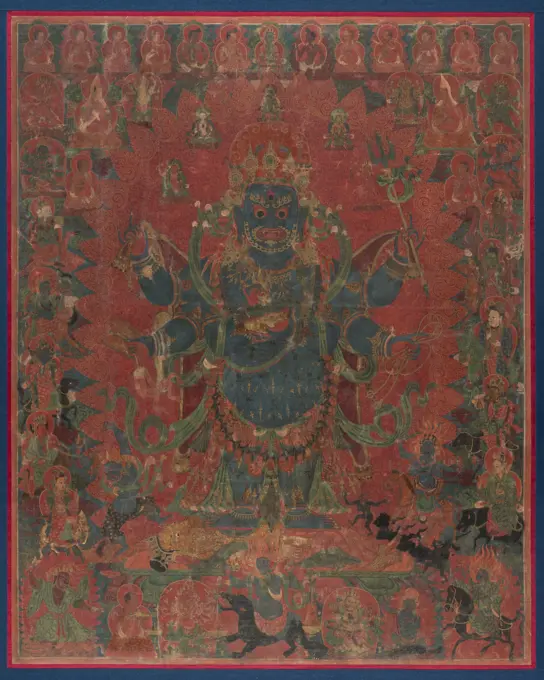
Mahakala and his Entourage. Central Tibet, Gyantse (), circa 1450-1500. Paintings. Mineral pigments, gold, and ink on cotton cloth
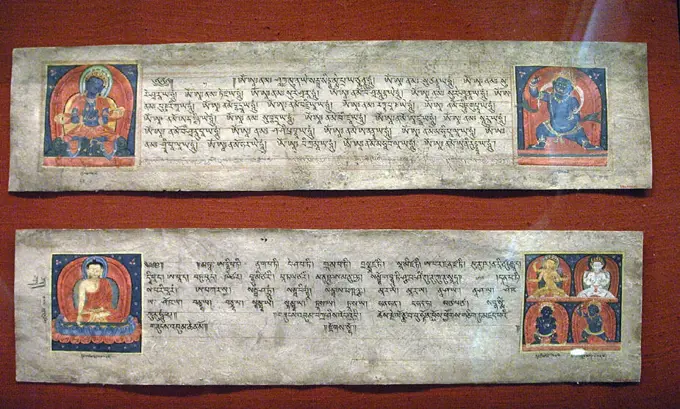
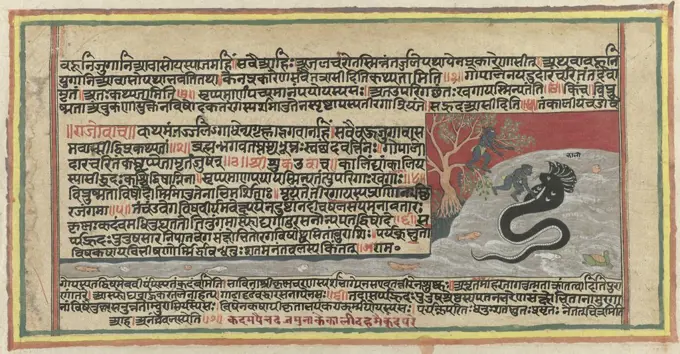
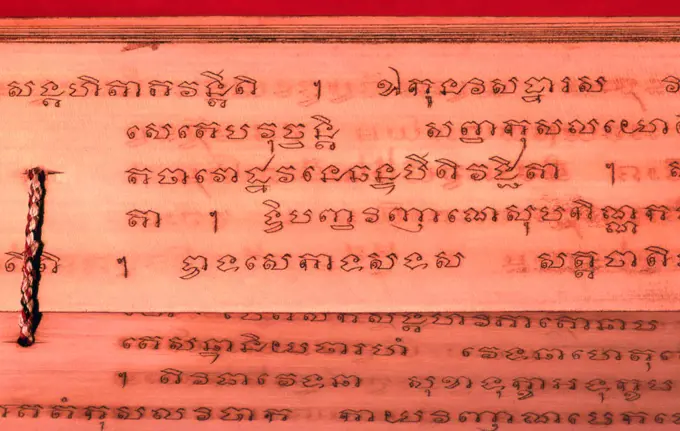
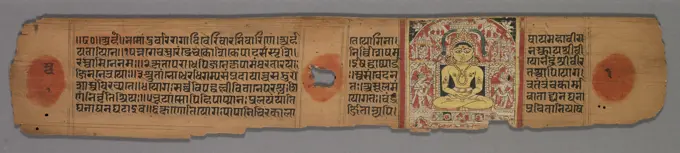
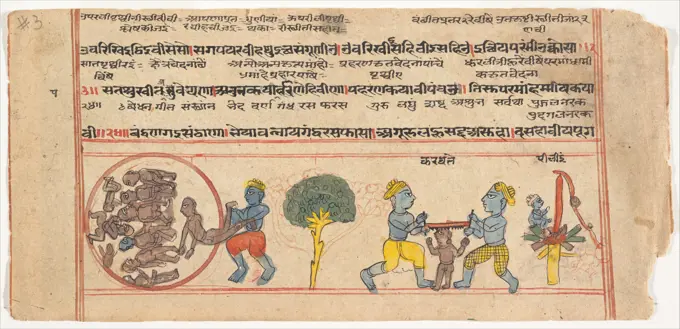
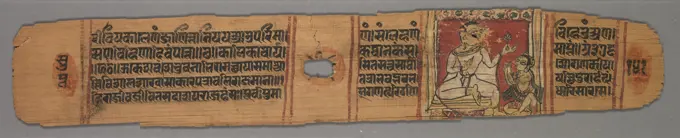
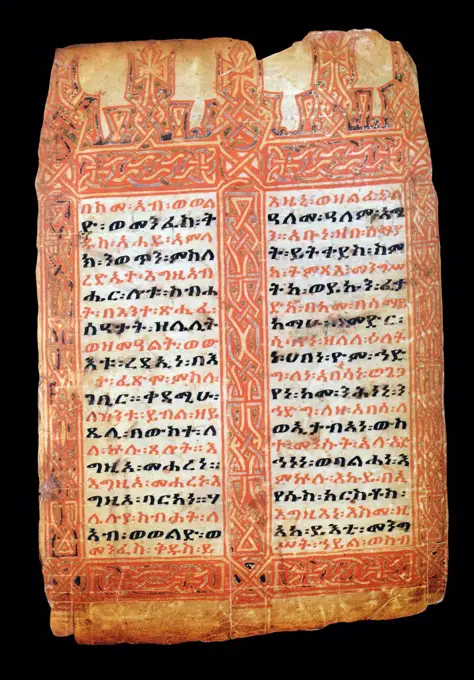
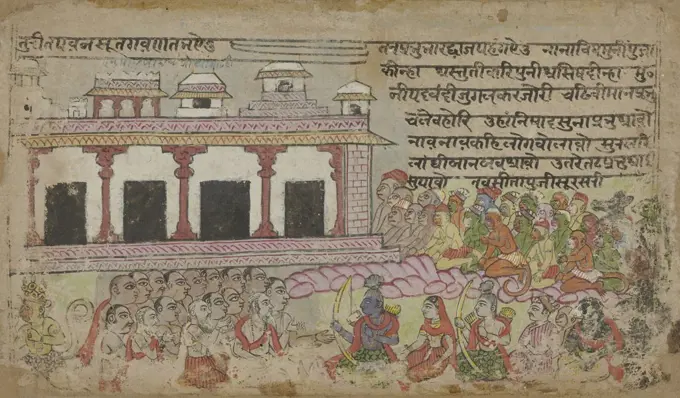
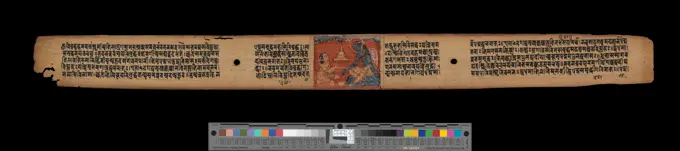
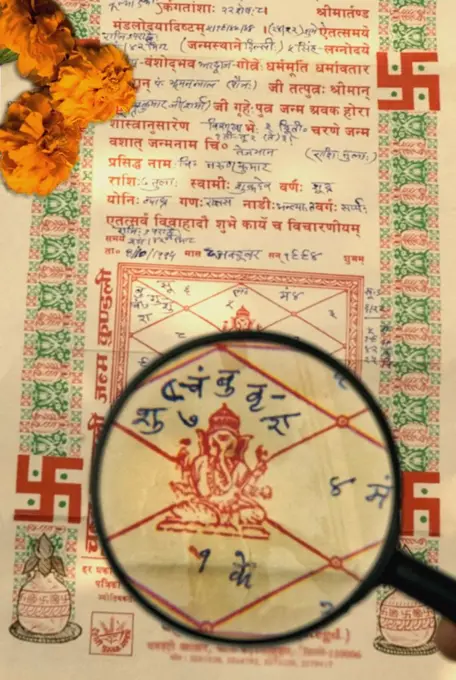
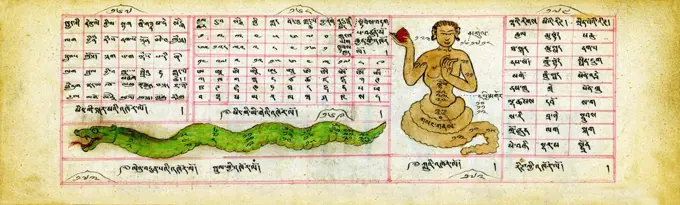
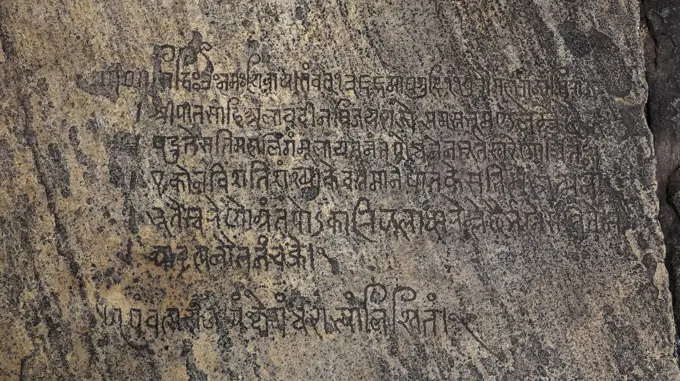
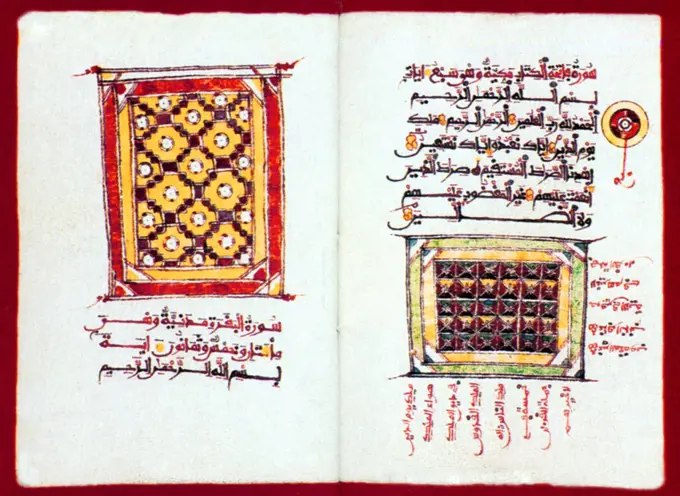
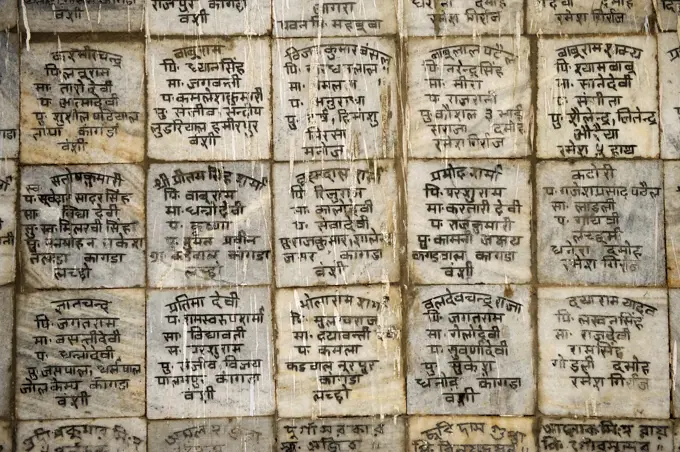
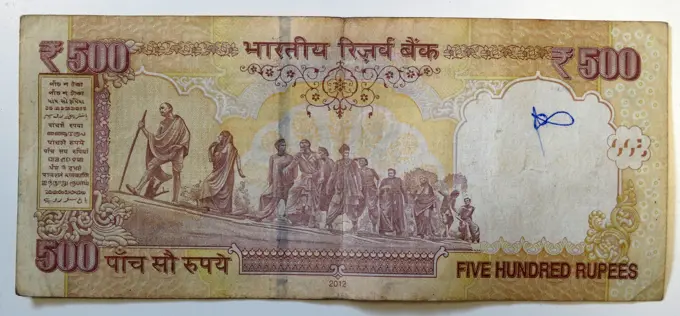
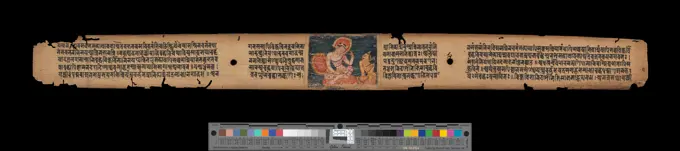
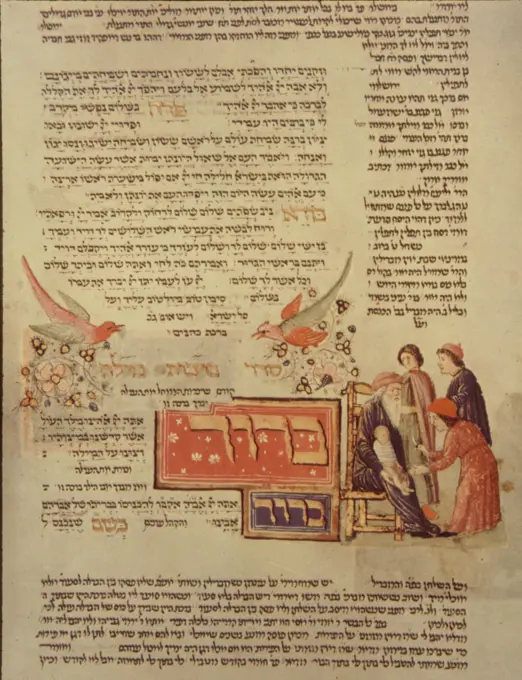
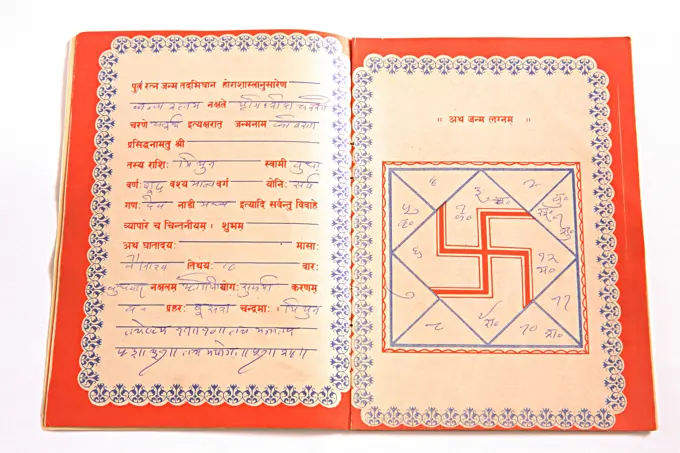
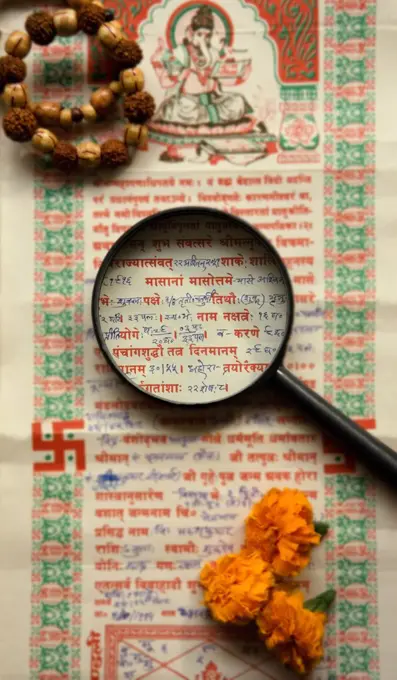
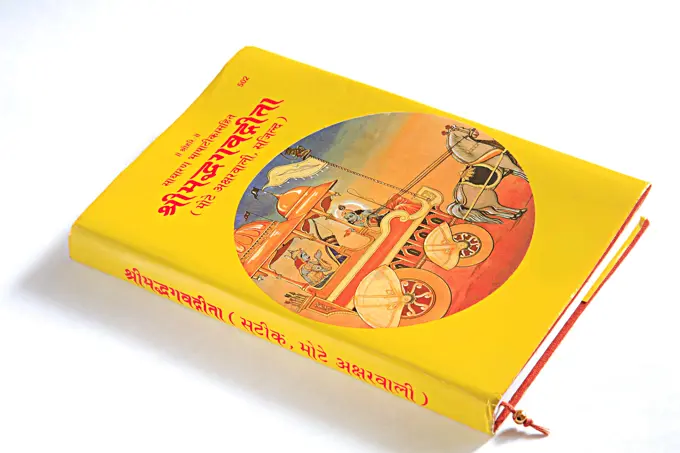
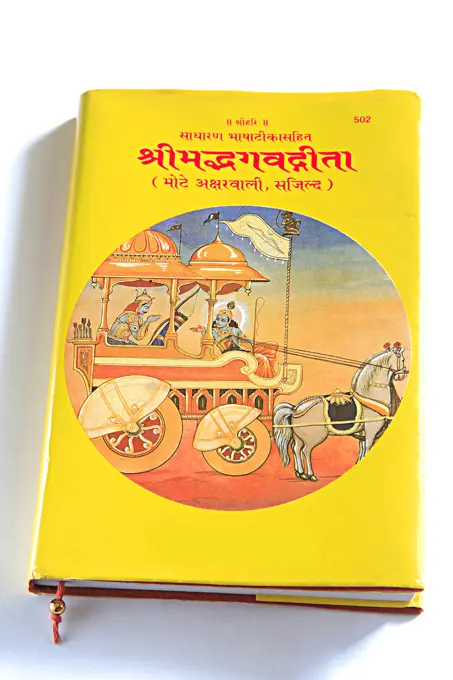
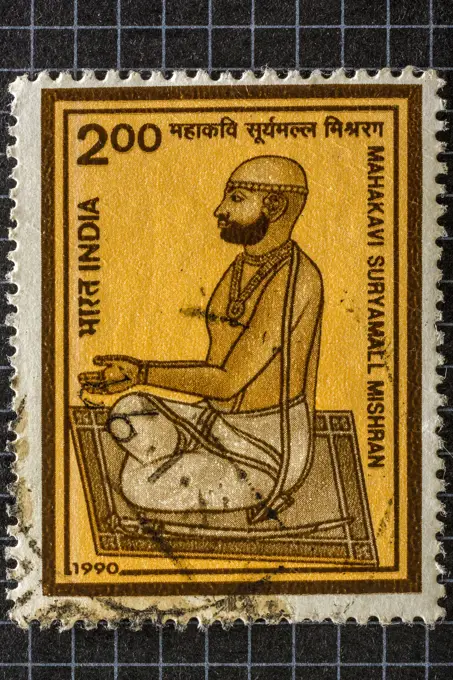
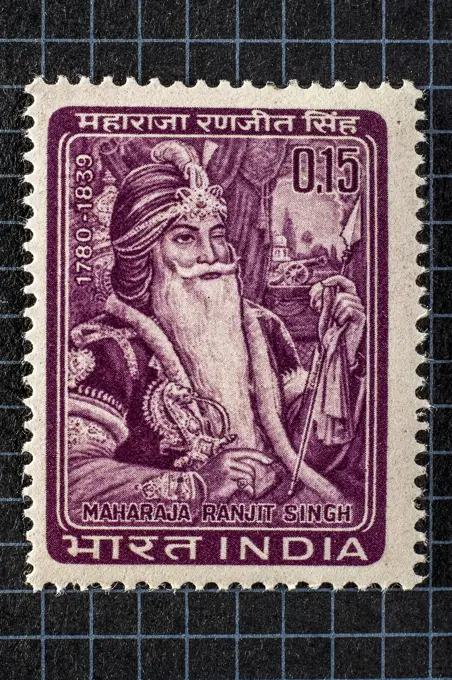
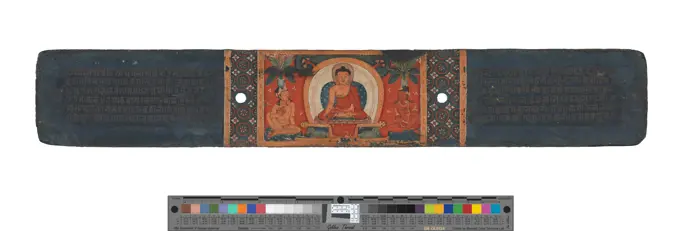
Buddha Shakyamuni (top), Goddess Mahasitavati (middle), Goddess Mahasahasrapramardini (bottom), Folios from a Pancharaksha (Five Protective Charms). Nepal, early 13th century. Books. Opaque watercolor and ink on paperKrishna Fighting the Serpent Kaliya, Mewar, c. 1614 - c. 1640, paper, brush, h 230 mm × w 405 mm h 345 mm × w 175 mmBook of Omens (84 Separate Folios). Nepal, 17th century. Books. Ink and opaque watercolor on paperVIETNAM, NHA TRANG, LONG SON PAGODA, DRAGONPage from a Dispersed Kalpa Sutra (Jain Book of Rituals) 15th century India (Gujarat). Page from a Dispersed Kalpa Sutra (Jain Book of Rituals) 75058Kalaka with Shakra Disguised and Revealed, Leaf from a Dispersed Jain Manuscript of the Kalakacharya-katha Indian. Kalaka with Shakra Disguised and Revealed, Leaf from a Dispersed Jain Manuscript of the Kalakacharya-katha, ca. 15th century. Opaque watercolor and gold on paper, sheet: 4 1/2 x 11 3/8 in. (11.4 x 28.9 cm).   Asian Art ca. 15th centuryPrayer wheel in front of Tengboche MonasteryMap of the universe: The Globe, the seven saints of the heavens, the Zodiac and the position of the 28 days of the month, miniature from The tales of Luqman, Arabic manuscript, 1583.Palm leaf manuscripts are made out of dried palm leaves. They served as the paper of the ancient world in parts of Asia as far back as the fifteenth century BCE, and possibly much earlier. They were used to record actual and mythical narratives in South Asia and in South East Asia. Asgiriya Vihara, the Monastery of the Horse Mountain’, was built by the family of Pilima Talauve in the early 19th century, on a plot adjoining the ancient royal cremation ground. The Asgiriya Vihara is a rather smallish, inconspicuous temple, but as one of the seats of Goyigama religious power, of great significance. From the early 19th century onwards, during the Esala Perahera, the sacred Tooth Relic would be deposited for the last night of the festival at the Asgiriya Vihara. Together with the Malwatte Vihara, it is also one of the wealthiest temples in Sri Lanka.Leaf from a Jain Manuscript: Yoga-shastra: Seated Yellow Jina Shantinatha Enshrined, 1279. Hemachandra (Indian). Opaque watercolor and ink on palm leaf; verso is blank; overall: 7.5 x 31.1 cm (2 15/16 x 12 1/4 in.). Rendered with alacrity and charm, the painting is independent of the Sanskrit text, an influential work on the practice of yoga in the Jain tradition written by the scholar Hemachandra who lived from 1089 to 1172. The yellow Jina Shanti, recognizable by the deer in the pedestal, is honored with crown and jewels, and he wears the white lower garment permitted by members of the "White Clad" sect of Jainism. His medita1ive concentration is indicated by his slightly cross-eyed gaze fixated on a point beyond the nose. Attendants, dancers, and elephants pouring ablutions from above celebrate his liberated state and visually set off the monumental body of the Jina.Tortures of the Damned ca.1800 India. Tortures of the Damned 38003The Seige of Ujjain and the Defeat of the Magic She-Ass, Page from a Dispersed Jain Manuscript of the Kalakacharya-katha Indian. The Seige of Ujjain and the Defeat of the Magic She-Ass, Page from a Dispersed Jain Manuscript of the Kalakacharya-katha, ca. 15th century. Opaque watercolor and gold on paper, sheet: 4 1/2 x 10 1/8 in. (11.4 x 25.7 cm).   Asian Art ca. 15th centuryLeaf from a Jain Manuscript: Kalpa-sutra, 1279. Western India, Gujarat, 13th century. Opaque watercolor and ink on palm leaf; script on recto and verso; Manuscript 2; Leaf from a Jain Manuscript: Kalpa-sutra: A Monk Preaching (recto); Leaf from a Jain Manuscript: Kalpa-sutra: text (verso); overall: 5.7 x 14 cm (2 1/4 x 5 1/2 in.).Kalaka with Shakra Disguised and Revealed, Leaf from a Dispersed Jain Manuscript of the Kalakacharya-katha Indian. Kalaka with Shakra Disguised and Revealed, Leaf from a Dispersed Jain Manuscript of the Kalakacharya-katha, ca. 15th century. Opaque watercolor and gold on paper, sheet: 4 1/4 x 10 1/4 in. (10.8 x 26.0 cm).   Asian Art ca. 15th centuryLeaf from a Jain Manuscript: The Story of Kalakacharya of Devachandra: Text (recto); Leaf from a Jain Manuscript: The Story of Kalakacharya of Devachandra: Brahmanshanti Yaksha (verso), 1279. Devachandra (Indian). Opaque watercolor and ink on palm leaf; Manuscript 4; overall: 5.1 x 34.8 cm (2 x 13 11/16 in.).Kalayavana Surrounds Mathura, Page from a Dispersed Bhagavata Purana Series Indian. Kalayavana Surrounds Mathura, Page from a Dispersed Bhagavata Purana Series, ca. 1800. Opaque watercolor on paper, sheet: 9 1/2 x 14 3/4 in. (24.1 x 37.5 cm).   Asian Art ca. 1800Historic prayer mill, Golden Temple Kwa Bahal, Patan, Kathmandu, Nepal, AsiaThe six-syllabic prayer "Om Mani Padme Hum". Chromolithograph.Windhorse "amulet flag with Tibetan involvement. Horse bears" jewel "of salvation (liberation)Pema Osel Ling Monastery.  Tibetan Prayer Flag for Faith, peace, wisdom, compassion, and strength..Jain Monk Holding a Flower Venerated by a Royal Follower, colophon page from a Story of the Religious Teacher Kalaka (Kalakacharya-katha, verso), 1279. Western India, Gujarat. Opaque watercolor and ink on palm leaf; overall: 5.6 x 33 cm (2 3/16 x 13 in.). Palm leaf was the preferred material for sacred texts before the 1400s in India. The text here was often appended to the Kalpa-sutra, the most sacred book of Jainism. This story concerns the life of a Jain teacher named Kalaka, a prince who developed the ability to work magic after he become a monk, inspired by the teachings of a holy man.The painting on this page shows a monk clad in white, indicating his affiliation with the Shvetambara (white clad”) branch of Jainism. It is the second to the last page of the manuscript and includes the beginning of the colophon, which contains information about when and where this manuscript was produced.Christianity in Ethiopia dates to the 1st century AD, and this long tradition makes Ethiopia unique amongst sub-Saharan African countries. Christianity in this country is divided into several groups. The largest and oldest is the Ethiopian Orthodox Tewahedo Church which is an Oriental Orthodox church in Ethiopia that was part of the Coptic Orthodox Church until 1959, when it was granted its own Patriarch by Coptic Orthodox Pope of Alexandria and Patriarch of All Africa Cyril VI. The only pre-colonial Christian church of Sub-Saharan Africa, the Ethiopian Orthodox church has a membership of slightly more than 32 million people in Ethiopia, and is thus the largest of all Oriental Orthodox churches. Next in size are the various Protestant congregations, who include 13.7 million Ethiopians. The largest Protestant group is the Ethiopian Evangelical Church Mekane Yesus, with about 5 million members. Roman Catholicism has been present in Ethiopia since the 16th century, and numbers 536,827 belPage from a Dispersed Kalpa Sutra (Jain Book of Rituals) ca. 1675 India. Page from a Dispersed Kalpa Sutra (Jain Book of Rituals) 38002Hindu Gods, Ganesha and Sarasvati, Anonymous, 1590 - 1610 Indian miniature. drawing Two performances of gods are placed on either side of a middle section on a narrow, long strip; Text in Oud-Indian script on the top edge and center piece, two unwritten sides with a large red dot, a geometric motif under the right spot. Damage in the shows. Gujarat paper brushSeated Parshva with Attendants Being Lustrated by a Pair of Elephants, folio 1 (verso) from the Great Poem about Twos (Dvyashraya Mahakavya) of Hemachandra, with commentary by Abhayatilaka, c. 1275-1300. Western India, Gujarat. Gum tempera and ink on palm leaf; overall: 5.7 x 46 cm (2 1/4 x 18 1/8 in.). The text opens with an invocation to Parshva, the 23rd of 24 Jinas, or liberated beings of the Jain religion. For this reason, his image has been painted on the first page of this manuscript. Parshva is shown as green in color, seated in meditation, with serpents above his head. Two attendants holding fly whisks mediate between Jain devotees on earth and Parshva who exists in eternal bliss in a realm outside our own.Rama and Sita with monkey army in front of palace, Murshidabad, 1670 - 1690, paper, deck paint, brush, h 150 mm × w 265 mmKalaka Converts the Bricks to Gold, Leaf from a Dispersed Jain Manuscript of the Kalakacharya-katha Indian. Kalaka Converts the Bricks to Gold, Leaf from a Dispersed Jain Manuscript of the Kalakacharya-katha, ca. 15th century. Opaque watercolor and gold on paper, sheet: 4 1/2 x 11 1/4 in. (11.4 x 28.6 cm).   Asian Art ca. 15th centuryThrone and shrine images. 1801 - 1900. Drawings. Spencer CollectionThai manuscript page depicting the visit of Phra Malai to Hell, Thailand, Southeast Asia, AsiaAncient script at Mahabodhi temple, Bodhgaya, Bihar, India Copyright: xDinodiaxPhotoxIn the upper part of the painting an intermediary companion of Radha visits Krishna (blue) to tell him of Radha's longing for him and desire to be reunited. In the lower part of the painting a flask of rosewater is poured onto Radha to cool the burning pain of her separation from Krishna. The text describes the scene and has been translated as: 'Hearing her moan with the burning pin of separation, I emptied a whole flask of rosewater onto her, but the flames of parting vaporised the rose water in mid air, and not a drop fell on her' (Radha's companion and internmediary reporting to Krishna).Leaf from a Jain Manuscript: The Story of Kalakacharya: Text (recto), 1278. Western India, Gujarat, 13th century. Opaque watercolor and ink on palm leaf; Manuscript 2; overall: 5.4 x 32.1 cm (2 1/8 x 12 5/8 in.).Tibetan Buddhist mantras carved in stone, Tongde Monastery, Zanskar Valley, Zanskar, Ladakh, Jammu and Kashmir, Indian Himalayas, North India, India, AsiaOn a narrow, long strip two representations of gods are placed on either side of a central piece, text in old Indian writing on top and middle piece, two undescribed sides with a large red dot, under the right dot a geometric motif. Damages in the representations, Hindu gods, Ganesha and Shri., draughtsman: anonymous, Gujarat, 1590 - 1610, paper, brush, h 111 mm, w 255 mm, w 218 mmIlluminated Pages from a Dispersed DharanI Manuscript 14th-15th century Tibet The upper page shows the seated bodhisattva Vajradhara on the left and an Esoteric form of the bodhisattva Vajrapani on the right. The lower shows Shakyamuni (the historic Buddha) and four Esoteric bodhisattvasa seated yellow Manjushri, a seated white Avalokiteshvara, a standing blue Panjaranatha, and a standing blue Vajrapani.. Illuminated Pages from a Dispersed DharanI Manuscript 37810sanskrit script on cloth, hinduism, india Copyright: xRavixShekhar/DinodiaxPhotoxA Night Goddess Instructing Sudhana, Folio from a Gandavyuha (The Structure of the World). Nepal, circa 1150-1175. Manuscripts. Opaque watercolor and ink on palm leafPrayer Wheels Prayer wheels with mantras engraved on them in Nepal Copyright: xZoonar.com/GemmaxHesterx 4552290Indian HoroscopeLeaf from a Jain Manuscript: Yoga-shastra: Text (recto); Leaf from a Jain Manuscript: Yoga-shastra: Jain monk with Disciple and Two Laymen, Two Nuns and a Laywoman below (verso), 1279. Hemachandra (Indian). Opaque watercolor and ink on palm leaf; overall: 5.3 x 30.2 cm (2 1/16 x 11 7/8 in.).Santa Fe, New Mexico, USA. Tibean religious cermonial items. Prayer beads and written prayers.Kalaka Hears Gunakara Preach; Kalaka Exercises the Horse, Page from a Dispersed Jain Manuscript of the Kalakacharya-katha Indian. Kalaka Hears Gunakara Preach; Kalaka Exercises the Horse, Page from a Dispersed Jain Manuscript of the Kalakacharya-katha, ca. 15th century. Opaque watercolor and gold on paper, sheet: 4 3/8 x 10 1/16 in. (11.1 x 25.6 cm).   Asian Art ca. 15th centuryMongolia: 'Naga', A Manual of Astrology and Divination, Urga (Ulan Bator), c. 1800, US National Library of MedicineBuddhist prayer wheel at Buddhist shrine Swayambhunath Stupa. Monkey Temple Nepal, Kathmandu Buddhist prayer wheel at Buddhist shrine Swayambhunath Stupa. Monkey Temple Nepal, Kathmandu Copyright: xZoonar.com/ xImxPerfectxLazybonesx 5321947Anceint religious relics withe text in Amharic. Asheton Maryam Monastery. Lalibela. Ethiopia.Leaf from a Jain Manuscript: The Story of Kalakacharya of Devachandra: Brahmanshanti Yaksha (verso), 1279. Devachandra (Indian). Opaque watercolor and ink on palm leaf; Manuscript 4; overall: 5.1 x 34.8 cm (2 x 13 11/16 in.).Outline of History by HG Wells, No. 9: The East, H.G. Wells Outline of HistoryPrayer carved on stones, Samagaon, NepalBhutan, Thimphu. White prayer flag detail.The sheet is vertically divided into two parts, at the top text and at the bottom the depiction of King Pritha sitting on a platform in a meadow with in front of him on the left the cow milked by a servant. Around the representation a wide red border which is trimmed on both sides with three red lines framing the text towards the top, calligraphy in black and red and to the left of the lines some loose texts, King Pritha with the earth as a cow., draughtsman: anonymous, Bikaner, 1710 - 1730, tekst en randen, :, brush, brush, brush, h 331 mm × w 190 mm, h 142 mm × w 124 mmInschrift über den Bau des Bhuteshwara-Shiv-Tempels aus dem 10. Jahrhundert in Kadwaya, Ashoknagar, Madhya Pradesh, Indien. Inscription about the construction of Bhuteshwara Shiv Temple dating back to the 10th century, located in Kadwaya, Ashoknagar, Madhya Pradesh, India. Copyright: xZoonar.com/RealityImagesx 22431164Leaf from a Jain Manuscript: Kalpa-sutra: The Monk Gautama, Enthroned (recto), 1279. Devachandra (Indian). Opaque watercolor and ink on palm leaf; Manuscript 3; overall: 4.4 x 35.2 cm (1 3/4 x 13 7/8 in.). The text on this rare, early manuscript page tells of the birth of Mahavira, but the painting is that of a monk, seated in the yogic posture of meditation and making the gesture of recitation and discoursewith his right hand. He wears a white robe, and lying over his shoulders is a broom that he would use to sweep the ground before him as he walks, to ensure he does not inadvertently harm a tiny creature. Strict adherence to nonviolence is a major tenet of the Jain religion.Hindu Symbols Copyright: xJagdishxAgarwal/DinodiaxPhotoxChinese Zodiac figures. From late 18th century Tibetan manuscript.Chinese Zodiac figures. From late 18th century Tibetan manuscript.The Qur'an is the religious text of Islam. It is widely regarded as the finest piece of literature in the Arabic language. Muslims hold that the Qur'an is the verbal divine guidance and moral direction for mankind. Muslims also consider the original Arabic verbal text to be the final revelation of God and believe that the Qur'an was repeatedly revealed from Allah to Muhammad verbally through the angel Jibril (Gabriel) over a period of approximately 33 years, beginning in 610 CE.Marriage contract (ketubbah) between Abraham, son of Mussa and Yahya Salem al-Cohen al-'Araqi, and Rumiyyeh, daughter of Abraham Salem al-Sheikh al-Levi. Sana'a, Yemen , 1794. Decorated with a depiction of the groom offering his bride wine at the Yihud ceremony . Miniature Painting. ISRAEL. JERUSALEM. Jerusalem. Israel Museum.Tibetean monk reading the holy scriptures in Tibetan language, at the foot of Boudnath Stupa, Kathmandu Valley, Kathmandu, Kathmandu District, Bagmati Zone, Nepal, AsiaStone plates with the names of the founders in Radha Temple in Vrindavan, India.Anceint religious relics withe text in Amharic. Asheton Maryam Monastery. Lalibela. Ethiopia.Page 1 from a Manuscript of the Kalpasutra: recto blank, verso image of Mahavira enthroned Page 1 from a Manuscript of the Kalpasutra: recto blank, verso image of Mahavira enthroned, 1472. Opaque watercolor and ink on gold leaf on paper, sheet: height: 4 3/8 in.   Asian Art 1472Preparations for Pesah, facsimile of Schecken Bible of 1470, Jewish art, painted by Leonardo Bellini of VeniceJudaism. Divine protection. Amulets. Often consisted of scrolls written in Hebrew and the texts were combined with motifs geome_tircos or magical figures. It hung in the body or on the wall of the houses. Jewish Museum Berlin. Germany.Chinese Zodiac figures. From late 18th century Tibetan manuscriptReverse of the 500 Rupee banknote, used in India, between October 1997 and November 2016. Depiction shows the Salt March, also known as the Dandi March and the Dandi Satyagraha, was an act of nonviolent civil disobedience in colonial India led by Mohandas Karamchand Gandhi to produce salt from the seawater in the coastal village of Dandi in 1930. It was a direct action campaign of tax resistance and nonviolent protest against the British salt monopolyPhra Malai pulling pamsukula cloth Pulling pamsukula cloth. 1801 - 1900. text. Manuscripts, Illustrations. Spencer Collection. Manuscripts, Thai, Buddhist monks, Coffins, Fans (Accessories), Mourning customs, Fire , Religious aspects, Funeral rites and ceremoniesManjushri and Sudhana, Folio from a Gandavyuha (The Structure of the World). Nepal, circa 1150-1175. Manuscripts. Opaque watercolor and ink on palm leafHebrew manuscript. Circumcision ceremony. 1475. Jerusalem.Kunj gali narrow lane, vrindavan, mathura, uttar pradesh, india, asia Copyright: xArunxMishra/DinodiaxPhotoxConcept Hinduism janmpatri birth chart horoscope nativity on white background India Copyright: xNirmalaxMishra/DinodiaxPhotoxHindu horoscope Hindu horoscopeConcept, Shree Mudh Bhagvad gita theological book episode of Mahabharata on white background India Copyright: xNirmalaxMishra/DinodiaxPhotoxReligious book paithan aurangabad maharashtra India Asia Copyright: xSatishxParashar/DinodiaxPhotoxEngland, Religion, Sikhism, Guru Granth Sahib Sikh Holy Book.Concept, Shree Mudh Bhagvad gita theological book episode of Mahabharata on white background India Copyright: xNirmalaxMishra/DinodiaxPhotoxSuryamal mishran, postage stamps, india, asia Copyright: xAnilxDave/DinodiaxPhotoxVintage stamp of maharaja ranjit singh, india, asia Copyright: xAnilxDave/DinodiaxPhotoxPitalkhora yaksha, postage stamps, india, asia Copyright: xAnilxDave/DinodiaxPhotoxTrilingual sign, Halebidu, Karnataka, South India, India, South Asia, AsiaInformation sign inside Shwezigon Pagoda, near Wetkyi-in and Nyaung U, Bagan, Myanmar, (Burma)