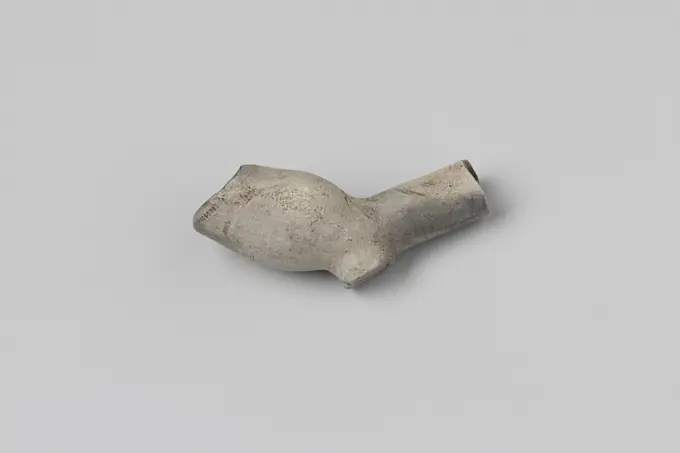
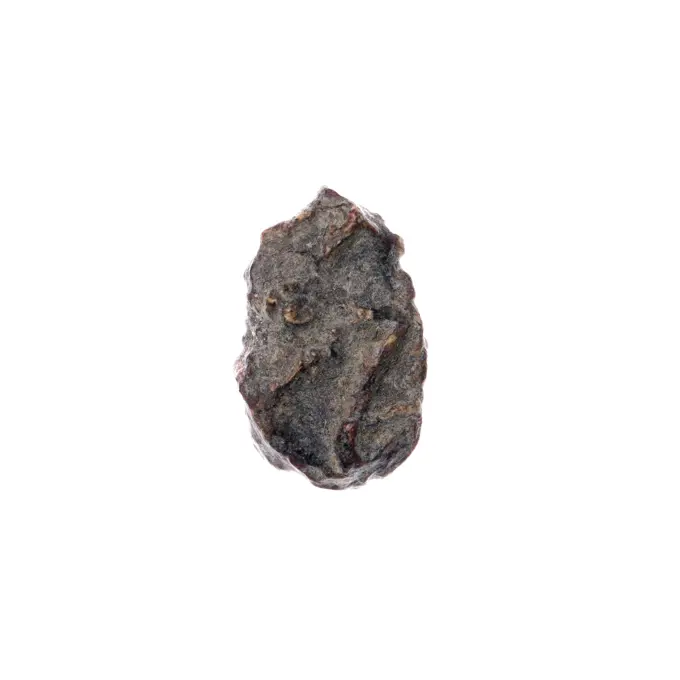
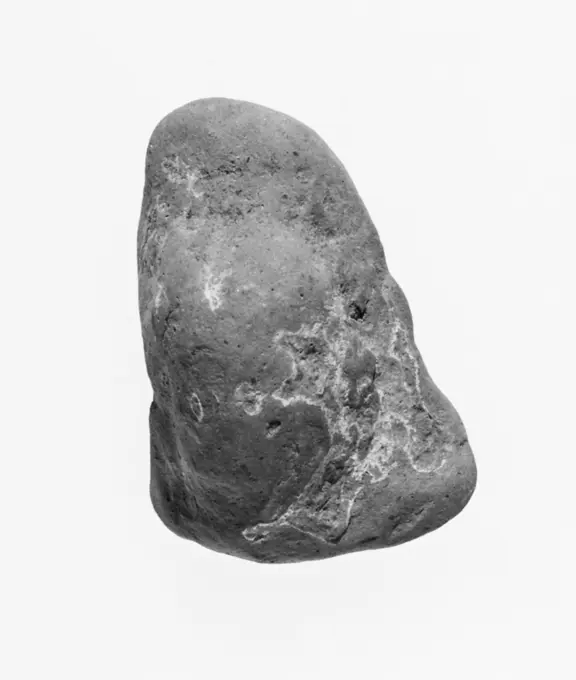
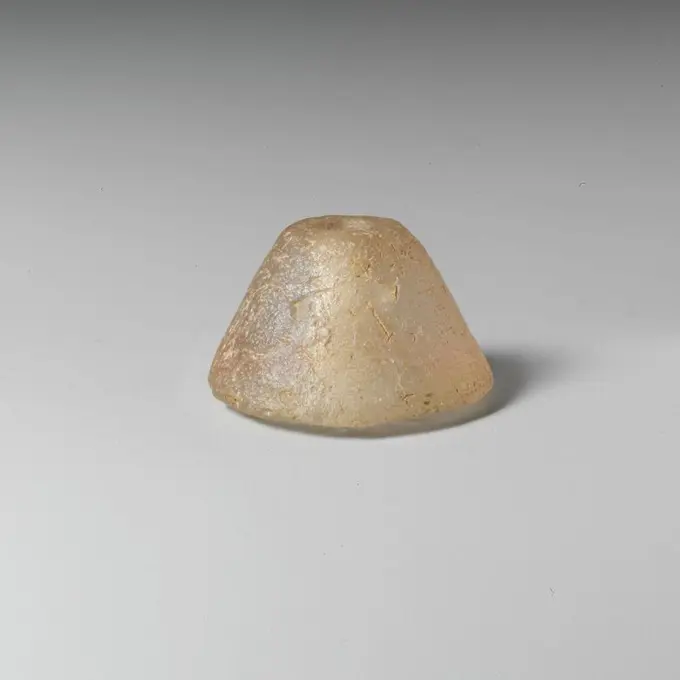
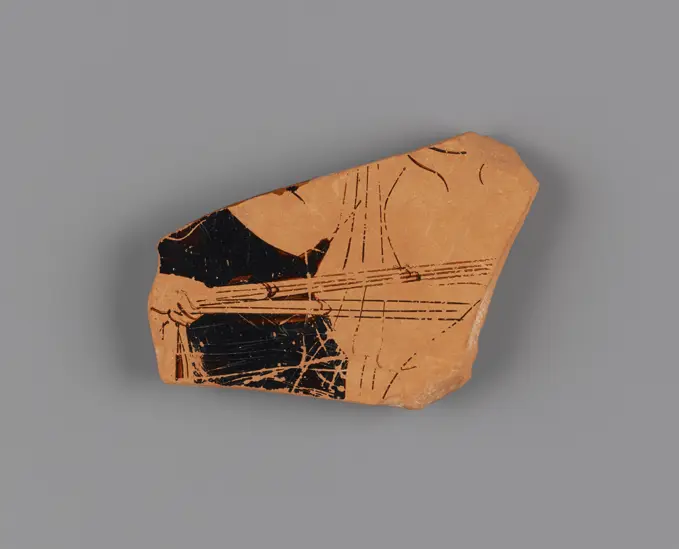
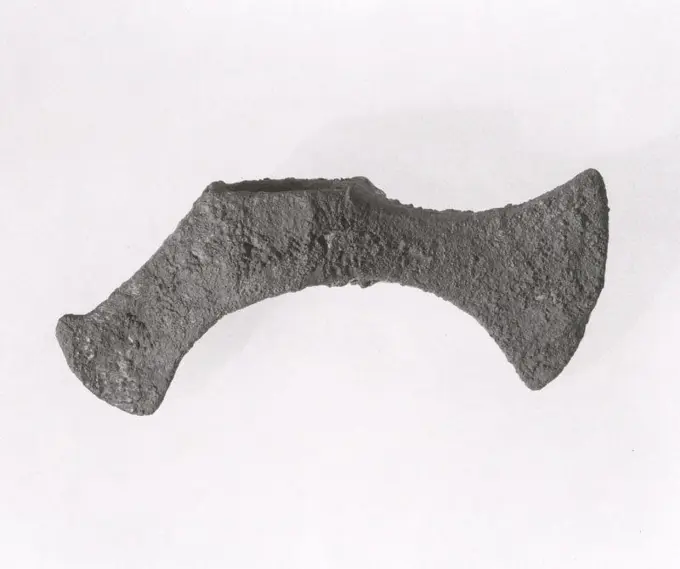
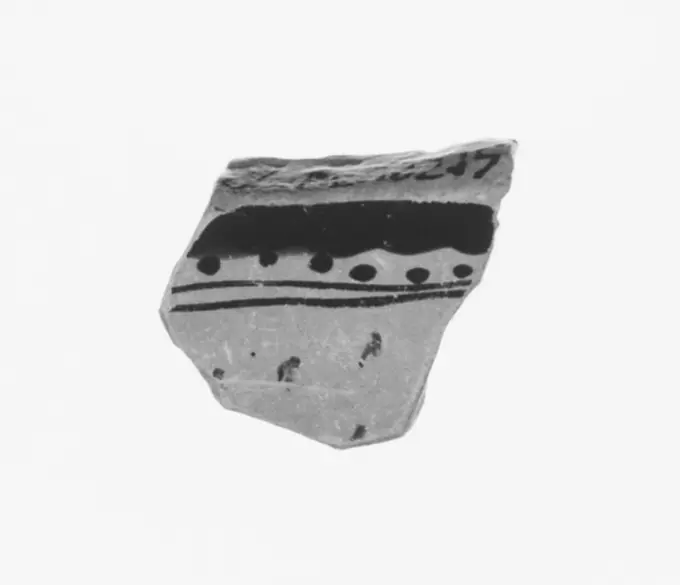
Tobacco Pipe Fragments

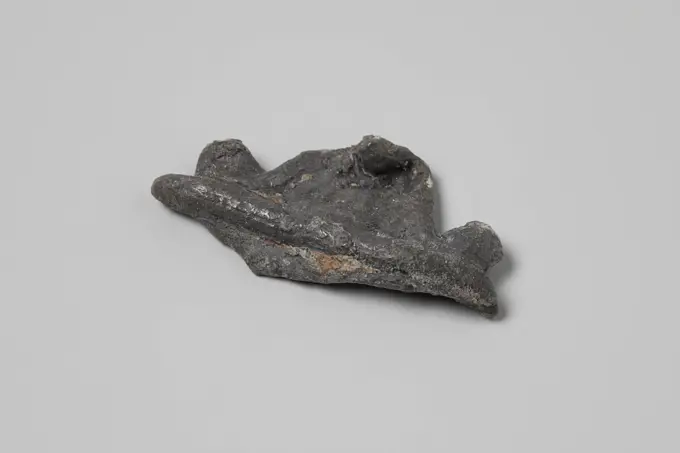
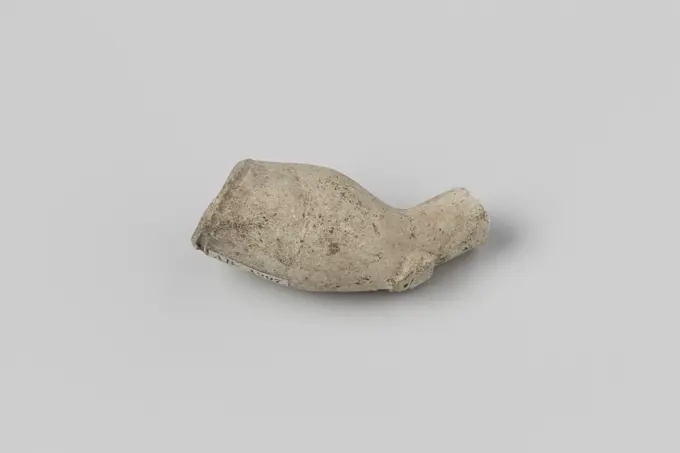
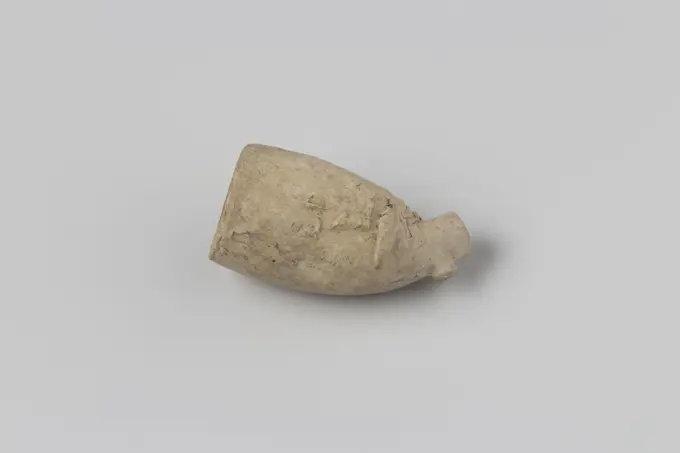
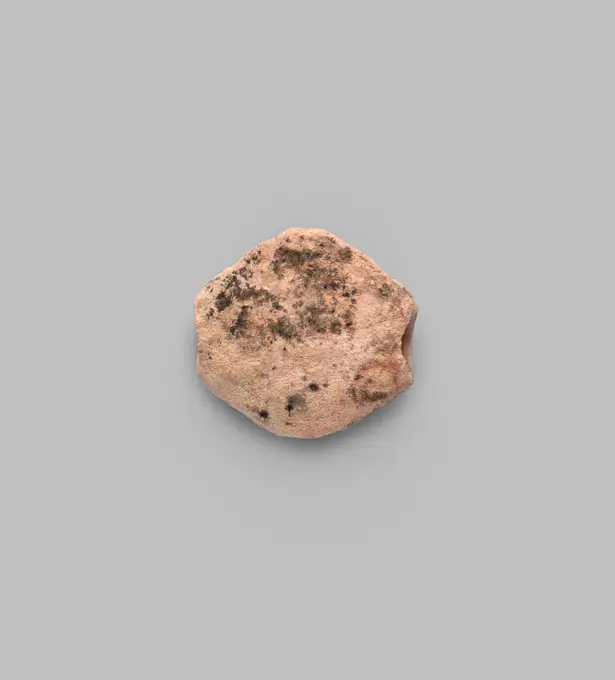
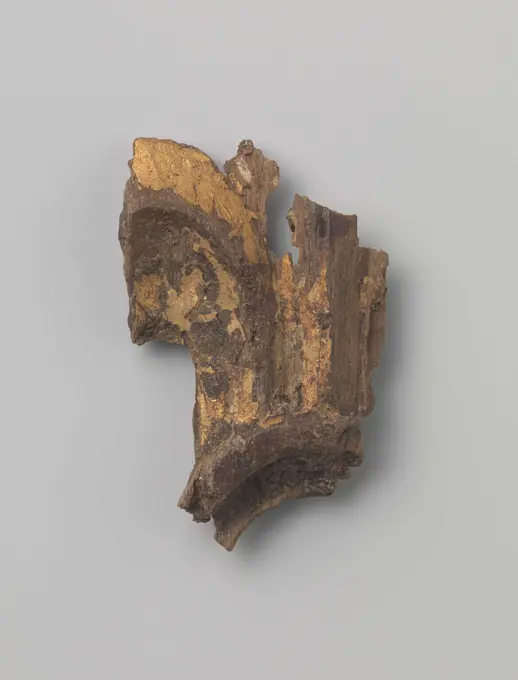
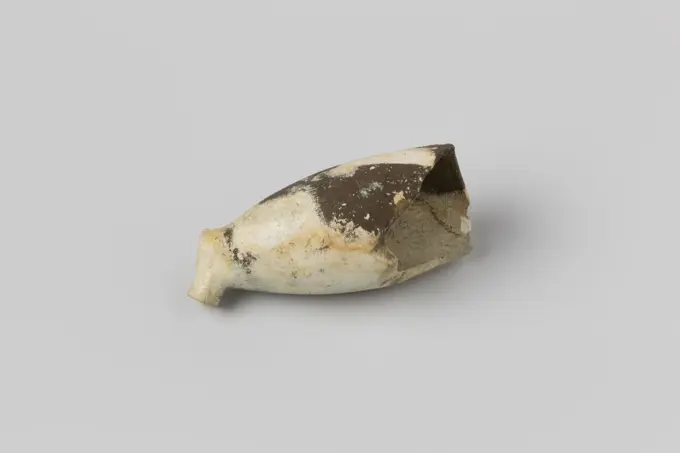
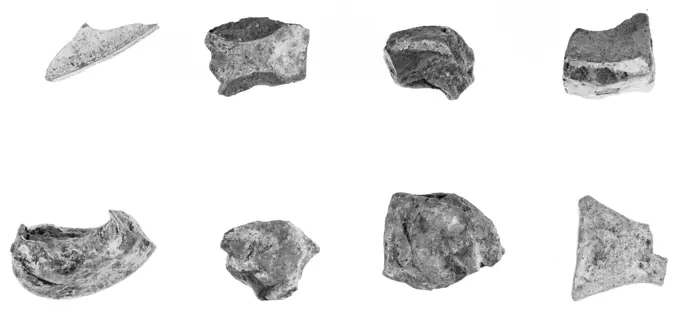
Artifacts from historical excavations, featuring fragments of decorative tobacco pipes and other metal remnants with unique designs.
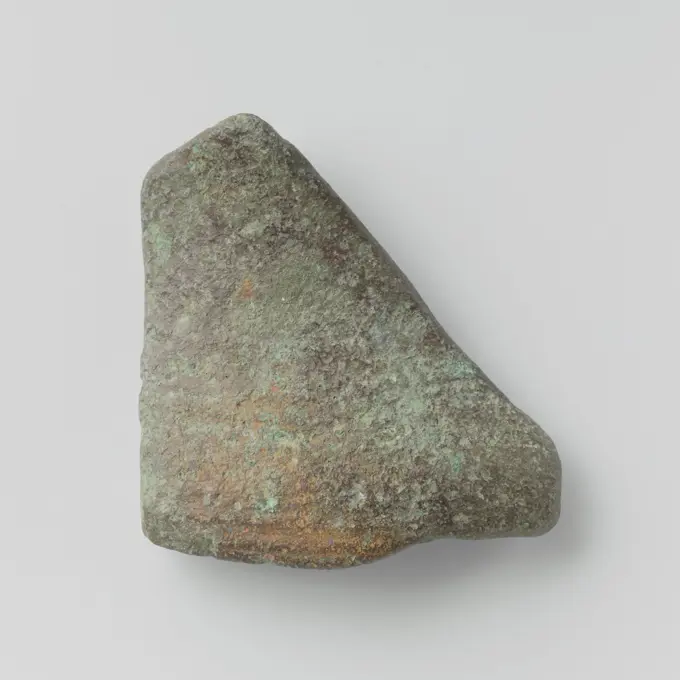
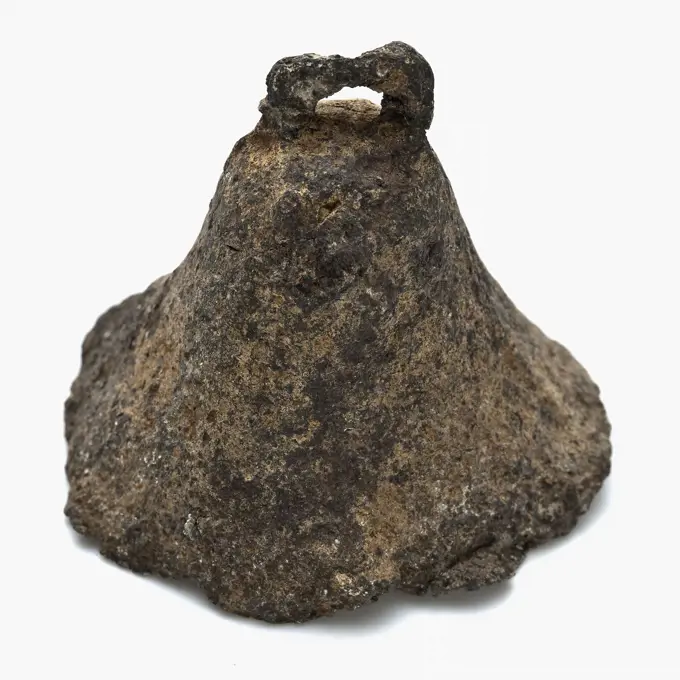
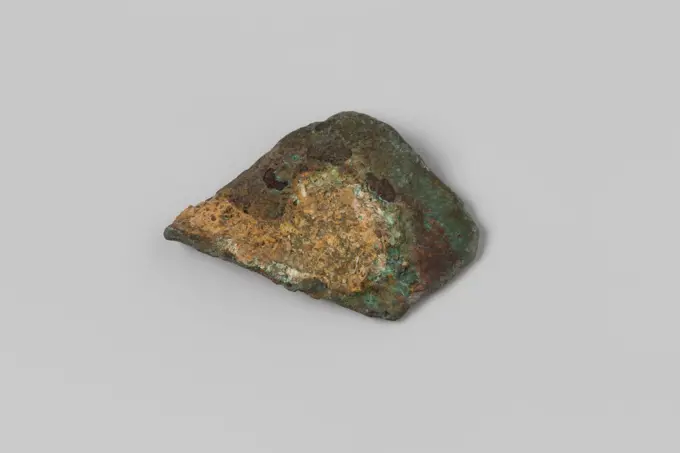
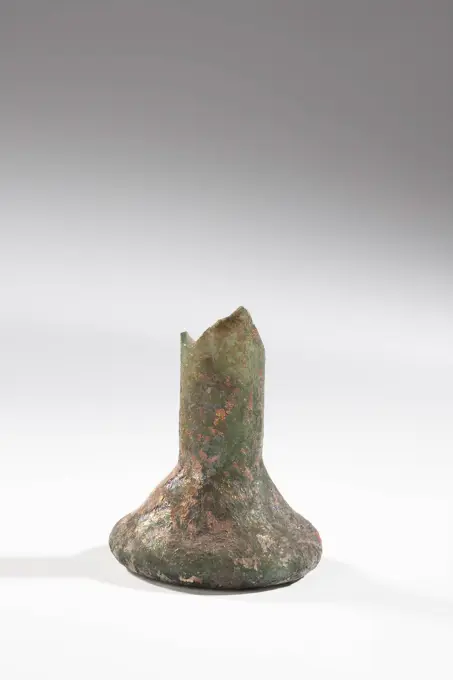
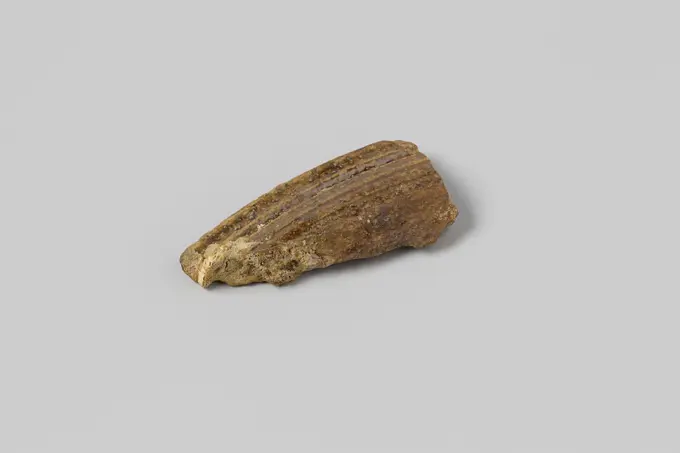
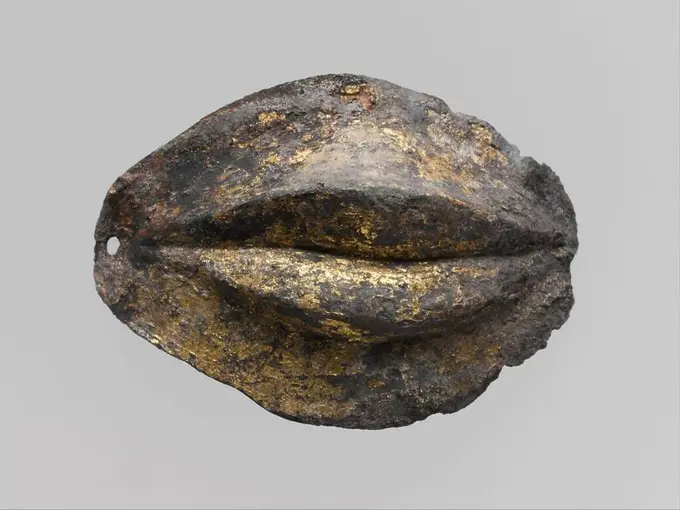
Fragment of a ship bell, anonymous, 1700 - in or before 1743 musical instrument. percussion instrument. bell (idiophone). ship bell. fragment Acoustic, bell (ship's); fragment of rim, eroded, concentric band moulding, fits to NG 1980-27H830/1134. Netherlands copper (metal)   Second
Fragment of a ship bell, anonymous, 1700 - in or before 1743 musical instrument. percussion instrument. bell (idiophone). ship bell. fragment Acoustic, bell (ship's); fragment of rim, eroded, concentric band moulding, fits to NG 1980-27H830/1134. Netherlands copper (metal) Second
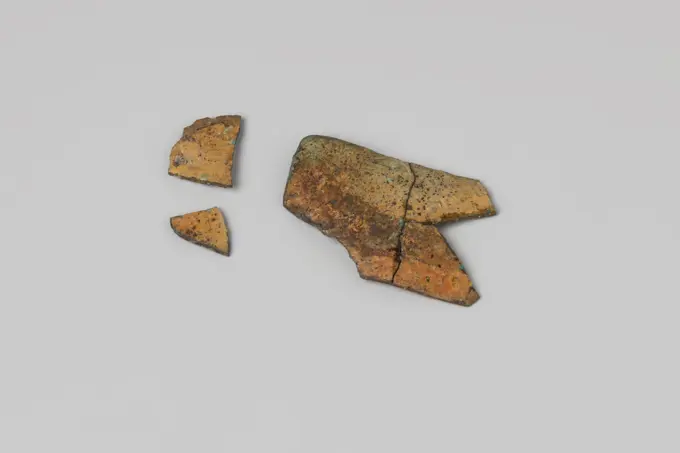
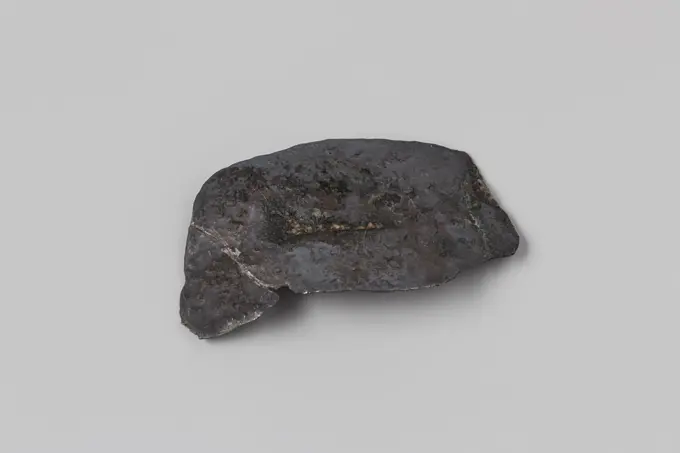
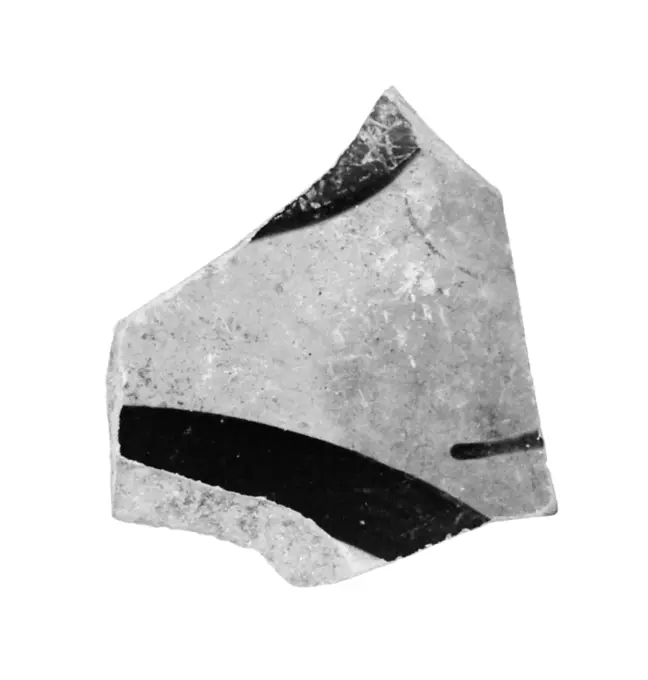
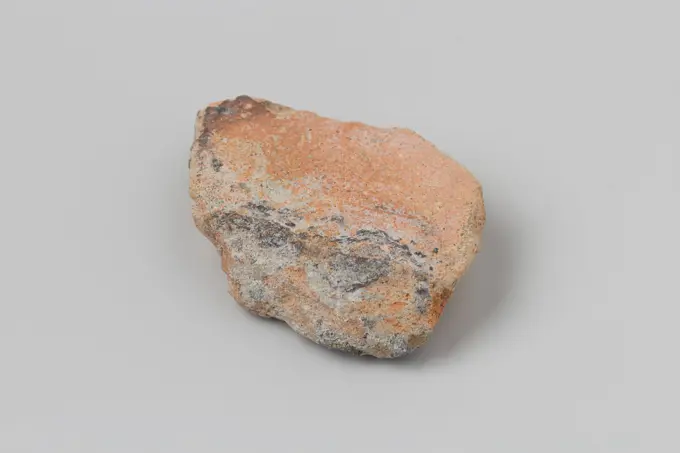
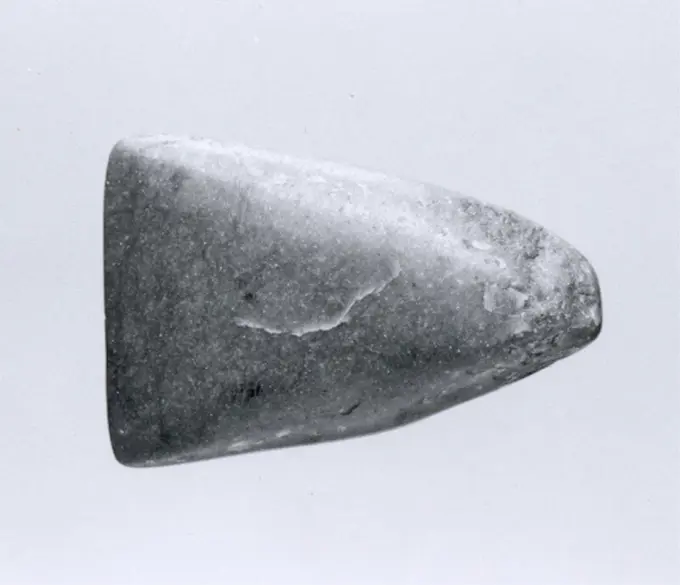
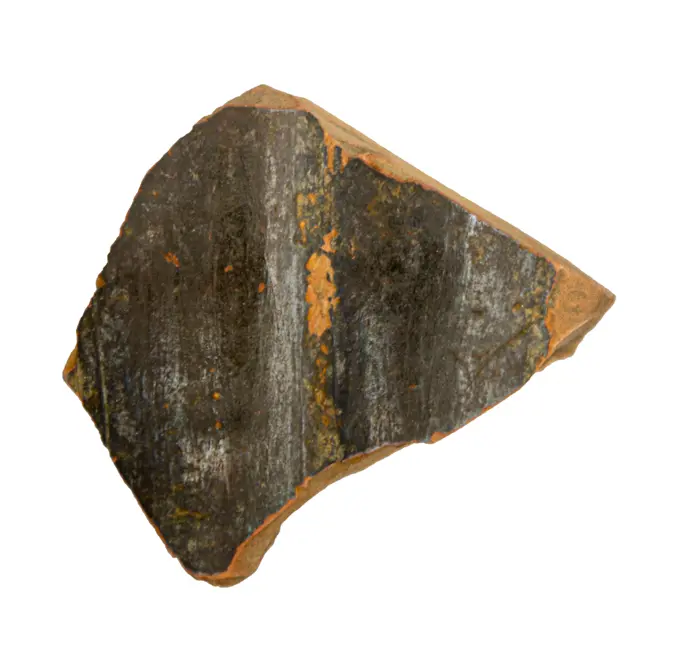
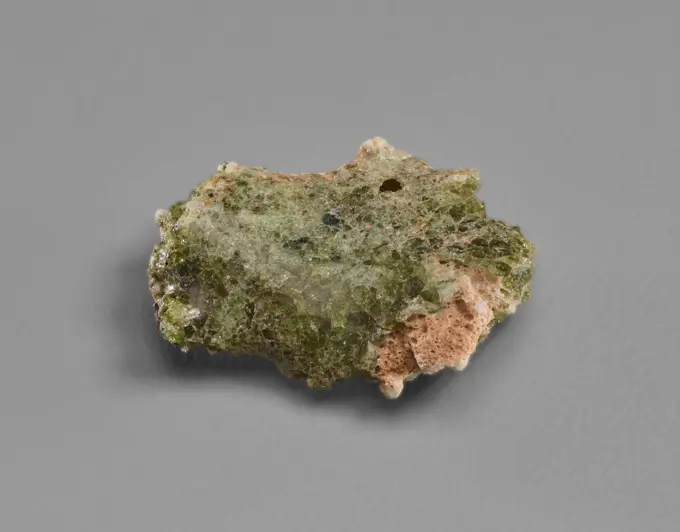
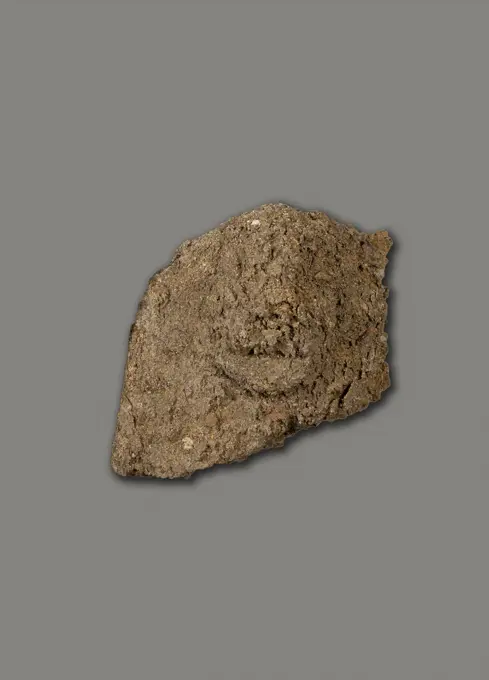
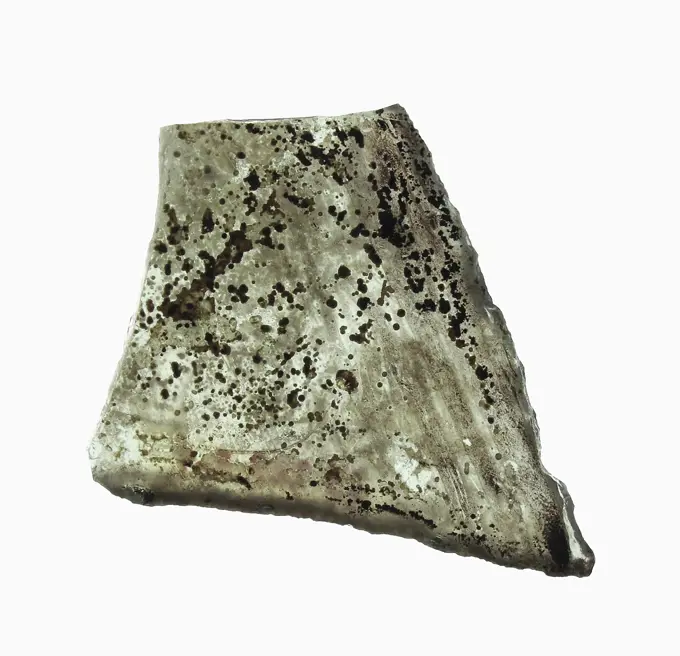
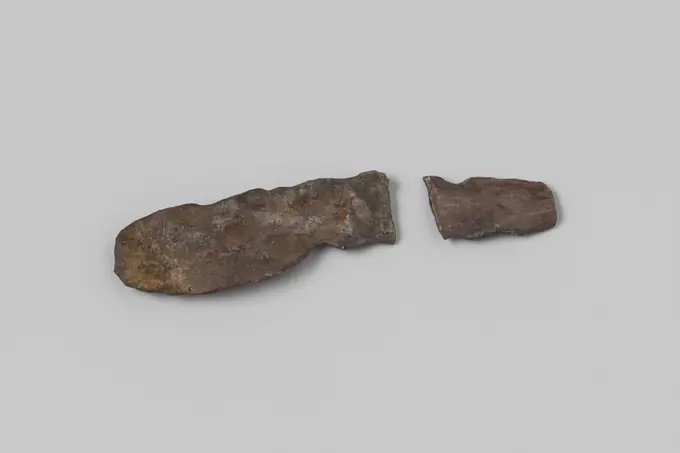
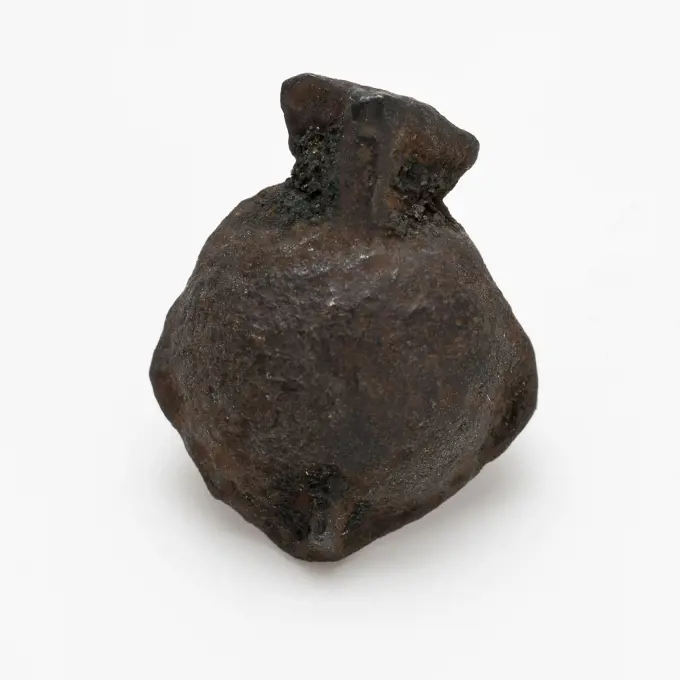
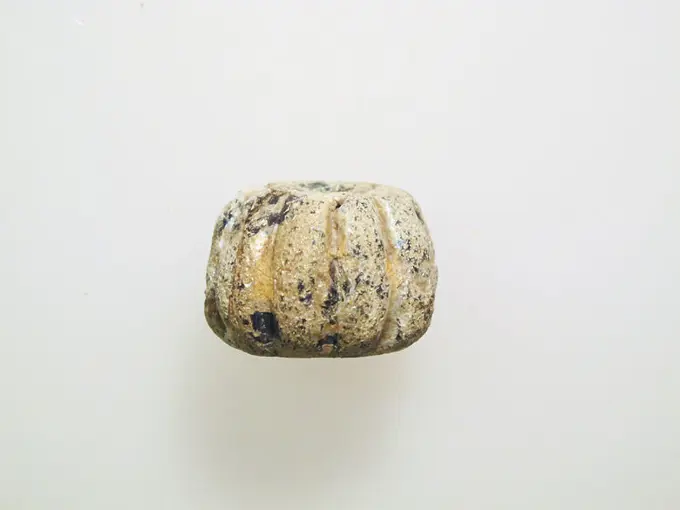
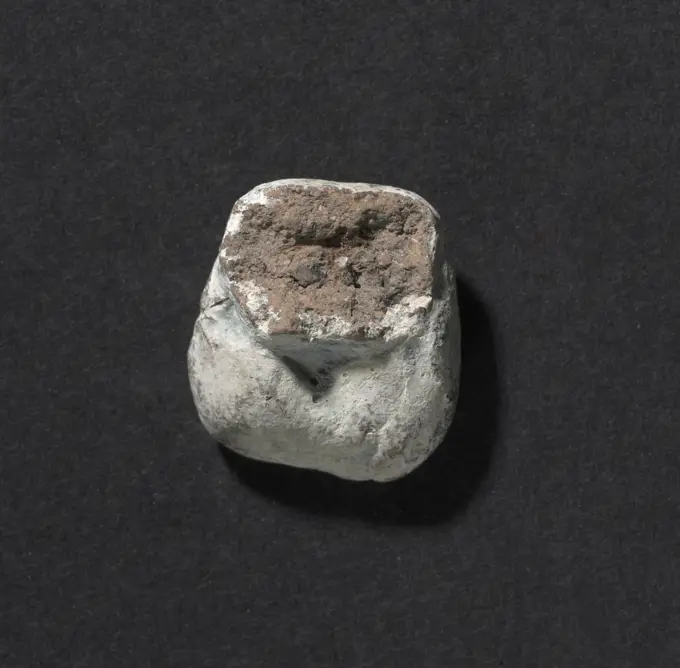
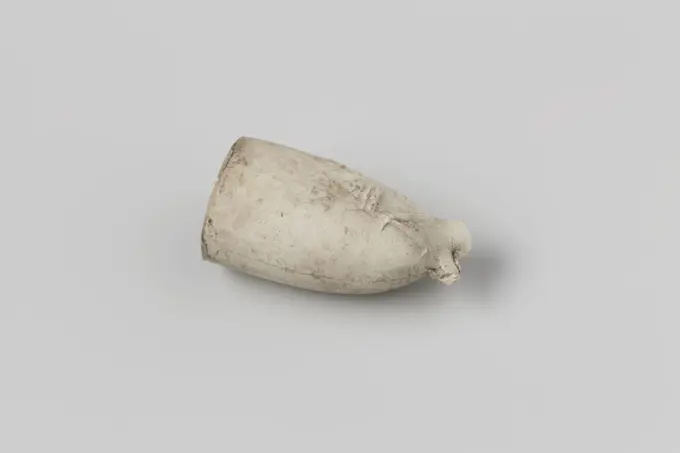
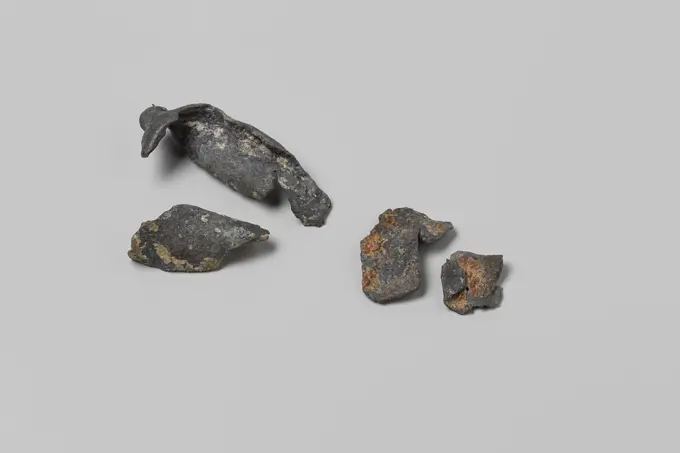
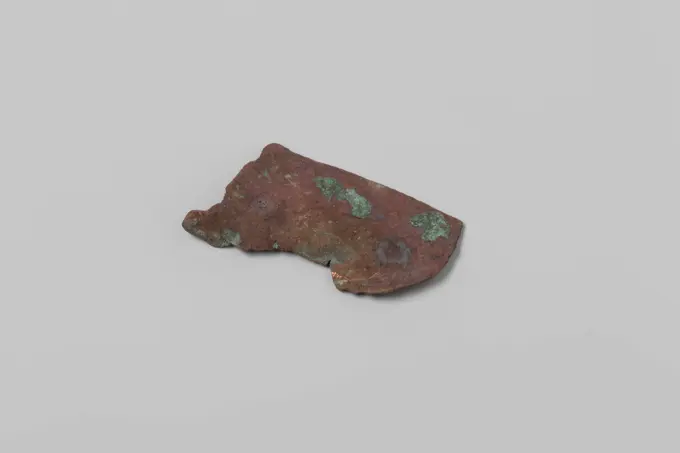
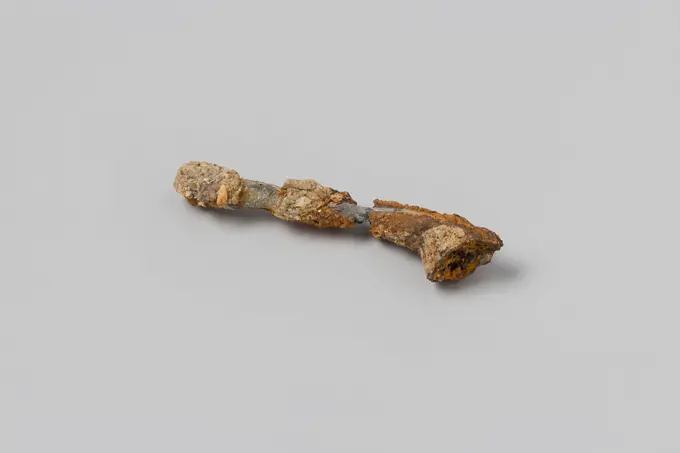
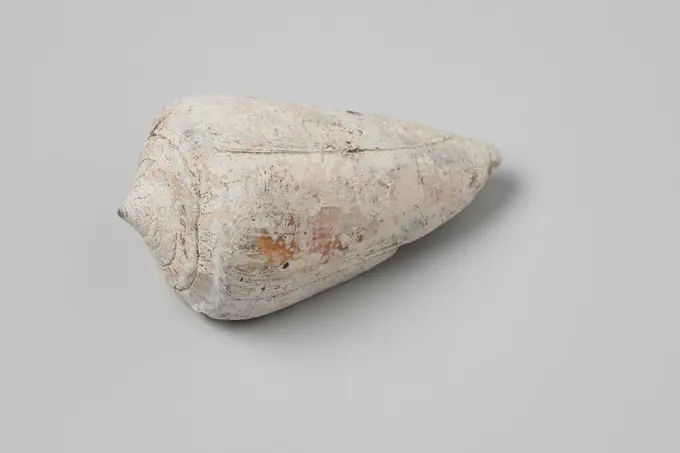
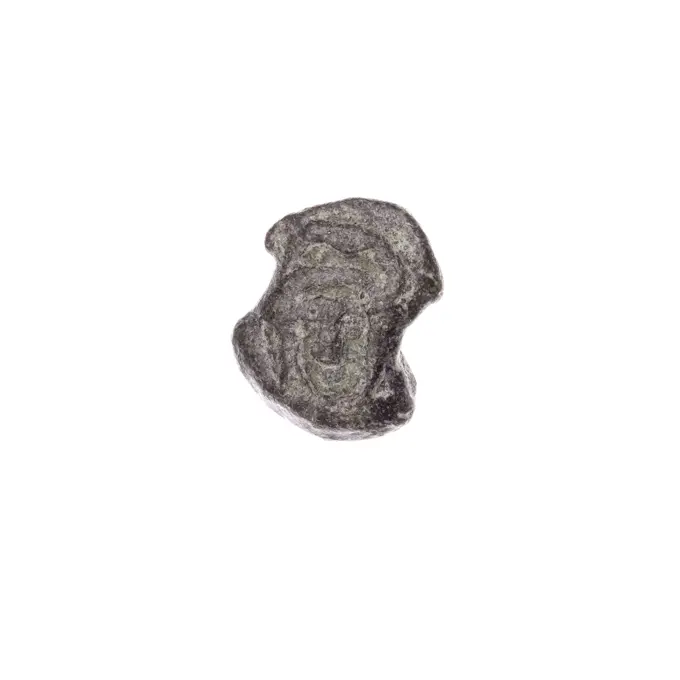
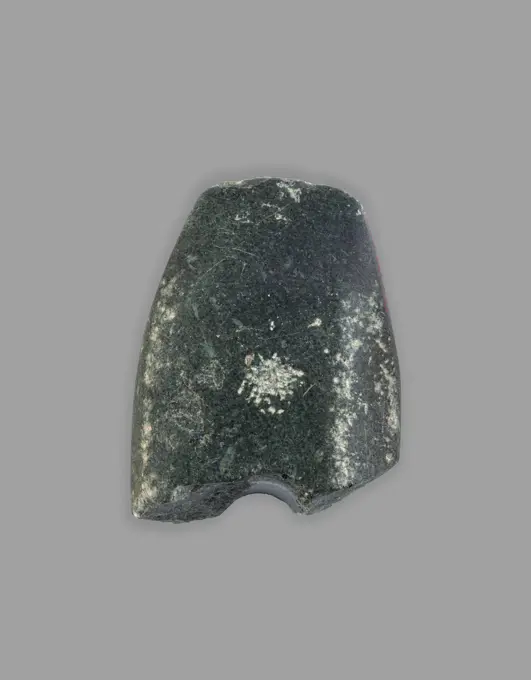
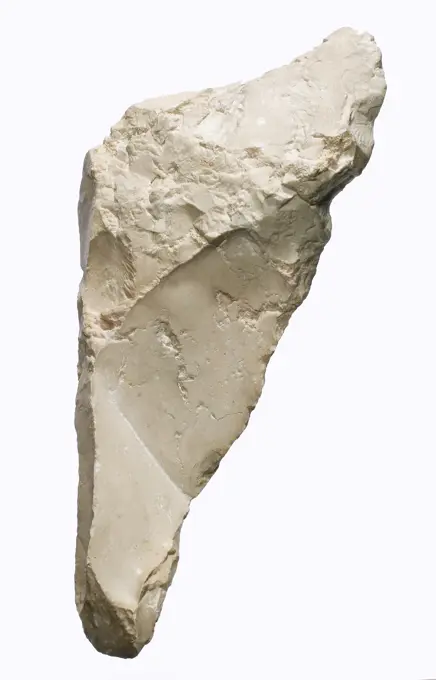
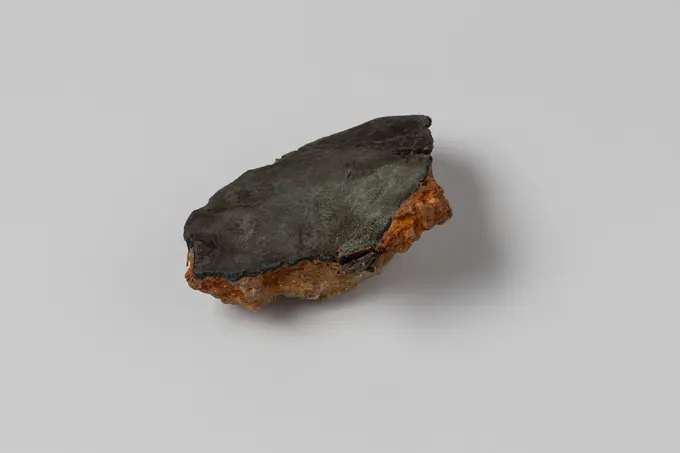
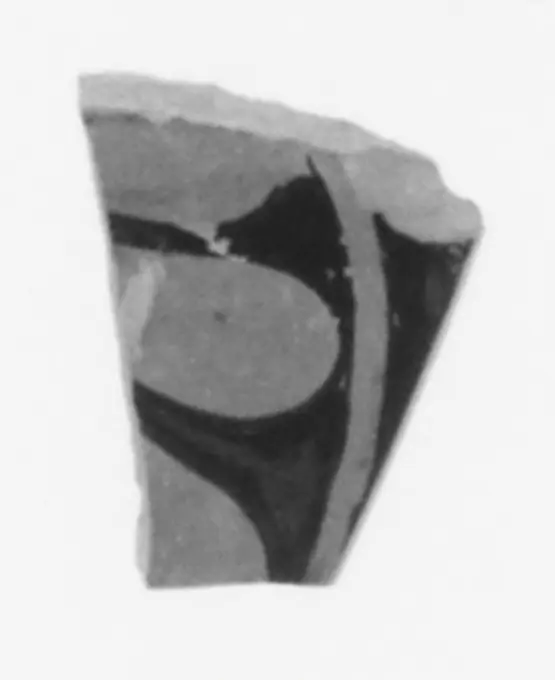
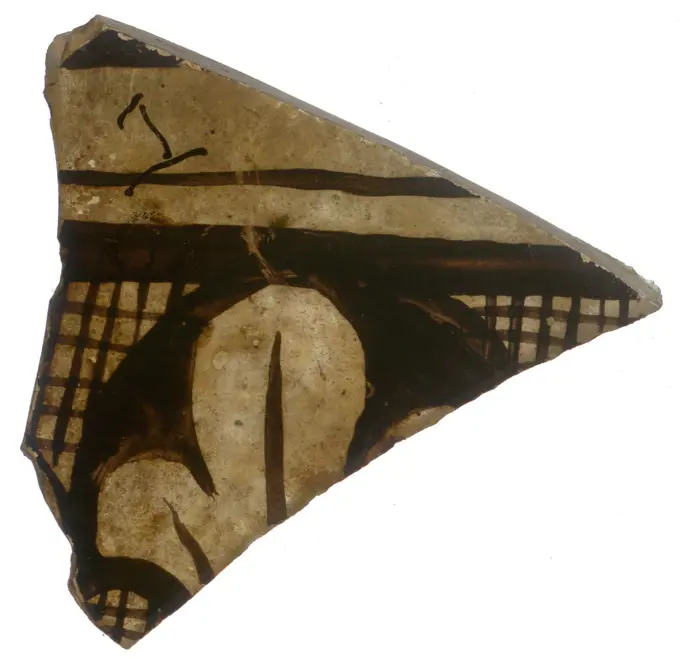
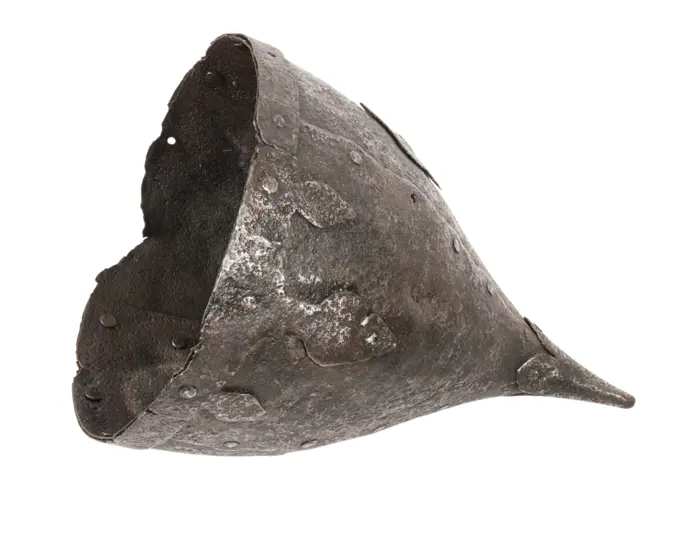
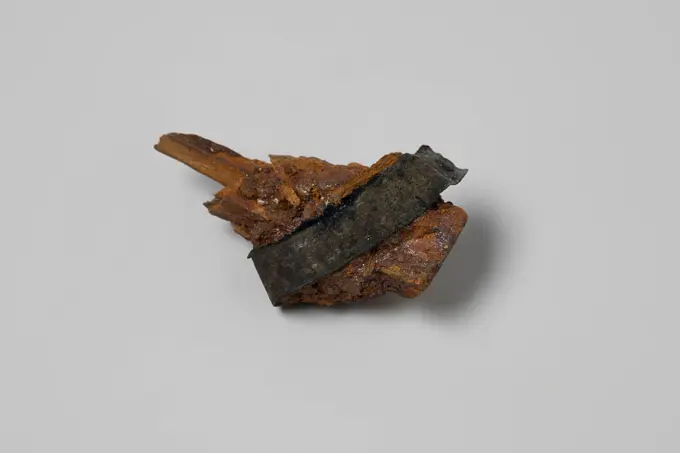
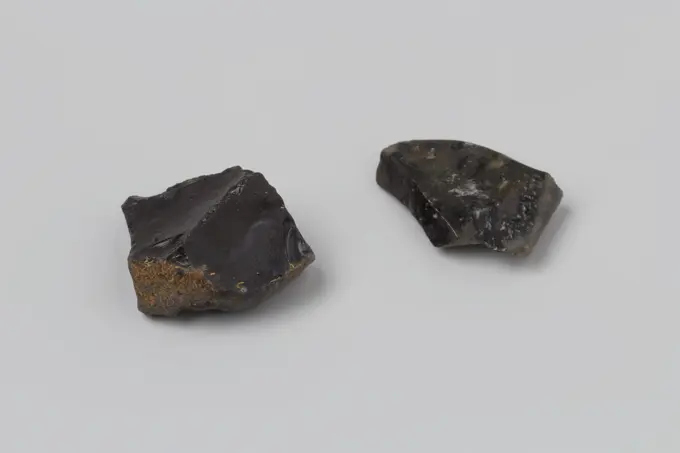
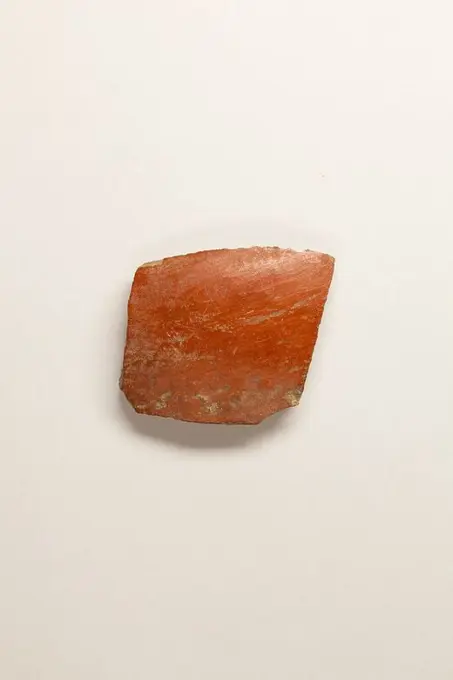
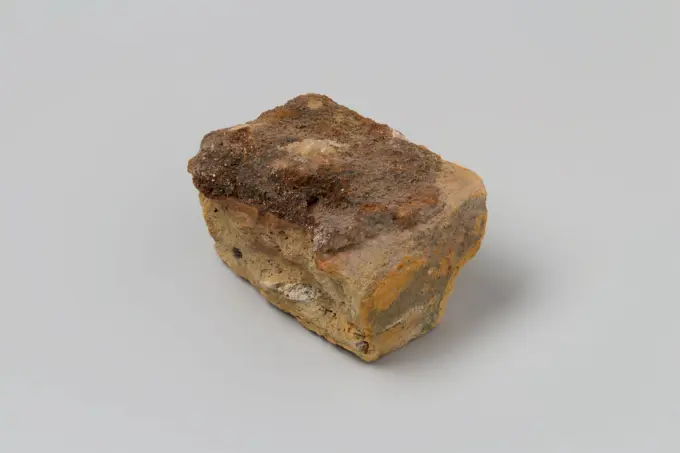
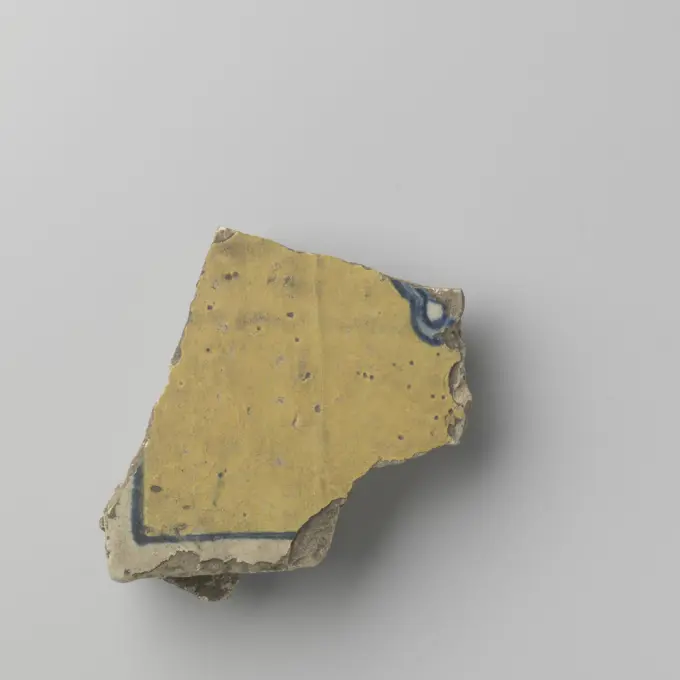
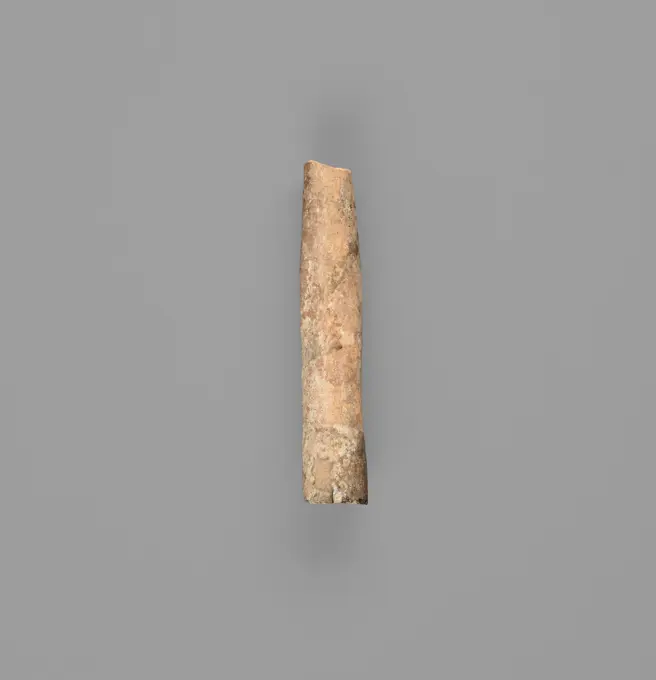
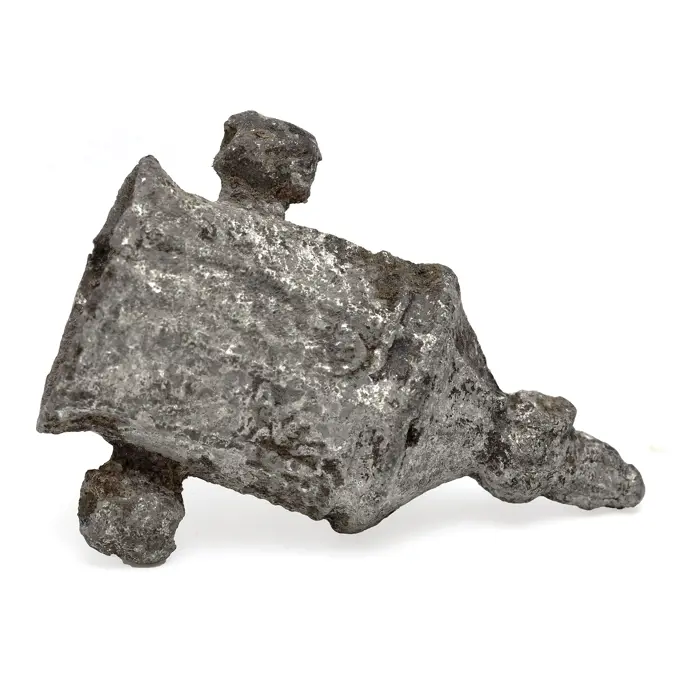
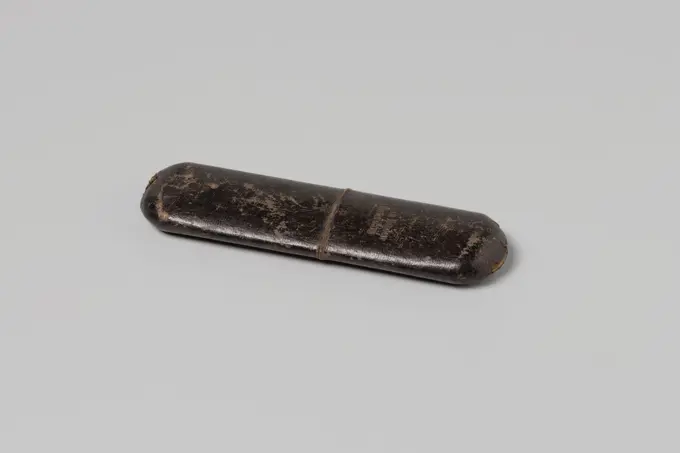
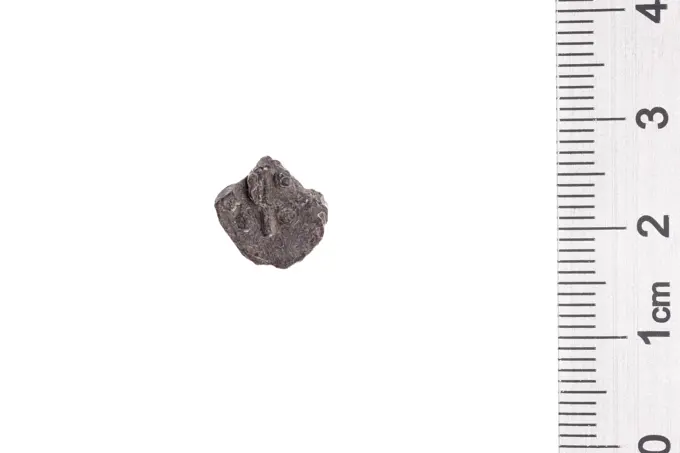
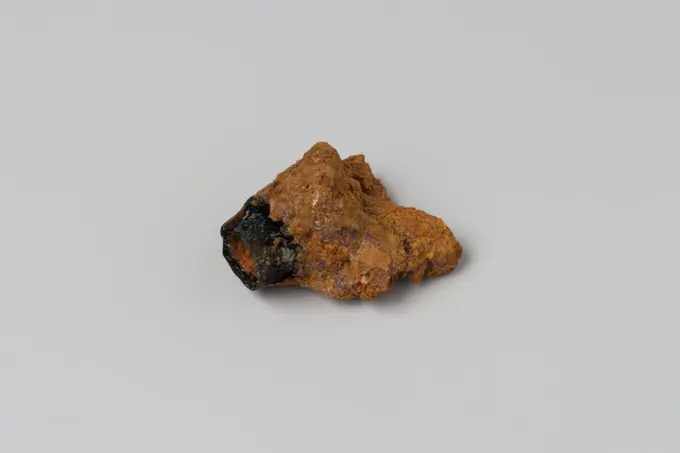
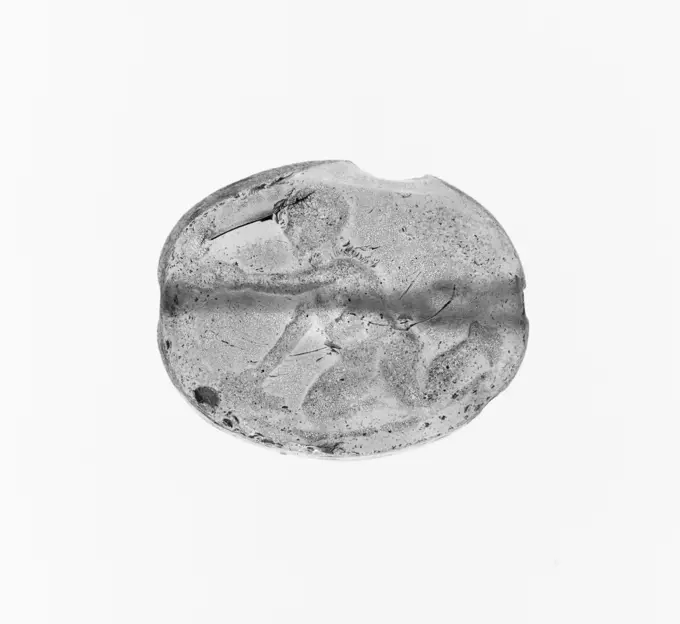
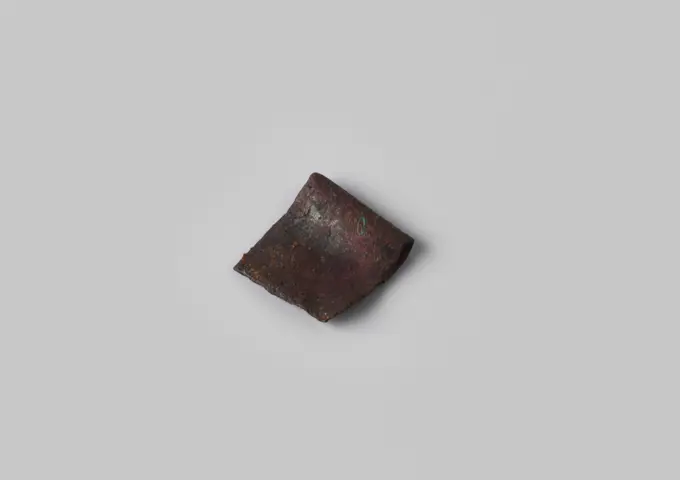
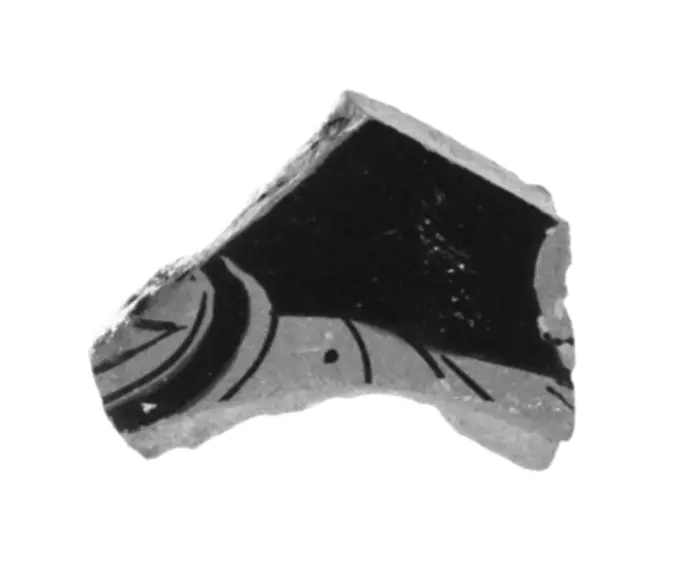
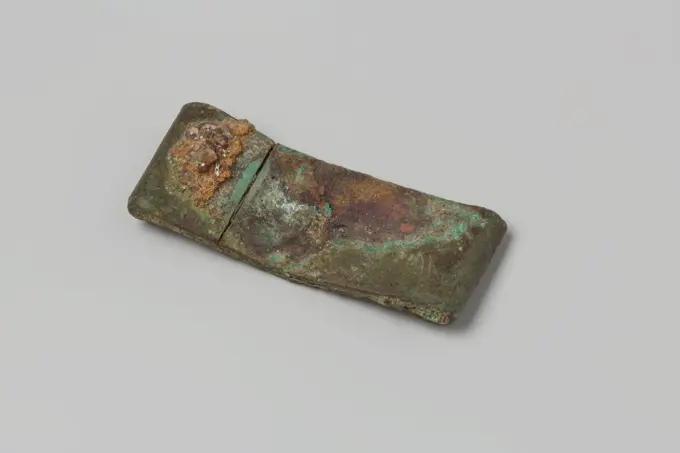
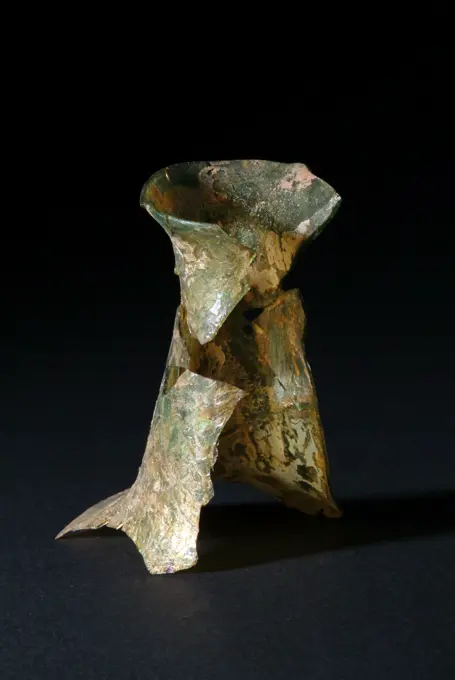
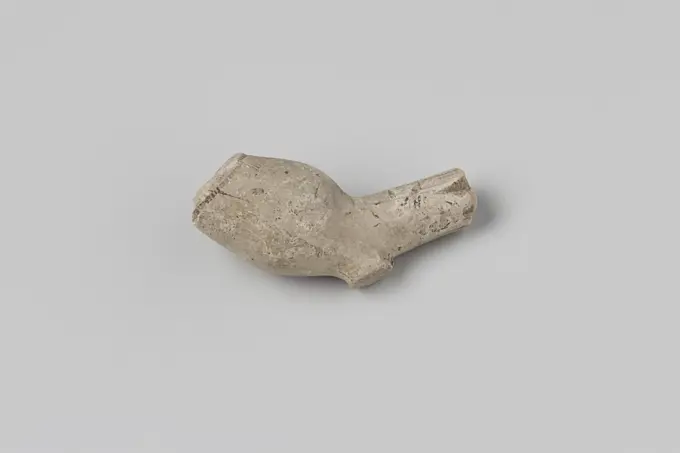
Fragment tabakspijp.Fragment tobacco pipe. Of the excavations at the Hofstede Arentsburg 1827-1831 under the supervision of professor Reuvens.Decorative batter from the wreck of the East India Hollandia. Fitting, decorative fitting or fragment; Fragm of Straight Lower Rim, scrolling cartouche with harp Motif, flat Rear Side, ioded, squashed.Fragment tobacco pipe. Fragment tobacco pipe. Of the excavations at the Hofstede Arentsburg 1827-1831 under the supervision of professor Reuvens.Fragments copper from the wreck of the East Indians Hollandia, 1700 - in or before 1743 fragment Parts of artefacts; eroded fragments: materials; copper. Netherlands copper (metal)   SecondPijpenkop, Jan Smit (pipe manufacturer), 1780 - 1810 Blowjob with the letters L d i s with crowned fish and three waves. Of the excavations on the Hofstede Arentsburg 1827-1831 under the supervision of Professor Reuvens. Schoonhoven pipe clay Blowjob with the letters L d i s with crowned fish and three waves. Of the excavations on the Hofstede Arentsburg 1827-1831 under the supervision of Professor Reuvens. Schoonhoven pipe clayFragment of silver from the wreck of the East India Hollandia.parts or artifacts; eroded fragments: Materials; Silver.Fragment of a ship bell, anonymous, 1700 - in or before 1743 musical instrument. percussion instrument. bell (idiophone). ship bell. fragment Acoustic, bell (ship's); fragment of rim, eroded, concentric band moulding, fits to NG 1980-27H830/1134. Netherlands copper (metal)   SecondShard (Study Collection) China. Shard (Study Collection). China. Ceramic with amber glaze. Qing dynasty (1644-1911). CeramicsAttic Black-Figure Eye Cup Fragment. UnknownTwo Pieces of Bone from the Wound in Henry Casimir Is Hip, niet van toepassing, 1612 - 1640  Piece of leg from the hip wound on which Hendrik Casimir I died at Hulst on 12 July 1640. Netherlands bone (material)   HollyShard from one can be from the wreck of the East Indiesman Hollandia. Stoneware, rhenish, frechen-ware, jug; Fragm or body with v-shaped stamp.Shard of a plate from the wreck of the East India Flying Heart. Shard of redbroken pottery that has been part of a plate. Dish.Chisel 3rd millennium B.C.. Chisel 325648Volute-krater fragment 4th century B.C. Greek, South Italian, Apulian. Volute-krater fragment. Greek, South Italian, Apulian. 4th century B.C.. Terracotta; red-figure/black-glaze. Late Classical. VasesExcerpt from a lead plate from the wreck of the East Indians' t Vliegend Hart ,, 1729 - 1735 sheet lead Piece folded lead plate, corroded and bushed. Sheet fragments. Middelburg lead (metal)Fragment tabakspijp.Fragment tobacco pipe. Of the excavations at the Hofstede Arentsburg 1827-1831 under the supervision of professor Reuvens.Trinitite. minerals. North America; USA; New Mexico; Socorro County; Bingham, White Sands Missile Range; Trinity SiteMagical Figure ca. 1802-1550 B.C. Late Middle Kingdom-Second Intermediate Period These tablets of unfired clay with attached crude faces were found as a group by the Museum's excavators at Lisht South in loose surface sand west of the mastaba of Senwosretankh, a high official and possibly the architect of the pyramid complex of Senwosret I (ca. 1961-1917 B. C.), east of which he erected his own very elaborate mastaba tomb (see acc. nos. 33.1.2 and other pieces). The mud figures and little coffin (acc. no. 33.1.66) that had contained some of them must have been buried, however, considerably later than the early twelfth dynasty tomb close to which they were found. In fact, during the thirteenth and following dynasties people deposited a number of objects in the by then sacred area around a legendary ruler's pyramid and its dependant monuments, believing conceivably that potent magical powers could thus be released. These flat mud figures, for instance, are inscribed in now much-faded redPaciorek romboidalny. nieznany warsztat północno mezopotamski, workshopFragment; (possibly) belonging to the Retable of Soest. .Glass Fragment 14th century French. Glass Fragment. French. 14th century. Colorless glass. Made in Paris, France. Glass-StainedFragment of silver from the wreck of the East India Hollandia.parts or artifacts; eroded fragments: Materials; Silver.Armor plate ca. late 8th-late 7th century B.C. Assyrian. Armor plate 324769Appliqué for a funeral couch. UnknownEmilia-Romagna Ferrara Ferrara Museo Civico di Schifanoia60. Hutzel, Max 1960-1990 General Notes: INCOMPLETE RECORD--NEGATIVES PROCESSED, PRINTS FILED German-born photographer and scholar Max Hutzel (1911-1988) photographed in Italy from the early 1960s until his death. The result of this project, referred to by Hutzel as Foto Arte Minore, is thorough documentation of art historical development in Italy up to the 18th century, including objects of the Etruscans and the Romans, as well as early Medieval, Romanesque, Gothic, Renaissance and Baroque monuments. Images are organized by geographic region in Italy, then by province, city, site complex and monument.Leather fitting in the form of ball with two nails, decorative fitting fittings clothing accessory clothing soil finding brass metal, Sphere pouch-shaped object with two sharp pegs on the reverse side. Leather fittings archeology Rotterdam railway tunnel decorate Soil discovery: trajectory Rotterdam rail tunnel.Poland, Władysław Jagiełło (King of Poland, 1386 1434), Denar, 1398 1422, Town of Krakow W ADYS AW JAGIECH (CA 1351 1434), Mint of KrakówGlass bead. Culture: Roman. Dimensions: Diameter: 1 5/16 x 7/8 in. (3.3 x 2.3 cm). Museum: Metropolitan Museum of Art, New York, USA.Shawabty of Ditamenpaankh, 715-656 BC. Egypt, Late Period, Dynasty 25. Terracotta; overall: 1 x 1.5 x 1.7 cm (3/8 x 9/16 x 11/16 in.).Fragment Pijpenkop, Nicolaas Walter, 1790 - 1794 Fragment piping head with the letters n k w with crowned n. Of the excavations on the Hofstede Arentsburg 1827-1831 under the supervision of Professor Reuvens. Schoonhoven pipe clay Fragment piping head with the letters n k w with crowned n. Of the excavations on the Hofstede Arentsburg 1827-1831 under the supervision of Professor Reuvens. Schoonhoven pipe clayDrohiczy seal;  XI-XIII century (1090-00-00-1110-00-00);guild seals, customs seals, touches, seals of customs chambers, official seals, seals with a crossFragments lead from the wreck of the East Indiesman Hollandia. Parts or artifacts; eroded fragments: Materials; Lead.Excerpt copper from the wreck of the East Indies Hollandia, 1700 - in or before 1743 fragment Parts of artefacts; eroded fragments: materials; copper. Netherlands copper (metal)   SecondFemale Head. UnknownFragment stem from fork or spoon from the wreck of the East Indiesman Hollandia. Cutlery, fragment: voice or fork or spoon; Fragm, Heavily Corroded.Dish in the shape of a lotus leaf 18th century China. Dish in the shape of a lotus leaf 44174Fragment uszebti. unknown, authorSteatite pendant. Culture: Minoan. Dimensions: L. 1 1/16 in. (2.6 cm). Date: ca. 2900-1900 B.C..Pendant. Museum: Metropolitan Museum of Art, New York, USA.Rock crystal spindle whorl. Culture: Minoan. Dimensions: H. 9 mm.. Date: ca. 2200-1450 B.C..Spindle whorls aided in the making of cloth for garments and bedding. They were placed in tombs, perhaps so that the deceased could continue to spin wool in the afterlife. Museum: Metropolitan Museum of Art, New York, USA.Attic Red-Figure Column Krater Fragment. UnknownAxe with shaft hole ca. late 3rd-early 2nd millennium B.C. Bactria-Margiana Archaeological Complex. Axe with shaft hole 326786Attic Red-Figure Cup Fragment. UnknownIron Axe. Length 10 cm Width 6, 7 cm Thickness 7 mm. (4 th - 8 th CE ) - Hispanicroman period from the " Villa del Val" - Archaeological site of Complutum in Alcalá de Henares ( Madrid ). SPAIN.Cooking support. White clay. Cernuschi Museum, Asia Museum of Asia in the city of Paris.Conus ammiris from v.O.c.-ship the 'white lion'. Shell from v.o.c.-ship the 'white lion'.Document Sealing With the Throne Name of Amenhotep III ca. 1390-1353 B.C. New Kingdom. Document Sealing With the Throne Name of Amenhotep III. ca. 1390-1353 B.C.. Mud. New Kingdom. From Egypt, Upper Egypt, Thebes, Malqata, King's Palace, West magazine, MMA excavations, 1910-12. Dynasty 18Drohiczy seal;  XI-XIII century (1090-00-00-1110-00-00);guild seals, customs seals, touches, seals of customs chambers, official seals, seals with a cross, seal with an eagleFragment of the hoe;  approx. 6500 5500 BC ; Halaf culture (-6505-00-00--5495-00-00);Zofia Chrapkiewicz-Gutkowska, Dar (provenance), Halaf culture (approFoot and leg of Akhenaten or Nefertiti prostrate ca. 1352-1336 B.C. New Kingdom, Amarna Period. Foot and leg of Akhenaten or Nefertiti prostrate 549649Concretie with print tobacco box from the wreck of the East India Hollandia. Parts or artifacts; eroded fragments: Materials; Lump, Containing Imprint of Engraving, SIM. Tobacco Box 80H339.Sealing ca. 1981-1640 B.C. Middle Kingdom. Sealing 560381Siekierka. unknown, authorMáscara de hierro, siglo XIII. Castellvell, Llinars del Vallès.raw gray Hematite iron ore rock isolated on white closeup of sample of natural mineral from geological collection - raw gray Hematite rock iron ore isolated on white background Copyright: xZoonar.com/ValeryxVoennyyx 14986456Vase fragment ca. 4000-3000 B.C. Neolithic, Gonia. Vase fragment 253269 Neolithic, Gonia, Vase fragment, ca. 40003000 B.C., Terracotta, length 1 1/4in. (3.1cm). The Metropolitan Museum of Art, New York. Anonymous Gift, 1930 (30.119.64)Attic Red-Figure Statuette Kantharos Fragment. Attributed to Onesimos (Greek (Attic), active 500 - 480 B.C.)Wine bottle cork from the wreck of the East Indians' t Vliegend Hart, c. 1700 - c. 1735 cork (stopper) The dark gray/black cork was probably once part of a wine bottle. Cork.  cork (bark)Grisaille Fragment with Plant Motif 1220-72 Crusader Painted in grisaille (shades of grey) in a style associated with the mid-1200s in France, these fragments are among numerous remnants of the elaborate glass windows that once decorated Castle Montfort/Starkenberg. One shows the nose and eye of a human face; the others display portions of vines with fleur-de-lis terminals.. Grisaille Fragment with Plant Motif 475351Attic Black-Figure Amphora Fragment. UnknownCall or clock, bubble ground find tin metal, cast Bell or clock with vertical pouring arch archeology Rotterdam rail tunnel decorate Soil discovery: rail tunnel Rotterdam.Excerpt of copper from the wreck of the East Indians Hollandia, 1700 - in or before 1743  Parts of artefacts; eroded fragments: materials; copper. Netherlands copper (metal)   SecondIron helmet of the medieval knight. Very heavy headdress.Knife leftring from the wreck of the East Indiesman Hollandia. Knife-Handle, Ferrule; ID. NG 1980-27H426.Pendant with Animal Head 2000 BCE-1 BCE China. Jade .Flint from the wreck of the East Indians' t Vliegend Hart, 1730 - 1735  Flint, Witig from the outside, where the stone is split glossy black. Two pieces. Flint.  .Bowl sherd. Dimensions: h. 3.4 cm (1 5/16 in); w. 3.8 cm (1 1/2 in). Dynasty: Dynasty 12-13. Date: ca. 1981-1640 B.C.. Museum: Metropolitan Museum of Art, New York, USA.Wall casing 664-610 B.C. Late Period, Saite see 23.3.468. Wall casing. 664-610 B.C.. Limestone. Late Period, Saite. From Egypt, Upper Egypt, Thebes, Deir el-Bahri, Tomb of Nespekashuty (TT 312, MMA 509), Undetermined, MMA excavations, 1922-23. Dynasty 26Part of a brick with concretion from the wreck of the East Indians' t Vliegend Hart, Anonymous, 1700 - 1735 brick (clay product) Part of a rectangular, yellow -brown brick with concretion. Brick.  brick (clay product). concretionary stoneVial. unknown, craftsmanTile from the castle of Breda, Anonymous, c. 1500 - c. 1550 Fragment of a round floor tile decorated with a radical motif. Antwerp earthenware. tin glaze majolica  Breda Fragment of a round floor tile decorated with a radical motif. Antwerp earthenware. tin glaze majolica  BredaFragment North America (Alaska, Kotzebue Sound). Fragment. North America (Alaska, Kotzebue Sound). Nephrite. JadeFragment stożka mozaikowego z dekoracji fasady budowli kultowej. unknown, authorMetal object with two tubular ears on the side, segmented and decorated, artifact soil find metal, Lid of needle case; oval tube with closed top in the shape of turret On both sides of the tube two eyes archeology Rotterdam railway tunnel sewing packing textile processing Soil discovery: trajectory rail tunnel Rotterdam.Shard of a storage jar from the wreck of the East Indiesman Hollandia. Stoneware, Rhenish, Langerwehe-Ware, Storage-Jar; Fragm or Rim, SIM. NG 1980-27H909: Flat Outer Edge With Engraved Bands Along.Brillen case of wood () Stuck from outside with brown leather and on the inside with blue velvet, c. 1830 - c. 1860 Brillen case of wood () Stuck from outside with brown leather and on the inside with blue velvet. The opening is like the jaw of a snake with a cover along which a copper strap is set. On the tube: 'A.van Emden / Amsterdam'. Belonging to Bril BK-1978-429-A. Amsterdam (possibly) Completely: Cardboard. whole: Paper. Leather. Velvet (Fabric Weave) Brillen case of wood () Stuck from outside with brown leather and on the inside with blue velvet. The opening is like the jaw of a snake with a cover along which a copper strap is set. On the tube: 'A.van Emden / Amsterdam'. Belonging to Bril BK-1978-429-A. Amsterdam (possibly) Completely: Cardboard. whole: Paper. Leather. Velvet (Fabric Weave)Jug beak Minoan. Jug beak 247657Drohiczyn seal. unknown, managerSilver-gilt mouthpiece. Culture: Cypriot. Dimensions: Other: 3in. (7.6cm). Date: late 6th-5th century B.C..Such objects were made for the tomb, to be placed on the mouth of the deceased. Museum: Metropolitan Museum of Art, New York, USA.Fragment Messenheft from the wreck of the East Indians Hollandia, Anonymous, 1700 - in or before 1743 fragment Knife, handle, cylindrical: tapering; fragm, id. NG 1979-403H, ferrule, id. NG 1980-27H426. Netherlands wood (plant material). copper (metal)   SecondFragment Pijpenkop from the wreck of the East Indians Hollandia, Anonymous, 1700 - in Or Before 1743  Pipe, bowl, heelmark: crowned 22; fragm, 1hsm1. Netherlands pipe clay   SecondTrendy composition of bark tree with moss on beige background. Abstract podium for organic cosmetic products. Minimal concept with copy space.Cast Scaraboid Gem. UnknownCanosan Oinochoe Fragment. UnknownRelief from the tomb of Meketre. Dynasty: Dynasty 12. Reign: reign of Amenemhat I, early. Date: ca. 1981-1975 B.C.. Museum: Metropolitan Museum of Art, New York, USA.Excerpt (foot) with white shard, in grandpaque white and clear blue glaze a building, anonymous, 1200 - 1899  Italy earthenware  Italy earthenwareExcerpt of copper from the wreck of the East Indians Hollandia, 1700 - in or before 1743 fragment Varied parts or fragments, strips and strip-shaped fragments; fragm. Netherlands copper (metal)   SecondUnattributed Trebizond Coin. UnknownPiece of granite stone isolated on white backgroundFragments buyer from the wreck of the East Indieschief Hollandia. Parts or artifacts; eroded fragments: Materials; Copper.Attic Red-Figure Stamnoid Fragment. Attributed to the Brygos Painter (Greek (Attic), active about 490 - 470 B.C.)Brown coin; Pantikapaion; End of III-1. after. II century BC (-290-00-00--151-00-00);Nadczarzyorze, Terlecki, Ignacy (1860-1916), Terlecki, Ignacy (1860-1916)-collection, bulls, bull's head (iconogr.), Ears, tools, plows, plants, purchase (provenance), animalsAx ca. 4500-4000 B.C. Neolithic Period, Buto-Merimda-Maadi This axe could have been used for woodworking, or possibly even tilling the soil. It would have been held in the hand or hafted to a wooden shaft.. Ax. ca. 4500-4000 B.C.. Flint. Neolithic Period, Buto-Merimda-Maadi. From Egypt, Western Delta, Merimda Beni Salama, Vienna Academy of Science excavations, 1927-29Vase fragment Minoan. Vase fragment 247784Attic Panathenaic Amphora Fragment. UnknownRubbing Stone () ca. 1479-1458 B.C. New Kingdom. Rubbing Stone (). ca. 1479-1458 B.C.. Gritstone. New Kingdom. From Egypt, Upper Egypt, Thebes, Deir el-Bahri, Tomb of Senenmut (TT 353), Foundation deposit 3-5a, MMA excavations, 1926-27. Dynasty 18Arrowhead. Culture: Japan. Dimensions: W. 7/8 in. (2.2 cm); L. 1 in. (2.5 cm). Museum: Metropolitan Museum of Art, New York, USA.Fire hose ring from the wreck of the East Indians Hollandia, Anonymous, 1700 - in Or Before 1743  Firehose, fragm, id. NG 1975-20H1271a, squashed. Netherlands copper (metal)   SecondNeck Fragment of Glass Urinal. Found at Weoley Castle, Birmingham, a Birmingham Museums Trust heritage siteStone polished axe. North Africa, Neolithic. 4.6cm.Document Sealing ca. 1390-1353 B.C. New Kingdom. Document Sealing. ca. 1390-1353 B.C.. Mud. New Kingdom. From Egypt, Upper Egypt, Thebes, Malqata, no exact location recorded, MMA excavations, 1910-12. Dynasty 18