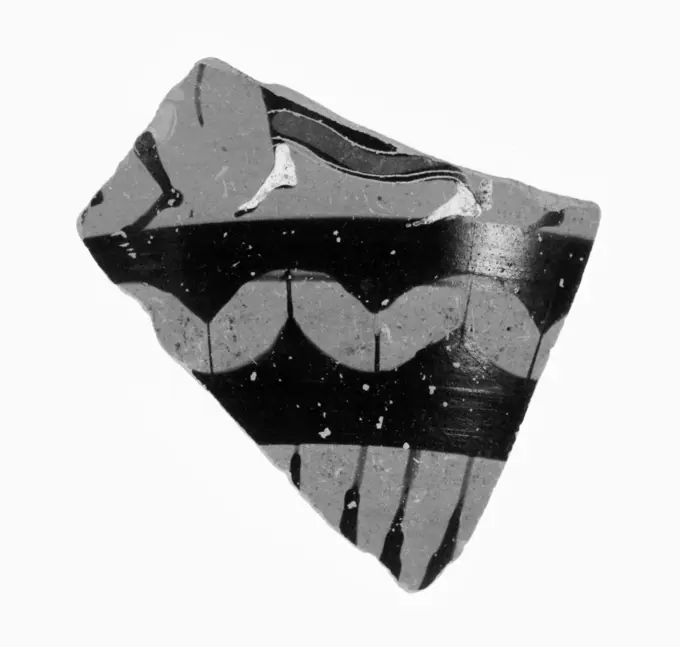
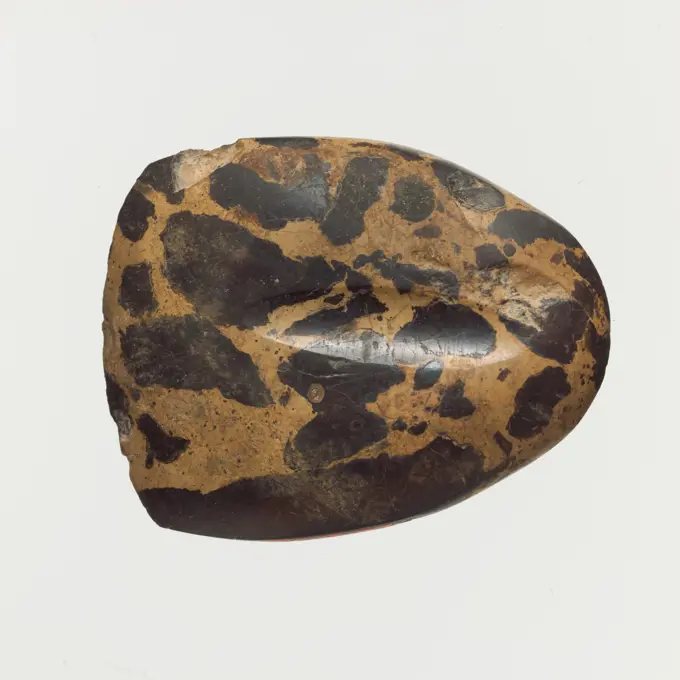
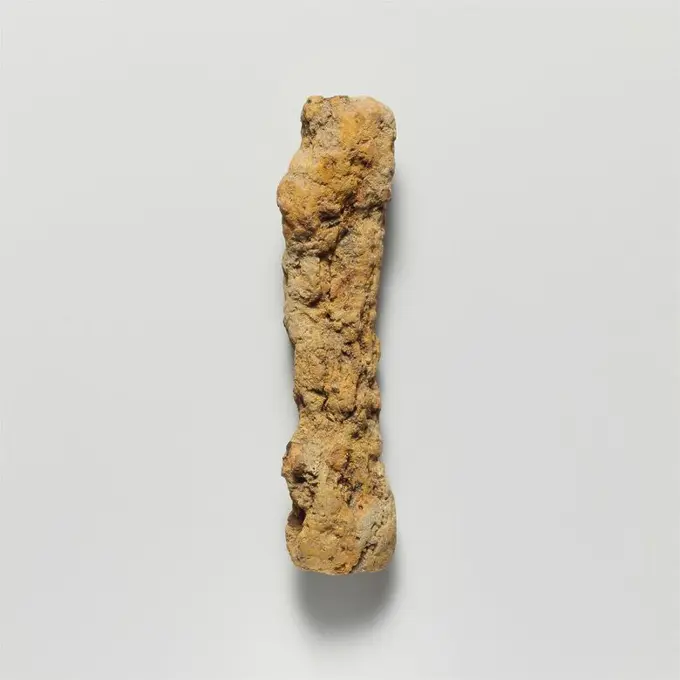
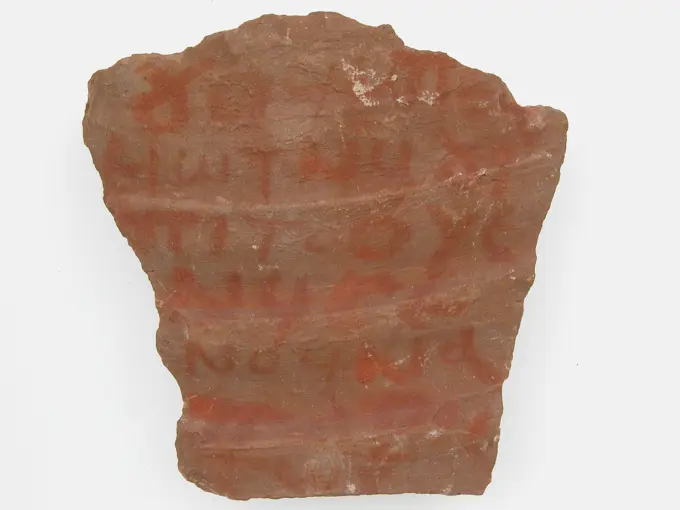
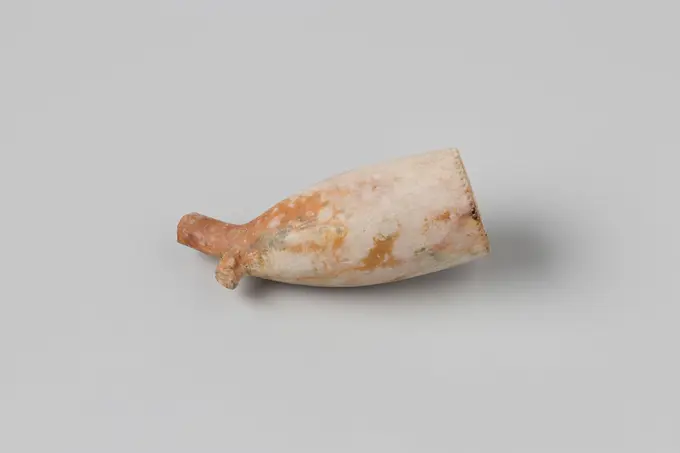
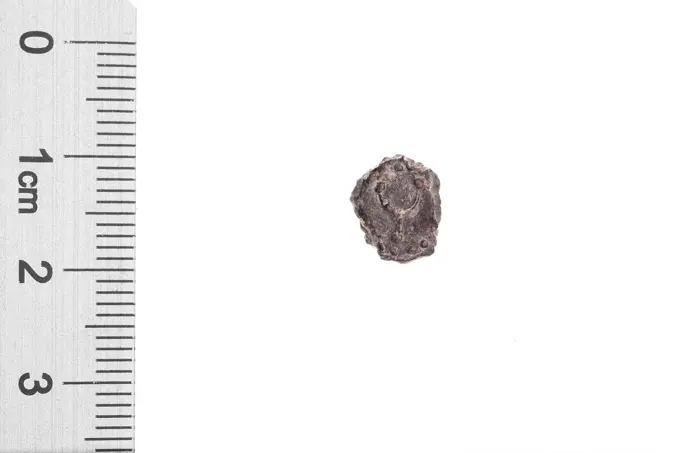
Tobacco Pipe Fragments

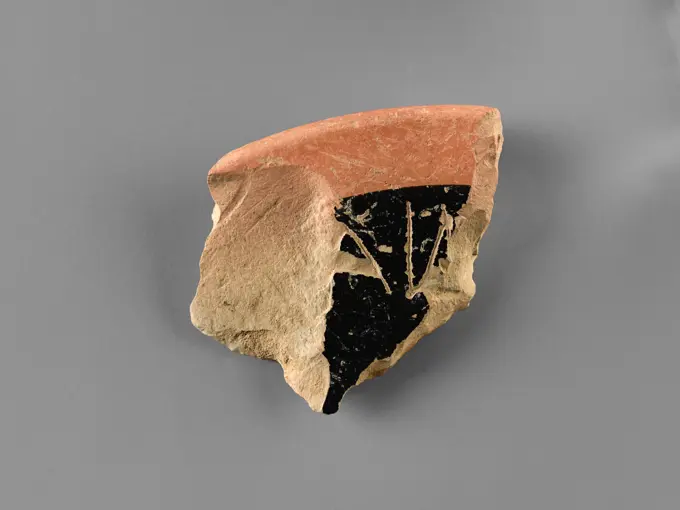
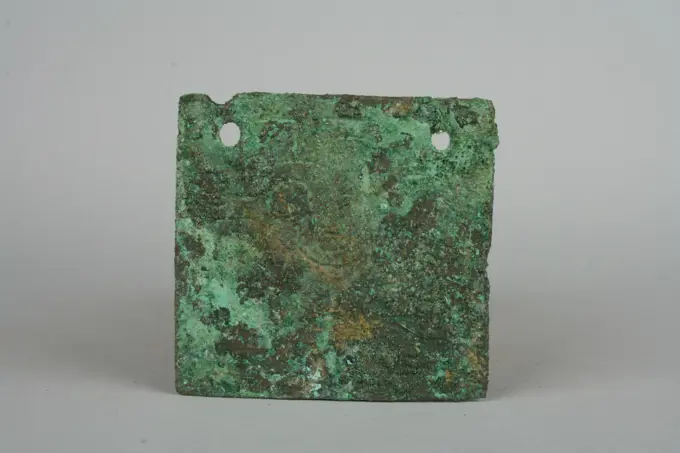
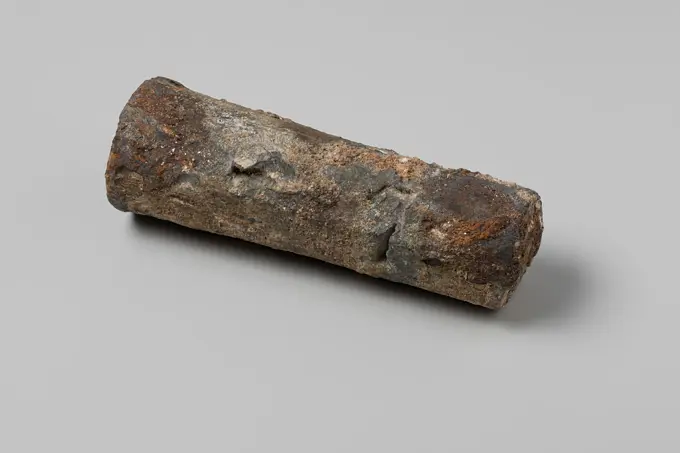
Artifacts from historical excavations, featuring fragments of decorative tobacco pipes and other metal remnants with unique designs.
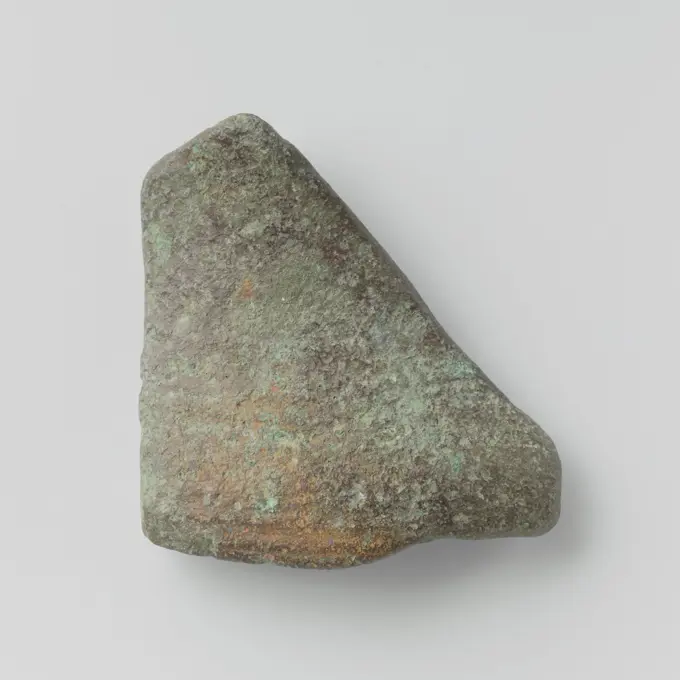
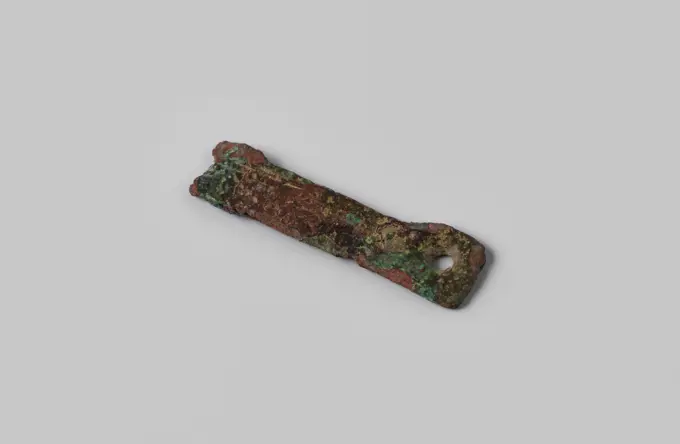
Fragment of a ship bell, anonymous, 1700 - in or before 1743 musical instrument. percussion instrument. bell (idiophone). ship bell. fragment Acoustic, bell (ship's); fragment of rim, eroded, concentric band moulding, fits to NG 1980-27H830/1134. Netherlands copper (metal)   Second
Fragment of a ship bell, anonymous, 1700 - in or before 1743 musical instrument. percussion instrument. bell (idiophone). ship bell. fragment Acoustic, bell (ship's); fragment of rim, eroded, concentric band moulding, fits to NG 1980-27H830/1134. Netherlands copper (metal) Second
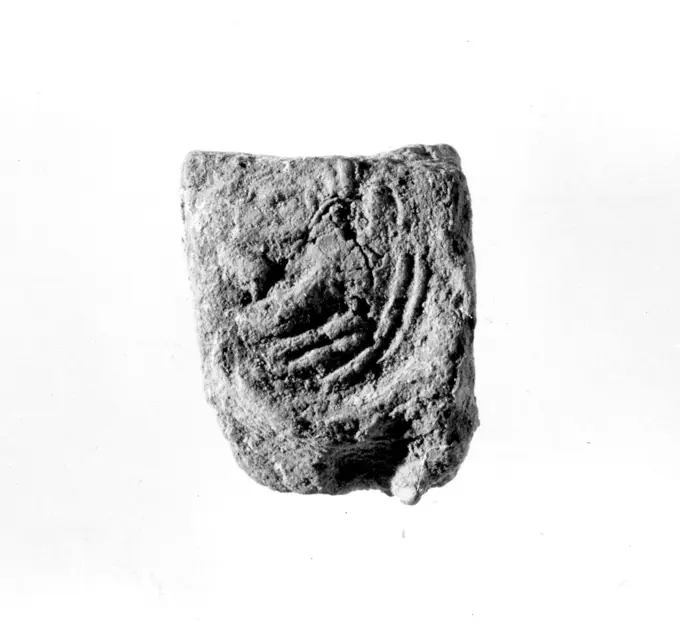
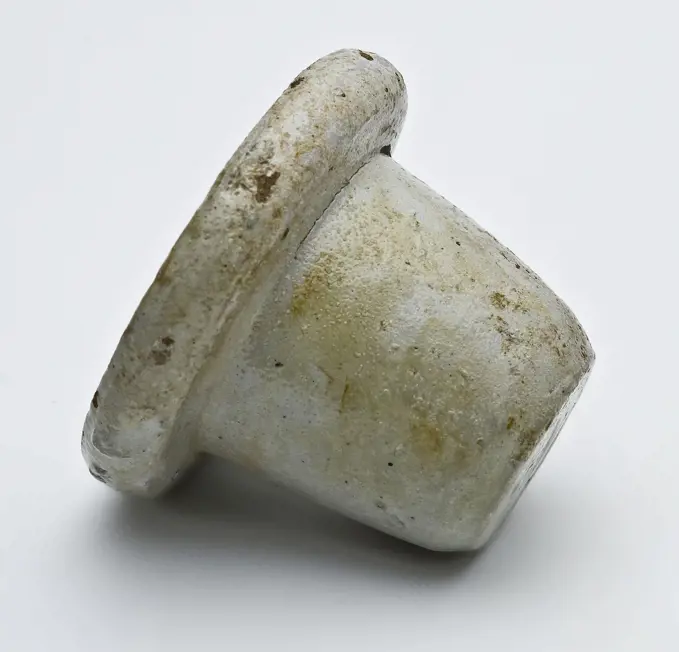
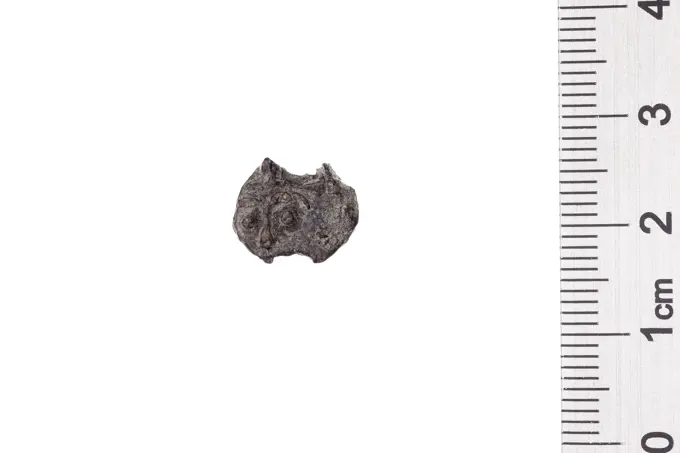
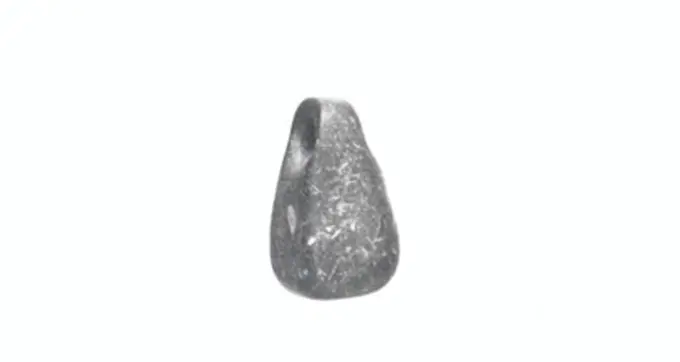
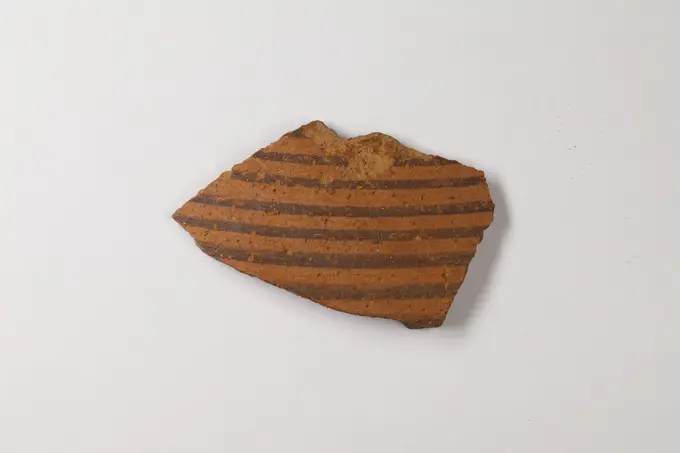
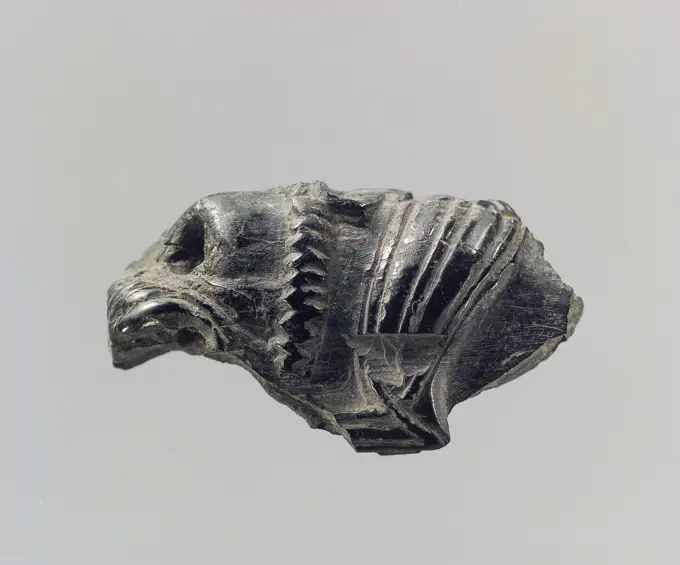
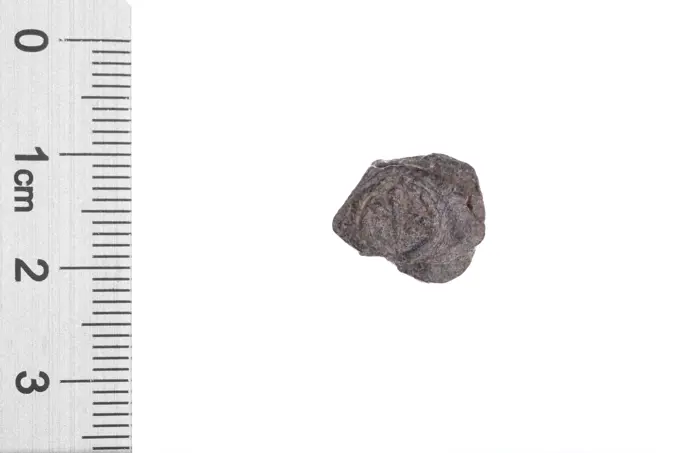
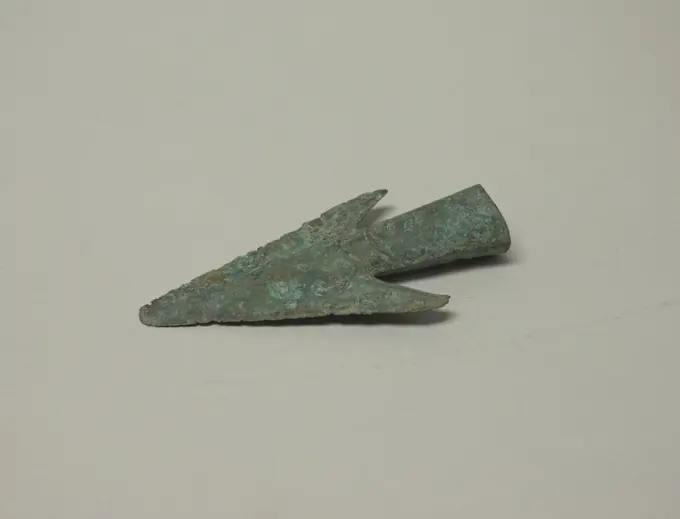
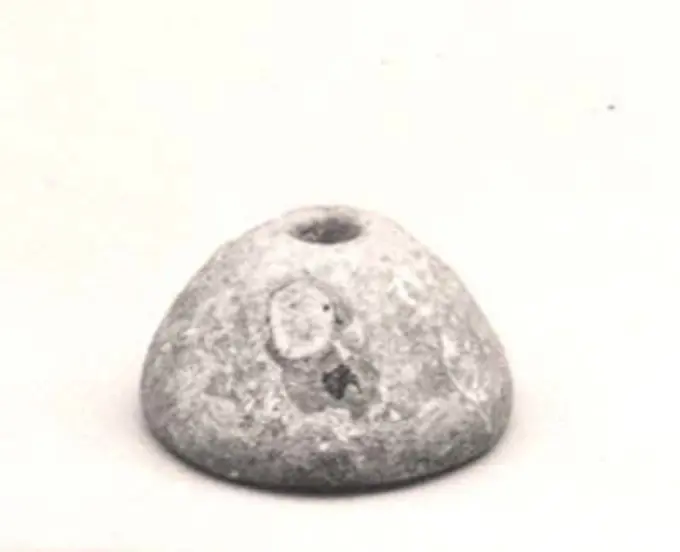
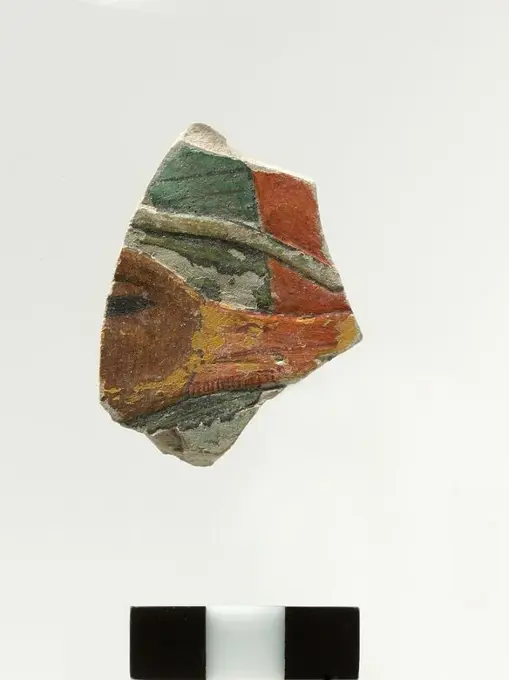
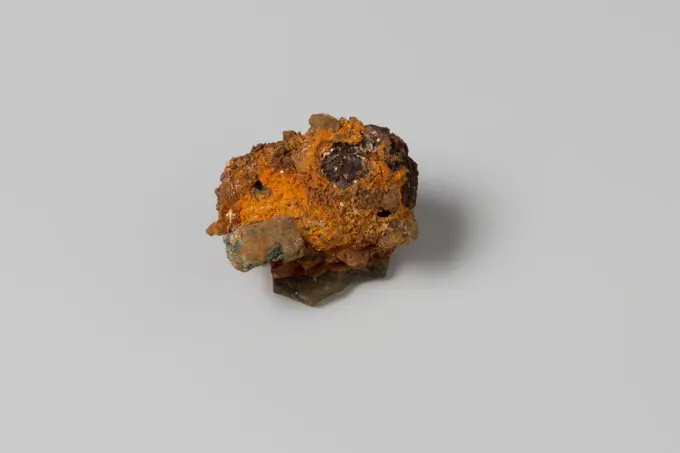
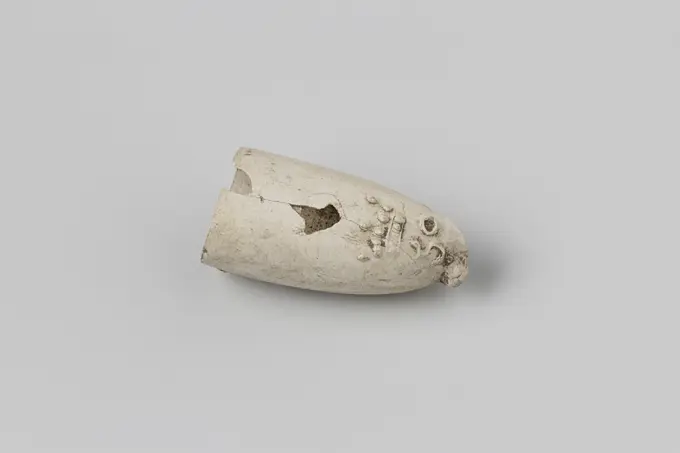
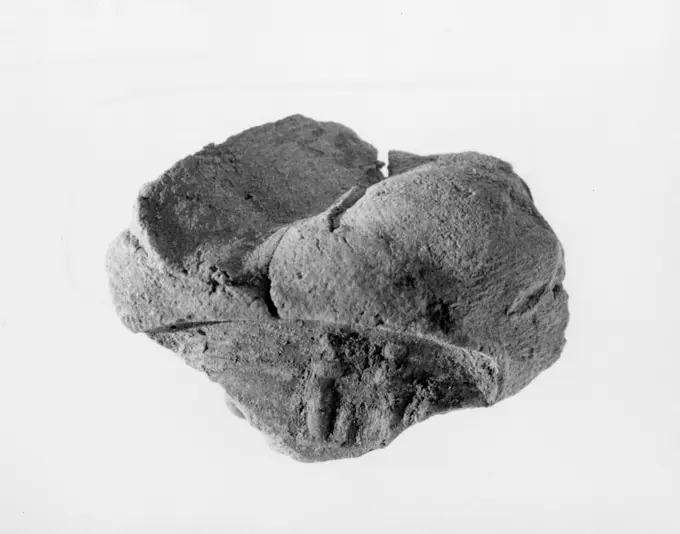
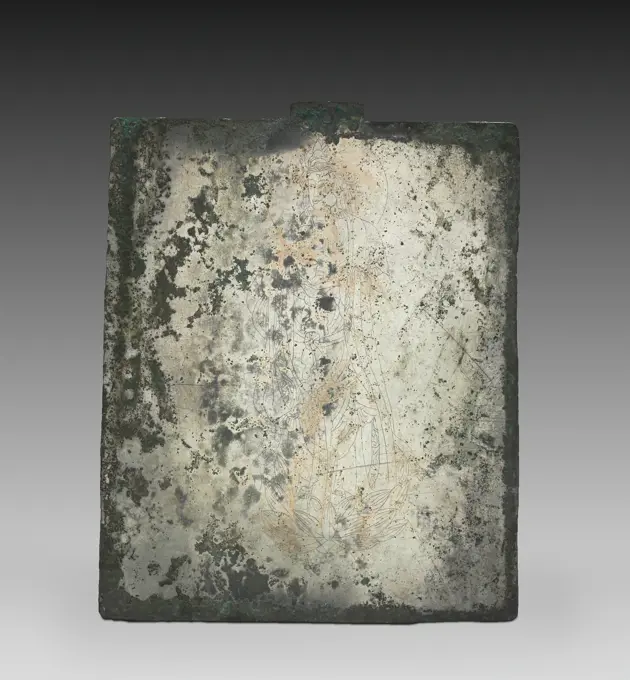
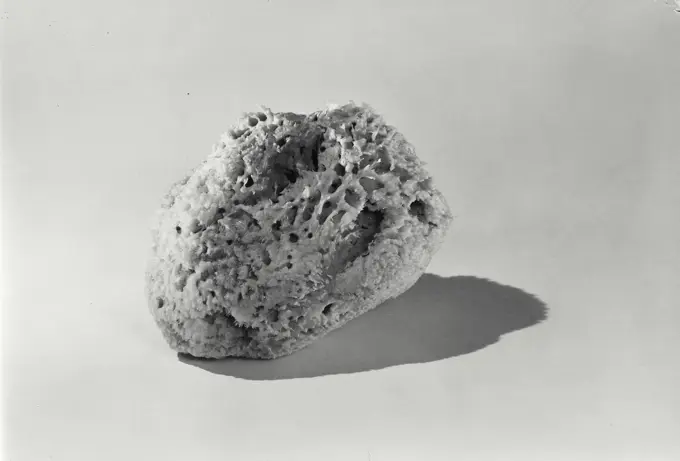
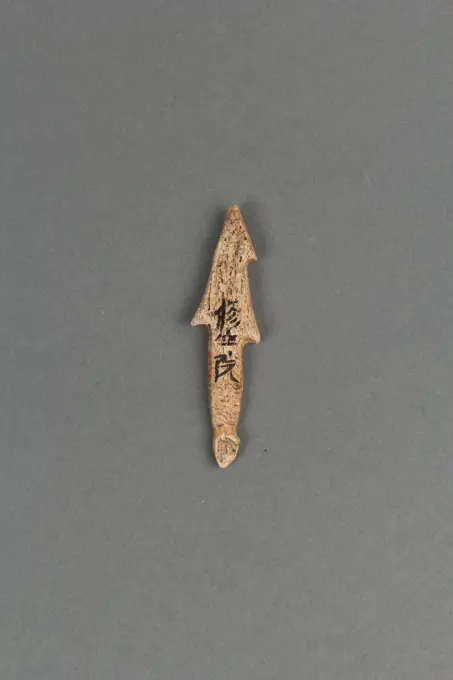
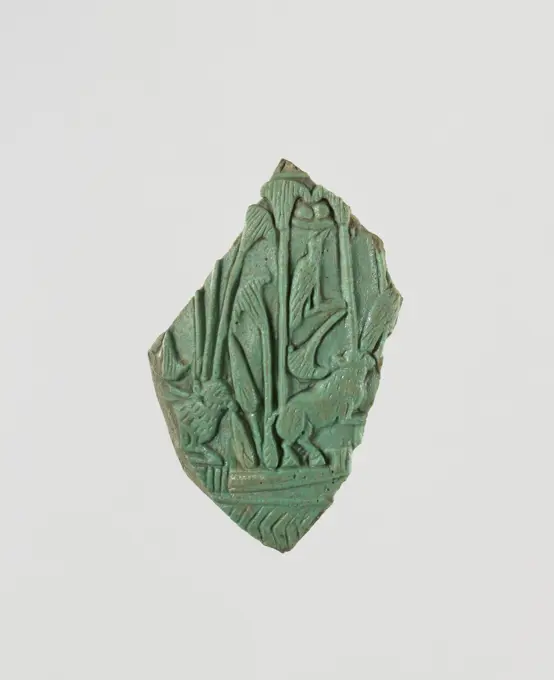
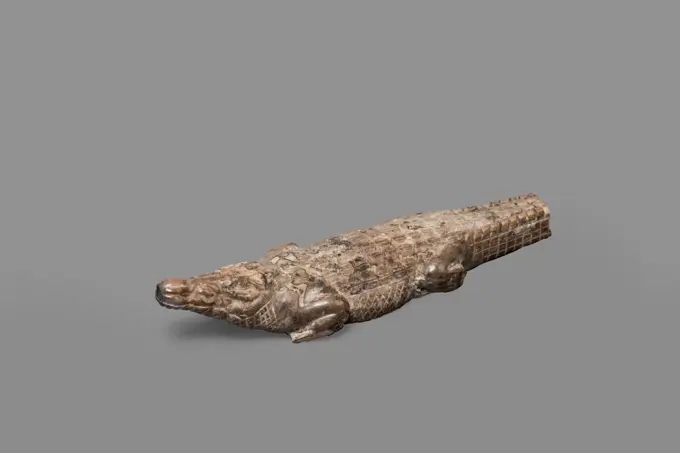
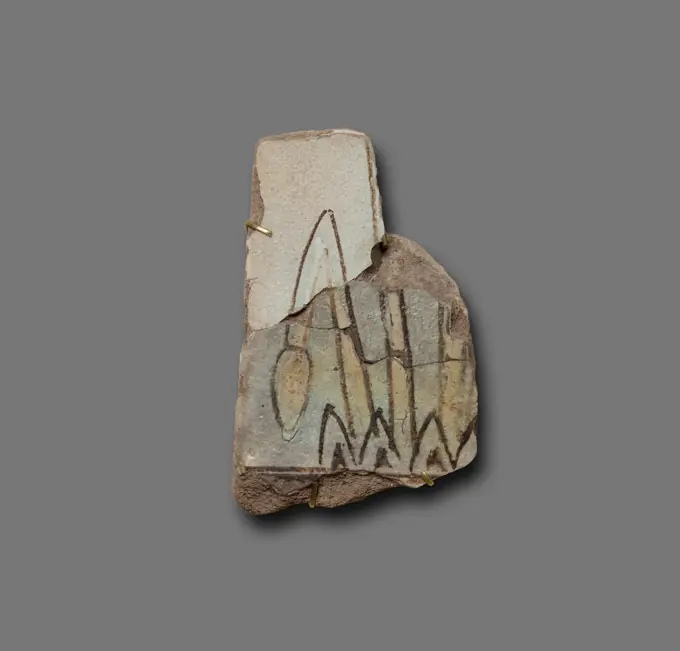
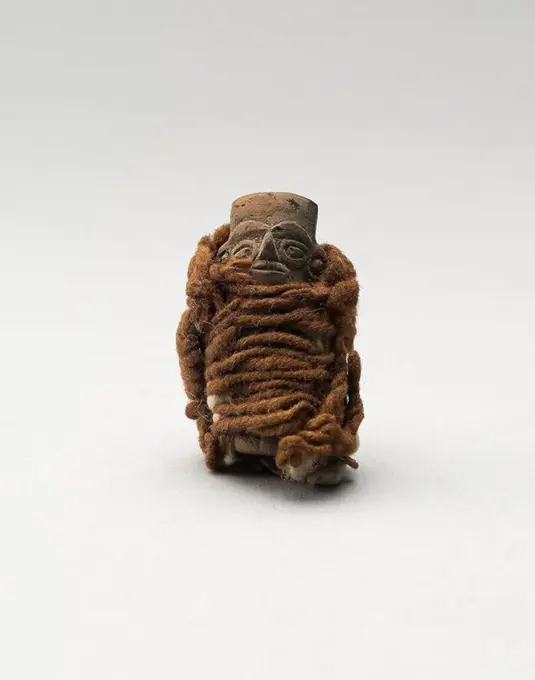
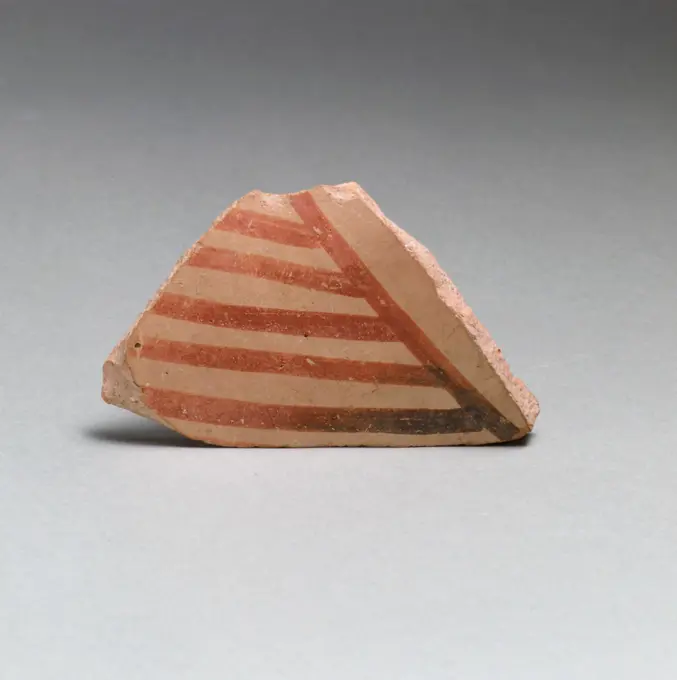
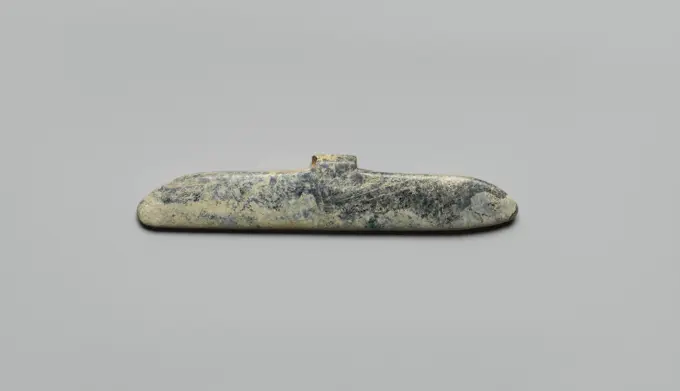
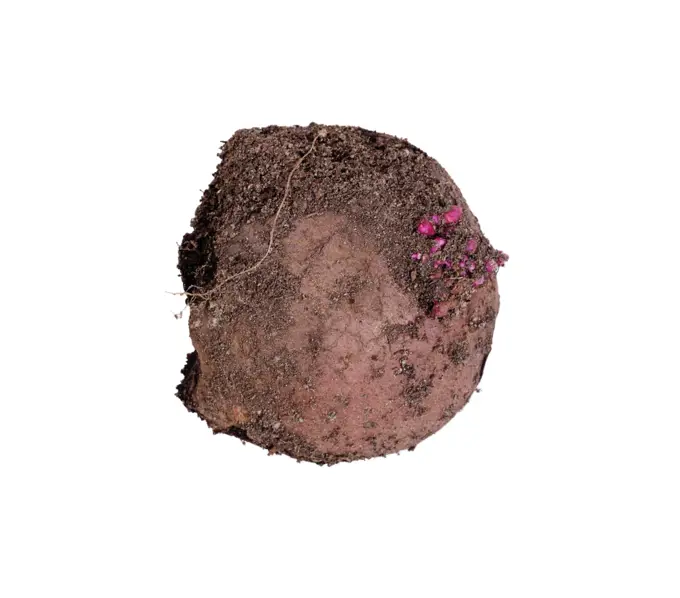
Pipes head. Blowjob head with two dotted flowers. Of the excavations at the Hofstede Arentsburg 1827-1831 under the supervision of professor Reuvens.Document Sealing with the Throne Name of Amenhotep III ca. 1390-1353 B.C. New Kingdom. Document Sealing with the Throne Name of Amenhotep III 590465Document Sealing with the Throne Name of Amenhotep III ca. 1390-1353 B.C. New Kingdom. Document Sealing with the Throne Name of Amenhotep III 590461Stoneware stopper, conical, glazed, stop closure part soil find ceramic stoneware glaze salt glaze, hand-turned glazed baked Stoneware stopper conical in shape. Gray glazed. In the middle at the top small hole to allow the clay to dry better for baking archeology indigenous pottery import store transport packingDrohiczyn seal. unknown, managerBead ca. 3rd-7th century A.D. Sasanian. Bead. Sasanian. ca. 3rd-7th century A.D.. Stone, black. Sasanian. Iran, Qasr-i Abu NasrBowl sherd ca. 1981-1640 B.C. Middle Kingdom. Bowl sherd. ca. 1981-1640 B.C.. Pottery. Middle Kingdom. From Egypt, Memphite Region, Lisht North, Cemetery, MMA excavations, 1920-22. Dynasty 12-13Light red brick, brick building material soil finds ceramics pottery, in form made baked archeology indigenous brick buildIvory fragment ca. 9th century B.C. Iran. Ivory fragment 325757Female Head. UnknownDrohiczyn seal. unknown, managerArrow-Shaped Spearhead 500 B.C.-A.D. 300 Vietnam (North). Arrow-Shaped Spearhead 51947Attic Red-Figure Cup Foot Fragment. UnknownVase fragment ca. 3000-2000 B.C. Aegean. Vase fragment 253303 Aegean, Vase fragment, ca. 30002000 B.C., Terracotta, Other: 1 5/16in. (3.4cm). The Metropolitan Museum of Art, New York. Anonymous Gift, 1930 (30.119.98)Drohiczyn seal. unknown, managerGlass button ca. 3rd-7th century A.D. Sasanian. Glass button. Sasanian. ca. 3rd-7th century A.D.. Glass. Sasanian. Iran, Qasr-i Abu Nasrdenarius; W ADSY AW III WARNE Czyk (Polish king; 1434-1444); 1434-1444 (1434-00-00-1444-00-00);Relief fragment from the tomb of Meketre. Dimensions: H. 4.4 cm (1 3/4 in.); W. 3.4 cm (1 3/8 in.); D. 0.8 cm (5/16 in.). Dynasty: Dynasty 12. Reign: reign of Amenemhat I, early. Date: ca. 1981-1975 B.C.. Museum: Metropolitan Museum of Art, New York, USA.Concretion with glass fragments from the wreck of the East Indians Hollandia, 1700 - in Or Before 1743 concretionary stone Parts of artefacts; eroded fragments: materials; lump, containing fragm of glass. Netherlands concretionary stone.   SecondVase fragment East Greek/Sardis, Lydian. Vase fragment 252835 East Greek/Sardis, Lydian, Vase fragment, Terracotta, Overall: 2 3/8 x 1 1/2in. (6 x 3.8cm). The Metropolitan Museum of Art, New York. Gift of The American Society for the Excavation of Sardis, 1926 (26.199.271)Residual waste from coal from the wreck of the East Indied Flying Heart. Stony lump residual waste from coal burning. Two pieces. Slug.Volute-krater fragment 4th century B.C. Greek, South Italian, Apulian. Volute-krater fragment. Greek, South Italian, Apulian. 4th century B.C.. Terracotta; red-figure. Late Classical. VasesShell pestle/polisher. Culture: Cycladic. Dimensions: 3/4 × 7/16 in. (2 × 1.1 cm). Date: ca. 2700-2400 B.C..Small pestle or polisher carved from a piece of shell. Museum: Metropolitan Museum of Art, New York, USA.Fragment Wijnkan from V.O.C. ship De 'Witte Leeuw', Before 1613  Fragment Wijnkan from V.O.C. ship De 'Witte Leeuw'. Soil. Jingdezhen bone china (material)   Sint-HelenaFoot and leg neck and chest ca. 1353-1336 B.C. New Kingdom, Amarna Period. Foot and leg neck and chest 549961Fragment pipe head. Fragment pipe head with a crown and the number 50 depicted. Of the excavations at the Hofstede Arentsburg 1827-1831 under the supervision of professor Reuvens.Document Sealing With the Throne Name of Amenhotep III ca. 1390-1353 B.C. New Kingdom. Document Sealing With the Throne Name of Amenhotep III. ca. 1390-1353 B.C.. Mud. New Kingdom. From Egypt, Upper Egypt, Thebes, Malqata, West Villas, West Villa B, MMA excavations, 1910-12. Dynasty 18Mold for a Poppy Petal Pendant ca. 1353-1336 B.C. New Kingdom, Amarna Period. Mold for a Poppy Petal Pendant 569909Vase fragment Minoan. Vase fragment 247783Drohiczyn seal. unknown, managerCoin 5th-14th century. Coin. 5th-14th century. Copper. Excavated in Iran, Nishapur. CoinsCylinder Seal. Mesopotamia, Third Dynasty of Ur, circa 2112-2004 B.C.. Tools and Equipment; seals. Black serpentineDrohiczyn seal. unknown, managerSharf of a stoneware can be from the wreck of the East Indians Princesse Mary, Anonymous, c. 1670 - c. 1686  Sharf of a piece of stoneware. On the inside Beige, from the outside relief stamp. Netherlands stonewareMirror with the Image of Avalokitesvara, 1900s. Korea, Joseon dynasty (1392-1910). Bronze with incised Buddhist designs; overall: 15.7 x 13 cm (6 3/16 x 5 1/8 in.).Bottom of Kohl Tube New Kingdom ca. 1390-1352 B.C. View more. Bottom of Kohl Tube. ca. 1390-1352 B.C.. Faience. New Kingdom. From Egypt, Upper Egypt, Thebes, Malqata, Palace of Amenhotep III, MMA excavations, 1910-12. Dynasty 18Coin fromSardinia.  Mint: Sardiniaraw porous basalt stone isolated macro shooting of specimen of natural igneous rock - raw porous basalt stone isolated on white background from Russia Copyright: xZoonar.com/ValeryxVoennyyx 11038868Male Figure Fragment. UnknownDrohiczyn seal. unknown, managerFragment van een tabakspijp..Fragment of a tobacco pipe decorated with a Dutch lion, above which a crown and K.W. and a mill on the other side.Vintage Photograph. Seaplant sponge against a white backdrop.Attic Red-Figure Hydria Fragment. UnknownDrohiczyn seal. unknown, managerRelief fragment from the tomb of Meketre ca. 1981-1975 B.C. Middle Kingdom. Relief fragment from the tomb of Meketre. ca. 1981-1975 B.C.. Limestone. Middle Kingdom. From Egypt, Upper Egypt, Thebes, Southern Asasif, Tomb of Meketre (TT 280, MMA 1101), MMA excavations, 1920. Dynasty 12Harpoon head Japan The Jmon period is the earliest period in Japanese history, lasting from roughly 14,000 to 300 BCE. The Jmon people were primarily hunter-gatherers, hunting land animals and gathering vegetables and nuts on the land as well as hunting and fishing at sea. Harpoon heads such as this one testify to the importance of seafood in the diets of some Jmon communities, especially those close to the sea. Fish bones found at Jmon archaeological sites indicate that the Jmon hunted fish not only close to the shore but also farther out in the open sea, where larger fish could be caught. There is even evidence that the Jmon ate pufferfish, a poisonous fish considered a delicacy in modern Japan.. Harpoon head. Japan. Bone. Final Jmon period (ca. 1000-300 B.C.). BoneGrahal-Manzara. Carnavalet 2013-2016 collection sites. Numismatics.Arrowhead Japan. Arrowhead 62437Fragment of an ovoid flask Third Intermediate Period or later ca. 1070-664 B.C. This fragment, from an ovoid flask with a narrow neck, preserves part of a band of water, on which a papyrus skiff bearing two calves floats against a backdrop of marsh plants. One calf is in the process of jumping off the prow; the other, wearing a collar and leash, lies in the middle of the boat. This type of decoration is often seen on chalices; unlike a chalice, this fragment is not glazed inside. The quality of the work here is excellent, likely from the workshop of a master potter. View more. Fragment of an ovoid flask. ca. 1070-664 B.C.. Faience. Third Intermediate Period or later. From Egyptdenarius; W ADSY AW III WARNE Czyk (Polish king; 1434-1444); 1434-1444 (1434-00-00-1444-00-00);Cameo Gem Set Into A Ring. UnknownArrowhead Japan. Arrowhead 62429Drohiczy seal;  XI-XIII century (1090-00-00-1110-00-00);guild seals, customs seals, touches, seals of customs chambers, official seals, seals with a cross, seal with the image of the faceHarpoon head Japan The Jmon period is the earliest period in Japanese history, lasting from roughly 14,000 to 300 BCE. The Jmon people were primarily hunter-gatherers, hunting land animals and gathering vegetables and nuts on the land as well as hunting and fishing at sea. Harpoon heads such as this one testify to the importance of seafood in the diets of some Jmon communities, especially those close to the sea. Fish bones found at Jmon archaeological sites indicate that the Jmon hunted fish not only close to the shore but also farther out in the open sea, where larger fish could be caught. There is even evidence that the Jmon ate pufferfish, a poisonous fish considered a delicacy in modern Japan.. Harpoon head. Japan. Bone. Final Jmon period (ca. 1000-300 B.C.). BoneBóg Sobek pod postacią krokodyla. unknown, authorFigurine Fragment. UnknownTile with a papyrus plant ca. 1279-1213 B.C. New Kingdom, Ramesside This tile once decorated the palace of Ramesses II in Piramesse, which he made into one of the greatest royal cities of ancient Egypt. Thanks to the royal favor and its strategic location, Piramesse soon became an important international trade center and a cosmopolitan metropolis, boasting a harbor, a military base, and temples dedicated to various gods like Amun-Re-Harakhty-Atum, Seth, Astarte, etc. Poems were written in the city's praise, and its name, which translates as "The House of Ramesses, Beloved of Amun, Great of Victories" when fully written, came to us through the Old Testament as Raamses.’ The tiles bear the names of Seti I, Ramesses II and later Ramesside kings, who renovated the palace and changed its decoration through the reigns. New tiles were made, and the old tiles may be have been dismantled and buried together. Based on the tiles, we can still reconstruct quite a number of the features of the palShoe spacer from the wreck of the East Indies Hollandia, Anonymous, 1700 - in Or Before 1743  Schoengesp. Met concretie. Buckle, chape buckle, shoe buckle; (1) ring, id. NG 1980-27H2872 Netherlands copper (metal)   SecondDrohiczyn seal. unknown, managerCarnavalet museum, medal collectionExcerpt of copper from the wreck of the East Indians Hollandia, 1700 - in or before 1743 fragment Varied parts or fragments, strips and strip-shaped fragments; fragm. Netherlands copper (metal)   SecondArm at wrist, leg at knee () ca. 1353-1336 B.C. New Kingdom, Amarna Period. Arm at wrist, leg at knee () 549820METEORITE, Bremervörde. Class H / L3.9. Fallen on the surface of the earth on May 13, 1855. Germany. Museum fur Naturkunde. Berlin. Germany. Europe.Mold-Made Figurine Wrapped in Wool String. Possibly Moche or Inca; Possibly north or central coast, Peru. Date: 100 AD-600 AD. Dimensions: 3.8 x 2.3 cm (1 1/2 x 7/8 in.). Ceramic and wool with pigment. Origin: Peru. Museum: The Chicago Art Institute, Chicago, USA.Pijpenkop, Johannes de Lang, 1750 - 1780 Blowjob with a crown, a fish and three waves, and the letters I d l. Of the excavations on the Hofstede Arentsburg 1827-1831 under the supervision of Professor Reuvens. Gorinchem pipe clay Blowjob with a crown, a fish and three waves, and the letters I d l. Of the excavations on the Hofstede Arentsburg 1827-1831 under the supervision of Professor Reuvens. Gorinchem pipe clayFragment lead from the wreck of the East Indians Hollandia, 1700 - in or before 1743 fragment Parts of artefacts; eroded fragments: materials; lead. Netherlands lead (metal)   SecondReduced housing model: scale leading to the central pavilion. Terracotta. Cernuschi Museum, Asia Museum of Asia in the city of Paris.Glass Fragment probably 15th century European. Glass Fragment. European. probably 15th century. Colorless glass. Glass-StainedAttic Black-Figure Nicosthenic Amphora Fragment. UnknownDecorated jar fragment. Dimensions: H. 6.5 (2 9/16 in.); W. 4 cm (1 9/16 in.). Dynasty: Dynasty 18. Reign: reign of Amenhotep III. Date: ca. 1390-1352 B.C.. Museum: Metropolitan Museum of Art, New York, USA.Metabauxite axe 5th-4th millennium B.C. Cretan Axes produced in the Neolithic period sometimes continued to be used in the Bronze Age for utilitarian purposes as well as votive offerings.. Metabauxite axe 252319 Cretan, Metabauxite axe, 5th4th millennium B.C., Stone, 2 1/4 in. a 1 3/4 in. (5.6 x 4.4 cm). The Metropolitan Museum of Art, New York. Bequest of Richard B. Seager, 1926 (26.31.391)Chunks of concretion with fragments of glass and iron from the wreck of the East Indiesman Hollandia. Parts or artifacts; eroded fragments: Materials; Lumps, containing Fragm or Glass, or Knife Handle Ferrule, Hollow Impression or Nail, Fragm or Pipe Bowl.Crown with disks fragment ca. 1353-1336 B.C. New Kingdom, Amarna Period. Crown with disks fragment 550017Relief fragment from the tomb of Meketre ca. 1981-1975 B.C. Middle Kingdom. Relief fragment from the tomb of Meketre 545337Glass Fragment 14th-15th century European. Glass Fragment. European. 14th-15th century. Pot metal glass. Glass-StainedWomen's slippers; Kółażeński, Jan (Kalisz; Szewska Studio; Ca 1830-Ca 1850); 1830-1850 (1830-00-00-1850-00-00);Drohiczyn seal. unknown, managerStave Signelak from the wreck of the East Indians Hollandia, Anonymous, 1700 - in Or Before 1743 sealing wax Marking and proving, sealing wax, red; fragm, id. NG 1975-50H446, one rounded end. Netherlands wax   SecondForm of a nail from Concretie from the wreck of the East India Flying Heart. Three chunks were preserved under this finding nummer. Two were filled with rubber, of which a cavity originally turned out to be a nail (see dimensions). The other two lumps yielded nothing and have been thrown away. The nail is square. Nail, concretion.Iron bar. Culture: Greek, Laconian. Dimensions: 15/16 × 3 11/16 × 3/4 in. (2.4 × 9.3 × 2 cm). Date: 7th-5th century B.C. .Bar of iron. Museum: Metropolitan Museum of Art, New York, USA.Pendant: Satyr Head in Profile. UnknownStone knife. Neolithic period. North Africa. 16 cm.A piece of blue soap, well used, lies on a white background, showing all the lines and marks of use.Terracotta sherd with linear decoration ca. 4000 B.C. Greek Neolithic From Nemea in the PeloponneseDark lines on light ground.. Terracotta sherd with linear decoration 253253 Greek Neolithic, Terracotta sherd with linear decoration, ca. 4000 B.C., Terracotta, length 3 1/4in. (8.3cm). The Metropolitan Museum of Art, New York. Anonymous Gift, 1930 (30.119.48)Drohiczyn seal. unknown, managerAttic Black-Figure Calyx Krater Fragment. Rycroft Painter (Greek (Attic))Sealing ca. 1981-1640 B.C. Middle Kingdom. Sealing 560430Winged Pendant 10th-16th century Tairona. Winged Pendant. Tairona. 10th-16th century. Greenstone. Colombia. Stone-OrnamentsClose up view of raw potato with roots and soil on surface. Isolated on white. Attic Panathenaic Amphora Fragment. Unknown about 430 B.C. Ext: edge of picture field, reserved ground with black border line. Int: black.Ostrakon with a Letter 600 Coptic. Ostrakon with a Letter 474768Excerpt (foot) with red shard, letters engaged in the bottom on ϯs (or vice versa), brown hazel -like glaze that very peels, anonymous, 1200 - 1899  Italy earthenware  Italy earthenwarePijpenkop from the wreck of the East India Hollandia.Pipe, Bowl, Healmar: Crowned 47; 2HSM1.2.Helmet. UnknownBird Plaque Ornament 3rd century B.C.-A.D. 2nd century Vicús. Bird Plaque Ornament 315410The plood out of the East India's wreck of Dutchia. Tools and Instruments, Navigation, Sounding Lead; Fragm, Base, Cut Off: Octagonal Faceted, Taping Upwards, Domed Cavity in Underside, Inscription on Side xxx, Encrusted.Bird Plaque Ornament. Culture: Vicús. Dimensions: H. 2 x W. 2 in. (5 x 5 cm). Date: 3rd century B.C.-A.D. 2nd century. Museum: Metropolitan Museum of Art, New York, USA.Glass Fragment 15th century () European. Glass Fragment. European. 15th century (). Pot metal glass. Glass-StainedDrohiczyn seal. unknown, managerDragon Pendant with Small Blade 1300 BCE-1000 BCE China. Jade .