Tobacco Pipe Fragments

Artifacts from historical excavations, featuring fragments of decorative tobacco pipes and other metal remnants with unique designs.
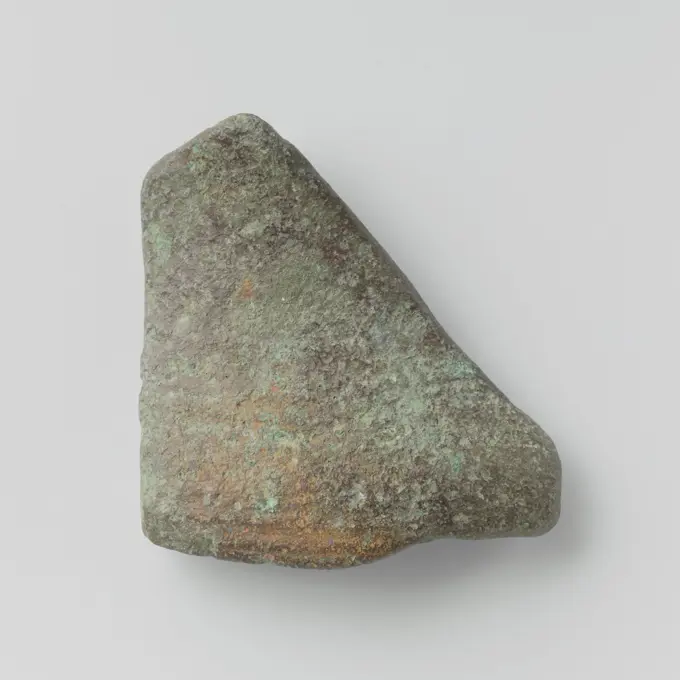
Fragment of a ship bell, anonymous, 1700 - in or before 1743 musical instrument. percussion instrument. bell (idiophone). ship bell. fragment Acoustic, bell (ship's); fragment of rim, eroded, concentric band moulding, fits to NG 1980-27H830/1134. Netherlands copper (metal)   Second
Fragment of a ship bell, anonymous, 1700 - in or before 1743 musical instrument. percussion instrument. bell (idiophone). ship bell. fragment Acoustic, bell (ship's); fragment of rim, eroded, concentric band moulding, fits to NG 1980-27H830/1134. Netherlands copper (metal) Second
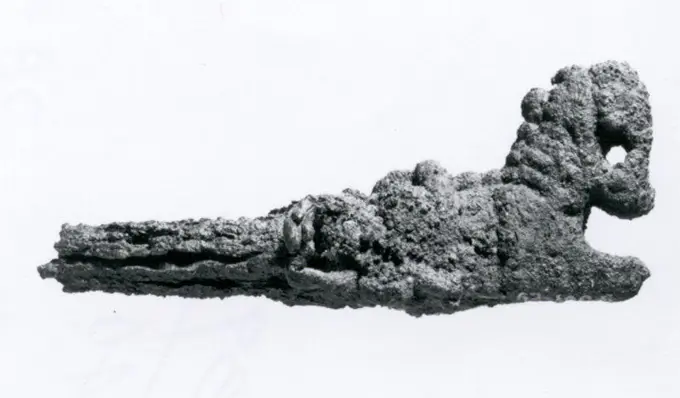
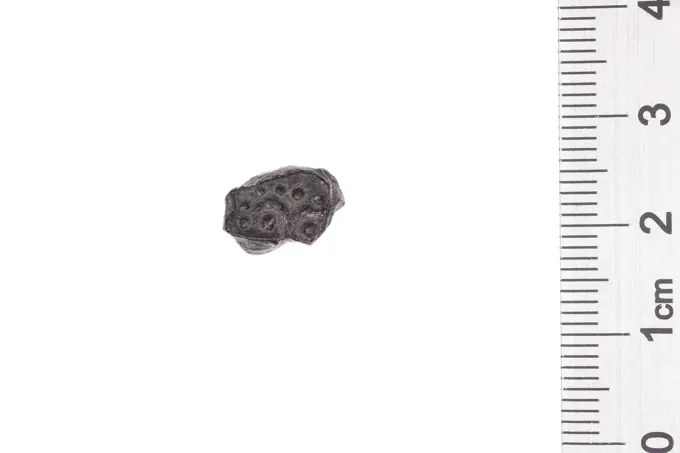
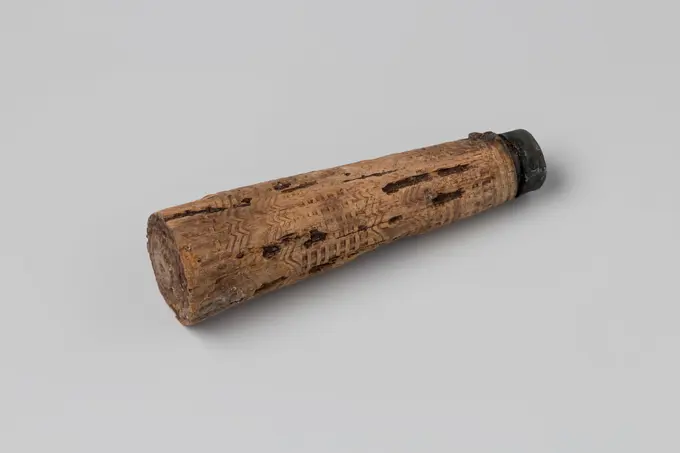
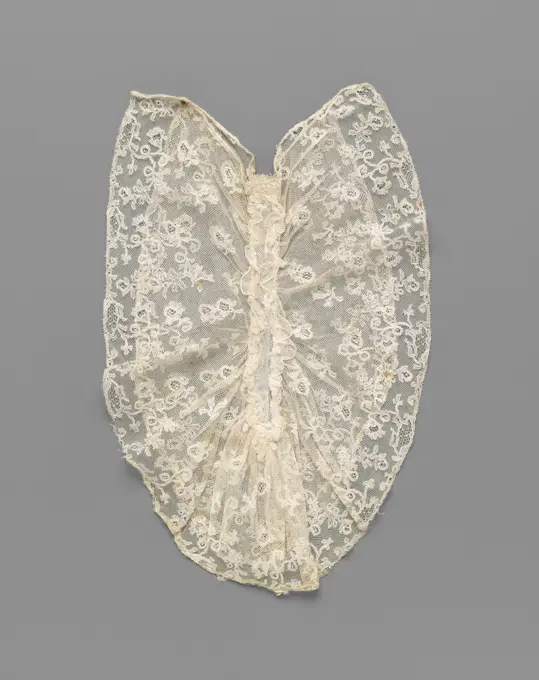
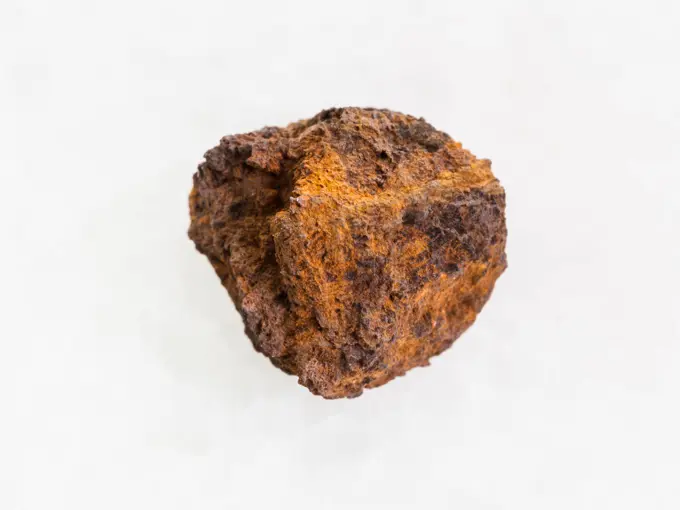
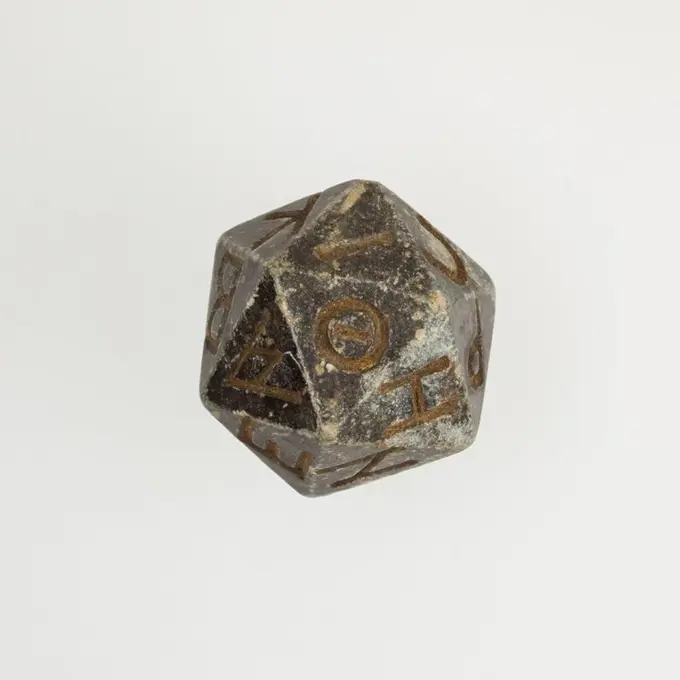
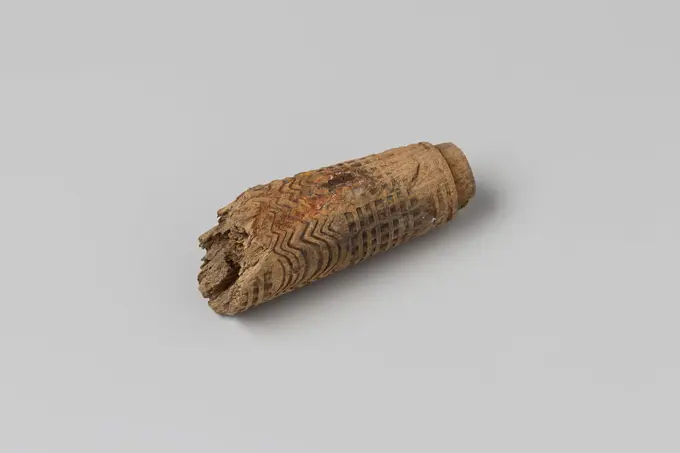
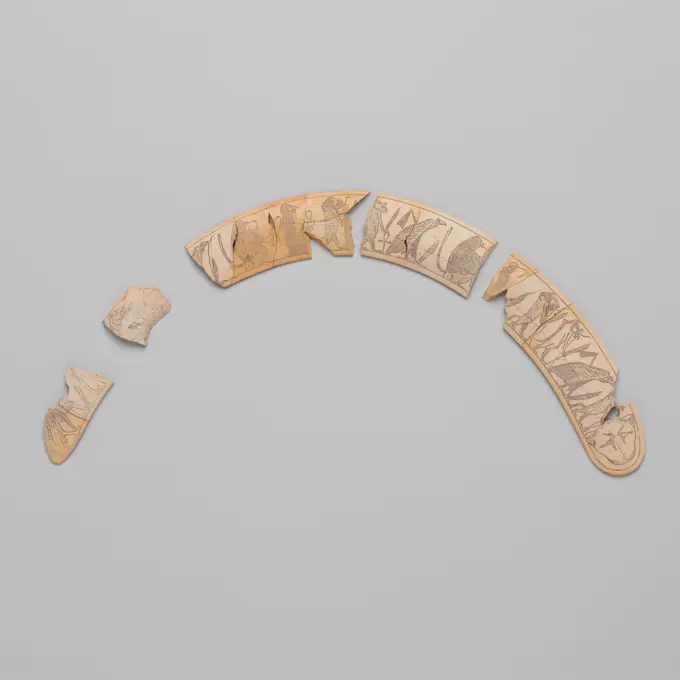
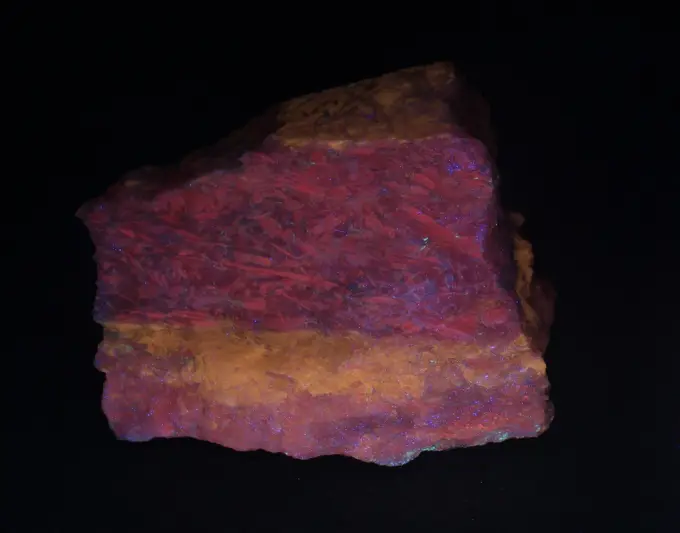
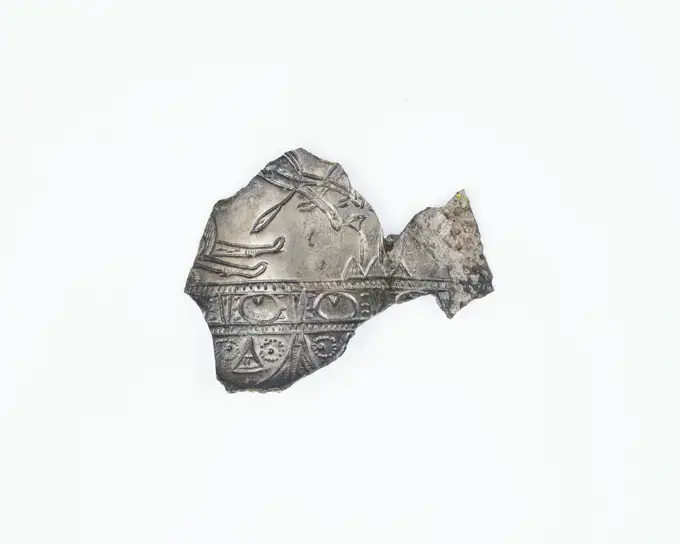
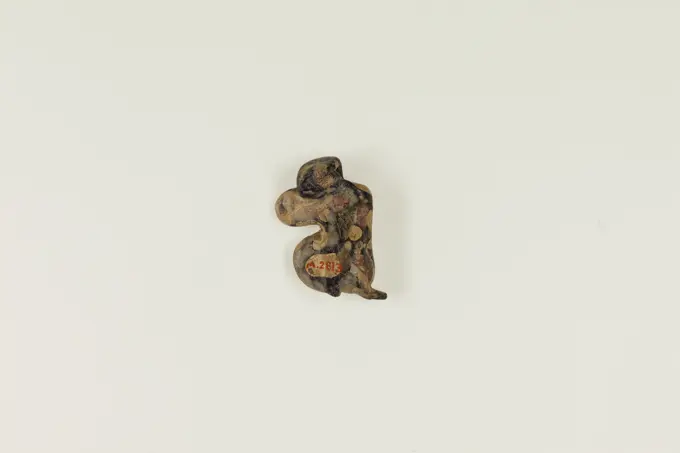
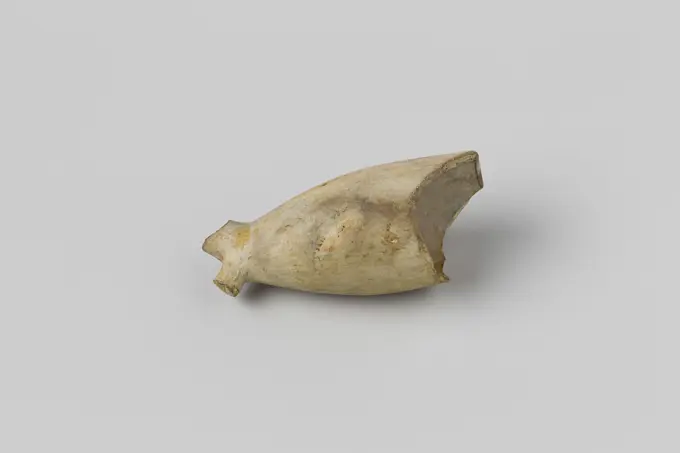
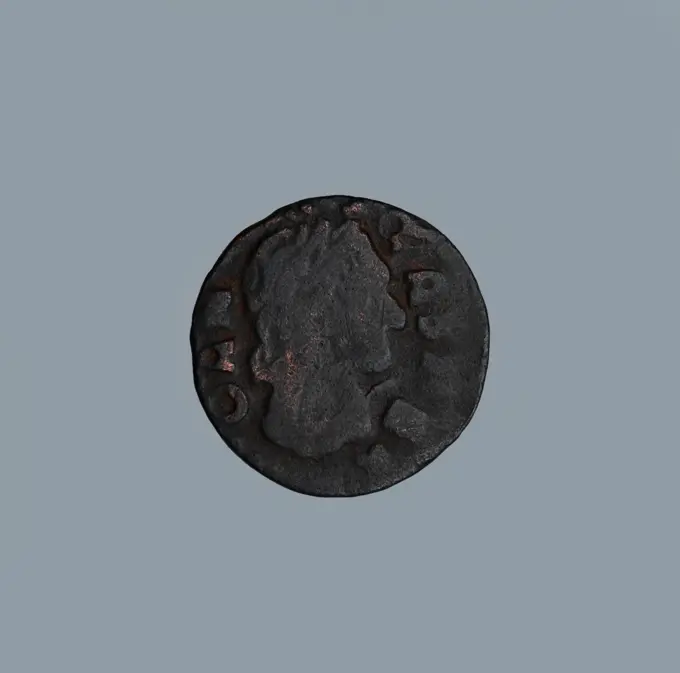
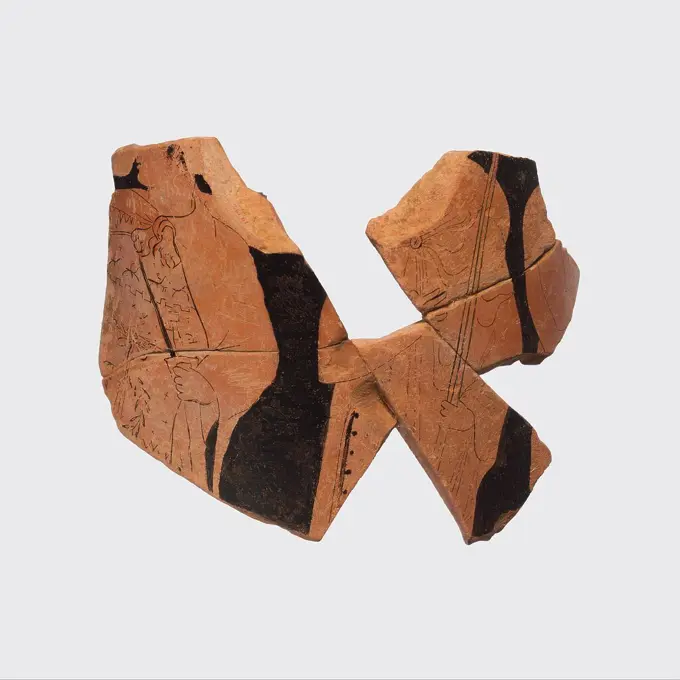
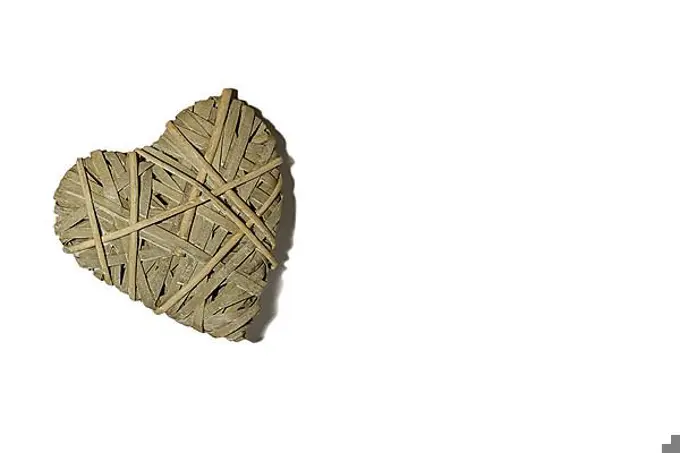
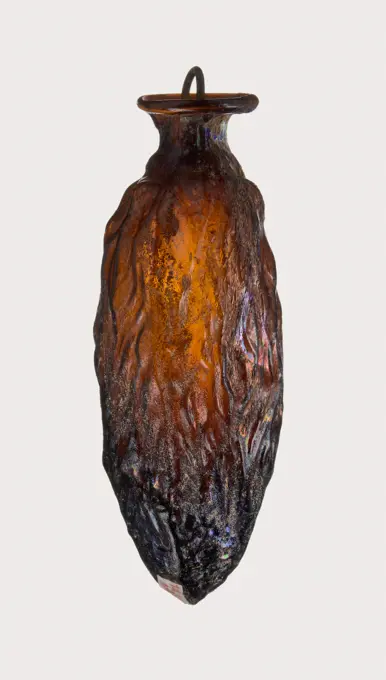
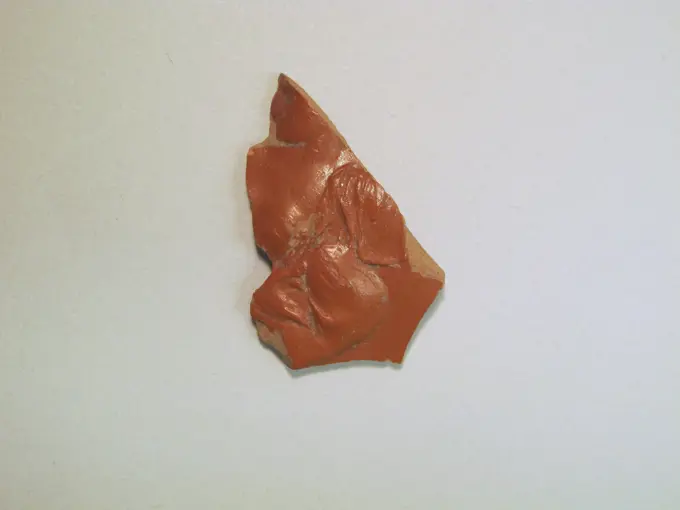
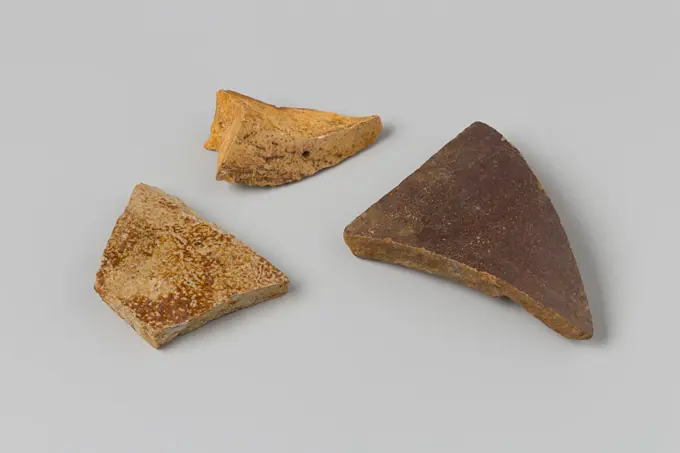
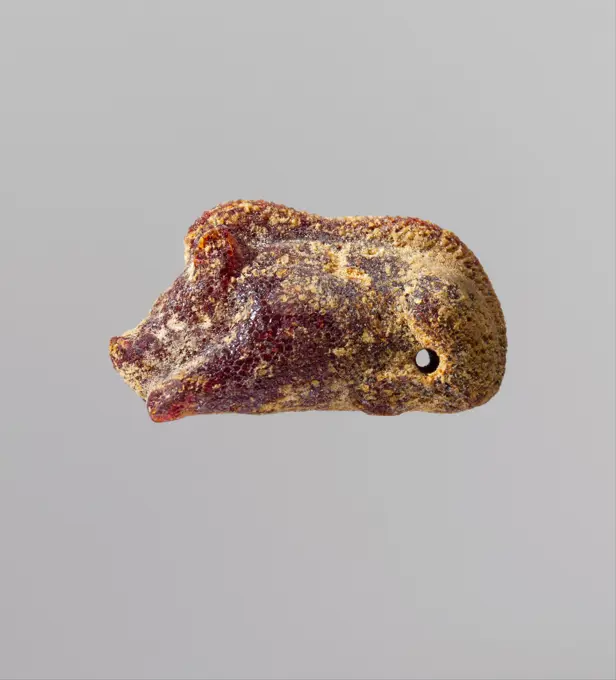
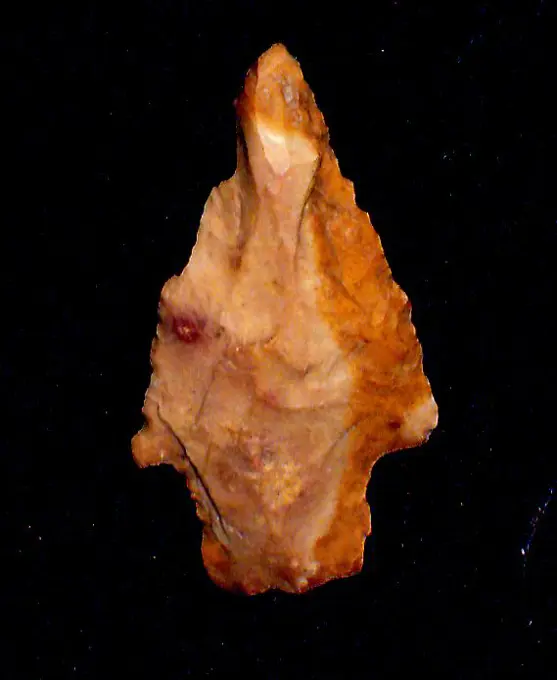
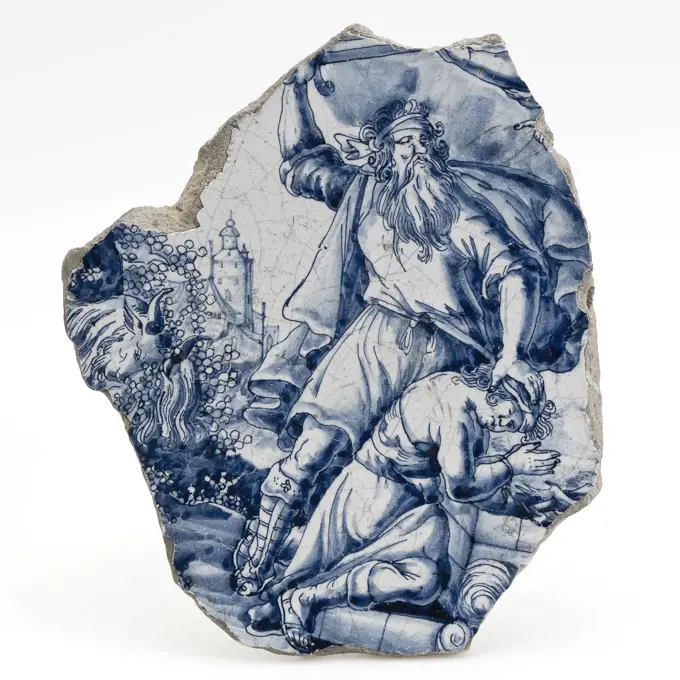
Riutal Stone (Pulidor). Culture: Aztec. Dimensions: H. 1 in. (2.5 cm). Date: 15th-early 16th century. Museum: Metropolitan Museum of Art, New York, USA.Decoration from the wreck of the East Indiesman Hollandia. Decorative, general; Fragm ID. NG 1980-27H175.Rare triangular knife on blade retouched on both sides. Patinated beige flint. North Africa, Neolithic. 22.6cm.Lion pin ca. 9th century B.C. Iran. Lion pin 325612Drohiczyn seal. unknown, managerTriangular loaf of bread ca. 2030-1640 B.C. Middle Kingdom. Triangular loaf of bread. ca. 2030-1640 B.C.. Organic material. Middle Kingdom. From Egypt, Upper Egypt, Thebes, Deir el-Bahri, Temple of Mentuhotep II, foundation deposit, MMA excavations, 1923-24. Dynasty 11Knife lift from the wreck of the East India Hollandia. Knife, handle, cylindrical: tapering; ID. NG 1979-403H, Ferrule, ID. NG 1980-27H426.Coin 8th-9th century. Coin. 8th-9th century. Copper. Excavated in Iran, Nishapur. CoinsTremolite Schist, Montauban, Ontario Tremolite is a member of the amphibole group of silicate minerals. Tremolite forms by metamorphism of sediments rich in dolomite and quartzJabot with double layer of dumplings wrinkled around a narrow strip machine tulle. Jabot of natural colosside: Mechelen side. A double layer side is wrinkled to a narrow middle strip of machine tulle sewn. The seam is finished with ruffles. Side: The repeating pattern exists along the outer edge from a more or less oval field from which a whimsical shaped branch rises with curling branch in the top and a long down bending side branch. Above the edge pattern a scattering pattern of loose flowers and branches. The straight outer edge is finished with picots. The motifs are made in linen stroke and they are accentuated by a thick shiny contour wire. The motifs are connected by a Mechelen soil. One metal press button is attached at the top of the Jabot.Drohiczyn seal. unknown, managerrough limonite iron ore stone on white marble macro shooting of natural mineral rock specimen - rough limonite iron ore stone on white marble background Copyright: xZoonar.com/ValeryxVoennyyx 11947518Twenty-sided die (icosahedron) with faces inscribed with Greek letters. Dimensions: Height: 3.2 x L: 3.8 x W: 3.4 cm (1 1/4 x 1 1/2 x 1 5/16 in.). Date: 2nd century B.C.-4th century A.D..A number of polyhedral dice made in various materials have survived from the Hellenistic and Roman periods, usually from ancient Egypt when known. Several are in the Egyptian or Greek and Roman collections at the Museum. The icosahedron - 20-sided polyhedron - is frequent. Most often each face of the die is inscribed with a number in Greek and/or Latin up to the number of faces on the polyhedron. Nothing specific about the use of these polyhedra is preserved, so theories are built on clues provided by some variant examples. One unusual example uses Greek words, a few of which resemble those associated with throws of the astragals (knucklebones), and this has led to suggestions they were used for games. Another remarkable example discovered in Dakhleh Oasis in Egypt in the 1980s records an Egyptian goFragment Messenheft from the wreck of the East India Hollandia.knife, Handle, Cylindrical: tapering; Fragm, ID. NG 1979-403H.Magic wand ca. 1981-1802 B.C. Middle Kingdom Wands such as this were a common feature in burials of the late Middle Kingdom. This one shows signs of wear on one tip, suggesting that it was used over a period of time before being placed in the tomb. The wand is decorated on one side with the figures of protective deities most of whom carry knives to ward off evil spirits.The purpose of the wands is revealed by an inscription carved on the back of this one:"Recitation by the many protectors: We have come that we may extend our protection around the healthy child Minhotep, alive, sound, and healthy, born of the noblewoman Sitsobek, alive, sound, and healthy. "Other wands (15.3.197; 30.8.218) are inscribed on the front with the words "protection by day" and "protection by night." The texts indicate that the wands were used to defend infants against malign forces. Having provided defense against illness during life, after death the wands were placed in the tomb to ensure the continued proteTremolite. minerals. North America; USA; New York; Saint Lawrence County; Talcville; GTCFragment Pijpensteel from the wreck of the East Indians Hollandia, Anonymous, 1700 - in Or Before 1743  Pipe, stem; fragment. Netherlands pipe clay   SecondEmilia-Romagna Ferrara Ferrara Museo Civico di Schifanoia18. Hutzel, Max 1960-1990 General Notes: INCOMPLETE RECORD--NEGATIVES PROCESSED, PRINTS FILED German-born photographer and scholar Max Hutzel (1911-1988) photographed in Italy from the early 1960s until his death. The result of this project, referred to by Hutzel as Foto Arte Minore, is thorough documentation of art historical development in Italy up to the 18th century, including objects of the Etruscans and the Romans, as well as early Medieval, Romanesque, Gothic, Renaissance and Baroque monuments. Images are organized by geographic region in Italy, then by province, city, site complex and monument.Dessert wrapped in banana leaves on a white background.Fragment of a pitcher naming Atumemtaneb ca. 1295-1070 B.C. New Kingdom, Ramesside. Fragment of a pitcher naming Atumemtaneb. ca. 1295-1070 B.C.. Silver. New Kingdom, Ramesside. From Egypt, Eastern Delta, Tell Basta (Bubastis). Dynasty 19Lead figure of a man with a spear or scepter 6th-5th century B.C. Greek, Laconian Small flat votive figurines of cast lead have been found in great quantities at the ancient sanctuaries of Laconia; over one hundred thousand, dating from the seventh century B.C. to the Classical period, were dedicated to the goddess Artemis Orthia in Sparta.. Lead figure of a man with a spear or scepter 251656 Greek, Laconian, Lead figure of a man with a spear or scepter, 6th5th century B.C., Lead, Height: 1 5/16 in. (3.3 cm). The Metropolitan Museum of Art, New York. Gift of A. J. B. Wace, 1924 (24.195.90)Naszyjnik lub bransoletka z muszli. nieznany warsztat północno mezopotamski (ca 2600-ca 2350 a.C.), workshopTaweret amulet 100 BC-100 AD Ptolemaic or Roman Period. Taweret amulet 570510Relic of St. Vincent, c. 1045. Germany, Lower Saxony, Romanesque period, 11th century. Bone, plain weave undyed silk; This relic is housed in the portable altar commissioned by Countess Gertrude of Brunswick, one of the Guelph Treasure’s earliest and most sumptuous objects.Fragment blowjob from the wreck of the East Indies Chief Hollandia. Pipe, Bowl, Helm: Crowned 47; Fragment, 2HSM2.Vase fragment Roman, Gaul Lower part of Eros. Vase fragment. Roman, Gaul. Terracotta. VasesFalse coin, IIthuanian shilIIng, John II Casimir (1649 1668)Messenheft from the wreck of the East Indians Hollandia, Anonymous, 1700 - in Or Before 1743  Knife, handle, cylindrical: tapering; id. NG 1979-403H, ferrules id. NG 1980-27H426. Netherlands wood (plant material). ring: copper (metal)   SecondCauris Marin (11). Shell, bone, wood, china, zhou dynasty (11th century BC Paris, Cernuschi museum. Cauris, Asian civilization, Chinese civilization, zhou dynasty, currencyFragmentary stand of a terracotta lebes gamikos (round-bottomed bowl with handles and stand used in weddings). Culture: Greek, Attic. Dimensions: H. 7 1/2 in. (19.1 cm). Date: 3rd quarter of 5th century B.C..Herakles and two figuresHerakles appears beardless here, giving him an unusually young aspect. He has his lion's skin and club, however. Of particular note is the elaborately patterned garment. Museum: Metropolitan Museum of Art, New York, USA.Vessel fragment with child in marshes. Dimensions: 7 × 4.4 cm (2 3/4 × 1 3/4 in.). Dynasty: Dynasty 21-25. Date: ca. 1070-664 B.C.. Museum: Metropolitan Museum of Art, New York, USA.Awl ca. 4600-3600 B.C. Ghassulian. Awl 326532Lead Role from the wreck of the East Indies' t Vliegend Hart ,, 1700 - 1735 lead Tubes rolled plates. Silver gray of color. Roll of Lead. Middelburg lead (metal)Braided heart isolated on a white background, theme Love and St. Valentine's Day. Copy space. A gray heartUNGUENTARIUM IN KSZTA DACTYLA;  1st century BC-BOCE-WEKThe Holy Quran,Antique QuranRelief fragments ca. 9th century B.C. Iran. Relief fragments 325774Vase fragment 1st century B.C.-1st century A.D. Roman Banqueter.. Vase fragment 250455Shards of jugs from the wreck of the East India Hollandia.Stoneware, Rhenish, Frechen-Ware, Jug; Fragm or bodies.Pendant: recumbent boar 5th century B.C. Etruscan or Italic Pendant of a crouching boar pierced under the thighs.. Pendant: recumbent boar. Etruscan or Italic. 5th century B.C.. Amber. Classical. Miscellaneous-AmberBaptistery wall painting: Procession ofwomen, ca. A.D.240-45, Paint on plaster, 111.76 × 106.68 cm (44 × 42in.), Yale-French Excavations atDura-Europos, Excavated in Dura-Europos, Syria, Syrian,Dura-Europos, Roman (3rd century A.D.), PaintingsFalse coin, crown shilIIng, John II Casimir (1649 1668)Arrowhead ca. 8th-7th century B.C. Edomite. Arrowhead 326255Shards of signs from V.O.C. ship De 'Witte Leeuw', Anonymous, Before 1613 plate (dishes) Shards of signs from V.O.C. ship the 'Witte Leeuw' of Kraakporcelain. Jingdezhen bone china (material)   Sint-HelenaStoneIndian arrowhead from Georgia and North & South Carolina , Archaeological assemblages, Charles F. Walcott Archaleogical Collectionmaterial,herz,schiefer,materialien,werkstoff,werkstoffe,herzen ** material,heart,schist,materials,hearts,schists ly0-n49petrified coral, closeupFragment ca. 1150-ca. 1250 European or Middle Eastern. Fragment 695232Shard of a pot from the wreck of the East India Hollandia.Stoneware, Rhenish, Westerwald, Pot; or Body, SIM, NG 1980-27H2624R.Sealing ca. 7th century A.D. Sasanian. Sealing 323265Lead figure of a winged goddess, possibly Artemis Orthia. Culture: Greek, Laconian. Dimensions: Height: 1 1/16 in. (2.7 cm). Date: late 7th-6th century B.C..Small flat votive figurines of cast lead have been found in great quantities at the ancient sanctuaries of Laconia; over one hundred thousand, dating from the seventh century B.C. to the Classical period, were dedicated to the goddess Artemis Orthia in Sparta. Museum: Metropolitan Museum of Art, New York, USA.Button ca. 9th century B.C. Iran. Button 325792Dish with image Abraham offering Isaac, majolica with blue decor on white ground, dish crockery holder soil find ceramic earthenware glaze tin glaze leadglass, hand turned baked 2x majolica Fragment of majolica dish is part of the mirror cream colored shard white on blue back white lead glaze stand ring archeology Rotterdam City Center Stadsdriehoek Delftsevaart indigenous pottery serve food decorate serve bible religion Abraham Isaak Izaak Soil discovery: Delftse Vaart 1941.Compass on the top of a rockStone ABC, letters made of stones, portrait format