Traditional Arms and Blades

Display of historical weapons, including swords, daggers, and arrowheads, reflecting craftsmanship from various cultures and periods.

Skewers, Silver, Skewer (a,b): tapering pointed stem or pin. Cast relief terminal depicting caduceus and winded cap of Hermes., France, 19th century, cutlery, Decorative Arts, Skewers
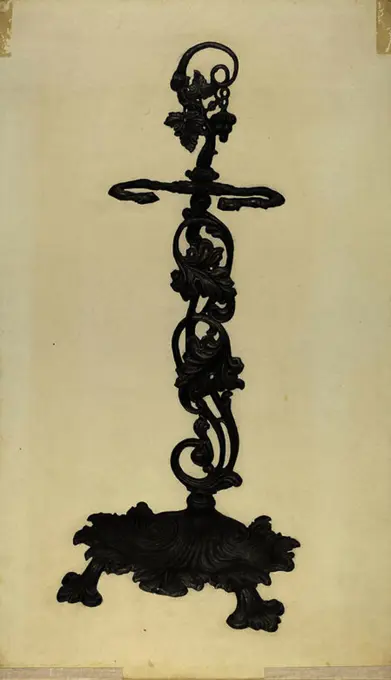
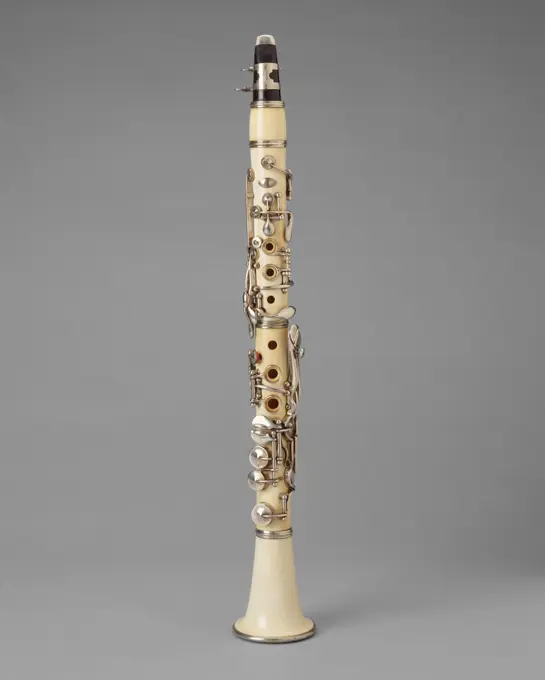
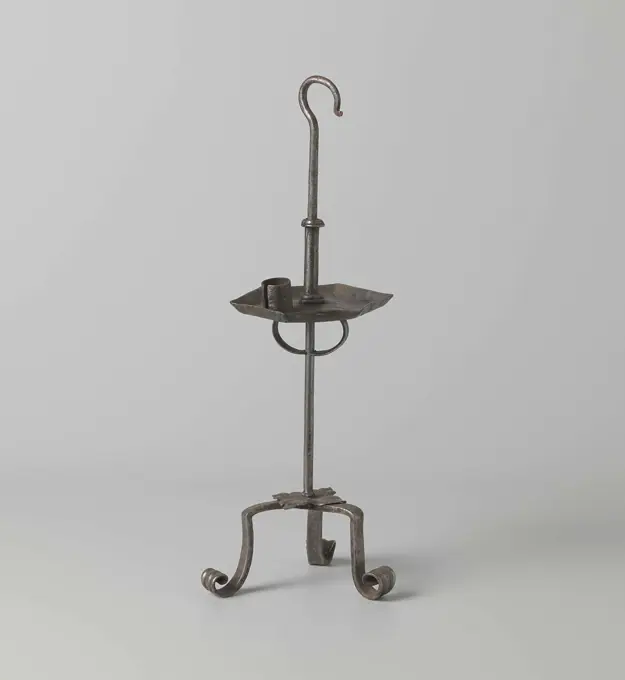
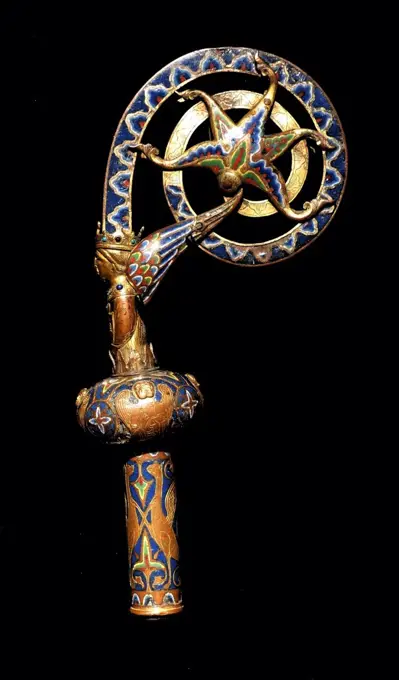
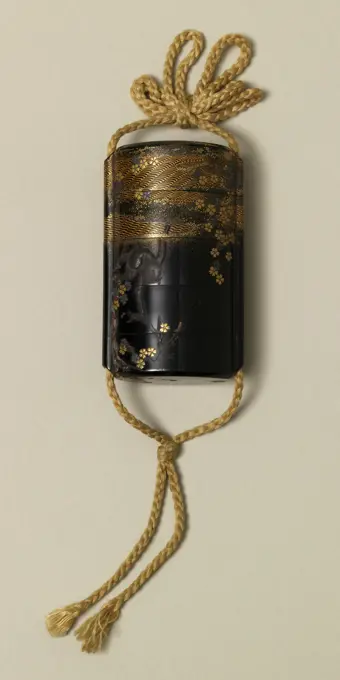
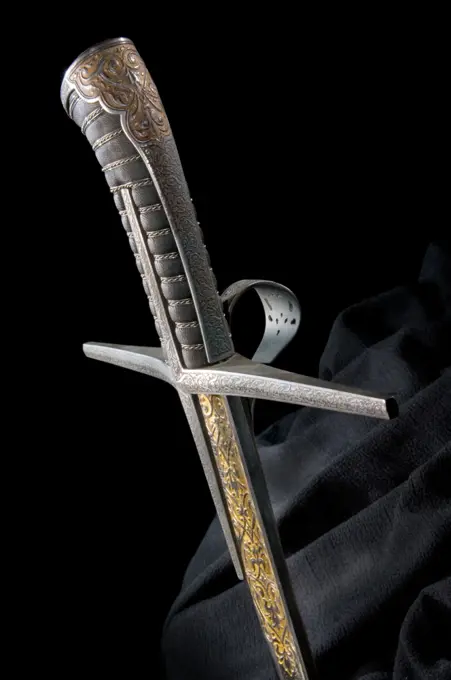
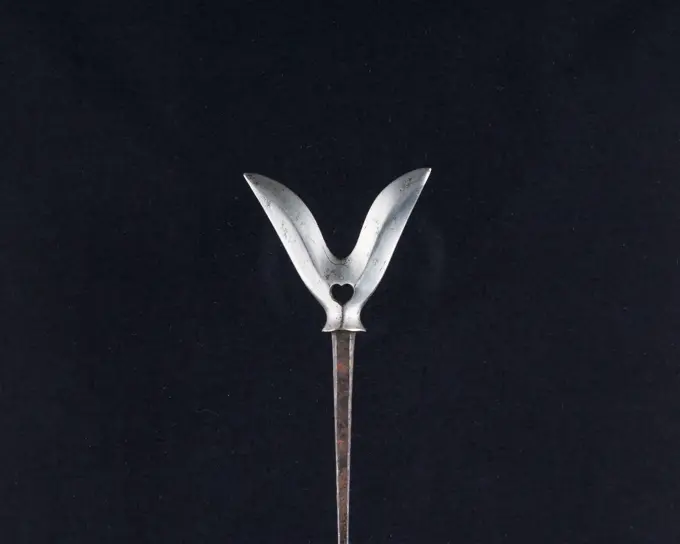
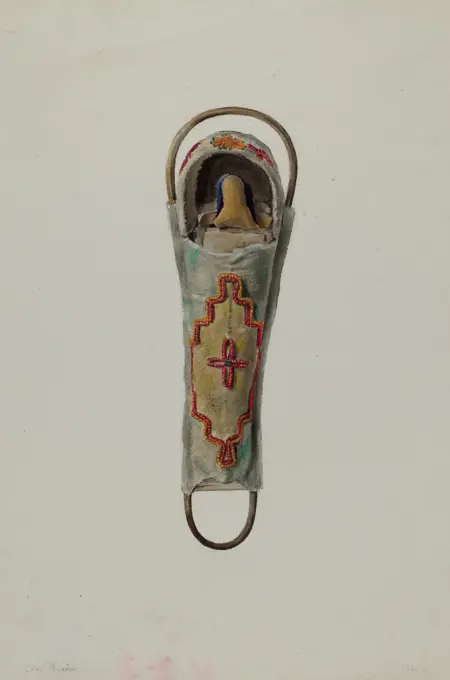
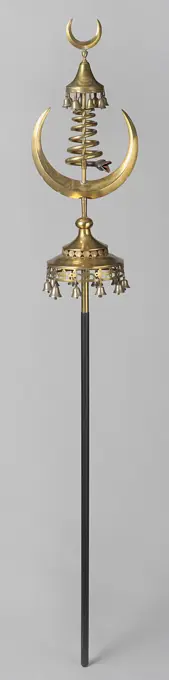
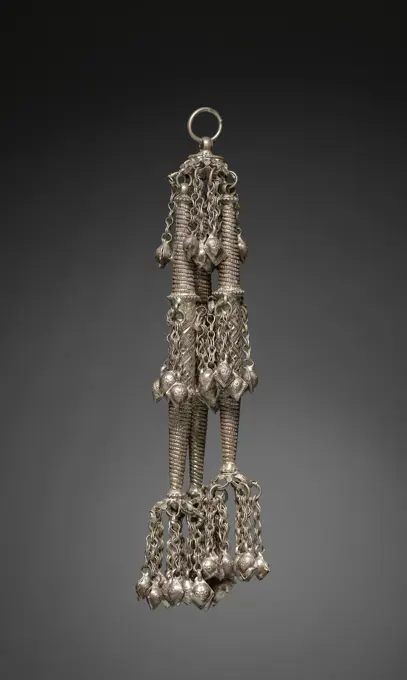
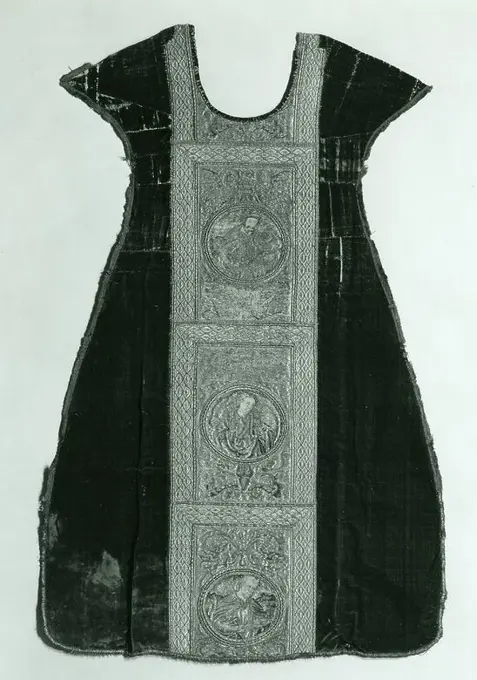
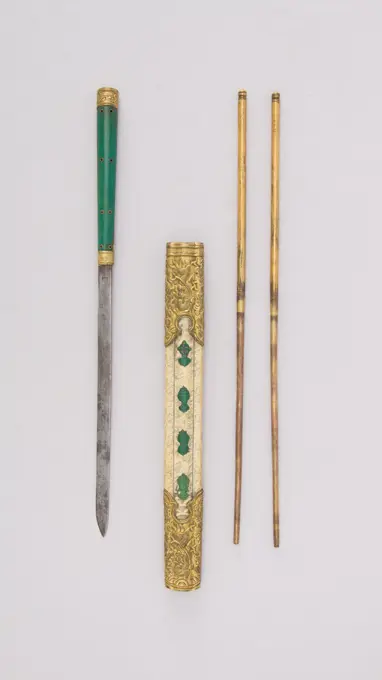
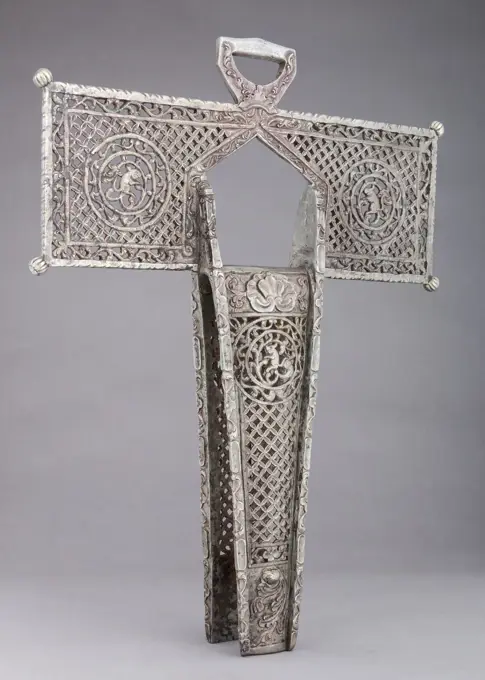
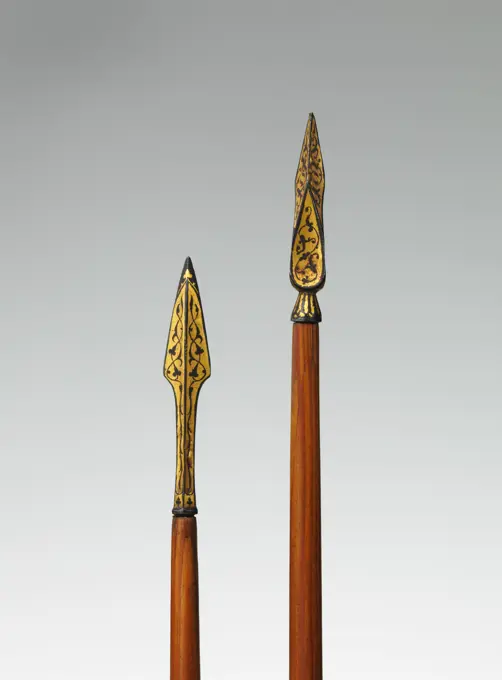
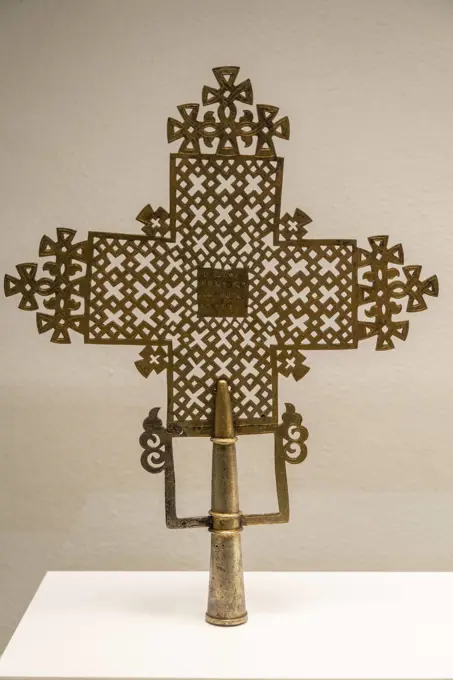
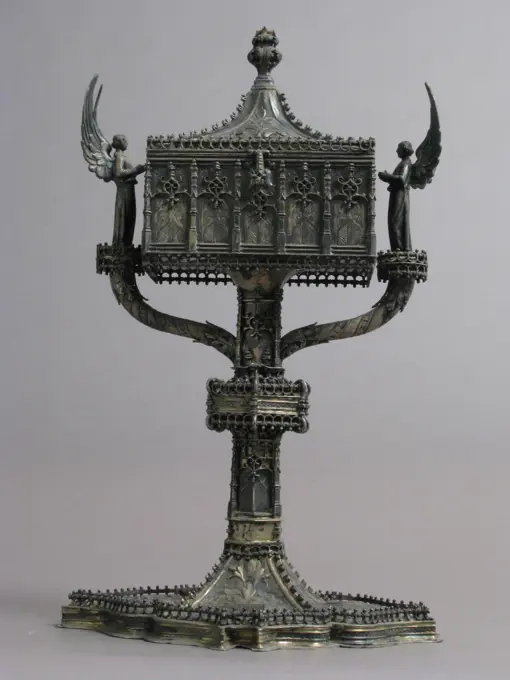
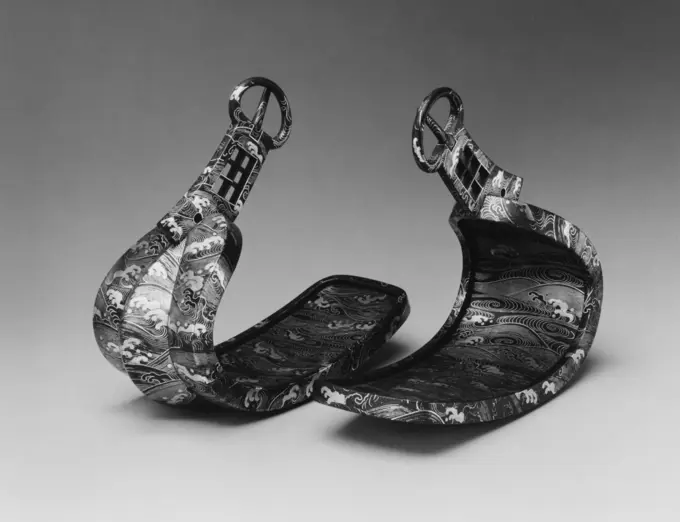
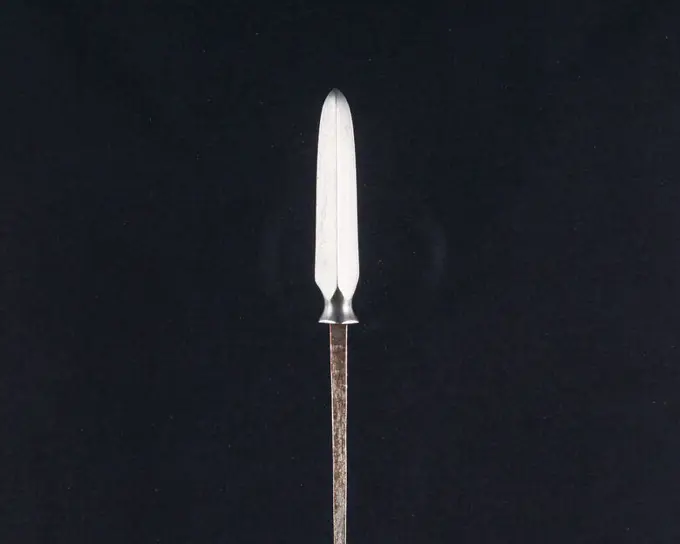
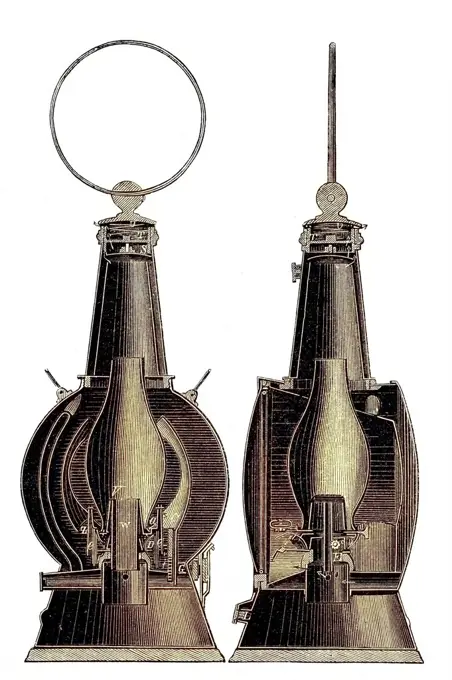
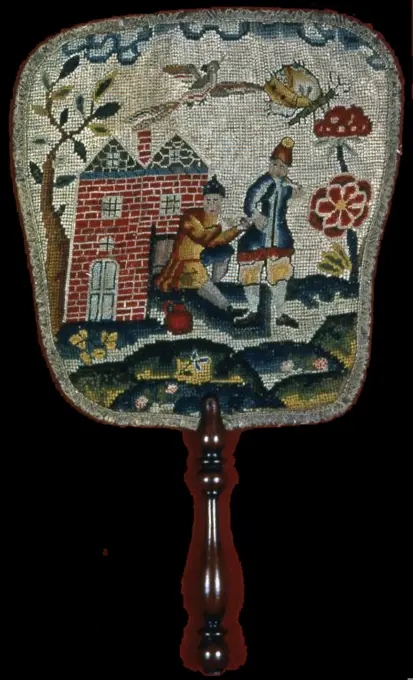
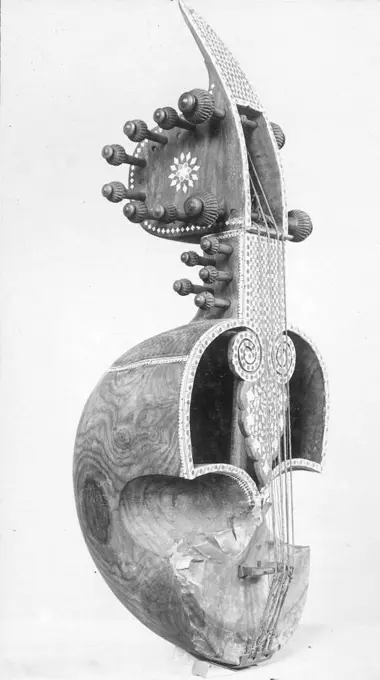
Spoon. Culture: German. Dimensions: Length: 7 1/2 in. (19.1 cm). Date: late 18th or early 19th century. Museum: Metropolitan Museum of Art, New York, USA.RapierUmbrella Stand. Dated: c. 1940. Dimensions: overall: 51.7 x 30.2 cm (20 3/8 x 11 7/8 in.) Original IAD Object: 27 1/2" high; 11 7/8" wide. Medium: graphite on paperboard. Museum: National Gallery of Art, Washington DC. Author: Milton Grubstein.Spear, 1700s. Japan, Edo period (1615-1868). Wooden handle, metal blade; overall: 260.9 cm (102 11/16 in.); blade: 30.5 cm (12 in.).Fragment, Harp; wood, carvedSconce 1785-1800. Sconce 9619Tusk Carved inReliefClarinet in E-flat ca. 1880-90 Theodore Berteling A slightly extended version of the traditional 13-key clarinet. The extras include an unusual connecting lever for the lowest key and a double a-flat key. Ivory with rosewood mouthpiece, silver keys and mounts.. Clarinet in E-flat. American. ca. 1880-90. Ivory, nickel-silver, rosewood. New York, New York, United States. Aerophone-Reed Vibrated-single reed cylindricalCandlestick to hang and stand. Iron candlestick on three legs, walking down in a sharp corner and whose slightly wider, channeled ends curl. On the legs the round, rod-shaped stem is riveted with a square plate in the shape of a leaf. Halfway through the trunk is a flat bar, which curls down in two half circles. Above it is the hexagonal fat catcher, with a rod on the edge and in the middle, which ends at the top in a hook, so that the candlestick can also do hanging service.Hairpin 1893 American or European. Hairpin 123760Bishops staff or Crozier in gilded and enamel metalwork 13th Century; French from LimogesInro (Japan); lacquer, cordAncient sabre. A smart variant of the fighting weaponBell Fulani 19th century The foot-like projections on either side of the bell's mouth resemble a frog, especially when viewed from the open end, symbolism which may be associated with fertility. This bell is externally struck with a beater.Knife and Sheath. Dimensions: 7 in.. Date: 18th century. Museum: Metropolitan Museum of Art, New York, USA.Arrowhead (Yanone) 18th century Japanese Although today Japanese warriors are renowned most for their swordsmanship, archery, especially from horseback, has been an essential part of samurai warfare and culture for centuries. Arrows were fitted with heads of varying shape according to their intended use in war, the hunt, or target practice. Arrowheads made for use on the battlefield incorporated different designs intended for specialized purposes such as the piercing of armor or to cause maximum damage to horses and unarmored personnel.Large arrowheads, pierced and elaborately chiseled with landscapes, birds, flowers, dragons, and Buddhist divinities, were created to be admired for the beauty of their metalwork and design rather than for use in archery. Such highly elaborate examples may have been made for presentation or as a votive offerings to a shrine.. Arrowhead (Yanone). Japanese. 18th century. Steel. Archery Equipment-ArrowheadsJane Iverson, Cree Papoose Doll, 1935 1942 Cree Papoose DollTurkish Schelleboom from A. Maas.shaft of a Turkish Schelleboom. Behind by Den Eleve Musician A. Maas, Kapelmeester J. Barnevel, Major Boelen, Colonel F () Stroecker. 12th Diatal Infantry.Halberd late 16th century German. Halberd 34314Hair pendant, 1800s. India. Silver; overall: 18.5 cm (7 5/16 in.).Bead spreaders ca. 9th century B.C. Iran. Bead spreaders 325324Chasuble Front with Orphreys. Culture: Spanish. Dimensions: 46 x 29 1/4 in. (116.8 x 74.3 cm). Date: 16th century. Museum: Metropolitan Museum of Art, New York, USA.Nyckelharpa late 18th century. Nyckelharpa 503064Knife with Sheath, Chopsticks, and Earspoon 18th-19th century Chinese. Knife with Sheath, Chopsticks, and Earspoon 31580Arrowhead (Yanone) Japanese 18th century Although today Japanese warriors are renowned most for their swordsmanship, archery, especially from horseback, has been an essential part of samurai warfare and culture for centuries. Arrows were fitted with heads of varying shape according to their intended use in war, the hunt, or target practice. Arrowheads made for use on the battlefield incorporated different designs intended for specialized purposes such as the piercing of armor or to cause maximum damage to horses and unarmored personnel.Large arrowheads, pierced and elaborately chiseled with landscapes, birds, flowers, dragons, and Buddhist divinities, were created to be admired for the beauty of their metalwork and design rather than for use in archery. Such highly elaborate examples may have been made for presentation or as a votive offerings to a shrine. View more. Arrowhead (Yanone). Japanese. 18th century. Steel. Archery Equipment-ArrowheadsPair of Stirrups ca. 1750 Mexican Mistakenly known as "conquistador" stirrups, cross-form stirrups (estribos de cruz) did not become popular in Mexico until the 18th century. Although the term is historically inaccurate, it nonetheless highlights the Spanish role in introducing equestrian culture in Mexico. Intricately wrought iron stirrups like this pair, used for show or parade, reflected the wealth and status of the horseman who rode with them.. Pair of Stirrups 25607Two Arrows probably 16th century Turkish or Iranian The delicate gold-inlaid decoration of these arrowheads suggests that they were target arrows, intended for archery contests in which they would be retrieved and used again. The faceted arrowhead is unusual and especially fine in workmanship.. Two Arrows 30340Vogelkooi met papegaai.Round cylindrical bird cage. The top and bottom edge are like a lamp. There is a colored bird in a ring in the cage. The cage stands on three rings and there is a carrying ring on top of the cage. The cage is marked: a boar head and the number 13 (Hungarian levels). The cage is on a gueridone (BK-NM-11177-155-B).Spoons Coronation, was the Tower of London, vintage engraving. Spoons Coronation, was the Tower of London, vintage engraved illustration. Magasin Pittoresque 1846. Copyright: xZoonar.com/PatrickxGuenettex 10673289Spoons Coronation, was the Tower of London, vintage engraved illustration. Magasin Pittoresque 1846Professionelles Kreuz Professional Cross, Ethiopia, Ankobar, 19th century, gilded silver, MEB, Barcelona, Catalonia, Spain LicenseRF Copyright: xZoonar.com/BartomeuxBalaguerxRotgerx 23171207Ciborium 16th century Spanish. Ciborium. Spanish. 16th century. Silver-gilt. Metalwork-SilverHalberd second half 15th century Swiss. Halberd 34311Three Cases from a Set late 19th Century China These three cases are embroidered with bats, flowers, and some of the attributes of the Eight Daoist Immortals, such as the fan and the sword. The cylindrical case was used to hold a ring; the rectangular case, cards; and the case with a round opening, a watch.. Three Cases from a Set 54414 China, Three Cases from a Set , late 19th Century, Silk and metallic thread embroidery on silk satin, a): 3 1/4 x 3 1/4 in. (8.26 x 8.26 cm) b): 2 x 1 1/2 in. (5.08 x 3.81 cm) c): 5 x 2 3/4 in. (12.70 x 6.99 cm). The Metropolitan Museum of Art, New York. Gift of Alice Boney, 1977 (1977.265.1ac)Stirrups (Abumi) 18th century Ujiyoshi Japanese Ujiyoshi lived in Kaga (Ishikawa prefecture), where many silver-inlaid stirrups were made during the Edo period.. Stirrups (Abumi) 24964Souvenir spoon with view of an old building and arms of Hungary European late 19th century View more. Souvenir spoon with view of an old building and arms of Hungary. European. late 19th century. Silver-gilt and enamel. Metalwork-SilverSouvenir spoon with view of a medieval town hall and arms of Belgium European late 19th century View more. Souvenir spoon with view of a medieval town hall and arms of Belgium. European. late 19th century. Silver, parcel-gilt and enamel. Metalwork-SilverArrowhead (Yanone). Culture: Japanese. Dimensions: L. 7 3/4 in. (19.7 cm); L. of head 2 1/8 in. (5.4 cm); W. 3/8 in. (1 cm); Wt. 0.8 oz. (22.7 g). Date: 18th century. Museum: Metropolitan Museum of Art, New York, USA.Trophy (part of a set) 18th century French. Trophy (part of a set). French. 18th century. Wood, gilt. WoodworkSaz-i-Kashmir. Culture: Kashmiri. Dimensions: L. 114.2 × D. 22.2 cm (44 15/16 × 8 3/4 in.)Sounding L. 47 cm (18 1/2 in.). Date: mid to late 19th century. Museum: Metropolitan Museum of Art, New York, USA.Fullers diving lantern, drawing of vertical means at right angles, lantern for underwater  /  Fullers Tauchlaterne, Zeichnung von senkrechten Mitteln im rechten Winkel, Laterne für Unterwasser, historical, digital improved reproduction of an original from the 19th century / digitale Reproduktion einer Originalvorlage aus dem 19. Jahrhundert, Originaldatum nicht bekannt, Kolorierung, koloriert, handkoloriert, Hand-colouring, hand coloured, colored.Bliżej Kultury unknownShadow Puppet (Wayang Kulit) of PatihWangsaFire Fans Made 1601-1700 France. Linen, plain weave; embroidered with silk floss and wool yarns in tent and cross stitches .Sārindā Indian late 19th century