Traditional Asian Ceramics

A collection of antique porcelain dishes and bowls from Japan and China, featuring intricate floral designs and vibrant underglazes from historical eras.
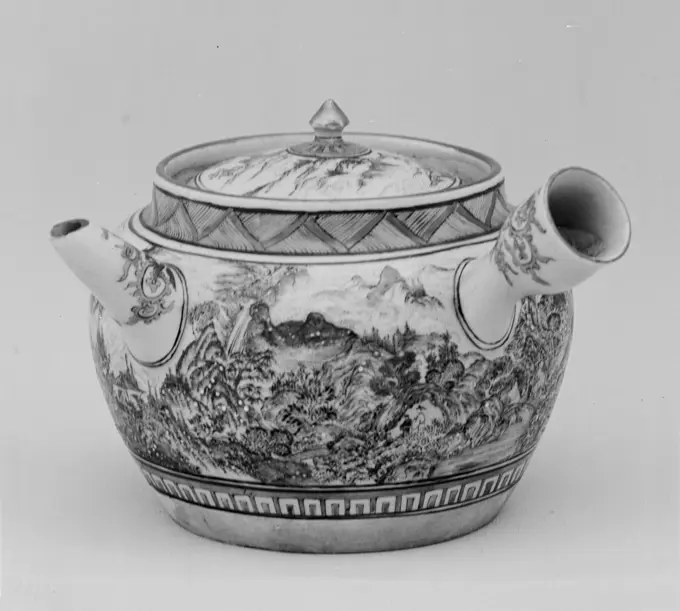
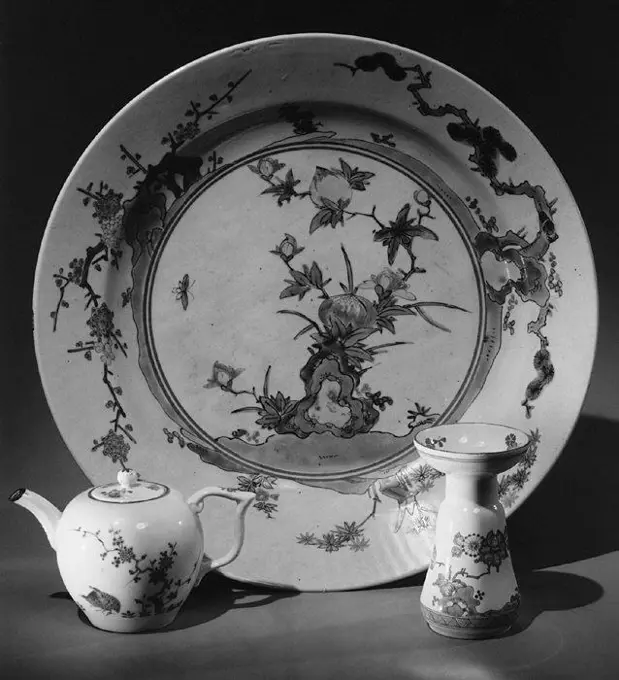
Teapot ca. 1850 Japan. Teapot. Japan. ca. 1850. Pottery covered with a transparent glaze, enameled designs (Hizen ware, Kutani type). Edo period (1615-1868). Ceramics
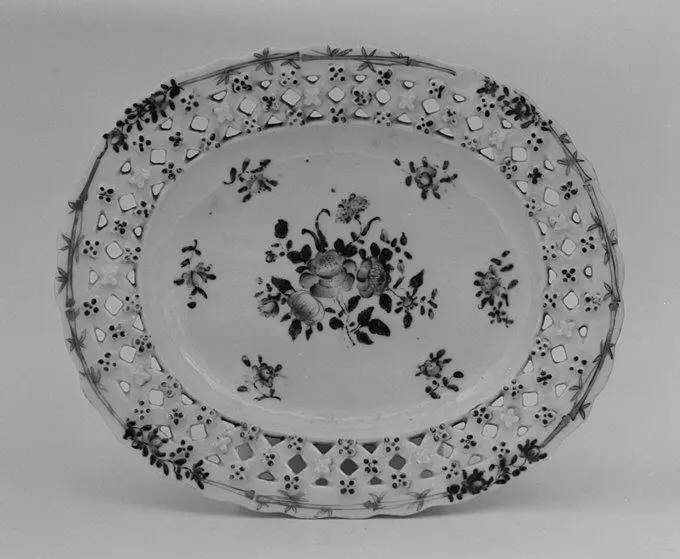
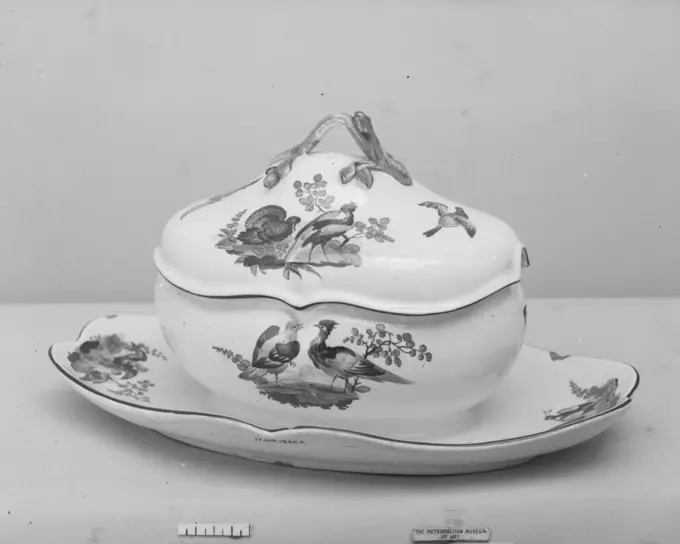
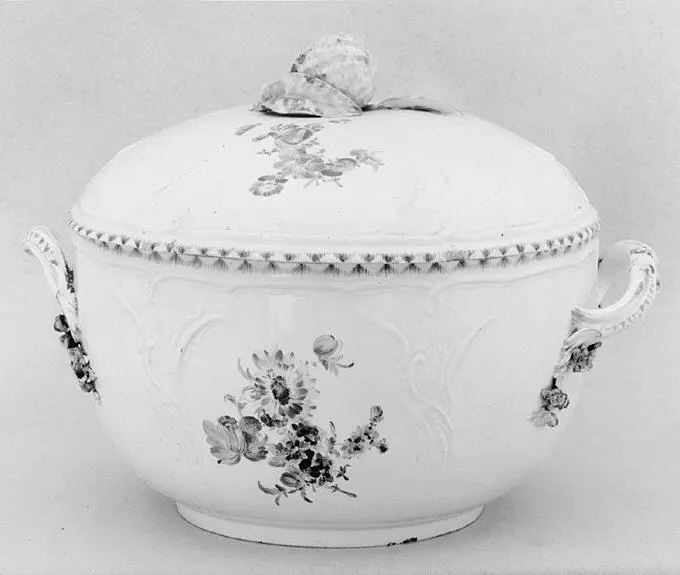
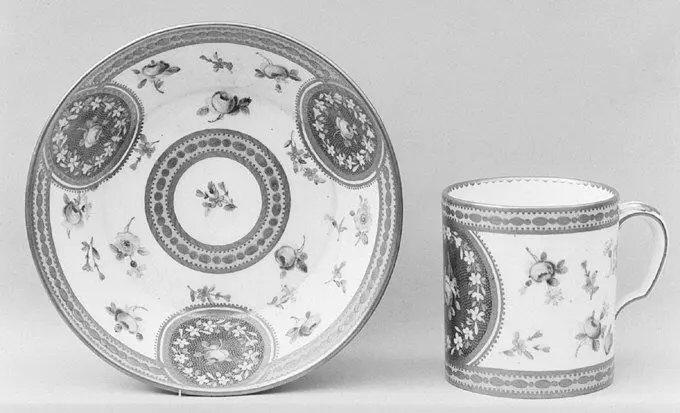
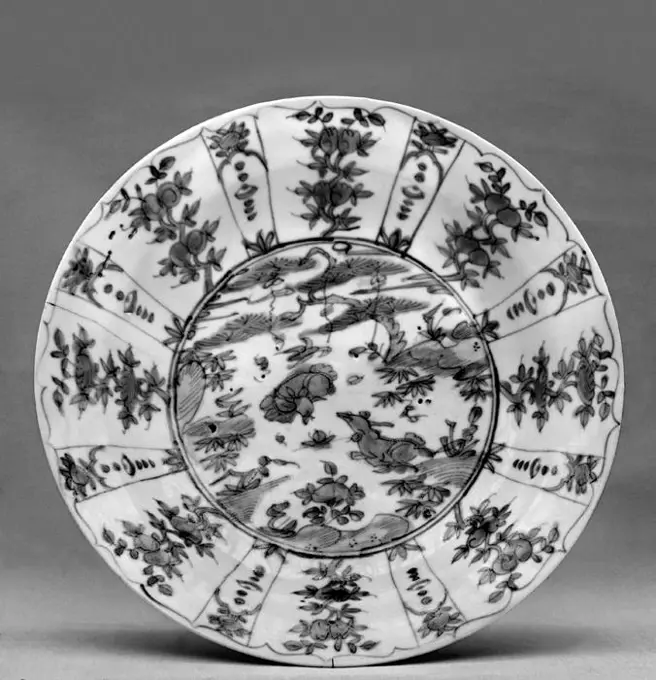
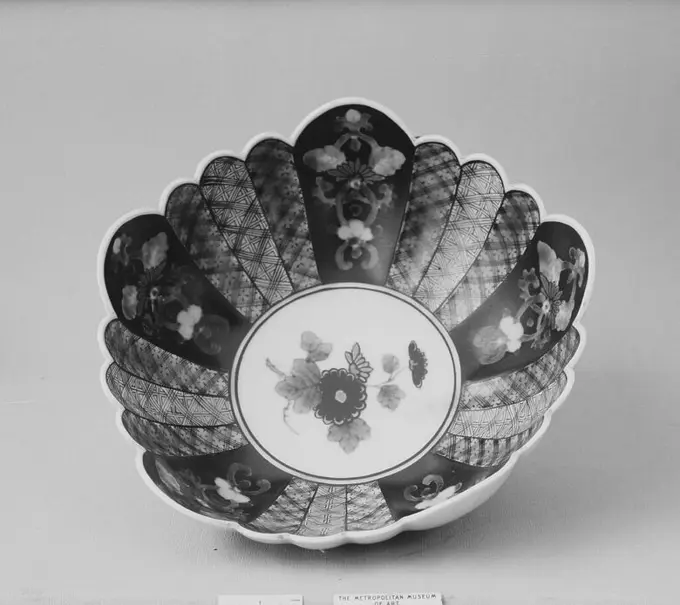
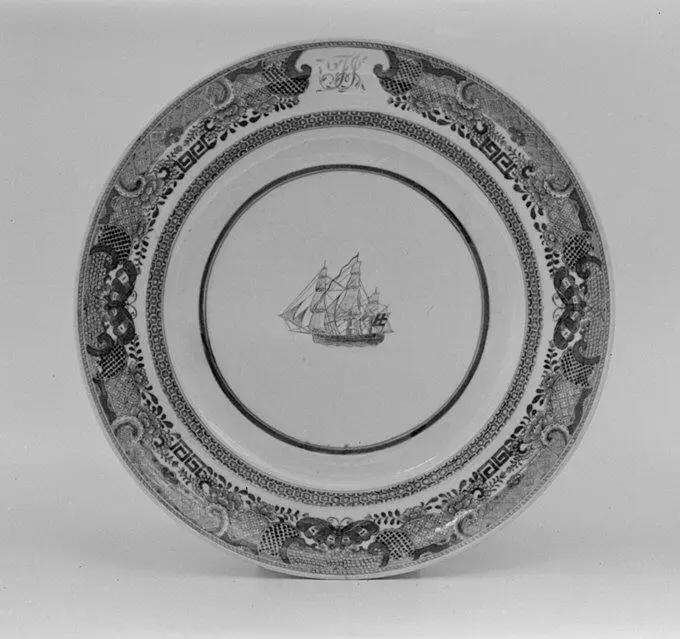
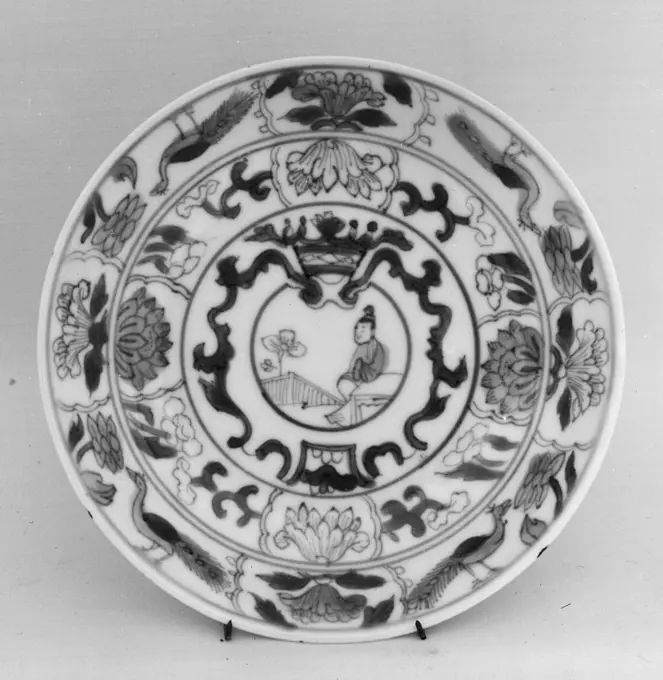
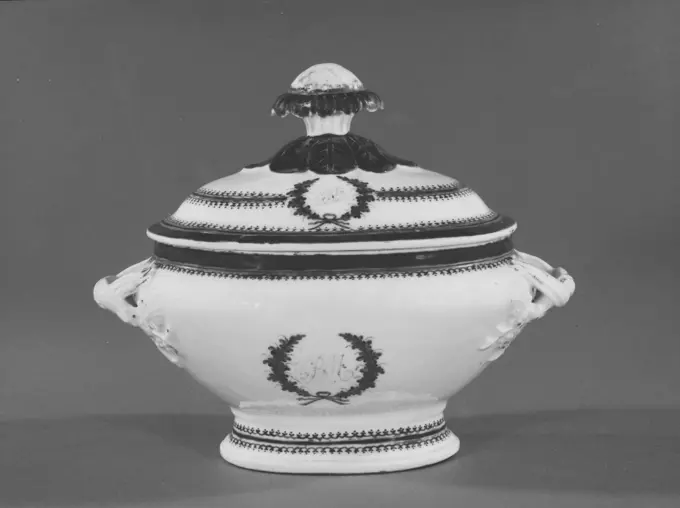
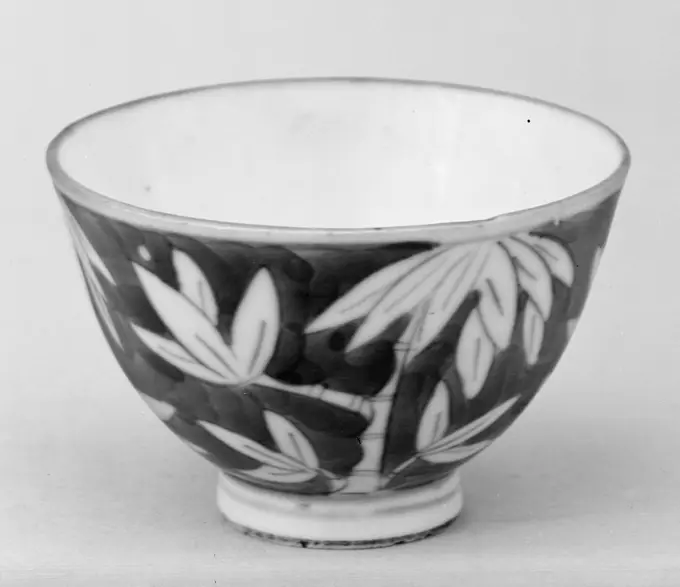
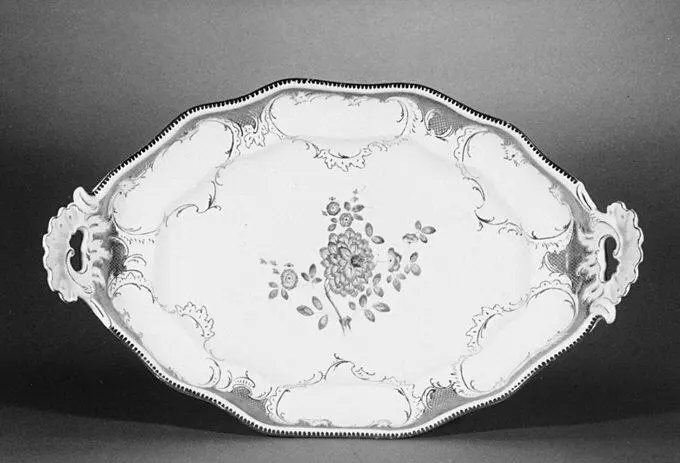
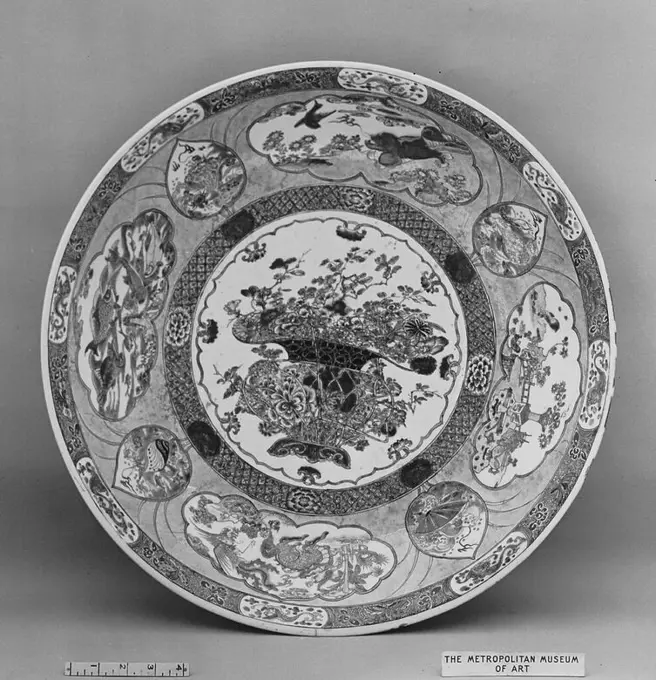
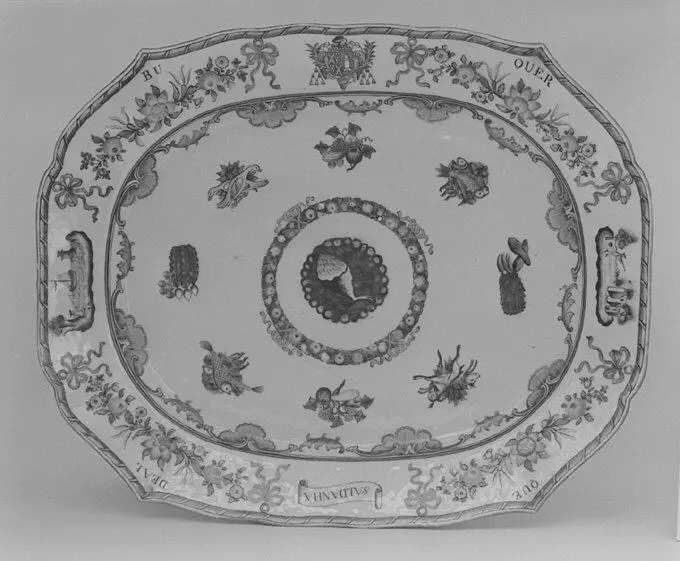
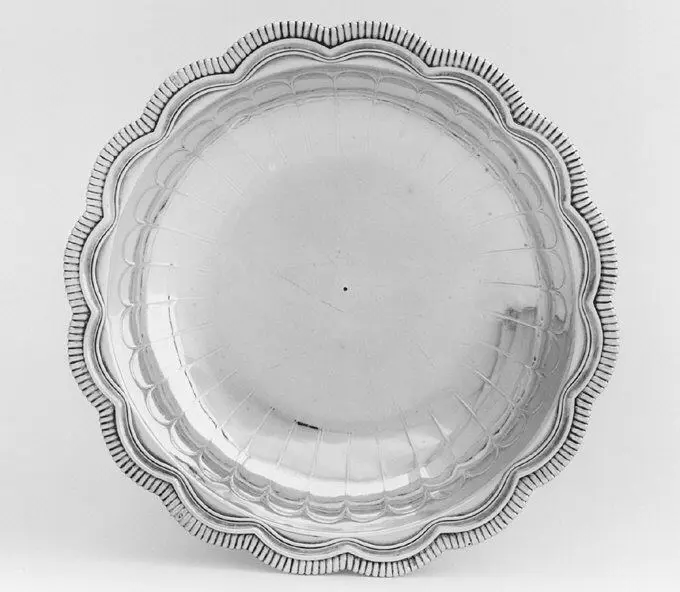
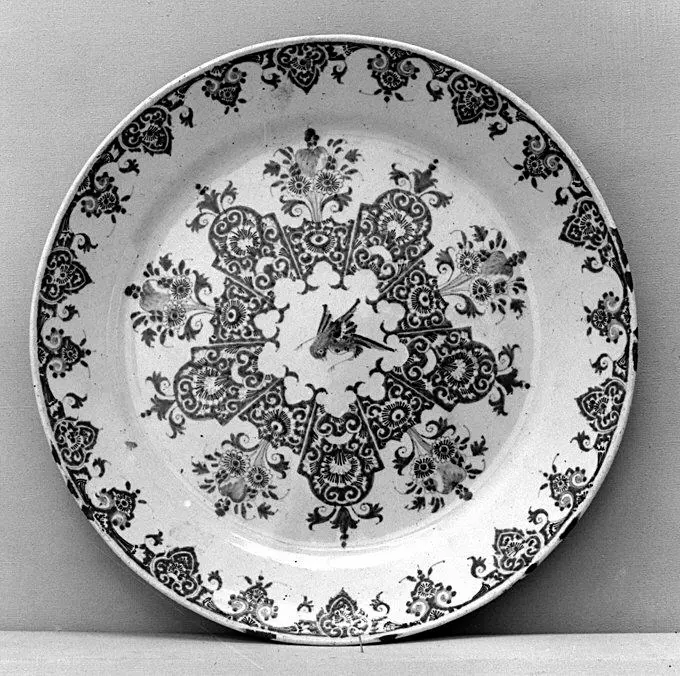
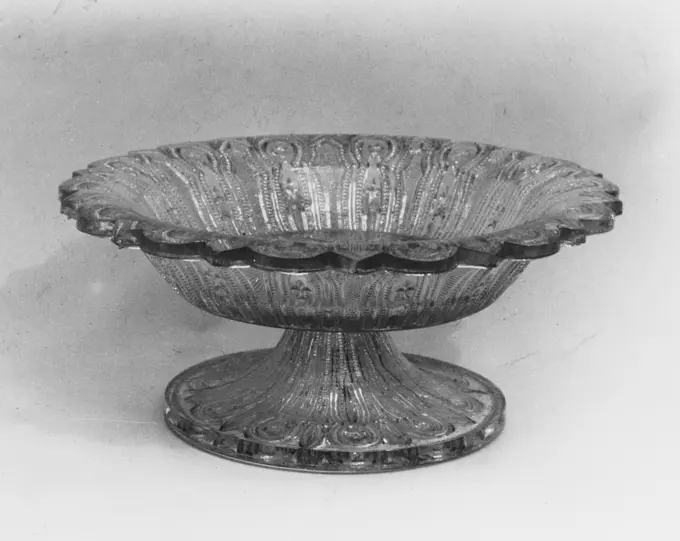
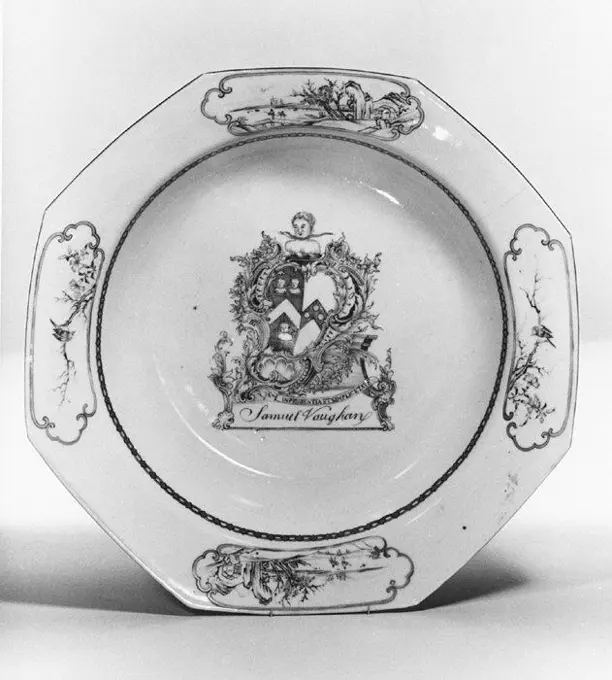
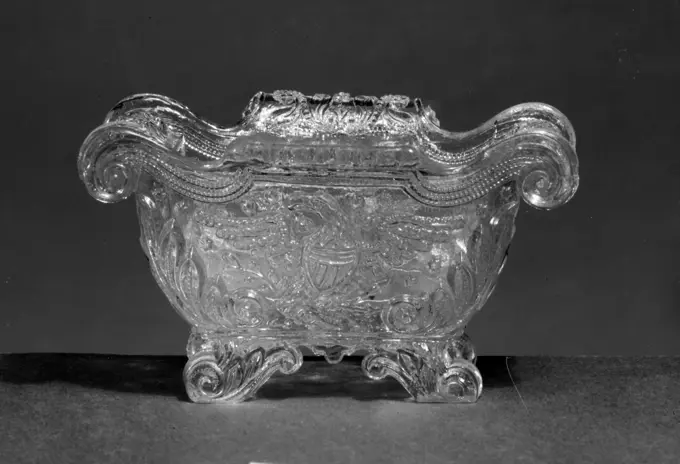
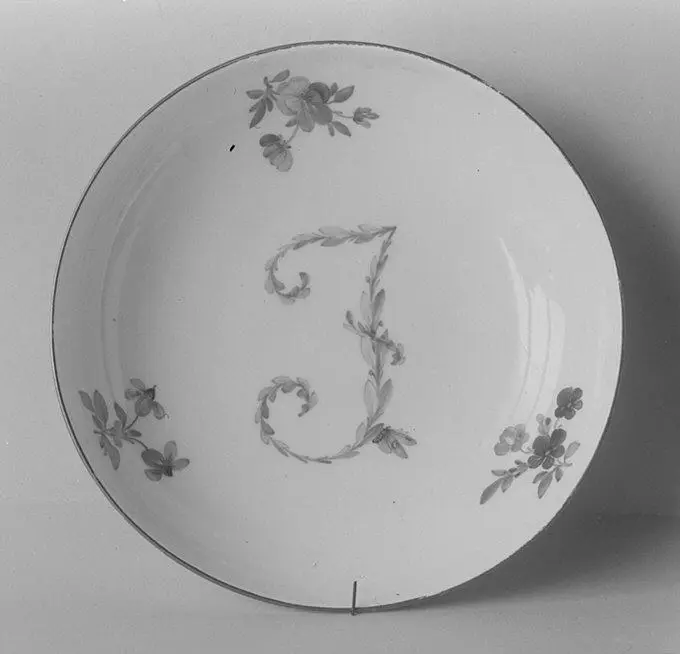
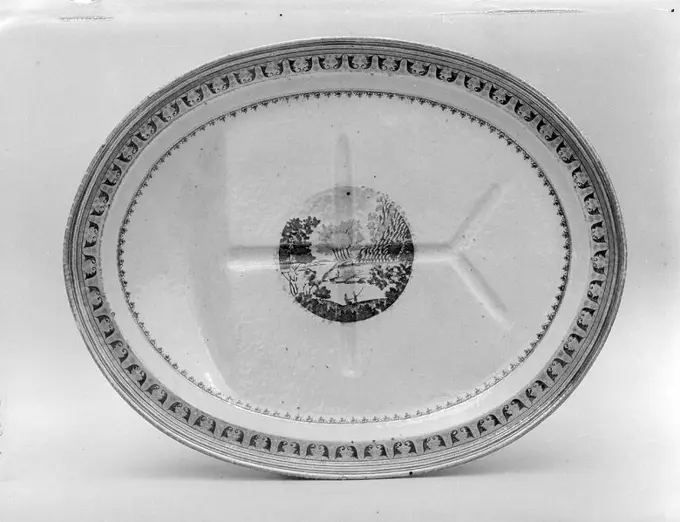
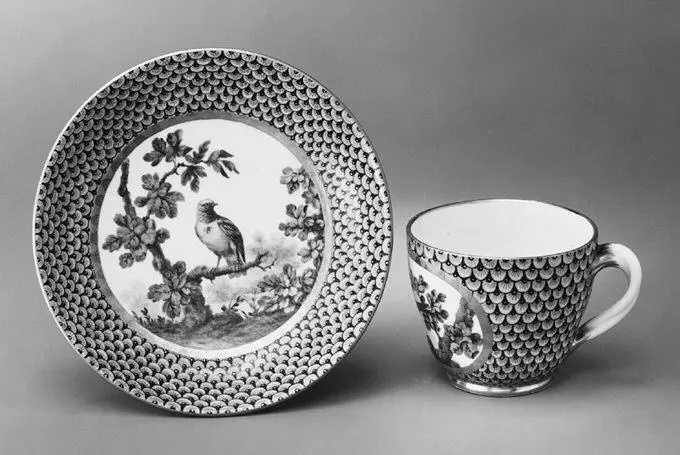
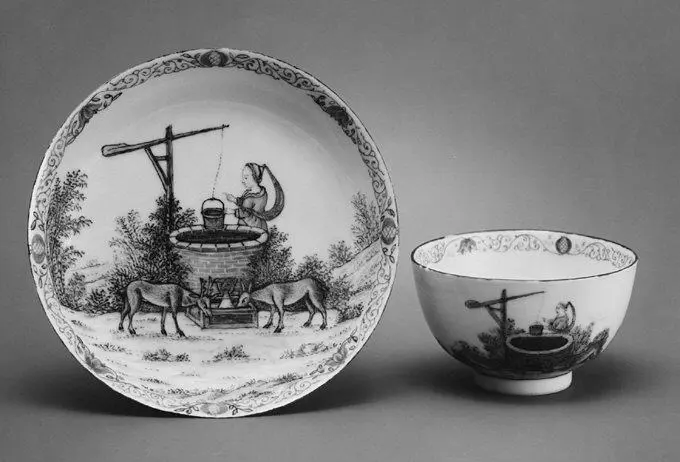
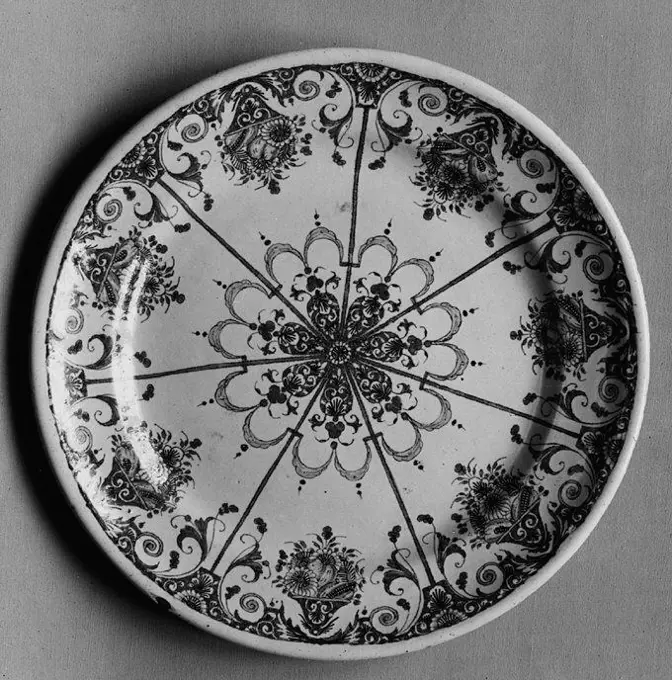
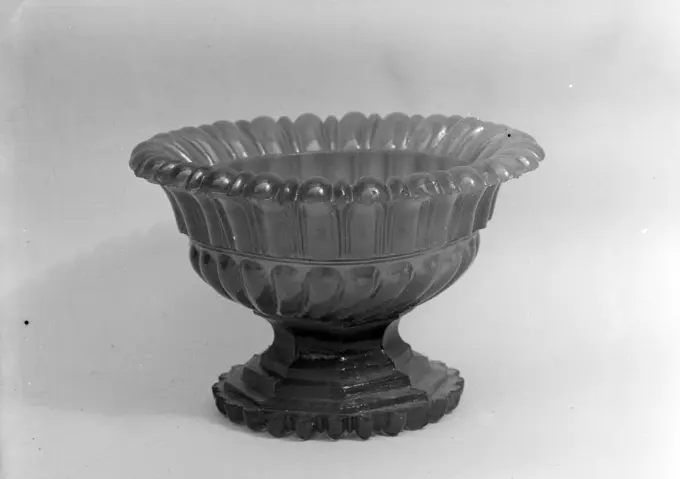
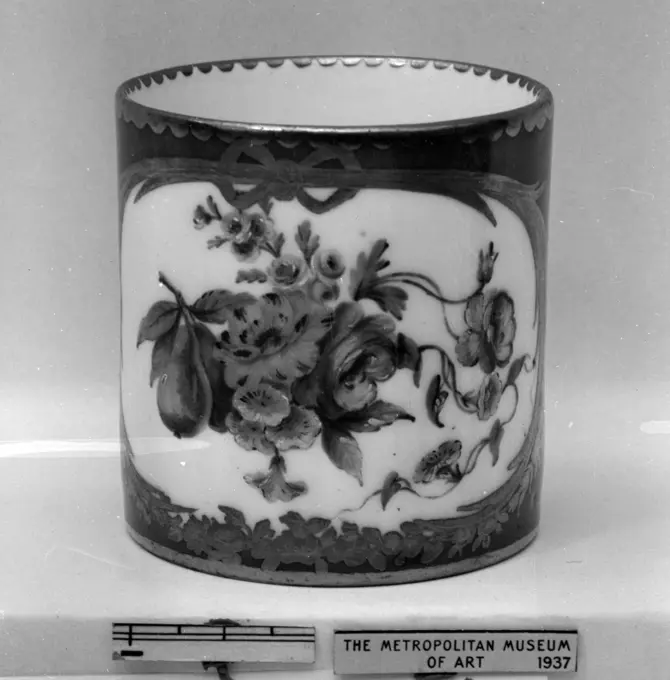
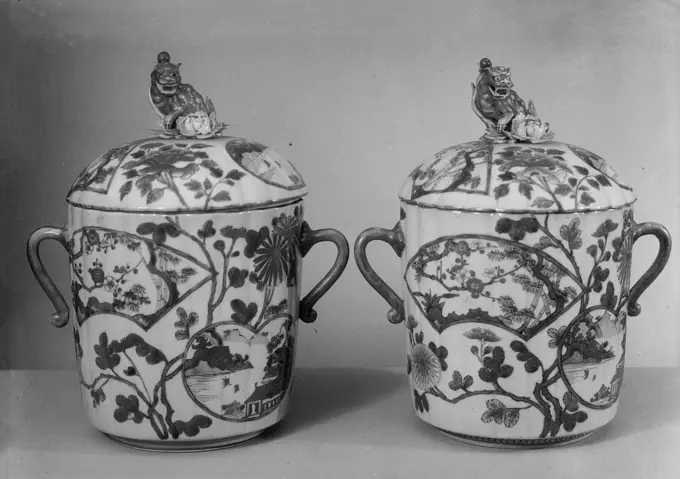
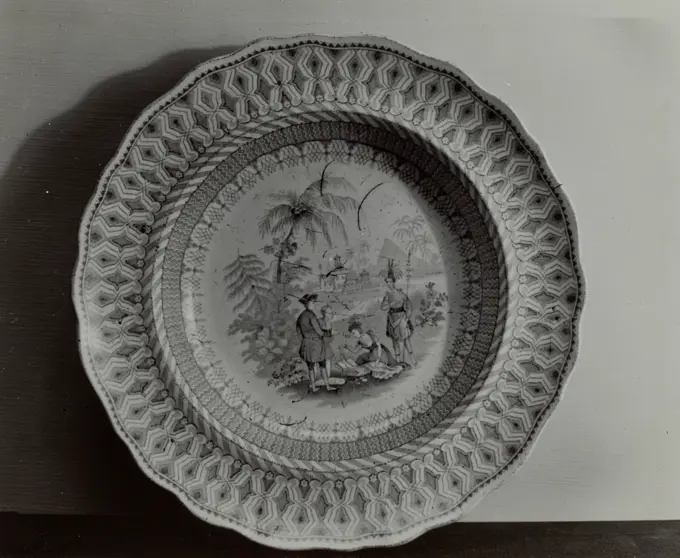
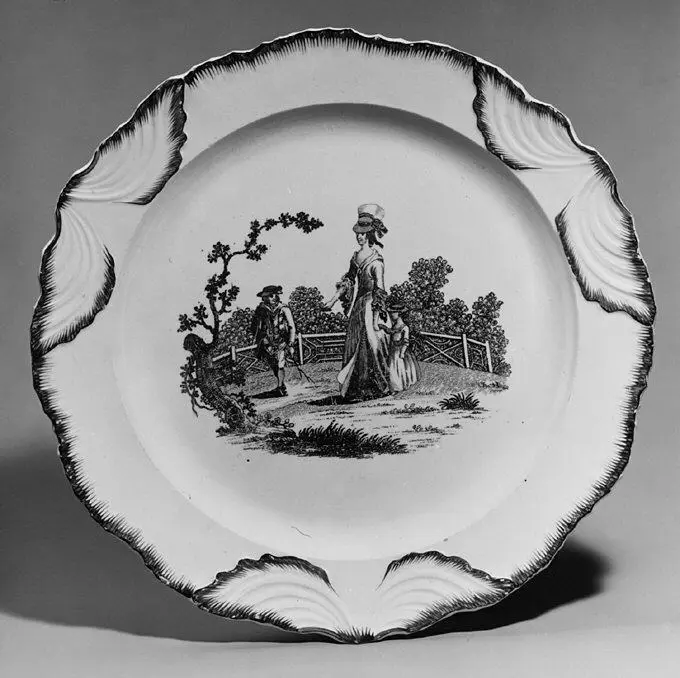
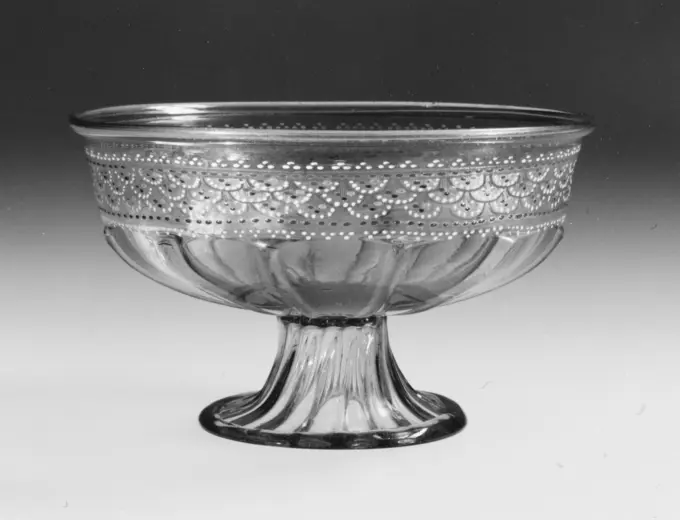
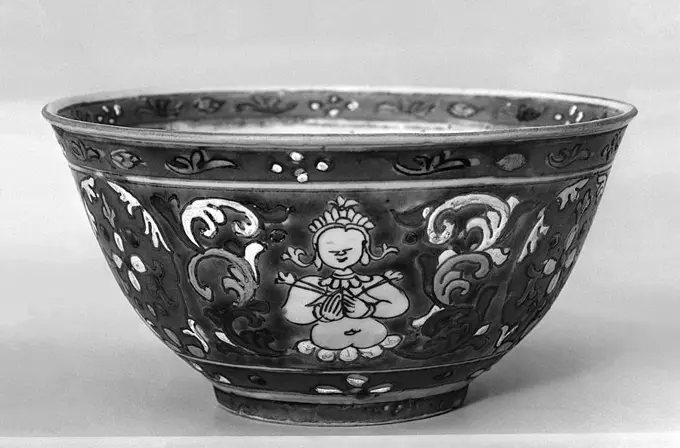
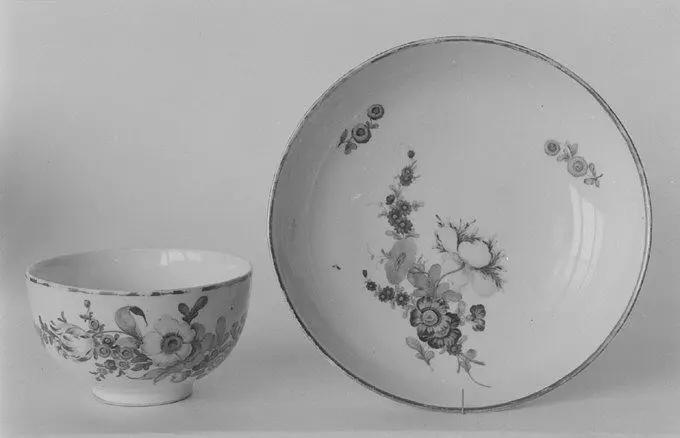
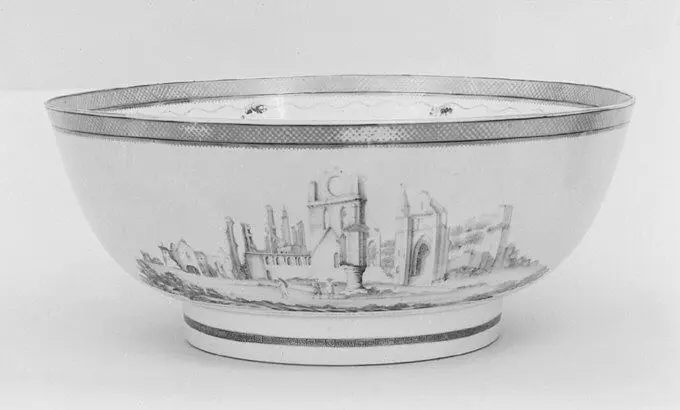
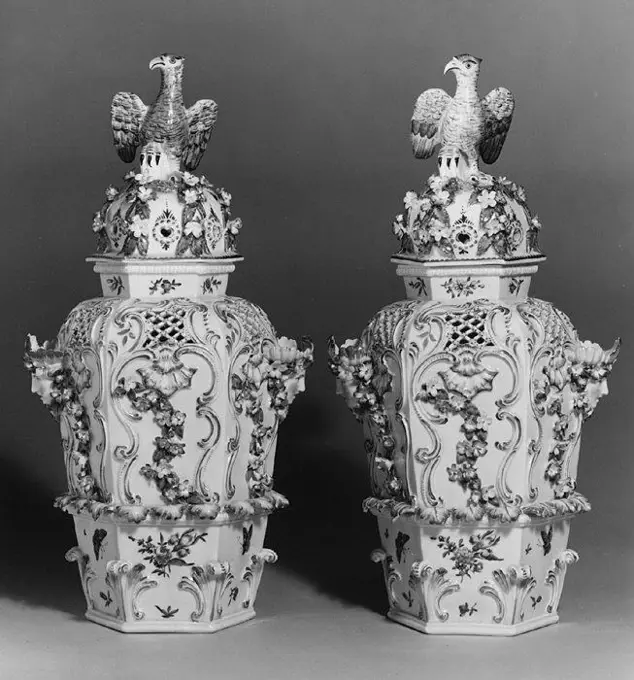
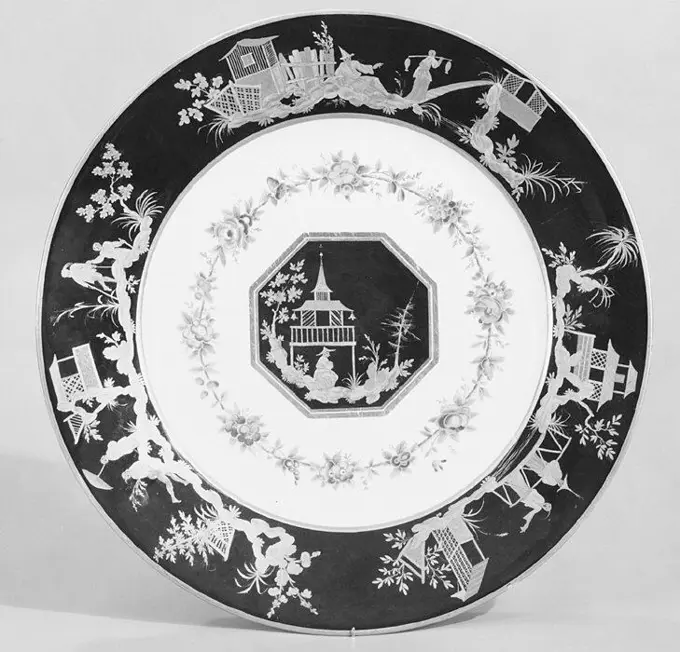
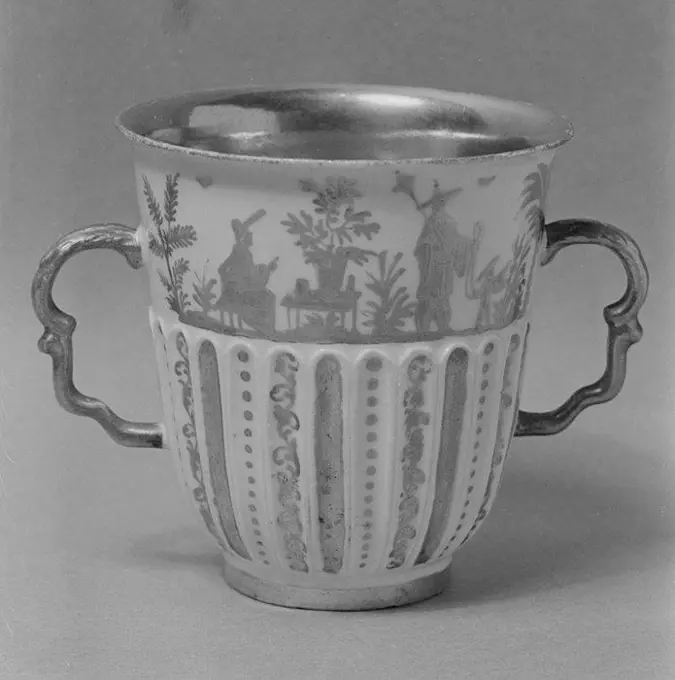
Dish ca. 1700 Japan. Dish. Japan. ca. 1700. White porcelain decorated with blue under glaze; polychrome enamels (Arita ware, Imari type). Edo period (1615-1868). CeramicsBasket stand 1740-70 Chinese, for European market. Basket stand 201292Deep dish (part of a service) ca. 1765 Chinese, for Portuguese market. Deep dish (part of a service) 201148Bowl 1780 Japan. Bowl. Japan. 1780. Porcelain decorated with enamels (Arita ware, Imari type). Edo period (1615-1868). CeramicsSaucer 18th century Japan. Saucer. Japan. 18th century. White porcelain decorated with iron red, gold and blue under the glaze. Edo period (1615-1868). CeramicsTeapot ca. 1850 Japan. Teapot. Japan. ca. 1850. Pottery covered with a transparent glaze, enameled designs (Hizen ware, Kutani type). Edo period (1615-1868). CeramicsSauce tureen 18th century Possibly by Levavasseur Faience, or tin-glazed and enameled earthenware, first emerged in France during the sixteenth century, reaching widespread usage among elite patrons during the seventeenth and early eighteenth centuries, prior to the establishment of soft-paste porcelain factories. Although characterized as more provincial in style than porcelain, French faience was used at the court of Louis XIV as part of elaborate meals and displays, with large-scale vessels incorporated into the Baroque garden designs of Versailles. Earlier examples of French faience attest to the strong influence of maiolica artists from Italy. Later works demonstrate the ways in which cities such as Nevers, Rouen, Lyon, Moustiers, and Marseille developed innovative vessel shapes and decorative motifs prized among collectors throughout Europe. While faience can be created from a wide mixture of clays, it is foremost distinguished by the milky opaque white color achieved by the addiTureen with cover ca. 1770 Royal Porcelain Manufactory, Berlin. Tureen with cover 187802 Factory: Royal Porcelain Manufactory, Berlin, German, founded 1763, Tureen with cover, ca. 1770, Hard-paste porcelain, 11  15 in. (27.9  38.1 cm). The Metropolitan Museum of Art, New York. Gift of Henry G. Marquand, 1894 (94.4.255a, b)Saucer (part of a service) ca. 1795 Chinese, for British market. Saucer (part of a service) 201238Cup (gobelet litron) 1782 Sèvres Manufactory French. Cup (gobelet litron) 191154Plate (one of a pair) ca. 1762-70 Tournai. Plate (one of a pair) 197680Plate with a pair of oxen late 16th-early 17th century China. Plate with a pair of oxen 46127Salver 1767-68 John Carter II. Salver 198036Saucer (part of a service) 1723-26 Meissen Manufactory German. Saucer (part of a service) 209376Dish. Culture: Japan. Dimensions: Diam. 6 1/8 in. (15.6 cm); D. 1 3/8 in. (3.5 cm). Date: 1750. Museum: Metropolitan Museum of Art, New York, USA.Footed dish with floral pattern 19th century China. Footed dish with floral pattern 46167Bowl 1780 Japan. Bowl. Japan. 1780. Porcelain decorated with enamels (Arita ware, Imari type). Edo period (1615-1868). CeramicsBowl. Culture: Japan. Dimensions: H. 2 1/8 in. (5.4 cm); Diam. 6 1/2 in. (16.5 cm). Date: 1780. Museum: Metropolitan Museum of Art, New York, USA.Plate early 19th century Chinese, for British market. Plate 201268Saucer China. Saucer. China. Porcelain painted in underglaze blue. Qing dynasty (1644-1911). CeramicsCovered Sauceboat 1790-1800 Chinese, for American market. Covered Sauceboat. Chinese, for American market. 1790-1800. Porcelain. Made in ChinaBowl 1880-90. Bowl. 1880-90. Pressed purple marble glass. Made in EnglandCup 1800 Japan. Cup. Japan. 1800. Porcelain (Kyoto ware). Edo period (1615-1868). CeramicsStand (part of a service) 1761 Meissen Manufactory German. Stand (part of a service) 204538Plate with Basket of Auspicious Flowers. Culture: China. Dimensions: H. 3 5/8 in. (9.2 cm); Diam. 22 1/8 in. (56.2 cm); Diam. of foot 13 in. (33 cm). Date: late 17th-early 18th century. Museum: Metropolitan Museum of Art, New York, USA.Bowl (part of a service) 1750-70 Chinese, possibly for Dutch market. Bowl (part of a service) 201224Platter (part of a service) ca. 1765 Chinese, for Portuguese market. Platter (part of a service) 201150Saucer (part of a service) 1775 Chinese, for European market. Saucer (part of a service) 194501Dish 1710-11 Simon Le Bastier. Dish 200331Plate ca. 1725 French, Rouen Faience, or tin-glazed and enameled earthenware, first emerged in France during the sixteenth century, reaching widespread usage among elite patrons during the seventeenth and early eighteenth centuries, prior to the establishment of soft-paste porcelain factories. Although characterized as more provincial in style than porcelain, French faience was used at the court of Louis XIV as part of elaborate meals and displays, with large-scale vessels incorporated into the Baroque garden designs of Versailles. Earlier examples of French faience attest to the strong influence of maiolica artists from Italy. Later works demonstrate the ways in which cities such as Nevers, Rouen, Lyon, Moustiers, and Marseille developed innovative vessel shapes and decorative motifs prized among collectors throughout Europe. While faience can be created from a wide mixture of clays, it is foremost distinguished by the milky opaque white color achieved by the addition of tin oxide to Plate - University Building. Dated: c. 1936. Dimensions: overall: 20.3 x 25.4 cm (8 x 10 in.) Original IAD Object: 8 5/8" in diameter. Medium: black and white photograph. Museum: National Gallery of Art, Washington DC. Author: Helmut Hiatt.Compote 1830-35 American. Compote. American. 1830-35. Lacy pressed glass. Made in New England, United StatesSoup plate 1750-55 Chinese, for Anglo-American market. Soup plate 206687Cup and saucer ca. 1770-75 Worcester factory. Cup and saucer 198517Ice cream cup (tasse à glace) (one of thirty-one) (part of a service) 1771 Sèvres Manufactory French. Ice cream cup (tasse à glace) (one of thirty-one) (part of a service). French, Sèvres. 1771. Soft-paste porcelain. Ceramics-PorcelainSaltcellar ca. 1835 Probably Boston & Sandwich Glass Company. Saltcellar. American. ca. 1835. Lacy pressed glass. Made in Sandwich, Massachusetts, United StatesPlate (part of a service) 1784 Sèvres Manufactory French. Plate (part of a service) 197928Plate ca. 1740 Meissen Manufactory German. Plate. German, Meissen. ca. 1740. Hard-paste porcelain. Ceramics-PorcelainPeach-shaped dish with trees and peaches first half of the 17th century China. Peach-shaped dish with trees and peaches. China. first half of the 17th century. Porcelain painted in underglaze cobalt blue and overglaze polychrome enamels (Jingdezhen ware). Ming dynasty (1368-1644). CeramicsBowl with cover ca. 1750 Meissen Manufactory German. Bowl with cover 199229Bowl. Culture: China. Dimensions: H. 2 3/4 in. (7 cm); W. 5 7/8 in. (14.9 cm). Museum: Metropolitan Museum of Art, New York, USA.Sauceboat (part of a service) 1790-1800 Chinese, for British market. Sauceboat (part of a service) 201023Plate (one of a pair) 18th century Japan. Plate (one of a pair). Japan. 18th century. Porcelain decorated in underglaze enamels (Arita ware, Imari style). Edo period (1615-1868). CeramicsSaucer (part of a set) ca. 1765 Royal Porcelain Manufactory, Berlin. Saucer (part of a set) 194902Teabowl and saucer ca. 1820 Chinese, for British market. Teabowl and saucer. Chinese, for British market. ca. 1820. Hard-paste porcelain. Ceramics-Porcelain-ExportTeapot ca. 1740 Meissen Manufactory German. Teapot 199202Plate ca. 1840-ca. 1845 Mellor, Venables & Co.. Plate 6161Meat Platter. Culture: Chinese. Dimensions: 2 11/16 x 14 3/4 x 18 3/4 in. (6.8 x 37.5 x 47.6 cm). Date: 1800-1830. Museum: Metropolitan Museum of Art, New York, USA.Plate 1771-72 Marc-Antoine-Noel Leroy. Plate 200312Covered Sauceboat 1790-1800 Chinese, for American market. Covered Sauceboat. Chinese, for American market. 1790-1800. Porcelain. Made in ChinaPlate (one of a pair) 1777 Jean Chaslon. Plate (one of a pair) 200210Plate ca. 1824-ca. 1846 Enoch Wood & Sons British. Plate. British (American market). ca. 1824-ca. 1846. Earthenware, transfer-printed. Made in Staffordshire, Stoke-on-Trent, EnglandCup and saucer (goblet Hebert et soucoupe) (part of a service) 1767 Sèvres Manufactory French Birds were depicted on Vincennes and then Sèvres porcelain from the earliest years of production at Vincennes, but they were painted as fanciful creations and employed as decorative elements with no concern for fidelity to actual birds. Most of these early painted creatures had little delineation and their coloring was entirely arbitrary. It was not until the late 1760s that the painters at Sèvres began depicting birds that were accurate representations of those found in nature, rendered with specificity and accurate coloration. The impetus for this change was the availability of hand-colored etchings of birds published in George Edwardss (British, 1694-1773) A Natural History of Birds (1743-51) and his Gleanings of Natural History, issued in a series of volumes between 1747 and 1764.[1 The first pieces of Sèvres porcelain decorated with birds copied from Edwardss prints were produced for CTeabowl and saucer 1740-50 Chinese with Dutch decoration, for Dutch market. Teabowl and saucer 202592Spoon Holder ca. 1867 Boston & Sandwich Glass Company. Spoon Holder 7851Plate ca. 1705-20 French, Rouen Faience, or tin-glazed and enameled earthenware, first emerged in France during the sixteenth century, reaching widespread usage among elite patrons during the seventeenth and early eighteenth centuries, prior to the establishment of soft-paste porcelain factories. Although characterized as more provincial in style than porcelain, French faience was used at the court of Louis XIV as part of elaborate meals and displays, with large-scale vessels incorporated into the Baroque garden designs of Versailles. Earlier examples of French faience attest to the strong influence of maiolica artists from Italy. Later works demonstrate the ways in which cities such as Nevers, Rouen, Lyon, Moustiers, and Marseille developed innovative vessel shapes and decorative motifs prized among collectors throughout Europe. While faience can be created from a wide mixture of clays, it is foremost distinguished by the milky opaque white color achieved by the addition of tin oxide Beaker 1687-88 C.C., Viborg, Denmark. Beaker 197436Tureen with cover ca. 1745, decorated ca. 1760 Meissen Manufactory German. Tureen with cover 202362Tray ca. 1740 Meissen Manufactory German. Tray 199193Tray 19th century China. Tray 40813Bowl ca. 1850 American or British. Bowl. American or British. ca. 1850. Lacy pressed glass. Possibly made in England; Possibly made in United StatesCup (gobelet litron) (one of nine) (part of a service) 1787 Sèvres Manufactory French. Cup (gobelet litron) (one of nine) (part of a service). French, Sèvres. 1787. Soft-paste porcelain. Ceramics-PorcelainBowl ca. 1860-70 Dr. Antonio Salviati Company. Bowl. Italian, Venice (Murano). ca. 1860-70. Glass. GlassCovered pot 19th century Japan. Covered pot. Japan. 19th century. Decoration of blue under the glaze and colored enamels (Arita ware, Imari type). CeramicsHelmut Hiatt, Plate  Penn's Treaty with the Indians, c 1936 Plate - Penn's Treaty with the IndiansDish with cover (one of a pair) 1778-79 Charles-Louis-Auguste Spriman (or Spriment). Dish with cover (one of a pair) 200262Cup and saucer British, Staffordshire 19th centurySaucer (part of a service) ca. 1765-70 Worcester factory. Saucer (part of a service) 198450Plate late 18th century British, Staffordshire. Plate 207671Footed bowl ca. 1500-1525 Italian (Venice). Footed bowl 461269Bowl with Thai mythical figures 19th century China. Bowl with Thai mythical figures 46265Teabowl and saucer ca. 1775 Zurich Pottery and Porcelain Factory. Teabowl and saucer 187779 Factory: Zurich Pottery and Porcelain Factory, Swiss, founded 1763, Teabowl and saucer, ca. 1775, Hard-paste porcelain, Height (Teabowl): 1 7/8 in. (4.8 cm); Diameter (Saucer): 5 1/8 in. (13 cm). The Metropolitan Museum of Art, New York. Gift of Henry G. Marquand, 1894 (94.4.164, .165)Plate ca. 1822-ca. 1834 James and Ralph Clews British. Plate 6118Teapot ca. 1735 Meissen Manufactory German. Teapot 199201Saucer 18th century Meissen Manufactory German. Saucer 188770 Factory: Meissen Manufactory, German, 1710present, Saucer, 18th century, Hard-paste porcelain, Diameter: 5 1/4 in. (13.3 cm). The Metropolitan Museum of Art, New York. Gift of Alfred Duane Pell, 1902 (02.6.280)Plate 1800-1830 Chinese. Plate. Chinese. 1800-1830. Porcelain. Made in ChinaSnuffbox ca. 1750-55 Doccia Porcelain Manufactory Italian. Snuffbox 207242Snuffbox ca. 1730 probably German. Snuffbox. probably German. ca. 1730. Gold and agate. Metalwork-Gold and PlatinumFruit basket (one of a pair) 1829 Sèvres Manufactory French. Fruit basket (one of a pair) 206902Cup ca. 1770 Hirasa Japanese. Cup. Hirasa. Japan. ca. 1770. White porcelain decorated with colored enamels, iron red, gold and silver (Satsuma ware, early). Edo period (1615-1868). CeramicsCachepot. Culture: British (American market). Dimensions: With stand: H. 4 13/16 in. (12.2 cm); Diam. 5 1/2 in. (14 cm). Date: 1775-1800. Museum: Metropolitan Museum of Art, New York, USA.Saucer. Culture: Japan. Dimensions: H. 1 1/4 in. (3.2 cm); Diam. 6 in. (15.2 cm). Date: 1780. Museum: Metropolitan Museum of Art, New York, USA.Covered jar with floral pattern 19th century China. Covered jar with floral pattern. China. 19th century. Porcelain painted in overglaze polychrome enamels (Bencharong ware for Thai market ). Qing dynasty (1644-1911). CeramicsMaker's Mark I V H, Bowl, c. 1780, silver.Punch bowl late 18th century Chinese, for Scottish market. Punch bowl 201871OvalPlatterBottle late 17th century Japan. Bottle. Japan. late 17th century. Porcelain painted in overglaze polychrome enamels (Arita ware). early Edo period (1615-1868). CeramicsPlate. Culture: French, Toulouse. Dimensions: Diameter: 9 3/4 in., 18.134oz. (24.8 cm, 514.1g). Maker: Louis Landes (master ca. 1770, active 1789). Date: 1774.Covered bowls such as this were known in France as ecuelles, and were intended for the serving of hot broth or soup. Broth was commonly served in the morning in the bedroom during the toilette, the elaborate washing and dressing ritual. The bowl's cover kept the contents warm, and the broth could be sipped from the bowl by using the two handles, while bread rested on the stand.This basin and stand are decorated with the most common of all Rococo motifs, scrolls in the form of the letter C, and with abstract shell and vegetal forms. The handles are formed of looping bands entwined with laurel branches. The design of this ecuelle is masterful; little is known about the Toulouse silversmith Louis Landes, but the Rococo silver produced in Toulouse in the third quarter of the eighteenth century is among the finest French silver madeButter dish. Gorham Manufacturing Company; American, founded 1831; Providence, Rhode Island. Date: 1894. Dimensions: 15.2 × 15.2 cm (6 × 6 in.). Silver. Origin: Providence. Museum: The Chicago Art Institute, Chicago, USA.Soup tureen 1758-59 John Swift British. Soup tureen. British, London. 1758-59. Silver. Metalwork-SilverDish with fish late 16th century China. Dish with fish. China. late 16th century. Porcelain painted in underglaze cobalt blue (Jingdezhen ware). Ming dynasty (1369-1644), Wanli period (1573-1620). CeramicsCruet stand (part of a set) 1725-40 Chinese, for Continental European, probably French, market. Cruet stand (part of a set) 201073Tray for a fruit basket (part of a service) ca. 1810 Chinese, for Portuguese market. Tray for a fruit basket (part of a service) 201002Saucer 18th century British. Saucer. British. 18th century. Soft-paste porcelain. Ceramics-PorcelainPlate ca. 1760 Chantilly. Plate 195210Covered vase for potpourri (one of a pair) 1768-70 Worcester factory. Covered vase for potpourri (one of a pair) 203606Wineglass mid-18th century German, Brandenburg. Wineglass. German, Brandenburg. mid-18th century. Glass. GlassWineglass fragment first half 17th century Italian, Venice (Murano). Wineglass fragment. Italian, Venice (Murano). first half 17th century. Glass. GlassPlate ca. 1791 Sèvres Manufactory French Porcelain decorated with a black ground in imitation of Asian lacquer was produced at Sèvres for about a fifteen-year period beginning in 1790. Furniture decorated with imported black lacquer panels saw a resurgence of popularity in the last two decades of the eighteenth century, and the Sèvres factory's efforts to simulate black lacquer on porcelain were probably stimulated by this renewed general interest in lacquer decoration. Black-ground Sèvres porcelain was decorated with chinoiserie scenes executed in gold, which was often applied in subtle tones of yellow, green, and red. Small decorative highlights were often executed in platinum, and the ability to apply platinumfirst mastered by the factory in 1790may have been an impetus to produce these lacquer-inspired pieces.[Jeffrey H. Munger, 2015. Plate 202673Two-handled cup ca. 1720-25, decorated ca. 1725-30 Meissen Manufactory German. Two-handled cup 210064