Traditional Asian Ceramics

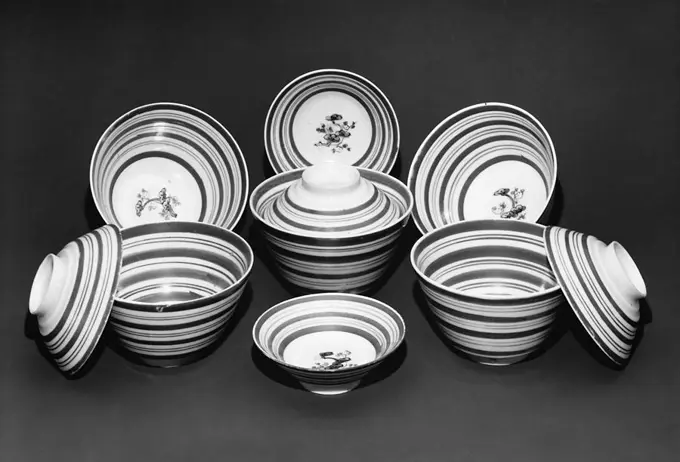
A collection of antique porcelain dishes and bowls from Japan and China, featuring intricate floral designs and vibrant underglazes from historical eras.
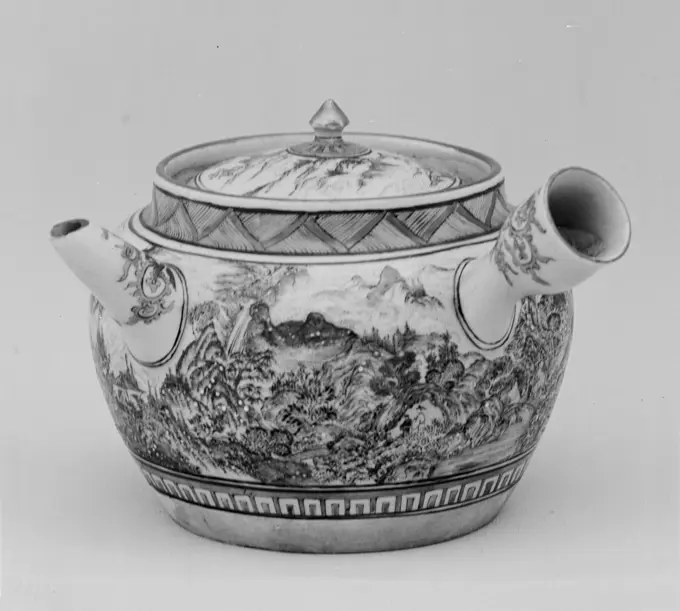
Teapot ca. 1850 Japan. Teapot. Japan. ca. 1850. Pottery covered with a transparent glaze, enameled designs (Hizen ware, Kutani type). Edo period (1615-1868). Ceramics
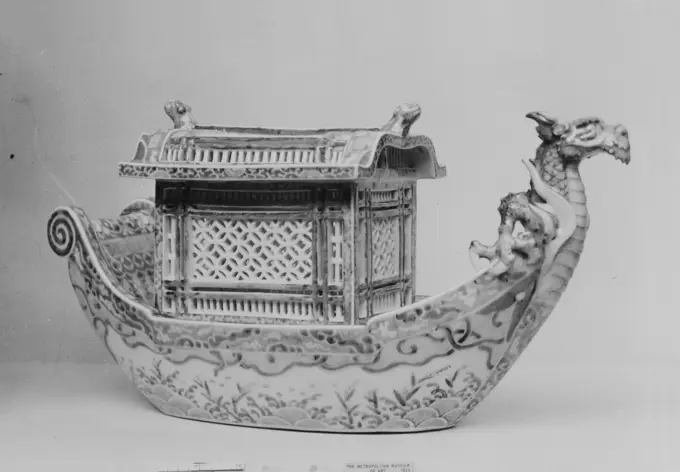
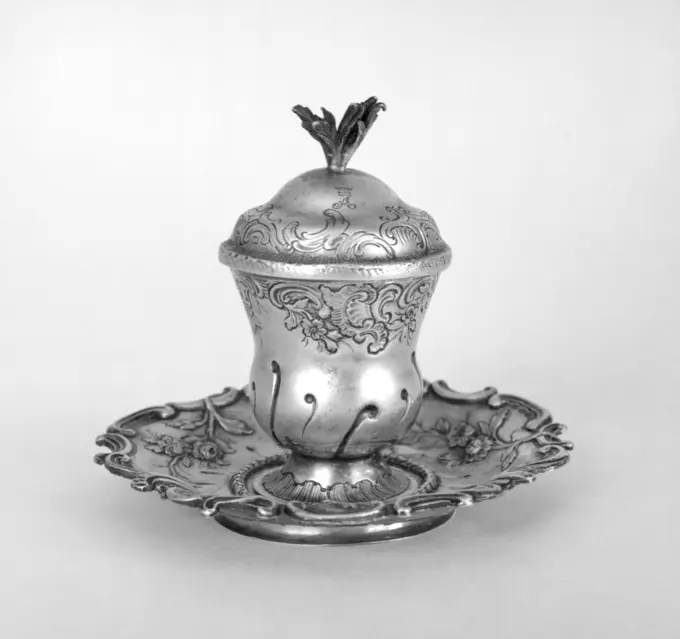
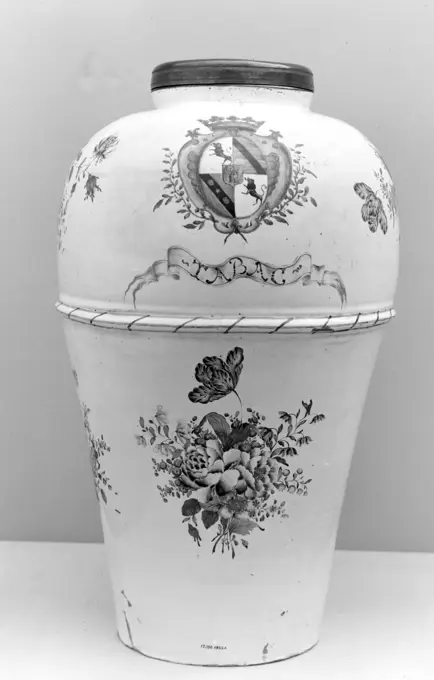
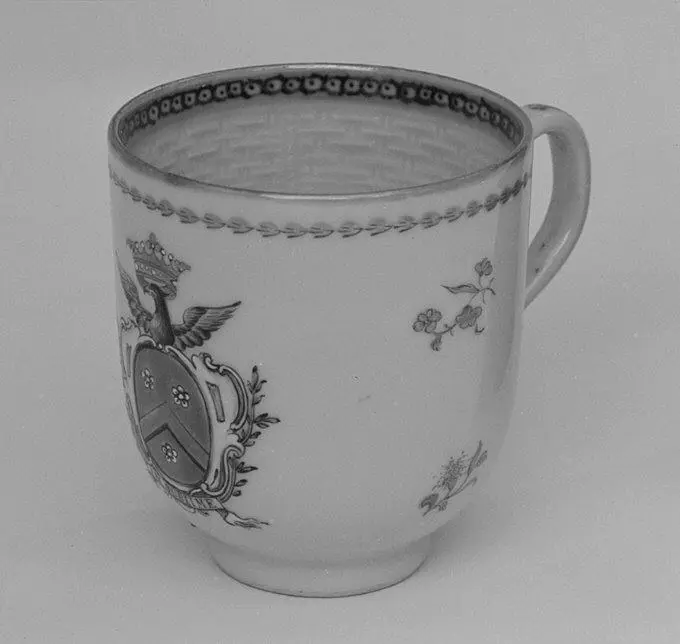
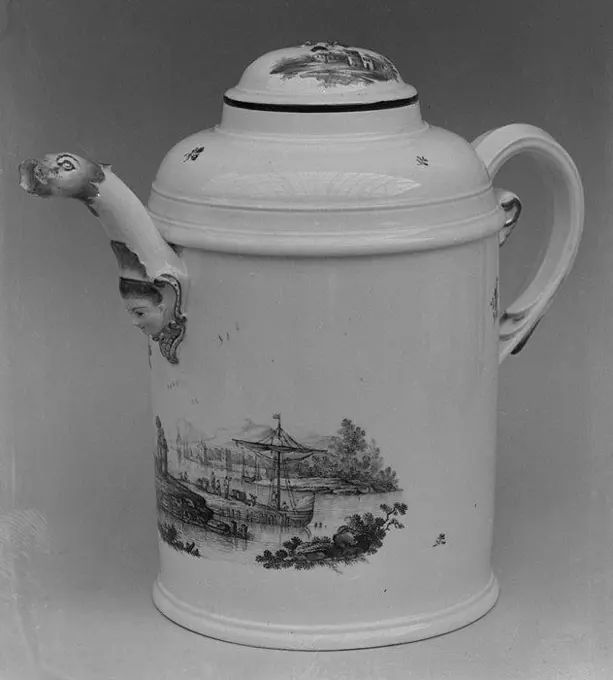
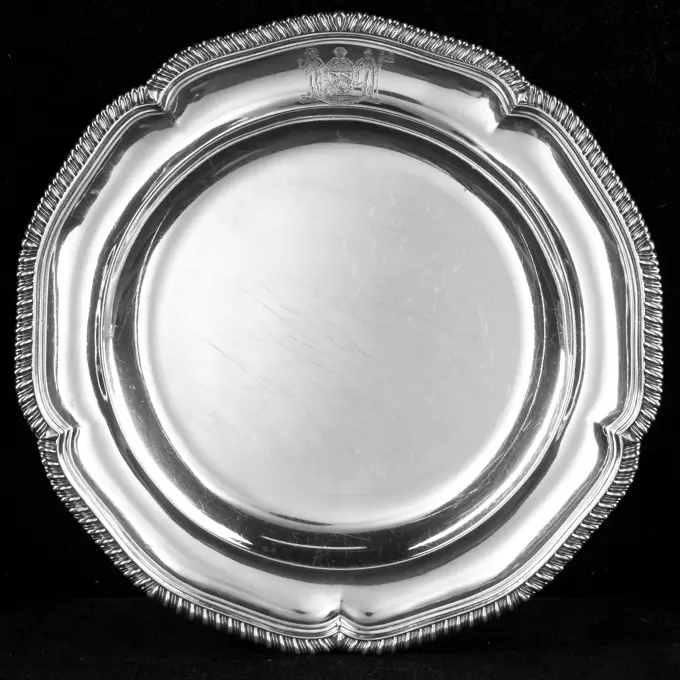
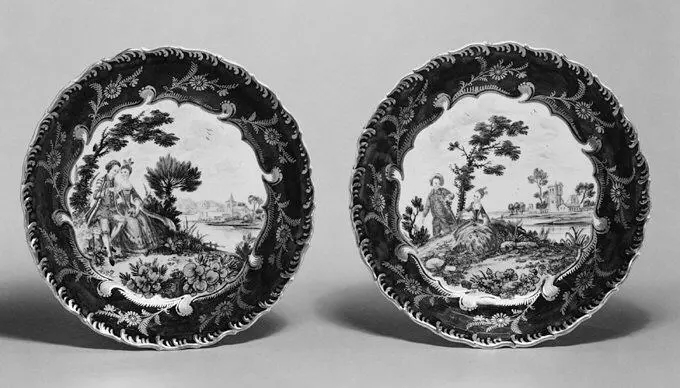
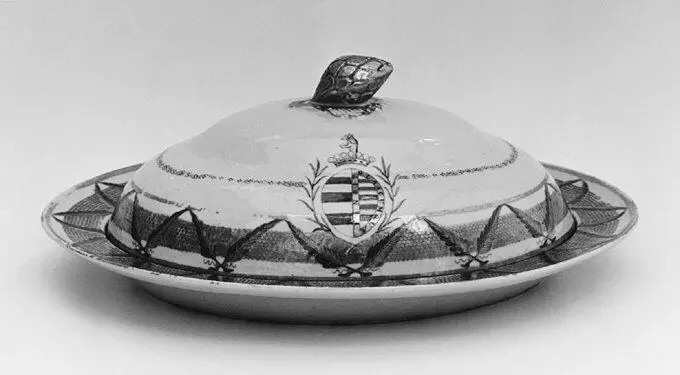
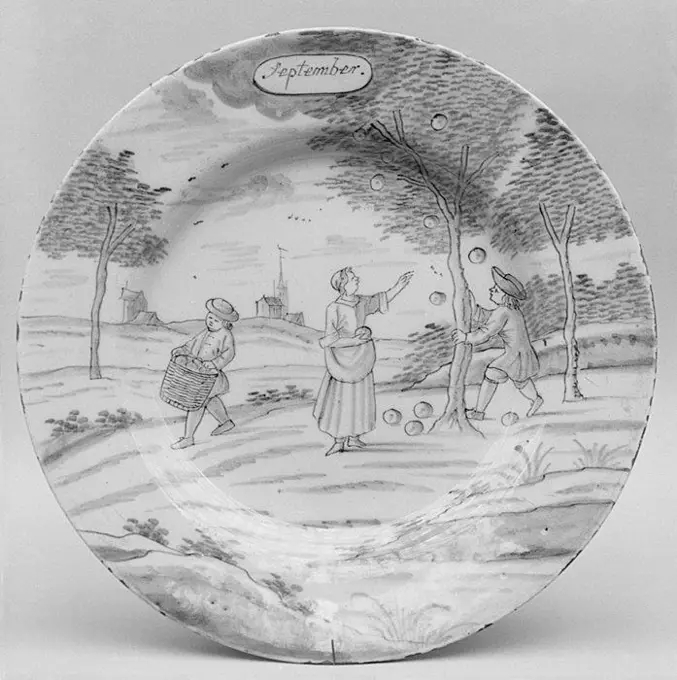
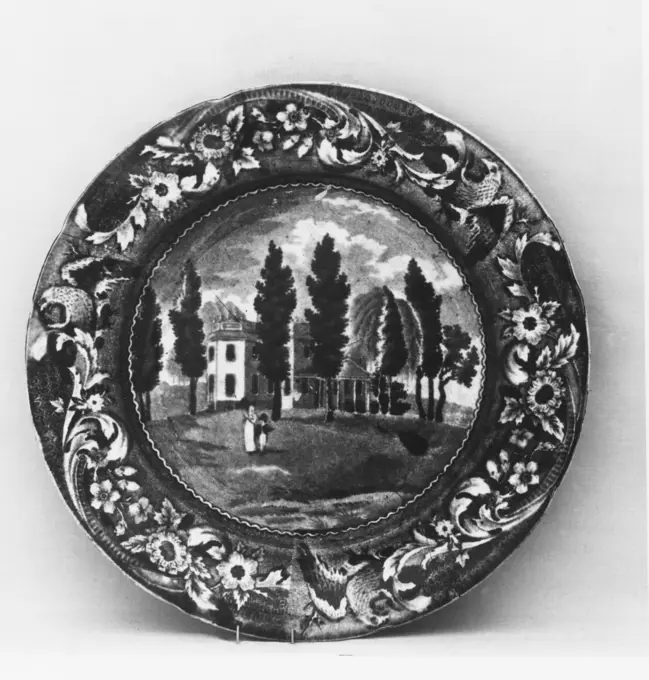
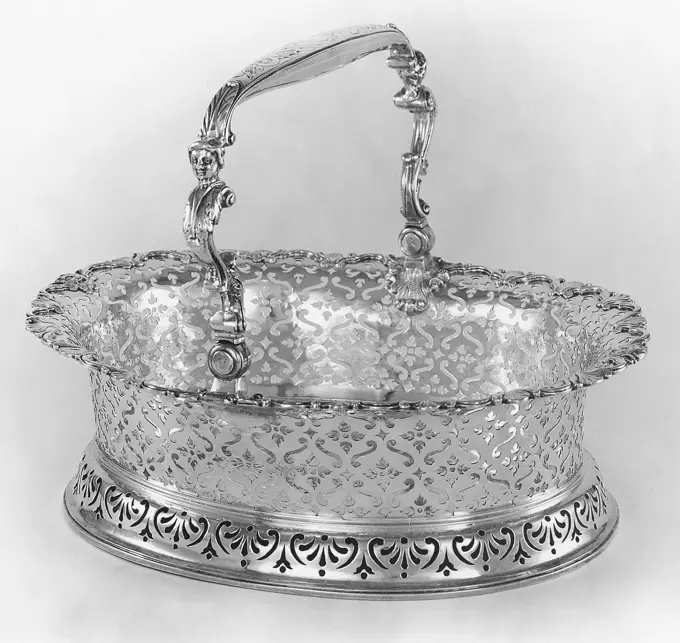
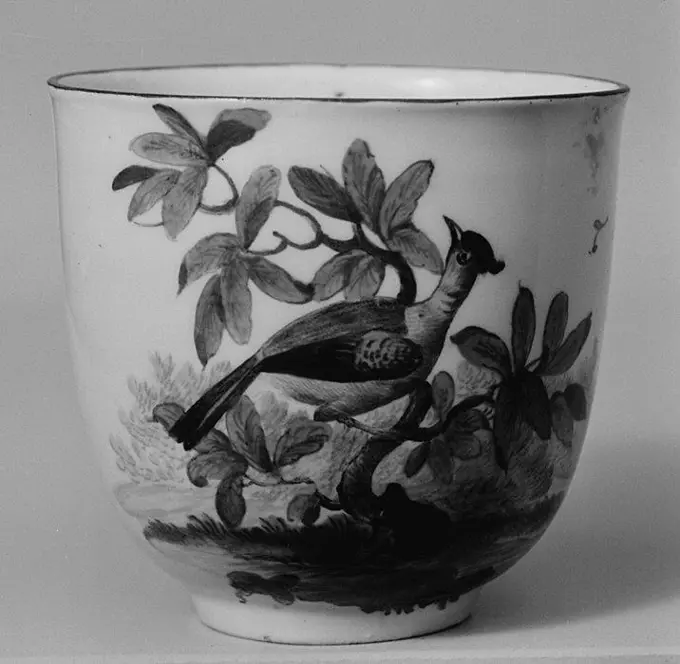
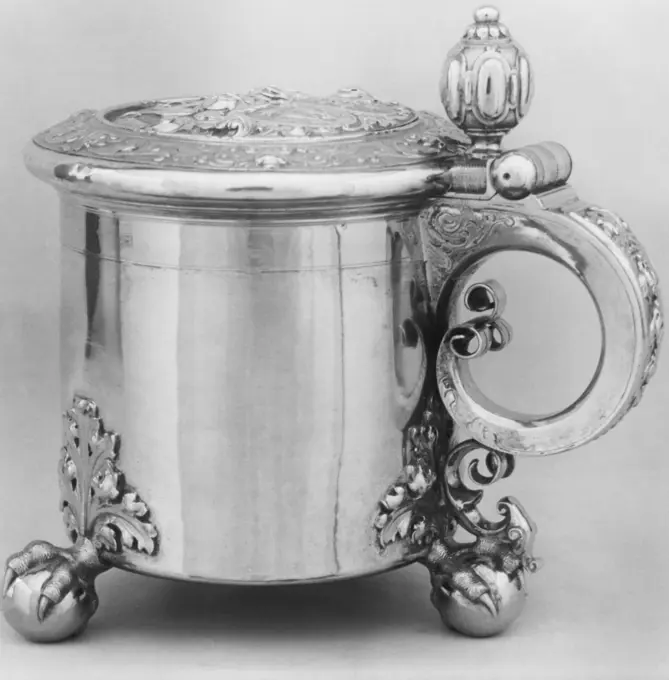
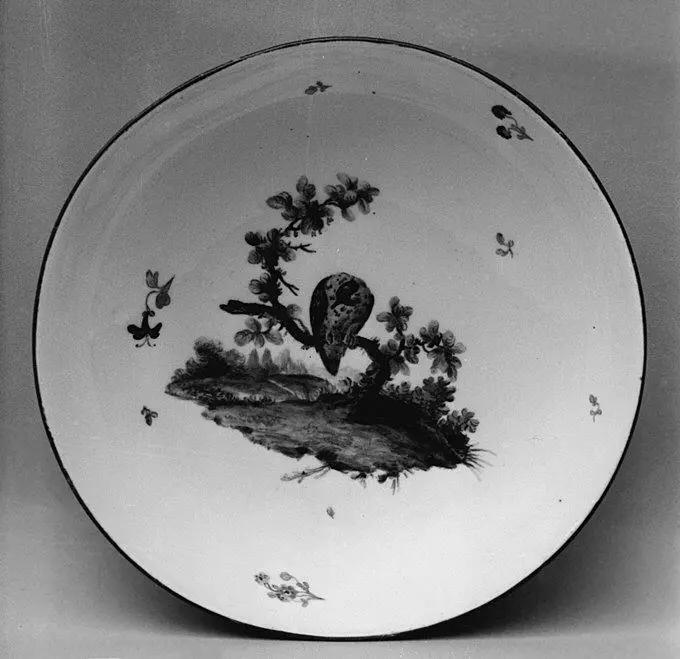
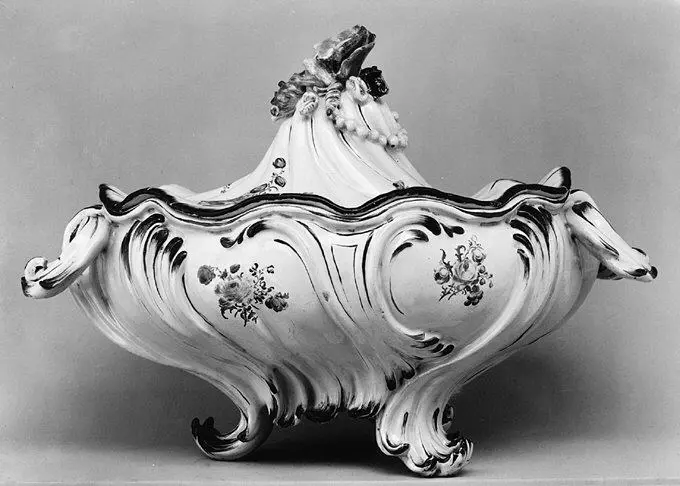
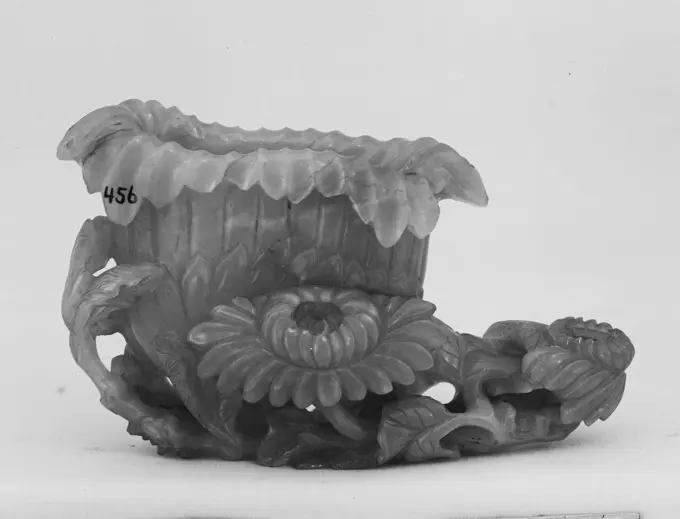
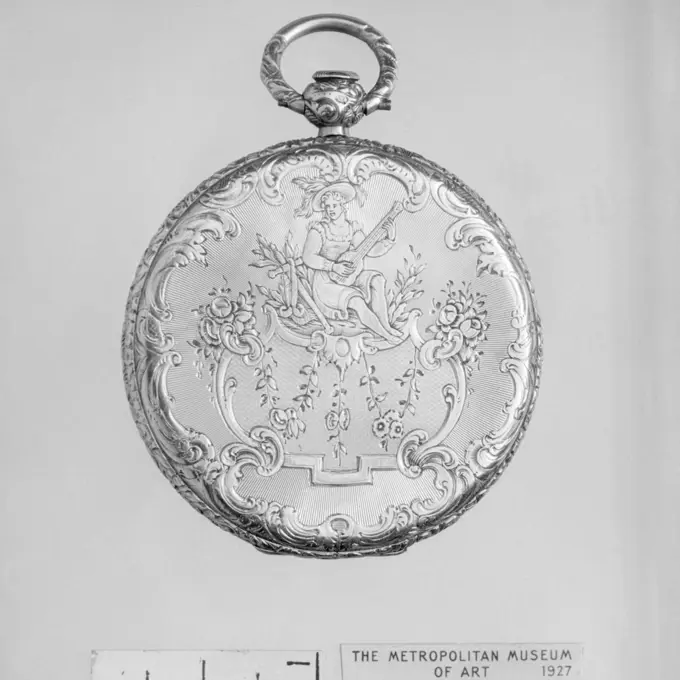
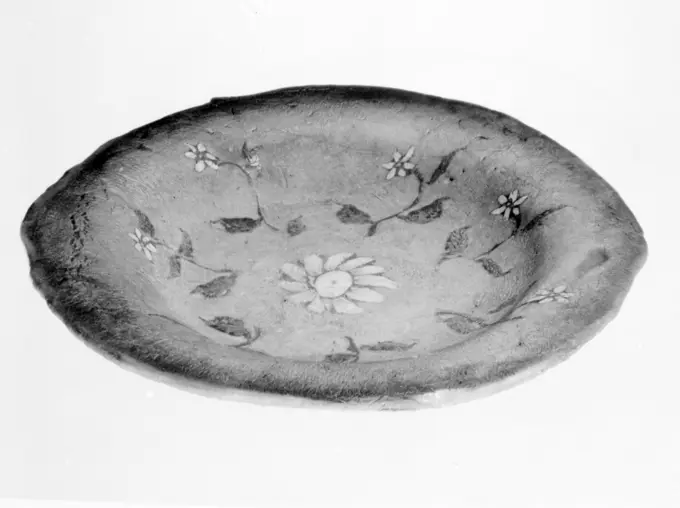
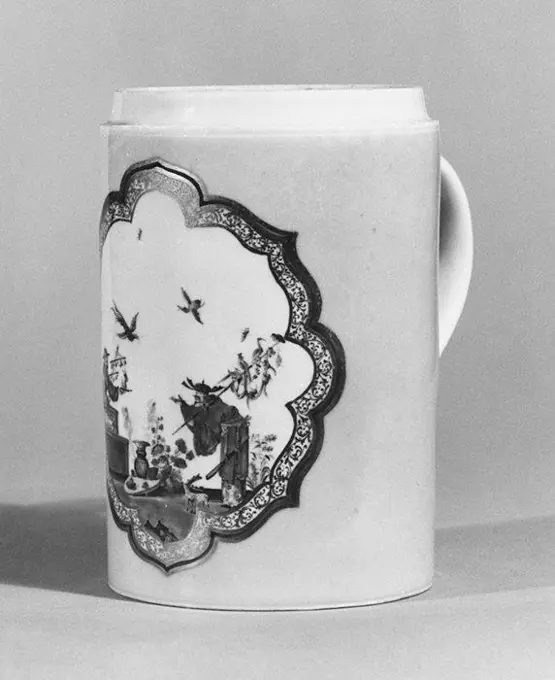
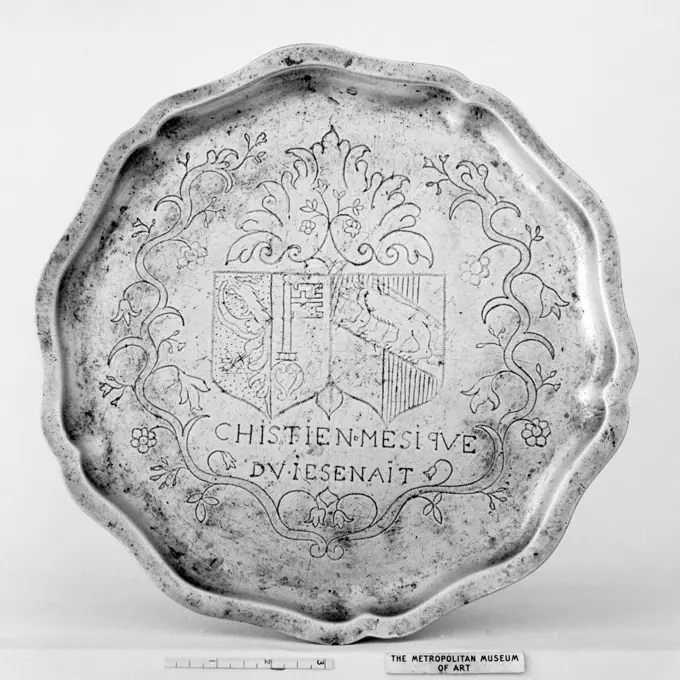
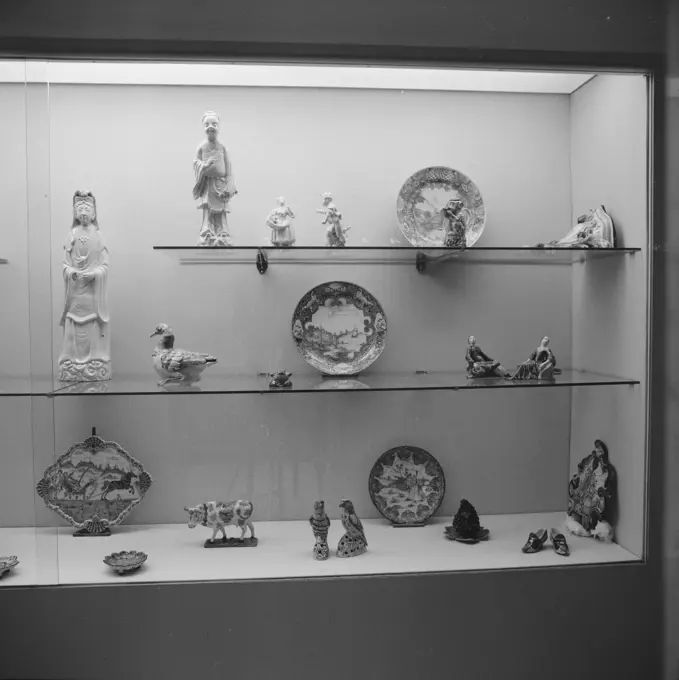
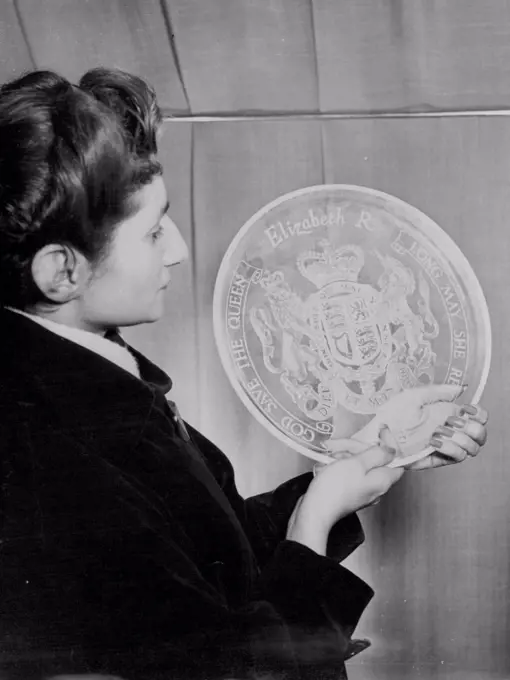
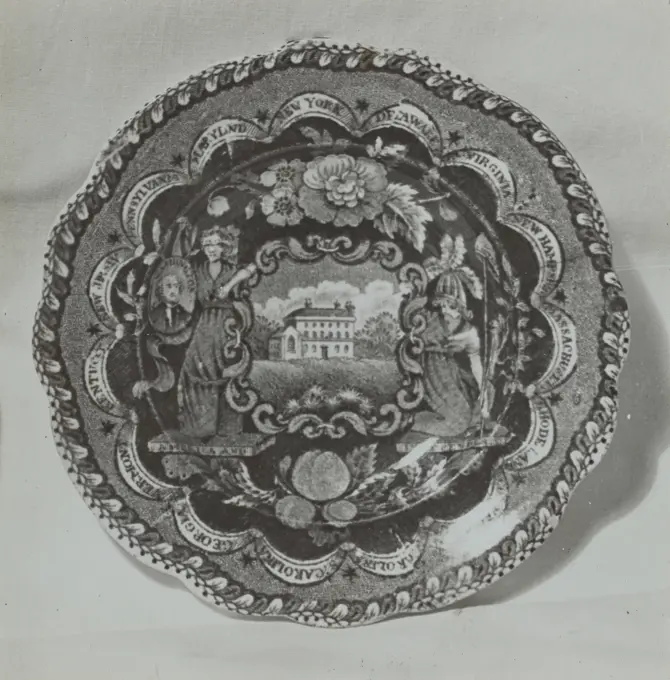
Helmut Hiatt, Plate, c 1936 PlateCenser in form of a Pleasure Boat 1830 Japan. Censer in form of a Pleasure Boat. Japan. 1830. White porcelain decorated in blue under the glaze. Edo period (1615-1868). CeramicsPlate ca. 1840-60 American. Plate. American. ca. 1840-60. Earthenware; Redware. Made in Pennsylvania, United StatesRobert Cooper, Pair of Footed Salvers, 1709/10, silver.Urn-shaped cup with cover 1767-69 Abraham Drentwett IV. Urn-shaped cup with cover 206250Jar 1870 Japan. Jar 52506Tobacco jar ca. 1765 Possibly Sceaux Faience, or tin-glazed and enameled earthenware, first emerged in France during the sixteenth century, reaching widespread usage among elite patrons during the seventeenth and early eighteenth centuries, prior to the establishment of soft-paste porcelain factories. Although characterized as more provincial in style than porcelain, French faience was used at the court of Louis XIV as part of elaborate meals and displays, with large-scale vessels incorporated into the Baroque garden designs of Versailles. Earlier examples of French faience attest to the strong influence of maiolica artists from Italy. Later works demonstrate the ways in which cities such as Nevers, Rouen, Lyon, Moustiers, and Marseille developed innovative vessel shapes and decorative motifs prized among collectors throughout Europe. While faience can be created from a wide mixture of clays, it is foremost distinguished by the milky opaque white color achieved by the addition of tin oBliżej Kultury unknownCup (part of a service) 1770-85 Chinese, probably for Swedish market. Cup (part of a service) 201181Coffeepot ca. 1780-90 Ansbach Pottery and Porcelain Manufactory. Coffeepot. German, Ansbach (Bruckberg). ca. 1780-90. Hard-paste porcelain. Ceramics-PorcelainPlate, one of twelve, c. 1807, William Sumner, English, -1807, Silver, England, 19th centuryPair of plates ca. 1765 Bow Porcelain Factory British. Pair of plates 203568Meat dish with cover (part of a service) ca. 1810 Chinese, for Portuguese market. Meat dish with cover (part of a service) 200999Plate (part of a set) ca. 1764-88 De Porceleyne Bijl. Plate (part of a set) 195790Plate ca. 1822-ca. 1836 Joseph Stubbs. Plate. British (American market). ca. 1822-ca. 1836. Earthenware, transfer-printed. Made in Staffordshire, Stoke-on-Trent, EnglandDish late 17th-early 18th century British, probably Bristol. Dish 196554Thomas Farren, Basket, 1739/40, silver.Cup and saucer 1762 Wallendorf Porcelain Manufactory. Cup and saucer 188984 Factory: Wallendorf Porcelain Manufactory, German, founded 1764, Cup and saucer, 1762, Hard-paste porcelain, Height (cup .341a): 1 3/4 in. (4.4 cm); Diameter (saucer .341b): 5 1/8 in. (13 cm). The Metropolitan Museum of Art, New York. Rogers Fund, 1906 (06.341a, b)Cup (part of a service) ca. 1770 Frankenthal Porcelain Manufactory. Cup (part of a service) 196940Tankard 1700-1735 Christoffer Mansfeld II. Tankard 187178 Maker: Christoffer Mansfeld II, 16851740, master 1715, Tankard, 17001735, Silver, parcel gilt, 8 5/16 x 8 1/2 x 6 3/16 in. (21.1 x 21.6 x 15.7 cm). The Metropolitan Museum of Art, New York. Gift of Mrs. Lucy W. Drexel, 1889 (89.2.30)Saucer (part of a service) ca. 1770 Frankenthal Porcelain Manufactory. Saucer (part of a service) 196964Tureen with cover (part of a set) ca. 1760 Pierre Chapelle II Faience, or tin-glazed and enameled earthenware, first emerged in France during the sixteenth century, reaching widespread usage among elite patrons during the seventeenth and early eighteenth centuries, prior to the establishment of soft-paste porcelain factories. Although characterized as more provincial in style than porcelain, French faience was used at the court of Louis XIV as part of elaborate meals and displays, with large-scale vessels incorporated into the Baroque garden designs of Versailles. Earlier examples of French faience attest to the strong influence of maiolica artists from Italy. Later works demonstrate the ways in which cities such as Nevers, Rouen, Lyon, Moustiers, and Marseille developed innovative vessel shapes and decorative motifs prized among collectors throughout Europe. While faience can be created from a wide mixture of clays, it is foremost distinguished by the milky opaque white color achievedPlate, one of twelve, c. 1807, William Sumner, English, -1807, Silver, England, 19th centuryVase China. Vase. China. Nephrite, light gray with a delicate greenish tint. Qing dynasty (1644-1911), Kangxi period (1662-1722). JadeWatch ca. 1840-50 French or Swiss. Watch 195608Square Dish 19th century China. Square Dish 40862Plate 1801-4 Imperial Porcelain Manufactory, St. Petersburg Russian This plate and its mate (see 06.384b) were part of a table service pointed with views of Italy. The service was presented by Czar Alexander I to his sister Catherine, who married the King of Württemberg in 1816.. Plate. Russian, St. Petersburg. 1801-4. Hard-paste porcelain. Ceramics-PorcelainTea caddy ca. 1735 Meissen Manufactory German. Tea caddy 192787Plate 19th century Probably made at Venezia-Murano Company Italian. Plate. Italian, Venice (Murano). 19th century. Glass. GlassBox late 18th century possibly Italian. Box 193900Tankard ca. 1740 Meissen Manufactory German. Tankard 206009Maker's mark N.X.G., Ewer and Basin, 1819-38, silver gilt.Fan 1830-50 Spanish or French. Fan 209978Salver 18th century Jean Charton the Elder. Salver 193256Fruit basket (part of a service) ca. 1810 Chinese, for Portuguese market. Fruit basket (part of a service) 201001Covered bowl 18th century Japan. Covered bowl 52262Condiment jar (one of a pair), with figure symbolizing Winter ca. 1750-55 Höchst Manufactory. Condiment jar (one of a pair), with figure symbolizing Winter 198672Platter ca. 1834 James and Ralph Clews British. Platter 6516Image of a tin cup, now based in the St.eloyengasthuis (Boterstraat 22) in Utrecht.Part of a showcase with objects of ceramics; Arts and crafts April 1962. Presumably the display case in room is 256 or 257. For the right part of the vitrine HA-0014371.Skiopticon image from the Department of Photography at the Royal Institute of Technology. Use by Professor Helmer Bäckström as lecture material. Bäckström was Sweden's first professor in photography at the Royal Institute of Technology in Stockholm 1948-1958.Tamningskärl.Bride Box 1700-1800 European. Bride Box 1018Coronation Souvenirs Preview For Shoppers. Phyllis Albuqueque of Hove, Sussex, examining a commemorative plate of sand-etched glass at a preview of the exhibition to-day (Monday). The plate, among the most expensive of the souvenirs on show, will cost about £25. A collection of nearly a thousand Coronation souvenirs chosen by the Coronation Souvenirs Committees of the Council of Industrial Design ***** to be shown to the public for the first time at an exhibition opening at the Tea Centre, Regent *****, London, tomorrow (Tuesday) until Mach 13. February 23, 1953. (Photo by Reuterphoto).