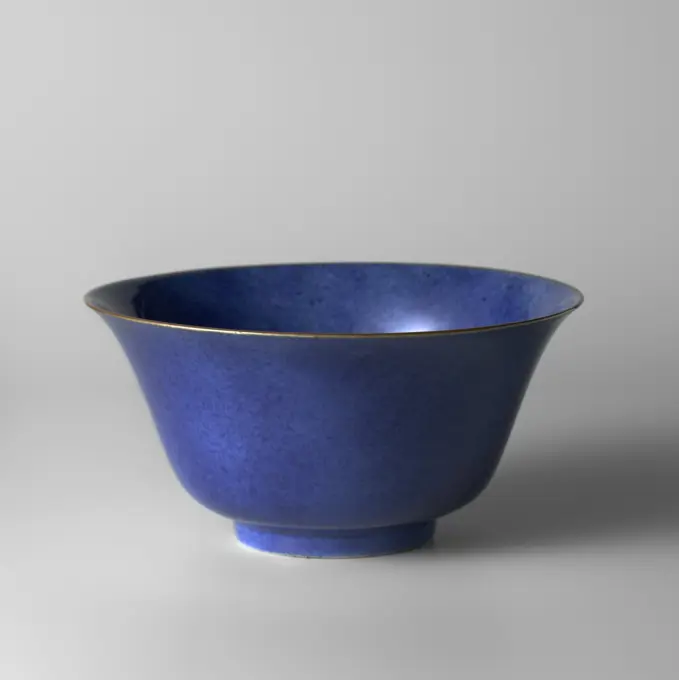
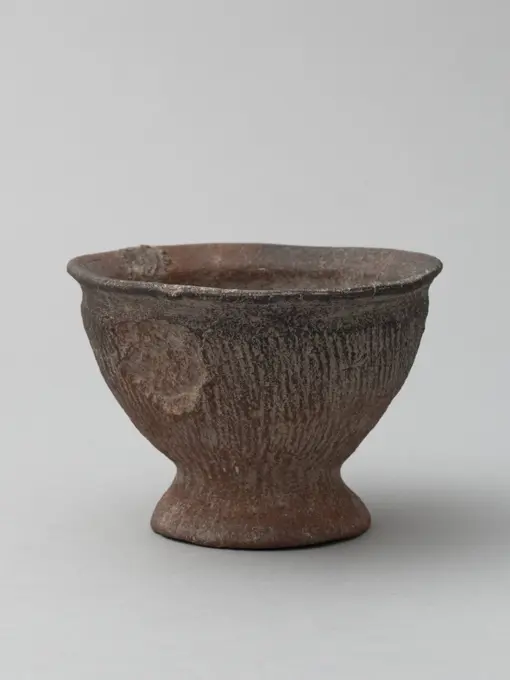
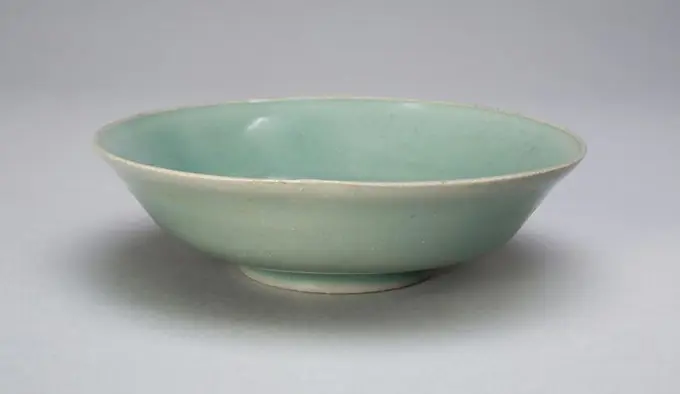
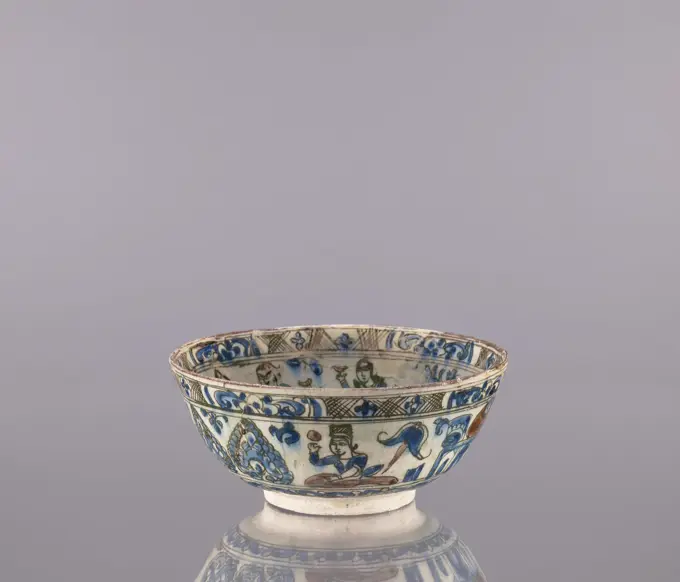
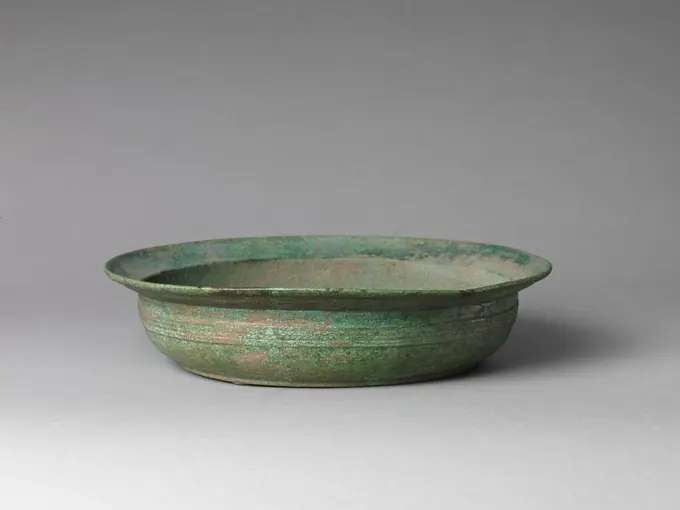
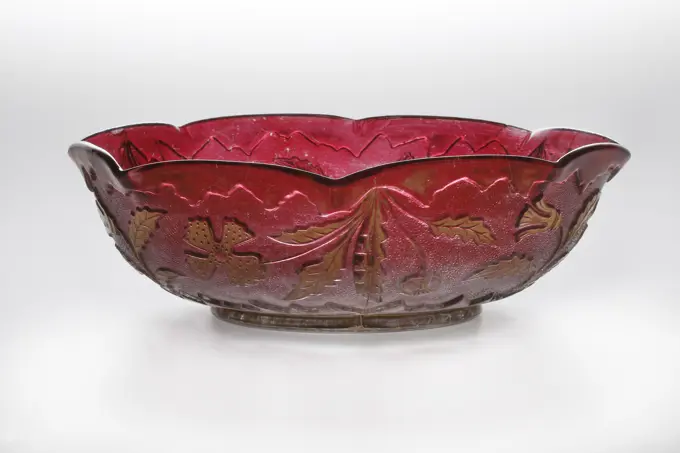
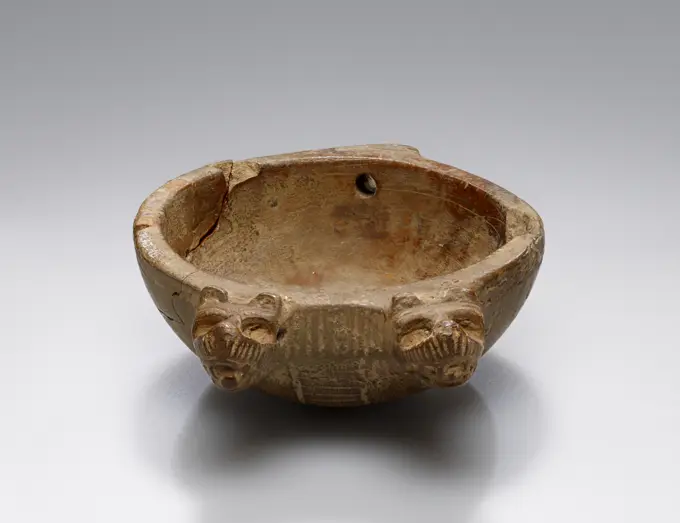
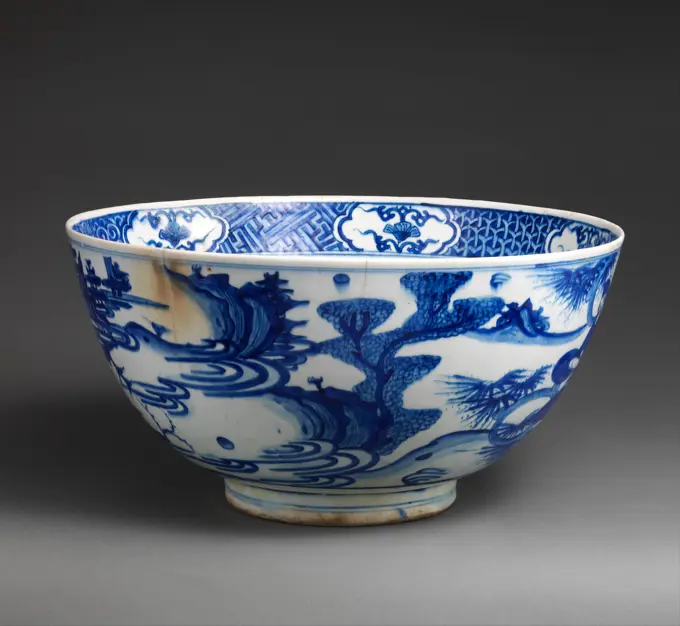
Traditional Chinese Bowls

Elegant bowls from China with distinctive glazes and forms, showcasing traditional craftsmanship and historical significance dating back to the Song Dynasty.

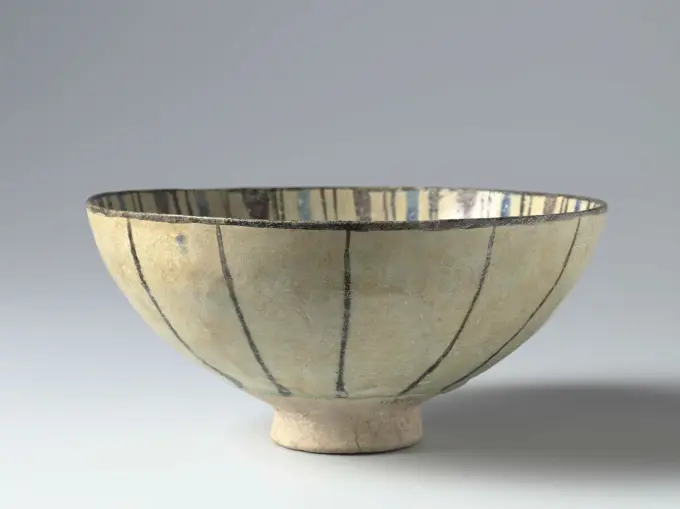
Bowl with stylized flowers and scrolls, anonymous, c. 1275 - c. 1324 Come from quartz fritry, decorated with sludge and colors under transparent alarm laze. On the bottom a stylized flower and on the inner edge the same kind of flour four times, separated by tendrils and curl. Iran earthenware. glaze. cobalt (mineral) painting / vitrification Come from quartz fritry, decorated with sludge and colors under transparent alarm laze. On the bottom a stylized flower and on the inner edge the same kind of flour four times, separated by tendrils and curl. Iran earthenware. glaze. cobalt (mineral) painting / vitrification
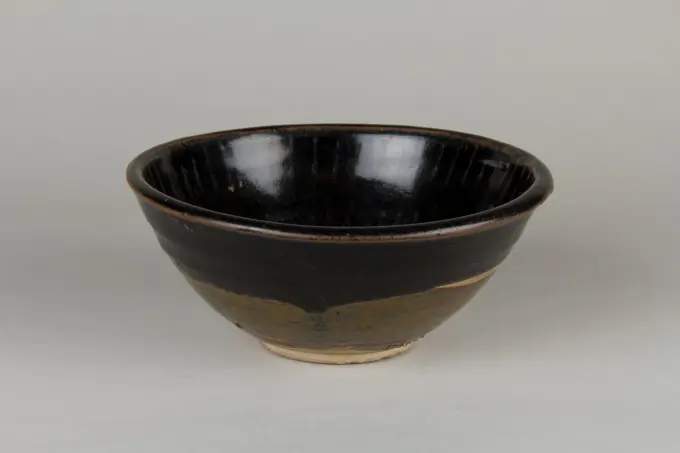
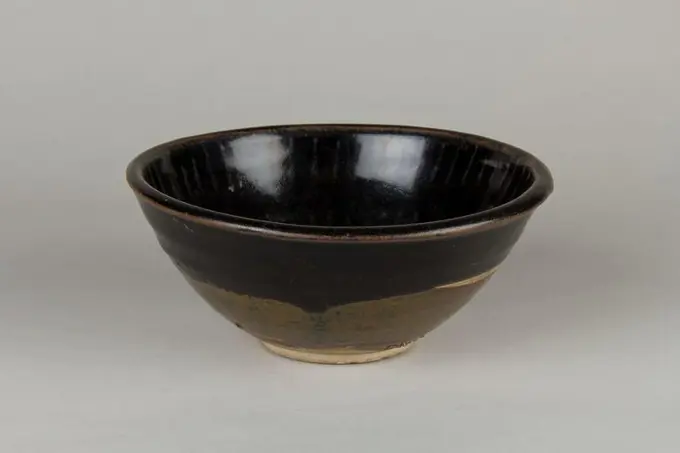
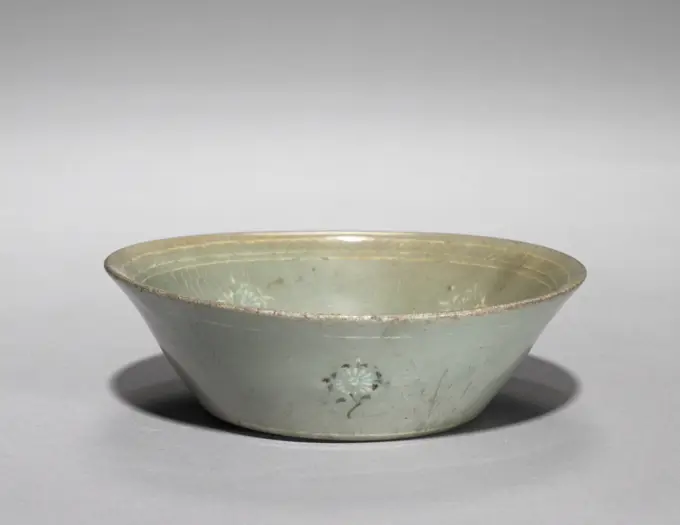
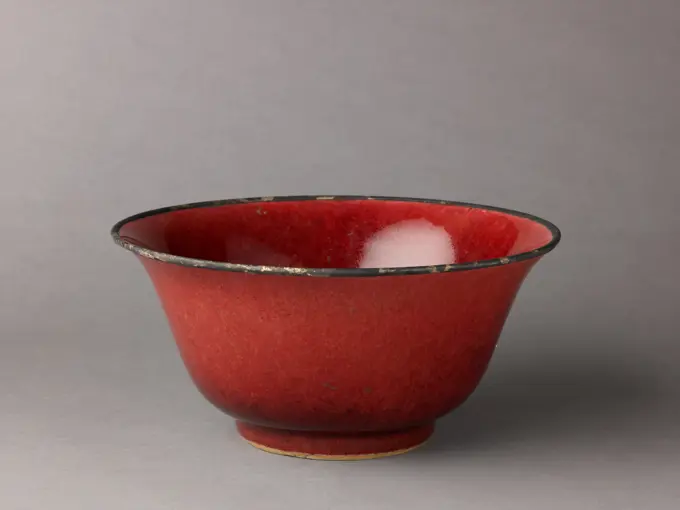
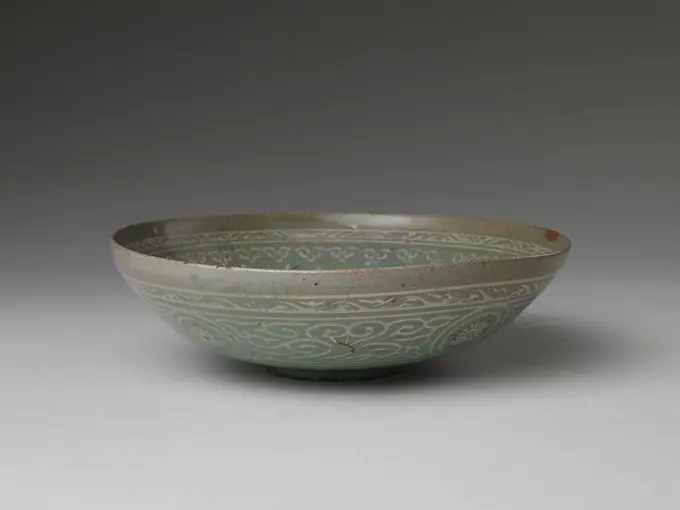
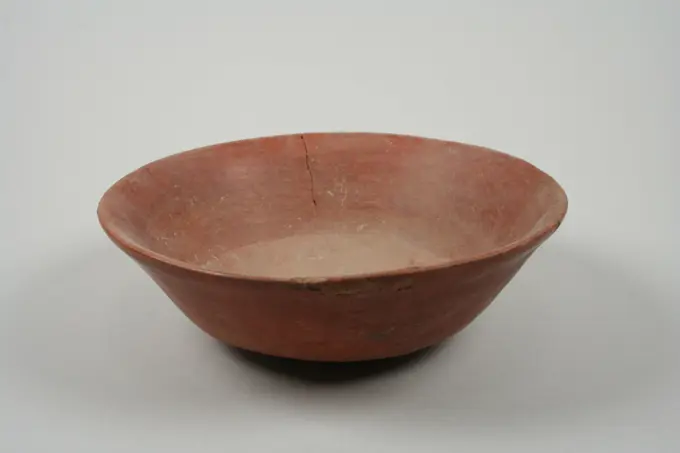
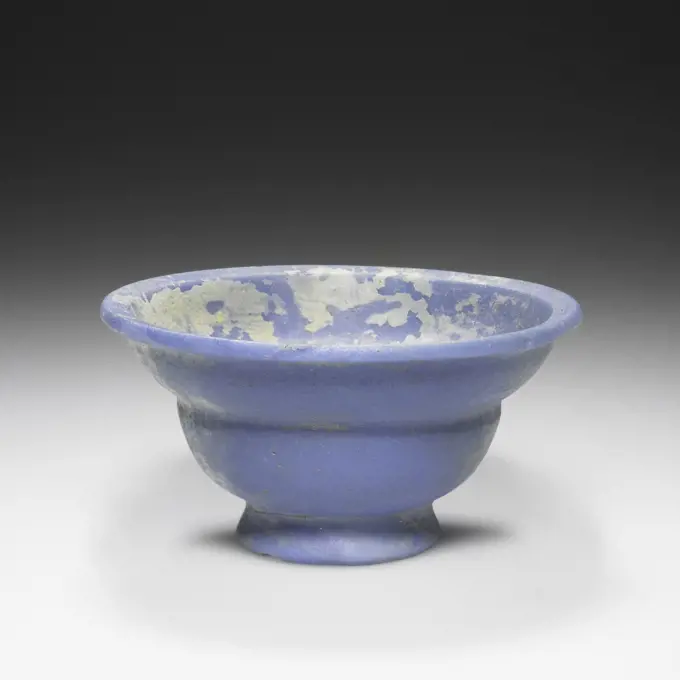
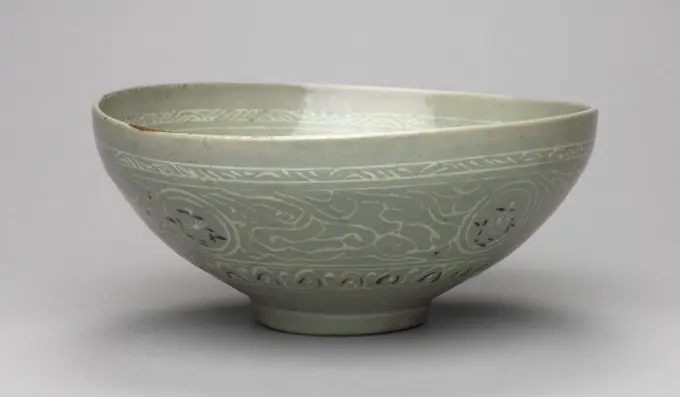
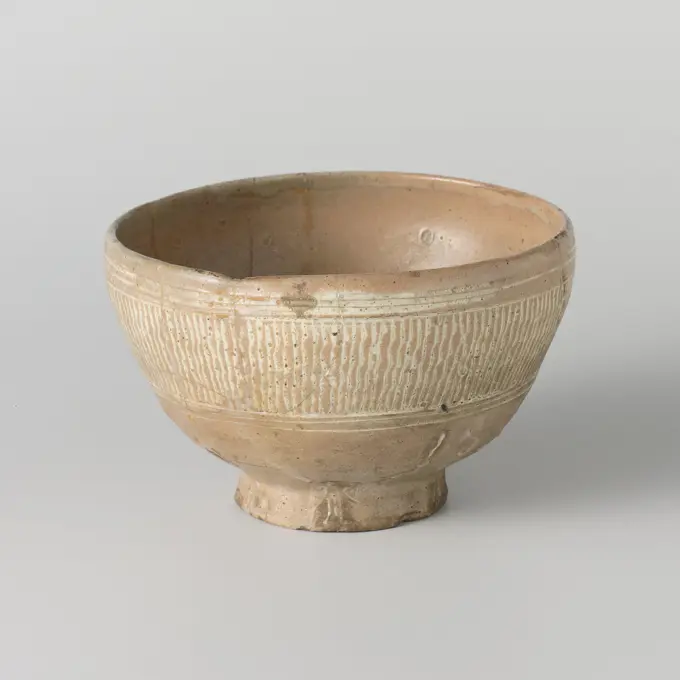
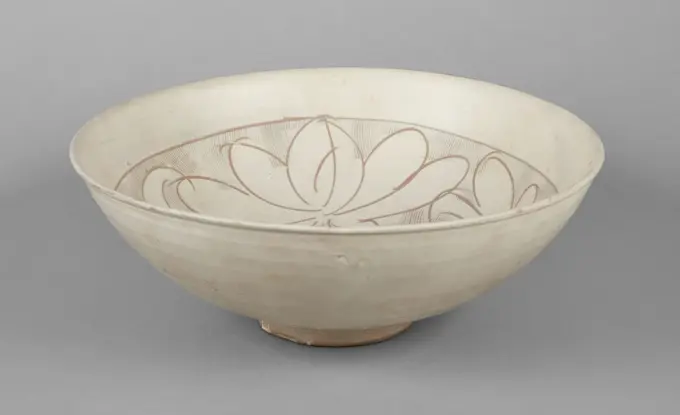
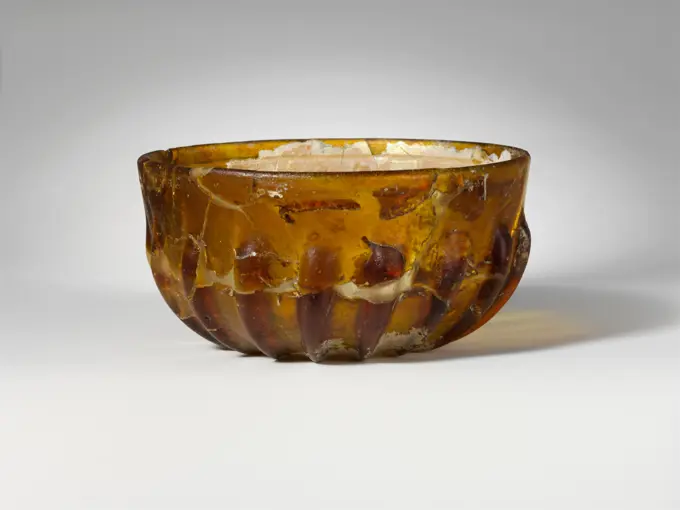
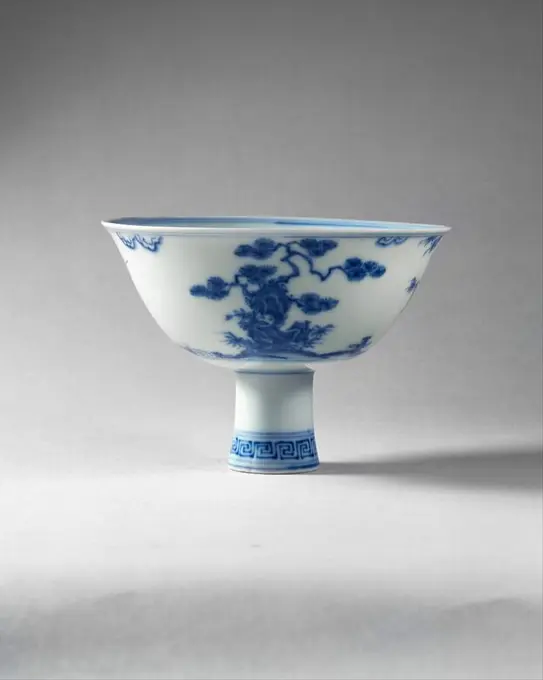
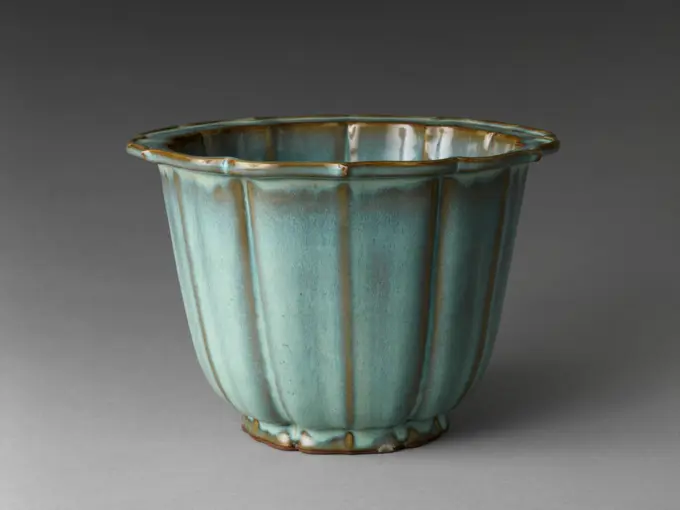
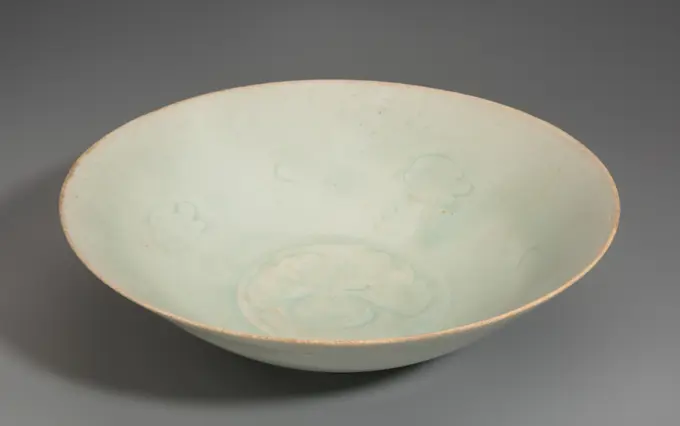
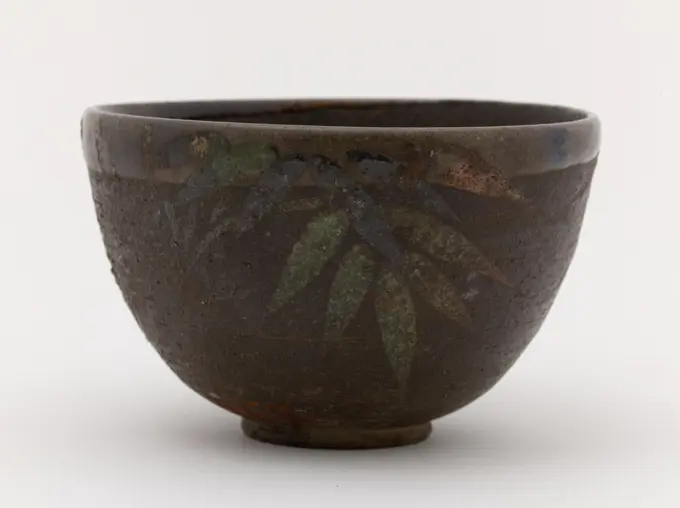
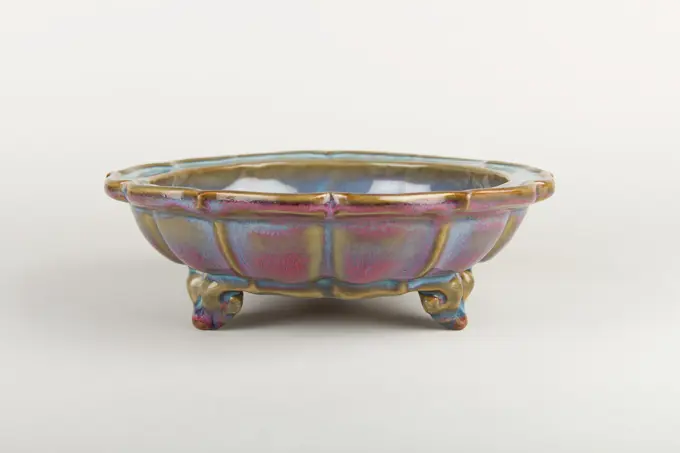
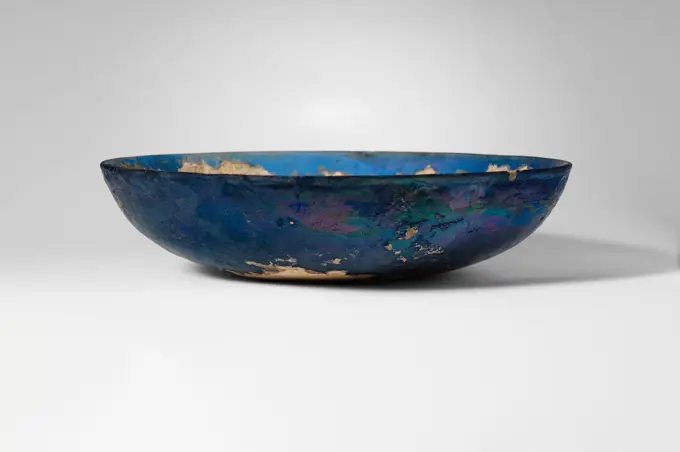
Conical Tea Bowl. China. Date: 960 AD-1279. Dimensions: H. 6.3 cm (2 1/2 in.); diam. 12.6 cm (4 15/16 in.). Jian ware; stoneware with dark brown "hare's fur" glaze. Origin: China. Museum: The Chicago Art Institute, Chicago, USA.Shallow tea bowl with a 'hare's fur' glaze, anonymous, c. 960 - c. 1279 Shallow bowl of stoneware, covered with a dark blue glaze with golden brown stripes (hare sheet). The underside is unglazed. The bowl has a white edge. Jian. China stoneware. glaze vitrification Shallow bowl of stoneware, covered with a dark blue glaze with golden brown stripes (hare sheet). The underside is unglazed. The bowl has a white edge. Jian. China stoneware. glaze vitrificationTeabowl with a 'hare's fur' glaze, anonymous, c. 960 - c. 1279 Theekom van Steengoed, partially covered with a black glaze with golden brown stripes (hare sheet). The lower half of the bowl is unglazed. The edge is caught in a metal band. Jian. China stoneware. glaze. metal vitrification Theekom van Steengoed, partially covered with a black glaze with golden brown stripes (hare sheet). The lower half of the bowl is unglazed. The edge is caught in a metal band. Jian. China stoneware. glaze. metal vitrificationBowl China. Bowl 50658Bowl. Culture: China. Dimensions: H. 2 7/8 in. (7.3 cm); Diam. 6 7/8 in. (17.5 cm); Diam. of foot 2 1/2 in. (6.4 cm). Museum: Metropolitan Museum of Art, New York, USA.Tea Bowl, c. 1600 - c. 1699 Come from stoneware, covered with a white sludge and a green glaze. On the soil a flower rosette entry with decorative tires with flowers and shadowing. The entered decoration is filled with white sludge (Sanggam technology). Rand and spot on the outside wall restored with gold lacquer. Old label on the bottom with 'W140' and one with 'Korea (Mishima)/ ... no. 236'. Korea stoneware. glaze engraving / vitrification Come from stoneware, covered with a white sludge and a green glaze. On the soil a flower rosette entry with decorative tires with flowers and shadowing. The entered decoration is filled with white sludge (Sanggam technology). Rand and spot on the outside wall restored with gold lacquer. Old label on the bottom with 'W140' and one with 'Korea (Mishima)/ ... no. 236'. Korea stoneware. glaze engraving / vitrificationBowl with stylized flowers and scrolls, anonymous, c. 1275 - c. 1324 Come from quartz fritry, decorated with sludge and colors under transparent alarm laze. On the bottom a stylized flower and on the inner edge the same kind of flour four times, separated by tendrils and curl. Iran earthenware. glaze. cobalt (mineral) painting / vitrification Come from quartz fritry, decorated with sludge and colors under transparent alarm laze. On the bottom a stylized flower and on the inner edge the same kind of flour four times, separated by tendrils and curl. Iran earthenware. glaze. cobalt (mineral) painting / vitrificationCome with grasses and moon, anonymous   stoneware. earthenware. vitrification   stoneware. earthenware. vitrification. Come from quartz frying goods, decorated with sludge and colors under transparent alkali acid. On the bottom a medallion with a stylized leaf rank. This is a bond with triangles. The inner wall is divided into compartments with lines or groups of four dots.Bowl with a border of floral scrolls in relief, anonymous, anonymous, c. 1000 - c. 1200 Come from stoneware, covered with a light green glaze. On the inside a band with flower vines in relief. The underside is unglazed. Old labels on the underside with 'Certainement the XIIIe siècle ou même antérieur', 'Village de Vinh-Phuc Près de Hanoi (Tonkin). Emplacement de l'Ancienne Captital Dai Là Thanh ',' Fabrication Présumée Chinoise '. Vietnam stoneware. glaze vitrification Come from stoneware, covered with a light green glaze. On the inside a band with flower vines in relief. The underside is unglazed. Old labels on the underside with 'Certainement the XIIIe siècle ou même antérieur', 'Village de Vinh-Phuc Près de Hanoi (Tonkin). Emplacement de l'Ancienne Captital Dai Là Thanh ',' Fabrication Présumée Chinoise '. Vietnam stoneware. glaze vitrificationTea bowl with a 'hare's fur' glaze, anonymous, c. 960 - c. 1279 Theekom van Steengoed, partially covered with a blue -black glaze with golden brown stripes (hare sheet). The lower half of the bowl is unglazed. The edge is caught in a metal band. Jian. China stoneware. glaze. metal vitrification Theekom van Steengoed, partially covered with a blue -black glaze with golden brown stripes (hare sheet). The lower half of the bowl is unglazed. The edge is caught in a metal band. Jian. China stoneware. glaze. metal vitrificationBowl, 18th century, Unknown Japanese, 2 1/4 x 5 1/4 x 5 1/4 in. (5.72 x 13.34 x 13.34 cm), Glazed stoneware, Japan, 18th centuryGlass ribbed bowl. Culture: Roman. Dimensions: H.: 1 3/4 in. (4.4 cm)Diam.: 5 7/8 in. (14.9 cm). Date: late 1st century B.C.-mid 1st century A.D..Translucent pale blue green.Plain rounded rim; sides curving in to slightly concave, uneven bottom.On exterior, twenty-two prominent ribs with rounded tops and tapering towards bottom, almost touching at center.Complete; broken and repaired around one side; very few bubbles; dulling, slight pitting, and numerous patches of iridescent creamy weathering.Rotary grinding marks on interior of bottom. Museum: Metropolitan Museum of Art, New York, USA.Saucer with Inlaid Chrysanthemum Design, 1200s. Korea, Goryeo period (918-1392). Pottery; diameter of mouth: 13.5 cm (5 5/16 in.); overall: 3.8 cm (1 1/2 in.).. Tea bowl of stoneware, partly covered with a blue black glaze with gray-brown stripes. The lower half of the bowl and the edge are unglazed. The edge is caught in a metal band. Jian.Bowl 18th century Chinese. Bowl. Chinese , Qing Dynasty. Chinese. 18th century. Porcelain with Sang de Boeuf glaze.. CeramicsBowl with a turquoise glaze en stylized flower sprays, anonymous, c. 1175 - c. 1224 Come from Kwartsfritgoed with a monochrome turquoise alkaledlaze and three breaches on the inside, stylized flower branches. Iran earthenware. glaze engraving / vitrification Come from Kwartsfritgoed with a monochrome turquoise alkaledlaze and three breaches on the inside, stylized flower branches. Iran earthenware. glaze engraving / vitrificationSaucer, c. 1893-1914. Seifū Yohei III (Japanese, 1851-1914). One from a set of ten dishes; porcelain with green glaze; overall: 2.5 x 8 cm (1 x 3 1/8 in.).Bowl China. Bowl 48813Come. Half spherical bowl of yellow and green painted plumbing pottery. The inside of the bowl is painted with three yellow flowers and green leaves (Sgraffito technique).Bowl. Culture: Korea. Dimensions: H. 2 1/4 in. (5.7 cm); Diam. 7 5/8 in. (19.4 cm). Date: early 14th century. Museum: Metropolitan Museum of Art, New York, USA.Bowl - Royal Doulton Company Limited, 1901-1956 Royal Doulton Company Limited, 1901-1956. Come from quartz frying goods, decorated in colors A star surrounded by radial lines under the transparent alkalilation.Undecorated painted bowl with flaring sides 6th-3rd century B.C. () Paracas. Undecorated painted bowl with flaring sides 308338Bowl; Eastern Mediterranean or Italy; end of 1st century B.C. - beginning of 1st century A.D; Glass; 4 x 7.8 cm (1 9,16 x 3 1,16 in.)Glass dish. Culture: Roman. Dimensions: H.: 2 in. (5.1 cm)Diam.: 8 1/4 x 4 5/16 in. (21 x 11 cm). Date: 4th century A.D..Colorless with faint yellow green tinge.Tubular, flaring rim, folded out and down, with almost horizontal inner shoulder; S-shaped side to body, curving in to integral tubular base ring; slightly concave bottom, thicknened at center with small pontil scar.Broken and repaired, cracked on one side and a large hole in the other; pinprick bubbles; pitting, iridescent weathering, and some limy encrustation around rim. Museum: Metropolitan Museum of Art, New York, USA.Bowl with Hare’s Fur” Decoration 11th-12th century China. Bowl with Hare’s Fur” Decoration. China. 11th-12th century. Stoneware with iron-oxide glaze (Jian ware); Japanese lacquer repair. Northern (960-1127) to Southern Song (1127-1279). CeramicsBowl with a green glaze. Come from stoneware, covered with a cracked green glaze. On the inner wall three times a, poorly visible, ingrangled flower. Four preen's in the foot ring. Celadon.Bowl with Blossoms and Radiating Petals 1723-1735 China. Porcelain with underglaze molded decoration .Bowl with flattened rim ca. 3850-2960 B.C. Predynastic Period. Bowl with flattened rim. ca. 3850-2960 B.C.. Pottery. Predynastic Period. From Egypt, Southern Upper Egypt, Hierakonpolis (Nekhen), MMA excavationsCup (usual name), 1400. Covered sandstone. Cernuschi Museum, Asia Museum of Asia in the city of Paris.Tea Bowl with Hares-Fur Decoration 11th-12th century China The brown and black hues of tea bowls such as this were considered among the best colors for enhancing the chartreuse color of tea that had been whisked into white foam. Wares produced at the Jian kilns in Fujian Province were used exclusively for the drinking of tea.. Tea Bowl with Hares-Fur Decoration 51076Bowl with Inlaid Cranes and Clouds Design, 1200s-1300s. Korea, Goryeo period (918-1392). Pottery; diameter of mouth: 19.7 cm (7 3/4 in.); overall: 8.2 cm (3 1/4 in.).Bowl with Carved Design, 1100s-1200s. South China, Southern Song dynasty (1127-1279). Porcelain with pale bluish-white glaze, Qingbai ware; overall: 6.5 x 17.2 cm (2 9/16 x 6 3/4 in.).Bowl - Portneuf potteryTea Bowls, c. 1700 - c. 1799 Tea stone of stoneware, covered with a white sludge and a red -brown enamel. The outer wall with a wide tire with vertically entered lines. Above and under horizontal lines. The Ingred Decoration is filled with white sludge (Mishima technology). Old label on the bottom with 'Korea/15'. Come has been broken. Hagi. Japan stoneware. glaze vitrification Tea stone of stoneware, covered with a white sludge and a red -brown enamel. The outer wall with a wide tire with vertically entered lines. Above and under horizontal lines. The Ingred Decoration is filled with white sludge (Mishima technology). Old label on the bottom with 'Korea/15'. Come has been broken. Hagi. Japan stoneware. glaze vitrificationBell-shaped bowl with powder blue, anonymous, c. 1700 - c. 1724 Klock -shaped bowl of porcelain with flared wall and spreading edge, painted in underly glaze blue and brown. The bowl is completely covered with bleu poudré (powder blue) with a brown border. Marked on the underside with a flower in a double circle. Monochrome Bleu Poudré. China porcelain. glaze. cobalt (mineral) painting / vitrification Klock -shaped bowl of porcelain with flared wall and spreading edge, painted in underly glaze blue and brown. The bowl is completely covered with bleu poudré (powder blue) with a brown border. Marked on the underside with a flower in a double circle. Monochrome Bleu Poudré. China porcelain. glaze. cobalt (mineral) painting / vitrificationBowl with Peonies. China. Date: 960 AD-1279. Dimensions: H. 4.2 cm (1 5/8 in.); diam. 10.0 cm (3 15/16 in.). Celadon-glazed stoneware with underglaze molded decoration. Origin: China. Museum: The Chicago Art Institute, Chicago, USA.Bowl or Cup 50 CE-150 CE Roman Empire. Initially affordable only among the wealthy, glass was used in ancient Rome as containers for oils, perfume, and tablewares. The variety of glass-making techniques reveals the changing tastes and fashions over the centuries. During the 1st century A.D., cast glass was a novel form that was a luxury for the Roman household, but by the end of the century, the innovation of blown glass allowed for less labor-intensive and less expensive production, which meant people of lesser means could afford it. Blown glass became so popular it nearly supplanted ceramic and even bronze wares in the home.. Glass, blown technique . Ancient RomanBowl with incised scrolls, anonymous, c. 1175 - c. 1224 Come from Kwartsfritgoed decorated with an entered professional decoration with tenders and perforated with small holes on which a monochrome green alarm laze has been applied. Iran earthenware. glaze perforating / vitrification Come from Kwartsfritgoed decorated with an entered professional decoration with tenders and perforated with small holes on which a monochrome green alarm laze has been applied. Iran earthenware. glaze perforating / vitrificationCut on foot. Janse excavations, searches 6 bis. Culture of Dong Son. Cooked with printed decoration. 2nd half of the 1st millennium BC. Paris, Cernuschi museum. 59236-7 6 bis, Vietnamese art, foot cut, culture dong sound, decor prints, excavation Janse, terracottaBowl - Portneuf potteryBowl China. Bowl. China. Nephrite, dark seaweed green with mottlings of very light green. Ming dynasty (1368-1644). JadeFoliate Dish with Three Feet. China. Date: 960 AD-1279. Dimensions: H. 6.6 cm (2 5/8 in.); diam. 21.1 cm (8 5/16 in.). Jun ware; stoneware with purple-blue glaze. Origin: China. Museum: The Chicago Art Institute, Chicago, USA.Bowl with Boys Playing amid Peony Blossoms 1100-1199 China. Ding ware; porcelain with underglaze molded decoration; metal rim .Bell-shaped bowl with a character and stylized petal border. Bell-shaped bowl of porcelain with a flat edge, painted in underglaze blue. On the outside wall four times the character 'lung', dragon. Around the spreading foot a tire with stylized leaf motifs. On the bottom again the character in a double medallion. Blue White.Bowl - Portneuf potteryMosaic Bowl. UnknownIncised bowl 6th-4th century B.C. Paracas. Incised bowl 308321Dish. Korea. Date: 1100-1199. Dimensions: H. 4.3 cm (1 11/16 in.); diam. 15.2 cm (6 in.). Celadon-glazed stoneware. Origin: Korea. Museum: The Chicago Art Institute, Chicago, USA.Hemispherical bowl. unknown, craftsmanWashing Basin. Culture: China. Dimensions: H. 3 in. (7.6 cm); Diam. 13 1/2 in. (34.3 cm). Museum: Metropolitan Museum of Art, New York, USA.Conical Bowl 1100-1127 China. Northern black ware, Cizhou type; stoneware with reddish-brown glaze .Bowl; glazed earthenwareOpaque red bowl. UnknownGlass mosaic carinated bowl late 1st century B.C.-early 1st century A.D. Roman, probably Italian Translucent purple, opaque white, yellow, red, and pale bluish green.Vertical rim with angular edge; carinated side, with upper slightly bulging vertical curve and lower convex curve; flat bottom within slightly outsplayed base ring with flattened edge.Composite mosaic pattern formed from polygonal sections of a single cane in purple ground outlined in opaque white containing concentric circles of bluish green and red with a central yellow dot. A narrow horizontal ridge cut on top edge of rim and another narrow horizontal groove just below rim on exterior.Complete except for two holes in rim; some pitting and dulling, creamy brown iridescent weathering on interior, and patches of iridescent weathering on exterior.Rotary grinding marks on exterior.. Glass mosaic carinated bowl 245773Bowl. Culture: Coptic. Dimensions: Overall: 2 1/2 x 5 3/8 in. (6.4 x 13.7 cm). Date: 4th-7th century. Museum: Metropolitan Museum of Art, New York, USA.Bowl with Stylized Pomegranate Clusters. Korea. Date: 1265-1299. Dimensions: H. 8.9 cm (3 1/2 in.); diam. 19.6 cm (7 3/4 in.). Celadon-glazed stoneware with underglaze inlaid decoration of white clay. Origin: Korea. Museum: The Chicago Art Institute, Chicago, USA.Large bowl of Chinese porcelain from the wreck of the Dutch East Indiaman Witte Leeuw, anonymous, before 1613 bowl Come from V.O.C. ship the 'Witte Leeuw', 90 present. Fragments supplemented. Jingdezhen porcelain   Sint-HelenaFruit bowl - New Century patternBowl with Two Lion Heads. Unknown. Wide bowls were used in the summer, for they helped to cool the tea a little in the heat. The decoration on the bowl with light-brown mottling is sometimes compared to partridge plumage and contrasts beautifully with the vessels severe, angular form. The elegant painting on the other bowl probably represents a sprig of wisteria.Foliate Bowl with Peony Scrolls 1100-1279 China. Qingbai ware; porcelain with underglaze incised and stippled decoration .. Tea bowl of stoneware on a square foot ring, covered with a blue gray glaze and painted in underglaze blue. The outer wall is covered with an enrolled wave motif. This is a modeled, sparkling horse with the mane, tail and hooves in blue. Old label on the bottom with 'W689'. Somayaki.Bowl. UnknownImitation Blue-and-white Bowl 17th century Like so many ceramics produced in Iran during the Safavid period, the style and decoration of this dish shows an attempt to emulate the highly-regarded Chinese porcelain. This is illustrated by the blue and white color scheme, as well as the distinctly Chinese imagery of pagoda structures and figures wearing local dress. Moreover, there is an imitation Chinese seal-mark on the base, which in Chinese porcelain would have indicated the dynasty and Emperor. That Iranian potters included this detail indicates the great lengths to which they went to make their wares comparable to the Chinese originals.. Imitation Blue-and-white Bowl 451907Bowl - Portneuf potteryBowl, 19th century, Unknown Japanese, 3 3/4 x 6 x 6 in. (9.53 x 15.24 x 15.24 cm) (with stand), Glazed stoneware, Japan, 19th centuryTerracotta bowl 1st century A.D. Roman Bowls of this form are represented at Pompeii, the Roman city in Italy that was destroyed by the eruption of Vesuvius in A.D. 79.. Terracotta bowl 239972Bowl with a panel decoration with stylized floral scrolls, anonymous, c. 1200 - c. 1299 Come from Kwartsfritgoed, painted in a professional decoration with stylized flower vines in blue under alarm laze. is the earthenware. glaze. cobalt (mineral) painting / vitrification Come from Kwartsfritgoed, painted in a professional decoration with stylized flower vines in blue under alarm laze. is the earthenware. glaze. cobalt (mineral) painting / vitrificationBol (usual name), 1115. Sandstone clothed with a white and transparent covered slip. Cernuschi Museum, Asia Museum of Asia in the city of Paris.Tea Bowl: Jian Ware, 960-1279. China, near Shui ch'i, Song dynasty (960-1279). Stoneware with "hare's fur" glaze; diameter: 12.4 cm (4 7/8 in.); overall: 7.4 cm (2 15/16 in.).Bowl. Culture: Coptic. Dimensions: Overall: 1 15/16 x 4 13/16 in. (5 x 12.2 cm). Date: 4th-7th century. Museum: Metropolitan Museum of Art, New York, USA.Glass ribbed bowl late 1st century B.C.-mid 1st century A.D. Roman Translucent honey brown.Slightly outsplayed rounded rim; deep sides with plain band around top, curving in to concave bottom.On interior, one wide horizontal groove below rim, and two narrow, close-set grooves cut in a band around middle of body; on exterior, seventeen long, broad, and slightly slanting ribs with rounded tops, tapering downwards, and extending to edge of bottom.Broken and repaired with some areas of colorless fill, and one weathered chip in outer edge of rim; pinprick bubbles; dulling, deep pitting, and brilliant iridescence, with patches of thick creamy weathering.Rotary grinding marks on interior and on plain band around top of sides.. Glass ribbed bowl 248972Stem Bowl. Culture: China. Dimensions: Diam. 6 1/4 in. (15.9 cm). Date: late 15th century. Museum: Metropolitan Museum of Art, New York, USA.Bowl. Roman, Levant or Syria. Date: 100 AD-400 AD. Dimensions: H. 6.4 cm (2 1/2 in.); diam. 10.6 cm (4 3/16 in.). Glass, blown technique. Origin: Syria. Museum: The Chicago Art Institute, Chicago, USA. Author: ANCIENT ROMAN.BowlBowl;  332-30 BC ; Ptolemean period (-332-00-00--30-00-00);faience dishesWine Cup with Bamboo (one of a pair) China. Wine Cup with Bamboo (one of a pair) 50732Saucer, c. 1893-1914. Seifū Yohei III (Japanese, 1851-1914). One from a set of ten dishes; porcelain with green glaze; overall: 2.5 x 8 cm (1 x 3 1/8 in.).Bowl - Portneuf potteryWater dropper 12th-13th century China. Water dropper. China. 12th-13th century. Stoneware with splashed blue glaze (Jun ware). Jin dynasty (1115-1234). CeramicsDish from Dishes with Flowers, 1914-46. Seifū Yohei IV (Japanese, 1872-1951). One from a set of five dishes; porcelain with underglaze yellow and blue glaze; overall: 4 x 10.2 cm (1 9/16 x 4 in.).Glass ribbed bowl. Culture: Roman. Dimensions: H.: 1 3/4 x 6 5/16 in. (4.4 x 16 cm). Date: late 1st century B.C.-mid 1st century A.D..Colorless.Slightly outsplayed rim with rounded edge; plain, slightly concave band around top of sides, then bulging outward before curving in sharply to concave bottom.On interior, narrow groove immediately below rim, two concentric grooves around outer edge of bottom, and small broader circle at center; on exterior, eighty-three short vertical ribs of slightly varying length, with tops ground off, around middle of body.Intact; pinprick bubbles; deep pitting and brilliant iridescence with patches of thick creamy brown weathering and soil encrustation on exterior, and most of interior also covered with weathering.Rotary grinding marks on interior and on plain band around top of sides. Museum: Metropolitan Museum of Art, New York, USA.Tea Bowl with Decoration of Gingko Leaves kiln in operation ca. 1691-1749 Japan The eye-catching application of white slip creates an unusual textured patterning of puffy cloudlike forms on the exterior and a web of wispy-veined leaves on the interior.. Tea Bowl with Decoration of Gingko Leaves 63155Covered bowl with ring handles second half 18th century China. Covered bowl with ring handles. China. second half 18th century. Jade (nephrite). Qing dynasty (1644-1911). JadeLarge Bowl with Lotus Scrolls (interior) and Overlapping Petals (exterior). China. Date: 1100-1127. Dimensions: H. 14.7 cm (5 13/16 in.); diam. 30.5 cm (12 in.). Ding ware; porcelain with underglaze carved decoration. Origin: China. Museum: The Chicago Art Institute, Chicago, USA.Bowl - Portneuf potteryChinese, Bowl, porcelain.BOV (CHAWANS). Ager, DECOROR AUH BROUS THE FER. XILIELY VEIER. Paris, Museum Causori. Japanese art, bowl a the, iron brown, Japanese ceramic, chawan, decor, leaf, gres, 19th XIX 19th 19th 19th 19Teabowl with a 'hare's fur' glaze, anonymous, c. 960 - c. 1279 Theekom van Steengoed, partially covered with a black glaze with golden brown stripes (hare sheet). The lower half of the bowl and the edge are unglazed. Jian. China stoneware. glaze vitrification Theekom van Steengoed, partially covered with a black glaze with golden brown stripes (hare sheet). The lower half of the bowl and the edge are unglazed. Jian. China stoneware. glaze vitrification. Come from quartz fritgoed with a painting in blue of stylized leaf motifs under a transparent turquoise alkalilation.. Come from Quartz Fritgoed, painted in a trade decoration with stylized flower drinks in blue under alkalilation.Bowl ca. 6th-4th century B.C. Iran This bowl has a flat base and gently sloping sides. It is made of a red clay with mottled smoke patterns on the interior and exterior, an accidental side effect of the firing process. It was excavated at Yarim Tepe in northeastern Iran, six miles south of the modern town of Gonbad-e Kavus. Yarim Tepe was a small settlement, inhabited from the Neolithic to the Parthian period, with many interruptions. Bowls with similar shapes were discovered at Shahr-i Qumis in northern Iran, believed to be the site of the Parthian capital Hecatompylos.. Bowl 325586Cup ". Ceramic. China, Tang dynasty. Paris, Cernuschi museum. 73679-4 Asian art, ceramic, cut, tang dynasty, Chinese pottery, tripodBulb Bowl China. Bulb Bowl. China. Stoneware with variegated blue glaze ("numbered Jun" ware). Yuan (1271-1368)-Ming dynasty (1368-1644). CeramicsTemple Basket, 20th century, 3 3/4 x 11 x 11 in. (9.5 x 27.94 x 27.94 cm), Fiber, beads, Indonesia, 20th centuryBowl with Chrysanthemums. Culture: China. Dimensions: Diam. 15 3/4 in. (40 cm). Date: late 14th century. Museum: Metropolitan Museum of Art, New York, USA.Glass conical bowl mid-2nd-1st century B.C. Greek Translucent pale yellow green.Angular rim, with slightly inverted lip at top; side tapering diagonally downward, then curving in to convex bottom.On interior, three horizontal grooves cut in a band around upper part of side; on exterior, two lightly abraded concentric circles around lower side and a small circle around center of bottom.Intact; some pinprick bubbles; dulling, pitting, and iridescence, with patches of creamy brown weathering and soil encrustation on interior.Rotary grinding marks on interior; many surface scratches on exterior.. Glass conical bowl 254933Glass bowl late 1st century B.C.-early 1st century A.D. Roman Translucent blue.Plain rounded rim; convex curving side; slightly concave bottom.Intact; a few bubbles; thick creamy brown weathering covering most of interior, and dulling, pitting, and iridescence, with patches of weathering on exterior.. Glass bowl 249010