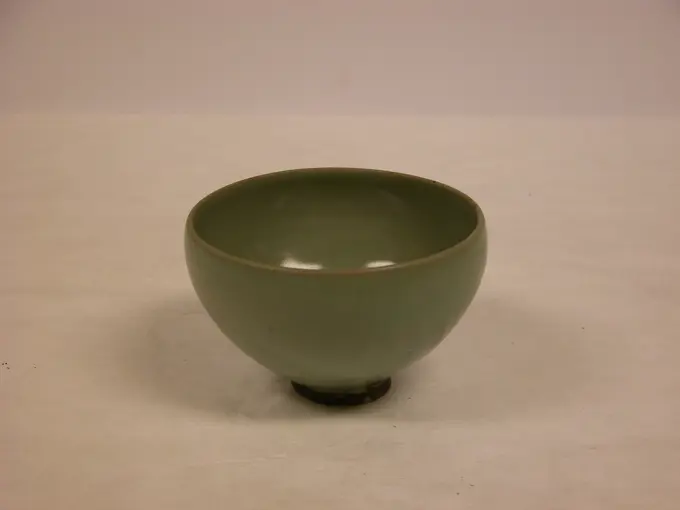
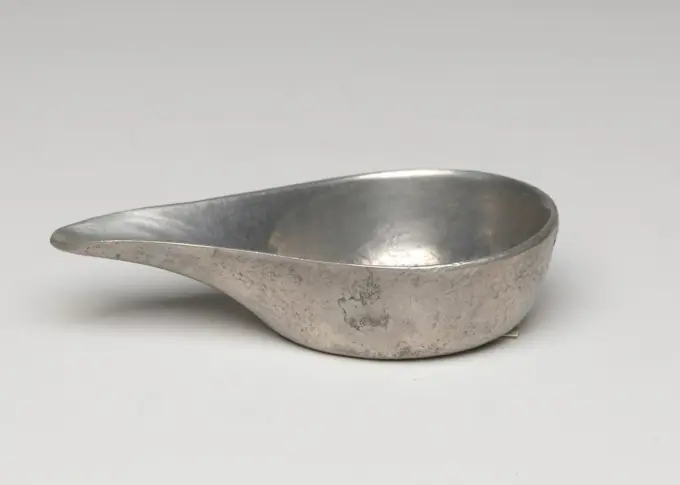
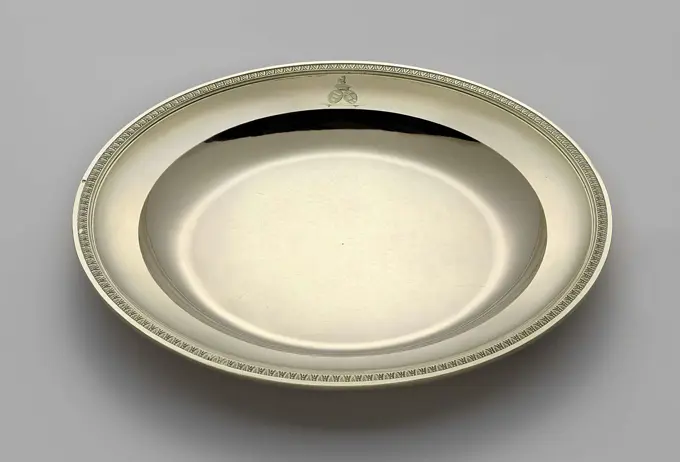
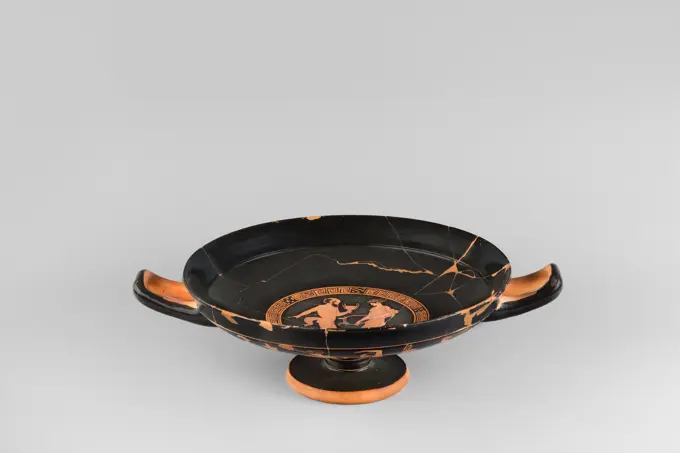
Traditional Chinese Bowls

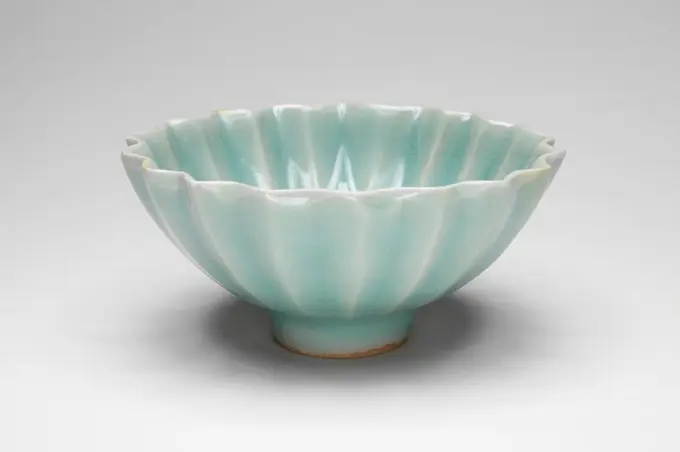
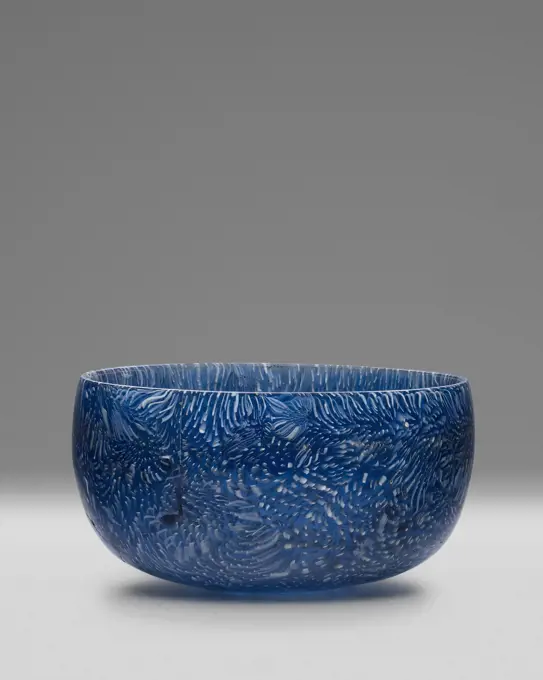
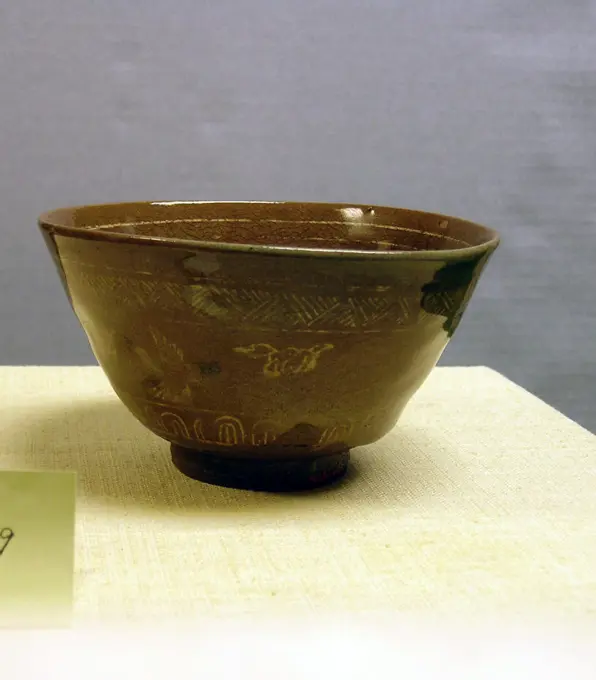
Elegant bowls from China with distinctive glazes and forms, showcasing traditional craftsmanship and historical significance dating back to the Song Dynasty.

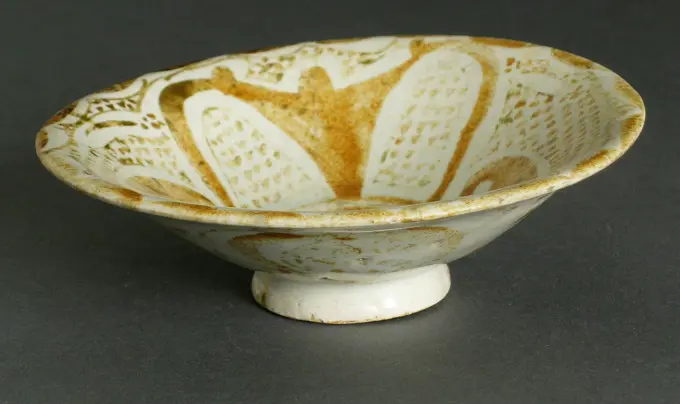
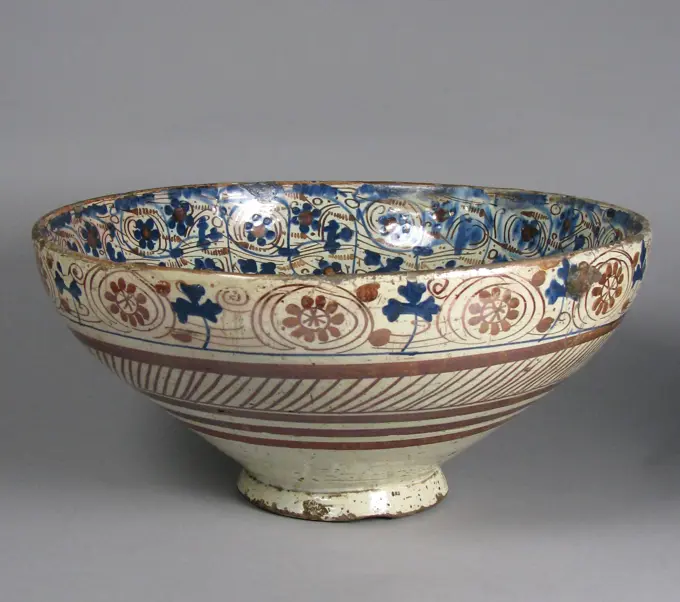
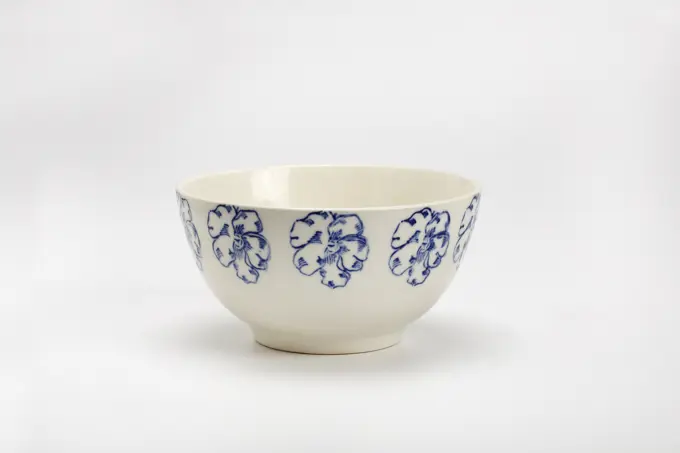
Bowl with stylized flowers and scrolls, anonymous, c. 1275 - c. 1324 Come from quartz fritry, decorated with sludge and colors under transparent alarm laze. On the bottom a stylized flower and on the inner edge the same kind of flour four times, separated by tendrils and curl. Iran earthenware. glaze. cobalt (mineral) painting / vitrification Come from quartz fritry, decorated with sludge and colors under transparent alarm laze. On the bottom a stylized flower and on the inner edge the same kind of flour four times, separated by tendrils and curl. Iran earthenware. glaze. cobalt (mineral) painting / vitrification
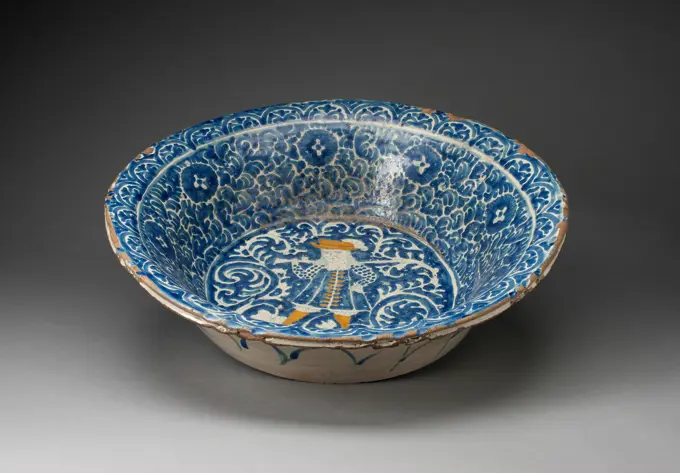
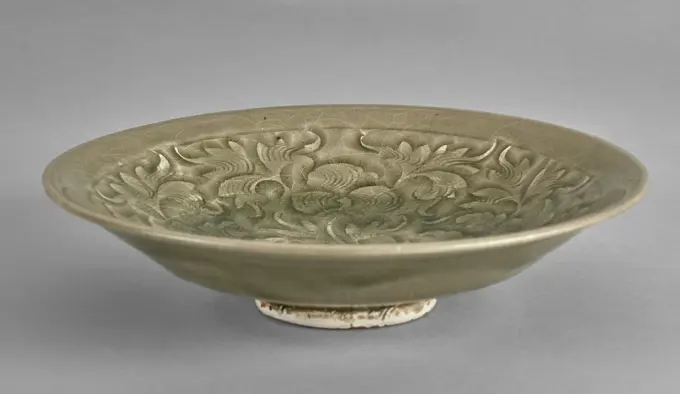
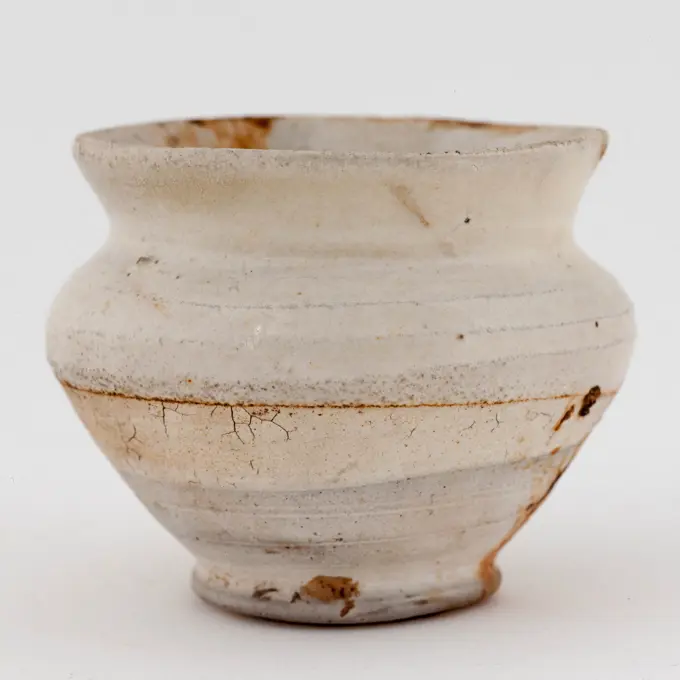
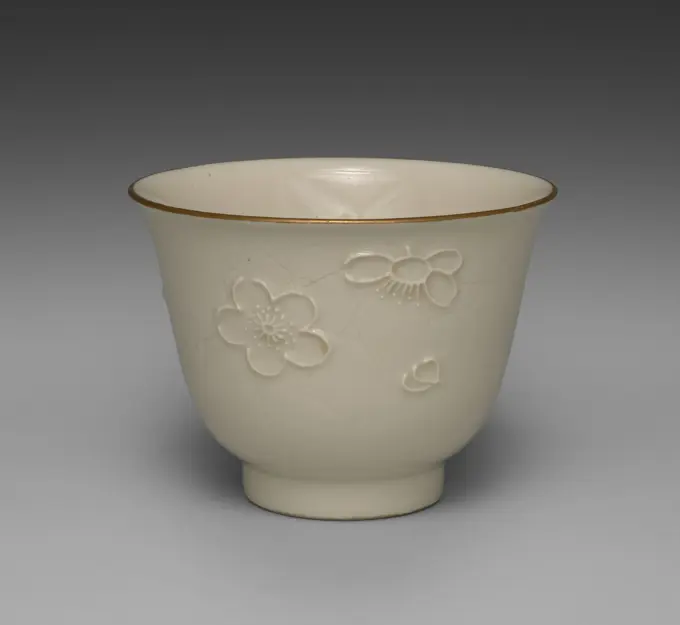
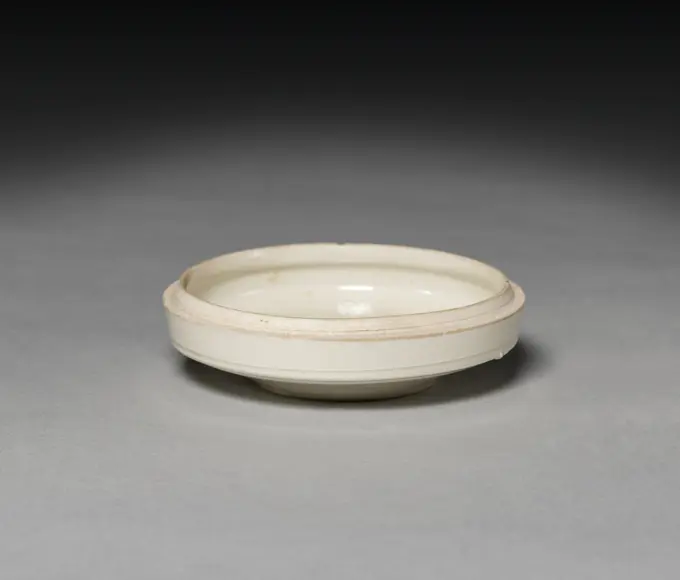
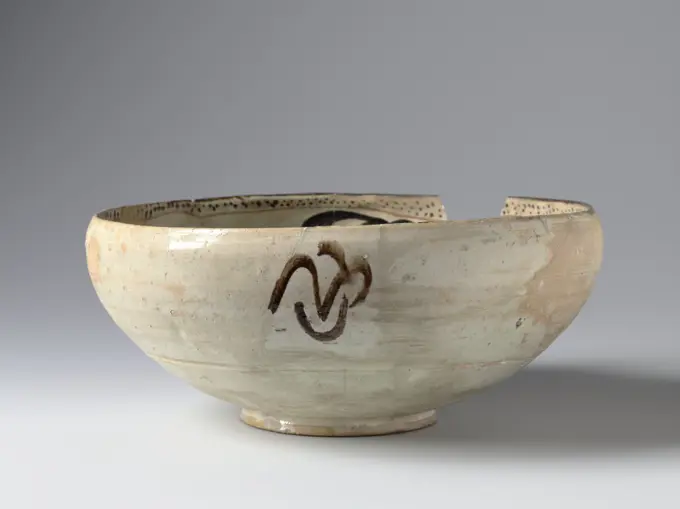
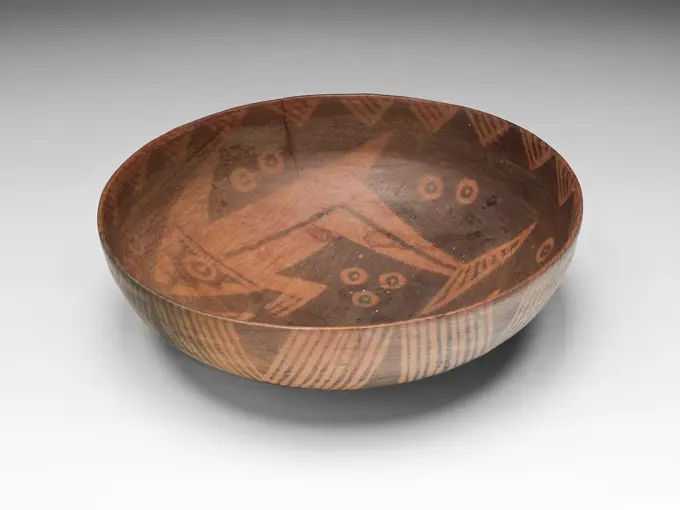
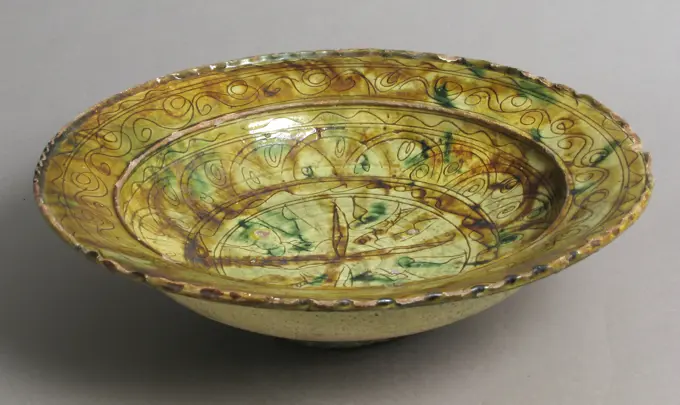
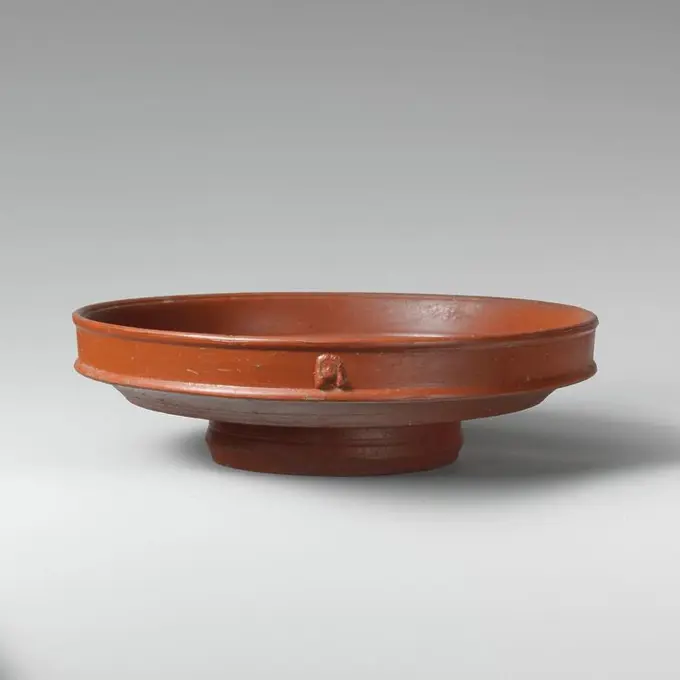
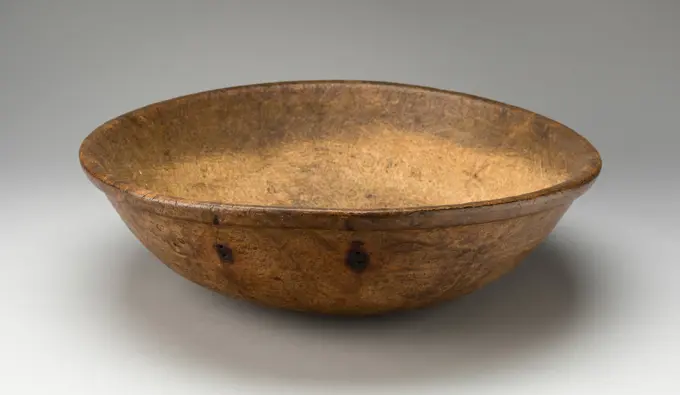
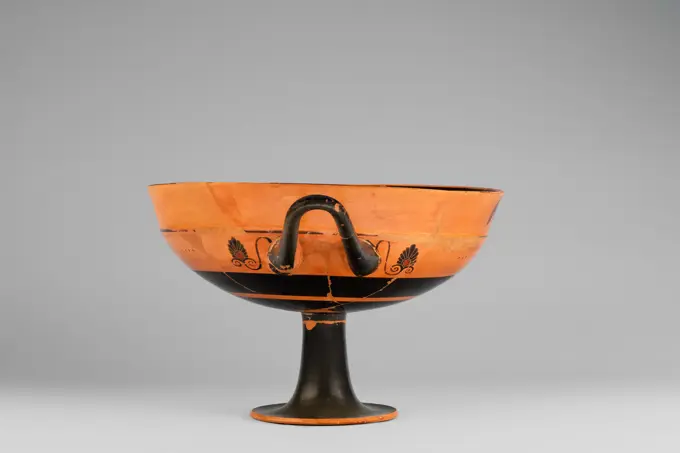
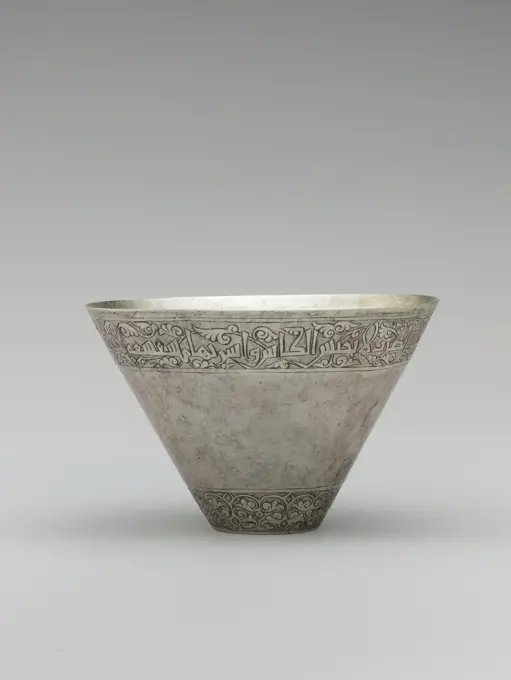
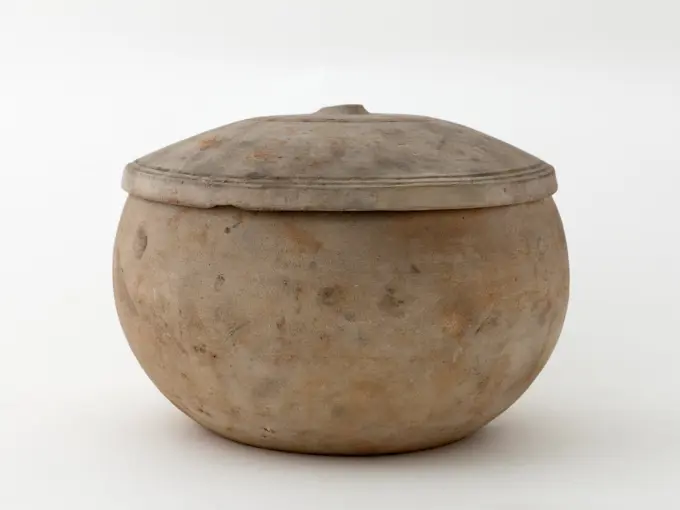
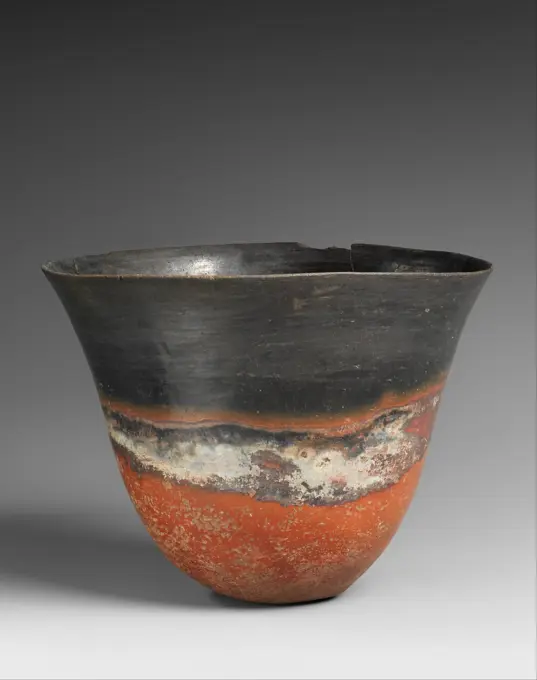
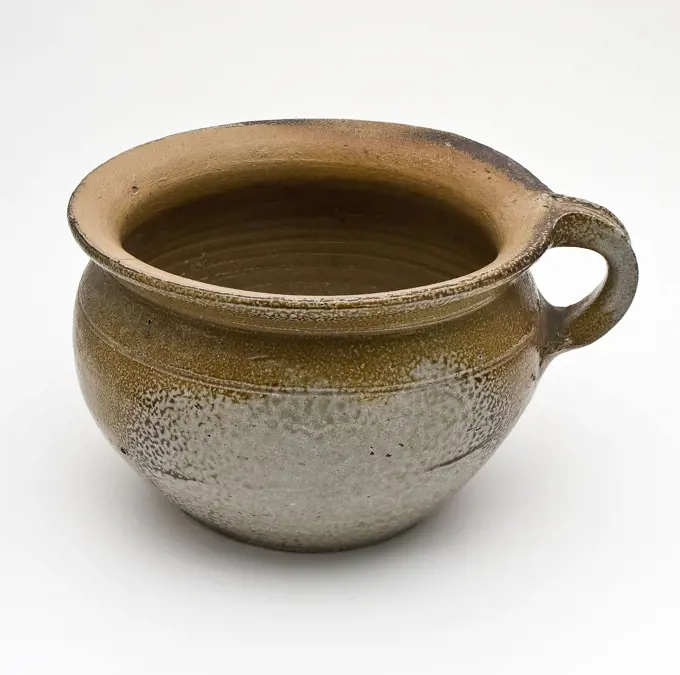
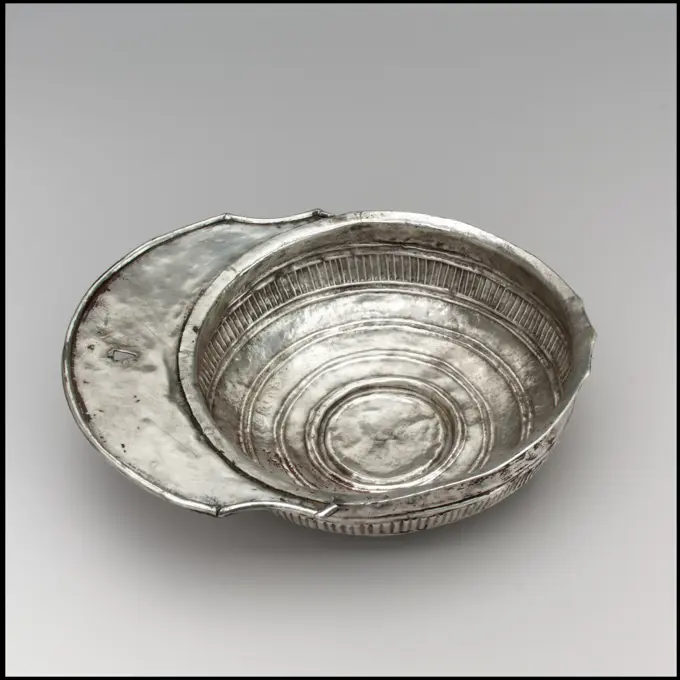
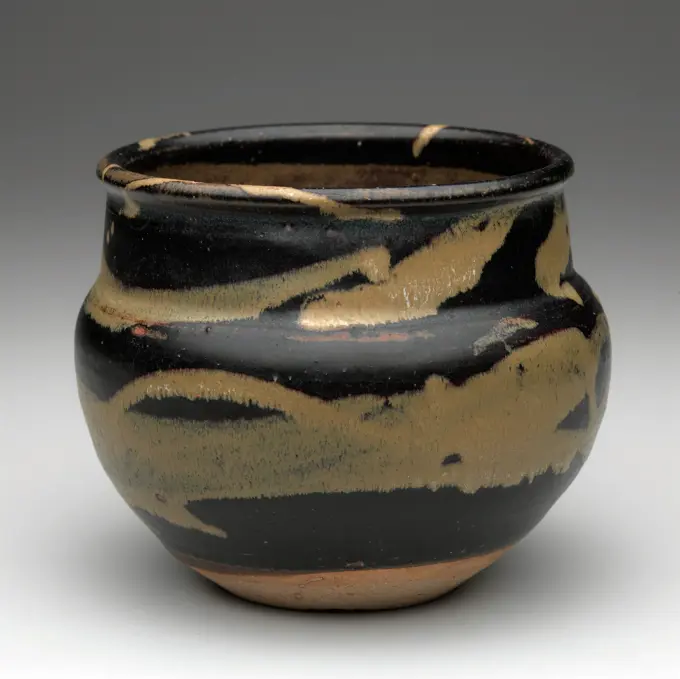
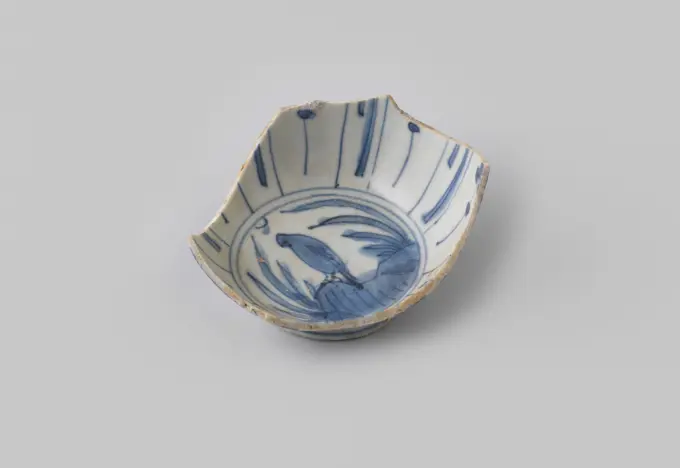
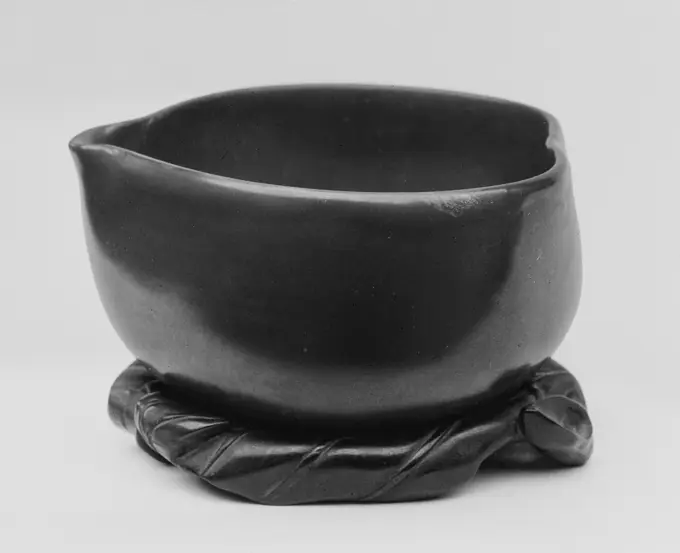
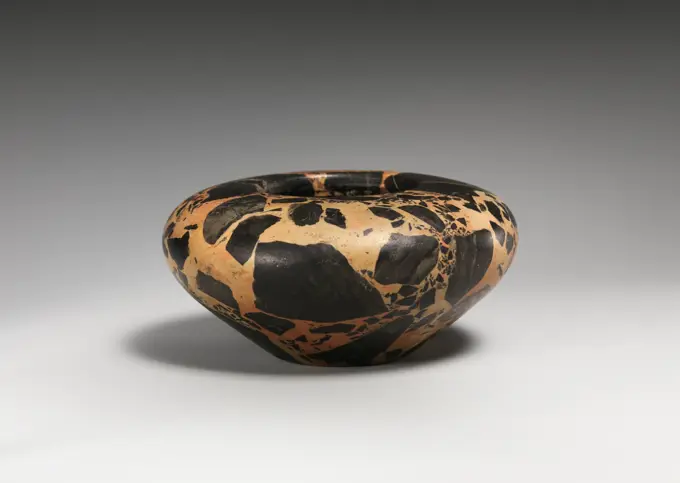
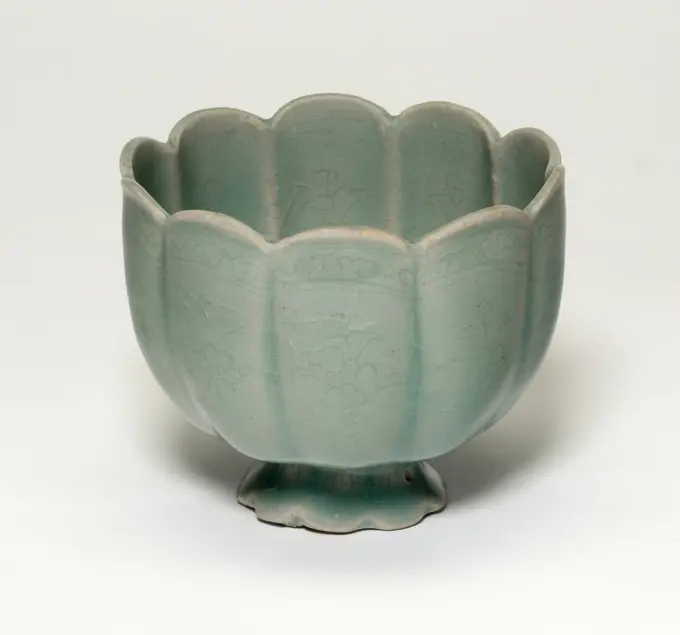
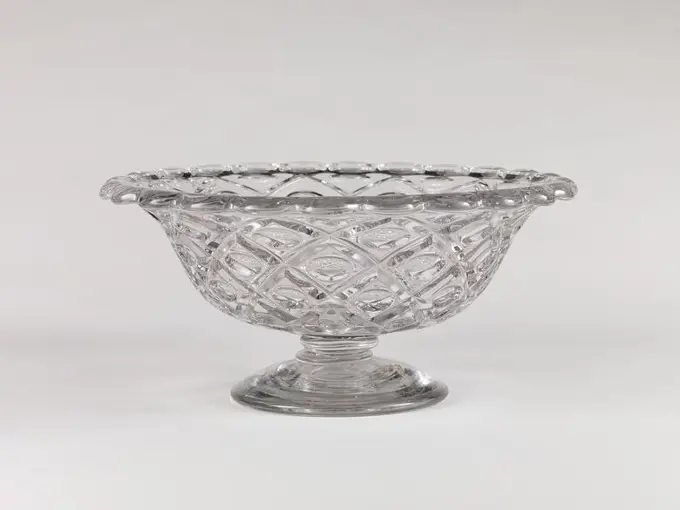
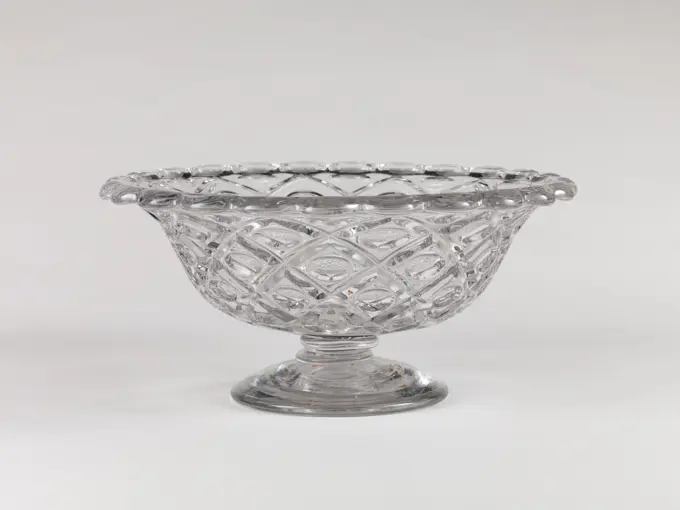
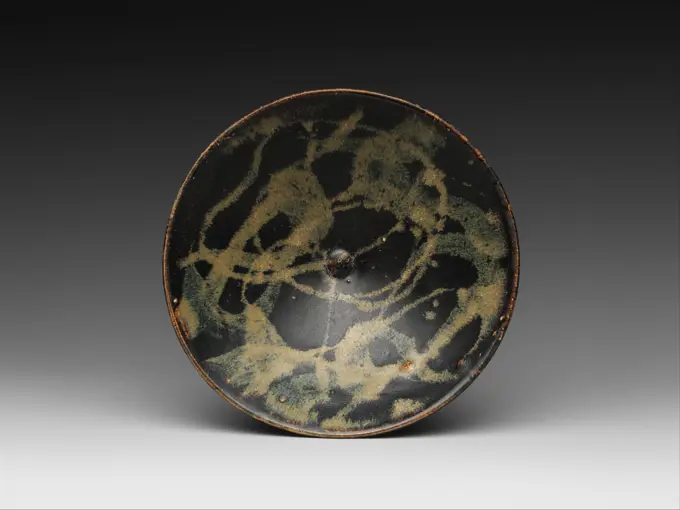
Terracotta stemless kylix (drinking cup) ca. 500-475 B.C. Greek, Attic Reddish clay with a black band around the rim.. Terracotta stemless kylix (drinking cup) 240958. Dish of quartz frying goods, painted in underglaze blue, red, green and black. On the flat a stylized flowering plant. The border with curlwork. Iznik.Basin 1650-1750 Puebla. Tin-glazed earthenware . Talavera Poblana (Potter)Bowl with an incised lozenge decoration, anonymous, anonymous, , c. 1100 - c. 1149 Come from stoneware with a spherical body, partially covered with a white sludge. The lines in the glaze have a somewhat red color. On the outer wall a wide tire with an entry decoration with lines and shaded diamond shapes. Five prenes on the bottom. The underside and the foot ring are unglazed. Cizhou. Kuan-t'ai kilns stoneware. glaze engraving / vitrification Come from stoneware with a spherical body, partially covered with a white sludge. The lines in the glaze have a somewhat red color. On the outer wall a wide tire with an entry decoration with lines and shaded diamond shapes. Five prenes on the bottom. The underside and the foot ring are unglazed. Cizhou. Kuan-t'ai kilns stoneware. glaze engraving / vitrificationShallow BowlKyiixMarbled Bowl. Come from marbled stoneware in brown and cream. Cizhou ?.Handmade coffee dripper ceramic on  textile background.. Handmade coffee dripper ceramicBowl. Cyprus, Byzantine, circa 14th-15th century. Furnishings; Serviceware. CeramicDish (usual name). Celadon coverage sandstone. Cernuschi Museum, Asia Museum of Asia in the city of Paris.Bol ". Ceramics. China, Dynasty of Song. Paris, Cernuschi Museum. 72685-51 Chinese art, bowl, ceramic, song dynasty, decorative motifBowl - Portneuf potteryJar ". Terracotta, white slip under transparent cover. China, Song Dynasty (960-1279) / Yuan (1279-1368). Paris, Cernuschi museum. Chinese art, Chinese ceramic, container, Song dynasty, Yuan dynasty, Song time, Yuan time, oval form, jar, container, terracottaJar(Guan)Drinking Cup from Dining Set with Plum Blossoms and Cracked-Ice, c. 1875-78. Seifū Yohei II (Japanese, 1844-1878). Porcelain with molded designs; overall: 6.7 x 9.3 cm (2 5/8 x 3 11/16 in.).Covered Box, 1100s. China, Hebei province, Quyang, Northern Song dynasty (960-1127) to Jin dynasty (1115-1234). Cream-glazed porcelain with incised decoration, Ding ware; diameter: 10.6 cm (4 3/16 in.).Kylix. UnknownBowl with floral scrolls, anonymous, c. 900 - c. 999 Come of earthenware decorated with black and red -brown sludge on Engobe from white sludge. With greenish transparent lead glaze. A medallion with flower vines on the bottom. Different decorative tires on the inner wall. Samarkand earthenware. glaze painting / vitrification Come of earthenware decorated with black and red -brown sludge on Engobe from white sludge. With greenish transparent lead glaze. A medallion with flower vines on the bottom. Different decorative tires on the inner wall. Samarkand earthenware. glaze painting / vitrificationBowl with Fish Motif 650 BCE-100 BCE Ocucaje. Ceramic with negative resist painting . ParacasVessel with Hummingbird Rattle. Mexico, Oaxaca, Zaachila, Zapotec, 1300-1500. Ceramics. Slip-painted ceramic with postfire application of Maya blue pigmentTricolor Bowl 14th century Byzantine The decorative patterns freely drawn on sgraffito-ware of the later Byzantine period appear to derive from more formal compositions found on metalwork.. Tricolor Bowl 467592Come of orange glass is blown with bulges in a basket of wrought iron, Daum Frères, c. 1920 Flat bottom. Low foot. The bowl -shaped body of orange glass is blown with bulges in a wrought iron basket. Curved edge, sharpened at the top. With the orange glass mass, pieces of gold leaf are blew in some places. On the soil the signature L. Majorelle, Daum, Nancy, France and the Leharingse Cross. Nancy glass. wrought iron (iron alloy). gold leaf glassblowing / forging Flat bottom. Low foot. The bowl -shaped body of orange glass is blown with bulges in a wrought iron basket. Curved edge, sharpened at the top. With the orange glass mass, pieces of gold leaf are blew in some places. On the soil the signature L. Majorelle, Daum, Nancy, France and the Leharingse Cross. Nancy glass. wrought iron (iron alloy). gold leaf glassblowing / forgingBowl. Iraq, 10th century. Ceramics. Earthenware, overglaze luster-paintedSeitenansicht einer einzelnen leeren braunen Keramikschal Side view of single empty brown ceramic bowl isolated on white background with clipping path. Copyright: xZoonar.com/VeeravongxxKomalamenax 22323754Kylix (Ancient Greece - Etruria); glazed terra-cottaPlate, 15th century, 2 5/16 x 9 3/8 x 9 3/8 in. (5.87 x 23.81 x 23.81 cm), Kalong ware Stoneware with underglaze brown decor, Thailand, 15th centuryFluted Bowl. China. Date: 1127-1279. Dimensions: H. 4.8 cm (1 15/16 in.); diam. 10.6 cm (4 3/16 in.). Longquan ware; stoneware with underglaze molded decoration. Origin: China. Museum: The Chicago Art Institute, Chicago, USA.Cup with an erased lounger. Orange terracotta, brown covered. China, Han dynasty (206 BC-220 AD). Paris, Cernuschi museum. Chinese art, Chinese ceramic, cut, han dynasty, han epoque, pucker, terracottaLazio Viterbo Viterbo Museo Civico99. Hutzel, Max 1960-1990 Views of paintings (Middle Ages through 18th c.), frescoes, a tabernacle, coffin, sculpture reliefs, portal fragments, busts, sculpture, tapestry found in the Pinacoteca, Second floor gallery and Second floor cloister sequences. Antiquities: Many views of Etruscan and Roman fragments, sculpture, sarcophagi, pottery, masks, jewelry and other objects found in the Storeroom sequence (inventory numbers on back of prints), and the Cloister, Second floor Cloister, Valle Giulia, Sala Romana and Sala Etrusca sequences. General Notes: There are eight separate numerical sequences for this location. The cloister as an architectural structure, rather than museum site, is documented in the record and file for S. Maria della Verita, Cloister, all views of which are stored in Medieval core collection. Five views from the Museo Civico Second floor cloister sequence are stored in Medieval. German-born photographer and scholar Max Hutzel (1911-Bowl 1440-1460 Spanish. Bowl. Spanish. 1440-1460. Tin-glazed earthenware. Made in probably Manises, Valencia, Spain. CeramicsBowl - Portneuf potteryTerracotta plate. Culture: Roman. Dimensions: H. 1 15/16 in. (4.9 cm); diameter 6 3/4 in. (17.2 cm). Date: ca. A.D. 60-150.At the center of the dish, a foot-shaped stamp reads: Sex(tus) M(urrius) F(estus). His workshop was active in Pisa in Northwestern Italy. Museum: Metropolitan Museum of Art, New York, USA.Bowl c 1810-1840 United States. Wood . Artist unknownBowl - Portneuf potteryIncised bowl with fox motif 5th-3rd century B.C. Paracas. Incised bowl with fox motif 308325Dough bowl, 6 × 14 7/8 × 14 7/8 in. (15.24 × 37.78 × 37.78 cm), Ceramic, pigments, United StatesFragmentary terracotta bowl 1st century A.D. Roman Inscribed; red gloss sigillata.. Fragmentary terracotta bowl 250504 Roman, Fragmentary terracotta bowl, 1st century A.D., Terracotta, Overall: 2 1/4 x 4 1/16 in. (5.7 x 10.3 cm). The Metropolitan Museum of Art, New York. Gift of J. Pierpont Morgan, 1917 (17.194.2370)Globular Jar 700 CE-750 CE China. Earthenware with amber glaze .Glass jar mid-1st-2nd century A.D. Roman Colorless with a pale blue green tinge.Horizontal rim, with rounded tubular edge, folded out, down, in, and down again, forming collar around neck; ovoid body; slightly concave bottom.Intact; many bubbles and blowing striations; some limy encrustation and thick, creamy brown weathering under rim and on interior, deep pitting and iridescent weathering on exterior.. Glass jar 245168Kyliks (naczynie do picia wina) czarnofigurowy z łabędziem. Tlezon, syn Nearchosa (czynny 555-535 p.n.e.), author, warsztat attycki, workshopBowl China. Bowl. China. Porcelain (Ding ware). Song dynasty (960-1279). CeramicsCup. Qingbai covered porcelain. Paris, Cernuschi museum. 78846-3 Asian art, old ceramic, cut, cup, covered, email, porcelain, container, terracotta emailleeTerracotta garden pot.Dish of pottery decorated with geometric ornaments. Round dish of blue and purple painted majolica, decorated with a flower-shaped ornament and along the edge. Concentric circles. Dug up in London. The dish has been restored.Cup with a Poem on Wine second half 10th-11th century Ibn Sukkara al-Hashimi The decoration of this cup, with a calligraphic band at its rim and a vegetal scroll at its base, is rather austere in appearance, but the inscription, a verse in Arabic, celebrates the pleasures of drinking. The cup compares closely with items in a hoard of silver found in northwest Iran that has been associated with Buyid patronage.. Cup with a Poem on Wine. second half 10th-11th century. Silver; fire-gilded, hammered, chased. Attributed to Iran. Metal. Bowl of porcelain bowl, painted in underglaze blue. On the bottom a frog on a rock between flowering plants in a river landscape. The wall with four scalloped compartments with a flower branch, valuables (artemisia leaf), peach roof or a mushroom (Lingzhi) separated by Ruyi motifs. The inner edge with a peony rank. The outer wall is divided into wide and narrow courses. The wide compartments with a scallop cartouche with peach branches, the narrow compartments with a mushroom. Two prunus branches on the outer edge. Cracking porcelain in blue and white.Cup, c. 1915-40. Seifū Yohei IV (Japanese, 1872-1951). Porcelain; overall: 6.5 x 9 cm (2 9/16 x 3 9/16 in.).Globular vase and its lid ". Terracotta. Vietnam-Xe-Xive s. Paris, Cernuschi museum. 72185-38 Lid, Vietnamese object, terracotta, globular vaseClassic Kerma Beaker ca. 1802-1640 B.C. Middle Kingdom The bell-shaped Kerma beaker is a hallmark of the Classical Kerma civilization. Found stacked together in tombs in groups of as many as seven, the Kerma beaker is the most common form of classic Kerma ware. The outgrowth of a long Nilotic tradition of black-topped red polished ware, these delicate, thin-walled vessels mark a zenith in ceramic technology. Their production required a highly controlled kiln temperature and atmosphere. Formed by hand, each pot was covered with red ocher and polished before firing. To achieve the black top and interior, the vessels were inverted in a combustible material to create a reducing atmosphere during firing. The irregular opalescent band between the black and red surfaces seems to be a glazelike material that was painted on before firing. These graceful, finely modeled cups, with their highly polished surface and opalescent ring, are among the greatest works of ceramic art.This beaker was foundTerracotta dish with barbotine decoration. Culture: Roman. Dimensions: 4 3/8in. (11.2cm)Other: 9 3/16in. (23.4cm). Date: late 2nd century A.D..Red-glazed bowl with leaf and bird pattern in barbotine; terra sigillata. Museum: Metropolitan Museum of Art, New York, USA.Bowl, spherical vessel, basket;  around 2345-2323 BC ; Old Pa 6 Dynasty (-2345-00-00--2323-00-00), approx. 2494-2345 BC ; Old PAIzi, private name, collection of ancient Egypt, Polish-French excavations in Edfu (Egypt)Globular pot latral opening ". GRS white covered transparent. Paris, Muse Cernuschi. Latral opening globular jar Vietnamese art, Vietnamese collection, transparent coverage, white GRES, globular pot, Archeological vestigeBowl; Painting attributed to Ignaz Preissler (German, 1676 - 1741); Kangxi, China; porcelain about 1700; painted decoration about 1715 - 1720; Hard-paste porcelain, underglaze blue, black enamel decoration, and gilding; 7.3 x 14.9 cm (2 7,8 x 5 7,8 in.)Bowl; Workshop in the Eastern Mediterranean, Italy; 1st century B.C; Glass; 5.2 x 10.2 cm (2 1,16 x 4 in.)Sugar Bowl, c. 1770. Thomas Lynde (American, 1748-1811). Silver; overall: 14.3 x 11.7 cm (5 5/8 x 4 5/8 in.).. Come from quartz fritgoed decorated with polychrome luster on an oprake white tin-lead alkalilation. The outer wall is bored in scalloped compartments with a seated lady in each. Between the squares. The inside with a stylized flower.Bowl with Dragons, Peony Scrolls, and Band of Lingzhi Mushrooms 1522-1566 China. Porcelain painted in underglaze blue with design in reserve .Teabowl Japan ca. 1780Cup and saucer of hard-baked pottery, creamware .. cup and saucer of hard-baked pottery, from a children's service. Cup and saucer both have a green radiant edge. Hearing the cup and saucer at three cups and saucers (BK-NM-11012-A to BK-NM-11012-D. At the head and saucers a tea can with Invnr. BK-NM-11013.Stoneware chamber pot, belly model with wide band ear, on stand, pot holder sanitary soil found ceramic stoneware clay engobe glaze salt glaze, hand turned glazed baked stoneware room pot gray shard outside covered with salt glaze partly brown brindled brown engobe on the inside stand with traces of archeology indigenous pottery import drains hygiene sleeping nightSilver Drinking Bowl with Handle 700s Avar The AvarsThe Avars were a nomadic tribe of mounted warriors from the Eurasian steppe. The Byzantine emperor Justinian negotiated with them in the sixth century to protect the Empires northern border along the Black Sea. Emboldened by their subjugation of numerous tribes, they unsuccessfully attempted to seize the Empires capital, Constantinople. They remained a scourge of both Byzantium and the Western kingdoms until Charlemagne defeated them through a series of campaigns in the 790s and early 800s.All the money and treasure that the Avars had been years amassing was seized, and no war in which the Franks have ever engaged.. brought them such riches and such booty. Up to that time the Avars had passed for a poor people, but so much gold and silver was found.. that one may well think that the Franks took justly from the Avars what the Avars had formerly taken unjustly from other nations.— Einhard (ca. 770-840), biographer of the Frankish ruleBowl 13th-14th century China. Bowl. China. 13th-14th century. Stoneware with black glaze. Yuan dynasty (1271-1368). CeramicsLazio Viterbo Viterbo Museo Civico55. Hutzel, Max 1960-1990 Views of paintings (Middle Ages through 18th c.), frescoes, a tabernacle, coffin, sculpture reliefs, portal fragments, busts, sculpture, tapestry found in the Pinacoteca, Second floor gallery and Second floor cloister sequences. Antiquities: Many views of Etruscan and Roman fragments, sculpture, sarcophagi, pottery, masks, jewelry and other objects found in the Storeroom sequence (inventory numbers on back of prints), and the Cloister, Second floor Cloister, Valle Giulia, Sala Romana and Sala Etrusca sequences. General Notes: There are eight separate numerical sequences for this location. The cloister as an architectural structure, rather than museum site, is documented in the record and file for S. Maria della Verita, Cloister, all views of which are stored in Medieval core collection. Five views from the Museo Civico Second floor cloister sequence are stored in Medieval. German-born photographer and scholar Max Hutzel (1911-Bowl -Dish ca. 1870 Venezia-Murano Company Italian. Dish. Italian, Venice (Murano). ca. 1870. Glass. GlassSmall Wide Mouthed Jar, 12th-13th century, 4-3/8 x 5-5/16 x 5-5/16 in. (11.1 x 13.5 x 13.5 cm), Chi-chou ware Stoneware with dark-brown glaze with buff markings, China, 12th-13th century, This type of rounded container with high set shoulders, short neck, and rolled lip is gernerally referred to as a guan. The dark-brown glaze covers most of the exterior of the jar and the interior of the lip. A beautifully, abstract pattern of long, energetically brushed lines enlivens the exterior surface. These brush strokes appear buff where opaque and medium-brown where transparent. The method used to create this glaze effects remain uncertain. A resist material may have been used or a paste composed of wood ash, water, and slip was brushed on the raw surface to create the abstract design before dipping in the brown glaze. This jar is from the Qizhou kilns at Yonghe, Qian, Jiangxi province.Bowl with Cover China. Bowl with Cover 46187Glass Palm Cup 7th-8th century Frankish This type of cup is known as a palm cup because of the rounded base that made it suitable for holding in the palm of the handand that prevented it from being set down until empty.. Glass Palm Cup 465751 Frankish, Glass Palm Cup, 7th?8th century, Glass, Overall: 2 3/4 x 3 15/16 in. (7 x 10 cm). The Metropolitan Museum of Art, New York. Gift of J. Pierpont Morgan, 1917 (17.193.407)Fragment Kraaikop from V.O.C. ship De 'Witte Leeuw', Anonymous, Before 1613 bowl Fragment Kraaikop from V.O.C. ship the 'Witte Leeuw'. Jingdezhen bone china (material)   Sint-HelenaBowl, one of a pair, 9th century, 1 5/8 x 5 7/16 in. (4.1 x 13.81 cm), Yue ware Stoneware with celadon glaze, China, 9th centuryTea bowl - Commodore MacDonough's Victory, War of 1812 D'après Enoch Wood & Sons, 1818-1845Bowl in Shape of a Persimmon 19th century () Japan. Bowl in Shape of a Persimmon. Japan. 19th century (). Porcelain covered with glaze. CeramicsBreccia bird's-nest bowl ca. 1800-1700 B.C. Minoan Bowl with a rounded shoulder and small mouth, not unlike a bird's nest.. Breccia bird's-nest bowl 252353 Minoan, Breccia bird's-nest bowl, ca. 18001700 B.C., Marble, Breccia, H. 1 3/4 in. (4.4 cm). The Metropolitan Museum of Art, New York. Bequest of Richard B. Seager, 1926 (26.31.431)Rinse bowl with marbled decor, N.V. Plateelbakkerij Ram, c. 1925 - c. 1930 Rinse bowl of earthenware, with a green, yellow and gray -marbled decor. Luxor pottery. Arnhem earthenware marbled paper Rinse bowl of earthenware, with a green, yellow and gray -marbled decor. Luxor pottery. Arnhem earthenware marbled paperGoblet on a high foot;  19th century (1801-00-00-1900-00-00);Georges Despret (1862-1952). Cutting on foot. Glass, glass paste. XIXth-XXth century. Museum of Fine Arts of the City of Paris, Petit Palais. 19th XIXth XIX 19th 19th 19th century, XXth XXth XX 20th 20th 20th centuryBowl 1820-40 American. Bowl. American. 1820-40. Blown glass. Probably made in United StatesPlatter. Culture: British, London. Dimensions: Diameter: 15 in. (38.1 cm). Maker: Thomas Fasson (British, died 1844); Samuel Ellis (British, active 1725-48, died 1773). Date: 18th century. Museum: Metropolitan Museum of Art, New York, USA.Sauce Dish. Culture: American. Dimensions: Diam. 4 1/2 in. (11.4 cm). Maker: Challinor, Taylor and Company (1866-1891). Date: 1870-90. Museum: Metropolitan Museum of Art, New York, USA.Lobed Cup 1135-1165 Korea. Celadon-glazed stoneware with underglaze incised decoration .Circular dish cover, Jean Baptiste Claude Odiot, c. 1819 Round Empire lid of gilded silver. With a high dome -shaped lid and decorated with 2 imposed, openwork tires of grape vines. A fruit as a button. Engraved with the weapon of Potemkin. Paris silver (metal). gilding (material) gilding Round Empire lid of gilded silver. With a high dome -shaped lid and decorated with 2 imposed, openwork tires of grape vines. A fruit as a button. Engraved with the weapon of Potemkin. Paris silver (metal). gilding (material) gildingFooted bowl. Culture: American. Dimensions: H. 4 1/2 in. (11.4 cm); Diam. 9 7/16 in. (24 cm). Date: 1850-70.With the development of new formulas and techniques, glass-pressing technology had improved markedly by the late 1840s. By this time, pressed tablewares were being produced in large matching sets and innumerable forms. During the mid-1850s, colorless glass and simple geometric patterns dominated. Catering to the demand for moderately-priced dining wares, the glass industry in the United States expanded widely, and numerous factories supplied less expensive pressed glassware to the growing market. At the Exhibition of the Industry of All Nations at New York's Crystal Palace in 1853, for example, the New England Glass Company exhibited 130 pieces of one design, "consisting of bowls, tumblers, champagnes, wines, and jelly glasses." This object belongs to one such service. Although the glass manufactory is not known, the glassware is very typical of the large services that were veryBowl China. Bowl 39562Pap boat, one of a pair, 18th-19th century, 1 x 4 9/16 x 2 5/8 in. (2.54 x 11.59 x 6.67 cm), Pewter, England, 18th-19th century. Round empire lid of gold-plated silver. With a high dome-shaped lid and decorated with 2 imposed, openwork tires of grape vines. A fruit as a button. Engraved with the weapon of Potemkin.Container with lidCup in the Form of an Open Lotus Leaf, with Water Weeds and Grasses Amongst Lotus Buds and Stalks Made 1600-1799 China. Rhinoceros horn .Kyliks czerwonofigurowy z przedstawieniem tańczących menad i satyrów. Malarz Eretrii (ok. 440-410 p.n.e.), authorFragment dish from v.o.c.-ship De 'Witte Leeuw', Before 1613  Fragment dish from v.o.c. ship De 'Witte Leeuw', 80 present. Jingdezhen porcelain   Sint-HelenaBowlTerracotta dish. Culture: Greek, South Italian, Campanian, Teano. Dimensions: Other: 2 3/4 x 10 1/8 in. (7 x 25.7 cm). Date: ca. 330-300 B.C..Shallow dish with ring base decorated with ivy vine and stamped pattern; leaves and dots in added white. Museum: Metropolitan Museum of Art, New York, USA.Plate. Culture: British, London. Dimensions: Diameter: 9 3/4 in. (24.8 cm). Maker: Thomas Giffin (working 1760-77). Date: third quarter 18th century. Museum: Metropolitan Museum of Art, New York, USA.Plate. English for the American market; Staffordshire, England. Date: 1820-1830. Dimensions: Diam. 16.5 cm (6 1/2 in.). Earthenware. Origin: Staffordshire. Museum: The Chicago Art Institute, Chicago, USA. Author: Staffordshire Potteries.Bowl Korea mid-12th centuryCup. Porcelain sandstone with blue decoration under cover. Provenance: Vietnam. Paris, Cernuschi museum. 79873-4 Cup, archeological object, dishesGeorges Despret (1862-1952). Cup. Glass, glass paste. XIXth-XXth century. Museum of Fine Arts of the City of Paris, Petit Palais. 19th XIXth XIX 19th 19th 19th century, XXth XXth XX 20th 20th 20th centuryPlate with Dionysos Riding aDonkeyTerracotta saucer-shaped lamp. Culture: Cypriot. Dimensions: Overall: 1 5/8 x 5 5/8 in. (4.1 x 14.3 cm). Date: 4th century B.C.. Museum: Metropolitan Museum of Art, New York, USA.Footed bowl 1850-70 American With the development of new formulas and techniques, glass-pressing technology had improved markedly by the late 1840s. By this time, pressed tablewares were being produced in large matching sets and innumerable forms. During the mid-1850s, colorless glass and simple geometric patterns dominated. Catering to the demand for moderately-priced dining wares, the glass industry in the United States expanded widely, and numerous factories supplied less expensive pressed glassware to the growing market. At the Exhibition of the Industry of All Nations at New Yorks Crystal Palace in 1853, for example, the New England Glass Company exhibited 130 pieces of one design, "consisting of bowls, tumblers, champagnes, wines, and jelly glasses." This object belongs to one such service. Although the glass manufactory is not known, the glassware is very typical of the large services that were very popular with Americas middle class in the nineteenth century.. Footed bowl 72Tea Bowl with Splashed Decoration 12th-13th century China The tea bowl, which is conical in shape, has rounded, slightly flaring sides. It is covered with a dark brown glaze and further decorated with a loose abstract design of splashes and swirled ivory semi-translucent slip. The small foot ring is wedge-shaped and is unglazed as is the countersunk base. There are no inscriptions or marks on the bowl.. Tea Bowl with Splashed Decoration. China. 12th-13th century. Stoneware with brown glaze and slip decoration. Southern Song dynasty (1127-1279). Ceramics