Traditional Chinese Bowls

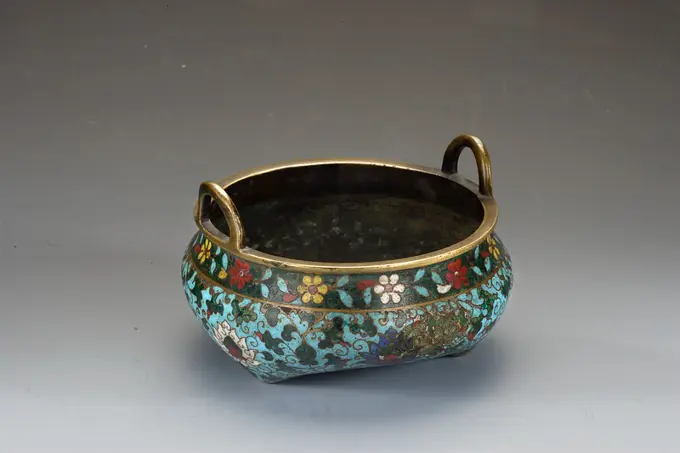
A collection of ancient Chinese bowls featuring intricate glaze patterns, various shapes, and colors, reflecting historical craftsmanship and artistry.
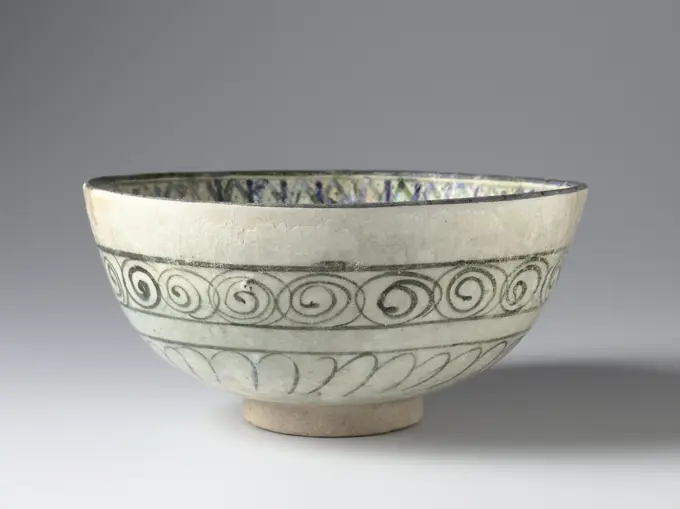
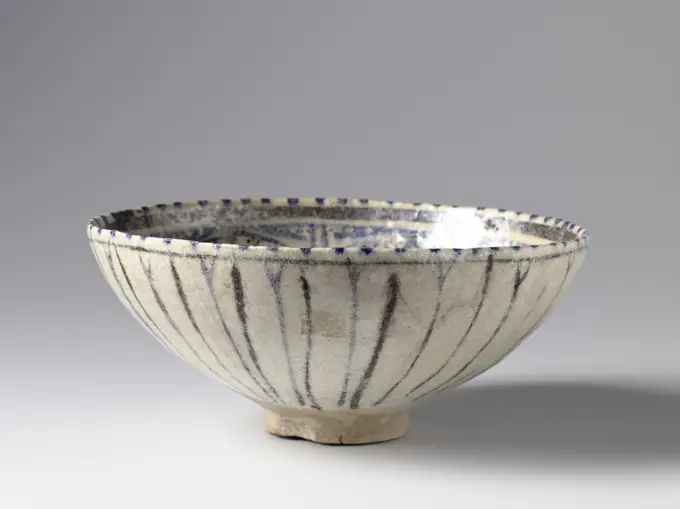
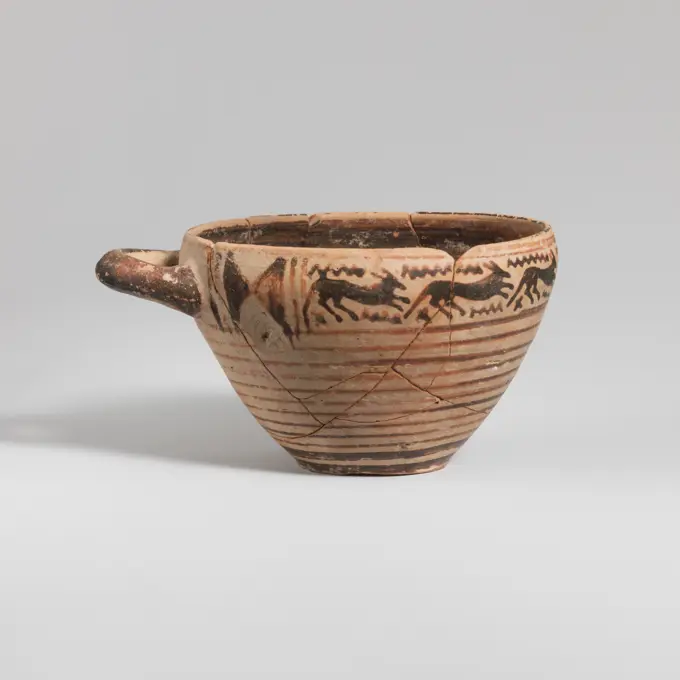
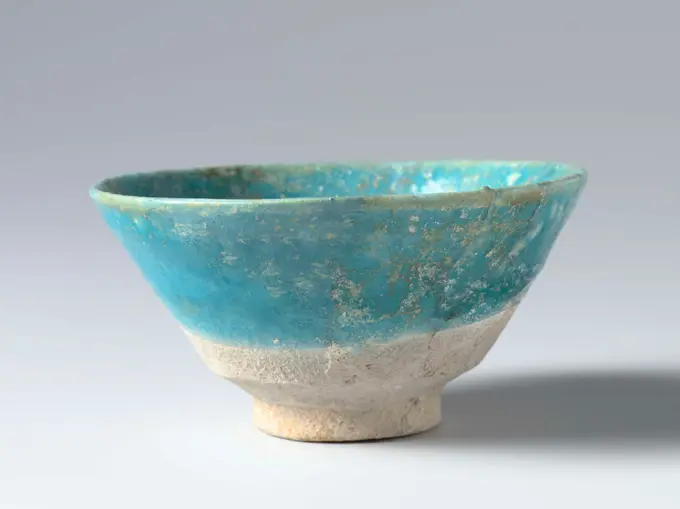
Bowl with a star in a roundel, anonymous, c. 1200 - c. 1399 Come from quartz fritry, with blue, green and black under the transparent alarm laze. A star in a rosette on the bottom. The inner edge with a band with geometric motifs. On the outer wall a band with curl work and one with leaf motifs underneath. Iran earthenware. glaze painting / vitrification Come from quartz fritry, with blue, green and black under the transparent alarm laze. A star in a rosette on the bottom. The inner edge with a band with geometric motifs. On the outer wall a band with curl work and one with leaf motifs underneath. Iran earthenware. glaze painting / vitrification
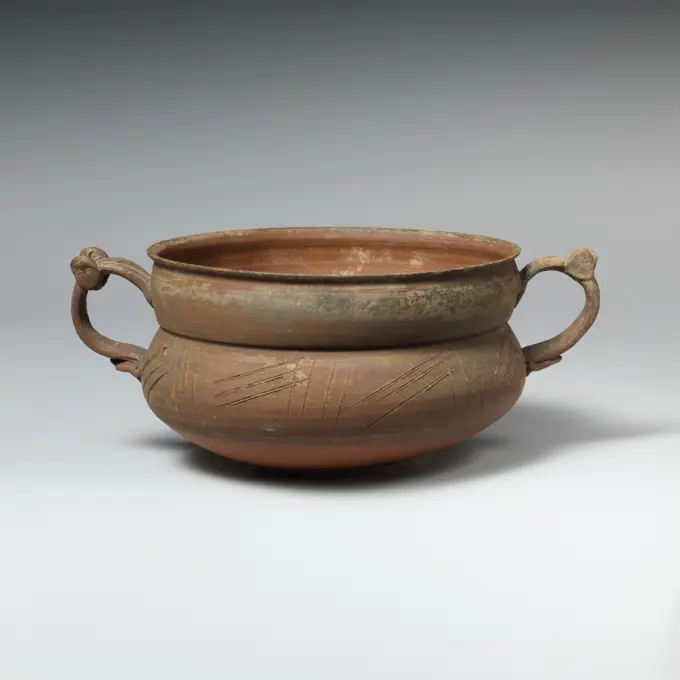
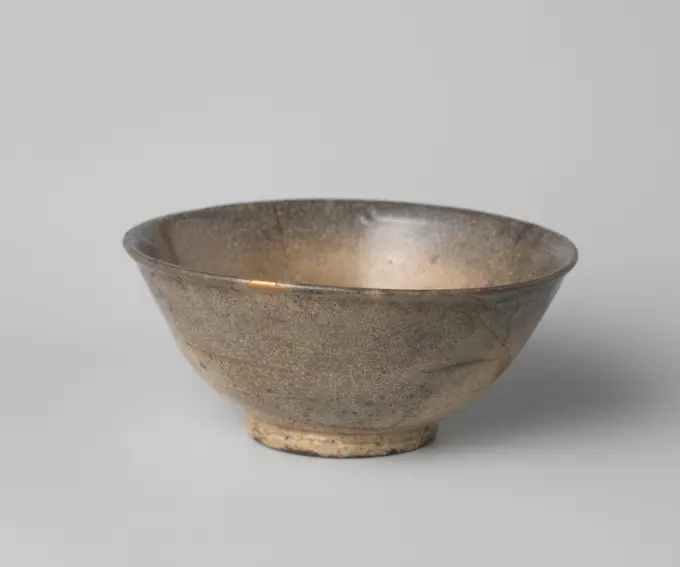
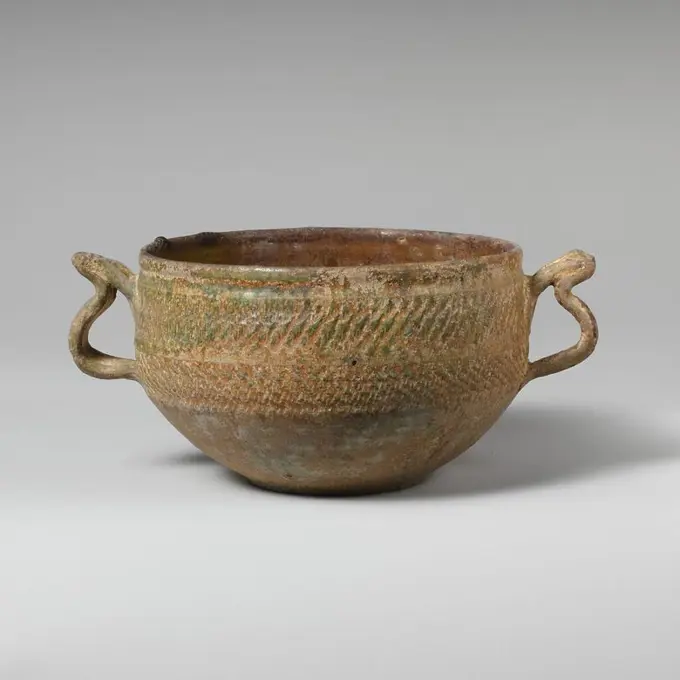
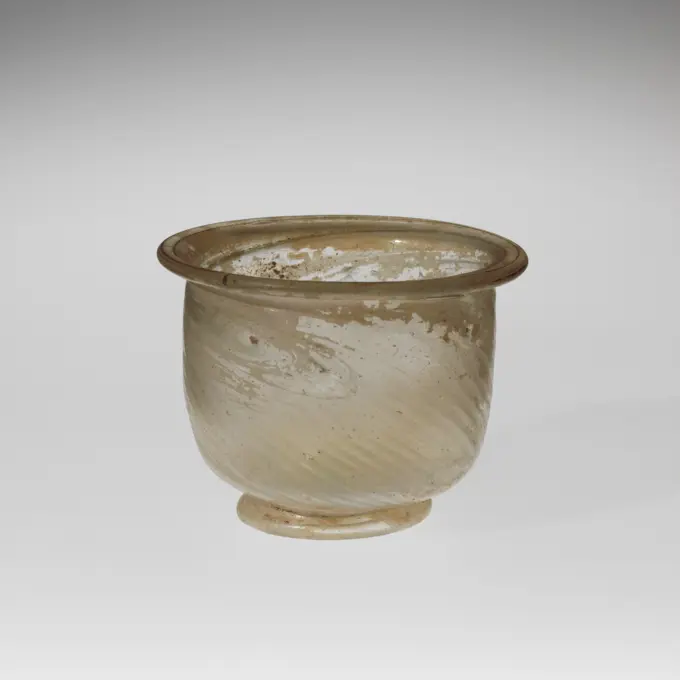
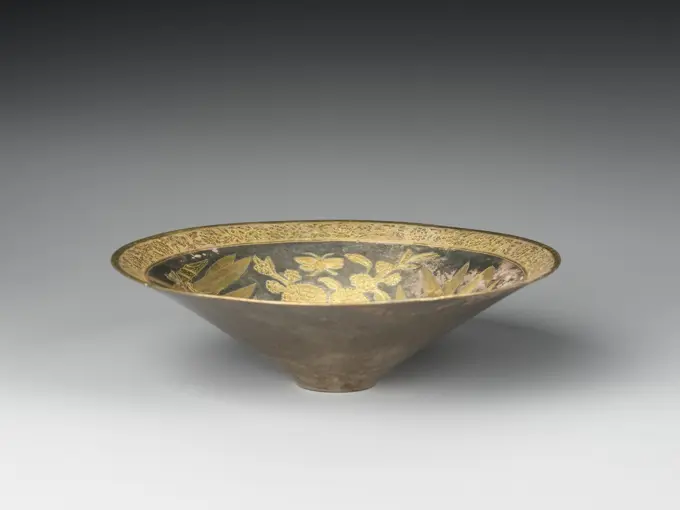
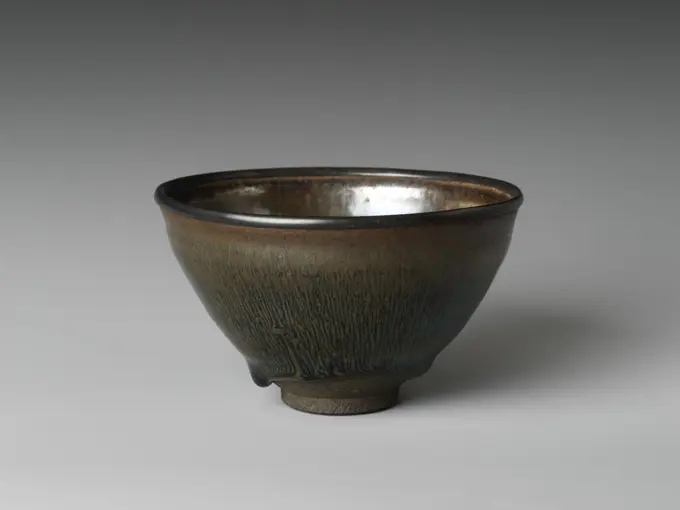
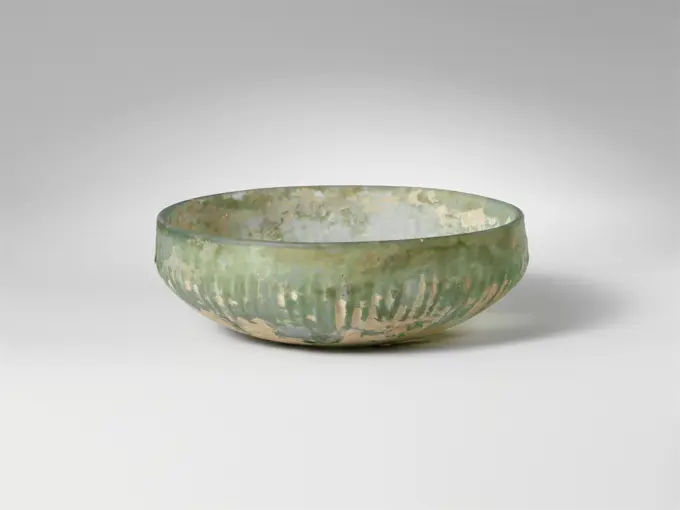
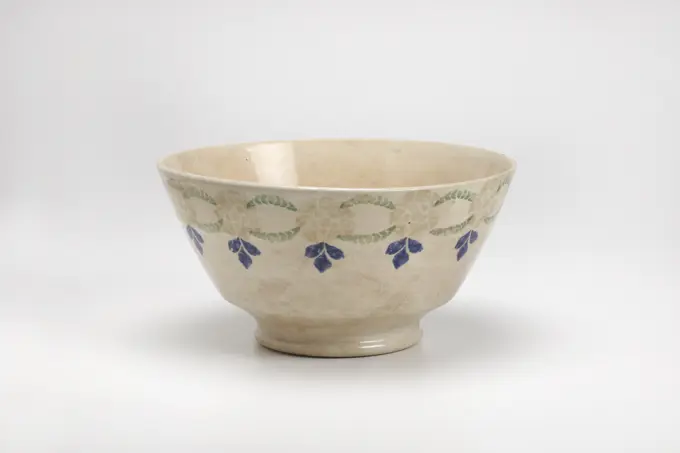
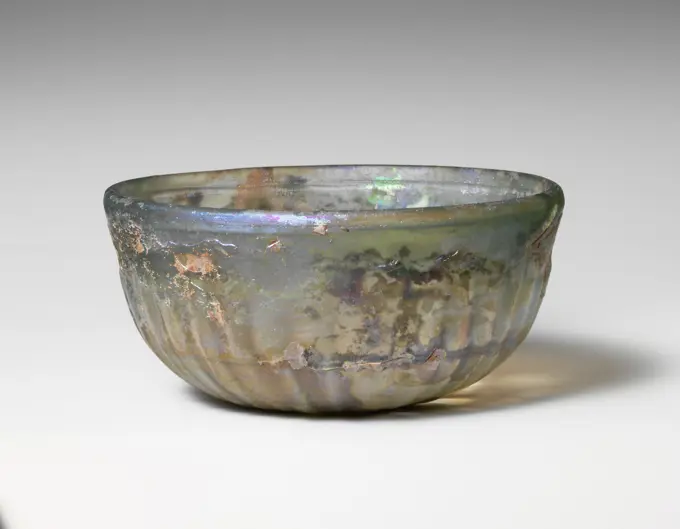
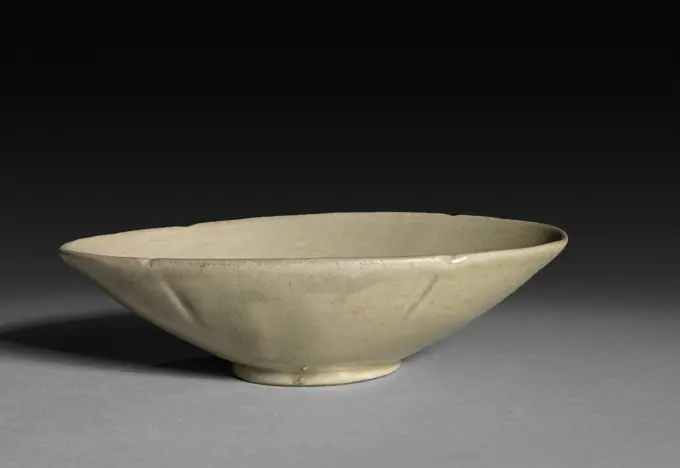
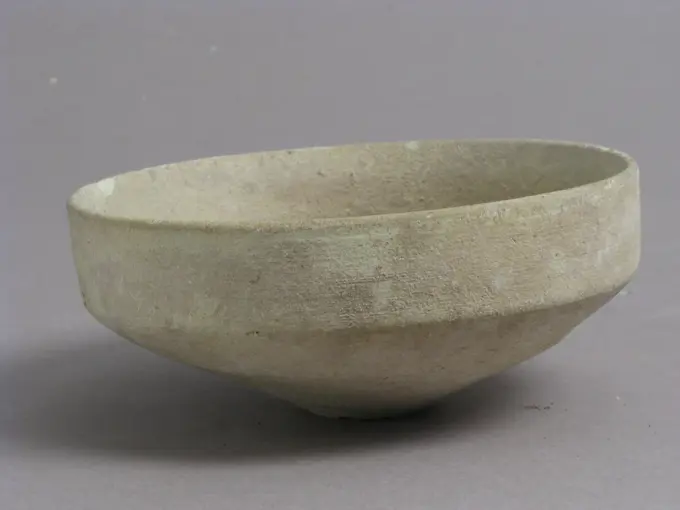
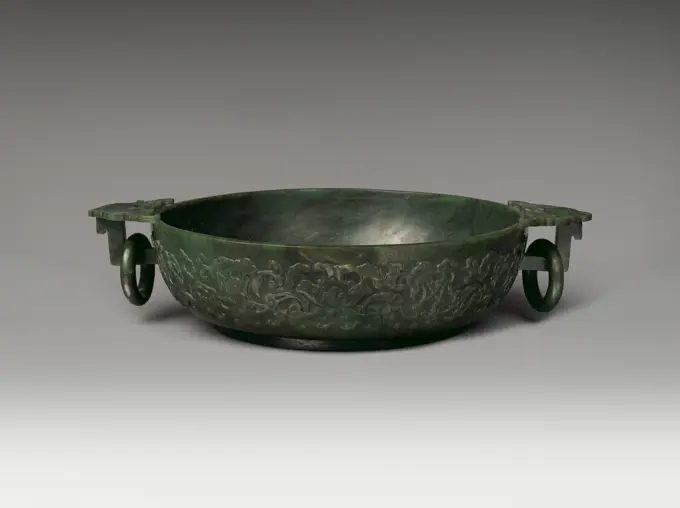
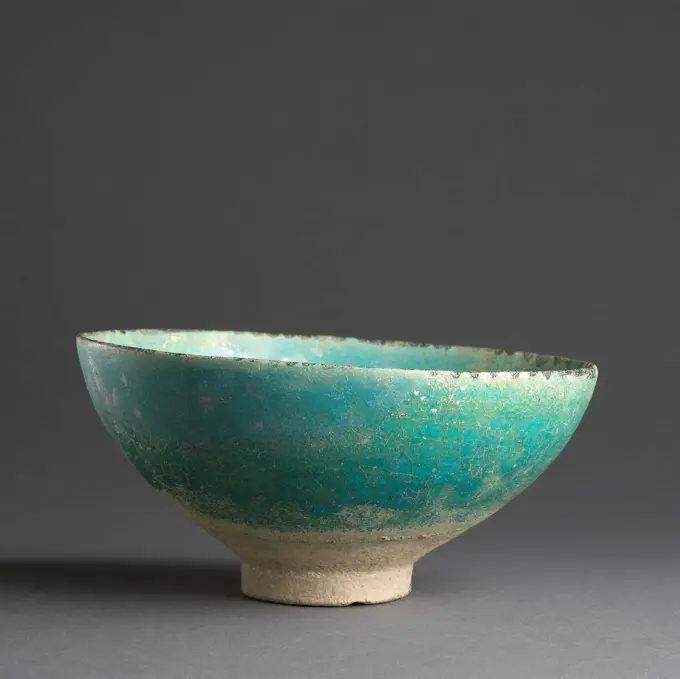
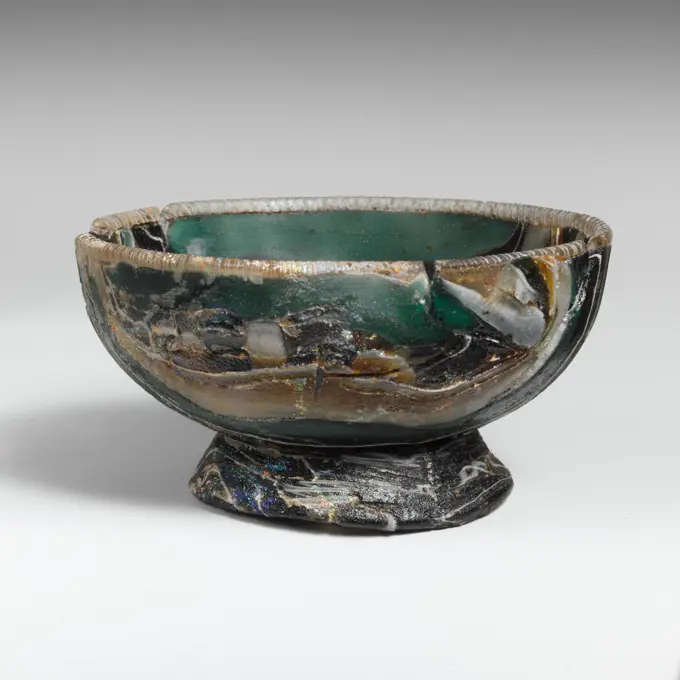
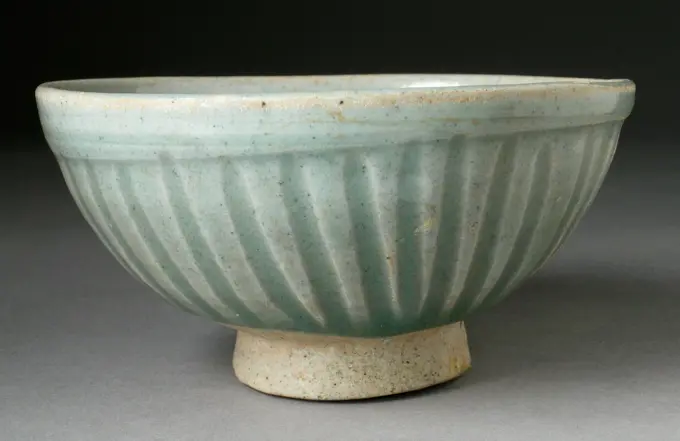
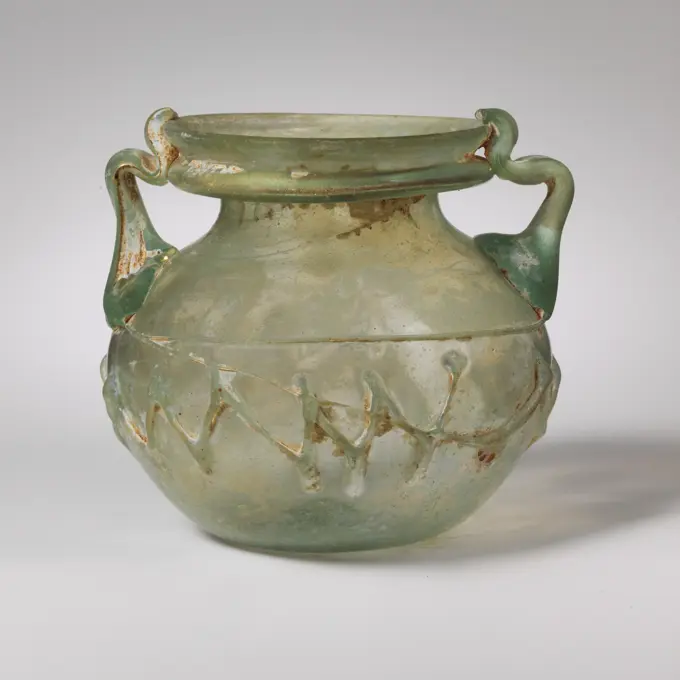
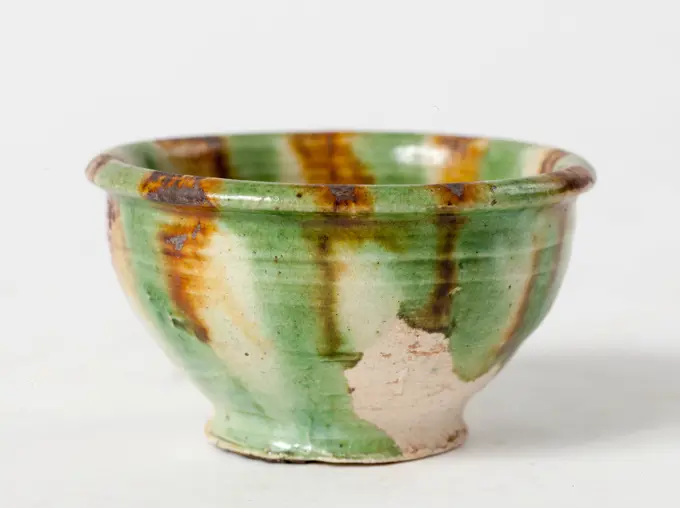
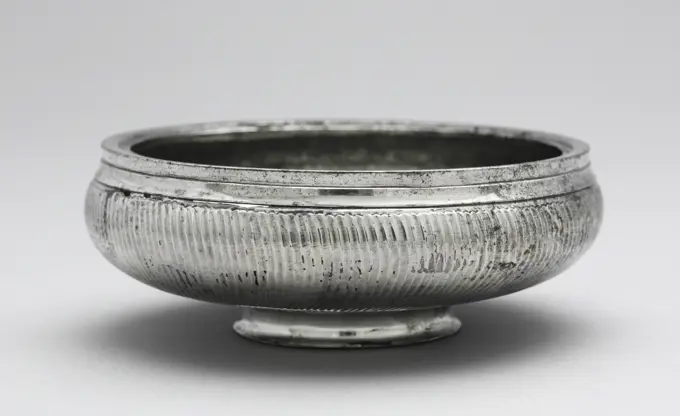
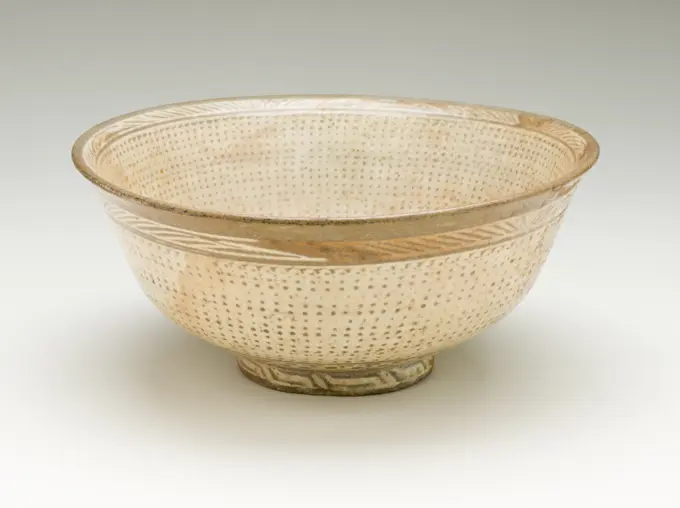
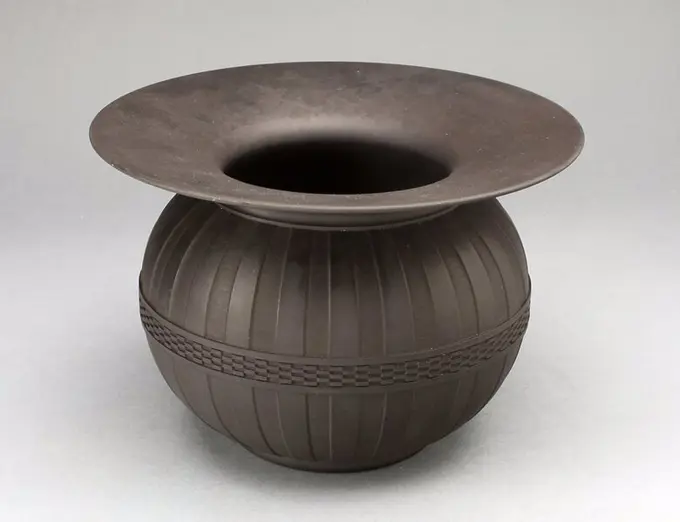
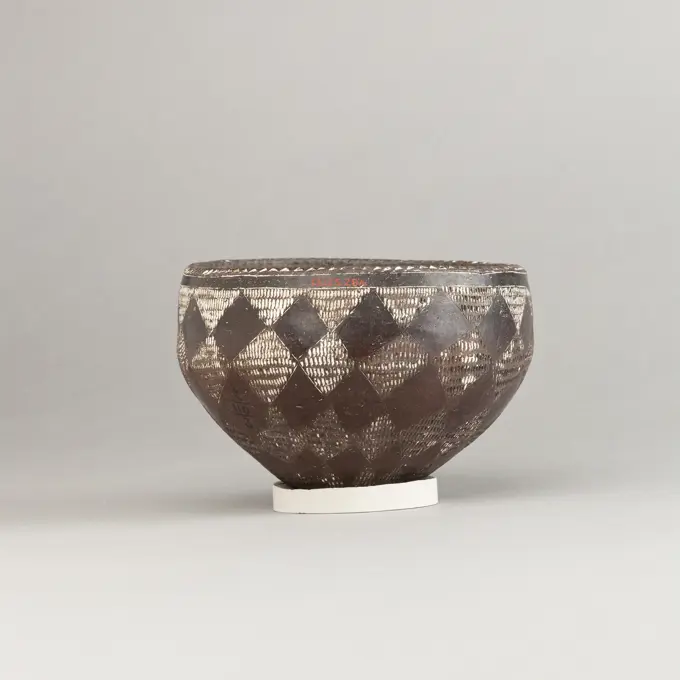
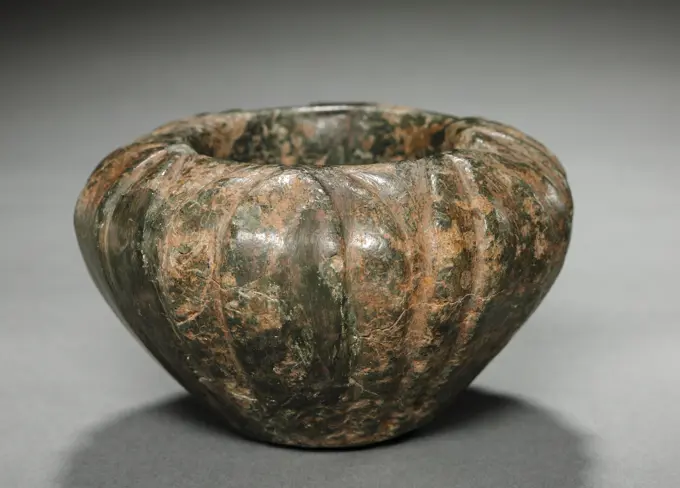
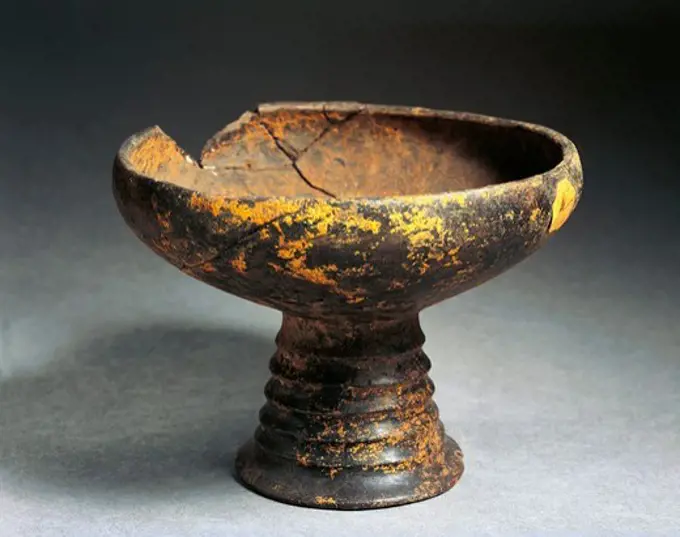
Bowl China. Bowl 48103Com, anonymous, 1200 - 1399 Jun property. China stoneware. earthenware. vitrification Jun property. China stoneware. earthenware. vitrification. Come from quartz frying goods, decorated with flower drinks in sludge relief with turquoise and black under a transparent alkali acid.. Come from quartz frying, with blue, green and black under the transparent alkalilation. A star in a rosette on the bottom. The inner edge with a bond with geometric motifs. On the outside wall a band with curlwork and below one with leaf motifs.Bowl with a star in a roundel, anonymous, c. 1200 - c. 1399 Come from quartz fritry, with blue, green and black under the transparent alarm laze. A star in a rosette on the bottom. The inner edge with a band with geometric motifs. On the outer wall a band with curl work and one with leaf motifs underneath. Iran earthenware. glaze painting / vitrification Come from quartz fritry, with blue, green and black under the transparent alarm laze. A star in a rosette on the bottom. The inner edge with a band with geometric motifs. On the outer wall a band with curl work and one with leaf motifs underneath. Iran earthenware. glaze painting / vitrificationKome, bowlen-shaped vessel. .Glass bowl 1st century A.D. Roman Translucent blue green.Deep, outsplayed rim, with rounded lip; at bottom of rim, hanging, folded tubular flange; side flares out at top, making ledge on interior, then curves in to applied, disk-shaped base; flat bottom, with central pontil scar.Intact; some bubbles and blowing striations; dulling, slight pitting, faint iridescence, and patches of creamy brown and white weathering.With marked brim and short foot.. Glass bowl 245296Cup. Korea. Date: 1300-1392. Dimensions: H. 5.5 cm (2 3/16 in.); diam. 8.7 cm (3 7/16 in.). Celadon-glazed stoneware. Origin: Korea. Museum: The Chicago Art Institute, Chicago, USA.Glass ribbed bowl. Culture: Roman. Dimensions: H.: 1 7/16 in. (3.7 cm)Diam.: 2 5/16 in. (5.9 cm). Date: 1st century A.D..Translucent blue green.Vertical unworked rim; pronounced concave shoulder expanding downwards; convex sides sloping inwards towards projecting rounded base ring; bottom with concave depression and projecting knob at center. Two mold seams visible only on shoulder.On sides, forty vertical rounded ribs (nineteen on one half of mold, twenty-one on the other).Intact; pinprick and some large bubbles; faint dulling and iridescence, patches of brown encrustation and weathering on interior.Greenish ribbed bowl. Museum: Metropolitan Museum of Art, New York, USA.Bowl with a stylized scrolls and geometrical patterns, anonymous, c. 1300 - c. 1399 Come from quartz fritry, decorated with sludge and colors under transparent alarm laze. On the bottom a medallion with a stylized leaf vank. A tire with triangles around it. The inner wall is divided into courses with lines or groups of four dots. Iran earthenware. glaze. cobalt (mineral) painting / painting Come from quartz fritry, decorated with sludge and colors under transparent alarm laze. On the bottom a medallion with a stylized leaf vank. A tire with triangles around it. The inner wall is divided into courses with lines or groups of four dots. Iran earthenware. glaze. cobalt (mineral) painting / paintingBowl with floral scrolls and dots in blue and black, anonymous, c. 1300 - c. 1399 Come from quartz fritry decorated with alternating dots and stylized flower vines in six-part surface distribution in blue and black under transparent alarm laze. is the earthenware. glaze. cobalt (mineral) painting / vitrification Come from quartz fritry decorated with alternating dots and stylized flower vines in six-part surface distribution in blue and black under transparent alarm laze. is the earthenware. glaze. cobalt (mineral) painting / vitrificationTerracotta cup early 1st century A.D. Roman Incised lines on shoulder; two handles.. Terracotta cup 250694 Roman, Terracotta cup, early 1st century A.D., Terracotta, H. 2 1/2 in. (6.4 cm); diameter 4 1/8 in. (10.5 cm). The Metropolitan Museum of Art, New York. Rogers Fund, 1918 (18.145.29)Bowl with Central Floret 1127-1279 China. Longquan ware; glazed stoneware with applied decoration .Teabowl with a cream glaze, anonymous, anonymous, c. 1700 - c. 1724 Tea -by Stonegoed with three notches in the foot ring, covered with a cracked cream -colored glaze. Old label on the bottom with 'Hagi'. Hagi. Japan stoneware. glaze vitrification Tea -by Stonegoed with three notches in the foot ring, covered with a cracked cream -colored glaze. Old label on the bottom with 'Hagi'. Hagi. Japan stoneware. glaze vitrificationTea bowl with a grey glaze, anonymous, c. 1600 - c. 1699 Theekom van Steengoed, covered with a gray cream -colored crawling glaze. Eight pronen on the bottom; Twice a gold lacquer restoration in the edge. Old label on the bottom with 'W136'. Komogai. Korea stoneware. glaze vitrification Theekom van Steengoed, covered with a gray cream -colored crawling glaze. Eight pronen on the bottom; Twice a gold lacquer restoration in the edge. Old label on the bottom with 'W136'. Komogai. Korea stoneware. glaze vitrificationTerracotta scyphus (drinking cup). Culture: Roman. Dimensions: H. 2 7/16 in. (6.2 cm); diameter 4 1/16 in. (10.4 cm). Date: 2nd century A.D..Green enamelled Gallic bowl with two handles and incised rope-pattern. Museum: Metropolitan Museum of Art, New York, USA.Cup with flowering plants near a rock, anonymous, c. 1730 - c. 1770 Porcelain head, partially covered with a brown enamel, painted in underlaze blue and on the glaze in red and gold. Flowering plants in a rock; the edge with servetwork interspersed with a flower branch in a cartouche; The outside is covered with a brown glaze. Chinese imari with monochrome brown. China porcelain. glaze. cobalt (mineral). gold (metal) painting / gilding / vitrification Porcelain head, partially covered with a brown enamel, painted in underlaze blue and on the glaze in red and gold. Flowering plants in a rock; the edge with servetwork interspersed with a flower branch in a cartouche; The outside is covered with a brown glaze. Chinese imari with monochrome brown. China porcelain. glaze. cobalt (mineral). gold (metal) painting / gilding / vitrificationGlass cup 3rd century A.D. Roman Colorless with pale greenish tinge.Everted rim, folded over and in, and pressed into almost horizontal mouth; cylindrical body with slightly convex side, curving to tubular foot ring, made by folding; flat bottom with low central kick and pontil scar.Body decorated with closely-spaced shallow ribs in a spiral from top left downwards.Intact; bubbles, blowing striations, and some gritty inclusions; dulling, iridescence, and patches of creamy weathering.The cup is said to have been found in a Roman tomb at the ancient site of Caesaromagus in 1863, together with two glass jugs (81.10.168-169) and a coin of the Gallic emperor Postumus, which was minted between A.D. 260 and 268.The two jugs and the cup are said to have been found in a Roman tomb at the ancient site of Caesaromagus in 1863, together with a coin of the Gallic emperor Postumus, which was minted between A.D. 260 and 268. The jugs attractive but rather impractical chain handles are distinctive ofTea bowl 13th-14th century China Vessels such as these were used mainly for formal entertaining. It was likely to have been made in one of the cities along the lower reaches of the Yangzi River. The vessel has the same shape as contemporaneous works in porcelain and lacquer.. Tea bowl. China. 13th-14th century. Silver with chased and punched decoration and gilding. Southern Song (1127-1279)-Yuan (1271-1368) dynasty. MetalworkTenmoku Tea Bowl with Hares-Fur Glaze 12th century China. Tenmoku Tea Bowl with Hares-Fur Glaze. China. 12th century. Stoneware with copper-oxide glaze (Jian ware). Song dynasty (960-1279). CeramicsGlass ribbed bowl 1st century B.C. Greek, Eastern Mediterranean Translucent yellow green.Slightly uneven ground rim; convex curving side, tapering downward; broad slightly concave bottom.On interior, two broad horizontal grooves in a band below rim; on exterior, twenty prominent short ribs of varying length with rounded tops.Intact, except for slight weathered chip in rim; many pinprick bubbles; dulling, pitting, and large patches of iridescent creamy weathering.Rotary grinding marks on interior of bottom.Yellow bowl with heavy ribs.. Glass ribbed bowl 245202Glass ribbed bowl late 1st century B.C.-mid 1st century A.D. Roman Translucent pale blue green.Vertical rim with rounded top edge; plain, vertical band of irregular height around top of sides, then bulging outward before curving in sharply to concave bottom.On interior, two concentric grooves around outer part of bottom and small, broader circle at center; on exterior, eighty vertical ribs of slightly varying length and width, with tops ground off, arranged around bulging middle section of body.Intact; a few pinprick bubbles; dulling, slight pitting, and iridescence with large patches of creamy weathering.Rotary grinding marks on plain band around top of sides.. Glass ribbed bowl 245199Bowl - Portneuf potteryBowl with Cranes and Chrysanthemum Flower Heads. Korea. Date: 1365-1399. Dimensions: H. 5.3 cm (2 1/16 in.); diam. 11.6 cm (4 9/16 in.). Celadon-glazed stoneware with underglaze inlaid decoration of black and white clays. Origin: Korea. Museum: The Chicago Art Institute, Chicago, USA.Glass jar. Culture: Roman. Dimensions: H.: 5 15/16 in. (15.1 cm). Date: 2nd half of 1st-mid-2nd century A.D..Translucent blue green.Rounded, flaring, tubular rim, folded out and down, forming collar around neck; broad globular body; bottom pushed in to form hollow foot ring.On body, twenty-two projecting roughly vertical ribs of differing lengths and shapes (some almost straight, others sinuous).Intact, except for one chip in rim and another chip on one of ribs; some bubbles and many surface scratches; slight dulling and pitting on exterior, thick yellow brown weathering and brilliant iridescence covering most of interior.Ribbed jar. Museum: Metropolitan Museum of Art, New York, USA.Glass ribbed bowl late 1st century B.C.-early 1st century A.D. Roman Translucent pale blue green.Vertical rounded rim; deep sides with plain band around top, curving in to slightly concave bottom.On interior, one wide horizontal groove below rim, and two narrow, close-set grooves cut in a band around lower body; on exterior, thirty-eight shallow and slightly slanting ribs, tapering downwards and extending to edge of bottom.Intact, but some internal cracks; pinprick bubbles; dulling, deep pitting, and iridescence, with patches of thick creamy weathering.Rotary grinding marks on interior and on plain band around top of sides.. Glass ribbed bowl. Roman. late 1st century B.C.-early 1st century A.D.. Glass; cast, tooled, and cut. Early Imperial, Augustan or Julio-Claudian. GlassBowl of hard-baked pottery; Whellow Ware .. Half-ball-shaped bowl on a stand ring, from hard-baked pottery. The bowl is decorated on the outside with white, red, black and brown marbled sludge and is covered with lead glaze.BowlBowl 500 CE-699 CE China. Yue ware; stoneware with celadon glaze .Chan: Oval Shaped Shallow Cup, 900s. China, Tang dynasty (618-907) - Five dynasties (907-960). Glazed gray stoneware, Yue ware; diameter: 14.6 cm (5 3/4 in.); overall: 3.8 cm (1 1/2 in.).Vessel with Handle ca. 5th century B.C. China. Vessel with Handle. China. ca. 5th century B.C.. Bronze. Eastern Zhou dynasty (770-256 B.C.). MetalworkBowl 4th-7th century Coptic. Bowl 478862Incised bowl with dots 7th-5th century B.C. Paracas. Incised bowl with dots 308313. Come from quartz fritgoed with low stand ring, painted in luster with lines on the outside and on the inside lines and a wide edge in which a continuous curly motif is scratched.Decorated Bowl, 1980-1801 BC. Egypt, Late Middle Kingdom to early New Kingdom. Turquoise faience with black painted decoration; diameter: 10.8 cm (4 1/4 in.); overall: 6.2 cm (2 7/16 in.).Czarka;  I-II century (1-00-00-200-00-00);M.d`OrleansShallow bowl on foot with a turquoise glaze, anonymous, c. 1175 - c. 1224 Low bowl on the foot of earthenware covered with a monochrome turquoise lead glaze. Afghanistan earthenware. lead glaze vitrification Low bowl on the foot of earthenware covered with a monochrome turquoise lead glaze. Afghanistan earthenware. lead glaze vitrificationBowl with Square Handles China. Bowl with Square Handles. China. Nephrite, spinach-green with black specks and mottlings of brown clouds. Qing dynasty (1644-1911), Qianlong period (1736-95). JadeHemispherical bowl on a small annular ". Terracotta. Vietnam-Xe-Xive s. Paris, Cernuschi museum. 72185-52 Annular, bowl, hemispheric, Vietnamese object, small base, terracottaGlass ribbed bowl. Culture: Greek, Eastern Mediterranean. Dimensions: H.: 2 9/16 in. (6.5 cm)Diam.: 5 7/16 in. (13.8 cm). Date: 1st century B.C..Translucent dark yellow green.Slightly inverted rim with angular top edge; sides curving in to broad, flat bottom.On interior, a band of four horizontal grooves, arranged vertically in two pairs, cut on upper half of side; on exterior, thirty-one diagonal ribs of varying width and thickness, some extending almost to the bottom of the side, with irregular rounded tops.Intact; some pinprick bubbles; dulling on interior and around plain band below rim on exterior; some patches of slight iridescence and weathering, and one large area on exterior of encrusted limy weathering.Rotary grinding marks on interior.Greenish ribbed cup, cut bands inside. Museum: Metropolitan Museum of Art, New York, USA.Bowl - St. Johns Stone Chinaware Company (founded 1873) St. Johns Stone Chinaware Company (founded 1873)Bowl. "Blue and white" porcelain, Ming dynasty (1368-1644) or Qing dynasty (1644-1912). Provenance: China. Paris, Cernuschi museum. 78844-27 Asian art, Chinese art, living art, tableware, bowl, fine ceramic, ming dynasty, porcelain. Come from Quartz FritGooden black painting under a transparent turquoise alkalilation. On the bottom a rosette of flower drinks surrounded by a band of fish.Pot with Cover, AD 100s. Rhenish (Cologne), Gallo-Roman, 2nd century. Tan ware with gray and some brown burnished slip; diameter: 15.6 cm (6 1/8 in.); overall: 13.1 cm (5 3/16 in.); lid: 2.2 x 9.8 cm (7/8 x 3 7/8 in.). The work of Roman potters is very different from that of their Greek predecessors. Greek clay had allowed potters to throw thin-walled ceramics. Slips (paint) made from this clay had permitted painters to draw complicated scenes and figures with infinite care. As the Roman empire grew to include Germany and Britain, local clays found there were better for producing heavier pottery with three-dimensional decoration like the vases shown here. These jars--decorated with a human face (1992.125), animals (1992.126), a feather pattern (1992.183), a wheat pattern (1992.124), and vertical ribs (1992.127,a) were probably filled with foods or liquids and given either as gifts to an elaborate burial or as offerings to a god's shrine.Glass striped mosaic bowl early 1st century B.C. Greek, Eastern Mediterranean Colorless, translucent deep purple (appearing almost black), pale blue green, deep honey yellow, and opaque white.Vertical rim with rounded edge; convex curving side tapering downwards to flat bottom within applied outsplayed base ring with thick rounded edge.Striped mosaic pattern formed from lengths of three canes laid side by side in five parallel rows and separated from one another by rows of cubes laid end to end in an irregular pattern; the central cane comprises layered lengths of white and green creating the effect of reverse colors on the exterior and interior;a cane comprising a purple stripe enclosing a fine white line, a white, a green, and then a yellow stripe that also has a white line, arranged in mirror image to either side of the central cane; and a third cane comprising green and white stripes flanking a purple stripe with a central white line; a colorless network cane wound spirally with a Jar with Dragon 16th century China. Jar with Dragon. China. 16th century. Porcelain with incised decoration under colored glazes. Ming dynasty (1368-1644), Zhengde mark and period (1506-21). CeramicsGlass cup with splayed foot 2nd half of 1st century A.D. Roman Translucent blue green.Outsplayed tubular rim, folded over and in; tall curving neck, tapering downwards; thick projecting shoulder; squat, globular body; applied conical foot, formed from a separate gather, with edge cracked-off and ground flat; small, circular, flat bottom.Eleven vertical ribs in high relief tooled out from shoulder down side of body.Rim and body cracked with one hole in side; part of foot broken and missing; few bubbles; dulling, pitting, creamy brown weathering, and faint iridescence.This cup or chalice bears a similarity to the ribbed bowls also displayed here (91.1.1247, .1346), but the treatment of the rim and the addition of the foot make it a very unusual example of Roman blown glass tableware.. Glass cup with splayed foot. Roman. 2nd half of 1st century A.D.. Glass; blown and tooled. Early Imperial. GlassGLABULAR POT VA VAS ". Pink terracotta. Paris, MUSE CERUNUSCHI. GLABULAR POT VAS collar Vietnamese art, Break, Evase Col, Vietnamese collection, Ebrecher, Globular Pot, Rosee Terracotta, Archeological VestigeBowl with a stylized plant and a border with a pseudo-inscription, anonymous, c. 1200 - c. 1299 Come from quartz fritry with a painting in black with a stylized plant and a bond with pseudo script under a transparent turquoise alarm laze. Gorgan earthenware. glaze painting / vitrification Come from quartz fritry with a painting in black with a stylized plant and a bond with pseudo script under a transparent turquoise alarm laze. Gorgan earthenware. glaze painting / vitrificationSmall hemispherical cut ". Terracotta. Vietnam-Xe-Xive s. Paris, Cernuschi museum. 72186-16 Hemispheric, Vietnamese object, small cut, terracottaBowl - Portneuf potteryIncised Bowl with Bird Motif. Culture: Paracas. Dimensions: Overall: 2 1/2 in. (6.35 cm)Other: 6 5/8 in. (16.81 cm). Date: 5th-4th century B.C.. Museum: Metropolitan Museum of Art, New York, USA.Hemispherical bowl. unknown, craftsmanBowl. Thailand, Sawankhalok, 15th century. Furnishings; Serviceware. Stoneware with celadon glazeBowl. Potter: Sextus Annius, Roman, Arretine, 20 B.C.-A.D. 10Flat bowl unknown. Come from quartz frying with three notches in the mouth edge and covered with a monochrome turquoise alkalilation.Water vessel with loop handles China. Water vessel with loop handles 43379Bowl - Portneuf potteryPainted bowl with geometric pattern. Culture: Paracas. Dimensions: Overall: 3 3/16 in. (8.02 cm)Other: 7 in. (17.78 cm). Date: 3rd-2nd century B.C.. Museum: Metropolitan Museum of Art, New York, USA.Painted Bowl. Culture: Paracas. Dimensions: Height: 2 5/16in. (5.9cm)Diameter: 6in. (15.2cm). Date: 6th-4th century B.C.. Museum: Metropolitan Museum of Art, New York, USA.Bowl ca. 1800 Mexican. Bowl 665Jar, late 1200s-1300s. Siam, Sawankhalok ware, late 13th-14th Century. Stoneware; overall: 10.2 cm (4 in.).CupCome, multicolored painted with the coat of arms Bentivoglio-Visconti, Anonymous, c. 1500 Half -spherical bowl of multi -colored painted majolica. On the bottom of the bowl, the coat of arms of Bentivoglio-Visconti is painted and concentric circles within which geometric figures are on the edge. Italy earthenware. tin glaze. lead glaze majolica Half -spherical bowl of multi -colored painted majolica. On the bottom of the bowl, the coat of arms of Bentivoglio-Visconti is painted and concentric circles within which geometric figures are on the edge. Italy earthenware. tin glaze. lead glaze majolicasea shell isolated on the white backgroundGlobular Glass Beaker. Culture: Frankish. Dimensions: Overall: 2 3/4 x 3 3/8 in. (7 x 8.6 cm). Date: 5th-7th century. Museum: Metropolitan Museum of Art, New York, USA.Incised bowl with diamonds. Culture: Paracas. Dimensions: Overall: 1 1/2 in. (3.81 cm)Other: 6 in. (15.24 cm). Date: 3rd-2nd century B.C.. Museum: Metropolitan Museum of Art, New York, USA.Cup with Hunting Scene. China, Six Dynasties period, 317-581. Furnishings; Serviceware. Hammered bronze with gilding and repousée decorationBowl. Culture: Italic-Native, South Italian (Daunian). Dimensions: H. w/ handles 9.09 cm. Diameter 15.01 cm.. Date: ca. 550-450 B.C.. Museum: Metropolitan Museum of Art, New York, USA.Bowl. Porcelain with enamel decor, Ming dynasty (1368-1644) or Qing dynasty (1644-1912). Provenance: China. Paris, Cernuschi museum. 78842-29 Asian art, Chinese art, living art, tableware, bowl, fine ceramic, ming dynasty, porcelainTea bowl with a grey glaze, anonymous, anonymous, c. 1700 - c. 1799 Theekom van Steengoed, partially covered with a light gray glaze (Kohiki). The lower part of the bowl is unglazed. A notch in the foot ring. Old label on the bottom with 'W639'. Hagi. Japan stoneware. glaze vitrification Theekom van Steengoed, partially covered with a light gray glaze (Kohiki). The lower part of the bowl is unglazed. A notch in the foot ring. Old label on the bottom with 'W639'. Hagi. Japan stoneware. glaze vitrificationGlass two-handled jar 3rd-4th century A.D. Roman, Palestinian Translucent pale blue green; handles and trails in same color.Rounded, everted rim; below, hollow folded flange; short concave neck; squat globular body; pushed-in bottom with interior kick and pontil ring at center; two rod handles applied in large pads over trail to upper body, drawn up and out, then folded down and in onto flange, drawn up again, and snipped off on top edge of rim.One trail applied to body at greatest diameter to form zigzag pattern, extending two-thirds of way around body; a second trail applied to complete the zigzag, then drawn up over first trail and wound horizontally once around upper body.Intact; pinprick and a few larger bubbles; dulling, creamy weathering, and iridescence.. Glass two-handled jar 254660 Roman, Palestinian, Glass two-handled jar, 3rd4th century A.D., Glass, H.: 3 7/8 in. (9.8 cm). The Metropolitan Museum of Art, New York. Bequest of Mary Stillman Harkness, 1950 (50.145.1)Cup ". Terracotta with brown, green and white glaze (Sancai). China, Tang dynasty (618-907). Paris, Cernuschi museum. Chinese art, Chinese ceramic, container, cup, tang dynasty, container, terracottaBowl, c. 350-600. Byzantium, Syria, early Byzantine period, 4th-6th Century. Silver; overall: 6.1 x 16.1 cm (2 3/8 x 6 5/16 in.).Bowl Japan 13th centuryTerracotta skyphos (deep drinking cup) 5th century B.C. Greek, Attic This type of skyphos, with fine walls that taper to a narrow base, originated in Corinth during the seventh century B.C. and continued to be made in Athens into the fourth century B.C.. Terracotta skyphos (deep drinking cup) 252365 Greek, Attic, Terracotta skyphos (deep drinking cup), 5th century B.C., Terracotta, H. 7.59 cm.. The Metropolitan Museum of Art, New York. Bequest of Richard B. Seager, 1926 (26.31.443)Dish from Saucers with Matching Shells, 1893-1914. Seifū Yohei III (Japanese, 1851-1914). Porcelain with molded design and green crackled glaze; overall: 3 x 12 x 8.5 cm (1 3/16 x 4 3/4 x 3 3/8 in.).Bowl mid-12th centuryBowl with Stamped Chrysanthemum Design. Korea, Joseon dynasty (1392-1910), 15th-early 16th century. Furnishings; Serviceware. Buncheong ware: Wheel-thrown stoneware with stamped, incised and slip-filled decoration and pale green glazeTerracotta one-handled skyphos (deep drinking cup) late 8th century-early 7th century B.C. Greek, possibly Boeotian Around the lip, seven running dogs. Terracotta one-handled skyphos (deep drinking cup). Greek, possibly Boeotian. late 8th century-early 7th century B.C.. Terracotta. Geometric. VasesBowl with Figure Eight 7th-4th century B.C. Paracas. Bowl with Figure Eight 308444Terracotta bowl with barbotine decoration mid-1st to mid-2nd century A.D. Roman Probaby made in central Italy.. Terracotta bowl with barbotine decoration 246733Small earthenware saucepan, red shard, partially glazed, short stem, stand with soul, saucepan pan crockery holder kitchenware toy relaxing agent model soil find ceramic earthenware glaze lead glaze, hand turned glazed baked Pottery saucepan toy red shard inside and part exterior covered with lead glaze short steel stand with soul archeology indigenous pottery food prepare cooking play kitchenBasin. Egypt, 14th century. Metal. Brass, engraved and inlaid with silverSmall globular pot ". Terracotta. Vietnam-Xe-Xive s. Paris, Cernuschi museum. 72186-52 Globular, Vietnamese object, small pot, terracottaArdiniera; Shimasa; nineteenth century (1880-00-00-1899-00-00);. Come from Quartz Fritgoed covered with a monochrome turquoise alkalilation.Megarian ReliefBowl, 3rd century A.D., Terracotta (Corinthian relief ware), 4.8 × 7.1 cm (1 7/8 × 2 13/16in.), Roman, Roman, Containers -CeramicsGlass bowl late 1st century B.C.-early 1st century A.D. Roman Translucent golden brown.Rounded vertical rim; sides tapering downward, then curved in to almost flat bottom.On interior, three horizontal wheel-cut grooves: one below rim, the other two in a band around middle of body; on exterior, plain band and shallow groove below rim.Broken and repaired, with one hole in side near bottom and three small chips in rim; pinprick bubbles; dulling, pitting, and patches of brilliant iridescence and thick creamy weathering.. Glass bowl 245637Bowl China. Bowl 48106Li-type censer. unknown, craftsmanSpittoon. Wedgwood Manufactory; England, founded 1759. Date: 1815-1825. Dimensions: H. 12.7 cm (5 in.); diam. 18.7 cm (7 3/8 in.). Stoneware (basaltware). Origin: Burslem. Museum: The Chicago Art Institute, Chicago, USA.Kantharos painted black with a ribbed body. Scythian Civilization, 4th Century BC.Incised bowl with birds 3rd-2nd century B.C. Paracas. Incised bowl with birds 308329Porphyry vessel with bearded masks. Culture: Roman. Dimensions: 10 1/16 × 11 13/16 × 9 3/4 in. (25.5 × 30 × 24.8 cm)Diam. of rim: 8 7/8 in. (22.5 cm). Date: ca. late 1st century B.C.-early 2nd century A.D..Porphyry vessel shaped like a situla but without the two handles above.Outsplayed rim, with molding decoration and one groove on interior shoulder below rim; low neck with concave profile; narrow shoulder, sloping downwards; cylindrical body with side curving in at bottom; low base with molding decoration and three curving feet around bottom edge; flat bottom with raised central disk; two horizontal ear-shaped handles; below each handle, a Silenus mask. Each Silenus wears a wreath with leaves and berries and a fillet across his forehead; he has pointed ears, projecting forwards, a broad nose, a bushy moustache, parted lips, and long, flowing beard with drilling between the wavy locks.In antiquity, porphyry was highly regarded as a royal stone, because its color was associated witDrinking Cup ca. 1900-1550 B.C. C-Group This handmade cup was smoothed inside with the fingers, and the outer surface burnished with a smooth pebble. The rim decoration consists of two rings of impressed triangles filled with white pigment, creating a pattern of raised black lozenges. Below, a series of triangles and lozenges are filled with short hatched lines that are enhanced with white pigment.. Drinking Cup. ca. 1900-1550 B.C.. Black incised ware with white filling.. C-Group. From Nubia (Sudan), Lower Nubia, Faras, Cemetery 2, Grave 110, University of Oxford Excavations in Nubia 1911-1912. Dynasty 12-17Minoan Petal Bowl, 1600-1500 BC. Crete, 17th-16th century BC. Stone; diameter: 12.2 cm (4 13/16 in.).Bowl 11th-12th century Italian or Byzantine. Bowl. Italian or Byzantine. 11th-12th century. Earthenware, tin-glaze. CeramicsGolasecca culture, Cup