Traditional Chinese Bowls

A collection of ancient Chinese bowls featuring intricate glaze patterns, various shapes, and colors, reflecting historical craftsmanship and artistry.
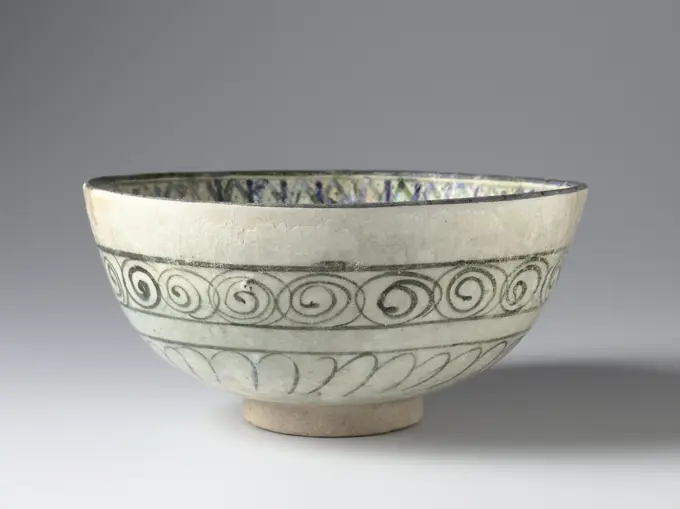
Bowl with a star in a roundel, anonymous, c. 1200 - c. 1399 Come from quartz fritry, with blue, green and black under the transparent alarm laze. A star in a rosette on the bottom. The inner edge with a band with geometric motifs. On the outer wall a band with curl work and one with leaf motifs underneath. Iran earthenware. glaze painting / vitrification Come from quartz fritry, with blue, green and black under the transparent alarm laze. A star in a rosette on the bottom. The inner edge with a band with geometric motifs. On the outer wall a band with curl work and one with leaf motifs underneath. Iran earthenware. glaze painting / vitrification
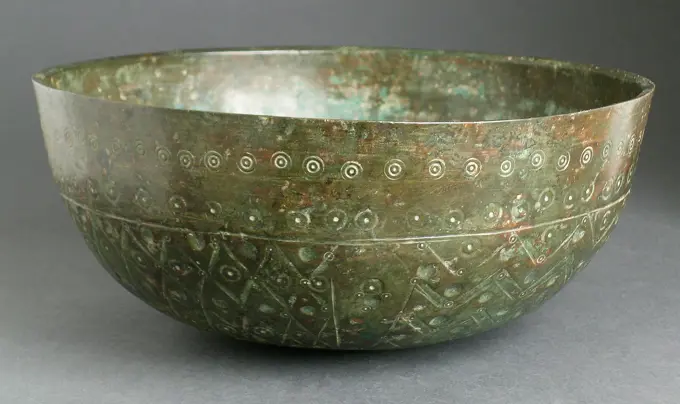
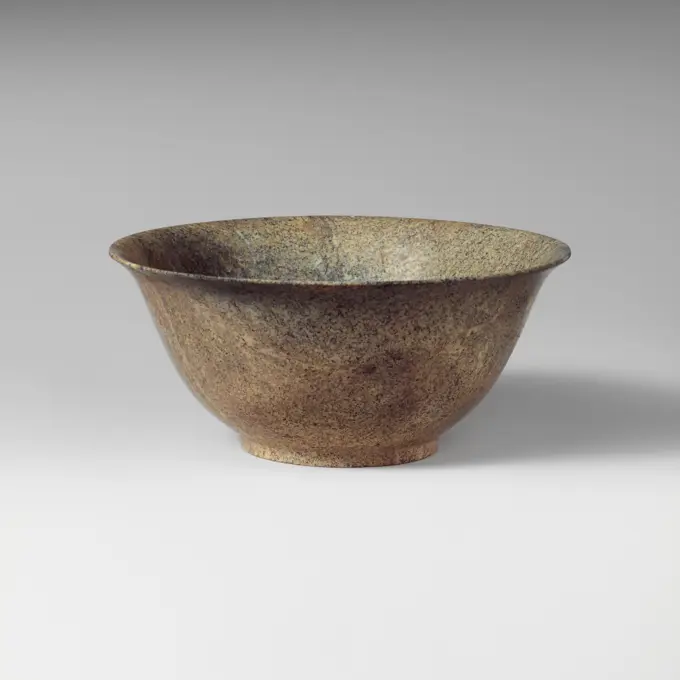
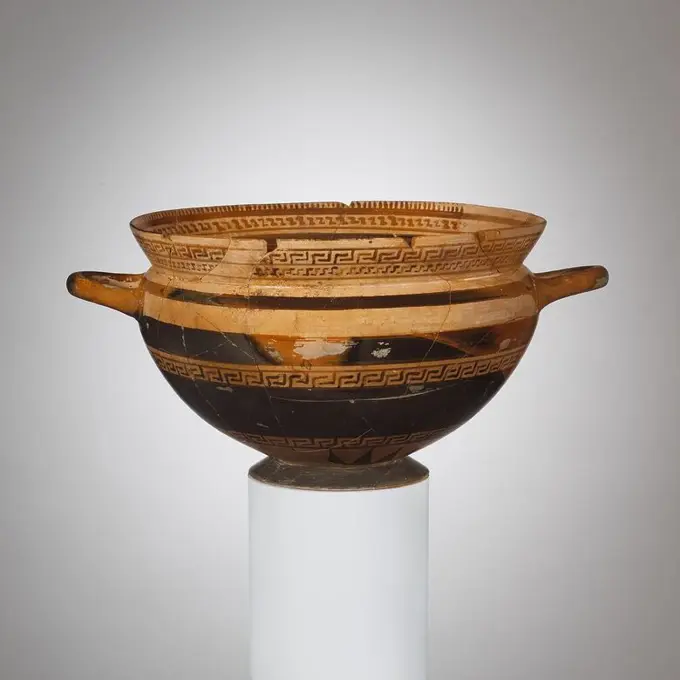
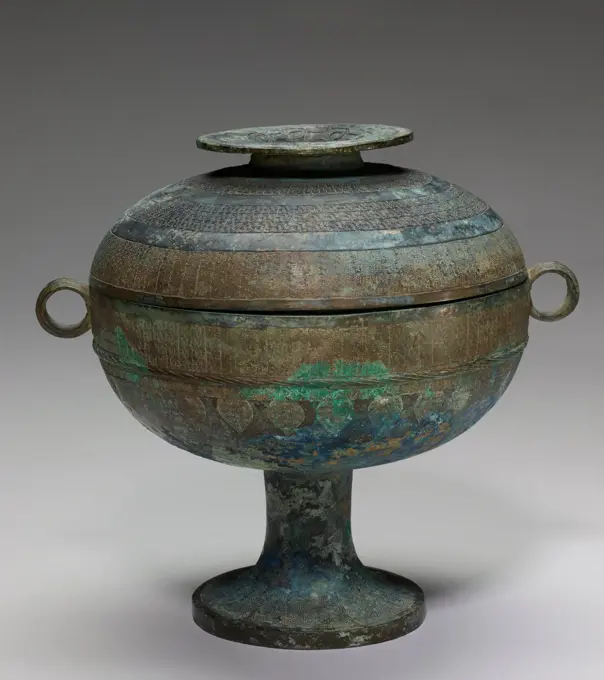
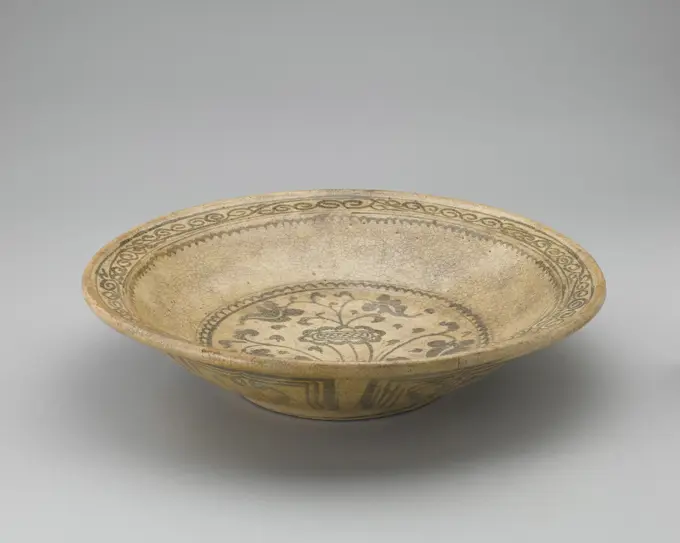
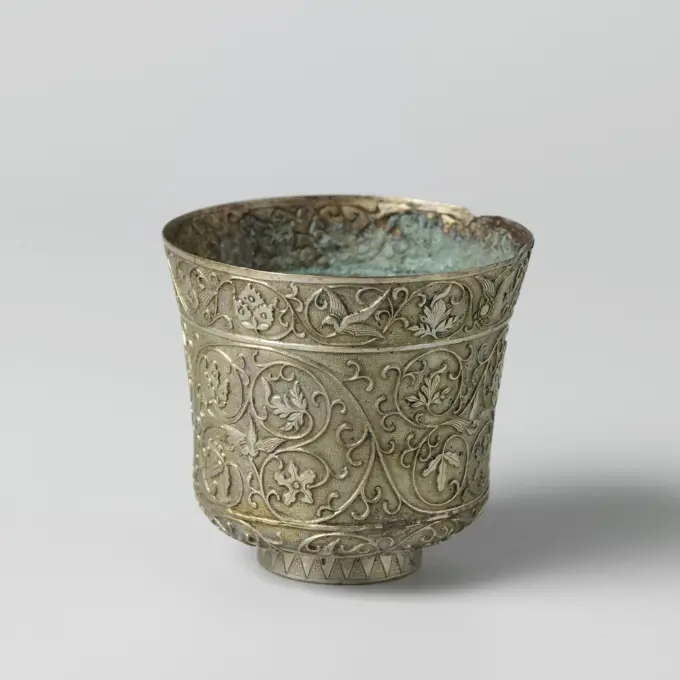
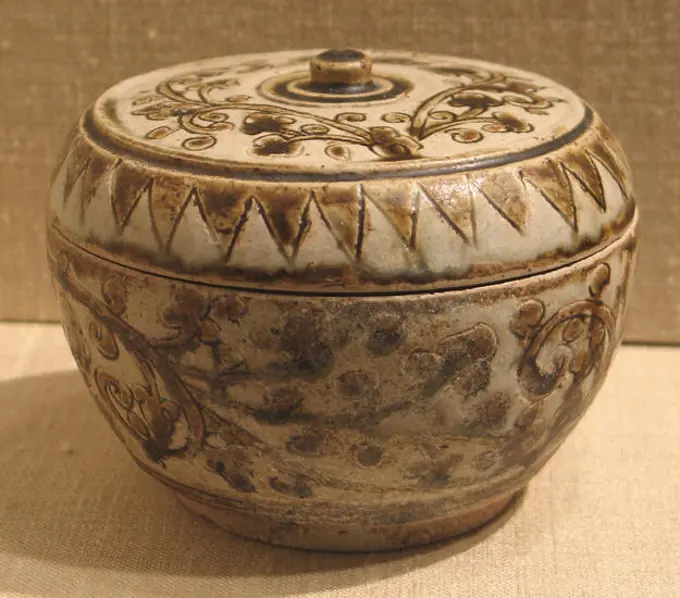
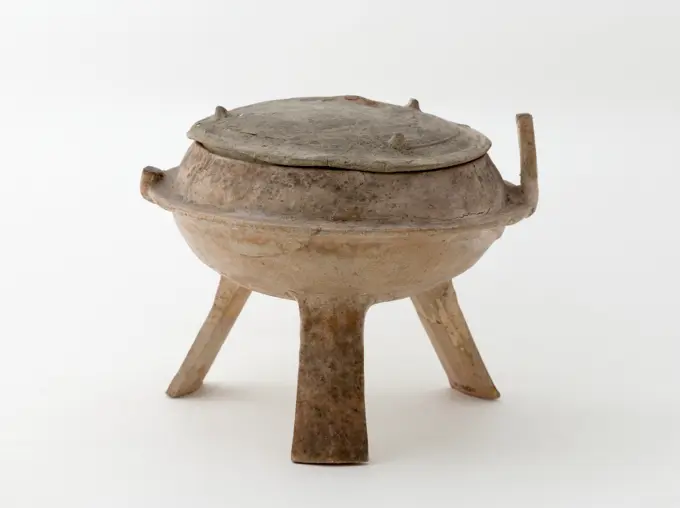
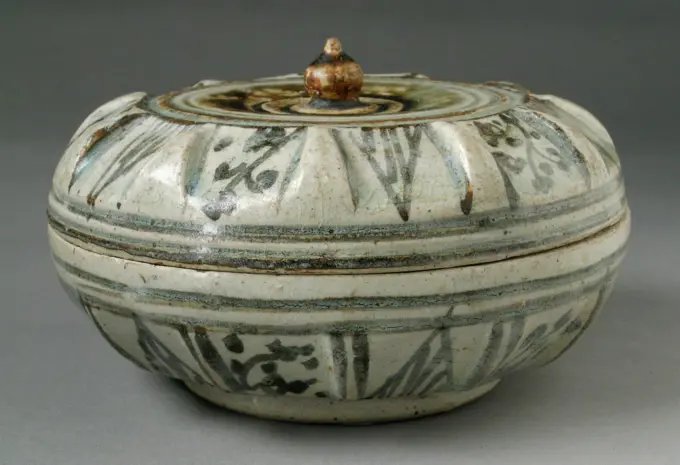
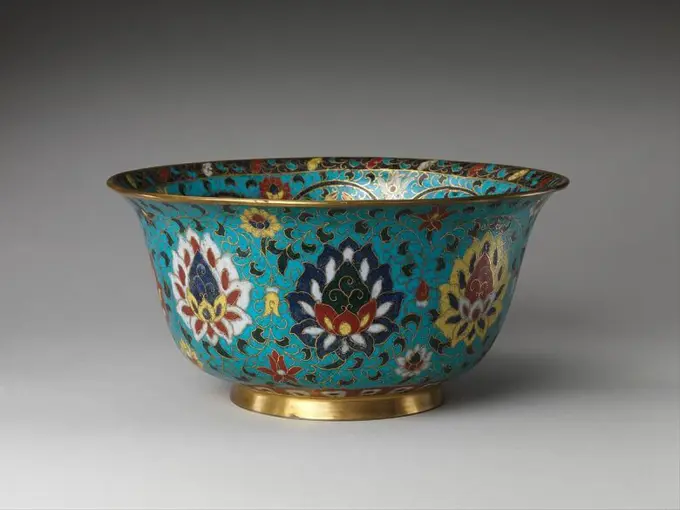
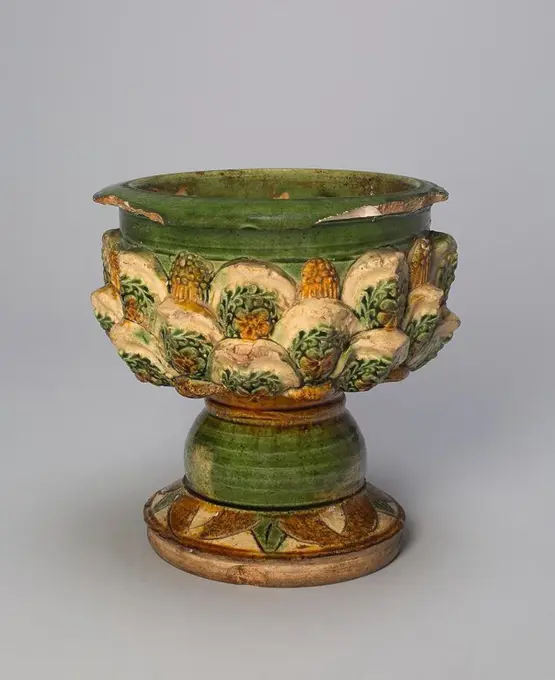
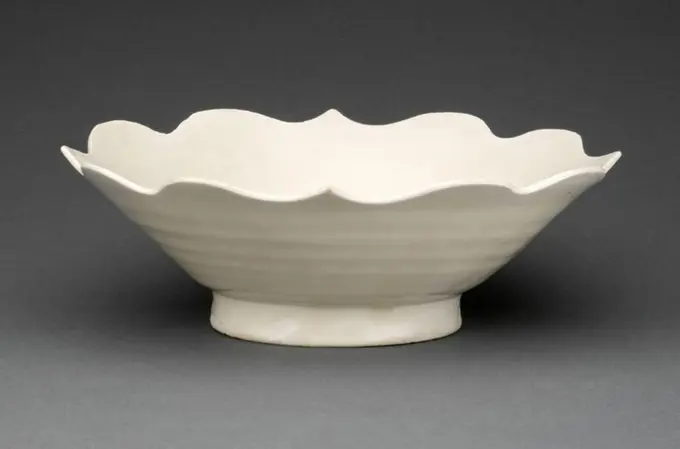
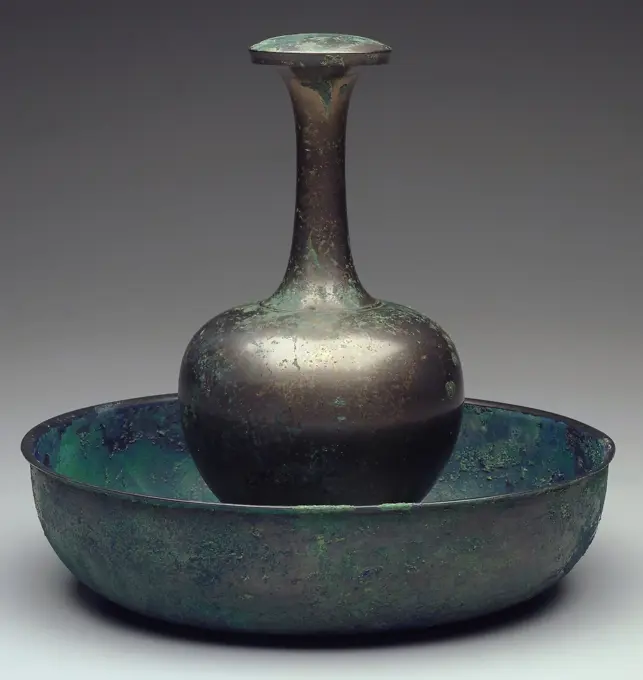
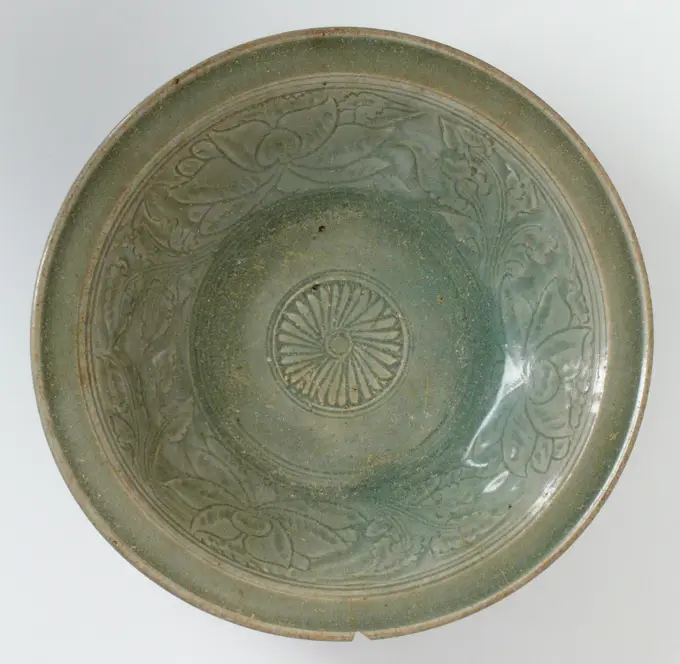
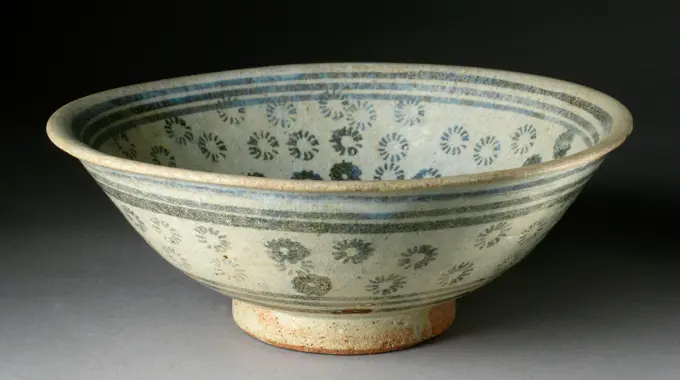
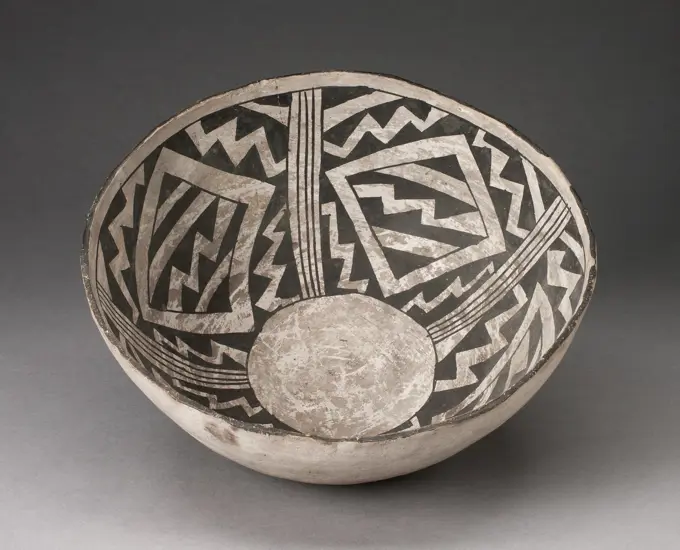
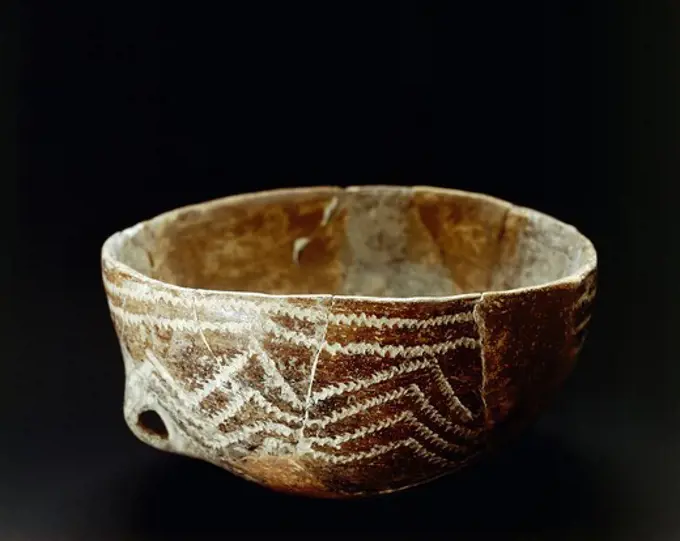
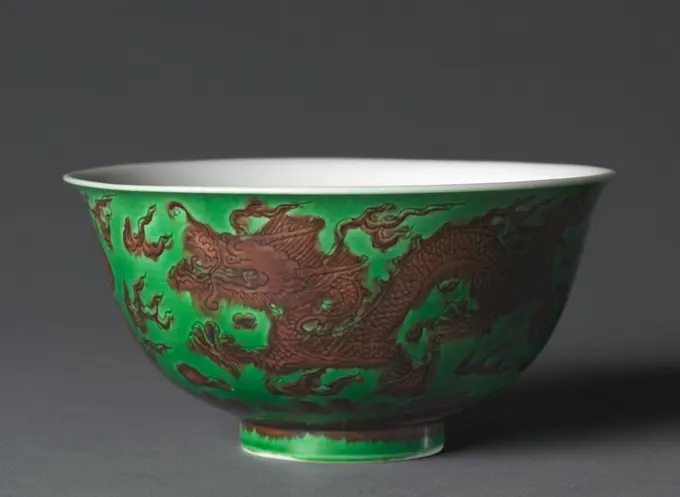
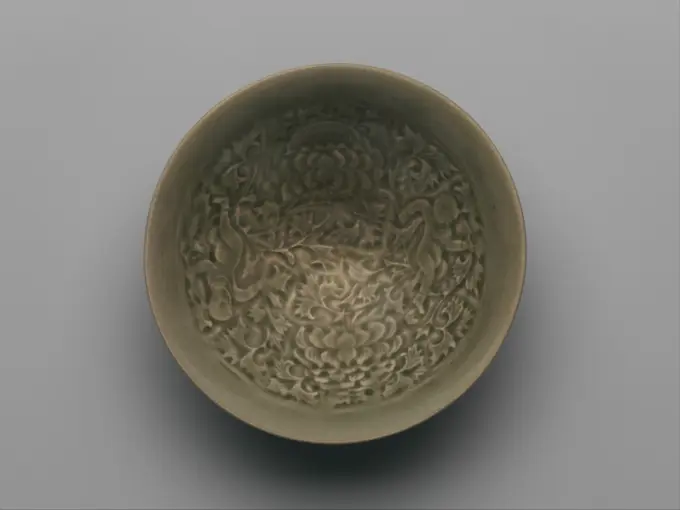
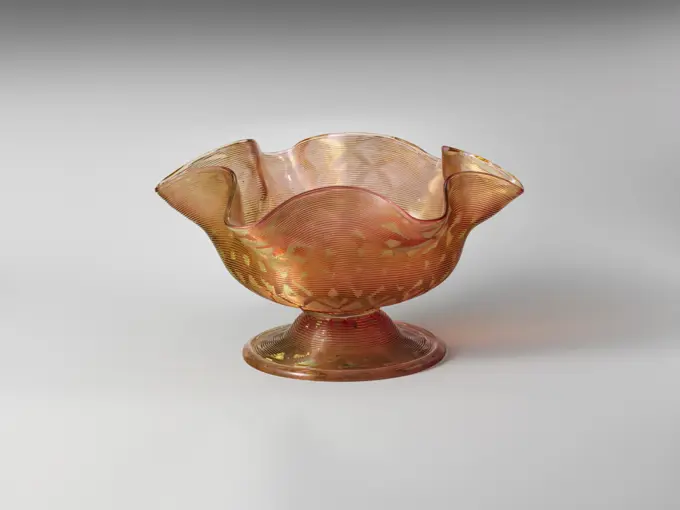
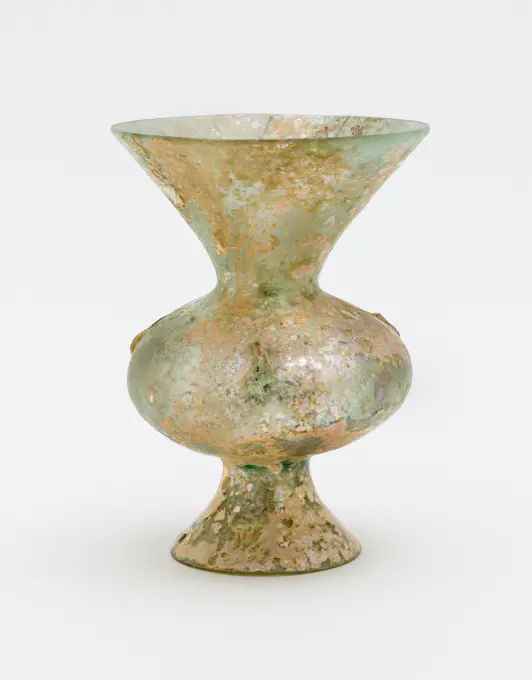
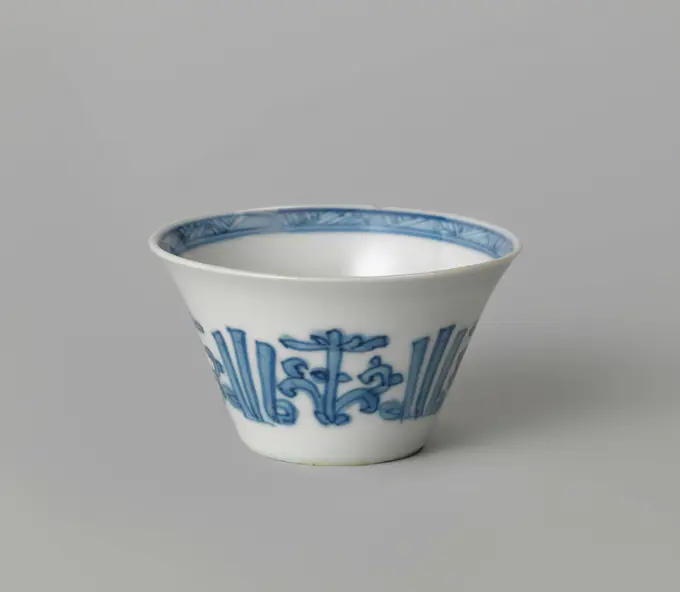
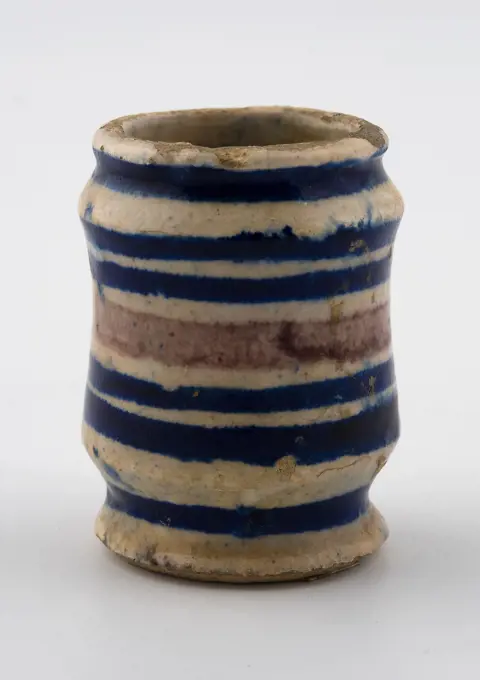
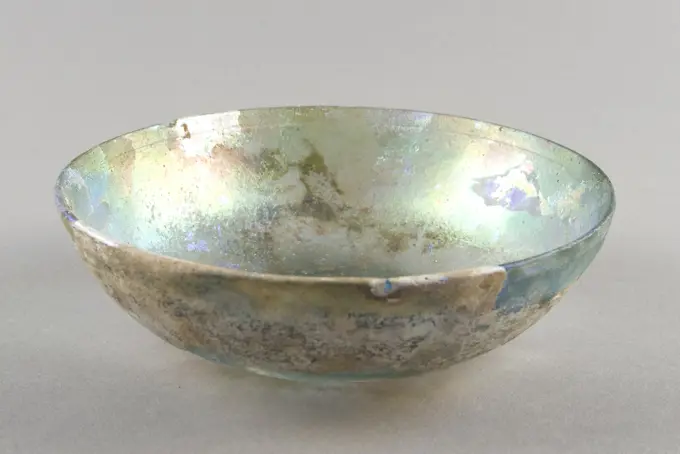
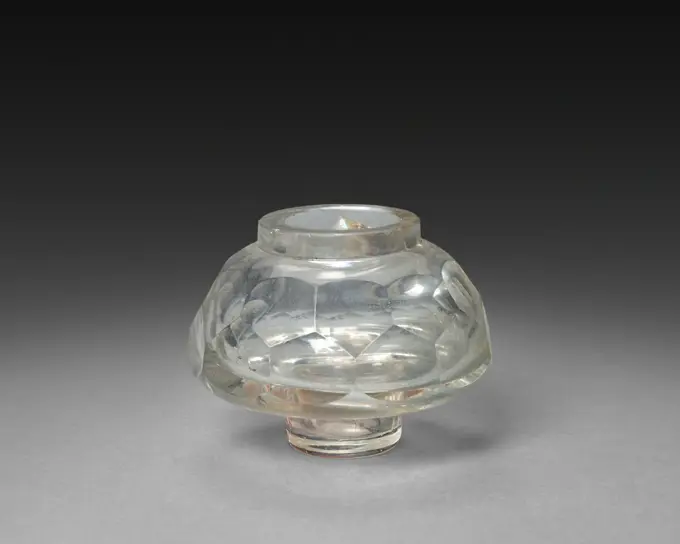
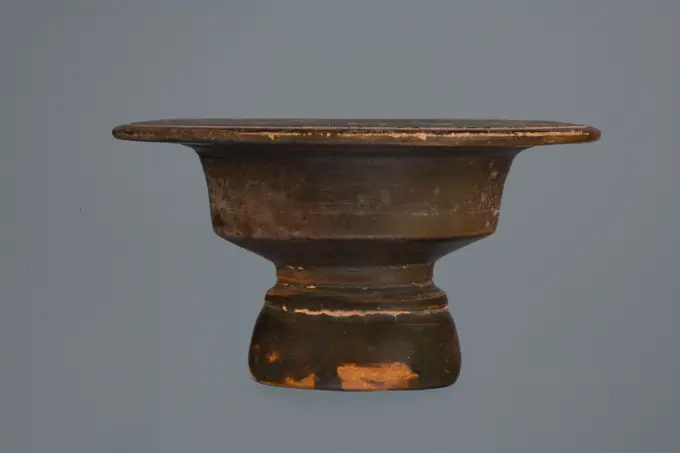
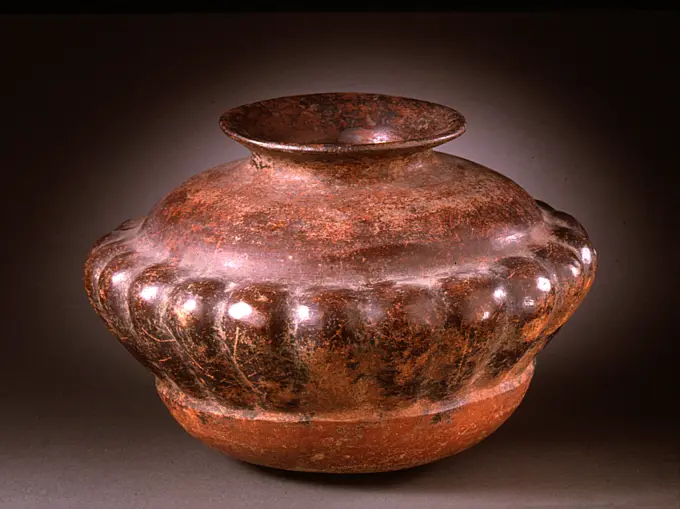
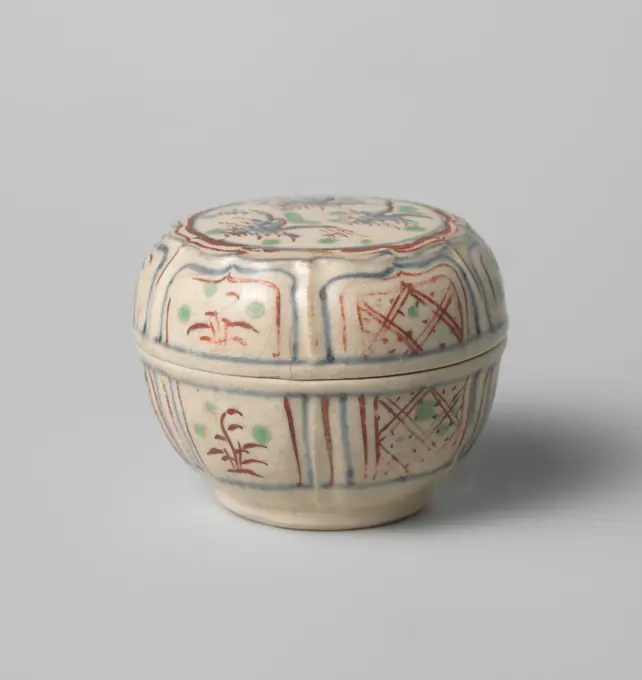
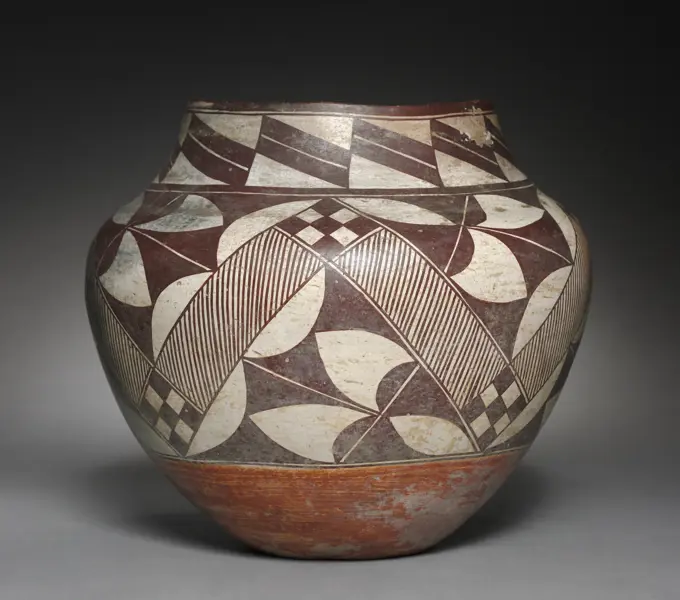
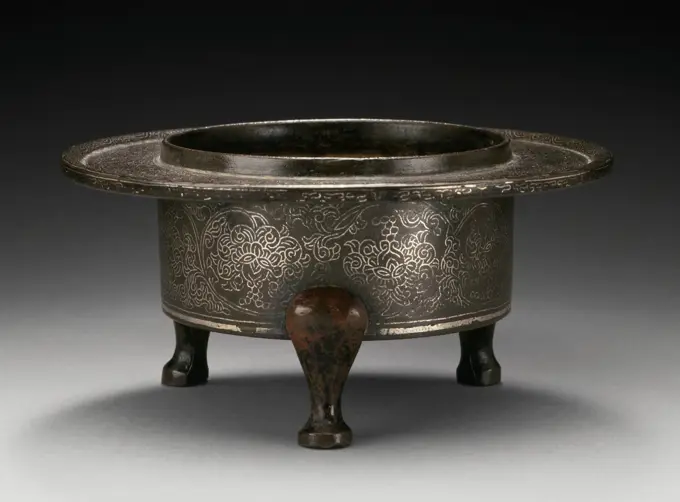
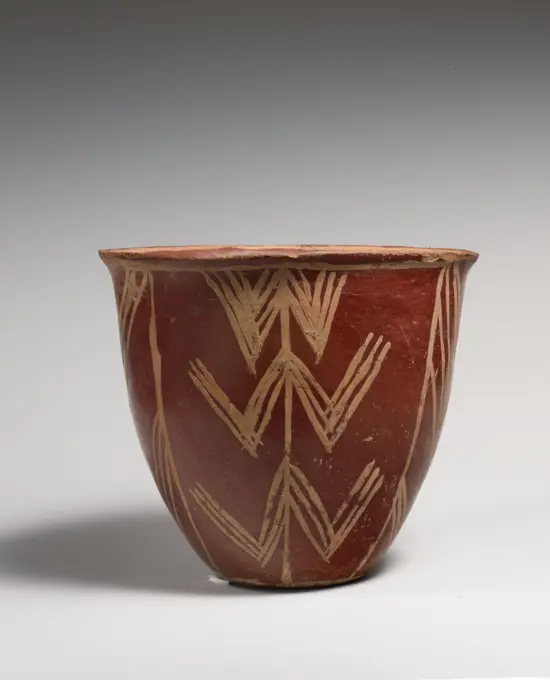
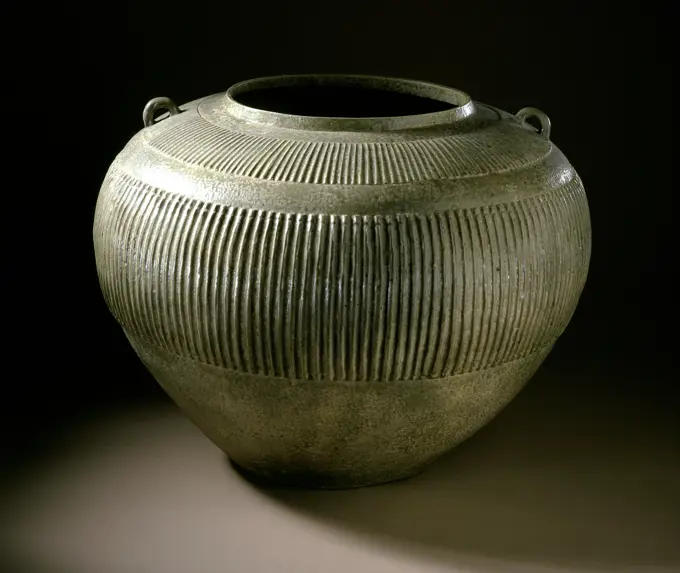
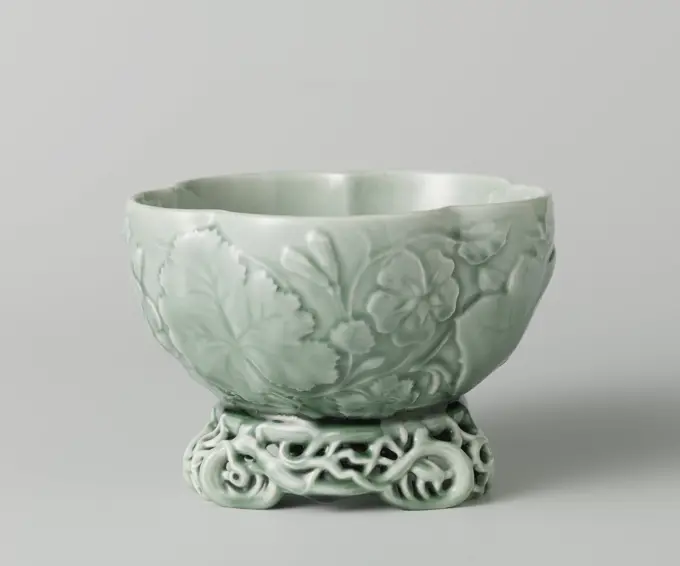
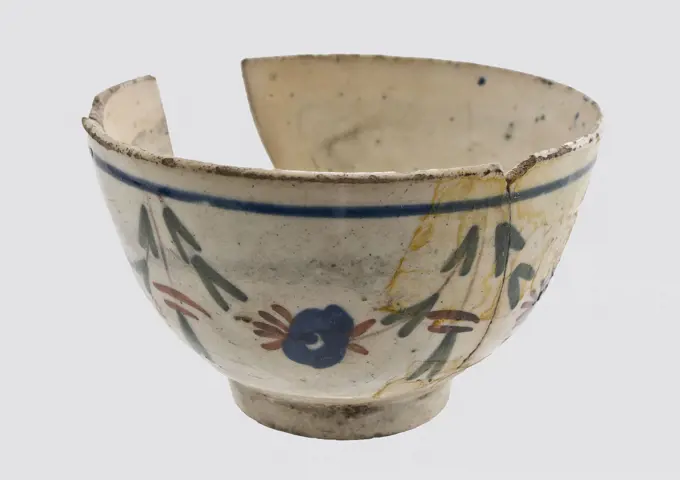
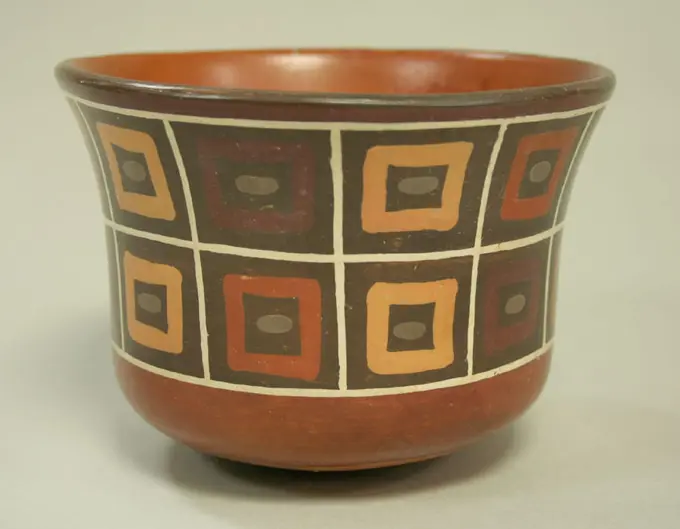
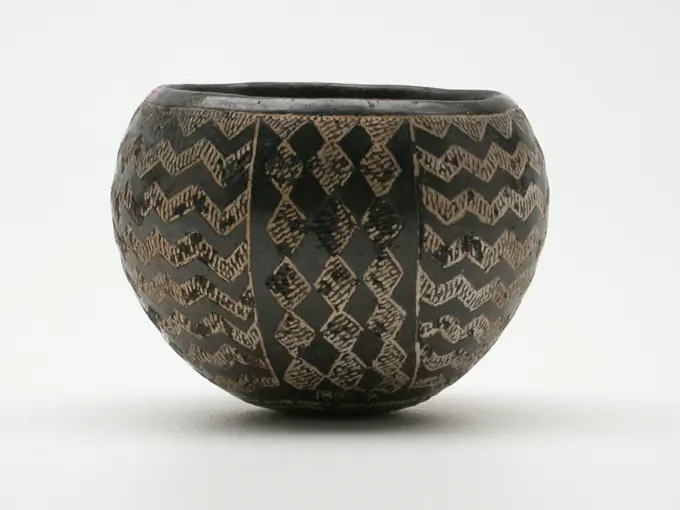
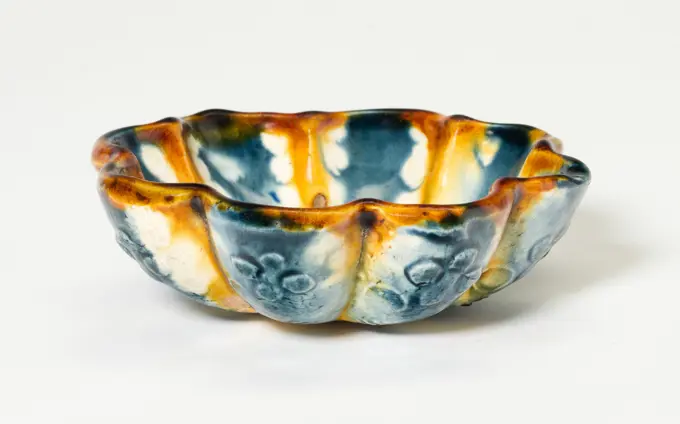
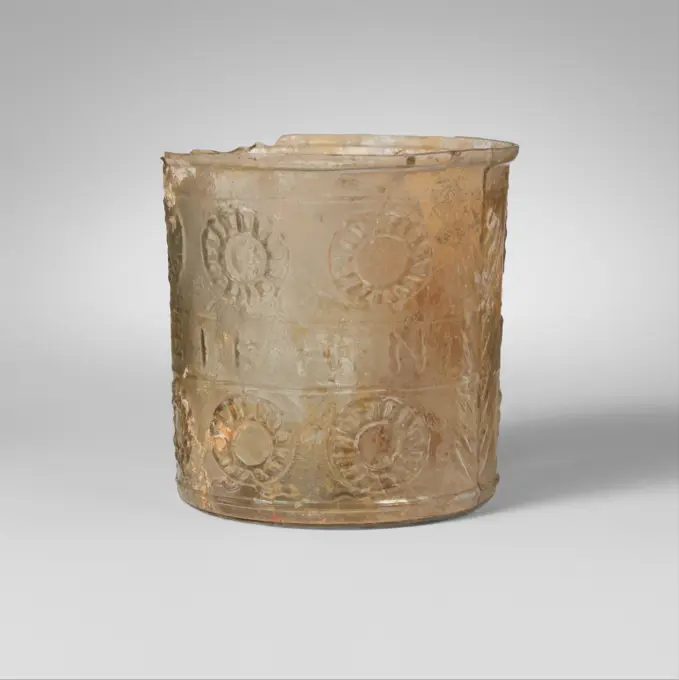
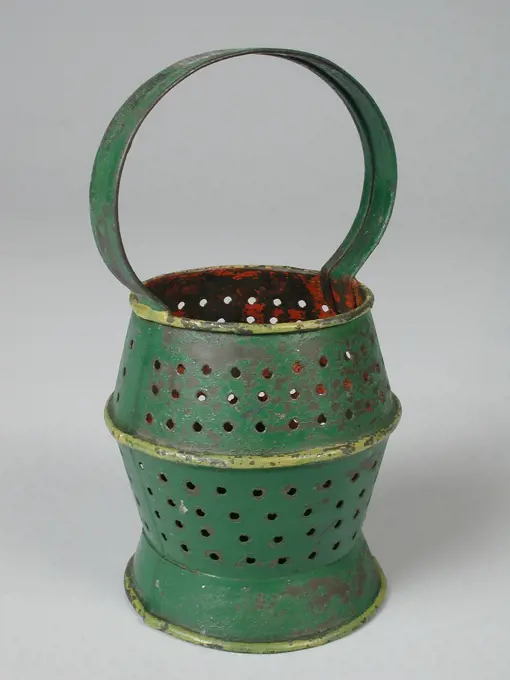
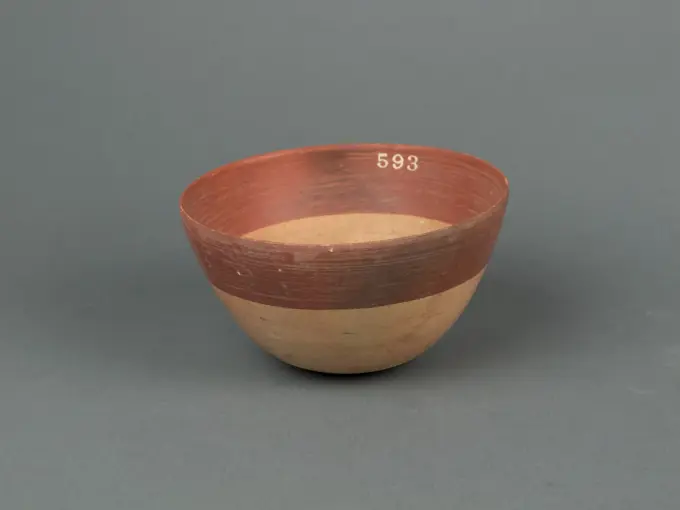
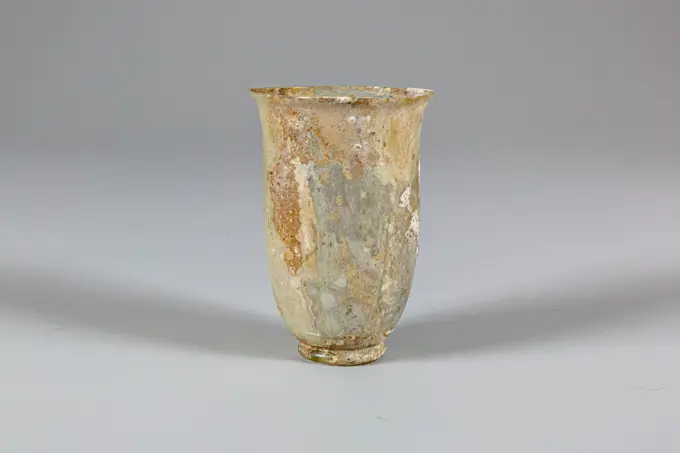
Ding boat;  19th century () (1801-00-00-1900-00-00);Bowl. Iran, 11th century. Metal. Bronze, cast, incised, and engravedStone bowl 1st century B.C.-1st century A.D. Roman This bowl, made from granite, is a rare surviving example of the hard-stone vessels that were highly prized by wealthy Romans.. Stone bowl 256212Terracotta bowl 2nd half of 1st century AD Roman Red-glazed plate with vase; terra sigillata; leaf design in barbotine.. Terracotta bowl 250086Terracotta skyphos (deep drinking cup). Culture: East Greek. Dimensions: Overall: 5 9/16 x 11 1/2in. (14.2 x 29.2cm); diameter 8 7/8in. (22.5cm). Date: late 7th-early 6th century B.C..Alternating black bands and geometric patterns. Museum: Metropolitan Museum of Art, New York, USA.Glass beaker. Culture: Roman, Cypriot. Dimensions: Height: 3 7/16 in. (8.8 cm)Body diameter: 2 3/4 in. (6.9 cm)Diam. of rim: 2 13/16 in. (7.1 cm)Diam. of foot: 1 5/8 in. (4.1 cm). Date: mid-late 2nd century A.D..Translucent yellow green.Uneven, knocked-off rim, with bulging collar beneath; cylindrical sides to body, curving in to integral, low base ring; pushed-in bottom.Band of fine abraded horizontal lines below collar; six deep vertical indents in sides.Intact, except for minor cracks in rim; pinprick bubbles and a few glassy inclusions; slight dulling, pitting, and areas of iridescent weathering. Museum: Metropolitan Museum of Art, New York, USA.Pair of dou (ritual food vessels), 5th century BCE, 8 1/4 × 9 1/16 × 7 3/8 in., 3.5 lb. (20.96 × 23.02 × 18.73 cm, 1.6 kg), Bronze, China, 5th century BCE, These food containers, called dou, are cleverly designed. When turned upside down, the lids serve a secondary function as dishes to serve the food contained within. The majority of the decoration is composed of bands made up of repeated panels filled with minute comma patterns. Below the main zone is a row of heart-shaped hanging blades, again filled with commas. These basic design units were created with carved ceramic stamps that impressed the clay mold while still pliable. This technique greatly accelerated the process of mold production.BARREÑON DE MATANZA CON DOS ASA Y VIDRIADO INTERIOR. Location: ALFARERIA. SPAIN.Dish (usual name). Sandstone with brown-black decoration under cover. Cernuschi Museum, Asia Museum of Asia in the city of Paris.Cup or Bowl second half 2nd century Roman. Cup or Bowl 468226Pottery saucepan on three legs, with pouring spout and slant directed upwards, saucepan cooking pot crockery holder kitchenware soil find ceramic earthenware glaze lead glaze, hand turned molded glazed baked earthenware pan with handle red shard brown glaze pouring spout three legs obliquely upward pointed stem tapered shape Roetsporen at the bottom. Glazed interior and glazed on the outside Edge with wide horizontal groove archeology Valckensteyn Poortugaal Albrandswaard indigenous earthenware cooking kitchen preparing food Soil discovery: canal at Keuken castle Valckensteyn at Poortugaal now Albrandswaard 1961Box and cup, anonymous, 700 - 799 Cup decorated with three horizontal tires with flying birds between curl decorations of flower and leaf motifs on a substrate of fine mat. China silver (metal) rejected Cup decorated with three horizontal tires with flying birds between curl decorations of flower and leaf motifs on a substrate of fine mat. China silver (metal) rejectedBowl Royal CopenhagenKylixNaczynie do płukania pędzli. unknown, craftsmanSawankalok Stem Cup, 14th century, 5 11/16 x 9 3/4 in. (14.4 x 24.77 cm), Stoneware, Thailand, 14th centuryCup. unknown, craftsmanBowl. unknown, craftsmanTea Bowl: Jian ware, 960- 1279. China, Fujian province, Song dynasty (960-1279). Brown stoneware with iron slip glaze; diameter: 12.4 cm (4 7/8 in.); overall: 4.8 cm (1 7/8 in.).André Metthey (1871-1920). Bowl. Earthenware. 1909-1920. Museum of Fine Arts of the City of Paris, Petit Palais. Bowl, ceramic, faience, pottery, 20th XXth XX 20th 20th 20th centuryCovered Box 14th-ca. mid-16th century Thailand (Si Satchanalai). Covered Box. Thailand (Si Satchanalai). 14th-ca. mid-16th century. Earthenware with cream white glaze and iron-brown underglaze decoration. CeramicsSmall bowl with scenes in a Hutsul landscape.. Wąsowicz, Wacław (1891-1942), painterSmall BowlPart of a coffee and tea service.Tripode with vertical handles and lid ". Terracotta. Vietnam-Xe-Xive s. Paris, Cernuschi museum. 72361-41 Handle, lid, Vietnamese object, terracotta, tripod, verticalOvoid covered jar with a light blue glaze, anonymous, c. 1400 - c. 1599 Lid of egg -shaped lid pot of stoneware, covered with a light blue/gray -white glaze. A chip in the edge of the lid has been restored. Sawankhalok stoneware. glaze vitrification Lid of egg -shaped lid pot of stoneware, covered with a light blue/gray -white glaze. A chip in the edge of the lid has been restored. Sawankhalok stoneware. glaze vitrificationCovered Box. Thailand, Sawankhalok, 16th century. Furnishings; Accessories. Stoneware with underglaze black painted decorationBowl with Rattle Base, c. 900-1519. Mexico, Cholula, Mixteca-Puebla Style, 10th-16th century. Earthenware with colored slips; diameter: 7.9 x 11 cm (3 1/8 x 4 5/16 in.); overall: 8 cm (3 1/8 in.).Bowl with the Eight Buddhist Treasures. Culture: China. Dimensions: H. 5 5/8 in. (14.3 cm); Diam. 11 1/2 in. (29.2 cm); Diam. of foot 5 1/2 in. (14 cm). Date: 16th century.The objects supported by lotus stands at the center of this bowl illustrate a traditional grouping of eight "treasures"--among them an endless knot, a banner or flag, a conch shell, and a pair of fish--that were introduced with Buddhism and are often found in the later decorative arts. Here, the fish are repeated at the bottom of the bowl, while lotus blossoms, Buddhist symbols of purity, decorate the exterior. The prevalence of imagery associated with Buddhism and other religious practices in the decoration of cloisonné reflects the use of such goods in temples and palaces. Museum: Metropolitan Museum of Art, New York, USA.Come, beaten from a Gelderse Munt of 1760, Anonymous, c. 1760 Come from copper, from the inside toys; beaten from Gelderse Munt from 1760. On the bottom a weapon and year. Amsterdam (possibly) copper (metal). tin alloy Come from copper, from the inside toys; beaten from Gelderse Munt from 1760. On the bottom a weapon and year. Amsterdam (possibly) copper (metal). tin alloyTerracotta one-handled cup. Culture: Greek, Attic. Dimensions: H. 1 15/16 in. (5 cm). Date: late 8th century B.C..From the Hymettos deposit (see 30.118.1). Museum: Metropolitan Museum of Art, New York, USA.Stem Cup. China. Date: 618 AD-906 AD. Dimensions: H. 15.2 cm (6 in.); diam. 14.9 cm (5 7/8 in.). Earthenware with three color (sancai) lead glazes and underglaze molded decoration. Origin: China. Museum: The Chicago Art Institute, Chicago, USA.Dish with Flaring, Lobed, and Barbed Rim. China. Date: 907 AD-960 AD. Dimensions: 5.2 × 15.3 × 15.8 (2 1/16 × 6 × 6 1/4 in.). Ding-type ware; glazed porcelain. Origin: China. Museum: The Chicago Art Institute, Chicago, USA.Ritual Buddhist Bottle Vase and Cover, 7th-8th century, 8 3/16 x 4 1/4 in. (20.8 x 10.8 cm) (vase without cover), Bronze, China, 7th-8th century, Made for Buddhist rituals, this finely finished, elegantly proportioned, lidded bottle vase and basin can be associated with the bodhisattva Guanyin (Avalokitesvara). Called an ambrosia vase, it is the type carried by Guanyin and is said to carry the elixir that comforts mortals who are seeking salvation.LovingCupPlate. Thailand, Sawankhalok, 15th century. Furnishings; Serviceware. Stoneware with celadon glazeBowl. Thailand, Sukhothai, circa 15th-16th century. Furnishings; Serviceware. Wheel-thrown stoneware with cream slip, underglaze brown painted decoration, and pale blue glazeLazio Latina Sezze Antiquarium Comunale57. Hutzel, Max 1960-1990 German-born photographer and scholar Max Hutzel (1911-1988) photographed in Italy from the early 1960s until his death. The result of this project, referred to by Hutzel as Foto Arte Minore, is thorough documentation of art historical development in Italy up to the 18th century, including objects of the Etruscans and the Romans, as well as early Medieval, Romanesque, Gothic, Renaissance and Baroque monuments. Images are organized by geographic region in Italy, then by province, city, site complex and monument.Bowl with Bold Black-on-White Diamond and Zizgag Motifs 900 CE-1450 New Mexico. Ceramic and pigment . Ancestral Pueblo (Anasazi)Inkwell. Culture: Mexican. Dimensions: H. 2 1/2 in. (6.4 cm). Date: ca. 1860. Museum: Metropolitan Museum of Art, New York, USA.Jar (Hu) with Vertical Ribs and Two HandlesOne Conical Bowl. Unknown 175-75 B.C. One of a pair of conical bowls. On the interior rim is a rounded molding, grooved at the lower edge. There is a Greek inscription on the exterior edge: KOTEOYC MHTPOC OPEAC, Belonging to Kotes, priest of the mountain mother (Theodossiev 2001, however, takes the name as nominative). Greek inscription on the exterior edge: KOTEOYC MHTPOC OPEAC (Belonging to Kotes, priest of the mountain mother).Jar, 12th-13th century, 6 3/4 x 8 1/4 x 8 1/4 in. (17.15 x 20.96 x 20.96 cm), Stoneware with brown glaze, China, 12th-13th centuryTray, 1895. California, Pomo, late 19th- early 20th century. Plain twine; overall: 14.5 x 47 cm (5 11/16 x 18 1/2 in.).Lucania pottery, Ceramic vessel with geometric decoration from Serra d'Alto, Basilicata Region, Italy, Italic civilizationsBowl with Geometric Design 10th-15th century Mexican. Bowl with Geometric Design 316306Vase, 1905. Edwin Martin (British, 1860-1915), Martin Brothers (British). Stoneware; overall: 15.8 x 11.8 cm (6 1/4 x 4 5/8 in.).Bowl with Dragons, 1662-1722. China, Jiangxi province, Jingdezhen kilns, Qing dynasty (1644-1912), Kangxi mark and period (1662-1722). Porcelain with incised and enamel decoration; diameter: 11.2 cm (4 7/16 in.).Terracotta tankard. Culture: Cypriot. Dimensions: H. 5 15/16 in. (15.1 cm). Date: ca. 1600-1150 B.C..White slip ware with wide-neck, handle, lattice and chain ornament. Museum: Metropolitan Museum of Art, New York, USA.Bowl with Two Boys among Foliage 11th-12th century China Although early Yaozhou wares often had elegant light blue glazes, by the mid-tenth century most wares of this type were covered with olive-toned glazes. The reasons for the change remain obscure, though it may have resulted from the switch from wood to coal as the fuel for the kiln.. Bowl with Two Boys among Foliage. China. 11th-12th century. Stoneware with mold-impressed decoration under celadon glaze (Yaozhou ware). Northern Song dynasty (960-1127). CeramicsDish 18th century China. Dish 48061Bowl with stones and carnelian bead ca. 3100-2649 B.C. Early Dynastic Period. Bowl with stones and carnelian bead. ca. 3100-2649 B.C.. Pottery. Early Dynastic Period. From Egypt, Northern Upper Egypt, Abydos, Egypt Exploration Fund excavations. Dynasty 1Vase, 20th century, 6 1/2 x 6 7/8 in. (16.5 x 17.46 cm), Earthenware, Democratic Republic of Congo, 20th centuryTazza 1880-88 Possibly Boston & Sandwich Glass Company. Tazza 8255Lamp. Eastern Mediterranean, 12th-13th century. Glass. Glass, applied handlesMiniature Bowl. Culture: Teotihuacan. Dimensions: Height 1-1/2 in.. Date: 3rd-8th century. Museum: Metropolitan Museum of Art, New York, USA.Cup With Stylized Flowers. Cup of porcelain with spreading wall, painted in underglaze blue. On the outside wall a band with stylized flower drinks interspersed with three lines. A stylized flower rosette on the bottom. The inner edge with a bond with a zigzag pattern. Marked on the underside with the four-character mark of Emperor Yongzheng () In a double circle. Blue White.Small majolica albarello with blue and purple decor of bands on white ground, albarello holder soil find ceramic earthenware glaze lead glaze tin glaze, hand turned baked glazed painted fried Small albarello on stand surface Three constrictions of the cylindrical sidewall Polychrome decor of blue bands and one purple band around the center of the sidewall. Slightly flowed Lead glaze on the inside archeology indigenous pottery ointment care pharmacy packing craft. Sugar bowl of stoneware with salt glaze, part of a crockery.Blue Ribbed Bowl (Rippenschale) with White Trails. UnknownBowl 1 CE-200 CE Syria. Glass, blown technique . Ancient RomanInkwell (bottle), 1825-1850. England or America, 19th century. Gilt bronze and glass; overall: 7 x 24.8 x 13.4 cm (2 3/4 x 9 3/4 x 5 1/4 in.).Czarka czarnofirnisowana. unknown, authorVessel. Mexico, Colima, Colima, 200 BCE-500 CE. Ceramics. Burnished red-slipped ceramicBox with Diaper Patterns and Flowering Plants in a Panel Decoration. Box of stoneware, painted in underglaze blue and on the glaze red and green. The wall of the box is modeled in boxes with alternating napkin or a flowering plant. Decoration Following the Chinese squirrch porcelain.Bowl Roman. Bowl. Roman. Terracotta. VasesWater Jar (Olla), 1880s. Southwest,Pueblo, Acoma, Post-Contact Period, 20th century. Ceramic; overall: 24.5 x 27.5 cm (9 5/8 x 10 13/16 in.).Bell-shaped cup with precious objects on a green ground with cloud motifs, c. 1675 - c. 1699 Bell -shaped head of porcelain, painted on biscuit in green, yellow, eggplant and black. The head is covered with a cloud motif on a green soil on the inside and outside (excluding the bottom inside the foot ring); On this motif valuables (mint, pearl, window, artemisia leaf) and lucky symbols (shell). Email sur Biscuit. China porcelain. glaze. painting / vitrification Bell -shaped head of porcelain, painted on biscuit in green, yellow, eggplant and black. The head is covered with a cloud motif on a green soil on the inside and outside (excluding the bottom inside the foot ring); On this motif valuables (mint, pearl, window, artemisia leaf) and lucky symbols (shell). Email sur Biscuit. China porcelain. glaze. painting / vitrificationSkyphos East Greek/Sardis, Lydian. Skyphos. East Greek/Sardis, Lydian. Terracotta. VasesIncense Burner Compensated Chrysanthemum Design Iron Inlaid with Silver. Korea, Goryeo dynasty (918-1392), 13th-14th century. Tools and Equipment; burners. Cast bronze with silver wire inlayWhite cross-lined ware bowl with geometric patterns ca. 3700-3650 B.C. Predynastic, Naqada I. White cross-lined ware bowl with geometric patterns. ca. 3700-3650 B.C.. Pottery, paint. Predynastic, Naqada I. From EgyptBowl Depicting Shark or Killer Whale Made 180 BCE-500 CE Peruvian South Coast. Ceramic and pigment . NazcaCom, anonymous, 1750 - 1775 Come from faience in the form of a cabbage. Multicolored painted with a water landscape in blue on the bottom. Delft (possibly) . Come from faience in the form of a cabbage. Multicolored painted with a water landscape in blue on the bottom. Delft (possibly) .Jar (Guan) with Ribs. China, probably Zhejiang Province, Late Eastern Zhou dynasty, Warring States period or early Western Han dynasty. Furnishings; Serviceware. Coil and thrown stoneware with applied and stamp decorationCAZUELA CAMPANIFORME CON DECORACION INCISA, TIPO CIEMPOZUELOS. CALCOLITICO CERAMICA. (DEPOSITO: MUSEO ARQUEOLOGICO NACIONAL).MIniature Flared Bowl Depicting Trophy Heads and Abstract Peppers Made 180 BCE-500 CE Peru. Ceramic and pigment . NazcaTalerz z dekoracją w postaci liści palmowych. unknown, authorBowl on stand, Théodore Deck, c. 1890 Come with flower and plant motifs in relief on a foot of open-up ceramics, imitation of Celadon or Jade. The body is white, on which a green glaze has been applied. The glaze is fitted thicker in the edges and darker in color. The foot and the bowl sit together. France earthenware. glaze vitrification Come with flower and plant motifs in relief on a foot of open-up ceramics, imitation of Celadon or Jade. The body is white, on which a green glaze has been applied. The glaze is fitted thicker in the edges and darker in color. The foot and the bowl sit together. France earthenware. glaze vitrificationTea bowl with simple colored flower garlands on the outside wall, bowl crockery holder soil find ceramic porcelain glaze, in form made hand-painted glazed fried Small bowl on stand. White earthenware or industrial white Decoration applied by hand Polychrome consisting of flower garlands in the colors green red manganese and blue Highly discolored by staying in the soil archeology Valckensteyn Poortugaal Albrandswaard indigenous pottery drinking tea drinking tea serving Soil discovery Poortugaal Castle Valckensteyn.BowlPainted Bowl 1st-6th century Nasca. Painted Bowl. Nasca. 1st-6th century. Ceramic, pigment. Peru. Ceramics-ContainersLazio Viterbo Viterbo Museo Civico39. Hutzel, Max 1960-1990 Views of paintings (Middle Ages through 18th c.), frescoes, a tabernacle, coffin, sculpture reliefs, portal fragments, busts, sculpture, tapestry found in the Pinacoteca, Second floor gallery and Second floor cloister sequences. Antiquities: Many views of Etruscan and Roman fragments, sculpture, sarcophagi, pottery, masks, jewelry and other objects found in the Storeroom sequence (inventory numbers on back of prints), and the Cloister, Second floor Cloister, Valle Giulia, Sala Romana and Sala Etrusca sequences. General Notes: There are eight separate numerical sequences for this location. The cloister as an architectural structure, rather than museum site, is documented in the record and file for S. Maria della Verita, Cloister, all views of which are stored in Medieval core collection. Five views from the Museo Civico Second floor cloister sequence are stored in Medieval. German-born photographer and scholar Max Hutzel (1911-Bowl 2000 BCE-1750 BCE Ancient Egypt. terracotta . NubianLobed Bowl with Stylized Florets 700 CE-750 CE China. Earthenware with three color (sancai) lead glazes and underglaze molded decoration .Bowl with Bird Design. Culture: Nopiloa. Dimensions: H. 4 x Diam. 7 in. (10.2 x 17.8 cm). Date: 7th-10th century. Museum: Metropolitan Museum of Art, New York, USA.Bowl with Bold, Irregular Geometric Bands of Stripes, Zigzag, and Checkerboard Motifs 800 CE-1000 Arizona. Ceramic and pigment . CibolaBowl, earthenware, glaze, Footless bowl, tapering slightly from shoulder to base, with low neck, wide mouth, rounded lip. On cream-colored clay body, brown mat glaze ground mottled with black; four shallowly modeled flame-like forms encircling bowl mat-glazed with dark red over tan; lip and neck dark red over tan with irregular blackish-red streaking., Cincinnati, Ohio, USA, 1913, ceramics, Decorative Arts, BowlManufacture of Sèvres. Chinon cut. Stoneware. Museum of Fine Arts of the City of Paris, Petit Palais. Art Menager, Chinon Cup, Gres Cerame, Manufacture de SevresTerracotta bowl with vertical handle mid-6th-early 5th century B.C. Native Italic, Daunian This type of bowl is one of the most characteristic Daunian shapes. Figural motifs are often integrated into the geometric decoration of the handle and the interior of the vase.. Terracotta bowl with vertical handle. Native Italic, Daunian. mid-6th-early 5th century B.C.. Terracotta. Archaic. VasesBasket of multicolor hard-baked pottery; Staffordshire. Oval basket of multicolored hard-baked pottery. The basket is partly open, partly decorated with male work and flower branches in relief, with crosses along the rocailles edges. The basket is covered with a manganese-brown dotted lead glaze with stains in blue, green and yellow. The basket belongs to an underfair with Invnr. BK-1987-35-a.Bowl. Culture: Veracruz. Dimensions: H. 3 13/16 in. (9.6 cm). Date: 4th century. Museum: Metropolitan Museum of Art, New York, USA.Bowl. Culture: Japan. Dimensions: H. 4 1/4 in. (10.8 cm); Diam. 9 3/4 in. (24.8 cm). Date: 18th century. Museum: Metropolitan Museum of Art, New York, USA.Glass beaker with inscription 1st half of 1st century A.D. Roman Colorless with pale yellow green tinge.Outsplayed unworked rim; cylindrical body with vertical sides; uneven, flat bottom. Two vertical mold seams run down sides from rim to edge of bottom through palm fronds, with a separate disk-shaped base section.On body, three friezes separated and bordered by single horizontal ridges, and divided vertically by two palm fronds: the central narrower frieze contains an inscription in Greek capitals which reads ΛΑΒΕ ΤΗИ // ΝΕΙΚΗΝ; the upper and lower friezes each contain six stylized wreaths, comprising two concentric circles joined by radial lines, and with wavy lines below indicating ribbons. The inscription translates as"Take the victory!" On bottom, projecting rounded ring and central dot.Complete except that part of rim is missing; pinprick and some larger bubbles; dulling, pitting, creamy brown weathering, and iridescence.Blown in the same mold as 37.128.10.This beaker is similar Basket. Culture: Japan. Dimensions: H. 4 3/4 in. (12.1 cm); Diam. 6 1/2 in. (16.5 cm). Date: 19th century. Museum: Metropolitan Museum of Art, New York, USA.Small Flaring Bowl Depicting Costumed Ritual Performers Cracked 180 BCE-500 CE Nazca Valley. Ceramic and pigment . NazcaSake cup early 17th century Japan. Sake cup 52211metal worker: Gresnich, Green cans colander, colander basket kitchen utensils miniature toy relaxant model metal paint h 14,5, curved soldered painted tinned tin High basket on slightly oblique foot convex wall Perforated Fors handle 1868 Sibilla van Embden play food prepare seven kitchensGlass beaker with inscription. Culture: Roman, Syrian. Dimensions: H.: 3 1/8 in. (8 cm). Date: 1st century A.D..Translucent pale yellow green.Outsplayed unworked rim; cylindrical body with vertical sides; flat bottom. Two vertical mold seams run down sides from rim to edge of bottom through palm fronds, with a separate disk-shaped base section.On body, large central frieze bordered above and below by two horizontal ridges, and divided vertically by two tapering palm fronds, extending from top of band around bottom of body to rim: the frieze contains an inscription in Greek capitals, with wreaths above, pointing in opposite directions; around bottom of side, continuous horizontal wreath with chevrons facing to right. The inscription translates as "Rejoice and be merry!" On bottom, projecting rounded ring and central dot.Broken and repaired, one small hole in side and larger holes in lower body and around edge of bottom; pinprick bubbles; dulling, slight pitting, creamy weathering, aCup Cypriot Deep cup of thin ware with broad red band on edge of lip.. Cup. Cypriot. Terracotta. Iron Age. VasesGlass beaker 3rd-4th century A.D. Roman Colorless with pale green tinge.Outsplayed rim, with uneven, cracked-off lip; almost vertical side, then curving in; partially tubular ring base; uneven bottom with small, central kick.On body, horizontal bands of faint wheel-abraded lines.Complete, but cracks in body; pinprick bubbles; dulling, iridescence, and large patches of limy weathering.. Glass beaker. Roman. 3rd-4th century A.D.. Glass; blown and cut. Late Imperial. Glass