Traditional Chinese Bowls

A collection of ancient Chinese bowls featuring intricate glaze patterns, various shapes, and colors, reflecting historical craftsmanship and artistry.
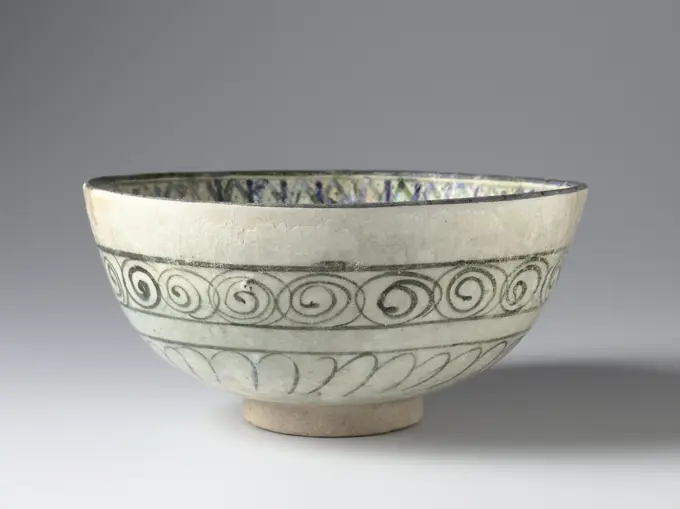
Bowl with a star in a roundel, anonymous, c. 1200 - c. 1399 Come from quartz fritry, with blue, green and black under the transparent alarm laze. A star in a rosette on the bottom. The inner edge with a band with geometric motifs. On the outer wall a band with curl work and one with leaf motifs underneath. Iran earthenware. glaze painting / vitrification Come from quartz fritry, with blue, green and black under the transparent alarm laze. A star in a rosette on the bottom. The inner edge with a band with geometric motifs. On the outer wall a band with curl work and one with leaf motifs underneath. Iran earthenware. glaze painting / vitrification
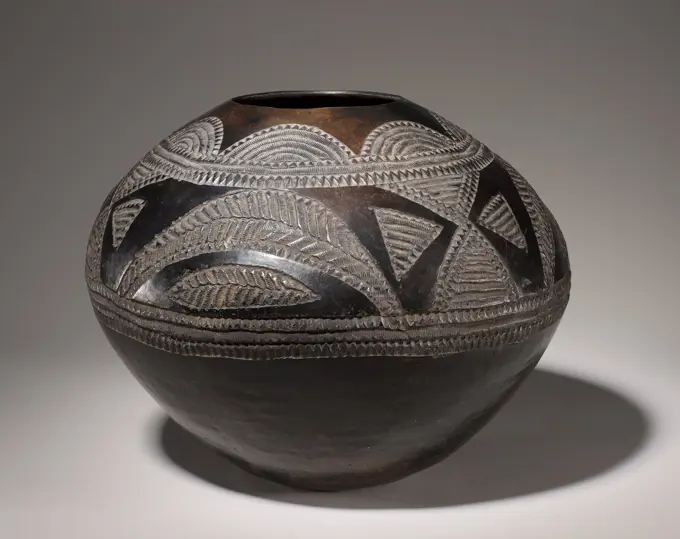
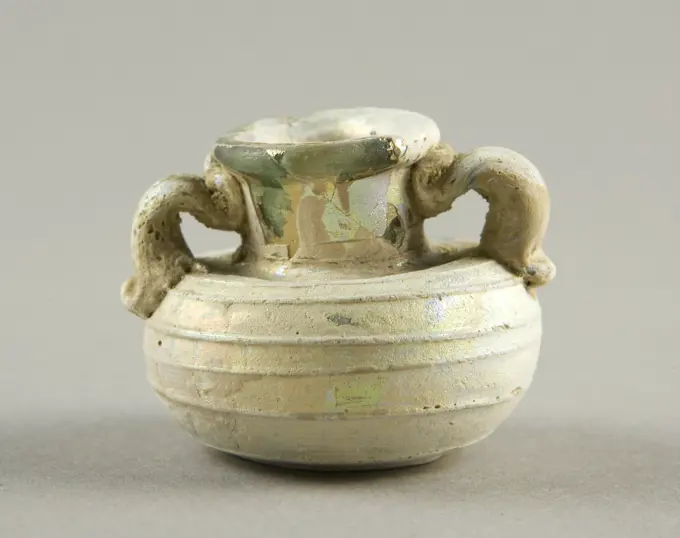
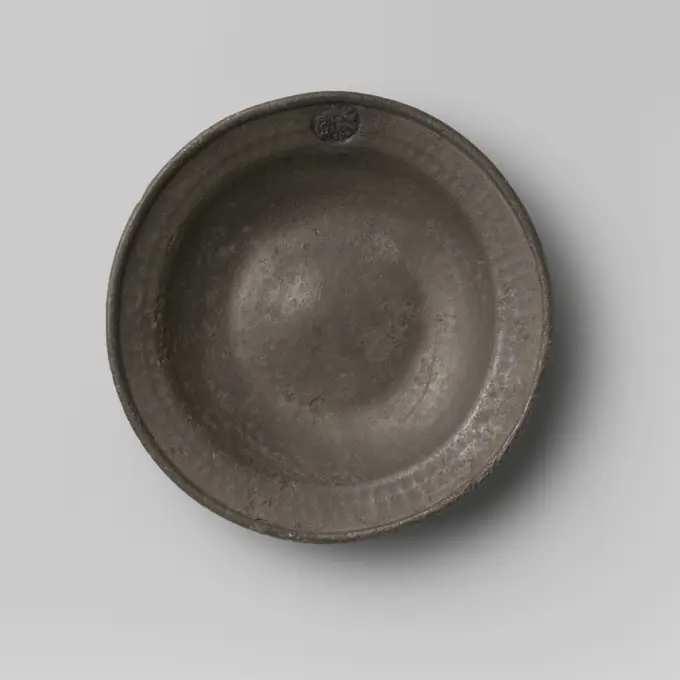
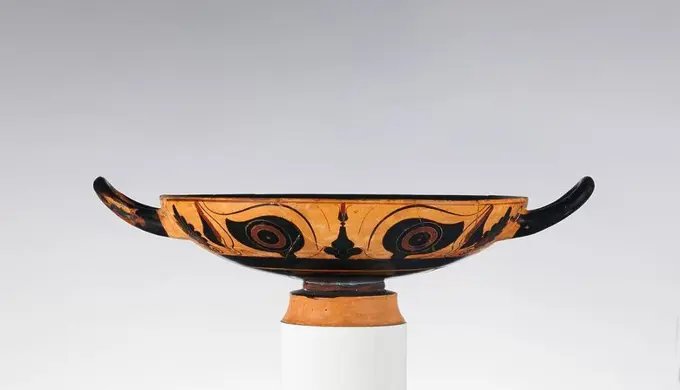
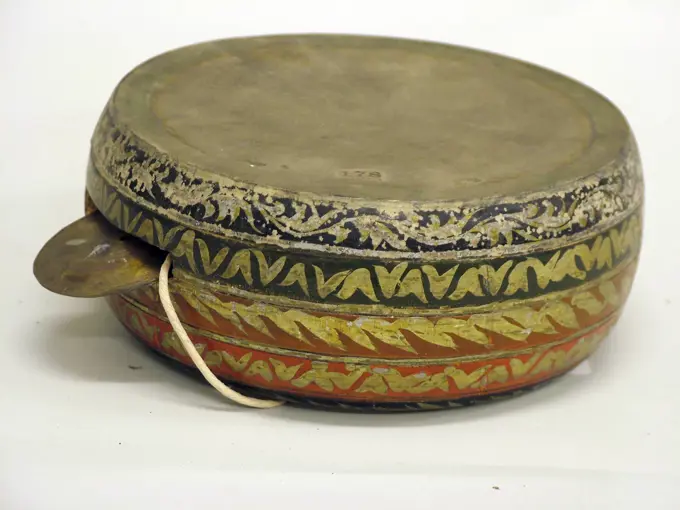
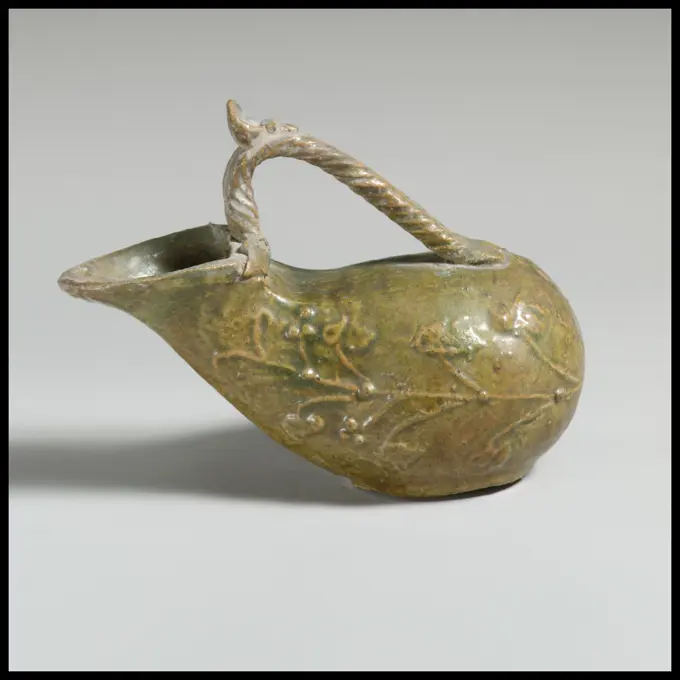
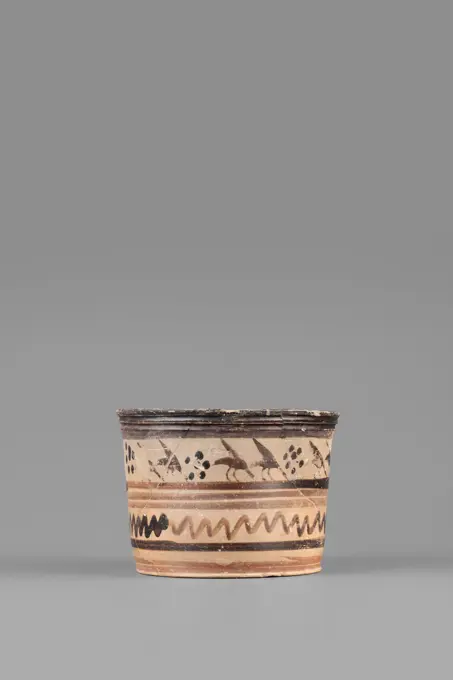
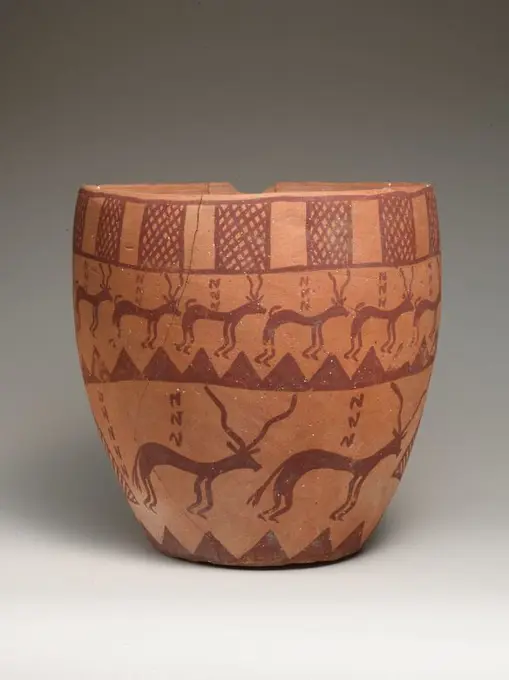
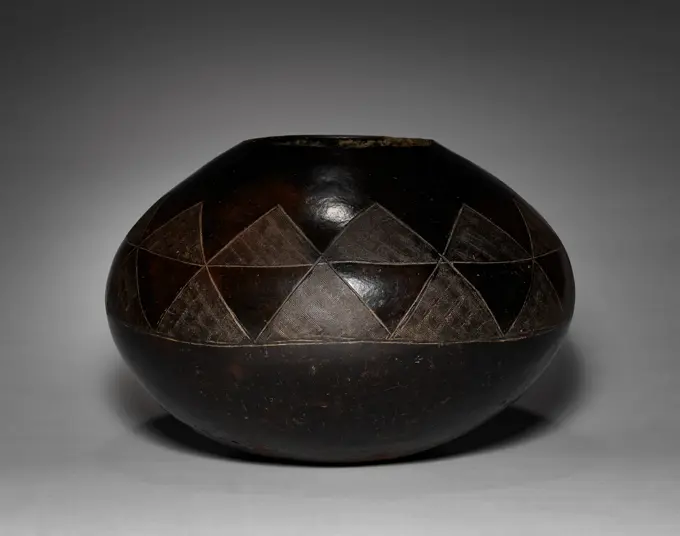
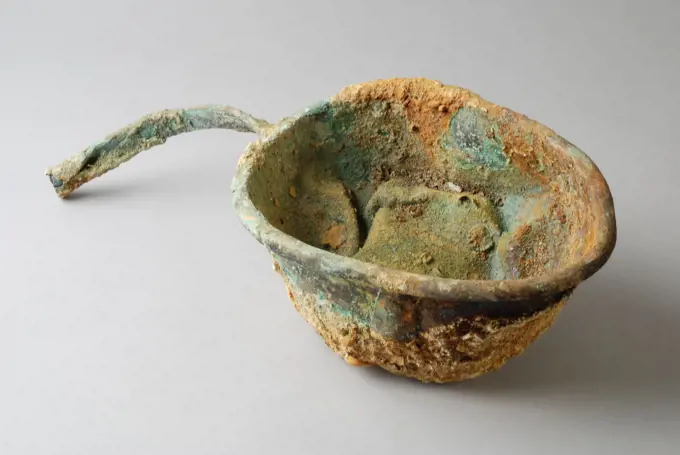
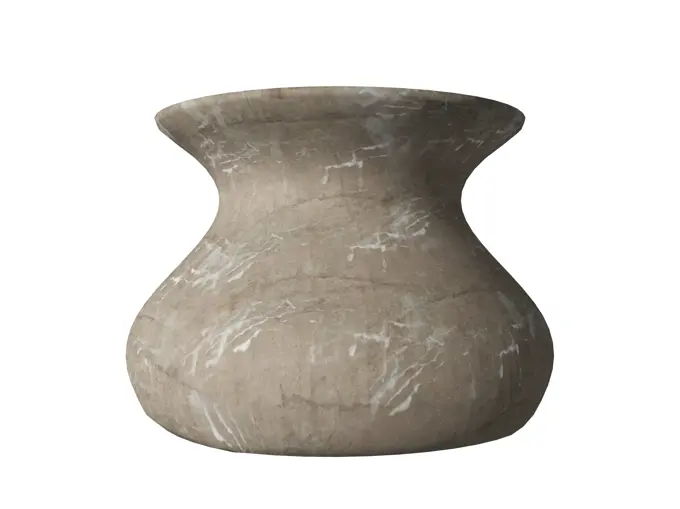
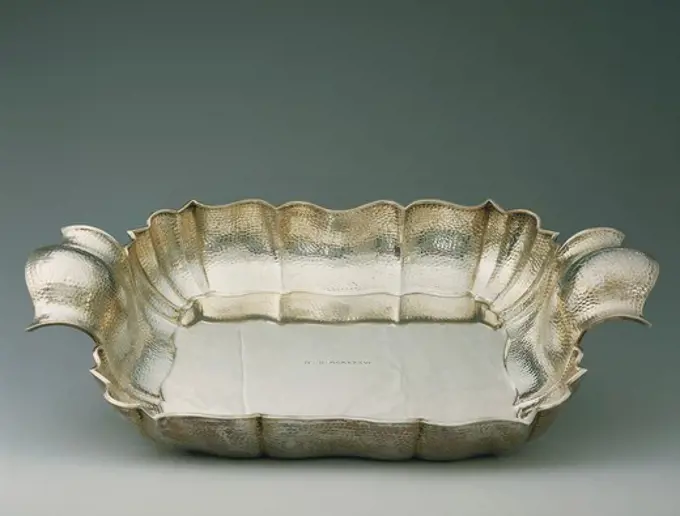
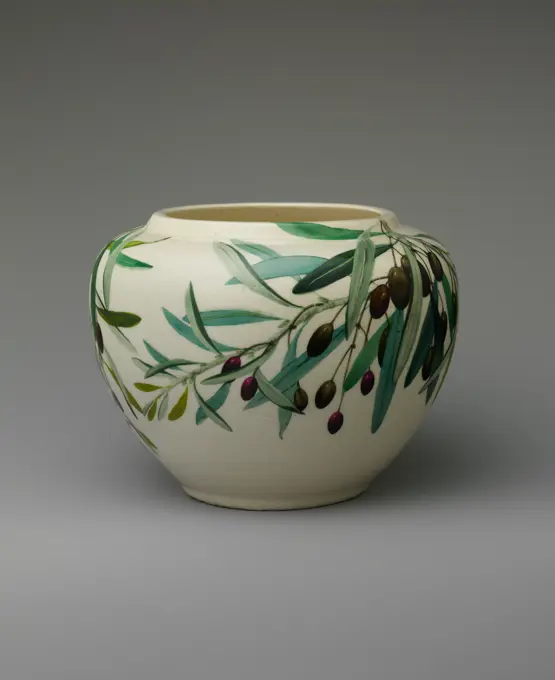
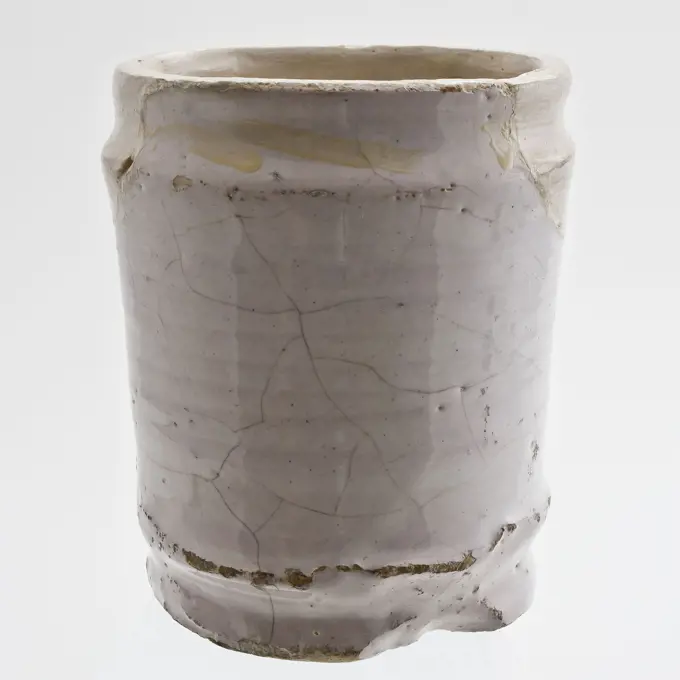
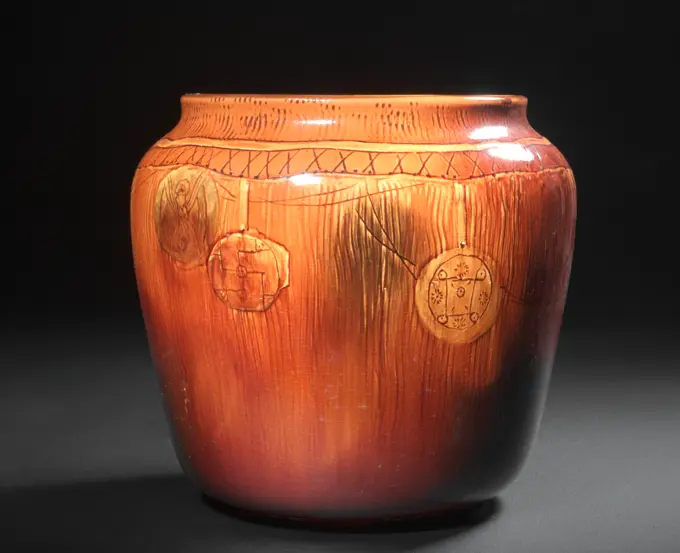
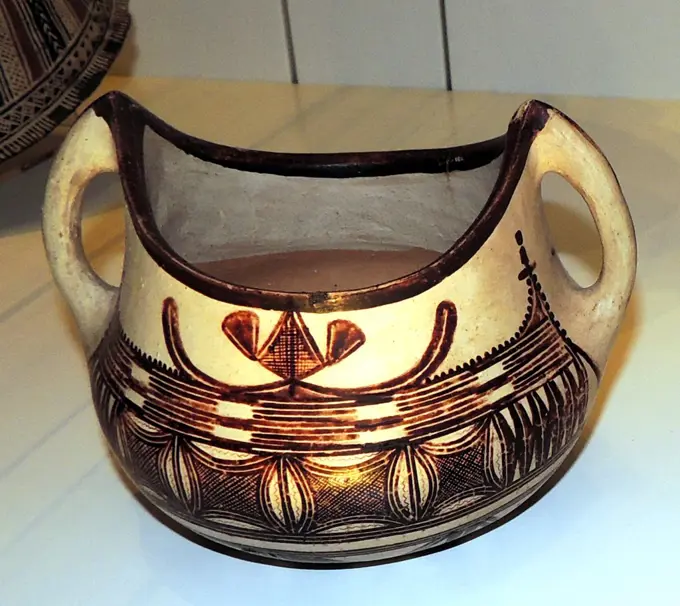
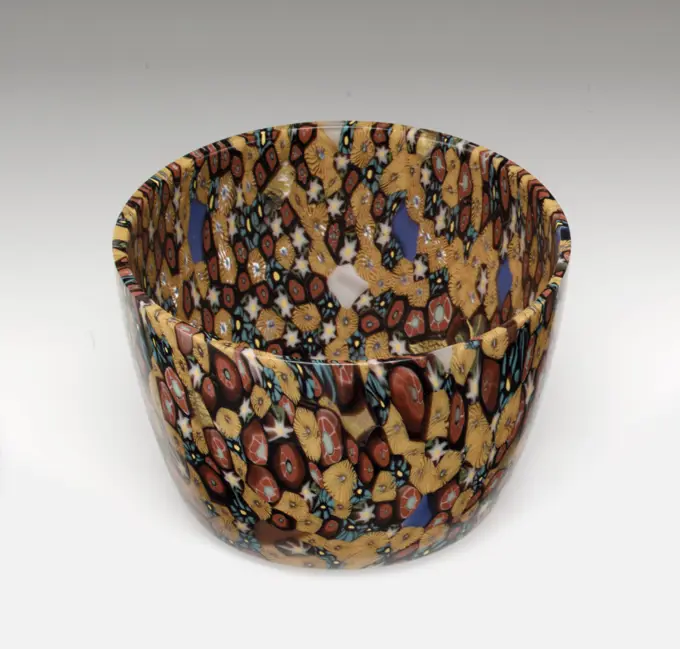
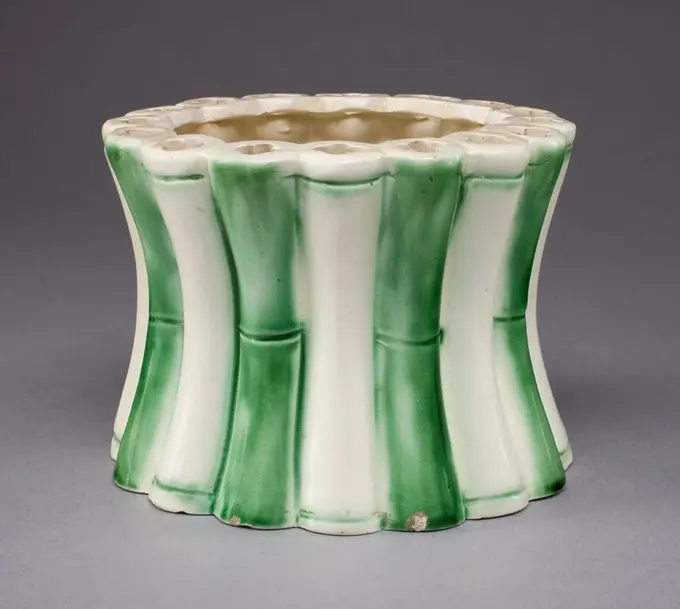
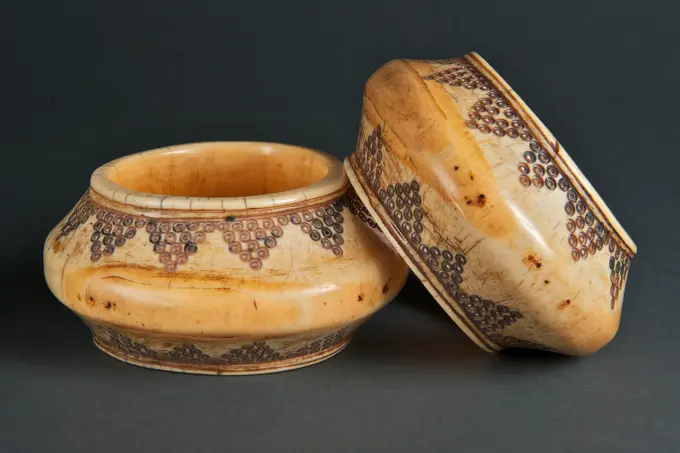
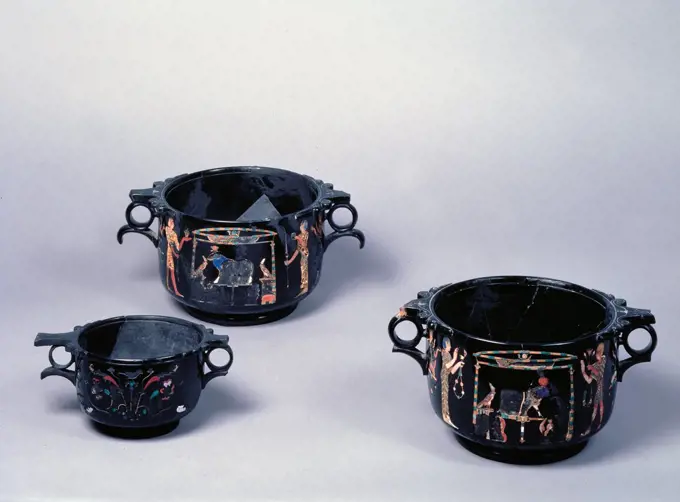
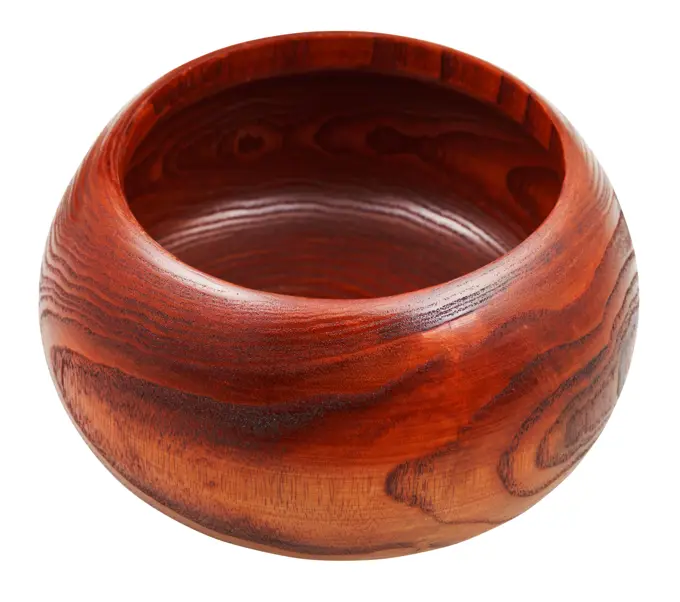
Bowl with a ScallopedEdgeCup. unknown, craftsman. Pot of pottery, globe of shape and decorated with a Frisian of deer in white inlaid in the yellow-brown fond. The deer stand on a table with spirals, also in white and have blue eyes.Beer pot, mid 20th century, 14 x 16 in. (35.56 x 40.64 cm), Clay, South Africa, 20th century, Among the Zulu peoples, home-brewed sorghum beer is the preferred food of the ancestors. Beer drinking is an indispensable part of communal celebrations of lifes milestones, including birth, marriage, and death. Pots for serving and drinking beer are embellished with textured patterns, some of which are figurative, and then blackened in a smoky reduction firing of grass or dung. Blackening attracts the ancestors, whose presence and blessing are desired.Jar 101 CE-300 CE Mediterranean Region. Glass . Ancient RomanRound dish of Tin, Anonymous, 1500 - 1600 Round dish from Tin, completely hammered. The edge ends in a raised profiling and is equipped with the Nuremberg city coat of arms. Nuremberg tin (metal) Round dish from Tin, completely hammered. The edge ends in a raised profiling and is equipped with the Nuremberg city coat of arms. Nuremberg tin (metal)Terracotta kylix (drinking cup). Culture: Greek, Chalcidian. Dimensions: H. 2 5/8 in. (6.7 cm)diameter 7 5/8 in. (19.4 cm). Date: ca. 540-520 B.C..Obverse and reverse, large eyes and animal ears. Museum: Metropolitan Museum of Art, New York, USA.Clarinet Mouthpiece Cover. Clarinet mouthpiece cap to protect wicker. Horse with five cover pieces (BK-NM-11430-124-A T / M BK-NM-11430-124-F).Khanjari ca. 1885 Indian The khanjari is a small frame drum of southern India that has a single set of jingles. A circular frame over one edge of which a circular piece of skin is stretched and glued. An incision 1/2 inch wide a 2 1/2 in. in length on one side of frame through the centre of which is a wire supporting a circular cymbal of metal 2 in. in diam. Top half of drum painted black; bottom half painted red, both halves decorated with gold chevrons and other designs. (Allen Roda 2014). Khanjari 500748Peony Ikebana Basket 1799-1899 Japan. Bamboo .Cachepot - Tooth & Ault Tooth & AultTerracotta askos (flask with a spout and handle over the top) beginning of 1st century A.D. Roman This vase was probably made in Southern Italy and was used for pouring wine. Its functional shape is enhanced by the fact that it is modeled on a leather wineskin and by the relief decoration of ivy leaves and berries that symbolizes the power of Dionysus, the god of wine.. Terracotta askos (flask with a spout and handle over the top) 250111Bowl 9th century. Bowl 449554Pyksis z motywem kaczek. unknown, authorDeep bowl depicting people, animals, and plants. Dimensions: h. 24.3 x w. 24 x diam of rim 23.2 cm (9 9/16 x 9 7/16 x 9 1/8 in.). Date: ca. 3650-3300 B.C.. Museum: Metropolitan Museum of Art, New York, USA.Bracelet, 1800s. India. Silver; diameter: 5.2 cm (2 1/16 in.).Dish with Zhang Guolao, 1662-1722. China, Jiangxi province, Jingdezhen kilns, Qing dynasty (1644-1911), Kangxi reign (1662-1722). Porcelain with famille verte overglaze enamel and painted gold decoration (interior) and powder blue glaze with painted decoration (exterior); diameter: 4.6 x 19.8 cm (1 13/16 x 7 13/16 in.).. Tea bowl of stoneware, covered with a cream-colored glaze and painted on the glaze in blue, red, green, black and gold. Continuously from the outdoor to the inner wall a fish (red sea bream) to a bamboo fishing rod. A crack in the wall. A notch in the foot. Kyoyaki.Glass network mosaic bowl with base ring. Culture: Greek, Eastern Mediterranean. Dimensions: H. 1 11/16 in. (4.3 cm)diameter 3 7/8 in. (9.8 cm). Date: mid-1st century B.C..Translucent greenish yellow, translucent cobalt blue, and opaque white.Outsplayed horizontal rim with rounded edge; S-shaped side tapering downwards to flat bottom within applied outsplayed base ring with thick rounded edge.Network mosaic pattern formed from lengths of two canes laid side by side across body in a pattern comprising a single blue cane flanked to either side by a pair of yellow canes; the blue and yellow canes each wound spirally with two parallel white threads; a yellow network cane also wound spirally with a double white thread is attached as rim; the base ring is yellow streaked with blue and white threads.Broken and repaired, with two areas of fill in rim and jagged hole in base ring; some bubbles; dulling, pitting, and faint browning weathering. Museum: Metropolitan Museum of Art, New York, UGoblet with the decoration of a hundred precious things unknownBowl with sea bream, associated with Ebisu, the God of Daily Food, anonymous, anonymous, c. 1800 - c. 1899 Theekom of stoneware, covered with a cream -colored glaze and painted on the glaze in blue, red, green, black and gold. Continuous from the outer to the inner wall a fish (red sea bream) on a rod of bamboo. A crack in the wall. A notch in the foot. Kyoyaki. Japan stoneware. glaze. gold (metal) painting / gilding / vitrification Theekom of stoneware, covered with a cream -colored glaze and painted on the glaze in blue, red, green, black and gold. Continuous from the outer to the inner wall a fish (red sea bream) on a rod of bamboo. A crack in the wall. A notch in the foot. Kyoyaki. Japan stoneware. glaze. gold (metal) painting / gilding / vitrificationFinger bowl, 19th-20th century, 3 1/4 x 4 1/2 in. (8.26 x 11.43 cm), Bohemian ruby glass, Germany, 19th-20th centuryPot, 1900s. Southern Africa, South Africa, Zulu, mid-20th century. Terracotta; diameter: 45.7 cm (18 in.); overall: 33 cm (13 in.). This large, beautifully shaped vessel was used for the serving of beer, an essential component of Zulu hospitality. Undecorated vessels were for private household use, and ornamented examples were reserved for guests. Zulu pottery is produced by women, and is typically thin-walled, with a burnished black surface. Decoration may be incised around the shoulder, as in this example, or may consist of raised bumps that resemble body scarification. The basketry lid protects the vessel's contents from flies or debris; contemporary pot lids are often woven of telephone wire with a colorful plastic coatingBasket, 19th-20th century, 3 3/4 x 18 in. (9.53 x 45.72 cm), Plant fiber, United States, 19th-20th centurySaucepan, saucepan tableware holder kitchenware soil find metal copper, Heavily damaged saucepan on three feet handle curved container dented archeology Piet Heyn Piet Hein silver fleet Matanzas Hollandia All Saints Bay ship ship's equipment Rotterdam Soil discovery: surfaced from Admiral ship Hollandia Bahia All Saints Bay Brazil.Tureen in the Form of a Basket of Game, c. 1755. Sceaux Factory (French, active 1748-66). Tin- glazed earthenware (faience) wth enamel decoration; overall: 20 x 42.3 x 27.5 cm (7 7/8 x 16 5/8 x 10 13/16 in.).Lamp. UnknownVessel. Egyptian. Date: 3050 BC-2630 BC. Dimensions: 11.4 × 6.3 × 6.3 cm (4 1/2 × 2 1/2 × 1 1/2 in.). Alabaster. Origin: Egypt. Museum: The Chicago Art Institute, Chicago, USA. Author: Ancient Egyptian.Vase decorated with stylized pattern in brown and green, factory of Brouwer's earthenware, 1911 Vase of earthenware decorated with stylized pattern in brown and green. Leiddorp earthenware Vase of earthenware decorated with stylized pattern in brown and green. Leiddorp earthenwaregraue keramische Vase graue keramische Vase Copyright: xZoonar.com/Dr.xNorbertxLangex 14144414Bowl early 19th century. Bowl 448259Beaker. German. Date: 1490-1500. Dimensions: H. 6 cm (2 3/8 in.). Green glass. Origin: Germany. Museum: The Chicago Art Institute, Chicago, USA.Silversmith's Art, Great Britain 20th century. Hammered silver centerpiece with Italian punch marks, silversmith Janetti, approximately 1925.Basket Made of Twisted Paper. Korea, Joseon dynasty (1392-1910), 19th century. Furnishings; Accessories. Brown lacquer and partial gilding on paper with wickerworkVase 1888 Celia Laighton Thaxter American Celia Laighton Thaxters vase of 1888 depicting naturalistic olive branches and a Greek inscription from Sophocles Oedipus at Colonus illustrates her interest in classical motifs informed by travels in Italy, and her penchant for inscribing her vessels with lines of poetry.. Vase. American. 1888. Glazed and painted earthenware. Made in Appledore, Maine, United StatesWhite ointment jar, cup model with two constrictions, slightly tapered, ointment jar pot holder soil find ceramic earthenware glaze tin glaze, hand turned fried glazed baked White ointment jar. Cup model slightly tapered from shape down narrowing Yellow shard entirely white glazed. Stand with soul Two constrictions Pink tinted glaze with coarse crackle archeology Valckensteyn Poortugaal Albrandswaard health care indigenous pottery packing ointment care medicine drug pharmacy Soil discovery Poortugaal castle Valckensteyn.Vase, 1888. Rookwood Pottery Company (American, established 1880), Artus Van Briggle (American, 1869-1904). Stoneware; diameter: 17.2 cm (6 3/4 in.); overall: 15.9 cm (6 1/4 in.).Box in the Form of a Snail, c. 1750. Strasbourg Factory (French). Faience; overall: 7.7 x 12.4 x 7 cm (3 1/16 x 4 7/8 x 2 3/4 in.).Model Ointment Jar from a Foundation Deposit. Dimensions: h. 4 cm (1 9/16 in.). Dynasty: Dynasty 18. Reign: Joint reign of Hatshepsut and Thutmose III. Date: ca. 1479-1458 B.C.. Museum: Metropolitan Museum of Art, New York, USA.Terracotta plate. Culture: Roman. Dimensions: H. 4 cm. Diameter 16.7 cm.. Date: early 1st century A.D..Shallow plate on foot. Museum: Metropolitan Museum of Art, New York, USA.Shallow decorated pottery bowl or dish. Berber (Rif), Morocco, North AfricaMillefiori bowl ca. 1880 Vincenzo Moretti The term millefiori (thousand flowers”) describes modern Italian imitations of ancient Roman mosaic glass. Multicolored glass rods, known as canes, are cut into slices, with the design revealed in the cross section. These are fused together to form the bowl and create the delicate pattern seen here.. Millefiori bowl 186160Incised Painted Bowl 5th-2nd century B.C. Paracas. Incised Painted Bowl 308634CollanderVase. England, Staffordshire or Yorkshire. Date: 1770-1780. Dimensions: 8.3 x 11.1 x 9.5 cm (3 1/4 x 4 3/8 x 3 3/4 in.). Lead-glazed earthenware (creamware). Origin: Staffordshire. Museum: The Chicago Art Institute, Chicago, USA.BRUS-SPARFUMS (common name). Sandstone, molding, celadon, incised decor. Cernuschi Museum, Asia Museum of Asia in the city of Paris.Pair ofBracelets'Chalcedony' Beaker. Italy, Venice, circa 1775-1800. Furnishings; Serviceware. Glass, copper oxideSmall black metal jug with engraved flowers isolatedDish in Form of a Leaf 18th century China. Dish in Form of a Leaf 44184Charcoal Basket 19th century Japan. Charcoal Basket 62184Cups, by Alexandrian workers, 1st Century, shaped and engraved obsidian, coral, semi, precious stones and gold. Italy: Campania: Naples: National Archaeological Museum. Whole artwork. Cup obsidian black handles Egyptianlike decoration woman man offerers/donors vegetable motifs/designsWild Chinese Jujube Date Wood bowl Wild Chinese Jujube Date Wood bowl isolated on white background Copyright: xZoonar.com/ValeryxVoennyyx 5750052Small cosmetics jar with closed lid, 7th century BC Corinthian, Greekfine arts, ancient world, Celts, Gundestrup cauldron, silvered, 2nd/1st century BC, National Museum, Copenhagen, Denmark, religion, celtic mythology, Le Tene period, sculpture,Pair of leaf bowls. Korzec (manufaktura porcelany ; 1790-1832), factoryPuniu 19th century Hawaiian This coconut-shell drum is usually played in conjunction with the pahu, sounding secondary rhythms. Both are played by the same drummer. The puniu is strapped to the player's thigh and struck with a fiber beater. It is indigenous to Hawai'i.. Puniu 501368