Traditional Chinese Bowls

Elegant bowls from China with distinctive glazes and forms, showcasing traditional craftsmanship and historical significance dating back to the Song Dynasty.

Bowl with stylized flowers and scrolls, anonymous, c. 1275 - c. 1324 Come from quartz fritry, decorated with sludge and colors under transparent alarm laze. On the bottom a stylized flower and on the inner edge the same kind of flour four times, separated by tendrils and curl. Iran earthenware. glaze. cobalt (mineral) painting / vitrification Come from quartz fritry, decorated with sludge and colors under transparent alarm laze. On the bottom a stylized flower and on the inner edge the same kind of flour four times, separated by tendrils and curl. Iran earthenware. glaze. cobalt (mineral) painting / vitrification
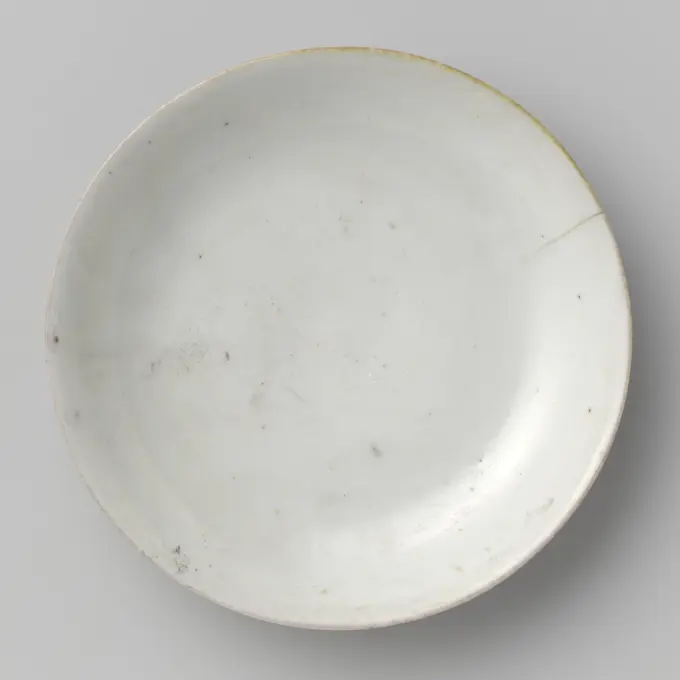
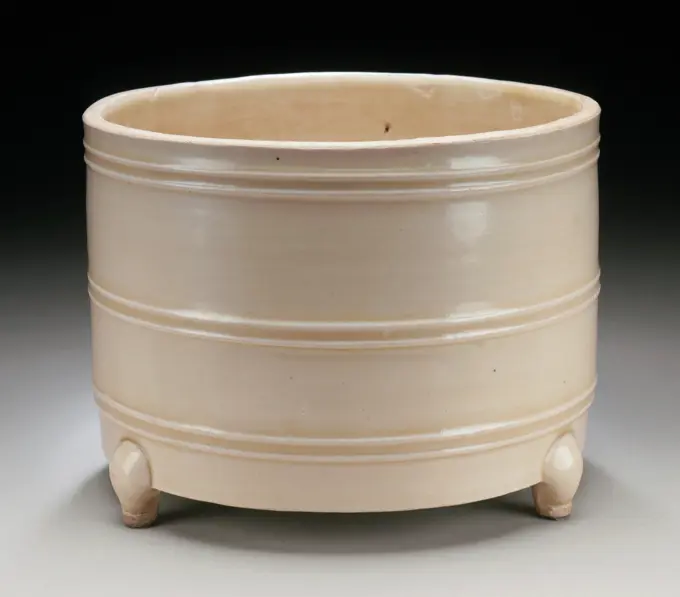
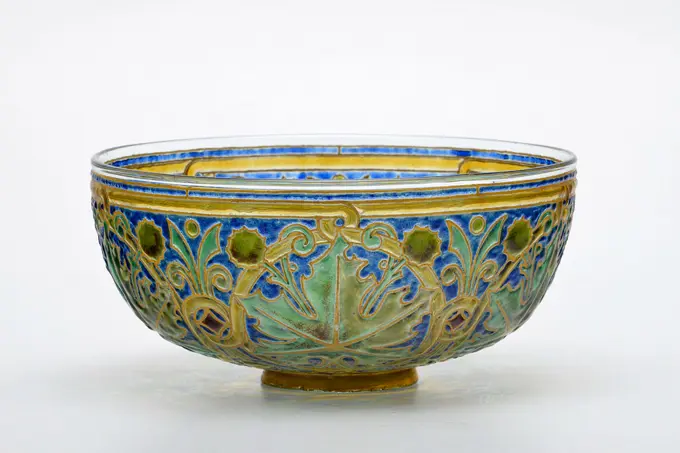
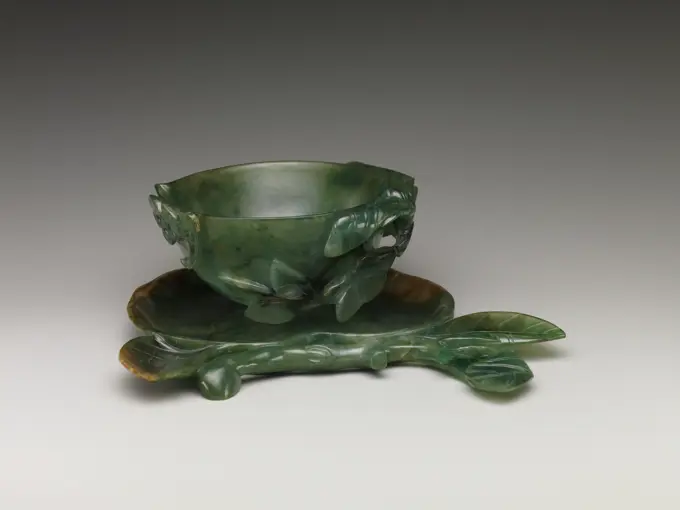
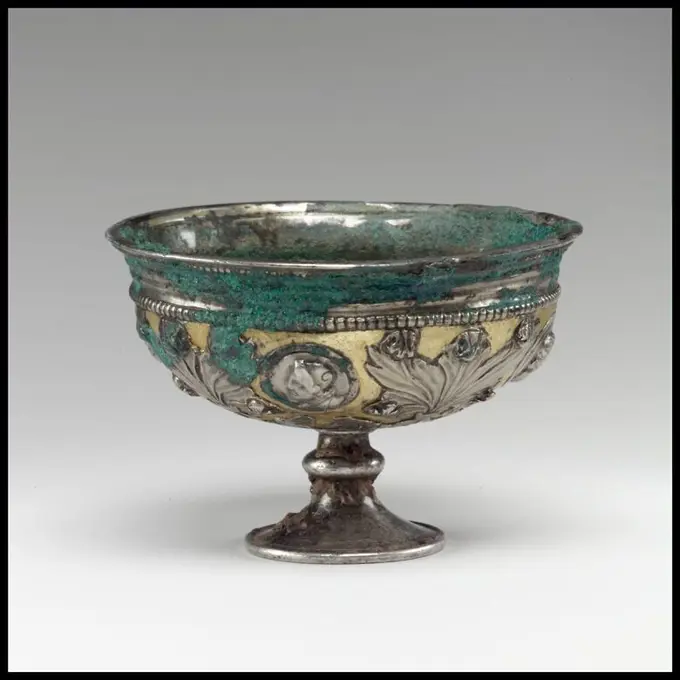
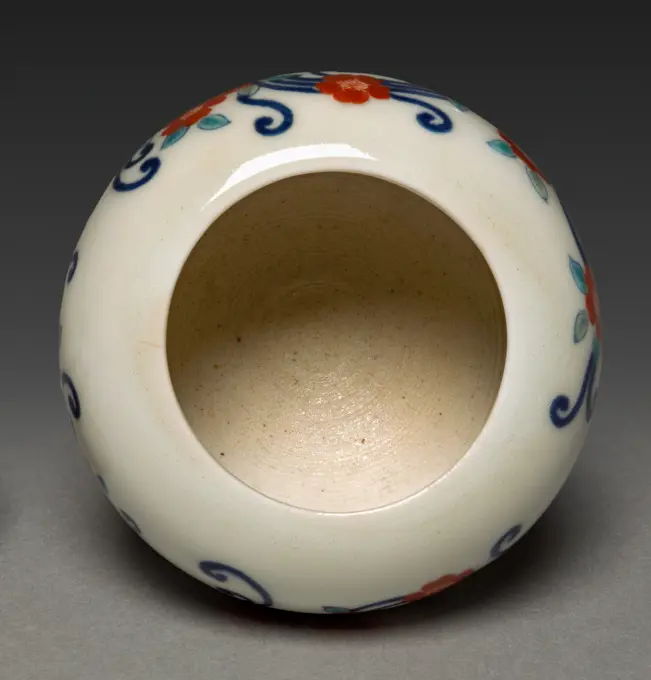
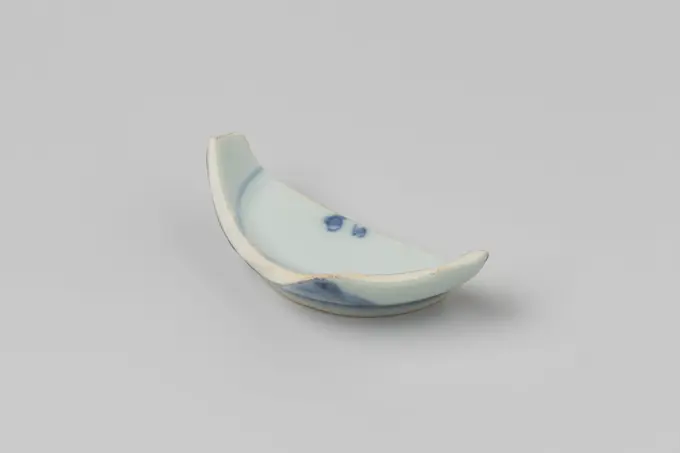
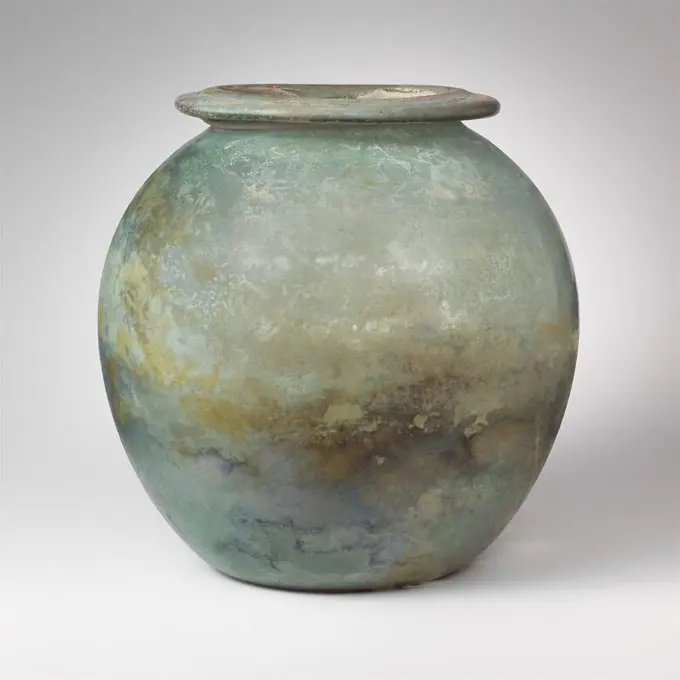
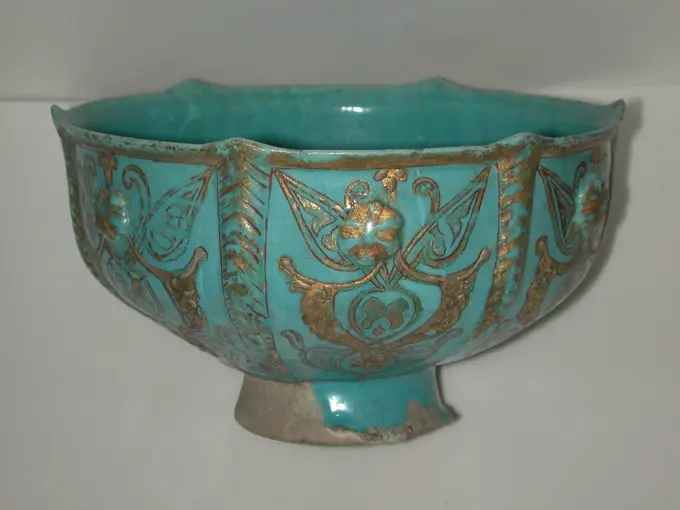
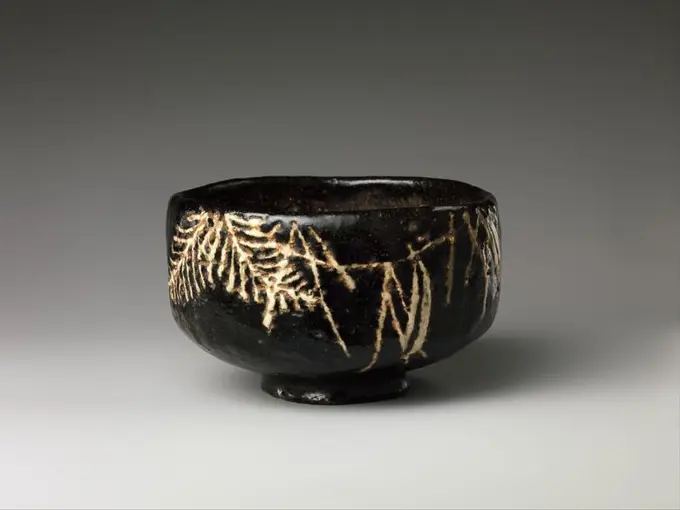
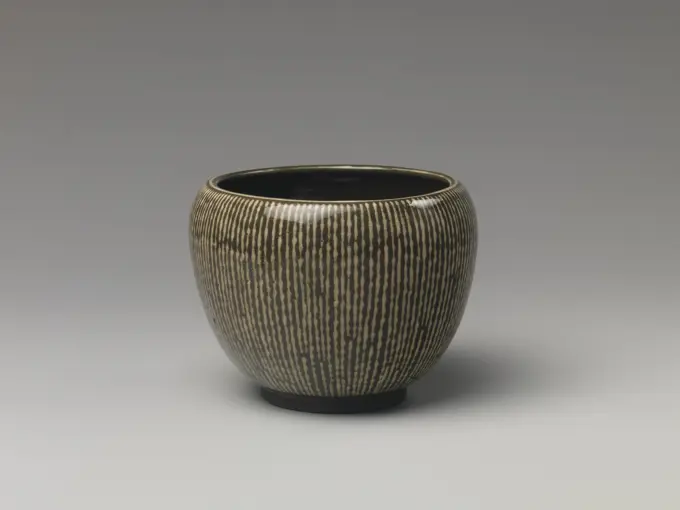
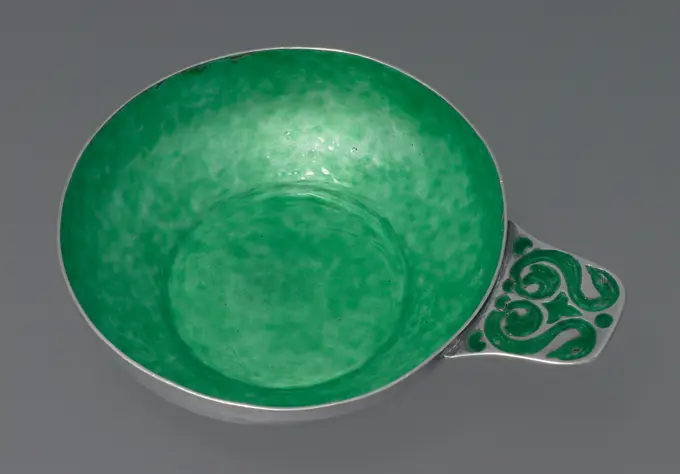
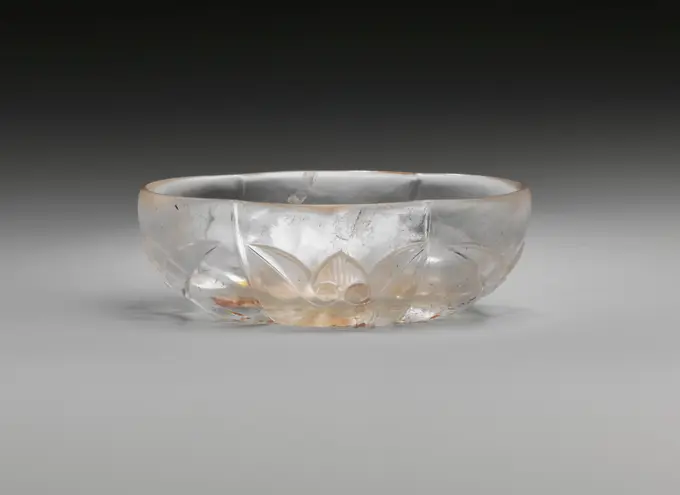
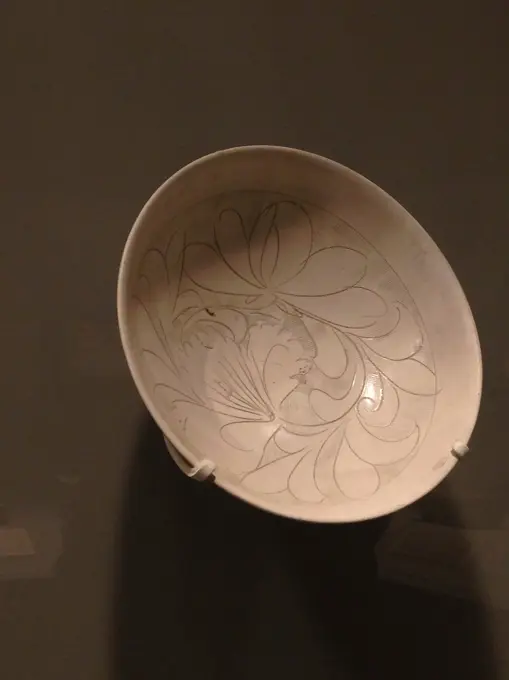
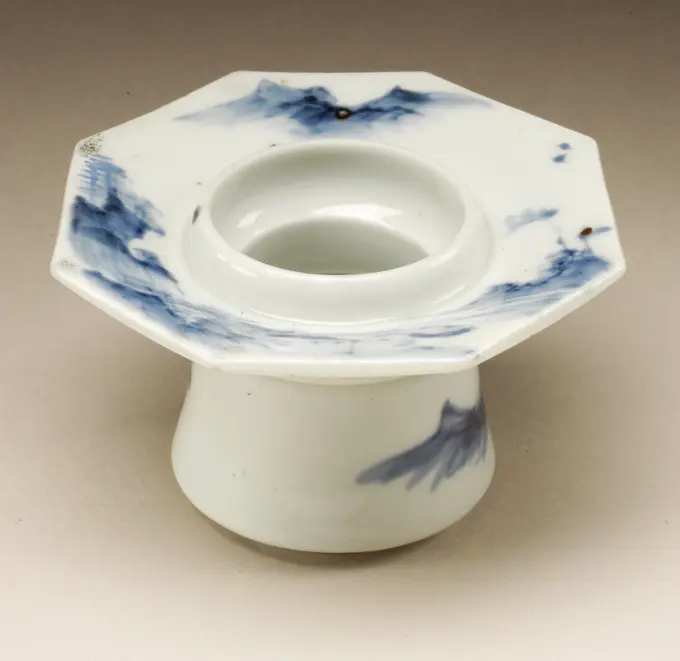
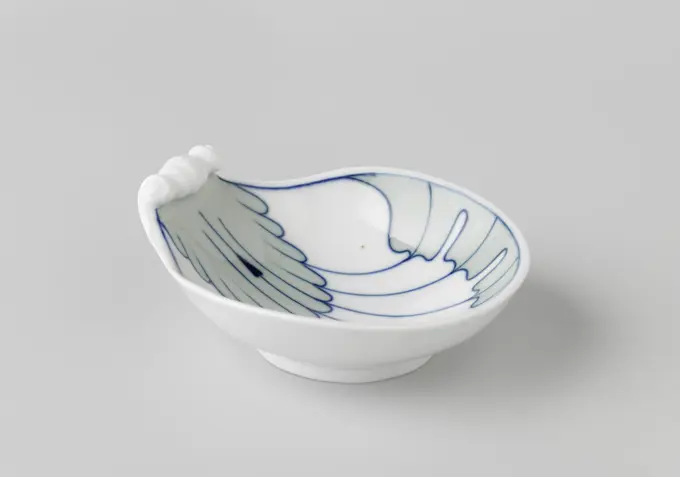
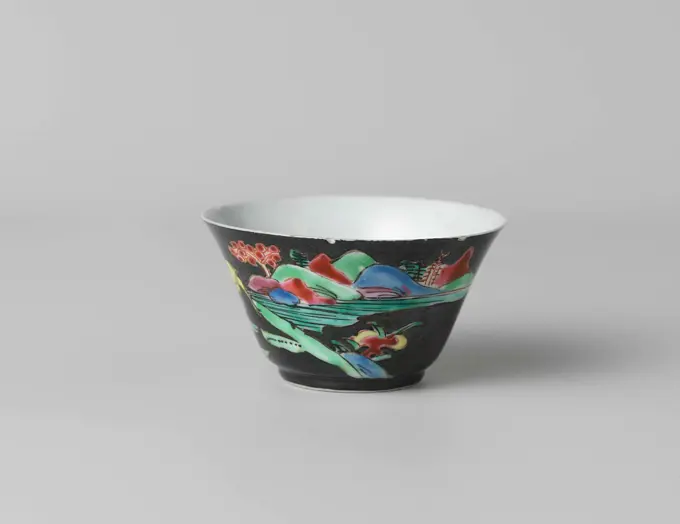
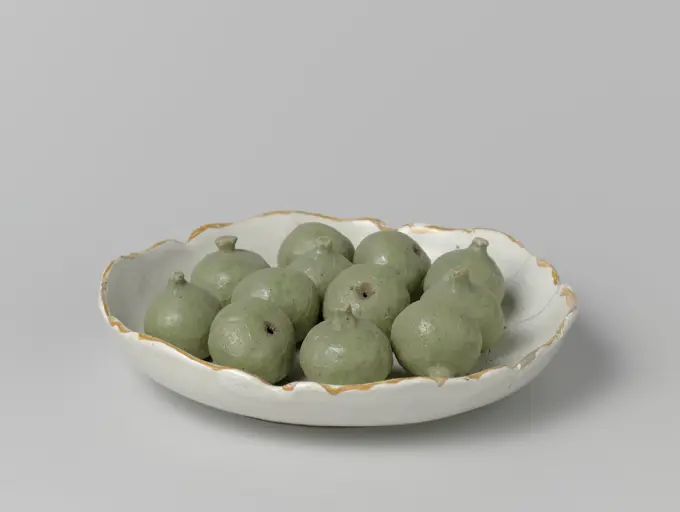
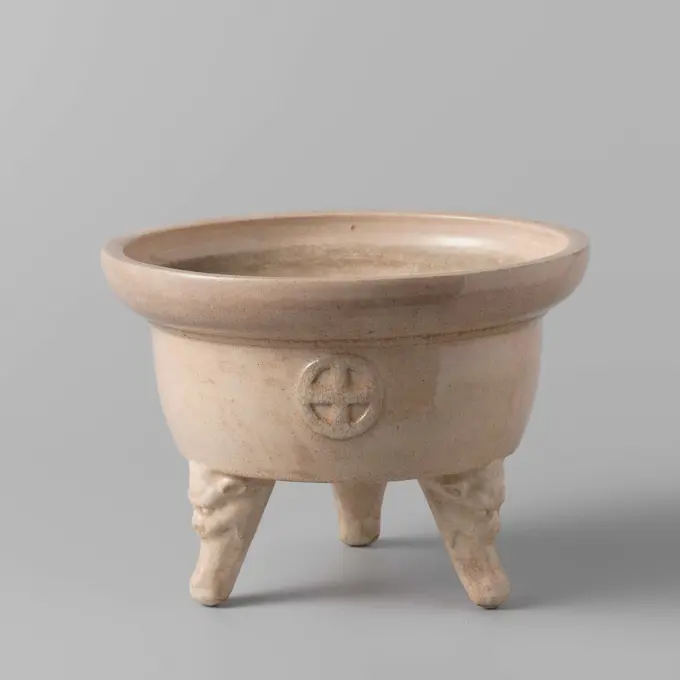
. Come from stoneware on three legs with a landscaped animal head, covered with a translucent creamy glaze. On the wall twice the weapon (mon) of the Satsuma clan in relief. The bottom is unglazed. Old label on the bottom with 'W701'. Satsuma.Come, blue, with scalloped wall, interrupted by a smooth horizontal band, Peter Regout, c. 1860 - c. 1890 Come from earthenware, blue stone. The scalloped wall is interrupted by a smooth horizontal tire. Maastricht . Come from earthenware, blue stone. The scalloped wall is interrupted by a smooth horizontal tire. Maastricht .Dish. Culture: Japan. Dimensions: H. 1 in. (2.5 cm); Diam. 3 1/8 in. (7.9 cm). Date: ca. 1640. Museum: Metropolitan Museum of Art, New York, USA.Finger Bowl. Culture: American. Dimensions: H. 2 15/16 in. (7.5 cm); Diam. 4 9/16 in. (11.6 cm). Maker: New England Glass Company (American, East Cambridge, Massachusetts, 1818-1888). Date: after 1886. Museum: Metropolitan Museum of Art, New York, USA.CupSaucer-dish with incised pearl chasing dragon between flames, anonymous, c. 1875 - c. 1908 Porcelain saucer, covered with a monochrome yellow glaze. Pearl pearl, five -clawy dragons between flames on the flat and on the back. White glazed within the foot ring; marked on the underside with the six-character brand of Keizer Guangxu. Monochrome. China porcelain. glaze. cobalt (mineral) painting / engraving / vitrification Porcelain saucer, covered with a monochrome yellow glaze. Pearl pearl, five -clawy dragons between flames on the flat and on the back. White glazed within the foot ring; marked on the underside with the six-character brand of Keizer Guangxu. Monochrome. China porcelain. glaze. cobalt (mineral) painting / engraving / vitrificationWaiter 1738-1739 London. SilverGeorges Despret (1862-1952). Cutting on foot. Glass, glass paste. XIXth-XXth century. Museum of Fine Arts of the City of Paris, Petit Palais. 19th XIXth XIX 19th 19th 19th century, XXth XXth XX 20th 20th 20th centuryCup with Butterflies-and-Iris Design and Basketry Exterior ca. 1840-60s Zshuntei Sanpo. Cup with Butterflies-and-Iris Design and Basketry Exterior. Zshuntei Sanpo (brand name used 1841-78). Japan. ca. 1840-60s. Porcelain with overglaze polychrome enamels, fine basketwork exterior (Arita ware, product of Hisatomi Yojibei). Edo period (1615-1868). CeramicsSchrachter or a Saucer With Flower Sprays. Shard of a porcelain dish with ribbed wall, painted in underglaze blue. On the flat a medallion with flower branches behind a fence. Blue White.Milk bowl ca. 3200-1050 B.C. Cypriot Deep conical bowl with string-holes.. Milk bowl. Cypriot. ca. 3200-1050 B.C.. Terracotta. Bronze Age. VasesPair of jelly molds ca. 1750 British, Staffordshire. Pair of jelly molds 197647Tea head, part of a tea set, Petrus Regout & Co., 1934 Tea head of earthenware, part of a tea set. Brown distance on the outside, with red buttons, spouts, ears and edges. Marked with sphinx stamp; Petrus Regout & Co Maastricht in a lying rectangle; Made in Holland. Maastricht earthenware Tea head of earthenware, part of a tea set. Brown distance on the outside, with red buttons, spouts, ears and edges. Marked with sphinx stamp; Petrus Regout & Co Maastricht in a lying rectangle; Made in Holland. Maastricht earthenwareFragment from v.o.c.-ship the 'white lion'. Fragment from v.o.c.-ship the 'white lion', 50% present.Bowl, Mythological Scene. Culture: Maya. Dimensions: Height 4-1/8 in. (10.5 cm)Diameter: 7 1/8 in.. Date: 8th century.The enigmatic scene on this cup painted in the 'codex-style' shows a jaguar holding an enema bladder with a syringe wearing what seems to be a bib made of white cotton. The ancient Maya consumed alcoholic beverages through enemas; special bone enema tubes have been found in royal tombs. In this scene, a supernatural bi-cephalic serpent is shown emerging from the enema; the head of the serpent to the left of the rollout photograph holds an axe, as if to threaten a skeletal death god. The death god is shown legless with its hands raised to the right of the jaguar. This type of jaguar makes an appearance in other vessel scenes, though a lack of comparative imagery and an overpainted hieroglyphic text impedes interpretation of the scene. 'Codex-style' pots are so-called for the style of painting which bears a close resemblance to the four extant screen-fold Maya books, k. Dish of porcelain, covered with a monochrome red glaze. A translucent glaze on the underside inside the foot ring; With the six character seal brand from Emperor Qianlong. Monochromes.Saucer with flower sprays on a black ground, anonymous, c. 1700 - c. 1724 Porcelain dish, painted on the glaze in red, eggplant, black and gold. On the outside flower branches against a black soil. The black possibly added in Europe. A crack in the edge of the dish. Famle Noire. China porcelain. glaze. cobalt (mineral) painting / vitrification Porcelain dish, painted on the glaze in red, eggplant, black and gold. On the outside flower branches against a black soil. The black possibly added in Europe. A crack in the edge of the dish. Famle Noire. China porcelain. glaze. cobalt (mineral) painting / vitrificationIncense Burner (Lu) in the Form of an Ancient Bronze Container (Lian). China, Hebei Province, Quyang County, Middle or late Northern Song Dynasty, circa 1000-1127. Tools and Equipment; burners. Ding ware, wheel-thrown stoneware with applied decoration and transparent glazeKome with arabesque ornament with plane leaves, tendrils and fruits. .Peach-shaped Cup with Saucer 19th century China According to myth, Xiwangmu, the queen mother of the west, had an orchard producing peaches that granted immortality, and the peach thus became a symbol of long life. The outer surface of this peach-shaped cup features a branch with leaves and blossoms, giving the impression that the fruit is still attached to an otherworldly tree. The cup's rim is enhanced with a tiny bat (fu), a pun with the word for blessings. (From Longevity in Chinese Art). Peach-shaped Cup with Saucer 43806Scale, Niels Georg Henriksen, 1893 The round bowl rests on a smooth foot edge, has a wall widening up and at the top an mouth edge inwards. The wall is decorated with standing dandelion leaf, interspersed by a dandelion and a dandelion button. Copenhagen (city) metal The round bowl rests on a smooth foot edge, has a wall widening up and at the top an mouth edge inwards. The wall is decorated with standing dandelion leaf, interspersed by a dandelion and a dandelion button. Copenhagen (city) metalCampanian Black Bowl; Campania, South Italy, Europe; 323 - 31 B.C; Terracotta; 6.3 x 15.8 cm (2 1,2 x 6 1,4 in.)Bowl 11th century This ceramic bowl was excavated at the site of Tepe Madrasa in Nishapur.Nishapur was a vital city in the early and middle Islamic periods, located along one of the main trajectories that connected Iran and West Asia Islamic lands with Central Asia and China. These itineraries are often referred by the term Silk routes but were in fact crucial to the movement of constellations of materials and objects, as well as people and ideas. The diverse population of Nishapur and its surroundings, from the better-researched elite groups of merchants, land-owning aristocracy, and literates, to the less-known artisans, farmers, miners, and servants, were instrumental in adapting global cultural trends to create their own distinctive visual languages. This is seen in the material remains of everyday life in medieval Nishapur - from pots and pans to lighting devices, inkwells, textiles and trimmings, jewelry, games and toys, talismanic devices, weapons, coins, and architectural fragmFooted cup with human busts in medallions. Culture: Kushano-Sasanian. Dimensions: Height with foot 2-5/16 in. (5.8 cm)Diam. rim 3.33 in. (8.5 cm)Height without foot 1.5 in. (3.5 cm) Weight 145.9 gm. Date: ca. 3rd-4th century A.D.. Museum: Metropolitan Museum of Art, New York, USA.Bowl 11th-12th century. Bowl 449125Dish 1550 BCE-1069 BCE Egypt. Calcite . Ancient EgyptianDish. Culture: Greek, South Italian, Apulian. Dimensions: diameter 12.14 cm.. Date: 4th century B.C.. Museum: Metropolitan Museum of Art, New York, USA.TablewareIncense Burner with Floral Scroll, early to mid-1800s. Japan, Edo period (1615-1868). Porcelain with underglaze blue and overglaze enamel decoration (Hizen ware, Nabeshima style); diameter: 7.4 cm (2 15/16 in.); with cover: 6.8 cm (2 11/16 in.); without cover: 5.9 cm (2 5/16 in.).Czarka;  around 1870 (1865-00-00-1875-00-00);Tripod BowlSweetmeat Dish or Pan, 19th century, Mantua Glass Company, American, (Mantua, Ohio), 1 1/2 x 5 1/2 x 5 1/2 in. (3.8 x 13.97 x 13.97 cm), Glass, United States, 19th centuryTIESTO VIDRIADO -S XX ARTE POPULAR. Location: ALFARERIA. SPAIN.Shard of a cup from the wreck of the East India Hollandia.Porcelain, Cup, Type 5; Fragm or base.Jug; glassGlass cinerary urn (olla). Culture: Roman. Dimensions: H.: 9 11/16 in. (24.6 cm). Date: mid-1st-2nd century A.D..Translucent blue green.Broad, everted, tubular rim, made by folding out, down, round, and in, with beveled upper surface; ovoid body; deep concave bottom.Intact, but with one internal crack running vertically from rim to top of side; some bubbles; dulling, pitting, limy encrustation, faint iridescence, and patchy whitish weathering on exterior, limy encrustation and thick weathering with brilliant iridescence on interior.Plain ovoid jar. Museum: Metropolitan Museum of Art, New York, USA.White bowl with pierced sides, anonymous, c. 1625 - c. 1649 Come from porcelain with openwork wall and spreading edge, covered with a translucent white glaze. The wall with a band of ajour work with five rosettes; Around the foot a band with ingrifted lines. Underside unglazed. Transition porcelain. China porcelain. glaze vitrification Come from porcelain with openwork wall and spreading edge, covered with a translucent white glaze. The wall with a band of ajour work with five rosettes; Around the foot a band with ingrifted lines. Underside unglazed. Transition porcelain. China porcelain. glaze vitrificationSaucer China. Saucer 48123Bowl, c. 900-1200, 6 3/8 x 18 3/4 x 18 3/4 in. (16.19 x 47.63 x 47.63 cm), Clay, pigments, United States, 13th century, The Hohokam were a sophisticated people with some of the best developed sociopolitical organizations in all of the ancient Southwest. They did not construct tall buildings, living instead in pithouses dug into the ground, but they created an extensive and complex irrigation system of canals that made large-scale agriculture possible in their arid environment. They also created vibrant two-toned ceramics in a wide variety of shapes and sizes. Hohokam artists are particularly known for including spirals in their designs, as seen in this large bowl. Their descendants, the O'odham, incorporated simillarly exuberant patterns into their art.Footed Bowl late 12th-first half 13th century. Footed Bowl. late 12th-first half 13th century. Stonepaste; molded decoration; overglaze painted and gilded on a monochrome opaque glaze (mina'i). Attributed to Iran. CeramicsTeabowl. Artist: Style of Ogata Kenzan (Japanese, 1663-1743). Culture: Japan. Dimensions: H. 3 in. (7.6 cm); Diam. 4 3/4 in. (12.1 cm); Diam. of foot 2 1/2 in. (6.4 cm). Date: mid- to late18th century. Museum: Metropolitan Museum of Art, New York, USA.Talerz. warsztat wschodni, workshopDish. Culture: Japan. Dimensions: H. 1 in. (2.5 cm); Diam. 3 1/8 in. (7.9 cm). Date: ca. 1640. Museum: Metropolitan Museum of Art, New York, USA.Dish first half of the 12th century Korea. Dish. Korea. first half of the 12th century. Stoneware with mold-relief decoration under celadon glaze. Goryeo dynasty (918-1392). CeramicsPainted Bowl 1st-6th century Nasca. Painted Bowl 309736Censer 19th century Japan This small censer, now missing its original lid, is thinly potted and cleanly executed, with a streamlined design. Vertical lines with undulating contours are inlaid across the exterior at fairly evenly spaced intervals.. Censer 62537Porringer.  Maker: Frances Barnum Smith, American, 1874-after 1905 Maker: Jane Carson Barron, American, 1879-1942Small Lobed Bowl 9th-10th century The famous scientist al-Biruni, writing in the early 11th century, reports that Basra (Bassora) in Iraq was a center of rock crystal manufacture. Also, no other centers of rock carving production have been identified for the early and the middle Islamic periods. The lobed shape of this stunning small bowl, a rare example of Central Asian rock crystal vessel, follows a long established tradition in that region and is found in a whole range of materials, such as metals, stone and ceramics. Despite the fact that we have no information on places of production eastwards of Iraq, there is no reason to believe that in the Iranian and Central Asian territories the legacy of Sasanian rock crystal manufacture was left entirely inactive.. Small Lobed Bowl 456303Come from v.o.c.-ship the 'white lion'. Come from v.o.c.-ship the 'white lion'. Fragment of a high bowl decorated in underglaze blue. The wall is divided into fields, separated by a narrow vertical line. In the fields a stylized deer, saved in white against a background of blue leaf and mint motifs.Footed Dish with Lotus Medallion and Cloud Scrolls 701 CE-750 CE China. Chinese potters of the mid-Tang dynasty (c. 675-750) revitalized a centuries-old tradition of low-fired, lead-rich glazes colored with metallic oxides. Artists of the late Western Han dynasty (1st century B.C.) had pioneered this technology by coating vessels, figures, and other objects of porous red earthenware with striking but easily weathered glazes of copper green and iron amber-brown. Utilizing harder and lighter-toned clays (often brightened with white slip), carefully fritted (melted and crushed) glazes, and measured recipes of metallic oxides, the Tang created stable and brilliant hues. Generally termed ìthree-colorî (sancai) after the archetypical combination of bright green, amber, and white (transparent) glazes, this palette also included a rare cobalt blue probably imported from Persia. Such fluid glazes could be dripped, spotted, splashed or neatly contained within carved, molded or impressed outlinesItalic civilizations, Piceni, 6th century b.C. Ceramic vessel. From Grottazzolina, province of Fermo.Dish with Lion-Dogs China. Dish with Lion-Dogs 48299Bowl, 12th century, 3 5/16 x 9 5/16 in. (8.4 x 23.65 cm), Tz'u-chou ware Stoneware with white slip and incised decor under a clear glaze, China, 12th century, This dish represents a category of white Cizhou ware wherein the main motifs, usually peonies or lotuses, are set off with parallel striations created with a comb-like instrument. The floral designs are incised with a sure hand in a much freer and looser style than encountered in earlier Cizhou designs. Wall paintings in a Jin dynasty (1115-1234) tomb at Licunkou, Changzhi in Shanxi province support the stylistic evidence for Jin period dating.Bowl 13th-14th century. Bowl 445266CONCA O GIBRELL VIDRIADO CON DECORACION - CERAMICA POPULAR - - FOTO AÑOS 90. Location: ALFARERIA. LA BISBAL. GERONA. SPAIN.Octagonal Tea Bowl Stand with Landscape Design. Japan, mid-late 19th century. Ceramics. Hirado Mikawachi ware; porcelain with underglaze blueSaucer ca. 1725-40 Saint-Cloud factory This beaker, with its saucer, was one of the types of cups used for drinking hot chocolate. Eighteenth-century paintings, prints, and inventories indicate that tall cups, both with and without handles, were often intended for chocolate, especially those accompanied by a trembleuse saucer, which took various forms. In the du Paquier example in this case, the saucer has been made with a high openwork collar securing the cup. In contrast, this Saint-Cloud saucer has been modeled with a lower, solid raised lip that also stabilizes the beaker it holds.. Saucer 206747Dish with Ducks and Water Plants 1000-1050 China. Ding ware; porcelain with underglaze carved and incised decoration .. Soup tartrine in the shape of a green cabbage, from green-painted faience.Georges Despret (1862-1952). Cup. Glass, glass paste. XIXth-XXth century. Museum of Fine Arts of the City of Paris, Petit Palais. 19th XIXth XIX 19th 19th 19th century, XXth XXth XX 20th 20th 20th centuryBowl. UnknownBlue Faience 18th Dynasty vessel found in the Tomb of Tutankhamen. Egyptian, circa 1323 BC. found in Tutankhamen's tomb by English archaeologist and Egyptologist, Howard Carter in 1922. Cup China. Cup 52771Bowl with translucent flower scrolls, anonymous, c. 1900 - c. 1936 Wide bowl of porcelain, covered with a translucent white glaze. The walls are opened (ajour work) with flower vines, on which the glaze has been applied. Blanc the Chine. China porcelain. glaze vitrification Wide bowl of porcelain, covered with a translucent white glaze. The walls are opened (ajour work) with flower vines, on which the glaze has been applied. Blanc the Chine. China porcelain. glaze vitrificationMarble cruciform dish found in the baptistery in a church, in the Roman city, at Barcelona, Spain. 6th-7th Century ADZoutvat, Tag Met Het wing pattern decor, Meissener porcelain manufactory, 1901 Salt vessel made of painted porcelain. The salt barrel is painted in green and blue with the Flügelmuster. The salt barrel is part of a service (BK-1976-65-1 to BK-1976-65-34) and is marked. Float porcelain Salt vessel made of painted porcelain. The salt barrel is painted in green and blue with the Flügelmuster. The salt barrel is part of a service (BK-1976-65-1 to BK-1976-65-34) and is marked. Float porcelainDish.   Maker: Samuel Danforth, American, 1774-1816Bowl 16th-17th century. Bowl 448404an ceramic container for sauce on white backgroundBowl with Peonies, Narcissus, and Pomegranates early 15th century China. Bowl with Peonies, Narcissus, and Pomegranates. China. early 15th century. Porcelain painted in cobalt blue under transparent glaze (Jingdezhen ware). Ming dynasty (1368-1644), Xuande mark and period (1426-35). CeramicsPunch Bowl 1870-1900 Probably Hobbs, Brockunier and Company. Punch Bowl. American. 1870-1900. Blown glass. Made in Wheeling, West Virginia, United StatesSmall plate. unknown, craftsmanCeramic tea cup isolated on white background.Bottom of a box of faience. Subdecast of a box of faience, in the form of a grape leaf. Painted multi-colored.Bowl (Scotland); silver, ivory, ebonyVesselBowl 9th-10th century. Bowl. 9th-10th century. Earthenware; brown slip under transparent glaze. Excavated in Iran, Nishapur. CeramicsEmpty wooden plate, knife, fork and cutting board Empty wooden plate, knife, fork and cutting board set on textured concrete background Copyright: xZoonar.com/TetianaxChernykovax 21413690Cup with Deer in a Water Landscape on a Black Ground. Cup of porcelain, painted on biscuit in blue, red, pink, green, yellow and black. Covered with a black glaze with three deer recessed in a river landscape with trees, mountains and mushrooms (Lingzhi). Two cracks in the edge. Decorated in Europe. Famille Noire with famille rose colors.Saucer-dish with Pearl Chasing Dragons Against a Green Ground. Dish of porcelain with round wall, painted in underglaze blue and on biscuit green and eggplant. The dish is covered with a green glaze with in reserve pearl southying five-handed dragons and flames. Marked on the underside with the six character mark of Emperor Kangxi in a double circle. Email sur biscuit.Rex F Bush, Wooden Salad or Chopping Bowl, c 1938 Wooden Salad or Chopping BowlCup. Culture: China. Dimensions: H. 2 in. (5.1 cm); W. 3 5/8 in. (9.2 cm). Museum: Metropolitan Museum of Art, New York, USA.empty round metal plate on gray background, empty space, top viewglass bowl, india Copyright: xRohintonxJassawala/DinodiaxPhotoxCap 17th century-18th century probably Swiss. Cap 97776Bowl Depicting Costumed Ritual Peformers in Horizontal Row 180 BCE-500 CE Peru. Ceramic and pigment . NazcaDish with scalloped edge and twelve figures imposed, Blankenburg (attributed to), c. 1755 - c. 1760 Round, white dish with figs, of multi -colored painted faience. The dish has a scalloped edge and twelve figs attached to the dish. Amsterdam earthenware. tin glaze. Round, white dish with figs, of multi -colored painted faience. The dish has a scalloped edge and twelve figs attached to the dish. Amsterdam earthenware. tin glaze.A cylindrical empty container made of wood for spices or salt. Kitchen utensilsBowl Fragment, 476-502, Dia.4-7/8 in., Yueh ware, China, 5th-6th centuryNappy - Sunburst pattern Burlington Glass Works Burlington Glass WorksNahaufnahme von alten blauen Muster chinesische Keramik Suppenlöffel isoliert auf weißem Hintergrund. Closeup of old blue pattern chinese ceramic soup spoon isolated on white background with clipping path. Copyright: xZoonar.com/VeeravongxxKomalamenax 22822285Plate - The Methodist Church of Canada Clementson Brothers, 1865-1916 Clementson Brothers, 1865-1916Sake cups with "Three Friends" design ca. 1878 Shibata Zeshin. Sake cups with "Three Friends" design. Shibata Zeshin (Japanese, 1807-1891). Japan. ca. 1878. Red lacquer. Lacquer