Traditional Craft Containers

An array of decorative containers and molds, including baskets and boxes, made from natural materials and showcasing cultural designs and craftsmanship.
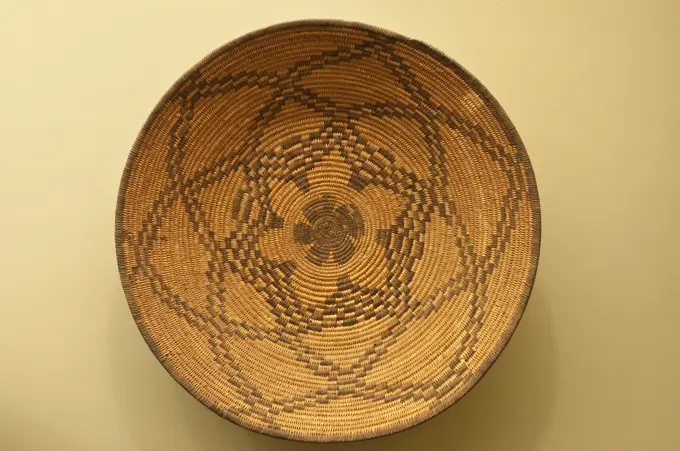
San Diego, California. Ancient Native American baskets, Mission Basilica San Diego de Alcala.
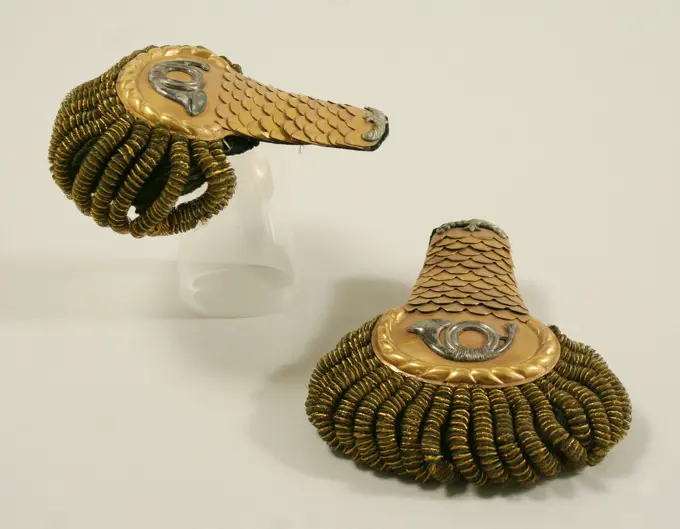
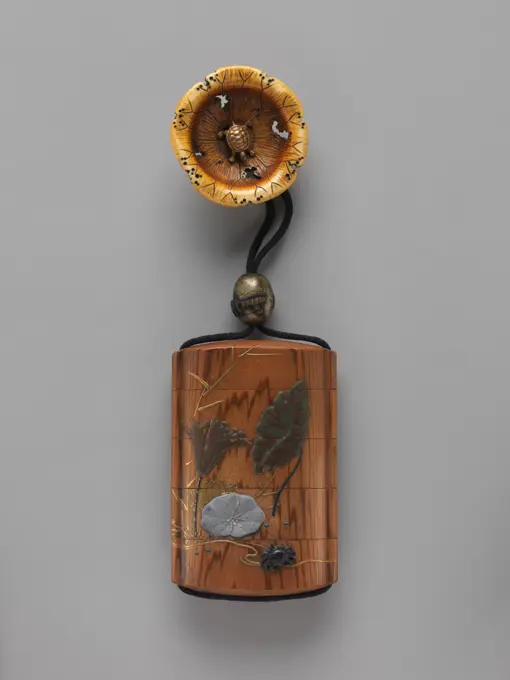
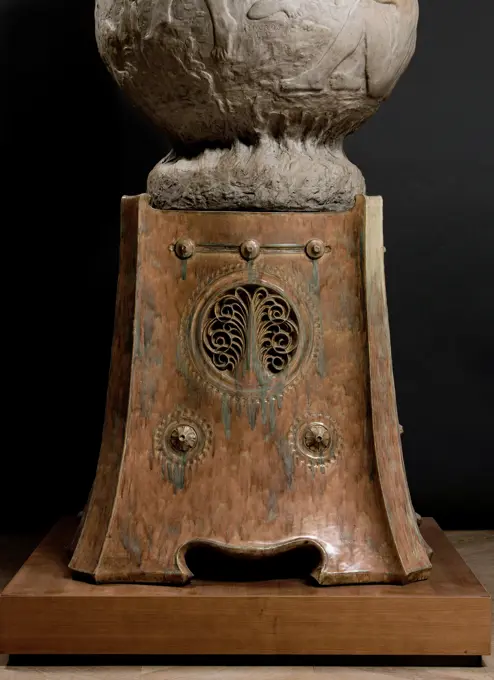
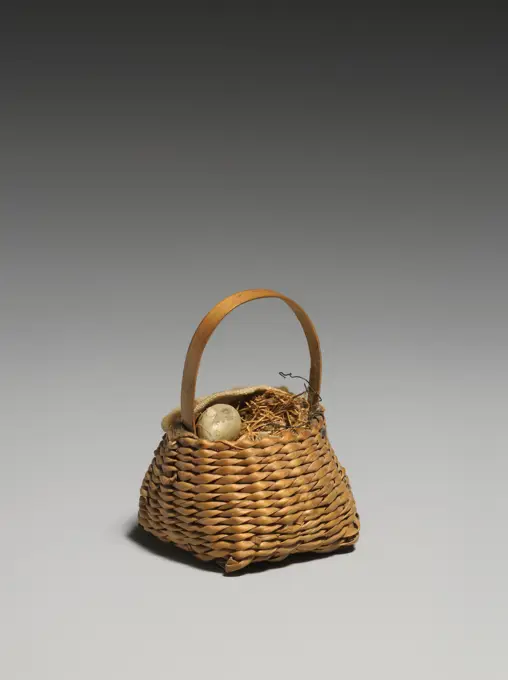
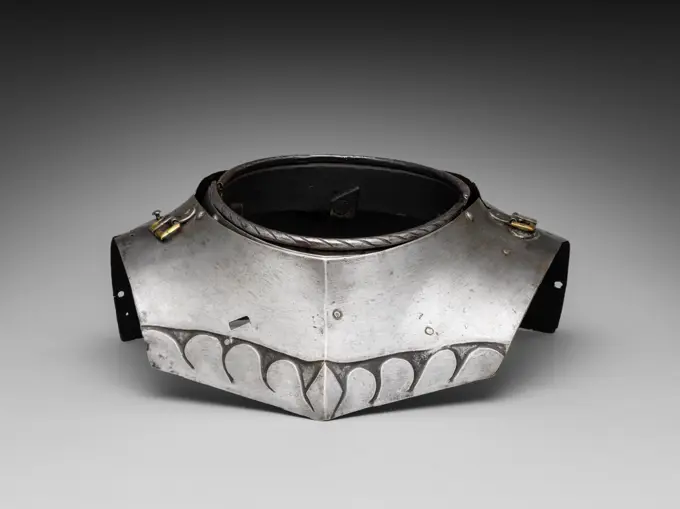
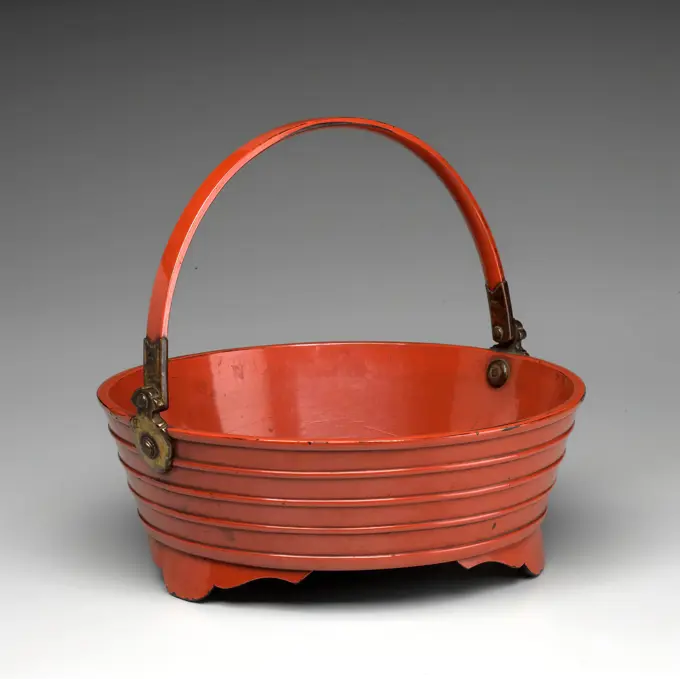
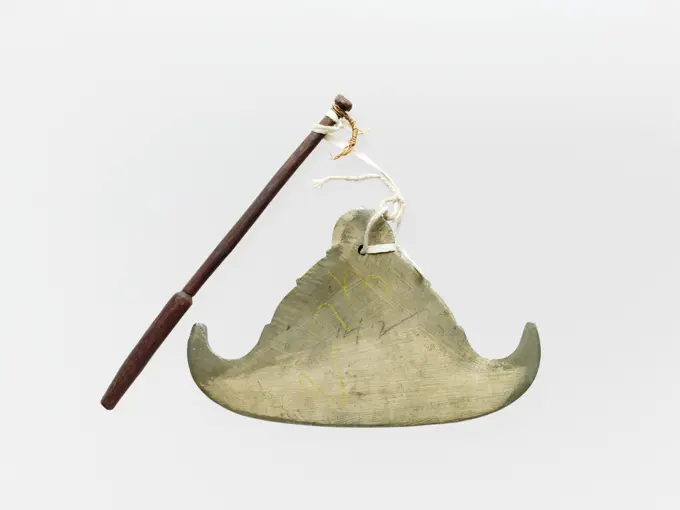
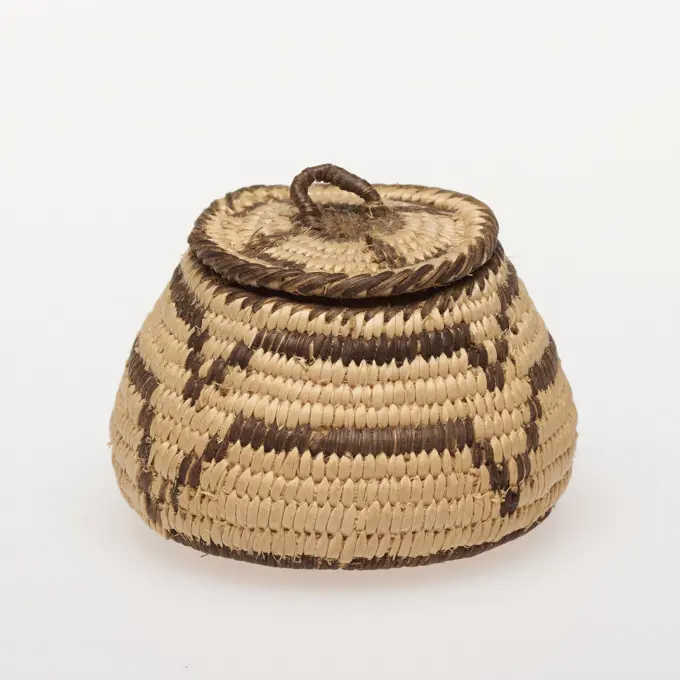
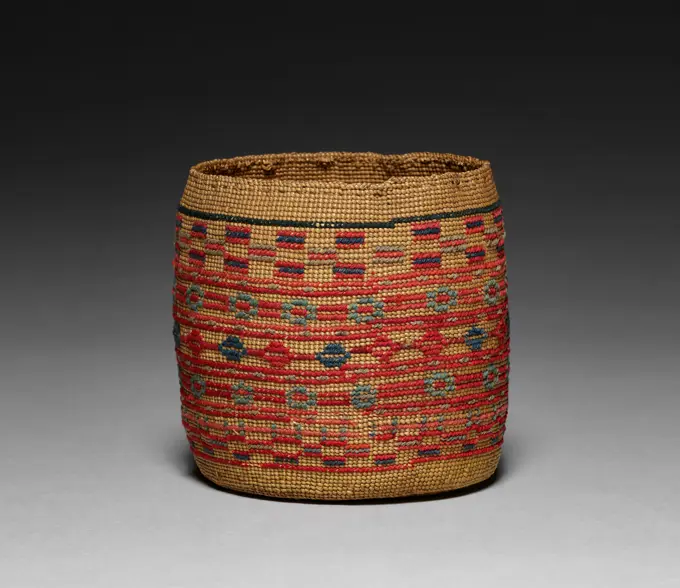
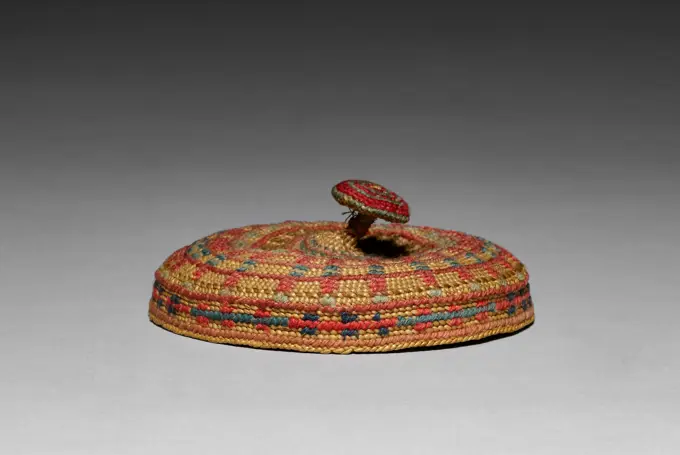
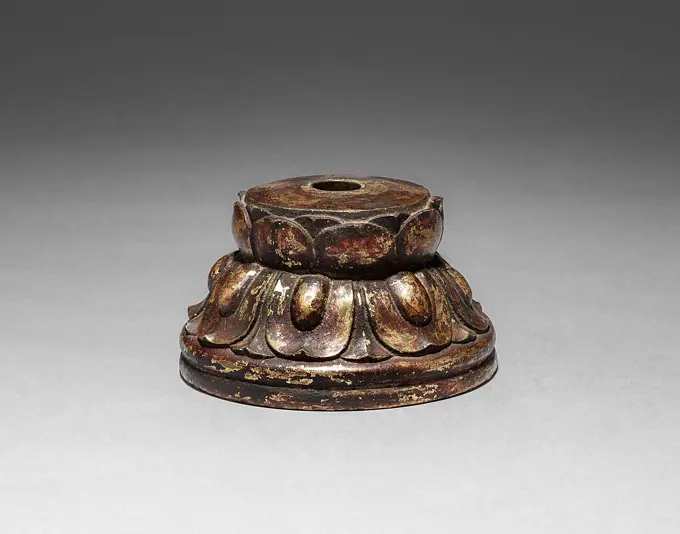
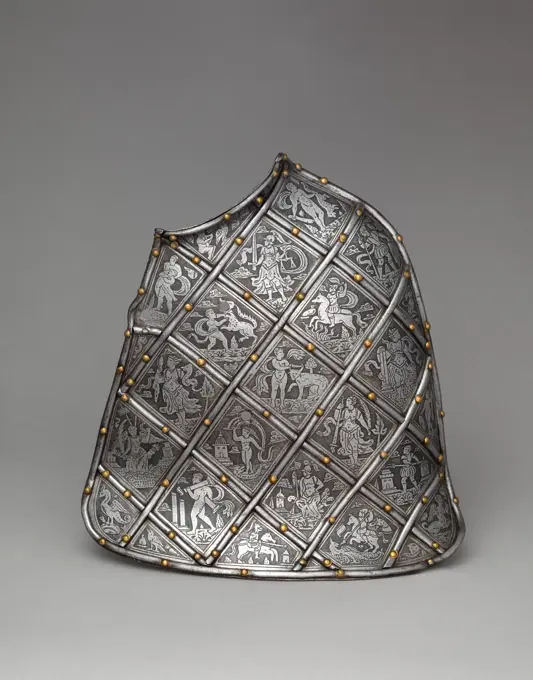
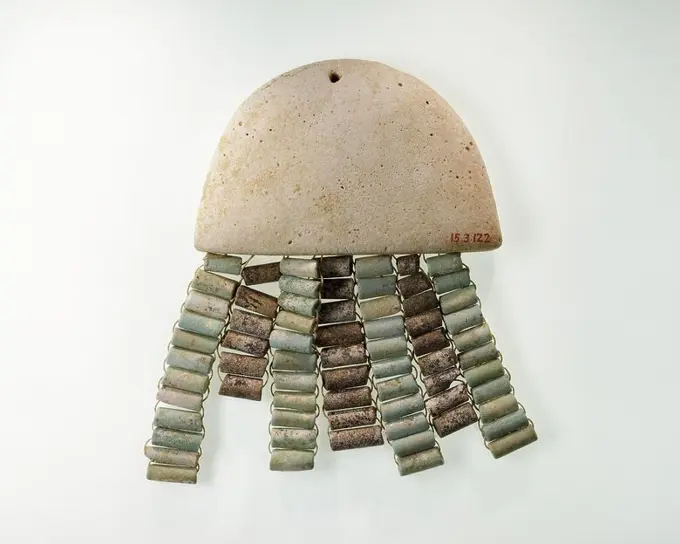
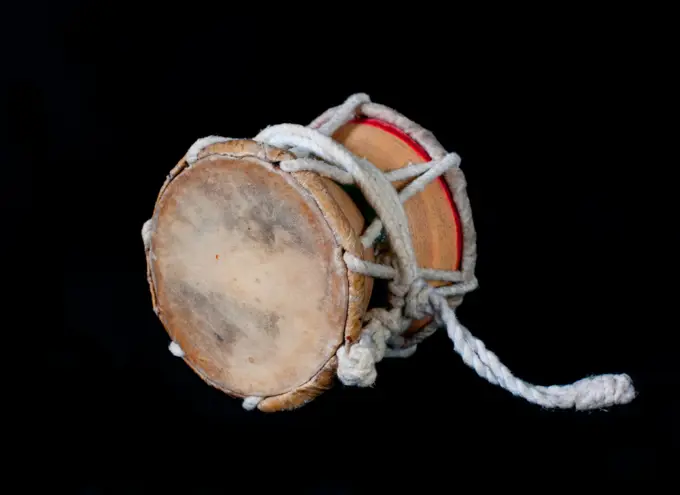
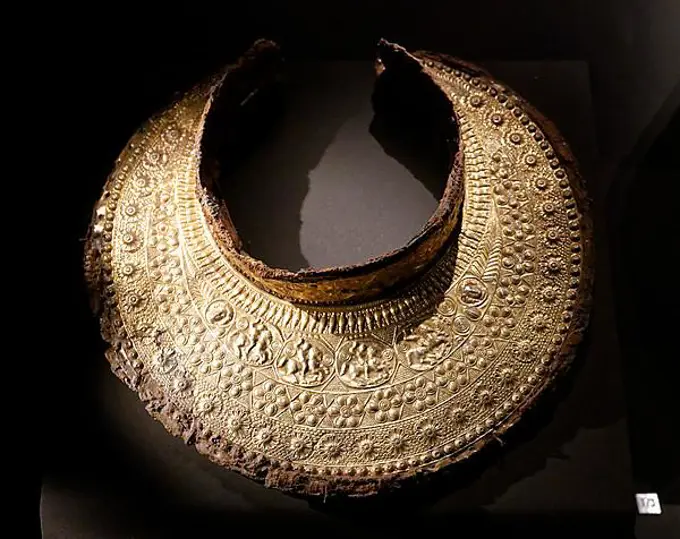
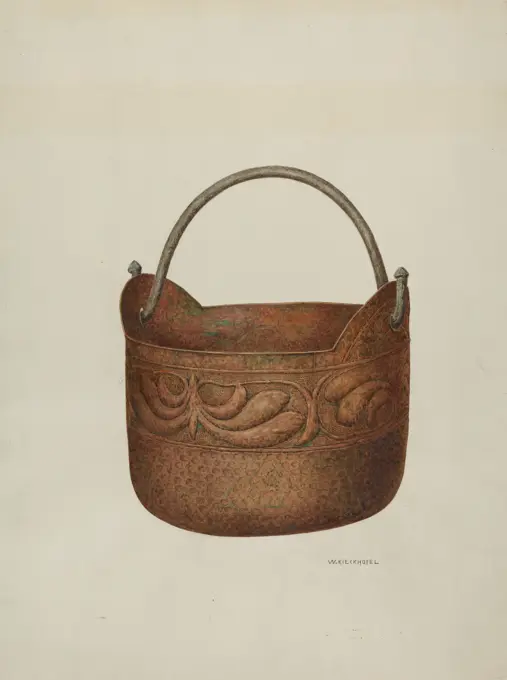
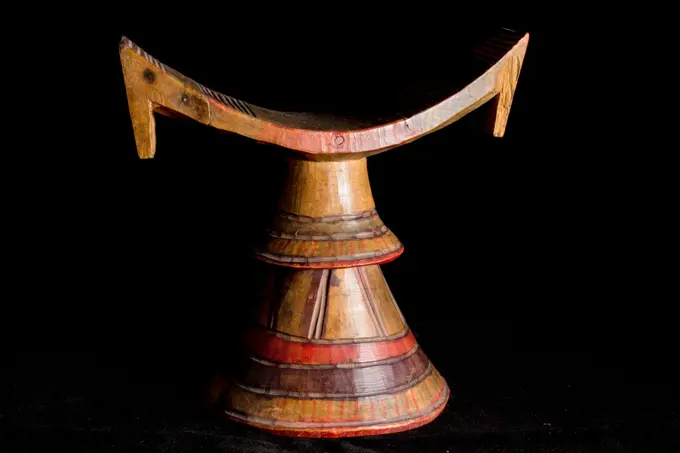
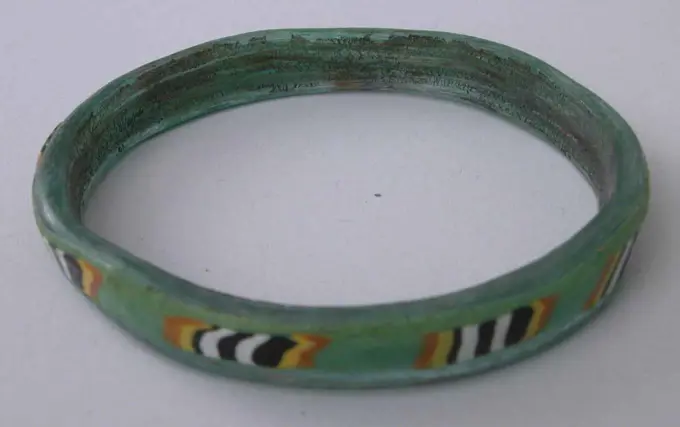
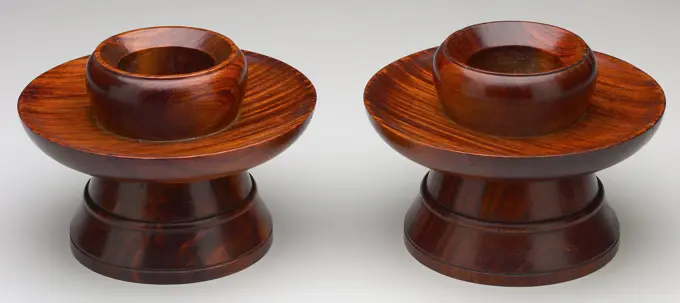
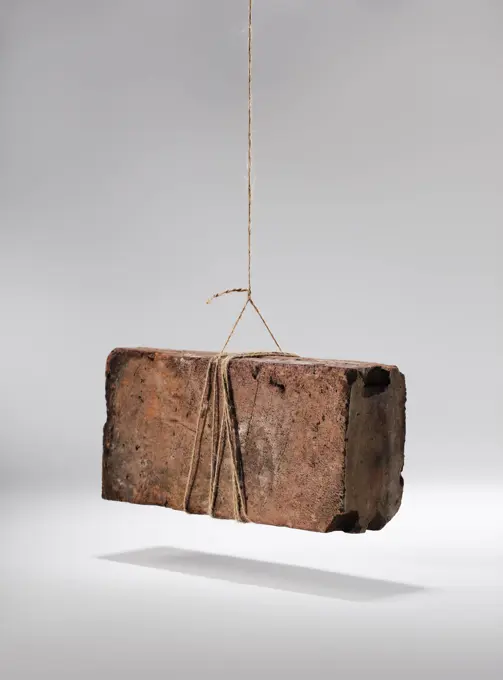
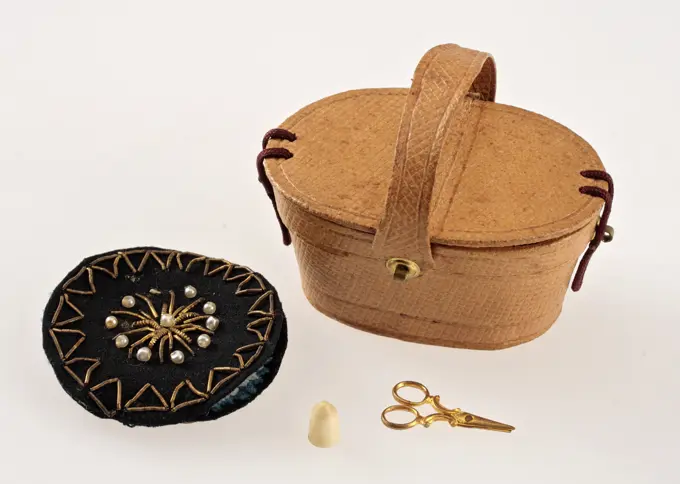
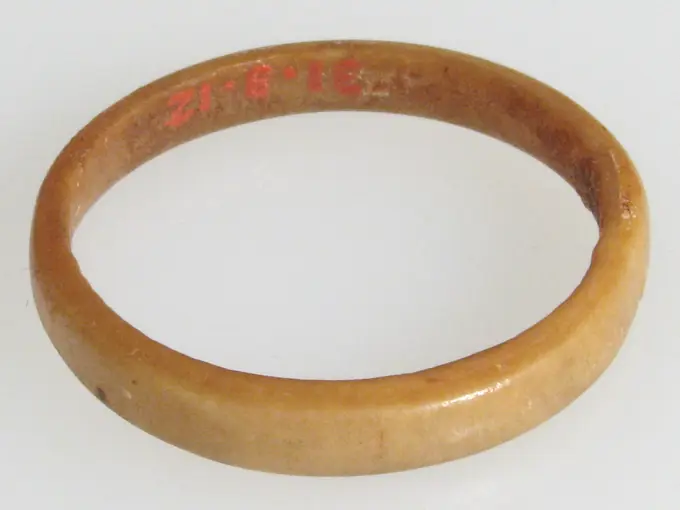
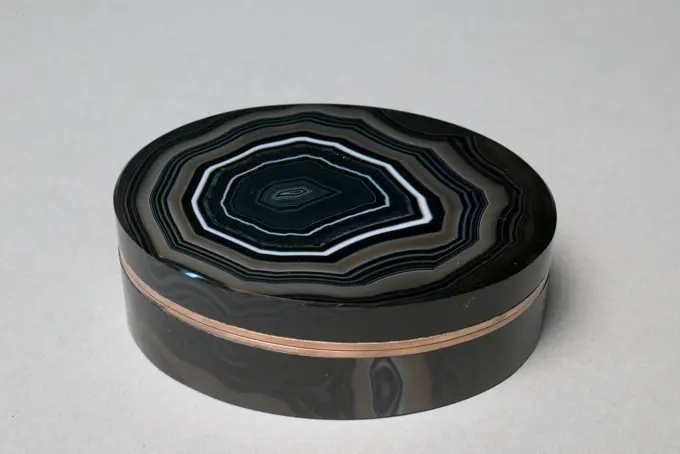
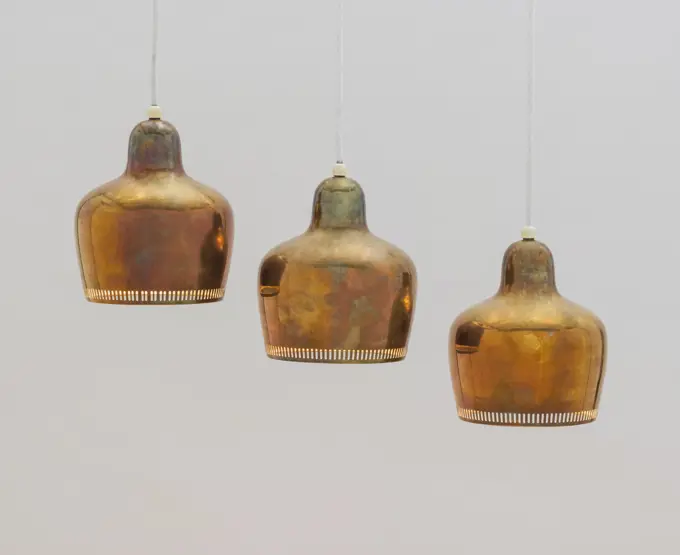
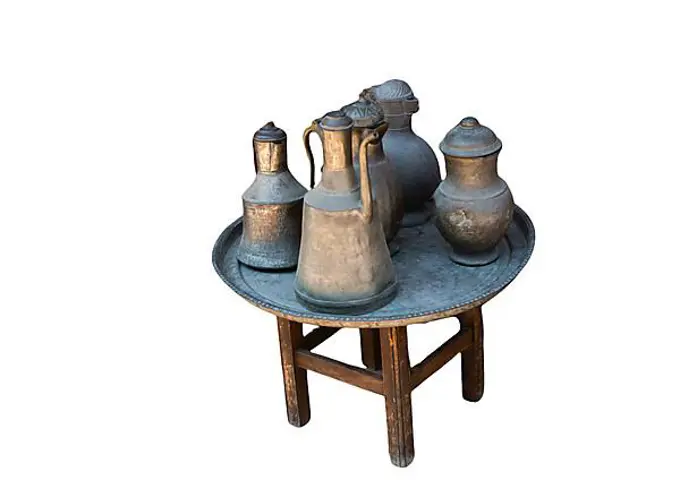
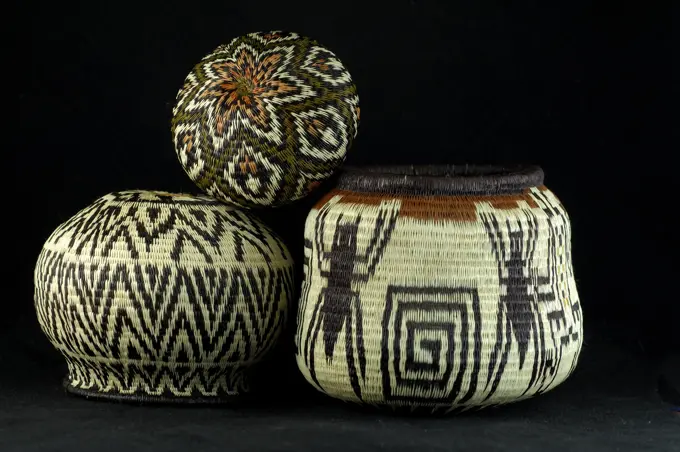
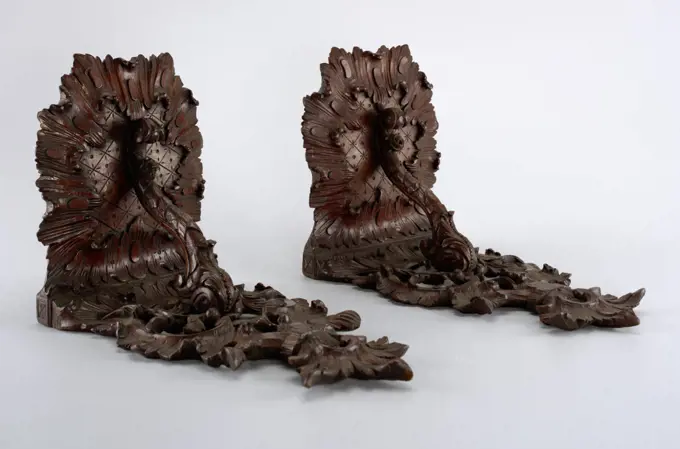
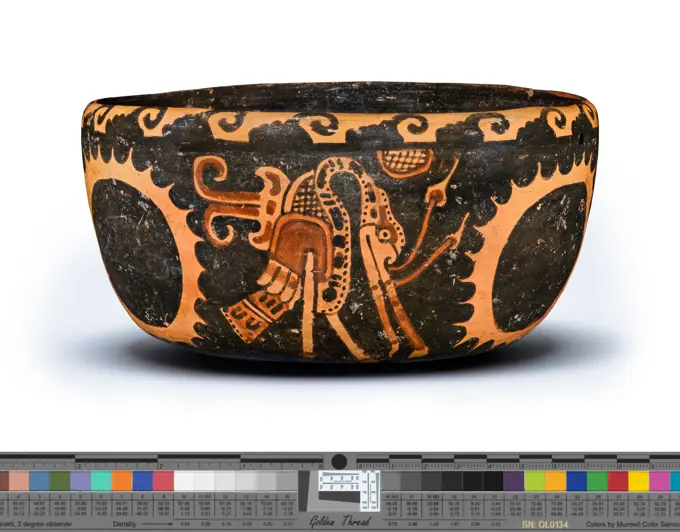
Katrom. .Drum, 1800 - before 1865 musical instrument. percussion instrument. drum Trom of the militia. The brass kettle is equipped with a veal sheet on both sides, held by a hoop and tense by means of a tension with tractors and screws. Both hoops are decorated with a motif of triangles in the colors red, white and blue. With engraved numbers: 1848-50 and 1861-2. Netherlands Kettle: Brass (Alloy). Hoop: Wood (Plant Material). Team resort: RopeBox -Jar ca. 1981-1640 B.C. Middle Kingdom. Jar. ca. 1981-1640 B.C.. Blue marble. Middle Kingdom. From Egypt, Memphite Region, Lisht North, Cemetery, MMA excavations, 1920-22. Dynasty 12-13Bowl -Epaulets early 19th century Italian. Epaulets 98378Fuchi, Shibuichi, Period: Kioho. School: Tsuji. Artist: Seijiu Genyemon, son of Tsuji Masakatsu (third master of Tsuji-Family). Surface: Nanako. Shape: Futsu. Workmanship: Chu-niku-bori, kin nunome zogan. Tenjogane: Do. Design: Ine (rice plant)., 1716-35, metalwork, Decorative Arts, FuchiCase, leather, paper, Inside decorated with paper printed with a floral pattern. Red leather case for three implements, irregular shaped, oval in section, slightly tapering towards the bottom. Leather stamped and decorated with gold, chain-pattern along the sides and a stylized fleur-de-lis on the front., possibly Germany, ca. 1690, cutlery, Decorative Arts, CaseCase (Inr) with Lotus and Crab (obverse); Lotus and Tadpole (reverse) late 19th century Japan. Case (Inr) with Lotus and Crab (obverse); Lotus and Tadpole (reverse). Japan. late 19th century. Case: powdered gold (maki-e), lead foil, and carved metal on black lacquer; Fastener (ojime): metal with design of tadpoles in a stream; Toggle (netsuke): ivory carved in the shape of a lotus leaf and turtle. Meiji period (1868-1912). Inrcamel/brown leather belt isolated on white backgroundCAJA CILINDRICA CON TAPA-NEOLITICA. Location: MUSEO. Volos. GREECE.Terracotta fragments of a kylix (drinking cup) second quarter of the 5th century B.C. Greek, Attic Foot of kylix. Terracotta fragments of a kylix (drinking cup) 667648Henry Cros (1840-1907), Manufacture de Sèvres. "Metals". Vase and its base. Sandstone, 1897. Museum of Fine Arts of the City of Paris, Petit Palais. METALS Bas-relief, GRES, Manufacture de Sevres, Socle, VaseDrum, anonymous, 1717 musical instrument. percussion instrument. drum Trom of wood with a painted weapon of a militia guild between trophies of banners.  wood (plant material)Handled basket with fruit second half 18th-mid-19th century Italian The practice of using crèche figures to restage religious events reached the height of its complexity and artistic excellence in eighteenth-century Naples, and the Metropolitan Museum of Arts group of Neapolitan crèche is one of the finest and most complete survivals of the art form. The ensemble consists of characters traditional to eighteenth-century Italian Christmas holiday customs. The Nativity, featuring the holy family, shepherds and their flocks, and a host of angels and cherubs is joined by the procession of the three Magi and colorful peasants, townspeople, and animals. The figures have articulated bodies of tow and wire with polychromed terracotta heads, and are all in partially distressed condition.These vibrant characters are further brought to life by a wide-ranging set of cloth, embroidery, leather, wicker, wax, and silver accessories. Many of these, such as the figures luxurious costumes, baskets of fGorget, 1500s. Germany, 16th century. Steel; overall: 32.7 x 16.2 cm (12 7/8 x 6 3/8 in.).Hat of stitched brown/beige satin with brown grosgrain ribbon, Gérard Albouy, c. 1945 - c. 1955 Hat of stitched brown/beige satin with brown grosgrain ribbon. Model: loose sphere and edge. Sucked ball in 5 cm high raised edge. The hat edge is trimmed with brown/beige grosgrain, the same as the tire on the seam of Bol and Rand, in the middle of a flat bow. Lined with beige artificial side. Dark brown hat. Paris whole: Silk. Lining: Rayon. ribbon: Hat of stitched brown/beige satin with brown grosgrain ribbon. Model: loose sphere and edge. Sucked ball in 5 cm high raised edge. The hat edge is trimmed with brown/beige grosgrain, the same as the tire on the seam of Bol and Rand, in the middle of a flat bow. Lined with beige artificial side. Dark brown hat. Paris whole: Silk. Lining: Rayon. ribbon:Bale-handled wash basin with legs, 15th century, Unknown Japanese, 6 x 13 11/16 x 14 in. (15.24 x 34.77 x 35.56 cm) (without handle extended), Negoro ware; lacquer over wood core with gilt metal fittings, Japan, Negoro, The Negoro-ware basin originally held water for rinsing hands in preparation for a Buddhist ritual ceremony of repentance performed on the fifteenth day of each month. The term negoro refers to simple but elegant objects covered with base coats of black lacquer over which red lacquer was applied. Through repeated use, the red wears away, revealing the black lacquer beneath. This sense of age and loving use greatly appealed to tea masters who collected old negoro pieces for use in their tea ceremonies. It is likely that this basin would have been used to serve sweets. Because of the age and fragility of negoro lacquer, it is customary for tea guests to slide forward on the tatami mats and serve themselves, rather than passing the basin from guest to guest as is typical wLa Kang late 19th century Thai. La Kang. Thai. late 19th century. Leaded bronze. Thailand. Idiophone-Struck-gongAnonymous / 'Case for small jade and silver-gilt brazier with two masks'. 1675 - 1700. Leather, Wood, Metal, Silk, Paper. Museum: Museo del Prado, Madrid, España.Basket, 1900-1942, 1 x 1 x 1 in. (2.5 x 2.5 x 2.5 cm), Natural plant fibers, United States, 20th century, In the early 1900s, many Euro-American women traveling through the Southwest region of the United States became infatuated with miniature Native American baskets, and some became avid collectors. Native women basket makers responded to this demand by creating ever-smaller baskets, utilizing the same harvesting, processing, and coiling techniques as those for personal use. Creating tightly woven, tiny baskets in an expanding range of designs and styles for their new clientele required the same levels of expertise and knowledgebut perhaps even more dexterity and skill.Basket, late 1800s-early 1900s. Arctic, Aleut, late 19th-early 20th century. Wool embroidery; overall: 13.5 x 10.5 cm (5 5/16 x 4 1/8 in.).. Cylindrical pot of stoneware, partially covered with a cracked creamy glaze. The inside and bottom of the pot are unglazed. The bottom is covered with a thin layer of sludge.Cover for a Basket, late 1800s-early 1900s. Arctic, Aleut, late 19th-early 20th century. Wool embroidery; overall: 10.5 x 10.5 cm (4 1/8 x 4 1/8 in.).Small Hat Box. Dated: 1938. Dimensions: overall: 21.9 x 29.1 cm (8 5/8 x 11 7/16 in.). Medium: watercolor, gouache, and graphite on paperboard. Museum: National Gallery of Art, Washington DC. Author: Charles Moss.Half Model of a Pilot Vessel, anonymous, c. 1796 ship model. half model. builder's model Polychromed mold model (starboard) of a one -mast flat bottom. One gun gate in the bow. Round stern, wide rudder with tie stick over deck. The Zeeg runs forward and back, one mountain wood. Netherlands wood (plant material)Stirrup for Samurai Horseman. Japan, mid-19th century. Costumes; Accessories. Gilt bronze with gold stone-ground liningTeapot (lid), 1740-1750. Staffordshire Factory (British), Aaron Wood (British). Ceramic; overall: 14.6 x 18.8 cm (5 3/4 x 7 3/8 in.); container: 11.5 cm (4 1/2 in.).A pair of zechyt (nals) cats;  19th century (1800-00-00-1900-00-00);Osman dynasty (1299-1922), Islamic art, Turkish (culture), ŁaźnieKannon (base), mid-600s to early 700s. Japan, Asuka period (538-710). Gilt bronze;Basket, 1900-1942, 15/16 x 2 x 2in. (2.4 x 5.1 x 5.1cm), Natural plant fibers, United States, 20th century, In the early 1900s, many Euro-American women traveling through the Southwest region of the United States became infatuated with miniature Native American baskets, and some became avid collectors. Native women basket makers responded to this demand by creating ever-smaller baskets, utilizing the same harvesting, processing, and coiling techniques as those for personal use. Creating tightly woven, tiny baskets in an expanding range of designs and styles for their new clientele required the same levels of expertise and knowledgebut perhaps even more dexterity and skill.Closing weight of eight Amsterdam-Brabant pounds. Connection weight of eight Amsterdam-Brabant pounds, from brass.Bracelet, 1700s-1800s. Bulgaria, 18th-19th century. Silver; diameter: 6.4 cm (2 1/2 in.).Trellised Targe (Tournament Reinforce) ca. 1550 to 1575 Italian This trellised targe (a cape-like reinforcing piece for the tournament) is part of an unusually large armor garniture (acc. no. 27.159.1) from the armory of the Dos Aguas family in Valencia, Spain. The garniture contains pieces for use in battle and for the tilt in both the Italian and German fashions. The tilt was a tournament fought on horseback between two opponents armed with lances and separated by a lengthwise barrier.The armor as mounted is equipped with a helmet and vambraces (arm defenses) for the tournament. The buffe (chin defense), second breastplate (27.159.2), and manifer (reinforced left gauntlet) (27.159.6) would have been added to make the armor ready for exchange pieces for different forms of the tournament. For the German tilt, the trellised targe (shield) (27.159.7), small elbow defense (27.159.5), and small stomach defense (27.159.3) were added. For the Italian tilt, these elements were replaced by thehand painted clay bowl from a cemetery at Susa; Iran (Persia) 4000-3300 B.C.Broad collar terminal. Dimensions: L. 6.3 cm (2 1/2 in). Dynasty: Dynasty 12, late - early 13. Date: ca. 1850-1775 B.C.. Museum: Metropolitan Museum of Art, New York, USA.Close-up. Black backgroundFragment 13th-14th century. Fragment 445197Hat, from the Novelties series (N228, Type 4) issued by Kinney Bros. 1889 Issued by Kinney Brothers Tobacco Company Trade cards from the "Novelties" series (N228), issued in 1889 to promote Kinney Tobacco Company. There are five types of card within the series. Type 1 cards are round. Type 2 cards are round with colored borders. Type 3 cards are die cut to the shape of a novelty item. Type 4 are also die cut with embossing. Type 5 depict novelties on a rectangular card. Finally, Type 6 are die cut in the shape of an egg.. Hat, from the Novelties series (N228, Type 4) issued by Kinney Bros.. 1889. Commercial color lithograph. Issued by Kinney Brothers Tobacco CompanySword-Hilt Collar (Fuchi), 1700-1850. Japan, Edo period (1615-1868). Shakudo; average: 3.9 x 2.3 cm (1 9/16 x 7/8 in.).A pair of stirrups TAKAKUWA, NagatsuguMuseum of the Royal Tombs of Aigai, interior view, Vergina, Greece, EuropeBasket, 1900-1942, 5/8 x 3/4 x 3/4 in. (1.6 x 1.9 x 1.9 cm), Natural plant fibers, United States, 20th centuryWilliam Kieckhofel and Harry Mann Waddell, Bucket, c 1940 BucketAfrica, Ethiopia, tribal art, Oromo headrestWoman bag isolated on the white backgroundBracelet probably 14th-15th century The earliest known examples of this type of seamless mosaic glass bracelet are from the late thirteenth century; it continued to be produced well into the nineteenth century at Hebron, in Palestine. This bracelet, together with thirty-three others in the collection, comes from UpperEgypt and was probably made during the Mamluk period.. Bracelet 446024Cup Stand, one of a pair, 17th-18th century, 3-13/16 x 5-3/8 x 5-3/8 in. (9.7 x 13.7 x 13.7 cm), Huang hua-li, China, 17th-18th centuryTombak late 19th century Iranian This large Iranian variant of the darabukka, carved from a block of wood, is the main percussion instrument of Persian classical music. It is often highly decorated.. Tombak 500932Pectoral made in bronze, Lloseta bronze deposit. 2nd century BC. Majorca. Archaeological Museum of Catalonia, Barcelona, Spain.Inkwell Conrath & HauptmannAlmond, partially in the shellOld Brick Old worn and weathered brick hanging by a piece of string. Copyright: xZoonar.com/J.xSandvikx 3018558One Navy Epaulet, Anonymous, 1800 - 1830  Golden Marine Epaulet with thick slabs pet. Netherlands wool. leather. gold (metal)   BelgiumBox -Doll thimble -Bracelet 4th-7th century Coptic. Bracelet 477757Snuff Box, c. 1830. Germany, 19th century. Agate, gilt-metal mounts; overall: 2.5 x 7.3 x 5.4 cm (1 x 2 7/8 x 2 1/8 in.).Ivory ball with different openwork concentric bulbs, anonymous, 1800 - 1825 Ivory ball with thirteen round holes. The wall is cut into relief and partly open. Tuusen The holes are fields with figures in a landscape, outside of these fields of flower vines. Due to the holes, the 'inside peels' are visible, open in various geometric patterns. At the top a chain and at the bottom a (discolored) orange brush. Canton ivory cutting Ivory ball with thirteen round holes. The wall is cut into relief and partly open. Tuusen The holes are fields with figures in a landscape, outside of these fields of flower vines. Due to the holes, the 'inside peels' are visible, open in various geometric patterns. At the top a chain and at the bottom a (discolored) orange brush. Canton ivory cuttingBox -Netsuke of Daikoku with Mallet and Bag 19th century Japan. Netsuke of Daikoku with Mallet and Bag 59829"Golden Bell" Hanging Lamps. Alvar Aalto (Finland, 1898-1976). 1937. Furnishings; Lighting. CopperWater jug, Old jug isolated on white backgroundMusic role for a salon cylinder organ. On the role a label with handwritten text: Duo de Robert n. Bertram Le Chevalier, Ballade de Raimbo, Duo de Raimbo, C'est Aujourd'Huit, Couplettes d'Alice, Quant your quite, Sicilienne, L'or Est Une Chimere, Grande Trio d'Alice, Lisant Le Testament.Latin America,  Panama,  Panamanian arts & crafts.Traditional Embera Indian baskets.Bracket, Carved mahogany, A) Right angle wall bracket carved in acanthus pattern. Back is open-work scroll, top underside carved with seme, edged with leaves. Topside has recessed circle. Arm is a ribbon form, wrapped with a small rose near terminal scroll. B) same as A., England, mid-18th century, Decorative Arts, BracketTop hat. Culture: American. Designer: Nash (American). Date: ca. 1850.The black "topper" quickly became the most common men's hat of the 19th century, evolving with some modifications in height and brim shape from the earliest versions that appeared in the 1800s. Initially appropriate for daily wear, the top hat was reserved for more formal occasions in the late 19th century, a tradition that continues in the 21st century. By the time this hat was made, silk plush had replaced beaver fur as the favored material for hatmakers. Coincidentally, the maker and retailer of this hat, Nash, operated from a shop on Astor Street in Manhattan, named in honor of John Jacob Astor (1763-1848), a man who built his fortune on the demand for beaver fur used to make hats in the late 18th century and early 19th century. Museum: Metropolitan Museum of Art, New York, USA.Pendant 11th century. Pendant 454403Bucket. Dated: c. 1940. Dimensions: overall: 35.5 x 26.7 cm (14 x 10 1/2 in.) Original IAD Object: 8"high; 12"diam. Approx. dimensions.. Medium: watercolor, colored pencil, and graphite on paper. Museum: National Gallery of Art, Washington DC. Author: William Kieckhofel and Harry Mann Waddell.Close-up of terracotta garlic potBowl with Water Birds. El Salvador or Honduras, Maya, 600-900 CE. Ceramics. Slip-painted ceramicArchitectural fragment 15th-16th century China. Architectural fragment. China. 15th-16th century. Earthernware with yellow glaze. Ming dynasty (1368-1644). Ceramics1800 -1855, Konbaung period, Box made from gold, diamonds, emeralds and rubies. The quality of this box and pot suggests that they were made for royalty or a high ranking member of the court at one of the former capital cities. The sides of the box are decorated with a wave (acheik)pattern. Its top bears the protective nine planet' (narawat) design formed by eight diamonds around a large ruby. Burma (probably Amarapura or Ava, now Inwa)Two table tennis bats and a ballA boisseeau from Enschedé. Chain chain with iron fittings for dry goods of 1 boisseeau with bridge and style, etc. Brand and labels.USA, Alaska, Wrangell. Wrangell Museum, antique relic.Canoe Model with Accoutrements before 1845 Maliseet. Canoe Model with Accoutrements 319021Collar with the inscription: Don't Bydt. The object carved from plate consists of a short piece and two long parts, which are connected to hinges. The ends are equipped with an eye closure. In the short part, a rosette has been cut off, in the other two a related ornament as well as in Latin Majuskels the inscription: Not byt. Against these parts, copper plate is riveted on the inside, which is driven to the outside red, to make ornament and text come true.Two TablasTraditional Athabaskan infant cradleboard basket made from birch bark and decorated with floral beadwork strip next to two birchbark basket trays. AlaskaCase (Inr) with Design of Sparrow in Flight above Manten Plants with Red Berries 19th century Japan. Case (Inr) with Design of Sparrow in Flight above Manten Plants with Red Berries. Japan. 19th century. Lacquer, kinji, nashiji, gold and colored hiramakie, takamakie and red lacquer; Interior: nashiji and fundame. Edo (1615-1868) or Meiji period (1868-1912). InrHat ca. 1890 Mlle. Louise Use of woven bast fiber in this hat evokes a bird's nest. The design illustrates the popularity of using real birds as millinery trim.. Hat. American. ca. 1890. bast fiber, cotton, birds, feathers