Traditional Decorative Jars

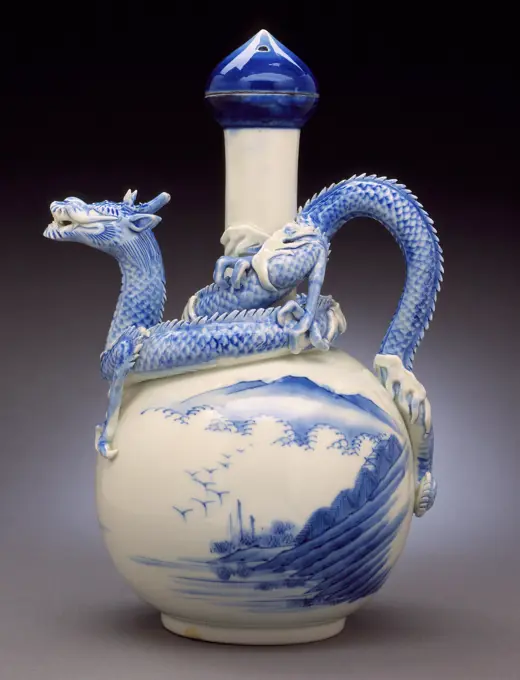
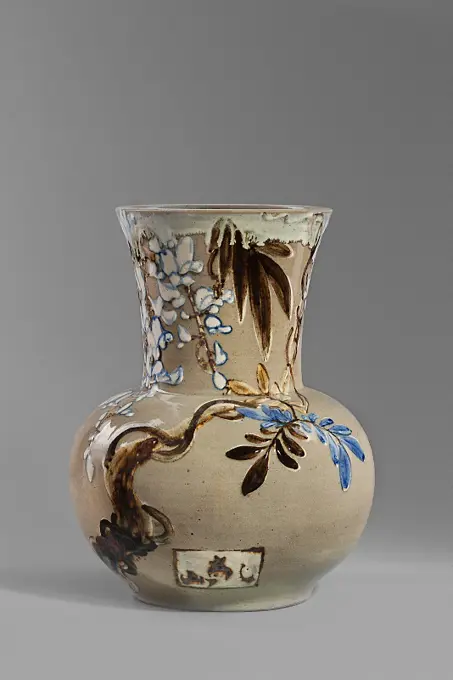
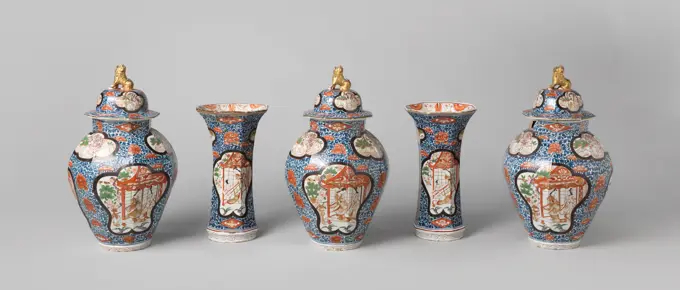
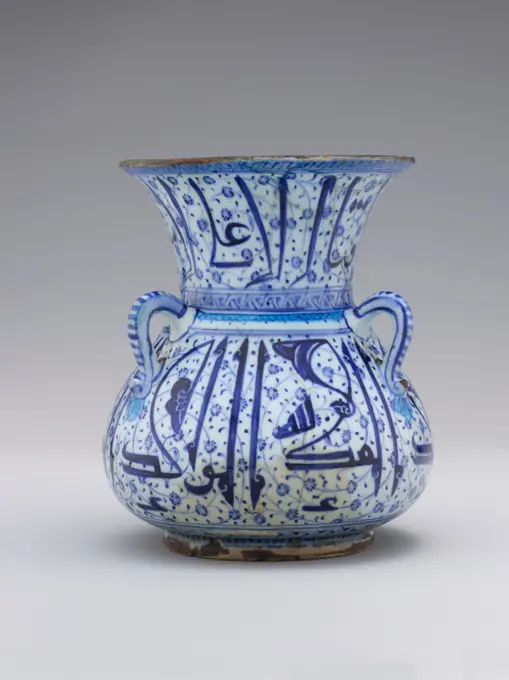
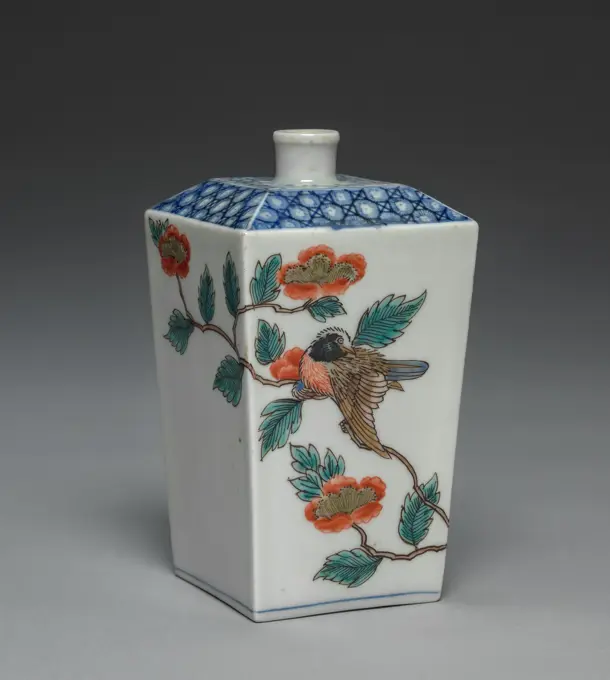
Elegant porcelain jars with intricate blue and polychrome decorations. Features floral motifs and traditional Japanese craftsmanship.
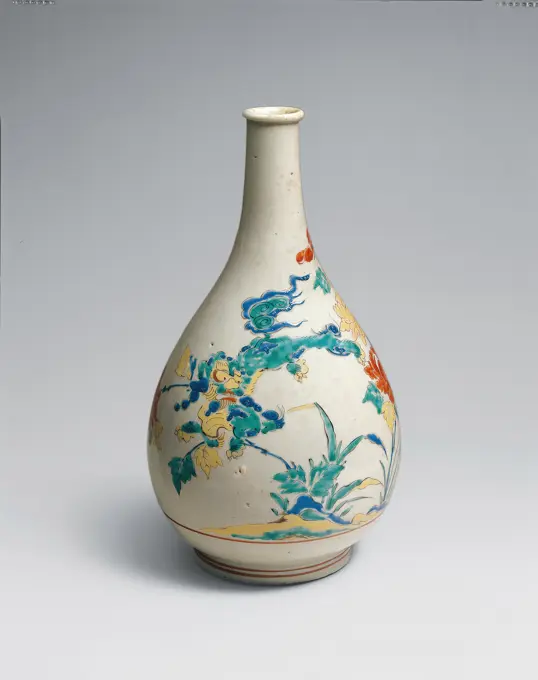
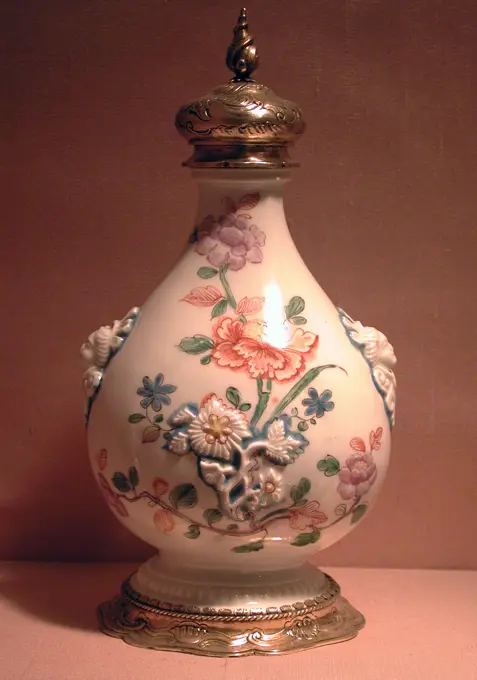
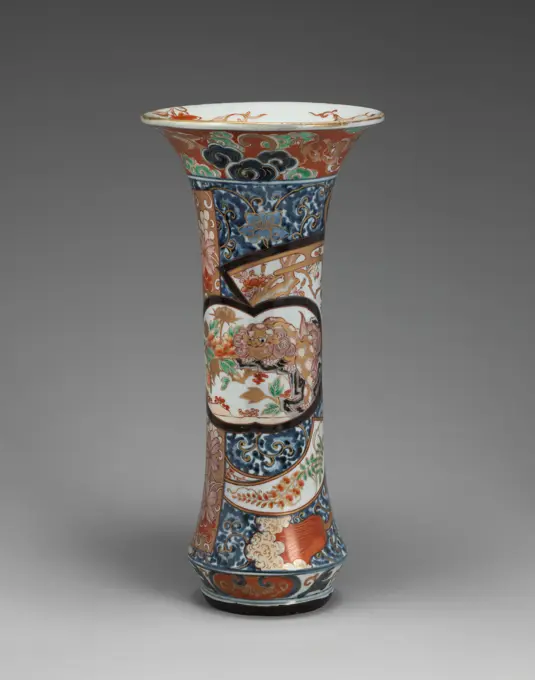
Bottle with peonies and Chinese lion, c. 1660s, Unknown Japanese, 11 3/16 × 6 3/16 × 6 3/16 in. (28.42 × 15.72 × 15.72 cm), Hizen ware, Ko-Imari style; porcelain with overglaze enamels, Japan, 17th century, This elegant, pear-shaped bottle features an auspicious combination of Chinese motifs lush peonies and mythological lion-dogsexecuted in red, blue, yellow, green, and black overglaze enamels. The technique of decorating porcelains by painting designs in multi-colored enamels over glazed, high-fired works was mastered in Japan only in the 1640s. Although also extremely popular within the country, many of these wares were intended for export to Southeast Asia and Europe.
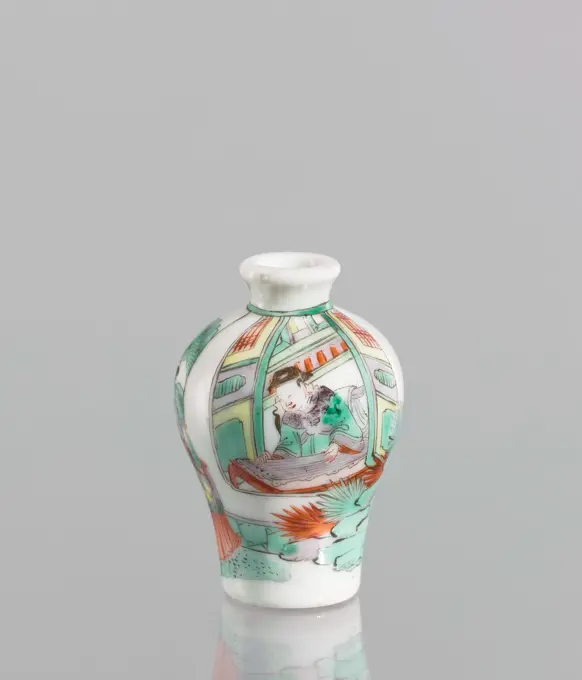
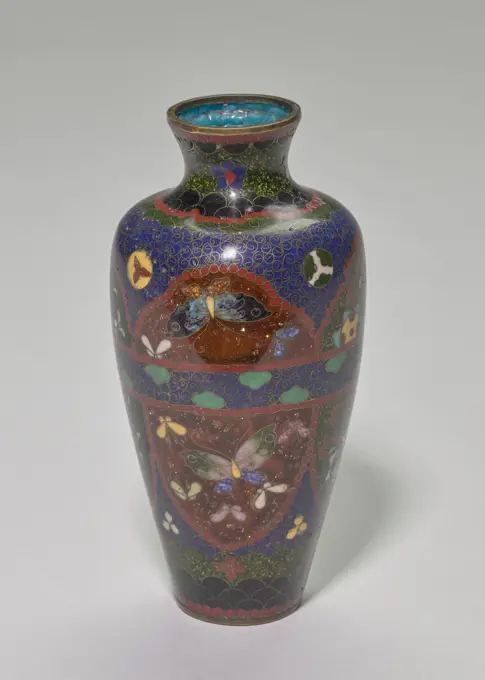
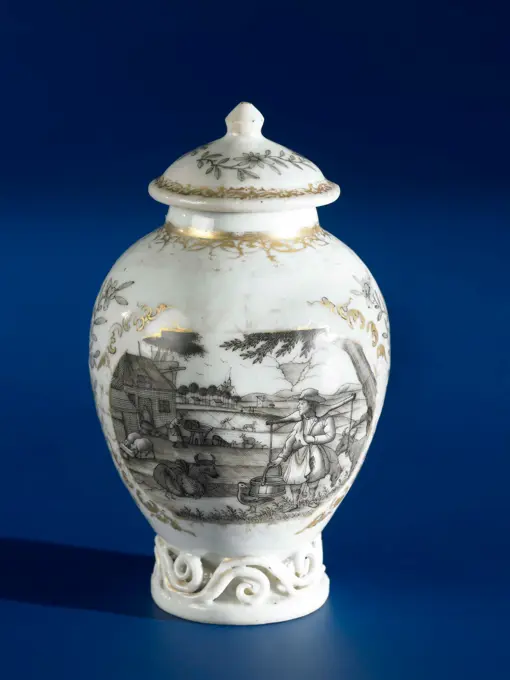
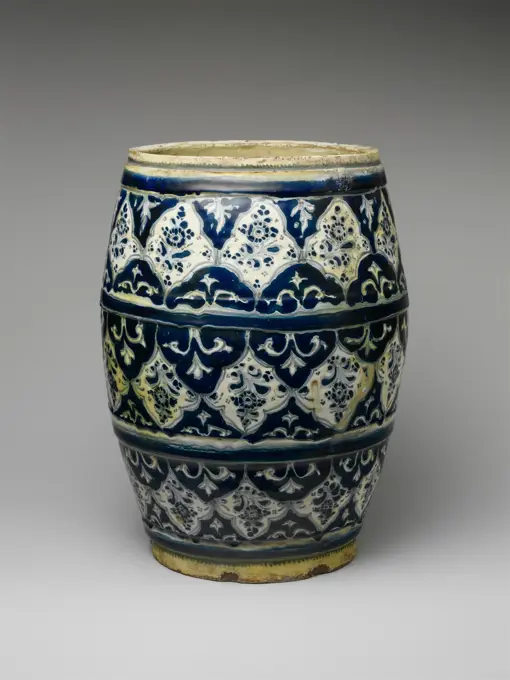
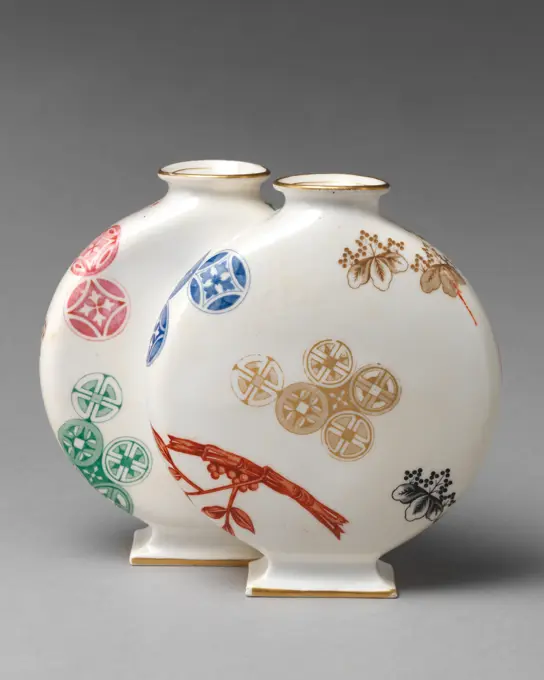
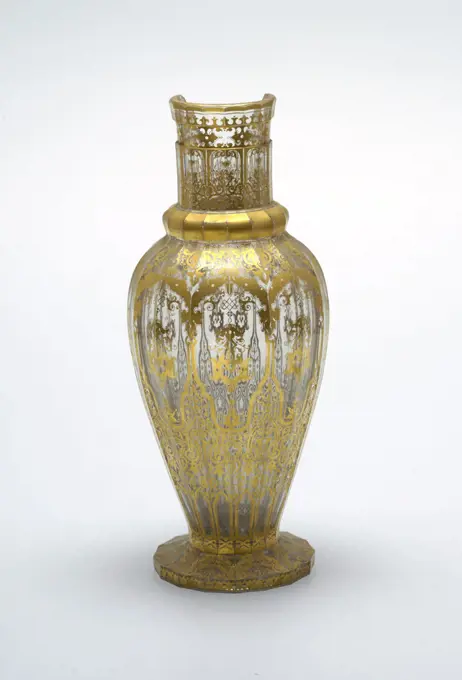
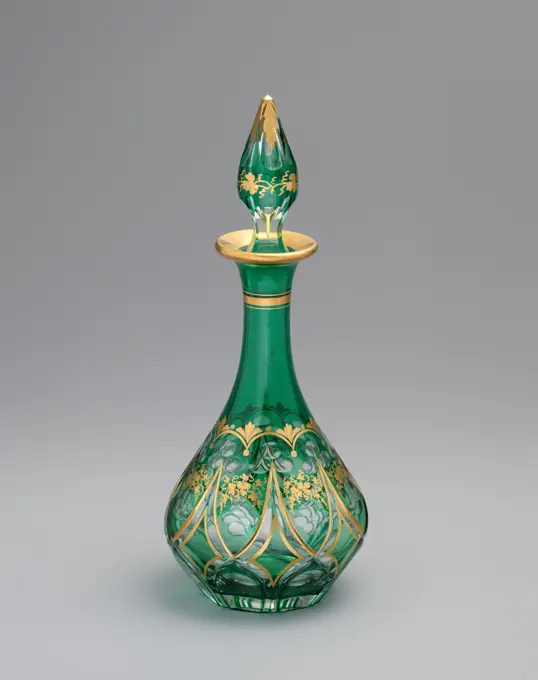
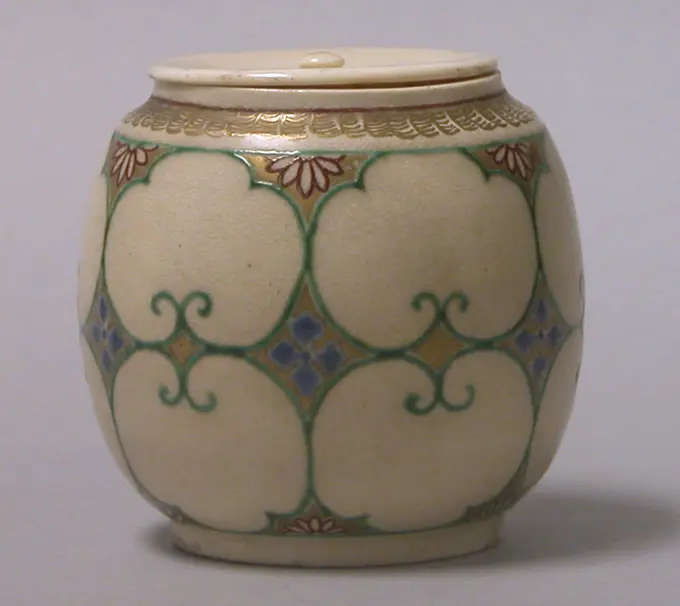
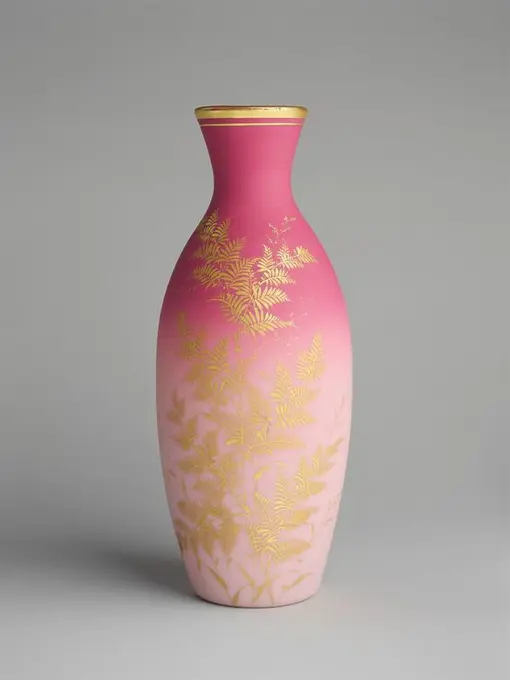
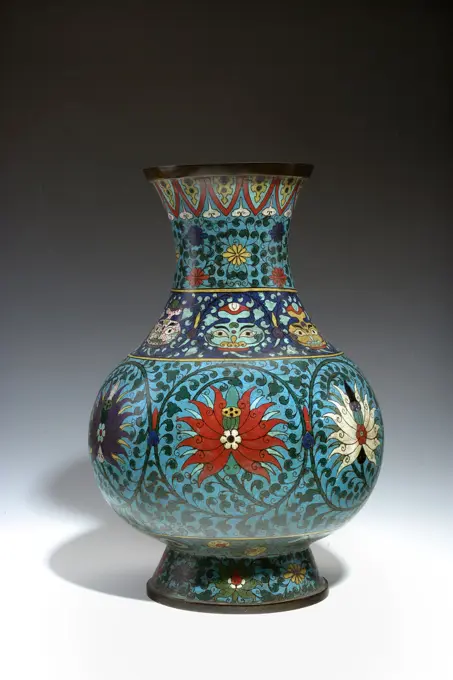
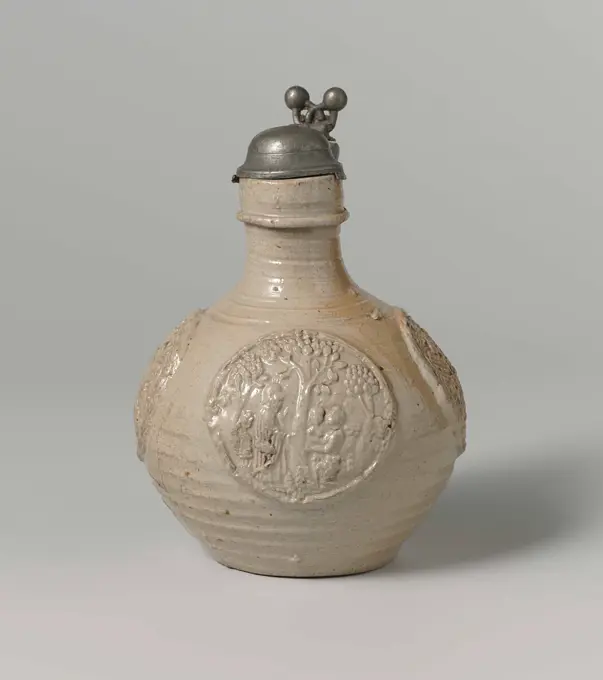
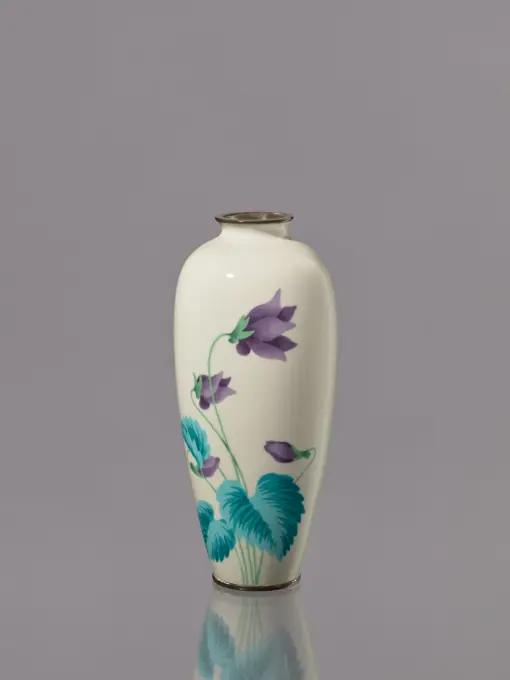
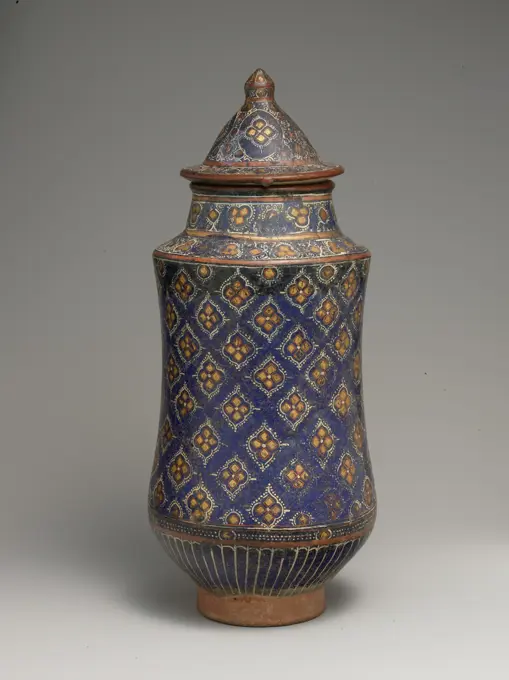
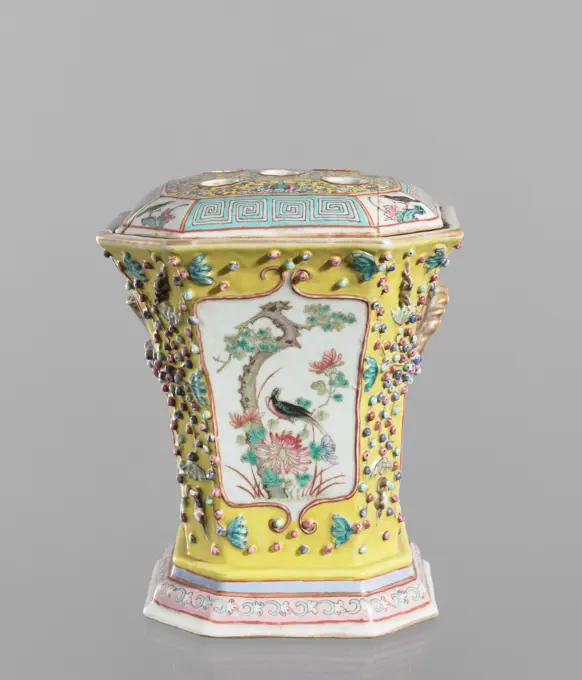
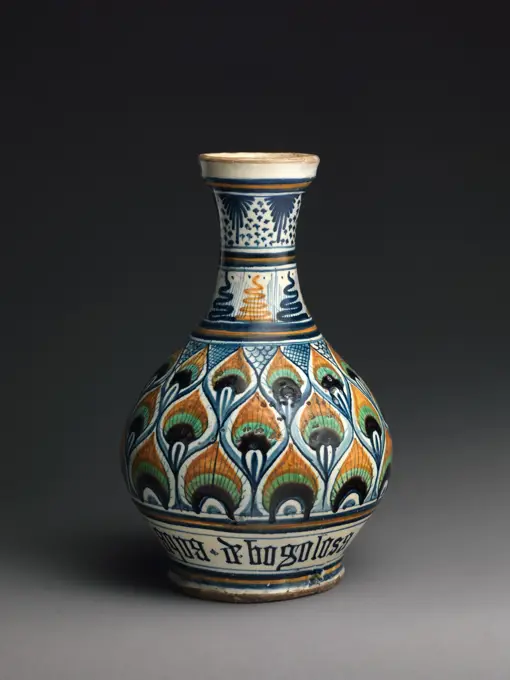
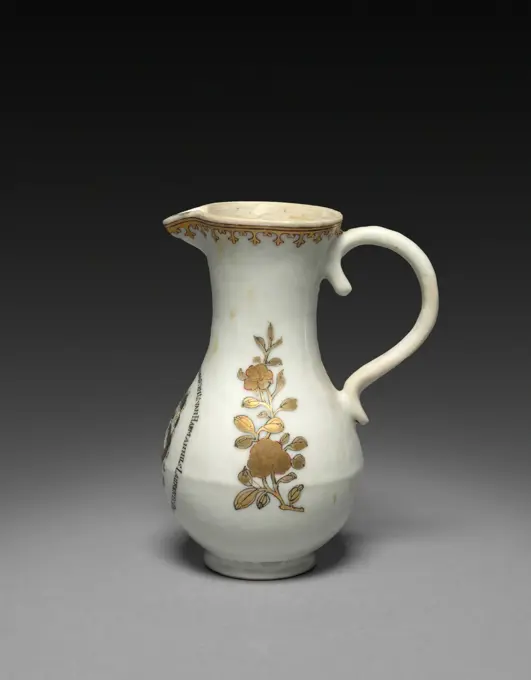
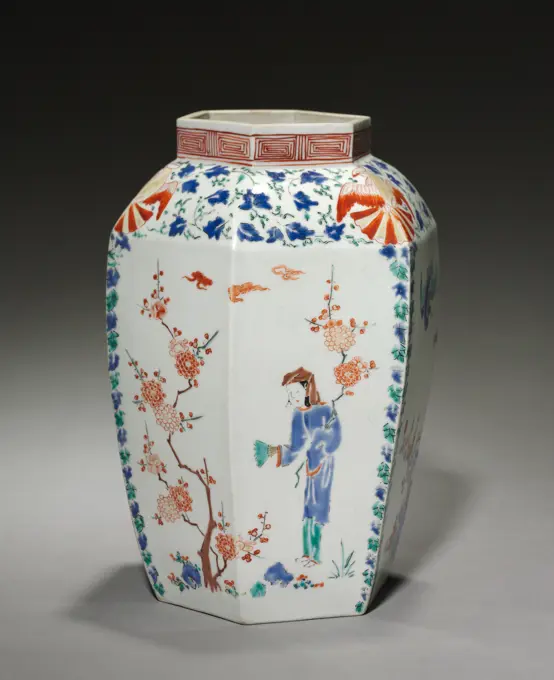
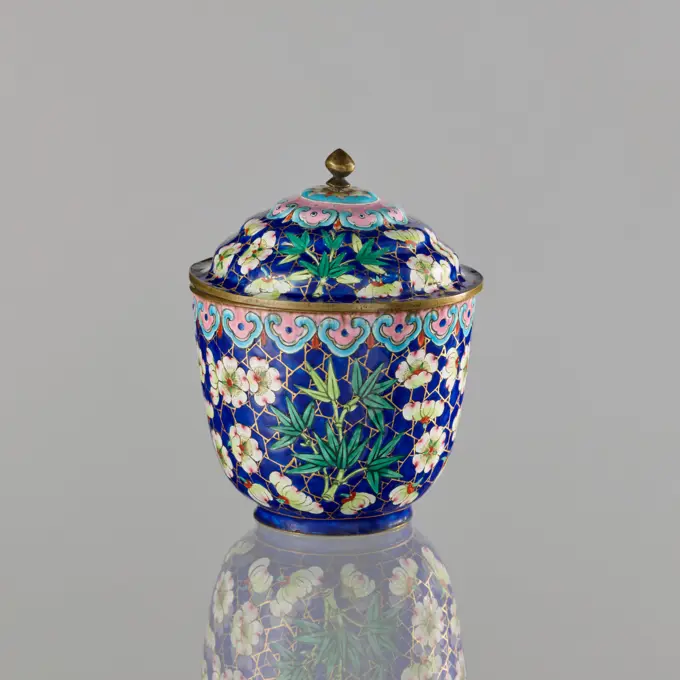
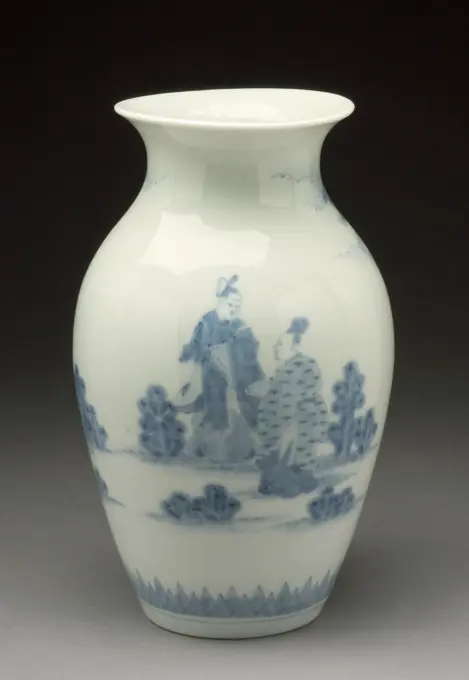
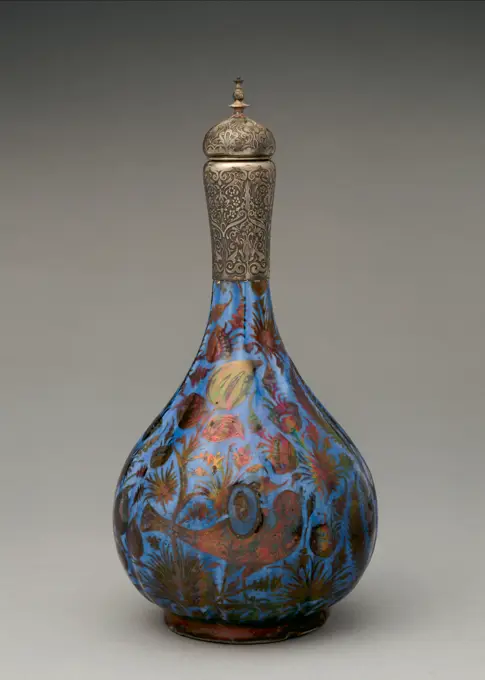
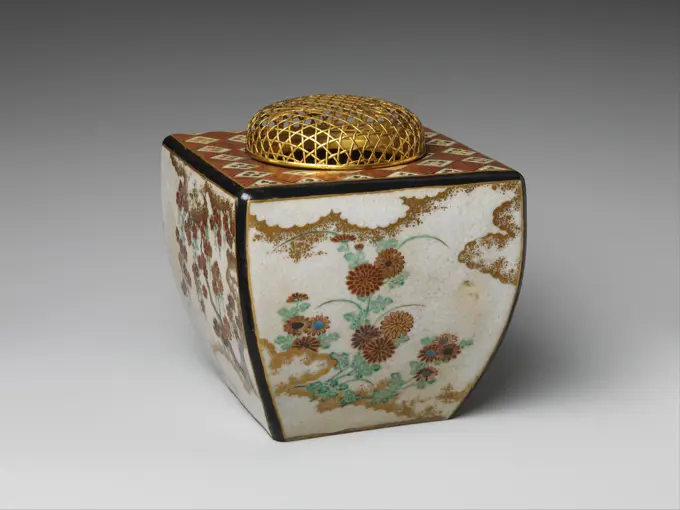
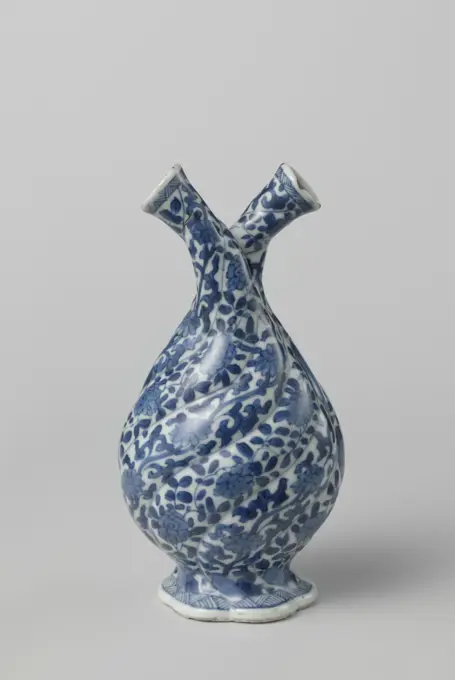
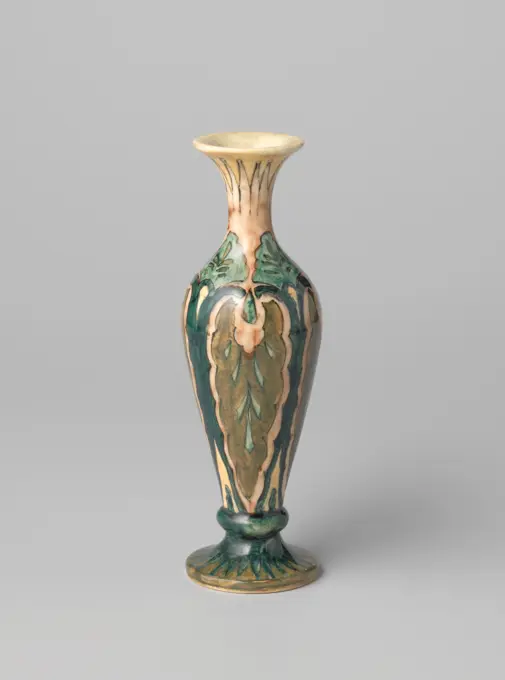
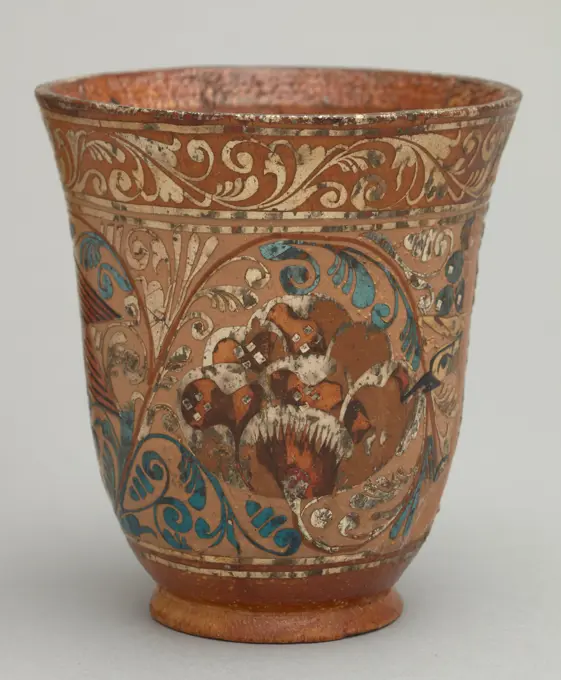
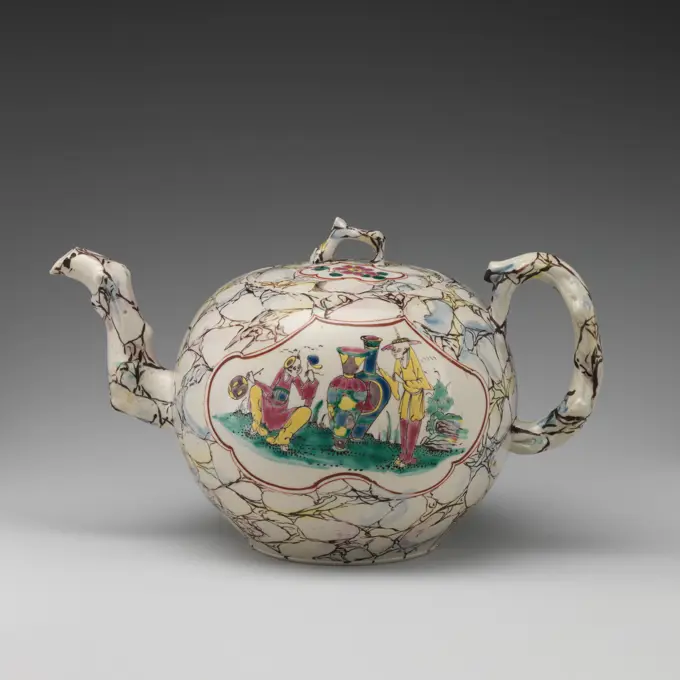
Pharmacy Jar. Culture: Spanish. Dimensions: Overall: 11 3/4 in. (29.8 cm). Date: second half 15th century. Museum: Metropolitan Museum of Art, New York, USA.Snuff bottle. unknown, craftsmanCovered baluster jar with figures in an interior behind framework, prunus trees and floral scrolls, anonymous, c. 1650 - c. 1699 Balus -shaped porcelain lid jar with a spreading base, painted in underly glaze blue and on the glaze red, black and gold. On the wall twice two people sitting in an interior behind modeled and painted grille work. This grille is decorated with modeled and decorated prunus trees and tires with flower vines. Under the grille work a band with flower vines. Around the foot a bond with lotus drinks. On the neck three cartouches with lotus vines. The lid with the same decoration; Lid button in the shape of a bird on a stump. Imari. Japan porcelain. glaze. cobalt (mineral). gold (metal) painting / gilding / vitrification Balus -shaped porcelain lid jar with a spreading base, painted in underly glaze blue and on the glaze red, black and gold. On the wall twice two people sitting in an interior behind modeled and painted grille work. This grille is decorated with modPot with lid of multicolored painted faïence. Pot with faïence lid. Multicolor painted with flower decorations. The pot is part of a cabinet set.Vase, 20th century, Unknown Japanese, 5-7/8 x 2-7/8 x 2-7/8 in. (14.9 x 7.3 x 7.3 cm), Cloisonné enamel, Japan, 20th century. Porcelain tea bus with an egg-shaped body, on a foot with cut-away curl work, painted on the glaze in black and gold. On the wall, two oval cartouches in which a European farmland landscape with working people, cattle, a farm and a village in the background; between the cartouches a flower branch; On the shoulder a band with tendrils in Meissen-style. The lid with two flower branches and a bond with tendrils. European performance in Encre de Chine.Hexagonal Ewer With Flowering Plants and Floral Scrolls. Hexagonal can of porcelain with a pear-shaped body, long, S-shaped spout and S-shaped ear, painted in underglaze blue. Plants blooming on the abdomen interrupted by a modeled cartouche with a landscaped flower branch in blue. The foot, edge and lid are divided into six compartments with flower branches. On the spout and the ear cloud motifs. Blue White.Barrel ca. 1700-1750 Mexican. Barrel 4510Vase van Faience, Anonymous, 1770 - 1810 Vase of Faience. Blue painted with a Dutch water landscape. The vase is part of a cupboard set. Delft . Vase of Faience. Blue painted with a Dutch water landscape. The vase is part of a cupboard set. Delft .Elephant-head vase (vase à tête d'éléphant). Culture: French, Sèvres. Designer: Jean-Claude Duplessis (French, ca. 1695-1774, active 1748-74). Dimensions: Height: 15 in. (38.1 cm). Factory: Sèvres Manufactory (French, 1740-present). Date: ca. 1757.This remarkable Sèvres porcelain elephant-head vase is one of six in the Metropolitan Museum of Art, four of which were given by Charles and Jayne Wrightsman. Presumably due to the technical challenges and cost of making these vases, relatively few were produced at Sèvres, all which date to the years around 1760; nineteen examples are known in public collections today.1The mate to this vase is at Waddesdon Manor, Buckinghamshire. The decoration on the Waddesdon vase is extremely similar, though its spiraling decoration twists to the right to complement the left-twisting decoration on the Wrightsman vase. The undersides of both vases are painted with green and gold bands, presumably intended to disguise firing flaws in the base of each.19Double moon flask ca. 1870s Worcester factory After the end of the Flight, Barr & Barr ownership of the Worcester factory in 1840, the firm went through a succession of owners and mergers before falling under the ownership of Kerr & Binns in 1852. During the partnership, the factory sought to rebuild its former eighteenth-century reputation in porcelain and known for Renaissance-inspired designs. With the establishment of the Royal Worcester Porcelain Company in 1862, the company gradually gained recognition for its Japanese-inspired designs, which formed part of Japonisme, a collective fascination with Japan that took place in Europe and the United States following the opening of Japanese markets to the West by Commodore Perry in 1853.. Double moon flask. British, Worcester. ca. 1870s. Bone china. Ceramics-Porcelainvase, glass, gold, Two vases (a,b) in baluster form with gilt decoration in Islamic style., Austria, ca. 1878, glasswares, Decorative Arts, vasePerfume decanter 1866-70 New England Glass Company. Perfume decanter. American. 1866-70. Green cased over colorless lead glass; blown, cut and gilded. Made in Cambridge, Massachusetts, United StatesVase by Giorgio SpertiniBottle China. Bottle 47691Vase;  19th century (1801-00-00-1900-00-00);Tea jar Japan 18th century View more. Tea jar. Japan. 18th century. Pottery decorated with colored enamels on a finely crackled ground; ivory lid (Satsuma ware). Edo period (1615-1868). CeramicsVase. Culture: American. Dimensions: H. 7 3/4 in. (19.7 cm); Diam. 3 in. (7.6 cm). Maker: New England Glass Company (American, East Cambridge, Massachusetts, 1818-1888). Date: 1886-88. Museum: Metropolitan Museum of Art, New York, USA.Vase;  19th century (1801-00-00-1900-00-00);Paderewski, Ignacy Jan (1860-1941), Paderewski, Ignacy Jan (1860-1941)-collection, qing (style), Chinese (culture), cloisonné, gift (provenance), plant (ornament), Chinese art, lotus ornament). Baluster-shaped, slim lid pot of porcelain with wide neck, painted in underglaze blue. On the wall on one side two Chinese ladies (long likes) in a fenced garden, each with a twig in hand; On the other side two ladies at a table for a large screen, the one with a range and the other with a sprig in hand; Two flower branches around the foot; around the neck two flower branches; the edge with a tire napkin; The lid with button and four flower branches with a bond with geometric motif. A chip in the edge of the lid. Blue White.Tea caddy with a crowned, illegible monogram surrounded by two flower sprays, anonymous, c. 1750 - c. 1774 Porcelain tea lobe with four times lobed wall and edge and four short feet, painted on the glaze in blue, red, pink, green, yellow, black and gold. On the outer wall a crowned, unreadable monogram surrounded by two flower branches; Between the monograms of flower vines with a cartouche with a landscape and four medallions with plants. On the shoulder a band with flower vines. The lid button in the form of a shishi (lion dog); On the lid of flower vines and cartouches with landscapes or flower branches. A baking tear in the edge. European performance in email colors. China porcelain. glaze. gold (metal) painting / gilding / vitrification Porcelain tea lobe with four times lobed wall and edge and four short feet, painted on the glaze in blue, red, pink, green, yellow, black and gold. On the outer wall a crowned, unreadable monogram surrounded by two flower branches; Between the monoOvoid Covered Jar With Flowering Plants in Panels. Egg-shaped lid pot of porcelain with hexagonal body and flat, unglazed underside, painted in underglaze blue. On the wall Six elongated cartouches with squeezed corners with plants blooming in a rock. A crack in the edge of the pot. Blue White.Jug with a mask and medallions, anonymous, c. 1630 - c. 1680 Can be made of stoneware on high foot with an egg -shaped body and narrow neck with a pinched spout. The C-shaped ear is attached to the neck and shoulder. Profiles on the neck and foot. Partly covered with cobalt blue on the glaze. The KAN is decorated with a relief decoration in which the abdomen is largely covered with printed, imposed medallions with a flower rosette against a blue background. A modeled mask has been applied to the neck under the spout. A pewter frame with lid is attached to the ear; Traces of a blue painting. The lever is in the form of two acorns. Two brands on the lid: three crosses under a crown and a Greek cross. Westerwald. Westerwald Stoneware. Glaze. Cobalt (Mineral). frame: tin (metal) vitrification Can be made of stoneware on high foot with an egg -shaped body and narrow neck with a pinched spout. The C-shaped ear is attached to the neck and shoulder. Profiles on the neck and foot. Partly covereJug. Worcester Porcelain Factory; Worcester, England, founded 1751. Date: 1775-1780. Dimensions: H. 20.6 cm (8 1/8 in.). Soft-paste porcelain, underglaze blue. Origin: Worcester. Museum: The Chicago Art Institute, Chicago, USA. Author: Worcester Royal Porcelain Company.Jug of stoneware. Jug of stoneware. The bullet-shaped belly and the narrow, cylindrical neck are completely ribbed. On the abdomen, 3 medallions have been printed with in the middle Adam and Eve in paradise, and in the two outer rosettes with oak gap. With pewter lid.Ovoid Covered Jar With Flower Sprays and Narrative Scenes in Medallions. Egg-shaped porcelain lid pot with a ribbed wall, painted in underglaze blue. On the wall a wide, ribbed band containing four medallions with scenes in it: two ladies (long likes) on a terrace at a 'Go' table; Two ladies, one with a flowerpot, and a boy (ocean) in an interior with a Qin on a table; Two ladies on a terrace, one standing with a range, the other sitting at a table on which a book is; Two ladies on a terrace, one dancing, the other faces sitting next to a table on which a book is located. On the shoulder a band with flower branches (prunus, peony). Around the foot a bond with flowering plants (Pauwlonia, orchid, peony, peach, prunus, peekanjer). Marked on the underside with the six character mark of Emperor Chenghua in a double circle. Glue residues on the bottom. Blue White.Vase (usual name). Sandstone, celadon, turned ceramic, incised decor. Cernuschi Museum, Asia Museum of Asia in the city of Paris.Beaker vase with scholars in a landscape. Bek tray of porcelain with spreading neck and foot and slight thickened band in the body, painted in underglaze blue. On the wall nine scholars in a landscape with trees and rocks; The thickening has lobby cartouches with lotus drinks and circles; Below this a band with dependent, pointed leaf motifs. Blue White.Tankard ca. 1625-40 German, probably Westerwald German stoneware tankards were brought to America in large numbers on Dutch fur-trading ships. Shards of these popular vessels have been uncovered at seventeenth century sites in New York and New England.. Tankard. German, probably Westerwald. ca. 1625-40. Salt-glazed stoneware. Ceramics-PotteryDouble gourd-shaped vase with shoulao and the eight immortals. Large, balebase vase of porcelain, painted in underglaze blue. On the lower part a representation of Shoulao and the eight immortals in a fenced garden with trees (pine), rocks and plants. The performance is closed by a ruyi motifs bond. Around the foot a bond with flower leaf-shaped compartments with a lotus drink. The upper part with the goddess Xi Wangmu with the peach of immortality and two servants; On the other side a seated lady at a table with two servants. Between the two thickening a tire with cranes between clouds and one with flower drinks. On the edge a wide bond with tendrils. The underside is unglazed and with baking sand. Ming porcelain in blue and white.Vase. unknown, craftsmanVase. Culture: French (Paris). Designer: Ernest Chaplet (French, Sèvres 1835-1909 Choisy-le-Roi). Dimensions: H. 19 inches (48.3 cm.). Date: 1882-86. Museum: Metropolitan Museum of Art, New York, USA.Pair Of Vases; porcelainTumbler with Cover 1700-1725 Potsdam. Glass .Wine Ewer andCoverVase. unknown, craftsmanJARRA DE PUENTE DEL ARZOBISPO (TOLEDO)- DECORACION VEGETAL Y CON SOLDADO. Location: MUSEO DEL PUEBLO ESPAÑOL, MADRID, SPAIN.Lid jar, the gilded blompot, c. 1810 - c. 1840  Lid of lid jar of multicolored painted faience. The button of the lid is a bird picking into a fruit. Delft earthenware. tin glaze.Bottle. Samuel van Eenhoorn; Dutch, 1655-1686/87; Made at the "Greek A" Factory; Delft, Netherlands, 1658-1722. Date: 1674. Dimensions: 31.4 × 15.2 cm (12 3/8 × 6 in.). Tin-glazed earthenware (Delftware). Origin: Delft. Museum: The Chicago Art Institute, Chicago, USA. Author: Samuel van Eenhoorn.Cup with cover. Culture: Austrian, Vienna. Dimensions: H. with cover 4 in. (10.2 cm.); Diam. 3-3/4 in. (9.5 cm.). Factory: Vienna. Factory director: Du Paquier period (1718-1744). Date: ca. 1730-35. Museum: Metropolitan Museum of Art, New York, USA.. Roompot van Faience, painted in blue with scenes from the Turfschippersbedrijf.Covered Jar (Albarello) second half 13th-14th century This covered jar exhibits a rare glaze type referred to as lajvardina, from the Persian word lajvard, or lapis lazuli (a deep blue colored stone containing gold inclusions). Its design comprises small squares of gold leaf, carefully arranged into intricate patterns with delicate red and white overpainting. Production of this type of glazed ware is limited to the Ilkhanid period in Iran. And the luxurious nature of this example suggests it was destined for wealthy patrons.. Covered Jar (Albarello) 451440Square bough pot with figures on a terrace, birds and flower sprays, anonymous, c. 1770 - c. 1790 Cover of square flower pot or vase of porcelain, painted on the glaze in blue, red, pink, green, yellow, purple, black and gold. Lid has been broken and restored with iron wire in four places. European forms with family rose/mandarin. China porcelain. glaze. gold (metal). silver (metal) painting / gilding / vitrification Cover of square flower pot or vase of porcelain, painted on the glaze in blue, red, pink, green, yellow, purple, black and gold. Lid has been broken and restored with iron wire in four places. European forms with family rose/mandarin. China porcelain. glaze. gold (metal). silver (metal) painting / gilding / vitrificationFragment faience vase, foot and part belly, chinese garden with deer, swan and flowers, vase crockery holder soil find ceramic earthenware enamel tinglaze, Turning rings on the inside archeologyJar with Cover. Culture: China. Dimensions: H. 10 1/2 in. (26.7 cm). Museum: Metropolitan Museum of Art, New York, USA.Octagonal vase with lid. unknown, craftsmanPilgrim bottle with cover ca. 1725 Vienna The gift of the Hans Syz Collection in 1995 endowed the Museum with nearly three hundred examples of European and Asian ceramics meticulously acquired by Swiss-born collector Dr. Syz (1894-1991) to chart the migration of models and patterns from East to West. Documenting a continuous process of influence and adaptation, these pieces provide a discriminating review of the nuances of stylistic change resulting from three centuries of trade.. Pilgrim bottle with cover 208463Vase Pałowy school and artistic school in Krakow (PSPA)Cylindrical vase with powder blue and panels with figures and animals in landscapes. Cylindrical vase of porcelain with a wide, straight neck and raised edge, painted in underglaze blue. The vase is covered with bleu poudré (powder blue) with different cartouches shaped in this. On the belly two elongated cartouches with a lady in the window of a pavilion with a man on a dragon over swirling waves in one lady. In the other two ducks at the shore of a river and a third duck flying in the air. Between the elongated cartouches two smaller ones: a fan-shaped cartouche with flowering plants at a rock and a four-pass with a hare. On the other side in the four-pass a shrimp between aquatic plants. Bleu poudré with blue and white.Pharmacy bottle ca. 1470-1500 Italian, probably Pesaro Vessels of this shape, with long, narrow necks, were designed to hold liquid preparations. In this example, the inscription shows that it was meant to contain water of the bugloss plant, once valued as an antivenom. Such labels first appeared on Italian pharmacy jars in the mid-1400s and became commonplace by the end of the century. The striking peacock-feather ornament helps trace the bottles manufacture to the town of Pesaro, where it was a favorite design.. Pharmacy bottle 204515Bottle Jar, 14th-15th century, 7 5/8 x 5 1/8 in. (19.37 x 13.02 cm), Sawankalok ware Stoneware with iron painted decor under a clear glaze, Thailand, 14th-15th centurySpill vase 1869 Minton(s) Minton was the most important ceramics factory during the Victorian period and began exhibiting products at the first Great Exhibition of 1851. Founded in 1793 by Thomas Minton at Stoke-on-Trent, the firm initially specialized in transferware pottery before expanding under the ownership of Thomass son Herbert Minton, beginning in 1836. Under the ownership of Colin Minton Campbell, who succeeded his uncle in 1858, the factory became recognized as a specialist producer of Aesthetics movement porcelain, which were inspired by a rich array of exotic and eclectic decorative motifs. Listen to experts illuminate this artwork's story Listen Play or pause #418. Christopher Dresser and the Birth of Industrial Design Supported by Bloomberg Philanthropies We're sorry, the transcript for this audio track is not available at this time. We are working to make it available as soon as possible.. Spill vase. British, Stoke-on-Trent, Staffordshire. 1869. Bone china. Ceramics-PoPair of flower vases with eight spouts, anonymous, c. 1705 - c. 1715 Flower holder from Faïence. Multicolored painted, with 8 streams and bird figures on the sides. Delft . Flower holder from Faïence. Multicolored painted, with 8 streams and bird figures on the sides. Delft .Vase. Culture: American. Dimensions: 14 1/2 in. (36.8 cm). Maker: Ohio Valley China Company (1891-1895). Date: 1891-95. Museum: Metropolitan Museum of Art, New York, USA.Jug ca. 1675 probably French, Rouen The decoration of birds and bouquets of Near Eastern flowers is inspired by Turkish pottery.. Jug 194292Creamer, 1749. China, Chinese Export, 18th century. Porcelain; overall: 14 x 6.4 cm (5 1/2 x 2 1/2 in.).Hexagonal Jar, late 1600s. Japan, Edo period (1615-1868). One of a pair; porcelain with overglaze color enamel and gold decoration (Hizen ware, Kakiemon type); overall: 26.8 x 18.6 cm (10 9/16 x 7 5/16 in.). This kakiemon-type jar with plum design is a product made for the European markets. Here, Japanese kakiemon potters transformed the typical plum, bamboo, and pine motifs into a theme appreciating the plum. The 9th-century Japanese scholar and politician Sugawara Michizane established the plum as a symbol of scholarship. An excellent poet, particularly of Chinese-style poetry, he was also well known for his love of plum blossoms. Later, the plum came to represent tenmangu, a shrine for Sugawara.Czarka with the Cave;  19th century (1790-00-00-1810-00-00);. .Vase with Design of Narihira Approaching Mount Fuji from "Tales of Ise". Japan, 19th century. Ceramics. Hirado ware; porcelain with underglaze blueEwer. UnknownBottle 17th century Very few pieces of Iranian lusterware survive from the fifteenth and sixteenth centuries, but this technique was revived in the seventeenth century. During this period, lusterware was produced in a relatively limited range of shapes, including elegant bottles, such as the one here, as well as dishes, bowls, cups, ewers and sand-shakers. This bottle may have been used for wine, and has a molded, pear-shaped body with a long neck, and is covered with a silver fitting and sealed with a silver top.. Bottle. 17th century. Stonepaste; luster-painted on opaque blue glaze, with silver fittings. Made in Iran. CeramicsBottle Vase with Peony Scrolls 1368-1400 China. Porcelain painted in underglaze blue .Tea Caddy With a Crowned, illegible monogram surrounded by two Flower sprays. Porcelain tea bus lid with four times lobed wall and edge and four short feet, painted on the glaze in blue, red, pink, green, yellow, black and gold. The lid knob in the shape of a shishi (lion dog); On the lid flower drinks and cartouches with landscapes or flower branches. European performance in email colors.Flagon ca. 1765 Chelsea Porcelain Manufactory. Flagon. British, Chelsea. ca. 1765. Soft-paste porcelain. Chelsea Porcelain Manufactory (British, 1745-1784, Gold Anchor Period, 1759-69). Ceramics-PorcelainTerrine with lid, painted multi-colored with chinoiseries. Terrine with lid of painted porcelain. The terrine has two volute-shaped ears awarded by a woman's head, with embossed a plated acanthus sheet at the bottom. The lid ends in an artichoke. The terrine is decorated with two, the lid with four Höroltt chinoiseries on consoles consisting of band, leaf and network with palmettes in gold. The terrine has been marked.Vase with birds and flowers late 18th-early 19th century China. Vase with birds and flowers 45831Ewer with Landscape and Raised Dragon Handle and Spout; Jewel-Formed Stopper. Japan, late 19th century. Ceramics. Hirado Mikawachi ware; porcelain with underglaze blueVase with a IId with cover  a red and yellow dragon on a blue background unknownJar with plum blossoms late 17th-early 18th century China. Jar with plum blossoms 46774A pair of vases;  2. PO. 18th century (1736-00-00-1796-00-00);Paderewski, Ignacy Jan (1860-1941), Paderewski, Ignacy Jan (1860-1941)-collection, qing (style), ceramics, Chinese (culture), gift (provenance), huaniao (style), Chinese artVase. unknown, authorCastle set, multi -colored painted with Japanese Imari Decor, Jan van Putten & Co., 1830 - 1850 Cabinet of Faience, consisting of 3 lid pots and two vases. Delft . Cabinet of Faience, consisting of 3 lid pots and two vases. Delft .Ceramic Vessel in the Shape of a Mosque Lamp 1525-40 With its delicate spiraling stem design, this small vessel belongs to a group of ceramics formerly referred to as "Golden Horn" wares. Current scholarship, however, prefers the term tughrakes-, or "tughrailluminator" style for such decoration, comparing its design to the fine swirling vines adorning tughra calligraphies. During this period, pottery shapes often imitated metalwork forms. This piece, however, emulates glass mosque lamps, which often displayed Arabic inscriptions.. Ceramic Vessel in the Shape of a Mosque Lamp. 1525-40. Stonepaste; painted in blue under transparent glaze. Made in Turkey, Iznik. CeramicsBeaker vase (part of an assembled garniture) ca. 1690-1720 Japanese, for export market (Hizen ware, Imari type) Japanese porcelain vases made for export were avidly sought by aristocratic and royal patrons to decorate their stately homes and palaces in the late seventeenth and early eighteenth centuries. While Chinese porcelains were exported to Europe and Britain in larger quantities during this period, Japanese porcelains were prized for their boldly patterned and richly colored decoration. The popularity of works such as these changed European taste for Asian porcelain, with a more vivid palette preferred over the blue and white decoration which once defined imported porcelains.. Beaker vase (part of an assembled garniture). Japanese, for export market (Hizen ware, Imari type). ca. 1690-1720. Hard-paste porcelain with underglaze blue and overglaze enamel and gilding. Ceramics-Porcelain-ExportFaience mustard pot on stand foot with ear, blue on white, Chinese figure and landscape, mustard pot pot crockery holder soil find ceramics pottery glaze tin glaze, archeology China. Meissen porcelain manufactory ice cream, c. 1725-1730Hard Paste PorcelainNinsei-style Incense Burner with Flowers of the Four Seasons mid-17th century Workshop of Nonomura Ninsei Japanese Ninsei wares, so named for their creator and produced in Kyoto in the second half of the seventeenth century, are known for their colorful overglaze and gold decorations, as well as their refined Kyoto-style patterns. Ninsei was one of the first Japanese potters to mark his pieces. Ninsei-style Incense Burner with Flowers of the Four Seasons 63143Baluster Vase, 17th-18th century, 8 15/16 x 5 1/4 x 5 1/4 in. (22.7 x 13.34 x 13.34 cm), Glazed porcelain, China, 17th-18th centuryBottle with Bird and Butterfly, late 1600s. Japan, Edo period (1615-1868). Porcelain with underglaze blue and overglaze color enamel and gold (Hizen ware, Ko-Imari type); overall: 12.9 x 6.6 cm (5 1/16 x 2 5/8 in.).Spouted pouring vessel Ogata Kenzan Japanese Edo period (1615-1868) View more. Spouted pouring vessel. Ogata Kenzan (Japanese, 1663-1743). Japan. Earthenware with underglaze-iron. Edo period (1615-1868). CeramicsJug with medallions in the shape of leaves, anonymous, c. 1650 - c. 1680 Jug of stoneware on stand ring with a spherical body and short, wide neck. The C-shaped ear is attached to the neck and belly. Profiles on the neck and foot. Partly covered with cobalt blue. On the belly three rows in relief with printed and imposed medallions in the form of leaves. Blue lines on the neck and foot. Westerwald. Westerwald stoneware. glaze. cobalt (mineral) vitrification Jug of stoneware on stand ring with a spherical body and short, wide neck. The C-shaped ear is attached to the neck and belly. Profiles on the neck and foot. Partly covered with cobalt blue. On the belly three rows in relief with printed and imposed medallions in the form of leaves. Blue lines on the neck and foot. Westerwald. Westerwald stoneware. glaze. cobalt (mineral) vitrificationVase. unknown, craftsmanBottle Decorated with Four Foo Dogs, anonymous, c. 1700 - c. 1724 Bottle -shaped vase of porcelain with a pear -shaped body and long, slightly spreading neck, painted on the glaze in blue, red, green, yellow, eggplant, black and gold. A shishi four times on the belly. The shoulder with a band with flower vines and one with Ruyi motifs. The outer edge with a tire servetwork and hanging brushes with valuables (window, musical stone). Above the foot a band with pointed leaf motifs. Famle Verte. China porcelain. glaze. gold (metal) painting / gilding / vitrification Bottle -shaped vase of porcelain with a pear -shaped body and long, slightly spreading neck, painted on the glaze in blue, red, green, yellow, eggplant, black and gold. A shishi four times on the belly. The shoulder with a band with flower vines and one with Ruyi motifs. The outer edge with a tire servetwork and hanging brushes with valuables (window, musical stone). Above the foot a band with pointed leaf motifs. Famle Verte. Lobed Jar with Melons. China. Date: 1723-1735. Dimensions: H. 10.9 cm (4 5/16 in.); diam. 9.4 cm (3 11/16 in.). Porcelain painted in underglaze blue. Origin: China. Museum: The Chicago Art Institute, Chicago, USA.Double-bodied cruet with two spouts and flowerbands, anonymous, c. 1700 Double oil and vinegar bottle of porcelain with lobed wall and two curved spouts, painted in underlaze blue. The painting with flower branches follows the twisted, modeled tires; Some rocks around the foot; Around the foot and around the spouts a decorative band with geometric pattern. Marked on the underside with an artemisia leaf. Edges damaged. Blue White. China porcelain. glaze. cobalt (mineral) painting / vitrification Double oil and vinegar bottle of porcelain with lobed wall and two curved spouts, painted in underlaze blue. The painting with flower branches follows the twisted, modeled tires; Some rocks around the foot; Around the foot and around the spouts a decorative band with geometric pattern. Marked on the underside with an artemisia leaf. Edges damaged. Blue White. China porcelain. glaze. cobalt (mineral) painting / vitrificationVase, Sèvres Porcelain Manufactory, French, established 1756 to the present, hard paste porcelain, vitreous enamel, gold, metal, A blue porcelain vase with gold details. Vase is decorated with a pattern of large leaves in the form of stars. The stacked foot and beaded lip are both finished in gold., France, 1868, ceramics, Decorative Arts, vase, vaseVase. Dated: Qianlong period, 1736/1795. Dimensions: overall: 17.2 x 15 cm (6 3/4 x 5 7/8 in.). Medium: porcelain with overglaze famille rose enamels. Museum: National Gallery of Art, Washington DC. Author: Chinese Qing Dynasty.Perfume vase. Dimensions: H. 8 (3 1/8 in.); diam. 4 cm (1 9/16 in.). Date: 664-30 B.C.. Museum: Metropolitan Museum of Art, New York, USA.Vase 1760-65 British. Vase 9291Vase on foot with Nodus, painted with leaf motifs, N.V. Haagsche Plateel Factory Rozenburg, 1894 Vase of earthenware, on foot with nodus, pear -shaped body, slender neck and outstanding mouth edge. Painted in two colors of green with leaf motifs on a light brown -pink stock. The Hague earthenware Vase of earthenware, on foot with nodus, pear -shaped body, slender neck and outstanding mouth edge. Painted in two colors of green with leaf motifs on a light brown -pink stock. The Hague earthenwarePrzeszo Przyszoci unknownThree-Handled Amphoriskos ca. 1427-1352 B.C. New Kingdom. Three-Handled Amphoriskos 548605Snuff Bottle with Birds and Flowers late 18th-early 19th century China. Snuff Bottle with Birds and Flowers. China. late 18th-early 19th century. Chalcedony with silver stopper. Qing dynasty (1644-1911). Snuff BottlesJar ca. 1625 Japan. Jar 52218Moon flask with lily or floral motif (one of a pair) 1871 Minton(s) Minton was the most important ceramics factory during the Victorian period and began exhibiting products at the first Great Exhibition of 1851. Founded in 1793 by Thomas Minton at Stoke-on-Trent, the firm initially specialized in transferware pottery before expanding under the ownership of Thomass son Herbert Minton, beginning in 1836. Under the ownership of Colin Minton Campbell, who succeeded his uncle in 1858, the factory became recognized as a specialist producer of Aesthetics movement porcelain, which were inspired by a rich array of exotic and eclectic decorative motifs.. Moon flask with lily or floral motif (one of a pair). British, Stoke-on-Trent, Staffordshire. 1871. Bone china decorated with pte-sur-pte, enamel, and gilding. Ceramics-PorcelainTeapot ca. 1760 British, Staffordshire Listen to experts illuminate this artwork's story Listen Play or pause #407. Teapots Supported by Bloomberg Philanthropies We're sorry, the transcript for this audio track is not available at this time. We are working to make it available as soon as possible.. Teapot. British, Staffordshire. ca. 1760. Salt-glazed stoneware with enamel decoration. Ceramics-PotteryVase with Landscape Vignette. Dimensions: H. 12 3/4 in.. Date: 19th century.This vase is typical of the objects that were displayed in open niches in reception rooms of Ottoman-period upper-class Syrian homes. Museum: Metropolitan Museum of Art, New York, USA.Pair of Lidded Jars. UnknownEarthenware vase, Chinese, Tang dynasty, 618-907 (1925). Artist: Unknown